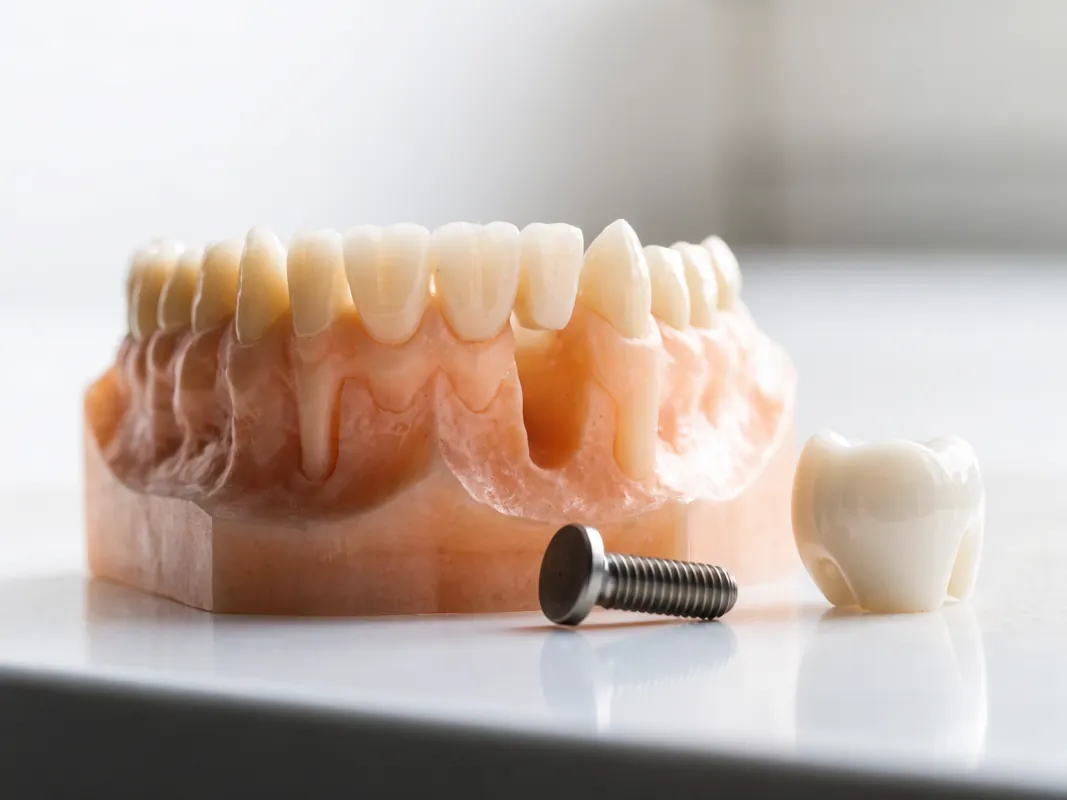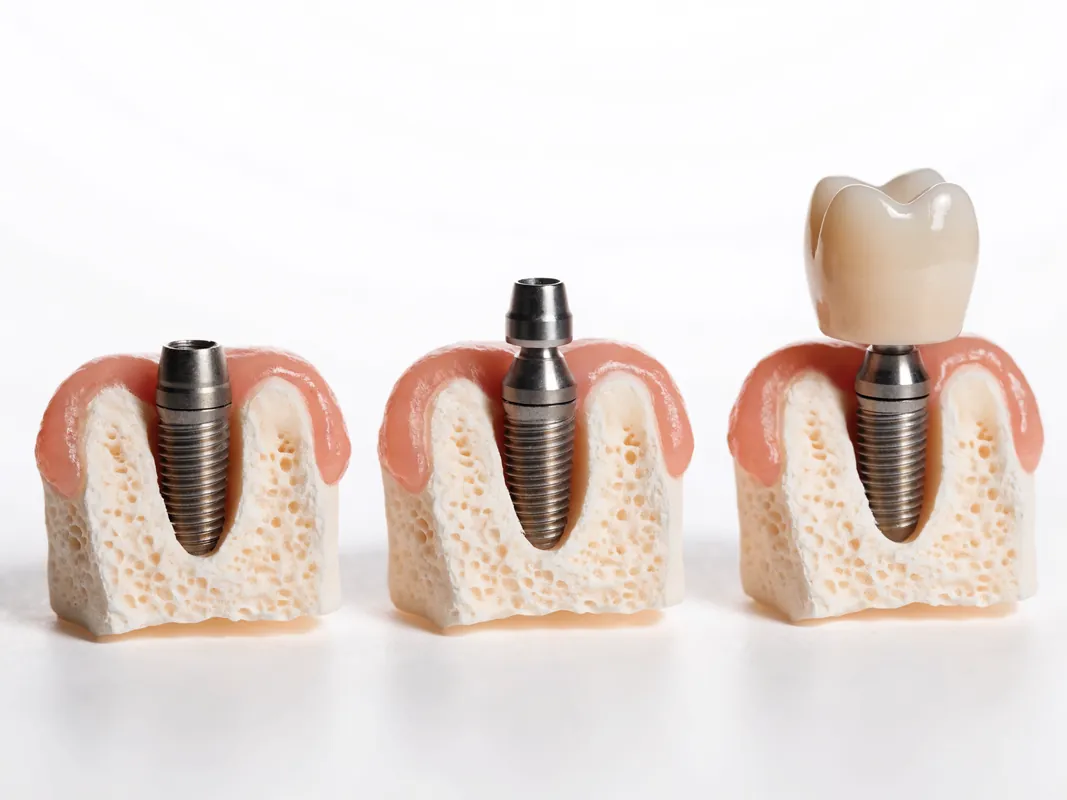
Dental treatment during pregnancy is not a single yes-or-no category. A small filling, a spreading infection, a broken tooth, periodontal care, an implant operation and cosmetic whitening raise different questions. Pregnancy stage, symptoms, obstetric history, medicines, allergies, the dental diagnosis, the proposed intervention and access to follow-up all matter. A useful plan begins with the clinical need and the person’s circumstances; it does not begin with a travel date or a sales package.
This guide is written for people in the United Kingdom who are pregnant, planning a pregnancy or comparing care after birth. It explains how to prepare for a dental assessment, which questions require coordination with maternity or medical professionals, and why urgent care and elective care should not be treated alike. It is educational information, not a diagnosis, a medicine instruction or a declaration that a particular procedure is suitable. No webpage, booking coordinator, photograph or remotely viewed X-ray can replace an examination and an individual discussion with the clinician who will be responsible.
WeCare is not the treating dental provider. Its limited role is enquiry and referral coordination and, only where separately agreed in writing, non-clinical travel logistics. The named clinic and named clinician must own examination, diagnosis, imaging justification, prescribing, consent, treatment, records, complaints and clinical aftercare. A maternity clinician, GP, pharmacist, anaesthetist or other professional retains responsibility for the part of care within that person’s competence. A coordinator cannot combine those roles or provide medical clearance.
This page deliberately gives no fixed pregnancy week, trimester, medicine list, postpartum countdown or travel approval. It also gives no promise that treatment abroad will be available after a remote review. The aim is to help a patient ask better questions, recognise when local help should come first and obtain a documented plan from accountable professionals.
Necessary care, not treatment promotion
Pregnancy is not a reason to ignore pain, infection, bleeding or trauma. It is also not a reason to convert every dental concern into a procedure. Necessary assessment and disease control should be distinguished from treatment that can reasonably wait and from treatment requested mainly for appearance. The distinction depends on diagnosis and patient priorities, not on the commercial label attached to a service.
Necessary care may include finding the cause of pain, controlling infection, stabilising a damaged tooth, managing disease that is progressing, reviewing persistent bleeding gums or dealing with injury. The responsible dentist should explain what may happen with treatment, what may happen if care is delayed, and whether a less invasive or temporary option could protect health until a later reassessment. Where uncertainty remains, the patient should be told what additional examination, imaging or professional input would reduce it.
Elective care includes a broad range of interventions, and “elective” does not mean worthless. It means that urgency, timing and alternatives can be discussed without pretending that a booking deadline is clinical necessity. A person may decide to postpone an appearance-led procedure, a complex reconstruction or implant surgery because the benefit of doing it now does not outweigh the added coordination, medicine, travel or follow-up burden. Another person may need restorative or periodontal treatment during pregnancy because postponement would allow disease to progress. Neither decision should be dictated by a generic website rule.
The no-treatment option should be described honestly. In some situations it means active monitoring with preventive care; in others it may allow pain, infection, fracture or tooth loss to worsen. “Wait until after the baby” is not a diagnosis and should not be used as a blanket answer. Equally, “dental care is permitted in pregnancy” does not establish that a particular extensive intervention is justified now. The named clinician should connect the recommendation to findings in this mouth, the pregnancy context and realistic follow-up.
UK patients should know that NHS maternity provisions may make NHS dental care available without the usual patient charge during pregnancy and for a qualifying period after birth when the required maternity exemption evidence is in place. Eligibility, availability and local access should be checked through current NHS information rather than assumed from this page. Comparing that local route is important before adding international travel to a health decision.
Urgency comes before elective planning or travel
Dental urgency is based on symptoms, progression and risk, not on whether someone already has a foreign consultation booked. A dental abscess needs urgent dental assessment because it does not resolve simply through waiting. Severe pain, facial or oral swelling, a bad taste associated with swelling, fever, difficulty opening the mouth, a broken or displaced tooth, significant trauma and bleeding that is difficult to control all deserve prompt professional triage. A pregnant person should tell the service about the pregnancy and relevant medical history, but should not delay contact while trying to obtain remote approval.
In England, a person who cannot access an urgent dentist can use NHS 111 for direction. Difficulty breathing, speaking or swallowing, swelling affecting the eye or vision, extensive mouth swelling, rapidly worsening illness, uncontrolled bleeding or another life-threatening concern may require 999 or A&E under NHS emergency criteria. Maternity symptoms such as vaginal bleeding, severe abdominal pain, reduced fetal movement, collapse or other concerns identified in the person’s maternity plan require the maternity or emergency route, even if dental symptoms are also present. A dental coordinator is not an emergency service.
Pain alone does not reveal the diagnosis. Decay, inflamed pulp, infection, cracked teeth, gum disease, jaw disorders, sinus disease and non-dental conditions can produce overlapping symptoms. Antibiotics are not a universal substitute for identifying and treating a dental source. The urgent clinician must decide what examination and immediate measures are appropriate, taking pregnancy, allergy, medicine and medical information into account.
Trauma also needs time-sensitive local assessment. The appropriate response differs for a chipped tooth, a displaced tooth, a tooth that has come out, a jaw injury or a soft-tissue wound. A remote image may help describe what happened, but it cannot assess all injuries, airway risk, bite changes or neurological signs. Do not organise a flight as a workaround for a condition that needs prompt local treatment.
Once the urgent problem is stabilised, remaining non-urgent needs can be reassessed. The person should receive a record of the diagnosis, imaging, treatment, prescribed or administered medicines and follow-up. Those records can support later planning, but they do not compel a later clinician to deliver a preselected procedure.
Urgent signs and emergency boundaries
Seek urgent dental advice for severe or escalating dental pain, suspected abscess, recurrent or spreading swelling, fever with an oral problem, significant gum bleeding, a fractured or displaced tooth, a lost permanent tooth, trauma affecting function, or bleeding after treatment that is not settling as instructed. Use the local service able to examine the problem. Pregnancy should be disclosed during triage so the team can take it into account.
Use emergency services when breathing, swallowing, speech, consciousness, vision or the airway may be affected; when swelling is extensive or rapidly spreading; when oral bleeding cannot be controlled with local measures; or when there is severe systemic deterioration. In England, NHS 111 can help direct urgent problems that are not immediately life-threatening, while 999 and A&E are for emergency criteria. Elsewhere, use the local emergency number and local healthcare system.
Contact the maternity unit, midwife, obstetric team or NHS 111 for pregnancy-related warning signs in line with the individual maternity plan. The dental and maternity pathways can run in parallel. A dentist should not claim to exclude an obstetric problem, and a booking coordinator should not interpret maternity symptoms.
Do not wait for an overseas clinic to reply before seeking urgent local care. Keep clinical contacts separate from general booking support. If later travel remains under consideration, ask the urgent clinician for a concise handover and ask the destination clinician to review it before any new commitment.
Pregnancy stage without blanket trimester rules
Pregnancy changes over time, but calendar labels do not replace a risk assessment. There is no universal “safe trimester” that automatically approves every dental procedure, and there is no trimester in which all necessary dental care must be refused. The clinical problem, procedure, pregnancy course, comfort, medicine needs, ability to position the patient and availability of follow-up matter together.
Early pregnancy can involve nausea, vomiting, uncertainty about dates, medication review and understandable concern about fetal development. Those factors may affect how a non-urgent appointment is scheduled, but they do not justify leaving infection or serious pain unassessed. Later pregnancy can bring physical discomfort, reflux, breathlessness or difficulty remaining in one position. Appointment length, breaks and chair position can be adapted by the clinical team according to the person’s comfort and medical needs; a website should not prescribe one position to everyone.
Some people have uncomplicated pregnancies. Others have hypertension, diabetes, a multiple pregnancy, placenta-related concerns, bleeding, anaemia, thromboembolic risk, severe vomiting, fetal concerns, a history of premature birth or other conditions that alter decisions about travel, medicines or treatment setting. The dental clinician should ask a focused question of the maternity team when obstetric information could change the plan. “Cleared by the doctor” is less useful than a documented answer to a specific question.
The purpose of timing is to balance a real dental need against foreseeable burdens and alternatives. A short necessary intervention may have a different balance from prolonged elective surgery. A treatment that can be completed and followed locally may have a different balance from one requiring flights and a complex handover. If the dental finding changes, the timing decision should be revisited rather than defended because travel is already paid for.
Patients should ask what evidence supports any proposed delay. Is the issue clinical necessity, medicine exposure, physical comfort, anaesthetic setting, obstetric status, travel, or simply provider availability? Ask what care will protect the tooth or control disease meanwhile, which symptoms require earlier review and who will reassess. A blanket trimester slogan does not answer those questions.
Preconception planning
Someone planning a pregnancy may benefit from an oral health review before conception, particularly if there is pain, active decay, gum disease, a complex restorative problem or a proposed course likely to require several stages. Preconception review can create time to diagnose disease, compare tooth-preserving options, update records and decide whether elective treatment should happen now, later or not at all. It is not a requirement to complete every possible procedure before trying to conceive.
Tell the dentist that pregnancy is planned and provide a complete health, medicine and allergy history. If pregnancy is possible at the time of imaging or prescribing, say so. Do not alter contraception, fertility treatment, supplements or prescribed medicine to fit a dental itinerary without the responsible professionals. Fertility treatment can involve time-sensitive appointments and medicines; the dental team should coordinate relevant questions without assuming access to private reproductive information beyond what is necessary.
A preconception plan should distinguish disease control from elective enhancement. Treating active periodontal disease, decay or infection is a different decision from starting an extensive cosmetic reconstruction. If implant or surgical care is discussed, ask about the full sequence, uncertainties, temporary restoration, maintenance and what happens if pregnancy begins between stages. A plan that depends on a rigid calendar may be unsuitable when conception timing cannot be predicted.
Consider local continuity. If treatment is provided abroad before pregnancy, who reviews healing and manages complications at home? Has a UK dentist agreed to participate, or has this simply been assumed? Obtain imaging, clinical notes, material and device identifiers, prescriptions and laboratory records. Pregnancy should not make records harder to access.
Preconception counselling should not make unsupported claims that dental treatment will improve fertility or guarantee a pregnancy outcome. Good oral health is worthwhile for the patient. Periodontal disease can be assessed and treated on its own merits. Associations in population research should not be converted into promises about conception, miscarriage, prematurity or birth weight for one person.

Named clinical ownership and maternity coordination
The patient should know who is doing what. The named dentist owns the dental examination, diagnosis, options, imaging request, dental prescribing, consent and treatment within that clinician’s competence. A midwife, GP or obstetric professional owns maternity or medical decisions within that professional’s role. A pharmacist may advise on medicine use. An anaesthetist owns anaesthetic assessment where sedation or general anaesthesia is being considered. A coordinator may help messages reach the right party but cannot provide clinical approval.
Coordination should be proportionate. A routine dental assessment does not automatically require a letter from maternity care. Conversely, a complex pregnancy, significant medical condition, uncertain medicine history, proposed procedure with systemic implications or planned anaesthetic service may justify direct professional communication. With the patient’s permission, the dentist should explain the dental question clearly so the maternity team can respond to something meaningful.
Useful questions may include whether a current medical condition affects the proposed setting, whether a medicine is being used for a reason relevant to bleeding or infection, whether recent pregnancy complications affect travel, or whom to contact if the procedure changes eating or medicine routines. The response should be recorded. A vague stamp saying “fit for dental treatment” transfers neither responsibility nor clinical judgement.
The destination provider must not imply that a UK clinician has endorsed a treatment plan unless that endorsement is real, specific and documented. A UK GP or midwife should not be presumed to supervise a procedure designed abroad. The patient can authorise necessary information exchange, but the destination dentist remains responsible for deciding whether to proceed after an examination.
Ask for direct clinical contact rather than relying only on a sales chat. Check the clinic’s legal identity, physical address, regulator or licensing authority, the clinician’s registration, indemnity arrangements, complaint route and record-access process. Provider verification is particularly important when care crosses borders, but it does not prove suitability for an individual treatment.
Medicines, allergies and no self-adjustment
Provide a current list of prescribed medicines, injections, over-the-counter products, vitamins, supplements and relevant recent changes. Include what each item is for, known allergies, previous reactions and any difficulty swallowing tablets or keeping medicines down because of nausea. Mention anticoagulant or antiplatelet therapy, diabetes treatment, anti-sickness treatment, mental-health medicine, immune-modifying therapy and any other significant medical treatment without trying to interpret it yourself.
Do not stop, start, skip or change any medicine because of this guide, a coordinator’s message or a travel schedule. The prescriber or clinician responsible for the medicine must consider the indication, pregnancy stage, dose, duration, interactions, allergy history and the consequences of untreated pain or infection. If a dental prescriber proposes a medicine, ask why it is needed, what alternatives exist, how it interacts with current treatment, what instructions apply and whom to contact about a reaction.
Medicine safety cannot be reduced to an old pregnancy category, a social-media list or the statement that a drug is “commonly used”. Different formulations and routes matter. A medicine may be reasonable for one indication and inappropriate for another. Prescribing guidance changes, which is why UK dental professionals should use current BNF-linked information, SDCEP prescribing resources and Specialist Pharmacy Service guidance rather than a static promotional page.
Allergy history should be precise. Record the medicine or substance, the reaction, when it occurred and whether it was formally assessed. Nausea or an expected side effect is not necessarily an allergy, while breathing difficulty, facial swelling or a severe skin reaction may have different significance. The clinical team should clarify uncertainty rather than casually removing an allergy label or ignoring it.
If vomiting, reduced intake or a dental procedure may affect usual medicine routines, the dental and maternity or medical teams should agree an individual approach. The patient should receive written instructions from the responsible professionals. A cross-border itinerary should contain enough flexibility for a procedure to be postponed if medicine or health information is incomplete.
Radiography must be justified
A dental radiograph should answer a clinical question and be justified by the responsible practitioner. Pregnancy should be disclosed where relevant, but it should not trigger an automatic imaging ban or an automatic scan. The practitioner should consider whether the image is needed now, whether an existing suitable image is available, whether another approach can answer the question, and how exposure will be kept as low as reasonably practicable while obtaining diagnostic information.
UKHSA patient information explains that, when the clinical benefit clearly outweighs the small radiation risk, a medical imaging examination may proceed after options are discussed. Guy’s and St Thomas’ NHS Foundation Trust explains that the dental X-ray beam is not directed at the developing baby and that needed dental radiographs can be taken in pregnancy. These statements support justified care; they are not a promise that every image requested by a package is necessary.
Ask who is the referrer, who justifies the exposure, who operates the equipment, who interprets the image and whether a written report is produced. Ask what question a panoramic image, small intra-oral image or three-dimensional scan is meant to answer. Different imaging types have different fields, information and exposure. More images are not automatically better, and a remote coordinator should not select a scan merely because it is part of a standard workflow.
Do not use an invented numerical comparison to dismiss a patient’s concern. A useful consent discussion explains purpose, expected information, relevant alternatives and what could happen if imaging is delayed. Protective practices should follow current law, equipment, professional guidance and the justified examination; a marketing page should not prescribe accessories as a universal ritual.
If an image is taken, request a copy in a usable format and the associated report or clinical interpretation. Record the date and provider. Repeating imaging solely because records were not transferred is avoidable. Existing imaging still needs to be current and adequate for the question, so possession of an old scan does not guarantee that no further exposure will be justified.
Local anaesthesia, pain relief and antibiotics
Local anaesthesia, analgesia and antimicrobial prescribing are three separate decisions. None should be selected by a coordinator. The dentist must decide whether anaesthesia is required for the procedure, review the person’s medical and medicine history, select an appropriate product and amount, monitor the patient and document what was administered. A maternity or medical professional should be involved when the individual context creates a question outside the dentist’s competence.
Pain relief should follow an individual assessment. The Specialist Pharmacy Service notes that untreated or inadequately treated significant pain can itself have adverse effects, while medicine choice in pregnancy must consider fetal risk and the person’s circumstances. The patient should not combine products, borrow medicine, use leftover prescriptions or exceed labelled or prescribed instructions. If pain is severe, persistent or linked to swelling, fever, trauma or loss of function, clinical assessment is more important than repeatedly changing pain relief.
Antibiotics do not repair a fractured tooth, remove decay, drain every abscess or complete root canal treatment. They should be prescribed only when the responsible clinician identifies an indication under current guidance and reviews allergy, interaction and pregnancy information. Ask what source control or definitive dental treatment is planned, what response is expected, and what signs mean the condition is worsening. A generic antibiotic list on a tourism page is not personalised prescribing.
If a medicine reaction, worsening swelling, breathing difficulty, severe diarrhoea, fainting or other concerning symptom occurs, follow the written clinical instructions and use urgent or emergency services as appropriate. Do not wait for a general customer-service chat. Bring or communicate the names of medicines already used so the treating team can avoid duplication and identify possible interactions.
The clinical record should identify the medicine, formulation, route, amount, reason, instructions and prescriber where relevant. That record should travel with the patient if another professional takes over. The destination clinician should independently review it rather than assume that a previous prescription approves a planned procedure.
Sedation and general anaesthesia require a separate decision
Local anaesthesia, conscious sedation and general anaesthesia are not interchangeable. They differ in consciousness, monitoring, airway implications, staffing, recovery and treatment setting. A person asking for help with dental anxiety should not be moved automatically toward deeper sedation, and pregnancy should not be treated as a simple checkbox in a package.
Begin with the dental need, anxiety history, communication preferences and possible non-pharmacological support. A calmer environment, explanation, agreed stop signal, shorter appointment, breaks or staged care may help some people. These options do not eliminate the need for pain control or appropriate treatment, but they allow the team to avoid assuming that pharmacological sedation is the only route.
If sedation is considered, the appropriately trained clinician must assess the pregnancy and medical context, medicines, fasting instructions if any, escort and recovery needs, monitoring, emergency arrangements and whether the proposed setting has the required staff and facilities. Any question that affects maternity care should be discussed with the relevant team. Consent must cover the planned technique and realistic alternatives.
General anaesthesia is a distinct medical service requiring anaesthetic assessment and a suitable facility. It should not be presented as an optional upgrade for convenience. The anaesthetist and procedural clinician must decide whether the dental need, timing, alternatives and patient circumstances justify it. A coordinator cannot promise that the service will proceed based on a questionnaire.
Travel after sedation or anaesthesia creates additional questions about recovery, escort, fitness to fly, access to complications and insurer terms. Obtain case-specific instructions from the responsible clinicians and transport provider. Do not infer a universal waiting period from this page.

Pregnancy-related gum changes and periodontal care
Hormonal changes during pregnancy can alter the way gum tissues respond to plaque, so soreness, swelling and bleeding may become more noticeable. Bleeding gums are not something to diagnose from a photograph. The dental team should assess plaque-related gingival inflammation, periodontitis, local lesions, trauma and other possible causes. Persistent or severe bleeding deserves review rather than reassurance alone.
SDCEP periodontal guidance tells clinicians to reassure patients that periodontal treatment can be provided during pregnancy. The European periodontal consensus reports that non-surgical periodontal therapy improves the periodontal condition, while trial evidence does not show that it reliably prevents preterm birth or low birth weight. Periodontal treatment treats an oral condition; it should not be sold as a way to guarantee a birth outcome.
Assessment can include gum inflammation, bleeding, deposits, pocketing, tooth mobility, oral hygiene, smoking or nicotine exposure, diabetes and previous periodontal history. The clinician should explain the diagnosis and whether professional cleaning, personalised hygiene support, non-surgical periodontal care or referral is appropriate. Follow-up should be based on need, not on a universal pregnancy schedule.
A localised gum enlargement can occur during pregnancy and may have several possible diagnoses. Do not cut, medicate or dismiss it based on a remote image. The clinician should assess size, trauma, bleeding, oral hygiene and whether referral or biopsy is needed. Some lesions can be managed conservatively and reassessed, while concerning features require a different pathway.
Tooth preservation remains important. Periodontal symptoms do not mean that teeth should automatically be extracted and replaced with implants. Ask about disease control, prognosis, maintenance and reasonable alternatives. Any later implant discussion should wait for a complete diagnosis and a stable, maintainable oral environment rather than being used as the first answer to bleeding gums.
Nausea, vomiting, reflux and enamel erosion
Pregnancy sickness, hyperemesis and reflux can expose teeth to stomach acid and make brushing difficult. Repeated acid exposure may contribute to erosion, sensitivity and changes in appearance. Frequent snacking or sweet drinks used to manage nausea may also alter decay risk. These problems deserve practical support without blaming the patient.
After vomiting, rinsing can help clear acid. Avoid immediately scrubbing softened tooth surfaces; NHS local oral-health resources advise allowing time before brushing. A dentist can give personalised preventive advice based on symptoms, erosion, fluoride exposure and the person’s ability to tolerate products. Severe or persistent vomiting, dehydration, inability to keep fluids or medicines down, weight concerns or other maternity symptoms require contact with the maternity or medical team, not just a dental product recommendation.
The dental clinician should ask about frequency and duration of vomiting or reflux, sensitive areas, diet, brushing tolerance and previous erosion. Examination can distinguish erosion from decay, abrasion, cracked teeth and other causes of sensitivity. Photographs may document appearance but cannot provide the whole assessment.
Advice should be realistic. A smaller brush head, a different time of day, a tolerable toothpaste flavour and gradual return to normal cleaning may be more useful than insisting on a perfect routine during severe nausea. Any mouthwash or higher-fluoride product should be discussed in the context of the person’s existing regimen and clinical need rather than added automatically.
Restorative decisions for eroded teeth depend on severity, symptoms, ongoing acid exposure and function. Controlling the cause and protecting remaining tissue usually come before appearance-led reconstruction. A complex veneer or crown plan should not be sold as the immediate answer while vomiting or reflux remains active and unassessed.
Daily prevention and nutrition
General UK oral-health advice supports brushing twice daily with fluoride toothpaste, spitting rather than rinsing immediately, cleaning between teeth using an appropriate method and limiting the frequency of sugary foods and drinks. Individual dexterity, nausea, gum tenderness, appliances and existing disease can affect how that advice is put into practice. The dental team should tailor technique rather than simply tell someone to brush harder.
Pregnancy does not cause tooth decay by itself. Decay develops through interactions between plaque bacteria, fermentable carbohydrate exposure, tooth susceptibility, fluoride and time. Pregnancy can change eating patterns, nausea, vomiting, saliva, energy and self-care, which may alter risk. Explaining those pathways is more helpful than repeating myths about a baby taking calcium from the teeth.
Nutrition advice should stay within professional competence. A dentist can discuss the dental effects of frequent sugar or acidic drinks and suggest practical oral-health changes. A midwife, dietitian, GP or obstetric team should manage broader nutritional needs, supplements, gestational diabetes, weight or severe sickness. Dental advice must not conflict with maternity instructions.
Smoking, vaping, nicotine, alcohol and substance use should be discussed sensitively because they can affect oral and general health. The patient should be offered appropriate evidence-based support through local services. A destination clinic should not promise that a brief product or procedure can offset those exposures.
Preventive care includes an appropriate recall interval, professional periodontal care when indicated, management of decay risk and review of symptoms. NICE says oral-health advice should be tailored to individual needs, and review intervals should reflect disease and risk. Pregnancy alone does not generate one recall calendar for everyone.
Treatment types and clinical necessity
An examination may lead to preventive advice, professional cleaning, periodontal care, a filling, temporary restoration, root canal treatment, extraction, repair of a broken restoration, management of trauma or another option. The choice depends on diagnosis, prognosis, symptoms, pregnancy and medical information, consent and the ability to provide aftercare. Naming a procedure before assessment reverses the proper order.
For decay or a damaged restoration, ask how much healthy tooth tissue remains, whether the pulp is affected, what materials and techniques are being considered and what happens if care is delayed. A temporary measure may sometimes stabilise a problem, but it should have a purpose, review plan and explanation of limitations. “Temporary” must not become indefinite care without reassessment.
For root canal treatment, ask what diagnosis supports it, what imaging is needed, whether the tooth is restorable, who will complete the definitive restoration and how pain or infection will be reviewed. The possibility of retaining the tooth should be compared with extraction and with no immediate replacement. No remote scan can guarantee that a tooth is treatable.
Extraction may be necessary for some teeth, but pregnancy is not an indication for extraction. The dentist should explain why retention is not reasonable, the foreseeable risks, pain control, bleeding plan, aftercare and replacement options. Immediate implant placement is a separate elective surgical decision, not an automatic extension of extraction. Deferring implant discussion does not mean deferring treatment of urgent disease.
Restorative materials and techniques should be discussed without brand marketing or categorical claims. The patient needs to know what is proposed, why, material alternatives, likely maintenance, material risks and cost. If a plan changes after direct examination, consent and quotation should be updated before treatment.
Cosmetic and elective care
Whitening, appearance-led veneers, elective implant surgery and extensive smile redesign often have more scheduling flexibility than treatment for pain, infection or progressive disease. That flexibility permits a careful comparison of postponement, local care and no treatment. It does not require a universal rule that every cosmetic procedure must happen at a particular pregnancy or postpartum date.
Ask what problem the procedure is intended to solve. Discolouration may have several causes. A chipped tooth may be managed in different ways. Missing teeth may be observed, replaced with a removable or tooth-supported option, or considered for implant treatment later. A cosmetic label should not hide irreversible tooth preparation, surgery, medicine use or ongoing maintenance.
Whitening and cosmetic products can vary in composition and regulatory status. A clinician should review oral health first and explain the evidence, uncertainties and alternatives. Do not buy unverified products or use an overseas booking as a substitute for clinical advice during pregnancy.
Implant planning requires assessment of periodontal health, bone, soft tissue, the missing-tooth space, bite, medical history, medicines, smoking or nicotine exposure, restorative design and long-term maintenance. Pregnancy adds coordination and timing questions, but the more basic question remains whether an implant is indicated at all. No package description can answer that remotely.
If elective care is postponed, ask what maintenance or interim treatment is needed, which symptoms should trigger review and when reassessment should occur based on clinical need rather than an arbitrary countdown. The patient should not be pressured with expiring discounts or claims that postponement will inevitably make care impossible.
Consent, capacity and privacy
Valid consent is a conversation and decision process, not a signature at the end of a sales call. GDC Principle 3 requires UK dental professionals to explain relevant options and possible costs, check understanding, document the discussion and keep consent valid as care proceeds. A provider outside the UK follows the law and regulator of its jurisdiction, but these standards provide useful questions when comparing care.
Pregnancy does not remove a person’s decision-making authority. Capacity is decision-specific and should not be assumed absent because someone is pregnant, anxious, in pain or accompanied by a partner. Information should be presented in a form the person can understand, with an interpreter when needed. Pressure, coercion, untreated severe pain, sedating medicine or acute illness can affect the quality of a decision and may require time, support or a different approach.
Consent should cover diagnosis, purpose, reasonable alternatives, material risks, possible benefits, uncertainties, costs, aftercare and what may change. The option to postpone or decline should be real. If direct examination changes the plan, the clinician must explain the new findings and obtain consent again rather than relying on a form signed online.
Health information about pregnancy, medicines and dental history is sensitive. Ask which legal entity controls it, why each item is needed, who receives it, where it is stored, how long it is retained and how to obtain or correct records. Do not send maternity notes, identification or detailed medical information to an unidentified personal account. Share only what is relevant through an appropriate channel.
GDC Principle 4 expects complete, accurate and confidential records from UK registrants, including current medical history, radiographs, consent discussions, referrals and laboratory information where available. The destination provider should explain its own record obligations. A patient should be able to obtain a useful handover without surrendering privacy.
Records and an itemised quote
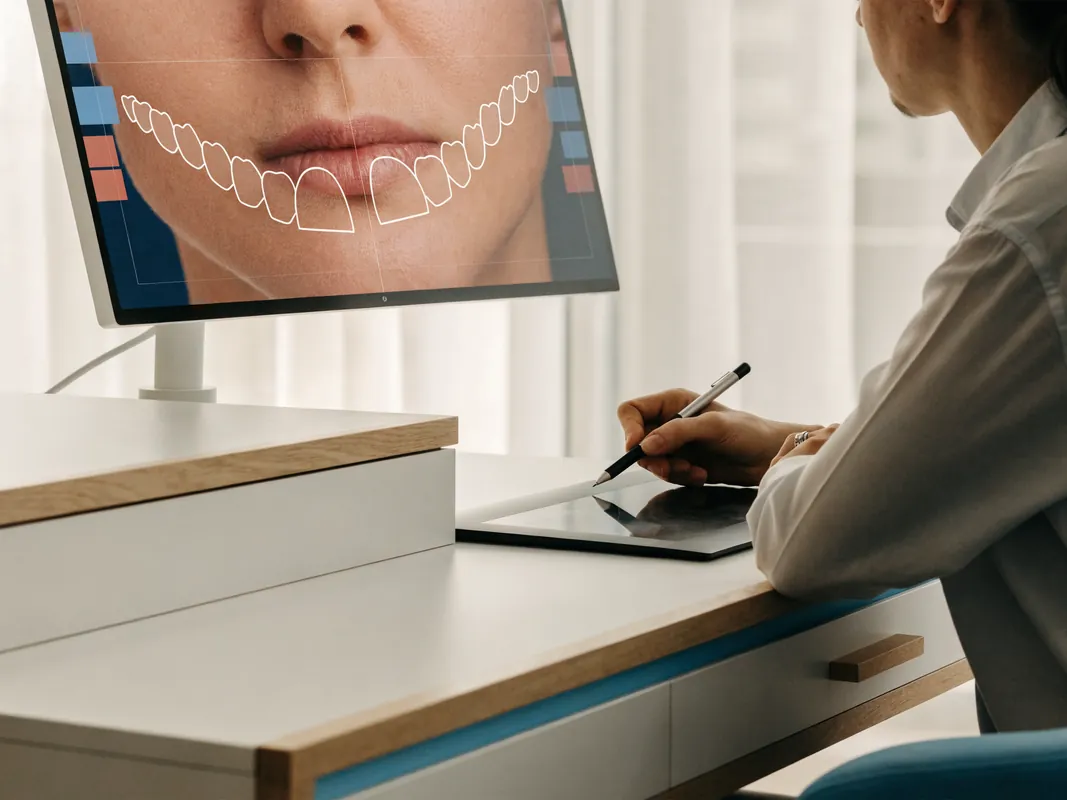
Prepare a concise, current record rather than a collection of unlabelled screenshots. Useful information may include estimated pregnancy stage and due date, maternity contact details, relevant obstetric or medical conditions, medicines and supplements, allergies and reactions, previous anaesthetic or medicine problems, dental symptoms, treatment history, available images and the contact details of a local dentist. Unknown facts should be marked as unknown rather than guessed.
Ask the named clinician what information is actually needed. A focused request protects privacy and improves interpretation. If maternity input is sought, the patient should know the question and consent to the exchange. Keep copies of what was sent and received.
A written clinical plan should name the clinic and responsible clinician, state the diagnosis, identify proposed and alternative care, describe stages, list material or device information where relevant, explain foreseeable changes, set out aftercare and identify urgent contacts. It should distinguish a provisional remote view from a final plan after examination.
An itemised quote should separate assessment, imaging, preventive or periodontal care, temporary treatment, definitive restoration, surgery, laboratory work, medicines where charged, reviews and maintenance. Travel, accommodation, transport and companion services should be separate non-clinical lines with their own supplier and cancellation terms. A bundled total makes it harder to understand what changes if treatment does not proceed.
Ask what happens if pregnancy status, medical advice or examination findings require postponement or a different procedure. Read deposit, cancellation, refund, complaint and currency terms. Any commercial remedy clause has conditions and exclusions; it is not a biological outcome promise and does not replace local urgent care.
After treatment, request clinical notes, images, prescriptions, administered medicine and anaesthetic details, material or device identifiers, laboratory documents, invoice, aftercare instructions and the direct complaint route. Give the local dentist enough information to decide whether they can help. Do not assume that a UK dentist is obliged to take over work planned elsewhere.
Travel, flying, insurance and the no-travel option
Dental tourism during pregnancy adds risks and dependencies that local treatment does not: flight eligibility, pregnancy complications away from the maternity team, thromboembolic risk, access to emergency care, recovery after a procedure, medicine continuity, insurer exclusions and handover after return. Those factors do not prove that travel is never possible, but they must be assessed separately from whether dental treatment is clinically indicated.
RCOG says occasional air travel is not harmful in an uncomplicated pregnancy, while also emphasising individual history, blood-clot risk, destination healthcare, airline rules and insurance. Airline documentation and gestational policies vary and can change. The patient should check the carrier directly and discuss relevant travel questions with the maternity team. A dental clinic cannot authorise carriage on behalf of an airline.
Insurance should be checked in writing. Does the policy cover pregnancy-related care at the destination, complications of planned dental treatment, cancellation after medical advice, additional accommodation, a companion, newborn care if circumstances change and repatriation? Do not assume ordinary holiday insurance covers elective treatment or its complications. A marketing statement from a provider is not an insurer’s acceptance of a claim.
The no-travel option must remain visible. Ask what assessment and care are available through an NHS or private dentist near home, whether urgent disease can be stabilised locally and whether elective planning can wait. Local care may make clinical and practical sense even if a foreign quote is lower. The comparison should include travel, time away, aftercare, complaint jurisdiction and remedial access rather than headline treatment price alone.
If travel is still considered, keep the itinerary flexible until the named clinician has reviewed current information. Identify healthcare facilities at the destination and an appropriate local dentist after return. Carry medicines and maternity information according to professional and airline advice. Do not travel to protect a deposit when health changes or a clinician advises reassessment.
Flights, hotel rooms and transfers do not confirm clinical suitability. WeCare may coordinate non-clinical logistics only where the written agreement identifies the supplier, dates, route, inclusions, exclusions and cancellation terms. Those services remain separate from the treating clinic’s responsibilities.
Postpartum recovery and breastfeeding are different questions
Birth does not produce an automatic dental green light on a fixed date. Recovery differs after an uncomplicated vaginal birth, assisted birth, caesarean birth, major bleeding, hypertensive disorder, infection or another complication. Sleep, pain, mobility, childcare, emotional health, anaemia, thrombosis risk and ongoing maternity care may affect whether elective treatment or travel is sensible. The dental and maternity professionals should address the actual circumstances.
Breastfeeding is a separate clinical question from pregnancy and from postpartum recovery. A person may breastfeed for different durations, combine feeding methods or not breastfeed. Medicine advice after birth depends on the medicine, dose, route, infant factors and the parent’s clinical need; it should not be reduced to a generic waiting period or an instruction to interrupt feeding.
Tell the dentist about current feeding, medicines, allergies and birth complications. If a prescription or anaesthetic question arises, the clinician can use current Specialist Pharmacy Service or other authoritative lactation resources and seek pharmacy input. Do not discard milk or change feeding because of an unverified online instruction.
Postpartum dental needs may include completing care started during pregnancy, reassessing temporary restorations, managing gum disease, reviewing erosion after vomiting, treating decay, planning elective restoration or simply returning to preventive care. Each should be prioritised on its own merits. A cosmetic “post-baby smile” label should not shortcut diagnosis, consent or recovery.
Travel after birth also needs separate consideration. Maternity recovery, infant needs, travel documentation, infection exposure, insurance and access to care can matter. A parent should not be pressured to travel before they feel ready or before relevant clinicians consider it reasonable. Local assessment remains an option.
Questions to ask before agreeing to care
Use these questions with the named professionals and keep important answers in writing:
- What is the dental diagnosis, and what examination or imaging supports it?
- Is this urgent, necessary but non-urgent, or elective, and what happens if I wait?
- What tooth-preserving, temporary, local and no-treatment alternatives exist?
- Who is the named dentist responsible for diagnosis, prescribing, consent and treatment?
- What is the clinic’s legal identity, regulator, complaint route and indemnity position?
- Does my pregnancy or medical history create a focused question for my midwife, GP or obstetric team?
- Who will ask that question, with my permission, and how will the answer be documented?
- Why is each radiograph needed, who justifies it and will I receive the image and report?
- What local anaesthesia or other anaesthetic service is proposed, and who assesses and monitors it?
- If a medicine is proposed, what is its indication, what interactions and allergies were checked, and whom do I contact about a reaction?
- What findings might change the plan after direct examination?
- What records and health information are required, who controls them and how are they protected?
- What follow-up requires an examination rather than a photograph or message?
- Has a local dentist actually agreed to help, and what records will they need?
- What symptoms require the clinic, an urgent local dentist, NHS 111, maternity care or 999?
- What is itemised in the clinical quote, and which travel services are separate?
- What happens to deposits and travel costs if the clinical plan changes or care is postponed?
- Why is travel preferable to the local and no-travel options in my circumstances?
Answers should acknowledge uncertainty. A clinician who has not examined the patient should not promise a final procedure, medicine or outcome. A coordinator who cannot identify the responsible clinic and clinician should not receive sensitive records or payment for clinical care.
Pregnancy dental planning checklist
Before making an irreversible decision, check the following:
- Urgency: Pain, infection, swelling, bleeding and trauma have been triaged locally without waiting for travel.
- Diagnosis: The proposed treatment follows an examination and justified investigations rather than a package template.
- Provider identity: The named clinic and named clinician have been independently verified where possible.
- Role separation: I understand that WeCare's role is limited to enquiry coordination and any separately written logistics; it does not diagnose or treat.
- Pregnancy information: Relevant stage, maternity history and current concerns are accurately recorded without unnecessary disclosure.
- Medicines and allergies: The clinical team has a current list and no change has been made from webpage advice.
- Coordination: Any maternity or medical question is specific, consented and documented.
- Radiography: Each image has a clinical purpose, a responsible practitioner and a record I can obtain.
- Anaesthesia: Local anaesthesia, sedation and general anaesthesia have not been treated as interchangeable services.
- Options: Necessary, temporary, tooth-preserving, elective, postponed and no-treatment options have been compared.
- Consent: Material risks, potential benefits, uncertainty, costs and plan changes have been discussed without pressure.
- Privacy: I know who controls my health information and how I can access it.
- Quote: Clinical items and non-clinical travel services are separated in writing.
- Aftercare: A realistic local and destination plan exists, with direct clinical contacts.
- Travel: Airline, maternity, destination-care and insurance questions have been checked independently.
- Emergency route: I know when to use the clinic, a local dentist, NHS 111, maternity services, A&E or 999.
- Postpartum: Recovery and breastfeeding will be assessed as separate issues rather than by a fixed countdown.
If several items remain unclear, pause before paying or booking travel. Resolving uncertainty may lead to local care, staged care, postponed elective care or no procedure. A responsible assessment is valuable even when it does not produce a sale.
Sources and review dates
Guidance and medicine information change. Clinicians should check current versions and the law and professional rules in the jurisdiction where care is provided. The following sources informed this guide:
- NHS dental abscess guidance, page last reviewed 18 March 2026 and accessed 29 August 2026: urgent dental assessment, NHS 111 access and 999/A&E emergency boundaries. https://www.nhs.uk/conditions/dental-abscess/
- NHS England clinical guidance on unscheduled urgent and non-urgent dental care, first published 1 May 2025, page updated 16 May 2025 and accessed 29 August 2026: pain, infection, trauma, bleeding, triage and escalation categories. https://www.england.nhs.uk/long-read/clinical-guidance-unscheduled-urgent-and-non-urgent-dental-care/
- NHS maternity care and benefits information, accessed 29 August 2026: maternity exemption and NHS dental-care eligibility during pregnancy and after birth. https://www.nhs.uk/pregnancy/finding-out/nhs-maternity-care-and-benefits-when-you-are-pregnant/
- NHS X-ray information, accessed 29 August 2026: purpose of X-rays and the need to tell the healthcare professional about pregnancy, medicines and allergies. https://www.nhs.uk/tests-and-treatments/x-ray/
- Guy's and St Thomas' NHS Foundation Trust dental X-ray guidance, last reviewed December 2025 and accessed 29 August 2026: dental imaging in pregnancy, diagnostic need and minimising exposure. https://www.guysandstthomas.nhs.uk/health-information/dental-x-rays
- UKHSA-supported medical imaging patient guidance, accessed 29 August 2026: pregnancy questions, benefit-risk discussion and keeping fetal exposure as low as possible. https://www.gov.uk/government/publications/medical-imaging-what-you-need-to-know/medical-imaging-what-you-need-to-know--2
- SDCEP periodontal guidance on pregnancy, accessed 29 August 2026: pregnancy-related periodontal changes, assessment and periodontal treatment. https://www.periodontalcare.sdcep.org.uk/guidance/managing-disease/systemic-conditions/pregnancy/
- SDCEP Drug Prescribing for Dentistry, current website aligned with BNF 91 for March to September 2026 and accessed 29 August 2026: current dental prescribing and interaction resources. https://www.sdcep.org.uk/published-guidance/drug-prescribing/
- SPS Medicines in dentistry resources, published 10 July 2026 and accessed 29 August 2026: current UK resources for dental medicines, pregnancy, breastfeeding and local-anaesthetic interactions. https://www.sps.nhs.uk/articles/medicines-in-dentistry-resources-to-support-clinical-decisions/
- SPS pain treatment during pregnancy, updated 3 April 2025 and accessed 29 August 2026: individual risk assessment, non-pharmacological measures and pregnancy-specific prescribing principles. https://www.sps.nhs.uk/articles/pain-treatment-during-pregnancy/
- NICE NG30 oral health promotion in general dental practice, published 15 December 2015 and accessed 29 August 2026: tailored oral-hygiene, fluoride and diet advice. https://www.nice.org.uk/guidance/ng30/chapter/recommendations
- NICE CG19 dental checks, accessed 29 August 2026: individual risk-based oral-health review intervals and shared discussion. https://www.nice.org.uk/guidance/cg19/chapter/recommendations
- EFP and AAP consensus report on periodontitis and adverse pregnancy outcomes, published 2013 and accessed 29 August 2026: periodontal therapy improves periodontal condition but does not reduce overall preterm-birth or low-birth-weight rates. https://aap.onlinelibrary.wiley.com/doi/10.1902/jop.2013.1340016
- RCOG air travel and pregnancy information, published 2016, updated January 2026 and accessed 29 August 2026: individual pregnancy assessment, blood-clot considerations, airline rules, destination care and insurance. https://www.rcog.org.uk/for-the-public/browse-our-patient-information/air-travel-and-pregnancy/
- GDC Principle 2, Communicate effectively with patients, accessed 29 August 2026: written plans, costs, referrals, complaints and emergency arrangements. https://standards.gdc-uk.org/pages/principle2/principle2
- GDC Principle 3, Obtain valid consent, accessed 29 August 2026: options, risks, potential benefits, costs, understanding and continuing consent. https://standards.gdc-uk.org/pages/principle3/principle3
- GDC Principle 4, Maintain and protect patients' information, accessed 29 August 2026: current medical history, complete records, confidentiality and access. https://standards.gdc-uk.org/pages/principle4/principle4
- GDC, Going abroad for dental treatment, accessed 29 August 2026: provider checks, treatment questions, records, aftercare, complaints and financial planning. https://www.gdc-uk.org/standards-guidance/information-for-patients-public/going-abroad-for-dental-treatment
The sources have different scopes. NHS, UKHSA, NICE, SPS, SDCEP, RCOG and GDC material relates to UK care or professional expectations; EFP/AAP is an international periodontal consensus. They support assessment, coordination and informed choice, not a universal approval for a procedure or journey. The patient, named dental clinician and relevant maternity or medical professionals must make case-specific decisions using current information.