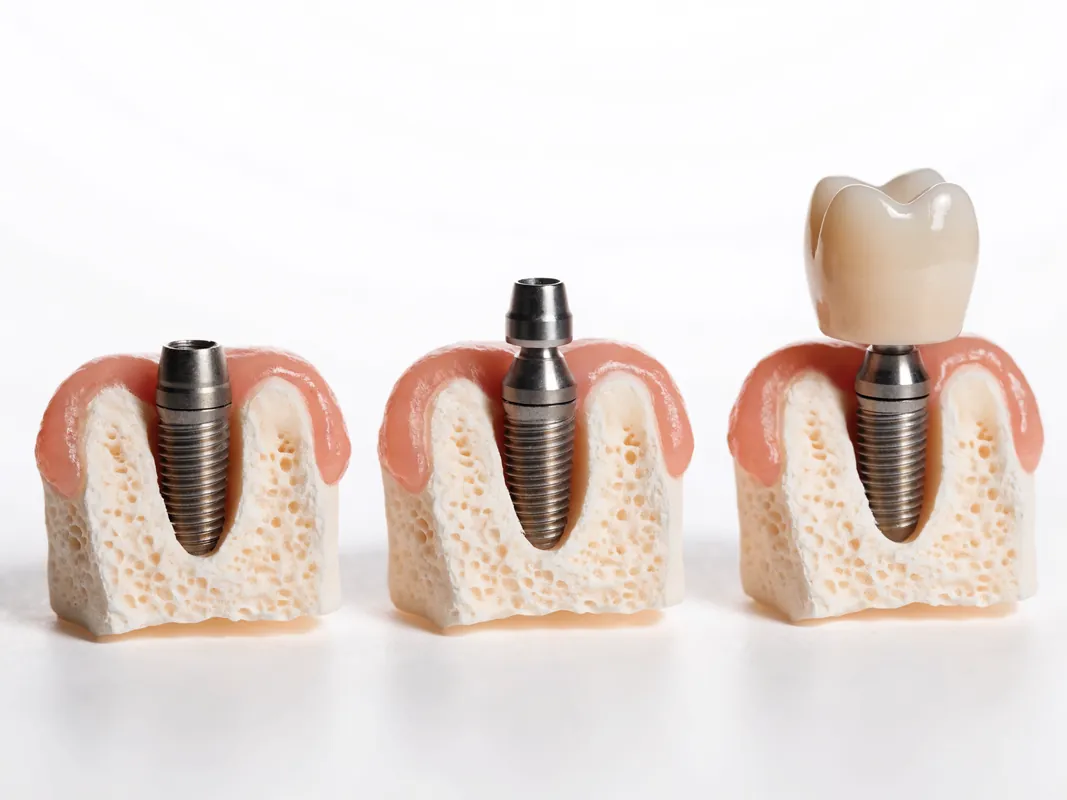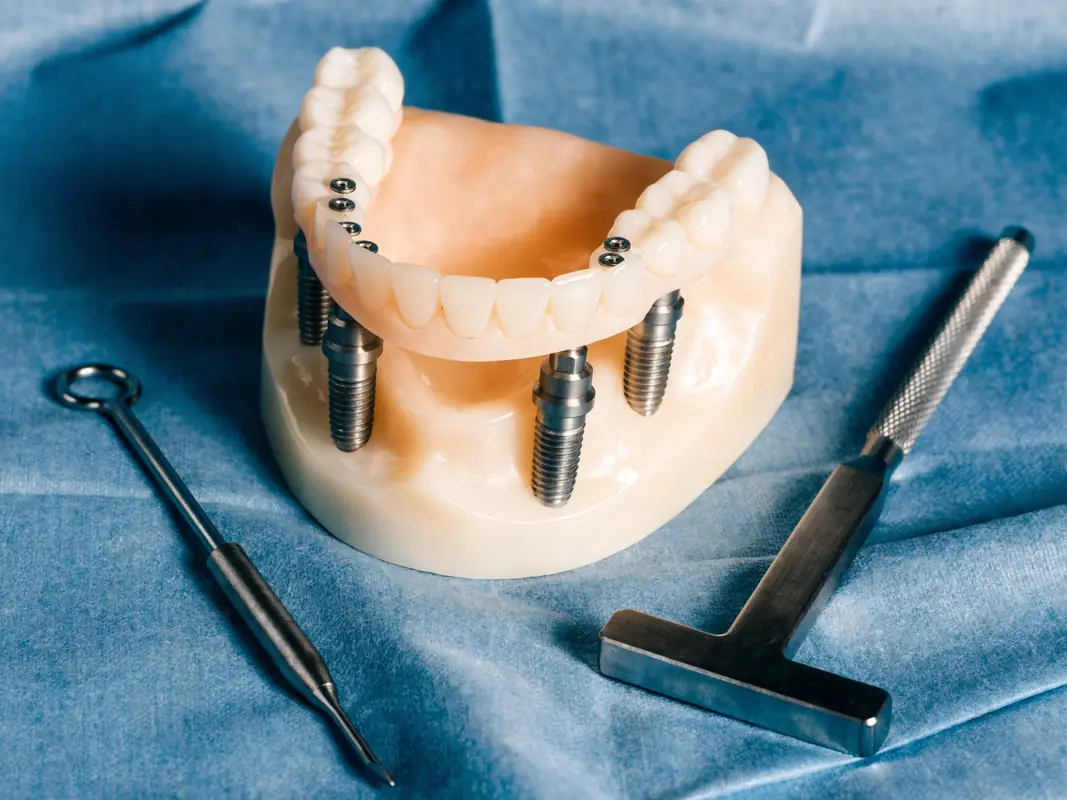
Choosing a dental clinic in Turkey should begin with evidence that can be checked before money or travel makes the decision feel irreversible. A polished website, a persuasive coordinator, a high review score and an attractive total can help a patient discover an option, but none identifies the legal treatment provider, proves that the proposed treatment is suitable, or explains who will own care after the patient returns home.
This guide does not rank, endorse or recommend a clinic. It is a staged pre-deposit verification workflow, not a shortlist, diagnosis or declaration that treatment in one country is safe or unsafe as a category. It helps a patient collect comparable answers from several candidates, identify gaps, and decide whether the evidence is strong enough to proceed, pause, seek a second opinion, choose local care, or choose no treatment for now.
The workflow has a deliberate order. First identify the legal provider and the people who would make clinical decisions. Then verify the facility's current international health-tourism authorisation and the clinician's professional position. Only after identity checks should the patient compare diagnosis, tooth-preservation reasoning, alternatives, consent, quote, traceability, records, aftercare and complaint terms. Convenience and travel can be assessed last. Reversing that order makes it easy for attractive logistics to carry a clinical decision that has not yet been justified.
This page owns the selection process: a provider, clinician, facility, records, quote and aftercare comparison worksheet. A separate article, how to choose a dental clinic in Turkey: red flags, examines deceptive-marketing warning signs in detail. Use that article when a claim, countdown, testimonial or identity mismatch looks suspicious. Use this guide when comparing candidates in a consistent, documented way.
For the separate country-level question—what “safe” can and cannot mean, and how to verify provider, clinician, consent, traceability and aftercare evidence—use the dental treatment in Turkey safety verification guide. That page owns the broad safety question; this worksheet owns side-by-side clinic selection.
The official sources below were checked on the source review date shown at the end. Rules, registers and travel advice can change. Repeat the live checks immediately before payment and again before treatment. A saved screenshot is evidence of what appeared at a particular time; it is not a permanent licence certificate or a prediction of clinical quality.
Answer First: Choose the Evidence Trail, Not the Sales Story
A defensible choice is one in which the patient can answer a short chain of questions with documents rather than assumptions:
- Which legal entity will contract for and provide the dental treatment?
- At which licensed facility will each stage take place?
- Is that facility shown on the current Turkish Ministry of Health international health-tourism list under the same identity?
- Which named clinician will examine, diagnose, obtain consent and perform each irreversible stage?
- How can the clinician's registration, claimed specialty and intended scope be verified with an appropriate official or professional source?
- What findings support the proposed treatment, which findings remain provisional, and which healthy structures could be preserved?
- What reasonable alternatives, including no treatment or delayed treatment, have been explained?
- Which imaging is clinically justified, and what can it not establish by itself?
- Does the written quote mirror the written plan, including conditional items and changed-plan rules?
- What records, device identifiers and laboratory documents will follow the patient home?
- Who owns routine aftercare, urgent assessment, local handover and complaints?
- What happens to payment if the in-person examination changes or stops the plan?
No single badge answers all of those questions. No review platform answers them. A prompt and courteous message is useful service evidence, but it is not clinical evidence. A clinician's biography is useful only when it is tied to a verifiable person who is actually expected to treat the patient.
Use a simple decision rule: do not pay to make missing evidence feel less important. A deposit, flight or sales deadline is not a clinical reason to proceed. If a candidate cannot supply an essential identity, clinical or contractual answer in writing, record the gap and compare another route.
Stage Zero: Create a Neutral Comparison File
Open a separate folder for each candidate before beginning conversations. Save the page that introduced the provider, the date, the domain, the legal name supplied, the facility address, the coordinator identity and the proposed clinicians. Keep original files rather than only screenshots of chat excerpts. Rename documents by subject and date so that later versions do not overwrite earlier promises.
Create a one-page facts sheet with three columns: confirmed, provisional and missing. Confirmed means supported by a current official register or a named document from the responsible entity. Provisional means it depends on an examination, new imaging, disease control, laboratory assessment or another clinical gate. Missing means the candidate has not answered or the supplied information does not match an independent source.
Keep marketing material separate from clinical material. A brochure can describe services. It should not be treated as the diagnosis, consent record or contract. A coordinator's message can arrange a consultation. It should not silently become authorisation for irreversible treatment. An automated estimate may help discuss a range of possibilities, but it should remain labelled provisional until a qualified clinician has assessed the patient and accepted responsibility.
Record who supplied each answer. “The clinic said” is not precise enough when a facilitator, call centre, laboratory and treatment facility may be different organisations. Note whether an answer came from a clinician, a coordinator, a legal representative or an official register. Where a clinical answer comes through an interpreter, record who spoke originally, who interpreted and who confirmed understanding.
This file is not bureaucracy for its own sake. Cross-border care creates handovers between people who may never share one record system. A structured file reduces identity confusion, makes quotations comparable and gives a local clinician something usable if review is needed later.
Stage One: Establish the Legal Provider Identity
Begin with legal provider identity, not a trading name. Ask for the exact registered name of the entity that will provide and invoice clinical care, its facility type, full treatment address, responsible contact and the name that will appear on the treatment contract, consent documents and invoice. Compare the spelling across the website, quotation, authorisation listing, payment request and receipt.
A brand can be used by several entities. A facilitator can market treatment without being the entity licensed to deliver dentistry. A payment processor can collect money without accepting clinical responsibility. A laboratory can produce a restoration without diagnosing or treating the patient. The selection record should keep these roles separate.
Ask the candidate to complete a responsibility map:
- marketing and first contact;
- remote document collection;
- clinical review of submitted records;
- in-person examination and diagnosis;
- radiography and imaging report;
- consent;
- each treatment stage;
- laboratory prescription and acceptance;
- invoicing and payment receipt;
- record release;
- routine aftercare;
- urgent contact;
- complaint response.
The same organisation or clinician may hold several roles. That is not inherently a problem. The problem is an unnamed role or an answer that changes depending on who is asked. If the legal provider is described only as a “partner”, request the partner's exact identity before comparing treatment.
Check the payment beneficiary. If the requested recipient is not the treatment provider, ask for the legal basis, agency relationship, allocation of payment and refund responsibility in writing. Do not infer that a familiar brand name on a message automatically covers an unrelated bank beneficiary.
Separate the Facilitator from the Clinical Provider
A facilitator may offer useful translation, scheduling and travel coordination. Those functions should be described honestly and kept separate from dental judgement. Ask whether the facilitator is listed as an authorised intermediary for international health tourism and whether the treatment facility is separately listed as an authorised healthcare provider. One status does not substitute for the other.
The clinical plan should identify the clinician who accepts responsibility for its contents. A facilitator should not decide that a tooth is unrestorable, that an implant can be loaded, that a medication should change, or that new imaging is necessary. A coordinator may relay a clinician's explanation, but the patient should be able to ask who made the decision and receive the answer in a form that the clinician can confirm.
Look for role drift. It occurs when a sales conversation begins with scheduling and gradually becomes diagnosis without a clear clinical handover. Examples include a tooth count produced from photographs, a definitive material selection before examination, or an assurance that a medical condition “will not matter” without the responsible clinician reviewing it. Record these as unresolved clinical claims rather than accepted facts.
Ask what happens if the facilitator ceases trading or stops responding. Clinical records, complaint ownership and payment rights should not vanish because an intermediary is unavailable. The treatment provider's direct details should be supplied before treatment, not only after arrival.
Verify Turkish Ministry of Health International Health-Tourism Authorisation
The Turkish Ministry of Health Health Tourism Department publishes current pages for healthcare providers authorised by the Ministry. Use the official page, not a copied list in marketing material: https://saglikturizmi.saglik.gov.tr/EN,69063/healthcare-providers-authorized-by-the-ministry.html
Search the relevant category for the exact provider identity and location. The page separates types of provider, including hospitals, medical centres, private practices and other authorised healthcare providers. A candidate should be able to explain which category applies. Save the result and review date, then compare the listed name with the contract and treatment address.
If the name does not appear, do not fill the gap by guessing that the trading name is different. Ask for the registered name and authorisation details. If the supplied record still does not match, contact the relevant Ministry or Provincial Directorate of Health using contact information from an official domain. A search miss can have several explanations, including spelling, a changed entity or a list update, but the patient should not resolve that ambiguity in favour of a sale.
Authorisation is a threshold identity check, not proof that a particular diagnosis is correct, that a clinician is suitable for a proposed procedure, that infection-control practice was followed on a particular day, or that an outcome will occur. It does not replace the rest of this workflow.
The GOV.UK Turkey health page currently directs readers considering medical, surgical or dental treatment to do independent research and refers to the Turkish Ministry of Health approved-provider list: https://www.gov.uk/foreign-travel-advice/turkey/health. GOV.UK also states that the Foreign, Commonwealth & Development Office does not endorse the competence or suitability of a practitioner or facility. That distinction is important: a link to a list is not an endorsement.
Repeat the authorisation check close to the treatment decision. Do not rely only on a certificate image whose current status cannot be established.
Verify Professional Registration, Claimed Specialty and Intended Scope
Ask for every proposed clinician's full name as registered, professional title, registration information, claimed specialty and precise role in the plan. “Dental team” or “surgeon” is too vague for a pre-deposit comparison. A patient needs a named clinician and scope for examination, diagnosis, consent and each invasive or irreversible stage.
For a dentist practising in Turkey, compare the name with the Turkish Dental Association dentist-search page where appropriate: https://tdb.org.tr/dishekimi_arama.php. The Ministry of Health also describes its registration and equivalence functions for medicine and dentistry: https://shgmtescildb.saglik.gov.tr/TR-9955/. These sources have different purposes and may not answer every question publicly. Where the claimed identity, specialty or right to practise remains unclear, ask the relevant official authority or professional body rather than accepting a profile badge.
Licence verification is not limited to finding a name. Confirm that the person found is the person expected to attend, that the professional title matches the proposed role, and that any claimed specialty is described accurately. A general dentist may lawfully provide a wide range of dentistry within competence; a specialty title should still be verifiable if it is used to influence the decision.
If any consultation, assessment or dentistry takes place in the United Kingdom, verify whether the person doing it must be registered with the General Dental Council and check the current register: https://olr.gdc-uk.org/SearchRegister. The GDC's page on overseas treatment specifically warns that activity at UK promotional events can constitute dentistry and explains why registration matters: https://www.gdc-uk.org/standards-guidance/information-for-patients-public/going-abroad-for-dental-treatment.
Do not assume that a clinician pictured on a website will treat the patient. Ask for a written change rule: if the named clinician becomes unavailable, will the patient receive the replacement's identity and role before treatment and have a genuine opportunity to reconsider?
Accreditation Is Not a Proxy for Suitability
Accreditation is not a proxy for the correctness of an individual treatment plan. A certificate may relate to an organisation, a site, a system, a limited scope or a period. Verify the issuing body, exact entity, location, scope and current status directly with the issuer if the claim matters. Do not treat a logo as proof that the named clinician is registered, that the facility on the contract is covered, or that a specific intervention is necessary.
Use accreditation as one document in a larger evidence set. The selection decision still needs legal identity, clinician responsibility, diagnosis, alternatives, consent, traceability, records, aftercare and complaint ownership. Conversely, the absence of a voluntary badge does not by itself prove that a provider is unlawful or clinically unsuitable. The relevant statutory authorisation and professional registration checks come first.
Ask what the claimed standard actually covers. Does it apply to the treatment address? Is the certificate current? Can the issuer's directory be searched independently? Does it assess clinical outcomes, or mainly systems and processes? Marketing often compresses those distinctions into a prestige word. The worksheet should restore the detail.
Never allow an accreditation claim to silence a treatment-specific question. “The facility is accredited” is not an answer to “Why are these teeth considered unrestorable?”, “Who will perform this stage?”, “What alternatives preserve more tissue?” or “How will records reach my local dentist?”
Stage Two: Require a Diagnosis Before Comparing Treatment
The most important comparison is not the number of crowns, veneers or implants in a proposed plan. It is the reasoning that connects findings to intervention. Ask for a written problem list by tooth or site, the evidence supporting each finding, and the clinician responsible for the diagnosis. Separate urgent disease, elective functional treatment and appearance preferences.
Diagnosis and tooth preservation belong together. For every proposed extraction, extensive preparation or replacement, ask what makes the existing tooth or restoration unsuitable, what could be preserved, what uncertainty remains and what less invasive options were considered. A cosmetic objective should not make biological findings disappear. A treatment label should not be copied across the smile without tooth-specific reasoning.
The plan should record periodontal health, caries, existing restorations, pulpal and periapical findings where relevant, bite, function, parafunction, missing teeth, medical history, medicines, allergies, smoking or other risk factors, and the patient's priorities. Not every case requires every investigation, but a major intervention should not rest on a photograph and a sales preference.
Ask which parts of a remote proposal are assumptions. Remote records may help triage, identify questions and prepare an in-person assessment. They cannot reproduce palpation, probing, vitality testing, occlusal examination, mobility assessment, soft-tissue examination or every imaging view. A candidate that writes uncertainty down is easier to compare than one that converts uncertainty into certainty.
The General Dental Council's “going abroad” guidance says a patient should be assessed by a qualified dentist before receiving a treatment plan and cost estimate, and advises discussion with the patient's own dentist. The GDC regulates UK registrants rather than Turkish practice, but its patient questions are a useful comparison framework for a UK resident considering cross-border care.
Obtain an Independent Second Opinion
A second opinion is most valuable when it tests diagnosis and alternatives, not merely whether another provider can reproduce the same shopping list. Give the independent clinician the available records, describe priorities without revealing the preferred commercial option first, and ask for a tooth-by-tooth problem list.
Useful questions include:
- Which findings require treatment now, and which can be monitored?
- Which teeth appear restorable, uncertain or poor prognosis, and why?
- What additional examination or records would change the view?
- What conservative, staged or removable alternatives exist?
- What could happen with no treatment or delayed treatment?
- Which parts of the overseas proposal are reasonable, unclear or unusually irreversible?
- What maintenance and local follow-up would each option require?
Disagreement does not automatically prove misconduct. Clinicians may reasonably differ when evidence is incomplete or more than one option is acceptable. The purpose is to expose assumptions and make trade-offs visible. If opinions differ materially, ask each clinician to explain the evidence and consider pausing until the uncertainty is resolved.
Keep the second opinion independent from a referral fee or sales relationship where possible. Record any disclosed connection. A second proposal from another seller is not automatically an independent clinical opinion.
Understand Imaging Limits
Imaging should answer a clinical question. Ask which question each proposed image is intended to answer, who will justify the exposure, who will interpret it, whether a report will be produced, and how the image and report will be supplied to the patient.
Imaging cannot replace an examination, medical history, periodontal assessment, vitality testing or informed consent. A panoramic image may show broad anatomy but can have distortion and limited detail. Intraoral radiographs may answer tooth-specific questions. Three-dimensional imaging may be relevant to selected anatomical or surgical questions, but its use should be justified rather than sold as a universal marker of quality. More imaging is not automatically better care.
Ask whether existing recent images are adequate and whether repeating them would change the decision. Do not send only compressed screenshots when original files or a formal report are available. Record image dates and limitations. If the remote reviewer cannot access diagnostic-quality files, the provisional plan should say so.
Imaging may reveal a concern that changes the plan, but it cannot establish every aspect of restorability or patient preference. The in-person clinician must integrate images with clinical findings. A quotation that cannot change after new evidence is not realistic; a quotation that can change without a written rule is not transparent.
Compare Treatment Alternatives, Including No Treatment
For each problem, request the recommended option, reasonable alternatives, risks, potential benefits, maintenance needs and consequences of no treatment or delay. The comparison should be patient-specific. A missing tooth may have fixed, removable, space-acceptance or monitoring options depending on the site and circumstances. A discoloured tooth may have diagnostic and conservative options before coverage is considered. A damaged restoration may be repairable, replaceable or monitorable depending on findings.
Ask how much healthy tissue each option removes and whether future retreatment remains possible. Irreversibility deserves special attention when the treatment is elective. “A new smile” is an objective, not a diagnosis. A clinician should be able to explain why the proposed route balances appearance, function, biology and long-term maintenance for this patient.
No treatment is a legitimate comparison even when it carries consequences. The patient needs those consequences described honestly, not used as pressure. Delay may be reasonable while disease is stabilised, a medical issue is reviewed, a second opinion is obtained, or local continuity is arranged.
The GDC Principle Two page says UK registrants should explain options including delay or doing nothing, with risks and benefits: https://standards.gdc-uk.org/pages/principle2/principle2. That standard does not automatically become Turkish law. It is included as a transparent patient-centred benchmark and a source of useful questions.
Make Informed Consent a Process
Informed consent is not a signature collected after travel spending has created momentum. It is an ongoing discussion between the patient and the responsible clinician about diagnosis, options, material risks, likely limitations, costs, changes and the right to stop.
Request draft consent information before travel where possible, in a language the patient can understand. The final consent must still reflect the in-person findings. Ask who will conduct the discussion, who will answer clinical questions and how understanding will be checked. A coordinator can support communication but should not replace the clinician's responsibility.
If the in-person plan changes materially, consent must reopen. The patient should receive the new diagnosis, alternatives, risks, costs and travel consequences, then have meaningful space to decide. A clause that permits any “necessary” addition without a new discussion is too broad for irreversible care.
The GDC Principle Three page describes consent as an ongoing process and states that UK registrants should obtain consent to changes in treatment or estimated cost: https://standards.gdc-uk.org/pages/principle3/principle3. Again, this is a UK professional standard used to frame questions, not a claim about the governing Turkish rule.
Ask how refusal works. A patient must be able to decline one component without being misled about clinical consequences. Where stopping creates a genuine health risk or leaves incomplete care, the clinician should explain it and document a safe plan. A commercial penalty should not be disguised as a clinical risk.
Stage Three: Compare the Written Plan and Itemised Quote Together
An itemised quote should mirror the treatment plan. Each item should identify the tooth or site, procedure, material or device category where relevant, quantity, responsible provider, currency, tax treatment if applicable, included clinical stages and known exclusions. Conditional items should show the finding that would trigger them, who decides and how consent will be obtained.
Compare quotes by scope rather than headline total. One candidate may include diagnosis, provisional work, laboratory stages, review and records; another may list only definitive units. A lower total is not comparable if important stages or likely contingencies are missing. A higher total is not proof of better care.
Separate clinical charges from non-clinical services and third-party costs. This guide makes no offer about travel or accommodation. The patient's comparison should show which entity charges for each element and whether choosing a different clinical plan changes unrelated arrangements.
Ask when payment becomes due, what is earned at each stage, and what happens to unperformed work. Avoid paying the entire estimated scope before the responsible clinician has confirmed the diagnosis unless the patient has obtained clear, acceptable and jurisdiction-specific advice about the consequences.
The quote should state its version and date. If a new version replaces it, retain both and request a change log. Verbal additions made in a treatment room are difficult to compare later. The patient should receive the revised scope and total before agreeing, except where immediate urgent care makes prior documentation impossible; even then, the clinical and payment record should follow.
Define the Changed-Plan Rule
A changed-plan rule is essential because remote proposals are provisional. It should answer what happens when examination or new evidence makes the original plan inappropriate, unnecessary or incomplete.
Ask for the process in writing:
- Which findings may alter the plan?
- Who has authority to make the clinical decision?
- How will alternatives and new risks be explained?
- Will the patient receive an updated tooth-by-tooth plan and itemised quote?
- Can the patient pause or decline without losing access to records?
- How is payment allocated to work already delivered?
- What happens to unused clinical or laboratory work?
- Who pays for additional local assessment or a delayed return when the need was not foreseeable?
- Which dispute route applies if the parties disagree?
A change may be a sign of responsible reassessment rather than poor planning. The concern is not change itself; it is unbounded change after the patient has lost practical choice. A candidate should be comfortable describing both the clinical branch and the commercial branch.
Do not accept “the final price may vary” as the whole rule. That sentence discloses uncertainty but does not allocate responsibility or protect informed choice. Ask for triggers, evidence, consent and payment consequences.
Read Deposit, Cancellation, Refund and Remedy Terms
Request the terms before transferring money. Identify the recipient, amount, purpose, cancellation route, circumstances in which money is retained, treatment-stage allocation, unused-work calculation, refund process and dispute forum. This guide is not legal advice; contract and consumer rights depend on the entities, payment structure, jurisdiction and facts.
Distinguish cancellation for preference from cancellation because the provider changes a material term, the named clinician is unavailable, the in-person diagnosis rejects the proposed treatment, or a medical issue makes care inappropriate. The written terms should explain each branch rather than leaving everything to discretion.
Remedy terms should not promise a biological outcome. They should describe a process: how a concern is assessed, what evidence is requested, whether urgent local care comes first, who decides whether repair, remake, alternative treatment or a financial remedy is appropriate, and who bears associated costs. No commercial clause should delay urgent assessment.
Save the advertisement and conversation that led to payment. Ask for an invoice or receipt from the named entity. If the payment beneficiary differs, obtain the relationship and responsibility in writing. Seek independent legal or consumer advice before a significant payment when the terms are unclear.
Deposit pressure is a selection signal. A genuine capacity limit may exist, but urgency does not make missing clinical evidence safe. A deposit, flight or sales deadline is not a clinical reason to proceed.

Stage Four: Verify Material, Implant and Laboratory Traceability
Material, implant and laboratory traceability means being able to identify what was prescribed, supplied and placed, by whom and for which site. It is not a claim that one brand or material is universally preferable.
Before treatment, ask what categories of material or device are being considered and which choice remains dependent on examination or laboratory planning. Ask how the final choice will be documented. For implant care, request the system, component identifiers and site-specific implant record after placement. For restorations, request the laboratory identity, prescription, material description and any relevant statement or conformity document supplied within the applicable system.
Ask whether replacement components and maintenance support are reasonably accessible where the patient lives. A device can be genuine yet difficult to service locally. “Imported” or “German” is not traceability. A logo in a brochure is not a patient-specific record.
Clarify who selects the laboratory, who writes the prescription, who checks fit and function, and who accepts the final work. An in-house laboratory may shorten communication, while an external laboratory may offer different expertise; location alone does not establish quality. The responsible clinician remains accountable for clinical acceptance.
Keep labels, batch or lot information where relevant, implant cards, laboratory documents and invoices with the clinical record. Ask whether these will be supplied routinely or only on request. The answer should be known before payment.
Ask Infection-Control Questions Without Pretending to Inspect
A remote patient cannot audit infection prevention by viewing a clean treatment room photograph. This guide provides infection-control questions but does not audit the facility. Ask who holds responsibility for decontamination, how reusable instruments move from dirty to clean zones, how sterilisation cycles are monitored and recorded, how single-use items are managed, how clinical water and surfaces are handled, and how incidents are reported.
Ask whether the facility can explain its applicable Turkish requirements and inspection route. A clear answer should identify processes and responsible roles rather than only saying “international standards”. The official Turkish regulation governing private oral and dental healthcare organisations provides context for facility types and oversight: https://antalyaism.saglik.gov.tr/TR-257993/agiz-ve-dis-sagligi-hizmeti-sunulan-ozel-saglik-kuruluslari-hakkinda-yonetmelik.html. Because regulations can be amended, use the current official text and seek authoritative clarification when needed.
Observe what can reasonably be observed during an in-person visit: hand hygiene, barrier changes, packaging opened for the patient, sharps handling, clean and dirty separation, staff willingness to answer, and whether the environment matches the named licensed facility. Observation cannot prove every process. Ask for concerns to be addressed before treatment rather than relying on appearance.
The GDC Principle One page describes patient interests, honest advertising, safe environments and reasonable adjustments for UK registrants: https://standards.gdc-uk.org/pages/principle1/principle1. It is a useful source for comparison questions, not evidence that a Turkish facility has been inspected against UK standards.
Stage Five: Design Local Handover Before Treatment
Aftercare is not merely a messaging channel. It is a defined pathway for routine review, maintenance, expected symptoms, unexpected symptoms, urgent assessment, record transfer and responsibility when the patient is in another country. The written emergency route should identify when remote contact is inappropriate and how to obtain local care.
Ask the overseas provider to specify:
- which clinician owns review before departure;
- what must be clinically stable before travel;
- what written instructions and medicines record will be supplied;
- which symptoms need urgent local assessment rather than remote photographs;
- who can answer clinical questions after return;
- what a local dentist will need to know;
- how imaging and records will be transferred securely;
- which maintenance visits are expected locally;
- what happens if a local clinician recommends a different course;
- how a concern enters the formal complaint or remedy process.
Contact a local dentist before travel where substantial or staged care is planned. Ask whether the practice can provide routine maintenance, urgent assessment or record review. A local dentist is not automatically obliged to take over another provider's incomplete course. Do not assume that a remote promise creates local capacity.
The handover pack should include the final diagnosis, tooth or site chart, procedure notes, dates, clinician identities, radiographs and reports, photographs where relevant, material and device traceability, laboratory information, medicines, provisional status, outstanding stages, risks, warning signs, maintenance plan and direct clinical contact.
Remote support can help triage, but it cannot examine swelling, occlusion, mobility, bleeding, infection, trauma or systemic illness. Breathing or swallowing difficulty, uncontrolled bleeding, rapidly increasing swelling, severe worsening symptoms or systemic illness require urgent local assessment according to local emergency services and personalised instructions.
Check the Complaints Procedure and Responsible Entity
Ask for the written complaints procedure before treatment. It should identify the legal recipient, contact route, acknowledgement process, evidence needed, stages, expected communications, possible outcomes, escalation route and applicable jurisdiction. A coordinator should not be the only route if the complaint concerns the coordinator or if that person becomes unavailable.
Ask whether the professional regulator, Ministry, Provincial Directorate of Health or another authority has a role for the specific concern. Do not assume that a UK complaint body can adjudicate treatment delivered in Turkey. If a UK-registered clinician provided advice or treatment in the UK, that activity may create a separate route; verify the facts and obtain appropriate advice.
The GDC Principle Five page sets expectations for UK registrants to have a clear and effective complaints procedure: https://standards.gdc-uk.org/pages/principle5/principle5. Use it as a question framework: Is the process written and understandable? Does it respect confidentiality? Does it explain possible outcomes and external escalation? Those questions remain useful even though the governing Turkish process may differ.
Separate urgent clinical care from complaint handling. A patient should seek timely local care when symptoms require it, preserve records and notify the provider. Waiting for commercial approval can increase harm. The eventual dispute can examine responsibility; immediate care should follow clinical need.
Keep Travel and the No-Travel Option Visible
Clinical suitability should determine whether and when to travel. A booked journey does not confirm the diagnosis. Ask what information would cause the provider to postpone treatment, request medical advice, stage care differently or advise local management instead.
The NHS treatment abroad checklist warns about hard selling, missing information, pressure, absent complication discussion and absent aftercare. It also advises a second opinion, research into the team and facility, appropriate insurance and realistic calculation of potential extra costs: https://www.nhs.uk/using-the-nhs/healthcare-abroad/going-abroad-for-treatment/treatment-abroad-checklist/.
Review current GOV.UK Turkey health and regional travel advice immediately before booking and travel. Insurance should be told about planned dental treatment; ordinary policies may exclude it or related complications. Obtain answers from the insurer in writing rather than relying on a general policy headline.
Build a no-travel option into the scorecard. It may mean local care, further diagnosis, disease control, a different treatment, monitoring or deferral. Choosing not to travel is not failure. It is an appropriate outcome when identity, clinical reasoning, continuity, affordability or personal circumstances do not support the proposed route.
Do not allow sunk costs to become consent. Money already spent, annual leave arranged or companions committed should not decide whether an irreversible stage is suitable.
Treat Reviews as Leads, Not Proof
Reviews can reveal communication patterns, waiting, billing disputes and how a provider responds to concerns. They cannot prove diagnosis accuracy, infection control, material identity or long-term outcome for another patient. Reviews are not clinical evidence.
Read across platforms and time periods. Look for detail that can be evaluated rather than repeated adjectives. Note whether the reviewer describes the same legal entity, facility and treatment type. Be alert to sudden clusters, copied phrasing, incentives, missing critical reviews and responses that reveal confidential information.
A provider's response to criticism may be more informative than the star score. Does it acknowledge a process, protect privacy and invite formal resolution, or dismiss the patient and publish clinical details? Do not infer that silence proves fault; confidentiality may limit a public response.
Before-and-after images have serious limitations. Lighting, angle, expression, lens, editing, tooth dehydration and case selection can change appearance. Images may show that a visual change occurred, but not the diagnosis, amount of tooth preparation, bite, symptoms, maintenance, complications or durability. Confirm that consent exists for use and that the image relates to the claimed provider and procedure.
Ask for unedited, standardised views only as one part of discussion. Never use another person's appearance as a forecast of individual outcome.
Protect Privacy and Medical Records
Before uploading photographs, radiographs, passport details or medical history, identify the data controller, purpose, recipients, storage location, retention period, security method and route to request access or correction. A messaging number alone is not a privacy notice.
Health information is sensitive. Send the minimum necessary for the stated purpose. Ask whether the facilitator, provider, clinician, imaging centre and laboratory receive the file, and whether data crosses borders. Marketing consent should be separate from treatment communication. Declining promotion should not prevent access to necessary care information.
Turkey's Personal Data Protection Authority publishes an English translation of Personal Data Protection Law No. 6698, with the warning that the Turkish text prevails if meanings differ: https://www.kvkk.gov.tr/Icerik/6649/Personal-Data-Protection-Law. The law describes data-controller information duties and data-subject rights. This guide does not interpret individual legal entitlement; request the provider's current privacy notice and seek specialist advice for a dispute.
The GDC Principle Four page describes complete records, confidentiality, secure use and patient access expectations for UK registrants: https://standards.gdc-uk.org/pages/principle4/principle4. Use it to build a records request. Ask for clinical notes, radiographs and reports, consent records, photographs, models or scans where available, laboratory prescriptions, traceability and referral letters.
Agree how records will be released, in what format and to whom. A local dentist may need original diagnostic files rather than screenshots. Keep a personal copy outside a chat account that could be lost.

Separate Accessibility, Language Support and Clinical Consent
Ask about mobility access, seating, toilets, lifts, sensory needs, hearing support, communication format, anxiety support, a companion and emergency evacuation before travel. A generic “accessible” label may not answer whether a specific route or treatment space meets an individual's needs.
Language support should be defined by stage. Booking translation, medical-history collection, clinical explanation, consent, procedure communication, discharge instructions and complaint handling may involve different people. Ask who interprets each stage and whether clinical documents are available in a language the patient understands.
An interpreter should be sufficiently independent from the sales outcome to translate uncertainty, alternatives and refusal accurately. A coordinator paid to secure a booking may still be competent and honest, but the role conflict should be recognised. The clinician remains responsible for checking understanding rather than asking the interpreter to obtain consent.
Friends or relatives can help with questions, but sensitive information and technical terminology may make a professional interpreter preferable. Ask the patient privately whether they understand and wish to continue. Do not assume that nodding or signing proves understanding.
Accessibility and interpreter support are not extras to consider after payment. They affect whether assessment, consent and care can be delivered safely and respectfully. Record agreed adjustments in the comparison file and confirm them again before travel.
Recognise Pressure Before It Becomes a Deposit
Pressure can be explicit, such as a countdown, or subtle, such as repeated claims that hesitation will damage the result. A real clinical urgency should be explained by a clinician with findings and safe alternatives, not by a sales deadline.
Pause when:
- a reduced total expires before the clinician is named;
- payment is requested before the legal provider is identified;
- the proposed treatment count appears before a clinical history is taken;
- questions are answered only by voice note and not confirmed in writing;
- an official-list mismatch is dismissed without evidence;
- a requested second opinion is framed as disloyalty;
- the patient is told that all teeth must match a sales template;
- refusal to add treatment threatens access to existing records;
- the in-person change rule permits unlimited additions;
- the complaint route is “message the same coordinator”.
Do not confuse friendly communication with pressure, or a capacity limit with deception. Ask for a pause and the outstanding documents. The response is evidence. A provider that respects informed choice should be able to explain what is genuinely time-sensitive and what is not.
Build a Comparison Scorecard
Use the same comparison scorecard for every candidate. Score evidence, not personality. A useful scale is “verified”, “partly verified”, “missing”, “mismatch” and “not applicable”. Avoid combining everything into one numerical ranking because a serious identity mismatch should not be cancelled out by attractive communication.
Identity and authority
- legal provider name matches contract, invoice and payment request;
- treatment address matches the authorised facility;
- current international health-tourism status checked on an official source;
- facilitator role and authorisation checked separately;
- direct provider contact supplied;
- unresolved name or address differences documented.
Clinician and scope
- named examiner and diagnosing clinician;
- named clinician for each irreversible stage;
- registration and claimed specialty checked;
- intended attendance confirmed;
- replacement-clinician rule supplied;
- interpreter and clinical responsibility separated.
Diagnosis and options
- written tooth or site problem list;
- clinical evidence separated from remote assumptions;
- tooth-preservation reasoning;
- imaging justified by question;
- alternatives, including no treatment;
- independent second opinion considered;
- medical and medicine review route.
Consent and records
- understandable draft information;
- consent owned by the clinician;
- material changes reopen consent;
- right to pause or decline is clear;
- privacy notice identifies controller and recipients;
- complete handover pack defined.
Quote and payment
- itemised quote mirrors plan;
- conditional work and triggers shown;
- payment stages and beneficiary clear;
- changed-plan rule clear;
- cancellation, refund and remedy process supplied;
- non-clinical services separated.
Continuity and complaints
- local handover planned;
- urgent local pathway clear;
- routine maintenance responsibilities clear;
- complaint procedure names the entity;
- external escalation source identified;
- no-travel branch accepted.
Set non-negotiable gates before reviewing candidates. For example, do not proceed while legal provider identity, current authorisation, named clinician, treatment basis, changed-plan rule or urgent-care route is missing. This prevents a good total score from concealing a fundamental gap.
Use a Two-Pass Comparison Meeting
In the first pass, compare only evidence. Hide totals and promotional material. Review identity, authorisation, clinician scope, diagnosis, alternatives, records and continuity. Remove or pause candidates that fail non-negotiable gates.
In the second pass, compare the remaining plans and itemised quotes. Map every quoted item to a clinical reason. Mark conditional work. Add likely local review, maintenance, insurance and contingency costs without pretending to predict them. Compare the burden of staged care and the consequences if the plan changes.
This order reduces anchoring. A striking headline total can make missing information seem acceptable. Examining clinical and contractual evidence first gives each candidate the same test.
Invite a trusted person to review the file, especially when the proposed treatment is extensive. Give them the scorecard and ask them to identify unanswered questions rather than to choose based on appearance. If the patient feels emotionally committed, an external reader can notice contradictions that have become familiar.
Document the final reason. “Candidate B had the strongest evidence trail and accepted the no-travel branch” is more useful than “Candidate B felt right”. If no candidate clears the gates, the correct result is to keep looking or not travel.
Pre-Payment Checklist
Complete this pre-payment checklist without filling gaps from assumption:
- [ ] I have the legal provider's registered name and treatment address.
- [ ] The contract, quote, invoice and payment recipient relationships are explained.
- [ ] I checked current international health-tourism authorisation on an official source.
- [ ] I separated the facilitator from the healthcare provider.
- [ ] I have the full name, role and intended scope of each responsible clinician.
- [ ] I checked registration and any claimed specialty through an appropriate source.
- [ ] I know what happens if the named clinician changes.
- [ ] I have a written tooth or site diagnosis, not only a treatment list.
- [ ] The plan explains tooth preservation and reasonable alternatives.
- [ ] Remote assumptions and in-person clinical gates are labelled.
- [ ] Each image has a clinical purpose and identified interpreter.
- [ ] I obtained or considered an independent second opinion.
- [ ] Consent information is understandable and can change with findings.
- [ ] The itemised quote mirrors the treatment plan.
- [ ] Conditional work, changed-plan rules and payment consequences are written.
- [ ] Deposit, cancellation, refund and remedy terms are saved.
- [ ] Material, device and laboratory traceability is defined.
- [ ] Infection-control questions were answered without relying on photographs alone.
- [ ] Privacy, data recipients and record access are explained.
- [ ] Accessibility and language arrangements are confirmed.
- [ ] Local handover, urgent assessment and maintenance are planned.
- [ ] The complaint procedure names the responsible entity and escalation route.
- [ ] Current travel advice and insurance answers have been checked independently.
- [ ] I can choose local care, delay or no treatment without a sales deadline deciding for me.
An unchecked box is not always a reason to reject a candidate. It is a reason to classify the gap. Some details may properly remain provisional until examination. Essential identities and commercial rules should not.
Evidence Request Template
The following message keeps the request neutral and comparable:
“Before deciding or paying, please send the registered legal name and address of the treatment provider; the current international health-tourism authorisation details; the full names, roles and registration information of the clinicians expected to examine and treat me; the tooth-by-tooth provisional diagnosis and assumptions; reasonable alternatives including no treatment; the imaging still required and why; the itemised quote; the rule for changes after examination; payment, cancellation, refund and remedy terms; material, implant and laboratory traceability; the records I will receive; the local aftercare and urgent-care route; the privacy notice; and the written complaints procedure. Please identify which answers are clinical and which come from a facilitator.”
Do not send unnecessary medical data merely to receive these identity and process documents. The provider can explain its framework before collecting a complete history. When clinical records are requested, use the disclosed secure channel and confirm who will access them.
Give candidates a fair opportunity to answer. Complex questions may need input from several people. What matters is whether responsibility becomes clearer, documents match and uncertainty is acknowledged.
Decision Rules for Common Mismatches
If the brand and legal provider names differ, request the corporate and agency relationship. Proceed only when the treatment contract, authorisation and payment path are coherent.
If the facility appears on an authorised list but the clinician is unnamed, pause. Facility status does not identify the person making the clinical decision.
If the clinician is verifiable but the facility address does not match, ask where each stage will occur and which entity is authorised there. Do not assume that registration travels with any premises.
If the remote plan is detailed but no examination gate exists, relabel it as provisional and request the change rule. Detail is not the same as diagnostic validity.
If the clinical reasoning is strong but the quote is one total, request itemisation before comparison. Good explanations do not remove the need for commercial clarity.
If the quote is clear but tooth-preservation reasoning is absent, seek a second opinion before irreversible work.
If aftercare is described only as remote messaging, arrange local continuity and request a clinical escalation route.
If reviews are excellent but records or identity are missing, treat reviews as discovery evidence only.
If a provider refuses to supply documents until payment, ask which documents genuinely require a clinical assessment and which identity or standard terms can be supplied now. Do not pay merely to learn who would provide care.
If the patient cannot understand consent or access the facility, resolve language and accessibility before travel. Convenience after arrival is too late.
Official Sources, Scope and Review Dates
Source review date for this guide: 29 August 2026. Recheck every source before relying on it because registers, law, professional standards and travel advice can change.
Turkey
- Turkish Ministry of Health, Healthcare Providers Authorized by the Ministry: https://saglikturizmi.saglik.gov.tr/EN,69063/healthcare-providers-authorized-by-the-ministry.html
- Turkish Ministry of Health, Registration and Equivalence Department: https://shgmtescildb.saglik.gov.tr/TR-9955/
- Turkish Dental Association, dentist search: https://tdb.org.tr/dishekimi_arama.php
- Turkish Personal Data Protection Authority, English translation of Law No. 6698: https://www.kvkk.gov.tr/Icerik/6649/Personal-Data-Protection-Law
- Antalya Provincial Directorate of Health, official publication of the regulation for private oral and dental healthcare organisations: https://antalyaism.saglik.gov.tr/TR-257993/agiz-ve-dis-sagligi-hizmeti-sunulan-ozel-saglik-kuruluslari-hakkinda-yonetmelik.html
United Kingdom patient and professional sources
- General Dental Council, Going abroad for dental treatment: https://www.gdc-uk.org/standards-guidance/information-for-patients-public/going-abroad-for-dental-treatment
- General Dental Council, Principle One — put patients' interests first: https://standards.gdc-uk.org/pages/principle1/principle1
- General Dental Council, Principle Two — communicate effectively: https://standards.gdc-uk.org/pages/principle2/principle2
- General Dental Council, Principle Three — obtain valid consent: https://standards.gdc-uk.org/pages/principle3/principle3
- General Dental Council, Principle Four — maintain and protect patient information: https://standards.gdc-uk.org/pages/principle4/principle4
- General Dental Council, Principle Five — complaints procedure: https://standards.gdc-uk.org/pages/principle5/principle5
- NHS, Treatment abroad checklist: https://www.nhs.uk/using-the-nhs/healthcare-abroad/going-abroad-for-treatment/treatment-abroad-checklist/
- GOV.UK, Turkey health and medical-tourism advice: https://www.gov.uk/foreign-travel-advice/turkey/health
The GDC standards govern UK registrants. They are cited here as an explicit patient-centred comparison framework, not as a statement that UK regulation governs treatment delivered in Turkey. The NHS and GOV.UK pages provide general decision and travel guidance, not provider approval. Turkish official sources should be used for current Turkish authorisation and legal context, with professional advice where interpretation is required.
Final Selection Principle
Choose only after the evidence trail is coherent from first contact to local handover. The legal provider should match the official record and contract. Named clinicians should match the proposed scope. The treatment plan should follow diagnosis, preserve reasonable options and label uncertainty. The quote should mirror the plan. Changes should reopen consent and payment choice. Materials and records should remain traceable. Aftercare and complaints should belong to identified people and entities.
If those conditions are not met, the patient does not need to prove that a candidate is unsafe. The patient can simply decline, pause or seek another opinion. A sound pre-deposit process protects that freedom.