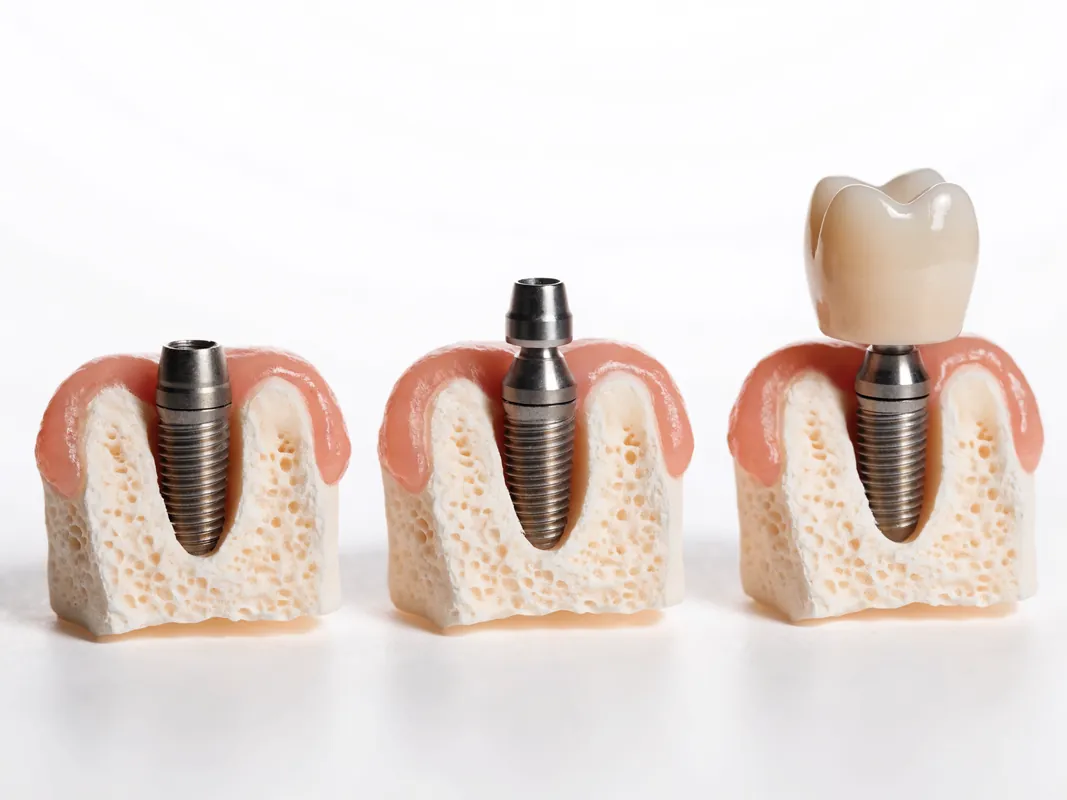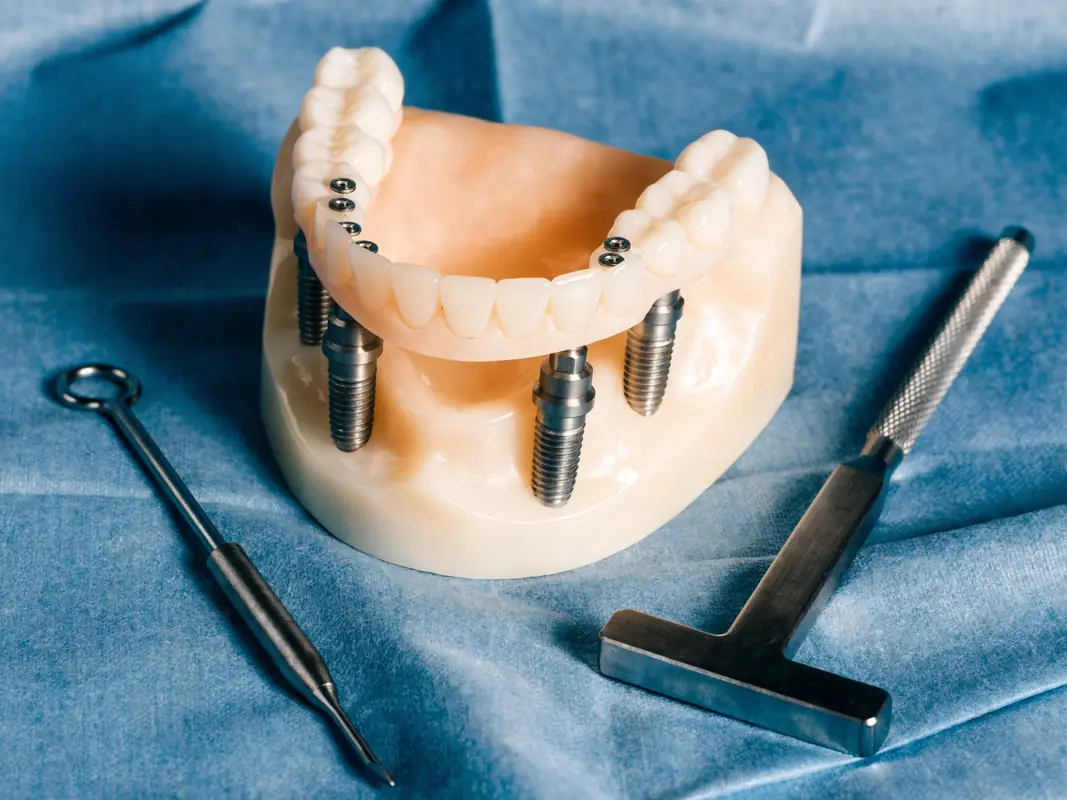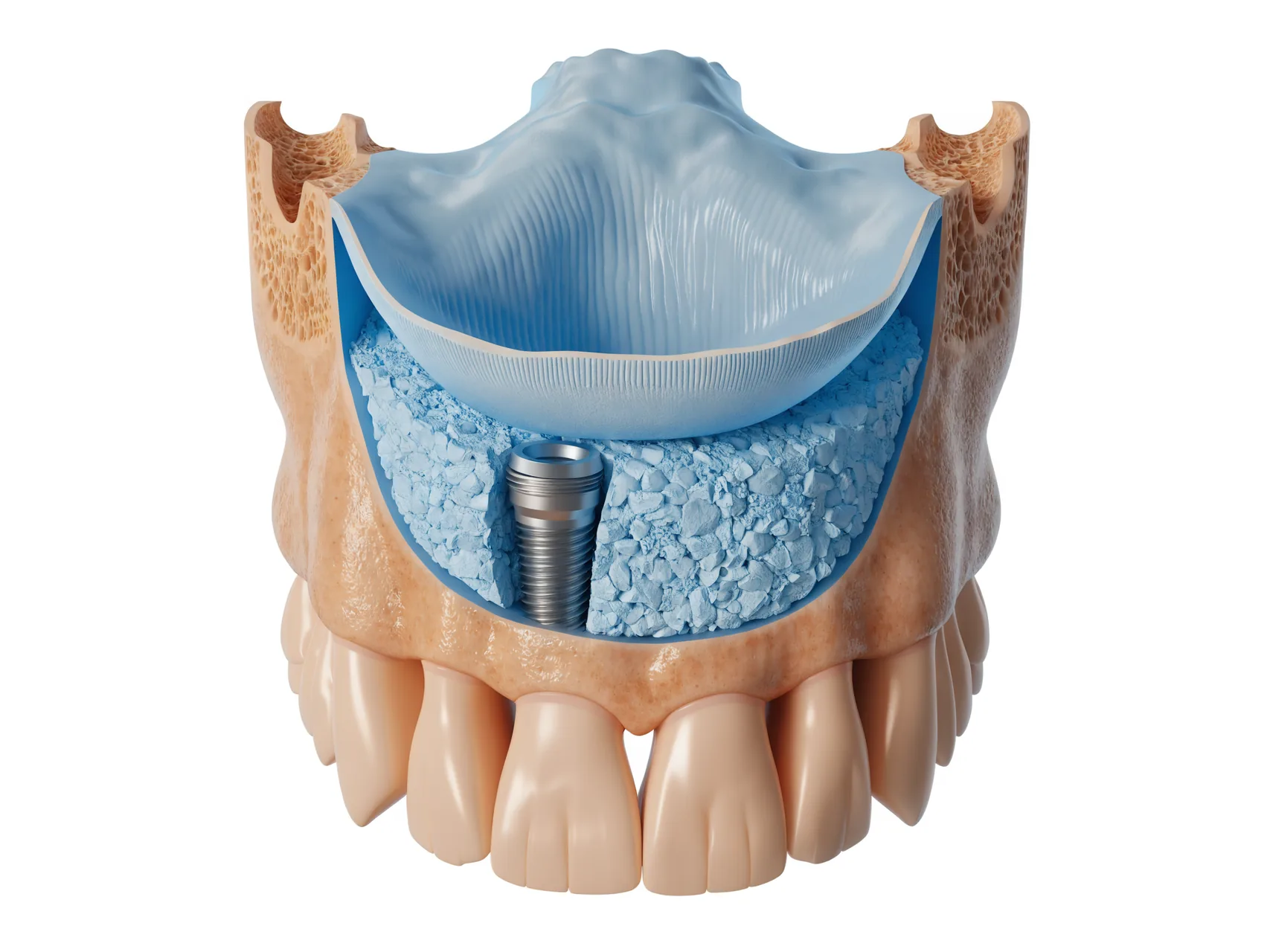
A sinus lift, also called maxillary sinus floor augmentation, is a family of surgical procedures used when an implant plan for the upper back jaw requires additional tissue beneath the maxillary sinus. Recovery cannot be reduced to a single week-by-week calendar. The wound, sinus membrane, grafted region and any simultaneously placed implants can each follow a different course. The approach used, what happened during surgery, medical and sinus history, smoking or nicotine exposure, infection risk, medicines, implant loading, denture pressure and access to review all affect the plan.
This guide helps a patient organise questions, symptom observations, travel decisions and records. It does not diagnose a symptom, prescribe a medicine, clear anyone to blow their nose, fly, swim, exercise or dive, or decide when a graft is ready for an implant or restoration. The treating clinician's written instructions take priority because that clinician knows the actual procedure and operative findings.
Cambridge University Hospitals provides an accessible [patient guide to sinus lift procedures](https://www.cuh.nhs.uk/patient-information/sinus-lift-procedures/) that explains external and internal approaches, alternatives and warning signs. Its advice belongs to its own service and does not automatically become another patient's protocol. The [Leeds Teaching Hospitals dental implant guide](https://www.leedsth.nhs.uk/patients/resources/dental-implants/) and the [Guy's and St Thomas' implant aftercare page](https://www.guysandstthomas.nhs.uk/health-information/dental-implants/after-having-dental-implant) provide broader implant and wound-care context. Use these sources to prepare questions, then follow the named surgical team's case-specific directions.
First identify what procedure was actually performed
The phrase sinus lift does not identify one operation. The maxillary sinus is an air-filled space above the upper premolar and molar region, separated from the mouth by bone and a membrane. When an implant plan needs more tissue height or contour beneath that space, the clinician may discuss elevating the sinus membrane and creating room for graft material or another planned healing response.
Common descriptions include a lateral-window approach and a crestal or transalveolar approach. Those labels describe access routes, not fixed risk levels or recovery schedules. A lateral approach creates access from the side of the upper jaw. A crestal approach works through the ridge or implant preparation site. Either may involve graft material, simultaneous implant placement, membrane management and different closure or review needs. The correct choice depends on anatomy, restorative planning, clinician judgement and alternatives, not a public millimetre threshold.
Before using any recovery timeline, obtain the operation note and answer:
- which side and exact site were treated;
- which access approach was used;
- whether the sinus membrane remained intact or required management;
- whether graft material was placed and, if so, its exact identity and amount recorded;
- whether a membrane, fixation component or other device was used;
- whether one or more implants were placed at the same visit;
- whether an extraction or another graft procedure was also performed;
- whether a removable denture, temporary bridge or other prosthesis contacts the area;
- which sutures or closure method were used;
- which symptoms, restrictions and review gates apply to this operation.
Without those facts, advice borrowed from another patient can be unsafe. A small crestal procedure with an implant and a bilateral lateral-window graft without simultaneous implants are not the same recovery event.
Recovery is several processes, not one clock
Patients often ask when they will be healed. That word can refer to different things:
- Anaesthetic or sedation recovery concerns alertness, escort requirements and immediate safety.
- Early soft-tissue recovery concerns bleeding, swelling, discomfort, wound edges and sutures.
- Sinus-pressure recovery concerns congestion, nasal symptoms and pressure-related precautions.
- Graft-site progression concerns whether the augmented area remains clinically acceptable over time.
- Implant progression concerns stability and whether a simultaneously placed implant can move to another stage.
- Prosthetic progression concerns provisional or definitive tooth replacement and functional loading.
- Patient recovery concerns sleep, eating, work, exercise, travel and confidence.
These processes do not finish together. A patient may feel comfortable while the graft is still under review. A wound may look closed while an implant remains unloaded. A calendar milestone cannot prove tissue quality or implant stability. The written plan should define what evidence the clinician will accept at each next stage.
Before surgery: build the recovery plan first
Aftercare starts before consent. The clinician should review medical history, medicines and allergies; smoking, vaping and nicotine; previous sinus disease or surgery; current nasal symptoms; dental and periodontal health; the proposed restoration; imaging justified for the specific question; and the patient's ability to attend local and surgical reviews.
Disclose recurrent sinusitis, blocked nose, facial pressure, allergies, recent respiratory infection, previous oro-antral communication, ENT treatment, sleep apnoea equipment and any planned air or altitude travel. This does not mean every sinus symptom prevents treatment. It means the team needs an accurate baseline and may need additional assessment or a different sequence.
The pre-operative plan should include:
- the named legal treatment provider and responsible surgeon;
- the diagnosis and reason augmentation is proposed;
- reasonable alternatives, including no treatment, a bridge, removable option, altered implant design or position, fewer replacements, short implants in selected anatomy, or specialist review;
- exact intended procedure and conditional branches;
- medicine instructions issued by the appropriate prescriber;
- escort and sedation rules where applicable;
- emergency and out-of-hours contacts;
- local follow-up arrangements after travel;
- restrictions that affect flights, work, caring duties, exercise or planned events;
- how the plan changes if the membrane is perforated, grafting cannot proceed or implant stability is inadequate.
Do not stop anticoagulants, antiresorptive medicines, diabetes medicines or any prescribed drug because of generic internet advice. The prescriber and treating clinical team must coordinate changes using current individual information.
The day of surgery: record the new baseline
Immediately after treatment, the patient may have numbness, mild oozing, swelling beginning, tiredness from the procedure or sedation, altered sensation around the upper jaw, nasal stuffiness or a sense of pressure. What is expected depends on the operation and should be explained before discharge.
The discharge discussion should not happen only while the patient is sedated or overwhelmed. A responsible adult may need to receive instructions. The patient should leave with a written copy that states:
- what was actually done rather than what was planned;
- every wound and implant site;
- medicines prescribed and the prescriber's directions;
- oral hygiene and rinsing instructions;
- eating, drinking and smoking boundaries;
- nasal-pressure precautions, including what to do if sneezing is unavoidable;
- use of dentures, retainers or temporary restorations;
- activity, driving and sedation restrictions;
- when and where the first review occurs;
- which symptoms trigger same-day contact, urgent dental assessment or emergency care.
If there was a change during surgery, such as membrane management, a different material, no implant placement or an additional closure, the final instructions must reflect the change. A pre-printed standard sheet alone may be insufficient.
The first recovery phase: control, observe and protect
During the early phase, the goal is not to test the graft. It is to protect the wound, follow the surgeon's pressure precautions, use medicines exactly as prescribed and observe symptom trends. Some swelling, bruising, soreness, mild oozing or pressure can occur after oral surgery. The amount varies, so another person's photograph is not a reliable benchmark.
Track symptoms at consistent times rather than checking constantly. Useful observations include:
- whether pain is stable, improving or worsening;
- whether swelling is localised or spreading;
- whether bleeding is slow oozing or persistent bright flow;
- temperature if fever is suspected;
- nasal discharge colour and amount;
- unpleasant taste, smell or discharge from the mouth;
- whether fluid or air appears to pass between mouth and nose;
- whether sensation is changing;
- whether a temporary tooth or denture presses on the wound;
- whether prescribed medicines are tolerated.
Photographs can help show visible swelling or wound changes, but they cannot exclude a deep infection, sinus problem, membrane issue or graft complication. If the trend is concerning, obtain an in-person assessment.
Nasal pressure precautions are procedure-specific
Many sinus-augmentation discharge sheets restrict nose blowing and instruct patients to avoid creating pressure across the healing sinus region. Some advise sneezing with the mouth open rather than suppressing it. Duration and detail vary with the surgical event and clinician's findings. The patient must receive the exact boundary in writing.
Do not improvise by forcefully rinsing the nose, using a decongestant, starting an antihistamine or changing CPAP settings without case-specific advice. Nasal sprays and medicines have contraindications and may interact with other conditions. If congestion, allergy or a cold develops, contact the surgical team or an appropriate local clinician before altering the plan.
Activities that change pressure can include flying, diving, forceful nose blowing, some wind instruments, heavy straining and certain sports. They are not automatically safe because the mouth feels normal. Ask what restriction applies, why, and which review or symptom criteria must be met before resuming.
Mouth care must protect both cleanliness and closure
Oral hygiene instructions depend on the incision, sutures, graft exposure risk and other dental work. The patient may be told to clean the rest of the mouth normally while avoiding direct trauma to the surgical site for a defined period. A prescribed mouth rinse may be appropriate in some pathways, but it should not be copied from another patient's plan.
Clarify:
- when brushing near the wound begins and which brush is suitable;
- whether a rinse is prescribed, its duration and how it relates to toothpaste;
- whether irrigation devices, floss, interdental brushes or powered brushes are restricted near the site;
- how to manage food debris without probing the wound;
- which suture changes are expected and when removal is planned;
- what to do if a membrane, particle or thread appears visible.
Do not pull a loose suture, pick at the wound or push a suspected graft particle back into place. Contact the provider and describe what you see. A small particle, food fragment, suture end and exposed material can look similar in a phone image but need different responses.

Eating and drinking: follow function, not a menu copied online
The plan should reduce trauma, pressure and contamination while supporting hydration and nutrition. Advice may begin with foods that require little chewing and progress according to comfort, wound location and any temporary prosthesis. A universal menu is inappropriate for people with diabetes, allergies, swallowing problems, nutritional needs or other health conditions.
Ask which side may be used, which textures are restricted, whether hot food or alcohol is limited, and how long a denture or removable appliance must stay out. Avoid using pain absence as permission to chew directly over a graft or implant. Numb tissues can be injured without warning.
If eating or drinking becomes difficult, nausea prevents medication use, or nutrition is inadequate, contact the clinical team rather than waiting for the next scheduled review. A dietitian, pharmacist or medical clinician may be needed for individual advice.
Pain and medicine safety
The amount of discomfort after sinus augmentation varies. The surgeon should provide an individual pain plan that accounts for health conditions, allergies, current medicines, pregnancy status and sedation. Do not combine products with overlapping ingredients or exceed the label or prescription.
Antibiotics are not a universal guarantee against sinus or graft infection. If prescribed, take them exactly as directed and report allergy symptoms, severe diarrhoea or other significant adverse effects promptly. Do not save leftover antibiotics, extend a course or increase the dose because congestion develops.
Likewise, do not assume that pain is normal simply because surgery occurred. Pain that is severe, localised, worsening, returning after improvement or accompanied by fever, discharge, spreading swelling or illness requires contact. Masking symptoms with more medicine can delay assessment.
Swelling, bruising and bleeding: watch the direction
Some postoperative swelling and bruising can be compatible with normal healing, but the expected pattern depends on surgical extent and individual response. The more useful question is whether the trajectory fits the written instructions. Swelling that continues to expand, affects the eye or neck, causes breathing or swallowing difficulty, or accompanies systemic illness needs urgent attention.
Small amounts of blood-stained saliva or nasal spotting may occur in some cases. Continuous bright bleeding, large clots, repeated mouth filling or bleeding that does not respond to the provider's first-aid instructions requires urgent assessment. Do not pack unapproved material into the wound or nose.
If blood appears from the nose, record the side, amount, duration, colour and triggers. Contact the team if it exceeds the given threshold. Emergency symptoms should go to local emergency care rather than waiting for a remote reply.
Days do not override symptom trends
Week-by-week articles often promise that swelling will peak, bruising will disappear and normal activity will return on fixed days. Population descriptions can help patients recognise broad phases, but they cannot clear one person. The operation may include bilateral surgery, multiple implants, extraction, donor-site work or a membrane event that changes recovery.
Use three questions at every phase:
- Are symptoms moving in the expected direction described by the surgeon?
- Are any new red flags present?
- Has the required review or clinical gate occurred before the next activity or treatment stage?
A comfortable patient still needs scheduled review. An uncomfortable patient should not wait merely because an article says the current week is difficult.
The first clinical review
The first review may assess wound closure, swelling, infection signs, oral hygiene, sutures, pressure symptoms, prosthesis contact and medicine tolerance. The exact timing belongs to the provider's protocol and operative findings. If the patient will have travelled home before this review, a named local clinician and secure record-transfer route should be arranged before surgery.
Ask the reviewer to document:
- wound and sinus-related symptoms;
- whether sutures or prostheses need adjustment;
- whether the initial precautions continue or change;
- whether any new examination or imaging is justified;
- the next review gate;
- which clinician owns unresolved symptoms.
A remote video review can be useful for communication but cannot palpate tissue, test a prosthesis, inspect every wound surface or perform diagnostic imaging. It must not be represented as equivalent to every in-person review.
Weeks after surgery: feeling better is not graft clearance
As soft tissues settle, the patient may return gradually to ordinary eating, sleep and work under the written plan. The absence of pain does not show that graft tissue has matured or an implant is ready for loading. Do not press, chew or test the area to see whether it is strong.
Later reviews may consider symptoms, soft-tissue health, oral hygiene, implant status and imaging when it answers a defined question. A routine calendar scan is not automatically justified; equally, an image may be necessary before another irreversible step. The clinician should explain what the record is intended to show and its limitations.
If a removable denture or provisional restoration is used, fit and pressure need review. Tissue changes during healing can make a previously adjusted appliance contact the site. Stop wearing it and seek advice if it causes pain, ulceration, rocking or pressure over the graft.
Simultaneous implant placement changes the pathway
When an implant is placed during sinus augmentation, graft progression and implant progression remain separate. The implant may have achieved an initial mechanical condition at surgery, but that does not authorise chewing or prove later integration. The operative note should identify the implant, site, dimensions, connection, placement observations and loading status.
Clarify whether any visible tooth is purely cosmetic, non-functional or intended for limited function, and obtain written dietary and loading boundaries. The definitive restoration should require its own assessment, records and consent. A package label such as same-day teeth must not collapse grafting, implant placement, loading and final restoration into one promised event.
If no implant was placed, the later decision depends on clinical progression and the planned restoration. It should not be booked as inevitable. The clinician may need to reassess anatomy, symptoms, grafted region, adjacent teeth, sinus health and patient priorities.
Graft progression needs a clinical gate
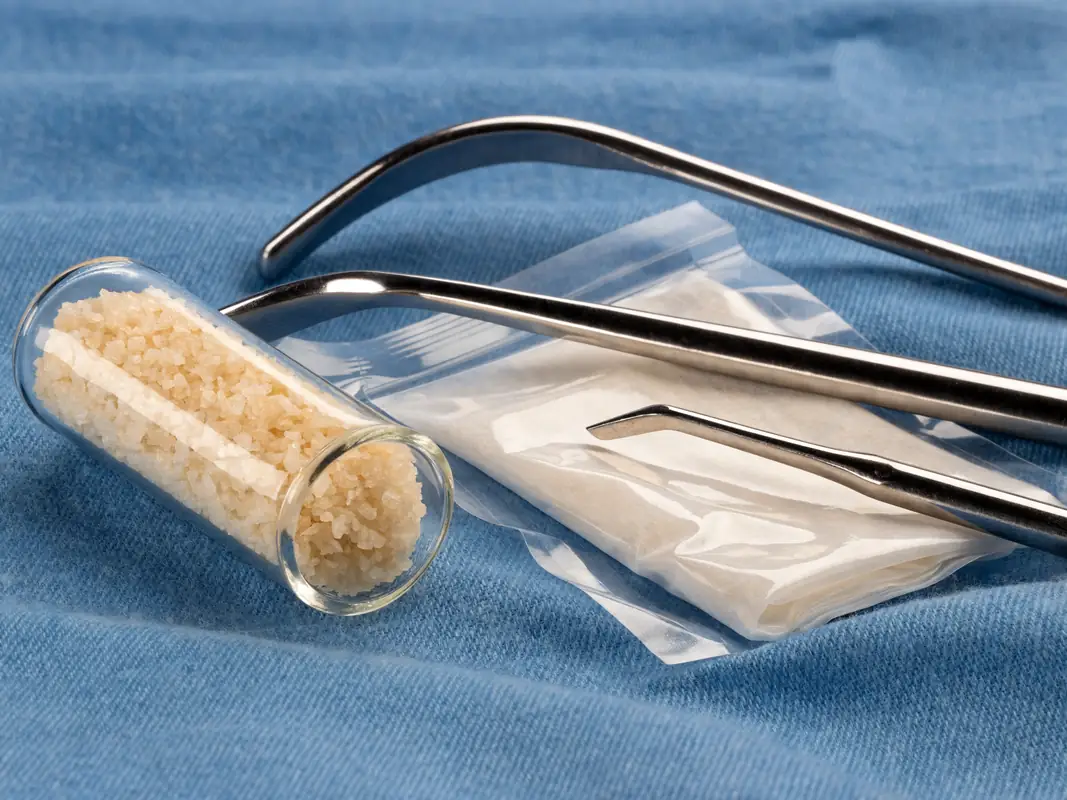
Graft material is not instantly converted into a predictable block of the patient's own bone. Healing involves biological processes that vary by material, site, stability, vascular supply, health and surgical events. Different materials may persist, remodel or integrate in different ways. A radiopaque area on an image is not by itself proof of histological quality or implant readiness.
Before implant placement or loading, ask which clinical and imaging findings are required, who interprets them and what alternatives exist if the planned gate is not met. Possible branches may include more observation, a changed implant plan, additional treatment, another restoration or no implant. These are decision categories, not predictions.
Air travel, altitude and diving require explicit clearance
There is no universal online clearance day for flying after sinus augmentation. Cabin pressure, sinus symptoms, membrane events, surgery extent, congestion, complications and access to care all matter. Airlines and insurers also have separate rules. The treating surgeon must provide written advice based on the actual procedure, and a local clinician may need to reassess new symptoms before travel.
Before booking, ask:
- the earliest provisional travel window and what could change it;
- whether a post-operative review must occur first;
- what symptoms cancel travel;
- whether a recent cold or sinus congestion changes the plan;
- who provides care if pain or bleeding develops in transit;
- whether insurance covers a complication related to planned treatment abroad;
- how medicines and clinical records will be carried.
Diving creates different pressure exposure from commercial flying and normally needs separate advice. Do not infer diving clearance from permission to fly. High-altitude travel, unpressurised flights and occupational pressure exposure also deserve explicit discussion.
Exercise, work and caring duties
Return to activity depends on surgical extent, bleeding risk, symptoms, sedation, medicines and job demands. Desk work, lifting luggage, construction work, childcare, contact sport and professional diving are not equivalent. Ask for task-based restrictions rather than a vague return-to-work date.
Heavy exertion, bending and straining may affect bleeding or pressure in the early phase. A worker who cannot comply should plan leave or altered duties before surgery. Driving restrictions depend on sedation, anaesthesia, medicines and local law. A patient should never drive because a generic article says the procedure was minor.
Smoking, vaping and nicotine
Smoking and nicotine exposure are relevant to wound and implant planning. The clinician should ask accurately about cigarettes, vaping, nicotine replacement and other use, explain the evidence and offer appropriate cessation support. A patient should not conceal use to preserve eligibility.
Do not replace smoking with unplanned vaping or another nicotine product without discussing it with a qualified professional. Cessation medicines and nicotine replacement may be appropriate but require individual guidance. The written plan should state how smoking status affects review and treatment progression without promising that abstinence eliminates all risk.
Colds, allergies and sinus symptoms during recovery
A cold, allergy flare or nasal blockage can be worrying because coughing, sneezing and congestion affect pressure and comfort. Contact the surgical team or a local clinician with the symptom onset, fever, discharge, side, breathing status and medicines already used. Do not forcefully clear the nose or self-start antibiotics.
An ENT opinion may be appropriate when symptoms persist, recur or suggest sinus disease. The dental and ENT clinicians should share the operative details and imaging rather than treating the issues as unrelated. A dental coordinator cannot diagnose sinusitis from a message.
Membrane perforation and other intra-operative changes
Sinus membrane perforation is a recognised complication and can range in significance. Management depends on size, location, procedure and clinician judgement. It does not automatically mean failure, and it should not be hidden. The operation note should record the event, management, materials, whether grafting or implant placement continued and any modified restrictions.
Other changes may include inability to achieve the intended implant stability, altered graft volume, bleeding management, discovery of pathology or a decision to stage care. The patient should receive an updated explanation and quotation where scope changes. Consent is ongoing; a changed plan is not merely a technical footnote.
Oro-antral communication and fluid passage
An oro-antral communication is an opening between the mouth and sinus. It can occur in relation to upper posterior dental surgery and may require observation or repair depending on the situation. Symptoms can include an unusual passage of fluid or air, nasal regurgitation, altered voice, whistling or persistent sinus symptoms, but diagnosis requires examination.
If you suspect communication, do not repeatedly test it by blowing, sucking or pushing liquid through the area. Follow pressure precautions and seek prompt assessment. The [Royal Cornwall Hospitals extraction information](https://doclibrary-rcht.cornwall.nhs.uk/DocumentsLibrary/RoyalCornwallHospitalsTrust/PatientInformation/Oral/RCHT1977DentalExtractions.pdf) describes the concept in the context of upper-tooth extraction; sinus augmentation is a different procedure, so use it only to understand the term.
Infection and sinusitis need assessment, not reassurance
Possible infection signs can include worsening pain or swelling, fever, feeling unwell, pus or unpleasant discharge, bad taste or smell, wound breakdown and persistent one-sided sinus symptoms. These features are not specific, and absence of fever does not rule out a problem. Contact the named clinical team and arrange an in-person assessment when indicated.
Antibiotics do not replace drainage, wound care, imaging, ENT assessment or surgery when one of those is clinically needed. A provider should not promise that prophylactic antibiotics prevent every complication. If a severe allergy reaction, breathing problem or rapidly spreading swelling occurs, use emergency services.

Graft particles, wound opening and exposed materials
A patient may notice a grain-like particle, suture end, membrane or wound gap. Do not decide from appearance that it is harmless or treatment failure. Preserve any dislodged labelled component if safe, photograph the area without touching it and contact the provider. The clinical response depends on material, exposure, symptoms and wound condition.
Avoid rinsing aggressively, probing with a finger or tool, applying household products or covering the area with unapproved adhesive. These actions can contaminate or injure tissue and make assessment harder.
Warning-sign ladder
The written instructions should classify symptoms. A useful general framework is:
Contact the surgical team promptly: symptoms are not following the expected trend, pain is increasing, bleeding persists beyond the given threshold, fever or illness develops, nasal or oral discharge is concerning, a prosthesis presses on the wound, material appears exposed, or medicines cannot be tolerated.
Arrange urgent in-person dental or medical assessment: spreading facial swelling, significant wound breakdown, persistent bright bleeding, suspected oral-sinus communication, severe pain, new altered sensation, eye symptoms, dehydration or a clinician advises direct review.
Use emergency services: breathing or swallowing difficulty, collapse, uncontrolled major bleeding, severe allergic reaction, rapidly spreading swelling or another life-threatening symptom.
This ladder is not a diagnosis. Local emergency guidance and the treating team's thresholds prevail.
Records and material traceability
Keep a durable recovery file. It should include:
- legal treatment provider, facility and responsible clinicians;
- diagnosis and restorative objective;
- procedure date, side, sites and approach;
- extraction, graft and implant details;
- membrane event and management if applicable;
- exact graft, membrane, fixation and implant product references, lots or identifiers where supplied;
- anaesthesia or sedation record;
- prescriptions and discharge instructions;
- wound, suture and prosthesis notes;
- images and reports created for defined clinical questions;
- review findings and progression decisions;
- complaint, urgent-contact and local-handover routes.
Packaging photographs alone do not prove that a material was used at a particular site. The clinical record must connect the identifier to the procedure. Conversely, a generic note saying bone graft gives too little information for later care.
Compare the quotation to the real pathway
A written quotation should separate assessment, imaging, extraction, sinus approach, graft and membrane, fixation, implant placement, provisional restoration, definitive restoration, medicines, reviews, records and conditional work. It should explain what happens financially if the implant is not placed, the graft is modified or another procedure becomes necessary.
Travel services should be separate from clinical responsibility. Hotel nights and transfers do not establish how many reviews are clinically required. Ask which entity contracts for treatment, which entity receives payment, what is refundable, how changed scope is approved and who funds local assessment or return travel if complications arise.
Do not accept a lifetime, fixed-percentage or no-complication promise. Ask for written remedial terms, exclusions, evidence requirements, time limits, travel responsibility and the complaint route. A warranty is a contract term, not proof that a graft will heal.
Consent needs alternatives and contingencies
Sinus augmentation is elective in the sense that the patient can decline and reconsider replacement options. CUH's guide discusses alternatives such as some shorter-implant strategies, fewer or differently positioned implants, tooth-supported bridges, dentures, specialist approaches and accepting a gap. Which are reasonable depends on the patient; none should be promoted from a generic page.
Consent should cover the reason for the chosen approach, material origins, sinus and surgical risks, membrane management, infection, graft loss, oral-sinus communication, need for more treatment, implant uncertainty, sensory changes, medicine effects, travel burden and alternatives. It should also explain that a successful early wound does not guarantee later implant or prosthesis success.
Local handover before travelling home
Patients treated away from home need a realistic care network. Before surgery, ask a local dentist whether they can provide examination, imaging or referral if a problem develops. They are not obliged to accept another provider's work, so this must not be assumed.
Send the local clinician the procedure and material records, current symptoms, discharge instructions and surgical contact. Clarify who has decision authority and who pays. If the local clinician identifies an emergency, follow local care rather than waiting for the overseas provider to review a message.
The returning home after dental tourism guide explains how to build this handover. The flying after oral surgery guide separates airline, pressure and clinical decisions. The dental implants with bone graft guide covers broader augmentation choices, while the dental implant bone-graft recovery guide discusses material and wound records beyond the sinus.
Sources and evidence limits
This guide uses current patient information from [Cambridge University Hospitals on sinus lift procedures](https://www.cuh.nhs.uk/patient-information/sinus-lift-procedures/), [Cambridge University Hospitals on bone grafting for dental implants](https://www.cuh.nhs.uk/patient-information/bone-grafting-for-dental-implants/), [Leeds Teaching Hospitals on dental implants](https://www.leedsth.nhs.uk/patients/resources/dental-implants/) and [Guy's and St Thomas' on implant aftercare](https://www.guysandstthomas.nhs.uk/health-information/dental-implants/after-having-dental-implant). It also follows the [GDC standard on obtaining valid consent](https://standards.gdc-uk.org/pages/principle3/principle3) and [GDC communication standards](https://standards.gdc-uk.org/pages/principle2/principle2) as useful expectations for UK-facing patient decisions.
Different institutions publish different schedules because their procedures, teams and patients differ. A source can describe common risks or an institutional protocol; it cannot clear an individual for travel, pressure exposure or the next implant stage. Guidance and product information can change, so verify current versions with the responsible clinician.
Final recovery rule
Do not ask whether week two or month four is normal in isolation. Ask what procedure occurred, what the surgeon expected, whether symptoms are moving in the right direction, whether red flags are absent, and whether the required clinical review has accepted progression. Feeling well is valuable but does not replace a graft or implant gate. A calendar is for planning; examination and documented clinical judgement decide care.