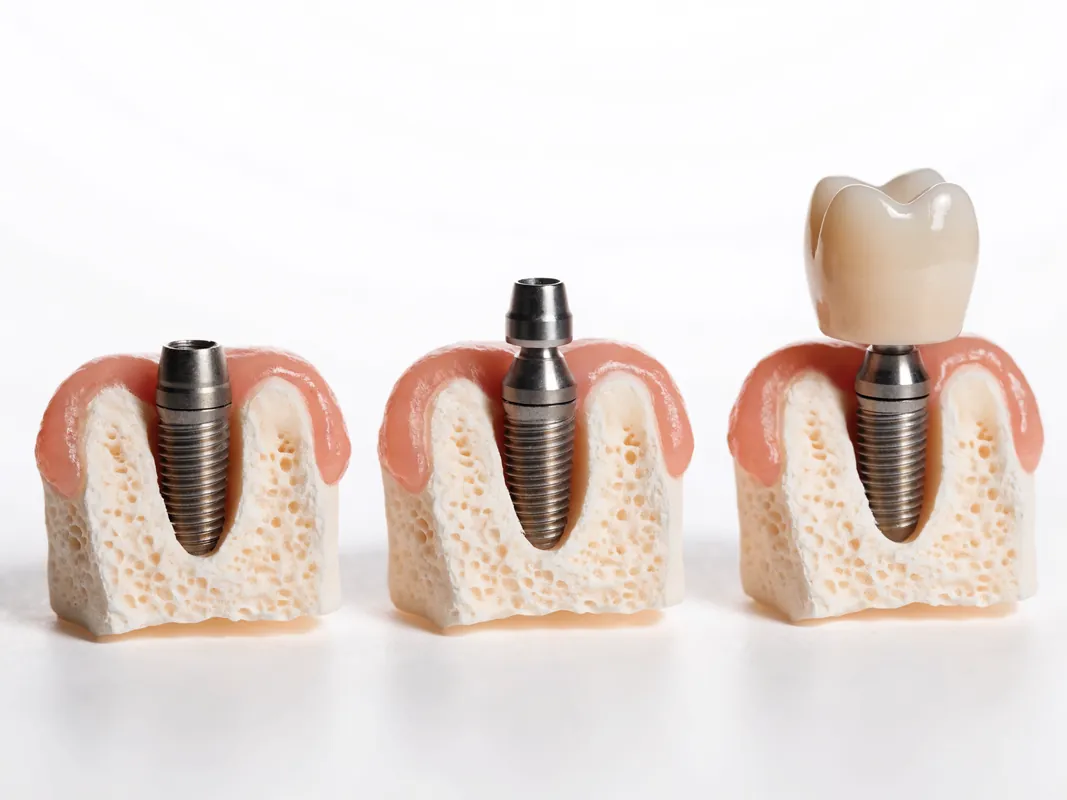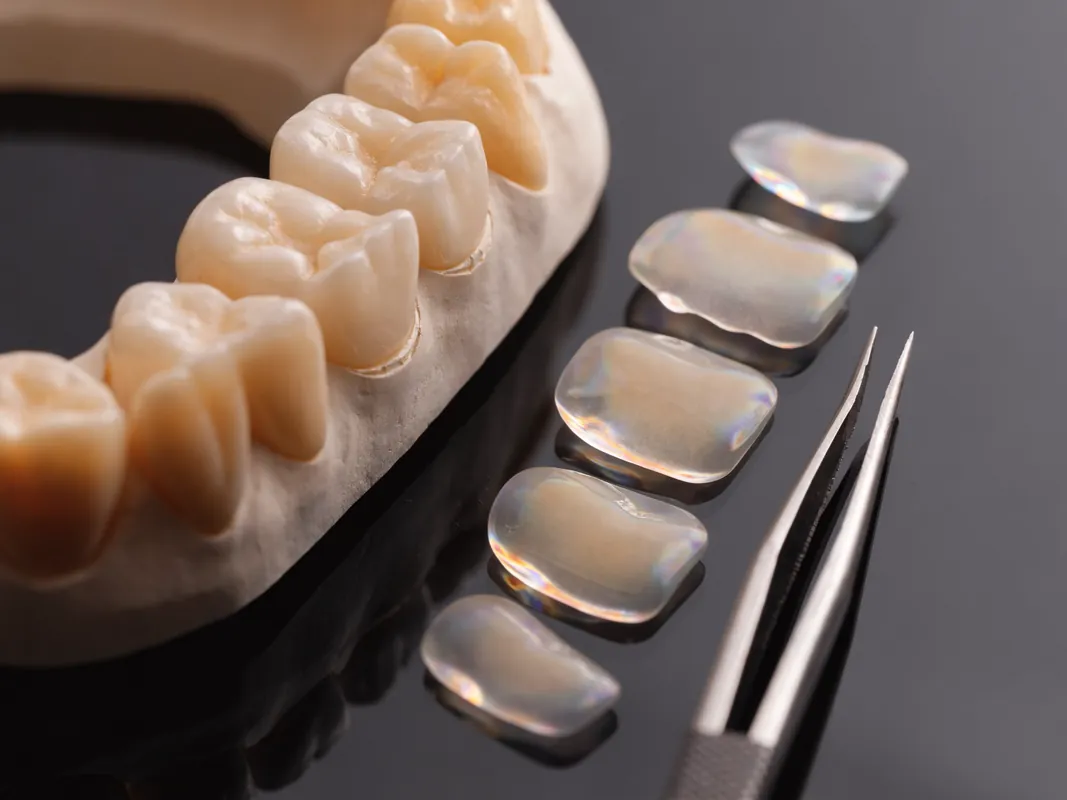
People searching for dental implants and a Hollywood Smile together are often trying to solve two different problems in one plan: missing-tooth care and cosmetic change to existing teeth. Coordination can be useful, but the phrase combined treatment does not define a clinical sequence, a number of restorations or a package. Implant decisions depend on the missing site and surrounding structures. Cosmetic decisions depend on the condition and objectives of the remaining teeth. Neither should be used to predetermine the other.
This guide publishes no fixed price, timetable or outcome. Those details can only come from a named legal treatment provider after appropriate assessment and appear in a dated, itemised written plan. The purpose here is to show how the implant and cosmetic workstreams meet: who is responsible, which diagnosis supports each part, which alternatives preserve suitable teeth, when a plan remains provisional, what records must travel between clinicians and laboratory, and how aftercare continues if the stages change.
The term Hollywood Smile is used here as a patient's search phrase, not a clinical product. It may describe changes to colour, form, alignment, old restorations or several teeth across the visible smile. The implant part may involve one missing site or a more complex restorative question. The responsible clinicians must translate those broad aims into tooth-by-tooth and site-by-site decisions.
Begin by naming every responsible party
A combined plan may involve a treatment facility, an implant clinician, a restorative or cosmetic clinician, a laboratory, an imaging provider, a coordinator and travel suppliers. Their roles should not be merged into one brand name. Before sharing sensitive records or paying, ask for the legal identity and responsibility of each clinical and laboratory party involved.
The written responsibility map should answer:
| Responsibility question | What the document should identify |
|---|---|
| Who provides clinical treatment? | Named legal treatment provider for each clinical stage |
| Who assesses the implant site? | Responsible clinician and professional role |
| Who assesses the existing teeth and smile? | Responsible clinician and professional role |
| Who approves the restorative design? | Clinician responsible for the final prescription |
| Who fabricates laboratory work? | Named laboratory or fabricating party when known |
| Who interprets diagnostic records? | Responsible qualified professional |
| Who handles routine aftercare? | Named provider and documented contact route |
| Who handles an urgent concern? | Triage process and boundary for local assessment |
| Who supplies non-clinical services? | Separate legal supplier and commercial terms, if any |
A coordinator can organise communication, but coordination does not itself establish clinical responsibility. Names on marketing pages should not be treated as proof that a person will assess or treat the case. Verify current roles and professional status through appropriate official sources and personal treatment documents.
Separate the two diagnoses before coordinating them
The implant question and the cosmetic question need separate diagnostic statements. For the missing site, the responsible clinician may need to assess the reason for tooth loss, condition of neighbouring teeth and gums, available support, relevant anatomy, infection, bite, space and other case-specific factors. For the existing teeth, assessment may consider decay, gum health, cracks, existing restorations, enamel, wear, position, colour, bite and the person's priorities.
This is not a remote diagnostic checklist. The responsible clinicians decide which examination, images, scans, photographs, models and health information are appropriate. The quotation should identify what was reviewed, who reviewed it and what remains unknown.
Ask each workstream to state:
- the finding being addressed;
- the tooth or site involved;
- the proposed option and its purpose;
- reasonable alternatives, including no treatment where relevant;
- information still required;
- what could change the proposal;
- who makes that decision;
- the records that support it;
- how the decision affects the other workstream.
Only after those statements exist should the combined plan explain the relationship between them. A cosmetic design should not be used to justify an implant that is not otherwise appropriate. Likewise, the existence of an implant plan should not turn sound neighbouring teeth into automatic cosmetic units.
Consider alternatives before choosing a combined route
Replacing a missing tooth and changing the visible smile do not always need to happen together. Depending on the findings and priorities, reasonable alternatives may include no immediate replacement, a removable option, a tooth-supported option, orthodontic space management, an implant-supported restoration, monitoring, whitening, bonding, orthodontic movement, repair of existing work or targeted rather than broad cosmetic care.
The plan should explain the relevant benefits, limits, risks, maintenance and future serviceability of the options without describing one route as universally superior. It should also state whether the two goals can be staged independently. A person may choose to address disease and function first, defer cosmetic work, or complete conservative cosmetic care without changing the implant plan.
A second clinical opinion can be particularly valuable before removal of a maintainable tooth, preparation of healthy teeth, grafting, a broad restorative change or a plan that links acceptance of one treatment to the other. The patient should not be told that a package discount is a clinical reason.
Preserve suitable teeth and avoid scope expansion
A harmonious design does not require identical treatment for every visible tooth. Different teeth can receive different decisions based on condition. One may be monitored, another whitened, another bonded, another restored indirectly and another left unchanged. Mixed planning is often a sign that the treatment map was built from findings rather than a sales template.
For every existing tooth proposed for irreversible preparation, ask for a tooth-specific reason and the less invasive alternatives considered. Removed tooth tissue does not grow back. Consent should explain that boundary and distinguish visual preference from structural need.
The implant restoration also needs a site-specific plan. Its emergence, contour, contact, cleaning access and relationship to neighbouring teeth should be considered without promising that it will become visually undetectable. A photographic design can guide discussion, but it cannot guarantee biological response, material behaviour or appearance.
The detailed debate about cosmetic preparation belongs in the related Hollywood Smile and veneer guidance rather than being repeated here. In a combined plan, the essential document is a map showing which existing teeth are preserved, which are changed, what type of change is proposed and why.

Sequencing is a clinical decision, not a fixed itinerary
There is no universal rule that every implant stage must occur before every cosmetic stage, or that both can always begin together. Sequence depends on diagnosis, the missing site, condition of remaining teeth, need for disease control, restorative space, bite, provisional needs, laboratory information and the responsible clinicians' assessment.
A useful sequence is expressed as decision gates rather than fixed dates:
| Decision gate | What must be resolved |
|---|---|
| Diagnostic gate | Required findings, alternatives and responsible clinicians |
| Disease-control gate | Whether active disease or urgent care must be managed first |
| Scope gate | Which implant site and which existing teeth are included |
| Design gate | Relationship between the proposed implant restoration and remaining teeth |
| Consent gate | Irreversible steps, alternatives, material uncertainties and responsibilities |
| Surgical gate | Site-specific implant plan and conditions that could alter it |
| Provisional gate | Whether provisional care is appropriate, its limits and fallback |
| Review gate | Findings that determine whether the next stage proceeds or changes |
| Definitive-design gate | Updated tooth map, material prescription, laboratory role and approval |
| Fitting gate | Clinical acceptance, records, instructions and unresolved concerns |
| Aftercare gate | Maintenance, local assessment, record sharing and future responsibility |
The written plan should say which gates may be combined and which require new information. A flight date, laboratory booking or package itinerary should not decide whether a clinical gate has been satisfied.
Implant staging and cosmetic choices affect each other
An implant-supported restoration may require information about space, bite, gum contour and the surrounding restorative design. Cosmetic work may need to account for the future implant restoration without committing to a final shade, form or contact before the relevant clinical information exists.
Ask how the plan handles these interactions:
- whether the missing site changes the proposed smile design;
- whether orthodontic movement or disease control is considered first;
- whether neighbouring teeth are being preserved or prepared;
- which design decisions can be made before implant review;
- which decisions remain provisional until later findings;
- who approves the final relationship between implant restoration and existing teeth;
- how changes to one workstream affect consent and price in the other;
- what alternative is available if a planned stage cannot proceed.
The answer should describe responsibilities and contingencies, not promise a seamless result. Coordination is valuable when it prevents conflicting prescriptions and missing records. It is not evidence of a particular outcome.
Provisional and definitive plans are different documents
A remote estimate, clinician-reviewed provisional plan, pre-treatment confirmation, provisional-restoration plan and definitive prescription serve different purposes. The combined quotation should not present them as one final promise.
An early estimate can identify possible categories and assumptions. A provisional plan should name the records reviewed and unresolved findings. Before an irreversible stage, the patient should receive an updated plan identifying the site, teeth, treatment categories, responsible clinicians, alternatives, important risks, exclusions and change process.
If provisional implant or cosmetic restorations are proposed, ask:
- what each provisional is intended to protect or test;
- which teeth or sites it covers;
- who designs, supplies and adjusts it;
- which clinical conditions must be met;
- what limitations and maintenance instructions apply;
- what happens if it cannot be used as planned;
- whether repair or replacement is included or separately authorised;
- which findings from the provisional stage inform the definitive design.
A provisional restoration is not a guarantee of immediate loading, fixed function, appearance or a timetable. Its suitability and design remain clinical decisions.
Design, mock-up and consent boundaries
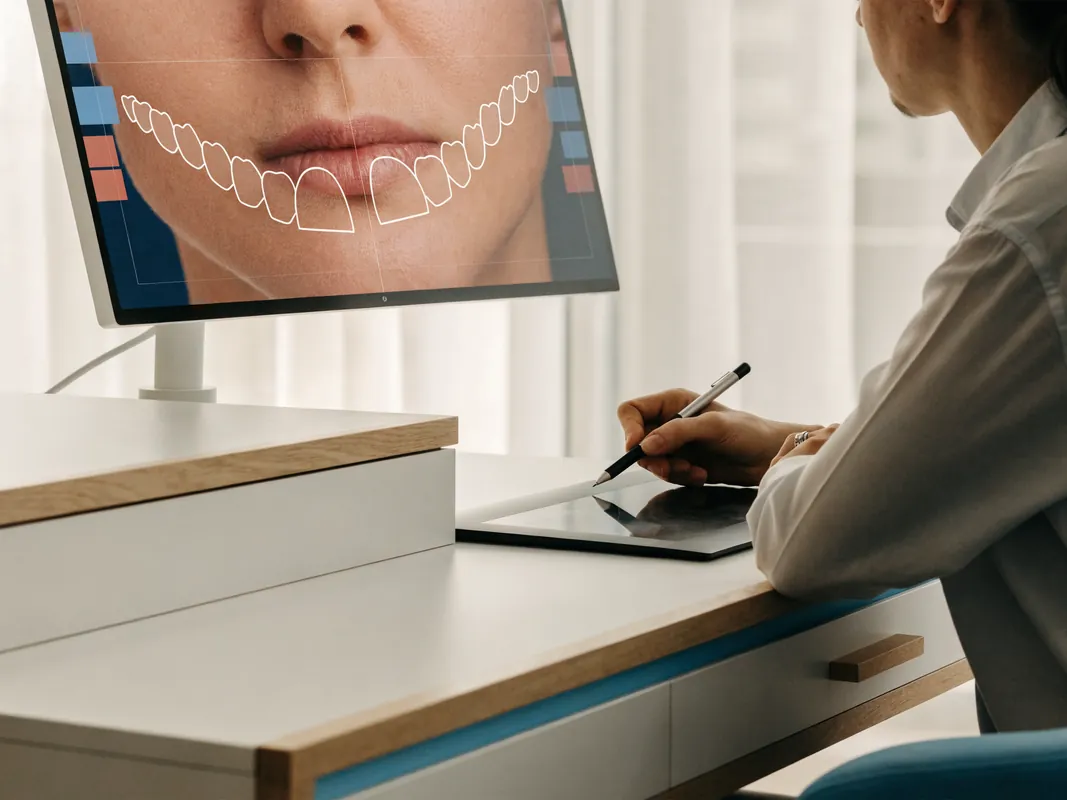
Digital smile design, wax-up, mock-up, provisional restorations and definitive restorations are different records or stages. A design image may help discuss tooth position, proportion and overall direction. A mock-up may support discussion of apparent length, width, bulk, speech and smile character before preparation where appropriate. Neither proves fit, shade, gum response, bite, implant integration or final appearance.
Consent should be based on the personal plan, not the marketing image. It should identify which steps are irreversible, which alternatives remain available, which outcomes are uncertain, how the plan may change and what responsibilities continue afterwards. The patient should have an opportunity to ask questions and seek another opinion without pressure from travel dates or expiring package language.
Approval of a design should be recorded, but it should not be described as acceptance of every later clinical change. If the implant site, tooth condition, material prescription, provisional response or laboratory plan changes, consent and price should be revisited in writing.
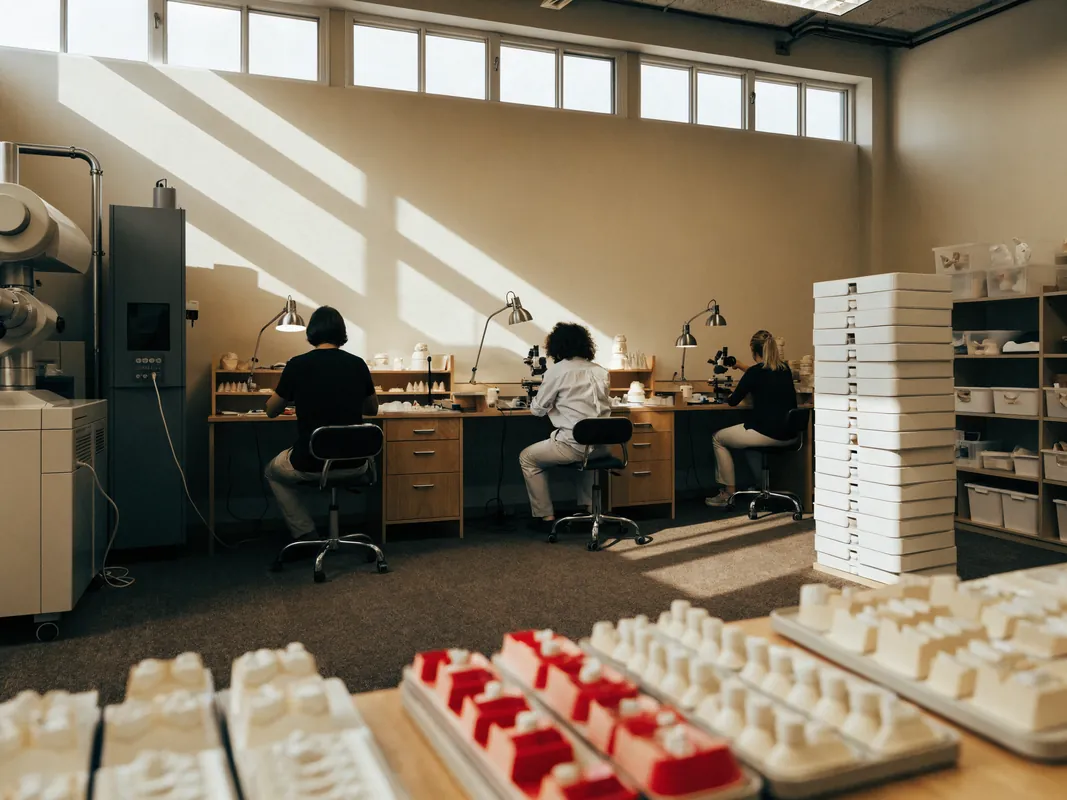
Laboratory identity and material traceability
The implant restoration and cosmetic restorations may involve different components, materials and fabrication methods. The plan should identify the generic material category proposed for each restoration and the exact system or product only when confirmed for the personal case.
Ask for:
- the named laboratory or fabricating party when known;
- the clinician responsible for the prescription;
- the implant system and component records actually supplied;
- material descriptions for tooth-supported restorations;
- laboratory prescriptions and approved revisions;
- traceability information needed by another qualified provider;
- the process for assessing a repair, remake or component question;
- confirmation of any material change before fitting.
A brand logo in marketing does not prove what will be used. A master technician title does not establish identity, training or involvement. The treatment plan, laboratory documentation and supplied traceability records should agree.

Itemise the combined quotation
The quotation should separate the implant workstream, cosmetic workstream, shared design stages, external-provider services, travel and future maintenance. Mark each row included, excluded, conditional or not applicable.
| Quote section | What should be visible |
|---|---|
| Assessment | Named providers and clinicians, records reviewed and missing information |
| Implant diagnosis | Site, findings, alternatives and staging assumptions |
| Existing-tooth diagnosis | Tooth map, findings, preservation decisions and alternatives |
| Disease control | Care required before elective stages and responsible provider |
| Shared design | Records used, purpose, limitations and approval process |
| Implant procedures | Site-specific proposed stages and conditional items |
| Implant components | Confirmed system, component description and traceability commitment |
| Cosmetic care | Identified teeth, treatment category and separate per-tooth plan |
| Provisional care | Scope, purpose, limits, adjustments and fallback |
| Laboratory work | Named party, prescriptions, revisions and records |
| Definitive care | Approval, fitting, review and discharge process |
| Medicines or external care | Only when proposed, with separate responsibility |
| Maintenance | Cleaning, review, serviceability and patient duties |
| Aftercare | Routine and urgent route, local-assessment boundary and records |
| Travel | Separately contracted services and exclusions, if any |
| Payment | Currency, recipient, stages, cancellation and change control |
A single combined total is useful only when this schedule shows what it contains. The word all-inclusive should never replace the itemisation.
Exclusions and conditional costs
Not every case needs every item below. Each should nevertheless be labelled where relevant:
- direct examination, diagnostic records or repeat records;
- treatment of active gum disease, decay, cracks or infection;
- removal or management of a failing tooth;
- bone or soft-tissue procedures if proposed after assessment;
- external imaging or other qualified-provider services;
- orthodontic assessment or movement;
- treatment of neighbouring or opposing teeth;
- whitening, bonding, veneers, crowns or other cosmetic categories outside the tooth map;
- provisional restorations and authorised repairs;
- implant components, restorative components or laboratory parts not yet confirmed;
- laboratory design changes or remakes before fitting;
- medicines or case-specific supportive care;
- maintenance devices, hygiene and routine reviews;
- urgent assessment or additional care after returning home;
- copies or secure transfer of records;
- taxes, finance, card or conversion charges;
- flights, accommodation, local transport, companion expenses and time away.
For each conditional item, request the trigger, evidence, decision-maker, alternatives, price effect and approval process. An open-ended clause should not authorise additions automatically. The patient should receive an updated plan before agreeing to a changed stage.
Use a combined-plan comparison worksheet
Create one column for each provider group and enter only what is supported by dated documents.
| Comparison field | Plan A | Plan B | Plan C |
|---|---|---|---|
| Legal treatment provider for each stage named | |||
| Implant clinician and role identified | |||
| Restorative clinician and role identified | |||
| Laboratory or fabricating party identified | |||
| Assessment status and missing information stated | |||
| Implant site and diagnosis documented | |||
| Existing teeth mapped individually | |||
| Alternatives and no-treatment options discussed | |||
| Tooth-preservation decisions explained | |||
| Sequence expressed as clinical decision gates | |||
| Shared design limits recorded | |||
| Provisional and definitive plans separated | |||
| Component and material traceability promised in records | |||
| Conditional items and change triggers listed | |||
| Maintenance and aftercare responsibility written | |||
| Travel services separated from clinical care | |||
| Currency, payment and cancellation terms stated |
Do not award points merely because a plan contains more treatments, hospitality or a shorter itinerary. First compare diagnosis, alternatives, preservation, responsibilities, records and aftercare. Then compare totals only when the plans describe equivalent care.
Currency, payment and change control
A combined quotation should state one billing currency, the legal entity receiving each payment and the stage connected to that payment. If different providers or suppliers are paid separately, the document should make that visible. If a conversion is shown, ask which currency controls the agreement and which bank, card, finance or third-party charges remain outside the total.
Ask what a deposit reserves, when cancellation terms apply and what happens if assessment changes the implant or cosmetic scope. Payment to a coordinator does not automatically establish an obligation for a treatment provider or laboratory unless the written agreements connect them.
Every material change should generate a new version showing the finding, clinical reason, reasonable alternatives, items added or removed, price effect, revised sequence and patient decision. Review it before an irreversible stage. Keep receipts that name the legal recipient and payment purpose.
Records and privacy across the team
A combined plan depends on records moving safely between responsible parties. Ask who collects, reviews, shares, stores and returns photographs, scans, health information, laboratory prescriptions and component records. Use secure routes identified by the legal providers rather than sending sensitive information to an unverified personal account.
The patient record set may include:
- legal provider and clinician identities;
- examination findings and diagnostic reports;
- site and tooth maps;
- plan versions and consent;
- relevant photographs, scans or models;
- surgical and restorative records;
- implant system and component traceability;
- material and laboratory prescriptions;
- provisional and definitive fitting records;
- invoices and approved changes;
- discharge and maintenance instructions;
- aftercare communications and complaint route.
These documents help another qualified provider understand what was planned and supplied. They support routine maintenance, local assessment, a second opinion, repair investigation or continuation of care. Informal messages should not be the only evidence of a clinical or material decision.
Aftercare must cover both workstreams
Implant care and tooth-supported cosmetic work can have different cleaning, review and maintenance needs. The responsible clinicians should provide case-specific instructions based on the final treatment and individual findings. A generic schedule or aftercare kit is not a personal plan.
Ask who handles routine questions, what signs require prompt local assessment, how a clinician at home can share findings, who reviews those records, who authorises a repair or further care and which clinical, laboratory, travel or external-provider costs remain the patient's responsibility.
If warranty language is offered, review the issuing entity, covered event, exclusions, maintenance conditions, evidence and remedy in writing. It does not guarantee implant integration, clinical success, appearance, comfort, a fixed service life or reimbursement of every related cost. Aftercare should remain usable even when no warranty remedy applies.
Travel contingency without itinerary promises
Cross-border care creates practical dependencies. The plan should identify which clinical gates require attendance and which arrangements remain subject to assessment, healing, consent or laboratory decisions. It should avoid converting a proposed itinerary into a clinical promise.
Budget separately for flights, accommodation, local transport, companion needs, time away and access to local care. If non-clinical services are offered, request the named supplier, exact service, amendment rules, cancellation terms and payment recipient. Hospitality does not prove treatment quality or a personal allocation.
Before travel, ask what happens if assessment changes the plan, a stage is postponed, provisional care needs review, the laboratory requires a revision or the patient chooses not to continue. After returning home, an urgent concern may need assessment by a local qualified provider. The original plan should explain how records are shared and who reviews the findings when further travel is not practical.
Red flags in a combined proposal
- The brand is presented as the clinical provider without a named legal treatment facility.
- Named clinicians or technicians appear in marketing but not in the personal plan.
- One person is said to handle every speciality without a defined role.
- A definitive plan is issued before appropriate assessment.
- A cosmetic design is used to justify an implant or removal of a maintainable tooth.
- Existing teeth receive identical treatment without tooth-specific reasons.
- Implant and cosmetic stages are forced into a fixed itinerary.
- Immediate loading, fixed teeth or final appearance is guaranteed.
- A digital design or mock-up is described as proof of the result.
- Material or component brands appear in advertising but not in case records.
- Provisional and definitive plans are merged into one package promise.
- Conditional care has no trigger, price effect or approval process.
- A fixed price, timetable, lifespan, success rate or comfort level is promised.
- Unconditional replacement or unlimited-duration warranty language hides maintenance and travel exclusions.
- Hotel or transport language is used as evidence of clinical quality.
- Support is reduced to an informal messaging promise with no records process.
- Aftercare identifies no responsible provider or local-assessment boundary.
Decision checklist before paying
- Every legal treatment provider is named.
- The implant, restorative and laboratory roles are identified.
- Current professional status and provider identities can be verified.
- The implant site and existing teeth have separate diagnostic statements.
- Required records and missing information are clear.
- Reasonable alternatives and no treatment have been discussed.
- Maintainable teeth are preserved unless a tooth-specific reason says otherwise.
- The relationship between implant and cosmetic scope is documented.
- The sequence is expressed as clinical decision gates rather than fixed dates.
- Provisional and definitive plans are separate.
- Mock-up and design limitations are understood.
- Irreversible steps and consent boundaries are clear.
- Implant components, materials and laboratory records will be supplied.
- Inclusions, exclusions and conditional items are itemised.
- Currency, payment, cancellation and change-control terms are written.
- Maintenance and aftercare responsibilities cover both workstreams.
- Travel arrangements are separate from clinical claims.
- No decision depends on a fixed result, timetable or warranty promise.
If any answer is missing, ask for a revised document. A responsible combined plan may remain provisional while important findings are gathered. That is preferable to a fast package that cannot explain who is responsible or what happens when one stage changes.
A responsible route to a coordinated plan
Start with secure record sharing through the named legal providers. Ask whether the reply is an estimate or a clinician-reviewed provisional plan. Request separate implant-site and existing-tooth findings, alternatives, the relationship between the two workstreams, responsible clinicians, laboratory identity, decision gates, provisional and definitive stages, itemised exclusions, records, maintenance and aftercare.
Compare that document with another provider's plan before agreeing to irreversible treatment. Ask for a second opinion when suitable tooth structure may be removed or a missing site requires a complex decision. Do not let a travel schedule or package headline decide the clinical sequence.
Coordination is valuable when it keeps diagnoses, prescriptions, records and responsibilities consistent. It is not a guarantee of harmony or success. The safest combined plan is the one that makes every decision auditable: which site and teeth are treated, why, by whom, with what alternatives and how care continues if the plan changes.