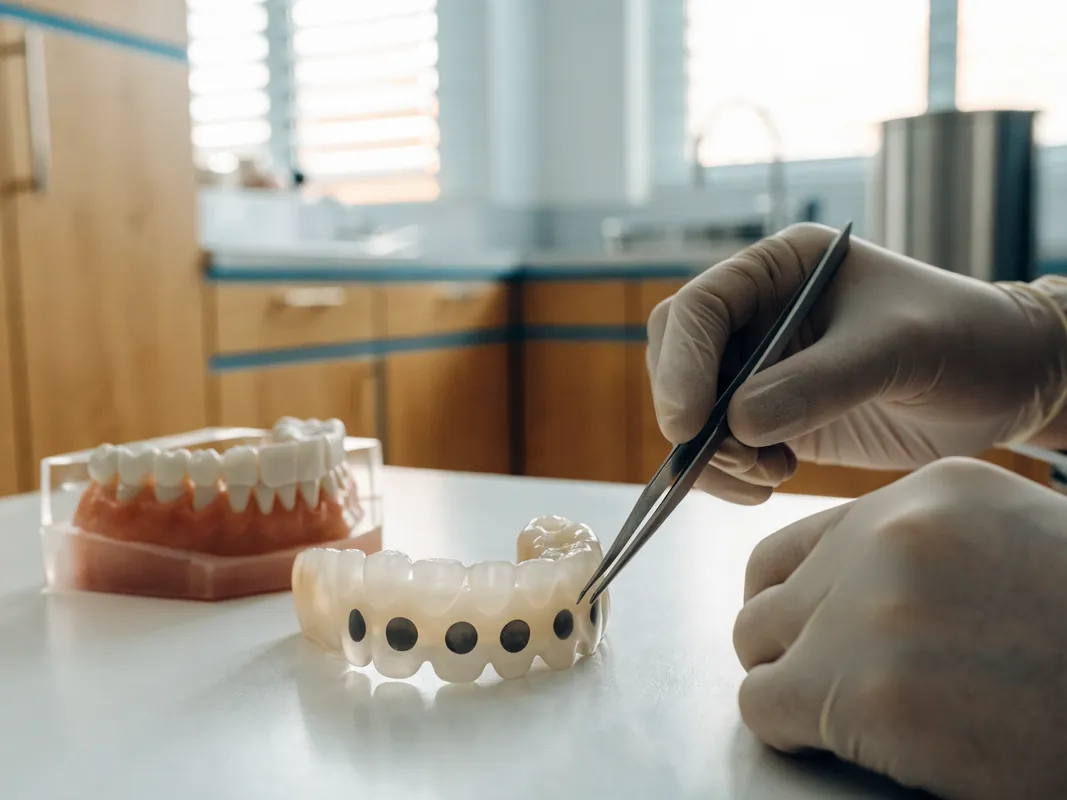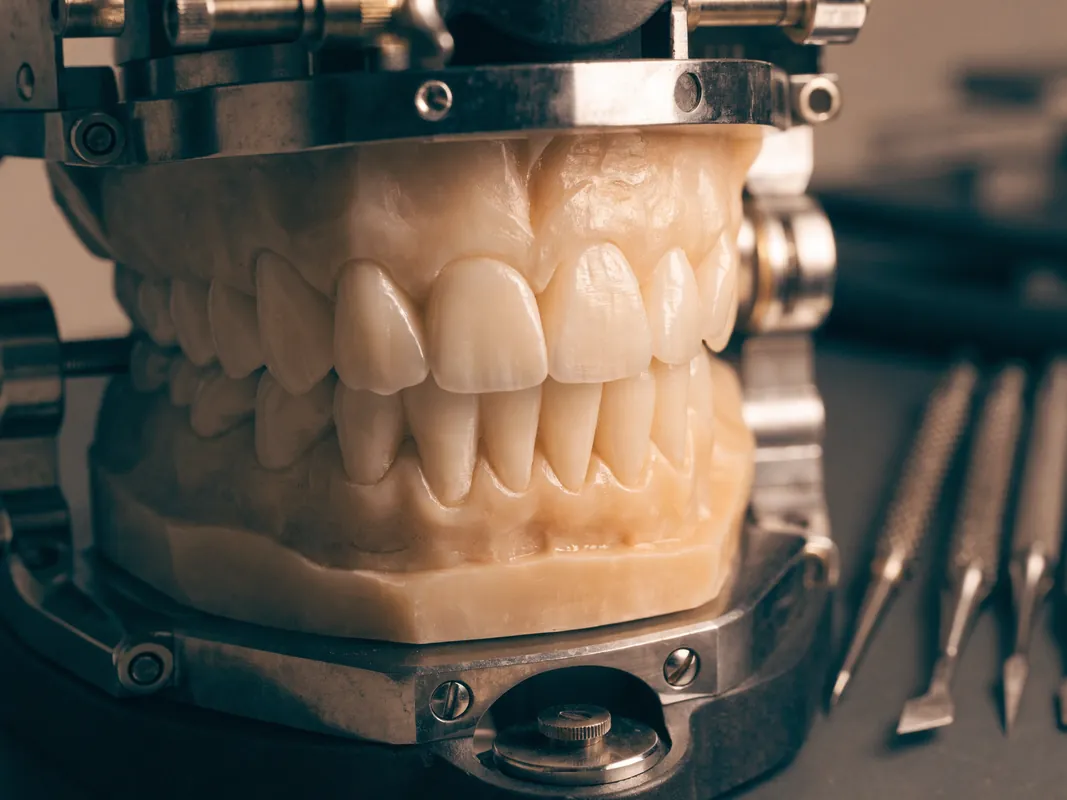
A dental crown is a restoration that covers a prepared tooth. Zirconia is one ceramic family used to make crowns, but the word alone does not establish the exact product, design, translucency, fabrication route or suitability for a particular tooth. A sound decision begins with why the tooth needs a crown, whether a less invasive restoration can work, how much healthy tooth will be removed, and how the provider will document the material and aftercare.
This page is a decision guide for people considering zirconia crowns in Antalya. It does not replace an examination, radiographs when clinically justified or advice from the dentist responsible for treatment.
When May a Crown Be Suitable?
A crown may be considered when a tooth is substantially weakened, fractured, heavily restored, worn, misshapen, or needs coverage as part of a larger restorative plan. Crowns can also be used on implant abutments, although that is a different clinical situation from preparing a natural tooth. The diagnosis, remaining tooth structure, gum health, root condition, bite and long-term restorability should guide the decision.
A root-treated tooth does not automatically require the same crown design as every other root-treated tooth, and choosing a crown does not automatically mean root canal treatment is required. If root canal treatment is proposed, ask for the diagnosis and whether it is needed because of current disease, symptoms or a separate restorative reason. Elective cosmetic treatment should not be used to conceal untreated decay, gum disease or unexplained pain.
When gum inflammation or periodontal treatment overlaps with crown planning, the gum treatment and restoration sequencing guide explains the reassessment gates before definitive work.
Compare Alternatives Before Tooth Reduction
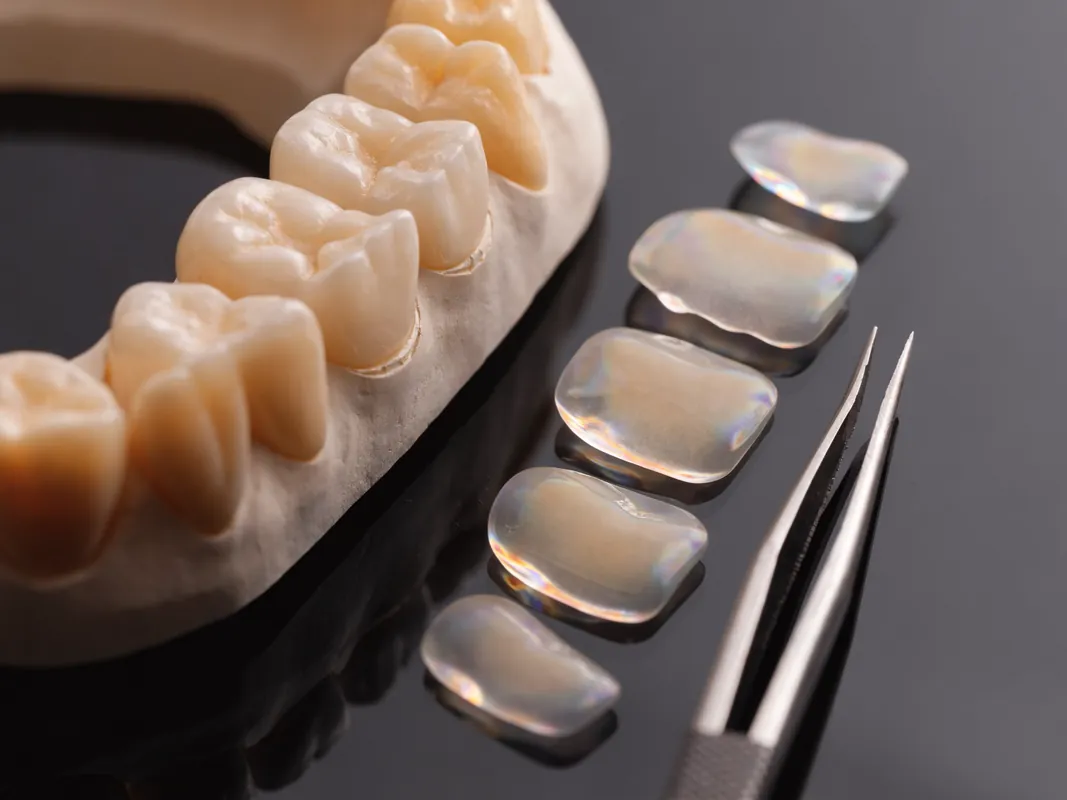
A crown may not be the most conservative option. Depending on the defect and tooth, a dentist may discuss monitoring, a direct filling, bonded composite, an inlay or onlay, a veneer for a limited front-surface concern, or another crown material. If a minimally restored tooth is being crowned mainly for appearance, ask why whitening, orthodontics, bonding or a veneer would not meet the goal with less tooth removal.
Each alternative has different requirements for retention, repair, appearance, bite load and maintenance. The comparison should be tooth-specific. Marketing tables that declare one material universally strongest, most natural or best cannot account for the preparation, restoration thickness, connector design, opposing teeth, cementation, laboratory work and patient habits.
Tooth Preparation Is Irreversible
To place a crown, the dentist shapes the tooth to create space and a suitable form for the restoration. The amount depends on the existing tooth, material system, crown design, margin, bite and any core build-up. It cannot be promised from a panoramic image or photograph. Removed tooth structure does not grow back, and the tooth will normally remain committed to restorative maintenance.
Before consent, ask the dentist to explain the diagnosis, expected tooth reduction, condition of the pulp and root, whether a core or post is proposed, and why the selected margin is appropriate. Discuss possible sensitivity, pulp complications, need for later root canal treatment, decay at the margin, gum changes, chipping, debonding, fracture, wear to the opposing tooth and bite adjustment. Comfort and healing vary; anaesthesia and post-treatment advice should be tailored to the person.
Monolithic and Layered Zirconia
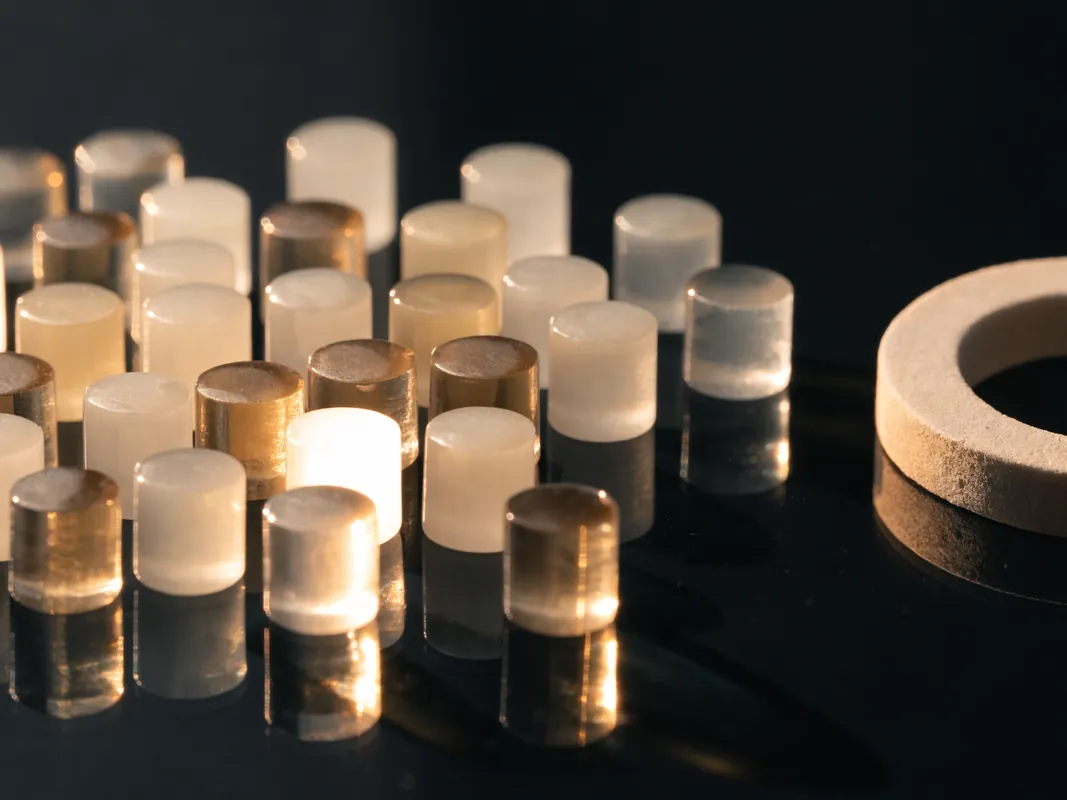
Monolithic zirconia is made primarily as one zirconia structure. Layered designs add a veneering ceramic in selected areas to modify appearance. There are also zirconia formulations with different optical and mechanical characteristics. These categories involve trade-offs rather than a universal ranking. Tooth position, available thickness, shade masking, bite, parafunction, opposing material and repair strategy all matter.
The final appearance depends on more than the word “zirconia.” Preparation colour, material opacity, restoration thickness, surface texture, glaze, stain, lighting and neighbouring teeth can affect shade integration. Ask how shade will be recorded, whether a trial or adjustment stage is planned, and how untreated teeth or existing restorations will be managed.
Verify the Exact Material and Product
Commercial names such as Prettau, Lava Plus or IPS e.max may appear when patients compare restorative options. They are only options to verify with the provider in the final written quote; a mention here does not prove that any product is stocked, selected, authentic or suitable. Ask the quote to confirm the material category, exact manufacturer and product, restoration design, shade, responsible laboratory, traceability details and any patient documentation that will be supplied.
Do the same for the cement, bonding or luting approach if it matters to future care. A batch or material record can help another dentist understand the restoration, but it does not promise a clinical outcome. If the provider changes the material after examination, require an updated plan and quote before treatment.
What a Written Treatment Plan and Quote Should State
The written treatment plan should name the legal provider and treating dentist, record the diagnosis and relevant findings, list each tooth, explain why a crown is proposed, compare reasonable alternatives, describe any core or endodontic work, state the material and design under consideration, and set out important risks. It should distinguish decisions made remotely from those that require an in-person examination.
The written quote should itemise examinations, imaging, temporary crowns, core work, root canal treatment if separately indicated, definitive crowns, laboratory changes, medication, guards and follow-up. Accommodation, flights, transfers and translation should be listed separately and treated as excluded unless expressly included. Ask what happens to the price and schedule if decay, a crack or a non-restorable tooth is found.
If a warranty or remedial policy is offered, request the terms from the named provider or manufacturer. Check the covered item, duration, exclusions, maintenance requirements, evidence required, remedy and responsibility for travel or treatment elsewhere. Do not infer coverage from a material brand or general website statement.
Treatment Stages the Provider Must Confirm
A typical pathway may include remote record review, in-person examination, diagnostic imaging where justified, stabilising disease, treatment planning, shade recording, tooth preparation, an impression or scan, temporary restoration, fabrication, try-in, fitting and a bite review. Some cases need additional diagnostic, gum, root canal or foundation work. Others may be suitable for a different restoration after examination.
The provider should confirm the stages and travel schedule in writing for your case. Laboratory production, clinical findings and requested changes can affect timing. Ask how temporary crowns will be managed, when the final material is confirmed, whether there is a separate try-in, and how much time remains for review after fitting. Do not let a departure date determine whether a crown is accepted before comfort, contacts, margins and bite have been checked.
Travel Planning for Zirconia Crowns in Antalya
Before paying, verify the clinic’s legal identity, treatment address, named clinician, professional registration, emergency contact and record-release process. Send an accurate medical history, medicines, allergies, symptoms, prior root canal details and available dental records. Remote advice is provisional because it cannot confirm decay, cracks, gum health, vitality or the bite in full.
Wait for a provider-confirmed schedule before booking non-refundable travel. Budget for the treatment and for flights, accommodation, transport, meals, insurance, an extended stay and a possible return visit. Confirm each included service in the written quote. Tell your insurer about planned dental treatment and check restrictions on elective care and related travel disruption.
Arrange aftercare before leaving. Ask how to contact the provider, what can be assessed remotely, what symptoms require urgent local care, and whether your home dentist is willing to review the work. A local dentist may need complete records and may charge for assessment or repair.
Aftercare and Maintenance
A crowned tooth still needs plaque control and monitoring. Follow the treating dentist’s instructions, brush with fluoride toothpaste, clean around and between crowns, and attend dental examinations appropriate to your risk. Avoid using crowns to bite non-food objects. If clenching or grinding is diagnosed, ask whether a custom guard is appropriate and how its fit will be checked.
Seek assessment for persistent pain, swelling, a crown that moves, a fracture, food trapping, bleeding around the margin or a bite that feels wrong. These signs do not identify the cause by themselves and should not be managed only through messages. Future decay, gum change, wear or damage can require maintenance, repair or replacement.
Records to Take Home
Request the final treatment plan, consent, itemised invoice and receipt, tooth chart, copies of relevant radiographs or scans, preparation and fitting notes, material and shade details, laboratory prescription where available, cement or bonding record, medication record, aftercare instructions and emergency contact. Keep any written remedial terms with the records. Documentation helps another dentist assess the restoration later.
Questions to Ask Before Treatment
- Why does each tooth need a full crown rather than a filling, onlay, veneer or monitoring?
- How much tooth reduction is expected and what pulp or root risks were discussed?
- Is monolithic or layered zirconia proposed, and why?
- Which exact material, manufacturer, shade and laboratory appear in the final written quote?
- Are core work or root canal treatment separate clinical decisions and fees?
- Which stages and travel dates has the provider confirmed?
- What is excluded, and what could change after examination?
- How will aftercare, records and urgent concerns be handled at home?
Build a tooth-by-tooth diagnosis before choosing zirconia
An offer for several zirconia crowns should still explain every tooth separately. One tooth may need cuspal coverage because of a large restoration; another may have only a colour concern; another may be cracked, periodontally compromised or not restorable. Giving all visible teeth the same preparation and material can conceal different diagnoses and alternatives.
Ask for a chart with symptoms, vitality or root-treatment status, existing restorations, decay, cracks, periodontal findings, remaining sound structure, occlusal role and proposed treatment for each tooth. The chart should identify teeth that need further investigation and those for which monitoring or a less invasive option remains reasonable. A panoramic image can help orient the discussion but cannot replace tooth-specific examination and appropriate close-up imaging.
Stabilise pain and disease before cosmetic planning
Unexplained pain, swelling, active decay, gum inflammation and infection need diagnosis before elective crown preparation. A new crown can cover the outside of a tooth without resolving disease inside the pulp, root or supporting tissues. Treating appearance first can also make later diagnostic tests and repairs more complex.
Ask which findings must be stable before preparation and how stability will be confirmed. If temporary treatment, periodontal care or root-canal assessment is advised, request its own diagnosis, risks, alternatives and fee. The decision to continue should follow reassessment rather than an automatic package sequence. A departure date should never be used as evidence that a painful or uncertain tooth is ready for a definitive restoration.
Pulp vitality and symptoms need their own record
The dental pulp contains nerves and blood vessels. Deep decay, cracks, previous restorations, trauma and tooth preparation can affect it. A tooth can also have symptoms that arise from another tooth, the bite, the gums or non-dental structures. Ask what history and clinical tests support the diagnosis and whether the findings are conclusive.
No test predicts the future with certainty. The consent discussion should cover short-term sensitivity, persistent symptoms and the possibility that root-canal treatment becomes necessary later, without presenting that outcome as inevitable. If the pulp diagnosis is uncertain, discuss whether further observation, treatment or referral is safer before irreversible preparation. Keep baseline test results for any clinician asked to assess the tooth after travel.
Cracks and fractures change restorability
A crown may protect some weakened teeth, but the word “crack” covers findings with very different implications. Location, depth, symptoms, periodontal probing, remaining structure and extension toward the root influence whether a tooth can be restored. A crown cannot guarantee that a crack will stop or that a tooth will remain symptom-free.
Ask how the suspected crack was identified, what uncertainty remains and which findings would make the tooth non-restorable. The quote should explain what happens if preparation reveals a deeper defect. Consent should distinguish a diagnostic provisional stage from definitive crown manufacture and should state whether extraction, root-canal care or another plan could become necessary after direct examination.
Gum health and crown margins are connected
Inflamed or unstable gums can make impressions, scans, shade communication and margin placement less reliable. Crown contours and margins can also influence plaque retention and the ability to clean. Ask whether periodontal treatment or healing is needed before definitive records and how tissue stability will be reassessed.
The visible edge of a crown is not only an appearance question. A margin must respect the tooth, existing restoration, decay, gum and restorative material. Placing it deeper is not automatically more aesthetic or durable. Discuss bleeding, recession, sensitivity, black-triangle appearance and future access. Where gum treatment overlaps, use the gum treatment and restoration sequencing guide to compare clinical gates.
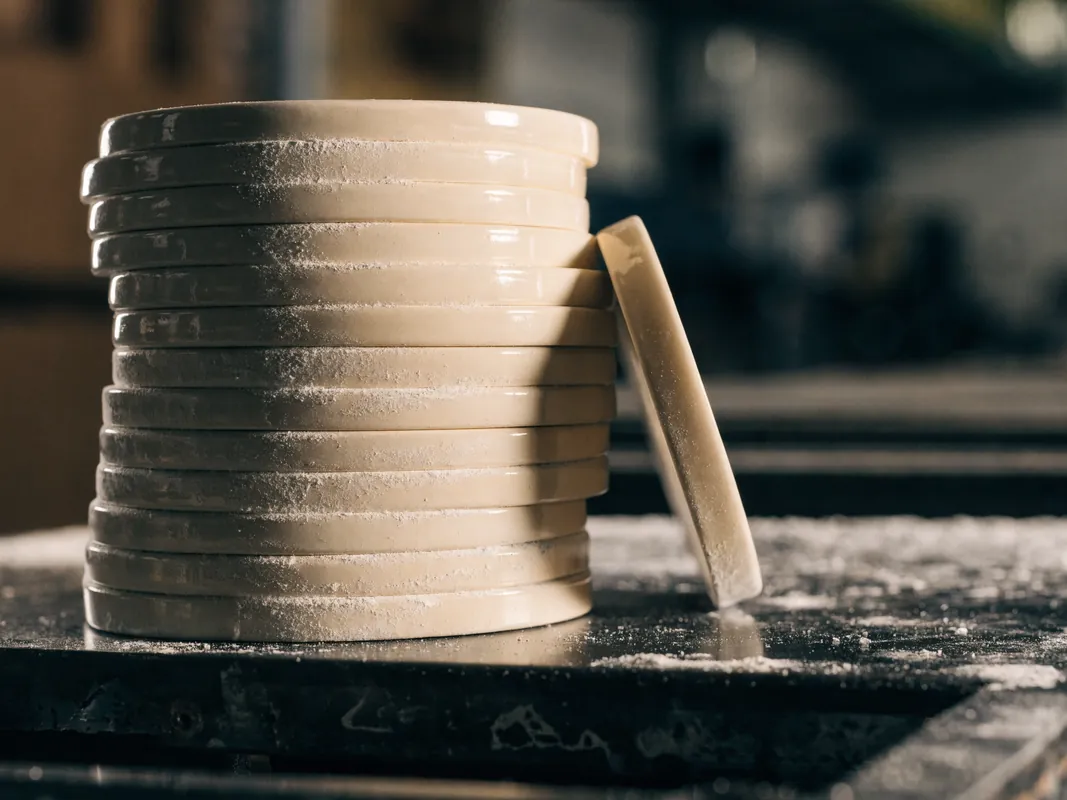
Remaining tooth structure and ferrule planning
A crown needs a restorable foundation. The dentist should assess how much sound tooth remains above the gum, whether decay or fracture extends below it, and whether the planned preparation can provide a suitable form without harming supporting tissues. The concept often called a ferrule concerns a band of sound tooth structure engaged by the restoration; its relevance is case-specific.
Ask the written plan to distinguish sound tooth, core material and any post. If adequate structure is not available, options may include a different restoration, foundation treatment, surgical or orthodontic exposure in selected cases, or extraction. Each has different risks and timing. A crown made from a strong ceramic cannot compensate for an unsuitable foundation or an unmanageable fracture.
Core build-ups are separate restorative work
A core build-up replaces missing tooth structure to support the planned crown. It is not automatically included merely because a crown price is quoted. Ask which teeth need a core, what material is proposed, what decay or old restoration will be removed, and how the dentist will confirm that the remaining tooth is restorable.
The quote should separate the diagnosis, foundation work and definitive crown. If the extent of decay cannot be known until an old restoration is removed, the plan should state the assumptions and contingency. A temporary crown may be needed while symptoms or the foundation are reviewed. Request the final record of what material was actually placed rather than only the original estimate.
Posts do not strengthen every root-treated tooth
A post may be considered when additional retention is needed for a core in a root-treated tooth. It is not a routine accessory for every crown and does not make the root indestructible. Post-space preparation, root anatomy, remaining structure and retrieval can create their own risks.
Ask why a post is proposed, which material and design are planned, how much root filling and tooth structure will remain, and what alternatives exist. The patient record should identify the actual post and cement where available. If the proposal bundles a post with every root-treated crown without tooth-specific reasoning, request clarification or another opinion.
Root-canal treatment is a separate decision gate
Preparing a tooth for zirconia does not automatically justify preventive root-canal treatment. Root-canal care should have its own diagnosis, consent, clinical records and restoration plan. Conversely, a tooth with confirmed pulpal or apical disease may need endodontic treatment before a crown can proceed.
Ask who is responsible for diagnosis and treatment, what tests and images support it, how quality and symptoms are reviewed, and what happens if healing is uncertain. The root canal and zirconia crown guide separates these decisions. Treatment time, temporary sealing, core work and definitive crown readiness should be based on clinical findings rather than a standard travel timetable.
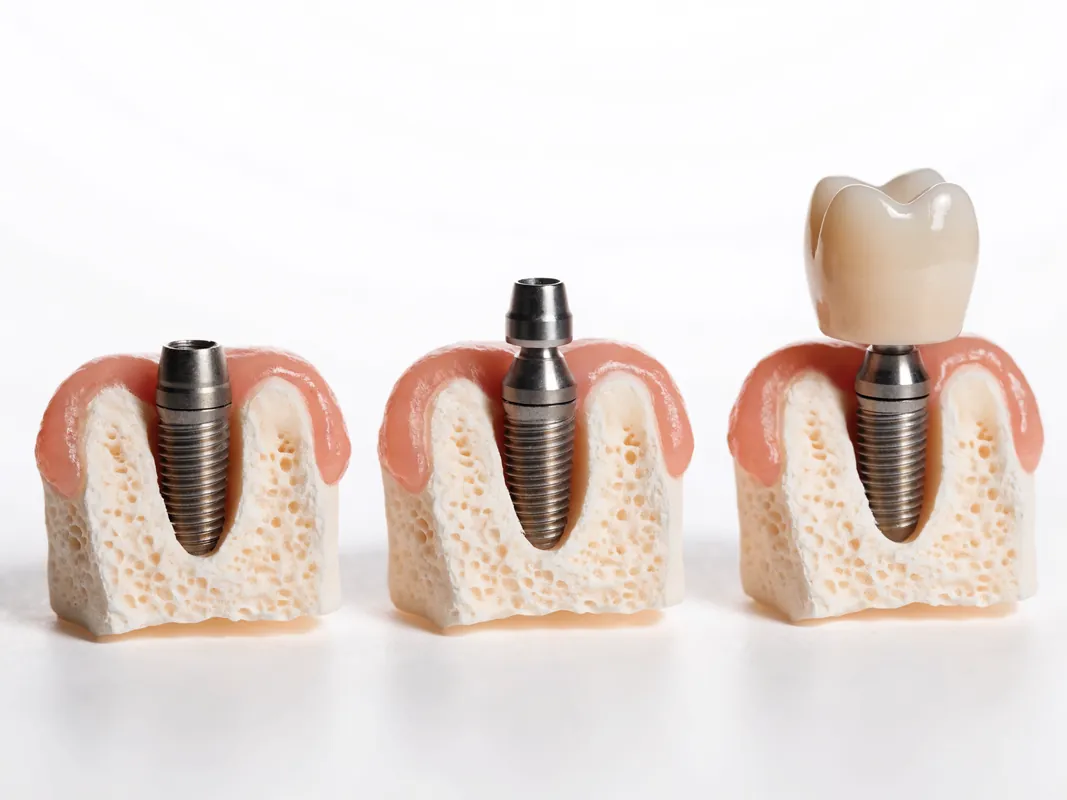
A crown on an implant is not a crown on a tooth
An implant crown is supported by an implant and abutment rather than a prepared natural tooth. It has different component, connection, screw or cement, tissue and maintenance questions. A quote saying “zirconia crown” should identify whether the restoration is tooth-supported or implant-supported.
For an implant crown, request the implant system, connection, abutment, screw and crown design, plus component traceability and torque-source information. For a natural tooth, request the diagnosis, preparation and cementation records. The same surface material can be used in very different clinical assemblies, so material marketing should not replace a complete description of the support.
Bridge abutments need a shared prognosis
When crowns are joined as a bridge, the supporting teeth, missing span, bite, connector dimensions, hygiene access and alternatives need a combined assessment. Preparing a sound adjacent tooth solely to create support is an irreversible choice that should be compared with other replacement options.
Ask which units are individual crowns and which are connected. The quote should show pontics, retainers and material rather than count every visible tooth as an identical crown. If one abutment later fails, the consequences can affect the whole bridge. Consent should cover repairability, cleaning beneath the pontic, future removal and whether an implant, removable prosthesis or no replacement is a reasonable alternative.
Restorability can change after old work is removed
Decay, cracks and unsupported tooth structure may be hidden beneath an existing filling or crown. The preliminary plan should say which findings remain uncertain and what the dentist is authorised to do if removal changes the diagnosis. A fixed package price should not pressure the patient into a more extensive procedure that was not discussed.
Useful contingencies include stopping for further assessment, placing a secure temporary restoration, arranging root-canal or periodontal advice, changing the crown plan or considering extraction. Ask how each branch changes fees, laboratory work and travel. Updated consent and an updated quote should precede additional irreversible treatment.
Zirconia is a family, not one material
Dental zirconia products differ in composition, microstructure, translucency, strength-related behaviour, indicated thickness, processing and manufacturer instructions. “German zirconia,” “multilayer zirconia” or “high translucent zirconia” is not enough to identify a product. Country language and appearance labels do not establish the exact material or its indication.
Ask for manufacturer and product family in the final written quote and record. The dentist and laboratory should select a formulation for the actual tooth, preparation, thickness, connector, shade, opposing surface and manufacturing route. A material family cannot guarantee fit, appearance, wear behaviour, fracture resistance or service life independently of design and clinical execution.
Translucency and opacity involve trade-offs
More translucent material can transmit light in a way that supports some appearance goals, while more opaque material can help mask a dark preparation or metal foundation. Optical descriptions do not provide a universal clinical ranking. Thickness, background colour, cement and surface character also affect the result.
Ask which problem the proposed opacity is solving and whether the selected formulation is indicated for that restoration type and thickness. A front tooth, posterior crown, bridge connector and implant restoration may require different decisions. If a product is changed after preparation or laboratory review, request a new material specification and confirmation that the preparation and design remain compatible.
Monolithic zirconia has no veneering layer over most surfaces
A monolithic restoration is primarily milled from one zirconia structure and then finished, characterised or glazed. This can avoid a separate veneering-ceramic layer over much of the crown, but it does not remove risks of fracture, fit problems, surface roughness, poor shade integration or later maintenance.
Ask whether the restoration is fully monolithic or includes layered areas, how surface texture and colour are created, and what can be repaired. The selected product's instructions and the laboratory design matter. “Solid zirconia” should not be interpreted as unbreakable, maintenance-free or suitable for every tooth.
Layered zirconia introduces another material interface
Layering veneering ceramic over a zirconia framework can provide additional control of form and optical effects in selected areas. It also introduces an interface and a material that can chip or require repair. Framework support, veneering thickness, cooling, bite and laboratory technique are relevant.
Ask which surfaces are layered, why layering is chosen, and what the repair or remake route is if chipping occurs. The written record should distinguish framework material from veneering ceramic. A layered design may be appropriate for a particular appearance goal, but it should not be sold as automatically more lifelike or less durable than every monolithic option.
Minimum thickness follows the exact product and indication
Tooth preparation should create space for a crown while preserving sound structure and supporting the chosen material. Required dimensions depend on the exact zirconia, restoration type, position, margin, connector and manufacturer's instructions. A universal preparation number taken from a promotional chart can be unsafe or unnecessarily destructive.
Ask the dentist and laboratory to confirm that the preparation and design follow the instructions for the specified product. If there is insufficient space, the options may include adjusting the design, changing material, modifying the opposing surface only when clinically justified, or reconsidering the restoration. Removed tooth cannot be restored simply because a different material is later selected.
Opposing-tooth wear depends on the finished surface
Material hardness alone does not explain how a crown interacts with the opposing tooth. Surface roughness, glazing, polishing after adjustment, bite contacts, habits and opposing material matter. A crown that has been adjusted should receive the finishing steps required for that product and clinical situation.
Ask how the laboratory and dentist finish occlusal surfaces, which polishing system is used after chairside adjustment and how the opposing teeth are reviewed. If a rough surface, new wear, sensitivity or bite change develops, seek assessment. Avoid blanket claims that zirconia never wears opposing teeth or always causes excessive wear.
Clenching and grinding change the restorative plan
Parafunction can contribute to tooth wear, muscle symptoms and mechanical complications. The assessment may consider wear facets, fractures, previous restoration history, symptoms and functional movements. No single sign proves the diagnosis, and a crown does not treat every cause of grinding.
Ask how the proposed material, thickness, contacts and connector design account for the patient's risk. A protective appliance may be considered after clinical assessment, but it is not a universal guarantee. The quote should state whether a custom guard is included, who fits it after crown delivery and how it will be reviewed when the bite changes.
Verify the exact zirconia product in writing
Commercial names such as Zirkonzahn Prettau, Kuraray Noritake KATANA and 3M Lava Plus are examples to verify in the final written quote, not evidence that a provider stocks, uses or is authorised for them. IPS e.max is an Ivoclar product family that includes materials outside zirconia, so its name should never be treated as a synonym for every ceramic crown.
Ask for the exact manufacturer, product family, variant, shade or disc information available, restoration design and responsible laboratory. Product identification supports future understanding but does not prove authenticity or clinical suitability by itself. If the material changes, require an updated written quote and consent before fitting.
The laboratory prescription is a clinical record
The dentist's prescription should communicate the patient-specific restoration: tooth, material, design, shade, margin, contacts, occlusion, pontics or connectors, implant components where relevant and other requested features. The laboratory then needs accurate records and must work within its legal and professional responsibilities.
Ask who owns the diagnostic and design decisions, who can authorise changes and how discrepancies are resolved. A laboratory should not independently turn a conservative plan into a more extensive one. Request the laboratory name and restoration specification for the handover. The GDC's record standard lists laboratory prescriptions and conformity statements among records where available.
CAD/CAM is a workflow, not a quality guarantee
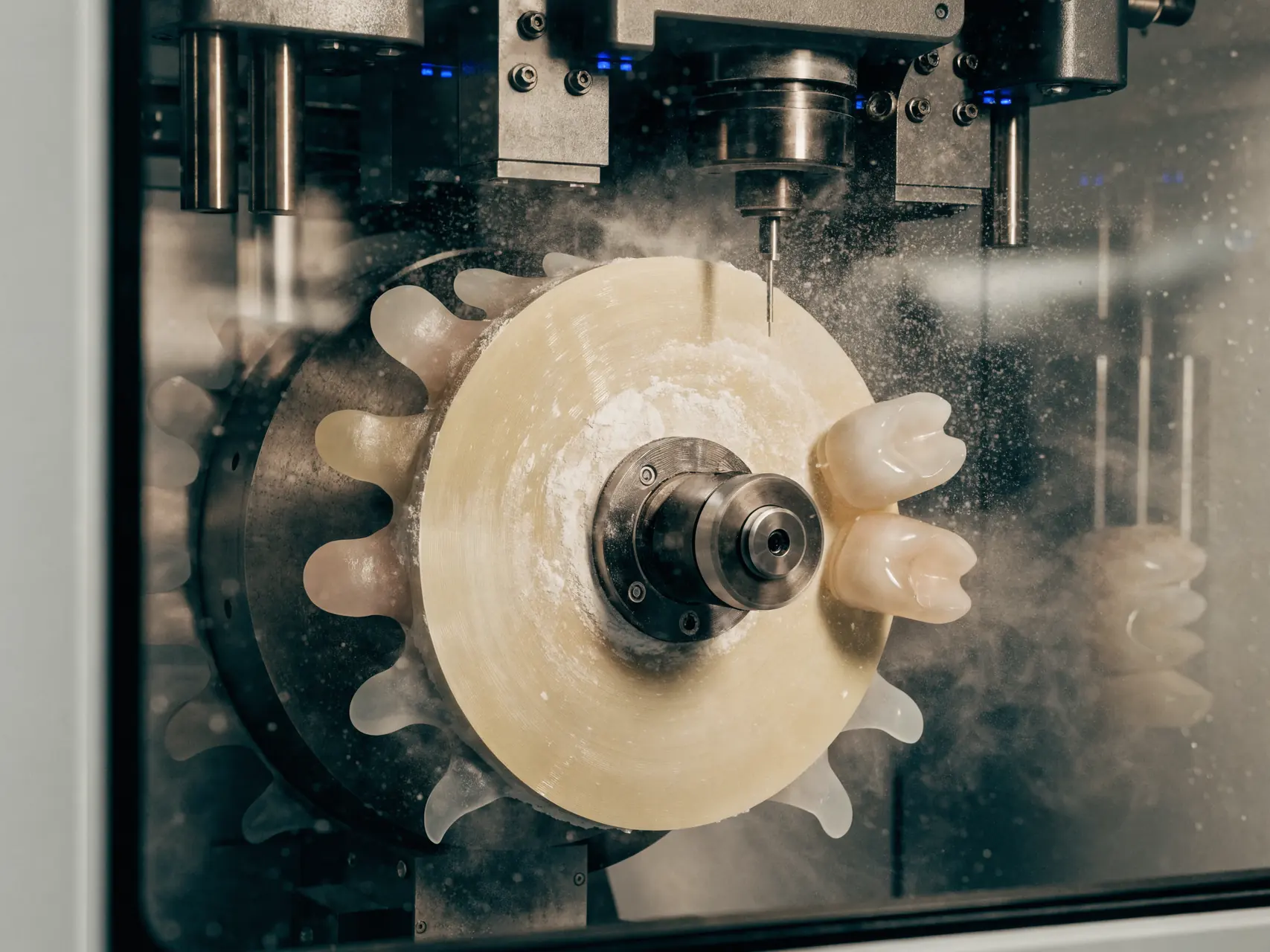
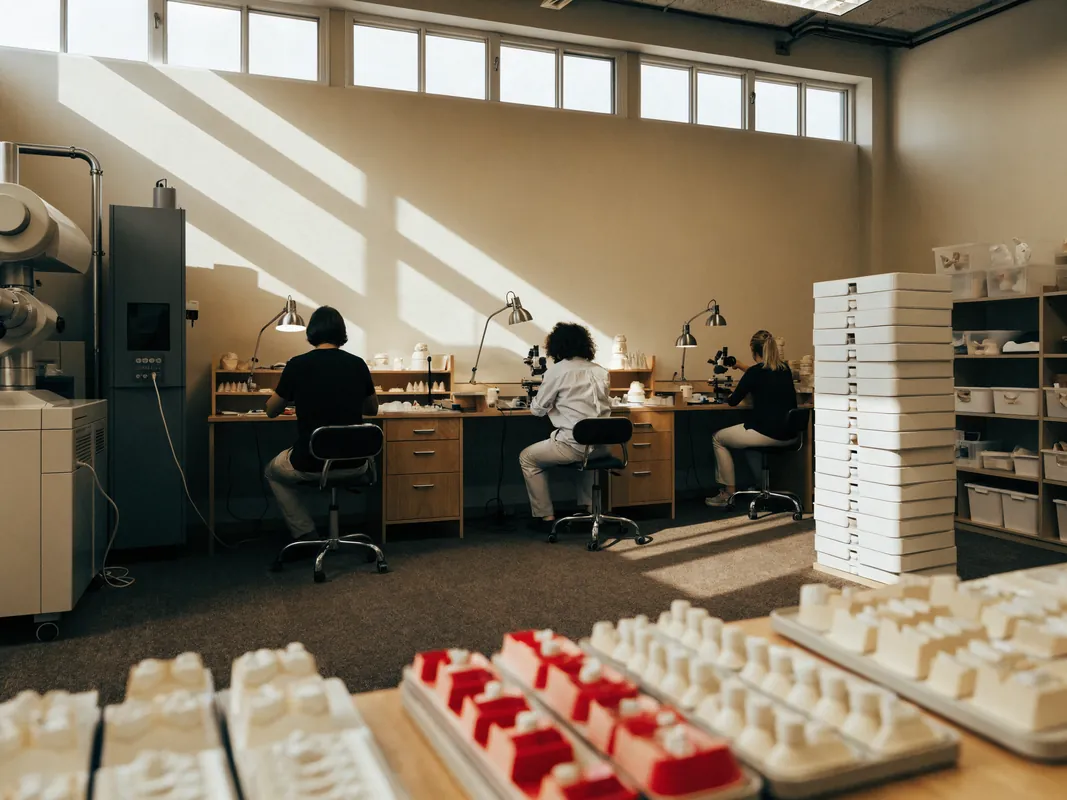
Computer-aided design and manufacturing can involve scanning, software design, milling, sintering and finishing. Accuracy at each stage depends on records, equipment, calibration, material handling and clinical verification. A machine brand or an image of a milling unit does not prove the final crown's fit or suitability.
Ask who scans, designs, reviews and manufactures the restoration, and what checks occur after milling and sintering. If production is outsourced, request the responsible laboratory rather than assuming work is performed at the treatment address. Digital tools can improve repeatability and communication, but the dentist must still assess margins, contacts, bite, appearance and tissue response.
Impression and scan quality can change the result
Conventional impressions and intraoral scans are both ways to record prepared teeth and surrounding structures. Moisture, bleeding, retraction, access, scanner strategy, impression material, distortion and data handling can affect the record. Neither method is automatically accurate in every situation.
Ask how tissue health and margin visibility are confirmed before the definitive record. If the scan or impression is incomplete, repeating it may be safer than asking the laboratory to guess. The patient should know whether the record, design and photographs are retained and how they can be supplied to another clinician if a remake or review is needed.
Shade selection needs controlled communication
Shade is influenced by lighting, dehydration, surrounding colours, camera settings, material thickness, underlying tooth colour and neighbouring restorations. A single shade-tab photograph sent through a messaging app may not reproduce those conditions reliably. The plan should define whether the aim is to match natural teeth or create a coordinated new shade across several restorations.
Ask when shade is selected, who records it, what photographs or maps go to the laboratory and whether the patient can review a try-in or prototype. A named shade is not a guaranteed visual outcome. If appearance is unacceptable within the agreed clinical limits, clarify the adjustment and remake process before final cementation.
The preparation colour can show through some designs
A dark tooth, metal post, old core or implant abutment can influence the appearance of a translucent restoration. Ask the dentist to document the underlying shade and tell the laboratory what must be masked. Material opacity, thickness and cement can then be selected together.
Changing to a more opaque zirconia can affect optical character, while removing additional tooth merely to gain thickness is irreversible. The consent discussion should explain the compromise. If the underlying condition differs after preparation, the team should pause and revise the specification rather than deliver a crown designed for an inaccurate background.
Whitening should be sequenced before shade-critical crowns
Whitening can change natural teeth but generally does not lighten existing crowns to match. If whitening is a genuine goal, it may need to occur before final crown shade selection, with sufficient clinical reassessment for sensitivity, oral health and shade stability. It should not be added automatically to a crown package.
Ask which teeth are natural, which are restored and what colour change is realistically expected. The zirconia and whitening sequencing guide helps separate the decisions. Whitening needs its own dental assessment and consent; the crown schedule should not be compressed to fit a promotional itinerary.
Gum level and emergence shape affect appearance
The apparent length and symmetry of crowns depend on tooth position, gum margins, papillae, lip movement and the contour where a restoration meets tissue. A laboratory cannot correct every asymmetry by making a crown wider or longer without affecting cleaning and proportions.
Ask whether gum inflammation, recession or tissue treatment changes the plan. Any periodontal or surgical proposal needs its own diagnosis and healing gate. A digital image of idealised gum levels is not proof that tissues can or should be altered. Definitive margins and contours should be based on a stable clinical condition.
Temporary crowns protect and test the plan
Temporary restorations can protect prepared teeth, maintain position and provide information about shape, speech, contacts and bite. They can loosen, fracture, feel sensitive or irritate tissues and may need adjustment. Ask what material and retention are planned and what to do if a temporary is lost during travel.
For multiple teeth, temporaries can help reveal design problems before definitive manufacture. The patient should understand which features are provisional and how feedback is recorded. A temporary that looks acceptable does not prove the final material will behave identically, but unresolved functional or hygiene problems should not be ignored before the next stage.
Try-in is a decision gate before final cementation
A try-in may allow the dentist to evaluate seating, margins, contacts, bite, shade and appearance before final cementation, although the exact possibilities depend on the material and cementation plan. The patient should know what can still be changed and what acceptance means.
Ask for enough time to view the restoration under useful lighting and to speak or smile where relevant. Appearance approval does not replace clinical checks. If a crown does not seat, feels high, traps floss or has an unacceptable shade, ask how the cause is investigated. Permanent cementation should not be rushed solely because departure is approaching.
Proximal contacts need functional testing
The contact between a crown and neighbouring teeth helps control food passage and tooth position. A contact that is too tight can prevent cleaning or seating; one that is open can trap food. Floss resistance is one part of assessment, not the only measure.
Ask the dentist to check contacts after fitting and explain the cleaning method. Persistent food trapping, gum soreness or difficulty passing the recommended aid deserves review. Adjusting neighbouring healthy teeth to compensate for a poorly fitting crown should have a clear clinical reason and consent.
Margins need visual, tactile and radiographic judgement where indicated
The crown margin should fit the prepared tooth and be accessible to assessment and cleaning as far as the clinical design allows. Excess cement, an open edge, over-contour or a deep inaccessible margin can create problems. No single photograph or scan view proves complete fit.
Ask how the dentist verifies seating and removes excess cement, and whether imaging is clinically indicated. Baseline records help later comparison. Patients should not be told that bleeding or food retention is inevitable around every crown. Tissue symptoms may have several causes and need examination.
Bite adjustment must cover more than a single tap
The dentist may assess contacts while the jaws close and during movements. A patient who is numb, tired or adapting to several restorations may not identify every concern immediately. Ask how the bite will be reviewed after anaesthesia fades and who can adjust it near home.
A crown that feels high can cause discomfort or altered function, while indiscriminate grinding can damage anatomy, surface finish or material thickness. The adjustment should be clinically directed and followed by the manufacturer's appropriate finishing process. Record major changes for future maintenance.
Polishing after adjustment is not cosmetic only
Chairside adjustment changes the restoration surface. The required finishing and polishing sequence depends on the exact material and manufacturer instructions. A visually glossy surface is not the only objective; the clinician must create an appropriate surface while preserving form and contacts.
Ask which system is used and whether glaze alone or polishing is appropriate after adjustment. Future clinicians benefit from knowing the material before they alter it. If the crown develops a rough edge, catches the tongue or appears to wear an opposing tooth, seek professional assessment rather than trying to smooth it at home.
Cementation and bonding are product-specific steps
The way a crown is retained depends on preparation form, crown material, surface treatment and the selected cement or bonding system. Zirconia requires its own evidence-based and manufacturer-compatible approach. A generic promise of “permanent glue” hides important technical choices and limitations.
Ask the treating dentist to document the cement or bonding material and relevant surface treatment. Contamination, moisture and cleaning after try-in can affect the process. The patient does not need to choose a chemical protocol, but should expect accountable selection and a record that supports future removal, repair or recementation.
Isolation and tissue control support predictable fitting
Saliva, blood and crevicular fluid can interfere with records, try-in and cementation. The clinician should choose isolation and tissue-management methods appropriate to the tooth and procedure. These methods have their own comfort and tissue considerations and should not be marketed as universally atraumatic.
Ask how inflamed or bleeding tissue will be managed and whether definitive fitting should wait. A travel deadline is not a reason to cement a restoration under unsuitable conditions. If temporary measures are safer, the patient needs instructions and a documented follow-up plan.
Clinical readiness controls each stage
A useful schedule is built from gates: disease is controlled; the tooth is restorable; the preparation and tissue are suitable; the definitive record is accurate; the laboratory prescription is confirmed; the crown passes clinical checks; and the patient has aftercare. Dates describe appointments, but evidence authorises progression.
Ask what finding postpones preparation, scanning, manufacture or cementation. When treatment changes, the GDC consent standard provides a useful principle: explain and document the change and obtain agreement. This matters in any cross-border plan even when the treating dentist is regulated outside the UK.
Travel plans need laboratory and review contingency
Manufacture can be delayed by a repeated scan, material change, remake or additional clinical treatment. Ask the provider for an individual schedule and the minimum review period after fitting, plus a reasonable contingency. Avoid non-changeable travel until the responsible clinician confirms the plan.
Separate clinical readiness from hotel check-out. If the crown cannot be safely fitted, understand the temporary option, additional visit and cost allocation. Travel insurance may exclude planned dental care or complications, so read the policy. No page can confirm personal fitness to fly after a procedure; follow the treating clinician's advice.
An itemised quote should identify every tooth and stage
Request a line for examination and imaging, disease-control treatment, each core or post, temporary crown, definitive crown, exact material and design, laboratory changes, root-canal or periodontal work when separately indicated, medicines, guard, reviews and records. The quote should say which items are provisional assumptions.
Ask how the price changes if a tooth is non-restorable, a different material is required or an extra appointment is needed. Payment stages, currency, refunds and cancellation terms should be written. Accommodation, flights, transfers, translation and extra travel remain excluded unless a separate contract expressly includes them.
Clinical and travel contracts should remain separate
Identify the legal entity providing dental care, the laboratory, and any facilitator, hotel or transport supplier. A single payment link can obscure different responsibilities. Ask for invoices and terms that match the actual service and explain who handles complaints and refunds.
Clinical consent belongs with the responsible dentist and should not be exchanged for permission to use photographs in marketing. A travel coordinator can arrange logistics but should not diagnose sensitivity, approve crown cementation or tell a patient to ignore symptoms. Keep copies of all contracts and clinical documents outside the booking platform.
A guarantee needs a provider, scope and remedy
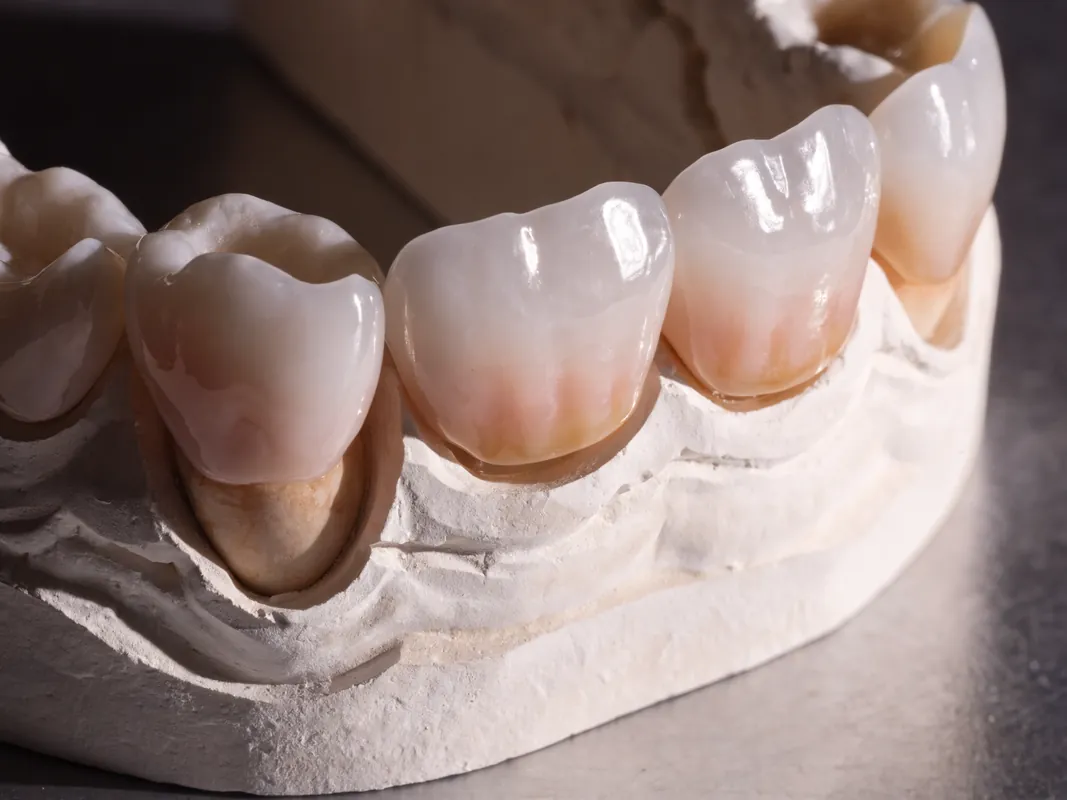
A material brand does not guarantee the crown. If a remedial policy is offered, obtain the named legal provider, covered item, duration, exclusions, maintenance obligations, evidence required and actual remedy. Ask whether it covers diagnosis, removal, laboratory work, a temporary crown, neighbouring teeth, travel and local treatment.
Terms that offer only a replacement crown may leave substantial costs outside scope. A requirement for periodic reviews should state where equivalent care can occur and how it is documented. Do not interpret a “lifetime” material description as a clinical promise for the tooth, cement, gum or restoration.
Risks include biological and mechanical events
Possible problems include sensitivity, pulpal inflammation or loss of vitality, decay at the margin, gum inflammation or recession, food trapping, contact or bite problems, debonding, chipping, fracture, wear, colour mismatch and need for repair or replacement. Root, core, post or supporting tooth problems can occur beneath an intact crown.
The relevance and likelihood of each risk depend on the tooth and plan. Ask the dentist to explain material risks and alternatives in terms the patient understands. Population data or laboratory strength values cannot guarantee an individual crown's outcome and should not replace a case-specific consent conversation.
Sensitivity after preparation needs a triage plan
Some prepared vital teeth may be temporarily sensitive, while persistent or worsening symptoms can signal another problem. Pain with biting, spontaneous pain, swelling or sleep disturbance deserves assessment. A remote message cannot diagnose the pulp, bite or margin.
Obtain instructions for expected symptoms, permitted self-care and the threshold for urgent review. Ask who provides local examination after departure and how records are shared. Do not start antibiotics or undergo root-canal treatment solely on generic advice; a qualified clinician should examine and diagnose the cause.
Debonding, chipping and fracture are different failures
A crown can become loose because cement retention fails, chip at a layered surface, or fracture through the restorative material. The tooth or core can also fracture while the crown appears intact. Management depends on diagnosis, contamination, remaining structure, material and whether the crown can be safely reused.
Do not glue a crown at home. Keep it safe, avoid chewing on the tooth and seek professional advice. Ask the original provider what records and photographs a local dentist should collect. A guarantee should not delay urgent protection of a prepared tooth or treatment of pain.
Secondary decay and periodontal change remain possible
A crowned natural tooth can still develop decay near its margin, and the supporting gum and bone can change. Fluoride exposure, diet, plaque control, dry mouth, margin design and regular examination influence risk. The crown surface itself does not protect the root from every disease process.
Ask for individual prevention advice and a review interval based on risk. Clean at the margin and between teeth with tools the dentist demonstrates. Bleeding, bad taste, food trapping, new sensitivity or visible edge changes deserve assessment rather than being dismissed as normal ageing.
Urgent signs should be written before departure
Seek prompt dental assessment for worsening pain, swelling, fever, discharge, trauma, a moving crown, a fractured tooth, inability to bite, or a temporary crown that leaves a prepared tooth exposed. Difficulty breathing or swallowing, rapidly spreading swelling or severe systemic illness requires urgent medical help.
Ask for a direct clinical route during the stay and a separate route after returning home. A facilitator's inbox is not an emergency service. The patient should know the treatment address, clinician, record holder and how another professional can obtain information quickly.
Daily care should protect tooth, margin and surrounding tissues
Brush with fluoride toothpaste as advised and clean between crowned teeth. The exact aids depend on contacts, bridge units, gum spaces, dexterity and disease risk. A crown should not be used to open packaging or bite non-food objects.
Ask for a practical demonstration before departure. If floss repeatedly shreds, cannot pass or drops through without resistance, seek a contact and margin review rather than forcing it. A professional maintenance plan should monitor the crowned tooth, gums, bite and neighbouring teeth, not only polish the ceramic.
A guard is not a substitute for diagnosis or adjustment
A custom occlusal appliance may be considered for diagnosed clenching, grinding or restoration protection. It needs an accurate fit after definitive crowns and should be reviewed. An old guard may no longer seat correctly after treatment and should not be forced.
Ask who prescribes and fits the appliance, what it is intended to do, how it is cleaned and when it is checked. A guard cannot compensate for an unresolved high contact, unsuitable crown design or active pain. Its fee and replacement terms should appear separately in the quote.
Repair, recementation and replacement are distinct options
Minor surface damage might be repairable in some circumstances; a loose crown might be recemented if the tooth and restoration are suitable; other problems require remake or different treatment. Material, defect, contamination, fit, aesthetics and underlying tooth condition influence the choice.
Ask what repairs are possible locally and what information a clinician needs. A patch may be an interim measure rather than a definitive solution. If a crown is removed, request an updated record of the tooth, foundation, diagnosis and new material. Future treatment should not rely on the original brochure.
Records should describe what was actually delivered
Take home the diagnosis, tooth chart, consent, itemised invoice, pre- and postoperative images, preparation and fitting notes, pulp or root-treatment information, core and post details, temporary-restoration record, exact crown material, shade, laboratory, cement or bonding material, bite adjustments, aftercare and emergency contact.
The GDC record standard includes radiographs, consent, photographs, models, laboratory prescriptions and conformity statements where available. Request files in usable formats and store them securely. A short “zirconia crowns fitted” certificate does not give a local dentist enough information for continuity.
Ask about the custom-made device statement
Dental crowns are patient-specific devices. Rules differ by country, but documentation from the responsible manufacturer or laboratory can be relevant. The UK MHRA's [custom-made device guidance](https://www.gov.uk/government/publications/custom-made-medical-devices/custom-made-devices-in-great-britain) explains the prescription and statement framework for devices placed on the Great Britain market; it does not certify a crown made or fitted elsewhere.
Ask the treating provider what lawful device documentation applies where the crown is manufactured and supplied, and request the available statement or conformity information. Such a statement supports traceability; it does not prove clinical fit, dentist competence or a guaranteed outcome.
Arrange a local handover before irreversible preparation
Ask a dentist near home whether they are willing to examine, radiograph where indicated, adjust or repair overseas crowns and what records they require. Do not assume they will accept responsibility for work they have not assessed or that remedial care will be free.
The overseas provider should name a clinician who can answer technical questions and transmit records securely. The handover should distinguish expected monitoring from a possible emergency and identify who pays. Planning continuity before treatment is safer than searching for help after a temporary crown loosens or pain develops.
Health records and photographs need secure handling
Ask which legal entity controls submitted records, why each item is needed, who receives it, where it is stored, how long it is retained and how to access or correct it. Use a secure method for health information. Consent for clinical use should be separate from permission for advertising or social media.
Only relevant information should be shared with the laboratory or local dentist, and the route should protect confidentiality. A convenient sales chat is not automatically an appropriate clinical-record system. Keep your own copies of final records and document whom you authorised to receive them.
Verify the provider and responsible dentist
Before booking, obtain the legal facility name and treatment address and the dentist responsible for diagnosis, preparation, consent and fitting. Check current registration with the relevant authority, actual role and any formally recognised specialist title being claimed. Ask who manages complications and complaints.
Verify the laboratory name and who can authorise material or design changes. Photographs of equipment, certificates and brand logos do not establish registration, competence, stock, manufacturer authorisation or the material ultimately delivered. Provider identity and product verification are separate tasks.
Red flags in a zirconia crown offer
Pause if every visible tooth receives the same crown recommendation without diagnosis; healthy structure is described as irrelevant; root-canal treatment is automatic; exact material and laboratory are withheld; a brand name is used as a universal quality claim; or a fixed departure date controls cementation.
Other warnings include no temporary or contingency plan, no opportunity to review shade, an unitemised price, pressure to approve changes during preparation, no local aftercare route, unavailable records, or a guarantee without a legal provider and remedy. Cheap is not automatically unsafe and expensive is not proof of quality. Accountable detail is more useful than price signalling.
Zirconia crown comparison worksheet
Create one row per tooth. Record diagnosis, symptoms, vitality or root status, remaining structure, periodontal findings, alternatives, preparation, core or post, provisional plan, exact zirconia product, monolithic or layered design, shade, laboratory, cementation, clinical stages, risks, aftercare and price. Add columns for assumptions and what happens if they fail.
For each proposal, also record the named dentist, legal facility, records supplied, local handover, clinical exclusions and separate travel terms. Compare like with like: an offer including cores or temporaries is not the same as a crown-only price. Unknowns should remain visible rather than being scored as included.
Evidence sources and their limits
The [American Dental Association's crown overview](https://www.mouthhealthy.org/all-topics-a-z/crowns) explains common reasons a crown may be used. The [NHS dental treatment overview](https://www.nhs.uk/live-well/healthy-teeth-and-gums/dental-treatments/) provides general treatment context. The [GDC consent standard](https://standards.gdc-uk.org/pages/principle3/principle3) and [record standard](https://standards.gdc-uk.org/pages/principle4/principle4) provide useful questions about options, costs, ongoing consent and records.
The [MHRA custom-made device guidance](https://www.gov.uk/government/publications/custom-made-medical-devices/custom-made-devices-in-great-britain) explains a GB regulatory framework, not the law governing every overseas crown. Manufacturer instructions apply to exact products and should be interpreted by responsible dental professionals. None of these sources can diagnose a tooth or select a zirconia formulation online.
Final decision checkpoint for zirconia crowns
Before consenting, confirm that each tooth has a written diagnosis; alternatives and the amount of irreversible preparation have been discussed; pulp, root, periodontal and foundation uncertainties are visible; the exact product and design will be verified; the laboratory and responsible dentist are named; provisional and definitive stages have clinical gates; quote and travel terms are separate; and records and local aftercare are arranged.
Take time to correct missing or inconsistent details. A well-known ceramic name does not make an unsuitable crown appropriate, while a clinically justified zirconia crown still depends on preparation, laboratory design, fitting, maintenance and the supporting tooth. The quality of the decision lies in diagnosis and accountability rather than the material label alone.
You can share existing records for an initial review, but the final decision belongs to the clinician who examines you and accepts responsibility for care. Ask for the alternatives, uncertainties, written treatment plan, itemised quote, confirmed schedule and aftercare route before agreeing to irreversible tooth preparation.