A birthday does not determine whether dental implant treatment is appropriate. Neither does a reassuring website slogan. Chronological age alone cannot decide suitability, likely benefit, surgical burden or whether a restoration can be maintained. The useful starting point is the person: what oral function they want, what health and medicines must be considered, how resilient and independent they are, what support is available, and whether the proposed result can be cleaned and reviewed over time.
This guide is for older adults, families and carers researching dental implants after tooth loss. It uses “older adult” rather than assuming that everyone over a particular age has the same health or needs. It explains a planning framework, not a pass-or-fail rule. It cannot diagnose a mouth, assess frailty, interpret imaging, recommend anaesthesia, alter medicine or predict an implant outcome.
WeCare is not the treating dental provider. Its role is limited to enquiry and referral coordination and, if separately agreed, travel logistics only to the extent confirmed in writing. The named clinic and named clinician must own examination, diagnosis, consent, treatment, prescriptions, records, complaints and clinical aftercare. Before paying or sharing detailed health information, verify those identities, current professional registration, legal clinic entity and direct clinical contact route.
Start with function and goals, not an age cut-off
“Can I have implants after 60?” is too broad to produce a responsible answer. A person considering one replacement tooth has a different decision from someone considering a full-arch fixed bridge, an implant-retained removable denture or extensive extractions. The amount of surgery, future maintenance, financial exposure and effect on daily life can be very different.
Start by defining the problem in the person's own words. Is the priority to chew a wider range of food, reduce movement of a denture, speak more confidently, replace one tooth, avoid altering adjacent teeth, simplify cleaning, or address discomfort? Which activities matter most? What is already working? What burden would be acceptable to pursue a possible improvement?
WHO describes healthy ageing through functional ability: the capacity to do what a person values, shaped by physical and mental capacity and the surrounding environment. Applied to oral rehabilitation, that means the plan should consider eating, communication, mobility, vision, hearing, memory, manual dexterity, energy, social support and access to care. Functional ability, capacity for oral hygiene and dependable local support belong in the same discussion.
Do not replace an age cut-off with a different single score. A function-led assessment is still individual. A person who walks independently may need help managing a complex cleaning routine. Someone with mobility limitations may have strong decision-making capacity and excellent carer support. Another person may have stable medical conditions but find repeated appointments burdensome. The clinical team should explore these differences rather than attaching assumptions to age.
Ask the named clinician to describe the intended functional benefit and how it will be assessed. “Fixed teeth” is not a complete goal. Clarify the planned restoration, whether it is fixed or removable, how it will be cleaned, what sensation and adaptation may be involved, what happens if health or independence changes, and how repair or conversion would work. Appearance matters, but it should not silence questions about comfort, speech, access for hygiene and long-term serviceability.
Research should be read cautiously. A 2025 systematic review by Abou-Ayash and colleagues examined implant survival and success in older cohorts. The authors noted limitations including the absence of important patient-centred outcomes and the need to evaluate medical risk, possible benefit, oral-hygiene capacity and access to care. Group survival estimates do not prove suitability or forecast benefit for one person. Participants selected for studies may also differ from people living with greater frailty or dependency.
Frailty, resilience and treatment burden
Frailty is not another word for age and should not be diagnosed from a booking form. It broadly concerns reduced resilience to health stressors and may change over time. A proper assessment belongs with appropriately trained healthcare professionals using the person's history, function and context. A travel coordinator cannot classify frailty or declare someone fit for surgery.
NICE guidance on multimorbidity encourages care that reflects personal goals, treatment burden, medicines, frailty and the likely balance of benefit and harm. For implant planning, useful questions include:
- How does the person manage ordinary activities and personal care?
- Can they transfer safely into a dental chair and remain positioned for the planned appointment?
- Are fatigue, pain, breathlessness, dizziness or mobility limits relevant to appointment length or travel?
- Can they understand and carry out the proposed cleaning routine, or is reliable assistance available?
- Are vision, hearing, speech, memory or dexterity changes relevant?
- How many other health appointments and treatments are already competing for time and energy?
- Could a simpler restoration meet the person's main goal with less treatment burden?
- Is there a plan if independence or carer support changes?
These questions are not a self-screening checklist that grants clearance. They help the named clinician identify what information or professional input is needed. A person may benefit from shorter or staged discussions, accessible written material, a familiar supporter, rest opportunities or treatment closer to home. Another may decide that the burden of surgery, travel and maintenance outweighs the expected benefit.
Treatment burden includes more than the operation. Consider diagnostic visits, extractions, healing stages, temporary restorations, laboratory stages, review appointments, maintenance, possible repairs, transport, time away from home and the work expected from a supporter. A plan can be technically possible but practically unsustainable.
Ask what would happen if mobility, cognition, dexterity or general health later declines. Can the restoration still be cleaned? Could a local clinician access components? Can a fixed design be maintained by a carer? Could it be modified if circumstances change? Planning for future dependency is not pessimism; it is part of informed choice.
Oral and periodontal assessment
Implant planning begins with the whole mouth, not with a missing-tooth photograph. The named clinician should assess remaining teeth, gums, supporting tissues, mucosa, bite, jaw function, hygiene, existing dentures or restorations and the proposed implant sites. Active pain, infection, untreated decay or periodontal disease may change priorities.
Ask whether the assessment includes:
- a current medical and dental history;
- the reason for tooth loss and any ongoing disease;
- periodontal examination around remaining teeth;
- plaque control and whether the proposed restoration can be cleaned;
- the condition and prognosis of teeth that may support or oppose the restoration;
- denture fit, retention and function if a denture is already used;
- soft-tissue health and any persistent lesion;
- bite, jaw movement and parafunctional loading where relevant;
- bone and anatomical findings from clinically justified imaging;
- dry mouth, swallowing or nutrition concerns requiring another professional's input;
- the person's ability or support to maintain the proposed design.
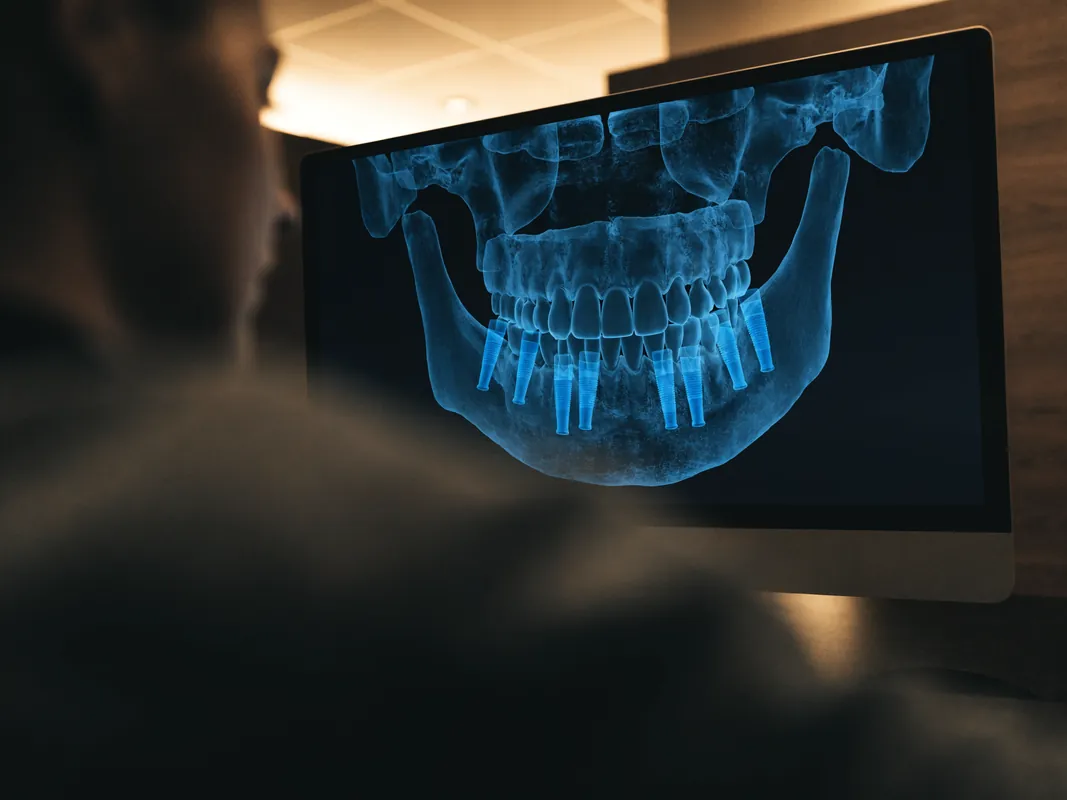
Imaging should answer a clinical question. A panoramic image, small dental radiograph and three-dimensional scan provide different information. More imaging is not automatically better. Ask who prescribes it, why it is needed, who interprets it, how findings affect options, and how the images and report will be supplied to you. A remote scan review does not replace examination and consent by the clinician taking responsibility.
Periodontal stability matters before and after implant placement. A history of periodontitis does not create one universal rule, but it should lead to explicit assessment and a maintainable aftercare plan. Ask what needs treatment first, how response will be reviewed, who provides supportive care and what local records are needed. The European Federation of Periodontology's peri-implant guideline supports prevention, monitoring and supportive care rather than relying only on the initial operation.
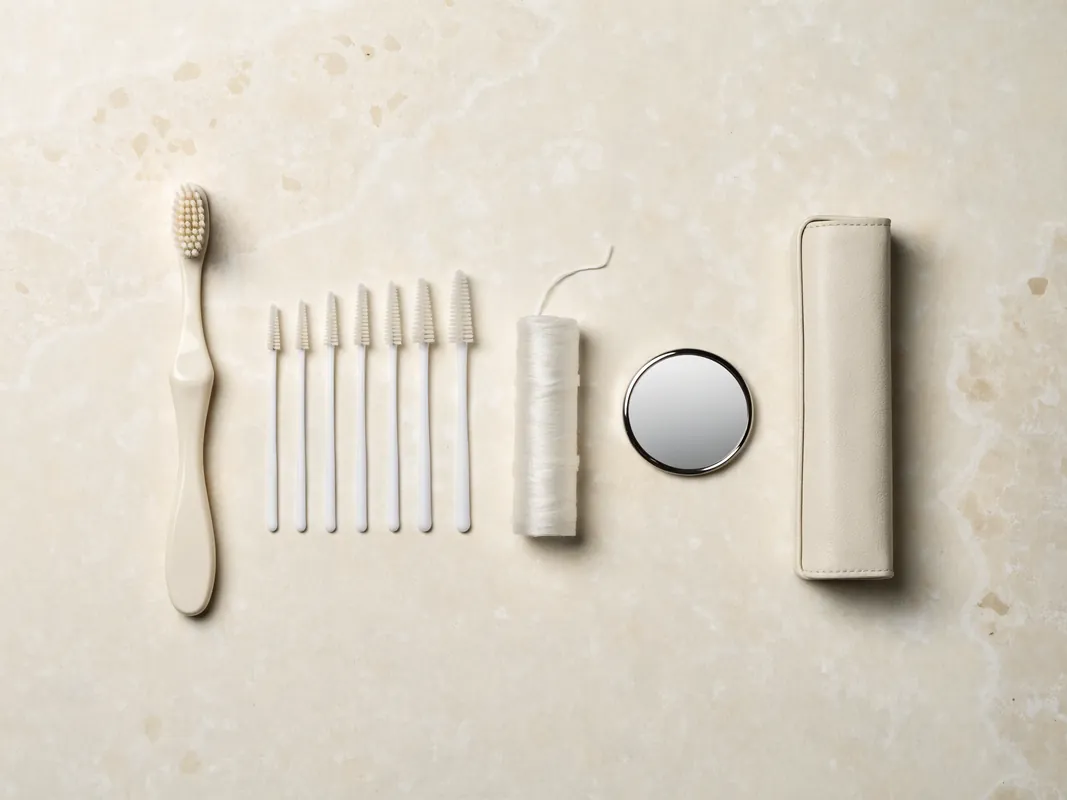
Oral hygiene should be tested against real life. Can the person see and reach the relevant surfaces? Can they grip a brush or interdental aid? Would a caregiver help, and has the person consented to that role? Is the restoration contour accessible? A design that is difficult to clean may become harder to manage if function declines.
Pain, chewing limitation or a poorly fitting denture may already affect diet and quality of life, but an implant should not be marketed as a guaranteed nutrition treatment. A 2026 systematic review of dietary and nutritional outcomes in older implant patients noted a need to clarify these outcomes. Discuss functional aims honestly and involve the person's usual healthcare or nutrition professionals when clinically appropriate.
Medicines and comorbidities without self-adjustment
Older adults are more likely to live with several conditions or use several medicines, but the number of diagnoses or tablets does not itself determine treatment. The responsible clinician needs an accurate, current picture and may need focused communication with the person's usual healthcare team.
Prepare a list of:
- all prescribed medicines, including injections, inhalers and topical products;
- non-prescription medicines, vitamins, herbal products and supplements;
- medicine allergies and previous adverse reactions;
- the condition each medicine is intended to manage, if known;
- the prescribing professional or service;
- recent changes and the reason for them;
- previous surgery, anaesthesia or healing concerns;
- relevant diagnoses and current symptoms;
- tobacco, nicotine and alcohol use;
- the person's usual eating, hydration and medicine routine.
Do not stop, start or change any medicine because of this page, a salesperson, travel schedule or another patient's experience. Anticoagulants, antiplatelet medicines, antiresorptive or antiangiogenic medicines, steroids, immune-modifying medicines and treatments for diabetes or cardiovascular disease may all need case-specific consideration. The decision depends on the medicine, indication, dose, route, timing, procedure and person's health. It belongs with the dental clinician and relevant prescriber or usual-care professional.
NHS anticoagulant information tells patients to inform dental professionals and follow instructions from their GP or another healthcare professional. It does not support a universal online instruction to continue, omit or stop a dose. Ask the dental clinician what bleeding-risk question needs answering and how they will coordinate it.
Antiresorptive and antiangiogenic medicines require accurate identification. SDCEP guidance on medication-related osteonecrosis of the jaw discusses risk assessment and prevention for dental patients taking these medicines. It does not justify a blanket “drug holiday” or a website cut-off for implants. Ask the clinician to document the actual medicine, indication, route, duration and other risk factors, then explain alternatives and whether specialist input is appropriate. Any timing or medicine decision must involve the responsible prescriber where required.
Osteoporosis itself and medicine-related risk should not be collapsed into one statement. A 2025 systematic review found uncertainty and heterogeneity in evidence about osteoporosis and implant outcomes and highlighted the need to clarify antiresorptive therapy. That is a reason for individual planning, not a promise or automatic refusal.
Other conditions may affect treatment burden, communication, positioning, recovery or maintenance. These can include cardiovascular or respiratory disease, diabetes, kidney or liver disease, immune conditions, neurological disease, cognitive impairment, previous cancer treatment, bleeding disorders, chronic pain, falls risk, hearing or sight loss and dry mouth. This list does not diagnose risk. It helps the named clinician decide what focused questions and referrals are needed.
Avoid vague “medical clearance”. If another professional's input is requested, ask what specific clinical question is being asked, who will receive the response and how it affects the plan. A GP should not be portrayed as approving a dental procedure they have not planned; the dental clinician still owns the dental decision.
Capacity, consent and supported decision-making
Older age does not mean lack of decision-making capacity. NHS information for England states that adults are presumed to have capacity unless there is significant evidence otherwise. Capacity is decision-specific and time-specific. Different legal rules apply in other jurisdictions, so the treating clinic must follow the law where care occurs.
Consent requires more than a relative signing, a deposit payment or a patient saying “do whatever is best”. GDC Principle 3 states for professionals it regulates that consent is ongoing and should cover options, relevant risks, potential benefits and costs in a form the patient can understand. Changes to the treatment or estimated cost require renewed discussion and documentation.
Support the person to decide for themselves. NICE NG108 recommends accessible, tailored information and practical support for communication and decision-making. Depending on the person's wishes, that may include:
- large-print or high-contrast documents;
- hearing aids, communication aids or a quiet room;
- an accredited interpreter rather than relying on a salesperson;
- explanations in shorter sections with time to reflect;
- diagrams, models or written summaries;
- more than one discussion for a complex decision;
- involvement of a trusted family member, carer or advocate;
- checking understanding without testing or humiliating the person;
- recording the person's own goals, preferences and questions.
A companion does not automatically become the decision-maker, receive health information or give consent. Ask the patient whom they want involved and what information may be shared. Watch for pressure from family, sales staff or time-limited offers. A person may make a decision others dislike while still having capacity.
If there is a genuine concern about capacity, the responsible healthcare professionals should follow the applicable legal framework and use all practicable support before concluding that the person cannot make the specific decision. A diagnosis of dementia, sensory impairment or frailty does not by itself answer the capacity question. A booking coordinator should not perform or announce a capacity assessment.
Consent should address the proposed surgical and restorative stages, alternatives, uncertainties, maintenance burden, possible changes, costs, travel implications, local aftercare and what happens if the plan cannot be completed. The person should receive a copy in an accessible format and have time to review it.
Compare implants with reasonable alternatives
Implants are one option for replacing missing teeth, not the automatic definition of modern care. The comparison depends on the mouth, goals, health, function, support and burden. Ask the clinician to discuss reasonable alternatives, which may include:
- no immediate replacement with monitoring where clinically acceptable;
- repair, adjustment, relining or replacement of an existing denture;
- a new conventional partial or complete denture;
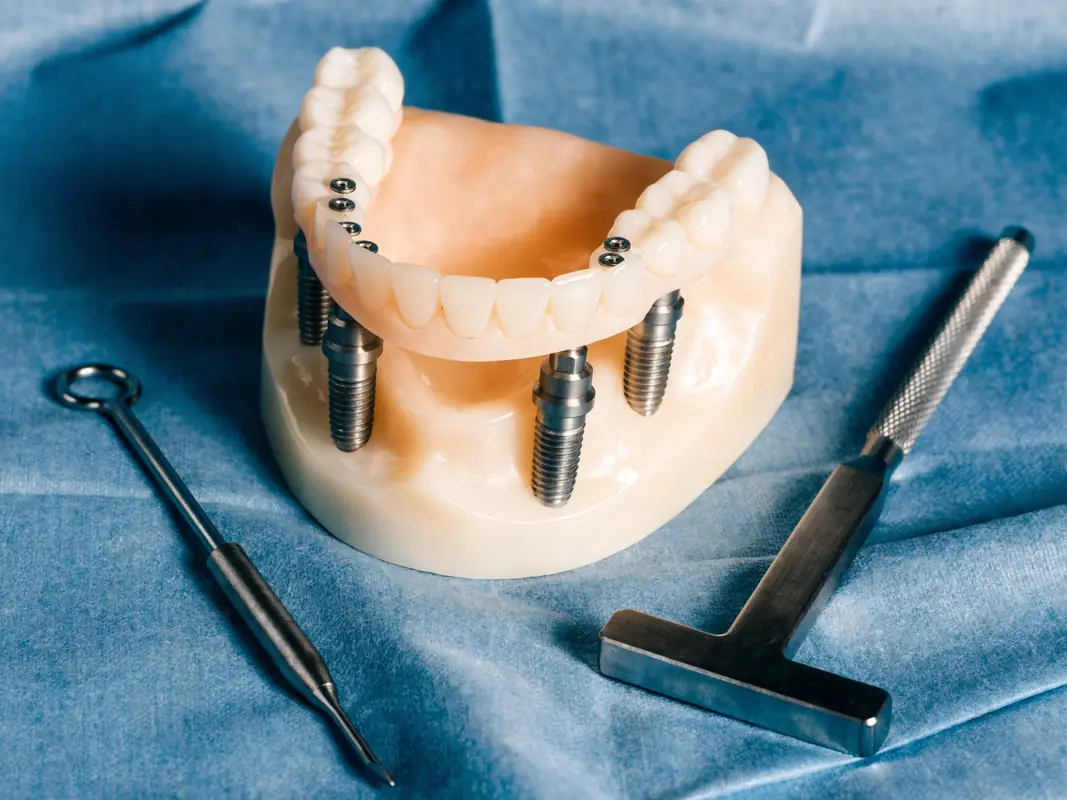
- an implant-retained removable restoration;
- a fixed implant-supported restoration;
- a tooth-supported bridge when appropriate;
- a smaller or differently staged plan;
- treatment closer to home;
- postponement while another oral or medical concern is addressed.
Each option has trade-offs. A fixed restoration may feel attractive but can be difficult to clean or repair. A removable option may simplify hygiene or future adaptation but has its own fit and handling considerations. A tooth-supported option affects other teeth. No treatment avoids procedural burden but may leave functional concerns. The clinician should relate these trade-offs to the person's priorities.
Ask how each option affects:
- likely chewing and speaking function without promising an outcome;
- cleaning steps and whether assistance is needed;
- number and complexity of clinical stages;
- future repair, component and laboratory access;
- ability to modify the design if health or dexterity changes;
- impact on remaining teeth and tissues;
- local maintenance availability;
- total clinical and non-clinical cost;
- travel and companion burden;
- what happens if the preferred plan proves unsuitable after examination.
The no-travel option deserves explicit comparison. Local treatment may reduce disruption and simplify urgent care, even if the quoted clinical fee differs. A person should not be made to feel that travelling is required to receive a respectable opinion.
Staged planning and review points
Complex implant care is often a sequence of decisions. Do not treat a preliminary remote opinion as a final plan. A function-led pathway can include:
- Role and identity check. Confirm whether the contact is a coordinator or clinician. Verify the legal clinic, named clinician and registration.
- Goal definition. Record what the person wants to improve and which burdens are unacceptable.
- Local baseline. Where possible, discuss the idea with a local dentist who knows the person's history and may provide follow-up.
- Information review. Share relevant records securely for preliminary triage, without presenting that review as diagnosis or clearance.
- In-person assessment. The named clinician examines the mouth, reviews medical information and requests only clinically justified investigations.
- Options and burden comparison. Discuss implants, alternatives, staging, maintenance, accessibility and the no-travel option.
- Usual-care coordination. With consent, obtain focused input about medicines or conditions when needed.
- Written plan and quotation. Identify every clinical stage, responsible provider, material, uncertainty, fee, exclusion and review point.
- Decision time. Give accessible information and space to decide without deposit pressure.
- Ongoing consent. Revisit the decision if findings, health, function, provider, material or cost changes.
- Procedure-specific discharge. Supply records, medicine directions, hygiene instructions and escalation routes.
- Local maintenance. Confirm who examines, cleans, repairs and responds urgently after return.
Staging should respond to clinical findings rather than a fixed calendar on a marketing page. The sequence may change if active disease is found, imaging changes the proposal, medicine coordination is incomplete, the person becomes unwell, or the restoration cannot be maintained as first imagined.
Ask for explicit review points: what must be true before moving to the next stage, who makes that judgment, what evidence is used, and what alternatives exist if the criterion is not met. A travel booking should not force a clinician to declare healing complete.
Temporary restorations also need clear ownership. Ask what is temporary, how it should be used and cleaned, what symptoms require assessment, and how the person will function if the next stage is delayed. Avoid assuming that “same-day teeth” is suitable, definitive or maintenance-free.
Accessibility, communication and escort planning
Accessibility is part of safety and dignity, not an optional luxury label. Ask for concrete details from each clinic, accommodation and transport supplier rather than accepting “senior friendly”. Needs differ, so document what the person actually requires.
For the clinic, ask about:
- step-free entrance and internal routes;
- lift dimensions and wheelchair access where relevant;
- accessible toilet location;
- transfer into and out of the dental chair;
- safe storage or positioning of a mobility aid;
- lighting, noise and hearing support;
- space for a chosen supporter or interpreter where appropriate;
- rest opportunities and appointment pacing;
- written information in an accessible format;
- how staff respond if the person becomes fatigued or unwell.
For travel and accommodation, verify walking distances, steps, bathroom layout, lift access, bed height, luggage help, seating, temperature control and access to food that fits existing needs. Do not assume a hotel category proves accessibility. Ask for current photographs or measurements when a feature is essential, and confirm the booking directly with the responsible supplier.
An escort or companion can help with navigation, luggage, communication and recall, but the role should be agreed. Clarify whether the person consents to the companion hearing clinical information, whether they can physically provide the expected help, and what happens if the companion becomes unavailable. A companion should not be sold as a substitute for trained clinical staff or emergency care.
Plan communication around hearing, vision, language and cognition. Bring working hearing aids, glasses or communication devices according to the person's normal routine. Request an interpreter for clinical consent if needed. Do not rely on a family member to translate complex risks unless the patient chooses that arrangement and the clinician considers communication adequate under applicable standards.
Check transport transfers rather than only vehicle branding. Can the person enter and exit safely? Is the mobility aid accommodated? Who is responsible for assistance, and are they trained for the expected task? These are questions for the supplier and travel insurer, not clinical promises from this guide.
Aftercare and local support
Aftercare feasibility should influence the original decision. Before treatment abroad, ask a local dentist whether they are willing to examine and maintain the proposed work. They decide independently what care is safe and within competence; an overseas clinic cannot assign them responsibility.
The local plan should identify:
- a dentist for routine oral-health review;
- access to a hygienist or other professional maintenance where appropriate;
- an urgent dental route;
- who can assess the restoration and supporting tissues in person;
- how the overseas and local clinicians will share records with consent;
- whether implant components and tools are available locally;
- who supports daily hygiene if dexterity, vision or memory is limited;
- how the plan changes if the person's function or living situation changes;
- who pays for local assessment, imaging, repair and maintenance.
Maintenance is not a universal schedule. The named clinician and local dentist should set need-based reviews using oral health, periodontal history, plaque control, restoration design, medical context and current findings. A photograph sent from home cannot measure probing findings, mobility, bite, bone levels or the condition under a restoration.
If a carer may help with oral hygiene, include the patient in that decision and demonstrate the method to both people. The restoration should be designed with practical access in mind. Provide written instructions and identify what change should trigger professional review. Support needs may increase, decrease or change; reassess rather than assuming the original routine remains feasible.
Remote communication can route information but has limits. Ask who actually reads messages, how they reach the named clinician and when an in-person examination is required. An automated reply or coordinator reassurance is not a diagnosis. Persistent pain, swelling, bleeding, movement, breakage or functional change deserves appropriate local assessment.
Remedial policies should be read before treatment. Separate the clinic's clinical work, laboratory components, local care, travel, accommodation and companion costs. A warranty is contractual; it does not guarantee biological healing or automatically pay every consequence. Immediate care should not wait for authorisation if safety is at risk.
Records and clinical ownership
Good records let another clinician understand what was assessed, completed and planned. GDC Principle 4 requires regulated professionals to keep complete and accurate records, including an up-to-date medical history and, where available, radiographs, consent documents, photographs, laboratory prescriptions and referrals. Overseas rules may differ, but patients can still ask what will be documented and supplied.
Before treatment, prepare:
- a current medicine and supplement list;
- allergies and previous adverse reactions;
- diagnoses, relevant operations and hospital care;
- contact details for usual healthcare professionals;
- dental history, reasons for tooth loss and previous implant or denture records;
- available radiographs and reports requested by the clinician;
- functional or accessibility needs the person wants recorded;
- communication preferences and permitted supporters;
- the local dentist's contact details;
- written goals and questions.
At discharge, request:
- the legal clinic identity and treatment address;
- full names and professional roles of each clinician;
- the diagnosis and tooth- or site-specific treatment summary;
- dates and details of procedures actually completed;
- original-quality radiographs, scans and relevant reports;
- implant manufacturer, system, model, dimensions, site and lot where recorded;
- abutment, attachment and restoration information;
- laboratory prescription and traceability documents where available;
- prescribed medicine and procedure-specific directions;
- hygiene, use, review and symptom-escalation instructions;
- consent changes and the final itemised invoice;
- written complaint and remedial terms;
- a direct clinical contact route.
Ask who holds the full clinical record and how the patient can request it. Store copies securely. Health information should be sent through an appropriate channel to identified recipients, not an unrelated travel supplier or public group. Record consent before sharing with family or carers.
The named clinic and named clinician remain clinically accountable for their part of care. A laboratory manufactures prescribed work but does not diagnose. A local dentist owns any assessment or treatment they provide. Confirm in writing who coordinates enquiries, referrals and only the non-clinical arrangements written in its quotation. Clear ownership prevents a concern being passed indefinitely between businesses.
Travel and no-travel boundary
Travel is not a clinical indication. A flight or room booking cannot confirm that surgery will proceed. The final decision belongs after an in-person assessment and valid consent by the named clinician. Build the possibility of postponement, a changed plan or no procedure into the financial and practical plan.
Consider whether travel itself adds unacceptable burden. Relevant issues can include mobility, fatigue, sensory impairment, continence, falls history, need for oxygen or medical equipment, dietary needs, medicine storage, cognitive change, anxiety, companion capability and access to usual care. This page cannot declare a person fit to fly or fit for treatment. Seek advice from the responsible healthcare professionals and transport provider for the actual circumstances.
The no-travel option should remain open if health changes, local support is absent, accessibility cannot be verified, the person cannot maintain the proposed restoration, or clinical ownership is unclear. Choosing local care, a simpler alternative, postponement or no intervention can be a reasoned decision rather than a failure.
If travel remains under consideration, obtain separate written confirmation for:
- clinic and accommodation addresses;
- accessibility features essential to the person;
- transport routes and assistance;
- companion arrangements and costs;
- flexible booking and cancellation terms;
- the effect of a changed clinical plan on non-clinical bookings;
- travel-insurance exclusions for planned treatment and complications;
- how an extended stay or early return would be managed;
- which supplier is responsible for each service.
Do not infer a hotel, room, vehicle, number of nights, companion place or meal arrangement from a general guide. A quotation should identify each inclusion and exclusion. Verify essential accessibility details directly with the supplier.
If the person becomes acutely unwell before or during travel, seek appropriate medical advice rather than pressing ahead to protect a deposit. The clinic should reassess material health changes. A coordinator cannot override a clinician or usual-care professional.

Urgent and emergency signs
Existing pain, infection or swelling should be assessed rather than deferred until an overseas trip. In England, NHS urgent dental guidance advises contacting a dentist or NHS 111 for urgent dental problems such as severe pain affecting sleep or daily activities, pain that does not go away, enlarging swelling, and other concerning mouth changes. Local systems differ outside England.
Call emergency services or attend the appropriate emergency department for potentially life-threatening features. NHS guidance gives examples including serious facial or jaw injury, heavy mouth bleeding that will not stop, or severe swelling of the mouth, lips, throat or neck with difficulty breathing or opening one or both eyes. Do not wait for an overseas clinic, travel coordinator, insurer or family group to decide what to do in those circumstances.
After implant or oral surgery, obtain procedure-specific written instructions from the named clinician. Seek appropriate local assessment for worsening swelling, fever with dental symptoms, discharge, bad taste linked to swelling, uncontrolled bleeding, severe or persistent pain, new numbness, a loose restoration, trauma, inability to maintain hydration or other concerning deterioration. This list supports escalation; it does not diagnose the cause.
Older adults may have several possible reasons for feeling unwell. Do not assume a symptom is dental, medication-related or simply part of ageing. Use the local urgent medical or dental route according to the symptoms and advice available. Keep an up-to-date medicine list and contact information accessible for emergency clinicians.
Emergency treatment and contractual liability are separate. Obtain care needed for immediate safety, preserve records and invoices, and notify the original provider when practical. Payment and remedial responsibility can be addressed after urgent needs are managed.
Questions for the named clinician
Take these questions to the consultation and ask for important answers in writing:
- What diagnosis and findings support an implant option?
- What functional goal are we trying to achieve, and how will it be reviewed?
- What alternatives could meet that goal with less burden?
- How do my oral health, periodontal history and existing restorations affect the plan?
- Which parts of my medical history and medicine list require focused coordination?
- Who will contact my usual healthcare professional, with what question and consent?
- How were frailty, mobility, dexterity, hearing, vision and support needs considered?
- Can the proposed restoration be cleaned now and if my function changes?
- Which clinical stages are proposed, and what finding controls progression?
- What may change after examination, and how will renewed consent work?
- Which clinician owns surgery, restoration, prescriptions and aftercare?
- What records and implant identifiers will I receive?
- What local dentist or maintenance support is needed before proceeding?
- What can be reviewed remotely and what always needs examination?
- What are the complaint, remedial and cost-allocation terms?
- What accessibility features have been verified rather than assumed?
- What happens if health changes or travel becomes unsuitable?
- Which symptoms use routine, urgent and emergency routes?
Answers should distinguish evidence from opinion, preliminary triage from diagnosis, clinical responsibility from coordination and a written contract from an outcome promise.
Older-adult implant planning checklist
Identity and evidence:
- I know the legal clinic and named clinicians.
- I have checked current registration with the relevant authority.
- I understand that WeCare is a coordinator, not the treating provider.
- I know who holds the record and who answers clinical questions.
- I have a direct complaint and escalation route.
Goals and options:
- My own functional priorities are written down.
- Implants have been compared with reasonable alternatives.
- The cleaning and maintenance burden is clear.
- Future changes in dexterity, mobility or support were considered.
- The no-travel option remains available.
Health and medicines:
- My full medicine, supplement and allergy list is current.
- I have not changed medicine because of generic online advice.
- Any usual-care request asks a focused question.
- Oral and periodontal disease has been assessed.
- Imaging has a clinical reason and will be supplied to me.
Capacity and communication:
- Information is in a format I can understand.
- Hearing, sight, language and communication needs are supported.
- I have enough time to decide without sales pressure.
- My chosen supporter's role and privacy access are agreed.
- Any capacity concern follows the applicable legal process.
Accessibility and travel:
- Essential clinic and accommodation features are verified.
- Transport fits my mobility and equipment needs.
- Companion duties and costs are realistic and written.
- Cancellation and changed-plan consequences are clear.
- Travel-insurance exclusions have been checked with the insurer.
Aftercare:
- A local dentist has been asked about review and maintenance.
- Daily hygiene is practical for me or my agreed supporter.
- Component and laboratory records will be provided.
- I know the local urgent dental and medical routes.
- Clinical, local-care, laboratory and travel costs are separated.
Before each clinical stage:
- The named clinician has reviewed current health changes.
- The benefits, risks, alternatives, burden and uncertainty remain acceptable to me.
- Any change in provider, procedure, material or cost has been explained.
- Consent is current and documented.
- I know the next review point without relying on a fixed marketing timeline.
Frequently asked questions
Does being over 60 decide whether implants are suitable?
It does not decide the question by itself. The named clinician should assess the mouth, medical history, medicines, functional goals, resilience, cleaning capacity, support and alternatives. The burden and maintainability of the proposed restoration matter alongside clinical feasibility.
Should a person with frailty be refused automatically?
Frailty is not a simple website label or automatic refusal rule. It may affect resilience, treatment burden and support needs. An appropriately trained professional should assess the person and discuss goals, possible benefits, harms, alternatives and whether a simpler or local option is preferable.
Do older adults need a special implant protocol?
This guide publishes no age-based protocol. Procedure, anaesthesia, staging, medicines and aftercare require individual clinical decisions. Ask the named clinician to explain each choice and how it relates to the person's actual findings and goals.
Should anticoagulants be stopped before implant surgery?
Do not change them from online advice. Tell the dental clinician exactly what is taken and why. The responsible dental and prescribing professionals should coordinate any case-specific decision, considering the medicine, procedure and person's health.
What about osteoporosis or antiresorptive medicine?
Identify the diagnosis, medicine, route, indication and relevant history accurately. SDCEP guidance supports individual risk assessment for medication-related osteonecrosis of the jaw. It does not justify a universal patient instruction from this page. The named clinician should explain alternatives and whether specialist or prescriber input is needed.
Can a family member consent on behalf of an older person?
Not merely because they are family or travelling together. Adults are presumed to have capacity under the English framework unless evidence indicates otherwise, and support should be offered to help the person decide. If capacity is genuinely in question, professionals must follow the applicable decision-specific legal process.
Is an escort required?
There is no universal rule here. Consider the person's mobility, communication, health, travel requirements and the instructions of responsible clinicians or transport providers. If an escort comes, agree their practical role, privacy access, costs and limitations.
Can remote photographs replace local aftercare?
No. Images can support communication but cannot reproduce an examination, probing, bite assessment, mobility testing or clinically justified imaging. Arrange a local dentist before treatment and use in-person review when symptoms or findings require it.
How long does the process take?
This page gives no fixed timeline. The sequence depends on examination, oral disease, health coordination, procedures, healing assessment, restoration design and availability of maintainable aftercare. Ask for stages and decision points rather than a guaranteed completion date.
Is a fixed bridge always easier for an older adult?
Not necessarily. It may suit some goals but can create cleaning, repair or future-access burdens. Compare fixed, removable, tooth-supported, local and no-treatment options using the person's function, dexterity, support and preferences.
Who owns the clinical decision when a coordinator handles an enquiry?
The named clinic and named clinician own assessment, diagnosis, consent, treatment, prescriptions, records, complaints and clinical aftercare. WeCare may coordinate the enquiry, referral and only travel logistics confirmed in writing.
What records should go home with the patient?
Request a treatment summary, relevant images and reports, implant and component identifiers, laboratory information, prescription and aftercare instructions, consent changes, invoices, complaint terms and direct clinical contacts. Ask the local dentist what format they need.
What if health changes before travel?
Tell the responsible clinicians and seek appropriate advice. Do not proceed simply to protect a booking. The plan may need reassessment, postponement, a local alternative or no treatment.
When should local urgent care be used?
Use local urgent dental or medical pathways for severe or persistent symptoms, worsening swelling, bleeding, fever with dental symptoms, functional deterioration or other concerning change. Use emergency services for potentially life-threatening features such as severe swelling affecting breathing or heavy bleeding that will not stop.
Sources and review dates
These sources support the planning boundaries in this guide. They do not endorse WeCare or any overseas provider and do not determine an individual's suitability.
- [WHO healthy ageing and functional ability](https://www.who.int/news-room/questions-and-answers/item/healthy-ageing-and-functional-ability), published 26 October 2020 and accessed 29 August 2026. Used for the distinction between chronological age, intrinsic capacity, environment and function.
- [NICE NG56 — Multimorbidity: clinical assessment and management](https://www.nice.org.uk/guidance/ng56), accessed 29 August 2026. Used for personal goals, frailty, medicines and treatment burden.
- [NICE NG108 — Decision-making and mental capacity](https://www.nice.org.uk/guidance/ng108/chapter/recommendations), accessed 29 August 2026. Used for presumption of capacity, accessible information, supported decisions and communication needs.
- [NHS — Consent to treatment: assessing capacity](https://www.nhs.uk/tests-and-treatments/consent-to-treatment/capacity/), accessed 29 August 2026. Used for the English capacity boundary; other jurisdictions require their own legal check.
- [NHS — Anticoagulant medicines: considerations](https://www.nhs.uk/medicines/anticoagulants/considerations/), accessed 29 August 2026. Used for disclosure and the boundary against self-adjustment before a dental procedure.
- [SDCEP MRONJ guidance, extant 2024](https://www.sdcep.org.uk/media/xtlp2uqx/sdcep-mronj-guidance-extant-2024.pdf), accessed 29 August 2026. Used for individual assessment around antiresorptive and antiangiogenic medicines without publishing a drug-holiday instruction.
- [GDC Principle 3 — Obtain valid consent](https://standards.gdc-uk.org/pages/principle3/principle3), accessed 29 August 2026. Used for ongoing consent, alternatives, understandable risk and documented changes.
- [GDC Principle 4 — Maintain and protect patients' information](https://standards.gdc-uk.org/pages/principle4/principle4), accessed 29 August 2026. Used for complete records, medical history, radiographs, consent, laboratory prescriptions and secure transfer.
- [GDC — Going abroad for dental treatment](https://www.gdc-uk.org/standards-guidance/information-for-patients-public/going-abroad-for-dental-treatment), accessed 29 August 2026. Used for home-dentist discussion, provider verification, aftercare, complaints and travel-cost questions.
- [NHS urgent dental guidance](https://www.nhs.uk/nhs-services/dentists/how-to-find-an-nhs-dentist-in-an-emergency/), accessed 29 August 2026. Used for urgent dental and emergency boundaries.
- Abou-Ayash and colleagues, [Implant Survival in Patient Populations With a Mean Age of 65–75 Years Compared to Older Cohorts](https://pmc.ncbi.nlm.nih.gov/articles/PMC12423580/), Clinical Oral Implants Research, 2025, accessed 29 August 2026. Used for its limitations and recommendation to consider medical risk, benefit, hygiene capacity and access to care, not for an individual outcome promise.
- [EFP S3 guideline on prevention and treatment of peri-implant diseases](https://onlinelibrary.wiley.com/doi/full/10.1111/jcpe.13823), 2023, accessed 29 August 2026. Used for assessment, prevention, monitoring and supportive care.
- [Impact of osteoporosis on dental implant outcomes: systematic review and meta-analysis](https://pmc.ncbi.nlm.nih.gov/articles/PMC12525478/), 2025, accessed 29 August 2026. Used to acknowledge uncertainty, study heterogeneity and the need to assess antiresorptive therapy rather than publish a universal rule.