Paying for dental treatment abroad is not one decision. It is a chain of clinical, insurance, public-funding, credit, payment and travel decisions that may be governed by different documents and different organisations. A treatment quotation does not prove that an insurer will reimburse it. An insurer's benefit summary does not authorise a dentist to change a treatment plan. A credit agreement does not make treatment affordable. A card receipt does not replace an itemised clinical invoice. Travel insurance does not automatically insure planned dentistry or a complication arising from it.
This guide is a neutral verification worksheet for patients considering dental care in another country, including Türkiye. It does not recommend a provider, insurer, lender, payment method or financial product. It is not personalised clinical, insurance, financial, tax or legal advice. Coverage, public funding, consumer rights and payment protections depend on the patient's residence, the policy or scheme wording, the legal entities involved, the location of the transaction and the facts of a dispute. Confirm the current position with the responsible clinician, insurer or public authority, regulated finance firm, payment provider and an appropriately qualified adviser before committing money.
The safest starting point is separation. Build a folder in which every organisation answers only for its own role. The clinician owns diagnosis, options and consent. The clinic or other contracting entity owns the treatment contract, quote and invoice. The insurer decides benefits under its policy. A public authority decides whether a planned-care funding route applies. A travel insurer decides what trip risks its policy covers. A lender or credit broker owns the finance agreement. The card issuer, bank or payment service owns the payment rails and applicable dispute process. None of those decisions should be inferred from a sales conversation.
Six documents that answer six different questions
Do not let the word approved blur documents that do different jobs. Before paying, identify which of these documents actually exists, who issued it and what it does not decide.
- Clinical treatment plan: the named clinician's current assessment, diagnosis, reasonable alternatives, proposed procedures, material risks, expected sequence and aftercare needs. Remote information may support triage, but a final plan may require an in-person examination and appropriate imaging.
- Itemised treatment quotation: the legal provider's commercial offer for the stated scope, with currency, taxes, exclusions, payment stages, change-control terms and validity conditions. It is not an insurance decision.
- Insurance benefit decision: the insurer's written explanation of whether a named procedure, provider location and claim route may qualify under a specific policy. Pre-authorisation may still be conditional and is not a promise of payment unless the policy and decision expressly make it one.
- Public planned-care decision: a written decision from the competent health authority under the route that applies to the patient. It is different from an EHIC or GHIC used for medically necessary state care during a temporary stay.
- Travel policy schedule and wording: the trip risks, exclusions, medical screening duties, destinations and activities accepted by the travel insurer. It is separate from a dental benefit and must be checked for planned treatment and treatment-related complications.
- Credit or payment contract: the lender's or payment firm's terms, including the legal borrower, total obligation, fees, foreign-exchange method, cancellation rights, consequences of missed payments and complaint route. It does not validate clinical suitability or the fairness of the treatment plan.
Create a seventh record after every transaction: the receipt, invoice, bank confirmation or card statement that identifies the payee, amount, currency, date and purpose. A screenshot of a chat saying paid is weak evidence if the legal beneficiary and invoice cannot be matched.
A one-page verification matrix
Make a table before comparing headline prices. Use one row for each treatment stage and separate columns for clinical scope, legal provider, payee, invoice issuer, insurer position, public-funding position, travel-policy position, finance cost, payment fee, cancellation consequence and aftercare owner. Mark unknown rather than guessing.
For example, an implant proposal may involve assessment, extraction, grafting, implant placement, provisional restoration, healing review and definitive restoration. The quotation should say which stages are included and which are contingencies. The insurance decision should refer to the same coded or described procedures. The finance amount should match the scope actually being purchased, not a broader marketing estimate. The travel plan should allow for a changed clinical sequence without assuming that new flights or accommodation will be reimbursed.
The matrix exposes mismatches early. A low initial total may exclude imaging, temporary work, laboratory items, medicines, maintenance or management of an unexpected finding. A generous-looking insurance limit may exclude overseas private care, elective treatment, pre-existing dental conditions or care that was not pre-authorised. A deposit may be payable to a coordinator even though the clinical contract names a different entity. Each mismatch is a question to resolve, not proof of wrongdoing, but unresolved ambiguity should not be financed by optimism.
Start with the clinical plan, not the funding method
A payment plan should never decide which teeth are treated. The named clinician should first explain the diagnosis, the purpose of each proposed procedure, tooth-preserving alternatives, the option of no immediate intervention where clinically reasonable, and the consequences of delay. Ask which parts of the plan are provisional until an in-person examination, periodontal assessment, vitality testing, imaging or specialist opinion is complete.
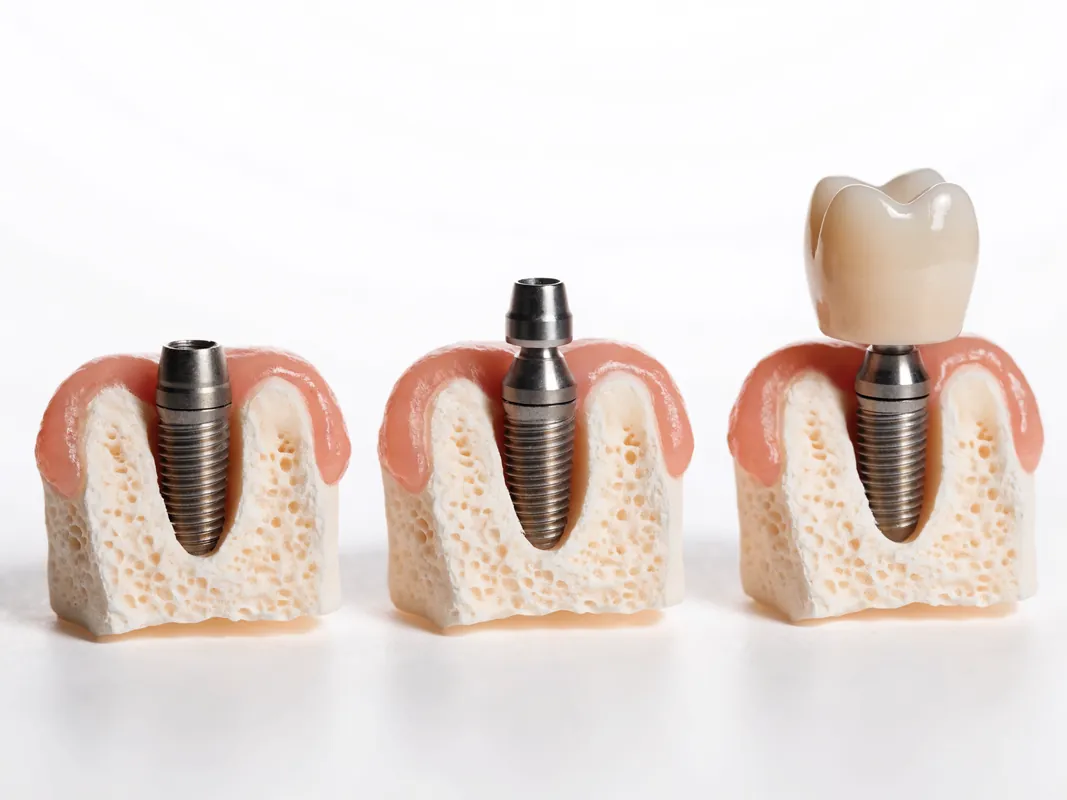
The quote must follow the clinical scope. If a remote estimate groups treatment into a smile, full-mouth or implant package, ask for a tooth-by-tooth and site-by-site version. Separate treatment needed for disease control from elective aesthetic changes. Separate replacement of a missing tooth from preparation of neighbouring teeth. Separate an implant fixture from its abutment and restoration. Separate provisional work from the definitive restoration. That level of detail is essential for consent, insurer review, finance comparison and later records.
The guide to choosing a dental clinic in Türkiye explains how to verify the legal provider, responsible clinicians, treatment address and records route. Use that provider verification before relying on any invoice or payment request. A professional profile, social account or coordinator name is not enough to establish who owes the clinical and contractual duties.
Do not borrow against a remote estimate that the provider itself describes as provisional. If diagnosis changes after examination, require a revised plan, revised itemised quotation and renewed consent before an irreversible stage. The patient must be free to pause, obtain an independent opinion or decline the additional work without being told that finance approval has already committed them clinically.
Build an itemised treatment quotation
An itemised quotation should be understandable without a salesperson translating it. Ask it to identify the clinic's legal name, treatment address, responsible clinician or clinical owner, invoice issuer, patient name, quotation date, quotation currency and period or condition of validity. Each line should describe the procedure, tooth or site, quantity where relevant and whether it is planned, optional or contingent.
Ask the provider to distinguish:
- assessment, imaging and diagnostic reports;
- hygiene, periodontal or disease-control work;
- extraction, endodontic or tooth-preserving treatment;
- surgery, grafting materials and membrane or biomaterial components;
- implant fixture, abutment, screws and definitive restoration;
- crowns, bridges, veneers, dentures or other laboratory work;
- provisional restorations and their replacement;
- sedation or anaesthesia where clinically considered;
- prescriptions, take-home items and maintenance appliances;
- review visits, records, laboratory documentation and aftercare;
- travel or non-clinical services only if they are separately named, priced and contracted.
The quote should say what happens if a proposed procedure is not clinically indicated after examination. Ask whether that line is removed, substituted or credited, and how any deposit allocated to it is treated. It should also say how a newly identified need is quoted. An open-ended clause allowing unspecified additional treatment at an unspecified price is not a useful budget document.
Compare quotes only after normalising the scope. Two totals are not comparable if one includes a definitive restoration and the other stops at a provisional stage, or if one identifies grafting as a contingency and the other says only implants. The dental treatment timeline and visits guide can help separate clinical stages before they are mapped to payment stages.
Identify the legal provider, payee and invoice issuer
Three names may appear in a cross-border transaction: a marketing or coordination brand, a clinic, and a company receiving payment. Ask why they differ and obtain the written legal relationship. The clinical provider should be identifiable in the consent and treatment records. The contracting entity should be identifiable in the terms. The beneficiary on a bank transfer or merchant name on a card payment should be reconcilable with the contract and invoice.
Request the legal entity name, registered or business address, applicable registration or tax details, treatment address and named complaint route. Verify healthcare-authorisation claims using the current Turkish Ministry of Health lists rather than a badge copied into a brochure. The Ministry's international health tourism department publishes current information and authorised-provider resources at [the Health Tourism Department] (https://shgmturizmdb.saglik.gov.tr/) and its [authorised healthcare provider list](https://shgmturizmdb.saglik.gov.tr/TR-76664/yetkili-saglik-tesisleri.html). The existence of an authorisation is a regulatory threshold; it does not prove personal suitability, a particular clinician's competence for the proposed procedure, an insurance entitlement or an outcome.
If payment instructions arrive from a new account, personal beneficiary, unrelated country or newly introduced intermediary, pause and verify through a previously authenticated contact route. Do not rely solely on a reply inside the same possibly compromised email chain. Ask who will issue the fiscal or clinical invoice and how a refund would return to the original payer. A legitimate explanation may exist, but it should be documented before money moves.
If one company sells travel and another provides dentistry, keep the contracts, payments and complaint routes separate. A travel invoice should not be presented as the dental invoice required by an insurer. A dental provider should not be assumed to accept responsibility for an airline, accommodation business or payment broker merely because the services were discussed together.
A treatment quote is not an insurance benefit
Insurance language must be read against the actual policy. Terms such as dental cover, international cover, emergency dental, medically necessary and pre-authorised can refer to very different benefits. Ask the insurer to identify the policy clause, the insured person, the relevant country, the provider requirements, the procedure description, any waiting period or pre-existing-condition rule, required clinical evidence, claim deadline, benefit basis and exclusions.
Do not ask only whether dental treatment is covered. Ask a closed, case-specific question: whether the proposed planned procedure at the named overseas private provider can be considered under the current policy, what written pre-authorisation is required, which documents are needed, how benefit is calculated, and which costs remain outside the policy. Obtain the answer through the insurer's official channel and retain the reference.
A benefit estimate may be based on information that later changes. The insurer may require the final diagnosis, procedure codes, radiographs, periodontal charting, proof of payment or a translated invoice. A pre-authorisation may reserve the insurer's right to apply policy terms when the final claim is assessed. Ask which facts would cause a different decision and whether a revised treatment plan must be submitted before additional treatment.
Never let a clinic or coordinator promise reimbursement on the insurer's behalf. They may help describe procedures or produce records, but the insurer interprets its own contract. Likewise, an insurer's willingness to consider a claim does not confirm that the dentistry is appropriate. Clinical consent and benefit eligibility remain separate.

UK private dental and health insurance boundaries
There is no single rule for every UK private dental, cash-plan, employer or health-insurance product. Some policies address emergency dental care abroad, some reimburse specified routine benefits, some exclude planned overseas treatment, and some require treatment by providers meeting particular conditions. Employer benefits may change when employment changes. A policy name or insurer brand is not enough; use the current schedule, certificate and full wording issued to the insured person.
Ask the insurer whether the proposed care is treated as planned treatment, elective treatment, emergency care, a pre-existing condition or a continuation of care already recommended. Confirm whether overseas private dentistry is within territorial scope. Ask whether the benefit is indemnity-based, a fixed cash benefit or another structure, and whether the claimant must use a network or registered provider. Do not infer a benefit from a colleague's successful claim because policy years, employer schemes and clinical facts can differ.
If the product is insurance or another regulated financial service, verify the firm and its permissions through the UK Financial Conduct Authority's [Firm Checker and Financial Services Register guidance](https://www.fca.org.uk/consumers/how-check-firm-individual-authorised). FCA authorisation should not be described as approval of a specific dental treatment, policy or provider. If a UK financial firm handles the claim poorly, follow its complaint procedure and consult the FCA's current [how to complain guidance](https://www.fca.org.uk/consumers/how-complain) about potential escalation routes. Jurisdiction and eligibility still need to be checked.
Keep all calls, portal messages and decision letters. Record the exact procedure wording used. If the clinic later changes a crown to an implant, adds grafting or changes the provider entity, do not assume the earlier insurer answer follows the new scope. Ask for an updated written position.
UK public planned-care funding is not GHIC cover
The UK Global Health Insurance Card and a still-valid European Health Insurance Card are designed for medically necessary state healthcare during a temporary stay in participating countries, subject to the scheme rules. They are not authorisation for travelling abroad to obtain planned dental treatment. The NHS explains that a GHIC or EHIC does not cover planned treatment on its [going abroad for medical treatment page](https://www.nhs.uk/using-the-nhs/healthcare-abroad/going-abroad-for-treatment/going-abroad-for-medical-treatment/).
NHS-funded planned treatment abroad can involve specific routes, eligibility rules and prior decisions. The route depends on the patient's UK nation, residence, destination, treatment, provider and current arrangements. Never book on the assumption that an application will be accepted or that reimbursement will be calculated on the clinic's full invoice. Contact the competent NHS body identified for the applicable route and obtain a written decision before treatment.
The NHS [treatment abroad checklist](https://www.nhs.uk/using-the-nhs/healthcare-abroad/going-abroad-for-treatment/treatment-abroad-checklist/) stresses research, understanding possible complications, aftercare and insurance. Current pages may distinguish reimbursement and authorisation rules by route and care type. Read the version applicable to the patient's home nation and destination close to booking because arrangements can change.
Do not combine public funding with travel insurance in the spreadsheet as though one fills every gap left by the other. Public planned-care rules may address eligible clinical costs under a defined route. Travel insurance addresses insured travel risks under separate wording. Neither should be assumed to pay private elective dentistry in Türkiye, new travel caused by clinical changes, or remedial care after returning home.
EU and EEA planned-care rules have territorial and scheme limits
For a person insured in an EU country, Your Europe explains planned healthcare through routes that can involve prior authorisation, reimbursement conditions and the insured person's home public system. Whether a service is among the benefits provided at home, whether the provider and destination qualify, and how reimbursement is calculated all matter. Start with the European Commission's [planned healthcare expenses and reimbursement page](https://europa.eu/youreurope/citizens/health/planned-healthcare/expenses-reimbursements/index_en.htm) and then contact the National Contact Point in the country where the person is insured.
The [EU National Contact Point directory](https://europa.eu/youreurope/citizens/health/planned-healthcare/get-more-info/index_en.htm) is the appropriate route for current country-specific information about rights, prior authorisation, provider information and complaint options under EU cross-border healthcare rules. A clinic's statement that EU patients can claim money back is not a substitute for that authority's written answer.
The European Health Insurance Card is for necessary state-provided healthcare during a temporary stay under applicable rules. The European Commission's [temporary stays guidance](https://europa.eu/youreurope/citizens/health/unplanned-healthcare/temporary-stays/index_en.htm) says it is not an alternative to travel insurance and does not cover planned treatment or private healthcare. It also does not cover rescue or repatriation. Keep that emergency or necessary-care function separate from a planned dental trip.
Türkiye is outside the EU cross-border healthcare framework described on those Your Europe pages. An EU resident should not assume the Directive creates reimbursement for private planned care in Türkiye. A home public system, bilateral arrangement or private policy may have a different rule, but only the competent authority or insurer can confirm it for the individual case. Get that confirmation before paying, not after a marketing claim that reimbursement is available.
Türkiye provider and patient-rights boundaries
Türkiye regulates international health-tourism providers and intermediary organisations through its own framework. Use current official lists to verify the named clinic and any intermediary's claimed status. Verification should match the legal name and treatment address on the contract, not merely a similar brand. Recheck close to treatment because list status and regulatory arrangements can change.
The Turkish Ministry of Health's [Patient Rights portal](https://hastahaklari.saglik.gov.tr/) identifies rights including information, privacy, consent and complaint, and provides a route for applications concerning healthcare facilities. The portal explains that a submission is first considered by the relevant healthcare organisation and may proceed through the patient-rights structure. This does not decide a card dispute, insurance claim or foreign credit contract; those require their own routes.
For a consumer dispute, the Turkish Ministry of Trade publishes current information about [consumer arbitration committees](https://ticaret.gov.tr/tuketici/tuketici-hakem-heyetleri/tuketici-hakem-heyetlerine-iliskin-bilgilendirme-metni). Monetary jurisdiction and procedure can change and may depend on the transaction and claimant, so do not copy an old threshold from a blog. Check the current official route and obtain Turkish legal advice where needed. Clinical complaints, consumer-contract disputes and allegations requiring courts or professional bodies should not be collapsed into one channel.
Health information is sensitive. The Turkish Personal Data Protection Authority publishes current guidance on [processing special-category personal data](https://www.kvkk.gov.tr/Icerik/8183/Ozel-Nitelikli-Kisisel-Verilerin-Islenmesine-Iliskin-Rehber). Ask each controller why it needs a radiograph, medical history, insurance letter, identity document or payment record; its lawful basis; recipients; international transfers; retention; security; and rights process. An insurer, lender, clinic, coordinator and payment provider may be separate controllers with different notices.
Travel insurance is a separate verification exercise
Travel insurance should be checked against the actual purpose of the trip. The UK's Foreign, Commonwealth & Development Office says travellers should obtain appropriate insurance for their itinerary and planned activities and warns that travel against official advice can affect cover. Review the current [foreign travel insurance guidance](https://www.gov.uk/guidance/foreign-travel-insurance) and [Türkiye health advice](https://www.gov.uk/foreign-travel-advice/turkey/health), then ask the insurer how the policy treats a trip whose purpose includes planned dental treatment.
Do not assume a standard policy covers any of the following:
- cancellation because the dental provider changes the plan or date;
- curtailment because the patient declines treatment after assessment;
- treatment-related infection, pain, bleeding or another complication;
- additional accommodation while a clinician investigates a problem;
- a new flight or changed ticket after clinical delay;
- emergency dental treatment connected to the planned procedure;
- medical evacuation or repatriation linked to planned treatment;
- a companion's extra costs;
- loss of a deposit paid before the policy began;
- insolvency or non-performance by a clinic or intermediary.
Ask each question explicitly and retain the insurer's answer. Declare the planned treatment and relevant health information through the official process. An undeclared circumstance can affect a later claim depending on the law and wording. If an endorsement or specialist policy is offered, read what it includes, what it excludes, any excess, the assistance process and who must authorise expenditure.
Travel cover and treatment guarantees are not interchangeable. A clinic's remedial policy may describe what the clinic will assess or provide under contractual conditions. It may exclude travel and local care. A travel policy may exclude planned dentistry. Neither document should be described as complete protection. The dental work warranty and guarantee guide explains how to separate component documents, clinical responsibility, contractual remedy and travel cost.
Complication funding must be tested separately
Ask a difficult question before treatment: if symptoms arise abroad or after returning home, who assesses them, who decides whether they are related, and who pays each part while responsibility is disputed? Possible costs include a local examination, imaging, prescriptions, urgent stabilisation, laboratory work, removal or replacement, travel, accommodation, time away from work and companion expenses. No single policy should be assumed to cover the entire chain.
Create a written urgent-care plan that is clinically usable even if no reimbursement is available immediately. Identify emergency services at the destination, a local dentist willing to assess after return, the treating clinician's escalation route and the insurer's assistance route. Funding questions must not delay emergency assessment. Payment can be documented and disputed later; health should not depend on a salesperson first accepting liability.
Ask whether the provider requires an opportunity to inspect before authorising external work and what happens when travel is unsafe or unreasonable. Ask the insurer whether contacting its assistance service is a condition. Ask a local dentist what records would be needed. Preserve photographs, original invoices, radiographs, clinical notes and communication without altering timestamps.
The returning home after dental tourism guide provides a detailed handover checklist. Arrange that route before treatment rather than after a problem. Local availability, charges and willingness to maintain overseas work must be confirmed independently; they are not automatic.
Credit, loans and instalment finance are separate contracts
Borrowing for healthcare can create an obligation that continues even if treatment is delayed, changed or disputed. Before accepting credit, identify the lender, any broker, the legal borrower, the amount of credit, total amount repayable, interest and fees, payment schedule, security, late-payment consequences, early-settlement terms, cancellation rights and complaint route. Read the pre-contract information and agreement rather than a clinic's summary.
For a UK customer, check whether the lender and broker appear with the relevant permissions using the FCA's official tools. A firm appearing on a register does not mean the FCA recommends the loan or dental provider. Verify contact details against the register to reduce impersonation risk. If the finance is offered by an overseas entity, do not assume UK consumer-credit protections apply; obtain jurisdiction-specific advice.
Ask what happens to the credit agreement if the treatment contract is cancelled. The answer depends on how the finance was structured, who paid whom and the applicable law. Do not assume cancelling a clinic booking automatically cancels a loan, or that stopping repayments is a lawful dispute strategy. Contact the lender formally and seek independent debt or legal advice before taking action.
Avoid financing a vague contingency allowance. Borrow only after the clinical scope and maximum authorised change process are understood. If the provider seeks additional borrowing during treatment, pause unless delay would create an urgent clinical risk. Ask for the changed diagnosis, alternatives, revised quote and revised finance disclosures. Clinical urgency should be explained by the clinician, not used as a sales deadline by a finance intermediary.
This page makes no recommendation to borrow, use savings or choose one payment method. Affordability is personal and should include the possibility that no insurer reimburses the claim and that further care or travel is needed.
Test affordability without relying on reimbursement
A prudent budget treats uncertain reimbursement as zero until money is actually received. That does not predict that a valid claim will fail; it prevents a conditional benefit from carrying the entire affordability decision. List available funds, essential household costs, existing debt, income sensitivity, travel contingencies, local aftercare and a reserve for an independent assessment.
Stress-test the decision against realistic changes:
- the insurer requests more evidence or pays less than estimated;
- public funding is refused or applies only to a limited eligible amount;
- the clinical plan changes after in-person assessment;
- treatment is staged across separate trips;
- a provisional restoration lasts longer than expected;
- a flight changes or a companion cannot travel;
- the patient needs local review after returning home;
- a refund is disputed or delayed;
- currency moves between quote, payment and refund;
- work or caring responsibilities reduce available income.
If any one change would cause missed rent, mortgage, utility, tax, child-support or essential living payments, pause. High-pressure language such as finance approved today, treatment slot lost now or reimbursement guaranteed is not a clinical reason to proceed. Ask for time to read the contracts and seek independent advice. A provider unwilling to allow informed review is giving useful risk information.
For UK residents concerned about debt or affordability, use an independent, established money-guidance or debt-advice service rather than a lender selected by the seller. The decision should account for total financial resilience, not only whether a monthly instalment appears manageable.

Compare payment methods by evidence, not convenience alone
Card, bank transfer, cash and regulated payment services create different records, fees, reversal possibilities and fraud risks. Availability must be confirmed by the legal provider. This guide does not state that any method is accepted or preferable.
For each method ask:
- who is the merchant or account beneficiary;
- which contract and invoice the payment settles;
- the transaction and settlement currency;
- all provider, bank, card and conversion fees;
- whether dynamic currency conversion may be offered and who sets its rate;
- what reference identifies the patient and treatment stage;
- how a refund is initiated and in which currency;
- whether a third-party payer is permitted;
- what authentication or fraud checks may delay payment;
- which dispute process and jurisdiction apply.
Do not split payments or change descriptions merely to create a protection that would not otherwise apply. Do not describe a payment as goods, travel or consultancy if it buys clinical treatment. Accurate transaction records support both lawful accounting and later disputes.
Cash may produce weak evidence unless a formal receipt is issued. A bank transfer may be difficult to reverse after authorisation. A card may offer a scheme or statutory route only when its legal conditions are met. A payment service may hold funds under its own terms without becoming responsible for clinical quality. Compare the actual rules, not general slogans about safe payments.
Card protection and chargeback are conditional
UK consumers sometimes refer to Section 75 or chargeback as though either guarantees recovery. MoneyHelper's current [card-payment protection guide](https://www.moneyhelper.org.uk/en/everyday-money/credit/how-youre-protected-when-you-pay-by-card) explains that Section 75 is a legal protection for qualifying credit-card purchases and that chargeback is a card-scheme process, each with conditions. Eligibility can depend on transaction structure, parties, value, payment chain, timing and facts.
Cross-border dentistry may involve a clinic, coordinator, payment processor, travel company and finance firm. That chain can affect whether debtor-creditor-supplier requirements or a scheme rule applies. Do not restructure payment based on an internet summary. Ask the card issuer for a written explanation relevant to the proposed merchant and payment arrangement, and obtain legal advice for a significant transaction.
A dispute process is not pre-approval of the treatment. The issuer may examine breach of contract or misrepresentation evidence, not decide clinical negligence. Preserve the contract, quote, consent, invoices, records, independent clinical evidence and correspondence. Continue to follow urgent clinical advice while the financial dispute proceeds.
Bank transfer, beneficiary and fraud controls
Before a transfer, independently confirm the beneficiary's full legal name, bank location, account identifier, reference and relationship to the contract. Compare it with a verified invoice. If the bank warns that the beneficiary name does not match, do not override the warning until the discrepancy is explained through an authenticated route.
Treat changed bank details as a new risk event. Verify by calling a number obtained independently from the contract or official registry, not a number in the change message. Ask the provider to confirm whether refunds return to the originating account and whether intermediary bank charges can be deducted. Keep the transfer confirmation and any bank messages.
Do not send health records in a payment reference. It may be visible to banks and processors that do not need diagnosis details. A patient or invoice number can reconcile the payment without disclosing treatment interests. Ask how the provider links funds to the clinical account securely.
If fraud is suspected, contact the bank promptly through its official channel and follow the relevant reporting route. Do not wait for the clinic or coordinator to investigate privately. The applicable recovery process depends on the payment, jurisdiction and facts; no recovery should be promised.
Currency, conversion and fee verification
A headline dental quote is incomplete without a currency rule. Ask which currency fixes the provider's price, whether another displayed currency is indicative, who chooses the conversion rate, when it is set, what margin or fee applies, and which currency is used for refunds. Put the answer in the quote.
Separate four possible costs: the provider's treatment price, the provider or processor's payment fee, the payer's bank or card fee, and the foreign-exchange spread. A receiving or intermediary bank may also deduct charges. Ask all parties; one party cannot reliably disclose another's fee.
At a terminal or online checkout, dynamic currency conversion may show the payer's home currency. That convenience can carry a different rate or markup from the card issuer's conversion. Compare the disclosed options without assuming one is always cheaper. The European Commission's [payments and transfers information](https://europa.eu/youreurope/citizens/consumers/financial-products-and-services/payments-transfers-cheques/index_en.htm) explains consumer information and currency-conversion issues within the scope of EU rules, but those rules should not be assumed to govern every Türkiye transaction or every card.
Record the provider currency, amount, exchange method and timestamp at each stage. If a refund occurs later, exchange movements and fees may mean the home-currency amount differs. The contract should say who bears that risk; silence should not be filled with an assumption that every loss is reimbursed.
Deposit purpose, custody and allocation
Deposit is a label, not a complete term. Ask what legal obligation the payment creates, what it reserves, whether any part is allocated to assessment, laboratory work, materials, travel services or administration, and when each part becomes earned or non-refundable. Ask who holds it and whether it is transferred to another entity.
The provider should distinguish a booking payment from payment for work already performed or custom work already commissioned. If a laboratory item is said to be non-reusable, ask when it is ordered, what patient-specific work begins, what evidence is available and how cancellation before that point is treated. Do not accept a blanket statement that all funds are lost without reading the governing contract and applicable law.
Ask whether the deposit can be moved to a later date, applied to a revised plan or returned if the clinician decides treatment is unsuitable. Ask what happens when the provider cancels, changes the treating entity, cannot supply the agreed scope or proposes a materially different plan. Force-majeure, illness and travel-disruption clauses should be read on both sides rather than assumed to favour the patient.
Pay only against a versioned written quote and terms. The receipt should identify the purpose and remaining balance. If a separate travel company receives money, require a separate allocation and terms so a dispute about dentistry does not obscure the travel contract.
Cancellation, postponement and refund terms
Cancellation terms should state who may cancel, how notice is given, when it takes effect, what evidence may be requested, which costs are retained, how retained costs are calculated, the refund method, refund currency and complaint route. Avoid relying on a chat summary that omits the formal terms.
Test several scenarios before paying:
- the patient changes their mind before travel;
- a local clinician advises further assessment first;
- the treating clinician finds the proposed treatment unsuitable;
- only part of the quoted scope remains appropriate;
- the provider changes dates, location or responsible clinician;
- visa, flight, illness or family circumstances prevent travel;
- staged care cannot continue on the anticipated schedule;
- the patient declines an additional procedure;
- the provider cannot deliver a specific material or laboratory item;
- treatment begins but must stop for a clinical reason.
The answer may differ for work already completed, custom work, unused treatment and separate travel services. Ask for an itemised reconciliation rather than a percentage slogan. A refund policy does not replace statutory rights that may apply, and a statutory right should not be assumed without checking governing law, jurisdiction and transaction type.
If the patient paid through credit, tell the lender or card issuer about a cancellation through its formal route. Do not assume the clinic's acknowledgement automatically updates the finance account. Keep paying or take other action only after receiving appropriate advice on the specific contract.
Scope changes need new consent and a revised quote
Clinical findings can change a plan, but commercial ambiguity should not be disguised as clinical flexibility. Before treatment, agree a change-control process. The named clinician should explain the new finding, available options, consequences of deferral and whether urgent action is needed. The provider should issue a revised itemised quote. The patient should have an opportunity to ask questions, consult the insurer or funder and decide without improper pressure.
The revised document should identify lines added, removed or changed, amounts already paid, credit for work not performed, new payment due and effect on later stages. It should state whether the change affects travel, provisional work, aftercare or future maintenance. Keep both versions and record the patient's consent; never replace the earlier record silently.
Set an authorisation boundary before travel. This might be no additional non-urgent work without written agreement, rather than an invented spending allowance that bypasses consent. If the patient is sedated, distressed or unable to understand, commercial consent should not be sought as though ordinary negotiation is possible. Ask how the provider protects decision-making in that situation.
An insurer or public funder may need to review the changed scope. A lender may need new disclosures. A card authorisation for one amount does not authorise a different procedure. Clinical change can therefore change the financial timetable, but the patient should not be told that treatment consent is automatic because a payment method is available.

Invoice and claim-file requirements
Before treatment, ask the insurer or authority exactly what a valid claim file must contain. Do not assume the provider's standard invoice will satisfy a foreign system. Requirements may include the insured person's details, legal provider and address, treating clinician, service dates, tooth or site references, recognised procedure descriptions or codes, amounts by line, currency, proof of payment, clinical report, radiographs, prescription, referral, translation or evidence of registration.
After treatment, compare the final invoice with the completed clinical record. It should not bill a procedure that was planned but not performed. If the clinical description changed, ask for an accurate amended invoice rather than a code chosen merely to fit a benefit. False descriptions can jeopardise a claim and create legal risk.
Keep the quotation, versions, consent, invoice, receipts, bank or card statements, insurance decisions, public-funding decisions, finance agreement and correspondence together. Request a treatment summary and records in a usable format. A future dentist may need component, laboratory or material identifiers that an insurer does not request, so the clinical handover file should be broader than the claim file.
Do not send the entire medical record to every payment party. Ask the insurer what is necessary and use its secure route. A bank investigating a transaction may need contract and payment evidence but not unrelated health history. Redact only with advice where authenticity matters; retain an unaltered original.
Privacy and cross-border data sharing
Insurance and finance applications can combine identity, financial and health information. Map who receives each category. The dental provider may need health history for care. The insurer may need clinical evidence for a claim. A lender ordinarily assesses creditworthiness but should not receive unnecessary dental images. A coordinator may need travel details but not the complete financial file. A payment processor needs transaction data, not diagnostic narrative.
Ask every organisation for its privacy notice and the identity of the controller. Check purpose, lawful basis, recipients, international transfers, retention, security, access and correction rights, and how consent is handled where consent is relied upon. Consent to treatment, consent to disclose records to an insurer and permission for marketing or photographs are different decisions. Refusing promotional use should not be treated as refusing clinically necessary record processing.
Use official portals or authenticated secure transfer for passports, radiographs, benefit decisions and bank documents. Ordinary messaging may be convenient but should not become the only record repository. Confirm whether the insurer accepts translations and who is responsible for accuracy. Remove payment-card security codes and unrelated account information from documents when they are not required.
In Türkiye, health data is special-category personal data under the applicable framework. In the UK or EU, separate data-protection regimes may apply to organisations in those jurisdictions. Cross-border involvement does not mean one privacy notice automatically covers every recipient. Obtain advice where the data flow or legal basis is unclear.
Records and traceability protect every route
A disciplined evidence file improves clinical handover, insurance review, payment reconciliation and complaint handling. Name files consistently and preserve originals. Suggested folders are provider verification, clinical plan, quote versions, consent, insurance, public funding, travel policy, finance, payments, invoices, treatment records, aftercare and complaints.
Maintain a decision log with date, organisation, named contact or official channel, question, answer, reference and next action. If an answer is verbal, send a concise confirmation through the official portal and ask for correction. Do not record calls unlawfully; follow applicable rules.
Ask for material and component traceability where relevant to future care, but do not confuse a certificate with insurance coverage. Ask for the treating clinician's notes and final treatment summary, but do not confuse a clinical record with proof that a bank must refund money. Every document has a purpose.
Store records securely and keep access available after travel. If a portal account may expire, download permitted copies. The legal retention duty belongs to the controller, but the patient should hold a practical handover pack. Record any refusal or missing item and use the provider's formal records route.
Separate complaint routes by problem type
Start by classifying the problem. A clinical concern needs timely assessment and the provider's clinical complaint route. An insurance decision needs the insurer's review and financial complaint route. A public-funding decision needs the competent authority's review or appeal route. A credit dispute needs the lender or broker. A payment fraud issue needs the bank or payment provider. A consumer-contract dispute may need the relevant consumer authority or court. Data misuse needs the controller and data-protection authority.
Send a factual chronology, requested resolution and supporting evidence to the correct legal entity. Avoid making a coordinator the only recipient if the complaint concerns the clinic or lender. Ask for acknowledgement and the applicable procedure without assuming a response deadline not stated by current law or terms.
For Türkiye healthcare concerns, consult the Ministry of Health Patient Rights portal and the named clinic's complaint procedure. For an authorised international health-tourism provider, retain proof of the listed legal entity and treatment address. For a Turkish consumer dispute, check the Ministry of Trade's current process and jurisdiction. Professional, administrative, civil and criminal routes have different tests; obtain independent Turkish advice for significant harm or money.
For a UK regulated financial firm, complain to the firm first and use the current FCA and Financial Ombudsman information to determine possible escalation. For an EU public cross-border-care question, contact the relevant National Contact Point. For card disputes, use the issuer's formal channel. For urgent health symptoms, seek clinical help rather than waiting for any complaint outcome.
Contract wording about jurisdiction or arbitration should be read before payment. It may affect cost and practical remedy. Do not assume a foreign judgment, ombudsman decision or regulator process transfers automatically across borders. Independent legal advice may be proportionate before financing a large or complex plan.
Pressure, conflicts and red flags
Finance should slow the decision enough for informed consent, not accelerate it. Pause when any participant:
- promises that insurance or public funding will definitely pay;
- describes GHIC, EHIC or travel insurance as planned-treatment cover;
- refuses to identify the legal provider, payee or invoice issuer;
- sends payment to a personal or unrelated account without documented reason;
- supplies only a package total and refuses itemisation;
- links a discount to immediate clinical consent or same-session borrowing;
- asks for false procedure descriptions, split invoices or misleading payment references;
- says a regulator, card protection or authorisation guarantees quality or refund;
- hides the lender or broker behind the clinic brand;
- discourages independent clinical, insurance, financial or legal advice;
- refuses to explain cancellation, scope-change or refund terms before deposit;
- treats provisional insurance approval as cash already received;
- requests unnecessary health data for payment or marketing;
- combines travel, treatment and credit into one unexplained beneficiary;
- claims complications, flights, local care or remedial treatment are automatically covered.
A red flag is a reason to investigate, not a remote finding of fraud or misconduct. Request documentary clarification and verify independently. If the answer remains inconsistent, do not let sunk travel planning or finance approval force a clinical choice.
Worked verification scenarios
The insurer says dental treatment is included. Ask for the exact clause and a written answer about the named procedure, overseas private provider and planned nature of the care. Ask what evidence and prior authorisation are required. Budget as though reimbursement is uncertain until the claim is paid.
The quote changes after examination. Ask the clinician to explain the finding and alternatives. Obtain a versioned plan, revised quote and renewed consent. Send the change to the insurer or public funder if relevant. Do not authorise non-urgent additional work merely because credit is available.
The provider requests a deposit to a coordinator. Identify the coordinator's legal role, contract and authorisation status where relevant. Ask who holds the money, what it buys, who invoices it and who refunds it. Verify beneficiary details independently.
A travel policy mentions medical expenses. Ask whether planned dental treatment, a related complication, additional travel and repatriation are within scope. Declare the trip purpose. Do not equate emergency medical wording with planned dentistry cover.
A card issuer mentions purchase protection. Ask how the actual clinic, intermediary, merchant and payment chain affect eligibility. Keep the contract and evidence. Do not regard a possible future dispute as a substitute for provider verification.
The patient cannot afford a complication without reimbursement. Pause and redesign the plan. Consider further assessment, a different scope, local care or waiting until a contingency reserve exists. This is not a recommendation for a product; it is recognition that uncertain cover cannot safely carry an essential budget.
Final insurance and payment verification checklist
Before any non-refundable commitment, confirm and retain:
- the named clinician's current plan and its provisional limits;
- tooth-preserving and no-treatment alternatives where relevant;
- the clinic's legal identity, treatment address and current official status;
- the contracting entity, payee and invoice issuer;
- an itemised, versioned quote with clinical and travel scope separated;
- planned, optional and contingent lines clearly labelled;
- payment stages tied to defined work rather than vague progress;
- deposit purpose, allocation, custody and refund terms;
- cancellation, postponement and provider-cancellation scenarios;
- change-control, renewed consent and revised-price process;
- quote currency, conversion method and every known fee layer;
- the exact insurer policy, clause, decision and evidence list;
- the competent public authority's written decision, if public funding is pursued;
- confirmation that GHIC or EHIC is not being misused as planned-care authorisation;
- travel-policy answers for planned treatment and related complications;
- lender and broker identity, permissions, total obligation and complaint route;
- affordability without assuming reimbursement;
- payment proof that matches the legal beneficiary and invoice;
- privacy notices and secure routes for health, identity and financial data;
- completed treatment invoice and handover records;
- local aftercare and urgent-care arrangements;
- separate clinical, insurance, finance, payment, consumer and data complaint routes.
Unresolved boxes should remain visibly unresolved. Do not replace them with a coordinator's reassurance. A decision can be postponed, narrowed or moved closer to home. The fact that travel, finance or a booking has been arranged does not remove the patient's right to understand the current clinical plan and decline a material change.
Official sources and review date
The following official and government-backed sources were reviewed on 29 August 2026. Rules, registers, policy wording, complaint routes and travel advice can change. Check again close to assessment, payment and travel, and use the version for the patient's residence and actual destination.
- NHS, planned treatment abroad: https://www.nhs.uk/using-the-nhs/healthcare-abroad/going-abroad-for-treatment/going-abroad-for-medical-treatment/
- NHS, treatment abroad checklist: https://www.nhs.uk/using-the-nhs/healthcare-abroad/going-abroad-for-treatment/treatment-abroad-checklist/
- NHS Business Services Authority, treatment-cost refund information: https://www.nhsbsa.nhs.uk/claim-refund-treatment-costs
- GOV.UK, foreign travel insurance: https://www.gov.uk/guidance/foreign-travel-insurance
- GOV.UK, Türkiye health advice: https://www.gov.uk/foreign-travel-advice/turkey/health
- Financial Conduct Authority, verify a firm or individual: https://www.fca.org.uk/consumers/how-check-firm-individual-authorised
- Financial Conduct Authority, how to complain: https://www.fca.org.uk/consumers/how-complain
- MoneyHelper, card-payment protections: https://www.moneyhelper.org.uk/en/everyday-money/credit/how-youre-protected-when-you-pay-by-card
- Your Europe, planned healthcare expenses and reimbursement: https://europa.eu/youreurope/citizens/health/planned-healthcare/expenses-reimbursements/index_en.htm
- Your Europe, temporary stays and EHIC: https://europa.eu/youreurope/citizens/health/unplanned-healthcare/temporary-stays/index_en.htm
- Your Europe, National Contact Points: https://europa.eu/youreurope/citizens/health/planned-healthcare/get-more-info/index_en.htm
- Your Europe, payments and currency conversion: https://europa.eu/youreurope/citizens/consumers/financial-products-and-services/payments-transfers-cheques/index_en.htm
- Turkish Ministry of Health, international health-tourism department: https://shgmturizmdb.saglik.gov.tr/
- Turkish Ministry of Health, authorised healthcare providers: https://shgmturizmdb.saglik.gov.tr/TR-76664/yetkili-saglik-tesisleri.html
- Turkish Ministry of Health, Patient Rights portal: https://hastahaklari.saglik.gov.tr/
- Turkish Ministry of Trade, consumer arbitration committee information: https://ticaret.gov.tr/tuketici/tuketici-hakem-heyetleri/tuketici-hakem-heyetlerine-iliskin-bilgilendirme-metni
- Turkish Personal Data Protection Authority, special-category data guide: https://www.kvkk.gov.tr/Icerik/8183/Ozel-Nitelikli-Kisisel-Verilerin-Islenmesine-Iliskin-Rehber
The final rule is simple: verify the clinical scope, legal provider, funding decision, travel cover, finance contract, payment route and remedy as separate systems. Proceed only when the patient understands which risk each document addresses and which risks remain personally funded.