How to use digital smile previews as planning tools rather than promises, with checks for diagnosis, mock-ups, clinicians, laboratories, materials, consent and records.
# Digital Smile Design in Turkey: Planning and Verification Guide
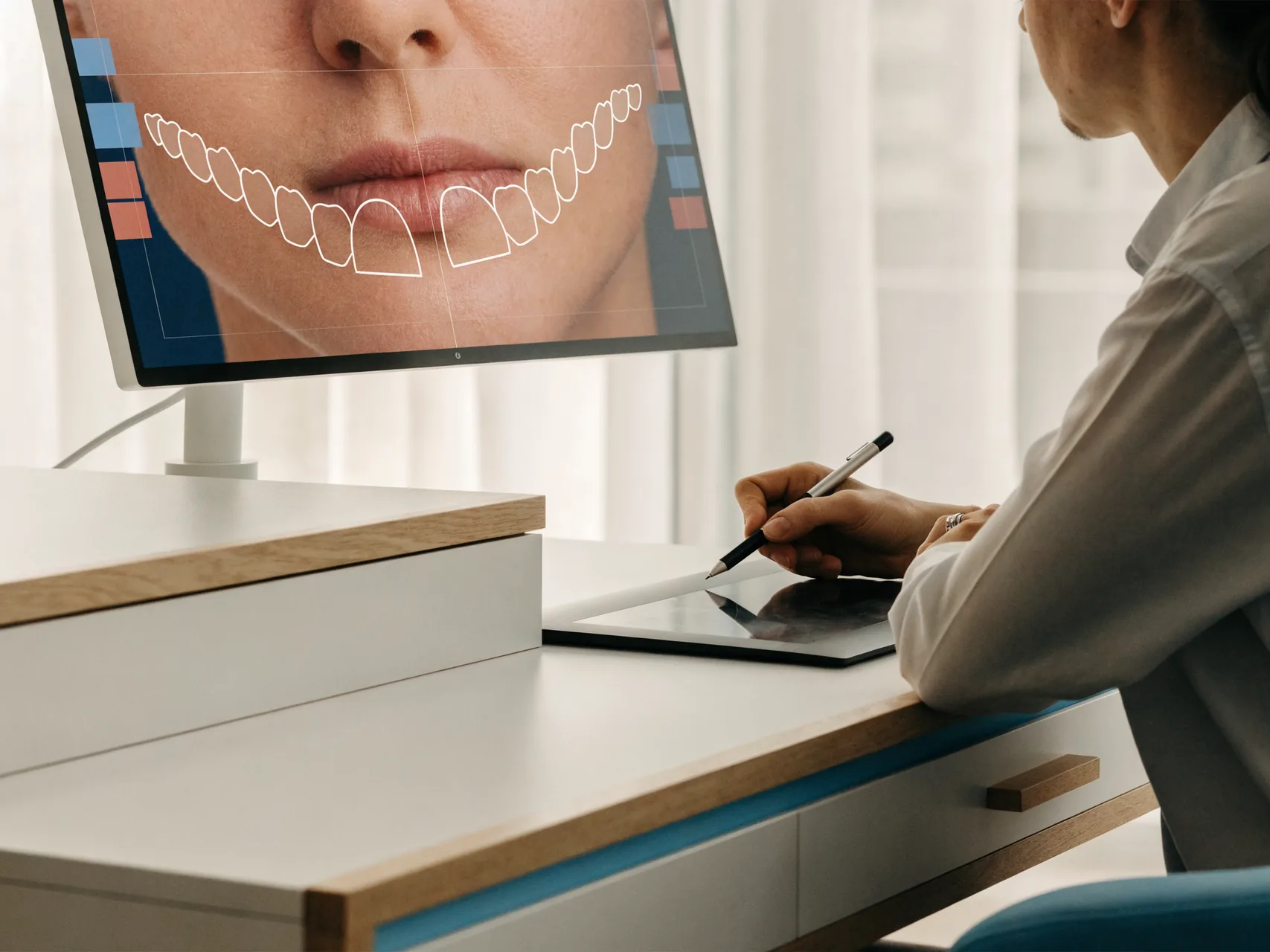
Digital smile design can help a patient and dental team discuss proportions, tooth display and possible appearance. It is a communication and planning method, not a diagnosis and not a promise that a final restoration will look exactly like a screen image.
A photograph can be edited without checking decay, gum health, bite, tooth structure, function or long-term maintenance. A digital model can be useful while still depending on incomplete inputs. A temporary mock-up can provide more information than a flat image while still differing from the material, fit and tissue response of final treatment.
This guide explains how to use digital smile records critically: define goals, verify the clinical provider and laboratory, obtain an adequate diagnosis, compare tooth-preserving alternatives, understand preview limits, control changes, record material traceability and plan consent, payment, travel, aftercare and complaints.
It does not recommend a clinic, clinician, laboratory, software or material. It does not provide a personal diagnosis, treatment plan, price, duration or predicted result. Clinical decisions belong to appropriately qualified professionals after adequate assessment.
Start With Goals, Not a Celebrity Image
Describe what you want to change in your own words. Examples may involve tooth colour, visible edges, gaps, shape, asymmetry, old restorations, gum display or confidence when smiling. Also describe what you do not want, such as unnecessary removal of healthy tooth structure or an appearance that feels unlike you.
Avoid asking a provider to copy another person's smile. Facial proportions, lips, gums, teeth, bite, speech and personal preferences differ. A reference photograph can start a conversation but cannot specify a safe clinical plan.
Rank priorities. Appearance, tooth preservation, repairability, maintenance, time, travel burden and cost may conflict. The clinician should explain those trade-offs rather than presenting a single image as the only route.
Write down the acceptable range of change. Some patients want a subtle refinement; others want a visible difference. Words such as natural, white or symmetrical are subjective. Ask the provider to translate them into reviewable design choices rather than claiming to know what the patient means.
Verify Who Receives Your Images
Smile-planning enquiries often begin with facial and intraoral photographs. Those files can identify a person and may reveal health information.
Before uploading, ask:
- Which legal organisation collects the files?
- Why are they needed?
- Who can access them?
- Are they used for clinical review, marketing or software processing?
- Which external platform or laboratory receives them?
- How long are they retained?
- How can you obtain or correct a copy?
- How can you decline promotional use?
Consent to clinical record use is not automatically consent to publication. Before-and-after marketing should require a separate, specific decision. Refusing publicity should not change clinical care.
Use a transfer method you understand and send only what is necessary. Avoid public groups or accounts whose business identity is unclear. Keep your own originals and the date supplied.
Identify the Legal Provider and Responsible Clinician
A design may be created by a coordinator, software operator, dentist or laboratory. Only an appropriately qualified clinician should diagnose disease and accept responsibility for treatment.
Ask for the legal name and treatment address of the healthcare provider. Verify the facility through current Turkish official channels. Request the full name, professional role and registration details of the dentist expected to examine, plan and treat you.
Map the contributors:
- Enquiry or patient coordinator
- Diagnosing dentist
- Restorative clinician
- Gum or orthodontic clinician where relevant
- Laboratory
- Dental technician
- Imaging provider
- Software or platform handling the design
A team page does not establish who is allocated to the case. A laboratory artist can contribute to design and fabrication but should not replace clinical diagnosis or consent. Record who decides what and who approves each stage.
Complete Diagnosis Before Designing Treatment
A pleasing simulation cannot determine whether a tooth is healthy, whether gum disease is active or whether a restoration is indicated. The clinician must first gather relevant history and clinical findings.
Depending on the person and proposed treatment, records may include:
- Medical and dental history
- Symptoms and priorities
- Tooth-level examination
- Decay and existing restoration assessment
- Gum and periodontal findings
- Oral soft-tissue examination
- Bite and jaw-function assessment
- Tooth position and movement
- Photographs
- Intraoral scans or impressions
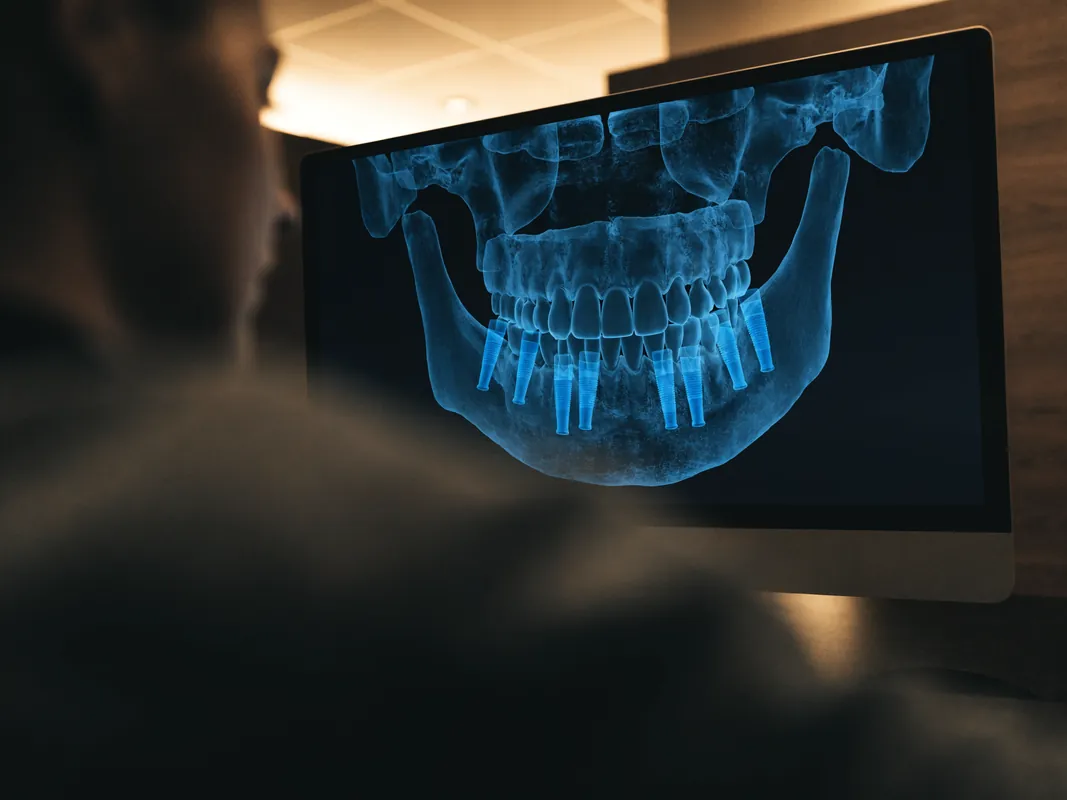
- Relevant imaging when clinically justified
- Previous treatment and component records
This is not a required test list for every patient. The clinician should explain which record is needed and which decision it informs. Imaging should be justified rather than added because a digital package lists it.
Ask what needs treatment before elective appearance changes. A design placed over untreated disease is a visual overlay, not a coherent treatment plan.
Record the Baseline Faithfully
The value of digital planning depends on input quality. Inconsistent lighting, camera angle, facial expression, head position, scale or scan coverage can alter apparent relationships.
Ask how the provider standardises photographs and connects them to the clinical record. Keep original images as well as edited versions. A cropped or filtered image should not replace the baseline.
Facial photographs can show expressions and apparent tooth display, but they do not reproduce every three-dimensional relationship. Intraoral scans can record surfaces that are visible and accessible to the scanner, but they do not answer every biological or functional question.
Bite records need clinical interpretation. A static scan or image may not capture every movement, habit or symptom. If bite or jaw concerns exist, ask how the clinician evaluates them rather than assuming the design software does.
The baseline should be dated and linked to the patient, provider and planned stage. Without a reliable baseline, later comparison can be misleading.
Understand Two-Dimensional and Three-Dimensional Data
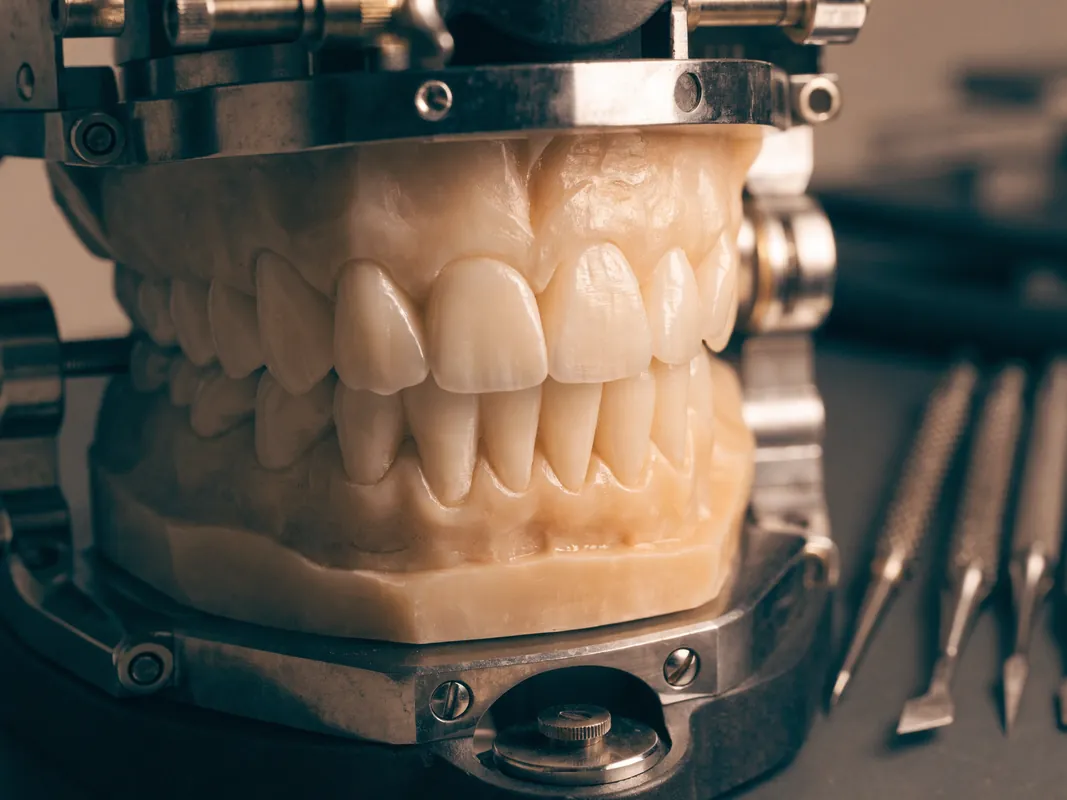
A flat smile simulation, a three-dimensional digital model, a wax-up, a printed model and an intraoral mock-up are different artefacts. They should not be treated as interchangeable.
A two-dimensional image can help discuss visible proportions from one view. It does not reproduce thickness, tongue space, bite, speech or all facial movements. A three-dimensional model can add spatial information but still reflects the records and assumptions used to build it.
A [primary clinical study comparing photographic, scanned and fabricated veneer-planning stages](https://pubmed.ncbi.nlm.nih.gov/35362247/) reported differences between some two-dimensional and three-dimensional measurements. This does not establish that one workflow is always superior. It supports a cautious inference: each representation has limits, and the clinician should explain how the design is transferred and verified.
Ask which file is the source for fabrication, who approves it and how changes are tracked. Save the design version accepted for the next stage.
Treat the Digital Preview as a Discussion Tool
A screen image can help identify likes and dislikes. It cannot reproduce every property of the final teeth, lips, gums, lighting or camera.
Ask what the preview intentionally simplifies. Colour on a display depends on the screen, calibration, lighting and image processing. A static expression may not represent speech or movement. An edited tooth outline does not show the amount of tooth preparation required.
Do not approve irreversible treatment from a front-facing image alone. Ask to review multiple relevant views and the clinical explanation behind the proposal.
Use the preview to ask:
- Which features are simulated?
- Which are measured?
- Which depend on clinical examination?
- Which depend on the laboratory?
- Which cannot be predicted?
- What alternatives create a similar visual effect?
- What could change after the mock-up or preparation stage?
The useful outcome of a preview is a better-informed conversation, not certainty.
Use Research Without Turning It Into a Promise
Digital smile-design research evaluates different systems, records, fabrication methods, procedures and outcomes. A study about one application or restoration cannot predict another patient's final result.
A [small primary pilot study of conventional and digital smile-planning mock-ups](https://pubmed.ncbi.nlm.nih.gov/37511641/) found broadly similar aesthetic assessments with some variation. Its limited scope means it should not be used as a universal performance claim.
A more recent [primary study of provisional veneer fabrication](https://pubmed.ncbi.nlm.nih.gov/42076891/) reported that fabrication method influenced dimensional differences within the studied workflow. That finding is procedure- and method-specific. It reinforces the need to identify both design and fabrication stages rather than crediting software alone.
Ask a provider to name the evidence behind any accuracy or predictability claim and explain whether the population, procedure, technology and measured outcome match your plan. Do not accept a research percentage as a personal forecast.
Ask What a Mock-Up Can and Cannot Show
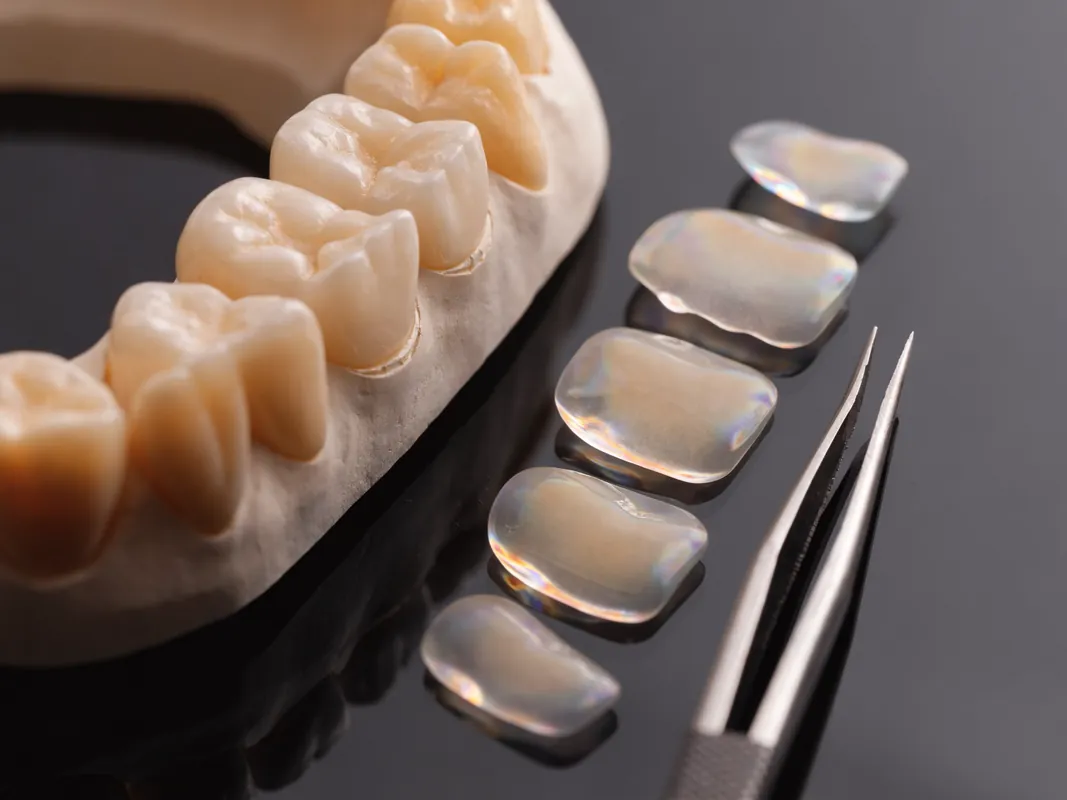
A mock-up may place temporary material over teeth or a model so the patient and clinician can review a proposed form before irreversible treatment. The exact method varies.
Potential discussion points include visible length, width, edge position, speech, lip support, smile line and general feel. The clinician should explain which aspects are meaningful in that particular mock-up.
A mock-up may not reproduce final material properties, bonding, translucency, strength, exact margins, gum response or long-term bite. It may sit over unprepared teeth and therefore appear bulkier than a later restoration. Conversely, a thin or incomplete mock-up may underrepresent a change.
Ask whether the mock-up is diagnostic, aesthetic, functional or a preparation guide. Ask who made it, from which design version and what changes are recorded afterward.
A short trial does not demonstrate long-term comfort or durability. It informs the next decision; it does not approve every later stage automatically.
Explore Tooth-Preserving Alternatives First
Digital smile planning should compare reasonable ways to reach the goal, not merely arrange a predetermined set of restorations.
Depending on diagnosis, alternatives might include monitoring, professional cleaning, whitening, orthodontic movement, direct bonding, reshaping, replacing only defective restorations, gum treatment or a combination. No option is appropriate solely because it is less invasive; the clinician must assess suitability.
Ask which teeth are healthy and which need treatment for disease or failure. Elective appearance change on a healthy tooth deserves a clear explanation of expected benefit, tissue removal, future maintenance and alternatives.
For every crown or veneer proposal, request a tooth map. Ask whether the restoration is additive, requires preparation or replaces an existing restoration. Do not accept a round-number smile package without tooth-level reasons.
If several specialties could achieve the goal differently, consider independent opinions before choosing irreversible work.
Separate Disease Control From Elective Design
A digital appearance plan should not obscure active decay, gum inflammation, periodontal disease, endodontic concerns, oral lesions or unstable bite.
Ask the clinician to identify what must be assessed or managed before elective restorative work. If treatment is staged, record the clinical criteria for moving forward.
The General Dental Council's current education standards discuss establishing a healthy oral environment before restoration and considering periodontal health. Those standards regulate UK dental education, not Turkish practice, but the underlying planning question is useful: what oral-health foundation does this clinician require before definitive restoration?
Do not interpret a healthy-looking simulation as evidence that the mouth is ready for treatment. The clinical record should show the examination findings and plan.
Verify Clinician and Laboratory Identities
Ask who is responsible for diagnosis, preparation, scanning or impressions, temporary work, laboratory prescription, try-in, bonding or cementation, bite review and aftercare.
Request the legal laboratory name and location. If a named technician is promoted, verify the identity, actual role and relationship to the case. Do not infer personal involvement from a generic studio photograph.
Ask how the clinician communicates shade, shape, texture, margin and functional information to the laboratory. Ask how laboratory questions return to the clinician and how revisions are approved.
A provider may use an internal or external laboratory. Neither arrangement proves quality by itself. Evaluate accountability, traceability, records and the actual review process.
If the laboratory or clinician changes after payment, request disclosure and decide whether the change is acceptable before irreversible work.
Make Material Choice Traceable
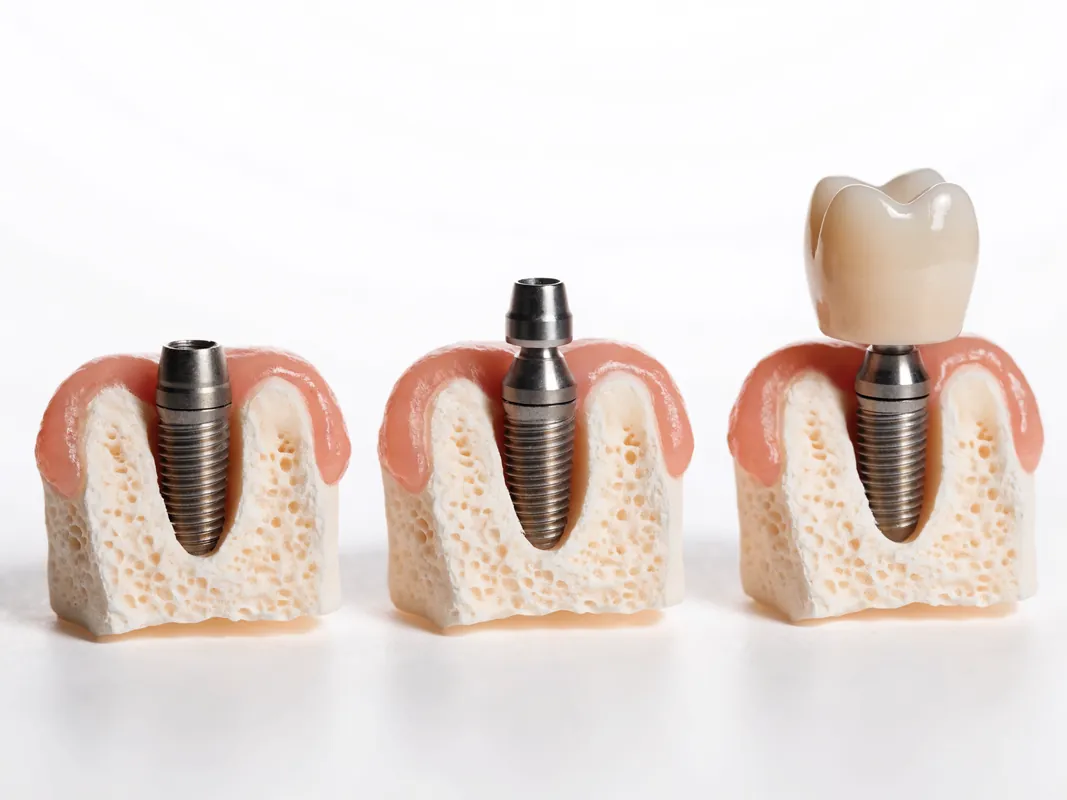
A material name is not a complete treatment plan. Ask for the exact proposed material, manufacturer or product reference where relevant, intended use, alternatives and reason for selection.
The clinician should discuss material choice in the context of tooth structure, restoration design, opposing teeth, bite, appearance goals, repairability and maintenance. A sales coordinator should not select it.
At handover, request records connecting the material or component to your case. Packaging photographs on a website do not prove what was used for an individual patient.
Ask what happens if the planned material becomes unavailable or the clinician decides another option is appropriate after assessment. Substitution should be explained and recorded before use.
Avoid superiority slogans. No material is established as ideal for every patient by the word premium.
Understand Preparation as an Irreversible Gate
Some restorative options may require removal of tooth structure. The amount and clinical implications depend on the diagnosis, design, position and material.
Before preparation, ask the clinician to show which tooth is being treated, why, which alternatives exist and how the approved design guides the procedure. The tooth map and consent record should match.
Do not rely on a generic minimal-preparation number. A marketing measurement cannot describe every tooth. Ask what is expected for the individual case and what findings could change it.
Once tooth structure is removed, a screen image cannot restore the earlier choice. The patient should have enough time to consider the actual plan, not merely approve a look.
If the plan changes during preparation, pause for explanation and consent where clinically possible. Record the reason and revised scope.
Use Consent as an Ongoing Process
Consent should connect diagnosis, alternatives, risks, costs and the patient's priorities. It should be renewed when material facts change.
The [General Dental Council's consent standard](https://standards.gdc-uk.org/pages/principle3/principle3) is a UK regulatory source, not the law governing a Turkish provider. It nevertheless illustrates useful questions: were options and possible costs explained, was the discussion documented and did the patient actually understand?
Ask the Turkish provider how applicable consent law and professional requirements are followed. Request information in a language and format you understand. Identify any interpreter and their independence from sales.
A signature on a design image is not consent to unspecified tooth preparation or additional teeth. The clinical consent should identify the procedures and alternatives.
The patient may like a preview and still decline treatment. Travel or design fees should not remove that choice.
Record Design Changes by Version
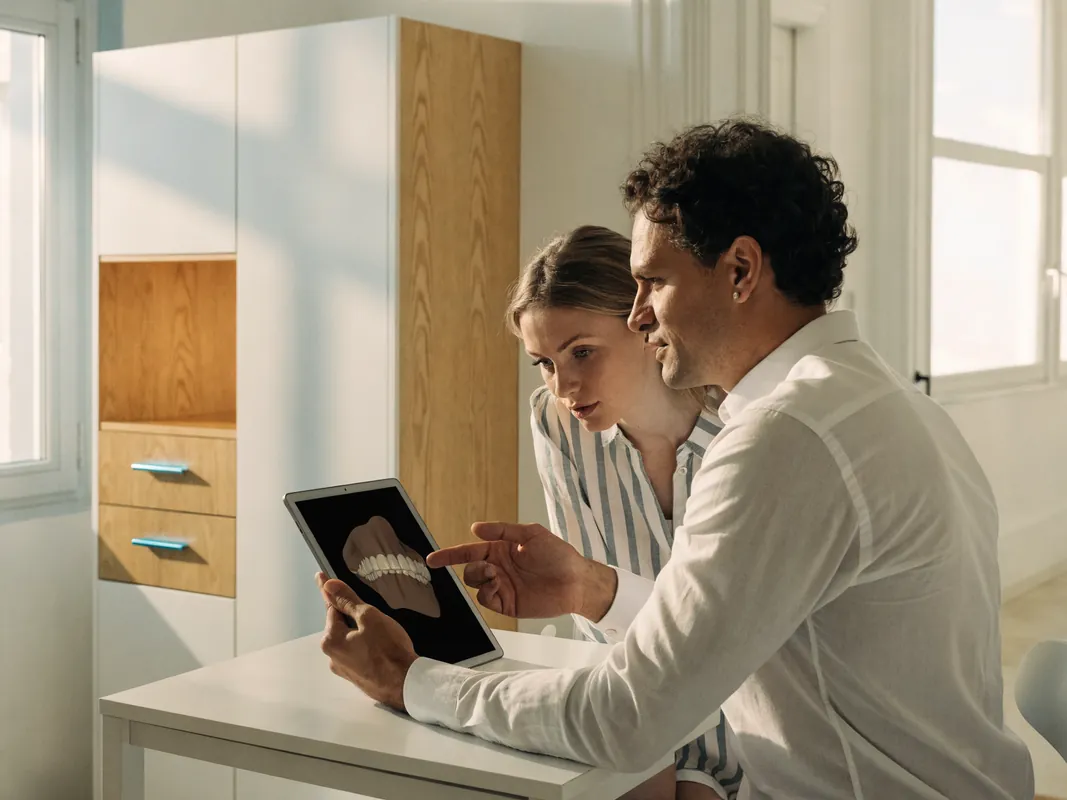
Digital files can be revised quickly. Without version control, the patient, clinician and laboratory may be discussing different designs.
Every material revision should record:
- Date
- Version identifier
- Person requesting the change
- Person approving the change
- Teeth or areas affected
- Clinical implications
- Laboratory implications
- Financial effect
- Whether new consent is needed
Preserve the initial design, mock-up version, approved laboratory prescription and final record. Avoid approving changes only through disappearing messages or unlabeled screenshots.
If a request conflicts with clinical safety or function, the clinician should explain why it cannot be followed. Aesthetic preference matters, but the dentist remains responsible for clinical judgement.
Stage the Workflow Around Evidence
Do not accept a universal day-by-day smile timetable. A responsible sequence depends on diagnosis, oral health, treatment choice, laboratory process, review and patient response.
Use decision gates:
- Baseline records complete
- Disease and risks assessed
- Alternatives discussed
- Provider and clinicians verified
- Design limits understood
- Mock-up reviewed where relevant
- Tooth-level plan accepted
- Material and laboratory confirmed
- Preparation consent complete
- Temporary stage reviewed
- Try-in assessed
- Final placement approved clinically
- Handover records complete
- Local aftercare arranged
A gate may require more information or a pause. The sequence protects decisions; it does not promise a duration.
Compare an Itemised Quote
Ask for a dated quote that separates clinical assessment, imaging, tooth-level procedures, temporary work, laboratory stages, materials, review appointments and records.
Mark each item as included, conditional, excluded or not stated. Ask which in-person findings or design changes can alter the amount.
Separate non-clinical travel services from the dental quote. Convenience has no bearing on the accuracy of a diagnosis or the quality of a restoration.
Identify the legal provider, contracting party, invoice issuer and payment beneficiary. Read deposit, cancellation, refund, currency, plan-change and provider-substitution terms.
A high price does not prove a better design or result. A low price does not prove poor care. Compare equivalent documented scope.
Plan Travel With Clinical Contingency
Do not make non-changeable travel arrangements solely from a remote design. First verify the facility, clinician, assessment date and which later stages are confirmed or conditional.
Check current entry, passport, transit, carrier and insurance rules through official sources. They can change and depend on the traveller and route.
Allow for changed clinical findings, design revision, laboratory adjustment, additional review and feeling unfit to travel. A departure booking should not force approval of a restoration.
Know the treatment facility's official address and contact details. Keep clinical and travel suppliers distinct and understand each cancellation process.
Ask the treating clinician for case-specific advice about travel after procedures. A generic smile-workflow timeline cannot determine personal readiness.
Reconfirm the Plan After In-Person Assessment
On arrival, verify the provider, clinician and treatment address. The clinician should examine the mouth and compare current findings with remote assumptions.
Ask which parts of the plan remain valid and which change. A new recommendation should include the clinical reason, alternatives, risks, revised design, updated scope and itemised financial effect.
If more teeth or more invasive procedures are proposed, take time to understand why. Seek an independent opinion if needed. Travel expense does not require acceptance.
Preserve the final accepted tooth map and design version. The clinician, laboratory and patient should be working from the same documents before irreversible treatment begins.
Review Temporary Work Critically
Temporary restorations can protect teeth and help evaluate aspects of appearance or function, but their material and fit differ from definitive work.
Ask what should be assessed during the temporary stage:
- Comfort
- Tooth and gum symptoms
- Speech
- Visible proportions
- Lip interaction
- Bite
- Cleaning access
- Fracture or loosening
- Patient preferences
Report concerns to the responsible clinician. A coordinator can arrange contact but should not diagnose.
Do not assume every feature can be copied directly into the final restoration. Record which changes are approved and why.
Use Try-In as Both Aesthetic and Clinical Review
A try-in is not only a mirror check. The responsible clinician should evaluate fit, margins, contacts, bite, function, hygiene access and tissue response as relevant to the restoration.
The patient can discuss colour, shape, symmetry, smile display and personal preference. Lighting, photography and mirrors may affect perception, so ask to understand how the provider reviews appearance.
Ask which changes can be made before final placement and which would require remaking work. Record the approved version.
Do not approve because the flight leaves soon. If a significant concern cannot be assessed adequately, pause. The departure schedule should not lower the clinical review standard.
Confirm Final Placement Tooth by Tooth
Before bonding or cementation, confirm the patient, tooth, restoration, material, design version and responsible clinician.
Ask the clinician to explain any last-minute substitution or change. The clinical record and invoice should match what is used.
After placement, bite and fit may need review. The clinician decides what is clinically appropriate. This guide does not provide procedural or aftercare instructions.
Photographs may document the record, but publication requires separate permission. Clinical care should not depend on agreeing to marketing use.
Leave With a Complete Digital and Clinical Handover
Request records that a dentist at home can use:
- Legal provider and treatment address
- Names and roles of clinicians
- Tooth-level diagnosis and procedures
- Baseline photographs and scans where appropriate
- Relevant diagnostic imaging
- Final design or laboratory prescription
- Material and product identifiers
- Laboratory identity
- Temporary and final restoration information
- Bite or clinical findings relevant to maintenance
- Medicines administered or prescribed
- Unresolved findings
- Maintenance and aftercare instructions
- Clinical and complaints contacts
Ask which proprietary files can be shared and in what usable format. A screenshot of software is not a complete handover.
Keep the quote, contract, design versions, consent, invoices and payment evidence with the clinical record.
Arrange Independent Aftercare Before Travel
Ask a dentist at home whether the practice can review and maintain the proposed restorations. Do not assume another clinician must accept or repair work completed elsewhere.
Ask what records and material information the local dentist needs. Clarify routine review, professional cleaning, urgent assessment and corrective treatment.
The overseas provider should define its own clinical aftercare process: named reviewer, contact route, information required and threshold for local examination. A messaging account is not a substitute for physical examination.
If pain, swelling, bite change, mobility or another concern needs local assessment, seek appropriate clinical care. Do not delay while commercial responsibility is debated.
Read Complaints and Remedial Terms
Request the complaints policy before treatment. Identify the legal entity receiving complaints, accepted language, submission method, review stages and person responsible for the clinical response.
Read remedial terms across professional time, laboratory work, materials, travel and accommodation. Do not assume that an offer to assess or repair covers every associated cost.
Verify any named regulator, ministry, mediator or professional body through current official sources. Jurisdiction may differ between the clinical provider, facilitator and payment entity.
Keep contemporaneous records of concerns, photographs, clinical opinions, correspondence and costs. Urgent care comes before a later dispute.
Red Flags in a Digital Smile Workflow
Pause when:
- The design is presented as a final result
- No dentist is named
- Facial photographs replace a clinical examination
- Disease control is not discussed
- A fixed number of restorations is sold without a tooth map
- Tooth-preserving alternatives are dismissed without explanation
- Preparation is described by one universal measurement
- The laboratory or material is unclear
- A marketing certificate is treated as proof of case allocation
- The mock-up is described as identical to final work
- Design changes are not versioned
- Consent is limited to approving an image
- In-person changes are pressured by travel dates
- The quote is not itemised
- Final records will not be supplied
- Local aftercare is assumed
- Before-and-after image consent is bundled with treatment
- A research result is presented as a personal forecast
A polished digital presentation does not resolve missing clinical evidence.
Digital Smile Planning Checklist
Mark every item as independently verified, supplied in writing, provisional or missing:
- Patient goals and limits
- Privacy and image-use permissions
- Legal provider and treatment address
- Named responsible clinicians
- Complete dental and medical history
- Tooth, gum, soft-tissue and bite assessment
- Justified imaging
- Original photographs and scans
- Limitations of each design format
- Tooth-preserving alternatives
- Tooth-by-tooth treatment plan
- Mock-up purpose and limitations
- Laboratory identity and role
- Material specification and traceability
- Design version control
- Preparation implications
- Accessible clinical consent
- Itemised quote and payment chain
- Travel contingency
- Temporary-stage review
- Try-in criteria
- Final handover records
- Independent local aftercare
- Complaints and remedial process
Missing evidence is not replaced by software branding, a technician title or a dramatic simulation.
Questions to Ask Before Approving a Design
Ask:
- Who made this design and who accepts clinical responsibility?
- Which records were used?
- What cannot be shown in the preview?
- Which disease or functional findings still need assessment?
- What are the tooth-preserving alternatives?
- Why is a restoration proposed on each tooth?
- Is the design additive or does it require preparation?
- What will the mock-up test?
- Which design version will guide the laboratory?
- Who is the laboratory and technician for this case?
- Which material and product are proposed?
- What could change after in-person examination?
- How are changes documented and priced?
- What is reviewed at the temporary and try-in stages?
- Which records will I receive?
- Who provides aftercare and receives complaints?
Clinical questions should reach the named clinician rather than stop with a sales coordinator.
Frequently Asked Questions
Is a digital smile preview an accurate picture of the final result?
It is a planning representation based on selected records and assumptions. Ask what it simulates, what it omits and how the design is verified through clinical assessment, mock-up, temporary work and try-in.
Can a provider design my smile from selfies?
Photographs can begin a discussion, but they do not establish diagnosis, gum health, bite, tooth structure or treatment suitability. A clinician needs adequate records and examination.
Does digital design mean I need veneers or crowns?
No. The design method does not choose the treatment. Ask about monitoring, cleaning, whitening, orthodontic movement, bonding, replacement of defective work and other clinically reasonable options.
Is a mock-up identical to final restorations?
No. Its material, thickness, fit and purpose can differ. Ask which features are meaningful and which cannot be reproduced exactly.
Can I approve tooth preparation by approving the image?
Image approval is not sufficient consent to irreversible treatment. The clinical plan should identify teeth, procedures, alternatives, risks and preparation implications.
Does a named software platform prove quality?
No. Records, diagnosis, clinician judgement, laboratory transfer, fabrication, fit, review and maintenance all matter.
Is an internal laboratory better than an external one?
Neither arrangement proves quality. Verify the actual laboratory, responsibilities, communication, traceability and review process.
How should I compare materials?
Ask the clinician for the exact proposed product, reason, alternatives, repairability, maintenance and case record. Avoid generic superiority claims.
How many teeth should be included in a smile design?
There is no universal number. Request tooth-level findings and reasons. A design frame or package count is not a diagnosis.
How long should smile treatment take?
It depends on diagnosis, oral health, treatment choice, laboratory stages, revisions and patient response. Ask for a provisional case-specific sequence with contingencies, not a universal duration.
What if the design changes after I arrive?
Request the clinical reason, revised options, risks, design version, scope and itemised financial effect. You should have time to ask questions and decline.
What should I assess at a try-in?
Discuss appearance and preferences while the clinician evaluates the relevant clinical factors. Ask what can be changed before final placement.
Will a dentist at home maintain the restorations?
Do not assume so. Ask a local practice before travel what it can provide and which records or materials it needs.
Can my before-and-after images be used without separate permission?
Ask for the provider's privacy and image-use process. Clinical documentation and public marketing are different purposes. Request a separate decision for promotional use.
What if the final restorations do not match the screen image?
Ask the clinician to compare the approved design, mock-up, laboratory prescription and clinical record. Seek appropriate examination for functional or health concerns and use the provider's written complaint process for unresolved issues.
Final Planning Rule
Use digital smile design to improve questions, not to manufacture certainty. The design becomes clinically meaningful only when it is tied to a verified provider, adequate diagnosis, tooth-preserving alternatives, a named clinician and laboratory, traceable materials, ongoing consent, documented revisions and realistic aftercare.
Do not allow a dramatic preview or travel deadline to approve irreversible work. Advance only when each representation's limits are understood and the actual tooth-by-tooth plan survives clinical examination.