Wisdom tooth symptoms do not automatically mean extraction. Learn what a named clinician should assess, what records to request, how to compare monitoring and treatment options, and when travel should wait.
# Wisdom Tooth Treatment in Turkey: A UK Patient’s Diagnosis-First Assessment and Travel Guide
A wisdom tooth seen on an X-ray is not automatically a tooth that should be removed. Pain near the back of the mouth is not automatically caused by a wisdom tooth. An impacted tooth is not automatically diseased. Travel does not make an uncertain diagnosis more certain, and a low quote does not establish a clinical indication.
This guide is for a UK reader considering wisdom tooth assessment or treatment in Turkey. It is an educational planning guide, not personal dental advice. It does not decide whether a tooth should be monitored, treated conservatively, partly removed or fully removed. That decision belongs to a named, appropriately qualified clinician who has examined the patient, reviewed suitable imaging, considered the medical history and explained reasonable alternatives.
The central rule is simple: A symptom is a reason for assessment, not proof that a wisdom tooth should be removed. The purpose of research is therefore not to find the fastest extraction. It is to establish who is responsible, what problem has actually been identified, what evidence supports the proposed intervention, what could happen without surgery, and how care will continue after the traveller returns home.
Assessment Before Extraction
Do not book surgery or travel before a named clinician has reviewed the available records and explained what remains provisional.
A remote message, photograph or cropped radiograph can help organise an enquiry. It cannot reproduce palpation, periodontal probing, tests on neighbouring teeth, assessment of mouth opening, review of swelling, or a complete medical and medicine history. It may not show whether the pain comes from pericoronitis, decay in the second molar, a cracked tooth, a jaw-joint problem, a salivary condition or another source. A remote opinion should be labelled provisional and should state what must be confirmed in person.
Ask for the legal name of the treatment facility, the name and professional role of the clinician who will assess the tooth, and the name and role of the person expected to perform any procedure. A coordinator may organise records and appointments but should not be presented as the person making a diagnosis. If different clinicians are involved in assessment, surgery, sedation or discharge, their responsibilities should be clear before consent.
An adequate assessment should connect each proposed action to a finding. A useful written plan identifies the tooth, the suspected or confirmed problem, the relevant examination findings, the imaging used, the alternatives considered, the material risks that matter in that anatomy, and the review arrangement. “Impacted” alone is a description of position, not a complete reason for surgery.
No Treatment and Monitoring Versus Removal
There are at least three broad pathways: no active intervention with monitoring, management of a local problem without immediate extraction, or surgical treatment. The right pathway depends on findings, symptoms, pathology, patient factors and informed preferences. It should not be chosen because a flight is already booked.
When a wisdom tooth is symptom-free and pathology-free, monitoring may be reasonable. Monitoring is an active plan, not neglect. The plan should say who will examine the area, what signs or changes will trigger reassessment, whether imaging is needed and how the adjacent tooth will be protected. A retained tooth that is difficult to clean may deserve particular attention, but plaque or position does not by itself settle the surgical decision.
When inflammation or infection is present around a partly erupted tooth, immediate priorities may include assessing severity, drainage, local cleaning, oral-hygiene support and deciding whether urgent intervention or later definitive management is appropriate. Repeated episodes, severe disease, decay, damage to the neighbouring tooth, a cyst or other pathology can change the balance. The clinician should explain which finding changes the recommendation rather than using “it may cause trouble someday” as the whole rationale.
Full removal is not the only possible surgical concept. In selected lower wisdom-tooth cases, a coronectomy may be discussed when root proximity to the inferior alveolar nerve makes complete removal a particular concern and the roots are otherwise suitable to retain. Referral to a clinician with relevant oral-surgery experience, further justified imaging, or a different care setting may also be part of the plan.
NICE TA1 and the Prophylactic-Removal Boundary
NICE TA1 advises against prophylactic removal of pathology-free impacted third molars within its NHS guidance scope. The published recommendation states that the practice should be discontinued in the NHS and that surgical removal of impacted third molars should be limited to evidence of pathology. NICE lists examples such as unrestorable decay, non-treatable pulpal or periapical disease, cellulitis, abscess, osteomyelitis, resorption, fracture, follicular disease and teeth that interfere with certain surgery.
That sentence has boundaries. TA1 is an NHS technology appraisal, not a personal diagnosis and not a substitute for a current examination. NICE also records an update project in development. A UK patient should check the current status of the guidance when making a decision and ask a clinician to explain how the recommendation applies to the actual findings. Guidance from professional bodies may discuss broader risk assessment and surveillance questions, but a marketing page should not turn professional debate into certainty.
The practical lesson is not “never remove” and not “remove early.” It is “state the indication.” If the only explanation is that the tooth exists, is impacted, or is easier to remove now, pause. Ask whether pathology is present, how it was identified, whether it is affecting the adjacent tooth, what monitoring would involve, and what patient-specific factors change the balance of benefit and harm.
Impaction, Anatomy and Eruption
Wisdom teeth vary widely. A tooth may be fully erupted, partly erupted, fully covered by gum, enclosed in bone, tilted toward the second molar, tilted away from it, horizontal or positioned in another orientation. Roots may be separate, fused, curved or still developing. The surrounding bone, gum access and relationship to nearby structures also vary.
Position influences cleaning, examination and surgical access, but position alone does not prove disease. A partly erupted lower tooth may create a space under a gum flap where food and plaque collect. A tilted tooth may make the back surface of the second molar hard to inspect. A fully buried tooth can still require monitoring if retained. Conversely, a dramatic-looking radiograph may represent a stable situation that needs no immediate operation.
The written assessment should identify whether the concern is the wisdom tooth, the adjacent second molar, the surrounding gum, a follicular space, the jaw or another structure. It should explain whether the tooth is erupted, partially erupted or unerupted and why that matters. Labels such as “complex” should be translated into anatomy and decisions: access, bone removal, sectioning, nerve proximity, sinus proximity, mouth opening, medical factors or need for referral.
Symptoms That Need Review
Pain, swelling, a bad taste, food trapping, difficulty cleaning, limited mouth opening, tenderness, bleeding gum or repeated inflammation at the back of the mouth justify assessment. So can decay, gum disease, changes seen on imaging or unexplained symptoms in the nearby jaw. None of these, in isolation, proves that extraction is the correct treatment.
Record when symptoms started, whether they recur, what makes them worse, whether swelling changes, whether there is fever or general illness, and what treatment has already been provided. Bring previous radiographs and notes if available. A timeline helps distinguish a recurring local condition from a new acute problem and helps the clinician assess whether travel is sensible.
Do not mask a worsening condition merely to keep a departure date. Analgesics or antibiotics can change symptoms without resolving the source. A commercial representative should not tell a patient that a medicine makes it safe to fly or that a message-based opinion replaces urgent local assessment.
Urgent Infection and Emergency Signs
A suspected dental abscess needs urgent dental treatment. The NHS describes warning features including intense tooth or gum pain, redness, a bad taste, difficulty opening the mouth or chewing, facial or jaw swelling, swollen neck glands and a high temperature. Difficulty breathing, speaking or swallowing, extensive swelling in the mouth, or swelling and pain around the eye require emergency help rather than travel planning.
After a procedure, bleeding that does not stop, severe or worsening pain and swelling, a bad taste with fever, or feeling systemically unwell also requires prompt assessment. The correct service depends on location and severity. A person in the UK can use current NHS urgent-care routes; a traveller should know the local emergency route at the destination and the return destination before treatment.
An acute infection can alter anaesthetic, airway, drainage and timing decisions. It may require care close to home rather than a delayed appointment abroad. No website can assess airway risk or the spread of infection. If symptoms are rapidly worsening, seek appropriate local help now and do not wait for a travel coordinator to reply.
Clinical Examination
A clinical examination should look beyond the wisdom tooth. It can include the condition of the gum flap, signs of discharge, oral hygiene, decay, periodontal findings, the distal surface of the second molar, tenderness, swelling, mouth opening, bite, nerve sensation and other possible sources of pain. The clinician should decide which tests are appropriate, not perform a fixed checklist mechanically.
The medical history matters. Relevant topics can include previous problems with dental treatment or anaesthesia, bleeding history, allergies, current medicines, pregnancy possibility, cardiovascular or respiratory conditions, immune status, diabetes, bone-related medicines, smoking and other factors that may affect planning. This is not a list of automatic exclusions. It is a prompt for individual assessment and, where necessary, liaison with an appropriate medical professional.
Ask that important findings be documented. If the plan changes after examination, request the revised diagnosis, options and quote before consent. Arrival at the facility does not remove the right to pause. A clinically responsible change may be appropriate, but the reason and consequences should be understandable before treatment proceeds.
Imaging Assessment and Limits
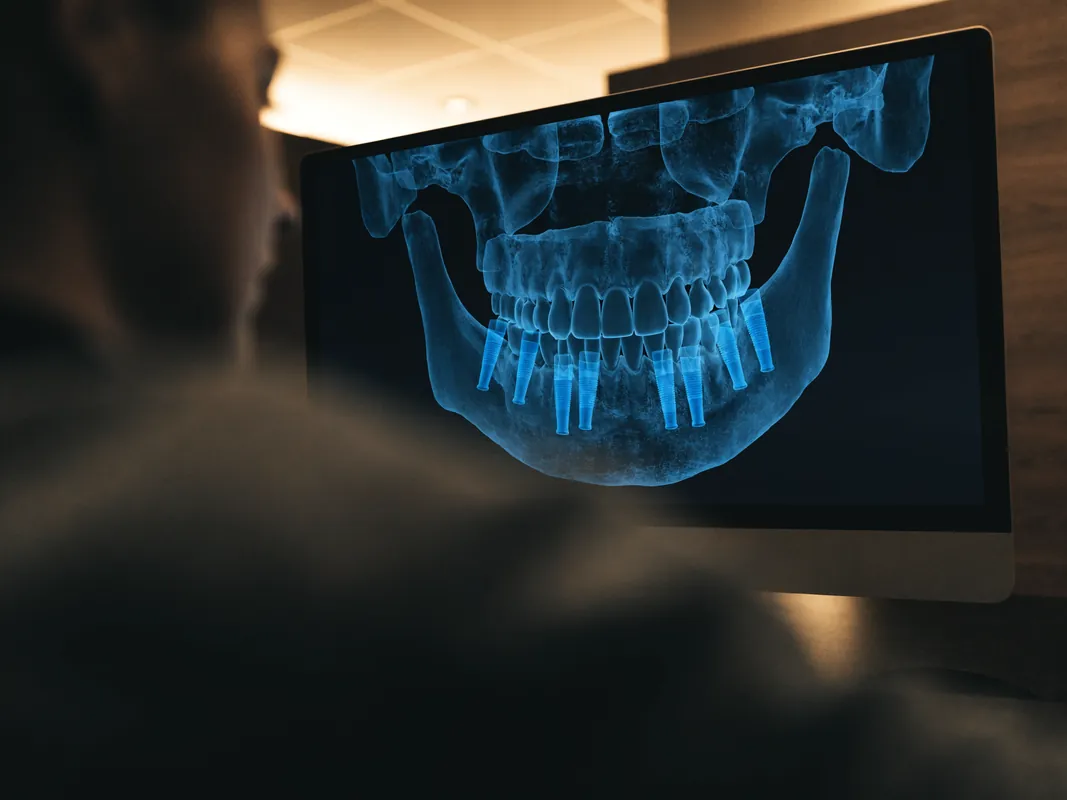
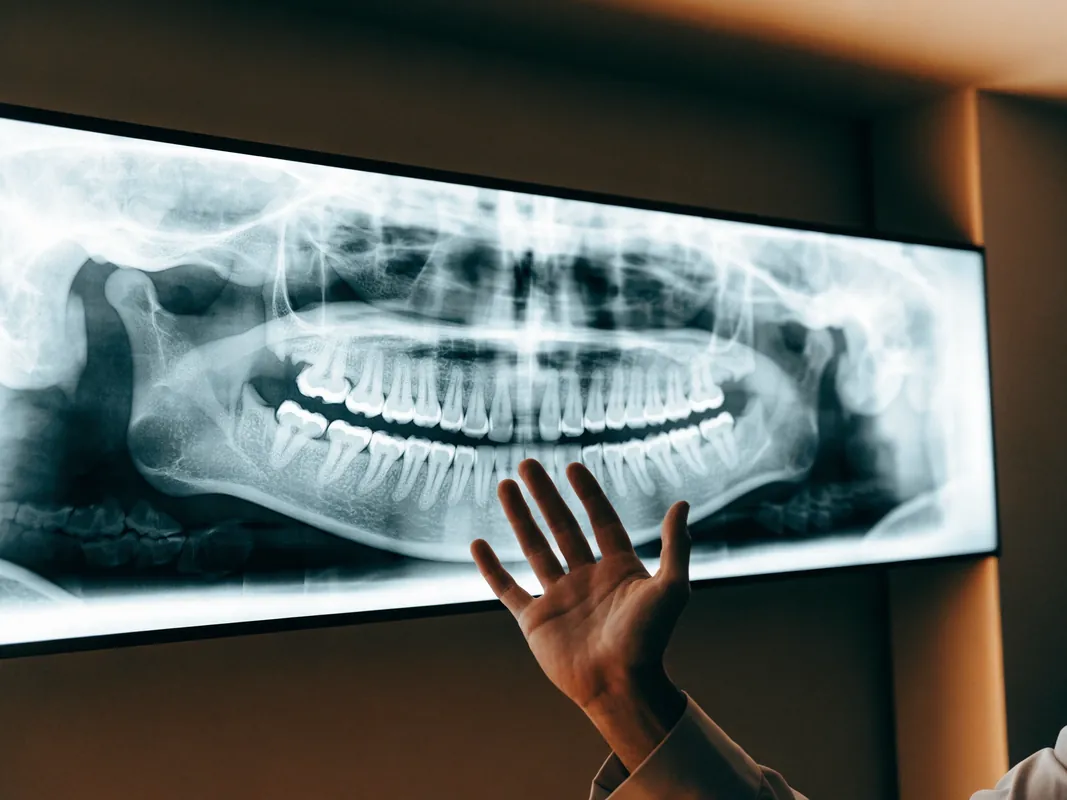
Imaging should answer a clinical question. A panoramic radiograph can show tooth position, root form, adjacent teeth and major anatomical relationships. Intraoral views may be useful for particular tooth or periodontal questions. Cone-beam computed tomography may be considered when additional cross-sectional information is justified and is expected to influence management. It should not be advertised as mandatory for every wisdom tooth.
An image has limits. A two-dimensional view may distort or superimpose structures. A cross-sectional scan offers more anatomical information but does not predict every operative event or remove risk. Imaging does not replace examination, symptom history, medical review or clinical judgment. The person interpreting it should be identifiable and appropriately trained.
Request the original diagnostic files where practical, not only a screenshot with arrows. Ask for the report if one was produced, the date, the tooth identifier, and the reason the image was taken. If an older image is being used, ask whether it still answers the current question. If new imaging is proposed, ask what decision could change because of it and how radiation exposure is justified.
Inferior Alveolar and Lingual Nerve
Lower wisdom teeth may lie near the inferior alveolar nerve, which supplies sensation to areas including the lower lip and chin. The lingual nerve supplies sensation to the tongue and runs in nearby soft tissues. Surgery can bruise, stretch or injure sensory nerves. The consent discussion should address patient-specific anatomical concern, possible temporary or persistent sensory change, the limitations of prediction and what review would occur if altered sensation develops.
Words such as “touching the nerve” are not enough. Ask what signs are present on the available imaging, whether further imaging would change the operation, whether complete removal, coronectomy, monitoring or referral were considered, and who will manage a nerve concern after discharge. The answer should acknowledge uncertainty rather than claiming that a scan eliminates the risk.
The operative plan can change when anatomy is clearer in person. The patient should know what would prompt a change, who is authorised to decide, and whether fresh consent would be sought. If the facility cannot explain a pathway for unexpected nerve findings or postoperative sensory symptoms, that is a continuity-of-care problem.
Upper Wisdom Teeth and the Maxillary Sinus
Upper wisdom-tooth roots can lie near the maxillary sinus. Removal may create a communication between the mouth and sinus, displace a root or fragment, or require a different referral pathway depending on anatomy and events. The relevant risks differ from the lower-jaw nerve discussion, so a generic “all wisdom teeth” consent form is not enough.
Ask whether imaging suggests close sinus proximity, what the clinician would do if a communication occurred, what aftercare restrictions would apply, and which symptoms should trigger review. If a fragment cannot be removed safely in the planned setting, the referral and record-transfer route should be understood.
Flying decisions after upper-jaw surgery should not be reduced to a universal countdown. Sinus involvement, symptoms, bleeding, infection, the actual procedure, clinician advice and access to care all matter. An airline schedule is not a clinical discharge test.
Caries, Periodontal Disease and the Adjacent Tooth
The second molar in front of a wisdom tooth deserves careful attention. Food trapping and limited cleaning access can contribute to decay or periodontal damage on a surface that is hard to see. Removing the wisdom tooth does not automatically restore the adjacent tooth. It may need separate treatment, monitoring or a prognosis discussion.
Ask whether the second molar has been examined clinically, whether imaging shows a concern, and whether the quote includes any proposed work on it. If a lesion is suspected, ask how certain the diagnosis is and whether a local dentist can evaluate it before travel. A plan that mentions only the wisdom tooth may miss the reason symptoms persist.
Periodontal findings should be described rather than assumed. A pocket, bone change, inflammation and cleanability have different implications. The patient should understand whether monitoring could reasonably protect the second molar and what home care and professional review would be required.
Cyst, Resorption and Other Pathology
A radiolucent area, change in the follicular space, resorption, unexplained bone change or other suspected lesion requires a diagnostic pathway, not an instant sales label. The clinician should state what is suspected, what imaging or tests support that view, whether referral is appropriate, and whether tissue would be submitted for histopathological examination.
If tissue examination may be needed, ask who requests it, which laboratory receives it, how the result is communicated and who acts on it after the patient returns home. A report that arrives later can change follow-up. The patient should receive a copy and know whether an oral surgeon, oral medicine clinician or another specialist should review it.
Do not accept “cyst” as a casual description without documentation. Equally, do not assume that every enlarged space is harmless. A diagnosis-first pathway protects against both unnecessary surgery and delayed investigation.
Alternatives and Referral
Alternatives may include observation with defined review, improving access for cleaning, treating a local gum problem, managing disease in the adjacent tooth, complete removal, coronectomy in a selected lower-tooth case, or referral for a specialist opinion. The available options depend on diagnosis and setting. A responsible discussion explains why an option is applicable or not applicable to this patient.
Referral is not evidence of failure. It can be the correct response to anatomy, medical complexity, sedation need, suspected pathology, limited mouth opening, previous complications or the need for a facility with additional support. Ask whether the proposed operator routinely manages the type of anatomy identified and which situations would be referred elsewhere.
A traveller should also compare treatment abroad with assessment near home. Local care may reduce travel burden, simplify urgent review and improve access to records. The purpose of comparison is not to assume that one country is safer or better. It is to compare named people, documented scope, continuity and practical risk.
Coronectomy as a Case-Specific Option
A coronectomy removes the crown of a selected lower wisdom tooth while intentionally retaining roots. BAOMS explains that it may be offered when roots are judged particularly close to the adjacent sensory nerve. It is not a universal compromise and it is not suitable in every condition. Root health, mobility, infection, decay and other findings can affect whether it is considered.
Consent should cover why coronectomy is being proposed, why full removal or monitoring may be less suitable, the possibility of root movement or later symptoms, the need for review and the circumstances in which retained roots might later require treatment. Ask who will provide that review after return to the UK and what records a local clinician will receive.
If coronectomy is offered only after arrival, ask why the possibility was not raised during provisional planning and whether the new information comes from examination or imaging. Take time to understand the choice. A non-refundable travel commitment should not drive acceptance.
Consent and Material Uncertainty
Consent is a process, not a signature collected before the clinician is known. The patient should receive an understandable explanation of diagnosis, proposed procedure, reasonable alternatives, material risks, likely recovery variability, limitations, aftercare and what could change the plan. Questions should be answered by a person qualified to address them.
Material risk depends on the person. A musician, professional speaker or anyone whose work relies heavily on tongue or lip sensation may weigh nerve risk differently. Someone living alone may care greatly about support during recovery. A person with previous difficult sedation may need additional planning. The clinician should invite these priorities into the decision.
Language support must preserve meaning and independence. If an interpreter is used, identify who employs that person and whether the patient can ask questions privately. The final consent and instructions should be available in a language the patient understands. Do not rely on an informal summary from a salesperson when the clinical document says something different.
Uncertainty should be explicit. Imaging cannot show every operative detail. Symptoms may have more than one cause. A planned simple extraction may become surgical after examination, or surgery may be postponed when new risk is identified. A trustworthy plan explains decision points before they become surprises.

Local Anaesthesia, Sedation and General Anaesthesia
Local anaesthesia, sedation and general anaesthesia are different interventions with different assessment, staffing, monitoring, recovery and discharge requirements. A complex-looking tooth does not automatically require sedation, and anxiety alone should not be handled through a generic promise. The responsible clinician should discuss suitable options after reviewing the person and procedure.
For local anaesthesia, ask who administers it, how medical history and allergies are reviewed, and how inadequate anaesthesia or an adverse event would be managed. For sedation, identify the practitioner responsible for sedation, their role, the monitoring standard, the recovery area, escort requirement and discharge criteria. For general anaesthesia, ask why that setting is appropriate, who provides anaesthesia, what preassessment is required and what escalation resources are available.
Written instructions may include fasting, medicine and escort requirements. These must be individual instructions from the responsible clinical team, not copied advice from an article. Travel plans should allow compliance with those instructions and safe discharge. A person who has not arranged a suitable escort should not assume a transport booking solves the clinical requirement.
Medicine and Anticoagulant Boundaries
Provide a complete, current medicine list, including prescribed medicines, over-the-counter products, supplements, inhalers and relevant allergies. State why each medicine is taken and provide contact details for the prescriber when coordination may be needed. Do not omit a medicine because it seems unrelated to dentistry.
Do not stop or change an anticoagulant or antiplatelet medicine because of a webpage or coordinator message. SDCEP publishes professional guidance for dental teams managing patients who take these medicines. The correct plan depends on the medicine, dose schedule, procedure bleeding risk, medical indication and individual factors. The dentist may need information or coordination with a prescriber. Any patient-specific instruction should be clear, written and issued by an appropriately responsible professional.
The same boundary applies to antibiotics, analgesics, sedatives and other medicines. They are not universal add-ons. Ask who is prescribing, what diagnosis or risk supports the decision, how allergies and interactions were checked, and what adverse effects require help. Never use leftover medicine or another person’s prescription as a travel strategy.
If carrying medicine internationally, check current official rules and necessary documentation. FCDO travel advice links to current information for medicines entering Turkey. Rules and carrier requirements can change, so a dated official check is more reliable than an old blog statement.
Recovery Varies by Patient and Procedure
Recovery cannot be reduced to a fixed calendar. It varies with whether the tooth was erupted or impacted, the amount of surgical access required, the number and location of teeth treated, infection, anatomy, medical factors, smoking, the anaesthetic method, complications and individual healing. A clinician should give case-specific expectations after the operation and revise them if the procedure differed from the plan.
Common postoperative experiences can include bleeding or oozing, swelling, bruising, jaw stiffness, altered chewing, tenderness and fatigue. The presence, intensity and course vary. Ask which changes are expected for this case, which are concerning, how to reach an appropriately qualified person and where to obtain an in-person review.
Discharge should be based on clinical criteria, not the planned checkout or flight. The patient should be alert as required for the anaesthetic used, have bleeding controlled, understand instructions, have an escort where required and know the emergency pathway. If those conditions are not met, the itinerary must yield to care.
Bleeding, Swelling and Review Gates
Written instructions should explain how to respond to expected oozing, how to protect the clot, and when persistent bleeding needs professional help. A person with a bleeding disorder or relevant medicines may need a specific local haemostasis plan and coordination. Generic advice is not a substitute for that plan.
Swelling can occur after surgical removal, but progressive swelling with systemic illness, difficulty swallowing, breathing change, eye involvement or marked limitation of mouth opening needs urgent assessment. The patient should not be asked to send repeated photos while a potentially serious condition advances.
A useful review gate asks: Is the course improving as the treating clinician expected? Is bleeding controlled? Can the person drink and maintain nutrition? Is mouth opening adequate for hygiene? Are there signs of infection, altered sensation or another complication? If the answer is uncertain, seek clinical review rather than relying on a flight deadline.
Dry Socket
Dry socket, also called alveolar osteitis, is a painful postoperative complication associated with disruption or loss of the protective clot and inflammation in the socket. The NHS lists it among possible complications of wisdom tooth removal. Increasing pain after an initial period, an unpleasant taste or odour, and an exposed-looking socket can prompt assessment, but self-diagnosis from appearance is unreliable.
Management requires clinical evaluation because infection, retained debris and other causes can produce similar symptoms. Ask before treatment who will examine a suspected dry socket, whether the facility can provide in-person care before departure, and what the local UK handover route will be after return.
Smoking is associated with poorer healing and the NHS advises against smoking after wisdom tooth removal because it can increase infection risk. Personal cessation support and postoperative instructions should come from appropriate professionals. A marketing representative should not promise that a particular technique removes the risk.
Food, Hygiene and Smoking
Eating and hygiene advice should match the procedure and the person. The NHS advises softer food until chewing is more comfortable and careful cleaning that avoids damaging the wound or clot. The treating clinician may add case-specific instructions. Ask for them in writing before discharge and clarify what to do if swallowing, hydration or nutrition becomes difficult.
Keeping the rest of the mouth clean matters, but forceful rinsing or mechanical disturbance can affect the wound. The timing and method of rinsing, brushing and any prescribed product should come from the treating clinician. Do not combine multiple internet protocols.
Smoking and vaping should be discussed honestly because inhalation behaviour, heat, chemicals and clot disturbance may affect recovery. Rather than accepting a fixed abstinence slogan, ask for the clinical rationale, practical support and clear escalation advice. If stopping is difficult, disclose this during planning; it can affect whether travel-based surgery is sensible.
Flying and Travel
There is no universal web rule that determines when every person can fly after wisdom-tooth treatment. The relevant factors include the actual procedure, bleeding, swelling, infection, sinus involvement, nerve symptoms, anaesthetic recovery, medicine effects, hydration, ability to eat, access to urgent care, journey length and the treating clinician’s discharge assessment. Carrier requirements may also matter.
Plan flexibility before treatment. A changeable ticket, time for an in-person review, accessible accommodation and a support person where required can reduce pressure to travel while unwell. These are contingency measures, not proof that treatment is appropriate abroad.
Discuss upper-tooth sinus considerations specifically. Pressure change may be relevant if a mouth–sinus communication occurred or sinus symptoms are present. Only the treating clinician who knows what happened can give case-specific advice. Ask for that advice and any restrictions in writing.
Long journeys can make hydration, nutrition, oral hygiene and access to help harder. If sedating medicines are being used, ask the prescriber about travel, alertness and interactions. Do not assume that being discharged from the facility automatically means fit to navigate an international journey alone.
When Not to Travel
Do not begin an elective dental journey when there is a possible spreading infection, airway concern, uncontrolled bleeding, rapidly progressive swelling or severe systemic illness. Seek appropriate local assessment. Urgent care should not wait for a planned overseas appointment.
Postpone commitment if the diagnosis is unclear, essential imaging is unavailable, the responsible clinician cannot be identified, the provider will not explain alternatives, or consent documents arrive only after payment. The same applies if a medicine plan is unresolved, a required escort is unavailable, or there is no credible route for postoperative review.
After treatment, do not travel merely because a ticket is non-refundable. Worsening symptoms, unresolved bleeding, significant swallowing difficulty, concerning swelling, new sensory change, sedation recovery concerns or suspected sinus communication require reassessment. The clinician should document the advice and the reason.
Travel may also be unsuitable when an underlying medical condition needs local coordination that has not occurred. A decision to defer is not failure. It is evidence that clinical risk has priority over itinerary.

Local Handover and Records
Before travelling, ask a UK dentist whether they can provide assessment or follow-up and what records they would require. They are not obliged to take responsibility for an overseas plan they did not make, and availability should not be assumed. Early discussion creates a more realistic pathway.
After treatment, request a record pack that identifies the legal provider, treating clinician, tooth or teeth treated, diagnosis, procedure, anaesthetic or sedation used, medicines administered or prescribed, imaging, operative findings, complications, sutures or materials, discharge status, instructions and contact route. Include any pathology request and later report.
Records should be legible and usable by another clinician. A promotional summary is not an operative note. Ask for copies of diagnostic images in a standard export where feasible and retain the written consent and itemised invoice. If a complication arises, these records can reduce delay and uncertainty.
The handover should state what needs review, who is responsible for arranging it and what signs require earlier care. If the overseas provider expects a UK dentist to remove sutures or manage complications, confirm that arrangement before treatment rather than after return.
Itemised Quote Without Invented Prices
An online article cannot state a meaningful price for an unidentified case. A quote should follow adequate provisional review and remain subject to findings that genuinely cannot be confirmed remotely. It should identify the legal payee, currency, validity period, payment stages, cancellation terms and what happens if the clinical plan changes.
Clinical line items may include examination, imaging, removal of each specified tooth, surgical access, coronectomy if applicable, anaesthesia or sedation, pathology, prescribed medicines, follow-up and management of a complication. The quote should say which are included, excluded or conditional. “Extraction” should not conceal uncertainty about a more complex procedure.
Ask whether fees change if surgery is stopped for safety, if only some teeth are treated, if referral becomes necessary, or if the diagnosis changes after examination. Ask which later care is the patient’s responsibility and whether a UK review is expected. Compare quotes only after making their clinical scope equivalent.
Do not let a deposit become a diagnostic conclusion. Payment terms should allow the patient to decline or defer an intervention when the in-person assessment changes the balance. Obtain receipts and keep communication in a durable written form.
Cross-Border Provider and Responsibility Checks
FCDO advises UK residents considering treatment in Turkey to discuss plans with their UK clinician and conduct independent research because private companies have a financial interest in bookings. It links to the Turkish Ministry of Health approved-provider information and states that FCDO does not endorse individual practitioners or facilities.
Match the legal facility name and address across the written quote, consent, invoice and official listing. Identify the clinician and verify the relevant professional status through the current official route. A facilitator, advertiser and treatment provider may be different legal entities; the contract should make those roles clear.
Ask who holds the clinical record, who responds to a complication, who has professional indemnity, which law and complaint process apply, and whether an independent escalation route exists. A UK phone number or English-language website does not answer those questions.
If treatment advice is given during a UK promotional event, note the GDC’s warning that practising dentistry in the UK requires GDC registration. Verify the person who performs any assessment or gives clinical advice. Administrative information and clinical advice are not the same activity.
A Structured Wisdom-Tooth Decision Workbook
Use this workbook to compare evidence, not sales style. Record the exact answer, the document that supports it, who supplied it and what remains unresolved.
Clinical indication
Question: What exact pathology or recurring problem supports intervention?
Evidence to request: The tooth identifier, examination finding, image or report and the named clinician’s explanation.
Boundary: “Impacted,” “difficult” or “might cause trouble” is not a complete diagnosis.
Action: If no pathology is documented, ask what monitoring would involve and how the current NICE TA1 recommendation was considered.
Source of symptoms
Question: How was the wisdom tooth distinguished from the second molar, jaw joint, gum, salivary tissue or another source?
Evidence to request: Clinical tests, relevant imaging and a differential diagnosis.
Boundary: A photograph cannot establish all causes of posterior jaw pain.
Action: Defer irreversible treatment if the source remains uncertain.
Monitoring plan
Question: If no surgery is chosen, who reviews the tooth and what change triggers action?
Evidence to request: A written recall and escalation plan.
Boundary: Monitoring is not a promise that the tooth will never change.
Action: Confirm access to routine examination and records at home.
Adjacent second molar
Question: Is the tooth in front healthy, decayed, periodontally affected or resorbed?
Evidence to request: Documented examination and appropriate imaging.
Boundary: Wisdom-tooth removal may not resolve disease already present in the second molar.
Action: Include any separate second-molar treatment in the comparison.
Infection status
Question: Is there pericoronitis, abscess, cellulitis or another acute condition?
Evidence to request: Current clinical findings and an urgent-care plan.
Boundary: Temporary symptom improvement does not establish resolution.
Action: Put urgent local care before elective travel.
Lower-jaw nerve relationship
Question: What is the relationship between roots and the inferior alveolar canal, and what remains uncertain?
Evidence to request: The relevant image, interpretation and explanation of options.
Boundary: Cross-sectional imaging can add information but cannot remove operative uncertainty.
Action: Ask whether monitoring, coronectomy, complete removal or referral was considered.
Lingual nerve
Question: How is tongue-sensation risk explained for the planned approach?
Evidence to request: A material-risk consent discussion and postoperative review pathway.
Boundary: The lingual nerve may not be mapped in the same way as the bony canal on routine images.
Action: State personal priorities involving speech, taste and occupation.
Upper-jaw sinus
Question: Is an upper tooth close to the sinus and what happens if communication occurs?
Evidence to request: Imaging interpretation, operative contingency and written aftercare.
Boundary: A normal-looking image does not predict every event.
Action: Do not fix a flight decision before the actual procedure and discharge review.
Imaging justification
Question: What clinical question will each image answer?
Evidence to request: Referral reason, date, report and original files where practical.
Boundary: More imaging is not automatically better.
Action: Ask how new information could change management.
Operator and referral
Question: Who will perform the procedure and when would they refer?
Evidence to request: Name, role, current professional status and referral criteria.
Boundary: A job title in advertising does not verify scope or registration.
Action: Verify through current official sources and retain the result.
Coronectomy
Question: Is coronectomy relevant and why?
Evidence to request: Root health, nerve relationship, alternatives and follow-up plan.
Boundary: Coronectomy is selected for particular lower-tooth situations and leaves roots intentionally.
Action: Clarify who monitors retained roots after return.
Anaesthesia choice
Question: Why is local anaesthesia, sedation or general anaesthesia proposed?
Evidence to request: Named responsible practitioners, preassessment, monitoring, recovery and discharge plan.
Boundary: Anxiety or complexity does not make one method universally correct.
Action: Resolve escort, fasting and medicine instructions before travel.
Medical history
Question: Who reviews health conditions, allergies and previous anaesthetic experience?
Evidence to request: A completed history reviewed by a qualified clinician.
Boundary: A coordinator’s intake form is not the whole clinical assessment.
Action: Obtain appropriate medical liaison where the treating clinician requests it.
Medicines
Question: Who gives patient-specific instructions for current medicines?
Evidence to request: Written direction from the responsible clinician and prescriber coordination when required.
Boundary: Internet advice must not trigger self-directed changes.
Action: Carry an accurate list and ask early about documentation for travel.
Consent
Question: When and by whom are diagnosis, alternatives, material risks and uncertainties explained?
Evidence to request: The consent document and opportunity for direct questions.
Boundary: A signature obtained under travel or payment pressure is not a good consent process.
Action: Pause if significant new information appears.
Operative scope
Question: Which tooth is being treated and what procedure is planned?
Evidence to request: Tooth notation, full removal or coronectomy, possible sectioning, and conditional changes.
Boundary: “Wisdom teeth treatment” is too vague for an invoice or consent.
Action: Ensure each tooth and alternative is listed separately.
Pathology handling
Question: Could tissue require laboratory examination?
Evidence to request: Submission criteria, laboratory identity, report route and follow-up responsibility.
Boundary: A later pathology result can change care after departure.
Action: Confirm delivery of the report to the patient and local clinician.
Postoperative instructions
Question: What should be expected and what triggers urgent review?
Evidence to request: Written, case-specific instructions in an understood language.
Boundary: A generic social-media message cannot cover an individual operation.
Action: Save the local emergency contact and UK handover route.
Dry-socket pathway
Question: Where will increasing socket pain be assessed?
Evidence to request: In-person review arrangements before and after travel.
Boundary: Appearance alone cannot confirm the cause.
Action: Do not rely only on remote photographs when symptoms worsen.
Bleeding pathway
Question: How will persistent bleeding be managed?
Evidence to request: Local measures, escalation setting and medicine-aware planning.
Boundary: A generic instruction may be insufficient for a person with relevant medical factors.
Action: Seek urgent help when bleeding does not settle as instructed.
Sensory-change pathway
Question: Who assesses new numbness, tingling or altered tongue sensation?
Evidence to request: Baseline documentation, review timing determined by the clinician and referral route.
Boundary: Remote reassurance does not replace neurological assessment.
Action: Report the change promptly and keep the operative record available.
Travel readiness
Question: Who decides fitness for the planned journey and on what findings?
Evidence to request: A discharge review addressing the actual procedure and any complication.
Boundary: A ticket date is not a clinical criterion.
Action: Keep the itinerary changeable and follow case-specific advice.
Local handover
Question: Which UK clinician can review the patient if needed?
Evidence to request: Confirmed availability and the records they require.
Boundary: A local dentist may not accept unplanned postoperative responsibility.
Action: Discuss the possibility before departure.
Record pack
Question: What documents will be supplied at discharge?
Evidence to request: Diagnosis, images, procedure, anaesthesia, medicines, findings, complications, instructions and contacts.
Boundary: An invoice is not a clinical handover.
Action: Check completeness before leaving the destination.
Quote and exclusions
Question: Which clinical items are included, excluded or conditional?
Evidence to request: An itemised written quote linked to the proposed teeth and procedures.
Boundary: A headline price cannot describe anatomy or later care.
Action: Compare like-for-like scope and retain receipts.
Complaints and responsibility
Question: Which legal entity handles concerns and under which process?
Evidence to request: Contract, complaint policy, indemnity information and escalation route.
Boundary: A facilitator may not be the treating entity.
Action: Clarify jurisdiction and responsibility before payment.
Red Flags That Justify a Pause
- Extraction is recommended before a named clinician has reviewed suitable records.
- “Impacted” is offered as the only indication.
- Every wisdom tooth is said to need removal regardless of pathology.
- A scan is described as mandatory without a clinical question.
- Nerve or sinus risk is dismissed because imaging is available.
- Sedation is sold as an upgrade without named responsibility, monitoring and discharge criteria.
- Medicine changes are sent by an administrator.
- The quote does not identify each tooth and procedure.
- The patient cannot obtain original images, operative notes or written instructions.
- Travel dates are treated as more important than worsening symptoms.
- A UK dentist is assumed to provide follow-up without agreement.
- Urgent symptoms are managed only through messaging.
- The legal treatment provider and payment recipient do not match and no explanation is supplied.
- Consent appears only after arrival or after a large payment.
Green Signals of a Verifiable Process
- A named clinician explains what is provisional and what requires in-person confirmation.
- The indication is linked to examination, imaging and the condition of the adjacent tooth.
- Monitoring is discussed as a real option when appropriate.
- NICE TA1 is represented accurately within its NHS scope and current status is checked.
- The clinician explains nerve, sinus and pathology issues without pretending uncertainty has disappeared.
- Alternatives, referral and coronectomy are discussed where clinically relevant.
- Anaesthesia and sedation roles are explicit.
- Medicine decisions remain with responsible professionals.
- Recovery and flying advice are case-specific rather than fixed.
- The patient receives an itemised quote, consent documents and a usable record pack.
- Local follow-up and emergency routes are considered before the journey.
- Payment, complaint and legal responsibilities are documented.
Frequently Asked Questions
Can an impacted wisdom tooth be monitored instead of removed?
No. Impaction describes position or eruption, not necessarily disease. A symptom-free, pathology-free tooth may be monitored. The decision needs examination, suitable imaging where indicated and a discussion of individual findings.
Does pain at the back of the jaw prove the wisdom tooth is responsible?
No. Pain can come from gum inflammation, the adjacent molar, another tooth, the jaw joint, muscles or another condition. A clinician should assess the source before irreversible treatment.
What does NICE TA1 say?
The published NHS recommendation advises against prophylactic removal of pathology-free impacted third molars and links surgery to evidence of pathology. Check its current status because an update is in development, and ask how it applies to the individual findings.
Is the NICE recommendation a rule for every patient in Turkey?
No. It is NHS guidance and does not replace a clinician’s assessment or local legal framework abroad. It remains an important evidence and decision question for a UK patient, especially when a healthy tooth is being offered for preventive removal.
Is a panoramic radiograph enough?
Sometimes it may answer the clinical question; sometimes another view or justified cross-sectional imaging may be considered. The clinician should explain what information is needed and how it could change the plan.
Is cone-beam imaging required for every wisdom tooth?
No universal rule makes it necessary for every case. It may be useful when additional anatomical information is expected to affect management. It does not remove all uncertainty.
What is the inferior alveolar nerve?
It is a sensory nerve running in the lower jaw that supplies feeling to areas including the lower lip and chin. Its relationship to lower wisdom-tooth roots can matter when planning surgery.
What is the lingual nerve?
It supplies sensation to the tongue and lies in nearby soft tissues. Possible altered sensation should be part of a material-risk discussion for relevant lower-tooth surgery.
Why does the sinus matter for an upper wisdom tooth?
Upper roots can be close to the maxillary sinus. The clinician should discuss possible communication, fragment displacement, aftercare and how any sinus-related concern would be reviewed.
What is a coronectomy?
It is removal of the crown of a selected lower wisdom tooth while roots are intentionally retained. It may be considered in certain nerve-proximity situations, but suitability depends on root health and other findings.
Can a tooth simply be monitored?
Yes, in suitable circumstances. Monitoring should define who reviews it, how the adjacent tooth and gum are checked, whether imaging is needed, and what changes trigger reconsideration.
Should all wisdom teeth be treated together?
Not automatically. Each tooth should have its own indication, anatomy, alternatives and risk discussion. The convenience of one trip is not a clinical reason to remove an otherwise healthy tooth.
Is sedation necessary for an impacted tooth?
Not necessarily. The anaesthetic approach depends on the person, procedure, anxiety, medical history and setting. Ask who is responsible, what monitoring is used and what discharge requirements apply.
Should an anticoagulant be changed before extraction?
Only under a patient-specific professional plan. Do not stop or change an anticoagulant or antiplatelet medicine because of a webpage or coordinator message. The treating dentist may need to follow current professional guidance and coordinate with a prescriber.
Are antibiotics routine?
They should not be assumed as a standard travel add-on. A prescriber should decide based on diagnosis, procedure and individual risk, after checking allergies and interactions.
What is dry socket?
It is a painful postoperative complication involving the healing socket and protective clot. Increasing pain after extraction deserves clinical assessment because other problems can resemble it.
Can smoking affect recovery?
Yes. The NHS advises against smoking after wisdom-tooth removal because it can increase infection risk. Discuss practical support and individual instructions with appropriate professionals.
When can someone eat normally?
There is no single schedule for everyone. Comfort, chewing, procedure extent and clinician advice matter. Written instructions should cover food texture, hydration and when difficulty eating needs review.
When is it safe to fly?
There is no universal countdown. The treating clinician should consider the actual operation, bleeding, swelling, infection, sinus issues, anaesthetic recovery, medicines, access to care and journey demands.
What records should be taken home?
Request diagnostic images, assessment, tooth identifiers, procedure and operative findings, anaesthetic or sedation details, medicines, complications, instructions, contact details and any pathology report or follow-up plan.
Will a UK dentist manage postoperative problems?
Do not assume so. Ask a local dentist before travel what assessment or follow-up they can offer and what records they need. Urgent services may treat immediate problems but may not provide the planned continuity.
How should quotes be compared?
Compare the same teeth, procedure, imaging, anaesthesia, pathology, follow-up, exclusions and conditional items. A lower total may reflect a different scope rather than the same care.
What should happen if the plan changes after examination?
The named clinician should explain the new finding, alternatives, risks, revised scope and revised quote. The patient should have time to decide and may defer treatment.
When should travel plans stop immediately?
Stop elective planning and seek appropriate local care for breathing or swallowing difficulty, extensive swelling, uncontrolled bleeding, rapidly worsening symptoms or serious systemic illness.
Official Sources and Currency
These sources were checked on 29 August 2026. Clinical guidance, travel advice, provider lists and website addresses can change. Recheck the current page and publication status before making a decision.
- [NICE TA1 recommendations on extraction of wisdom teeth](https://www.nice.org.uk/guidance/ta1/chapter/recommendations)
- [NICE project page for the update in development](https://www.nice.org.uk/guidance/indevelopment/gid-tag525)
- [NHS wisdom tooth removal information](https://www.nhs.uk/tests-and-treatments/wisdom-tooth-removal/)
- [NHS dental abscess and urgent warning signs](https://www.nhs.uk/conditions/dental-abscess/)
- [SDCEP guidance on dental patients taking anticoagulants or antiplatelet medicines](https://www.sdcep.org.uk/published-guidance/anticoagulants-and-antiplatelets/)
- [GDC information for patients considering dental treatment abroad](https://www.gdc-uk.org/standards-guidance/information-for-patients-public/going-abroad-for-dental-treatment)
- [FCDO health and medical-tourism advice for Turkey](https://www.gov.uk/foreign-travel-advice/turkey/health)
- [BAOMS patient information on removal of impacted wisdom teeth](https://www.baoms.org.uk/patients/procedures/23/removal-of-impacted-wisdom-teeth)
- [BAOMS patient information on coronectomy](https://www.baoms.org.uk/patients/procedures/44/coronectomy)
- [Royal College of Surgeons Faculty of Dental Surgery parameters of care for mandibular third-molar surgery](https://www.rcseng.ac.uk/-/media/Files/RCS/FDS/Guidelines/3rd-molar-guidelines--April-2021-v4.pdf)
Final Decision Rule
A responsible wisdom-tooth journey begins with a documented indication and ends with a usable handover. It does not begin with a flight, a discount or an extraction count.
Proceed only when the responsible people are identified, the diagnosis and alternatives are understandable, anatomy and uncertainty are discussed, medicine and anaesthesia responsibilities are clear, consent is unpressured, travel remains flexible, and local review is realistic. If any of those gates is missing, pause. The safest treatment may be monitoring, local care, referral, a different procedure or no current intervention.