Dental treatment after pregnancy is not a single procedure, a cosmetic package or a countdown that starts on the day of birth. It is a planning question that sits alongside recovery from pregnancy and birth, feeding choices, sleep, medicines, existing medical follow-up, childcare, oral symptoms, personal priorities and access to local care. Some people need urgent dental attention. Others are considering routine prevention, treatment of disease, repair of a damaged tooth or an elective appearance change. Those situations should not be placed on one marketing timetable.
This guide is general information, not a diagnosis or personalised medical or dental advice. It is written for postpartum patients, including people who are breastfeeding or expressing milk, who want to prepare for a discussion with appropriately qualified professionals. NICE postnatal guidance commonly uses the words woman and mother; this guide also uses postpartum person and patient so that the planning framework is useful to anyone who has given birth. Individual history and preferences remain central.
WeCare is not the treating dental provider. WeCare's role is limited to enquiry and referral coordination and, if separately agreed, travel logistics only to the extent confirmed in writing. The named clinic and named clinician must own examination, diagnosis, consent, treatment, prescribing, records, complaints and clinical aftercare. Before sending detailed health information or making a payment, verify the clinic's legal identity, the clinician's current registration, the secure route for health data and the direct clinical contact for questions.
The phrase mommy makeover dental appears in online searches, but it is a marketing label rather than a clinical category. It can hide important differences between preventive care, gum treatment, fillings, root-canal treatment, crowns, whitening, veneers and implants. A useful consultation starts with health and function, not a preselected bundle. It should also recognise that breastfeeding is not a reason to invent a fixed waiting period. The actual decision depends on the problem, the proposed procedure, the specific medicine or material, the patient's health, the infant's circumstances where relevant, and the advice of the professionals responsible for care.
Urgent care comes before elective planning
Do not postpone an urgent dental assessment in order to wait for a cosmetic consultation, finish breastfeeding, arrange an overseas trip or collect a complete set of photographs. Severe or persistent dental pain, swelling, a spreading infection concern, a broken tooth causing injury, uncontrolled bleeding, or a restoration that has failed and prevents eating may need timely local assessment. NHS urgent dental guidance distinguishes urgent dental problems from life-threatening emergencies. The distinction must be made by an appropriate service, not by a travel coordinator or a webpage.
Call emergency services or attend the appropriate emergency department when there is serious injury to the face or jaw, heavy bleeding from the mouth that will not stop, or severe swelling of the mouth, lips, throat or neck that affects breathing, swallowing or the eyes. Those are not travel-planning questions. A person with rapidly worsening symptoms, systemic illness or uncertainty should use local urgent pathways rather than board a flight on the assumption that treatment abroad will be available on arrival.
Postpartum medical warning signs also take priority over elective dentistry. NICE NG194 and current NHS postnatal information identify serious symptoms such as sudden or very heavy vaginal bleeding, chest pain, difficulty breathing, a painful swollen leg, fever with abdominal or pelvic pain, or a persistent or severe headache, especially when accompanied by visual disturbance or vomiting. This list is not a self-diagnosis tool. Its purpose here is to make the boundary clear: seek urgent maternity, primary-care or emergency advice through the pathway appropriate to the symptom. A dental booking should never be presented as a substitute.
When the dental problem is urgent but not life-threatening, contact a local dentist or urgent dental service and explain the symptom, its progression, any swelling or fever, recent dental treatment, current medicines, allergies, pregnancy or postpartum context and whether you are breastfeeding. Avoid relying on a photograph to rule out infection, tooth fracture or other disease. A photograph can help communication, but it cannot provide palpation, vitality testing, periodontal measurements or clinically justified imaging.
Elective appearance-led treatment can wait for a proper comparison. Urgent disease control may sometimes need to happen first and may change the later cosmetic plan. Ask the named clinician to label each recommendation as urgent, disease-controlling, preventive, restorative or elective. That simple distinction makes it easier to decide what should be done locally, what can be staged, and what may reasonably be postponed.
Postpartum recovery has no universal dental countdown
Postpartum does not have one clinical expiry date. NICE NG194 focuses on routine postnatal care in the early weeks after birth, but recovery, feeding and follow-up can continue beyond that window. A calendar alone cannot establish whether someone is ready for a long appointment, sedation, surgery or travel. Readiness is about the proposed care and the person's current condition, not a generic number of months after birth.
A planning conversation should cover recovery from the birth, ongoing bleeding or anaemia concerns, pain, infection, wound recovery, blood-pressure follow-up, diabetes follow-up, thromboembolism history or treatment, sleep and fatigue, hydration and nutrition, mental wellbeing, the practical demands of feeding, and the support available at home. Not every topic applies to every person. The reason to ask is to identify relevant context and route clinical questions to the correct professional, not to create a barrier to ordinary dental care.
Routine examination and prevention may be manageable when a complex elective procedure or travel plan is not. Conversely, a painful tooth should not be left untreated simply because the patient does not feel ready for elective appearance work. Separate the decisions. A local examination can establish whether there is active decay, gum inflammation, infection, fracture, erosion or a failing restoration. Elective planning can then happen at the patient's pace.
Fatigue deserves practical attention without becoming a clinical stereotype. A new parent may prefer shorter appointments, an appointment at a particular time of day, breaks for comfort or feeding, written summaries instead of relying on memory, or a supporter present with consent. Another patient may not need any of those adjustments. Ask rather than assume. A clinic should explain whether it can meet the requested adjustment before a deposit is paid.
There is no responsible basis for a website to declare that every procedure becomes appropriate at the same postpartum milestone. Different interventions have different burdens and uncertainties. A small repair under local anaesthetic, a course of periodontal care, elective bleaching, preparation of several teeth, implant surgery and sedation are not interchangeable. The named clinician should explain why a proposed timing fits the clinical need, what information remains missing, what alternatives exist and what would make postponement sensible.
Breastfeeding and medicines need an individual check
Tell the dentist, prescriber and pharmacist that you are breastfeeding or expressing milk. Also tell them the infant's age and whether the infant was premature, is unwell, has jaundice or has another circumstance that the healthcare professional considers relevant. NHS breastfeeding and medicines guidance explains that medicines can pass into breast milk in differing amounts and that suitability depends on the medicine and individual context. SPS professional guidance similarly recommends an individual risk assessment that considers the medicine, dose, route, duration, infant exposure and reasonable alternatives.
Do not stop, start or change any medicine because of this webpage, a social-media comment or a travel itinerary. That includes prescribed medicines, over-the-counter products, herbal products and supplements. A dentist should take an accurate medicine history, including medicines used only when needed. If the proposal includes a prescription, ask for the generic name, purpose, dose, timing, intended duration, important cautions, possible effects on feeding and the contact for a problem. The advice must come from a professional who has enough information to take responsibility for it.
Breastfeeding is not automatically incompatible with dental treatment. NHS public guidance specifically says dental treatments and local anaesthetics can be used while breastfeeding. That general statement does not mean that every medicine, sedative, analgesic, antibiotic or clinical scenario is identical. It means a blanket instruction to delay all dentistry or interrupt breastfeeding solely because a person is breastfeeding is not an evidence-led starting point.
Equally, a generic instruction to discard milk after every dental procedure is not responsible. Whether any interruption is needed depends on the actual agent, route, dose, clinical setting, maternal condition and infant context. Ask the prescriber to document the recommendation and its source. If specialist medicines-in-lactation advice is needed, the prescriber or pharmacist can use an appropriate current reference or specialist service. SPS publishes professional resources for medicines in dentistry and breastfeeding, but a patient-facing article should not select a medicine or create a dosing plan.
The risk comparison should include the effect of leaving dental disease untreated. Pain, reduced eating, sleep disruption and spreading infection are not neutral. At the same time, an elective treatment with little immediate health benefit may reasonably be postponed if that is the patient's informed preference. The correct discussion compares the actual options, including local treatment, staging, postponement and no treatment for now, with their respective risks and practical burdens.
Ask how the clinic records breastfeeding status and how that information reaches every prescriber involved. If a prescription is changed after the initial plan, the patient should receive the revised instructions in writing. If the treatment occurs abroad, identify who can answer a medicine question after the patient returns home and how a local clinician can obtain the prescription record. A coordinator may transmit documents through an agreed secure route, but cannot replace clinical advice.

Local anaesthetic is not a generic breastfeeding stop signal
Local anaesthetic allows a clinician to numb an area while the patient remains awake. NHS breastfeeding guidance lists local anaesthetics among treatments that can be used during breastfeeding. SPS notes that most potential interactions involving the amounts found in dental local-anaesthetic cartridges are not expected to be clinically relevant, while still requiring the clinician to consider the actual medicine history, agent, dose and patient factors.
The safe conclusion is not that every local-anaesthetic plan is automatically suitable. The safe conclusion is that local anaesthetic is not a generic breastfeeding stop signal. The treating clinician remains responsible for choosing the agent and amount, checking allergies and interactions, explaining expected effects and responding to complications. The patient should receive the name of the medicine used in the treatment record.
Sedation and general anaesthesia are separate questions. They may involve different medicines, monitoring, escort requirements, restrictions after the appointment and feeding considerations. If sedation is proposed, ask why it is needed, who will administer it, that person's credentials, the monitoring standard, the discharge criteria, the escort requirement and the medicine-specific breastfeeding advice. Do not accept a vague phrase such as sleep dentistry as a substitute for those details.
If an instruction about feeding is given, ask for it in writing before the appointment so that practical support can be arranged. Do not improvise an interruption based on a brand name heard after treatment. Where the clinician needs specialist input, that should be obtained before elective care rather than shifted to the patient at discharge.
Imaging should answer a clinical question
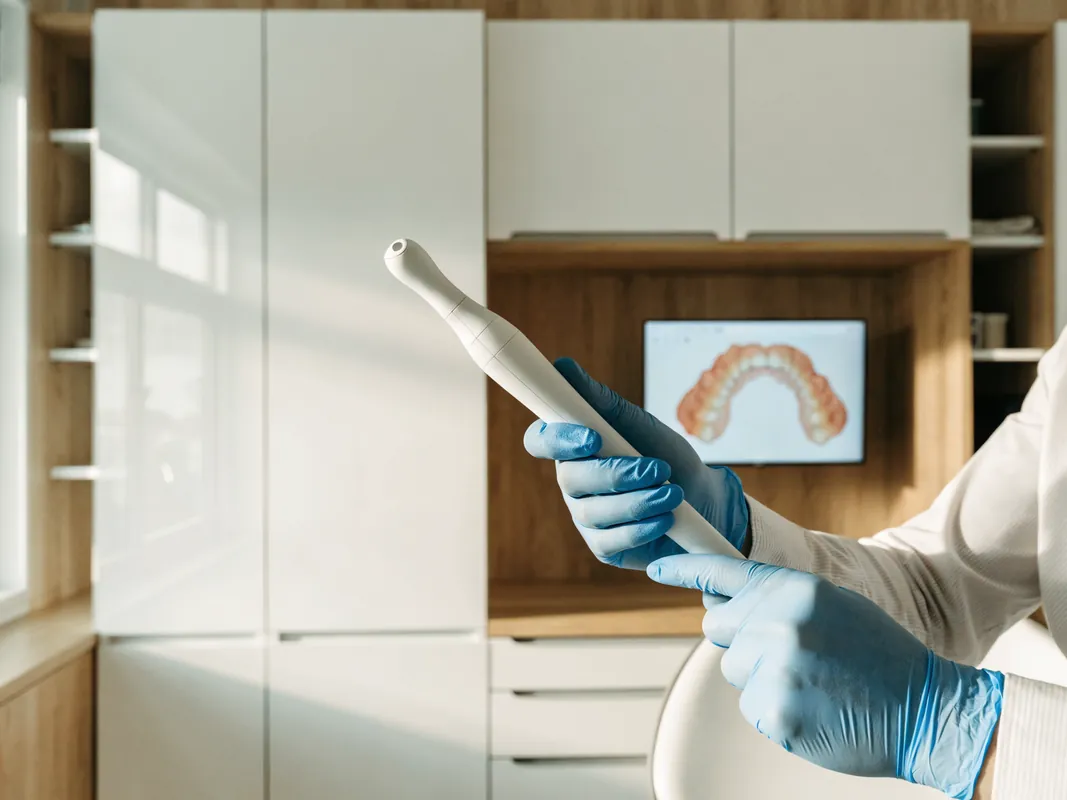
Dental imaging should be clinically justified, optimised and linked to a question that affects management. A panoramic image, small intraoral image or three-dimensional scan is not automatically required for every postpartum patient or every cosmetic enquiry. Ask what the image is intended to show, why an existing recent image is insufficient, how the result could change the plan and who will report it.
NHS X-ray information advises patients to tell the healthcare professional if they are breastfeeding, pregnant, taking medicines or have relevant allergies. A current NHS community dental leaflet states that dental X-rays do not affect milk production or breastfeeding. This addresses ordinary dental radiography; it should not be stretched into a rule about every imaging procedure, contrast agent or nuclear-medicine examination. If something beyond ordinary dental radiography is proposed, ask the responsible imaging professional for specific advice.
Imaging also needs a record trail. Request copies in a usable format, the date, the imaging provider, the report where one exists and the details needed for another clinician to review it. A screenshot sent through a messaging app may lose scale, metadata and diagnostic quality. Agree the secure transfer route and whether the receiving clinician can open the original format.
Avoid unnecessary repeat exposure caused by poor handover. Bring recent images if available, but understand that a clinician may still need a different view if the existing image does not answer the clinical question or is no longer representative. That decision and its rationale should be documented. Cost, consent and who owns the image record should also be clear before it is taken.
Bleeding and anticoagulation
Postpartum bleeding, anaemia, a history of thrombosis and medicines used to prevent or treat clots are relevant to dental planning, but they are not all the same issue. A dentist needs to know about current or recent bleeding, investigations, diagnoses, prescribed anticoagulants or antiplatelet medicines, other medicines that can affect bleeding, and the clinicians responsible for ongoing care. The patient should not be asked to interpret clotting risk alone.
SDCEP guidance on dental patients taking anticoagulants or antiplatelet drugs uses a structured assessment: identify the medicine and indication, consider the bleeding risk of the dental procedure, identify additional patient risk factors, and plan local measures and communication. The purpose is not to publish a universal stop-or-continue rule. Interrupting a medicine can create serious risk; continuing it may require procedure-specific planning. The prescriber and named dental clinician should coordinate when clarification is needed.
Do not stop, start or change an anticoagulant, antiplatelet medicine or any other prescribed medicine for dental treatment unless the responsible clinicians provide a patient-specific plan. Ask for that plan in writing. It should identify who made the decision, the exact procedure it applies to, what the dental team will do to manage bleeding, what aftercare is required and whom to contact if bleeding does not settle as expected.
If the patient has unresolved heavy postpartum bleeding, symptoms of anaemia, a recent clot, chest symptoms, leg swelling or is still under active postnatal investigation, elective travel should not be treated as routine. Contact the usual maternity, primary-care or specialist team. A dental coordinator cannot decide fitness to travel or procedural bleeding risk.
For invasive dental care abroad, ask how bleeding after discharge will be handled. Will the patient remain near the treating clinic long enough for the clinician's planned review? Is there a local urgent service after return? Will the discharge record list the procedure, haemostatic measures, medicines and escalation instructions? What costs and travel changes could arise if recovery does not follow the expected course? Those answers matter more than a generic reassurance.
Postpartum hypertension and diabetes
Hypertension and diabetes after pregnancy require individual follow-up. NICE NG133 includes postnatal recommendations for people with hypertension in pregnancy or pre-eclampsia. NICE NG3 includes postnatal recommendations after diabetes in pregnancy and for people with pre-existing diabetes. These pathways are owned by maternity, primary-care and specialist teams. A dental website should not copy a blood-pressure or blood-glucose threshold and declare a patient suitable or unsuitable for treatment.
Tell the dentist about a history of gestational hypertension, pre-eclampsia, ongoing blood-pressure review, diabetes before pregnancy, gestational diabetes, current monitoring and all medicines. Also report symptoms that the usual-care team has asked you to monitor. If follow-up is incomplete or symptoms are unresolved, obtain advice from that team before committing to elective surgery or travel.
Do not alter insulin, another diabetes medicine, a blood-pressure medicine, meals or monitoring to fit an appointment itinerary without instructions from the responsible healthcare professional. Dental pain and changes in eating can affect day-to-day management, while surgery and recovery can add practical demands. The dental plan should allow the medical plan to remain safe rather than asking the patient to improvise.
The named dental clinician should assess oral infection, gum health, proposed procedure, wound-care burden and the ability to attend follow-up. When medical input is needed, the request should be specific. A vague clearance letter asking whether a patient is fit for dentistry transfers responsibility poorly. A useful request describes the intended procedure and medicines, the anticipated bleeding or healing issues, and the exact question the dentist needs answered.
Health information must be handled proportionately. A clinic may need relevant records, but it should explain what it needs, why, who will see it, where it will be stored and how long it will be retained. A coordinator should not collect an unlimited maternity record through an informal message when a focused clinical summary would answer the question. The patient can ask the clinic to identify the minimum necessary information.
If the usual-care team advises against travel or an elective procedure, that advice should not be negotiated by a salesperson. The plan can be revised, staged locally or postponed. A no-travel option is a legitimate outcome of good planning.
Whole-mouth oral-health assessment
Postpartum dental care should begin with an examination, not an assumption that pregnancy removed calcium from the teeth. NHS pregnancy oral-health resources state that pregnancy does not cause tooth decay and that being pregnant will not cause tooth loss through lack of calcium. Pregnancy can still coincide with real oral-health changes and practical pressures. Hormonal changes can make gums more vulnerable to plaque, vomiting or reflux can expose teeth to acid, dietary patterns may change, dry mouth may occur, and tiredness or nausea can disrupt usual cleaning. Each suspected problem should be assessed directly.
A whole-mouth assessment should record the patient's concerns in their own words. Is the priority pain, chewing, sensitivity, bleeding gums, a broken restoration, appearance, missing teeth, anxiety, or simply catching up with prevention? Ask what changed, when it changed, what makes it better or worse, and what previous treatment exists. The answer determines which tests are relevant.
The examination may include teeth, existing restorations, gums, soft tissues, bite and jaw function, but the scope depends on the clinician and the concern. Periodontal assessment should be more than a glance at a smile photograph. If gum disease is suspected, ask how it was measured, whether there is active inflammation, what home care is feasible and how response will be reviewed before irreversible cosmetic work.
Tooth decay is influenced by plaque, sugar exposure, fluoride, saliva and other individual factors. It should not be attributed to motherhood as an identity. Tooth wear needs its own assessment. GOV.UK's evidence-based oral-health toolkit lists gastric reflux and chronic vomiting in pregnancy among intrinsic acid sources to explore. The history matters because erosion, decay, fracture and sensitivity can look similar to a patient but require different management.
If vomiting or reflux is ongoing, medical management belongs with the appropriate healthcare professional. The dental clinician can assess oral effects and provide prevention advice within scope. Avoid aggressive brushing immediately after vomiting; official guidance commonly advises rinsing and allowing the acidic episode to pass before brushing. The exact preventive plan should reflect current oral condition and products appropriate to the patient.
Bleeding gums should not automatically be dismissed as a temporary hormonal effect. Plaque-related gingival inflammation may improve with effective cleaning and professional care, while persistent bleeding, recession, mobility or periodontal pocketing needs assessment. If appearance treatment is proposed before gum health is stable, ask how margins, impressions, bonding and long-term maintenance could be affected.
Sensitivity can arise from several causes. A website cannot determine from the postpartum label whether the cause is erosion, decay, recession, fracture, a restoration, clenching or another problem. The clinician should explain the working diagnosis and what evidence supports it before proposing veneers, crowns or multiple restorations.
Photographs are useful for discussing appearance, but they do not show hidden decay, root condition, periodontal measurements or bone anatomy. A remote estimate should be labelled provisional. The final plan, consent and price may change after examination and clinically justified tests. Ask what changes could trigger a different plan and whether the patient can decline if the on-site proposal differs substantially.

Consent, capacity and privacy
Valid consent is a continuing conversation, not a signature obtained after travel. GDC Principle 3 requires dental professionals to communicate effectively, discuss options, risks, benefits and likely costs, respect the patient's decision and document changes. The patient should know which elements are preventive, necessary to control disease, restorative or elective, and should be able to compare reasonable alternatives, including doing less or waiting.
Postpartum fatigue, pain, anxiety or medication do not automatically remove capacity. Nor should a clinic ignore factors that make concentration or decision-making harder. Offer information in a usable form, allow questions, avoid rushing, and check understanding. If the patient wants a partner, relative or supporter involved, obtain permission and define what can be shared. The patient's decision remains their own unless a lawful capacity process applies.
Before irreversible treatment, request a tooth-by-tooth written plan. It should identify the diagnosis or reason for each item, the proposed procedure, material category, alternatives, material risks and uncertainties, stages, review points, aftercare, foreseeable additional procedures and itemised costs. If more than one clinician or laboratory is involved, their roles should be clear. A digital mock-up or smile preview is a communication tool, not a promise that biology and materials will reproduce an image exactly.
Health data about birth, breastfeeding, medicines or mental wellbeing is sensitive. Ask who controls the data, the purpose of collection, the lawful privacy information, recipients, storage location, retention period and route for access or correction. Do not send an unrestricted maternity record to an unverified personal account. Use the clinic's approved secure route where possible. A coordinator should pass on only the information necessary for the agreed purpose and should not interpret it clinically.
Consent must remain available after arrival. If the examination changes the plan, the named clinician should explain the change and allow a real choice. Pressure based on a prepaid flight, a limited appointment window or a non-refundable deposit undermines thoughtful decision-making. Ask about cancellation and refund terms before paying, and keep a copy of the version accepted.
Restorative and periodontal options
Treatment should match the diagnosis and the least burdensome reasonable route, not a postpartum sales bundle. A plan may include prevention, management of active gum disease, repair of decay or fractures, endodontic care, replacement of a missing tooth, or an elective appearance change. These are different decisions with different evidence, maintenance and travel implications.
Prevention and disease control
A clinician may discuss cleaning, plaque control, fluoride exposure, diet frequency, dry-mouth management or measures related to erosion. Advice should be tailored to findings and should not shame a patient for disrupted routines during pregnancy or newborn care. A plan that is realistic on tired days is more useful than a complicated routine that cannot be sustained. If gum inflammation or active decay is present, stabilising disease before extensive cosmetic treatment may preserve options.
Periodontal care
Gum treatment begins with a diagnosis and measured baseline. Ask what sites are affected, whether the condition is gingivitis or periodontitis, what risk factors matter, what professional and home care are proposed, and how response will be reassessed. Recession and bleeding are not automatically solved by cosmetic restorations. Irreversible work placed while tissues are inflamed may complicate fit, margins and maintenance.
If surgical periodontal care is proposed, ask about clinical ownership, anaesthesia, medicines, healing expectations, review and local aftercare. Do not accept a generic promise that gum reshaping is merely an aesthetic add-on. Removing or moving tissue can have lasting consequences and deserves procedure-specific consent.
Fillings, onlays and crowns
For a damaged tooth, compare repair, filling, partial coverage, full coverage and other reasonable options. Ask how much sound tooth tissue each option removes, what the evidence of fracture or decay is, whether the pulp is at risk, how the bite will be managed, and what future maintenance may be needed. A crown is not automatically stronger in every clinical situation and should not be presented as the default because travel time is limited.
Material choices involve appearance, tooth preparation, bonding or cementation, opposing teeth, laboratory traceability, repairability and cost. Brand names alone do not establish suitability. Request the material description and laboratory information in the final record.
Root-canal treatment and extraction
If the pulp or root is involved, ask whether the diagnosis is confirmed, what treatment aims to achieve, what alternatives exist, who will perform it and what follow-up image or review is expected. If extraction is proposed, ask why the tooth cannot reasonably be retained and how the space could be managed now or later. Do not rush from extraction to implant marketing without discussing removable, adhesive, bridge-based or no-replacement options where relevant.
Whitening
Whitening is elective and product-specific. Breastfeeding guidance for general medicines does not automatically answer the evidence and exposure questions for every whitening product. Ask the named clinician to explain the product, regulatory status, indication, oral-health prerequisites, sensitivity risk, expected variability and maintenance. Postponement is a valid choice. Whitening cannot repair erosion, decay, fracture or a failing restoration, and restorations may not change colour with natural teeth.
Bonding, veneers and appearance-led crowns
Bonding or veneers may be considered for selected appearance or structural concerns, but the plan should start with diagnosis, gum health, bite, tooth tissue and alternatives. Ask what preparation is proposed, whether the change is reversible, what happens if a restoration chips or debonds, how colour will be agreed and how future replacement could affect the tooth. A large display of before-and-after photographs is not evidence that the same outcome applies to another patient.
Crowns on otherwise restorable or sound teeth require especially careful consent because tooth preparation is irreversible. Ask the clinician to identify each tooth and the reason for full coverage. If the reason is only to fit a short itinerary, seek another opinion.
Missing teeth and implants
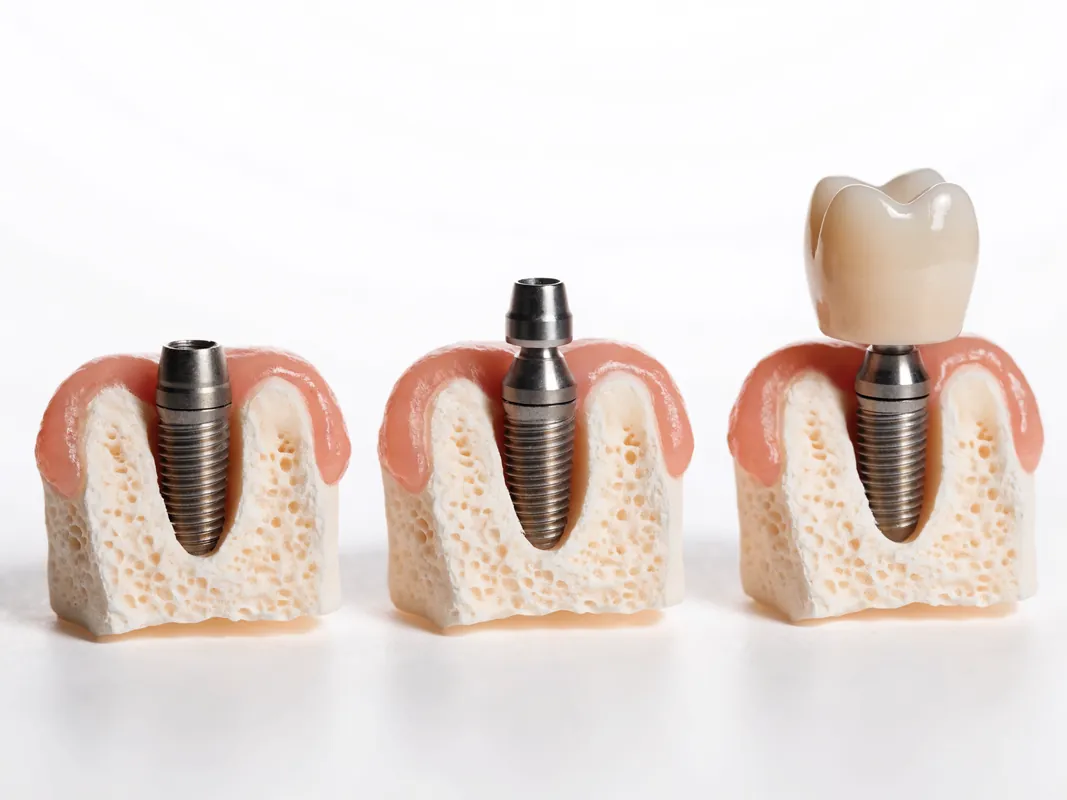
An implant assessment considers the site, bone and soft tissue, gum health, bite, neighbouring teeth, medical history, medicines, smoking or nicotine exposure, hygiene capacity and local maintenance. Postpartum status alone neither qualifies nor disqualifies a patient. Imaging and surgery should not be scheduled from a photograph.
Compare an implant with leaving the space, a removable option, an adhesive option or a conventional bridge where clinically reasonable. Ask whether grafting or another additional procedure might be needed, how that uncertainty affects stages and costs, who owns surgical and restorative care, and how complications will be managed after return home. No website can promise integration or a fixed outcome.
Staging and second opinions
Complex plans can often be separated into urgent stabilisation, disease control, review, definitive restoration and maintenance. Staging creates decision points. It may also allow local treatment for urgent needs while the patient considers elective work. Ask whether a second opinion can be obtained with the same records and whether declining one stage affects fees or later care.
A responsible comparison uses the same clinical scope. A low headline price may omit imaging, temporary work, laboratory items, medicines, follow-up, management of a changed plan or local aftercare. Request itemisation and record what remains uncertain. Cost is important, but it should not erase clinical ownership.
Scheduling, support and childcare
Postpartum scheduling is personal. Ask what appointment length is proposed, how many clinical encounters are expected, whether breaks are possible, how pain or fatigue will be handled, and whether a feeding or expressing plan is needed. The answer should reflect the specific procedure rather than a generic itinerary.
Childcare and support need explicit planning. A clinic is not automatically a safe childcare environment, and a companion responsible for driving or escorting the patient may not also be able to supervise a baby during treatment. Ask the clinic about its policy. Identify who will care for the child, who can accompany the patient after sedation if relevant, and who can help if recovery is more demanding than expected.
Feeding logistics should be planned with the patient and appropriate healthcare advice, not dictated by a dental salesperson. Consider the likely time away from the child, access to privacy, safe storage and transport arrangements already used by the family, and what will happen if the appointment runs late. Questions about establishing or changing expressing routines belong with the relevant maternity, infant-feeding or healthcare support.
Sleep deprivation can affect how much information a person can absorb. Request the plan in advance, prepare written questions, and ask for a written summary after the consultation. A patient should not be required to choose among major irreversible options while sedated, acutely distressed or rushed by transport.
Accessibility matters too. Ask about step-free access, toilets, a place to sit, communication support, sensory needs and any other adjustment. Do not assume that a recently postpartum person needs assistance, but do not make them discover barriers after travel. Confirm arrangements with the actual clinic rather than relying on generic venue photographs.
Travel and the no-travel option
Dental tourism adds decisions that do not exist in ordinary local care. The clinical question is whether the proposed treatment is appropriate. The travel question is whether leaving the patient's usual support and healthcare network creates an acceptable burden. These questions should be answered separately.
Before considering travel, identify the named clinic and named clinician, current registration, legal entity, treatment address, direct clinical contact, complaints route and professional indemnity or equivalent arrangements where applicable. GDC information for people considering dental treatment abroad recommends checking qualifications and regulation, discussing the plan with a home dentist, understanding aftercare and complaints, and budgeting for additional travel or remedial costs if something changes.
Ask the named clinician what examination is required before a final plan can exist. A remote review may help organise records, but it cannot guarantee diagnosis, suitability, exact procedures or final price. Clarify what happens if the in-person examination differs: can treatment be declined, is the deposit refundable, and who pays for changed accommodation or travel?
Travel soon after birth or while postnatal symptoms are unresolved is a medical question for the patient's usual-care team and relevant travel provider. A dental coordinator cannot declare someone fit to fly. Consider the demands of the journey, luggage, feeding, hydration, sitting, access to medicines, mobility, childcare, sleep, infection exposure, travel insurance and the possibility of an urgent return. Do not treat a holiday-style itinerary as evidence of medical readiness.
For invasive treatment, ask the clinician when review is planned and what findings must be satisfactory before departure. Avoid accepting an itinerary that is built around a flight before clinical review. Ask what happens if pain, swelling, bleeding, a temporary restoration or another issue delays travel. Obtain written terms for any additional clinical care, accommodation or transport. Travel logistics must be confirmed in writing; none should be inferred from general advertising.
The no-travel option should be considered openly. Local care may reduce disruption, simplify urgent access and preserve continuity with professionals who know the patient's medical context. A hybrid plan may also be possible: local assessment and disease control, independent records review, then a later decision about elective care. Choosing not to travel is not a failed enquiry.
Travel insurance may exclude planned treatment, existing dental conditions or complications of elective care. Ask the insurer directly and keep the policy answer. Do not rely on the clinic's description of insurance cover. Visa, entry and airline rules can change and must be checked with official sources; this guide does not make a legal or travel-entry claim.
Emergency boundaries
Use local emergency services for serious facial or jaw injury, heavy mouth bleeding that will not stop, or severe swelling affecting breathing, swallowing or the eye area. Do not message a coordinator and wait for a reply. Use local urgent dental pathways for severe or persistent dental pain, swelling, trauma, a lost restoration causing significant problems or other symptoms the service classifies as urgent.
Postpartum medical symptoms may be unrelated to dental treatment but still urgent. Sudden or heavy vaginal bleeding, chest pain, breathing difficulty, a painful swollen leg, fever with pelvic or abdominal symptoms, severe or persistent headache, visual changes, faintness or rapid deterioration require prompt advice through the appropriate maternity, primary-care or emergency pathway. Follow the discharge advice already provided by the maternity service.
After dental treatment, the named clinician should give procedure-specific written instructions describing expected symptoms, urgent concerns and the direct clinical route. A generic FAQ cannot diagnose whether pain or swelling is normal. Remote photographs and messages have limits. If the patient is back home, local examination may be necessary even when the treating clinic offers a video call.
Any escalation plan should say which service to use, what information to take and who will share the record. It should not promise that every problem can wait for travel or be solved remotely.
Records and local aftercare
Good handover protects continuity. GDC Principle 4 describes the importance of complete, accurate and contemporaneous records, including medical history, consent, radiographs, photographs, treatment details, laboratory prescriptions, referrals and discussions. A patient travelling for care should request a usable copy rather than rely on an app account that a local dentist cannot access.
Before treatment, gather a current medical and medicine list, allergies, relevant postnatal or specialist summaries, existing dental records and images, and the contact details of the usual dentist and relevant healthcare team. Share only what the named clinician says is necessary through an appropriate secure route. Ask whether the record has been received and reviewed, rather than assuming an upload was seen.
After treatment, request:
- the treating clinic's legal name, address and direct clinical contact;
- the names and registration details of clinicians involved;
- dated diagnosis and tooth-by-tooth treatment record;
- local anaesthetic, sedative and prescribed medicine details where applicable;
- copies of clinically relevant images and reports;
- restoration material and laboratory traceability information;
- implant or device identifiers if a device was placed;
- consent documents and the final itemised invoice;
- written aftercare, maintenance and escalation instructions;
- the complaints process and written remedial terms;
- the date and purpose of planned reviews;
- information a local dentist needs to continue care.
Arrange local aftercare before travel when the treatment could need early review or continuing maintenance. Ask a local dentist whether they are willing and able to provide the anticipated care; do not assume they must take responsibility for another clinic's work. Clarify how records and clinical questions will pass between providers and who pays for local examination, imaging or repair.
Remote review can be useful for history, appearance photographs and communication, but it cannot reproduce a physical examination. It should not be marketed as universal emergency cover. Ask when an in-person assessment is required and what the treating clinic will do if a local dentist identifies a problem.
Complaint and remedial terms should be read before treatment. Check what counts as a complaint, the notice and evidence requirements, whether review must occur at the original clinic, which costs are excluded, who pays for travel and local diagnostics, and what independent route exists if agreement fails. A headline assurance without those details does not explain the patient's real position.
Maintenance is part of the treatment burden. Ask what cleaning, periodontal review, restoration checks, night-time protection or other follow-up is clinically recommended and whether it can be provided locally. Any protective appliance should be recommended after assessment, not automatically sold to every postpartum patient.
Questions to ask before agreeing to treatment
Use these questions to structure a consultation. Not every question will apply, but the answers should be specific enough to keep:
Clinical ownership and diagnosis
- What is the clinic's legal name and treatment address?
- Who is the named clinician responsible for examination, diagnosis, consent and aftercare?
- Where can I verify current professional registration?
- What diagnosis supports each proposed item?
- Which findings come from examination, measurements or imaging, and which remain provisional?
- Which part is urgent, preventive, disease-controlling, restorative or elective?
- What reasonable alternatives include less treatment, local treatment, staging or no treatment now?
Postpartum and breastfeeding context
- Which parts of my postpartum and medical history are relevant, and why?
- Do you need input from my maternity, primary-care, diabetes or other specialist team?
- How will breastfeeding status and infant context be recorded for the prescriber?
- What exact medicines or products are proposed, and who owns medicine-specific advice?
- Is local anaesthetic, sedation or general anaesthesia proposed, and what are the separate implications?
- What adjustment can the clinic make for feeding, fatigue, mobility, privacy or communication?
Imaging and records
- What clinical question will each image answer?
- Can my recent image be reviewed before repeating it?
- Who will report the image, and can I receive the original file and report?
- What records will I receive after treatment?
- How can a local clinician contact the treating clinician directly?
Procedure, timing and aftercare
- Why is this sequence recommended?
- What would cause the plan or price to change after examination?
- What review is needed before I travel home?
- Which symptoms require urgent local assessment?
- What can be reviewed remotely, and what cannot?
- Who provides maintenance and how often will the need be reassessed?
Money, privacy and complaints
- What is included in the itemised clinical price, and what remains uncertain?
- What are the deposit, cancellation and refund terms if the plan changes?
- Who pays for extra appointments, local assessment, changed travel or remedial care?
- What written complaint and remedial process applies?
- Who controls my health data, and which secure channel should I use?
- Are travel logistics separate from clinical care and confirmed in writing?
Postpartum dental planning checklist
Before the first clinical consultation
- Write down the main symptom or goal and how it affects eating, comfort, speech, cleaning or confidence.
- Note when it started and whether it is stable, improving or worsening.
- List current medicines, over-the-counter products, supplements and allergies.
- Record whether you are breastfeeding or expressing and any infant circumstance a healthcare professional has said is relevant.
- Note ongoing postnatal follow-up, including blood-pressure, diabetes, bleeding, anaemia, wound, infection or clot-related care.
- Gather recent dental records and images without assuming they replace examination.
- Identify urgent symptoms that should be assessed locally before any travel enquiry.
- Decide what practical adjustments would help with fatigue, feeding, mobility, anxiety or communication.
Before accepting a plan
- Verify the named clinic and named clinician independently.
- Obtain the diagnosis and tooth-by-tooth options in writing.
- Separate urgent care from elective appearance choices.
- Ask what information is provisional until in-person examination.
- Review medicine and breastfeeding questions with the responsible clinician or pharmacist.
- Confirm why each image is needed and how to obtain a copy.
- Compare reasonable alternatives and the option to wait.
- Check that consent can be withdrawn before treatment and that plan changes require a new discussion.
- Obtain itemised fees, uncertainty, cancellation and refund terms.
- Read privacy, complaint and remedial information.
Before travel, if travel remains appropriate
- Ask the usual-care team about unresolved postpartum medical issues and travel where relevant.
- Arrange childcare, feeding, escort and recovery support without assuming the clinic supplies them.
- Confirm clinic address, appointments and travel logistics in writing.
- Check travel insurance directly with the insurer.
- Carry medicines in their labelled packaging and follow the prescriber's instructions.
- Keep important records and contact routes accessible.
- Build a contingency for changed treatment, delayed departure or local urgent care.
- Confirm the clinical review required before the return journey.
Before leaving the treating clinic
- Receive the final treatment record, images, material or device identifiers and prescription details.
- Receive procedure-specific aftercare and escalation instructions.
- Confirm the direct clinical contact and the local emergency boundary.
- Confirm any planned review and what information it will assess.
- Check the final invoice against treatment actually provided.
- Keep complaint and remedial terms.
- Make sure a local dentist can receive the handover where ongoing care is needed.
After returning home
- Follow the named clinician's written instructions and the plan from the usual healthcare team.
- Do not self-adjust prescribed medicines because of an online symptom search.
- Use local urgent or emergency services when the symptom crosses the stated boundary.
- Attend local and remote reviews as clinically agreed.
- Keep records of symptoms, contacts, advice and costs if a problem develops.
- Maintain routine oral and periodontal care rather than treating cosmetic completion as the end of care.
Sources and review dates
This guide uses the following official or professional sources for its planning boundaries. Sources can change; the named clinician and pharmacist should use current information for an individual decision.
- NICE NG194, Postnatal care, published 20 April 2021 and updated 9 June 2026: recovery, postnatal assessment and urgent maternal warning signs. https://www.nice.org.uk/guidance/ng194/chapter/recommendations
- NHS, Your body after the birth, accessed 29 August 2026: postnatal recovery and symptoms requiring urgent help. https://www.nhs.uk/pregnancy/labour-and-birth/your-body/
- NHS breastfeeding and medicines, accessed 29 August 2026: telling healthcare professionals about breastfeeding, dental treatment and individual medicine questions. https://www.nhs.uk/baby/breastfeeding-and-bottle-feeding/breastfeeding-and-lifestyle/medicines/
- SPS, Advising on medicines during breastfeeding, updated 31 March 2026: individual risk assessment, infant factors, exposure and alternatives. https://www.sps.nhs.uk/articles/advising-on-medicines-during-breastfeeding/
- SPS Medicines in Dentistry resources, published 10 July 2026: current professional resources for prescribing questions in dental practice. https://www.sps.nhs.uk/articles/medicines-in-dentistry-resources-to-support-clinical-decisions/
- SPS, Considering interactions with local anaesthetics in dentistry, updated 6 January 2025 and accessed 29 August 2026: procedure- and medicine-specific interaction assessment. https://www.sps.nhs.uk/articles/considering-interactions-with-local-anaesthetics-in-dentistry/
- NHS, X-ray, accessed 29 August 2026: clinical use of X-rays and information patients should share. https://www.nhs.uk/tests-and-treatments/x-ray/
- Bridgewater Community Healthcare, Dental X-rays and you, version May 2025 to May 2028: ordinary dental X-rays and breastfeeding. https://www.northwestcommunitydentalservice.nhs.uk/media/0k0eoyda/dental-your-xray-and-you-leaflet.pdf
- SDCEP, Management of Dental Patients Taking Anticoagulants or Antiplatelet Drugs, second edition published March 2022 and accessed 29 August 2026: assessing medicine, procedure and patient bleeding factors. https://www.sdcep.org.uk/published-guidance/anticoagulants-and-antiplatelets/
- NICE NG133, Hypertension in pregnancy, postnatal recommendations accessed 29 August 2026: usual-care monitoring and follow-up after hypertensive pregnancy disorders. https://www.nice.org.uk/guidance/ng133/chapter/recommendations
- NICE NG3, Diabetes in pregnancy, postnatal recommendations accessed 29 August 2026: postnatal diabetes care and coordination. https://www.nice.org.uk/guidance/ng3/chapter/recommendations
- GOV.UK, Delivering better oral health, Chapter 7: tooth wear, accessed 29 August 2026: assessment of intrinsic acid sources including reflux and vomiting. https://www.gov.uk/government/publications/delivering-better-oral-health-an-evidence-based-toolkit-for-prevention/chapter-7-tooth-wear
- Leeds Community Healthcare NHS Trust, Oral health in pregnancy, accessed 29 August 2026: pregnancy does not cause tooth decay; plaque, gums and vomiting-related acid remain relevant. https://leedscommunityhealthcare.nhs.uk/our-services-a-z/0-to-19-public-health-integrated-nursing-service-0-to-19-phins/oral-health/oral-health-in-pregnancy/
- GDC Principle 3, Obtain valid consent, accessed 29 August 2026: continuing consent, options, risks, benefits, costs and documentation. https://standards.gdc-uk.org/pages/principle3/principle3
- GDC Principle 4, Maintain and protect patients' information, accessed 29 August 2026: accurate records, confidentiality and information handling. https://standards.gdc-uk.org/pages/principle4/principle4
- GDC, Going abroad for dental treatment, accessed 29 August 2026: provider checks, aftercare, complaints and travel contingencies. https://www.gdc-uk.org/standards-guidance/information-for-patients-public/going-abroad-for-dental-treatment
- NHS urgent dental guidance, accessed 29 August 2026: urgent dental access and emergency boundaries. https://www.nhs.uk/nhs-services/dentists/how-to-find-an-nhs-dentist-in-an-emergency/
Evidence supports a process, not an online clearance. The final decision belongs to the patient and the appropriately qualified professionals who know the current history, examine the mouth, explain the options and accept responsibility for care.