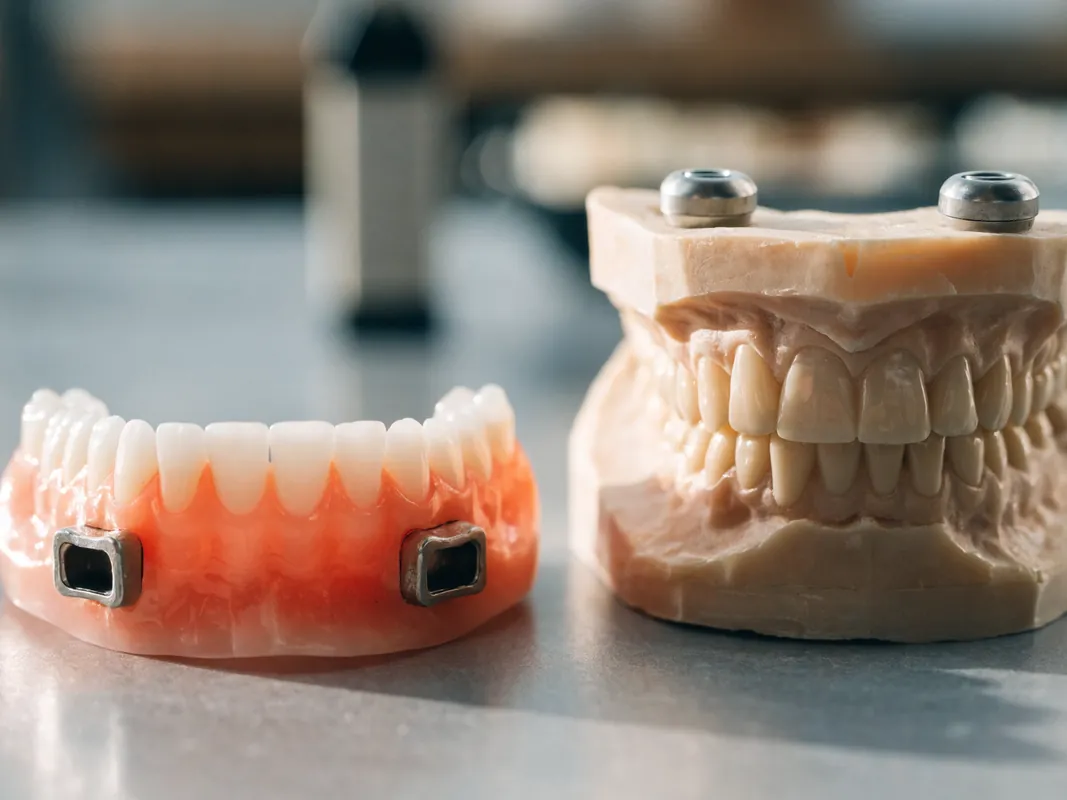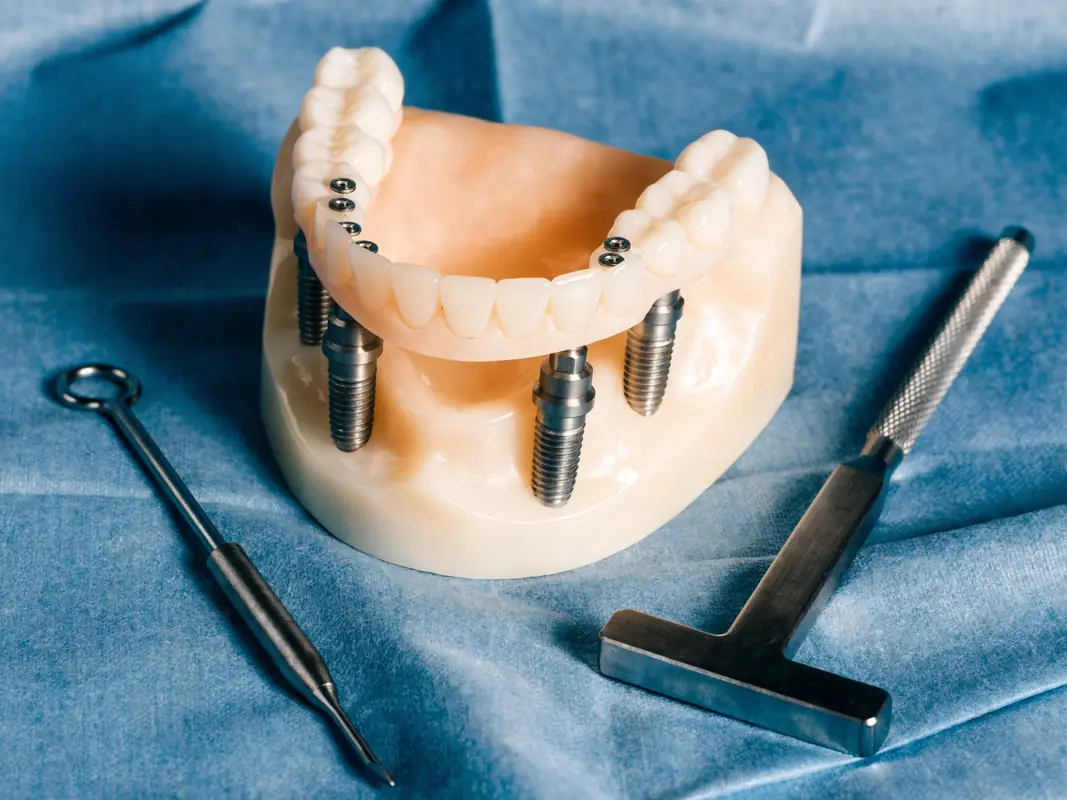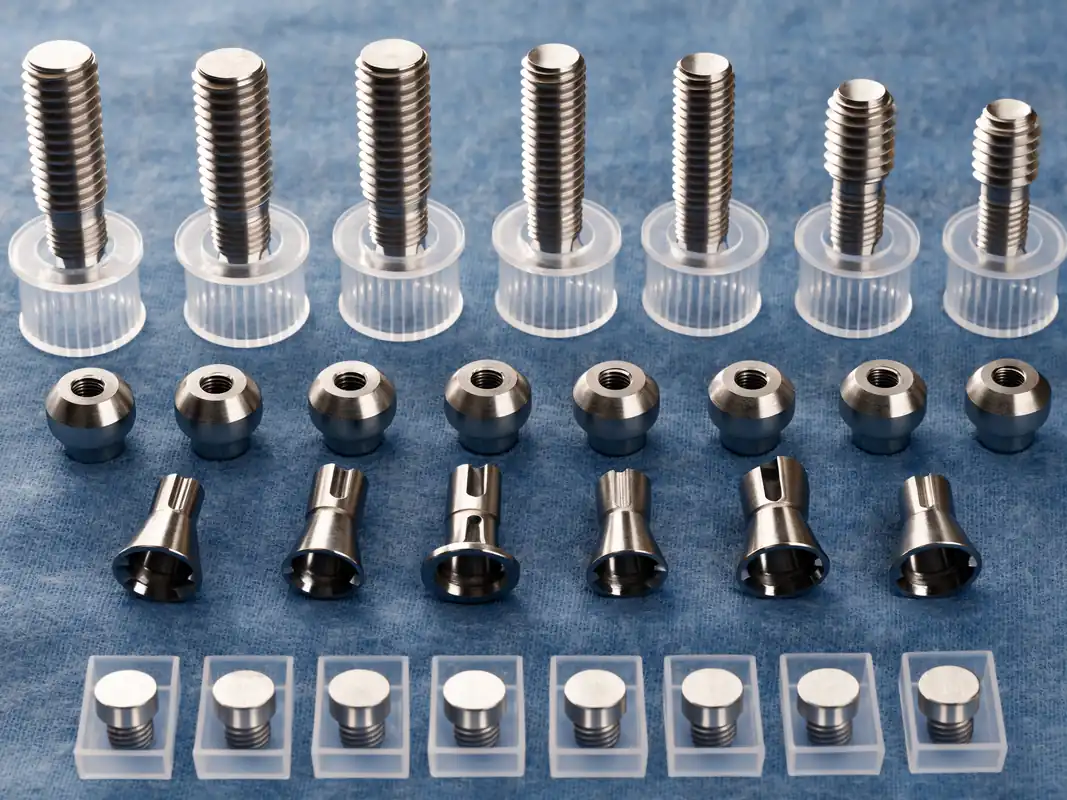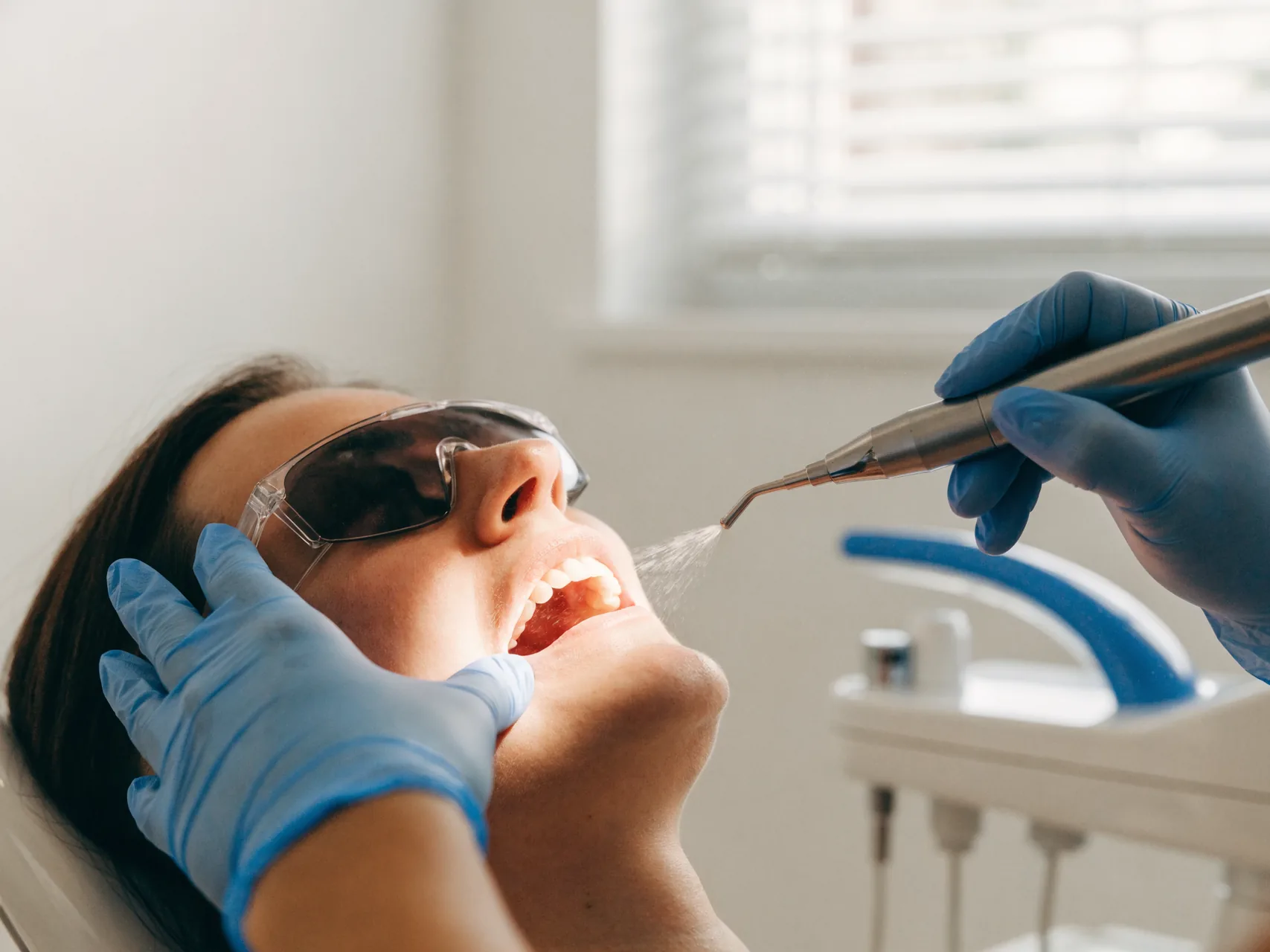
Searching for periodontal treatment and implants together usually means that two different clinical questions have become linked. One question is how to diagnose and manage disease affecting the supporting tissues of existing teeth. The other is whether a missing tooth or teeth should be replaced, and whether an implant-supported option is suitable at each proposed site. A responsible plan connects those questions without turning them into a standard package.
Periodontitis is not simply a cosmetic problem of bleeding gums. It can involve loss of attachment and supporting bone around teeth. Implant treatment does not cure that disease, and removing teeth does not remove the person's susceptibility to biofilm-related inflammation. A history of treated periodontitis remains relevant when planning implants, restorative contours, cleaning access and supportive care. At the same time, a history of gum disease is not an automatic reason to reject every implant option. The decision depends on current diagnosis, response to treatment, modifiable risks, the condition of each tooth, the anatomy and restorative need at each missing site, and the person's ability to maintain the result.
This guide does not diagnose anyone or publish a fixed treatment sequence, product, price, timetable, package, warranty or outcome. Those details can only be set by the named legal treatment provider and responsible clinicians after appropriate assessment. Its purpose is to show the evidence and documents a patient can request before accepting irreversible care, paying a deposit or arranging travel.
Start with two separate problem statements
A periodontal and implant proposal should begin with two written statements rather than one sales label.
The periodontal statement should identify whether gingivitis, periodontitis, a stable treated periodontal condition, another gum disorder or no periodontal disease has been diagnosed. It should describe the evidence, distribution and severity of the findings, relevant risk factors, the prognosis of individual teeth, the proposed disease-control steps, how response will be reassessed and what supportive care is expected afterwards.
The replacement statement should identify each missing or potentially missing tooth, why replacement is being considered, the alternatives and the evidence needed to decide whether an implant-supported restoration is reasonable. It should describe the proposed final restoration before describing implant position, because an implant is a support for a planned restoration rather than a freestanding product.
The combined plan must then explain how the two statements affect each other. Active inflammation, unresolved plaque control, unstable teeth, untreated decay, a poorly cleanable proposed bridge, smoking, diabetes management, medical history or a missing local-maintenance route may change the implant discussion. Conversely, a proposed implant restoration may change the periodontal and hygiene requirements for neighbouring teeth. The connection should be explicit and site specific.
Name the legal provider and every responsible clinician
Treatment abroad may involve a website brand, coordinator, tourism intermediary, treatment facility, dentist, periodontist, implant clinician, restorative clinician, radiology provider, laboratory and travel suppliers. These parties do not become one clinical provider merely because communication is handled through one contact.
Before sharing sensitive records or paying, request the registered legal name and physical address of the entity contracted to provide clinical treatment. Ask which clinician will diagnose and treat the periodontal disease, which clinician will decide whether a tooth is maintainable, who will plan and place any implant, who will prescribe the implant-supported restoration, who will review healing, and who will provide supportive periodontal and peri-implant care. Confirm professional registration and current role through the appropriate official register. A profile photograph is not proof of attendance.
The responsibility map should state who interprets each image, who records consent, who supplies laboratory work, who holds the clinical records, who handles routine questions and who directs urgent triage. If responsibilities change, the patient should receive an updated document before an irreversible step. A coordinator can organise information, but cannot replace the accountable clinician's diagnosis or consent discussion.
Understand the terminology before comparing plans
Gingivitis and periodontitis are not interchangeable. Gingivitis describes inflammation without the defining attachment loss of periodontitis and may be reversible with effective plaque control and professional care. Periodontitis involves loss of supporting attachment and can be classified by stage and grade after examination and appropriate records. A person who has been treated does not simply return to the category of someone who has never had periodontitis; the history remains clinically relevant.
The words active, controlled, stable and healthy also need context. Stability is not established by a single photograph, a promise that the gums look better or the absence of pain. Periodontal disease can be present without dramatic symptoms. A responsible clinician interprets current probing findings, bleeding, suppuration, plaque, attachment levels, recession, tooth mobility, furcation involvement, imaging and changes over time. The treatment record should state what definition or clinical endpoints are being used and which sites remain uncertain.
Peri-implant mucositis and peri-implantitis describe inflammatory conditions around implants, not teeth. They require their own baseline and monitoring records. An implant cannot develop dental caries, but the surrounding tissues can develop inflammation and bone loss. This is why replacing periodontally affected teeth does not eliminate maintenance responsibility.
Build a full periodontal evidence set
A panoramic radiograph alone is not a periodontal diagnosis. It can provide an overview, but it does not record bleeding, pocket depths, attachment, recession, furcations, mobility, plaque or how findings have changed. Remote photographs can show some visible features, but cannot measure subgingival disease or determine the prognosis of each tooth.
The clinician decides which records are appropriate. A useful evidence set may include:
- an up-to-date medical, medication and dental history;
- smoking or nicotine exposure and relevant cessation support;
- diabetes history and current medical management where relevant;
- symptoms, previous periodontal treatment and maintenance attendance;
- a full-mouth periodontal chart with site-level probing and bleeding findings;
- recession and clinical attachment information where needed;
- plaque deposits or a reproducible plaque-control record;
- mobility, migration and furcation findings;
- tooth vitality, decay, cracks, restorability and endodontic findings where relevant;
- appropriate radiographs with a recorded interpretation;
- photographs and study records where they answer defined questions;
- occlusal, functional and restorative assessment;
- prognosis for the dentition and each important tooth;
- a list of findings that still require direct assessment.
Numbers should not be copied from one provider's chart into a different plan without context. Probe design, force, inflammation, tissue contour and recording method can affect measurements. The value of the chart is its site-by-site pattern, relationship to other findings and use at reassessment.
Stage and grade describe different dimensions
Modern periodontal classification uses stage and grade to organise disease severity, complexity and estimated progression risk. These labels support communication and treatment planning; they do not replace the underlying tooth- and site-level findings.
Stage considers the amount and pattern of destruction, tooth loss attributed to periodontitis and complexity factors such as deep defects, furcation involvement, mobility, bite dysfunction or a severely compromised dentition. Grade considers evidence or risk of progression and can be influenced by information such as direct change over time, smoking and diabetes. The responsible clinician must apply the classification to the person's actual records.
A remote message saying mild, advanced or aggressive gum disease is insufficient. Ask which findings support the classification, which teeth are driving complexity, which losses were actually caused by periodontitis and which risk modifiers were considered. Ask how the classification changes treatment and maintenance rather than accepting it as a sales label.
Stage and grade can also expose why a simple clean-and-implant itinerary is inadequate. A person with advanced functional problems may need coordinated periodontal, restorative, endodontic, orthodontic or prosthodontic decisions. The [EFP guideline for stage IV periodontitis](https://www.efp.org/publications-hub/clinical-practice-guideline-for-the-treatment-of-stage-iv-periodontitis/) emphasises the multidisciplinary complexity of advanced cases. That does not mean every advanced case requires every discipline; it means the actual dysfunction and tooth prognosis must guide the team.
Preserve maintainable teeth before discussing replacement
An implant is not a reason to remove a tooth. Tooth preservation and replacement are separate decisions. For every tooth proposed for extraction, request the diagnosis, prognosis, current symptoms, periodontal support, restorability, strategic role and reasonable alternatives. Ask whether active disease, mobility or a deep pocket is potentially treatable, whether the tooth can be maintained with appropriate care, and whether a specialist opinion could materially change the decision.
Furcation involvement, bone loss or mobility does not automatically make a tooth hopeless. Some teeth can remain useful after appropriately selected periodontal and restorative care; others may have a poor or uncertain prognosis despite treatment. The point is not to save every tooth at any cost. The point is to require a defensible tooth-specific decision before irreversible removal.
A useful tooth map labels each tooth as maintain, treat and reassess, uncertain, non-restorable for a stated reason, or already missing. It should record which clinician made the decision and when. If several teeth are linked to a bridge or full-arch proposal, the plan should still show the individual evidence. Package efficiency, implant count or travel dates are not clinical indications for extraction.
Consider an independent opinion before removal of a tooth that might be maintainable, especially when the proposed replacement is extensive or when the initial assessment was remote. A second opinion is also valuable when one plan recommends preservation and another recommends broad extraction without explaining the difference.
Compare non-implant alternatives honestly
Replacing a missing tooth is not always necessary, and an implant-supported restoration is not the only replacement. Depending on the site, function, neighbouring teeth, appearance, anatomy and patient preference, reasonable options may include monitoring the space, no replacement, orthodontic space management, an adhesive bridge, a conventional tooth-supported bridge, a removable partial denture, a complete denture, or a different implant-supported design.
Each option transfers risk and maintenance in a different way. A bridge may involve neighbouring teeth and requires attention to connector and cleaning design. A removable option may avoid implant surgery but brings its own adaptation, retention and maintenance questions. No replacement may be reasonable in some situations but not others. Orthodontic movement may preserve or redistribute space in selected cases. The written plan should compare the options relevant to the individual, not dismiss them with generic slogans.
Ask how each option affects remaining periodontally treated teeth. A restoration that overloads a compromised tooth, obstructs cleaning or creates inaccessible contours may undermine the disease-control plan. Conversely, an implant plan that requires complex augmentation or creates difficult hygiene access may not be the most maintainable choice. The preferred option should be justified by the total system: teeth, tissues, function, cleanability, patient capability, repair route and local follow-up.
The [Cambridge University Hospitals implant information](https://www.cuh.nhs.uk/patient-information/dental-implants-in-restorative-dentistry/) describes implants within restorative dentistry and reinforces that alternatives and suitability need assessment. It does not select an option for an individual or endorse care abroad.
Distinguish active disease from a stable treated condition
The key implant-planning question is not whether the person has ever had gum disease. It is whether the current periodontal condition has been properly diagnosed, treated as indicated, reassessed and placed within a sustainable supportive-care plan.
Active periodontitis may be suggested by site-level inflammation, bleeding or suppuration, progressive attachment or bone loss, unresolved deep sites and other findings interpreted together. Stability is a clinical conclusion based on defined endpoints, not simply time passing after cleaning. Some residual sites may require additional non-surgical care, periodontal surgery, specialist management, altered prognosis or extraction. Other sites may be maintainable with supportive care. The decision remains local to each tooth and site.
The [EFP stage I–III guideline](https://www.efp.org/education/continuing-education/clinical-guidelines/guideline-on-treatment-of-stage-i-iii-periodontitis/) presents an incremental, stepwise pathway. It begins with behavioural and risk-factor foundations, proceeds through professional supra- and subgingival interventions as indicated, uses reevaluation to decide whether further care is needed, and continues with supportive periodontal care. The pathway does not support a universal calendar. Movement between steps depends on response and current findings.
Implant planning can begin conceptually while periodontal care is underway, but an irreversible site decision should not pretend that unknown response has already been confirmed. The written plan should say what is provisional, which endpoints will be reassessed, who makes the progression decision and what alternative applies if stability is not achieved.
Stepwise periodontal care is not a branded protocol
Periodontal treatment should follow diagnosis and guideline-supported decision making rather than a pre-set bundle of products. The exact interventions depend on disease stage, complexity, patient factors, response and clinician judgement.
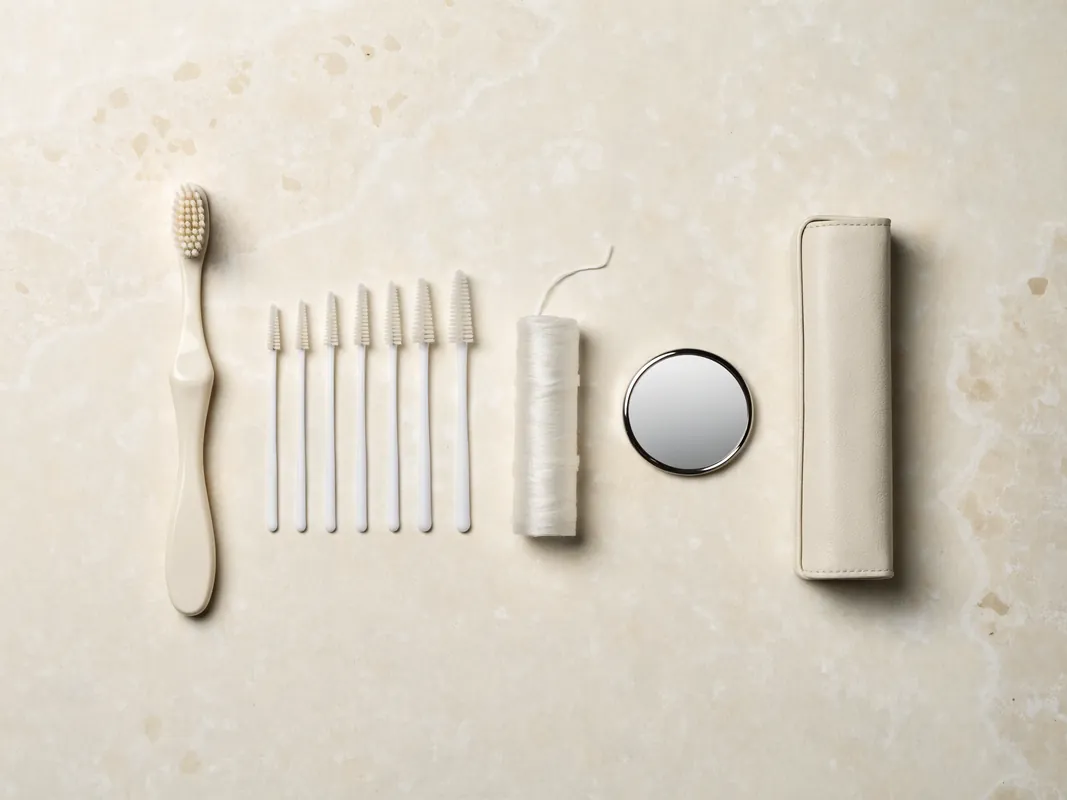
The first foundation is shared understanding and effective self-care. That may include tailored instruction for brushing and interdental cleaning, professional management of plaque-retentive factors, smoking-cessation support, discussion of diabetes management with the appropriate medical team, and attention to other modifiable factors. A prescribed device or mouthwash is not a substitute for teaching a method the person can actually perform around their own teeth and future restoration.
Professional supra- and subgingival instrumentation may then be indicated. The clinician should explain the purpose, extent, anaesthesia, anticipated effects, limitations and review plan. Adjunctive antiseptics, antimicrobials, lasers or other devices should not be presented as automatic upgrades. Their use needs an individual indication and evidence-aware consent discussion. Systemic antibiotics are not a standard item for every person with periodontitis.
At reevaluation, the team compares new findings with the baseline. Residual sites may be managed through renewed self-care support, repeat instrumentation, access surgery, regenerative or resective approaches, extraction of a tooth with an unacceptable prognosis, referral or continued observation. The [EFP step-three infographic](https://www.efp.org/fileadmin/uploads/efp/Photos/Continuing_Education/guidelineStagei-IIIstep3.pdf) illustrates how residual findings guide further decisions and explicitly notes that some furcation involvement is not by itself a reason for extraction.
Reassessment is a decision gate, not a waiting period
Time alone does not stabilise periodontitis. Reassessment asks whether the person's behaviour, risk-factor control and professional treatment have produced clinically acceptable conditions, which sites remain inflamed or deep, whether tissue changes reveal new restorative concerns, and whether tooth prognoses need revision.
The reassessment record should repeat the relevant periodontal measurements using a comparable method and document plaque, bleeding, suppuration, recession, attachment, mobility, furcations and symptoms. Imaging is repeated only when clinically justified; routine repetition should not be driven by a package. The clinician should record which treatment endpoints were met, which were not, and what that means for each proposed implant site.
Avoid universal rules such as gums must look pink, there must be zero bleeding everywhere, or a fixed number of weeks must pass. Clinical guidelines use defined endpoints, but personal progression still requires professional interpretation. A site can look calm while deeper disease remains. Some bleeding can have causes that require context. A stable treated person still needs maintenance.
The progression note should answer: Is active periodontal therapy complete for now? Which teeth remain under treatment or observation? Which extraction decisions are final? Is implant surgery appropriate at a particular site, or should it be deferred or abandoned? Which conditions would trigger retreatment? Who communicates these answers to the implant and restorative clinicians?
Control modifiable risks without blaming the patient
Risk discussion should be practical, respectful and documented. It should distinguish what can be modified, what can only be monitored, and what remains uncertain. Blame does not improve plaque control, smoking cessation, diabetes care or attendance.
Smoking and other nicotine exposure are relevant to periodontal and implant risk. Ask the clinical team how current exposure changes the plan and what evidence-based cessation support is available through local health services. A provider should not promise that a short pause erases risk, nor should nicotine use be hidden from the medical history.
Diabetes can influence periodontal health and healing, while periodontal inflammation and metabolic health may interact. The dental team should coordinate with the person's medical clinician where necessary and avoid making independent changes to diabetes medicines. A single self-reported number or an old laboratory result should not replace current medical context.
Plaque control is not merely a compliance label. The proposed restoration must be physically cleanable, and the person needs tools and technique suited to dexterity, anatomy and prosthesis design. Dry mouth, disability, cognitive barriers, caregiving needs, financial access to maintenance and travel distance may affect the realistic plan. These should lead to adaptation, not automatic exclusion.
Other relevant factors may include previous periodontal progression, stress, nutrition, parafunction, immune or inflammatory conditions, medications, past radiotherapy, bone-related medicines and attendance history. Their importance varies. The [NHS gum-disease guidance](https://www.nhs.uk/conditions/gum-disease/) gives public information on symptoms, plaque control, smoking and when to seek care, but it cannot replace a personal risk assessment.
Review medical conditions and medicines before surgery
A periodontal cleaning, periodontal surgery, extraction, bone procedure and implant placement can have different medical implications. The clinical team needs an accurate list of diagnoses, medicines, allergies, adverse reactions and relevant medical contacts before recommending treatment.
Do not stop anticoagulants, antiplatelets, diabetes medicines, steroids, immune-modifying drugs, antiresorptive or antiangiogenic medicines on the instruction of a marketing coordinator or internet article. The prescribing clinician and treating dental clinician should coordinate any necessary decision. Ask who is responsible, what evidence is being used and how the decision is recorded.
The plan should also address previous infective endocarditis advice, bleeding disorders, immune suppression, kidney or liver conditions, pregnancy, sleep-related breathing conditions, allergies and prior reactions when relevant. Not every condition changes implant eligibility, and no online list can decide the case. The aim is to identify questions requiring medical input and prevent fragmented care.
Medication choice after treatment also requires individual prescribing. Antibiotics, antiseptic mouthrinses and pain medicines should not appear as automatic package components. The prescription should state the medicine, indication, dose, duration, precautions and prescriber's identity. The patient should know whom to contact for an adverse reaction and when urgent medical help is required.
For a broader preparation checklist, see the pre-operative dental travel guide. It supports information gathering, not self-clearance for surgery.
Implants do not treat periodontal disease
Replacing teeth with implants changes the anatomy and maintenance problem; it does not remove the person's susceptibility to biofilm-related inflammation. The implant restoration, neighbouring teeth and soft tissues become one maintenance environment.
A proposal that describes extraction and implants as a cure for gum disease should be challenged. Extraction may be appropriate for a tooth with an unacceptable prognosis, but that decision must be tooth specific. Broad extraction can create new surgical, prosthetic, phonetic, hygiene and repair responsibilities. An implant-supported bridge can conceal inflammation if the patient cannot access or inspect the tissue interface.
The plan should state what periodontal treatment continues for retained teeth, how temporary restorations will permit cleaning, how definitive contours will be evaluated, and who owns maintenance after travel. It should also explain that peri-implant disease can occur and that previous periodontitis is relevant to preventive planning.
The [ITI preventive-measures consensus](https://network.iti.org/academy/consensus-database/consensus-statement/-/consensus/effects-of-anti-infective-preventive-measures-on-biologic-implant-complications-and-implant-loss/1315?recFrom=10801&recFromId=1308) recommends completing active periodontal therapy and reevaluating residual risk before implant placement in periodontally compromised patients. It also highlights three-dimensional implant position, tissue conditions, prosthesis fit and cleanability. This is a useful evidence frame, not a promise that one threshold or protocol fits every person.
Plan every implant site separately
The mouth should not be labelled ready or not ready as one undifferentiated unit. Each proposed implant site requires its own indication, anatomy, periodontal context and restorative plan.
For each site, ask:
- Which tooth is missing or proposed for extraction, and why?
- What are the neighbouring teeth and their periodontal prognoses?
- Is the site currently inflamed, infected, deficient in hard or soft tissue, or otherwise complex?
- What imaging is justified, who interprets it and what question does it answer?
- What final restoration is intended, and how does that determine implant position?
- Can the restoration be cleaned by this patient with available tools?
- What grafting or soft-tissue procedure is possible, conditional or excluded?
- What alternatives remain if placement is unsuitable?
- What would cause the clinician to change the plan during surgery?
- Who restores, maintains and repairs the site after travel?
An implant in a healed posterior site, an implant placed after extraction, an implant near a sinus, a front-tooth implant and implants supporting a complete-arch prosthesis involve different questions. A single phrase such as implants after gum treatment hides those differences. The quotation, consent and records should retain the site map from diagnosis through restoration.
Separate extraction, placement and loading
If a periodontally affected tooth is to be removed, extraction is one decision. Placing an implant at that visit is another. Connecting a provisional restoration is a third. Allowing that restoration to carry functional load is a fourth. Supplying the definitive restoration is a later decision.
Immediate placement may be considered for selected sites, but suitability can depend on findings that become clear only after careful extraction and direct site inspection. A written plan should include a fallback such as site preservation, another temporary replacement, delayed reassessment or a non-implant option. Changing to the fallback is not treatment failure; it is the planned response to different evidence.
Placement timing and loading timing should use precise language. A provisional restoration that is kept out of function is not the same as one intended to take normal bite forces. Primary stability, bone and soft-tissue conditions, occlusion, parafunction, restoration design and patient factors may change the decision. No remote review can promise the final intra-operative choice.
The related extraction and immediate implant decision guide examines those gates in more detail. In a periodontal case, the added requirement is to show how the extraction-site plan fits the disease-control and supportive-care plan for the rest of the mouth.
Bone and soft tissue need separate diagnoses
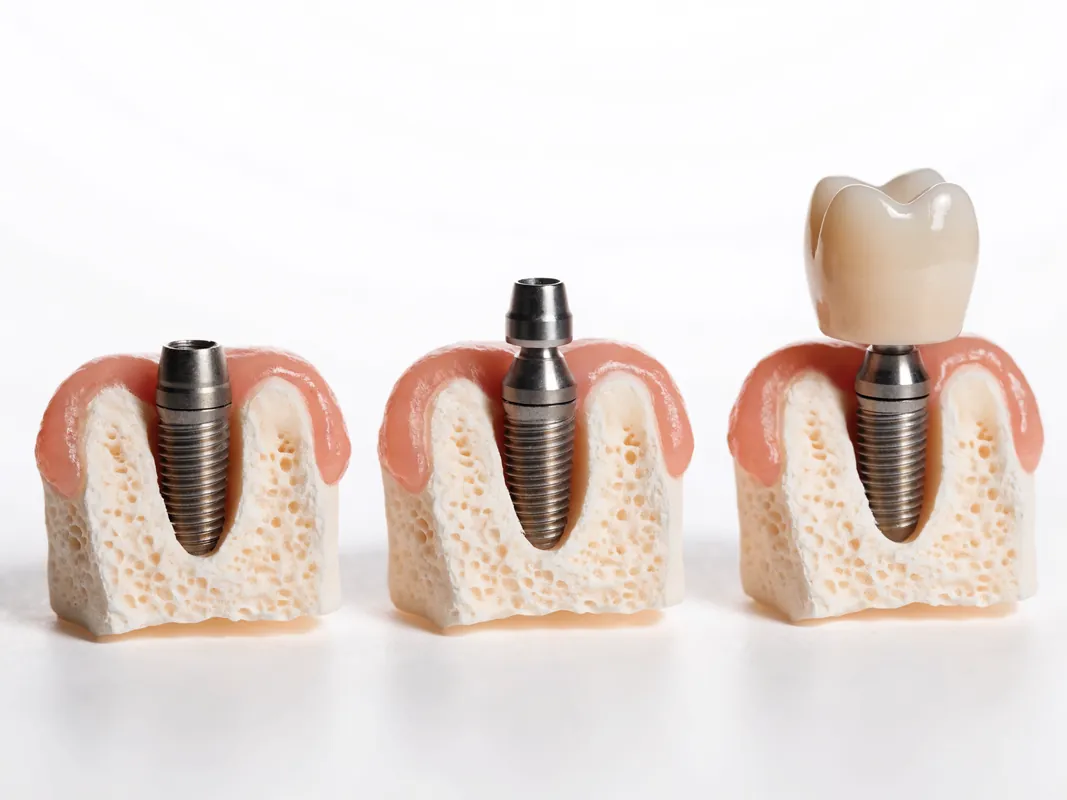
Bone loss around teeth caused by periodontitis does not automatically mean that a particular graft will be required or successful for an implant site. The morphology, location, tissue quality, infection status, restorative objective and neighbouring anatomy matter. Soft-tissue quantity, quality and mobility also require separate assessment.
Ask whether a proposed procedure is intended to preserve an extraction site, increase ridge width or height, manage a sinus-related limitation, reconstruct a local defect, improve soft-tissue volume, increase keratinised tissue or support a particular prosthetic contour. Those are different objectives. The clinician should explain alternatives, material category, donor source where relevant, traceability, limitations, complications and what happens if the intended change is not achieved.
Avoid accepting a named graft product as the diagnosis. Marketing claims about surface technology, faster healing or premium material cannot decide suitability. The plan should identify generic material source and technique first, then record the actual product and batch or lot information if used.
The implant and bone-graft guide explains site-specific augmentation questions. Periodontal cases add a further requirement: the procedure should not create contours that are impossible to monitor or clean, and it should not distract from the need to control disease around remaining teeth.
Restoration-led planning protects cleanability
The final crown, bridge or full-arch prosthesis should be planned before implant position is finalised. A surgically convenient implant position can create a restoration that is overcontoured, inaccessible or difficult to repair. Periodontally susceptible patients need particular attention to hygiene access and maintenance.
The restorative plan should show the intended number and location of implants, emergence profile, connector and pontic form, access for brushes or other cleaning aids, retention approach, component traceability, occlusal concept and repair pathway. It should explain how the patient will clean the actual design, not a generic model. A demonstration with the proposed tools can reveal whether the plan is realistic.
Ask whether excess restorative material, a misfit, deep margins, cement remnants, implant proximity or inaccessible contours could complicate monitoring. Ask who checks and records fit, contact, occlusion and cleanability at provisional and definitive stages. The team should be willing to modify a design that the patient cannot maintain.
Aesthetic goals matter, but a smooth photograph does not prove cleansability. The patient should understand any trade-off between hiding a transition, creating lip support, improving appearance and preserving access to the tissue interface. Consent should record those priorities and limitations before the restoration is fabricated.
Provisional and definitive restorations are different stages
A provisional implant restoration may help shape tissue, test appearance, evaluate speech, protect a site or provide temporary function. It is not automatically a model of the definitive design, and it does not prove long-term tissue stability.
The provisional record should state its purpose, material category, retention, contact, loading status, cleaning instructions, restrictions, adjustment route and failure contingency. If the person will travel home with it, local help for loosening, fracture, discomfort or hygiene difficulty should be identified before departure.
The definitive stage requires updated clinical approval. The responsible clinician should reassess tissue health, implant condition, symptoms, hygiene, restorative space, occlusion, provisional response and any new findings. The laboratory prescription should identify design, material, components and traceability. The patient should have an opportunity to review appearance and understand maintenance and repair limits.
A travel itinerary should not convert a provisional decision into a definitive one. If the tissues, implant or hygiene environment are not ready, the plan may need adjustment. The written contract should explain how delay, redesign, additional care or cancellation affects cost and responsibility without using a clinical change as leverage for an unitemised payment.
Prevent peri-implant disease before implant placement
Peri-implant prevention begins before surgery. The team should identify the person's history of periodontitis, current periodontal status, plaque-control capability, smoking, diabetes context, planned implant position, tissue conditions and prosthetic cleanability. The patient should receive the diagnosis, risk-factor explanation, reasonable alternatives and a personalised care plan.
The [EFP guideline on prevention and treatment of peri-implant diseases](https://www.efp.org/fileadmin/uploads/efp/Documents/Other_publications/Clinical_guidelines/peri-implantitis-guideline-03-peri-implant-diseases.pdf) describes a structured pathway for informing patients, controlling risk, establishing baseline data, providing supportive care and managing mucositis or peri-implantitis according to current findings. It also shows why devices, lasers or antimicrobials should not be sold as universal solutions.
Prevention includes restorability of the entire system. Can the patient access the site? Can a local clinician remove or repair the prosthesis? Are the implant system and components documented? Can radiographs be compared with a baseline? Are retained teeth maintained? Does the patient understand which symptoms require assessment? Is there a funded and practical route for recurring professional care?
No maintenance plan eliminates risk. The purpose is to reduce avoidable contributors, detect change and create a response path. A warranty document cannot substitute for diagnosis, cleanable design, records or access to care.
Establish a baseline after restoration
Future clinicians need a reference point. After the implant-supported restoration is fitted and clinically accepted, request baseline documentation appropriate to the case. This may include probing findings, bleeding or suppuration findings, soft-tissue condition, plaque, restoration fit and access, occlusion, photographs and a radiograph when clinically justified.
The baseline should state the date, implant site, component information, restoration design, clinician and relevant interpretation. Later change can then be compared with something more reliable than memory. The [ITI consensus on implant monitoring](https://network.iti.org/academy/consensus-database/consensus-statement/-/consensus/implant-survival-and-complications/1321) supports systematic monitoring of plaque, mucosal conditions, probing, bleeding, suppuration and radiographic findings where indicated.
Probing around implants is a professional assessment, not a reason for patients to probe their own tissues. Technique and interpretation matter. Likewise, routine imaging should answer a clinical question and use prior records for comparison when possible.
The discharge pack should make the baseline portable. A local dentist or periodontist should receive enough information to understand the periodontal history, implant sites, components, restoration and maintenance plan. If the treating provider refuses to supply the records needed for continuity, that is a serious planning concern.
Supportive care must be individual and ongoing
Supportive periodontal and peri-implant care is not a single cleaning appointment after treatment. It is a recurring cycle of history update, clinical assessment, plaque-control support, professional biofilm management where indicated, risk-factor review, restorative inspection and action when disease or mechanical problems appear.
The interval should follow individual risk and findings rather than a universal calendar published online. A person with a history of periodontitis, difficult cleaning access, smoking, diabetes, residual pockets, complex prostheses or previous peri-implant inflammation may need a different plan from someone with lower current risk. The interval can change as conditions change.
The [ITI consensus on implants in pristine and augmented sites](https://network.iti.org/academy/consensus-database/consensus-statement/-/consensus/long-term-biological-complications-of-dental-implants-placed-either-in-pristine-or-in-augmented-sites/1814?recFrom=10801&recFromId=1816) recommends regular supportive care and individual risk-based assessment, with particular attention to periodontally susceptible people. This supports a personalised maintenance contract, not a fixed promise.
Ask which clinician will provide supportive care near home, what records that clinician needs, whether the prosthesis can be removed if required, who pays for routine maintenance and how concerns are escalated. If the maintenance plan depends on repeated international travel, test whether that is realistic before treatment.
Recognise peri-implant health, mucositis and peri-implantitis boundaries
Bleeding, swelling, suppuration, increasing probing measurements, radiographic change, discomfort, altered taste, difficulty cleaning or prosthesis movement can require assessment. These signs do not all mean the same diagnosis, and absence of pain does not prove health.
Peri-implant mucositis is an inflammatory condition in the soft tissues without the defining progressive bone loss of peri-implantitis. It may be reversible with appropriate professional and self-care interventions, but it should not be ignored. Peri-implantitis involves inflammation with progressive supporting-bone loss and may require increasingly complex management. Mechanical problems, excess cement, fracture, loosening, misfit or occlusal issues can coexist and need separate diagnosis.
Do not self-treat persistent bleeding with repeated antiseptics or antibiotics obtained remotely. Photographs can support triage but cannot provide probing, radiographic comparison, implant stability or a complete prosthetic assessment. Local direct examination may be necessary.
If peri-implant disease is diagnosed, request the site-level findings, baseline comparison, contributing factors, treatment options, limitations, responsible clinician, maintenance plan and criteria for reassessment. No provider should guarantee resolution or implant retention. The EFP peri-implant guideline makes clear that treatment choice follows diagnosis and that evidence for some adjuncts is insufficient or does not support routine use.
Build local aftercare before booking travel
International treatment separates the treating team from the patient's daily location. The local handover should therefore be designed before surgery, not improvised after a problem.
Ask a local dentist or periodontist whether they can provide routine periodontal and peri-implant assessment, urgent diagnosis, professional cleaning around the proposed restoration, radiographs when indicated and basic mechanical support. A local clinician is free to decline responsibility for unfamiliar components or another provider's work, so do not assume acceptance.
The treatment provider should identify the component system, supply records, explain how the restoration can be accessed, provide contact details for clinician-to-clinician discussion and state which care is routine, urgent or covered by any commercial term. The local clinician should receive records securely with the patient's consent.
The returning-home guide explains discharge and handover in more detail. The implant aftercare guide focuses on phase-specific self-care and symptom escalation. Neither replaces the personal instructions supplied after treatment.
Travel follows clinical gates, not the reverse
Periodontal and implant care may require assessment, treatment, reassessment, surgery, restorative stages and maintenance, but no universal visit count or trip length applies. Some stages may be completed locally; others may require direct review by a named clinician. The itinerary should remain provisional until clinical gates are met.
Before booking non-refundable travel, ask:
- Which stage is planned for the trip?
- Which findings still need direct confirmation?
- What treatment may change or be cancelled after examination?
- What is the fallback if periodontal or site conditions are unsuitable?
- Is a review required before flying, and who decides fitness to travel?
- Which symptoms would delay departure or require local assessment?
- What temporary restoration or hygiene plan applies between stages?
- Who pays for changed travel when the clinical plan changes?
- Which records are supplied before departure?
Travel suppliers and clinical providers should be identified separately. A hotel or transfer arrangement is not evidence of treatment quality and should not be used to pressure consent. Any non-clinical service should have its own supplier, inclusions, exclusions, cancellation terms and complaint route.
The dental treatment timeline guide shows how to build a gate-based itinerary without promising fixed healing. A patient's safety and informed choice take priority over a flight, hotel booking or laboratory schedule.
Consent must remain active through the sequence
Consent is a conversation and decision process, not merely a signature on arrival. The patient needs a clear diagnosis, relevant options, material risks and benefits, costs, uncertainties, responsible clinicians, likely maintenance, alternatives and consequences of declining care. Information should be understandable and provided early enough for questions or a second opinion.
The periodontal and implant stages may change after treatment response, extraction, direct site assessment, surgery or provisional use. Consent should therefore be renewed when the scope, clinician, material, price, risk or timing changes. A deposit for one plan is not consent for broader extraction, grafting or a different restoration.
The [GDC consent standard](https://standards.gdc-uk.org/pages/principle3/principle3) is a useful UK comparison framework: it emphasises relevant options, possible costs, documentation, patient understanding and ongoing consent. It does not govern a provider outside the UK unless independently applicable. Ask which Turkish legal and professional duties govern the treating provider and how consent records can be obtained.
Consent should also cover the maintenance burden. The person needs to know how the prosthesis will be cleaned, which recurring professional care is expected, what complications may require local or return treatment, and what commercial terms do not cover. A consent form that promises a simple permanent solution without these responsibilities is incomplete.
Require an itemised written quotation
A single total cannot show whether the periodontal and implant plan is clinically coherent. Request a dated quotation linked to the tooth and implant-site map. Each row should be marked included, excluded, conditional or not applicable, with the responsible provider and payee identified.
| Quote section | What should be itemised |
|---|---|
| Diagnosis | Examination, periodontal charting, images, interpretations and specialist opinions |
| Disease control | Self-care support, professional instrumentation, reevaluation and conditional further care |
| Tooth preservation | Tooth-specific restorative, endodontic or periodontal options and reviews |
| Extractions | Tooth, indication, clinician, temporary replacement and site management |
| Implant assessment | Site, restorative objective, imaging and unresolved conditions |
| Implant surgery | Site-specific procedure, components, anaesthesia and conditional items |
| Hard and soft tissue | Purpose, technique category, material source, traceability and alternatives |
| Provisional care | Design, loading status, cleaning, adjustments, repairs and fallback |
| Definitive restoration | Sites, material category, laboratory, components, fit and approval |
| Maintenance | Periodontal and peri-implant supportive care, baseline and review responsibility |
| Records | Copies of charts, images, procedures, component and laboratory information |
| Aftercare | Routine contact, urgent triage, local-care boundary and return-care terms |
| Travel | Separate supplier, services, exclusions, cancellation and changed-plan responsibility |
| Payment | Currency, recipient, stages, refund or cancellation and written change control |
Conditional care should not be hidden. Examples may include additional periodontal treatment, extraction after prognosis changes, grafting, soft-tissue care, altered provisional design, laboratory remake, management of an adjacent tooth, local urgent care or changes caused by delayed progression. The patient should approve a changed clinical plan and price before the additional work whenever circumstances permit.
Make the record pack portable
Good records allow the patient, treating team and local clinicians to understand what happened and why. They also make a dispute or complication easier to assess. Request records in a usable digital form rather than relying on screenshots in a chat.
The pack may include:
- medical, medication and allergy history;
- periodontal diagnosis, stage and grade where used;
- baseline and reassessment charts;
- plaque, bleeding, mobility and furcation records;
- radiographs, scans and written interpretations;
- tooth prognosis and extraction decisions;
- site-specific implant and graft plan;
- procedure notes and healing findings;
- implant system, dimensions and component identifiers;
- material source and lot or batch details where available;
- provisional and definitive laboratory prescriptions;
- fit, occlusion, cleanability and baseline records;
- prescriptions and adverse-event instructions;
- consent discussions and changed-plan approvals;
- itemised invoices and payee records;
- supportive-care, urgent-care and handover plan;
- contact details for responsible clinicians and providers.
The [GDC record standard](https://standards.gdc-uk.org/pages/principle4/principle4) identifies histories, radiographs, photographs, models, laboratory prescriptions, conformity information, referrals and consent discussions as relevant parts of complete records in UK practice. Use it as a comparison tool while confirming the duties that apply to the actual provider.
Know the urgent and emergency red flags
Before treatment, very sore or swollen gums, teeth becoming loose, a lump, ulcers or red patches warrant prompt dental assessment under [NHS gum-disease guidance](https://www.nhs.uk/conditions/gum-disease/). Severe swelling, uncontrolled bleeding, difficulty breathing or swallowing, serious facial injury or rapidly deteriorating systemic symptoms may require emergency medical care according to local services.
After periodontal or implant procedures, the personal discharge instructions take priority. Contact the responsible clinical team promptly for worsening rather than improving pain or swelling, persistent or recurrent bleeding, fever or systemic illness, pus or a bad taste, spreading redness, new numbness or weakness, wound breakdown, inability to maintain hydration, difficulty opening the mouth, a loose provisional restoration, exposed or moving components, trauma or any symptom the discharge plan identifies.
Do not board a flight or wait for an international reply when local urgent assessment is indicated. Emergency clinicians should receive the procedure date, site, medicines, allergies, provider contact and available images or component records. Remote photographs can help communication but cannot exclude infection, bleeding, tissue breakdown, implant instability or a mechanical problem.
The purpose of listing red flags is not to predict complications. It is to create a clear escalation route before distance makes care harder.
Red flags in a periodontal and implant proposal
Pause before payment when:
- the plan diagnoses gum disease from a panoramic image or photograph alone;
- every mobile or bone-lost tooth is labelled hopeless without a tooth prognosis;
- extraction and implants are presented as a cure for periodontitis;
- the proposed clinician, facility or legal treatment provider is unnamed;
- active periodontal care, reevaluation or supportive care is absent;
- a universal pocket threshold or fixed waiting period is used without personal context;
- antibiotics, lasers, antiseptics or a branded product are sold as automatic solutions;
- a single implant brand is used as proof of quality or suitability;
- immediate placement, immediate loading or a fixed restoration is promised before direct assessment;
- the restoration design does not show cleaning access;
- maintenance is described as optional after treatment;
- no local handover exists;
- records, component identifiers or laboratory prescriptions will not be supplied;
- the quotation hides conditional periodontal, graft, restorative or travel costs;
- the patient is pressured by a discount, flight or expiring package;
- a guarantee replaces explanation of risk, maintenance and exclusions.
A red flag is a reason to ask for evidence or seek an independent opinion. If a critical uncertainty remains unresolved, the safer decision may be to defer irreversible treatment.
Questions to send before paying
- What is the periodontal diagnosis, and which findings support it?
- Which teeth have good, uncertain or unacceptable prognoses, and why?
- Which teeth could be preserved, and what alternatives were considered?
- What current findings indicate active disease or a stable treated condition?
- Which treatment steps are proposed before implant reassessment?
- What endpoints will be measured at reevaluation?
- Who decides whether each implant site may progress?
- What happens if a site does not meet the progression criteria?
- Which replacement alternatives apply at each missing site?
- What final restoration is planned before implant position is selected?
- How will the person clean under and around that restoration?
- Which smoking, diabetes, medicine or medical factors affect the plan?
- Is extraction, placement or loading being proposed, and are those decisions separate?
- Which bone or soft-tissue procedures are definite, conditional or excluded?
- Who provides periodontal and peri-implant maintenance near home?
- Which baseline records will be created after restoration?
- Which component and laboratory records will be supplied?
- How are clinical treatment and travel services contracted separately?
- What does the quotation exclude or leave conditional?
- Who handles urgent concerns locally and abroad?
- How can the patient obtain the complete record pack?
- What changes require renewed consent and price approval?
Primary and official sources used
These sources were checked on 29 August 2026. They support the diagnostic, treatment, prevention, consent and record boundaries in this guide. They do not diagnose an individual, endorse a provider, establish Turkish legal compliance or guarantee an implant outcome.
- [European Federation of Periodontology: clinical guidelines](https://www.efp.org/education/continuing-education/clinical-guidelines/) — official hub for evidence-based periodontal and peri-implant pathways.
- [EFP guideline on treatment of stage I–III periodontitis](https://www.efp.org/education/continuing-education/clinical-guidelines/guideline-on-treatment-of-stage-i-iii-periodontitis/) — stepwise disease-management framework.
- [EFP stage-three treatment infographic](https://www.efp.org/fileadmin/uploads/efp/Photos/Continuing_Education/guidelineStagei-IIIstep3.pdf) — residual-site reassessment and further-treatment options.
- [EFP stage IV periodontitis guideline resource](https://www.efp.org/publications-hub/clinical-practice-guideline-for-the-treatment-of-stage-iv-periodontitis/) — multidisciplinary planning for complex advanced disease.
- [EFP peri-implant disease guideline](https://www.efp.org/fileadmin/uploads/efp/Documents/Other_publications/Clinical_guidelines/peri-implantitis-guideline-03-peri-implant-diseases.pdf) — prevention, diagnosis and treatment framework around implants.
- [ITI consensus on anti-infective preventive measures](https://network.iti.org/academy/consensus-database/consensus-statement/-/consensus/effects-of-anti-infective-preventive-measures-on-biologic-implant-complications-and-implant-loss/1315?recFrom=10801&recFromId=1308) — periodontal therapy, reassessment, site and restorative risk, baseline and supportive care.
- [ITI consensus on long-term biological complications](https://network.iti.org/academy/consensus-database/consensus-statement/-/consensus/long-term-biological-complications-of-dental-implants-placed-either-in-pristine-or-in-augmented-sites/1814?recFrom=10801&recFromId=1816) — individual risk-based monitoring and supportive care.
- [ITI consensus on implant monitoring](https://network.iti.org/academy/consensus-database/consensus-statement/-/consensus/implant-survival-and-complications/1321) — baseline and continuing peri-implant assessment parameters.
- [NHS gum-disease guidance](https://www.nhs.uk/conditions/gum-disease/) — public information on symptoms, prevention, treatment and urgent-care boundaries.
- [Cambridge University Hospitals: dental implants in restorative dentistry](https://www.cuh.nhs.uk/patient-information/dental-implants-in-restorative-dentistry/) — implant assessment and restorative context.
- [GDC Principle 3: obtain valid consent](https://standards.gdc-uk.org/pages/principle3/principle3) — UK comparison framework for options, costs, understanding and ongoing consent.
- [GDC Principle 4: maintain and protect patient information](https://standards.gdc-uk.org/pages/principle4/principle4) — UK comparison framework for accurate, complete and accessible records.
- [GDC: going abroad for dental treatment](https://www.gdc-uk.org/standards-guidance/information-for-patients-public/going-abroad-for-dental-treatment) — patient questions on provider checks, costs, records and aftercare.
Final decision rule
Treat the periodontal diagnosis before treating the implant as a product. Preserve maintainable teeth, document the prognosis of each tooth, control active disease using a stepwise plan, reassess response, manage modifiable risks and decide each replacement site independently. Plan the restoration for cleanability before placing an implant. Build the baseline, supportive care, records, local handover, itemised quote and urgent-care route before travel or payment.
A strong plan does not promise that every treated tooth will be retained or that every implant will proceed. It shows who is responsible, what evidence supports each decision, what remains uncertain, what alternatives exist and what happens when the findings change.