Dental implant aftercare is not one universal timetable. An implant may have been placed into a healed site or immediately after an extraction. The same appointment may have included bone augmentation, soft-tissue surgery, sinus surgery, several implants, a healing abutment, a removable temporary appliance or a fixed provisional restoration. Sedation, medical conditions, prescribed medicines, smoking, the condition of the opposite teeth and the way a provisional restoration is loaded can all change the written plan.
That is why the controlling document is the procedure-specific plan issued by the named clinician who examined you and carried out or supervised the treatment. This guide helps you understand that plan, notice changes and decide which professional route to use. It does not diagnose a symptom, prescribe a medicine, set a personal diet, declare an implant integrated or authorise chewing, exercise, alcohol, smoking, travel or a return to work. If this page conflicts with your written discharge instructions, contact the responsible clinician and ask for the conflict to be resolved in writing.
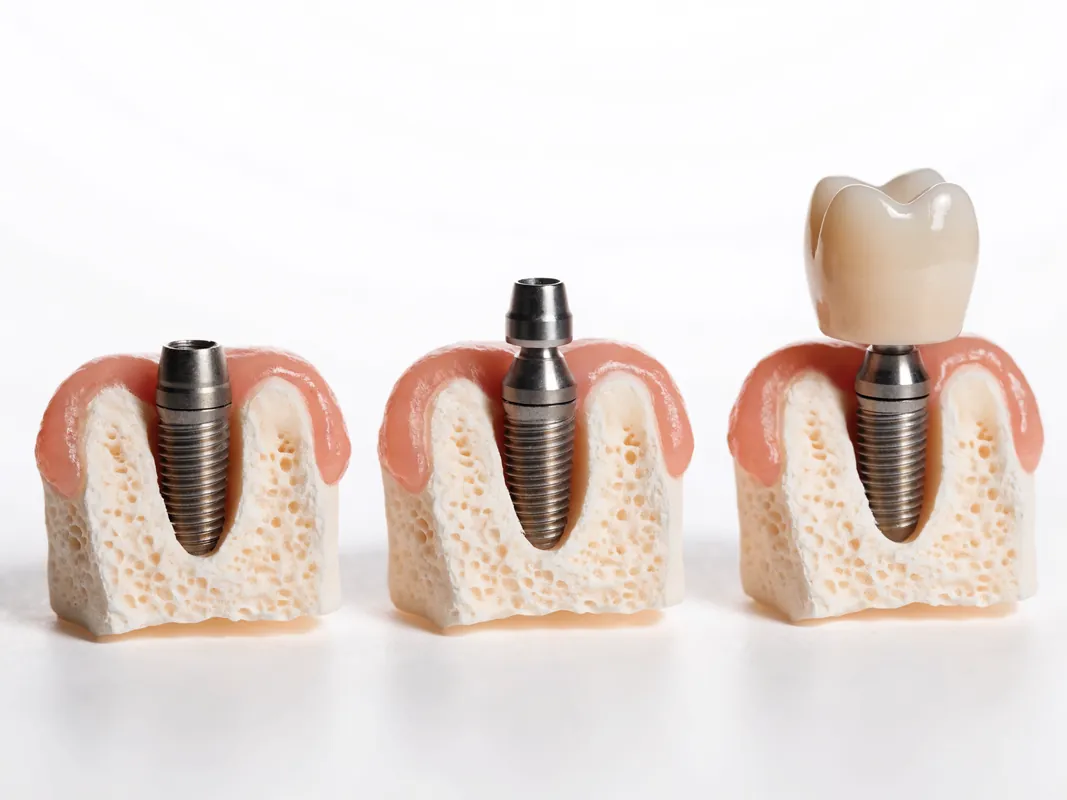
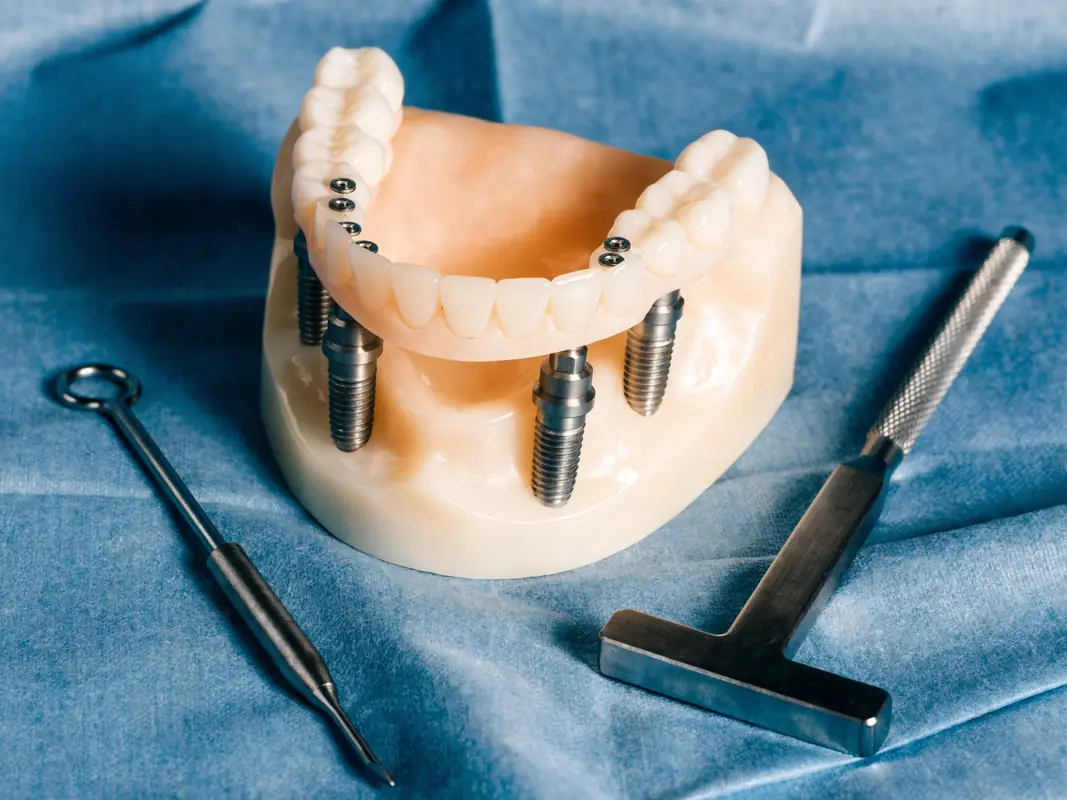
The [US Food and Drug Administration's dental implant overview](https://www.fda.gov/medical-devices/dental-devices/dental-implants-what-you-should-know) describes an implant system as the implant body, an abutment and often an abutment fixation screw, with a prosthesis such as a crown, bridge or denture supported above it. Those parts may be fitted at different stages. The gum appearing closed does not prove that the bone-to-implant interface is ready for a different load. Likewise, a temporary tooth that looks finished is not necessarily the definitive restoration.
This is a phase- and symptom-based dental implant aftercare decision guide for adults. It separates normal monitoring from clinical review, urgent dental assessment and emergency help. It also separates remote coordination from clinical care. A photograph, message or video call may help transfer information, but it cannot test implant mobility, measure peri-implant tissues, check occlusion, take diagnostic imaging or rule out infection, nerve injury, a prosthetic complication or another condition.
The first rule: use the written clinician plan as the source of truth
Before leaving the treating facility, ask for a written plan that reflects what actually happened. A generic implant leaflet is not enough when your operation included another procedure or when the surgical plan changed. The plan should name the responsible clinician, identify the treated sites and state whether each visible tooth or appliance is provisional, final or unrelated to the implant.
The written handover should explain:
- what procedure was completed at each site;
- whether an extraction, graft, membrane, sinus procedure or soft-tissue procedure was also performed;
- whether the site is closed under the gum, has a healing abutment or supports a provisional restoration;
- whether the provisional is fixed, removable, supported by implants, supported by teeth or designed to avoid the surgical area;
- what loading boundaries apply and who may change them;
- how the mouth and each surgical site should be cleaned;
- which food texture, activity, smoking, alcohol and travel boundaries apply to this case;
- which medicines were prescribed, by whom, for what purpose and with what written instructions;
- which sensations were discussed as possible in this case and what change would trigger review;
- how to reach the clinical team and how to obtain local urgent care;
- which review is planned, what evidence will be collected and who decides the next stage.
Consent continues after surgery when a plan changes. The [General Dental Council's consent standard](https://standards.gdc-uk.org/pages/principle3/principle3) applies to professionals it regulates and describes consent as an ongoing process supported by clear information and records. An overseas clinician is governed by the rules of the jurisdiction in which that clinician practises, so verify the relevant regulator and standards directly. Citing a UK standard does not imply that it governs or endorses an overseas provider.
Do not convert a coordinator's reassurance into clinical permission. “Looks fine” in a message is not the same as an examination. “You can eat normally” is ambiguous unless it identifies the sites, the restoration stage and the load that was assessed. Ask the responsible clinician to document any material change to the plan.
Build a one-page implant aftercare map
A compact map makes the longer record usable during travel or an urgent appointment. Keep it on your phone and in a format that can be shared with a local dentist with your permission. It should contain facts, not marketing labels.
Record:
- the date and location of each procedure;
- the legal name and address of the treating facility;
- the responsible clinician's full name and professional role;
- the tooth or site notation used in the clinical record;
- the implant system, manufacturer, model, dimensions and batch or lot information where supplied;
- the abutment, screw and restorative components already fitted;
- any graft, membrane or other implanted material recorded;
- whether the restoration is provisional or final;
- the written loading status and next clinical decision point;
- prescribed medicines and known allergies as documented by the prescriber;
- relevant medical conditions and current medicines;
- the clinical contact route and local urgent-care route;
- the planned review and the records needed at that review.
The FDA advises patients to ask what implant brand and model is used and to keep that information. Traceability is useful if a local clinician later needs compatible components or must understand what was placed. A commercial implant passport can help, but it does not replace the operation note, radiographs, restorative record or clinician's findings.
The [GDC record-keeping standard](https://standards.gdc-uk.org/pages/principle4/principle4) lists radiographs, consent forms, photographs, models, laboratory prescriptions, statements of conformity and referral letters among patient records where available for professionals it regulates. Use those categories as handover questions even when treatment occurred elsewhere, while checking the local legal requirements separately.
Identify your actual starting phase
Calendar labels can mislead. Two people on the same day after “implant surgery” may be in different clinical states. Start by identifying the phase rather than copying another patient's schedule.
Phase A: discharge and immediate observation
This phase begins when you leave the clinical setting. The priorities are understanding the procedure, following the written plan, maintaining safe supervision after any sedation and watching the surgical area without repeatedly disturbing it. The treating team should explain how bleeding, sensation, swelling and pain were expected to be monitored in your case and what would exceed that expectation.
If sedation or a general anaesthetic was used, the discharge plan may include restrictions that have nothing to do with the implant itself. Those instructions control driving, decision-making, supervision, work and travel. Do not infer readiness from feeling awake. Ask the anaesthesia or sedation provider to document the applicable restrictions.
Phase B: early soft-tissue healing
During early healing, the wound and surrounding tissues are changing. Soreness, swelling, bruising or minor bleeding can occur after implant surgery, as described by [Guy's and St Thomas' NHS Foundation Trust](https://www.guysandstthomas.nhs.uk/health-information/dental-implants/after-having-dental-implant). That official page also makes clear that personalised advice is provided. The existence of commonly reported effects does not prove that a particular severity, duration or direction of change is safe.
The useful question is not “Is swelling normal?” but “Is this change consistent with the baseline and written plan, or is it new, worsening, spreading or affecting function?” Record the direction of change and associated symptoms. Do not diagnose from appearance alone.
Phase C: protected healing and provisional function
A site may look calmer while the implant remains within a protected healing or integration plan. Some people have no tooth attached to the implant. Others wear a removable provisional, have a healing abutment visible through the gum or have a fixed provisional restoration. Each design has different hygiene and loading considerations.
A temporary restoration can be there for appearance, limited function, tissue shaping or another clinical purpose. Its presence is not permission to test it. Do not use hard foods, clenching or finger pressure to decide whether the implant is stable. If the provisional changes, rocks, fractures, feels high or traps material, stop testing it and request an in-person assessment.
Phase D: reassessment before a restorative step
A later appointment may include history, examination, tissue assessment, occlusal review, imaging or another test selected by the clinician. A calendar date alone does not prove readiness. The person responsible for the next intervention should explain which findings support proceeding and what alternatives apply if healing, tissue condition, comfort, access for cleaning or another factor is not satisfactory.
The FDA notes that healing of the implant body may take months or longer and that a temporary abutment may be present during healing. It does not provide a universal date for loading or restoration. Ask for the case-specific criteria.
Phase E: definitive restoration and baseline records
Fitting a final crown, bridge or implant-supported denture is a new clinical stage, not the end of aftercare. The clinician should assess fit, access for hygiene, screw or cement considerations, contacts, occlusion and the patient's ability to clean. Record the material and components, whether the restoration is screw-retained or cement-retained, how it can be removed if necessary and which tools or components a local clinician may need.
Establish a clinical baseline for future comparison. The [European Federation of Periodontology's guideline on preventing and treating peri-implant diseases](https://www.efp.org/education/continuing-education/clinical-guidelines/guideline-on-treatment-of-peri-implant-diseases/) supports individual risk assessment, personalised hygiene instruction and supportive peri-implant care. Its patient infographic also discusses baseline clinical and radiographic information. A professional must decide what measurements and imaging are appropriate for an individual.
Phase F: long-term maintenance and new symptoms
Long-term care is not “fit and forget”. Implant-supported restorations, surrounding tissues, natural teeth, prosthetic components and bite all need an appropriate review pathway. The frequency and content of reviews should be individualised by a clinician after considering periodontal history, hygiene access, smoking, diabetes control, previous peri-implant disease, restoration design, functional load and other risks.
A new symptom after a long quiet period belongs to a new assessment, not automatically to “normal healing”. Pain, movement, bleeding, swelling, discharge, a bad taste, food trapping, a changed bite or difficulty cleaning can have different causes. Arrange an examination rather than relying on the age of the implant or a warranty label.
Use a symptom log, not a self-diagnosis
A symptom log helps a clinician see direction and context. It should not become a home diagnostic test. Use plain observations:
- where the symptom is felt;
- when it began;
- whether it is stable, improving, recurring or worsening;
- what appears to trigger it;
- whether it affects eating, drinking, sleep, speech or normal activity;
- whether there is bleeding, swelling, discharge, bad taste, feverishness, numbness or altered sensation;
- whether a provisional or final restoration feels different;
- whether there was trauma, vomiting, heavy exertion, a missed medicine or another relevant event;
- what advice was sought and from whom.
If taking a photograph is safe and requested, use consistent lighting and include the date. Do not pull the cheek forcefully, probe the wound, remove a dressing, lift a flap, press the implant area or repeat a painful movement to improve the image. A normal-looking photograph does not rule out a problem beneath the tissue or within the prosthetic components.
Bleeding: monitor the pattern and know the emergency boundary
Your treating clinician should state what bleeding was expected for the procedure and how to use any supplied material or pressure technique. Follow that instruction. Do not add a home remedy or change the technique because another website gives a different number of minutes.
Record whether bleeding is a slight stain, intermittent ooze or active flow; whether it follows disturbance; and whether it responds to the instructed measure. Medicines and medical conditions can alter bleeding risk. Never stop an anticoagulant, antiplatelet or other prescribed medicine on the basis of an internet aftercare page. Contact the prescriber or an appropriate clinician.
Seek urgent professional advice when bleeding is more than the written plan anticipated, restarts repeatedly, is accompanied by weakness or faintness, or does not respond to the instructed measure. The [NHS urgent and emergency dental guidance](https://www.nhs.uk/nhs-services/dentists/how-to-find-an-nhs-dentist-in-an-emergency/) directs people in England to a dentist or NHS 111 for urgent dental advice and identifies heavy mouth bleeding that will not stop as an emergency requiring A&E or 999. Use the emergency system where you are physically located; do not wait for an overseas message reply.
Swelling and bruising: direction matters more than a generic deadline
Swelling or bruising can follow implant surgery, but no picture or timetable can establish what is safe for you. Note the area, whether it is localised or spreading, whether it is soft or tense, and whether the direction is improving or worsening. Check for associated feverishness, discharge, bad taste, increasing pain, difficulty opening the mouth, difficulty swallowing, voice change, eye involvement or breathing difficulty.
Contact the responsible clinician or a local urgent dental service if swelling is worsening, returns after improving, spreads, or occurs with systemic symptoms. Severe swelling of the mouth, lips, throat or neck with difficulty breathing is an emergency under NHS guidance. Difficulty swallowing or rapidly changing symptoms also require urgent professional triage. Do not delay emergency care while trying to obtain approval from a coordinator, insurer or overseas clinic.
The treatment-specific plan may include a cold application or another measure. Use only the method, duration and skin protection described by the clinician. More is not automatically better, and direct extreme temperature can injure tissue. If no instruction was given, ask rather than inventing one.
Pain: track change, function and associated signs
Pain is subjective and influenced by procedure extent, tissue condition, individual factors and other health conditions. A single number cannot diagnose it. Record the location, character, trend, triggers, effect on sleep or function and whether prescribed medication is being used as directed. Report any new or worsening pain, pain associated with swelling or discharge, pain accompanied by a changed bite, or pain that is not controlled by the plan.
Do not start leftover antibiotics, use someone else's medicine, combine products without checking their ingredients or exceed the prescriber's directions. If a medicine causes a suspected reaction, seek appropriate medical or pharmacy advice. For potentially severe allergic symptoms such as breathing difficulty or rapidly developing facial, mouth or throat swelling, use emergency services.
The NHS emergency dental page identifies severe mouth pain affecting sleep or daily activities and persistent pain despite pain relief as reasons to seek urgent advice. Local triage criteria vary, so use the system where you are. A remote coordinator cannot determine whether pain arises from the wound, implant, provisional restoration, an adjacent tooth, sinus, nerve, jaw muscles or another cause.

Altered sensation and nerve-related concerns
Numbness may still be present immediately after local anaesthesia, but altered sensation can also have other causes. Before discharge, ask what area was anaesthetised, what the clinician expects and when persistence or change should be reported. Record the exact area and whether the sensation is numb, tingling, burning, painful, hypersensitive or associated with weakness.
Do not repeatedly pinch, bite, heat or scratch a numb lip, cheek or tongue to test it. Protect the area from accidental injury and contact the responsible clinician promptly if altered sensation persists beyond the explained anaesthetic window, changes, spreads or appears later. The FDA lists post-surgical numbness related to nerve impingement or damage among implant risks. Only an appropriate clinical assessment can determine the cause and next step.
Discharge, bad taste, feverishness and feeling unwell
A bad taste alone is not a diagnosis. Food, prescribed products, bleeding, dry mouth and other factors can alter taste. However, a new bad taste with discharge, increasing swelling, worsening pain, feverishness or feeling generally unwell warrants prompt professional advice.
Do not squeeze the tissue to look for discharge and do not insert an object under a provisional restoration. Do not assume an antibiotic will solve every cause or that the absence of fever excludes a local problem. Contact the clinical team and arrange local assessment when advised or when symptoms are progressing.
If you become systemically unwell, use local medical services as well as dental care. Keep a list of medicines, allergies and procedure details available. Cross-border clinical responsibility does not replace the emergency and urgent-care routes where you are physically located.
Mobility, clicking, rotation or a changed bite
The word “loose” can refer to different things: a provisional crown, bridge, denture, abutment screw, another component or the implant body. A patient cannot reliably distinguish them by testing. The FDA advises telling a dental provider right away if an implant feels loose or painful and lists looseness or twisting from an abutment screw among potential complications.
Stop deliberately moving, tapping or loading the area. Avoid chewing on it until assessed if that is the safe advice given by a local clinician. Keep any detached component, do not use household glue and do not attempt to tighten a screw. Arrange an in-person dental assessment. Provide the implant and component record so the reviewing professional can plan safely.
A changed bite also needs assessment. It may relate to a provisional or final restoration, swelling, component movement, wear, another tooth or jaw function. Do not grind or file the restoration at home. Any adjustment should be made by an appropriately qualified professional and documented.
Medicines: prescribed instructions control
Implant aftercare pages often overstep by telling every reader to take the same antibiotic, anti-inflammatory drug, painkiller or mouth rinse. That is unsafe. Allergies, pregnancy, kidney or liver function, stomach problems, asthma, anticoagulants, other medicines and the exact procedure can change what is appropriate. Some people receive no antibiotic. Others have a specific indication assessed by a prescriber.
Use only medicines prescribed or recommended for you by an appropriate professional, exactly as directed. Read the supplied patient information and ask the prescriber or pharmacist about missed doses, side effects, interactions, driving, alcohol and over-the-counter products. The [NHS information on antibiotic interactions](https://www.nhs.uk/medicines/antibiotics/interactions/) explains that interactions vary and advises checking with a GP or pharmacist.
Do not:
- share medicines;
- use leftovers from a previous dental episode;
- double a dose because one was missed;
- stop or extend a course without professional advice;
- assume two branded products contain different active ingredients;
- stop a long-term prescription to reduce bleeding without the prescriber's direction;
- treat a worsening symptom solely by changing medicine.
Keep the prescription or medicine list in the handover record. If urgent care is needed, bring the medicines or an accurate list. Medicine questions belong to the prescriber, pharmacist or appropriate local clinician, not a travel coordinator.
Hygiene: the method must match the wound and prosthesis
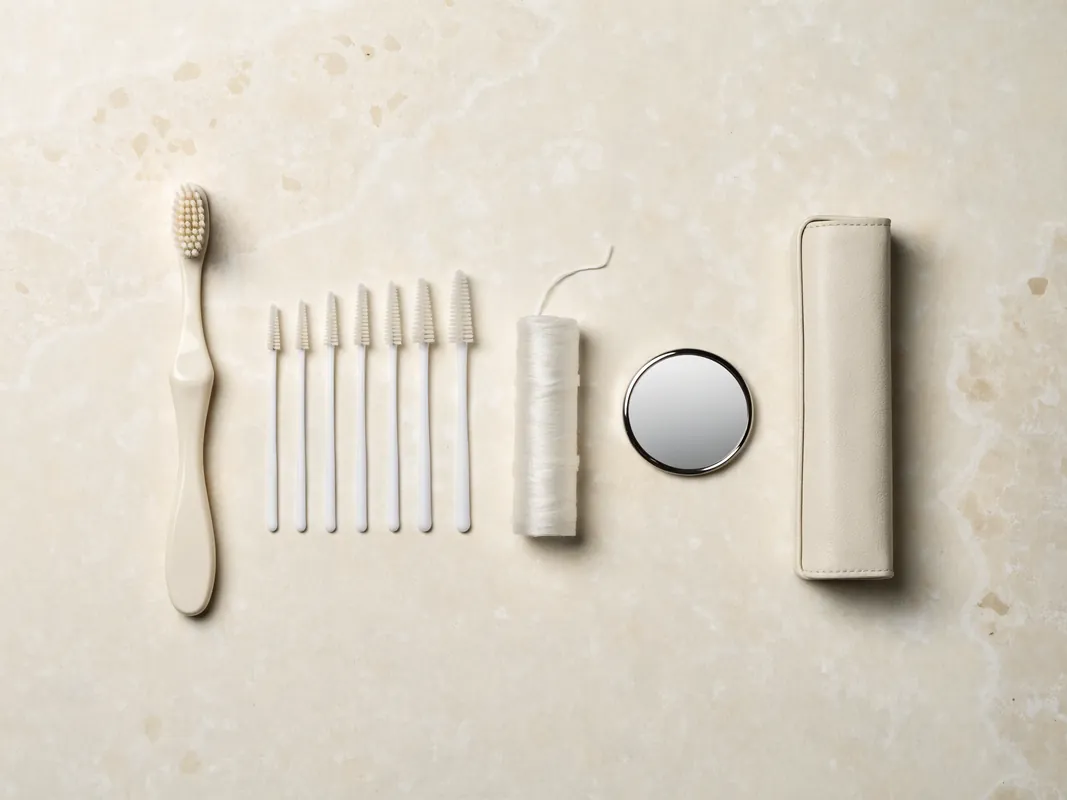
Cleaning matters, but a universal technique can harm a site if it ignores the closure, graft, healing abutment or provisional design. Ask for a demonstration before discharge. The written plan should identify when and how to clean the rest of the mouth, the surgical site, exposed components and any removable appliance.
Clarify:
- which toothbrush or interdental aid is appropriate at each site;
- whether a particular area must be avoided temporarily;
- whether a rinse was prescribed and for what period;
- how to clean under a fixed provisional;
- how to remove and clean a removable provisional without disturbing the wound;
- what bleeding during cleaning means in this case;
- which change should prompt a review rather than more vigorous cleaning.
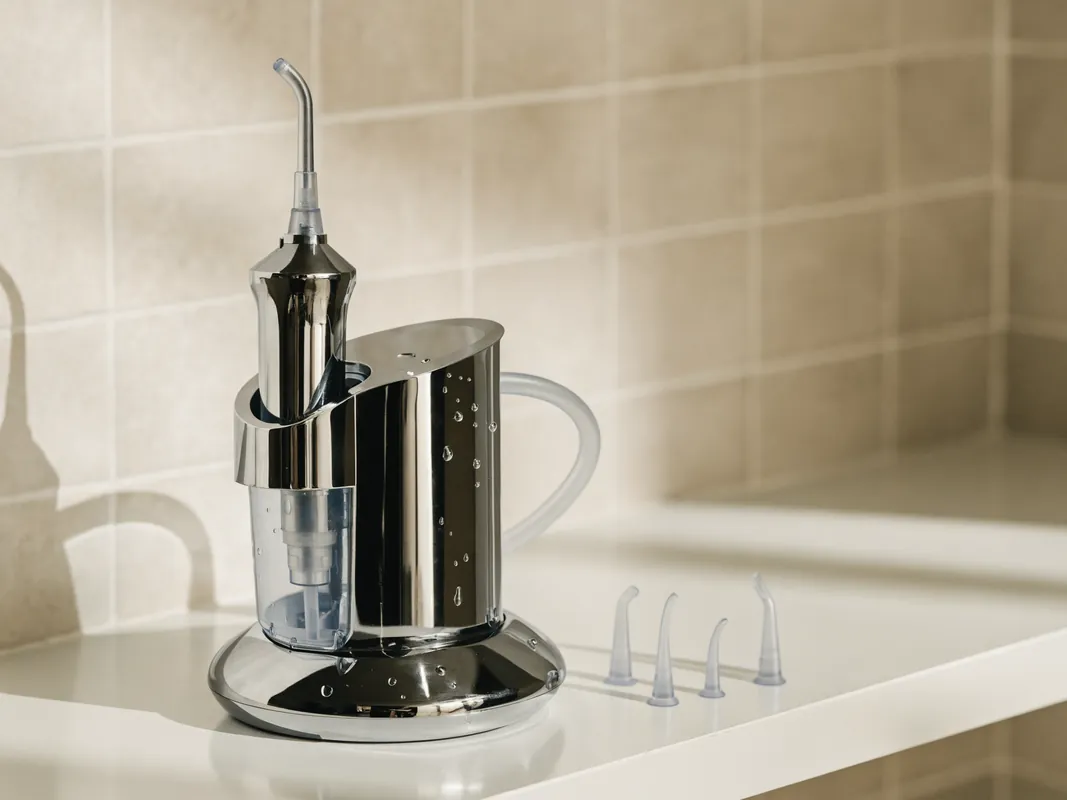
Do not probe the wound, force floss beneath tissue, direct a powerful irrigator at a healing site or use an antiseptic indefinitely because it was mentioned online. Mouthwash does not replace mechanical cleaning. Once the clinician authorises normal implant hygiene, the method still needs to fit the restoration contours, dexterity, tissue health and risk profile.
The EFP guideline supports individually tailored oral-hygiene instruction, a design that permits cleaning and regular supportive care. Ask the dentist or hygienist to watch you demonstrate the technique and correct it. “Use a water flosser” is not enough if the angle, pressure and site are not appropriate.
Food and chewing: separate nutrition from loading
There is no single dental implant diet. Advice depends on the procedure, wound, graft, provisional, opposite teeth, swallowing ability, medical needs and clinician's loading plan. The purpose of a texture instruction should be clear: protecting a wound, avoiding trauma, limiting load on a provisional, maintaining nutrition or another documented reason.
Ask the clinician to define:
- what texture is appropriate now;
- whether chewing should be directed away from a site;
- whether the provisional can be used and for what function;
- how to manage temperature while anaesthesia or altered sensation is present;
- what sign means the plan needs review;
- who can authorise progression to another texture or loading level.
Do not use the implant area to test a hard food. Do not assume that absence of pain means the interface is ready for greater load. Do not remain on an unnecessarily restricted diet without review if nutrition, diabetes management, medication use or general health is affected. A dietitian or medical clinician may need to contribute when nutrition is complex.
For a fuller worksheet, use the internal implant eating and texture guide, but treat it as planning information. Your written clinical plan remains controlling.
Activity and work: procedure, sedation and symptoms decide
“Return to exercise after a set number of days” is not a safe universal instruction. Activity may affect bleeding, swelling, hydration, balance, trauma exposure and the ability to follow a medicine or sedation plan. The relevant factors include the extent of surgery, medical history, anaesthesia, current symptoms and the type of work or sport.
Describe the activity accurately when asking the clinician: lifting, bending, contact risk, heat, altitude, swimming, driving, machinery, shift work or prolonged speaking may raise different questions. Ask what is restricted, why, what evidence supports resuming it and which symptom should stop the activity.
If bleeding restarts, swelling worsens, pain changes, dizziness occurs or a provisional is affected, stop and seek advice. An employer's deadline or holiday itinerary does not override clinical assessment.
Smoking, vaping, nicotine and alcohol
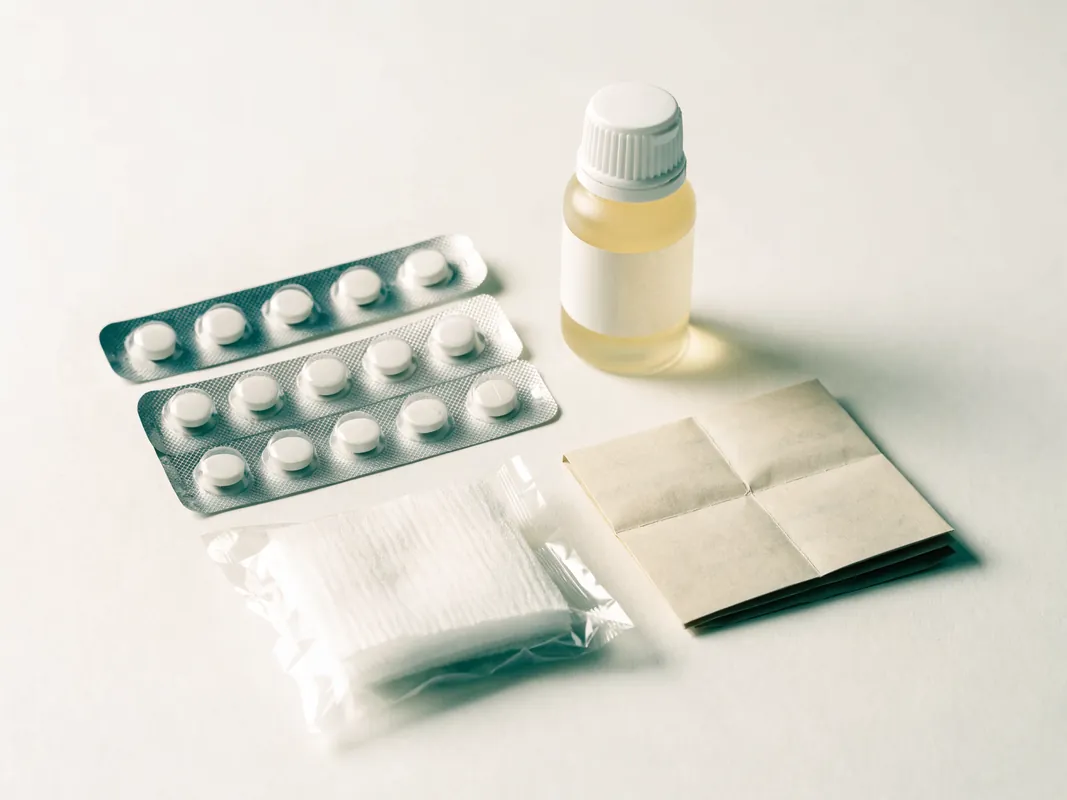
Smoking is relevant to implant healing and long-term peri-implant risk, but shame and fabricated deadlines do not help. The FDA states that smoking may affect healing and decrease long-term implant success. The EFP includes smoking among modifiable risk factors to assess within a personalised plan.
Tell the clinician truthfully about smoking, vaping, nicotine products and exposure. Ask for the case-specific recommendation and evidence-based cessation support. Do not assume that vaping or nicotine replacement is automatically equivalent to smoking or automatically safe for a surgical site. A clinician or smoking-cessation professional should help separate tobacco harm reduction, nicotine dependence and procedure-specific advice. The [NHS quit-smoking services directory](https://www.nhs.uk/better-health/quit-smoking/uk-quit-smoking-services/) provides routes to support across the UK.
Alcohol questions also require case-specific advice. Alcohol may interact with some medicines, worsen side effects, affect judgement or conflict with other medical advice. The NHS antibiotic-interaction page makes clear that interactions differ by medicine. Ask the prescriber or pharmacist rather than relying on a general “implant alcohol” rule. Do not drink to mask pain or substitute alcohol for prescribed care.
A lapse in a smoking or alcohol plan should be disclosed, not hidden. It does not allow a website to predict failure. The clinician can reassess risks, symptoms and support needs. The internal smoking, alcohol and implant-healing guide provides a more detailed verification framework.
Provisional, healing abutment and final restoration are different
Patients often call every visible tooth “the implant”. Separate the components:
- the implant body is within bone;
- a cover screw may sit below the gum;
- a healing abutment may pass through the gum;
- an abutment may connect the implant body to a restoration;
- an abutment screw may secure components;
- a provisional crown, bridge or denture may be used before definitive restoration;
- the definitive restoration may be a crown, bridge or removable/fixed prosthesis.
A provisional may be supported by implants, natural teeth, gums or a combination. It may be designed for appearance, limited function, tissue shaping or another purpose. Ask which parts can be removed, who may remove them, how they are cleaned and what load is permitted.
If a provisional fractures, loosens, rubs, changes speech, traps food or changes the bite, arrange assessment. Do not glue it, reshape it or keep wearing a removable appliance that is damaging tissue. A final restoration also needs review if it moves, chips, feels high or becomes difficult to clean.
The transition from provisional to final is a consent and assessment step. Ask what findings are required, which alternatives exist if those findings are absent, whether the design or material has changed, and how the itemised quote is affected. The internal dental treatment timeline and visits guide helps structure those questions without assigning a universal timeline.
Loading is a clinician-owned decision
Implant stability cannot be established by pain level, a photograph or a person's ability to chew. Loading decisions may consider placement conditions, bone and tissue findings, implant distribution, provisional design, occlusion, parafunction and other case-specific evidence. Those assessments belong to the responsible clinician.
Do not “check” integration by biting hard, rocking a restoration or applying finger pressure. Do not interpret a marketing phrase such as immediate teeth as unrestricted function. Ask for the written loading category and its practical meaning: which restoration, which sites, which foods or forces, what duration, and which review can change it.
If another clinician proposes a different loading plan, ask both clinicians to exchange findings and explain the reason in writing. A coordinator should not select between clinical opinions. If the plan changes, obtain updated consent, instructions and costs before proceeding.
Grafts, membranes, sinus procedures and sutures add separate boundaries
An implant appointment may include additional procedures with their own aftercare. A graft material, membrane, sinus intervention or soft-tissue procedure can change hygiene, pressure, nose-related symptoms, travel, activity and review decisions. A general implant guide must not override those instructions.
Ask for the material name, site, purpose and traceability record. Confirm whether anything is intentionally exposed, whether sutures are resorbable or require removal, and who will review the site. Do not pull a suture, remove a membrane, disturb granules or assume every visible particle has the same meaning.
If a sinus-related procedure was performed, obtain a separate written plan from the responsible clinician. Report new or concerning nasal symptoms, fluid movement sensations, worsening pain, swelling or other changes through the route they specify. Travel and pressure questions should be answered for the actual procedure, not inferred from implant placement alone.
Travel and flying: readiness is a clinical and logistical decision
A flight does not become safe merely because an online minimum has passed. Consider the procedure, sedation, bleeding control, swelling direction, pain control, medicine side effects, graft or sinus work, provisional stability, mobility, access to hydration and the availability of urgent care at the destination. An airline's fitness-to-fly rule is separate from a clinician's view.
Before departure, ask the clinician to confirm in writing:
- what was completed and whether any concern remains;
- whether a clinical review is needed before travel;
- what symptoms should delay travel or trigger urgent care;
- how medicines and records should be carried;
- whether the airline or insurer needs documentation;
- where urgent dental and medical care can be accessed after arrival;
- how records can be shared with a local clinician;
- what remote contact can and cannot do.
Travel insurance, an airline approval and clinical fitness are different decisions. Verify each separately. The [GOV.UK Turkey health advice](https://www.gov.uk/foreign-travel-advice/turkey/health) tells travellers considering treatment to discuss plans with their usual clinician and research independently because commercial providers have a financial interest. It also explains that medical facilities and treatments can vary. Government information is not an endorsement of a provider.
Use the internal flying after oral surgery guide and returning home after dental tourism guide to build a handover plan. Neither page can certify personal fitness to fly.
Create a local urgent-care pathway before you travel
Remote support has limits. Before surgery, identify a dentist near home who is willing to assess implant concerns, the local urgent dental route, the medical emergency number and the nearest appropriate emergency department. Confirm opening hours and eligibility close to travel because services change.
For England, the NHS advises contacting a dentist or NHS 111 for urgent dental care. [NHS 111 online](https://111.nhs.uk/) can triage people who are in England and meet the service conditions. Scotland, Wales, Northern Ireland and other countries have different systems. Use the official route for your location.
Call emergency services or attend the appropriate emergency department for heavy mouth bleeding that will not stop, severe swelling affecting breathing, serious facial or jaw injury, loss of consciousness or other potentially life-threatening features. Do not wait for a dental-tourism provider, coordinator, finance company or insurer to authorise emergency care.
Urgent treatment and contractual responsibility are separate. Obtain care needed for safety, retain clinical notes, images, prescriptions and invoices, and notify the original provider when reasonably possible. A warranty or remedial clause cannot determine what is medically urgent and does not guarantee reimbursement.
Remote messages are information exchange, not examination
A remote review can help a clinician gather history, inspect a limited image, check a record and decide whether an in-person assessment is needed. It cannot palpate tissue, probe peri-implant sites, test a component, assess occlusion reliably, perform imaging or exclude all causes.
When sending a concern:
- identify the implant site and procedure date;
- describe the trend and functional effect;
- list associated symptoms;
- state what medicines are being taken;
- attach the relevant record rather than only a sales invoice;
- say where you are and what local care is available;
- ask whether the response is clinical advice from the named clinician or administrative coordination;
- ask what uncertainty remains and what would trigger in-person care.
Do not accept silence as reassurance. Do not delay local urgent care while waiting for a message. If the reply gives a material clinical instruction, ask for it to be added to the record with the clinician's identity and date.
Peri-implant maintenance is personalised and lifelong in concept
Implants require continuing care even when they feel comfortable. Maintenance includes the tissues around the implant, the restoration, components, access for cleaning, occlusion, natural teeth and broader risk factors. Feeling comfortable does not establish peri-implant health.
The EFP guideline supports risk assessment, individually tailored hygiene, peri-implant clinical monitoring and supportive care. It also distinguishes prevention, peri-implant mucositis management and peri-implantitis treatment. Those are clinical categories, not labels for self-diagnosis.
Ask the local dental team to document a baseline and an individual recall plan. Questions include:
- what peri-implant clinical measurements are recorded;
- whether and when imaging is justified;
- how bleeding, suppuration, tissue level and probing-depth changes are interpreted;
- whether periodontal disease elsewhere is controlled;
- whether the restoration permits cleaning and professional access;
- whether smoking, diabetes control, bruxism or another risk is relevant;
- what maintenance method is appropriate for the specific surfaces;
- when the restoration or component needs review.
A fixed six-month or annual schedule is not appropriate for every person. The interval should be based on professional assessment and updated when risks or findings change. Avoid routine imaging without clinical justification, but do not reject imaging that a clinician explains is necessary.
Signs that need a peri-implant assessment
Arrange a dental assessment for new or recurring bleeding during cleaning, swelling, discharge, bad taste, tenderness, increasing food trapping, tissue recession, difficulty cleaning, a changed restoration contour, movement, a changed bite or discomfort on function. These findings do not prove peri-implantitis, but they justify professional review.
Do not self-treat persistent bleeding by stopping cleaning altogether or by using prolonged antiseptic products without advice. Do not scrape a component with household tools. A professional may need to assess hygiene technique, tissue inflammation, restoration design, residual cement, component fit, occlusion or another cause.
If a local clinician identifies a concern, request a written report and share it with the original provider with your consent. The report should describe findings rather than only conclusions. Where clinicians disagree, seek clarification or an independent opinion; a coordinator cannot adjudicate the diagnosis.
Keep the implant and restorative traceability pack
A useful implant record is more detailed than a brand name. Request, where applicable:
- implant manufacturer, product family, model, dimensions and lot or batch;
- site notation and placement date;
- insertion or stability information that the clinician considers relevant;
- abutment type, platform, connection and screw information;
- graft, membrane and other implanted materials;
- provisional design and support;
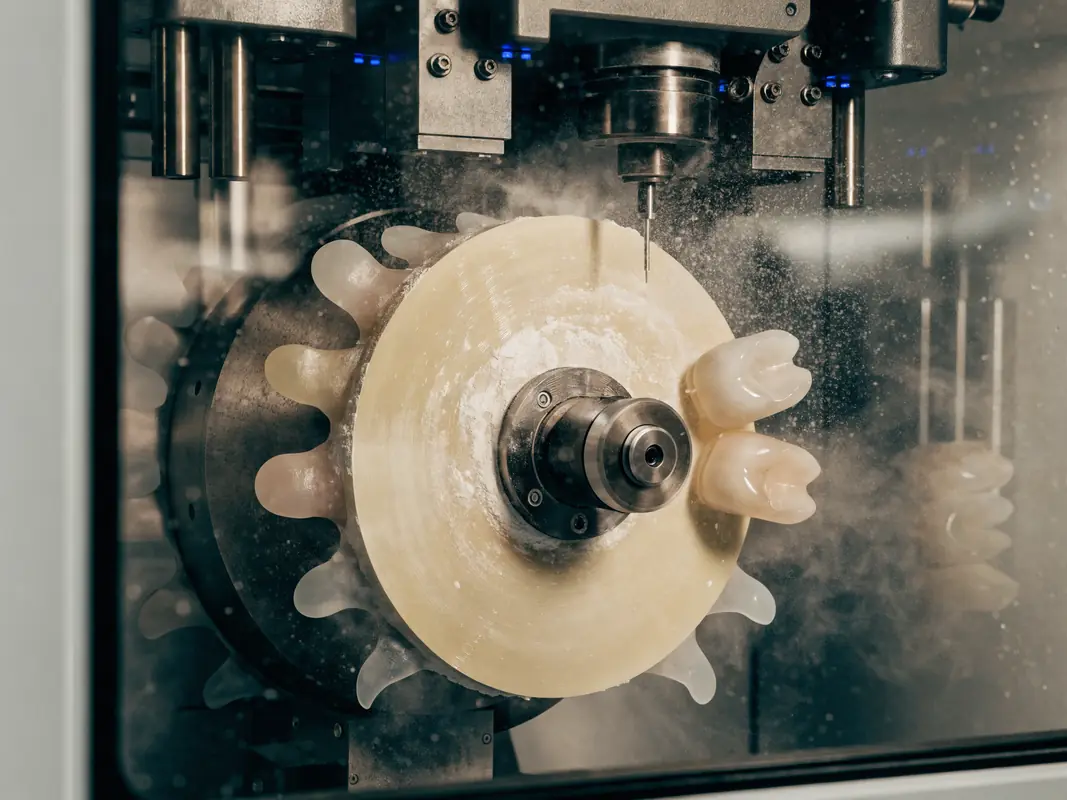
- final restoration material, retention method and laboratory;
- laboratory prescription and statement of conformity where applicable;
- radiographs and other images with dates;
- operation note, discharge note and consent record;
- medical history and medicine list used for the procedure;
- complications, changes and follow-up findings;
- responsible clinician and facility details;
- itemised invoice and written aftercare route.
The record helps a local clinician identify compatible parts and understand the sequence. It does not prove that every component is available locally. Ask in advance whether the proposed system has a support route in the country where maintenance will occur.
The [FDA dental implant page](https://www.fda.gov/medical-devices/dental-devices/dental-implants-what-you-should-know) specifically recommends keeping the implant brand and model. The GDC record standard provides useful record categories. Neither source certifies a particular brand or treatment.
Cross-border provider and complaint verification
If treatment took place in Türkiye, verify the facility or intermediary through the current [Türkiye Ministry of Health Health Tourism Department](https://saglikturizmi.saglik.gov.tr/EN%2C69063/healthcare-providers-authorized-by-the-ministry.html). Appearance on an authorised list is a regulatory check, not a guarantee of individual suitability or outcome.
The [GDC guide to dental treatment abroad](https://www.gdc-uk.org/standards-guidance/information-for-patients-public/going-abroad-for-dental-treatment) recommends checking the treating professional, relevant regulator, indemnity or insurance, complaints process and aftercare arrangements. It also advises discussing plans with a usual dentist. GDC guidance does not regulate or endorse an overseas provider.
Before treatment, obtain:
- the clinic's clinical complaint route;
- the regulator and patient-rights route in the treatment country;
- the name of the person responsible for aftercare decisions;
- the process for exchanging records with a local dentist;
- written terms for assessment, repair, replacement and travel costs;
- the boundary between clinical treatment and an intermediary's services;
- the governing law and legal entity on the invoice.
Do not let a “lifetime” label replace those details. A contractual promise cannot remove biological, prosthetic or travel uncertainty. This guide makes no warranty, remedial, reimbursement or outcome promise.
An itemised quote still matters after treatment
A post-operative change can create new costs. Ask for an itemised written quotation before non-emergency additional treatment whenever circumstances allow. It should identify examination, imaging, medicines, components, laboratory work, professional fees, temporary work, final work and travel separately. If the clinical scope changes, the consent discussion and quote should change too.
Emergency care should not be delayed while negotiating liability. Keep evidence and separate the clinical decision from the later financial or complaint route. The internal insurance and payment verification guide explains why a provider term, insurer benefit, travel policy and card remedy are different documents.
A phase-based decision worksheet
Use this worksheet at each transition.
Before discharge
- Do I know exactly what was done at every site?
- Do I know whether each visible tooth or appliance is provisional or final?
- Do I have written medicine, hygiene, loading, diet, activity and travel instructions?
- Do I know which additional procedures change the plan?
- Do I have the implant and material traceability record?
- Do I have a local urgent-care route?
During early healing
- Are symptoms moving in the direction described by the clinician?
- Is bleeding controlled by the instructed measure?
- Is swelling localised or spreading?
- Is pain controlled by the prescribed plan?
- Is there new altered sensation, discharge, bad taste or systemic illness?
- Can I hydrate, eat safely and follow the medicine plan?
- Is any change affecting breathing, swallowing, vision, consciousness or causing heavy uncontrolled bleeding?
During protected healing
- Am I following the written loading boundary?
- Can I clean the site and provisional as demonstrated?
- Has the provisional moved, fractured, rubbed or changed the bite?
- Have smoking, alcohol, medical or medicine factors changed?
- Is the planned review still suitable?
- Does a local clinician need the record?
Before the next stage
- What findings support proceeding?
- What uncertainty remains?
- Is the implant restoration still provisional?
- Has material, design, scope or price changed?
- Is fresh consent needed?
- Has a maintenance baseline been created?
Long-term
- Can I clean every implant surface effectively?
- Are tissues, restoration, components and occlusion being reviewed?
- Is the maintenance interval personalised?
- Have new bleeding, swelling, pain, movement, food trapping or bite changes appeared?
- Are component and imaging records still accessible?
- Do I know the local urgent and complaint routes?
Red-flag route: emergency, urgent or routine review
Emergency now
Use local emergency services for severe swelling affecting breathing, heavy mouth bleeding that will not stop, serious facial or jaw injury, loss of consciousness, or another potentially life-threatening situation. In England, NHS guidance directs people with those features to A&E or 999. Elsewhere, use the official local equivalent.
Urgent dental or medical assessment
Seek urgent professional triage for severe or worsening pain, enlarging or spreading swelling, persistent bleeding, feverishness or systemic illness, discharge with worsening symptoms, new or persistent altered sensation, a loose implant or component, a broken provisional that creates injury or aspiration risk, or any symptom the treating clinician identified as urgent. NHS 111 or a dentist can direct urgent dental care in England.
Prompt clinical review
Arrange a review for persistent or recurring bleeding on cleaning, food trapping, difficulty cleaning, a changed bite, a restoration that feels high, tissue recession, a bad taste without systemic symptoms, or a symptom that is stable but not resolving as expected. The reviewing professional decides the urgency.
Planned maintenance
When there are no new concerns, follow the personalised supportive care plan. Do not use this category to downgrade a symptom that is changing or affecting function.
Questions to take to the responsible clinician
- What exactly was placed, removed, grafted or restored at each site?
- Which parts are provisional and which are definitive?
- What loading status applies, and what does it mean in daily life?
- How should each area be cleaned and demonstrated back?
- What food texture and activity boundaries apply to this procedure?
- Which medicines are prescribed and who answers interaction questions?
- What smoking, vaping, nicotine and alcohol advice applies to me?
- What symptoms were expected, and which direction of change is concerning?
- Which symptoms require local urgent care rather than a remote reply?
- What records and component identifiers will I receive?
- What assessment is required before the next stage?
- Who is clinically responsible if the plan changes?
- How will my local dentist exchange records with the treating clinician?
- What is the long-term peri-implant maintenance plan?
- What are the clinical, contractual and regulatory complaint routes?
Official sources and review date
This guide was reviewed on 29 August 2026 against official and primary sources. Guidance, emergency routes, regulations and provider lists can change, so check them again close to treatment, travel and any urgent decision.
- [FDA: Dental Implants — What You Should Know](https://www.fda.gov/medical-devices/dental-devices/dental-implants-what-you-should-know)
- [Guy's and St Thomas' NHS Foundation Trust: After Having a Dental Implant](https://www.guysandstthomas.nhs.uk/health-information/dental-implants/after-having-dental-implant)
- [NHS: How to Find an Emergency or Urgent Dentist](https://www.nhs.uk/nhs-services/dentists/how-to-find-an-nhs-dentist-in-an-emergency/)
- [NHS 111 Online](https://111.nhs.uk/)
- [NHS: Antibiotic Interactions](https://www.nhs.uk/medicines/antibiotics/interactions/)
- [NHS: UK Quit Smoking Services](https://www.nhs.uk/better-health/quit-smoking/uk-quit-smoking-services/)
- [EFP: Guideline on Treatment of Peri-Implant Diseases](https://www.efp.org/education/continuing-education/clinical-guidelines/guideline-on-treatment-of-peri-implant-diseases/)
- [GDC: Obtain Valid Consent](https://standards.gdc-uk.org/pages/principle3/principle3)
- [GDC: Maintain and Protect Patient Information](https://standards.gdc-uk.org/pages/principle4/principle4)
- [GDC: Going Abroad for Dental Treatment](https://www.gdc-uk.org/standards-guidance/information-for-patients-public/going-abroad-for-dental-treatment)
- [GOV.UK: Türkiye Health and Medical Tourism Advice](https://www.gov.uk/foreign-travel-advice/turkey/health)
- [Türkiye Ministry of Health: Authorised Health Tourism Providers](https://saglikturizmi.saglik.gov.tr/EN%2C69063/healthcare-providers-authorized-by-the-ministry.html)
These sources support verification and discussion with professionals. They do not diagnose your condition, endorse a provider or replace personal clinical instructions.