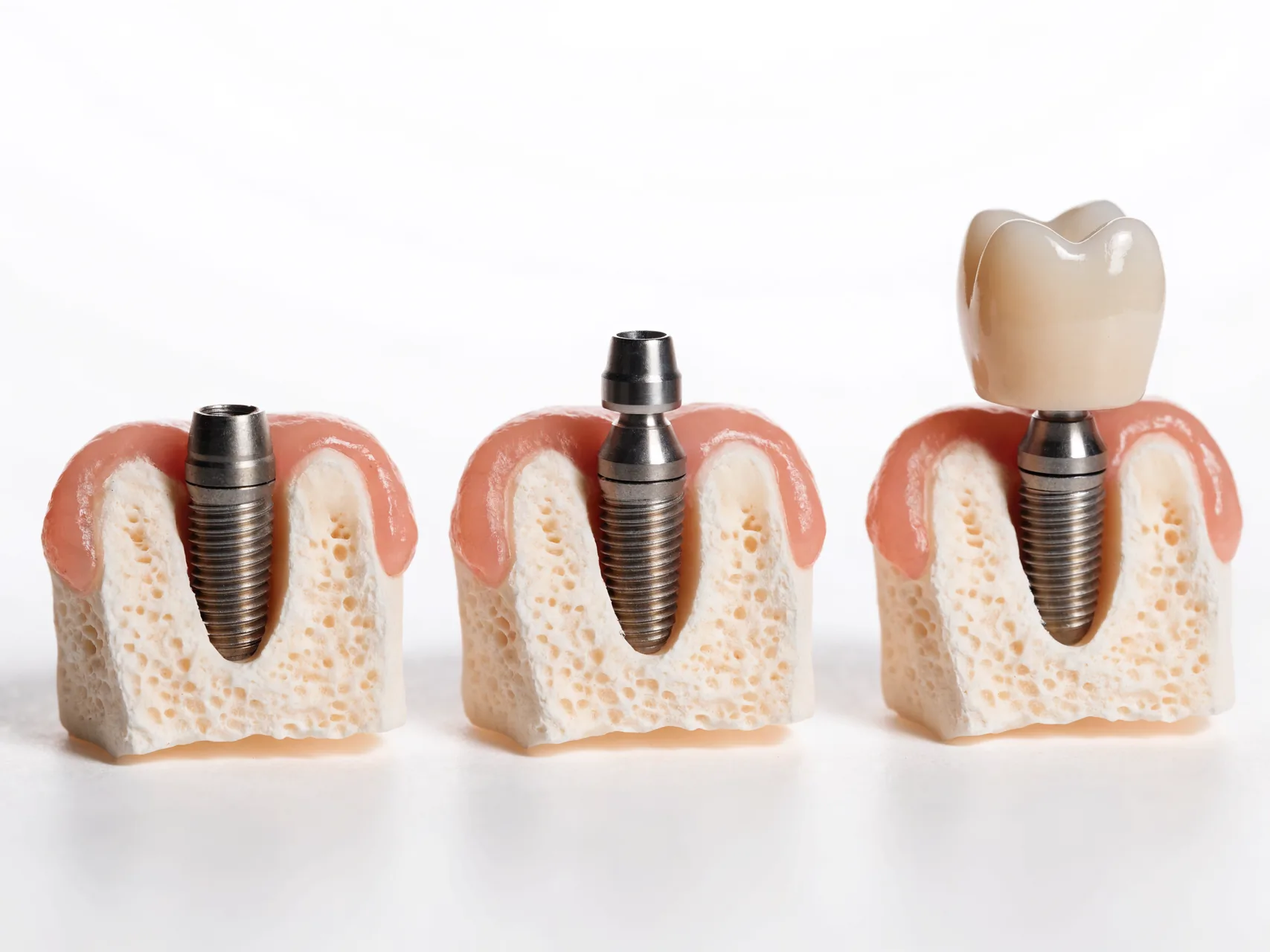
Questions about smoking, vaping, nicotine, cannabis and alcohol belong in an implant assessment, but they should not become a moral test. People use these substances for different reasons, in different forms and at different frequencies. Dependence, stress, pain, social context, mental health, work and previous attempts to change all matter. A useful discussion records those realities and builds support around them. It does not shame a patient, hide uncertainty or pretend that a universal abstinence timetable can determine individual care.
This guide is a planning resource, not a diagnosis and not personal clearance for surgery or travel. It explains how to create a written behaviour and healing plan with the named treating clinician, prescriber and local care team. It separates the exposure histories, shows where implant and periodontal evidence is stronger or weaker, and keeps clinical suitability distinct from a sales deadline.
A non-judgemental starting point
Accurate disclosure is more useful than an answer designed to please a clinic. If a patient fears cancellation, criticism or extra fees, they may minimise exposure. That makes medication review, anaesthesia planning, wound advice and follow-up less reliable. The clinician should ask neutral questions, explain why each answer matters and leave room for correction later.
A non-judgemental starting point uses ordinary language. Ask what is used, how it is used, how often the pattern changes, when it was last used, whether tobacco and cannabis are mixed, whether nicotine replacement is involved, and whether alcohol reduction has ever caused withdrawal symptoms. Ask what support has helped before. Avoid labels such as compliant or difficult. The record should describe behaviour rather than character.
The patient should be able to say that stopping is not currently realistic. That answer does not automatically establish or exclude implant suitability. It tells the responsible clinician that risk discussion, alternatives and maintenance planning need more attention. A decision may be to defer surgery, choose another treatment, stabilise disease locally, seek cessation support, or proceed under a documented case-specific plan. Those are clinical decisions after assessment, not internet rules.
What this guide can and cannot decide
This page can help organise questions about smoking and dental implants, alcohol after implant surgery, vaping, nicotine exposure and implant-healing behaviour. It can help a patient compare written plans and identify missing support. It cannot determine whether an implant site is suitable, whether grafting is needed, whether a medicine is appropriate, or when a particular person may stop or restart an exposure.
Implant healing is not controlled by one behaviour alone. Diagnosis, periodontal condition, plaque control, medical history, medicines, site anatomy, surgical technique, prosthetic design, loading, follow-up access and many other variables may matter. Evidence about behaviour often comes from observational studies in which these variables are unevenly measured. The correct response is neither to dismiss behaviour nor to make it the sole explanation for every complication.
The named treating clinician should connect general evidence to the actual site and plan. If sedation, general anaesthesia, complex medicine use, alcohol dependence or substance-related health concerns are present, additional prescriber, anaesthesia or medical input may be required. A coordinator cannot provide that clearance.
Separate the exposure histories
Do not compress every exposure into a single yes-or-no smoking box. Build separate rows for smoked tobacco, waterpipe or other combustible tobacco, vaping and heated products, nicotine without smoke, cannabis smoke, cannabis in other forms, and alcohol. Mixed use is common, and a person may change products while preparing for care.
For each row, record:
- product and common name;
- route of use;
- nicotine, tobacco, cannabis or alcohol content where known;
- frequency and variability rather than a forced average;
- typical context and triggers;
- recent changes;
- previous pauses or quit attempts;
- withdrawal or dependence concerns;
- prescribed cessation medicines or nicotine replacement;
- other recreational substances;
- effect on eating, hydration, sleep and oral hygiene;
- last use before an appointment, if relevant to clinical or anaesthesia assessment;
- the patient's current goal: no change, information, reduction, temporary abstinence or stopping;
- support requested;
- uncertainty in any answer.
A diary may help when use varies widely. It is not a surveillance tool. Its purpose is to reveal patterns that a single weekly total can hide, such as concentrated alcohol use, dual smoking and vaping, or increased nicotine during travel stress.
Smoked tobacco history
The smoked tobacco history should distinguish cigarettes, cigars, pipes, waterpipe and hand-rolled or mixed products. Record whether smoke is inhaled, whether filters are used, whether smoking is daily or situational, and whether exposure changed recently. Quantity may help a clinician understand dependence and cumulative exposure, but it should not be converted into a universal implant cut-off.
Evidence generally supports treating smoking as an important risk indicator in implant and periodontal planning. A recent [systematic review of early implant failure and smoking](https://pubmed.ncbi.nlm.nih.gov/39393606/) found an association across observational clinical studies. Another [systematic review of nicotine-containing products and peri-implant tissues](https://pubmed.ncbi.nlm.nih.gov/38618685/) reported differences in peri-implant measures among product groups while also calling for better reporting of confounders. These sources support disclosure and risk discussion; they do not let a webpage predict an individual result.
Ask about periodontal diagnosis, maintenance attendance, plaque control, previous wound problems and symptoms around existing implants. Smoking can alter clinical presentation, and an absence of obvious bleeding should not be treated as proof of health. The clinician still needs examination, probing where appropriate, radiographic interpretation and comparison with baseline records.
If the patient wants to change smoking, connect the plan to structured support rather than motivation alone. If the patient does not want to change, keep the discussion open and document alternatives without punishment.
Vaping and heated-product history
The vaping and heated-product history should name the device type, liquid or consumable, nicotine content if known, frequency, dual use with cigarettes, source of the product and any respiratory or oral symptoms. Do not assume that every vape contains nicotine, that every user has stopped smoking, or that a heated product has the same exposure profile as a medicinal nicotine product.
The evidence base is developing. A [systematic review on electronic cigarettes and peri-implant health](https://pubmed.ncbi.nlm.nih.gov/38360396/) identified limited clinical evidence and a need for better matched research. The broader [network meta-analysis of nicotine-containing products](https://pubmed.ncbi.nlm.nih.gov/38618685/) found that results differed between exposure groups and highlighted the need for transparency about smoking history and maintenance. These limitations are clinically important. They argue against calling vaping harmless, but also against inventing a precise implant-specific risk number.
NICE distinguishes smoking, medicinally licensed nicotine products and nicotine-containing e-cigarettes in its [tobacco-dependence guideline](https://www.nice.org.uk/guidance/ng209). A patient using vaping to move away from smoking should not be told to return to cigarettes because a clinic has a simplistic nicotine rule. Changes should be discussed with a stop-smoking adviser and the treating clinician so that tobacco harm reduction and the dental plan do not work against each other.
Record cough, wheeze, breathlessness, dry mouth, irritation and device-sharing or hygiene issues where relevant. If sedation or anaesthesia is planned, disclose vaping and heated-product use to the responsible anaesthesia clinician rather than relying on dental marketing advice.
Nicotine without smoke
Nicotine without smoke includes prescribed or over-the-counter replacement products and other oral or transdermal nicotine products. Record the exact form, strength where known, pattern, purpose and prescriber or adviser. Keep medicinal cessation support separate from tobacco and from unregulated products.
Nicotine has biological effects, but the harms of smoking are not explained by nicotine alone. NICE notes that many smoking-related harms come from other components of tobacco smoke and provides pathways for medicinal nicotine and harm reduction. That distinction matters when a person is trying to stop smoking. A blanket instruction to abandon all nicotine may undermine an evidence-based cessation attempt or trigger return to combustible tobacco.
The implant team should not prescribe or discontinue cessation medicine through a generic web form. Ask the GP, pharmacist, stop-smoking adviser or other prescriber to confirm the plan when needed. The dental record should state whether a nicotine product is prescribed, self-purchased or part of a supported programme.
There is no responsible online formula that turns a nicotine dose into an individual implant forecast. Use the exposure as one part of assessment, discuss uncertainty, and agree a case-specific plan that does not contradict the prescriber's instructions.
Cannabis smoke history
The cannabis smoke history should be separate from tobacco even when the products are mixed. Record smoked, vaped and non-inhaled forms separately; whether tobacco or nicotine is added; frequency and recent use; reasons for use; and any effects on memory, anxiety, appetite, dry mouth, coughing or ability to follow instructions. Ask about other recreational drugs without assuming they are present.
Evidence directly connecting cannabis to implant healing is much thinner than the evidence for cigarette smoking. A [rapid evidence review of cannabis smoking and oral health](https://pubmed.ncbi.nlm.nih.gov/32119643/) described periodontal concerns but found sparse or inconsistent evidence for several other oral conditions and called for more research. That is a reason to record exposure and seek clinical advice, not a basis for a guaranteed implant prediction.
Recent cannabis use may also matter to consent, sedation or anaesthesia assessment. The patient should disclose it to the responsible clinician even where use is legal or medically authorised. Do not attend for an irreversible procedure while intoxicated or unable to understand and retain the consent discussion. The clinician, not a travel coordinator, decides whether care can proceed.
Avoid equating cannabis smoke, tobacco smoke and non-inhaled cannabis. They have overlapping and distinct considerations. Product potency, contaminants and combined use may be uncertain. Document what is known and mark unknowns rather than filling them with assumptions.

Alcohol history
The alcohol history should capture beverage type only when useful, pattern across ordinary and social occasions, episodes of heavier use, recent change, previous withdrawal symptoms, liver or gastrointestinal concerns, falls or injuries, nutrition, sleep, mood and interactions with medicines. A weekly total alone may hide concentrated use or dependence.
The implant-specific evidence is uncertain and confounded. A recent [systematic review and meta-analysis of alcohol consumption and implant failure](https://pubmed.ncbi.nlm.nih.gov/41766036/) described uncertainty in the overall association and cautioned that findings by consumption category came from observational evidence. Alcohol may also matter indirectly through consent, injury, hydration, nutrition, liver function, bleeding considerations, medicine use and ability to follow care instructions.
Do not tell a person with possible alcohol dependence to stop suddenly without medical advice. The [NHS alcohol support resource](https://www.nhs.uk/live-well/alcohol-advice/alcohol-support/) explains that abrupt stopping can be harmful for someone who is physically dependent and directs people to clinical and community support. Ask privately about morning symptoms, previous withdrawal, seizures, support and treatment. Escalate concerns to an appropriate medical professional before elective travel or surgery.
For lower or intermittent use, the written plan should still address prescribed medicines, sedation or anaesthesia, hydration, eating and judgement. A generic drinks limit is not surgical clearance.
Evidence limits and confounding
Much of the implant literature on smoking, vaping and alcohol is observational. Exposure definitions differ. Some studies classify people by current use, others by quantity, former use or self-report. Periodontal history, plaque control, maintenance, diabetes, implant position, surface, restoration, follow-up and socioeconomic factors may not be measured consistently. People may switch products during a study. Those differences complicate comparisons.
An association at group level is useful for risk communication but does not establish why a particular implant succeeded or failed. It also does not reveal an exact personal probability. Conversely, uncertainty is not proof of no effect. The responsible response is to explain the direction and limits of evidence, then integrate it with current clinical findings.
Source quality matters. Prefer systematic reviews, consensus work and current official guidance over a clinic blog quoting an isolated percentage. Read inclusion criteria and limitations. Check whether a paper concerns implant placement, peri-implant disease, treatment of peri-implantitis, general wound healing or another surgical field. Findings from one context should not be silently converted into a promise about another.
Evidence changes. A written plan should record the source and access date when a recommendation materially affects a decision. It should also distinguish general public-health cessation guidance from an implant-specific clinical instruction.
Peri-implant and periodontal risk communication
Peri-implant and periodontal risk communication should be specific enough to support a decision but modest enough to reflect uncertainty. Explain that plaque-associated inflammation, a history of periodontitis, maintenance access and smoking behaviour may matter together. Discuss what will be measured before treatment and during review: periodontal condition, plaque control, tissue findings, radiographs where justified, symptoms, restoration cleansability and patient capacity for maintenance.
The [EFP clinical guideline for treatment of periodontitis](https://www.efp.org/education/continuing-education/clinical-guidelines/guideline-on-treatment-of-stage-i-iii-periodontitis/) uses a stepwise approach with evaluation between stages. For implant planning, the practical lesson is that active periodontal disease and behaviour support should not be hidden behind a surgical date. Disease control and reassessment are clinical gates.
Avoid language that treats a smoker as a failed patient. State the identified risk indicators, the available alternatives, the maintenance burden and what evidence would lead to deferral or plan change. Include no-treatment and non-implant options where clinically relevant. If a clinician recommends against implant treatment, ask for the clinical reasons and the alternative pathway.
Risk communication should continue after placement. Symptoms, tissue changes or loss of cleansability need assessment rather than blame. A lapse in smoking or alcohol plan is information for care, not a reason to withhold urgent help.
Pre-operative assessment worksheet
Use a pre-operative assessment worksheet before assigning a procedure date. The worksheet should contain:
- legal treatment provider and treatment facility;
- named treating clinician and registration route;
- proposed procedure and site;
- diagnosis, alternatives and no-treatment consequences;
- periodontal and peri-implant findings;
- oral hygiene assessment and support needs;
- smoked tobacco history;
- vaping and heated-product history;
- nicotine without smoke;
- cannabis and other recreational substance history;
- alcohol history and dependence screen where indicated;
- medical conditions, allergies and previous healing concerns;
- prescribed, pharmacy and recreational medicines;
- sedation or anaesthesia plan and owner;
- relevant investigations and unresolved questions;
- cessation or alcohol-support contacts;
- nutrition, hydration and housing considerations;
- accessibility, communication and companion needs;
- local dentist and urgent-care route;
- travel and insurance constraints;
- patient goal and preferred level of support;
- case-specific proceed, defer or reassess gates.
The patient should receive the material parts of this worksheet, not just a tick in an internal form. Unknowns should remain visible. If the in-person examination changes the proposed surgery or restoration, update the worksheet, consent, quote and travel plan together.
Never invent a universal stop or restart interval
Never invent a universal stop or restart interval for smoking, vaping, nicotine, cannabis or alcohol around implant treatment. Published public-health programmes, general surgical guidance, medicine labels and local post-operative leaflets answer different questions. A number copied from one setting may not fit the procedure, dependence, medicine, anaesthesia, tissue condition or relapse risk in another.
Ask the named treating clinician to write the individual plan. It should explain the purpose of any change, what exposure it covers, when the instruction begins, what clinical findings determine revision, who supports withdrawal or cravings, and who authorises restart if restart is contemplated. If a prescriber manages cessation medicine, alcohol dependence or another condition, their instruction must be coordinated rather than overwritten.
A longer interval is not automatically a better instruction if the patient cannot follow it, substitutes an unrecorded product, or returns to smoking. A shorter interval is not automatically evidence-based because it fits flights. The meaningful plan is one that reflects clinical risk, dependence support and follow-up.
If the team cannot explain the basis of a fixed interval or does not ask about the actual exposure, treat that as a planning gap. Do not book irreversible care around a slogan.
Case-specific decision gates
Convert behaviour advice into decision gates rather than a moral promise. A gate states what must be assessed, who decides and what happens if the condition is not met.
Examples include: exposure history reviewed by the treating clinician; active periodontal disease assessed; cessation support offered; alcohol-dependence concern reviewed medically; medicine interactions checked by prescriber or pharmacist; ability to understand consent confirmed; post-operative hygiene plan demonstrated; local emergency route documented; and travel cleared by the responsible clinical team.
The fallback may be reassessment, local disease control, different anaesthesia, a non-surgical option, altered timing, additional support or no travel. It should not be an automatic financial penalty. The quote and cancellation terms should show what happens if a clinical gate prevents treatment.
Record the plan version. If the patient changes product, restarts use, begins a medicine or develops symptoms, the clinician can review the relevant gate without reconstructing the whole history from memory.
Cessation support
Cessation support works best when it matches the person's goals and dependence rather than relying on a warning. The [NICE tobacco-dependence guideline](https://www.nice.org.uk/guidance/ng209/chapter/treating-tobacco-dependence) recommends discussing previous aids, smoking behaviour and support options, and it keeps help open for people who are not ready to stop in one step. It also supports respectful, non-judgemental communication.
Patients in England can use [NHS stop-smoking services](https://www.nhs.uk/live-well/quit-smoking/nhs-stop-smoking-services-help-you-quit/) for adviser support and discussion of appropriate stop-smoking treatments. Availability and delivery differ by area, so check the current local service rather than assuming a clinic can prescribe. A GP or pharmacist may also help.
The dental plan should name who provides behavioural support and who prescribes. It should record the patient's chosen approach and how relapse support will work. It should not market surgery as a reward for perfect abstinence.
If travel disrupts support, arrange continuity before departure. Confirm access to prescribed products, storage, local rules and a contact if side effects or cravings become difficult. Do not improvise a medicine change abroad without the relevant prescriber.
Harm reduction is not the same as an implant guarantee
Moving away from combustible tobacco may reduce exposure to products of combustion, and NICE provides harm-reduction pathways for people who are not ready to stop smoking completely. That public-health principle should not be turned into a guarantee that any substitute is neutral for peri-implant tissues.
Record dual use. A patient may vape while continuing to smoke, use more nicotine after cutting cigarettes, or return to smoking under stress. Ask what actually changed. Avoid congratulating a product label while ignoring the full pattern.
If medicinal nicotine supports a quit attempt, the implant clinician should coordinate with the adviser or prescriber instead of demanding unsupported discontinuation. If an unregulated product is used, record uncertainty about contents and dose. The shared aim is an honest plan, not a perfect-looking form.
Harm reduction can be a stage in a longer support pathway. It does not remove the need for periodontal assessment, oral hygiene, maintenance or clinical review.
A slip is not the same as relapse
A slip is not the same as relapse. One episode should trigger a practical review, not hopelessness or concealment. Ask what happened, whether the product or amount changed, whether symptoms are present, and what support is needed. Update the clinician if the exposure affects an upcoming procedure, medicine, sedation or current wound.
Relapse support should be planned before surgery. List triggers such as travel stress, pain, alcohol, social settings, disrupted sleep or loss of medication access. Identify a person or service the patient can contact. Keep instructions for a slip separate from urgent wound advice.
Do not promise that a single exposure is harmless, and do not declare that it has destroyed an implant. Neither conclusion can be made from the event alone. Continue prescribed care, avoid self-directed medicine changes and seek assessment for concerning symptoms.
If repeated use shows that the original plan is unrealistic, revise it without blame. A different treatment or deferred elective stage may be appropriate. The patient should not be pressured to deny relapse to protect a deposit or warranty.
Alcohol reduction and dependence support
Alcohol planning must distinguish optional reduction from possible dependence. A person who drinks socially, a person using alcohol to manage anxiety and a person with withdrawal risk need different support. Ask privately and document only information relevant to safe care.
Where dependence may be present, obtain medical advice before abrupt change. NHS alcohol support explains routes through a GP, local alcohol service and community support. The dental team should not conduct detoxification or replace that care.
Alcohol may also be a trigger for smoking or missed hygiene. Build that connection into the plan. If the patient chooses an alcohol-free period, identify social alternatives, hydration, meals and support. If they do not choose reduction, discuss medicine and consent boundaries without exaggeration.
An intoxicated person may not be able to give valid consent or follow post-operative instructions. The provider should have a written postponement and safety policy that protects the patient and explains financial terms.
Medicines and interactions
Medicines and interactions require an exact list, not a general warning. Record prescriptions, over-the-counter pain medicines, supplements, cessation products, cannabis products and other substances. Include allergies, liver or kidney concerns, anticoagulants, medicines affecting alertness and anything prescribed by another clinician.
The [SDCEP dental prescribing resource](https://www.sdcep.org.uk/published-guidance/drug-prescribing/) directs UK dental professionals to current prescribing and interaction information. Patients should also read the leaflet supplied with a medicine and ask the prescriber or pharmacist about alcohol, nicotine products and other substances.
Some antimicrobials have specific alcohol instructions. The [NHS antibiotic-interactions page](https://www.nhs.uk/medicines/antibiotics/interactions/) illustrates why the exact drug matters. Do not convert one medicine's rule into a blanket rule for every antibiotic. Pain medicines, sedatives and recreational substances can also affect alertness or breathing; the responsible prescriber or anaesthesia clinician should review the combination.
Never stop anticoagulants, psychiatric medicines, seizure medicines, diabetes medicines or cessation treatments because of an online implant guide. Coordinate with the prescriber. Record who made the decision and provide the patient with the final written list.
Sedation, anaesthesia and consent
If sedation or general anaesthesia is proposed, disclose smoking, vaping, cannabis, alcohol and other substance use directly to the responsible anaesthesia clinician. Include recent use, respiratory symptoms, previous reactions, dependence and medicines. Do not rely on a coordinator to filter the history.
The anaesthesia plan may affect fasting, escort, monitoring, medicines and travel. Those instructions are procedure- and patient-specific. A dental package description is not anaesthetic assessment.
Consent requires the ability to understand, retain and weigh information and communicate a decision. Intoxication, withdrawal, severe anxiety or sedating substances may interfere. If capacity is in doubt, irreversible treatment should not be pushed through to protect a schedule.
Ask who can cancel or postpone care, how the patient will be supported, and what happens to deposits and travel. A transparent policy reduces pressure to hide recent use.
Hydration and nutrition
Hydration and nutrition should be planned around the actual procedure, medicines, swallowing ability, dietary restrictions and medical conditions. Smoking, vaping and alcohol may affect appetite, taste, dry mouth or routine. Travel can add dehydration, unfamiliar food and disrupted meals.
Ask the clinician for a personalised eating and drinking plan. It should distinguish fasting instructions, immediate post-procedure needs, texture restrictions, nutrition goals and signs that intake is inadequate. A person with diabetes, kidney disease, swallowing difficulty, eating disorder or another relevant condition may need input from their usual professionals.
Do not use alcohol as a sleep aid or pain strategy. Do not replace meals with sugary drinks. If nausea, vomiting, diarrhoea or inability to drink develops, seek advice because medicines and medical conditions may be affected.
The travel plan should identify access to suitable food, water and refrigeration for medicines where necessary. A hotel breakfast claim does not establish nutritional support.
Oral hygiene
Oral hygiene is part of implant risk management, not a generic instruction to brush harder. The treating team should demonstrate how to clean the surgical area and any provisional restoration without disturbing tissues. Instructions may change as healing and restoration design change.
Record the recommended brush, interdental method, rinse or other aid, but use only products advised for the individual. Ask what to do if the patient cannot open comfortably, has limited dexterity, sensory needs or lacks access to clean water. A companion may need training with consent.
Smoking can influence clinical signs, and the absence of bleeding does not prove the tissues are healthy. Attend planned examination and maintenance. Report changes in taste, smell, swelling, discharge, pain, mobility or cleansability.
If the definitive restoration cannot be cleaned by the patient, that is a design and consent issue. Behaviour advice cannot compensate for an inaccessible prosthesis.
Periodontal disease control before implant treatment
Implant planning should include current periodontal diagnosis and control. Ask for a periodontal chart and relevant radiographic interpretation where indicated. Record bleeding, plaque, pockets, recession, mobility, furcation and history of treatment. The responsible clinician decides what must be stabilised and how readiness will be reassessed.
Smoking status is a descriptor within periodontal risk assessment, but it is not the only finding. The plan should combine behaviour support with professional treatment and self-care. If inflammation remains uncontrolled or maintenance is unavailable, the clinician may discuss deferral or alternatives.
Do not let a flight date replace reassessment. The EFP stepwise model makes evaluation between stages visible. A clean-looking photograph or remote message cannot confirm periodontal readiness.
After implant restoration, maintenance should remain in the itinerary. Identify who will examine peri-implant tissues locally, what baseline records are supplied and when new symptoms should prompt review.
Placement, loading and restoration are separate decisions
Implant placement, provisional loading and definitive restoration are different clinical gates. A behaviour plan may influence risk discussion across all of them, but it does not decide the sequence by itself. Site anatomy, primary stability, grafting, tissue condition, bite, prosthetic design and other findings remain relevant.
Ask the clinician to state what evidence is needed for each gate and what happens if it is not met. A fallback may involve a different provisional, unloaded healing, additional review, redesign or another treatment. Avoid same-day promises based on smoking status alone.
The patient should know whether a provisional is cosmetic, functional or protective; how it is cleaned; what loads to avoid; and whom to contact if it loosens or fractures. Alcohol or smoking should not be used to explain a mechanical problem without examination.
Definitive work should follow clinical acceptance, not simply laboratory availability. Record the behaviour and maintenance plan that continues after fitting.
Monitoring without punishment
Monitoring should support care. It may include an updated history, periodontal and peri-implant examination, plaque review, imaging when justified, prosthesis assessment and discussion of support. It should not be designed to catch a patient out.
Biochemical verification may be used in some cessation services or research settings, but it should not be introduced secretly or treated as a substitute for clinical examination. Explain purpose, consent, data handling and consequences before any test.
If exposure has changed, update the record and reassess relevant gates. If no change is possible, discuss maintenance and alternatives honestly. Do not deny urgent assessment because the patient continued smoking or drinking.
The written complaint and remedy terms should not void all support after a slip. Commercial terms cannot remove professional duties or the need to manage urgent risk.

Travel planning
Travel adds fatigue, disrupted routines, limited food choices, medicine storage, language needs and distance from the treating clinician. Build those factors into the behaviour plan. Carry the current medicine list, cessation prescriptions, emergency contacts and clinical records in an accessible format.
Check current [GOV.UK foreign travel advice](https://www.gov.uk/foreign-travel-advice) and insurer terms. Ordinary travel insurance may not cover planned treatment or related complications. The clinical team should give individual advice about fitness to travel; an airline booking is not clearance.
Plan for cravings or alcohol triggers during airports, flights and social events. Verify local rules for nicotine, vaping, cannabis and medicines. Do not assume a product permitted at home can be carried or purchased elsewhere.
Use flexible arrangements where unresolved clinical gates could alter care. Separate the treatment contract from accommodation and transport contracts. If travel becomes unsuitable, the no-travel branch should remain available.
Local handover
Arrange local handover before leaving for treatment where possible. Ask a local dentist whether they can provide periodontal maintenance, urgent assessment, radiographs when clinically justified and review of the proposed restoration. Do not assume they will accept responsibility for overseas work or have compatible components.
The treating provider should release diagnosis, images and reports, procedure notes, implant and component traceability, graft or biomaterial records, medicine list, provisional status, occlusal notes, behaviour plan, personalised warning signs and outstanding stages. Records should distinguish advice given from care completed.
Tell the local dentist about smoking, vaping, nicotine, cannabis and alcohol only to the extent relevant to care and with appropriate privacy. The point is continuity, not judgement.
Remote review can help exchange records but cannot replace local examination when symptoms or tissue changes need it. Name who pays for and owns each follow-up stage in the written quote.
Urgent signs
Urgent signs need personalised written instructions. Examples that may warrant prompt professional assessment include uncontrolled bleeding, increasing swelling, fever or systemic illness, breathing or swallowing difficulty, severe or worsening pain, spreading redness, discharge, trauma, persistent vomiting, new altered sensation, a loose implant component or a provisional that threatens the airway or tissues. This list is not diagnostic or exhaustive.
Do not wait for an overseas messaging reply when breathing, swallowing or serious systemic symptoms are involved. Use local emergency services. For urgent dental problems, contact a local dentist or urgent dental service and share the treatment record.
Substance use should be disclosed because it may affect assessment, consent or medicines, but it should not delay emergency help. Do not self-medicate with alcohol, borrowed antibiotics or extra sedatives. Do not abruptly change prescribed medicines unless the responsible clinician instructs it.
After an urgent event, update the treating provider and local dentist. Record findings rather than assuming smoking or alcohol was the cause.
The no-travel option
The no-travel option is a legitimate part of consent. Local assessment or treatment may be preferable when diagnosis is incomplete, periodontal disease is unstable, alcohol withdrawal risk is unresolved, sedation assessment is missing, cessation medicine is changing, urgent symptoms are present, or local aftercare cannot be arranged.
No travel can mean defer and reassess, not necessarily abandon care. A patient may complete disease control, obtain medical input, establish cessation support or choose a non-implant alternative. They may also decide that local continuity outweighs the attraction of overseas care.
A coordinator should not present a deposit, expiring quote or reserved room as a clinical reason to travel. Cancellation terms should address deferral after a responsible clinical decision.
If the patient chooses not to travel, request copies of all submitted records and confirmation that unused clinical stages were not delivered. Continue local care without shame.
Written behaviour and healing plan
The written behaviour and healing plan should be a version-controlled part of the clinical record. It should include:
- each exposure separately;
- the patient's own goal;
- evidence and uncertainty discussed;
- relevant periodontal and medical findings;
- named treating clinician;
- named prescriber or cessation adviser where involved;
- planned support and access route;
- case-specific instructions without a borrowed universal interval;
- medication and interaction checks;
- oral-hygiene and nutrition instructions;
- procedure, provisional and restoration gates;
- warning signs and local emergency route;
- travel and no-travel branches;
- local handover owner;
- review triggers;
- privacy and record-sharing consent;
- effect of plan changes on quotation and payment.
Both patient and clinician should be able to identify the current version. If the diagnosis, procedure, exposure or medicine changes, record what changed, why, who authorised it and which other documents need revision.
A checkbox saying smoker advised is not an adequate plan. Neither is a verbal promise that everything will be fine if the patient stops.
Itemised quote and commercial boundaries
The itemised quote should separate clinical stages from behaviour support and travel. It should name the legal provider, procedure, responsible clinician, investigations, periodontal care, implant or restorative stages, provisional care, reviews, records and foreseeable contingencies. Mark what is included, excluded or conditional.
Cessation or alcohol-support services may be provided through the NHS, local authority, GP, pharmacy, private service or another organisation. Do not imply that they are included unless the named service and terms are written. Do not charge a vague risk fee without explaining the clinical service delivered.
The quote should state what happens if surgery is deferred after assessment, consent cannot proceed, anaesthesia review changes the plan, a patient chooses no travel, or a clinical gate is not met. Payment triggers should correspond to delivered stages.
Warranty language should not be used to pressure disclosure or abstinence. Ask what care remains available after continued use, a slip or relapse, and whether local emergency costs are excluded. Professional assessment should not depend on a marketing guarantee.
Records and privacy
Exposure histories can be sensitive. Explain who receives the information, why it is needed, how it is stored and how it is shared with a prescriber or local dentist. Do not collect recreational-drug or alcohol information for marketing.
The patient should receive relevant records in a usable format. They should be able to correct an inaccurate history. Messaging screenshots alone are not a durable clinical record.
Keep clinical information separate from hotel or transfer operations. A driver or accommodation provider does not need a detailed substance history unless a specific safety or accessibility arrangement requires limited information and the patient agrees.
If a complaint arises, preserve the plan versions, consent, correspondence and records of advice. Avoid retrospective statements that blame the patient without examination and evidence.
Questions for the treating clinician
Use these questions before consent:
- How does my separate exposure history affect the proposed site and alternatives?
- Which findings matter more than the exposure label?
- What is known from evidence, and what remains uncertain?
- Who owns periodontal assessment and maintenance?
- Is any cessation or alcohol support recommended, and who provides it?
- How will a prescribed nicotine product be coordinated?
- What should be disclosed to the anaesthesia clinician?
- Which medicines or substances require prescriber review?
- What are the case-specific instructions, and what evidence changes them?
- What happens if I slip, relapse or cannot follow the original plan?
- What symptoms need local assessment?
- Which dentist will provide handover and maintenance?
- What is the no-travel alternative?
- How does deferral affect the itemised quote and deposit?
- Which records and material traceability will I receive?
Written answers are easier to compare than reassurance. If the provider refuses to name the clinician, dismisses dependence, guarantees a result, or uses shame, seek another assessment.
Final decision checklist
Before proceeding, confirm that:
- the legal provider and named treating clinician are verified;
- smoking, vaping, nicotine, cannabis and alcohol are recorded separately;
- mixed and changing use is visible;
- the discussion is respectful and non-judgemental;
- periodontal and peri-implant findings are documented;
- evidence limits and confounders are explained;
- remote review is treated as provisional;
- no universal stop or restart interval has been invented;
- cessation support is available if wanted;
- alcohol dependence is escalated medically rather than managed by a clinic script;
- medicine, sedation and anaesthesia interactions have an owner;
- hydration, nutrition and oral hygiene are practical;
- slips and relapse have a support route;
- urgent signs and local emergency care are written;
- local handover and maintenance are feasible;
- travel has a contingency and no-travel branch;
- the behaviour plan, consent and quote share a version;
- payment corresponds to delivered care;
- records and privacy boundaries are clear;
- no outcome, warranty or package claim replaces diagnosis.
The aim is not to produce a perfect patient. It is to produce an honest, clinically owned plan that can adapt when behaviour, evidence or health changes. Smoking and alcohol history should inform assessment and support; it should never become a shortcut around examination, consent or local care.