The direct answer: a country label cannot guarantee individual care
Dental treatment in Turkey can be appropriate for a particular patient, but the word “Turkey” cannot make an individual treatment plan safe. Nor can the words “UK”, “private”, “luxury”, “award-winning” or “international”. A national label is not a clinical examination. It does not identify who will treat you, whether the proposed treatment preserves suitable teeth, whether the facility is the legal provider named in your contract, whether imaging is justified, or whether aftercare will still work when you are home.
The useful answer is therefore conditional. Do not diagnose a provider from its country. Verify the exact legal healthcare facility, the physical treatment address, each clinician and role, the evidence behind the diagnosis, the written options and risks, the traceability of anything placed in your mouth, the consent process, the contractual terms and the cross-border aftercare plan. Then decide whether that evidence supports your particular care. A different patient, procedure, clinician, medical history or travel plan can produce a different decision at the same facility.
This is not a ranking of Turkish dentistry and it is not a certificate for any organisation. No page can certify a clinic remotely. It is a due-diligence framework built around questions that can be answered with current official records and patient-specific documents. The framework also applies to care at home: a familiar postcode is not a substitute for diagnosis or consent.
The UK General Dental Council’s patient leaflet on [going abroad for dental care](https://www.gdc-uk.org/docs/default-source/information-standards-and-guidance/going-abroad-for-dental-treatment/going-abroad-for-your-dental-cared3d463b7cee0446882bf877483299dd4.pdf?sfvrsn=c67e2b57_7) advises patients to research regulation, the treating professional, qualifications, communication, aftercare, insurance and complaints. The [NHS treatment abroad checklist](https://www.nhs.uk/using-the-nhs/healthcare-abroad/going-abroad-for-treatment/treatment-abroad-checklist/) similarly highlights hard selling, missing information, pressure, absent complication discussions, aftercare, second opinions and insurance. These sources do not select a clinic for you. They show why the decision must be evidence-led.
How to use this guide without treating it as medical advice
This page helps you organise verification. It cannot decide whether a crown, veneer, implant, root-canal treatment, extraction, graft or no treatment is right for you. That decision needs an appropriate clinician who has assessed the relevant history and clinical evidence. A remote conversation may help gather records and frame options, but it cannot automatically replace an in-person examination or every investigation required for a final plan.
Work through the guide before paying a non-recoverable amount or arranging travel around a treatment promise. Save dated copies of register results, plans, quotations, terms, messages and records. Ask questions in writing so that you can compare the answer with the final documents. Where a marketing coordinator gives a clinical answer, ask the named treating clinician to confirm it. Where a document uses a trading brand, ask which legal entity actually contracts for and provides the healthcare.
Treat every external source here as time-sensitive. Registers, travel advice, legislation and provider status can change. The source list records when it was reviewed, but you should check again close to booking and again if the provider, address, clinician or proposed procedure changes. If a provider appears under a similar name rather than the exact legal identity you were given, do not assume it is the same entity. Ask for clarification and verify it at the issuing source.
The guide deliberately avoids outcome rates and rankings. A provider-specific rate is meaningful only when its denominator, case definition, follow-up completeness, time horizon, exclusions and independent validation are clear. A percentage copied from advertising cannot answer those questions. The same applies to labels such as “best”, “leading”, “premium” and “European standard”. Replace adjectives with documents.
Urgent care and elective treatment are different decisions
Urgent pain, swelling, trauma, uncontrolled bleeding, difficulty breathing or swallowing, fever with dental symptoms, or a rapidly changing problem should not be managed as a shopping exercise for an elective trip. Seek timely clinical assessment through the appropriate local or emergency route. If you are already in Turkey and face an emergency, the current [GOV.UK Turkey health guidance](https://www.gov.uk/foreign-travel-advice/turkey/health) gives the national emergency number and advises contact with an insurer or medical assistance company when referred for treatment. It also explains that UK health cards are not valid in Turkey.
Elective treatment allows time to gather records, consider alternatives, obtain another opinion and understand the contract. Do not let a holiday booking convert an unresolved urgent problem into an artificial cosmetic timetable. A provider may need to control pain or disease before discussing definitive restoration. Conversely, the presence of discomfort does not tell a non-clinician which tooth, procedure or material is indicated.
Ask the assessor to separate four things in writing: what needs attention now; what can safely wait for fuller assessment; what is elective; and what would happen if you choose no intervention for the moment. The answer should be tied to findings, not to a flight date. If the proposed plan expands because you have already travelled, pause and ask for the new diagnosis, options, risks, added cost and change to aftercare before consenting.
A travel itinerary should follow the clinical sequence; the clinical sequence should not be reverse-engineered to fit a package. Some care can be planned in stages, some may need monitoring, and some may be unsuitable for the available journey. There is no universal safe length of stay. Recovery and review needs depend on the procedure, findings, medical history, response and travel method. Ask the clinician and insurer what applies to you, then confirm the answer against current airline and destination advice.
Start with the real decision: should you travel at all?
Before comparing overseas providers, compare the realistic alternatives. These may include treatment at home, monitoring, disease control before restoration, a more conservative restoration, a removable option, a staged approach, or no elective intervention. Ask a dentist who is not selling the trip to review the problem and explain which choices remain open. The NHS checklist expressly recommends a second opinion and notes that a local clinician may later be involved in aftercare and record transfer.
Travel can add value for some people, but it also adds distance, jurisdiction, accommodation, flight fitness, insurance and continuity questions. The relevant comparison is not a promotional package against an isolated domestic procedure fee. It is one complete, patient-specific pathway against another: diagnostic work, treatment scope, exclusions, revisions, travel, time away, local aftercare, records, emergency access and the cost of changed plans.
Ask yourself whether you can delay a decision without harm while evidence is gathered. Ask whether you could fund or practically make another journey if review were needed. Ask whether a local dentist has agreed to provide routine continuing care, without assuming that they will accept responsibility for another provider’s work. Ask whether your insurer has been told the purpose of travel and has confirmed what is and is not covered in writing.
There is no shame in deciding not to travel. A no-travel decision can be the rational result of a sound assessment, especially when medical conditions are unstable, the plan remains provisional, the responsible provider cannot be identified, aftercare is vague, the proposed intervention is irreversible without adequate evidence, or travel would make timely review difficult.
Verify the legal provider and treatment address
The name at the top of an advertisement may be a brand, facilitator, lead generator or booking service rather than the healthcare facility that will examine and treat you. Ask for the exact legal name of the healthcare provider, its facility type, the physical address where each procedure will occur, and the legal entity named on the invoice and treatment contract. If a separate intermediary arranges travel or communication, ask for that entity’s legal name and role too.
Turkey’s Ministry of Health maintains official health-tourism information. The Ministry’s [Health Tourism Department](https://shgmturizmdb.saglik.gov.tr/) publishes current authorised-provider and facilitator information, while the official [HealthTürkiye facility directory](https://www.healthturkiye.com/hospitals-list) provides a facility-search route. Search the exact legal name and compare the address. Save the result and date. Do not rely on a screenshot supplied by the seller when you can check the issuing source yourself.
The current Turkish [Regulation on International Health Tourism and Tourist Health](https://resmigazete.gov.tr/eskiler/2025/04/20250426-2.htm) states that healthcare facilities and intermediary organisations need the relevant authorisation to operate within the regulation’s scope. The regulation is in Turkish and legal interpretation should come from an appropriately qualified adviser. Its practical value for a patient is narrower: it tells you that provider and intermediary identity, authorisation and role are verifiable subjects, not decorative logo claims.
An entry in an official directory is important evidence about identity or administrative status within that directory’s remit. It does not prove personal suitability, diagnosis quality, the participation of a named clinician, outcome, aftercare performance or the truth of every website statement. Authorisation is a threshold, not an outcome guarantee. Equally, failure to find an exact match is not something to explain away yourself. Ask the organisation for the precise record and current authority it relies on.
Record these fields before proceeding:
| Identity question | Evidence to request | What still remains unproven |
|---|---|---|
| Who is the healthcare provider? | Full legal name and current official directory entry | Whether its plan is right for you |
| Where will treatment happen? | Exact facility address matched to the entry and contract | Whether every proposed procedure is suitable there |
| Who is the intermediary? | Legal name, current status where applicable, and written role | Clinical responsibility, which should stay with the healthcare provider |
| Who receives payment? | Payee name and account details matching the contract or a documented relationship | That the clinical plan is justified |
| Who holds the records? | Written controller/contact details and access process | Completeness of records not yet created |
Identify every responsible clinician and their scope
A plan without a named responsible clinician is not yet a complete clinical plan. Ask who will examine you, who will diagnose, who will carry out each procedure, who will supervise any sedation or anaesthesia if proposed, who will fit or deliver the final work, and who will respond after discharge. Request the spelling used in professional records, the professional title claimed, the field of practice, and the facility relationship.
Do not infer specialist status from words such as “expert”, “implantologist”, “cosmetic dentist” or “professor” in advertising. Ask which legally recognised title is being claimed and where it can be checked. A qualification photograph does not by itself show current registration, scope, facility affiliation or identity. Match the person, title and current source.
Scope matters because a complex plan may involve several disciplines. The person who answers sales messages may not be qualified to diagnose. A laboratory technician may contribute to restoration manufacture but does not replace the clinician responsible for examination and consent. A translator supports understanding but should not become the source of clinical advice. An intermediary may arrange logistics but should not silently become the healthcare provider.
Ask for the handover points between professionals. Who interprets imaging? Who decides whether a tooth is restorable? Who assesses gum health? Who owns a change to the agreed plan? Who signs the laboratory prescription? Who can stop the procedure if findings differ? Who writes the discharge summary? Who can access your records after you leave?
UK GDC standards do not govern a Turkish clinician merely because a UK patient travels. They are useful as a patient-facing comparison framework. The [GDC Standards for the Dental Team](https://www.gdc-uk.org/docs/default-source/standards-for-the-dental-team/standards-printer-friendly-black-white.pdf) emphasise valid consent, understandable information, named roles, accurate records, referrals and changes to treatment or cost. Use those principles to formulate questions, then verify the Turkish legal and professional requirements that apply to the actual provider.
Accreditation is not a substitute for case verification
Accreditation, certification and membership can have legitimate meanings, but only within their stated scope. A badge may relate to an organisation, a site, a management system, a laboratory, an individual course or a period that has expired. It may be issued by a public authority, an independent accreditation body, a commercial directory or a membership association. Those are not interchangeable.
For any badge, ask for the issuer, exact legal holder, site, scope, certificate number, current status and expiry or review information. Check at the issuer’s own source. Then ask what the credential actually assessed. Do not translate “organisation met defined criteria” into “this individual plan is safe” or “this clinician will achieve a particular result”.
The same limit applies to awards. An award may be based on an application, public vote, commercial nomination or judging criteria unrelated to clinical outcomes. A media logo may mean that a provider bought advertising rather than passed an assessment. A professional membership may permit education or networking without certifying the member’s performance.
Official authorisation and independent accreditation can be useful parts of due diligence. Neither removes the need to verify the diagnosis, alternatives, treating professionals, consent, records and aftercare. Conversely, a provider should not be rejected merely because it lacks a marketing badge that is not legally required. Ask what the law requires, what the credential establishes and what remains a patient-specific clinical judgement.

Diagnosis must come before the irreversible plan
A remote enquiry can collect symptoms, photographs, existing radiographs and history. It may support an initial discussion or a provisional range of possibilities. It cannot guarantee that the mouth, gums, bite, tooth vitality, cracks, restorability, bone, soft tissue and imaging all support a final intervention. The final plan should be updated only by an appropriately qualified clinician using the evidence required for that case.
Ask the provider to label remote documents honestly. “Provisional discussion subject to examination” is different from “confirmed treatment plan”. If a quote is based on incomplete evidence, it should say what could change, who can change it, how consent will be renewed, and what happens if you decline the change. A low starting figure that can expand after arrival is not comparable with a fully scoped alternative.
Diagnosis should connect findings to each proposed intervention. For every tooth or site, ask for the finding, the relevant test or image, the options, the reason for the preferred option, the consequences of no treatment, the uncertainties and the review requirement. The record should distinguish disease treatment from elective appearance choices. Where several teeth are grouped into an arch plan, the clinical justification should not disappear into a single package label.
Do not accept a cosmetic preview as diagnosis. A simulation can help discuss shape or proportion, but it does not show caries, pulpal status, periodontal support, cracks, occlusal risk or systemic factors. Nor does a dramatic panoramic image automatically justify treatment. Ask the assessor to explain what each image can and cannot answer.
If the first in-person findings differ materially from the remote assumption, the safe response is not automatically to proceed quickly. It is to pause, explain the difference, revise the options and risks, issue any changed cost and obtain valid consent without pressure. The fact that flights and accommodation are already booked should not become a clinical indication.
Preserve teeth before replacing them
Tooth preservation is a safety question because removal of sound or repairable tissue is irreversible. Ask whether each tooth can be monitored, repaired, restored more conservatively, treated for disease first, or left alone. Ask what evidence makes a crown preferable to a veneer, an onlay, a direct restoration or no elective restoration. If extraction is proposed, ask what makes the tooth non-restorable and request that the finding be shown to you.
This page does not decide the crown-versus-veneer controversy; the Turkey Teeth preparation guide owns that detailed intent. The safety principle here is simple: the number of units in a smile plan should emerge from tooth-by-tooth findings and informed preference, not from a package size or a demand for visual symmetry.
Ask for a chart that identifies each tooth, current condition, proposed intervention, alternative and reason. Ask which parts are clinically indicated and which are elective. Ask whether declining an elective unit changes the health prognosis of another tooth, and why. Ask whether existing restorations can remain. Ask whether gum disease, decay, endodontic disease, functional problems or parafunction should be managed before definitive cosmetic work.
Overtreatment cannot be detected from a single promotional photograph. It requires records and an independent opinion. A second clinician may agree, disagree or identify another pathway. The value is not that the second opinion is automatically right; it is that reasons and evidence can be compared before irreversible work.
Beware of language that converts preference into necessity: “you need a full smile”, “all teeth must match”, “the package works only as a complete arch”, or “every old restoration must be replaced”. Ask for the patient-specific clinical reason. A provider may have a legitimate design or functional concern, but it should be explainable without relying on a sales label.
Imaging should answer a clinical question
Imaging is evidence, not theatre. Ask which clinical question each radiograph or scan is intended to answer, why that imaging type is appropriate, who will interpret it, and how the result may change the plan. More imaging is not automatically safer. Insufficient imaging can leave important uncertainty; unjustified imaging adds exposure without a clinical benefit. The choice belongs to an appropriate clinician under the applicable standards.
A photograph, panoramic radiograph, small intraoral radiograph and three-dimensional scan show different things. One cannot simply substitute for another. A scan may be relevant to certain surgical or anatomical questions, but its existence does not prove that implant placement, extraction or grafting is indicated. A digital design does not establish biological suitability.
Request copies of the original image files or usable exports, the date, the written report where one is produced, and the name of the interpreting clinician. Ask whether previous images are adequate or whether repeat imaging is justified. Tell the assessor about recent imaging so duplicate exposure can be considered.
If an agency or coordinator tells you that a scan “guarantees” a procedure, ask the responsible clinician to restate the conclusion with limitations. Anatomy can be assessed, but outcome certainty cannot be manufactured from an image. Treatment also depends on history, examination, disease control, tissue condition, restorative planning, consent and follow-up.
For record continuity, agree how imaging will be delivered to you and a local clinician. A screenshot embedded in a chat may not be enough for interpretation. Ask for a format that retains diagnostic information and identifiers while being transferred securely. Do not post identifiable health images publicly to seek crowd diagnosis.
Build a plan that can be audited tooth by tooth
A useful written plan should identify the legal provider, responsible clinician, date, provisional or final status, diagnoses, proposed procedures by tooth or site, materials in meaningful generic terms, alternatives, principal risks, expected review stages, exclusions, aftercare route and cost. It should explain which findings could change the plan after examination and how that change is handled.
Ask for the sequence, not a compressed promise. Disease control, healing, laboratory work, trials, fitting and review may need different intervals depending on the case. No universal timetable establishes safety across different patients and procedures. A provider should explain the reasoning for your sequence and what would trigger delay, staging or cancellation.
Separate temporary and definitive work. Ask what you will leave with at each stage, what restrictions apply, who reviews it, what happens if you do not adapt, and whether another journey may be required. If implant-supported work is proposed, ask which part is surgical, which part is provisional, which part is definitive and what biological or mechanical conditions must be met before moving forward.
Separate intended treatment from contingencies. A contingency is not permission to perform anything that becomes convenient. Ask for foreseeable alternatives and a maximum authorised scope. If a tooth proves non-restorable, should treatment stop for discussion? Is an extraction included, optional or prohibited without fresh consent? Who decides? What happens to the quotation?
Ask how the plan relates to your priorities. A technically possible option may conflict with your willingness to accept tooth reduction, surgery, removable work, repeat travel or maintenance. Consent is not valid simply because a professional listed risks; the plan should reflect what matters to the patient.
Consent, interpretation and sales must be separated
Consent is an ongoing decision process, not a signature collected after travel. You should receive information in a form you understand, have an opportunity to ask the responsible clinician questions, know the alternatives and material risks, and have time to decide without a sales deadline. If the plan or cost changes, consent should be revisited before the changed treatment begins.
An interpreter can be essential. Ask who provides interpretation, whether they are independent of sales incentives, what languages they cover, how confidentiality is protected and whether the clinician will check your understanding directly. A relative may help, but a patient should not be forced to rely on a child, companion or coordinator for complex clinical interpretation.
Separate the commercial and clinical conversations. The coordinator can explain appointment logistics, but should not decide whether a tooth needs extraction, whether a medical condition permits surgery, or whether a medicine is appropriate. Ask the clinician to confirm clinical answers in the record. If you never speak with a clinician before a major commitment, treat the plan as unverified.
Ask how consent is recorded. The GDC standards are a useful comparison source because they distinguish a consent discussion from a signature and require renewed consent when treatment or estimated cost changes. Turkish requirements must be verified in their current legal context; the official health-tourism regulation is a starting point, not a substitute for professional advice.
Pressure undermines decision quality. Examples include an expiring discount, refusal to return a deposit if you request another opinion, treatment beginning immediately after a changed plan, or presenting consent papers when you are sedated, exhausted or in pain. You can say stop. Ask for the new information in writing and decide when you can understand it.
Infection prevention: questions and evidence, not a remote audit
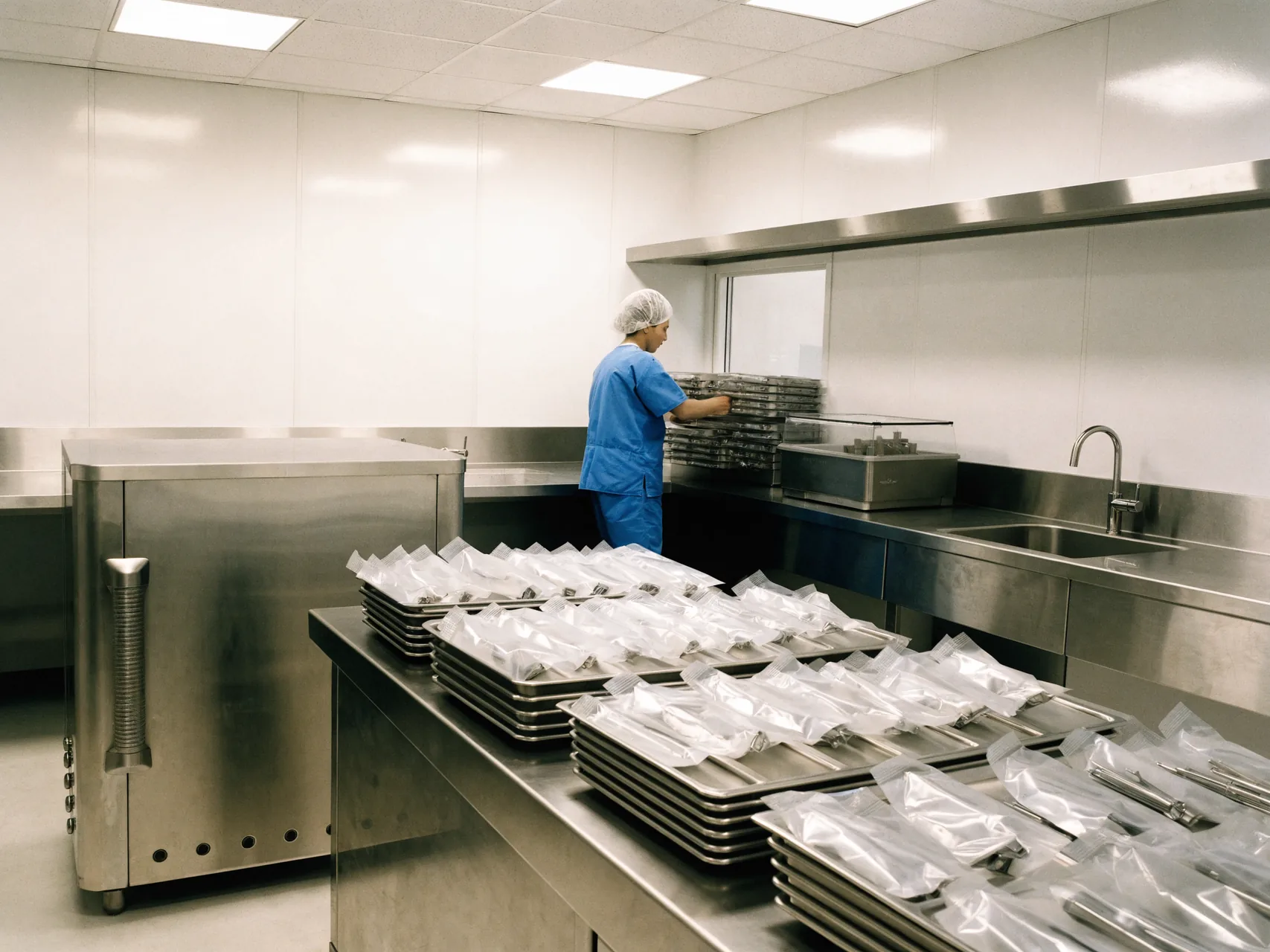
Infection prevention matters in every dental setting. It cannot be certified by a glossy photograph of an autoclave, a clean reception area or a confident message. A patient is not expected to conduct a technical audit, and a website cannot inspect day-to-day practice. The appropriate approach is to verify the facility’s current status, ask process questions, observe basic behaviour and avoid claiming more than the evidence supports.
The US Centers for Disease Control and Prevention publishes a [Summary of Infection Prevention Practices in Dental Settings](https://www.cdc.gov/dental-infection-control/hcp/summary/). It describes standard precautions, instrument reprocessing, environmental controls and administrative measures. This is a technical reference, not Turkish law and not proof that a particular clinic follows it. Use it to understand the kinds of systems a facility should be able to explain.
Questions may include:
- Who is responsible for the written infection-prevention programme and staff training?
- How are reusable instruments transported, cleaned, inspected, packaged, sterilised and stored according to manufacturer instructions?
- How are sterilisation cycles monitored and records retained under applicable rules?
- How are single-use devices identified and disposed of?
- How are dental handpieces and reusable attachments reprocessed between patients?
- How are clinical contact surfaces managed between patients?
- How are waterline, sharps, injection and surgical-field procedures managed?
- What happens after a processing failure or exposure incident?
- Which facility authority receives infection-control concerns?
Do not demand that a receptionist disclose confidential staff or patient data. Ask for policies, responsible roles, current inspection or authorisation evidence where public, and an explanation of how traceability works. If the answer is only “trust us”, you still lack evidence. If the provider answers every question, that still does not let you certify daily compliance from abroad.
During a visit, you can notice whether hand hygiene and protective measures occur, whether packaged instruments are opened appropriately, and whether the clinical area appears organised. Observation is limited. It does not reveal every process or validate hidden records. Report a specific concern through the provider’s stated route and the appropriate authority rather than trying to settle it through social media diagnosis.
Materials, implants and laboratory work need traceability
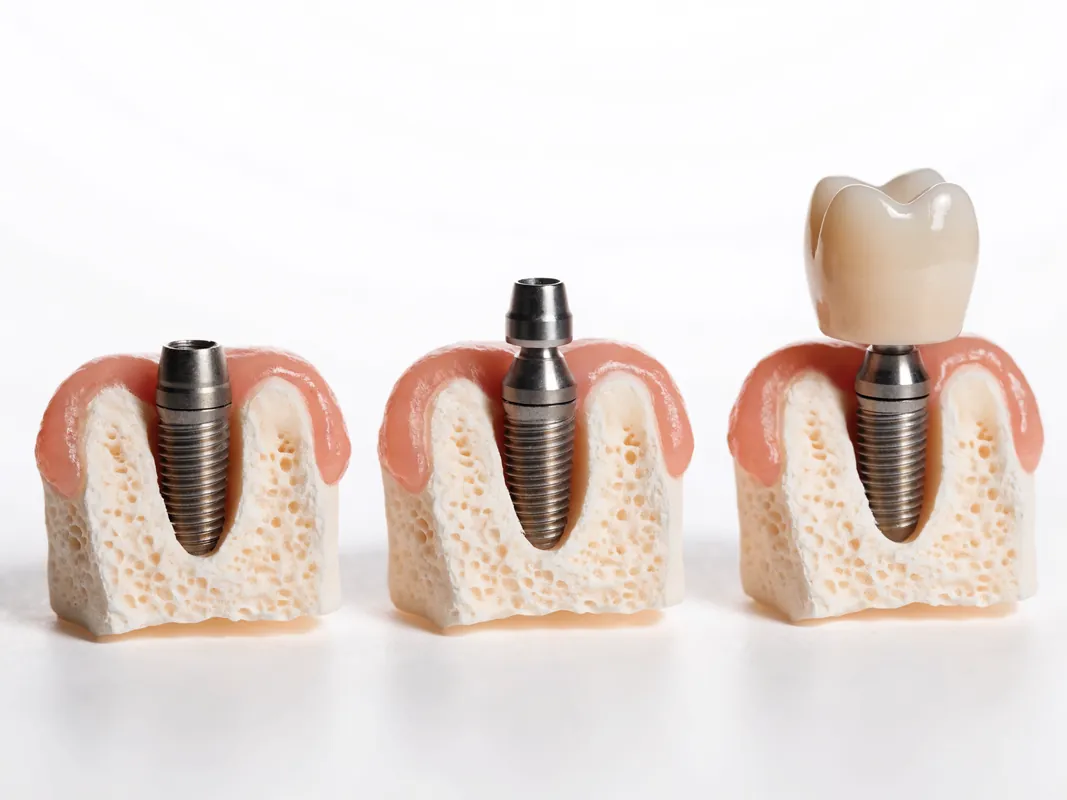
Material language should be specific enough for future care without pretending that a brand decides the outcome. Ask for the product category, manufacturer, exact system or reference where relevant, lot or batch information where available, intended site and the record you will receive. For an implant, future serviceability depends on identifying the system and components. For a restoration, laboratory and material records may help another clinician understand what was made.
Do not accept “premium”, “European”, “Swiss”, “German” or “medical grade” as a complete specification. A place adjective does not establish authenticity, suitability, handling, compatibility or traceability. Equally, a recognised manufacturer name does not prove that the product shown in a message is the product used. Ask how identity moves from sealed packaging or laboratory documentation into your record.
Ask who selects the material and why it suits the clinical conditions. The answer should consider the actual restoration, available tooth structure, opposing teeth, space, bite, maintenance, repairability, appearance requirements and any allergies or sensitivities. This guide does not prescribe a ceramic, implant surface, cement or graft product.
For laboratory work, ask for the laboratory identity, location, responsible prescription, material declaration or conformity document where applicable, and the route for corrections. “In-house” is neither automatically superior nor inferior. The relevant questions are responsibility, prescription, quality control, traceability and communication.
Ask what records you receive at discharge. Depending on treatment, useful records may include radiographs, photographs, charting, operative notes, implant identifiers, component details, laboratory prescription or statement, material information, occlusal or design records, maintenance advice and a contact pathway. Do not assume that an “implant passport” or similarly named document contains everything; inspect the actual fields.
Counterfeit allegations should not be made from appearance alone. If identity is unclear, ask for the record, packaging traceability and manufacturer or distributor verification route. A future clinician may need exact references to obtain compatible components. Missing traceability is a serviceability concern even when no immediate problem is present.

Medicines, medical history and fitness to travel
Provide a complete, current history to the clinician: diagnoses, allergies, previous reactions, medicines and supplements, anticoagulants or antiplatelet treatment, antiresorptive therapy, immune conditions, pregnancy possibility, smoking or nicotine use, previous surgery or anaesthesia, and relevant correspondence from other clinicians. Do not stop, start or change prescribed medicine because a coordinator or webpage suggested it.
Ask who reviews the history, whether further information from your doctor is needed, and how it changes the plan. Some conditions may require stabilisation, consultation, adapted treatment, a different setting or a no-travel decision. The answer is patient-specific. A list of conditions on a website cannot replace assessment.
The current GOV.UK Turkey health guidance warns that medicine law and availability can differ, British prescriptions are not accepted by Turkish pharmacies, and some medicines may be controlled. Check current official advice and contact the appropriate embassy or consulate where needed. Carry medicines in accordance with current rules and insurer advice, with documentation appropriate to your situation.
Ask for a written medicine plan at discharge using generic name, purpose, dose, route, timing, duration, significant cautions and the contact route for questions. The prescriber must determine those details. Ensure that allergies and interactions have been considered. If the instructions conflict with an existing prescription, contact an appropriate clinician rather than choosing between messages yourself.
Fitness to fly or travel after treatment cannot be reduced to one universal interval. It depends on the procedure, anaesthesia or sedation, bleeding, swelling, infection, pain control, medical history, complications and transport conditions. Ask the treating clinician, airline and insurer for case-specific requirements. Build flexibility into travel rather than treating a scheduled flight as proof that discharge is appropriate.
Verify facility capability without turning amenities into clinical evidence
A comfortable hotel, airport collection, translator or modern reception may improve logistics. None proves clinical capability. Keep accommodation and transport benefits separate from the healthcare decision. Ask which legal entity supplies each service, what is included, what happens if treatment changes and whether accepting or declining a travel service affects the clinical contract.
For the healthcare facility, ask whether the intended procedures are permitted at that site, whether the required equipment and appropriately trained staff are available, how medical emergencies are managed, where escalation occurs, and how transfer to another facility is arranged. If sedation, anaesthesia or surgery is proposed, identify the responsible professional, setting, monitoring, recovery and emergency pathway. Do not infer any of these from a generic “hospital standard” claim.
Ask whether different stages occur at different addresses. Imaging, surgery, restorative work and laboratory work may not all be at the advertised location. Each change matters for legal identity, records, consent and emergency planning. Confirm the address before each stage.
If the provider says a partner facility will be used, request the partner’s legal name, role, authorisation evidence and responsibility for records and complaints. A referral can be entirely appropriate, but the handover should be visible. Ask which contract covers the referred service and who invoices it.
Amenities can be considered after the clinical pathway is credible. Do not let a sea view, vehicle photograph or free stay prevent you from comparing diagnoses. The NHS checklist explicitly advises basing the decision on care quality rather than holiday appeal. Logistics should support a sound plan, not sell an unverified one.
Compare the quote, contract and change-control terms
A useful quote is dated, itemised and linked to the written clinical plan. It names the provider and patient, lists procedures by tooth or site, distinguishes provisional from definitive work, specifies material categories and components where relevant, identifies included investigations and reviews, and states exclusions. It should explain taxes or fees where applicable, payment stages, currency, refund rules and the effect of a changed plan.
Do not compare only totals. One quotation may exclude diagnostics, temporary work, grafting contingencies, local aftercare, maintenance components or a later restorative stage. Another may include items you do not need. Build a line-by-line comparison and mark every unknown.
Ask what happens if examination shows less treatment is needed. Does the price fall? Ask what happens if more treatment is suggested. Can you decline and receive the care already agreed, defer, or return home? Is a revised quote issued before consent? Who authorises the change? What happens to a deposit if no suitable plan can be agreed?
Read cancellation and postponement terms before paying. Separate the healthcare provider’s terms from airline, hotel and intermediary terms. Ask what happens if the clinician becomes unavailable, the facility changes, travel advice changes, you become medically unfit, a required stage is delayed, or the provider cancels. Obtain answers in the contract, not only in a chat.
Remedial terms need the same discipline. Ask what counts as a provider-funded correction, what is excluded, who determines cause, what evidence is required, where assessment occurs, whether local work needs prior approval, which costs remain yours, and which time or maintenance conditions apply. Do not translate the word “warranty” into free cross-border care. A lifetime warranty slogan can still leave travel, accommodation, local assessment and third-party work outside the provider’s responsibility. A written remedy is a contractual term with limits; it is not a clinical outcome promise.
Pay an account whose beneficiary can be reconciled with the contract or a documented authorised relationship. Be cautious if asked to send personal funds to an unrelated name, split payments to several unexplained accounts, misdescribe the payment, use an irreversible method without documentation, or pay the full amount before provider identity and scope are clear. Keep receipts and the final invoice.
Aftercare must work across borders
Aftercare is not a messaging icon. It is a defined pathway with responsibilities, records, response routes, local examination options and escalation. Ask what review is planned before discharge, what symptoms require contact, who clinically reviews messages, how quickly urgent concerns are triaged, when in-person assessment is needed, and what happens outside office hours.
Ask which parts can genuinely be managed remotely. A photo or video can help communication but cannot palpate tissue, test vitality, measure pockets, adjust a bite, take a diagnostic image or perform treatment. Remote advice should identify its limits and direct you to in-person care when needed.
Before travel, discuss the possibility of local follow-up with your existing dentist or another suitable clinician. Do not present them with a promise made on their behalf. Some clinicians may provide an independent assessment or emergency care while declining to undertake a provider’s planned remedial work. Clarify what they are prepared to do and what records they would require.
Agree how the overseas provider will communicate with a local clinician, subject to your consent and privacy. Ask for a concise clinical handover containing diagnoses, completed procedures, dates, materials and components, relevant images, medicines, complications, unresolved issues and maintenance requirements. A marketing summary is not a clinical handover.
Ask how an urgent concern is escalated. If you are in the UK, use local urgent or emergency services according to the symptoms and current guidance; do not wait for a distant reply when breathing, swallowing, uncontrolled bleeding or rapidly worsening illness is involved. If you are in Turkey, use the current official emergency route and inform the treating facility and insurer as appropriate.
Aftercare terms should state who pays for assessment, local intervention, return travel, accommodation and replacement work under different scenarios. This is not pessimism. It is the practical meaning of cross-border continuity. If the provider will not define it before payment, assume nothing.
Local handover and emergency plan
Create a handover pack before leaving the treatment destination. Ask for it early so missing items can be corrected while the clinical team is accessible. Keep both a secure digital copy and an accessible summary for urgent care. Do not rely on a chat history that may disappear or mix records with marketing messages.
The pack may need:
- legal provider name, treatment address and clinical contact;
- names and roles of treating professionals;
- presenting findings, diagnoses and relevant history;
- tooth or site chart of completed and deferred work;
- original imaging and reports where produced;
- operative and restorative notes;
- material, implant, component and laboratory traceability;
- medicine and allergy information;
- consented aftercare and maintenance instructions;
- unresolved findings and recommended review;
- emergency and complaints contacts;
- invoice, contract and remedial terms.
Ask the local clinician what format they can use. Large files may require secure transfer. Translated summaries should preserve the original and identify who translated them. If a document contains a term you do not understand, ask the treating clinician to explain it rather than editing it yourself.
Plan emergency contacts for both countries. Save the provider’s clinical route, insurer assistance line, local dental urgent-care route, accommodation contact and Turkey’s official emergency number. Know which symptoms require emergency services rather than routine dental contact. This guide cannot triage an individual symptom.
Emergency planning is also financial. Check payment expectations for local assessment and whether the insurer excludes planned treatment or related complications. Keep a contingency that does not depend on a disputed refund. A provider’s willingness to message does not pay a local clinician or create insurance cover.
Travel may be the wrong option
Read the current [GOV.UK Turkey travel advice](https://www.gov.uk/foreign-travel-advice/turkey) and its health section shortly before travel. Advice can change and may affect insurance. Check the exact region you plan to visit, transport, entry requirements, medicine rules and emergency information. Do not assume that tourism marketing reflects current government advice.
Tell the insurer that the journey includes planned dental treatment and describe the intended procedures accurately. Ask for written confirmation of cover and exclusions for cancellation, complications, emergency treatment, medical evacuation, additional accommodation and return travel. Standard holiday insurance may exclude planned care or consequences linked to it. A policy name is not enough; read the wording and obtain clarification.
GHIC and EHIC do not cover planned private dental treatment in Turkey, and current GOV.UK guidance states that those cards are not valid there. Do not treat them as a substitute for insurance, funds or a provider aftercare agreement.
Consider whether the journey remains workable if treatment is postponed or reduced. Can your ticket change? Can accommodation extend? Can a companion stay? Can you obtain appropriate food and medicines? Can you avoid driving after sedation? The relevant answers depend on the actual procedure and advice.
No-travel may be preferable when the medical history is unresolved, urgent disease needs local stabilisation, the plan requires monitoring that travel disrupts, the insurer excludes the pathway, the provider cannot be verified, communication is inadequate, or you could not return for review. No-travel does not necessarily mean no treatment; it may mean local or staged care.
Complaints, records and contractual route
Ask for the provider’s written complaints process before treatment: where to send a complaint, required information, acknowledgement and response process, escalation route, language support and relevant external authority. Ask whether a separate intermediary has its own process and how clinical and travel complaints are divided. Save the version incorporated into your contract.
Identify the governing law and dispute forum stated in the agreement. Do not assume a UK address, phone number or consultation creates a UK clinical contract. Conversely, if clinical activity occurs in the UK, verify the professionals and premises under the UK rules that apply. Seek independent legal advice if jurisdiction or consumer rights matter to a significant commitment.
Records are central to both care and complaints. Request complete clinical records through the provider’s stated process, including imaging, photographs used clinically, charting, notes, consent, prescriptions, laboratory documents and correspondence relevant to decisions. GDC standards list many of these items as parts of a patient record in the UK; use that as a comparison prompt, not a statement of Turkish law.
If you are dissatisfied, separate immediate health needs from the dispute. Obtain appropriate clinical assessment first where necessary. Preserve records, photographs, invoices and communications without editing originals. Ask any reviewing clinician to describe findings and uncertainty rather than assign legal blame outside their evidence.
Do not assume an online review resolves a contractual or regulatory complaint. It may alert others, but it can also expose health information or make precise allegations that have not been established. Use the provider process, insurer, payment route, applicable authority and legal advice as appropriate.
Get an independent second opinion
An independent second opinion is especially valuable before irreversible, extensive or surgically complex care. Give the reviewing clinician the same source material, not only the seller’s summary. Ask them to identify missing evidence, alternative diagnoses, more conservative options, sequencing issues, travel implications and information needed before a final decision.
Independence is about incentives and responsibility. A clinic from the same sales network may not be independent. A social-media commentator who has not assessed you is not a second opinion. A clinician who earns nothing from either pathway and can explain their limits offers a more useful comparison.
Two opinions may still differ. Ask each clinician to show the findings supporting their view. Where uncertainty remains, monitoring or further investigation may be reasonable. Do not force certainty because a booking deadline exists.
Share your goals honestly. If appearance is the priority, say so; the clinician can still discuss biological costs and alternatives. If cost or travel limits matter, include them without asking the clinician to compress a necessary sequence. A good decision reflects both clinical evidence and patient values.
The pre-deposit clinic-selection worksheet owns systematic, side-by-side provider comparison. The separate dental clinic red-flags guide examines suspicious claims and sales behaviour. The dental tourism mistakes guide covers booking behaviour and preventable planning errors. This page retains the broader safety-verification intent instead of repeating those pages.
Reviews and before-and-after images are limited evidence
Reviews can reveal themes worth asking about: communication, changed plans, record delivery, aftercare access and billing. They cannot establish a diagnosis, prove causation, reveal the full denominator, confirm authorship or show long-term condition. Very positive and very negative accounts may both omit clinical context.
Check whether the platform explains how reviews are collected and moderated. Look for specific, consistent details rather than star averages alone. Search the legal provider name, trading name and key clinicians. Consider the date, treatment type and whether the reviewer reports only immediate appearance or later follow-up. Do not infer that silence about a problem proves absence.
Before-and-after images are selected examples. Lighting, angle, camera, retraction, editing, whitening, hydration and timing can alter appearance. The images may not identify the treatment, starting disease, preparation, maintenance or later condition. Ask for consented, comparable images and an explanation of what was done, but do not treat another person’s photograph as a forecast for you.
Testimonials may be genuine and still unrepresentative. Celebrity association does not identify the legal provider or clinician. A large follower count does not verify authorisation. A response to criticism may show communication style, but not necessarily determine the clinical facts.
Use reviews to generate questions, then return to primary evidence: current official identity, named clinicians, patient-specific records, the written plan, the contract and aftercare. Marketing evidence sits below patient-specific clinical evidence.
Payment and identity red flags
Slow down when identity and money do not align. Warning signs include a payee unrelated to the contract, a personal account without documented reason, a request to mislabel payment, several unexplained beneficiaries, refusal to issue an invoice, a deposit demanded before the provider is named, or a plan that exists only in disappearing messages.
Also pause when:
- every clinical question is answered by sales staff;
- the clinician will be assigned after payment;
- the treatment address is withheld or changes without explanation;
- an authorisation badge cannot be matched to a live official source;
- a provider asks you to rely on its screenshot of a register;
- the final plan is promised only after you arrive but the payment is non-recoverable;
- declining added treatment threatens access to already agreed care;
- risks and alternatives are absent while cosmetic results dominate;
- records, complaints and aftercare processes are withheld until discharge;
- pressure is tied to travel slots, discounts or free extras.
A warning sign is a reason to obtain evidence, not proof of fraud by itself. Ask for clarification in writing. If the answer remains inconsistent, step back and seek independent advice. Do not send identity documents or health records to an unverified recipient merely to hold an appointment.
Protect data as well as money. Ask who receives medical information, why, where it is stored, who shares it with the provider and how access or deletion requests work under applicable law. Use the organisation’s verified secure route. Redact information that is not required for an initial enquiry, but do not withhold clinically relevant history from the responsible clinician.
A provider-comparison worksheet
Use the same rows for every option. “Not supplied” is a valid result; do not fill gaps with assumptions.
| Verification field | Provider A | Provider B | Local option |
|---|---|---|---|
| Exact legal healthcare provider and address | |||
| Current official authorisation check and date | |||
| Separate intermediary identity and role | |||
| Named examining and treating clinicians | |||
| Current professional status and claimed scope | |||
| Diagnostic evidence received | |||
| Tooth-by-tooth findings and alternatives | |||
| Tooth-preserving option discussed | |||
| Imaging purpose and interpreting clinician | |||
| Material, component and laboratory traceability | |||
| Consent and interpreter arrangement | |||
| Itemised quote and exclusions | |||
| Changed-plan and cancellation terms | |||
| Aftercare, local handover and emergency route | |||
| Complaints, records and dispute route | |||
| Insurance response in writing | |||
| Unanswered questions |
Do not turn the worksheet into a points game. One unresolved issue may be decisive: an unidentified provider, a plan without diagnosis, inability to give valid consent, an unstable medical condition or no emergency route. Conversely, a beautifully complete brochure does not outweigh contradictory clinical findings.
Update the worksheet after the in-person assessment. The decision you made before travel was based on provisional evidence; the final plan must be checked against actual findings. If it changes, repeat the consent, quote and aftercare review.
Decision checklist before paying
You should be able to answer each item with a document, current official result or named professional—not with a slogan.
Provider and people
- I know the exact legal healthcare provider and every treatment address.
- I checked the provider through the current Turkish Ministry of Health or Ministry-linked route using its legal name.
- I know whether an intermediary is involved and which tasks it performs.
- I know the name and role of each clinician responsible for examination and treatment.
- I verified claimed professional titles at an appropriate current source.
- I know who receives payment and why that beneficiary matches the agreement.
Diagnosis and preservation
- The remote plan is labelled provisional where examination is incomplete.
- Each proposed intervention is linked to a tooth or site and a documented finding.
- Alternatives, including more conservative care and no immediate treatment, were discussed.
- The clinician explained how suitable tooth structure will be preserved.
- Imaging has a stated clinical purpose and named interpreter.
- I obtained an independent opinion where the scope is irreversible or extensive.
Consent and records
- I can speak with the responsible clinician and understand the discussion.
- Interpretation is available without turning a salesperson into the clinical decision-maker.
- Risks, uncertainties, alternatives and consequences of no treatment are documented.
- A changed plan or cost requires renewed discussion and consent.
- I know how to obtain complete records and how they will be shared securely.
- Material, implant, component and laboratory traceability will be recorded.
Contract, aftercare and travel
- The quotation is dated, itemised and tied to the plan.
- Exclusions, contingencies, cancellation and changed-plan terms are clear.
- Remedial terms define limits without promising an outcome.
- I have a real local handover and emergency plan.
- My insurer knows the purpose of travel and responded in writing.
- I checked current travel and medicine guidance.
- I can tolerate delay, an extended stay or another review without unsafe pressure.
- I know that deciding not to travel remains an acceptable outcome.
If several answers are missing, do not compensate with a better hotel or a larger discount. Gather the evidence first.
Sources and review dates
The links below were accessed 29 August 2026. They are official or primary sources used to frame verification questions. They do not endorse a provider and they do not replace patient-specific professional advice. Check again close to booking because registers, rules and travel advice change.
- [General Dental Council: Going abroad for your dental care](https://www.gdc-uk.org/docs/default-source/information-standards-and-guidance/going-abroad-for-dental-treatment/going-abroad-for-your-dental-cared3d463b7cee0446882bf877483299dd4.pdf?sfvrsn=c67e2b57_7) — patient questions about regulation, professionals, communication, aftercare, insurance, complaints and remedial responsibility.
- [General Dental Council: Standards for the Dental Team](https://www.gdc-uk.org/docs/default-source/standards-for-the-dental-team/standards-printer-friendly-black-white.pdf) — UK standards used here as a comparison framework for consent, records, roles, referrals and changes; not represented as Turkish law.
- [NHS: Treatment abroad checklist](https://www.nhs.uk/using-the-nhs/healthcare-abroad/going-abroad-for-treatment/treatment-abroad-checklist/) — warning signs, second opinions, provider research, aftercare, total-cost thinking and insurance.
- [GOV.UK: Turkey health guidance](https://www.gov.uk/foreign-travel-advice/turkey/health) — current destination health, medicines, insurance, emergency, health-card and medical-tourism information.
- [Republic of Türkiye Ministry of Health: Health Tourism Department](https://shgmturizmdb.saglik.gov.tr/) — current official entry point for authorised healthcare-provider and intermediary information.
- [HealthTürkiye: Facility directory](https://www.healthturkiye.com/hospitals-list) — Ministry-linked search route; use exact legal identity and understand that a listing does not prove personal suitability.
- [Official Gazette of the Republic of Türkiye: Regulation on International Health Tourism and Tourist Health](https://resmigazete.gov.tr/eskiler/2025/04/20250426-2.htm) — current official Turkish regulation source reviewed for provider and intermediary authorisation context.
- [US CDC: Summary of Infection Prevention Practices in Dental Settings](https://www.cdc.gov/dental-infection-control/hcp/summary/) — technical infection-prevention reference used to formulate questions; not Turkish law and not a remote facility audit.
Final principle
“Is dental treatment in Turkey safe?” is not answered by patriotism, fear, a review score or a luxury package. It is answered for one person at a time through legal identity, accountable clinicians, diagnosis, proportional treatment, informed consent, traceable records, realistic contracts, workable aftercare and a willingness to stop when the evidence is not ready.
Verify those elements before committing, then verify the final plan again after examination. If the evidence does not support travel, choose another provider, another plan, another time or care closer to home. Safety is not a country promise. It is a chain of patient-specific decisions that must remain open to scrutiny.