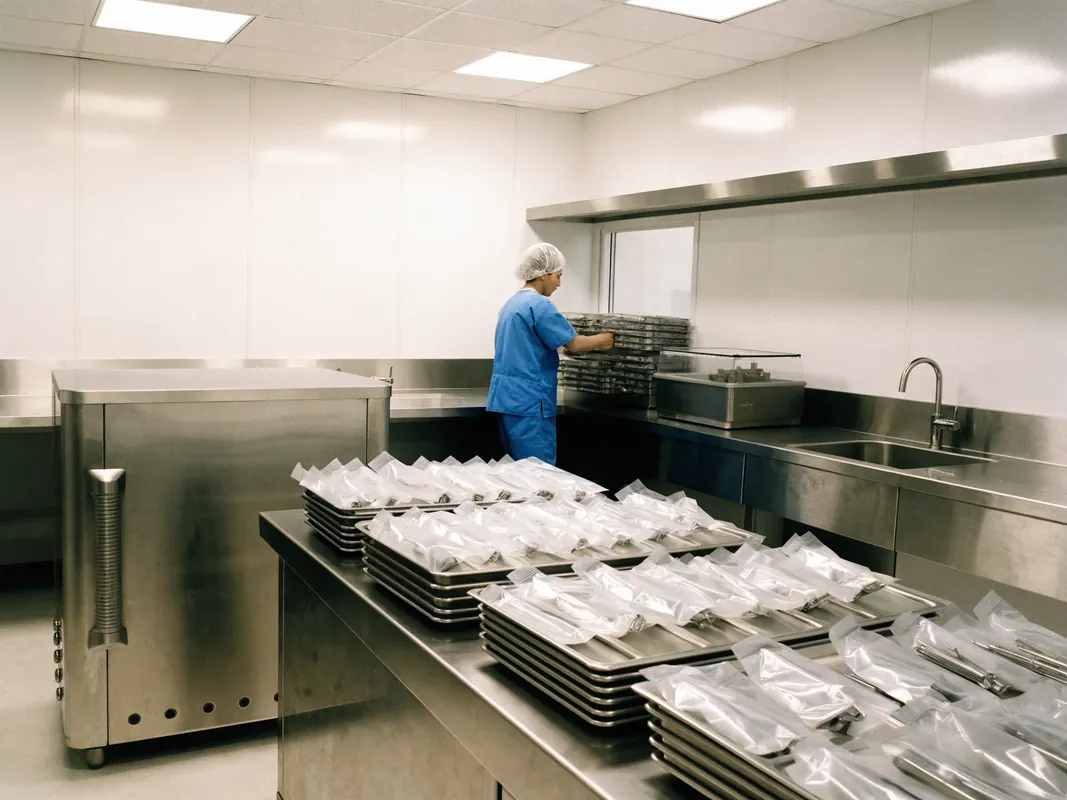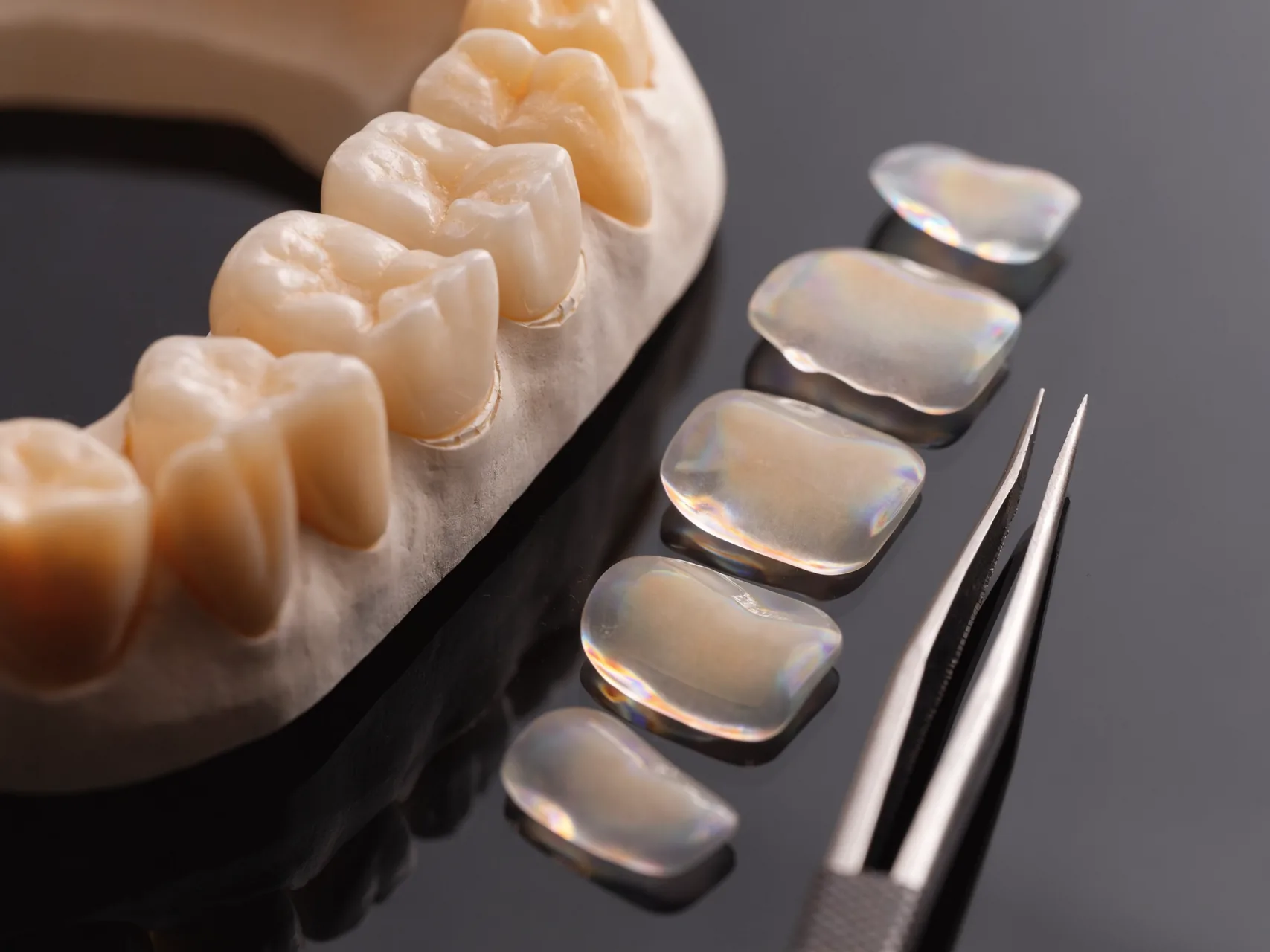
"Turkey teeth" is the nickname for one specific outcome: a mouth full of uniformly bright, opaque crowns fitted over teeth that were healthy before they were prepared down to pegs. The criticism behind the phrase is largely legitimate. The problem was never Turkey, and it was never crowns as a technique — it was crowning teeth that could have been whitened, bonded, straightened or veneered, because crown preparation is faster, more forgiving of error, and far easier to sell as a fixed price on a fixed number of days.
This page explains what actually happens at the chair, the difference between the two preparations in millimetres, when a crown genuinely is the correct choice, and the questions that force any clinic — this one included — to show its preparation plan before a drill is switched on. It should be useful to you even if you go on to book somewhere else.
What the phrase refers to, and why it stuck
Two separate objections got fused into one phrase, and it is worth pulling them apart.
The first is aesthetic: 20 to 28 identical units, all the same length, all the same brightness, opaque enough to read as manufactured from across a room. That is a taste and a design failure, not a health problem, and it is entirely fixable in the design stage by anyone willing to plan a smile around a face rather than around a shade tab.
The second is clinical, and it is the one that matters. The phrase stuck because of the photographs of the intermediate stage — rows of small, tapered, yellow-brown stumps where healthy front teeth used to be, taken between the preparation appointment and the fitting appointment. Those images spread because they are genuinely shocking, and because most patients had no idea that was the stage between "before" and "after". Nobody had shown them a diagram of what a crown preparation involves.
It is worth being precise about blame. The technique is not Turkish. Full-coverage crowns on aesthetically driven cases are done in London, Dublin, Berlin and Los Angeles, and always have been. What concentrated in dental tourism was the packaging: a large number of units, one short trip, one headline price, one shade, and a commercial structure that rewards doing the same operation on every tooth. The nationality in the nickname is unfair. The clinical criticism underneath it is not.
The difference is measured in millimetres
This is the whole argument, and it is not complicated once you see the numbers.
| Minimal-prep veneer | Conventional veneer | Full crown | |
|---|---|---|---|
| Tooth structure removed | 0 to about 0.3 mm | roughly 0.3–0.7 mm on the front, plus edge reduction | roughly 1.5–2.0 mm, all the way around |
| Layer reached | enamel only | enamel, occasionally into dentine at the margin | through enamel into dentine |
| Surfaces cut | front face only | front face and biting edge | front, back, both sides and biting surface |
| Tooth shape afterwards | essentially unchanged | narrowed slightly on one face | reduced to a tapered core |
| Risk to the nerve | very low | low | materially raised |
| Can it be undone | often, yes | no, but the tooth remains substantially intact | never |
Enamel on the front surface of an upper incisor is thin — commonly a few tenths of a millimetre near the gum line, rising to around a millimetre towards the biting edge. That single fact drives everything. A 0.3–0.5 mm veneer preparation can stay inside enamel on most teeth. A 1.5–2.0 mm circumferential crown preparation cannot: it goes through the enamel, into the dentine, and takes the tooth's total volume down by something in the region of two thirds.
Three consequences follow, and they are the honest reasons to be conservative.
Bonding. Ceramic bonded to enamel is one of the most durable interfaces in dentistry. Bonding to dentine is measurably less predictable and more prone to leakage at the margin over time. Every millimetre of enamel removed is bond strength you cannot buy back.
The nerve. Cutting into dentine opens millions of microscopic tubules that lead towards the pulp. The tooth responds with inflammation. Most teeth settle. Some do not. Published follow-up of crowned vital teeth reports pulp death requiring root canal treatment somewhere between the low single digits and low double digits of percent over roughly a decade, with the risk rising the more tooth was removed and the younger and healthier the tooth was to start with. Those are general clinical ranges, not one clinic's audited outcome — but the direction is not disputed by anyone. A healthy 24-year-old incisor prepared for a crown carries a lifetime risk it simply did not have the week before.
The commitment. This is the part patients are least often told. A crowned tooth needs a crown forever. Crowns have a service life — commonly 10 to 15 years, sometimes longer — and each replacement requires cutting the old one off and refreshing the margin, which costs a little more tooth structure. Over a long life that sequence tends to run crown, replacement crown, root canal, post and core, and eventually extraction and an implant. Starting that sequence at 25 rather than at 55 is a real cost, and it does not show up on any invoice.

Why some clinics default to crowning everything
Plainly, and without euphemism. None of these reasons are about your teeth.
Crown preparation is faster. A full 360-degree reduction is a single continuous shape. A conservative veneer preparation is a controlled, depth-limited cut that has to respect enamel thickness that varies tooth by tooth and millimetre by millimetre. One takes minutes, the other takes care.
Crown preparation is forgiving. If the preparation is slightly over-tapered, slightly undercut, or slightly uneven, a full crown covers it. A 0.4 mm veneer shows everything underneath and will not seat if the preparation is wrong. Crowns tolerate operator error in a way veneers do not.
Crowns hide the underlying tooth completely. An opaque core blocks out any discolouration below it, which means the clinic can promise any shade on the chart regardless of what your teeth actually look like now. A thin veneer is partly translucent, so a dark tooth underneath shows through. If the sales promise is "any shade you point at", crowns are the only way to keep it.
Crowns let you fake orthodontics. A rotated or crowded tooth can be cut back and rebuilt in a straighter position under a crown. That is how a clinic delivers an aligned smile in a week without months of aligners. It works visually. It costs tooth structure that aligners would not have cost.
Crowns fit a fixed timetable. Prepare on day one, scan, mill, fit on day five, fly home. Conservative plans do not behave: aligners take months, composite bonding needs review appointments, gum work needs healing time. A treatment that cannot be scheduled cannot be sold as a package with flights attached.
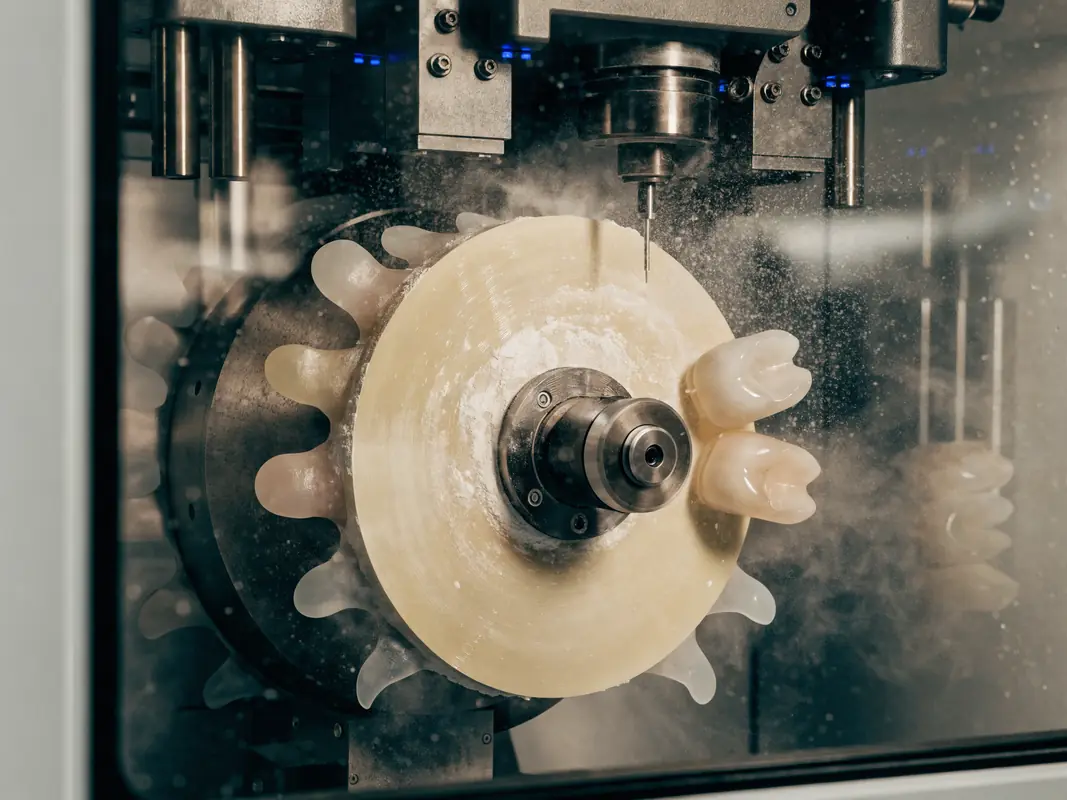
Crowns are easier to mass-produce. Milled monolithic units are quick to make in volume. Thin, hand-layered ceramic veneers need a skilled ceramist's hours per unit and a lab that can handle fragile work.
Every one of those is a reason that serves the schedule, the lab, or the price list. That is the honest core of the "Turkey teeth" complaint: not that the crowns were badly made, but that the decision to crown was made before anyone looked at the patient.
When a crown genuinely is the right answer
Now the other side, because a page that says "crowns are always wrong" is just propaganda in the opposite direction. A crown is the correct, conservative-by-comparison choice when:
- The tooth is already heavily filled. If half the tooth is old composite or amalgam, there is not enough sound structure to bond a veneer to. Full coverage is the sensible restoration.
- The tooth has had root canal treatment. Root-treated teeth are more brittle and fracture more often, particularly at the back. Cuspal coverage protects them. This is standard care, not cosmetic dentistry.
- The tooth is cracked or has fractured. A veneer does not hold a split tooth together. A crown can.
- There is severe intrinsic discolouration. Deep tetracycline staining or a single dead grey tooth may be impossible to mask with 0.5 mm of translucent ceramic. Sometimes the only way to reach the target shade without an obvious dark shadow is a core that blocks light.
- There is too little enamel left to bond to. Heavy wear, acid erosion or previous preparation can leave a tooth with almost no enamel. Bonded veneers on dentine are a compromise from the start.
- The patient has been offered orthodontics, understands the trade-off, and declines it in writing. This is the honest version of the case that produced the scandal. A patient who is told "aligners for six months then four veneers, or crowns now and here is what that costs you biologically" and who chooses crowns has made an informed decision. The failure was never that crowns exist. The failure was that it was not presented as a choice.
A clinic that refuses ever to crown a tooth is as dogmatic as one that crowns everything. What you want is a clinic that can tell you, tooth by tooth, which category yours falls into.
The conservative ladder most patients are never offered
The ladder runs from no tooth structure removed to a lot. An honest plan starts at the top and only moves down when the rung above cannot deliver what you need.
| Rung | What it actually fixes | Tooth removed | Typical service life |
|---|---|---|---|
| Hygiene visit and whitening | Colour, staining, tired-looking enamel | None | 1–3 years per top-up |
| Composite bonding / edge bonding | Small chips, worn edges, small gaps, minor shape changes | Usually none | 4–8 years, repairable |
| Gum-line correction | Uneven gum heights, a gummy smile, teeth that look short | None — soft tissue only | Stable once healed |
| Short-course aligners | Crowding, rotation, protrusion, spacing | None | Permanent with retainers |
| Interproximal reduction | Small width discrepancies, alongside aligners | 0.2–0.5 mm between teeth | Permanent |
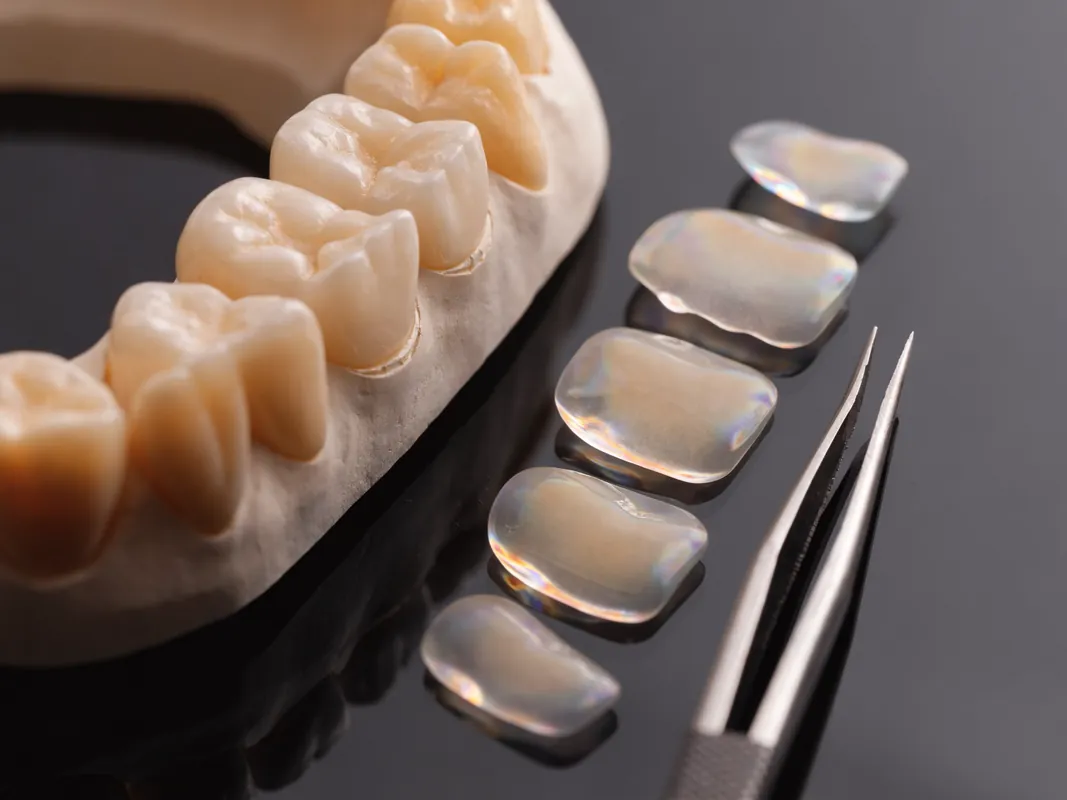
| Minimal-prep veneers | Shape, brightness, minor alignment on well-positioned teeth | 0–0.3 mm | 10–15 years |
| Conventional veneers | Shape, colour, moderate alignment, worn edges | 0.3–0.7 mm | 10–20 years |
| Crowns | Structurally compromised, root-treated or severely discoloured teeth | 1.5–2.0 mm | 10–15 years, then a rebuild |
Two rungs deserve special attention because they are the ones most often skipped.
Gum-line correction. A large number of people who think their teeth are uneven actually have uneven gums. The teeth underneath are fine. Recontouring the gum line, sometimes with a small amount of bone reshaping, can change a smile completely without touching a single tooth. It heals in a couple of weeks. It is almost never offered in a one-week cosmetic package because it needs healing time before anything else can be done.
Aligners first. This is the single biggest lever in the whole subject. Straightening teeth before restoring them is what turns a crown case into a veneer case, and often turns a ten-unit case into a four-unit case. If your teeth are in the right positions, the ceramic only has to change colour and shape, so it can be thin, so the preparation can stay in enamel. The reason this route is under-offered is not clinical. It is that it takes three to nine months and does not fit inside a flight booking.
Side by side: the four realistic choices
Prices below are indicative 2026 per-tooth bands in Antalya and mean nothing until a scan and radiographs exist. They are here to make one point that clinics rarely volunteer.
| Whitening and bonding | Minimal-prep veneer | Conventional veneer | Full crown | |
|---|---|---|---|---|
| Enamel removed | none | 0–0.3 mm | 0.3–0.7 mm | 1.5–2.0 mm circumferentially |
| Reversible | yes | usually | no, but the tooth stays largely intact | never |
| Typical service life | 4–8 years, repairable | 10–15 years | 10–20 years | 10–15 years, then a rebuild |
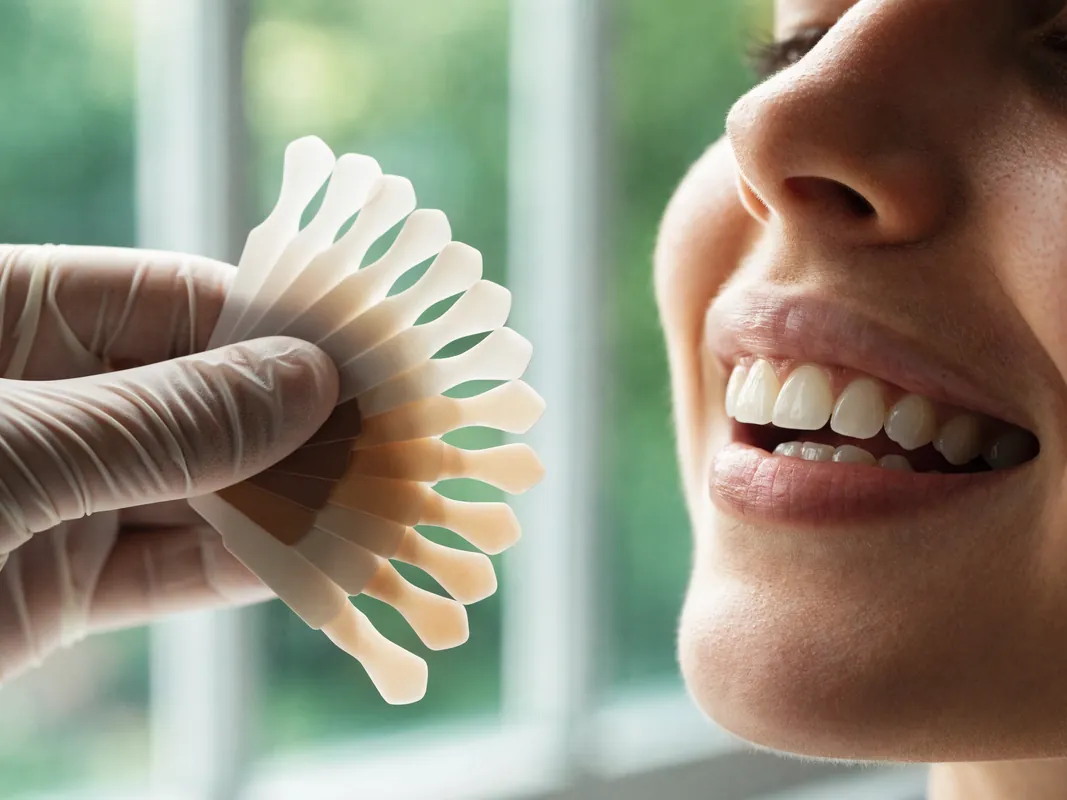
| Best suited to | Colour, small chips, worn edges, first step for almost everyone | Well-positioned teeth needing shape and brightness only | Shape, colour, worn edges, moderate alignment on sound teeth | Heavily filled, root-treated, fractured or severely discoloured teeth |
| Indicative cost per tooth | £90–£180 | £230–£390 | £250–£430 | £180–£350 |
| Cost over 30 years | Low, and nothing is committed | Moderate, tooth stays restorable | Moderate | Highest — replacement cycles, possible root canal, post and core |
Read the last two rows together. Per unit, a crown is often the cheapest thing on the list, which is exactly why a fixed-price full-mouth package gravitates towards crowns. The expense does not appear on the invoice — it appears twenty years later, in a tooth that has run out of structure. When someone says crowns are better value, ask over what period.
The questions that make a clinic show itself
Ask these in writing, before you pay a deposit. The wording of the answer tells you more than the price list does.
| Ask this | Answer that should reassure you | Answer that should end the conversation |
|---|---|---|
| Will you show me the planned preparation design before you cut anything? | A digital preparation design over your own scan, marked tooth by tooth, sent to you in advance | "The dentist decides at the chair" or "that is standard procedure" |
| Is there a wax-up or digital mock-up, and will I try it in my mouth before preparation? | Yes — a trial smile in temporary material over your unprepared teeth, with a mirror, photos, and time to request changes | A screen render only, or "we design it after preparation" |
| How much enamel is being removed from each tooth, in millimetres, and why that number? | A figure per tooth with a clinical reason attached to each | "Only a little", "we just polish the surface", or no number at all |
| Are any of these teeth being crowned that could have been veneered? Which, and why? | A specific list — this one has a large old filling, this one is root-treated, this one is too dark | "All of them are crowns, that is our system" |
| What happens if a tooth needs root canal treatment after preparation — who pays, and for how long is that covered? | A written policy with a defined period and a named price if it falls outside | "That will not happen" |
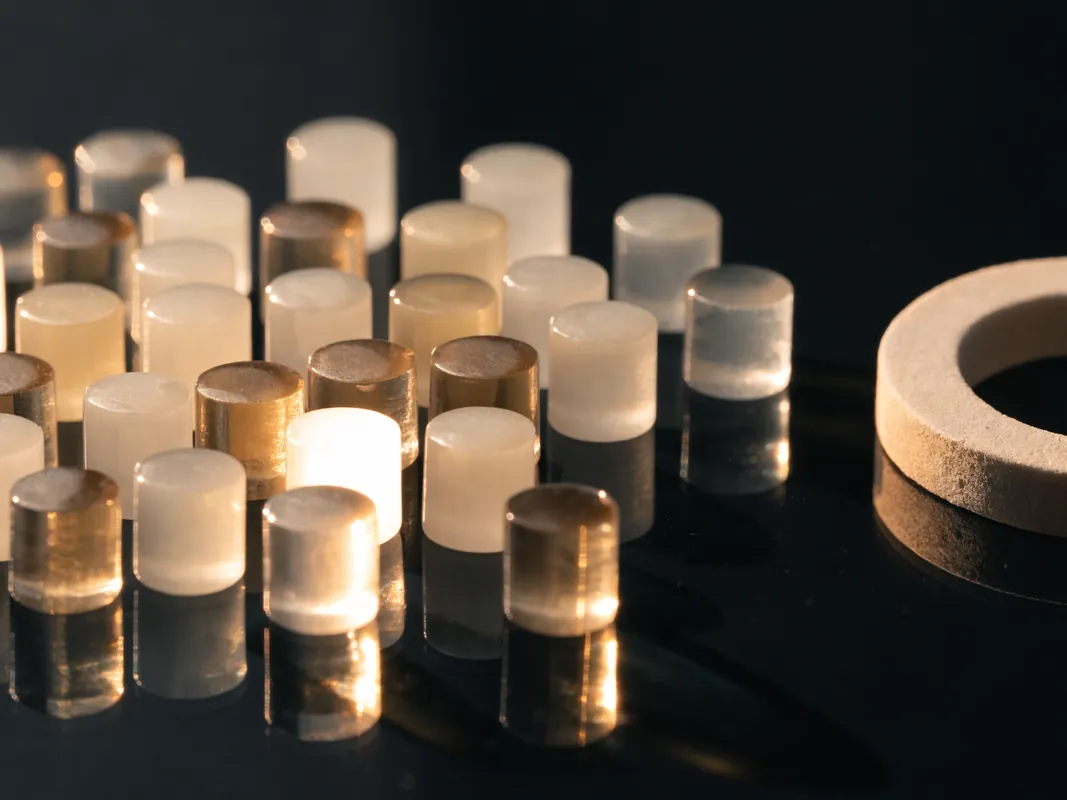
| Can I see the material specification in writing — brand, type, monolithic or layered, and the shade code? | The actual product name, the ceramic type, and the shade written on the plan | "Premium porcelain", "German ceramic", "the best material" |
| What if I do not like the try-in? | A try-in stage built into the schedule, with time and budget to remake before final cementation, and a clear statement of what a remake costs in days | No try-in in the itinerary, or "everyone loves it" |
If a clinic answers all seven cleanly, the rest of the conversation is about price and taste. If it dodges two of them, the plan is not being made for you.
Warning signs in the sales process, before you ever reach the chair
The clinical damage is done in the surgery, but the decision that causes it is almost always visible earlier, in how the treatment is sold.
- A fixed all-in price for "20 veneers" quoted before any scan or radiograph. Nobody can price irreversible work on teeth they have not seen inside. A price band is reasonable. A locked figure is a sales device.
- A shade chosen from a catalogue before anyone has looked at your face. Shade selection belongs at the end of a design process that considers skin tone, eye colour, lip line and age — not at the start, from a photograph of someone else's teeth.
- All twenty-plus teeth treated as a single unit. Real smile design is decided tooth by tooth. Some teeth need nothing. A plan with one instruction for every tooth is a product, not a diagnosis.
- Preparation and fitting inside one short trip with no try-in day. If day one is preparation and day four is cementation, there is no point at which you can say "the length is wrong" while it is still cheap to change.
- A discount that expires. Urgency applied to an irreversible decision is a warning sign on its own, regardless of how good the price is. Nothing about your teeth changes on Friday.
- No periodontal assessment and no radiographs before quoting. Ceramic bonded next to inflamed gums fails at the margin. Any plan made without seeing bone levels and gum health is a guess.
- A consent form produced at the chair, minutes before, in a language you do not read fluently. Consent for irreversible preparation should be read at home, days earlier, with the millimetre figures in it.
If you already have work you regret
This is the part most clinic pages skip, so here it is straight.
What can be assessed. Radiographs to check the nerve status and the bone around each tooth, an examination of the margin fit and the emergence profile, a periodontal chart, a bite assessment, and photographs. That assessment tells you three things: whether anything is actively failing, whether the shape and contour can be improved, and how much tooth is left under each unit.
What is genuinely fixable. Bulky over-contoured crowns that trap plaque can be remade with a proper emergence profile. A shade that is too bright can be remade in something natural. Dark margins showing at the gum line can be addressed with a different material and margin design. Bite problems and speech changes caused by units that are too long or too thick can be corrected. Gum inflammation caused by poorly finished margins usually settles once the margins are right.
What cannot be undone. The tooth structure. Nothing regrows dentine. A tooth that has been prepared for a crown will need a crown, or something very like one, for the rest of its life. Anyone offering to "reverse" Turkey teeth is describing a replacement, not a reversal.
Replacement is a rebuild, not a removal. Taking a crown off means sectioning it and cutting it away, which removes a small further amount of tooth. Re-preparing to clean up the margin removes a little more. If a tooth has already been root-treated, the replacement may need a post and core. Every redo cycle costs tooth structure, so a redo has to be worth it clinically, not only aesthetically.
Which leads to the least popular advice on this page. If your existing work is well-fitted, the gums are healthy, the bite is comfortable and your only complaint is that the shade is whiter than you would now choose, the most conservative answer may be to leave it alone and revisit it when the crowns reach the end of their service life anyway. It is still the right advice for some people, and any clinic that quotes a full redo before seeing the radiographs is repeating the mistake that created the problem in the first place.
Who should not travel for this treatment at all
Being honest about this matters more than filling a diary.
- Anyone with untreated decay or active gum disease. That is treated first, at home or here, before any cosmetic work is planned. Ceramic on an unstable foundation fails.
- Anyone with unmanaged bruxism who is not prepared to wear a night guard. Heavy clenching breaks ceramic, and no material and no warranty solves that.
- Anyone whose real problem is orthodontic and who cannot commit to the orthodontic timeframe. In that case the honest options are aligners at home first, or accepting a compromise you fully understand.
- Anyone who cannot return. Cosmetic work needs review. If a follow-up trip is impossible, the plan should be simpler and more robust than the one you saw on Instagram.
- Anyone being pushed by a deadline — a wedding in three weeks, a photo shoot. Rushed irreversible dentistry is how regret is manufactured.
What a conservative written plan should commit to
Require the named provider and responsible clinician to put these process rules in the dated plan; do not infer them from marketing copy or accreditation logos.
- No preparation before you have seen and approved a mock-up in your own mouth. You see the shape, the length and the proportion in a mirror, on unprepared teeth, and you can change it.
- Veneer over crown wherever the tooth allows it, with a written clinical reason for every single tooth proposed for a crown.
- Millimetre figures written down, per tooth, in the plan you receive before you travel.
- A two-stage plan when that is the clinically supported answer. If the case needs aligners first and four veneers later, the written plan should say so.
- A named material specification — the actual ceramic, whether it is layered or monolithic, and the shade code, written on the plan rather than described as "premium".
- A try-in before final cementation, with time in the schedule to remake if you do not like it.
- No fixed twenty-unit price before radiographs, and no discount that expires. You take the plan home and think about it.
- A documented no-treatment or conservative alternative when whitening, bonding or observation may address the actual concern.
Give the named provider your photographs and recent radiographs and ask for the preparation plan, responsible clinician and alternatives in writing, not just a headline price. The plan is what tells you who you are dealing with.