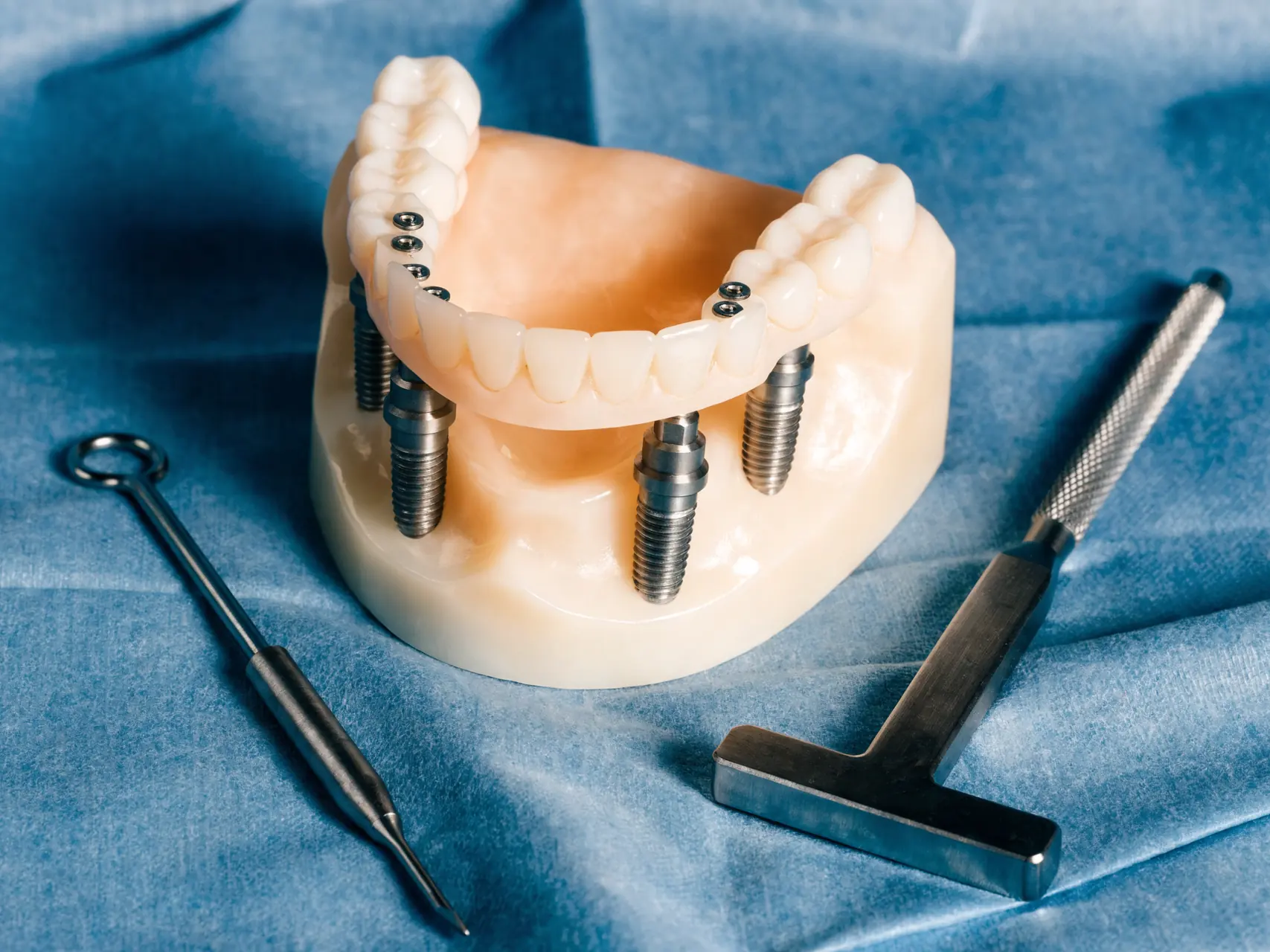
A patient-first guide to what same-day implant language can mean, which decisions remain conditional, and how to verify the clinical, restorative and travel plan.
# Same-Day Dental Implants Turkey 2026: Reality Check
“Same-day dental implants” is a search phrase, not a complete treatment plan. It can describe several different events: a consultation completed on arrival, removal of a tooth, placement of an implant, connection of a temporary restoration, or controlled use of that restoration. Those events are related, but they are not interchangeable. A patient can receive one of them without receiving the others.
This guide explains how to read a same-day proposal for dental implants in Turkey without assuming eligibility, a fixed schedule or a particular outcome. It is educational, not a diagnosis. No remote review can promise eligibility. The final pathway belongs to the responsible treating clinicians after an adequate history, examination, investigations and restorative assessment.
The central rule is simple: same-day is not one clinical event. Assessment, extraction, placement, restoration and loading must be named separately. Each needs its own evidence, decision maker, consent point and fallback. If a proposal merges them into a single slogan, ask for the plan again in clinical language.
Same-Day Is Not One Clinical Event
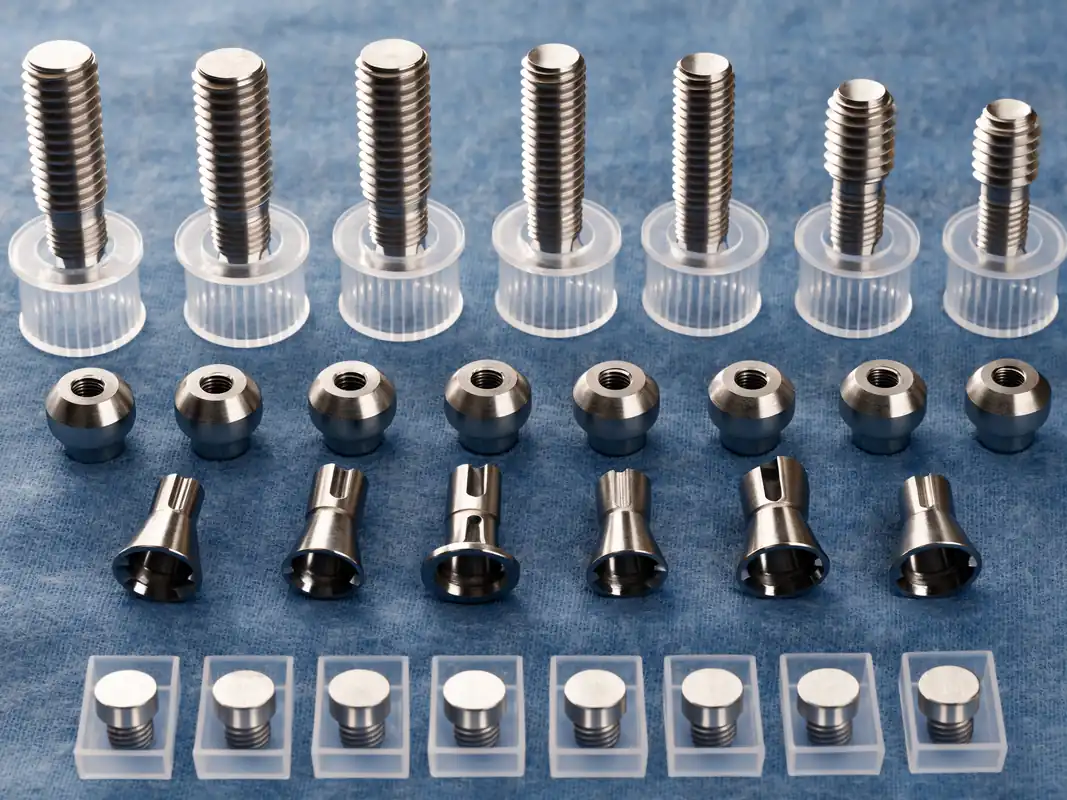
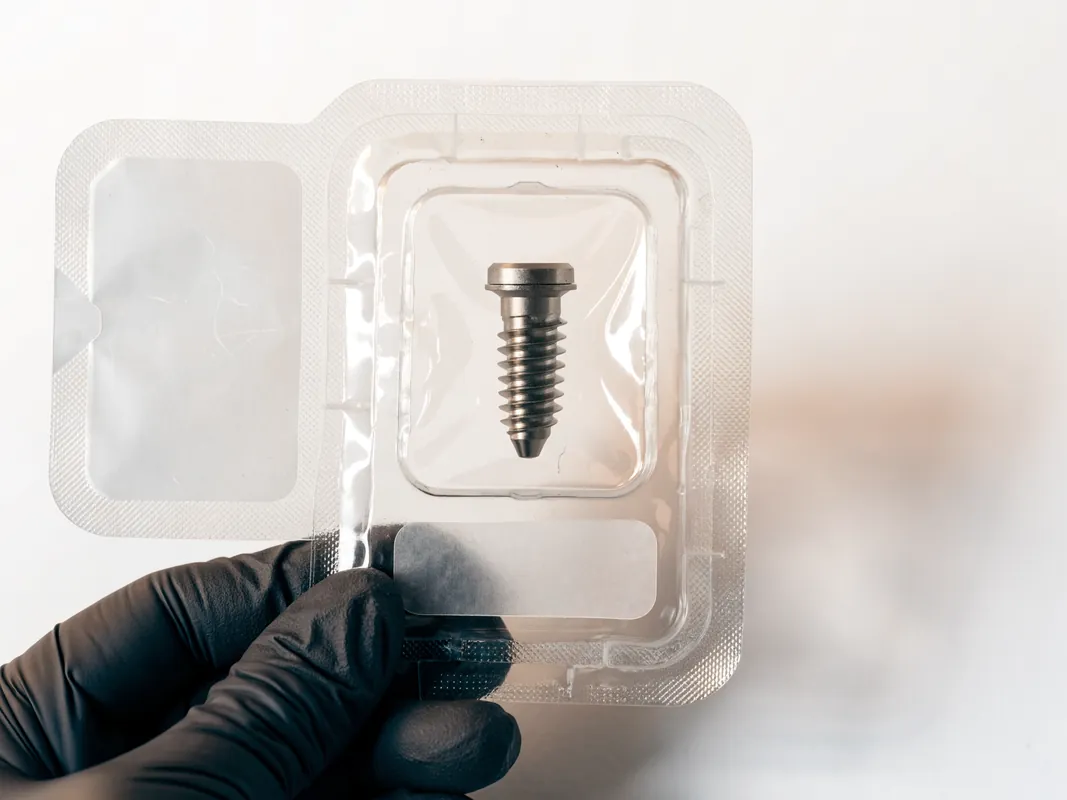
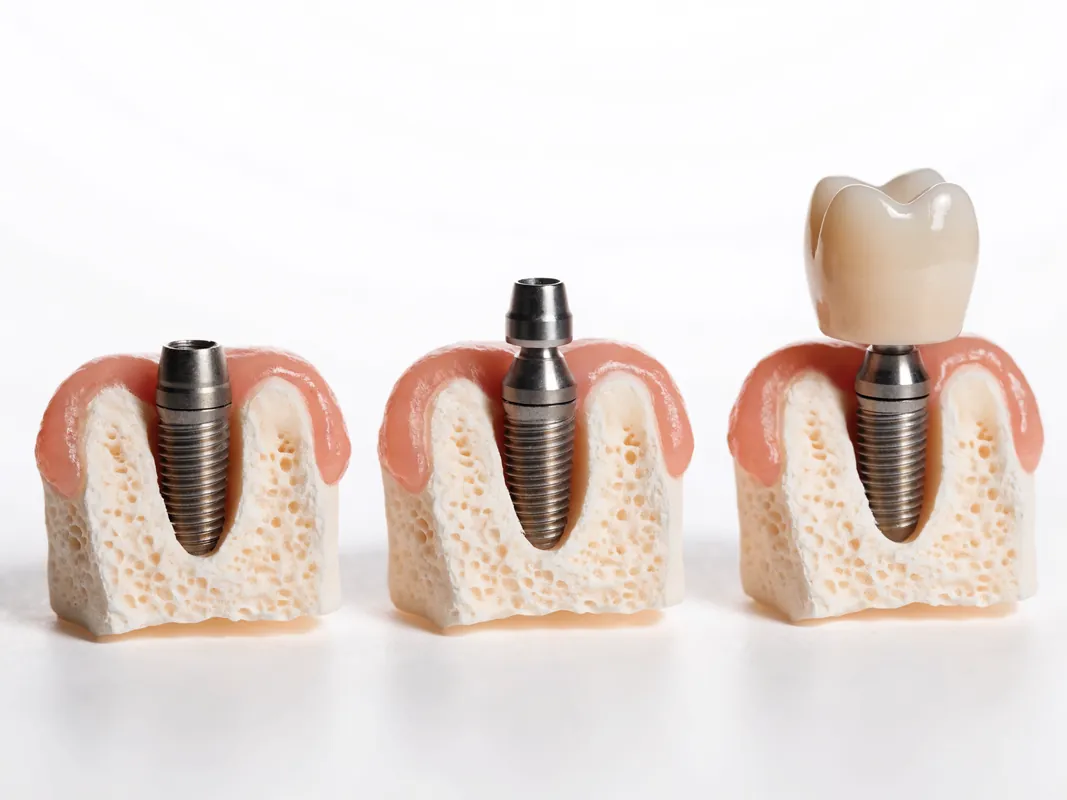
The word “implant” is often used for the whole reconstructed tooth, although an implant system normally involves more than the part placed in bone. The [US Food and Drug Administration patient information on dental implants](https://www.fda.gov/medical-devices/dental-devices/dental-implants-what-you-should-know) separates the implant body, abutment and abutment screw, while the artificial tooth or bridge is the restoration supported by those components. This distinction matters when somebody says that an implant will be “done” on arrival.
Ask the provider to mark which of the following events are proposed and which remain conditional:
| Event | What the patient needs to know |
|---|---|
| Assessment | Who examines, what records are reviewed, what remains uncertain and whether another opinion is appropriate |
| Disease control | Whether active dental or gum disease needs management before implant decisions |
| Tooth preservation decision | Why a tooth cannot reasonably be retained and what non-implant alternatives were discussed |
| Extraction | Which tooth is removed, why, by whom and what is expected at the socket |
| Implant placement | Whether placement is in a fresh socket or healed site and what finding could stop it |
| Immediate restoration | Whether a restoration is connected soon after placement but kept away from functional contact |
| Immediate loading | Whether a connected prosthesis is intended to contact the opposing teeth under the defined protocol |
| Provisional review | How fit, cleaning, tissue response, comfort, speech and function are checked |
| Definitive restoration | What evidence is required before a later restoration is designed, made and accepted |
| Maintenance | Who examines the implant and restoration after the patient returns home |
The [ITI consensus classification of implant placement and loading protocols](https://network.iti.org/tr/academy/consensus-database/consensus-statement/-/consensus/implant-placement-and-loading-protocols/1802) treats placement timing and loading timing as separate axes. It distinguishes placement into a fresh extraction socket from placement after tissue or bone healing. It also distinguishes immediate restoration from immediate loading. That vocabulary is more useful than a sales label because it exposes the actual pathway.
Immediate Placement Is Not Immediate Loading
Immediate placement means that an implant is placed in the socket on the day a tooth is extracted. Immediate loading concerns when a prosthesis is connected and used relative to implant placement. Immediate restoration can describe early connection without the same intended functional contact. These are different decisions.
A person might therefore have:
- extraction and immediate placement, but no connected tooth that day;
- implant placement in an already healed site, followed by a provisional restoration;
- immediate placement with a provisional that is deliberately protected from contact;
- a full-arch provisional supported by several implants, subject to the stability and restorative plan;
- placement followed by unloaded healing because the planned loading gate was not met;
- no placement because the extraction or site assessment changed the diagnosis.
The word “fixed” also needs care. It may describe a restoration that the patient does not remove, but it does not explain whether it is provisional or definitive, whether it is in contact during chewing, how it should be cleaned, or what happens if one supporting implant does not meet the loading criteria. Ask for those answers in writing.
A Provisional Is Not the Final Restoration
A provisional restoration can provide appearance, limited function, tissue support or a way to assess speech and shape. It also protects decision space while healing and review continue. It should be identified as provisional in the treatment plan, quotation, clinical record and discharge notes.
Provisional does not mean unimportant. Its contours can affect cleaning, comfort and tissue access. Its bite can influence the load transmitted to implants. Its material and connector design can affect repair. A full-arch provisional may behave differently from a single provisional tooth. The patient needs to know how it is intended to be used and what changes require clinical review.
Definitive restorative work is a separate decision. The appropriate time and evidence for proceeding depend on the actual clinical pathway, tissue condition, integration assessment, restorative space, function, laboratory process and the clinician’s review. A timetable must remain conditional. Do not plan a non-changeable flight around an advertised completion date.
Preserve a Restorable Tooth Before Planning an Implant
Do not remove a restorable tooth merely to fit a same-day label. An implant is a replacement for a missing tooth; it is not an automatic upgrade for every damaged or unattractive tooth. The first decision should be whether the tooth can reasonably be retained and whether retention fits the person’s health, prognosis, preferences, maintenance capacity and wider treatment plan.
Request a tooth-by-tooth diagnosis. Ask what disease or structural problem is present, what evidence supports it, what treatment could retain the tooth, what uncertainty remains and why extraction is proposed. Depending on the finding, alternatives might include monitoring, periodontal care, repair, root canal treatment, a crown, a bridge, a removable replacement or no current intervention. This list does not decide the case; it shows why extraction needs a reason independent of the implant offer.
For a complex or irreversible plan, an independent second opinion can protect both the patient and the treating team. It is particularly useful when many teeth are proposed for removal, symptoms and images do not appear to match the proposed scope, or the decision is being compressed by travel dates. The [GDC’s information for people considering dental treatment abroad](https://www.gdc-uk.org/standards-guidance/information-for-patients-public/going-abroad-for-dental-treatment) advises patients to understand the risks, research regulation and consult their own dentist before travelling.
Clinical Gates Before Travel
A travel-ready proposal should show what is known remotely and what can only be decided in person. Photographs, a panoramic image and a health questionnaire may help organise a preliminary discussion. They do not replace palpation, periodontal assessment, mobility testing, bite evaluation, appropriate imaging or direct examination by the responsible clinician.
Before booking, ask for a provisional decision sheet with four columns:
| Question | Remote status | In-person gate | Fallback |
|---|---|---|---|
| Is the tooth restorable? | Preliminary only | Clinical examination and selected investigations | Retain, defer or seek another opinion |
| Is extraction indicated? | Conditional | Named clinician confirms diagnosis and consent | No extraction |
| Is immediate placement feasible? | Conditional | Socket, anatomy and stability assessed | Staged placement or another replacement |
| Can a provisional be connected? | Conditional | Surgical and restorative findings reviewed | Alternative temporary solution |
| Can it be loaded? | Conditional | Stability, distribution, bite and patient factors reviewed | Protected or unloaded pathway |
| Can definitive work proceed? | Not decided by the arrival plan | Healing, tissue, function and records reviewed | Continue provisional stage or revise design |
The health history should include medical conditions, previous operations, allergies, prescribed and non-prescribed medicines, relevant treatment history, smoking or nicotine use, alcohol use, previous healing problems and the contact details of appropriate clinicians. Do not stop, skip or change a medicine to qualify for a rapid pathway. Medicine decisions belong to the prescriber or another appropriately qualified professional working with the dental team.
The FDA notes that overall health can affect candidacy and healing and that smoking may affect healing. This does not create a universal checklist that automatically accepts or rejects a person. It means the clinician must identify relevant factors, obtain appropriate information and document how they affect the proposed route.
The Extraction Gate
Extraction is an irreversible procedure and needs its own indication and consent. The plan should name the tooth, diagnosis, alternatives, responsible clinician and expected consequences. If the proposal covers several teeth, request an arch diagram rather than a total extraction count.
At the appointment, findings may differ from the preliminary interpretation. A crack may extend differently from expected. Remaining tooth structure may be more or less favourable. Periodontal support, mobility or infection may change the discussion. The patient should be able to pause and consider a revised plan without being told that travel costs require immediate consent.
If extraction proceeds, the site itself becomes new information. Socket walls, tissue condition, defect shape, anatomy and the ability to position an implant for the intended restoration can only be evaluated properly in the clinical setting. Extraction should not create an obligation to place an implant. The consent process should explain what happens if placement is deferred.
For a detailed extraction-site decision framework, read the extraction and immediate implant guide. That page owns the narrower question of whether removal and placement should occur together; this page owns the broader same-day marketing and travel pathway.
The Placement Gate
Implant placement is not justified solely because there appears to be enough space on one image. The named clinician needs a restorative goal, suitable records and an anatomical assessment proportionate to the procedure. The planned position should support a maintainable restoration, not merely fit available bone.
The placement record should identify the site, implant system and component details, dimensions, relevant surgical findings, any grafting or additional procedure, achieved stability measurements used by the clinician, and any departure from the plan. The patient does not need to interpret technical values alone. They need the clinician to explain what those findings mean for the next gate.
If the planned position, stability or site condition is not acceptable, a responsible pathway can stop. Possible branches include allowing the site to heal, changing the provisional, considering augmentation, redesigning the restoration, choosing a different replacement or deciding against an implant. “No implant today” can be a valid clinical outcome of an honest same-day assessment.
The Site, Bone and Soft-Tissue Gate
Bone volume is only one part of site assessment. The clinician may need to consider three-dimensional anatomy, remaining socket walls, defect pattern, proximity to important structures, tissue thickness, gum line, papillae, keratinised tissue, neighbouring teeth and the emergence path required by the restoration. These factors are case-specific and interact.
Immediate placement does not prevent all normal remodelling after extraction. Nor does adding graft material make the result predetermined. The written plan should state why any graft or soft-tissue procedure is proposed, what uncertainty remains, who performs it, how it changes the provisional plan and what later review is needed.
The [systematic review of immediate placement and immediate loading in selected single aesthetic-zone sites](https://pubmed.ncbi.nlm.nih.gov/37750515/) found that published studies used strict selection criteria and called for further research on aesthetic and functional endpoints. That is important for patients: evidence from a carefully selected study group cannot be converted into a promise for an unseen individual.
Soft-tissue appearance is also not captured by implant presence alone. The [systematic review of immediate placement with or without immediate provisionalisation](https://pubmed.ncbi.nlm.nih.gov/35734911/) examined tissue changes and judged the strength of its main conclusion to be low. This supports cautious consent: a provisional may be part of tissue management, but it does not make the aesthetic result certain.
Infection and Disease Control Are Not a Checkbox
The phrase “active infection” is often used as if it were a single yes-or-no test. The clinically relevant questions are more specific: what diagnosis is present, where is it located, has it affected surrounding structures, can the site be adequately managed, what evidence supports placement or staging, and what review will confirm control?
Gum disease elsewhere in the mouth also matters because implant treatment does not replace the need for disease control and maintainable hygiene. The condition of remaining teeth, plaque control, bleeding, pocketing and the person’s ability to clean the planned restoration can change the overall design. Treating an implant site while leaving the wider disease plan undefined creates a poor handover.
Do not use antibiotics as proof that a site is ready. Prescribing requires a clinical decision based on diagnosis, allergies, interactions and appropriate guidance. A medicine cannot replace source control, site assessment or follow-up. Patients should not self-start leftover medicine or use a travel schedule to pressure a prescriber.
The Restorative and Functional Gate
An implant can be stable while the proposed restoration remains unsuitable. Restorative planning asks whether there is enough space, whether the position supports the planned crown or bridge, how the restoration will be retained and repaired, how the patient will clean it, and how forces will be managed.
Function includes more than chewing. Speech, lip support, facial appearance, bite position, opposing teeth, jaw relationships, parafunctional habits, hand skills and diet can all matter. For a full arch, the design must consider implant distribution, cross-arch support, cantilever, access for hygiene and the behaviour of the provisional as one connected structure. For a single tooth, contact with neighbouring and opposing teeth and the aesthetic tissue zone may dominate.
Ask the restorative clinician to identify:
- the intended provisional and whether it is removable or clinician-retained;
- whether it will be in functional contact;
- the permitted use and food texture advice;
- the cleaning tools and access demonstrated to the patient;
- the signs of looseness, fracture or bite change that require review;
- who can adjust or repair it in Turkey and at home;
- which records the laboratory receives;
- what evidence allows progression to a later restoration.
The Single-Tooth Pathway
A single missing tooth can appear simpler than a full arch, but the decision is still site-specific. The pathway should separate whether an existing tooth should be retained, when it is removed, when the implant is placed, whether a provisional is attached, whether that provisional contacts the opposing tooth, and when a later crown is considered.
In an aesthetic area, tissue contour, implant position and provisional shape may have visible effects. In a posterior site, access, force, available space and neighbouring anatomy may carry different weight. A single phrase such as “same-day crown” does not tell the patient whether the restoration is temporary, out of contact, laboratory-made or expected to remain through the healing phase.
A contingency could be a removable temporary tooth, an adhesive option, a modified existing appliance, a gap for a period, or another design selected by the clinician. The patient should know the fallback before extraction, especially when appearance matters for work or travel.
The Full-Arch Pathway
Full-arch treatment combines surgical, restorative, laboratory and maintenance decisions. It should never be reduced to an implant count or a branded configuration. The number, position and distribution of implants should follow the prosthodontic plan, anatomy and available bone.
The [ITI consensus on loading fixed prostheses in edentulous jaws](https://network.iti.org/academy/consensus-database/consensus-statement/-/consensus/loading-protocols-for-fixed-prostheses-in-edentulous-jaws/1313) describes immediate loading with a one-piece fixed interim prosthesis as a complex pathway requiring careful selection, planning and clinician experience. It also states that implant number and distribution should be based on the implant-prosthodontic plan rather than the loading label.
Request an arch map showing:
- which teeth are proposed for retention or extraction and why;
- whether the opposite arch is changing;
- planned implant sites and the role of each in provisional support;
- what happens if one or more planned sites cannot be used;
- whether the patient could leave with a different provisional than expected;
- how vertical space, lip support, speech and hygiene are assessed;
- how the provisional is repaired if it cracks or loosens;
- what later verification precedes a different restoration;
- who owns maintenance after the patient returns home.
Full-arch immediate loading should not be inferred from the term All-on-4 in a tag, advert or quotation heading. A concept name does not document the actual implant distribution, component system, provisional design, occlusion, clinician responsibilities or fallback.
Intra-Operative Stop or Change Points
The treatment plan should state in advance that new findings can change the route. This is not a loophole; it is part of safe consent. Useful intra-operative stop or change points include inability to preserve planned anatomy, a site that cannot support the intended position, stability that does not meet the clinician’s loading criteria, an unexpected defect, a restorative position that would compromise cleaning or function, or a medical concern that requires another assessment.
Before treatment, ask the clinician to describe the hierarchy of alternatives. For example:
- no extraction and further assessment;
- extraction with socket management and no implant placement;
- implant placement with unloaded healing;
- implant placement with a different temporary solution;
- partial completion while another site is reassessed;
- referral to another clinician;
- abandonment of the implant route in favour of another replacement.
The hierarchy should not be invented after the patient is sedated or distressed. It belongs in the earlier consent discussion, even though the exact branch can only be selected after the relevant finding.
Provisional Restrictions Must Be Written
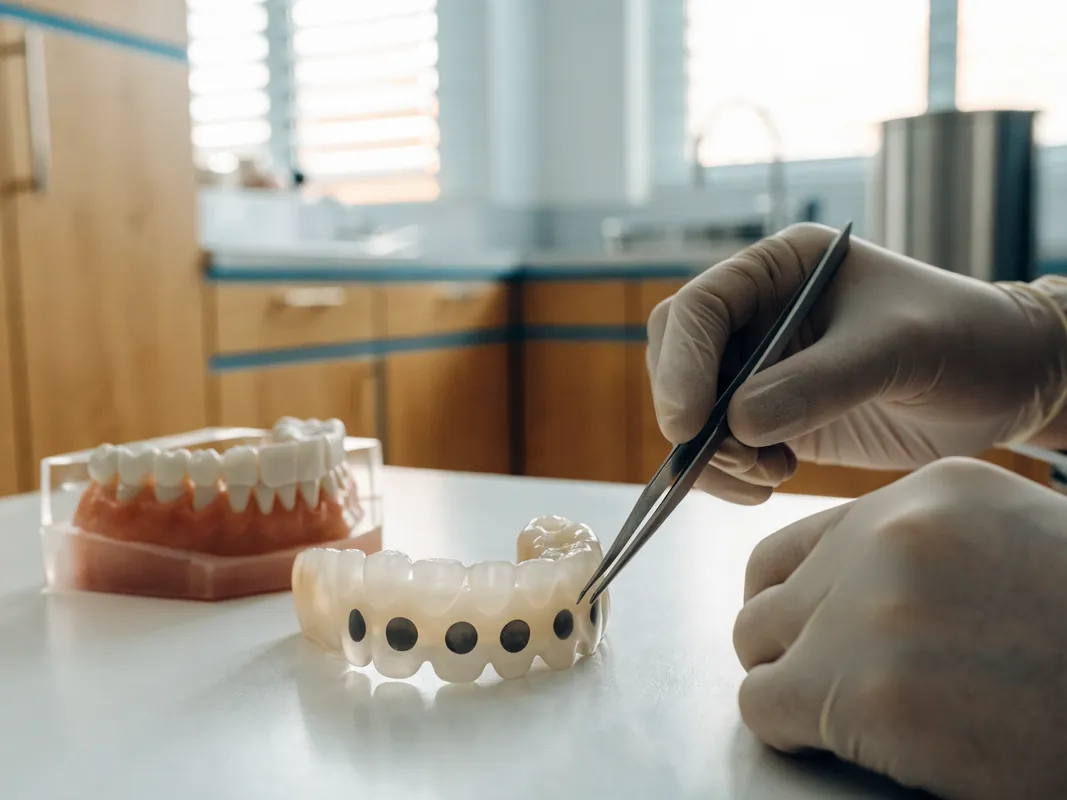
Provisional restrictions should be specific enough to follow and linked to the actual design. A generic instruction to “be careful” is not enough. The patient needs written guidance on cleaning, food texture, contact or function, oral habits, use of any appliance, and who to contact if something changes.
Do not copy another patient’s diet calendar. Restrictions depend on the provisional, implant distribution, bite, surgery, opposing teeth and clinician’s findings. Ask when and how restrictions will be reviewed. If the patient is travelling, include what can be managed remotely and what requires direct examination.
Potential concerns include a restoration that feels mobile, a new click, a visible gap, a bite that changes, inability to clean, a sharp edge, a fracture, worsening pain, swelling, discharge or altered sensation. These signs do not diagnose the cause. They indicate that the responsible clinical contact or an appropriate local service should assess the problem.
The implant aftercare guide explains how to build a written monitoring and handover plan. The smoking, alcohol and implant-healing guide separates evidence, behaviour support and individual clinical advice without turning one habit into a remote eligibility decision.
Failure-to-Progress Branches
Every rapid pathway needs failure-to-progress branches. This phrase does not mean that treatment has necessarily failed. It means that the evidence required to open the next stage is absent, uncertain or different from expected.
Examples include:
- an extraction is postponed because the diagnosis needs clarification;
- a tooth is retained after a different assessment;
- placement is deferred after socket inspection;
- an implant is placed but not restored immediately;
- a provisional is connected but kept out of function;
- the provisional design changes because planned support is unavailable;
- laboratory work is delayed for verification or correction;
- the provisional stage continues while tissues, comfort or function are reviewed;
- definitive work is redesigned or postponed;
- the patient returns home with a documented interim plan and named follow-up route.
For each branch, the written plan should say who decides, what temporary function or appearance is available, which new cost may arise, whether travel needs changing, and what records the patient receives. A branch is not informed consent if it is disclosed only after payment or treatment.
Implant System and Component Record
The patient should leave with an implant system and component record that another competent clinician can understand. The FDA advises patients to ask for the brand and model and keep that information. Brand alone is not enough. Component compatibility, dimensions, connection and restorative parts matter when another clinician needs to inspect, maintain or repair the work.
Request, as applicable:
- legal provider and treating clinician details;
- tooth or site identifiers;
- implant manufacturer, system, model, dimensions and lot information available to the provider;
- abutment and screw details;
- placement date and relevant operative record;
- graft or biomaterial record where used;
- stability findings and how they affected loading;
- provisional material, retention and repair information;
- radiographs or scans in a usable format with dates;
- photographs used for restorative records;
- occlusal and cleaning instructions;
- review findings and unresolved concerns.
Do not accept a marketing brochure as the component record. A local dentist may need exact information, and compatible parts may not be immediately available in every country. The implant system serviceability guide explains how to ask about traceability, component access and maintenance without assuming that a familiar name settles the clinical question.
Laboratory Prescription and Restoration Traceability
A laboratory prescription should connect the clinician’s diagnosis and restorative design to the item being made. It may record the restoration type, material specification, shade, form, interface, component details, occlusal requirements and any provisional or definitive status. The responsible clinician remains accountable for clinical decisions and acceptance.
Ask who takes the records, who prescribes the work, where it is made, who checks it, what constitutes acceptance and how changes are documented. If a try-in, verification jig, scan or other step is used, ask what question it answers. Technology does not remove the need for clinical examination or informed consent.
The [GDC standard on patient records](https://standards.gdc-uk.org/pages/principle4/principle4) lists radiographs, consent forms, photographs, models, laboratory prescriptions, conformity statements and referral letters among records where available. Turkish law and professional duties apply to treatment in Turkey, but this GDC source is a useful patient-facing model for the completeness needed in cross-border handover.
If the provisional is altered during treatment, request the updated design and component information rather than relying on the original quote. If the laboratory remakes an item, ask which record changed and why. A later clinician should be able to distinguish what was planned from what was actually fitted.
Consent and Change Control
Consent is an ongoing conversation, not a signature collected before the in-person diagnosis. The patient should understand the diagnosis, aims, material risks, reasonable alternatives, likely burdens, uncertainties, costs and what happens if the plan changes. They should have time to ask questions and decline or defer.
Same-day treatment creates particular pressure because travel, accommodation and laboratory bookings can make a change feel expensive. Those commercial pressures must not become clinical reasons to proceed. Separate the cancellation terms from the clinical plan and ask what is refundable if the examination changes the route.
Use a change-control sheet whenever the in-person plan differs from the accepted preliminary proposal. It should state:
- the new finding;
- which part of the old plan no longer applies;
- the revised options, including stopping;
- added or removed procedures;
- effect on provisional appearance and function;
- effect on later stages and travel;
- revised itemised cost;
- the clinician responsible for the recommendation;
- the patient’s questions and decision;
- the date and version of the revised plan.
Do not sign blank, untranslated or incomplete documents. If an interpreter is required, ask who provides the service and how questions can be asked directly. A coordinator can support logistics but should not replace the clinician’s explanation of clinical findings.
Build an Itemised Quotation
An itemised quotation should follow the clinical pathway rather than hide it inside one total. Request separate lines for assessment, imaging, extraction, implant placement, grafting where proposed, provisional restoration, components, laboratory work, review, definitive restoration, maintenance and conditional alternatives.
For each line, record:
- what is included and excluded;
- whether it is confirmed or conditional;
- the responsible legal provider;
- the clinician or laboratory role;
- the number and location of units;
- the material or component specification where relevant;
- when payment is due;
- what happens if the stage does not proceed;
- revision, remake and repair terms;
- taxes or third-party charges;
- whether later care at home is separate.
Compare like with like. A quote for placement and a temporary restoration is not equivalent to one that also identifies later restorative work. A full-arch total cannot be compared responsibly without the implant map, provisional design, definitive scope, review plan and conditional items. Travel costs should sit in a separate budget so that a hotel or flight saving does not obscure a clinical difference.
Do not treat the lowest or highest total as a quality measure. Verify the legal provider, responsible clinicians, records, consent process, aftercare route and complaint procedure. Ask for written answers before paying a restrictive deposit.
Turkey Provider Verification
Treatment in Turkey is governed by Turkish law and regulation. Patients should verify the legal treatment provider and the clinicians rather than assuming that an agency, website or coordinator is the provider. The [HealthTürkiye facility directory](https://www.healthturkiye.com/hospitals-list?filters=branch%3A18%3Bcity%3A&pageIndex=0) identifies oral and dental health facilities in an official Ministry of Health service. A directory entry is one check, not proof that a particular same-day plan is appropriate.
Ask for the provider’s legal name, facility details, responsible clinician names, professional registrations, professional indemnity arrangements, complaint process, record-access route and aftercare responsibilities. Verify the information independently using current official sources. Do not rely only on a social-media profile, testimonial or intermediary invoice.
The [UK government health advice for Turkey](https://www.gov.uk/foreign-travel-advice/turkey/health) includes a medical-tourism section and points readers to official provider information. The page and travel advice can change, so recheck it near departure. Travel advice does not make a personal clinical decision or confirm a provider’s treatment claim.
Travel and Recovery Plan
A travel and recovery plan should be built after the provisional clinical pathway, not before it. The itinerary needs enough flexibility for examination, informed decision-making, clinical changes, laboratory work, review and discharge. A short stay does not prove that the body or restoration is ready for the next stage.
Ask the treating clinician:
- which appointments are diagnostic and which are treatment slots;
- what review is required before departure;
- what could delay the provisional or later restoration;
- whether sedation or another aspect changes travel assistance needs;
- which symptoms require assessment before flying;
- how to obtain direct clinical help outside planned visits;
- what records are supplied before departure;
- who coordinates with a local dentist if care continues at home.
Ask the airline separately about its carriage and medical-clearance policies. The clinician advises on the clinical case; the airline decides whether its requirements are met. Do not infer fitness to fly from feeling comfortable or from another patient’s story.
Use flexible transport and accommodation where possible. Keep funds and time for a changed plan. A companion may be useful when surgery, anxiety, communication needs, mobility or medicine effects make independent travel difficult. Whether a companion is needed is an individual planning question, not a condition of implant eligibility.
Local Handover and Maintenance
Cross-border implant care needs a named local handover and maintenance route. Remote messages and photographs can support communication, but they cannot perform a physical examination, test mobility, assess bite contacts or obtain indicated radiographs.
Before travel, ask a local dentist what care they are willing and equipped to provide. Do not assume that any dentist will adjust an unfamiliar component or take responsibility for another provider’s unfinished plan. Share the proposed system and restoration details early enough for the local clinician to decide.
The handover pack should include the diagnosis, treatment actually completed, current provisional status, component record, operative notes, imaging, medicine information, instructions, known complications, unresolved findings, review criteria and direct clinician contact. It should also state which services the Turkish provider expects to provide later and which are to be arranged at home.
Maintenance is not optional simply because the restoration feels fixed. The [EFP clinical practice guideline on preventing and treating peri-implant diseases](https://pubmed.ncbi.nlm.nih.gov/37271498/) supports risk assessment, oral-hygiene instruction and supportive peri-implant care. The appropriate maintenance interval and investigations remain patient-specific.
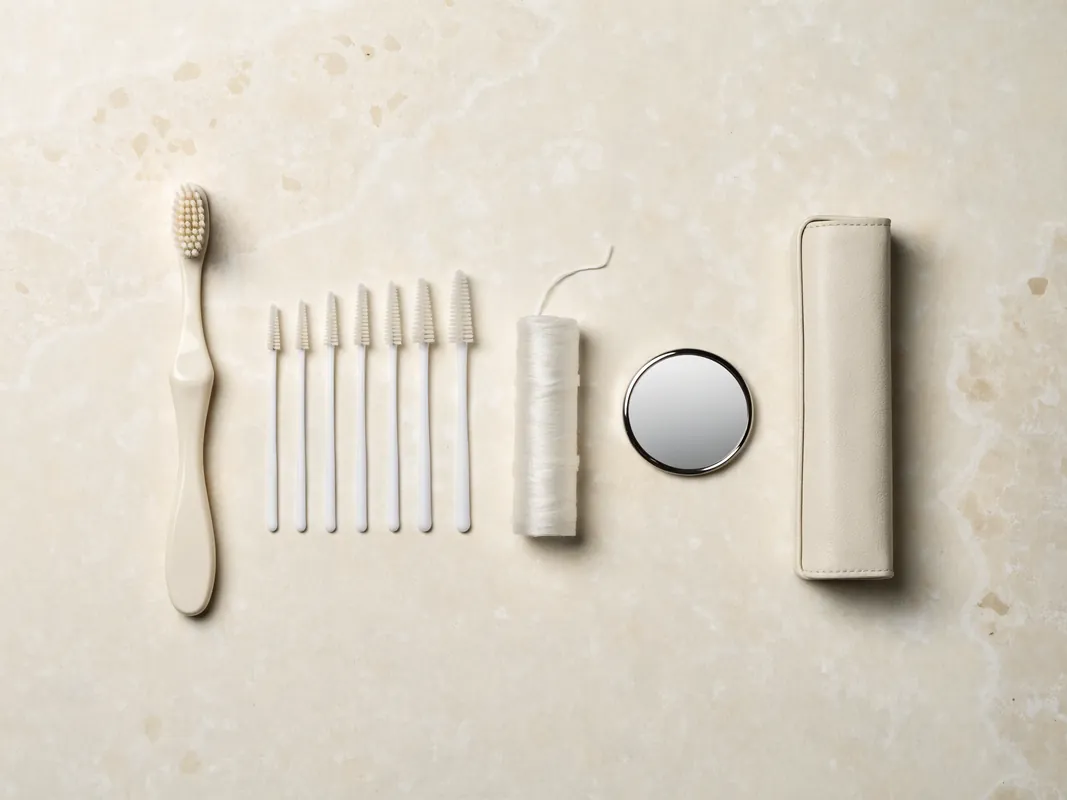
Ask the clinician to demonstrate cleaning around the actual provisional or bridge and then observe the patient doing it. Written product names alone are not enough. If dexterity, vision, gagging or access makes the proposed design difficult to clean, that is a restorative planning issue to address before definitive work.
Urgent Warning Signs
Written aftercare should separate expected recovery features from signs that need clinical advice and emergencies that need immediate help. The exact instructions depend on the procedure and patient.
Seek prompt dental or medical assessment for worsening pain, increasing swelling, discharge, fever or feeling systemically unwell, persistent bleeding, altered sensation, difficulty eating or drinking, a provisional that moves or fractures, a bite that suddenly changes, or an implant area that feels loose. Do not wait for a flight home if the responsible clinician advises direct review.
Breathing, speaking or swallowing difficulty, extensive mouth or facial swelling, swelling affecting the eye, uncontrolled bleeding or serious systemic illness can require emergency care. The [NHS dental abscess guidance](https://www.nhs.uk/conditions/dental-abscess/) directs people with breathing, speaking or swallowing difficulty and certain extensive swelling to emergency services. Use the emergency number and service for the country you are in.
Do not rely on antibiotics, painkillers or remote reassurance to exclude a serious problem. A clinician needs to assess the cause. Keep the provider’s direct clinical contact, local emergency route, insurance details and records accessible to both the patient and any companion.
How to Read Same-Day Evidence
Research about immediate protocols does not answer “Am I suitable?” by itself. A study may involve only single teeth, only full arches, healed sites rather than extraction sockets, selected patients, a particular provisional design, specific stability criteria or clinicians with defined experience. Follow-up length and the outcome measured also vary.
When a provider cites a study, ask:
- Is it about immediate placement, immediate restoration or immediate loading?
- Is it single-tooth, partial-arch or full-arch treatment?
- Were the sites fresh sockets or healed ridges?
- What patient and site selection criteria were used?
- What restorative design and occlusal protocol were used?
- What was provisional and what was definitive?
- Were aesthetic, biological, technical and patient-reported outcomes all assessed?
- How long and how completely were participants followed?
- Does the study population resemble the proposed case?
- Who funded the work and what limitations did the authors report?
The evidence can inform a clinician-patient discussion. It cannot replace diagnosis, consent or the intra-operative gate. Absence of a statistical difference in one selected comparison is not proof that two pathways are interchangeable for every person.
Same-Day Implant Decision Checklist
Before paying or travelling, obtain written answers to these questions:
- What exactly does “same-day” mean in my proposal?
- Which teeth are considered non-restorable, and why?
- What alternatives could preserve teeth or avoid an implant?
- Which decisions are preliminary until examination?
- Who is the legal provider and who are the responsible clinicians?
- Is extraction, placement, restoration and loading documented separately?
- What site, bone and tissue findings must be present?
- What functional and restorative criteria must be met?
- What is the provisional design, permitted use and cleaning method?
- What is the fallback if placement or loading does not proceed?
- What changes require renewed consent and a revised quote?
- What implant and component information will I receive?
- What laboratory records and conformity information are supplied?
- What is included in each item of the quotation?
- Which appointments and travel dates remain conditional?
- What direct review happens before departure?
- Who provides urgent care in Turkey and at home?
- Which local clinician has agreed to the handover?
- What maintenance plan follows the provisional and later restoration?
- How can I obtain my complete records and raise a complaint?
If the answers are unavailable, contradictory or dependent on paying first, pause. A staged plan, another replacement or no immediate treatment can remain reasonable options.
Frequently Asked Questions
Does same-day dental implant treatment mean every step happens on arrival?
No. The phrase can refer to assessment, placement, connection of a provisional or intended loading. Ask for each event separately and identify which remains conditional.
Is immediate placement the same as immediate loading?
No. Immediate placement concerns putting an implant into a fresh extraction socket. Immediate loading concerns how soon a connected prosthesis is intended to function. They require separate decisions.
Can a remote panoramic image confirm eligibility?
No. It can support preliminary discussion, but it cannot replace the history, direct examination, appropriate investigations, restorative assessment and site findings selected by the responsible clinicians.
Must a tooth be removed to keep a rapid implant schedule?
No. The extraction needs its own diagnosis, alternatives and consent. Travel dates should not turn a potentially restorable tooth into an implant site.
Can infection always be reduced to a simple yes-or-no rule?
No. The clinician needs a diagnosis, assessment of the actual site and surrounding tissues, a management plan and criteria for progression. A medicine alone does not prove readiness.
Will an implant always be placed after the tooth is removed?
No. Socket or anatomical findings may support staging, another temporary solution, a different replacement or no implant. The fallback should be discussed before extraction.
Does a temporary fixed bridge mean the definitive restoration is finished?
No. A fixed provisional can support appearance or limited function while later clinical and restorative decisions remain open. Its status and restrictions should be written.
Can the provisional be used like natural teeth?
Do not assume so. The clinician should give design-specific instructions on contact, function, food texture, cleaning and review. These can change after the procedure.
Is a branded full-arch concept enough to define the plan?
No. The plan still needs tooth diagnoses, implant sites, distribution, provisional design, component details, occlusion, hygiene access, fallbacks and later restorative criteria.
Why can the plan change during surgery?
Direct site findings can differ from preliminary records. A change can protect anatomy, restorability, maintainability or the loading pathway. Material changes need explanation, revised options and renewed consent.
What if an implant is placed but cannot be loaded?
The pre-agreed branch may involve unloaded healing and a different temporary solution. Ask who decides, how appearance and function are managed, and how costs and travel change.
What if only some full-arch sites meet the planned criteria?
The restorative team must reassess support and design. Possible branches should be discussed before treatment; a patient should not have to invent a solution after extractions.
What records should identify the implant?
Ask for the manufacturer, system, model, dimensions, lot information available to the provider, component details, site, date, operative record and current restoration information.
Why is the laboratory prescription important?
It records what the clinician asked the laboratory to make and can help explain material, interface, shade, form and functional requirements. It supports traceability and later care.
Should a quote separate provisional and definitive work?
Yes. It should distinguish assessment, surgery, components, provisional restoration, laboratory stages, later restoration, reviews and conditional work so the patient knows what is actually being purchased.
Can I rely on the coordinator for clinical explanations?
Logistics staff can organise communication, but diagnosis, risks, alternatives, consent and changed treatment should be explained by the responsible clinician, with suitable interpretation where needed.
Should I arrange a dentist at home before travelling?
Yes, where possible. Ask what the local dentist is willing and equipped to assess or maintain. Do not assume they can source unfamiliar components or take over unfinished care.
Can photographs replace an in-person review after treatment?
No. They can support triage or communication but cannot test movement, assess all tissues, check the bite or obtain indicated investigations. The clinician decides when direct review is needed.
What if the provisional clicks, moves or breaks?
Contact the responsible clinical service promptly and avoid using it as normal until assessed. The appropriate response depends on the restoration, supporting implants, bite and damage.
How soon can I fly after implant surgery?
There is no single answer for every person. The treating clinician must consider the actual procedure, recovery, review needs, symptoms and health history, while the airline applies its own rules.
Are smoking or a medical condition automatic acceptance or rejection rules?
No. They may affect risk, healing or maintenance, but the responsible clinicians need the complete history and individual assessment. Do not alter medicine or conceal information to fit a schedule.
Does more technology prove that same-day treatment is suitable?
No. Records and tools can support planning, but they do not replace diagnosis, clinician competence, restorative design, informed consent, intra-operative judgement or aftercare.
What symptoms need urgent help?
Worsening swelling, significant bleeding, systemic illness, severe or increasing pain, discharge, altered sensation or a mobile restoration need prompt assessment. Breathing, speaking or swallowing difficulty and extensive swelling can require emergency services.
What is the safest response when a clinical gate is not met?
Pause and use the agreed fallback. That may mean further assessment, tooth retention, staged placement, unloaded healing, a different provisional, another replacement or no current implant treatment.
Sources, Scope and Currency
The sources below were live-checked on 29 August 2026. Consensus statements, systematic reviews, regulation, directories and travel advice can change. Recheck the current source, publication date, eligibility criteria and jurisdiction before relying on it. This guide does not adopt study findings as a personal prediction and does not endorse a named provider, implant system or treatment configuration.
- [ITI: implant placement and loading protocols](https://network.iti.org/tr/academy/consensus-database/consensus-statement/-/consensus/implant-placement-and-loading-protocols/1802)
- [ITI: definition of loading terms and general statement](https://network.iti.org/academy/consensus-database/consensus-statement/-/consensus/loading-protocols-definition-of-terms-and-general-statement/1310)
- [ITI: loading fixed prostheses in edentulous jaws](https://network.iti.org/academy/consensus-database/consensus-statement/-/consensus/loading-protocols-for-fixed-prostheses-in-edentulous-jaws/1313)
- [PubMed: selection criteria for immediate placement and loading in a selected single aesthetic-zone site](https://pubmed.ncbi.nlm.nih.gov/37750515/)
- [PubMed: immediate placement with or without immediate provisionalisation](https://pubmed.ncbi.nlm.nih.gov/35734911/)
- [PubMed: comparison of immediate and early placement in single aesthetic-zone treatment](https://pubmed.ncbi.nlm.nih.gov/38558205/)
- [PubMed: immediate versus early loading of single implants](https://pubmed.ncbi.nlm.nih.gov/29703670/)
- [FDA: dental implants — what patients should know](https://www.fda.gov/medical-devices/dental-devices/dental-implants-what-you-should-know)
- [EFP S3 clinical practice guideline on peri-implant disease prevention and treatment](https://pubmed.ncbi.nlm.nih.gov/37271498/)
- [GDC: going abroad for dental treatment](https://www.gdc-uk.org/standards-guidance/information-for-patients-public/going-abroad-for-dental-treatment)
- [GDC: maintaining and protecting patient information](https://standards.gdc-uk.org/pages/principle4/principle4)
- [UK government: Turkey health and medical-tourism advice](https://www.gov.uk/foreign-travel-advice/turkey/health)
- [HealthTürkiye: official facility directory](https://www.healthturkiye.com/hospitals-list?filters=branch%3A18%3Bcity%3A&pageIndex=0)
- [NHS: dental abscess and emergency warning signs](https://www.nhs.uk/conditions/dental-abscess/)
Final Decision Rule
Treat “same-day” as a question to unpack, never as the clinical answer. Proceed only when the tooth diagnosis, alternatives, site plan, loading gate, provisional restrictions, change branches, records, quotation, travel flexibility and local handover are understandable in writing.
The responsible plan may still include rapid placement or a provisional restoration. It may instead preserve a tooth, stage the implant, avoid loading, change the restoration or stop. The quality of the decision lies in whether it fits the diagnosed patient and remains safe to revise—not in whether it keeps the slogan.