This guide does not rank implant brands or recommend a device for an individual patient. It is a method for checking what a proposed dental implant system actually is, why a named clinician considers it appropriate, whether every component can be traced, and whether care can continue if the patient later lives or travels elsewhere.
The useful question is not which brand wins, but whether the exact system is appropriate, traceable and serviceable across the patient’s likely care locations. A logo alone cannot answer that question. The decision begins with diagnosis and alternatives, then moves through the implant body, connection, abutment, fixation components, restorative parts, laboratory workflow, records and future maintenance route.
Do not consent to placement until the responsible clinician has named the exact system and explained the case-specific reason. Remote messages, promotional labels, a country of manufacture, a database search and a photograph of a box cannot replace an in-person assessment by the clinician who accepts responsibility for treatment.
A Brand Name Is Not a Diagnosis
A device name cannot determine whether an implant is indicated. The clinician must first establish the problem being treated, the condition of remaining teeth and tissues, the available restorative choices, relevant health factors, the records required for planning, and whether delaying or avoiding an implant is reasonable. A patient comparing names before this work has been completed is comparing answers before the clinical question is defined.
The Clinician Decision Boundary
Only the appropriately registered clinician responsible for the case can connect diagnostic findings to a device choice. A coordinator, website, laboratory, distributor or database may supply useful information, but none should present a device selection as a personal clinical conclusion. The written plan should identify the clinician, the facility, the proposed procedure, the alternatives discussed, the material uncertainties and the point at which the plan may change after direct assessment.
Map the Complete Implant System
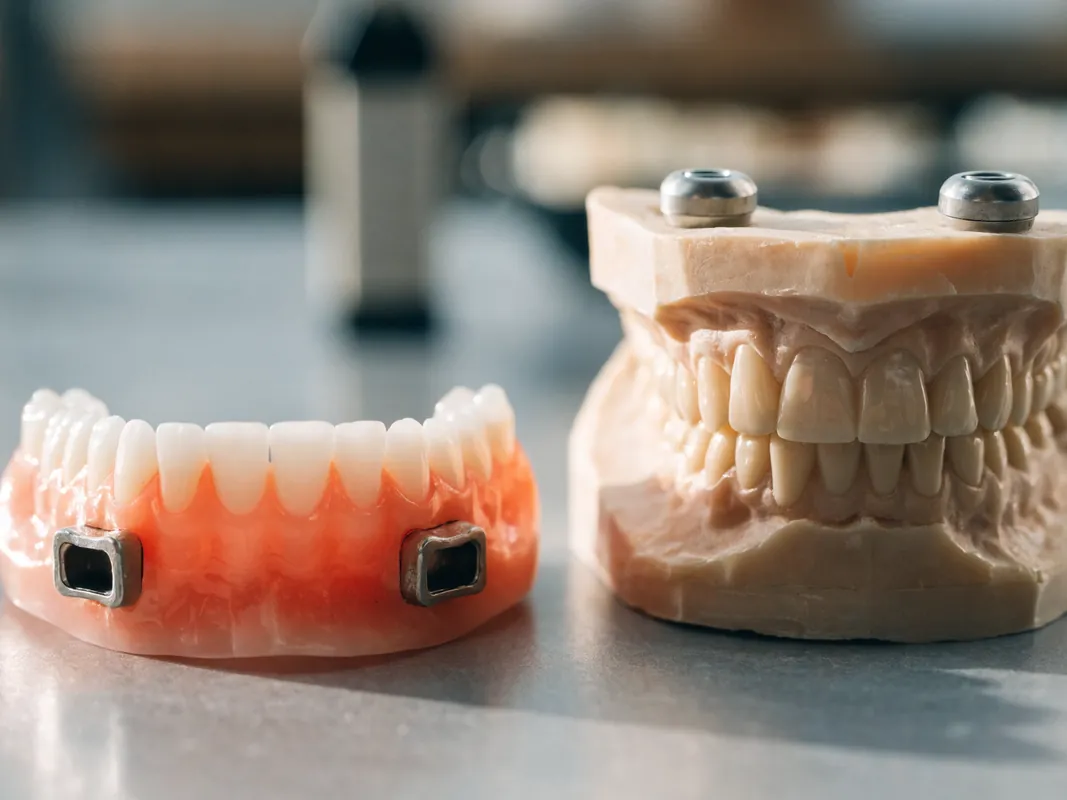
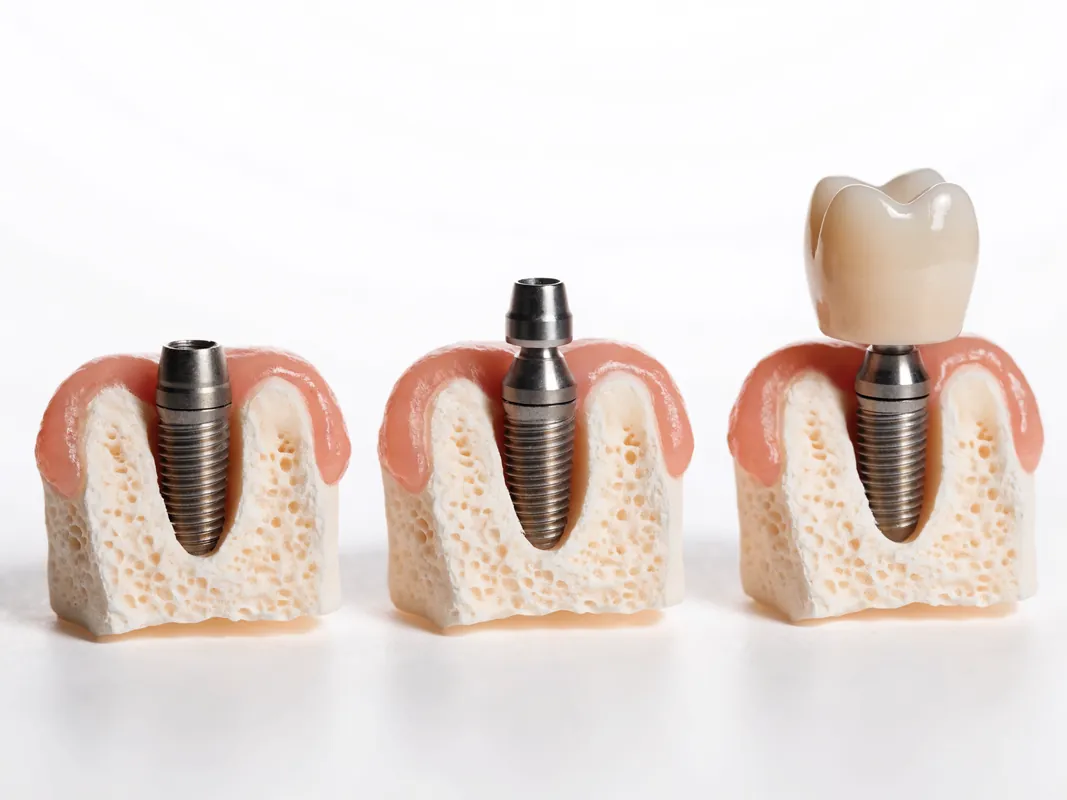
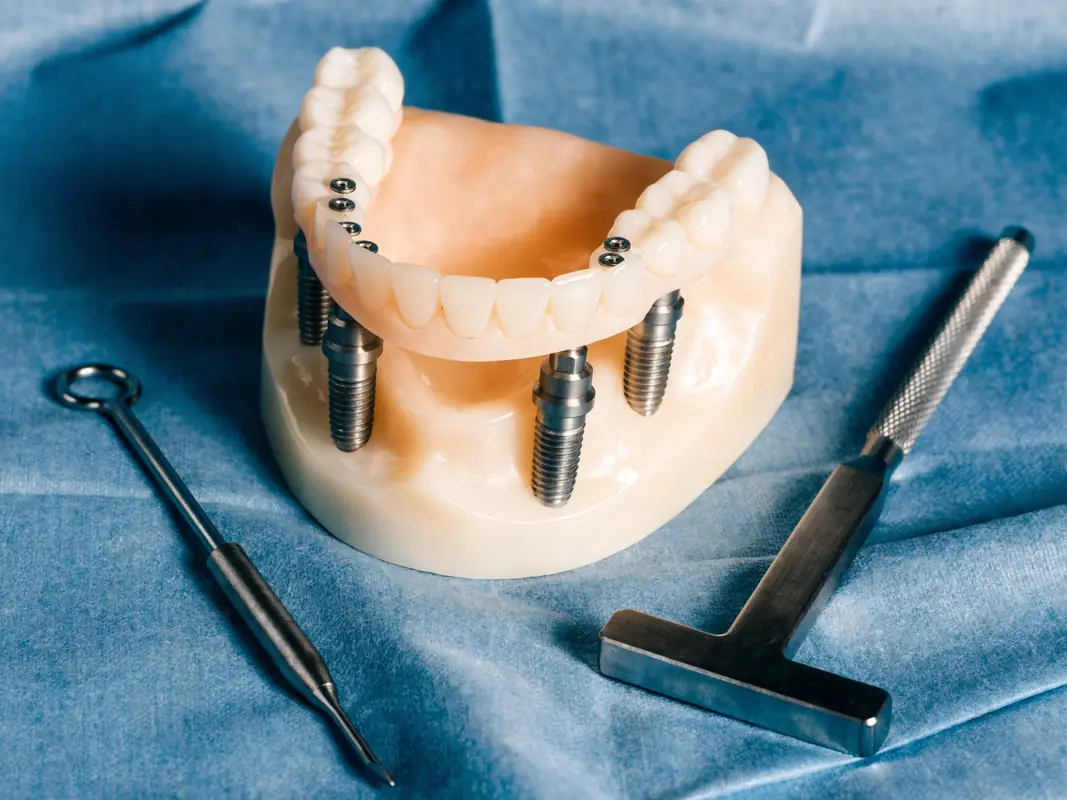
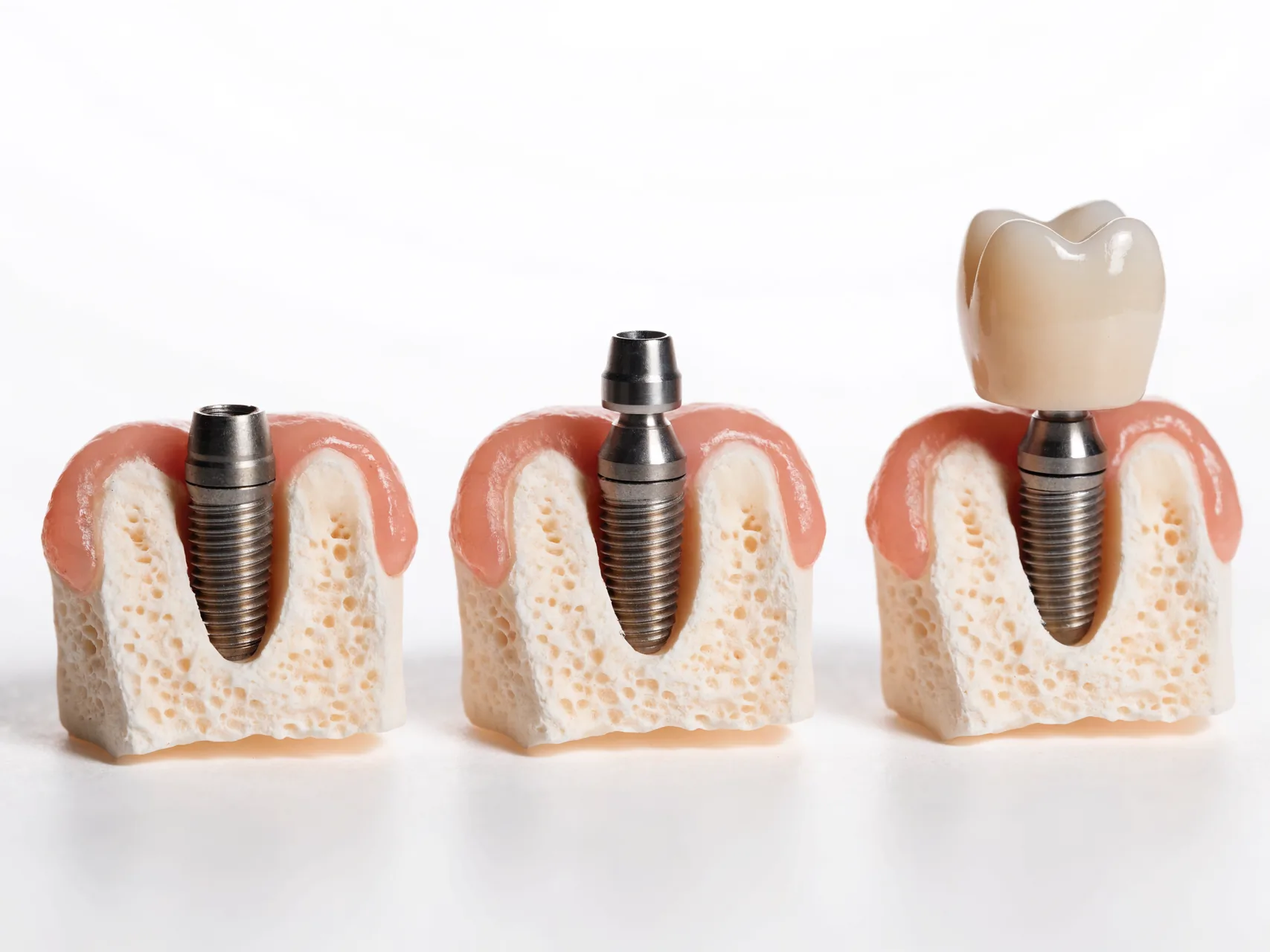
The United States Food and Drug Administration explains that a dental implant system includes an implant body and an abutment and may include an abutment fixation screw. That is a useful starting point, not a complete restorative inventory. Depending on the design, later care may also involve healing parts, impression or scanning parts, temporary components, restorative screws, laboratory analogues, drivers and a prosthesis designed around a specific connection.
Implant Body, Connection, Abutment and Prosthesis
Record each layer separately. The implant body is the surgically placed device. The connection is the interface through which restorative components engage it. The abutment links the implant to the restoration or supports another restorative structure. A fixation component may secure that connection. The prosthesis is the visible or functional restoration. Similar-looking pieces are not automatically interchangeable, and a shared trade name does not establish compatibility.
Regulatory Status Is Not a Quality Ranking
A regulatory listing is not a quality award, a comparative clinical result or proof of suitability for one patient. Regulatory systems serve defined legal and surveillance functions in particular jurisdictions. A database result should be read with the exact device identifier, manufacturer identity, intended market, current status and source date. It should then be matched to the label and current instructions supplied for the actual device.
Capture Manufacturer, Model, Reference, Lot and UDI
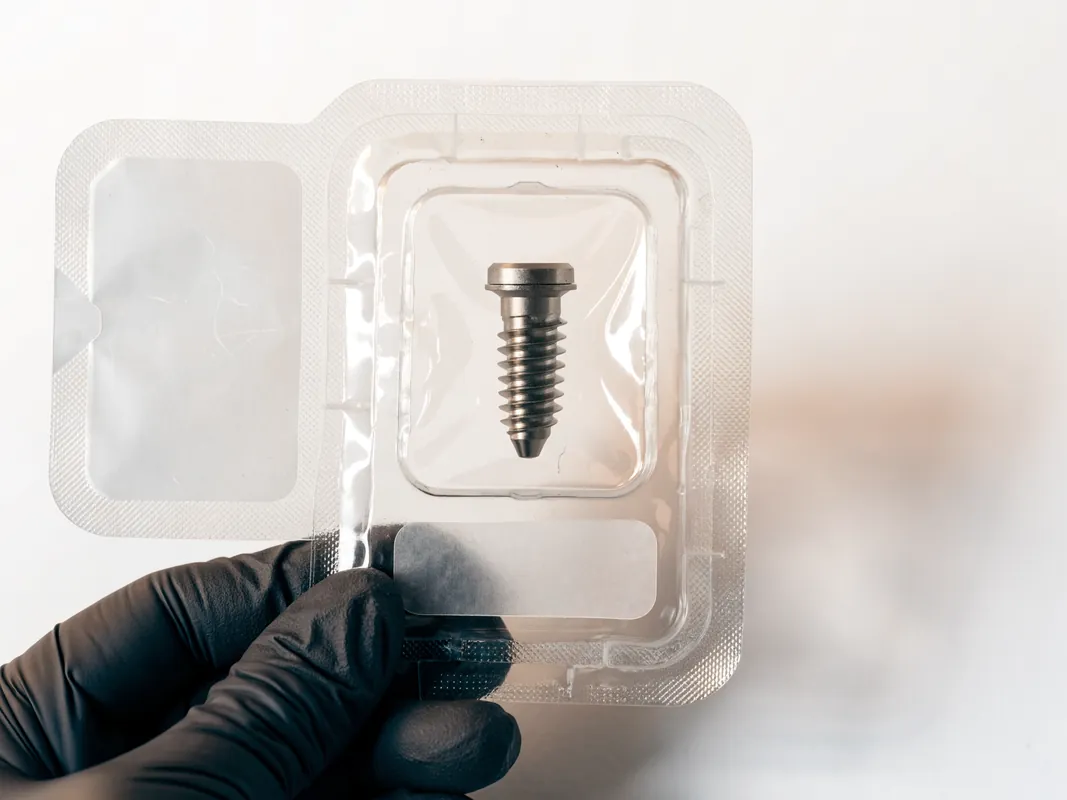
Ask for the legal manufacturer name, product family, exact model or variant, catalogue or reference number, size, lot or serial information where applicable, and the label-level Unique Device Identifier when one is assigned. Record the implant body and every placed restorative component separately. A family brochure or brand-level certificate is not a substitute for the identifiers tied to the actual item.
Read the Exact Current Instructions for Use
Request the current manufacturer instructions for the exact reference proposed. Check the document number, revision, publication date, intended purpose, indications, contraindications, warnings, compatible components and any required instruments. The responsible clinician should explain which parts matter to the individual plan. A patient should not interpret an instructions document as a self-diagnosis tool.
Indications and Contraindications Are Product-Specific
Do not accept a summary copied from another model or an old brochure. Product families can contain variants with different intended uses, dimensions, connections or handling requirements. The clinician should identify the exact document relied upon and explain how the assessed anatomy, restorative objective, health history and proposed workflow fit within it. Any uncertainty should be resolved before placement, not after travel or surgery.
Verify Genuine Distribution Without Guessing
Authenticity is a chain-of-custody question. Compare the legal manufacturer, authorised economic operator where relevant, distributor, supplier invoice reference, sealed label, reference, lot information and UDI. If a discrepancy remains, ask the manufacturer or its officially listed local contact to confirm the distributor and identifier through a verifiable channel. Packaging appearance alone does not prove origin.
Plan Home-Country Component Availability
Before treatment, ask a local restorative dentist whether the exact connection and component family can realistically be serviced. Ask who can supply restorative screws, drivers, scan bodies, impression parts, laboratory analogues and compatible abutments in the likely country of follow-up. “Available worldwide” is too vague; request a named current supply route and check it independently.
Test Long-Term Serviceability Before Placement
Serviceability means that a future clinician can identify the system, obtain the correct components, use the correct instruments, understand the restorative design and access sufficient records to investigate a problem without guessing. Test that route in advance: give a local practice the proposed identifiers and ask what else it would require to accept maintenance or repair work.
Build an Implant Passport
An implant passport is a structured record rather than a decorative card. It should distinguish patient identity from device identity and record the treating facility, placing clinician, date, anatomical site, manufacturer, exact implant reference and dimensions, lot or serial information, UDI where assigned, connection, abutment, fixation components, restorative material, laboratory, and links or copies of current relevant records.

Verify Laboratory and Restorative Compatibility
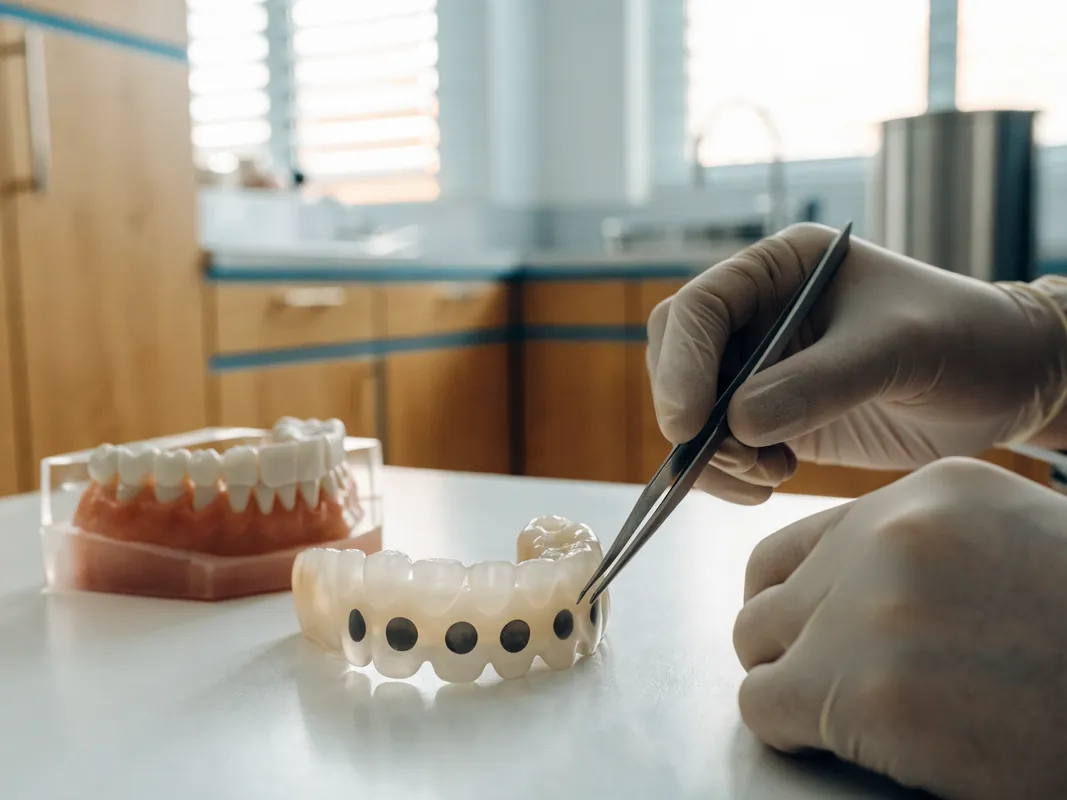
Ask who designs and fabricates the restoration, which connection library and components are used, whether components are manufacturer-made or from another identified source, and how compatibility has been established. The laboratory prescription, material declaration and final component list should match the clinical record. A digital file alone does not establish that the physical parts are compatible.
Maintenance, Repair and Revision
Future care should be planned as part of the initial decision. Identify the maintenance schedule as set by the responsible clinician, the local provider who can examine the implant and restoration, the instruments needed to access fixation components, the process for obtaining replacements, and the records needed if a restoration is repaired or redesigned. No device name removes the need for continuing professional review.
Appraise Evidence Without Cross-Study Percentages
Do not compare isolated numerical outcomes taken from different studies. First check whether studies concern the same exact system, connection, surface, indication, restoration, patient population and follow-up method. Review outcome definitions, loss to follow-up, missing data, comparator, clinician setting, conflicts of interest and whether results apply to the proposed use. Different study designs do not become comparable because a brochure places their numbers in one table.
Device Recall and Safety Notice Checks
Search official vigilance and safety-notice sources using the legal manufacturer, exact reference and identifier, not only the trade name. Check the publication date, affected lots or serials, required action and current status. A safety notice does not automatically mean that every related device is affected. The treating clinician and manufacturer contact should interpret whether a notice applies to the recorded item.
Quote Comparison Worksheet
Compare written proposals line by line: responsible provider and clinician; diagnosis and alternatives; implant body identifiers; abutment and fixation components; provisional and final restorations; laboratory identity; materials; records; assessment-dependent additions; follow-up responsibilities; component supply route; cancellation terms; payment stages; complaint route; and the consequences of a plan change. Blank fields are questions, not assumptions.
Red Flags
Pause if the seller will not name the legal provider or clinician, identifies only a country or marketing tier, will not provide exact device references before consent, substitutes a different system without renewed explanation, treats regulatory status as a clinical result, refuses traceability records, cannot name the laboratory, says all connections are interchangeable, or cannot explain how a future dentist could obtain the required components.
Frequently Asked Questions
The questions below turn this framework into practical checks. They are not a substitute for an examination, diagnosis or individual advice.
Official Source Register and Review Date
The following primary and official sources were reviewed on 29 August 2026. Recheck them at the time of decision because databases, regulatory arrangements, device records and manufacturer documents can change.
- FDA, Dental Implants: What You Should Know: https://www.fda.gov/medical-devices/dental-devices/dental-implants-what-you-should-know
- European Commission, Unique Device Identifier: https://health.ec.europa.eu/medical-devices-topics-interest/unique-device-identifier-udi_en
- European Commission, EUDAMED UDI/Devices registration: https://health.ec.europa.eu/medical-devices-eudamed/udidevice-registration_en
- US National Library of Medicine, AccessGUDID advanced search: https://accessgudid.nlm.nih.gov/advanced-search
- MHRA, vigilance and post-market surveillance guidance: https://www.gov.uk/government/collections/medical-devices-guidance-for-manufacturers-on-vigilance
- MHRA, field safety notice guidance: https://www.gov.uk/guidance/effective-field-safety-notices-fsns-guidance-for-manufacturers-of-medical-devices
- MHRA, report a medicine or medical-device problem: https://www.gov.uk/report-problem-medicine-medical-device
Start With the Clinical Question, Not the Catalogue
An implant system comparison becomes useful only after the care team has stated what problem it is trying to solve. “Replace a missing tooth” is still too broad. The plan should say which site is involved, what supports and opposes the proposed restoration, what condition the surrounding teeth and tissues are in, what functional and aesthetic objectives have been discussed, what records have been reviewed, and what uncertainties remain. It should distinguish observations from conclusions and final decisions from provisional ideas.
Ask the responsible clinician to explain reasonable alternatives in plain language. Depending on the assessed situation, the discussion may include no immediate intervention, preservation of an existing tooth, a removable option, a tooth-supported restoration, an implant-supported restoration, or staged investigation before a decision. This list is not a recommendation; it illustrates why a device name should never appear before the patient understands the treatment question and alternatives. An implant can be technically identifiable yet still be the wrong answer to the clinical problem.
The plan should also separate the surgical question from the restorative question. Placement creates a foundation for a restoration; it does not define the complete functional result. A system that can be placed is not automatically straightforward to restore, clean, maintain or repair. The clinician who proposes placement should explain who owns restorative planning, how the final restoration is designed, what laboratory is involved, and how responsibility is shared if different people perform different stages.
If the proposal begins with a trade name and skips diagnosis, ask the provider to restart the explanation. A useful sequence is: identified problem; necessary records; diagnostic interpretation; alternatives; patient preferences; risks and uncertainties; restorative design; system requirements; exact device proposal; and a documented route for future care. This sequence reduces the risk that a marketing preference is mistaken for clinical reasoning.
Identify Every Responsible Person and Organisation
Device verification cannot compensate for an unclear care relationship. Before comparing systems, record the legal name of the treating provider, the facility where each procedure will take place, and the name and current registration details of each clinician responsible for assessment, surgery and restoration. If a laboratory designs or manufactures the restoration, record its legal identity and the named route for technical questions. If a distributor supplies the device, record that company separately from the treating provider.
Do not allow the roles to blur. A manufacturer makes or places a device on the market under its name. A distributor supplies it. A laboratory fabricates or modifies restorative work within a prescription. A clinician diagnoses and treats within a professional scope. A coordinator may organise communication. Each role produces different evidence and carries different responsibilities. A distributor’s product training does not establish a clinician’s registration. A clinician’s registration does not authenticate an unidentified component. A laboratory invoice does not establish that the device was clinically suitable.
Ask where the contract for clinical care sits, who holds the dental record, who provides informed consent, who decides whether the planned system changes, and where a complaint about clinical care should be submitted. If multiple organisations are involved, request a written responsibility map. The map should state who responds to device-identity questions, restorative fit concerns, surgical concerns, laboratory remakes, records requests and safety notices. It should not rely on a single messaging account that may disappear.
Independently check professional and facility information using the current official register in the jurisdiction of treatment. Registration shows a defined legal status at a point in time; it is not a ranking and does not predict an individual outcome. Save the date and source of the check. Names should match the written plan rather than a general team page.
Define the Restorative End Point Before Selecting Components
The proposed final restoration affects the system requirements. A single restoration, linked restorations, an implant-supported bridge and a removable implant-retained design do not present the same restorative interfaces. The plan should name the intended restoration, how it will be retained, which components connect it to the implant body, what material is proposed, and which parts must remain accessible for future care. The patient does not need to become a technician, but should receive enough information for another qualified team to identify the work.
Ask whether the final design has been decided or remains dependent on direct assessment, tissue response, laboratory stages or patient preference. If provisional work is planned, identify which parts are temporary, who reviews them, and what findings must be satisfied before definitive fabrication. A temporary component should not be allowed to obscure the identity of the underlying system.
The restoration should be considered as a serviceable structure. How would a future dentist access the fixation component? Which driver is required? Can the restoration be removed without destroying it, or would removal require redesign? Is the component path documented? Does the laboratory keep the design file and prescription? Are the material and shade recorded? These questions matter even when no problem is expected because later care is easier when the original design can be reconstructed from records.
A catalogue may show many restorative options, but availability differs by market, distributor and time. The written proposal should identify the parts actually planned rather than relying on the broad range shown on a manufacturer website. If a particular abutment, driver or scanning component is critical, verify its current supply route in both the treatment country and the likely country of follow-up.
Build a Component-Level System Map
Create one row for every component that may remain in the patient or may be needed to service it. Start with the implant body. Add the connection specification, cover or healing components used during treatment, the definitive abutment or restorative base, the fixation component, and the prosthesis. Then add the tools and records a future team would need: driver type, recommended engagement details from the current manufacturer instructions, scan body or impression component, laboratory analogue or digital library, and any component-specific handling information.
For each row, record five kinds of identity: legal manufacturer; exact product description; catalogue or reference number; production identifier such as lot or serial information where applicable; and UDI data when assigned. Then record provenance: supplier, distributor, source document and label photograph. Finally record clinical context: anatomical site, placement or fitting date, responsible clinician, and the relevant laboratory prescription.
Do not collapse these rows into one brand label. The implant body and abutment may have different references. A restorative base may be sourced separately. A fixation component may be replaced during maintenance. A later restoration may retain the implant body but change most of the restorative stack. Without a component-level history, a future clinician can know the implant family yet still lack the information needed to open, repair or reconstruct the work safely.
Mark every unknown. If the proposal says “compatible abutment,” ask compatible by whose documented specification and for which exact connection. If it says “original parts,” ask for the legal manufacturer and reference. If it says “custom part,” ask who designed and fabricated it, what starting component was used, what file or prescription documents the work, and how future service is expected to occur. An adjective is not an identifier.
Understand the Connection as a Service Interface
The connection is where the restorative system engages the implant body. Patients often hear only the implant body name, yet future care may depend more immediately on identifying this interface and its instruments. Two components can look similar and still differ in geometry, indexing, dimensions or manufacturer-specified use. A clinician should not infer interchangeability from appearance.
Ask the team to record the exact connection and restorative platform for each site. If the system uses platform-specific components, the record should preserve that detail. If components from another source are proposed, ask for the documented compatibility basis and who accepts responsibility for that choice. Avoid statements that all parts in a broad family fit; the actual reference and current manufacturer documentation control.
Serviceability questions should be practical. Which driver is needed to access the fixation component? Is that instrument ordinarily available to the named local follow-up provider? Can a replacement fixation component be ordered using the record? Does the laboratory have the correct digital library or physical analogue? If the restoration must be removed, is its access path documented? If the original clinician is unavailable, would the record allow another team to proceed without trial-and-error?
The answers should be written, not merely demonstrated verbally. A future clinician may be working years later, in another language and with a different software or laboratory workflow. Clear identifiers travel better than memory.
Read Regulatory Evidence in Its Proper Jurisdiction
Regulatory evidence should answer a precise question: what is the device identity and status under a defined legal framework at a stated time? It cannot answer whether the device suits the patient, whether the planned restorative design is sound, whether the operator is competent, or whether one system produces a better result than another.
For a device proposed in the United States, official FDA information and AccessGUDID may help identify records associated with the device and its UDI. For a device in the European Union, the European Commission explains the UDI framework and the EUDAMED UDI/Devices module. For Great Britain, current MHRA sources explain manufacturer vigilance, field safety notices and problem reporting. Other jurisdictions have their own authorities and transitional arrangements. Check the framework relevant to where the device is lawfully supplied and placed.
Record the date of every search because databases and regulatory arrangements change. Use the legal manufacturer and exact identifier rather than a shortened trade name. Save the record or reference number and compare it with the physical label. If a database does not return a result, do not jump to a conclusion. Possible reasons include search error, identifier format, database scope, transition arrangements, market differences or a genuine discrepancy. Ask the provider and legal manufacturer to resolve it in writing through an official channel.
Conversely, a successful search should not be overinterpreted. It may establish that an identifier appears in a database and connect it to defined device information. It does not establish that the sealed item came through the claimed supply chain, that every component is from the same source, or that the proposed use follows the current instructions. Regulatory research supports the verification chain; it is not the whole chain.
Understand UDI Without Treating It as a Clinical Score
The European Commission describes UDI as a code used to identify devices and support traceability. Its framework distinguishes the UDI device identifier from production information. Production information can vary by label and may include lot or serial information and other manufacturing data. The Commission also explains that a Basic UDI-DI is an identifier used at a higher grouping level and is not the same thing as the UDI carried on a device label.
For the patient record, capture the label-level data associated with the actual item, not only a family-level identifier copied from a brochure. Preserve the human-readable text and, when practical, an image of the machine-readable code. The clinical record should connect that data to the anatomical site so identifiers are not detached from what was placed where.
If multiple implant bodies are placed, do not store all labels as one undifferentiated photograph. Map each label to its site. If an abutment or other placed component carries its own identifier, preserve that separately. When a component is later changed, add the new identifier and date rather than overwriting history.
UDI improves identification only when the record is complete and retrievable. A code stored in an inaccessible internal system does not help a patient seeking care elsewhere. Ask for a durable patient copy in a format that can be read without proprietary software. Keep the original file and a human-readable summary.
Check the Exact Label Against the Written Plan
Before placement, the clinical team should reconcile the proposed plan with the exact sealed item. The legal manufacturer, product name, reference, dimensions, lot or serial details, expiry information where shown, and UDI should agree with the plan and source records. Any substitution or mismatch should trigger a new explanation, review of relevant instructions and renewed consent before use.
The patient may request a copy or photograph for the record, but should not be expected to supervise sterile handling or perform the clinician’s checks. The professional team remains responsible for appropriate verification and documentation. A photograph taken after a label has been separated from the device also needs a reliable link to the clinical record and site.
Labels can differ between markets or revisions, so do not authenticate by colour, typography or a remembered box design. Compare structured identifiers and contact the manufacturer through a channel listed on its official website if necessary. Beware of contact details supplied only by the seller when resolving a supply-chain concern.
If language creates uncertainty, request a clear explanation and an accessible copy of the relevant information. Translation should preserve exact identifiers without converting or shortening them. Device codes, reference numbers and document revisions should remain unchanged.
Use the Current Product-Specific Instructions
An instructions document should be traceable to the exact product reference and current revision. Ask where it was obtained, when it was checked, and whether the manufacturer has replaced it. A general surgical manual or product-family brochure may be useful context but cannot substitute for the instructions applicable to the proposed item.
The responsible clinician should explain the intended purpose and why the plan falls within it; any indications or contraindications that affect the assessed patient; relevant warnings and precautions; component compatibility; instruments and handling requirements; and any conditions that affect the restorative workflow. This explanation is part of informed decision-making, not a quiz for the patient.
Do not copy a list of contraindications from an unrelated web page and try to clear yourself. Health history, medicines, anatomy, oral condition and alternatives require professional assessment. If the instructions identify a matter outside the treating clinician’s scope, ask how appropriate medical or dental input will be obtained. Do not change medicine or delay necessary care based on this guide.
Save the document number, revision and access date in the care file. If the plan changes to another reference, repeat the instructions check. If the manufacturer later updates safety information, the recorded document history helps the clinician understand what was known at the time and what now requires review.
Resolve Indication, Warning and Compatibility Questions in Writing
The patient-facing summary should not simply state “suitable.” Ask the clinician to link the conclusion to the assessed findings and restorative objective. Which records were reviewed? Which findings support the proposed approach? What uncertainty remains? What alternative would be considered if direct assessment differs from the remote proposal? Which compatibility documents support the intended component stack?
If a feature is presented as important, ask for the relevant current manufacturer document and a case-specific explanation. Do not accept an unsupported claim that a surface, shape or connection will shorten healing, prevent a complication or create a fixed result. Device design is only one part of care, and marketing language is not a patient-specific conclusion.
When more than one system could meet the clinical requirements, the clinician can compare practical factors without turning them into universal rankings: documented indication for the intended use, ability to achieve the restorative design, availability of necessary dimensions, operator familiarity supported by appropriate training, reliable component supply, laboratory capability, record quality and future service route. Patient preferences can then be discussed within that bounded choice.
Document who made the decision and when. If surgery and restoration are performed by different clinicians, both should confirm that the proposed system supports the agreed restorative plan. A surgical choice should not leave the restorative clinician with an interface or component route that was never checked.
Verify Distribution and Provenance Step by Step
Begin with the legal manufacturer shown in current official material. From the manufacturer’s official website, identify its authorised contact or distribution route for the treatment country where available. Ask the provider to name the distributor and supplier. Compare that information with invoices or supply documents, product labels and the provider’s inventory record. The objective is continuity from manufacturer to supplier to provider to patient record.
Do not rely on a loose certificate carrying only a logo. Ask which exact item it refers to and how its identifiers link to the placed device. A document can look formal yet remain useless if it names no reference, lot, serial or recipient. Likewise, a supplier invoice can support provenance but does not by itself establish which item was placed at a particular site.
If the manufacturer provides an authenticity-checking tool, reach it through the official site rather than a link supplied in a message. Follow its stated scope; some tools validate a code but do not confirm the entire supply chain or clinical use. Preserve the result and date without treating it as a clinical endorsement.
If a discrepancy appears, pause use of the item until the provider and manufacturer resolve it. Examples include a distributor the manufacturer does not recognise, identifiers that do not match across documents, damaged or altered labels, missing production data, an instructions revision that does not cover the reference, or a market claim inconsistent with official information. Resolution should be documented through a verifiable channel.
Plan Home-Country Component Availability in Detail
“A dentist can fix it anywhere” is not a usable plan. Future care depends on the exact connection, component family, instruments, local supply arrangements, laboratory capability and willingness of a clinician to accept responsibility for work started elsewhere. Verify these points before placement while changing the plan is still possible.
Choose at least one qualified restorative practice near the patient’s usual home and send it the proposed system map. Ask whether it can identify and examine the system, whether it has or can obtain the required driver, whether restorative screws and abutments can be supplied through a current authorised route, whether a laboratory familiar with the connection is available, and what records it would require. The practice may reasonably decline to make a commitment before an examination; the purpose is to expose obvious service barriers, not to secure advance approval of unknown future work.
Ask the manufacturer or its official local contact whether the exact component family is currently supplied in that country. Request the distributor identity rather than a broad statement about global reach. Check whether supply is for clinicians or laboratories only and whether special instruments must be ordered. Record the answer date because distribution agreements and product ranges can change.
Consider every likely care location, not only the country of treatment and current home. A patient who moves frequently, works at sea, lives seasonally in different countries or has limited access to specialist restorative services may place greater value on a widely serviceable interface. This is a practical preference for the clinician to consider after suitability is established; it is not evidence that one device performs better biologically.
Language and record accessibility also affect service. Provide the local dentist with identifiers in their original form plus a clear translated clinical summary if needed. Codes must not be translated. If the laboratory file uses proprietary software, ask whether a durable neutral export and written prescription can accompany it. The local team should not be forced to reverse-engineer the restoration from a photograph.
Test Long-Term Serviceability With Scenarios
Run several paper scenarios before treatment. First, imagine that a fixation component becomes loose and the original provider cannot be reached. Can a local clinician identify the driver, access path and replacement component from the record? Second, imagine that the visible restoration is damaged while the implant body remains. Can a laboratory identify the connection, obtain a verified component and reproduce the restorative design? Third, imagine that the proposed component family is no longer routinely stocked. Is there a manufacturer-documented successor or service route?
Fourth, imagine that an official safety notice names certain lots. Can the patient determine whether a recorded item is affected? Fifth, imagine that the patient changes country. Is the record complete enough for a new clinician to understand what was placed without contacting a coordinator? Sixth, imagine that the laboratory closes. Does the provider retain the prescription, material declaration, component list and essential design information?
For each scenario, identify the person, record, instrument and supply route required. A vague answer such as “contact us” creates a single point of failure. A resilient route includes the legal provider’s record office, the manufacturer and distributor identity, a patient-held copy, and a local professional who has enough information to assess the situation.
Serviceability does not mean that every future procedure will be simple or that another clinician must accept a case. It means avoidable identity and access barriers have been reduced. Clinical findings still determine what can be done. The aim is to replace guesswork with traceable information.
Assess Component Continuity Without Promises
No manufacturer or provider can credibly promise that every component will remain available indefinitely. Product families evolve, distributors change and some parts leave routine sale. A useful continuity discussion therefore examines current supply, documented legacy support, successor-component policy, instrument availability and record quality rather than making an indefinite claim.
Ask how the manufacturer communicates discontinuation or safety information to providers. Ask whether old reference numbers can be mapped to current service components through official documentation. Ask whether the driver and interface are unique to the family, and whether the provider keeps instruments that a patient could not reasonably obtain. Request the name of the current local distributor in the likely follow-up country and verify it independently.
If a laboratory proposes a third-party restorative component, record its own legal manufacturer and reference. Ask for the documented compatibility basis and current instructions. Do not allow the component to disappear under the implant body’s trade name. Future service may depend on identifying that separate part.
When continuity is uncertain, the clinician should explain reasonable options and their consequences before consent. The patient may decide that a well-documented but less locally common system creates an acceptable burden, or may place greater weight on local availability. That preference belongs inside the clinical decision, not above it.
Build an Implant Passport That Another Clinician Can Use
The passport should open with patient identifiers sufficient to match the record, while respecting privacy and secure sharing. It should name the legal provider, facility, placing clinician and restorative clinician. It should record treatment and fitting dates, anatomical sites using an unambiguous notation, and a contact route for formal records requests. Avoid relying on nicknames or only a sales brand.
For each implant body, include the legal manufacturer, exact product family and model, catalogue or reference number, dimensions, lot or serial information as applicable, label-level UDI where assigned, and a label image. Map each item to its site. Record the connection and platform information needed for restoration. If an item lacks a particular identifier by design, note that rather than leaving the field ambiguous.
For the restorative stack, record the abutment or restorative base manufacturer and reference, any fixation component, the retention method, relevant instrument or driver, restorative material and laboratory identity. Include the laboratory prescription and material declaration. If a digital workflow was used, preserve the scan or impression reference, component library version where relevant, design file availability and a human-readable final component list.
Add the current instructions documents relied upon, with document number, revision and access date. Include diagnostic records, the final plan and consent version, procedural notes, relevant images, discharge information and the responsible provider’s aftercare route. Do not fill the passport with claims; its value is accurate identity and continuity.
Keep at least two secure copies in formats that can be opened without a single vendor’s application. Give the patient a copy promptly and document delivery. If records contain sensitive health information, use a secure method rather than an open link. When a component or restoration changes, append a dated update and preserve the previous history.
Verify Laboratory Identity, Prescription and Materials
The restoration may be made by a laboratory separate from the treating facility. Ask for the laboratory’s legal name, location and relevant registration or oversight information under the applicable jurisdiction. Record the clinician who prescribed the work and the technician or responsible laboratory contact where that information is ordinarily documented. Identity allows questions to reach the right party; it does not function as a performance award.
The prescription should match the clinical plan and device system. It should identify the site, connection or restorative interface, component source, intended restoration, material and clinically relevant design instructions. The final component list should state what was actually used, including any change from the original prescription. If a custom abutment or restorative base is involved, record its starting component, manufacturer, reference and the laboratory process needed for future reconstruction.
Ask how the digital library used for design was obtained and how it maps to the exact component. A software label that resembles the system name is not enough. The laboratory and clinician should confirm the library version and compatibility basis. If a scan body or impression component is used, record its exact identity because an incorrect library or component choice can undermine the entire digital chain.
Material declarations should be specific. “Ceramic,” “metal” or “high strength” is not an adequate traceability record. Ask for the manufacturer and exact material or product reference where applicable, batch information when provided, and the laboratory’s final declaration. This guide does not compare materials or determine which one is appropriate; that requires the restorative clinician’s assessment and consent discussion.
The patient should receive enough information for another laboratory to understand the restoration without pretending that every design can be reproduced exactly. If a file cannot be released because of a genuine legal or technical reason, request a human-readable summary and clarify who retains it and for how long under current record rules.
Keep Surgical and Restorative Records Aligned
Device traceability fails when the surgical chart, restorative chart, laboratory prescription and patient passport tell different stories. Before discharge and again after the final restoration, ask the provider to reconcile them. Site notation, implant reference, dimensions, connection, abutment, fixation component, material and dates should agree.
If an item was opened but not placed, the record should distinguish it from the item actually used. If the planned device changed, the consent and procedure note should explain the change. If a temporary component was replaced, preserve both stages. If multiple sites were treated, do not rely on label order alone to map devices to locations.
The patient’s copy should reflect the final reconciled record. A card issued before the restorative phase may need an update after the definitive components are fitted. Ask who is responsible for completing that update and when it will be delivered.
Misalignment is not a clerical nuisance. It can delay safety-notice checks, lead a future clinician to order the wrong part, or force destructive exploration of a restoration. Correct discrepancies while the treating team and original labels are still available.
Plan Maintenance as a Clinical Relationship
Maintenance is not a device accessory. It is continuing professional care shaped by the patient’s oral condition, restoration, health history, ability to clean, risk factors and clinical findings. The responsible clinician should set an individual review plan and explain which provider will perform it. This guide does not prescribe an interval.
Before treatment away from home, identify a local dentist who is willing to provide examination and maintenance within their competence. Share the proposed system record and ask whether referral to another clinician would be needed for restorative or surgical issues. Do not assume that routine cleaning automatically includes investigation or repair of an unfamiliar implant restoration.
The maintenance record should note clinical findings, images or tests when indicated, changes in the restoration, components accessed or replaced, and updated identifiers. If a fixation component is changed, add its source and reference. If the restoration is removed, record the instrument and component observations so the next intervention is easier.
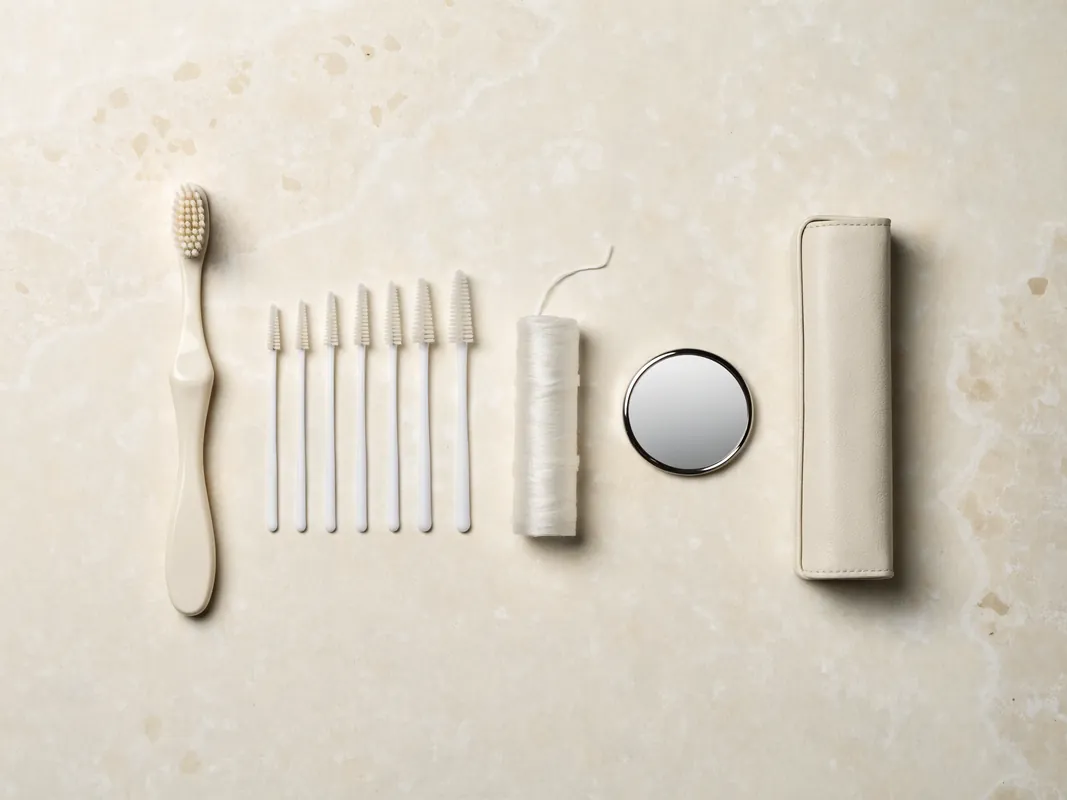
Patients should follow personalised hygiene and review instructions from their clinicians. A device brand does not cancel the effects of disease, function, medicines, smoking, cleaning difficulty or missed care. New pain, swelling, mobility, bleeding, discharge, altered bite, damaged restoration or other concern requires timely professional assessment; a website cannot diagnose the cause.
Prepare for Repair Without Presuming the Cause
A complaint involving an implant restoration can arise from different tissues, components or functional relationships. Do not assume that a loose or damaged restoration means the implant body has failed, and do not assume the opposite. A clinician needs an examination and relevant records before deciding what has happened.
The repair route should start with triage by an appropriate professional, not shipment of a component based on a photo. Give the assessing clinician the passport, restorative design, images, procedure notes and any prior maintenance record. They may need to contact the original provider, laboratory, distributor or manufacturer depending on the finding.
The written care agreement should explain who pays for assessment, components, laboratory work and travel if further care is needed, without vague promises. It should distinguish commercial terms from clinical responsibility and from statutory rights in the relevant jurisdiction. Because this guide avoids jurisdiction-specific legal advice, patients should seek independent advice where a dispute or significant financial exposure exists.
If the original provider suggests remote adjustment advice to another dentist, both clinicians should clarify responsibility and share records securely. The local clinician remains responsible for care they agree to provide. Remote communication can support coordination but cannot replace the local assessment.
Plan for Revision as a Possibility, Not a Forecast
No implant system should be presented as beyond future intervention. The initial comparison should ask what information would be needed if the restoration, abutment, fixation component or implant body later required revision. This is contingency planning, not a prediction that revision will occur.
For restorative revision, preserve connection and component identity, access design, laboratory records and material information. For a concern involving the implant body or surrounding tissues, preserve surgical notes, site mapping, diagnostic records and device identifiers. For any change, a named clinician must assess current findings and alternatives.
Ask whether revision would require instruments or components available only from a particular source. Ask whether a local specialist or laboratory can obtain them. If not, understand what additional burden that creates. A lower initial cost can be outweighed by difficult service, but this guide does not calculate that trade-off or promise that any particular system will avoid it.
Patients should not be pressured into choosing a device because revision is described as impossible with another. Ask for the evidence and exact system comparison. Many revision questions are case-specific and cannot be answered from a brand name alone.
Appraise Evidence by Question, Device and Method
Start by asking what the evidence is supposed to show. Is the question device identification, mechanical compatibility, use within an intended purpose, clinical performance in a defined indication, or a surveillance concern? Different sources answer different questions. A regulatory record, manufacturer instructions, laboratory compatibility document and clinical study are not substitutes for one another.
For clinical research, confirm that the exact implant system and relevant restorative components are identified. A study of a broad family may not apply to a later variant. Check indication, anatomical setting, restoration type, loading approach, clinician setting, participant selection and maintenance conditions. If these differ from the proposed case, the clinician should explain the limits of applying the findings.
Read outcome definitions before results. “Survival,” “success,” “in function,” “no revision” and patient-reported measures are not interchangeable. Check whether outcomes were assessed independently, how missing participants were handled, how many participants completed follow-up, what adverse events were reported, and whether analyses changed from the planned method. A single headline cannot carry this information.
Do not compare numerical results across separate studies unless methods, populations, devices, follow-up and definitions are sufficiently aligned and a competent reviewer explains the limitations. This guide deliberately avoids a cross-study score table. Such a table can create false precision while hiding different research questions.
Check funding, author conflicts and manufacturer involvement without assuming that involvement invalidates research. The right response is transparent appraisal: what role did the sponsor have, was the protocol registered, were outcomes prespecified, are data and methods sufficiently described, and have independent findings addressed a similar question?
Systematic reviews and professional guidance may offer broader context, but still require date, scope and applicability checks. Ask the clinician to provide the sources they rely upon and explain how current they are. Evidence supports shared reasoning; it does not issue a device instruction for an individual patient.
Separate Mechanical Compatibility From Clinical Evidence
A statement that two components fit together is not the same as evidence that their combined use is authorised, tested for the intended purpose or clinically appropriate. Ask for the manufacturer documentation that defines the compatible system. If a third-party component manufacturer claims compatibility, identify that manufacturer, exact reference, instructions and responsibility rather than attributing the component to the implant-body manufacturer.
Mechanical drawings, digital library entries and laboratory experience can support technical work but must be interpreted within manufacturer instructions and professional judgment. A digital design that snaps into place on screen is not proof that the physical connection, tolerances, material and intended use are appropriate.
If the provider proposes a mixed system, the written plan should explain why, identify every legal manufacturer, state the documented compatibility basis, and show how future service will be supported. The patient should understand whether the original implant-body manufacturer recognises the combination and what that means for available technical support.
Do not allow the term “same factory,” “same connection” or “equivalent” to replace documentation. Request exact references and current written evidence. If it cannot be produced, treat compatibility as unresolved.
Review Safety Signals Without Panic or Minimisation
Post-market surveillance exists because information continues to develop after devices enter use. The MHRA publishes guidance for manufacturers on vigilance and post-market surveillance and guidance about effective field safety notices. These sources explain processes for safety issues; they are not lists that a patient should use to diagnose a personal problem.
Search by legal manufacturer, exact product reference and UDI where useful. Read the notice scope carefully. Check affected lots, serials, models, markets, dates and required actions. A notice affecting one reference or production range should not be applied to every product under a shared name. Equally, a seller should not dismiss a precise match because other products are unaffected.
If a record appears relevant, contact the treating clinician and the manufacturer through verified details. Preserve the notice and correspondence. Do not stop prescribed medicine, attempt to remove a component or delay urgent assessment based on an online search. The appropriate action depends on the notice and clinical findings.
The MHRA’s Yellow Card route accepts reports about suspected problems with medical devices but states that it does not provide medical advice. In another jurisdiction, use the current official reporting route. Ask the provider how it receives safety communications, identifies affected patients and documents action.
Device Recall and Safety Notice Checks: A Repeatable Method
First, assemble exact identifiers from the patient-held record. Second, search current official regulator and manufacturer safety sources. Third, match the reference and production identifiers rather than a broad name. Fourth, save the source, date, status and required action. Fifth, ask the responsible clinician and manufacturer contact to confirm applicability. Sixth, document the response and any clinical follow-up.
Repeat the check when a new concern arises, before major restorative revision, or when notified by a provider or manufacturer. Do not set an arbitrary schedule from this guide; official systems and individual circumstances differ. The provider should maintain its own vigilance duties independently of patient searches.
If a notice cannot be understood because records are incomplete, request the missing data immediately. This is one reason label images and lot or serial information matter. A trade name alone may not distinguish affected from unaffected production.
If the provider no longer operates, contact the manufacturer, regulator and an appropriately qualified local clinician. Keep communication factual: exact identifiers, source link, notice date and clinical symptoms if any. Avoid public speculation that may confuse product families or delay assessment.
Quote Comparison Worksheet
Use one worksheet per proposal. Do not combine answers from different sellers. Mark each field as supplied, provisional, assessment-dependent, excluded or unanswered.
Provider and responsibility
- Legal treating provider and facility
- Assessing clinician and registration source
- Placing clinician and registration source
- Restorative clinician and registration source
- Laboratory legal identity and role
- Distributor and supplier identities
- Record holder and formal contact route
- Complaint procedure and governing terms
Diagnosis and consent
- Problem stated in clinical terms
- Records reviewed and records still needed
- Alternatives discussed, including no immediate intervention where relevant
- Material risks and uncertainties explained
- Limits of remote review stated
- Conditions that could change the plan after direct assessment
- Person responsible for the final device decision
- Process for consent if the system or component changes
Device system
- Legal manufacturer
- Exact implant model or variant
- Catalogue or reference number
- Dimensions and anatomical site
- Lot or serial information when applicable
- Label-level UDI when assigned
- Connection and platform
- Current instructions document and revision
- Intended purpose and case-specific rationale explained by clinician
Restorative ecosystem
- Abutment or restorative base manufacturer and reference
- Fixation component and required driver
- Retention method and access design
- Provisional restoration identity
- Definitive restoration identity and material
- Laboratory prescription and component list
- Scan body, impression component or digital library identity
- Compatibility evidence for any component from another source
Continuity and records
- Current distributor in treatment country
- Current distributor or component route near home
- Local dentist or laboratory serviceability feedback
- Legacy-system or discontinuation route
- Implant passport contents and delivery date
- Surgical notes and site mapping
- Final restorative and material records
- Secure patient copy in a durable format
Commercial and contingency terms
- Itemised clinical costs
- Assessment-dependent additions
- Payment stages and currency
- Cancellation and refund terms
- Responsibility for local assessment or revision costs
- Emergency contact and local-care boundary
- Process if the original provider, laboratory or distributor becomes unavailable
- Independent advice route for disputes
Compare completeness before comparing totals. A lower total may omit an abutment, provisional work, final restoration, laboratory stage, record delivery or follow-up responsibility. A higher total may still leave critical identity fields blank. The worksheet is designed to expose scope, not choose a clinician or device automatically.
Red Flags That Require Resolution Before Consent
Stop when the legal provider or responsible clinician is hidden behind a marketing name. Stop when registration cannot be matched to the person who will assess, place or restore. Stop when the proposal starts with a device name but provides no diagnosis, alternatives or restorative plan. Stop when a remote image is presented as final clearance.
Pause when the seller names only a country, broad tier or product family. Pause when exact references will be disclosed only after placement. Pause when label photographs are promised but no site mapping or record is offered. Pause when the UDI or lot is copied into a decorative card that omits the connection and restorative components.
Pause when regulatory status is described as a quality contest or patient result. Pause when a database entry is used to avoid discussing the current instructions. Pause when one study number is compared with an unrelated number from another method. Pause when the provider will not identify the source or explain applicability.
Pause when all components are said to be interchangeable, a third-party part is hidden under the implant-body name, or the laboratory cannot identify its digital library and starting component. Pause when “available everywhere” cannot be reduced to a current distributor and a willing local service route.
Pause when a system change can occur without renewed explanation and consent. Pause when safety notices are dismissed without checking exact identifiers. Pause when the patient cannot obtain their own records. Pause when future care depends entirely on a coordinator’s private account.
Resolve each issue in writing. If the answer remains evasive, seek an independent assessment before proceeding. Time pressure, expiring discounts and travel bookings should not override unresolved device identity or clinical responsibility.
A Decision Gate Sequence
Gate one is identity: can the patient verify the legal provider, facility, clinician and laboratory? Gate two is clinical reasoning: is there a documented diagnosis, alternatives discussion, restorative objective and explanation of uncertainty? Gate three is device specificity: is the exact implant body, connection and component stack named?
Gate four is instructions and lawful supply: does the exact reference match current manufacturer information, applicable regulatory records and a credible distribution chain? Gate five is compatibility: can the clinician and laboratory document how every component and digital or physical tool fits the proposed system? Gate six is continuity: can a local team obtain records, instruments and components?
Gate seven is consent and contract: are material risks, potential changes, itemised costs, responsibilities, payment stages and complaint routes written clearly? Gate eight is record delivery: will the patient receive a usable passport, surgical record and final restorative record? Gate nine is contingency: is there a route for urgent assessment, safety notices, provider unavailability, component discontinuation and later revision?
Do not treat passage through one gate as passage through all. A traceable device can sit inside a poorly explained clinical plan. A registered clinician can propose a system that is difficult to service near home. A complete contract can still contain an unclear component map. The purpose of the gates is to make separate questions visible.
Questions for the Responsible Clinician
Ask: What clinical findings make an implant-supported option reasonable, and what alternatives were considered? Which findings remain provisional until direct assessment? Who owns the final restorative design? Why does this exact system meet the identified requirements? What evidence and current instructions support that use?
Ask: What are the legal manufacturer, exact model, reference, dimensions, lot or serial data and UDI? Which connection, abutment, fixation component and restoration are planned? Are any parts from another manufacturer? If so, what is the compatibility basis and who accepts responsibility for the combination?
Ask: Which laboratory will be involved, which component library or analogue will it use, and what final records will it deliver? Which driver and replacement components would a future dentist need? Who currently supplies them near home? What is the documented route if a component is discontinued?
Ask: What circumstances could change the system or restorative plan? How will renewed explanation and consent occur? How are safety notices monitored? How can the patient request the full record? What local clinician should provide continuing review? These questions invite an auditable plan rather than a sales answer.
Questions for a Manufacturer or Official Distributor
Use contact information published by the manufacturer or regulator. Ask whether the distributor named by the provider is currently authorised for the relevant market. Ask whether the exact reference and label details are recognised. Ask where the current instructions can be obtained and which document revision applies.
Ask whether the exact restorative components, drivers and service parts are currently supplied in the treatment country and home country. Ask for official local distributor details. Ask whether a successor or legacy-service route exists for the component family, while recognising that future availability cannot be promised.
Ask how safety notices and discontinuation information are published. Ask how a patient or clinician can check an identifier or report a suspected issue. Do not ask the manufacturer to diagnose, select treatment or arbitrate a clinical dispute; those matters belong to the responsible clinician and applicable complaint systems.
Record the response date, contact identity and source. A phone statement is less useful than a written reply linked to exact identifiers. Avoid forwarding sensitive health information unless necessary and through a secure approved route.
Questions for a Local Restorative Dentist
Provide the proposed component map and ask whether the system is recognisable from it. Ask what additional records would be required. Ask whether the necessary driver and parts can be obtained through a current channel, whether a capable laboratory is available, and whether the practice would assess future maintenance or restorative concerns within its scope.
Do not ask the local dentist to endorse unseen treatment. Their response may be conditional on examination and current records. A refusal does not prove that the system is defective; it may reflect professional scope, unfamiliarity, capacity or missing information. The point is to learn about the actual service route.
If the dentist identifies a gap, take it back to the treating clinician before placement. Examples include an unclear connection, missing component source, unavailable driver, no local distributor, inaccessible restoration design or insufficient records. The treating team can then clarify, adjust or explain the consequence.
If no suitable local route can be found, understand the burden before consenting. It may involve travel, referral, delays or destructive removal of a restoration to identify parts. Those possibilities belong in the decision and contingency budget.
Keeping the Guide Current
Device databases, regulatory requirements, distributor arrangements, instructions, safety notices and product ranges change. Every external check should therefore carry an access date. Recheck critical information near the treatment date and again if the system changes. Use the latest official manufacturer document rather than a downloaded copy of unknown age.
The sources listed below were accessed on 29 August 2026 and are provided for a verification method, not a device endorsement. Readers should use the current pages and applicable jurisdiction at the time they act. If an official source conflicts with a clinic page or brochure, ask the responsible provider and manufacturer to resolve the conflict in writing.
This guide also has limits. It cannot evaluate an individual’s health, images, anatomy, clinician skill, facility, laboratory or device. It cannot tell whether an implant is necessary or which system should be used. It cannot confirm that an item shown online is the item placed. Its role is to make identity, evidence and continuity questions harder to hide.
Final System Rule
Choose a documented care route, not a logo. The patient should know who is clinically responsible, why the exact system is proposed, which components are placed, how each item is traced, what records will be delivered, and who can maintain or revise the work later. If any of those answers remains vague, the comparison is not finished.