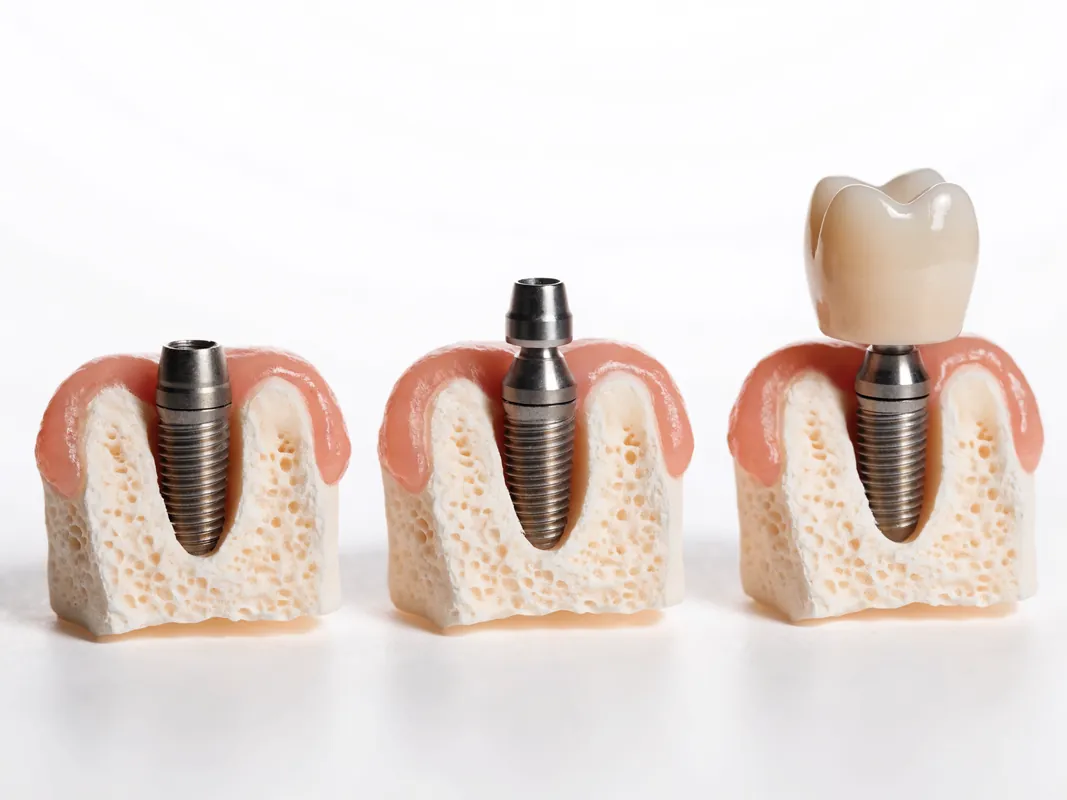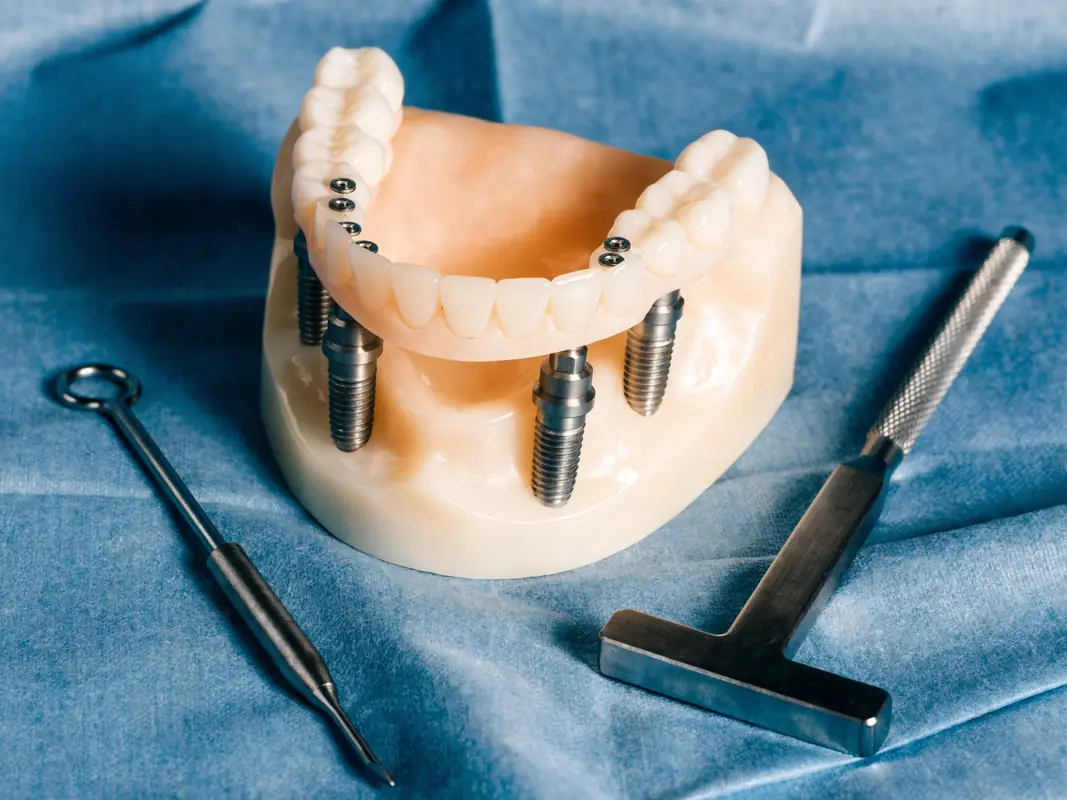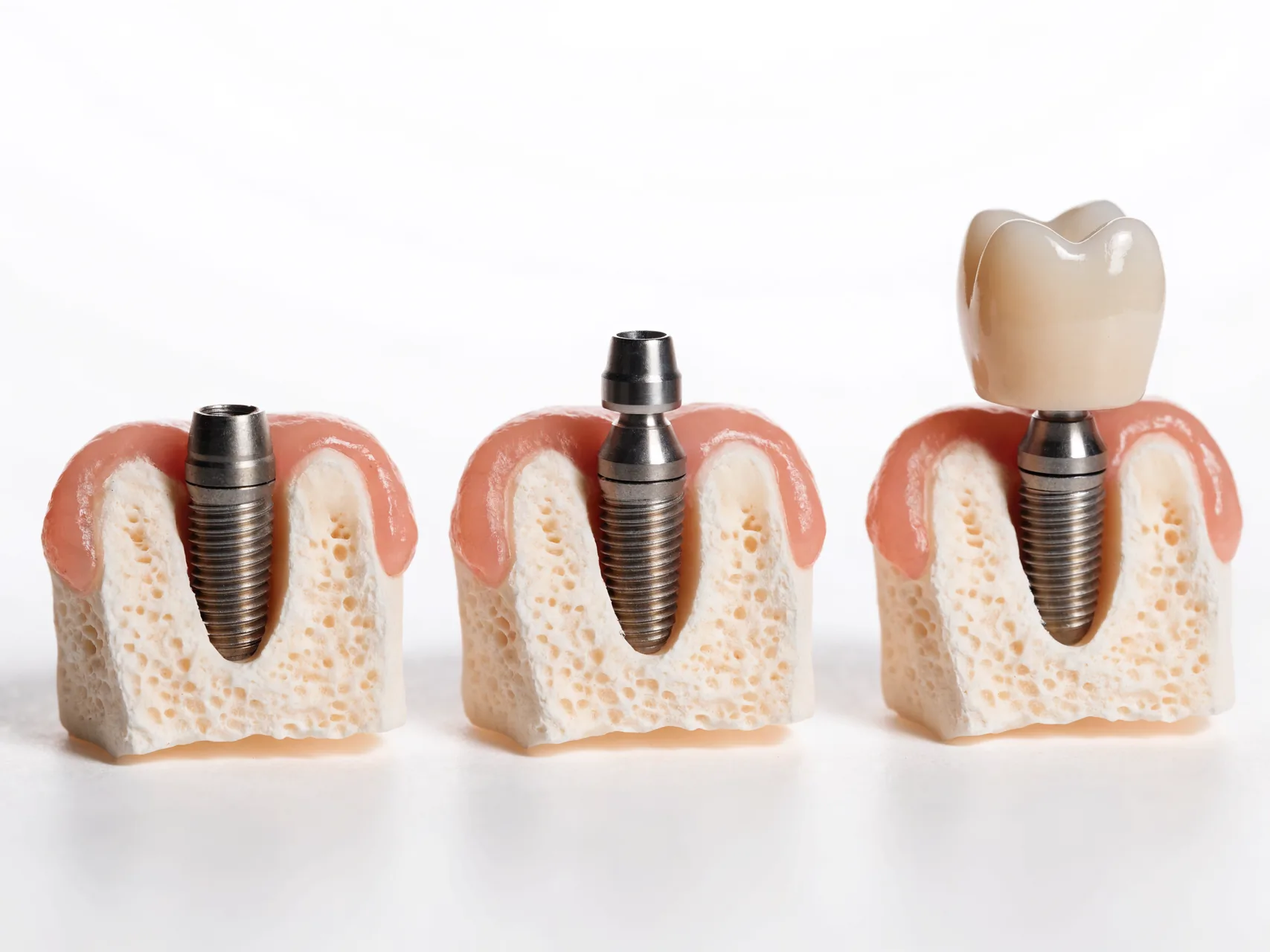
Taking an anticoagulant or antiplatelet medicine does not produce a one-word answer to the question of dental implants. It creates a structured planning task. The dentist needs to understand why the medicine is prescribed, which exact medicine and schedule apply, whether more than one medicine affects clotting, which implant procedure is proposed, what other health conditions matter, how bleeding will be controlled and where the patient can obtain help after discharge. The prescriber needs to retain responsibility for the underlying medical treatment. The patient needs enough information to compare implants with reasonable alternatives and to decide without pressure.
This guide is general information, not a diagnosis, medicine instruction or personal decision about implant eligibility. It deliberately does not publish a drug-stop interval, laboratory threshold or universal protocol. Those details can be time-sensitive and depend on the actual medicine, indication, renal and liver function, co-medication, procedure and current professional guidance. Copying a number from a travel website can create both bleeding and thromboembolic risk.
WeCare is not the treating dental provider. WeCare's role is limited to enquiry and referral coordination and, if separately agreed, travel logistics only to the extent confirmed in writing. The named clinic and named clinician must own examination, diagnosis, consent, implant planning, surgery, prescribing, records, complaints and clinical aftercare. The clinician who prescribes or manages the anticoagulant or antiplatelet medicine retains responsibility for that medical treatment. A coordinator cannot change a dose, interpret a laboratory result or decide whether surgery should proceed.
The main professional reference used here is the Scottish Dental Clinical Effectiveness Programme guidance on managing dental patients taking anticoagulants or antiplatelet drugs. Its second edition was published in March 2022 following an evidence review and multidisciplinary development process. It separates the medicine, patient factors and procedural bleeding risk, then adds local haemostatic planning, communication and follow-up. That structure is more useful than the vague label blood thinner.
Start with the exact medicine and indication
The phrase blood thinner is not precise enough for a clinical plan. Anticoagulants and antiplatelet medicines affect haemostasis in different ways and may be prescribed for different risks. The history should capture the exact generic medicine, dose, schedule and indication. It should also identify who prescribed it, how long it is intended to continue, when it was last reviewed, and whether the regimen has recently changed.
Relevant medicine groups may include vitamin K antagonists such as warfarin or acenocoumarol; direct oral anticoagulants such as apixaban, dabigatran, edoxaban or rivaroxaban; antiplatelet medicines such as aspirin, clopidogrel, prasugrel or ticagrelor; and injectable anticoagulants such as low molecular weight heparins. This list is educational, not a treatment menu. Similar-sounding medicines are not interchangeable, and a brand name alone may obscure the generic medicine a clinician needs.
Indication matters because the harm of interrupting treatment is connected to the condition the medicine is preventing or treating. A person may be taking it for atrial fibrillation, a previous stroke, venous thromboembolism, a mechanical heart valve, a coronary intervention, another vascular condition or a short course associated with surgery or acute illness. Do not assume the reason from the medicine name. Ask the patient and verify unclear details with the responsible prescriber.
Timing within the medical course also matters. A new clot, a recent cardiovascular event, a recent intervention, an unstable medicine regimen or a time-limited course may change whether non-urgent implant surgery should be considered now. This guide does not define a waiting period. The dentist should describe the proposed procedure to the prescriber when medical input is needed and ask a focused question about the current situation.
An accurate list includes prescribed medicines, medicines obtained elsewhere, over-the-counter products, supplements and herbal products. SDCEP warns that an undisclosed non-prescribed antiplatelet medicine can in effect turn a single regimen into combination therapy. Patients may not think of an occasional painkiller or supplement as a medicine, so the clinician should ask in plain language.
Confirm the list at each visit. A plan based on an old upload can become unsafe if the regimen changes before surgery. The clinic should record who reconciled the medicine history, when, and which source was used. If the patient uses an anticoagulation record or monitoring service, bring current information in the form requested by the named clinician, but do not ask the patient to decide whether a result is acceptable.
Never stop or alter medication on your own
Do not stop, start, skip, delay or change any anticoagulant, antiplatelet or other medicine because of this webpage, a sales message, a forum post or a flight schedule. NHS anticoagulant guidance tells patients to follow the instructions of the responsible healthcare professional and to tell the dentist about anticoagulant treatment. It also says that only an appropriate healthcare professional should advise stopping it.
There are two risks to balance. An invasive dental procedure can bleed. Interrupting medicine prescribed to reduce thrombosis can expose a patient to a serious medical event. The balance is not resolved by saying bleeding is always minor or by saying medicine must always be interrupted. It requires the medicine, indication, current health and dental procedure to be assessed together under current guidance.
If the dental clinician believes any change might be relevant, the patient should receive an individual written instruction that identifies the medicine, the specific procedure, who authorised the plan and what happens afterward. The instruction should be available before travel or the appointment, not improvised at reception. Any uncertainty should be resolved between the named dental clinician and the prescribing clinician or anticoagulation service.
A generic medical approval request is not enough. The prescriber cannot assess an unnamed procedure. The dentist should explain the proposed surgery, likely extent, whether flap raising or grafting may occur, whether treatment can be limited or staged, and what local haemostatic measures are available. The medical professional can then answer the question within their scope.
Patients should also avoid self-selecting a pain medicine after surgery. NHS information notes that other prescribed, non-prescribed and herbal products can affect anticoagulant action or bleeding. The dental prescriber should review the current regimen and provide a written, patient-specific pain plan. This guide does not recommend a product or dose.
If advice from the dentist and prescriber appears inconsistent, pause the elective plan and ask them to communicate directly. Do not choose whichever instruction is more convenient for the itinerary. Record the final decision and the clinicians responsible for it.
Urgent dental care versus elective implant planning
Implant placement is generally elective. Acute pain, swelling, spreading infection, dental trauma, uncontrolled bleeding or a tooth that prevents eating may require urgent local assessment, but urgent care does not automatically mean immediate implant surgery. The first task may be diagnosis, pain management, drainage, restoration, endodontic care or extraction, depending on the clinician's findings.
NHS urgent dental guidance distinguishes urgent dental problems from emergencies. Severe swelling of the mouth, lips, throat or neck affecting breathing or swallowing, heavy mouth bleeding that will not stop, or serious facial and jaw injury require emergency care through the appropriate local pathway. A coordinator or overseas clinic message is not an emergency service.
Tell the urgent service about every anticoagulant and antiplatelet medicine and do not self-adjust it. Bring the medicine list or anticoagulation record if available. The urgent clinician can decide what treatment, local measures, referral or prescriber contact is required. A photograph cannot exclude infection, fracture or uncontrolled bleeding risk.
Once urgent disease is controlled, implant planning can be revisited without crisis pressure. Ask whether the tooth can be retained and whether a missing space needs immediate replacement. Reasonable alternatives may include no replacement, a removable option, an adhesive option or a conventional bridge, depending on the site and oral condition. A staged decision can preserve choice.
If a patient is on a time-limited antithrombotic course, SDCEP says non-urgent invasive dental care may sometimes be delayed where possible until the course has ended. This is not an instruction for the patient to alter medicine and not a fixed waiting period. The named dental clinician should confirm the medicine course with the prescriber and compare the burden of postponement with the dental need.
Elective implant marketing should never override an acute medical situation. A recent thromboembolic event, new unexplained bleeding, a significant medicine change or unstable health should prompt prescriber input. The question may result in postponement, a different procedure, care in another setting or a no-treatment decision. Those are valid outcomes.

Bleeding risk is procedure plus patient context
Bleeding risk is not a property of the medicine alone. SDCEP asks the dental team to consider the procedure, its likely invasiveness, the specific drug or combination, other health conditions, other medicines and access to emergency care. Implant procedures vary greatly, so the word implant is not a sufficient risk category.
A limited surgical site may create a different wound from multiple sites, extensive flap elevation, bone removal, grafting, sinus-related surgery or a full-arch procedure. The clinician should describe the anticipated wound and acknowledge uncertainty. If the plan may expand after surgery begins, consent should cover how the decision will be made and whether a more extensive stage can be deferred.
SDCEP categorises dental procedures by likelihood of bleeding and relative risk of postoperative bleeding complications. It also cautions that low and higher categories still require individual judgement because the extent and invasiveness vary. A patient-facing webpage should not convert that table into a universal eligibility claim. The treating clinician should use the current table and document the category and patient-specific modifiers.
Patient factors include the exact antithrombotic regimen, dual or combination therapy, a history of problematic bleeding, and medical conditions that affect coagulation or platelet function. SDCEP specifically highlights liver, kidney and bone marrow disorders among conditions that can matter. This is not an exhaustive list. The severity and current status need clinical clarification.
The oral condition also matters. Inflamed tissue, untreated periodontal disease, infection, poor plaque control, an extensive surgical field or a complex wound may affect bleeding control and healing burden. A full assessment should precede elective surgery. Remote smile photographs cannot measure periodontal disease or map the proposed wound.
The clinic should distinguish intraoperative haemostasis from later rebleeding. Achieving control before discharge is necessary but does not remove the need for written aftercare, a direct clinical contact and a local escalation plan. Travel time to emergency care is itself a planning factor in SDCEP guidance.
Bleeding history should be specific. Ask about previous dental or surgical bleeding, spontaneous bruising or bleeding, transfusion, bleeding disorders, liver or kidney disease, recent blood results where clinically relevant, and any prior instruction from an anticoagulation service. Do not interpret a single answer as proof of safety. The named clinician decides what further information is needed.
Renal, liver and co-medicine history
Renal function, liver status and co-medication can affect medicine exposure or bleeding risk. The history must describe actual diagnoses and current follow-up rather than attach a threshold copied from a website. SDCEP advises consultation with the patient's general medical practitioner or specialist for medically complex patients when more information is required to assess procedural bleeding risk.
Direct oral anticoagulants differ in how renal function affects their use. NICE NG158 illustrates that renal and hepatic assessment matters when anticoagulation is selected and reviewed for venous thromboembolic disease. It does not turn a dental coordinator into a prescriber. The dentist should identify whether current renal information is needed for the planned procedure and ask the prescriber for interpretation.
Liver disease can affect coagulation, medicine handling and overall procedural planning. The label liver problem is too vague. Relevant information may include the diagnosis, current severity, specialist follow-up, recent decompensation or bleeding concerns and other medicines. The dental clinician should decide whether primary care, hepatology, haematology or another specialist needs to contribute.
Bone marrow disorders, active cancer care and other systemic conditions may affect bleeding or healing. Again, no single laboratory value can be published here as clearance. The procedure and setting must be described, the appropriate clinician consulted, and the decision documented.
Co-medication includes prescribed, non-prescribed and complementary products. Some analgesics, antibiotics, antidepressants, steroids and other medicines can interact with anticoagulant treatment or add bleeding risk. Herbal products can also matter. SPS Medicines in Dentistry directs dental professionals to current interaction and prescribing resources. The dental prescriber, not the patient or coordinator, should perform the interaction check.
Ask whether the patient takes more than one anticoagulant or antiplatelet medicine. Dual or combination therapy may be intentional because of a significant medical indication. It should not be simplified to one item in the chart. Identify each medicine, prescriber and reason. If the combination is unclear, obtain clarification before elective surgery.
The medicine history should also record allergies, adverse reactions, previous heparin-related problems, alcohol or other context the healthcare professional considers relevant, and recent acute illness. The purpose is not to exclude people broadly. It is to make the procedural plan match current health and to avoid unsafe prescribing.
Do not ask a patient to send a full medical record to an unverified personal messaging account. The named clinic should explain the minimum necessary information, secure transfer route, recipients and retention. A focused summary from the usual-care team may be more useful than a large unstructured file.
Dentist and prescriber ownership
The named dental clinician owns the dental assessment and procedural plan. That includes diagnosis, alternatives, invasiveness, likely bleeding category, local haemostatic measures, staged approach, prescribing within dental scope, discharge and dental escalation. The clinician should not ask the prescriber to approve an unknown operation.
The prescribing clinician or anticoagulation service owns the medical indication and antithrombotic regimen. They understand why treatment was started, the consequences of interruption, current monitoring and whether the regimen is changing. The dentist should direct medicine questions to that professional when guidance or the patient's complexity requires it.
Good communication is question-based. A dental letter can state the proposed implant procedure, expected extent, whether additional surgery may be needed, anaesthetic or sedation plan, bleeding-control resources and intended setting. It can then ask about current medicine details, medical stability or a specific issue. The response and final dental decision should be recorded.
No coordinator should act as the messenger for ambiguous verbal medicine instructions. Where the patient consents, clinical teams should use a secure, attributable route. The patient should receive the final written plan in language they understand. If translation is used, clarify who provides it and how medicine names and instructions are checked.
The dentist also owns the decision about competence and setting. A clinician may decide that a more experienced colleague, secondary-care service or different facility is appropriate. Factors can include medical complexity, procedure extent, inability to achieve local haemostasis, sedation needs, poor access to urgent care or the limits of the planned clinic. Referral is not a failure.
GDC guidance on prescribing says a dental professional must assess the patient's condition, understand current health and medicines, prescribe within competence and keep accurate records. GDC consent standards require options, risks, benefits and costs to be explained. Those duties cannot be transferred to a booking platform.
If no named clinician has reviewed the medicine history and proposed procedure, the patient does not yet have a clinical implant plan. They may have an enquiry or estimate. Advertising should label it honestly.
Local haemostatic measures
Local haemostatic planning is central to SDCEP guidance. It includes operating as atraumatically as reasonably possible, limiting the initial area where appropriate, staging more extensive care, using suitable packing or suturing when indicated, and confirming haemostasis before discharge. The exact combination belongs to the treating clinician and the actual wound.
The clinic should have appropriate materials and skills available before surgery begins. SDCEP lists absorbent gauze, haemostatic packing material and suturing equipment among resources dental practitioners should have. Some packing materials contain animal-derived proteins, so patient preferences related to ethics, culture, religion or intolerance should be discussed before treatment and alternatives considered.
Local measures do not mean medicine risk has been ignored. They are part of the balance between procedural bleeding and the medical harm of inappropriate antithrombotic interruption. The dentist should document which measures were planned, which were used, whether control was achieved and what the patient should do if bleeding recurs.
Treatment extent can be modified without changing medicine. For example, a clinician may consider limiting the initial surgical field or separating stages so that bleeding can be assessed before proceeding. This is a clinical option, not a promise that every implant case can be made suitable. It also affects travel, temporary tooth replacement, cost and consent.
The patient should not be told to buy or use a haemostatic medicine on their own. SDCEP discusses tranexamic acid in a specific professional context and does not advise routine primary-care dental prescribing of a mouthwash for this purpose. If a medical prescriber has issued a product, the responsible clinicians should document how it fits alongside local measures. This guide does not recommend it.
Discharge should occur only after the clinician is satisfied with haemostasis and has provided individual advice. Written instructions should explain how to protect the wound, what bleeding pattern the clinician expects, what action is appropriate, and which symptom requires urgent review. A generic internet timer cannot replace those instructions.
The clinic should also plan for reattendance. Who can examine the site if bleeding restarts? Is the patient staying close enough? Is the clinic open when review may be needed? What local service can help after the patient returns home? The answers belong in the plan before elective travel.

Implant-specific assessment before surgery
An anticoagulant history is only one part of implant assessment. The named clinician should evaluate the reason for tooth loss, active infection, periodontal health, plaque control, bone and soft tissue, adjacent teeth, bite, smoking or nicotine exposure, relevant systemic health, maintenance capacity and patient goals. Clinically justified imaging should answer a defined question.
Ask whether the tooth can be retained. Extraction followed by implant placement is not automatically less burdensome than restoration. If the tooth is missing, ask whether replacement is necessary and whether non-surgical options are reasonable. A person taking antithrombotic medicine should receive the same honest alternatives as anyone else.
The clinician should specify the intended implant surgery. Is it a healed site or an extraction site? Is flap elevation expected? Might bone augmentation or another additional procedure be required? How many sites are proposed? Are temporary restorations planned? Each element changes wound extent and aftercare.
Periodontal disease should be assessed and managed before elective implant placement. Inflamed tissues and unstable hygiene make long-term maintenance harder. A full-arch marketing label does not remove the need to diagnose each remaining tooth and discuss whether it can reasonably be retained.
Sedation and general anaesthesia add separate medical, monitoring and escort questions. They do not automatically solve surgical risk. If sedation is proposed, identify the responsible practitioner, credentials, medicines, monitoring, discharge criteria, escort arrangements and how the antithrombotic regimen affects the plan. The patient should receive specific instructions from the responsible team.
A remote photograph or panoramic screenshot cannot finalise this assessment. It may support initial discussion, but the written estimate should say what is provisional and what can change after examination, imaging or medical clarification. The patient should be free to decline if the on-site proposal changes substantially.
Staging and alternatives
Staging can reduce treatment burden and create review points. A plan may separate urgent disease control, periodontal stabilisation, extraction if needed, implant surgery, healing assessment and definitive restoration. This guide does not prescribe an interval between stages. Biology, procedure, medical status and clinician assessment determine timing.
SDCEP notes that limiting an initial treatment area or staging a more invasive procedure can help manage bleeding risk. For an implant patient, that may mean reconsidering the number of sites treated at once or separating additional surgery. The trade-offs include more visits, temporary tooth arrangements, repeated travel, cost and cumulative treatment burden. Consent should cover both sides.
Alternatives can avoid implant surgery entirely. Depending on the mouth and patient preferences, possibilities may include keeping the space, a removable prosthesis, an adhesive bridge or a conventional bridge. Each has its own effects on adjacent teeth, maintenance, function and cost. The named clinician should explain which are clinically reasonable.
A patient may also choose local care. A local dentist has easier access to the prescriber and urgent services, and can review bleeding or healing without a flight. A hybrid option may involve local examination and stabilisation, independent record review and a later decision about elective surgery. No-travel should be presented as an option, not hidden because it produces no booking.
If the antithrombotic course is temporary, postponing non-urgent invasive treatment may be one option under professional guidance. The patient must not end the medicine early. The dentist and prescriber should confirm the medical plan, and urgent dental disease should still be addressed.
Doing less can also be staged. A complex cosmetic or full-arch proposal should not be justified by the idea that all surgery must happen during one trip. Ask which part delivers a health benefit, which is elective and which can be reassessed later.
Consent and a written treatment plan
Valid consent begins before travel and continues through treatment. GDC Principle 3 requires the clinician to explain relevant options, risks, benefits and possible costs, to understand what the patient wants to know, and to document the discussion. A signature alone does not prove informed consent.
Request a tooth-by-tooth and stage-by-stage plan. It should name the responsible clinicians, diagnosis, proposed procedure, alternatives, expected wound extent, uncertainty about grafting or additional surgery, anaesthesia, medicine-coordination plan, local haemostatic measures, review, aftercare and itemised costs. It should distinguish clinical fees from any separately arranged travel service.
The plan should explain that medicine instructions can change only through an attributable clinical process. It should record the current regimen and who must be contacted if it changes. If the patient arrives with a different medicine or health status, surgery may need reassessment. The deposit terms should explain what happens in that situation.
Risks should include both dental and medical context without using fear. Potential bleeding, rebleeding, need for local intervention, infection, pain, damage to nearby structures, failure to integrate, restoration complications and maintenance burden may be relevant depending on the procedure. The clinician should also explain the potential medical harm of inappropriate medicine alteration and why responsibility is shared with the prescriber.
Outcome uncertainty must be honest. No percentage copied from a marketing page predicts an individual result. Evidence from broader implant populations may not answer the exact medicine, procedure and health combination. Ask what evidence supports the recommendation and what is uncertain.
If the plan changes after examination, imaging or medical input, obtain fresh consent. A prepaid flight or limited stay must not pressure the patient into a more invasive alternative. The patient should be able to take time, seek a second opinion or choose no treatment.
Privacy is part of consent. Medicine and medical records are health data. Verify the clinic and clinician before sharing them, use the stated secure route, and ask who controls the information, who receives it, why it is needed and how long it is retained. A coordinator should not collect unlimited records through an informal account.
Records and clinical handover
GDC Principle 4 requires complete, accurate and contemporaneous records, including an up-to-date medical history, radiographs, consent, referrals and treatment discussions. This is especially important when dental and medical clinicians in different locations share responsibility.
Before surgery, the dental record should contain the reconciled medicine list, indication, prescriber contacts, relevant medical conditions, bleeding history, current monitoring information requested by the clinician, clinical examination, imaging rationale, procedural bleeding assessment, consultations and final plan. Verbal advice should be attributed and dated.
The patient should receive a copy of any individual medicine instruction. It should use generic medicine names and make clear who authored it. If translation is needed, medicine names and timing should be checked against the original rather than translated loosely.
After surgery, request:
- the clinic's legal identity, treatment address and direct clinical contact;
- names and registration details of the clinicians involved;
- dated diagnosis and procedure record for each site;
- the actual antithrombotic regimen recorded on the day;
- local anaesthetic, sedative and prescribed medicine details where relevant;
- local haemostatic measures used and status at discharge;
- implant or device identifiers and restorative material information;
- clinically relevant images and reports in a transferable format;
- written aftercare and escalation instructions;
- review and maintenance plan;
- final itemised invoice and complaint terms.
The handover should be understandable to a local dentist and, where needed, the anticoagulation service or medical team. A messaging-app summary is not a substitute for the clinical record. Ask how a local professional can contact the treating clinician directly.
If a complication occurs, keep records of symptoms, photographs where useful, bleeding episodes, contacts, advice, local examinations, prescriptions and costs. Those records support continuity and any complaint. They do not replace urgent care.

Travel and the no-travel option
Travel increases the distance from the prescriber, usual dentist and urgent services. SDCEP explicitly treats travel time to emergency care as a factor when planning local haemostatic measures and staging. That makes location clinically relevant, not merely convenient.
Before booking, verify the named clinic and named clinician, current registration, legal entity, actual treatment address, direct clinical route, complaints process and aftercare. GDC patient information about dental treatment abroad advises checking qualifications and regulation, discussing care with a home dentist, understanding aftercare and budgeting for extra travel or remedial costs if circumstances change.
Ask whether the proposed clinic can manage the planned procedure and a bleeding complication. What equipment, materials and referral routes exist? Who is present? Where would the patient go if local measures do not control bleeding? A generic statement about a premium facility is not evidence.
The itinerary should allow the treating clinician to review haemostasis and the surgical site before departure. This guide does not set a fixed review time. The clinician should explain the review purpose and what finding would delay travel. The patient should understand who pays for changed transport, accommodation, local examination or further care.
Travel logistics must be confirmed in writing and kept separate from clinical consent. Do not infer transport, accommodation, companion care, translation or access needs from general advertising. If separately purchased, understand the cancellation terms when clinical plans change.
Check travel insurance directly with the insurer. Planned dental treatment, existing conditions and related complications may be excluded. The clinic cannot promise how an insurer will decide. Also consider the burden of carrying medicines, maintaining the prescribed schedule across time zones, access to labelled supplies and obtaining help if luggage is delayed. Medicine timing questions belong to the prescriber or pharmacist.
The no-travel option should remain visible throughout. Local care may offer easier prescriber communication, faster re-examination and continuous maintenance. A patient may decide that the clinical or logistical burden outweighs the proposed benefit. That is an informed choice, not a failed treatment plan.
Do not travel for elective implant surgery while urgent bleeding, acute illness, a new thromboembolic event, a significant medicine change or unresolved medical advice is present. Use the appropriate local medical and dental pathways. A coordinator cannot determine fitness to fly.
Local aftercare and escalation
Arrange local dental support before an overseas procedure. Ask whether the local dentist is willing and able to review another clinic's implant surgery and what records they require. Do not assume that a local dentist must accept clinical responsibility for treatment performed elsewhere.
The treating clinician should provide procedure-specific written advice. It should describe how to protect the wound, what the clinician expects, signs that need direct contact, when local examination is required and which symptoms require emergency services. Avoid replacing this with a generic list or fixed online timer.
Haemostasis should be confirmed before discharge. If bleeding restarts, follow the written clinical instructions and use the local dental pathway. NHS community dental advice also tells patients taking anticoagulants not to stop their medicine without medical advice. Heavy bleeding that will not stop, severe swelling affecting breathing or swallowing, or serious facial injury belongs to emergency care.
Remote review can support communication but cannot provide palpation, vital signs, direct inspection of all areas, laboratory testing or imaging. A video call should not be advertised as universal emergency cover. The treating clinic should cooperate with a local clinician and provide records promptly.
Aftercare also includes infection control, periodontal maintenance, plaque control, restoration review and long-term implant monitoring. Antithrombotic medicine does not remove those needs. The clinician should explain how maintenance can be delivered locally and what information should return to the implant provider.
If a medicine is newly prescribed after dental treatment, tell the prescriber or pharmacist about the antithrombotic regimen and other medicines. Do not add an over-the-counter product or supplement without checking. The clinic should supply generic names and clear instructions so another professional can review interactions.
Complaints and remedial terms should be read before payment. Ask what counts as a complaint, how evidence is submitted, whether in-person review is required, which travel and local-care costs are excluded and what independent route applies. A headline reassurance without those details does not explain the patient's position.
Questions to ask before implant treatment
Medicine and medical context
- What exact generic medicine, dose, schedule and indication have you recorded?
- Is it a single medicine or dual or combination therapy?
- Who is the prescribing clinician or anticoagulation service?
- Has the regimen changed recently, and how will you recheck it on the day?
- Which renal, liver, bone marrow or other health information is relevant to this procedure?
- Which prescribed, non-prescribed or herbal co-medication could affect bleeding or prescribing?
- What focused question, if any, will you send to my prescriber?
- Who will provide and document any medicine instruction?
Dental and surgical plan
- What diagnosis supports implant treatment?
- Can the tooth be retained, or can the space be left or managed non-surgically?
- What examination and imaging support the plan?
- What is the anticipated surgical extent?
- Could flap elevation, extraction, grafting or another procedure be added?
- How have you classified procedural bleeding risk, and which patient factors modify it?
- Could the initial area be limited or the care staged?
- What anaesthetic or sedation is proposed, and who is responsible?
Haemostasis and discharge
- Which local haemostatic materials and skills will be available?
- Are any materials animal-derived, and are alternatives available?
- How will haemostasis be assessed before discharge?
- What review is required before travel?
- What is the direct clinical contact if bleeding restarts?
- Which local urgent or emergency service should I use?
- How will the treating clinician communicate with a local dentist?
Consent, records and cost
- Who is the named clinician responsible for consent and surgery?
- What options, material risks and uncertainties have been explained?
- What could change after examination or medical input?
- Can I decline or seek a second opinion if the plan changes?
- Which records and device identifiers will I receive?
- What is included in the itemised clinical cost?
- What are the deposit and cancellation terms if surgery is postponed?
- What are the complaint and remedial terms?
- Are travel services separate and confirmed in writing?
Anticoagulant implant planning checklist
Before a remote enquiry
- Write the dental symptom or goal and identify anything urgent.
- List every medicine using generic names where known.
- Include dose, schedule, indication, prescriber and last review.
- Add non-prescribed medicines, supplements and herbal products.
- Note recent medicine changes, missed doses or uncertainty without correcting them yourself.
- Record relevant kidney, liver, bone marrow, bleeding or thromboembolic history.
- Gather the anticoagulation record or monitoring information the clinician requests.
- Gather recent dental records and images without assuming they finalise diagnosis.
- Verify the clinic, clinician and secure health-data route.
Before accepting a plan
- Obtain a named clinician's written assessment.
- Ask whether urgent disease should be managed locally first.
- Compare implant treatment with tooth retention and non-surgical alternatives.
- Obtain the proposed surgical extent and bleeding-risk assessment.
- Ask what remains provisional until in-person examination.
- Confirm who contacts the prescriber and what question will be asked.
- Receive any medicine instruction directly from an accountable clinician.
- Check local haemostatic resources, staging and discharge plan.
- Review consent, itemised costs, plan-change and refund terms.
- Arrange local aftercare and understand remote-review limits.
Before travel
- Reconfirm that the medicine list and health status have not changed.
- Resolve conflicting instructions between dentist and prescriber.
- Carry medicines in labelled packaging and follow the prescriber's plan.
- Confirm clinic address and direct clinical contact.
- Confirm travel logistics in writing and separately from clinical care.
- Check insurance directly with the insurer.
- Identify local and destination urgent-care routes.
- Keep records accessible to the patient and supporter where consent permits.
- Build a contingency for delayed travel or additional care.
Before discharge
- Confirm the clinician has achieved haemostasis before discharge.
- Receive written, individual aftercare and escalation instructions.
- Receive the procedure and medicine record.
- Obtain implant or device identifiers and relevant images.
- Confirm the planned review and purpose.
- Confirm how a local dentist can reach the treating clinician.
- Check the final invoice and complaint route.
- Do not leave with an unresolved medicine question.
After returning home
- Follow the written plan from the responsible clinicians.
- Do not self-alter antithrombotic or other medicines.
- Use local urgent or emergency services when indicated.
- Attend agreed local and remote reviews.
- Keep a record of bleeding, symptoms, advice and local care.
- Continue periodontal and implant maintenance.
- Tell every new prescriber about the anticoagulant or antiplatelet regimen.
Sources and review dates
Guidance changes as medicines and evidence change. The treating dental clinician and prescriber should use current versions for the individual patient. This guide used the following official and professional sources:
- SDCEP, Management of Dental Patients Taking Anticoagulants or Antiplatelet Drugs, second edition published March 2022 and accessed 29 August 2026: medicine-specific recommendations, procedure and patient bleeding assessment, staging, local haemostatic measures and clinical communication. https://www.sdcep.org.uk/published-guidance/anticoagulants-and-antiplatelets/
- SDCEP Dental Companion, Patient bleeding risk factors, accessed 29 August 2026: drug combinations, medical conditions including renal, liver and bone marrow disorders, and prescribed or non-prescribed co-medication. https://companion.sdcep.org.uk/management-of-dental-patients-taking-anticoagulants-or-antiplatelet-drugs/assessing-bleeding-risk/patient-bleeding-risk-factors/
- SDCEP Dental Companion, Clinical practice advice, accessed 29 August 2026: procedure planning, prescriber liaison, staging, atraumatic care, haemostasis before discharge and emergency access. https://companion.sdcep.org.uk/management-of-dental-patients-taking-anticoagulants-or-antiplatelet-drugs/managing-bleeding-risk/clinical-practice-advice/
- SDCEP Dental Companion, Haemostatic measures, accessed 29 August 2026: packing, suturing, equipment, patient preferences and the professional boundary around tranexamic acid. https://companion.sdcep.org.uk/management-of-dental-patients-taking-anticoagulants-or-antiplatelet-drugs/managing-bleeding-risk/haemostatic-measures/
- SPS Medicines in Dentistry resources, published 10 July 2026: current professional sources for interactions, prescribing and medicines affecting dental treatment. https://www.sps.nhs.uk/articles/medicines-in-dentistry-resources-to-support-clinical-decisions/
- NHS anticoagulant considerations, last reviewed 9 September 2024 and accessed 29 August 2026: tell the dentist, follow professional instructions and do not alter anticoagulant treatment without appropriate advice. https://www.nhs.uk/medicines/anticoagulants/considerations/
- NICE NG158, Venous thromboembolic diseases, links updated March 2025 and accessed 29 August 2026: indication-specific anticoagulation review and the relevance of renal and hepatic context. https://www.nice.org.uk/guidance/ng158/chapter/recommendations
- GDC Principle 3, Obtain valid consent, accessed 29 August 2026: options, risks, benefits, costs, patient questions and documented plan changes. https://standards.gdc-uk.org/pages/principle3/principle3
- GDC Principle 4, Maintain and protect patients' information, accessed 29 August 2026: current medical history, accurate records, referrals, confidentiality and record access. https://standards.gdc-uk.org/pages/principle4/principle4
- GDC Guidance on prescribing medicines, accessed 29 August 2026: assessment, competence, current health and medicine history, evidence-led prescribing and accurate records. https://www.gdc-uk.org/standards-guidance/standards-and-guidance/gdc-guidance-for-dental-professionals/guidance-on-prescribing-medicines
- GDC, Going abroad for dental treatment, accessed 29 August 2026: provider verification, home-dentist discussion, aftercare, complaints and travel contingencies. https://www.gdc-uk.org/standards-guidance/information-for-patients-public/going-abroad-for-dental-treatment
- NHS urgent dental guidance, accessed 29 August 2026: urgent dental access and emergency boundaries. https://www.nhs.uk/nhs-services/dentists/how-to-find-an-nhs-dentist-in-an-emergency/
- Royal Devon University Healthcare NHS Trust, Managing post-extraction bleeding, updated 8 July 2026 and accessed 29 August 2026: local escalation and the warning not to stop anticoagulant medicine without medical advice. https://www.royaldevon.nhs.uk/services/community-dental-service/emergency-dental-service/advice-on-managing-post-extraction-bleeding/
The evidence supports an accountable process, not an online clearance. The final plan belongs to the patient, the named dental clinician and, for antithrombotic treatment, the responsible prescriber or anticoagulation service.