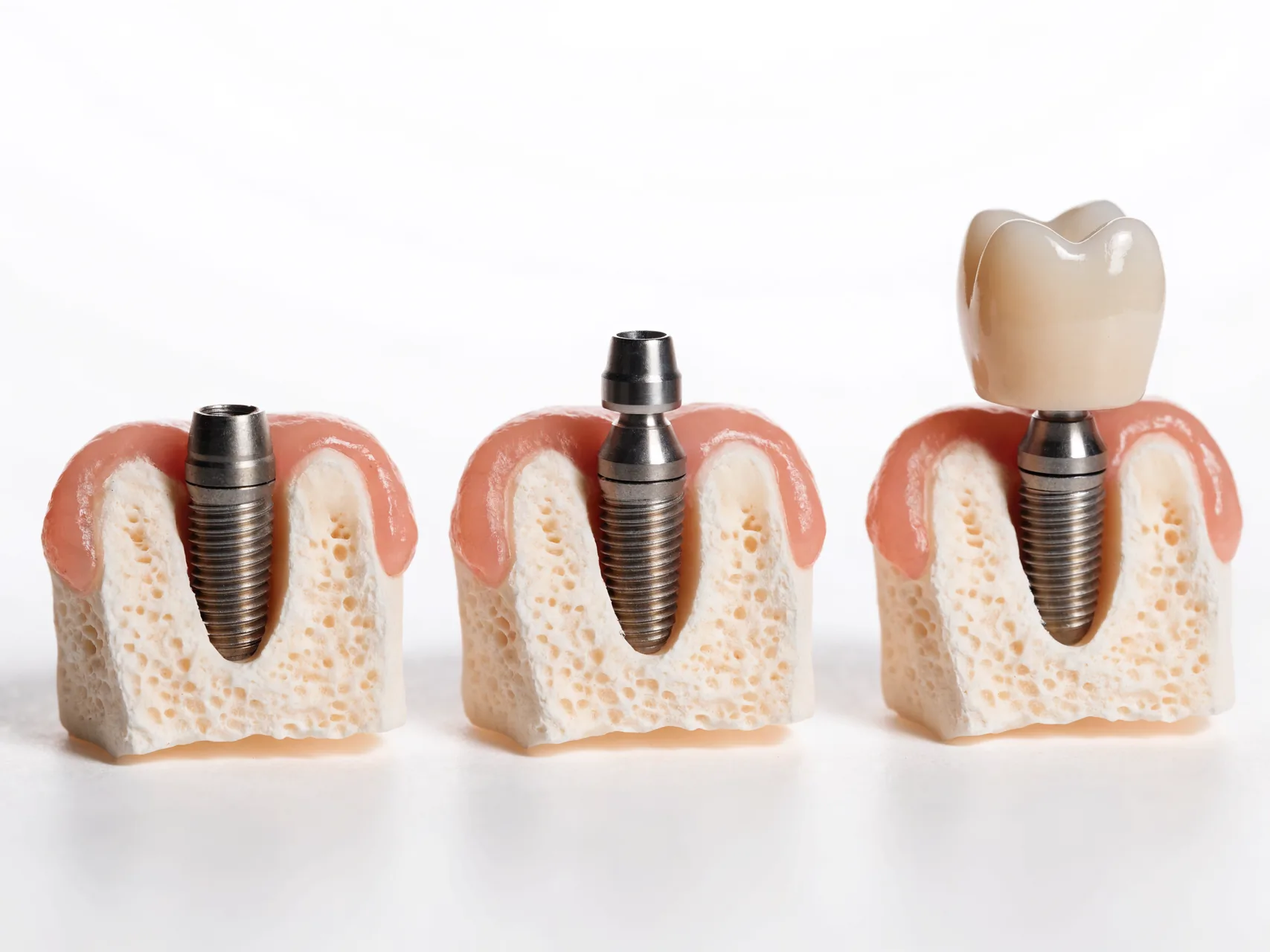
A diagnosis of type 1 or type 2 diabetes does not, by itself, answer whether a dental implant is appropriate. It also does not make an implant automatically suitable. The useful question is more specific: after reviewing your mouth, medical history, current diabetes management, proposed procedure and follow-up arrangements, does the named treating clinician consider the expected benefits reasonable in relation to the risks and alternatives for you?
This guide is for adults researching dental implants for diabetics, including people considering treatment away from home. It explains what should be assessed, what records may help, where uncertainty remains and how to compare a written plan. It is educational information, not a diagnosis, personal risk score or instruction to change diabetes care. A remote message, photograph or X-ray cannot replace an examination by the clinician who will take responsibility for treatment.
An enquiry or travel coordinator is not the treating dental provider and cannot approve surgery, interpret diabetes results or change medicines. The named legal clinic and named clinicians must own assessment, diagnosis, consent, treatment, prescriptions, records, complaints and clinical aftercare. Before sharing health information or paying, verify those identities, current registration where possible, the clinical contract and a direct clinical contact route.
Individual assessment matters more than a website rule
Diabetes is a broad label covering different conditions, treatments, histories and patterns of control. Two people with the same type of diabetes may have different oral health, medicines, complications, smoking history, healing experience and implant requirements. One person may be considering a single implant in a healthy mouth. Another may have active gum disease, extensive tooth loss, reduced bone, several medical conditions or a plan involving more complex surgery. Those are not interchangeable situations.
A responsible assessment should look beyond a single laboratory result. Relevant factors may include the pattern and stability of glucose control, previous hypoglycaemia or hyperglycaemia, current symptoms, periodontal health, active infection, oral hygiene, smoking or nicotine use, kidney or cardiovascular disease, medicines that affect bleeding or bone, previous wound healing, allergies and the scale of the proposed procedure. The clinician should also consider whether the restoration can be maintained and whether local follow-up is realistic after you return home.
Published evidence does not justify a universal online promise. Studies use different definitions of diabetes control, include different patient groups and procedures, and follow people for different periods. Some report broadly comparable implant survival in selected people whose diabetes was managed, while other analyses find worse peri-implant measures or greater failure risk in diabetic groups. These findings describe groups, not the result for one person. They support careful assessment and maintenance; they do not support guaranteed success or an automatic refusal based on a website cut-off.
Ask the named clinician to explain how the available evidence applies to your diagnosis, mouth and treatment option. A useful answer should identify uncertainty as well as possible benefits. If the proposal changes after an examination or scan, ask for the revised reasons, risks, alternatives, cost and aftercare responsibilities in writing before deciding.
Diabetes control without a universal website cut-off
HbA1c is a laboratory measure reflecting average glucose exposure over a preceding period. It can contribute useful context, but this page does not set an HbA1c threshold for implant surgery. The European Federation of Periodontology S3 clinical practice guideline notes that study definitions of good and poor metabolic control varied, and that evidence supporting peri-implant recommendations for people with diabetes was limited and largely observational. That is a reason to avoid presenting one number as a universal pass-or-fail rule.
The treating clinician may ask for recent diabetes information and, with your permission, input from your usual diabetes care team. What is sufficiently recent and relevant depends on the clinical question and your circumstances. A result should be interpreted alongside trends, current symptoms, medicines, complications and the planned intervention. It should not be separated from the rest of the medical history.
Do not make changes to food intake, insulin, tablets or other medicines because of a travel itinerary or generic dental webpage. If a dental procedure may affect eating, the timing of usual medicines or glucose monitoring, the responsible dental clinician and the usual diabetes care team should agree a clear individual plan. Ask who gives that advice, how it will be documented and whom to contact if the day's circumstances differ from the plan.
If a clinician advises postponement, ask for a clinical explanation rather than a sales answer. Useful questions include what concern needs attention, which professional should review it, what alternatives are available in the meantime and what information would support reassessment. Postponement should not be converted into an unsupported promise that treatment will become suitable on a fixed date.
Acute illness and glucose emergencies are not implant-planning questions
Elective implant planning should stop when the immediate problem is an acute medical or dental illness. New vomiting, inability to keep fluids down, marked drowsiness or confusion, symptoms of severe hypoglycaemia, possible diabetic ketoacidosis, rapidly spreading dental infection or breathing difficulty needs the appropriate local medical or dental route. A coordinator or distant implant clinician cannot safely triage every such presentation through messages.
The [NHS hypoglycaemia guidance](https://www.nhs.uk/conditions/low-blood-sugar-hypoglycaemia/) explains that low blood glucose can cause sweating, shaking, weakness, visual change and confusion, and that severe episodes can involve seizure or unconsciousness. The [NHS diabetic ketoacidosis guidance](https://www.nhs.uk/conditions/diabetic-ketoacidosis/) describes DKA as potentially life-threatening and requiring urgent hospital treatment. These pages provide public emergency guidance; they are not implant eligibility rules or a substitute for the person's own diabetes sick-day plan.
Record recent acute illness, severe low-glucose events, emergency attendances, infection, changes in eating and any problem using usual medicine or monitoring equipment. The diabetes team decides how those events affect diabetes care. The treating dental clinician decides whether elective dentistry should proceed after reviewing current health and the intended procedure. If either route remains unresolved, non-urgent treatment and travel can be deferred without promising a new date.
Do not attribute every postoperative symptom to diabetes. Swelling, discharge, bleeding, a loose restoration, altered sensation, an adverse medicine reaction and a glucose emergency have different assessments. Written aftercare should tell the patient which clinical service owns each route and when an emergency service is required.
Fasting, appointment timing and diabetes medicines need a written plan
Many implant procedures do not use the same fasting or anaesthesia arrangements, so a website cannot give one instruction. Local anaesthetic, conscious sedation and general anaesthesia involve different preparation, monitoring and recovery requirements. The planned procedure, expected effect on eating, medicine regimen, previous hypoglycaemia, other conditions and the facility's capability all matter. The anaesthesia professional and treating dental clinician must state the actual instructions, while diabetes medicine changes remain owned by the appropriate prescriber or diabetes team.
The UK [Centre for Perioperative Care diabetes guideline](https://www.cpoc.org.uk/guidelines-and-resources/guidelines/guideline-diabetes) is written for wider elective and emergency surgical pathways. It emphasises whole-pathway planning, medicines reconciliation, minimising unnecessary fasting, written perioperative instructions and coordination with diabetes expertise. It should not be copied mechanically into a dental itinerary or converted into a universal HbA1c, glucose or missed-meal rule. Its relevance is the need for named ownership and a documented plan.
Before the appointment, ask who confirms whether normal food and fluids are allowed, which medicines are taken, withheld or adjusted, how usual monitoring continues, what the patient should bring and what would cause postponement. The answer must be personal and written. Never improvise by skipping insulin or other medicine to meet a booking time. Never follow instructions from a salesperson who cannot identify the prescribing clinician.
The plan should also cover delay. A late-running clinic, changed procedure, nausea or inability to eat after treatment may invalidate assumptions made for the original schedule. Ask who reviews the situation in real time, what monitoring is available and where escalation occurs. Booking the first appointment of the day may sometimes be considered by a clinical team, but it is not a guarantee and does not replace individual instructions.
Pumps and continuous glucose monitors do not transfer clinical responsibility
An insulin pump, continuous glucose monitor or flash monitor can be important to the person's normal diabetes management, but the device does not approve dental surgery or provide an anaesthetic plan. Record the exact device, usual settings or regimen as requested, sensor location, backup supplies, alarms, recent problems and the diabetes team's contact details. Do not ask a patient to disconnect, move or override a device unless the appropriate clinical professionals have provided individual instructions.
Continuous or flash readings can lag behind blood glucose, and equipment may have limitations around some procedures or devices. The responsible team decides what monitoring is required and how readings are confirmed. A dental clinic should explain its capability before accepting a procedure that may alter eating, awareness or self-management. A generic statement that the patient can “watch the app” is not a perioperative safety plan.
Consent should identify who monitors the patient during the procedure, who can recognise and manage a glucose problem, what rescue resources and escalation route are available, and who documents events. Those questions become more important if sedation is proposed, because the patient may be less able to interpret alarms or manage equipment independently. The intended level of sedation and facility must be verified rather than inferred from a package name.
After treatment, continue to follow the personal diabetes plan and case-specific dental instructions. If equipment fails, readings conflict with symptoms or the person becomes unwell, use the established diabetes or urgent-care route. Remote implant follow-up cannot troubleshoot every pump, sensor or metabolic problem.
Periodontal and peri-implant health
NICE guidance for both type 1 and type 2 diabetes states that adults with diabetes are at higher risk of periodontitis and should be advised to have regular oral-health reviews. The guidance also says diagnosed periodontitis should be managed at a frequency based on oral-health needs. This matters because implants are placed into a mouth, not into an isolated laboratory result.
An implant assessment should therefore address the gums and supporting tissues around remaining teeth, not merely the missing-tooth space. Ask whether there is bleeding, pocketing, active periodontal disease, untreated decay, an abscess or another source of inflammation. Ask what must be stabilised before implant treatment and how stability will be checked. If periodontal treatment is proposed, obtain a written explanation of the objectives, who will deliver it and how the response will be reviewed.
Peri-implant disease can develop after placement, so the long-term question is not only whether an implant initially integrates. It is whether the patient can clean around the restoration, attend need-based reviews and obtain professional maintenance. The EFP guideline supports an individual supportive peri-implant care programme with monitoring rather than a single timetable for everybody. Your plan should say who provides maintenance at the destination, what your local dentist is expected to do and how records will move between them.
Ask what signs the clinician will monitor, how the implant restoration can be accessed for examination and cleaning, and whether the design is maintainable for your dexterity and circumstances. A visually impressive restoration that cannot be cleaned or reviewed locally may create a long-term problem. If you already have periodontal disease, clarify whether ongoing care is included in the clinical plan or remains a separate responsibility.
Preserve restorable teeth and compare every replacement option
Diabetes does not justify extracting a tooth. Each tooth proposed for removal needs its own diagnosis, prognosis and comparison with reasonable tooth-preserving care. Depending on the problem, that comparison may include restorative, endodontic and periodontal treatment, monitoring or a specialist opinion. A painful tooth also needs a source diagnosis; referred pain, periodontal pain, a crack and pulpal disease are not interchangeable.
If a tooth cannot reasonably be retained, an implant is still only one replacement option. Ask about leaving the space, an adhesive or conventional bridge, a removable partial denture, an implant-supported option, orthodontic space management where relevant, postponement and no active replacement. For extensive tooth loss, compare preservation of strategic teeth, conventional dentures, overdentures and fixed concepts without assuming that the most extensive plan is best.
The comparison should address effects on adjacent teeth, surgery, hygiene, future repair, treatment burden, eating during care, maintenance access and cost. Diabetes-related uncertainty belongs in that discussion, but it should not be used to frighten a patient into a premium material or larger package. A less invasive option may be temporary or definitive depending on diagnosis and goals.
Ask the clinicians to record why a tooth is considered restorable or non-restorable and who owns that judgement. If the recommendation changes after direct examination, imaging or periodontal treatment, the patient should receive the new rationale and alternatives before extraction. Consent to investigate, extract, place an implant and restore it are separate decisions, even when scheduled in one visit.
Extraction and implant placement are separate decisions
Removing a tooth can be justified while immediate implant placement is not. Socket anatomy, infection, remaining bone, soft tissues, implant position, primary stability, the intended restoration and the ability to maintain the site are assessed after the extraction decision. A pre-travel image cannot guarantee what the clinician will find. The written plan should state the fallback if immediate placement is not appropriate.
Ask whether extraction alone, socket management, later reassessment or an alternative replacement is possible. If graft material may be used, consent should identify its purpose, source category, alternatives and any product information relevant to allergies, medical history or ethical preferences. Do not accept “graft included” as a diagnosis or permission to use any material.
The day's diabetes plan also needs to match the procedure actually undertaken. A longer or more invasive intervention may affect eating, monitoring and recovery differently from extraction alone. If the plan changes, the treating dental clinician and appropriate diabetes professional should address any resulting medicine or monitoring question; the patient should not guess from the original itinerary.
Records should distinguish the extraction diagnosis, implant-site findings, procedure completed, materials and postoperative instructions. If no implant is placed, the quotation and consent should explain the temporary tooth option, refund or credit terms, reassessment route and who provides local review. A cancelled implant stage is not treatment failure when it reflects responsible intraoperative judgement.
Medicines, other conditions and usual-care coordination
Give the named clinician a complete and current medical history. Do not list only diabetes medicines. Include prescribed medicines, injections, non-prescription products and supplements, plus allergies and previous adverse reactions. Mention medicines affecting clotting, immune function or bone health, but do not make any change without instructions from the clinician responsible for prescribing or managing them.
Other information may be relevant: kidney disease, cardiovascular disease, high blood pressure, neuropathy, eye disease, immune conditions, anaemia, previous radiotherapy, osteoporosis treatment, sleep apnoea, pregnancy, smoking or vaping, alcohol use, previous infections and experiences of delayed healing. This list is not a self-screening tool. It helps the responsible clinician decide what needs clarification and whether another professional's input is required.
Coordination does not mean that a booking agent alters diabetes care. It means that, with valid permission, the clinicians involved can exchange information needed to make coherent decisions. Ask whether the treating dental clinician wants a summary from your GP, diabetes specialist or another usual-care professional. Ask exactly what question is being referred and how the answer will be recorded. A generic medical-clearance label is less useful than a focused clinical question.
If care spans countries, decide in advance who will receive updates and who remains responsible for each issue. Your UK GP or diabetes service should not be presumed to supervise an overseas dental procedure they did not plan. Equally, the overseas clinic should not imply that a UK professional has approved a plan unless there is documented communication. Give specific permission for necessary information sharing, use a secure channel and keep copies of what was sent.
Records to prepare
Good records reduce avoidable uncertainty, although they do not replace examination. The General Dental Council standards for UK dental professionals describe complete and accurate records as including an up-to-date medical history and, where available, radiographs, consent documents, photographs, laboratory prescriptions and referral letters. A provider outside the UK follows the rules of its own jurisdiction, but these standards are a useful patient-facing benchmark when asking how information will be documented and transferred.
Before a clinical assessment, consider preparing:
- a current medicine list showing names, doses and why each item is taken;
- known allergies and previous reactions to medicines, dental materials or anaesthesia;
- the type of diabetes, how it is normally managed and contact details for the usual diabetes care team;
- relevant recent laboratory results or clinical summaries requested by the responsible clinician;
- a concise history of significant hypoglycaemia, hyperglycaemia, infections or healing problems;
- information about kidney, cardiovascular, immune, bone or periodontal conditions;
- smoking, vaping and other nicotine history;
- prior dental treatment, implant records, radiographs and restoration details where available;
- the name and contact details of a local dentist who may assist with maintenance or urgent review;
- questions about alternatives, risks, costs, travel, records and aftercare.
Send health records only after confirming who is requesting them, why they are needed, how they will be stored and who can access them. Avoid sending detailed medical information to an unidentified personal account. Ask for the clinic's privacy information and a secure transfer method. Keep your own copies, including the final treatment plan, consent discussion, prescriptions, implant identifiers, laboratory information, invoices and aftercare instructions.
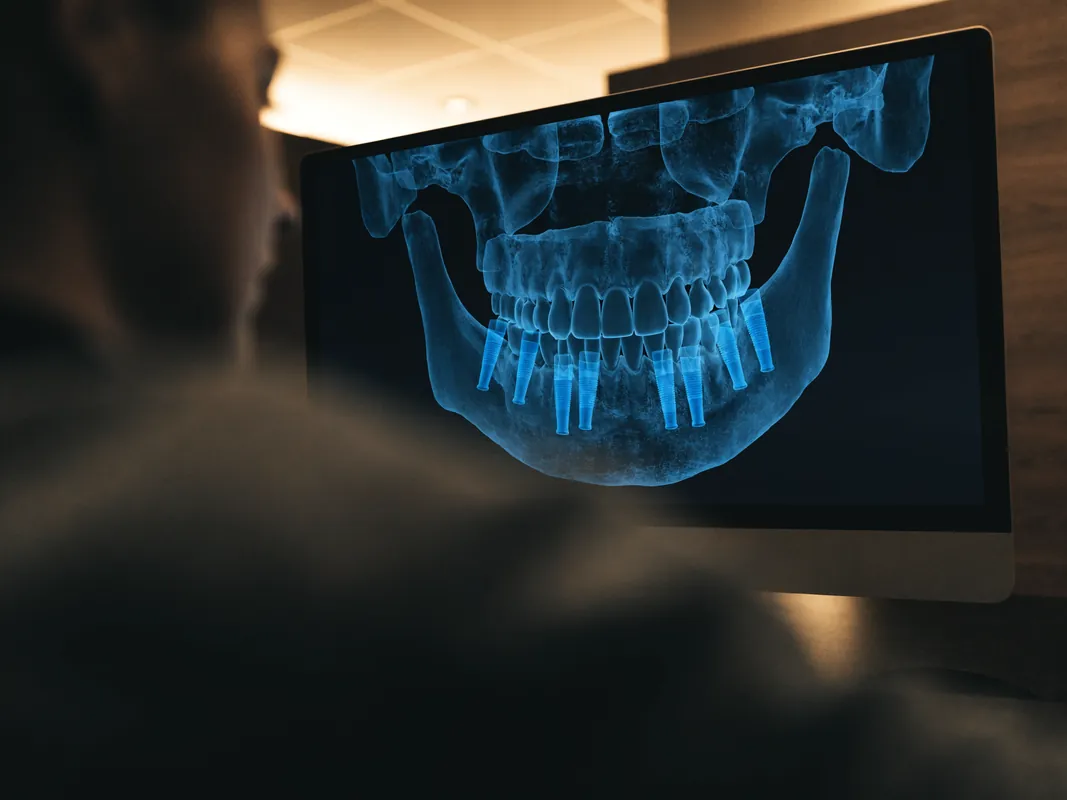
Remote records can support triage, but they may be incomplete or out of date. A panoramic image may not answer every question about bone, soft tissue, bite or active disease. Additional imaging should have a clinical justification. Ask who prescribes it, who reports it, how radiation exposure is considered and whether the images and report will be provided to you.
Consent and staged planning
Consent is a process, not a signature collected at the end of a sales conversation. GDC Principle 3 states that valid consent requires relevant options, risks, potential benefits and costs to be explained; understanding should be checked and documented; and consent should remain valid at each stage. These are duties for GDC registrants, not a claim that every overseas provider is regulated by the GDC. They are nevertheless sensible questions for a patient comparing cross-border care.
A staged planning process may look like this:
- Enquiry and identity check. Confirm whether you are speaking to a coordinator, clinic or clinician. Record legal names and contact details.
- Referral information. Share only information needed for initial review, through an appropriate channel and with an explanation of its purpose.
- Clinical assessment. The named treating clinician examines you, reviews relevant records and explains what additional information is needed.
- Options discussion. Compare an implant proposal with reasonable alternatives, including no treatment or a removable or tooth-supported option when relevant.
- Written plan and quotation. Check the diagnosis, proposed stages, materials, responsible providers, foreseeable risks, exclusions, fees, cancellation terms, maintenance and aftercare.
- Time to decide. Ask questions without pressure. A deposit deadline should not replace informed consent.
- Ongoing consent. If examination findings change the plan, the clinician should explain and document the change before proceeding.
For diabetes-related planning, the written discussion should cover why the clinician considers the proposed approach reasonable, how current medical information affected that view and what uncertainty remains. It should identify whether treatment may be staged, what findings would cause a change, and what alternatives exist if an implant is not placed. It should not promise that a particular timetable, immediate restoration or final result applies before clinical assessment.
Confirm the complaint route and clinical indemnity arrangements of the named provider. Ask how to obtain your records and which jurisdiction governs the clinical contract. Do not assume that a coordinator, hotel or transport supplier carries the treating clinic's clinical responsibilities.
Healing and infection uncertainty
Implant treatment involves biological healing, and biological healing cannot be guaranteed. Diabetes may be relevant to inflammation, infection and peri-implant health, but the size of risk for one person cannot be calculated from diagnosis alone. Procedure complexity, periodontal status, oral hygiene, smoking, medicines, bone and soft tissue, prosthesis design and follow-up all matter. Evidence is heterogeneous, and study averages should not be converted into an individual outcome promise.
Ask the clinician to distinguish common expected recovery features from signs requiring review. Obtain written instructions specific to the actual procedure and medical plan. Clarify how eating and usual diabetes management will be handled, without making changes on your own. Ask what monitoring is expected and what happens if symptoms, glucose control or travel circumstances differ from what was anticipated.
Antibiotics, antiseptic rinses, anaesthesia and pain medicines are clinical decisions. They are not automatic components of a universal diabetic protocol. Their possible benefits, risks, interactions, allergy history and antimicrobial-stewardship implications belong in the individual assessment. A website should not instruct every person with diabetes to take the same product for the same duration.
Immediate loading, delayed loading, grafting and staged restoration are not interchangeable labels. Ask why the proposed sequence suits the condition of the mouth and planned restoration. If a temporary restoration is discussed, clarify its purpose, limitations, cleaning requirements and what would cause it to be changed. Avoid booking non-refundable onward travel around an unconfirmed clinical milestone.

Implant placement and grafting have their own gate
Implant placement requires a restoration-led position, adequate anatomy for the chosen approach, manageable infection risk, healthy-enough soft tissues and a plan the patient can maintain. Diabetes history informs risk assessment but does not replace site diagnosis. The clinician must combine examination, periodontal findings, justified imaging, medical information and the intended prosthesis. A salesperson cannot infer the need for a graft or declare sufficient bone from a phone screenshot.
Placement-day findings can change the route. The clinician may encounter different bone or soft-tissue conditions, inadequate stability, an anatomical limitation or another reason not to follow the preliminary design. Consent should state the permitted alternatives: modify the position within safe restorative limits, stage treatment, use an agreed graft option, stop and reassess, or choose another replacement. It should also state who can authorise added procedures and costs.
Grafting is not one procedure or one material. Ask what defect is being managed, whether grafting can be avoided by changing the restorative plan, which material and barrier are proposed, their source and identifiers, and how the site will be assessed later. No graft choice removes diabetes, smoking, periodontal or hygiene considerations. The responsible clinician should discuss material-specific risks and uncertainty without claiming regeneration on a fixed date.
The operative record should document the actual site, implant position and dimensions, stability measurement if used, graft and membrane details, complications, anaesthesia and postoperative plan. A local clinician needs facts rather than the phrase “implant completed.” If placement is deferred, a revised clinical plan and itemised quotation should precede any new travel commitment.
Loading and provisional restoration require fresh findings
Placement does not automatically authorise loading. A decision to attach a provisional crown or bridge depends on actual implant stability, position, grafting, tissue findings, the planned restoration, bite, parafunction, hygiene and the consequences of movement or overload. “Same-day teeth” is therefore a possible pathway, not an entitlement or a diabetes protocol.
The provisional restoration may serve appearance, limited function, tissue shaping, speech assessment or evaluation of cleaning access. It is not evidence that integration has occurred and should not be described as the final result. Consent should explain retention, intended contacts and loading, cleaning, dietary or functional instructions, expected reviews and what happens if it loosens, fractures or cannot be fitted.
When the preliminary promise cannot be met, the patient should know the alternative before surgery: a removable temporary, modified existing denture, gap, delayed restoration or another case-specific option. The financial terms should separate surgical completion from provisional delivery so that a changed gate does not become a pressured argument after treatment.
Later loading also needs reassessment. Time alone does not prove readiness. The responsible clinician interprets symptoms, tissues, implant stability or other relevant findings and the restorative plan. Diabetes results may add context, but one HbA1c value cannot confirm integration. If findings are uncertain, continued observation, further investigation, revised restoration or another option should be discussed without guaranteeing when the next gate will open.
The definitive restoration has a separate acceptance gate
A final crown, bridge or full-arch prosthesis should not be manufactured or accepted merely because flights are booked. The restorative clinician should review implant and tissue findings, fit, contacts, jaw movement, cleansability, speech, appearance, component identity and the patient's experience with any provisional. A problem at one of these checks may justify adjustment, more observation, redesign or a different restoration.
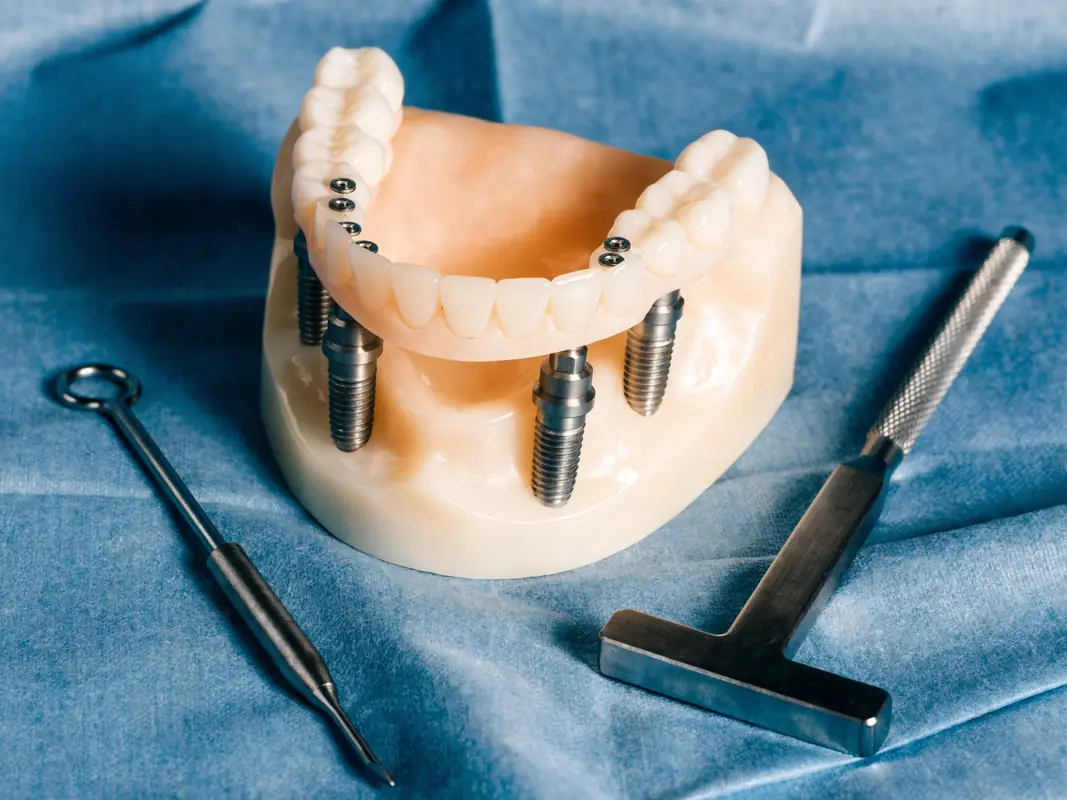
For a single crown, ask about emergence profile, contact with neighbouring teeth, bite, retention and access for maintenance. For a bridge or full arch, also ask about framework fit, cantilevers, tissue surface, phonetics, tongue space, retrievability and the cleaning method the patient can actually use. Diabetes does not dictate one ceramic, connection or occlusal scheme.
The patient should have an opportunity to report function and concerns before irreversible acceptance. A high bite, pain on chewing, tissue compression or inability to clean needs examination rather than an instruction to adapt indefinitely. Conversely, a symptom change does not by itself prove infection, integration failure or a diabetes complication; diagnosis still belongs to the clinician.
Record the final material, implant and abutment connection, screw or cement approach, torque or laboratory information where relevant, shade, fit checks and instructions. If the definitive design differs materially from the consented proposal, pause for a revised explanation, alternatives and price. A scheduled departure should not substitute for ongoing consent.
Imaging must answer a defined clinical question
Imaging is prescribed to answer a clinical question, not to make a page look comprehensive. Existing radiographs may help identify disease or plan an examination, while cross-sectional imaging may be justified when three-dimensional anatomy is needed for implant placement. The prescribing clinician should explain why an image is required, its field and timing, who reports it, and how it changes the decision. Diabetes alone is not an indication for CBCT.
Ask for the original image files and report, not only screenshots. A panoramic image may not show every defect or anatomical relationship, and CBCT does not diagnose soft-tissue health, metabolic control, implant integration or treatment suitability on its own. Findings must be correlated with examination and the proposed restorative position.
Repeat imaging after treatment should also be justified. Routine maintenance may use clinical assessment and appropriate two-dimensional comparison, while a specific symptom or complication may require another investigation. Avoid universal promises of a “free scan every visit,” which may obscure radiation justification and who owns interpretation.
If imaging occurs abroad, confirm the legal provider, reporter, retention period and how files reach the local clinician. If an incidental finding appears outside the implant question, the report should identify who communicates it and what referral route applies. A coordinator should not diagnose anatomy, infection or systemic disease from the image.
Materials and components need complete traceability
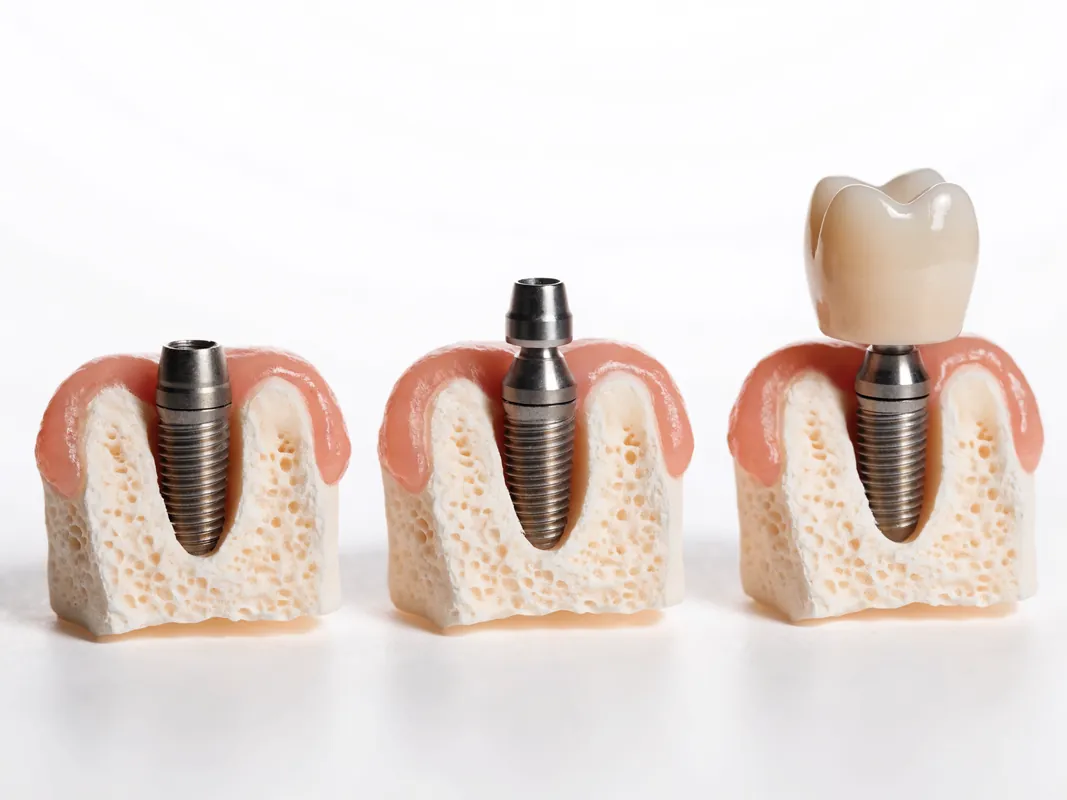
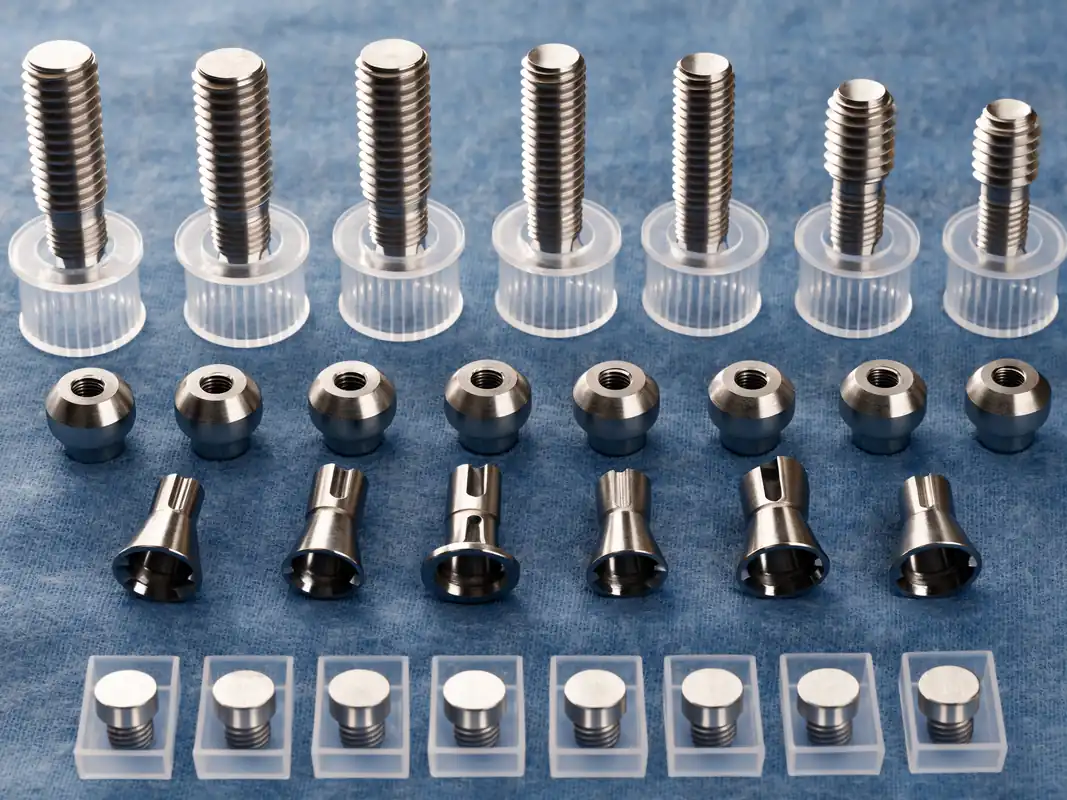
The brand label “implant” is not enough for future care. Request the implant manufacturer, system, connection, site, dimensions, lot or unique device information available, abutment and screw details, graft and membrane identifiers, restorative material, laboratory and retention method. These records help another clinician recognise components and plan maintenance or repair.
Material selection should be linked to anatomy, restoration design, evidence, serviceability, allergies or sensitivities where relevant and the laboratory plan. Diabetes does not prove that titanium, zirconia or a particular surface is superior for one patient. Likewise, a premium price or long commercial warranty cannot guarantee biological integration or freedom from mechanical problems.
Ask whether replacement components and compatible instruments are available near home, how a screw-retained or cement-retained restoration can be accessed, and what happens if a component becomes unavailable. For full-arch work, document the framework and tooth materials, attachment or screw system and repair route. For a removable overdenture, record the attachment family and replaceable parts.
The handover packet should use exact names and identifiers instead of marketing descriptions such as “Swiss implant” or “zirconia smile.” If a proposed product changes during treatment, informed consent and quotation should be updated before use unless an immediate clinical emergency requires a different response. Product traceability supports care; it is not evidence of a promised outcome.
Aftercare and maintenance
Aftercare is part of treatment planning, not an optional paragraph added after payment. Before travelling, identify who will provide routine reviews, professional maintenance and urgent assessment after you return. Ask whether your local dentist has agreed to participate; do not assume they must take responsibility for work planned elsewhere. If a local dentist is willing to help, ask what records and implant-system information they need.
The written aftercare plan should explain:
- the named clinic's direct clinical contact route;
- what follow-up is planned and how its timing will be individualised;
- what can reasonably be reviewed remotely and what requires an examination;
- who assesses gum and peri-implant health over time;
- how the restoration should be cleaned and whether special aids are needed;
- how implant, abutment and laboratory identifiers will be supplied;
- who pays for local assessment, imaging, maintenance or remedial work;
- what happens if the original clinician is unavailable;
- any warranty terms, exclusions and maintenance conditions, without treating a warranty as a clinical outcome guarantee.
Maintenance intervals should be based on need. Diabetes control, periodontal history, plaque control, smoking, restoration design and prior findings may affect how closely someone is monitored. A fixed schedule advertised to every patient is not a substitute for a clinician's assessment. Keep attending ordinary dental care for remaining teeth as well as implant reviews.
Remote photographs can sometimes support communication, but they cannot reliably rule out infection, bite problems, mobility or bone changes. If symptoms persist or worsen, arrange an examination rather than relying on messaging alone. Know the location of an appropriate dentist near home before treatment begins.
An itemised quotation should expose contingencies
A single package total can hide the decisions most likely to change. The quotation should separate clinical assessment, periodontal or tooth-preserving care, extraction, imaging, implant placement, each graft contingency, anaesthesia or sedation where relevant, provisional restoration, definitive restoration, laboratory work, reviews, maintenance, records and non-clinical travel services. It should state the currency, tax treatment where applicable, payment stages, cancellation terms and legal entity receiving each payment.
Mark what is confirmed, estimated, optional, contingent or excluded. Ask how additional treatment is authorised and whether the patient can decline it without losing access to records or urgent care. If placement, loading or the final restoration cannot proceed, the written terms should show how unused stages are handled and what temporary or local-care costs remain. A warranty is a commercial contract, not a clinical outcome promise.
Diabetes-related coordination may create separate professional work, such as obtaining a focused medical opinion or planning around a medicine regimen. The quote should identify who requested that input and whether a fee applies. It should not bundle a vague “medical clearance” with approval language. The medical professional answers the question within their remit; the implant clinician still owns the dental decision.
If examination changes the diagnosis or treatment scope, request a revised plan and itemised cost before non-urgent work continues. Consent is weakened when the only alternative presented abroad is to pay an unexpected total immediately. Build enough itinerary and financial flexibility to allow a pause, local alternative or second opinion.

Local handover needs routine, mechanical, medical and urgent routes
Continuity is clearer when four routes are named. Routine implant and periodontal maintenance belongs with a dentist or appropriately trained dental professional who has agreed to see the patient. A loose screw, fractured provisional, high bite or damaged prosthesis needs a mechanical-restorative route. Glucose instability, medicine questions and diabetes device problems belong with the established diabetes or medical team. Swelling, severe pain, altered sensation, bleeding or systemic illness needs urgent local triage.
The handover packet should include tooth diagnoses and prognoses, periodontal findings, medical history used for planning, relevant communication with the diabetes team, dated imaging and reports, procedure and anaesthetic records, prescribed medicines, implant and component identifiers, graft materials, provisional and definitive restoration details, laboratory prescription, bite information, hygiene instructions, review purpose and direct clinical contacts. Share only necessary medical information with valid permission.
Remote follow-up can exchange documents and support triage, but it cannot probe peri-implant tissues, test mobility, adjust a restoration, assess sensation or manage a glucose emergency. A local clinician is not automatically responsible for treatment planned elsewhere, so ask before travel whether they can provide maintenance and what information they require.
The written plan should say who pays for local imaging, assessment, maintenance, component repair, specialist review or return travel. Commercial discussions must not delay necessary care. If no local clinician has agreed to help, state that gap honestly and reconsider whether the treatment and travel plan are sustainable.
Travel and logistics boundaries
Clinical suitability should be decided before travel commitments are treated as final. Flights, accommodation and transport do not prove that treatment can proceed. Build flexibility into the itinerary because examination findings or health changes can alter the plan. Ask what happens financially if the clinician advises a different treatment, postponement or no procedure after assessment.
WeCare's non-clinical role may include helping an enquirer reach a named provider and, where a separate written quotation says so, coordinating specified travel logistics. Do not infer a hotel category, vehicle type, number of nights, route, companion place or price from this guide. Check every supplier, date, inclusion, exclusion and cancellation term in the written quotation. Travel suppliers do not diagnose diabetes, consent you for surgery or provide clinical aftercare.
Carry essential diabetes supplies and medical information in accordance with advice from your usual care professionals and transport provider. Ask the responsible clinicians what documentation is relevant to the procedure. Do not rely on a coordinator to replace medical planning. If you become unwell before departure or during the trip, seek appropriate medical advice rather than pressing ahead to protect a booking.
Urgent and emergency boundaries
Dental pain or swelling should not be delayed merely because overseas treatment is being considered. NHS guidance says a dental abscess needs urgent dental treatment and advises contacting an urgent dentist or NHS 111 in England when urgent help is needed. Severe swelling, difficulty breathing, difficulty swallowing or speaking, eye symptoms or other serious deterioration may require emergency care. Call 999 or attend A&E in the UK when NHS emergency criteria apply. Outside the UK, use the local emergency number and local urgent-care system.
This guide cannot assess symptoms. Seek prompt professional help for worsening facial or oral swelling, fever with dental symptoms, pus or a bad taste linked to swelling, uncontrolled bleeding, spreading redness, severe pain that is not settling, new numbness, difficulty opening the mouth, persistent vomiting, inability to take usual fluids or medicines, or concerning changes in glucose control. If you are unsure how urgent the situation is in England, NHS 111 can direct you to appropriate help.
Do not wait for a travel coordinator or a distant clinic to reply when breathing, swallowing, consciousness or rapidly progressing swelling is affected. Emergency services manage immediate danger; the original provider can be informed once urgent care is underway. Keep emergency and clinical contacts separate from general booking support.
Questions to ask the named clinician
Use these questions during the clinical consultation and ask for important answers in writing:
- What is your full name, professional registration and role in my care?
- What is the clinic's legal identity, address and clinical complaint route?
- What diagnosis supports the proposal, and what examination or imaging supports it?
- How do my diabetes history, current control and other conditions affect your assessment?
- Do you need information from my usual diabetes care team, and what specific question will you ask?
- Is active periodontal disease or another oral condition present, and what needs attention first?
- What alternatives should I compare, including postponing or not having an implant?
- What are the material risks and uncertainties for my proposed procedure?
- Which parts of the plan may change after examination, and how will renewed consent work?
- Who makes prescribing and medicine-timing decisions, and how are they coordinated with usual care?
- Who provides each clinical stage, laboratory work, review and long-term maintenance?
- What records and implant identifiers will I receive?
- Which symptoms require routine contact, urgent dental review or emergency services?
- What care is available after I return home, and has any local provider agreed to participate?
- What is included in the clinical quotation and what costs remain possible?
- What are the cancellation, complaint, refund and any warranty terms, and which entity is responsible?
A clinician should be able to discuss uncertainty without dismissing your questions. Pressure to pay before provider identity, clinical responsibility, risks and aftercare are clear is a reason to pause.
Patient checklist
Before accepting a plan, check that you can answer each item:
- Provider identity: I know the named clinic and named clinician responsible for care and have independently checked current registration where possible.
- Role separation: I understand that WeCare handles enquiry and referral coordination, not diagnosis or treatment.
- Medical history: I have supplied an accurate medicine, allergy and health history through an appropriate channel.
- Usual-care link: I know whether my usual diabetes care team needs to provide information and have consented to any necessary sharing.
- Oral health: Periodontal disease, infection, decay and maintenance needs have been assessed rather than ignored.
- Evidence: I have not treated a group statistic or HbA1c website rule as a personal guarantee.
- Options: I understand reasonable alternatives, risks, possible benefits, costs and what may happen without treatment.
- Written plan: The proposed stages, responsible providers, materials, fees and possible changes are recorded.
- Consent: I have time to decide, can ask questions and know consent must remain valid as the plan develops.
- Aftercare: Routine maintenance and urgent review are realistic after I return home.
- Records: I will receive relevant imaging, clinical notes, prescriptions, implant identifiers and laboratory information.
- Travel boundary: Accommodation and transport are separate from clinical responsibility and exist only as stated in writing.
- Emergency route: I know when to contact the clinic, a local urgent dentist, NHS 111 or emergency services.
If several answers remain unclear, resolve them before committing to irreversible treatment or non-refundable travel. A carefully documented decision may still lead to an implant, another treatment, staged care or no treatment. The right outcome of assessment is an informed plan, not a predetermined sale.
Frequently asked planning questions
Does diabetes automatically rule out dental implants?
No automatic answer is justified. Research includes people with diabetes who received implants, but outcomes and peri-implant findings vary across studies and patients. The named clinician must assess the mouth, diabetes history, other health factors, proposed procedure and aftercare. This guide cannot determine suitability.
Is one HbA1c result enough to approve treatment?
No. It may be relevant, but the EFP guideline describes inconsistent definitions across studies and limited evidence for a universal threshold. A clinician should interpret relevant results alongside trends, symptoms, medicines, complications, periodontal health, procedure complexity and follow-up. This page gives no personal cut-off.
Should I alter insulin or tablets around dental treatment?
Not from website advice. Medicine, eating and monitoring decisions need an individual plan from the professionals responsible for dental and diabetes care. Ask who gives the instructions, how they are documented and what to do if circumstances change.
Why is gum health important before an implant?
NICE identifies adults with diabetes as being at higher risk of periodontitis. Active periodontal or other oral disease may affect planning and long-term maintenance. The responsible clinician should assess the whole mouth, explain what needs stabilising and set review frequency according to need.
Can a remote X-ray confirm the final plan?
It can support initial review but cannot replace clinical examination. Images may be incomplete, outdated or insufficient for every question. The treating clinician should justify any additional imaging and confirm the plan after evaluating you directly.
Are antibiotics always needed because I have diabetes?
This page does not prescribe them. The decision depends on the individual procedure, medical history, allergies, interactions, risks and current professional guidance. Ask the responsible clinician for the reasons, alternatives and instructions specific to you.
Can I assume a fixed healing or travel timeline?
No. Healing and restorative stages vary by biology, procedure, findings and provider judgement. Obtain a case-specific sequence and keep travel flexible. Do not treat an advertised timetable as a guarantee that a clinical milestone will occur on a set date.
Who is responsible if treatment is coordinated through WeCare?
WeCare is not the treating dental provider. Its role is enquiry and referral coordination and any separately agreed written travel logistics. The named clinic and named clinician remain responsible for clinical assessment, consent, treatment, records, complaints and aftercare. Verify them before payment or health-data sharing.
What should I arrange for aftercare at home?
Identify a local dentist willing to assess and maintain the work, and ask what records they need. Obtain the overseas clinic's direct clinical contact route, implant identifiers, imaging and written instructions. Confirm who pays for local assessment or remedial care and do not assume remote photographs replace examination.
What if I develop swelling or feel unwell before travelling?
Seek appropriate local dental or medical advice instead of waiting for the trip. In England, NHS 111 can direct urgent care; severe breathing, swallowing, speaking or rapidly progressing swelling may meet NHS emergency criteria for 999 or A&E. Elsewhere, use local urgent and emergency services.
Sources and review dates
- [NICE NG28: Type 2 diabetes in adults — periodontitis recommendations](https://www.nice.org.uk/guidance/ng28/chapter/Complications), published 2 December 2015 and last updated 18 February 2026. NICE states that adults with type 2 diabetes are at higher risk of periodontitis and should receive advice about regular oral-health review.
- [NICE NG17: Type 1 diabetes in adults — oral health recommendations](https://www.nice.org.uk/guidance/ng17/chapter/recommendations), published 26 August 2015; page accessed 29 August 2026. It gives parallel advice on periodontitis risk and need-based management.
- [European Federation of Periodontology S3 clinical practice guideline](https://onlinelibrary.wiley.com/doi/full/10.1111/jcpe.13823), Herrera and colleagues, Journal of Clinical Periodontology, 2023. The guideline supports attention to diabetes control and supportive peri-implant care while rating relevant evidence as limited and noting varied definitions across studies.
- [NHS England commissioning standard for dental care for people with diabetes](https://www.england.nhs.uk/long-read/commissioning-standard-dental-care-for-people-with-diabetes/), accessed 29 August 2026. It supports integrated medical-dental pathways, periodontal screening and need-based care; it does not provide an implant pass mark.
- [Centre for Perioperative Care guideline for people with diabetes undergoing surgery](https://www.cpoc.org.uk/guidelines-and-resources/guidelines/guideline-diabetes), updated October 2023 and accessed 29 August 2026. It supports whole-pathway coordination, medicines reconciliation, written instructions and minimising unnecessary fasting. Its hospital-surgery resources require case-specific professional interpretation for dental care.
- [NICE NG45 routine preoperative tests](https://www.nice.org.uk/guidance/ng45/chapter/recommendations), accessed 29 August 2026. It says relevant recent HbA1c information should accompany surgical referral for a person with diabetes; it does not turn that result into a universal dental implant threshold.
- [Systematic review and meta-analysis of diabetes and dental implants](https://pubmed.ncbi.nlm.nih.gov/35591561/), Chrcanovic and colleagues, 2022, and [systematic review of peri-implant outcomes and hyperglycaemia](https://pubmed.ncbi.nlm.nih.gov/36251562/), Lv and colleagues, 2022. These group-level analyses report differing outcome measures and reinforce that evidence should not be turned into a personal guarantee.
- [Dental implant outcomes in patients with diabetes mellitus: systematic review](https://pubmed.ncbi.nlm.nih.gov/42177496/), Shahi and colleagues, BMC Oral Health, 2026. The review searched evidence through 2025 and reports uncertainty and heterogeneity alongside the importance of individual risk assessment.
- [GDC Principle 3: Obtain valid consent](https://standards.gdc-uk.org/pages/principle3/principle3) and [GDC Principle 4: Maintain and protect patients' information](https://standards.gdc-uk.org/pages/principle4/principle4), accessed 29 August 2026. These standards apply to GDC registrants and are cited here as a UK patient-facing benchmark, not as evidence that an overseas provider is GDC regulated.
- [GDC direct-access guidance](https://www.gdc-uk.org/standards-guidance/standards-and-guidance/direct-access), updated 1 November 2025. It illustrates the importance of referral, communication and responsibility arrangements when care involves more than one professional.
- [NHS dental abscess guidance](https://www.nhs.uk/conditions/dental-abscess/) and [NHS 111 guidance](https://www.nhs.uk/nhs-services/urgent-and-emergency-care-services/when-to-use-111/), accessed 29 August 2026. These support the urgent and emergency boundaries above for people in England.
- [NHS hypoglycaemia guidance](https://www.nhs.uk/conditions/low-blood-sugar-hypoglycaemia/) and [NHS diabetic ketoacidosis guidance](https://www.nhs.uk/conditions/diabetic-ketoacidosis/), accessed 29 August 2026. These identify medical warning signs and local urgent or emergency routes; they are not dental suitability criteria and do not replace a personal diabetes plan.
Evidence and public guidance change. Check the linked sources and ask the named clinician to explain current, case-relevant evidence before making a decision.