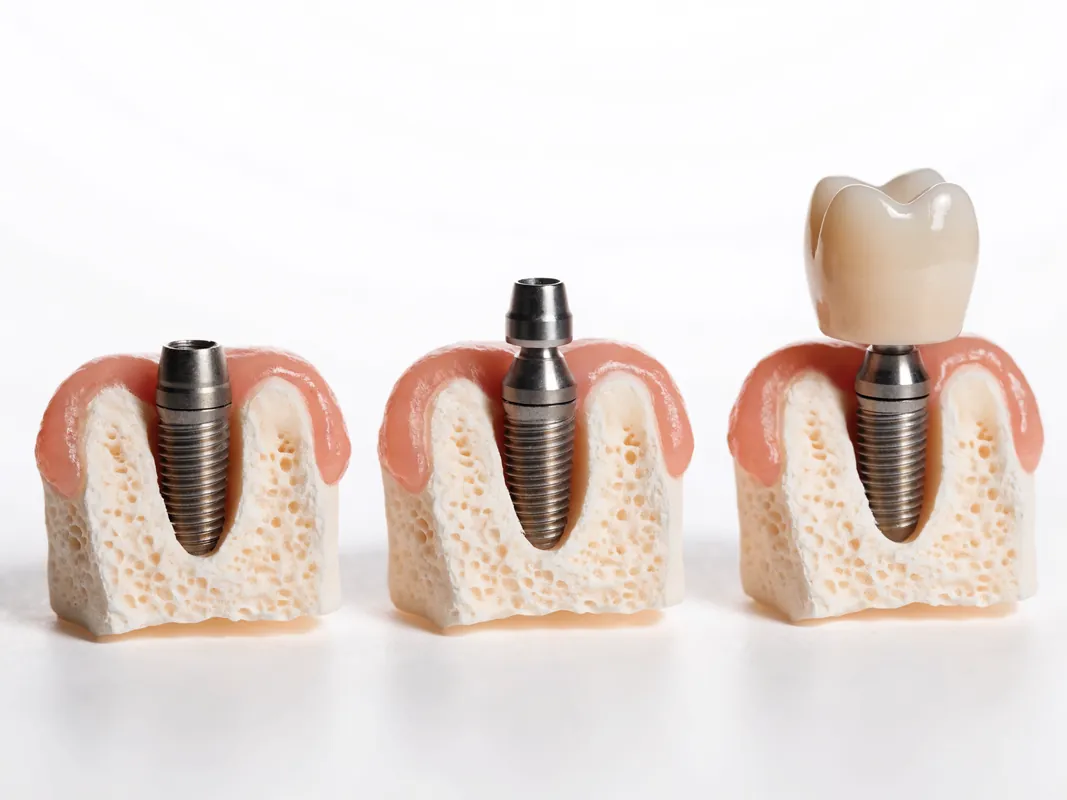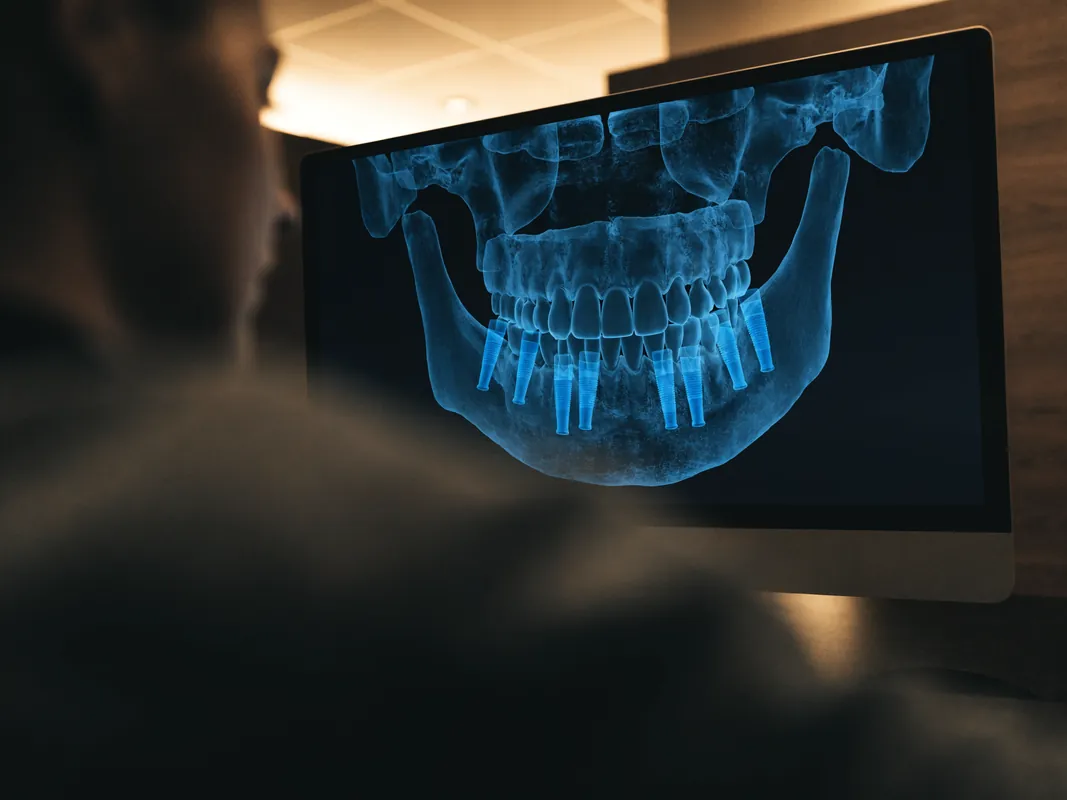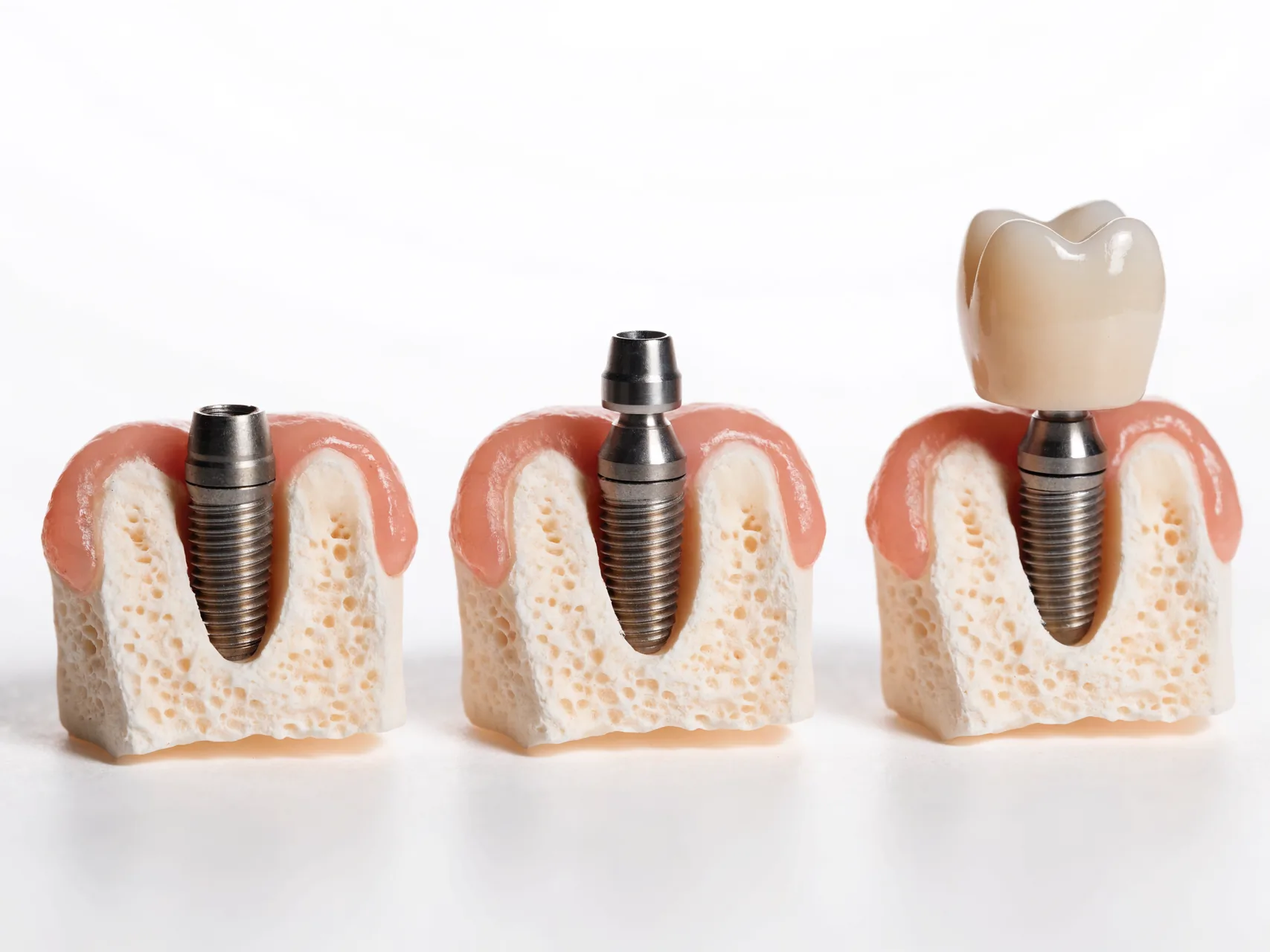
A country label cannot make two implant quotations equivalent. Match the teeth or arches, placement and restoration stages, grafting assumptions, components, records, aftercare and legal responsibilities before comparing totals.
A Turkey versus Hungary dental implant search is not answered by ranking countries. A country does not diagnose a tooth, justify an extraction, select an implant position, approve loading, manufacture a bridge, hand over component records or accept a complaint. Those responsibilities belong to named legal providers, named treating clinicians, laboratories and device suppliers working under the rules that apply to them.
This guide compares implant proposals, not destinations. It is deliberately narrower than the broad Turkey versus Hungary dental tourism decision guide. That page compares provider identity, general scope, records, payment, language, travel and complaints across different kinds of dental treatment. This page asks a specific question: when one Turkish offer and one Hungarian offer both use the word implant, do they actually describe the same clinical problem, the same preservation decision, the same surgical and restorative stages, the same component record and the same long-term responsibility?
The answer is often unknown until both proposals are normalised. A single missing tooth, several adjacent missing teeth and a full-arch restoration are not interchangeable products. Placement is not the same as loading. A provisional restoration is not a definitive restoration. A grafting allowance is not proof that grafting is indicated. A general implant brand on a website is not the component prescribed for one patient. A low or high total says little until every clinical and commercial line has an equivalent meaning.
This page publishes no destination winner, market price, saving percentage, fixed travel schedule, outcome rate or provider endorsement. It cannot diagnose suitability. Patient-specific conclusions require an appropriate assessment by the named treating clinician and a dated, itemised written proposal from the named legal treatment provider. Official registers and public-funding rules can change, so verify them again before treatment or payment.
Start With Scope Equivalence, Not Country
Place the two proposals side by side only after assigning each to the same scope category:
| Scope question | What both documents must identify |
|---|---|
| Single missing tooth | Tooth or site, preservation alternatives, placement plan, provisional status, definitive crown and component record |
| Several adjacent missing teeth | Every missing site, proposed implant positions, separate crowns or connected bridge, pontic span, cleanability and repair pathway |
| One edentulous arch | Remaining-tooth decision, arch diagnosis, fixed or removable alternative, support design, loading contingency, provisional and definitive prostheses |
| Two arches | Separate diagnosis for each jaw plus the combined bite, speech, hygiene and maintenance design |
| Implant added to existing work | Compatibility, condition of the old restoration, responsibility for integration and future serviceability |
Then label each line as assessment, disease control, extraction, placement, augmentation, provisional restoration, definitive restoration, review, maintenance or non-clinical travel service. If one document says implant only and the other says implant with crown, they are not equivalent. If one full-arch total contains a provisional bridge while the other also contains a definitive bridge, they are not equivalent. If one assumes tooth extraction and the other preserves the tooth, the difference is clinical scope, not destination value.
Create a list of unknowns rather than treating a blank as included. Useful labels are included, excluded, conditional, awaiting examination, supplied by another provider and not applicable. The comparison becomes meaningful when both providers answer the same clinical question with the same level of documentary detail.
Name the Legal Provider and Every Clinical Owner
An overseas implant pathway may involve an advertiser, coordinator, facilitator, dental facility, imaging provider, surgeon, restorative clinician, anaesthesia or sedation provider where relevant, laboratory and home-country dentist. A shared logo does not establish one legal or clinical responsibility.
For each offer, record:
- the exact legal name of the healthcare provider signing the treatment agreement;
- the treatment address and invoice identity;
- the named clinician responsible for diagnosis;
- the named clinician responsible for extraction and implant placement;
- the named clinician responsible for provisional work;
- the named clinician approving the definitive restoration;
- the laboratory or fabricating party when known;
- the coordinator or facilitator and the limit of that non-clinical role;
- the person responsible for routine aftercare;
- the route for urgent advice and local examination;
- the legal entity receiving a complaint or remedial request.
Ask whether each clinician named in marketing is actually assigned to the case. A register result can support identity and professional-status checking, but it does not prove who reviewed the records, who will attend, what experience is relevant or who accepted the personal plan. Connect those facts in the dated treatment documents.
Payment should follow the same identity map. If the recipient is different from the named healthcare provider, ask for the legal basis, invoice role, refund responsibility and relationship between the entities. Do not send health records or money to an unidentified messaging account.
Verify a Hungarian Implant Proposal Through Current Official Routes
For Hungary, request the clinician's full name and professional identifiers as recorded in the proposal. Hungary's National Directorate General for Hospitals, known through its OKFŐ registration directorate, explains that professionals practising healthcare independently require valid operational registration. The current [OKFŐ operational-registration information](https://enk.okfo.gov.hu/en/activities/operational-register/general-informations) describes that framework, and the public [Hungarian healthcare professional search](https://kereso.enkk.hu/) is a starting point for checking recorded professional details.
Match the result to the person in the plan. Similar names, transliteration and old website biographies can cause confusion. Ask the provider to explain any difference and confirm the clinician's stage responsibility. Registration does not establish that a clinician personally assessed the case or that a facility is authorised for every service represented in marketing.
The provider itself also needs an exact legal identity and relevant operating status. Hungary's [National Contact Point for cross-border healthcare](https://www.patientsrights.hu/) provides current information within its remit on the healthcare system, planned care, provider questions, patient rights and national routes. Use it to identify the competent source for the exact provider rather than relying on a badge copied into an advertisement.
Keep three checks separate:
- Is the named individual recorded in the relevant professional route?
- Is the legal provider authorised for the healthcare service at the stated location?
- Does the named person and provider accept responsibility for this patient's implant stage in writing?
An affirmative answer to one does not answer the other two.
Verify a Turkish Implant Proposal Through Current Official Routes
For Turkey, request the exact licensed health-facility name, not only the trading brand or overseas sales name. The Republic of Türkiye Ministry of Health's [authorised healthcare-provider page](https://saglikturizmi.saglik.gov.tr/EN%2C69063/healthcare-providers-authorized-by-the-ministry.html) and the Ministry-linked [HealthTürkiye oral and dental facility list](https://www.healthturkiye.com/hospitals-list?filters=branch%3A18%3Bcity%3A&pageIndex=0) are current official starting points for health-tourism facility checking.
If a facilitator is involved, identify it separately and check the current official authorisation route where applicable. A facilitator can coordinate travel, translation or records, but should not be treated as the clinician or the legal healthcare provider unless the legal documents establish a regulated clinical role.
The [Turkish Dental Association dentist search](https://tdb.org.tr/dishekimi_arama.php) can help check a supplied name. Confirm how the appropriate Turkish authority records the person's professional status and match it to the clinician assigned in the plan. A facility listing does not prove which dentist will place or restore an implant, and a dentist-search result does not prove acceptance of one proposed procedure.
Again keep facility, clinician and case responsibility separate. Ask for:
- exact facility name and treatment address;
- clinician's full name and stated role;
- whether the clinician reviewed the current records;
- whether the clinician accepts the preliminary proposal or will reassess it;
- which decisions cannot be made until direct examination;
- how the final plan, consent, invoice and clinical records will use consistent identities.
Official authorisation is a baseline verification layer, not evidence of a particular material, timetable or outcome.
Compare the Same Clinical Question Before Comparing Implants
An implant replaces support for a restoration; it does not explain why a tooth was lost or whether another tooth should be removed. Both proposals should begin with the same presenting problem and the same site map.
For every tooth or gap, ask both clinicians to state:
- the diagnosis or clearly labelled provisional finding;
- which records have been reviewed;
- what remains unknown without examination or additional justified tests;
- whether disease control is required first;
- the prognosis of any remaining tooth;
- preservation, repair, endodontic, periodontal, orthodontic, bridge, removable and no-treatment alternatives relevant to that site;
- the consequence of delaying or declining replacement;
- the proposed implant-supported restoration and its purpose;
- what finding would change or stop the proposal.
If a Turkish document proposes extraction while a Hungarian document proposes preservation, do not compare implant totals. Ask why the diagnoses or treatment philosophies differ and consider an independent assessment. If both propose extraction, the reason should still be tooth-specific. The existence of a travel booking or full-arch offer is not clinical evidence for removal.
The related dental implants guide explains the basic implant pathway and alternatives. Use it to form questions, not to replace a personal diagnosis.
Tooth Preservation Must Be Visible in Both Proposals
Tooth preservation is especially important when an offer expands from a few missing teeth to a full-arch implant restoration. A proposal should not convert uncertain prognosis into automatic extraction merely because a connected prosthesis is easier to price or schedule.
Ask for a tooth-by-tooth table with these columns:
| Tooth | Current finding | Prognosis basis | Preservation options | Proposed decision | Decision owner | Unknowns |
|---|
For a tooth proposed for extraction, request the clinical finding, supporting record, relevant alternatives, material risks and the consequence of retaining or monitoring it. For a root-treated, mobile, cracked, heavily restored or periodontally affected tooth, avoid turning the label alone into a decision. The responsible clinician must interpret the remaining structure, symptoms, support, restorability and the patient's priorities.
For a full arch, ask whether teeth are being assessed individually and how preservation could affect the prosthetic design. The ITI [consensus on implant number for complete-arch fixed prostheses](https://academy.iti.org/academy/consensus-database/consensus-statement/-/consensus/number-of-implants-placed-for-complete-arch-fixed-prostheses/1701) explicitly places preservation of teeth within the informed-consent discussion. It does not determine what should happen to any particular tooth or set a universal support design.
A comparison worksheet should flag irreversible differences. If one plan removes more tissue or teeth, the reason must be compared, not hidden under a country heading. More treatment is not automatically more complete; less treatment is not automatically sufficient.

Remote Assessment and Imaging Have Strict Limits
Photographs, an existing panoramic image and a medical questionnaire can support early triage. They do not prove bone dimensions, soft-tissue condition, tooth prognosis, periodontal stability, implant position, loading suitability or the final restorative design. Both providers should label a remote offer as provisional and state which decisions await direct assessment.
The American Dental Association and American Academy of Oral and Maxillofacial Radiology's current [patient-selection recommendations summary](https://adanews.ada.org/ada-news/2026/january/new-ada-recommendations-confirm-dental-imaging-most-effectively-used-in-moderation/) emphasises clinical examination and individual selection of imaging. It discusses panoramic imaging for initial implant assessment and three-dimensional imaging for presurgical planning, but it is not a remote prescription for every patient.
Ask each provider:
- who requested and who will interpret each image;
- the image date, source and diagnostic quality;
- which clinical question it answers;
- whether repeat exposure is justified;
- what remains outside the image;
- whether a radiology report or clinical interpretation will be documented;
- how the finding changes implant position, augmentation, restoration or alternatives;
- whether usable image files will be supplied to the patient.
If an offer claims certainty before direct assessment, ask for the evidential basis. If another provider requests more information, that may reflect a different uncertainty threshold rather than worse service. Compare transparency and relevance, not the number or brand of machines shown online.
Normalise Single-Tooth Implant Scope
A single missing tooth proposal should identify more than an implant fixture. Both documents should address:
- whether the gap needs replacement now;
- the condition of neighbouring teeth and the no-implant alternatives;
- site anatomy, space, bite and tissue considerations;
- whether extraction is already complete or part of the proposed scope;
- placement timing in relation to extraction;
- any site-preservation or augmentation contingency;
- the intended provisional solution during the restorative pathway;
- the definitive crown, abutment and retention design when selected;
- aesthetic and hygiene considerations, especially in a visible site;
- component and laboratory records;
- routine maintenance and local repair access.
An offer for implant placement only cannot be compared with an offer that contains the definitive crown. An offer that says implant and crown may still omit the abutment, provisional tooth, augmentation, laboratory stage, review or component record. Ask the provider to list each line and the condition for it to proceed.
Do not assume immediate placement, immediate restoration and immediate loading mean the same thing. They describe different timing and functional states. The responsible clinician should use defined terms and state the fallback if the required conditions are not met.
Normalise Multiple-Implant and Bridge Scope
For several adjacent missing teeth, two proposals may use different numbers or distributions of implants, separate crowns, a connected bridge or pontics. None can be judged from the count alone. The restorative design, anatomy, span, load, cleanability, component system and repair strategy interact.
Ask both providers to map:
- every missing site;
- every proposed implant position;
- which replacement units are implant crowns and which are pontics;
- whether the prosthesis is connected or segmented;
- the proposed support distribution and clinician-owned rationale;
- any cantilever and how it affects the design discussion;
- hygiene access under pontics and around components;
- provisional and definitive restoration stages;
- the consequence if one proposed implant site cannot be used;
- how a future technical event could be diagnosed and repaired locally.
The multiple implants and bridge guide gives a deeper option comparison. For country comparison, the key is equivalence: separate implant crowns should not be priced against a connected bridge as though the deliverables were identical.
The quotation should also identify whether a laboratory repair can be performed without removing the entire connected restoration, which components may be needed, and what records will be handed over. A connected design may share load or solve space questions in one case while creating different maintenance consequences in another. The clinician owns that balance.
Normalise Full-Arch Scope Before Using an Arch Price
Full-arch offers create the largest comparison errors. A commercial label does not establish whether the person is edentulous, whether remaining teeth should be removed, how many implants and positions are appropriate, whether the prosthesis is fixed or removable, or whether a quoted bridge is provisional or definitive.
For each arch, require:
- a separate diagnosis and remaining-tooth map;
- fixed, removable, staged and no-treatment alternatives relevant to the findings;
- planned extractions and preservation reasons;
- implant positions and support rationale;
- anatomy and augmentation uncertainty;
- restorative space, lip support, speech and bite considerations;
- immediate, early or conventional loading terminology used accurately;
- the provisional prosthesis purpose and limitations;
- the definitive prosthesis design, material prescription and laboratory role;
- daily cleaning method and professional maintenance plan;
- component traceability and repair pathway;
- a fallback if loading or a proposed site cannot proceed.
If two arches are proposed, compare each jaw separately before comparing the combined total. The jaws may need different support designs, staging or prosthesis types. Symmetry in a sales table is not a clinical requirement.
Do not accept an arch price without knowing whether it includes assessment, extraction, provisional work, definitive work, components, laboratory stages, maintenance and record handover. A provisional bridge delivered after surgery is not evidence that the definitive bridge is included or clinically ready.
Separate Placement Timing From Loading Timing
Implant placement timing describes when an implant is placed relative to extraction and site healing. Loading timing describes when and how a restoration is connected and whether it is in function. These are separate decisions.
The ITI [implant placement and loading consensus](https://academy.iti.org/academy/consensus-database/consensus-statement/-/consensus/implant-placement-and-loading-protocols/1802) distinguishes immediate, early and later placement from immediate, early and conventional loading, and emphasises alternatives when procedural criteria are not met. Use those concepts to ask questions; do not turn population guidance into a personal promise.
Both proposals should state:
- the intended placement category and its patient-specific rationale;
- the intended loading category and whether the first restoration is in functional contact;
- which preoperative findings support the preliminary route;
- which intraoperative or restorative findings own the final decision;
- who makes that decision;
- the functional and aesthetic fallback if loading is deferred;
- how consent and price change if the pathway changes;
- whether travel arrangements remain workable under the fallback.
An offer that says same-day teeth may refer to a provisional restoration, an immediately loaded prosthesis or informal temporary appearance. Make the term explicit. Do not compare it with a plan using conventional loading until the clinical purpose and deliverable are aligned.
Provisional and Definitive Restorations Are Different Deliverables
A provisional implant crown or bridge can protect, provide appearance, support function within prescribed limits and help assess contours, speech, bite or cleaning. It is not the same document, material, prescription or acceptance gate as the definitive restoration.
For every provisional stage, request:
- the unit or arch covered;
- purpose and intended use;
- retention and functional limits;
- expected cleaning method;
- adjustment and repair responsibility;
- criteria for progression;
- what happens if it fractures, moves, irritates tissue or cannot be cleaned;
- whether the patient may travel home with it;
- whether it is included separately in the quotation.
For every definitive stage, request:
- the updated assessment required before prescription;
- material and component specification;
- laboratory identity and workflow;
- try-in or verification stages appropriate to the design;
- clinical approval of fit, contacts, bite and hygiene access;
- records issued at fitting;
- maintenance and future serviceability.
If the Hungarian proposal includes only surgery and a provisional while the Turkish proposal includes a definitive restoration, or the reverse, the totals cannot be compared. If both include definitive work, confirm that the wording means the same restoration category and not merely a marketing image of a finished case.
Treat Grafting as a Contingency Until Clinically Established
Bone augmentation, ridge preservation and sinus-related procedures are different interventions. A generic graft line does not show which procedure is proposed, why, when, with what material category, or how it affects placement and loading.
Both offers should state:
- whether augmentation is proposed, possible or not currently indicated;
- the clinical and imaging finding supporting it;
- the anatomical site and objective;
- whether it is separate from or simultaneous with implant placement;
- material category and traceability when selected;
- responsible clinician;
- risks, alternatives and no-treatment option;
- effect on provisional care and restorative stages;
- financial treatment of a procedure that proves unnecessary or a new procedure that becomes indicated;
- the fallback if the site cannot be treated as initially proposed.
Avoid a quotation that contains an invisible allowance with no consent boundary. Also avoid interpreting the absence of a graft line as proof that no augmentation could be needed. The proposal should say which finding is unresolved and how the written scope will change after assessment.
When the two clinicians disagree, ask whether they are interpreting the same records, using different restorative designs, proposing different implant positions or applying different risk thresholds. An independent assessment may be more useful than choosing the more confident message.

Require Implant, Abutment and Laboratory Traceability
General brand marketing does not identify the components prescribed for one case. Future maintenance may depend on the implant system, platform or connection, dimensions, restorative components, retention method, laboratory records and compatible tools.
Ask each provider to supply, where applicable:
- implant manufacturer and product line after selection;
- site and placement record;
- dimensions and connection information;
- lot, serial or UDI information where assigned;
- abutment and other restorative component references;
- graft or membrane material records where used;
- laboratory name and prescription;
- provisional and definitive material details;
- screw-retention or cementation information relevant to future care;
- torque or fitting record where clinically recorded;
- implant card or patient device record required under the applicable framework;
- discharge summary and current images in usable format.
The European Commission explains the purpose of [unique device identification](https://health.ec.europa.eu/medical-devices-topics-interest/unique-device-identifier-udi_en) and current [UDI/device registration](https://health.ec.europa.eu/medical-devices/eudamed/udidevice-registration_en) within the EU medical-device framework. Do not assume that every document or device requirement is identical in Turkey and Hungary. Ask each provider which rule applies and what patient-specific record will be supplied.
The ITI [quality-assurance consensus for implant-supported prostheses](https://academy.iti.org/academy/consensus-database/consensus-statement/-/consensus/survival-and-complication-rates-of-implant-supported-fixed-prostheses-over-the-last-decades/1210) recommends tracking implants and restorative components and knowing component origin. The practical comparison is the usable handover record, not a logo in a brochure.
Compare Laboratory Scope, Not Country Reputation
Laboratory quality cannot be inferred from Turkey or Hungary. Identify who fabricates each provisional and definitive restoration, who writes and approves the prescription, which material is selected for the individual case, and how adjustments or remakes are authorised.
Compare these lines:
- scan or impression responsibility;
- jaw and bite records supplied;
- diagnostic design or wax-up where clinically relevant;
- provisional fabrication and adjustment;
- definitive framework and veneering or monolithic prescription where applicable;
- shade and contour communication;
- try-in and verification steps;
- clinician approval before fitting;
- material and device documentation;
- repair and remake route;
- record retention and transfer.
A same-day laboratory claim does not show that a definitive restoration should be produced within a particular trip. The clinical and laboratory gates own progression. Conversely, a longer sequence is not proof of better work. Compare the reason, stage and evidence.
Do not accept premium, European, Swiss or German quality as a material specification. Ask for the exact case record when selected, and make any substitution subject to explanation, renewed consent where relevant and an updated quotation.
Consent Must Follow the Current Version of the Plan
Consent for implant treatment should cover diagnosis, reasonable alternatives, tooth preservation, surgery, augmentation where relevant, provisional and definitive restorations, material risks, maintenance, costs and the possibility that the plan changes. It should be understandable and ongoing.
The GDC's [Principle Three on consent](https://standards.gdc-uk.org/pages/principle3/principle3) is a UK professional standard rather than the law for treatment in Turkey or Hungary, but it provides a useful question framework: information, alternatives, decision time and ongoing confirmation should be documented. Ask the overseas provider which local professional and legal rules apply.
Before any irreversible change, request:
- the new clinical finding;
- the old and new site or tooth map;
- alternatives and consequences;
- revised surgical and restorative stages;
- new component or material implications;
- change to aftercare and future serviceability;
- an updated itemised quotation;
- a revised consent record in a language the patient understands.
A broad signature authorising any necessary treatment does not provide meaningful country comparison. The key question is whether both providers allow the patient to pause, ask questions, decline an expansion or seek another opinion without travel and payment pressure determining the clinical choice.
Build an Equivalent-Scope Implant Quotation
Convert both documents into the same worksheet. Do not begin with the total.
| Line | Turkey proposal | Hungary proposal | Evidence needed |
|---|---|---|---|
| Assessment | Included, excluded or pending | Included, excluded or pending | Responsible clinician and records reviewed |
| Tooth preservation | Tooth-by-tooth decisions | Tooth-by-tooth decisions | Findings, alternatives and prognosis |
| Imaging | Named justified records | Named justified records | Requester, interpreter and purpose |
| Extraction | Sites and conditions | Sites and conditions | Clinical reason and alternatives |
| Implant placement | Sites and components | Sites and components | Placement plan and fallback |
| Augmentation | Proposed, conditional or excluded | Proposed, conditional or excluded | Finding, material and stage |
| Provisional restoration | Exact deliverable | Exact deliverable | Purpose, material and limits |
| Definitive restoration | Exact deliverable | Exact deliverable | Components, laboratory and approval |
| Review and adjustments | Written scope | Written scope | Timing owned by clinical need |
| Records and handover | Exact documents | Exact documents | Format, language and delivery point |
| Maintenance | Local and overseas roles | Local and overseas roles | Named responsibility map |
| Complaint and remedy | Written route | Written route | Entity, process and governing terms |
For every line mark tax, professional fee, facility fee, laboratory fee, device or component, medicine, sedation where relevant, records, cancellation terms and conditional additions. Keep flights, accommodation, ground transport and lost work separate from clinical scope. Exchange rates and travel prices change, so use live personal figures rather than a static country claim.
Ask what is refundable if the clinician decides not to proceed, what is payable after each stage, how a changed plan is priced, and which entity receives each payment. Compare currency conversion, card fees and refund currency without assuming either country's payment route is safer.
Hungary's EU Status Does Not Automatically Fund a Private Implant Offer
Hungary is an EU Member State, so EU cross-border planned-care mechanisms may be relevant to an eligible person insured in an EU country. They do not automatically reimburse every treatment or private implant quotation. Eligibility, covered care, prior authorisation, provider status and reimbursement limits depend on the person's affiliation and current national rules.
The European Commission's [cross-border healthcare overview](https://health.ec.europa.eu/cross-border-healthcare/overview_en), [Your Europe planned-treatment expenses guide](https://europa.eu/youreurope/citizens/health/planned-healthcare/expenses-reimbursements/index_en.htm) and [Directive 2011/24/EU](https://eur-lex.europa.eu/legal-content/EN/ALL/?uri=CELEX%3A32011L0024) explain the framework. The correct action is to contact the National Contact Point or national insurer before treatment, obtain a written eligibility answer and confirm whether the exact provider and treatment route qualify.
Do not infer that:
- EU membership makes a private dental invoice reimbursable;
- medically appropriate means publicly funded;
- a reimbursement route removes the need for prior authorisation;
- travel and accommodation are covered;
- a quoted implant and definitive restoration are treated as one covered item;
- rules for one insured person apply to a companion or another nationality.
Turkey is outside that EU Directive framework. That difference is a funding and legal-route question, not a clinical-quality score. A self-funded Hungarian offer and a self-funded Turkish offer should still be compared by equivalent clinical scope.
UK GHIC Is Not Cover for Planned Implant Treatment
For a UK patient, do not treat a UK Global Health Insurance Card or UK European Health Insurance Card as payment or insurance for elective implant care in Hungary. The [NHS guidance on treatment abroad](https://www.nhs.uk/using-the-nhs/healthcare-abroad/going-abroad-for-treatment/going-abroad-for-medical-treatment/) and [NHS Business Services Authority answer on planned treatment](https://faq.nhsbsa.nhs.uk/knowledgebase/article/KA-01308/en-us) state that those cards do not cover going abroad for planned treatment; they relate to medically necessary state healthcare arising during an eligible stay.
The [NHS S2 planned-treatment route](https://www.nhs.uk/using-the-nhs/healthcare-abroad/going-abroad-for-treatment/planned-treatment-s2-funding-route/) is a separate prior-authorisation route with eligibility and state-provider conditions. Do not assume a private Hungarian implant offer qualifies. Obtain a decision from the relevant UK authority before treatment or payment. The EU Directive and S2 routes do not provide a corresponding route for planned care in Turkey.
The [NHS treatment-abroad checklist](https://www.nhs.uk/using-the-nhs/healthcare-abroad/going-abroad-for-treatment/treatment-abroad-checklist/) also addresses second opinions, provider research, aftercare, insurance and financial contingencies. Rules can vary by UK nation and personal circumstances, so check the current route rather than relying on an old explanation from a clinic.
GHIC status does not replace specialist travel or medical-tourism insurance. Tell an insurer about the planned treatment, pre-existing conditions and itinerary, and obtain exclusions and claims terms in writing. A generic travel policy may exclude the planned procedure, related complications, extra accommodation or return travel.

Travel Must Remain Subordinate to Clinical Gates
Flights and destination appeal should not decide extraction, placement, loading or definitive fitting. Compare travel only after clinical scope is aligned.
For each plan, record:
- which decisions can genuinely be made before travel;
- which require direct assessment;
- the purpose of every proposed visit;
- whether a provisional or definitive restoration is expected at departure;
- the fallback if placement, loading, augmentation or laboratory progression changes;
- flexibility for an extended stay or later return;
- accessibility needs across airport, transport, accommodation and facility;
- medication and documentation requirements;
- local urgent-care access;
- who bears additional travel and accommodation costs under the contract.
Use current official [GOV.UK Hungary travel advice](https://www.gov.uk/foreign-travel-advice/hungary) and [GOV.UK Turkey travel advice](https://www.gov.uk/foreign-travel-advice/turkey) close to departure. Entry rules, regional advice, insurance implications and transport conditions can change. A static blog should not publish flight counts, fares or journey times as a reason to choose clinical treatment.
Schedule flexibility is a risk-control feature. If a clinical gate is not met, the patient should be able to pause without a departing flight or hotel checkout being presented as a reason to proceed.
Design Aftercare Before Choosing Either Proposal
Implant aftercare includes early surgical review, tissue and hygiene assessment, restorative adjustment, component service, professional maintenance and diagnosis of new symptoms. Remote messaging can support communication but cannot replace direct examination when one is needed.
Before paying, ask a dentist near home whether they are willing to review the proposed work and what records or components they would need. Do not assume a local dentist must maintain or repair work completed elsewhere. Ask both overseas providers to state:
- routine review and maintenance recommendations owned by the treating clinician;
- which care can be delivered locally;
- how the local dentist can contact the overseas provider or laboratory;
- what device and component records will be available;
- who assesses an urgent concern;
- when travel back is clinically appropriate or inappropriate;
- who pays professional, laboratory, component, travel and accommodation costs;
- the boundary between commercial warranty terms and clinical care.
The returning home after dental tourism guide provides a handover checklist. Use it to request records before departure.
Aftercare promises should be testable. A named email, complaint address and record-transfer process are more useful than unlimited support language. The plan should remain workable if the original coordinator leaves or the patient cannot travel.
Compare Complaint Routes and Practical Remedy
A complaint route is not the same as urgent clinical care. If pain, swelling, bleeding, a mobile restoration or another concern needs direct assessment, obtain appropriate care first. Preserve records, invoices, messages, photographs, device details and professional findings for the later contractual or regulatory process.
For Hungary, the National Contact Point's [complaint information](https://www.patientsrights.hu/investigating-patients-complaints.html) describes provider complaints and patient-rights support within the Hungarian system. Confirm the current competent route for the exact legal provider and issue.
For Turkey, ask the provider for its written complaint procedure and identify current Ministry and patient-rights channels, including the official [Turkish Ministry patient-rights portal](https://hastahaklari.saglik.gov.tr/). Confirm the correct local authority and whether a facilitator has a separate complaint role.
For either country, obtain:
- provider complaint address and responsible entity;
- filing language and evidence requirements;
- internal review stages;
- current regulator or patient-rights route;
- applicable law and dispute terms in the contract;
- limitation periods from an appropriate legal source;
- insurance or indemnity information where lawfully available;
- how urgent treatment, remedial work and reimbursement claims are separated.
Registration or authorisation does not guarantee compensation. A commercial warranty does not replace professional accountability. For a significant dispute, seek independent legal advice in the relevant jurisdiction rather than relying on a blog or sales coordinator.
Red Flags in an Implant Country Comparison
Pause when either offer:
- declares a country winner before comparing personal scope;
- quotes implant price without the definitive restoration and components;
- recommends extraction without a tooth-specific finding and alternatives;
- presents remote imaging as a final diagnosis;
- uses immediate placement and immediate loading as interchangeable phrases;
- guarantees a provisional or fixed restoration before the clinical gate;
- hides grafting as an undefined possible extra;
- gives only a general implant brand without patient-specific records;
- omits the named legal provider or treating clinician;
- treats a coordinator as the clinical decision maker;
- uses a facility badge as proof of a clinician's role or outcome;
- combines provisional and definitive work under one vague bridge line;
- has no component, laboratory or device handover plan;
- cannot show how a connected prosthesis will be cleaned or repaired;
- assumes GHIC, EU membership or travel insurance pays the private offer;
- bundles clinical and travel charges so exclusions cannot be compared;
- demands consent to unspecified changes;
- makes refusal impractical after arrival;
- offers remote reassurance instead of local examination for urgent symptoms;
- lacks a usable complaint and aftercare route.
A red flag is a question prompt, not a diagnosis of wrongdoing. Resolve it through written evidence, the named clinician, official sources, an independent clinical opinion or a decision not to proceed.
Build a Final Implant Decision File
Keep one dated folder containing:
- exact legal-provider and clinician identities;
- screenshots or saved results from official checks with access dates;
- medical and dental history supplied;
- original images and reports;
- tooth-by-tooth and site-by-site findings;
- preservation alternatives;
- every version of the treatment plan;
- equivalent-scope quotation worksheet;
- consent forms and translated documents;
- implant, component, graft and laboratory records;
- provisional and definitive-stage notes;
- payment receipts and cancellation terms;
- insurance answers;
- travel contingency;
- local aftercare agreement;
- complaint procedure and relevant contacts.
Version control matters. If a plan changes after examination, retain both versions and a written explanation. The final invoice, clinical record and device handover should reconcile with what was actually performed. If a quoted line was not used, ask how it is removed or credited under the agreement. If a new line is proposed, require consent and price approval before it occurs where practicable.
Choose only when the clinical scope is understood and the practical pathway still works under a less convenient scenario. A country comparison that collapses when loading is deferred, a graft is needed, a provisional must remain longer, or local care is required is not ready.
Frequently Asked Questions
Is Turkey or Hungary better for dental implants?
Country labels cannot answer that. Compare the exact legal providers, assigned clinicians, diagnosis, tooth-preservation decisions, equivalent scope, components, laboratory, aftercare and complaint routes. Either proposal may be incomplete or suitable only after individual assessment.
Is the broad Turkey-versus-Hungary comparison the same as this page?
No. The broad comparison covers several treatment and travel dimensions. This page owns implant-scope equivalence: single, multiple and full-arch plans; placement, loading, provisional and definitive stages; grafting; components; and long-term serviceability.
Can I compare two offers by price per implant?
Only after confirming that implant, abutment, provisional work, definitive crown or bridge, imaging, augmentation assumptions, laboratory work, reviews, records and taxes are treated equivalently. A fixture-only line and a restored-tooth line are different scopes.
Does a remote panoramic image confirm my final implant plan?
No. It may help preliminary triage. The responsible clinician should state what it shows, what it cannot show, which direct findings are missing and what justified imaging or examination is needed before a final decision.
Does CBCT automatically make one proposal more reliable?
No. Imaging should answer a defined clinical question, be justified, interpreted and linked to a decision. Equipment ownership or a scan name does not prove diagnostic quality or suitability.
Should a questionable tooth be extracted for an implant?
Not automatically. Request a tooth-specific diagnosis, prognosis, preservation alternatives, consequences and responsible clinician. Consider an independent opinion when irreversible recommendations differ materially.
Is immediate implant placement the same as immediate loading?
No. Placement timing concerns when the implant enters the site. Loading concerns when and how a restoration is connected and whether it functions against the opposing teeth. Both need defined criteria and a fallback.
Does immediate teeth mean the definitive restoration?
Do not assume so. Ask whether it means a provisional restoration, whether it is in function, its material and limits, and what separate assessment is required before a definitive crown or bridge.
How do I compare a single-tooth implant proposal?
Match the site, alternatives, extraction status, placement plan, grafting uncertainty, provisional tooth, definitive crown, abutment, retention, component records, laboratory and aftercare line by line.
How do I compare several adjacent implants?
Map implant positions, separate crowns, connected units, pontics, span, support, cleanability and repair strategy. A different implant count may reflect a different prosthetic design, not a simple quantity difference.
Can I compare full-arch offers by a price per arch?
Not until each arch has a tooth-preservation decision, fixed and removable alternatives, support design, loading contingency, provisional and definitive prostheses, hygiene plan, components, laboratory scope and aftercare.
Does a commercial full-arch label determine implant count?
No. The responsible clinicians must assess each jaw, remaining teeth, anatomy, restorative space, bite, maintenance and contingencies. The written design owns the support plan, not the marketing label.
What if grafting is discovered after arrival?
Ask for the finding, imaging basis, procedure, alternatives, material record, staging effect, risks and updated quotation. Consent should apply to the revised plan, and the patient should be able to pause or seek another opinion.
Should grafting be included in every quotation just in case?
An undefined allowance can obscure scope. It is clearer to label augmentation as proposed, conditional or not currently indicated, state what evidence is missing and document how the price changes if the clinical decision changes.
Which implant brand should I choose in Turkey or Hungary?
No country-level brand rule is responsible. Compare the clinician's case-specific rationale, documented system and connection, component availability, traceability, evidence, maintenance pathway and local serviceability. The implant brand comparison guide provides a neutral checklist.
What component records should I receive?
Ask for manufacturer and product line when selected, site, dimensions, connection, lot or UDI where assigned, abutment and restorative component references, graft records where used, laboratory prescription and a treatment summary.
Does EU membership guarantee reimbursement for a Hungarian implant?
No. Eligibility depends on the insured person, home-country rules, covered treatment, authorisation and provider route. Ask the relevant National Contact Point or insurer for a written decision before treatment.
Can a UK patient use GHIC for planned implants in Hungary?
No. Current NHS guidance says GHIC and EHIC do not cover going abroad for planned treatment. A separate planned-care funding route has different eligibility and provider conditions and requires advance authorisation.
Can a UK patient use an EU planned-care route for implants in Turkey?
The EU Directive and S2 mechanisms discussed here do not create the corresponding planned-care route for treatment in Turkey. Confirm any other possible funding directly with the relevant UK authority before committing.
Will ordinary travel insurance cover implant complications?
Do not assume so. Disclose the planned treatment and relevant conditions, then obtain written answers on exclusions, emergency care, related complications, extra stay, return travel and repatriation.
Will my home dentist maintain an overseas implant?
Do not assume so. Ask before travel whether the practice is willing, which records and components it needs, what services it can provide and how it will communicate with the overseas provider.
What if the definitive bridge cannot be fitted before departure?
The written contingency should identify the safe stopping point, provisional status, care instructions, revised laboratory or clinical stage, record handover, travel implications and updated quotation. A flight should not force clinical progression.
Who pays if I need another trip?
Read the written terms. Separate professional fees, facility charges, laboratory work, devices, flights, accommodation, local care and lost work. Do not infer that a warranty or remedial promise covers every category.
How do complaints differ between Hungary and Turkey?
Each has its own provider, patient-rights, regulatory and legal routes. Identify the competent route for the exact legal provider before treatment. Neither route replaces urgent clinical assessment, and authorisation does not guarantee financial remedy.
What should make me pause both proposals?
Pause if identities cannot be verified, diagnoses are inconsistent without explanation, tooth preservation is ignored, scope cannot be normalised, provisional and definitive work are blurred, component records are unavailable, or aftercare and complaint routes are unusable.
Official Sources and Review Date
Official and professional-consensus sources reviewed on 29 August 2026:
- Hungary OKFŐ, operational registration: https://enk.okfo.gov.hu/en/activities/operational-register/general-informations
- Hungary public healthcare professional search: https://kereso.enkk.hu/
- Hungary National Contact Point for cross-border healthcare: https://www.patientsrights.hu/
- Hungary cross-border complaint information: https://www.patientsrights.hu/investigating-patients-complaints.html
- Türkiye Ministry of Health, authorised healthcare providers: https://saglikturizmi.saglik.gov.tr/EN%2C69063/healthcare-providers-authorized-by-the-ministry.html
- HealthTürkiye oral and dental facility list: https://www.healthturkiye.com/hospitals-list?filters=branch%3A18%3Bcity%3A&pageIndex=0
- Turkish Dental Association dentist search: https://tdb.org.tr/dishekimi_arama.php
- Türkiye Ministry of Health patient-rights portal: https://hastahaklari.saglik.gov.tr/
- ADA and AAOMR current radiography recommendations summary: https://adanews.ada.org/ada-news/2026/january/new-ada-recommendations-confirm-dental-imaging-most-effectively-used-in-moderation/
- ITI consensus, implant placement and loading protocols: https://academy.iti.org/academy/consensus-database/consensus-statement/-/consensus/implant-placement-and-loading-protocols/1802
- ITI consensus, complete-arch implant number and tooth preservation: https://academy.iti.org/academy/consensus-database/consensus-statement/-/consensus/number-of-implants-placed-for-complete-arch-fixed-prostheses/1701
- ITI consensus, component tracking and maintenance: https://academy.iti.org/academy/consensus-database/consensus-statement/-/consensus/survival-and-complication-rates-of-implant-supported-fixed-prostheses-over-the-last-decades/1210
- European Commission cross-border healthcare overview: https://health.ec.europa.eu/cross-border-healthcare/overview_en
- Your Europe planned-treatment expenses and reimbursement: https://europa.eu/youreurope/citizens/health/planned-healthcare/expenses-reimbursements/index_en.htm
- Directive on patients' rights in cross-border healthcare: https://eur-lex.europa.eu/legal-content/EN/ALL/?uri=CELEX%3A32011L0024
- European Commission UDI information: https://health.ec.europa.eu/medical-devices-topics-interest/unique-device-identifier-udi_en
- European Commission UDI/device registration: https://health.ec.europa.eu/medical-devices/eudamed/udidevice-registration_en
- NHS, going abroad for medical treatment and GHIC boundary: https://www.nhs.uk/using-the-nhs/healthcare-abroad/going-abroad-for-treatment/going-abroad-for-medical-treatment/
- NHSBSA, planned treatment and GHIC boundary: https://faq.nhsbsa.nhs.uk/knowledgebase/article/KA-01308/en-us
- NHS, S2 planned-treatment route: https://www.nhs.uk/using-the-nhs/healthcare-abroad/going-abroad-for-treatment/planned-treatment-s2-funding-route/
- NHS treatment-abroad checklist: https://www.nhs.uk/using-the-nhs/healthcare-abroad/going-abroad-for-treatment/treatment-abroad-checklist/
- GDC, going abroad for dental treatment: https://www.gdc-uk.org/standards-guidance/information-for-patients-public/going-abroad-for-dental-treatment
- GDC Principle Three, consent: https://standards.gdc-uk.org/pages/principle3/principle3
- GDC Principle Four, records: https://standards.gdc-uk.org/pages/principle4/principle4
- GOV.UK Hungary travel advice: https://www.gov.uk/foreign-travel-advice/hungary
- GOV.UK Turkey travel advice: https://www.gov.uk/foreign-travel-advice/turkey
Rules, registers, travel advice, funding routes and access methods can change. Check the current source using the exact provider, clinician, treatment and insured-person details. This guide is not legal, insurance, reimbursement or clinical advice.
Final Decision Rule
Do not choose between Turkey and Hungary until the single-tooth, multiple-tooth or full-arch scope is equivalent; suitable teeth have been considered for preservation; assessment and imaging limits are explicit; placement, loading, provisional and definitive stages are distinct; grafting is a documented clinical decision; components and laboratory work are traceable; providers and clinicians are verified through current official routes; consent follows the current plan; quotations match line by line; public-funding and GHIC assumptions are resolved; and travel, aftercare and complaints remain workable if the optimistic pathway changes.