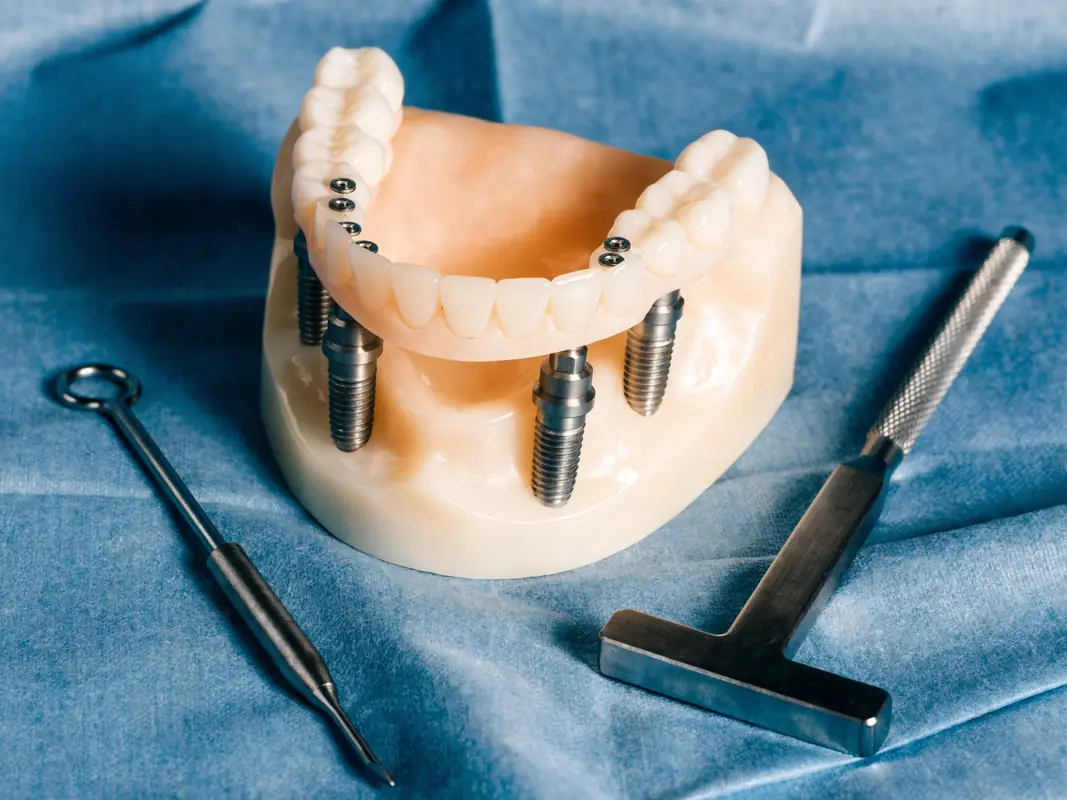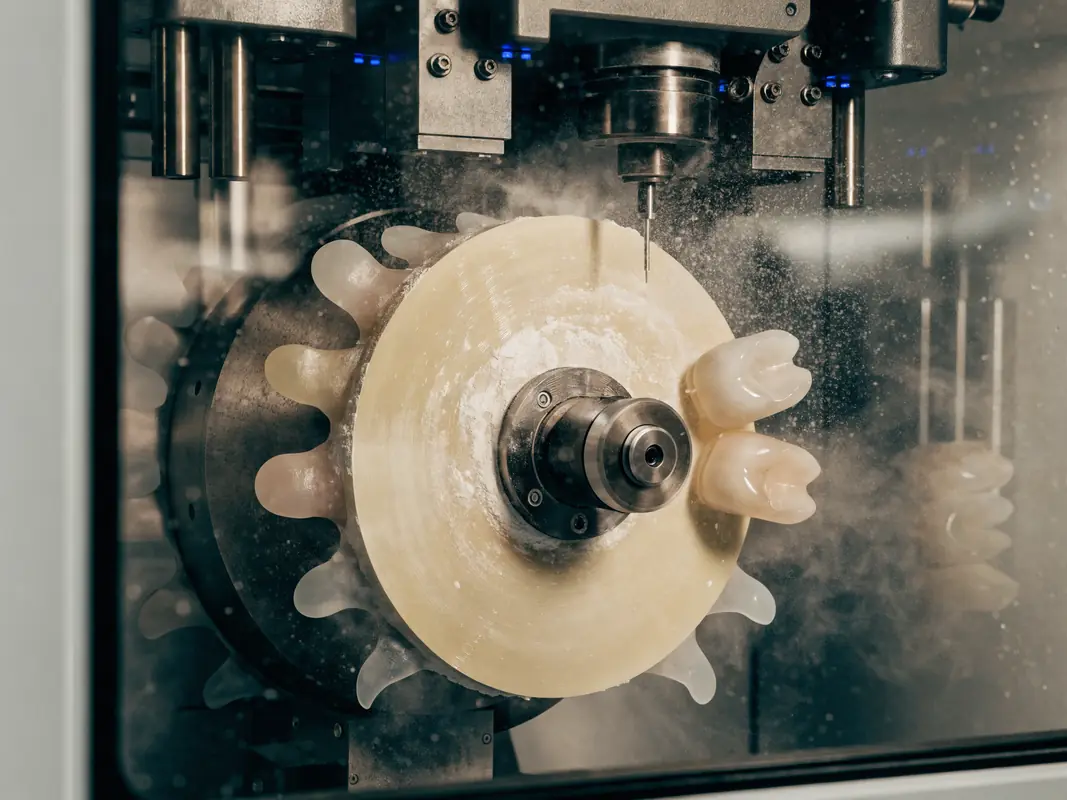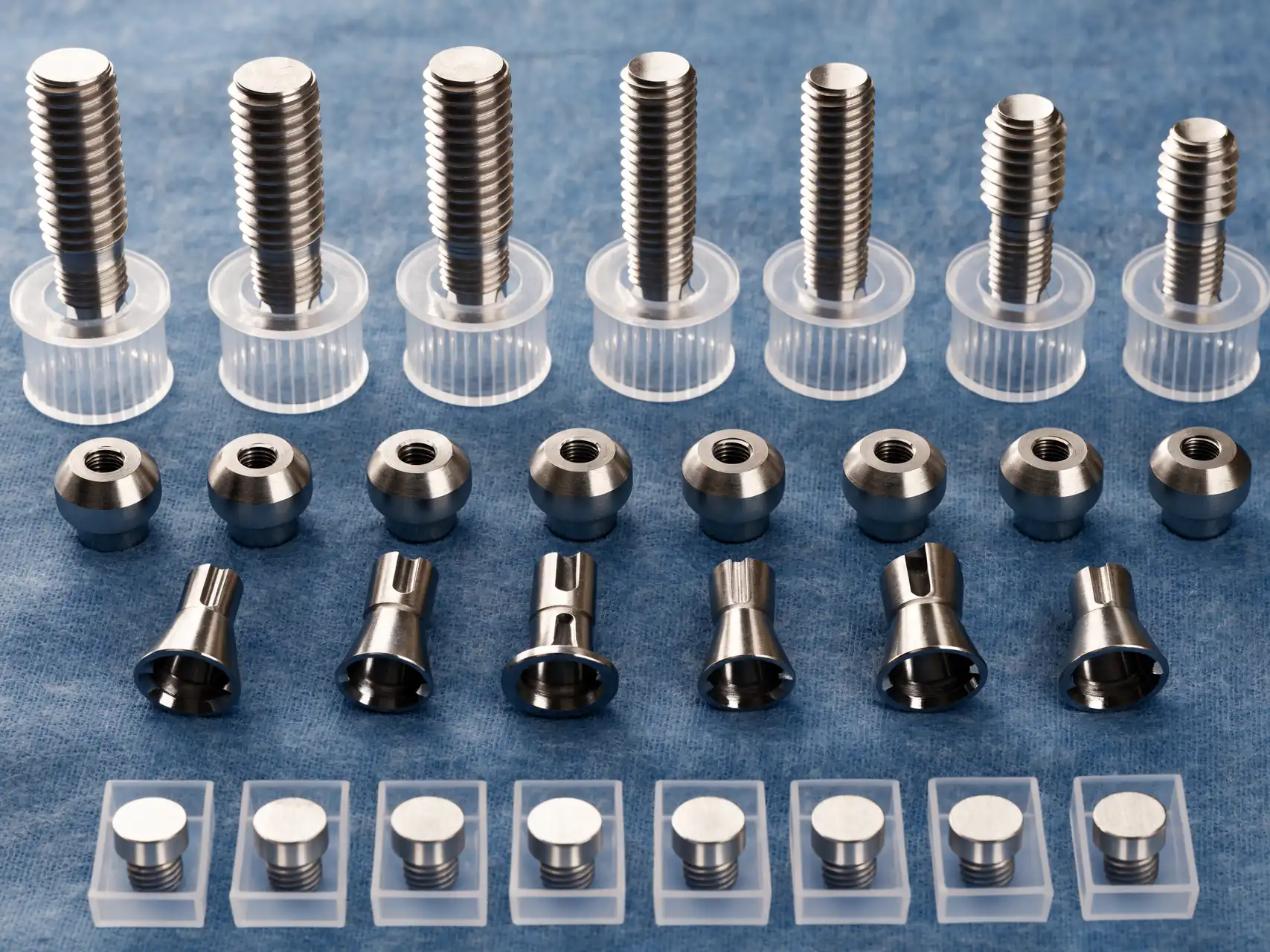
Nobel Biocare supplies implant fixtures, restorative components and workflows used in single-tooth and full-arch care. The company is closely associated with the registered All-on-4 treatment concept. “All-on-4” describes a treatment concept, not a complete specification: the fixture family, surface, multi-unit abutments, temporary restoration, final restoration and loading decision still need to be named.
What the product name does — and does not — tell you
Nobel Biocare is a dental implant and restorative component system. The name can help a patient identify a product family, but it does not establish the diagnosis, the exact model selected, the competence of a treating professional or the quality of the finished treatment. Product ranges, indications and local availability can change. A current manufacturer instruction for use and the legal market status in the country of treatment take priority over a marketing page.
This page is a research guide. It is not a statement that WeCare, a particular clinic or an event clinician stocks or uses Nobel Biocare. Availability must come from the named treating provider. If a quotation uses only a broad phrase such as “premium material”, ask for the manufacturer, product family and reference before accepting the plan.
Manufacturer information worth checking
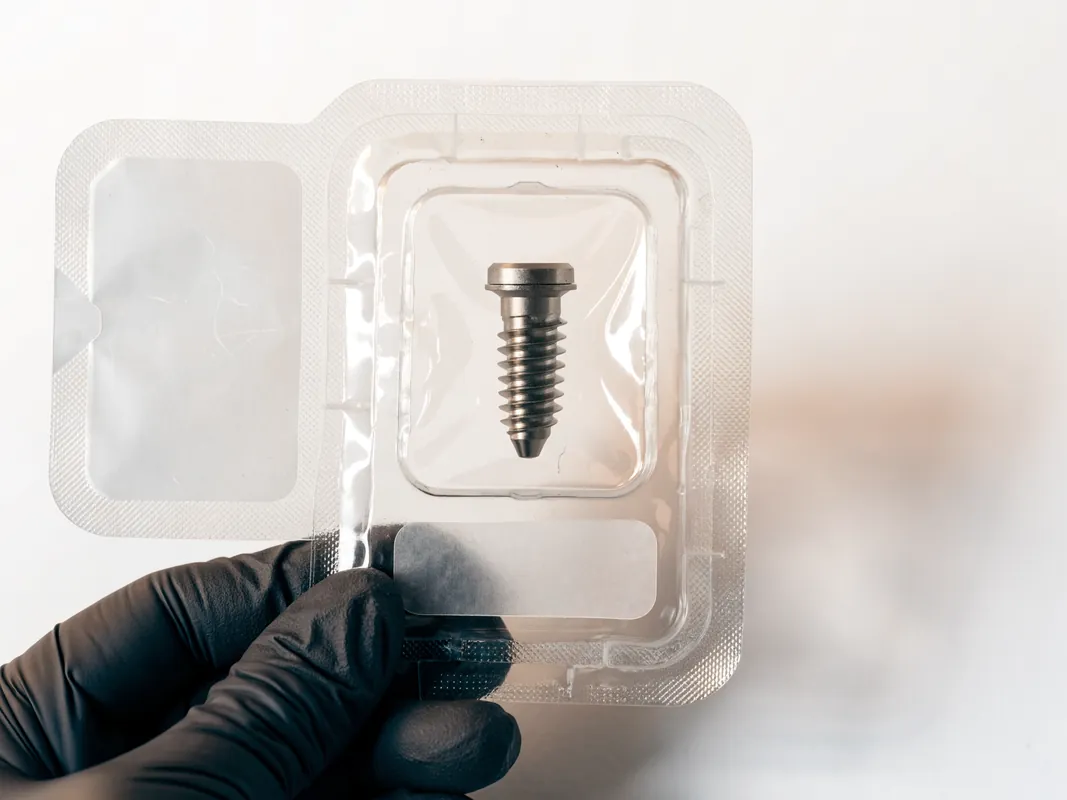
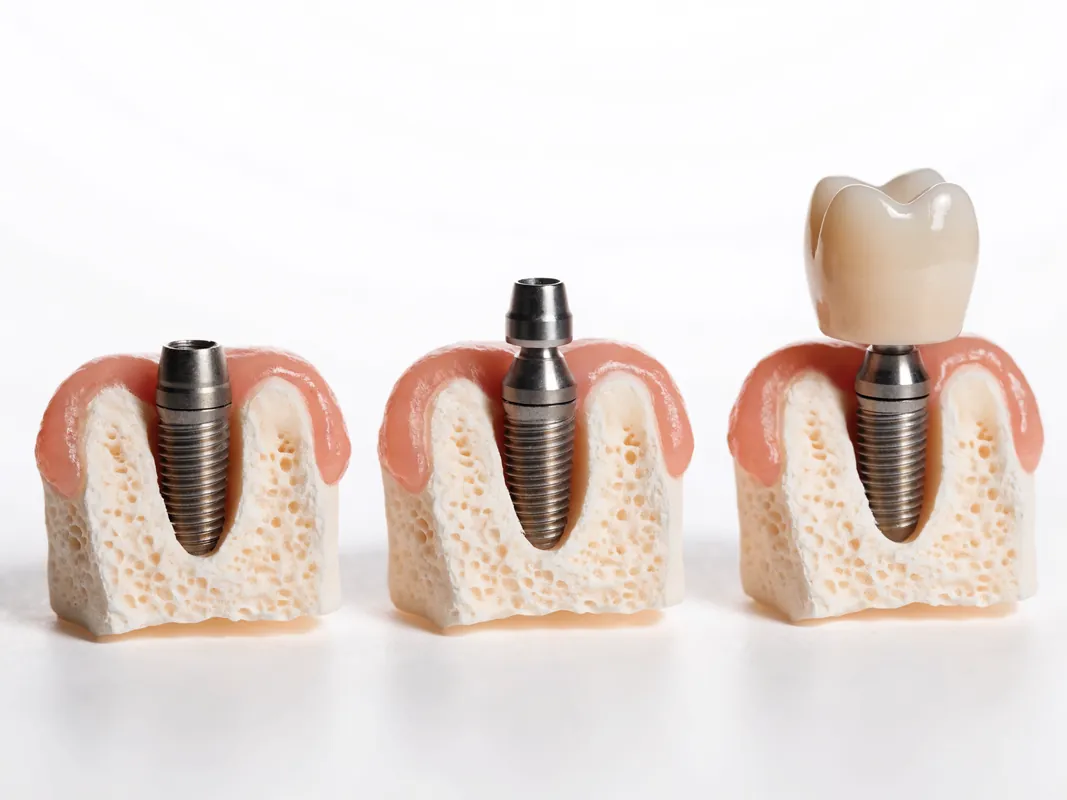
- Nobel Biocare describes TiUltra as an anodised, hydrophilic implant surface whose topography changes from the collar towards the apex.
- The manufacturer publishes different fixture families, restorative connections and multi-unit components; the family name must match the planned components.
- All-on-4 is a treatment concept associated with Nobel Biocare, but immediate placement or loading remains conditional on clinical findings.
- A full-arch bridge material and design are separate decisions from the implant brand beneath it.
These points describe the product family at a general level. They are not a recommendation for a particular mouth and they should not be extended to a different line carrying a similar brand name. For a full arch, the provider should document implant positions, fixture and abutment references, whether loading is immediate or delayed, the status of the first bridge and the material and timing of the definitive bridge. Do not assume every “all on four” quotation uses Nobel Biocare components.
Questions for the named provider
Ask the professional responsible for treatment to answer these points in writing:
- What is the exact manufacturer, product family, model or material grade proposed?
- What clinical finding makes that selection appropriate for this case, and what alternatives were considered?
- Who is the legal treating provider and who will perform each clinical or laboratory stage?
- Which current instruction for use, contraindications and local regulatory status apply?
- What reference, lot, batch or other traceability record will be retained and shared where the device permits it?
- Which components, cements, abutments, membranes, gels or accessories are included, and are they compatible?
- What follow-up is required, who is responsible after travel, and which costs are excluded from the quotation?
Product verification, evidence and traceability boundaries
Request a component schedule and case-specific records for fixtures and abutments. The provider should distinguish a temporary restoration from the definitive one and identify laboratory responsibility. A trademark in advertising does not confirm that every part in a mixed-component reconstruction comes from the same manufacturer.
Useful evidence may include a photograph of unopened labelled packaging before use, the product label, an implant or device record, a laboratory prescription, an invoice identifying the exact material, and the treating provider's signed notes. The appropriate record depends on the product. A logo on a website, a stock photograph, an unlabelled box or a verbal statement is not equivalent to case-specific traceability.
How to compare alternatives fairly
Compare full-arch plans by diagnosis, number and position of implants, bone or grafting assumptions, provisional design, final material, hygiene access, repair pathway and local follow-up. A lower implant count, faster schedule or familiar trademark is not automatically the safer plan.
Compare like with like: indication, exact product, compatible components, laboratory design, operator responsibility, maintenance, staged visits and written exclusions. Do not compare a named product in one quotation with an unspecified category in another. Brand recognition cannot remove biological uncertainty, and no material choice can promise a clinical outcome.
Assessment comes before the brand
A responsible plan starts with medical and dental history, examination and appropriate imaging. Implant decisions can depend on bone, soft tissue, bite, hygiene, smoking, medication and restorative space. Ceramic decisions can depend on remaining tooth tissue, preparation design, opposing teeth and laboratory workflow. Whitening decisions require screening for decay, gum disease, sensitivity and existing restorations. Endodontic and imaging tools are parts of a broader diagnostic or treatment process, not substitutes for professional judgement.
Before paying, request a dated, itemised written plan naming the treating provider, the proposed product, alternatives, material records, visit stages, aftercare responsibilities and financial terms. If the final assessment changes the product or procedure, ask for the reason and revised quotation before treatment proceeds.