Exact-brand verification, not an endorsement
This is a decision guide for a UK patient who has been offered a Straumann dental implant system in Turkey or Antalya. It explains how to turn a broad brand name into a verifiable device description, a clinical rationale and a record that remains useful after travel. It does not rank implant brands, select a treatment or endorse a facility, clinician, intermediary or seller. This page does not state that a named Turkish provider stocks, uses or has a commercial relationship with Straumann. A manufacturer name is not a diagnosis, treatment recommendation or provider endorsement.
The word Straumann can refer to many implant bodies, connections, surfaces, materials, healing parts, abutments, screws, restorative components and workflows. A quotation that says only “Straumann implant” leaves important questions unanswered. The patient still needs the legal identity of the treating provider, the name and registration details of each clinician, the diagnosis, the proposed implant line, the precise dimensions, the connection, every relevant restorative component, the current instruction for use, the laboratory role, the maintenance route and the records that will be supplied. Each answer should be linked to the individual case rather than inferred from a logo.
Product verification is only one part of safe planning. Medical and dental history, examination, suitable imaging, periodontal status, oral hygiene, restorative space, bite, bone and soft tissue, medicines, smoking, expectations and alternatives all affect a clinical decision. A patient cannot choose an implant line responsibly from a webpage alone. The named treating provider should explain why a particular device and restorative design are proposed, what reasonable alternatives exist and which findings could change the plan after an in-person assessment.
Use this guide as a documentary test. A clear proposal should be understandable before payment, reconfirmed after assessment and complete enough for an independent clinician to review later. A vague answer should not be repaired with assumptions. Ask for the missing detail in writing, compare it with current primary sources and retain the final documents.
Manufacturer and legal entity
Straumann product literature identifies Institut Straumann AG in Basel within the corporate and manufacturer information for relevant products. The precise legal manufacturer shown on the label and current instruction for use is the decisive case record, because corporate structures, responsible economic operators and regional supply arrangements can differ by product and market. Do not rely on a sales phrase such as “Swiss implant” as a substitute for the legal manufacturer, exact product or applicable market information.
Ask the provider to copy the legal manufacturer exactly from the proposed sterile label into the written plan. Ask whether another legal entity appears as importer, authorised representative, distributor or responsible person for the market in which the device was supplied. Those roles are not interchangeable. A distributor invoice can help trace a supply path, but it does not decide clinical suitability. A regulatory registration can show a market relationship, but it does not prove who supplied the item placed in one patient.
The manufacturer’s regional contact pages are useful escalation points when a patient needs to check whether a reference exists in that market, whether a label format looks current or where a technical question should be directed. The Turkey contact page is https://www.straumann.com/tr/tr/dental-professionals/about/contact-us.html and the United Kingdom contact page is https://www.straumann.com/gb/en/dental-professionals/about/contact-us.html. A response should be retained with the case file and matched to the exact reference and lot. It should not be stretched into a statement about a provider’s competence or a device’s suitability.
Exact implant line and body
The current UK manufacturer site presents more than one Straumann implant family. Names visible in the manufacturer’s professional catalogue include BLX, TLX, BLC, TLC, Bone Level, Bone Level Tapered, Tissue Level and PURE ceramic options. Product portfolios and country availability can change, so this list is an orientation aid rather than a complete catalogue. A patient needs the line actually offered, not a mixture of features copied from different pages.
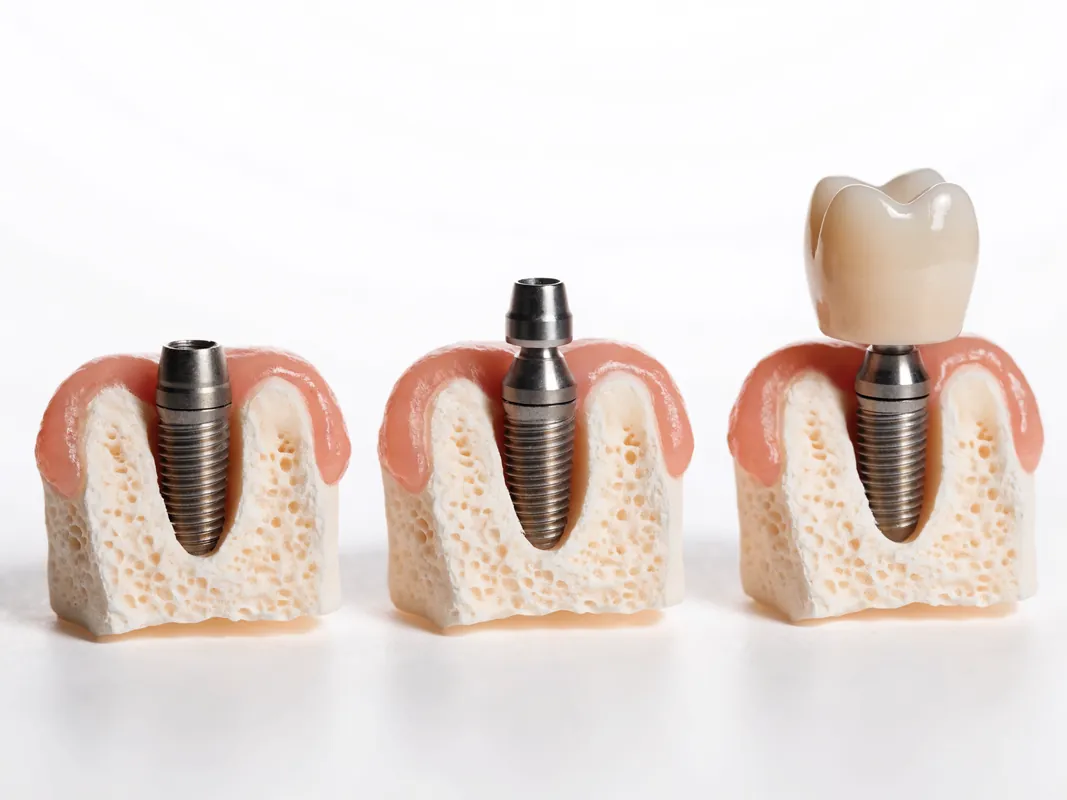
The implant body is the part surgically placed in bone. Its family, material, surface, platform, diameter, length and reference should be identified together. “Roxolid” is a manufacturer material designation and “SLActive” is a manufacturer surface designation; neither term, on its own, names the complete implant body. A ceramic product is not interchangeable with a titanium or titanium-alloy product simply because the same corporate name appears above it. A tissue-level design and a bone-level design also create different restorative and soft-tissue questions.
The BLX manufacturer page at https://www.straumann.com/gb/en/dental-professionals/dental-implants/x-line/blx.html is useful for confirming that BLX is a named system and for locating related current documents. It is not evidence that BLX was selected, opened or placed in a particular case. The patient should compare the proposed label, written plan and implant record with the current country-specific documentation. If a provider changes the line, dimensions, material or surface after assessment, the reason and revised restorative implications should be explained before consent continues.
Dimensions are clinical choices, not shopping options. A narrow, short, wide or long body can carry a specific indication, limitation or component pathway. The patient should not ask for a dimension because it sounds less invasive, and a provider should not present a dimension without relating it to anatomy, restorative load and alternatives. The current instruction for use and professional judgement govern that decision.
Connection, abutment and prosthetic components
A dental implant is a system, not just an implant body. The FDA patient overview describes a system as including an implant body and an abutment and potentially an abutment fixation screw. That general description is useful even though FDA status applies to the United States market, not to Turkey or the United Kingdom. The source is https://www.fda.gov/medical-devices/dental-devices/dental-implants-what-you-should-know.
Straumann publishes different prosthetic connection families. The current UK connections page at https://www.straumann.com/gb/en/dental-professionals/prosthetics/connections.html names TorcFit, CrossFit and synOcta among the connection categories. These labels must not be mixed casually. A connection determines which healing parts, impression components, scan bodies, temporary parts, abutments, screws, titanium bases and laboratory libraries may fit. Even within a connection family, platform, diameter, restorative indication and reference can matter.
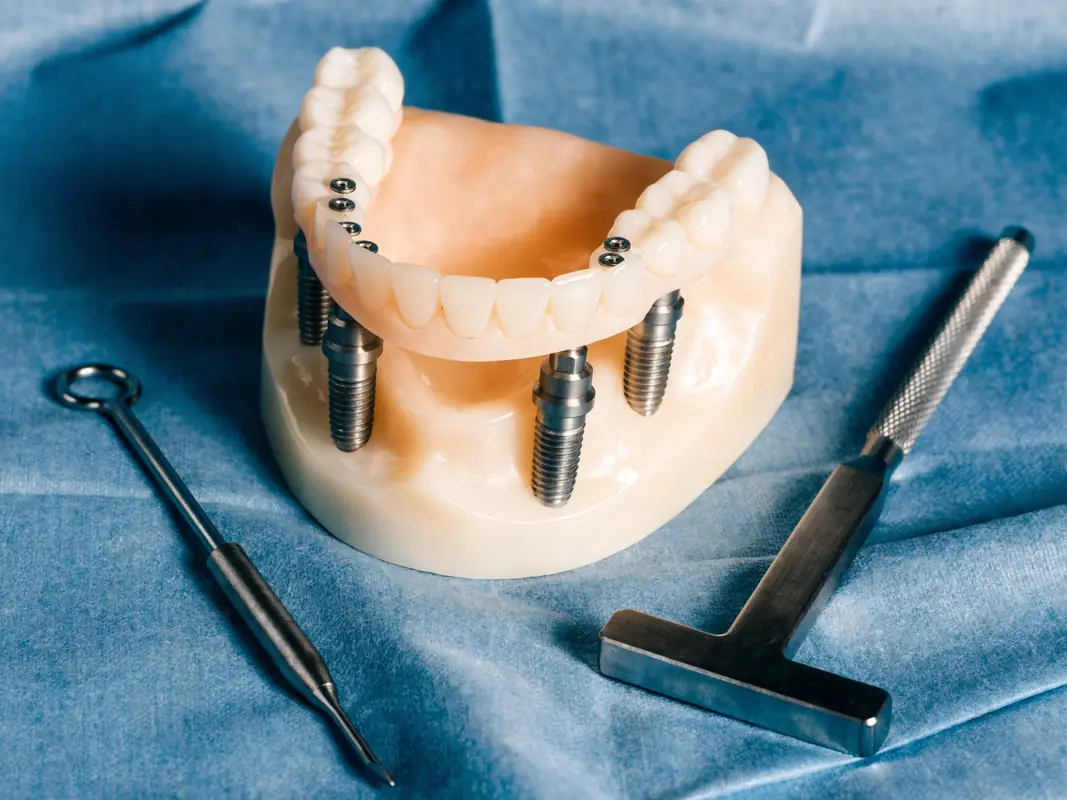
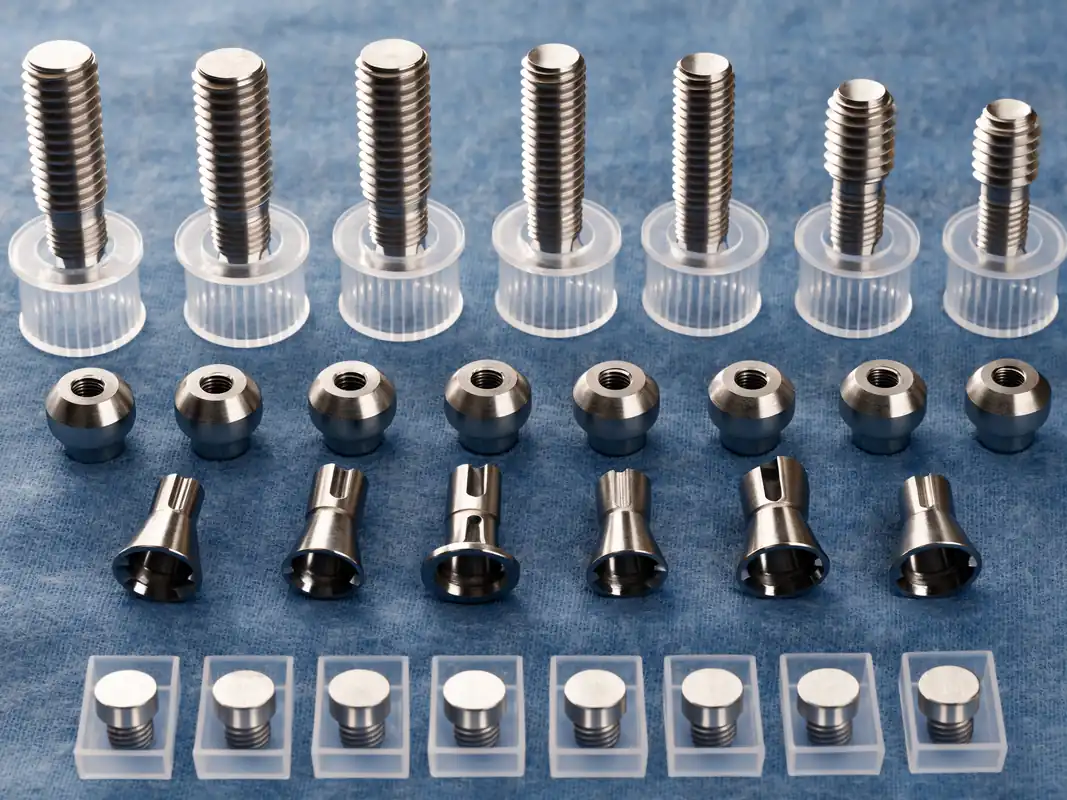
Ask for a component schedule that follows the case from surgery to the definitive restoration. It should distinguish the implant body, cover screw or healing part, impression coping or scan body, temporary abutment, definitive abutment, fixation screw, titanium base, crown or bridge framework and any attachment. For a multi-unit reconstruction, the schedule should identify components at each implant site rather than stating only a total quantity. For a removable restoration, the attachment family and replaceable elements should be recorded.
The restorative design also matters. Screw-retained and cement-retained designs involve different components and maintenance questions. A custom abutment and a stock abutment are not the same record. A third-party compatible component should be disclosed by its own manufacturer and exact reference rather than described as if it were made by Straumann. Compatibility is a technical conclusion for the responsible clinician and laboratory, supported by current instructions and validated libraries; it is not established by a salesperson saying that parts “fit”.
Current instructions for use
The manufacturer’s electronic instructions portal is https://ifu.straumann.com/en/straumann-ifu-home/instructions-for-use--ifu-.html. Search using the identifier from the current label or catalogue, then confirm the document title, product scope, language, revision and date. Save the applicable document or its durable reference with the plan. A general brochure, patient story or product landing page is not an instruction for use.
Read the parts relevant to the proposed device with the treating clinician. These may include intended purpose, intended users, patient population, indications, contraindications, warnings, precautions, compatibility, handling, sterility, single-use status, surgical requirements, restorative steps, cleaning or maintenance information and reporting routes. The clinician should explain how the case fits the documented indication and how any relevant warning is managed. Patients should not self-interpret technical instructions as personal medical advice.
Document currency matters. An old catalogue can help identify a historic component, but it should not silently replace current market information for a new procedure. If the product name appears in several documents, match the reference and configuration rather than assuming every document applies. If a document is unavailable, ask the manufacturer’s regional contact and the named treating provider to identify the correct current instruction before the device is accepted.
Indications and contraindications
An indication describes the intended clinical context set out in the applicable device documentation. It does not mean a person automatically qualifies. A contraindication, warning or precaution may relate to the device, procedure, anatomy, medical state, medication, behaviour, restorative design or the ability to maintain the result. The full assessment belongs to appropriately qualified professionals with access to the complete history and examination.
Ask the clinician to write the diagnosis first, then explain why the selected implant body, restorative route and timing fit that diagnosis. Ask which alternatives were considered: no intervention, repair of an existing restoration, tooth preservation, a removable option, a tooth-supported option, a different implant design, a grafting route, a staged route or care closer to home. This is not a universal alternatives list; it prompts a case-specific discussion.
Remote images and questionnaires can support an initial conversation, but they do not freeze the plan. The written plan should say which decisions remain provisional until examination and imaging in Turkey. It should also explain what happens if anatomy, infection, periodontal status or another finding changes the proposal. Consent should be renewed for a material change, with enough time for questions and a genuine option not to proceed.
Catalogue, reference, lot and UDI
The catalogue or reference identifier points to a product configuration. The lot identifies a production batch or traceability grouping. A Unique Device Identifier, where applicable, supports device identification under the rules of a particular market. These fields serve different purposes and should not be collapsed into one handwritten brand name.
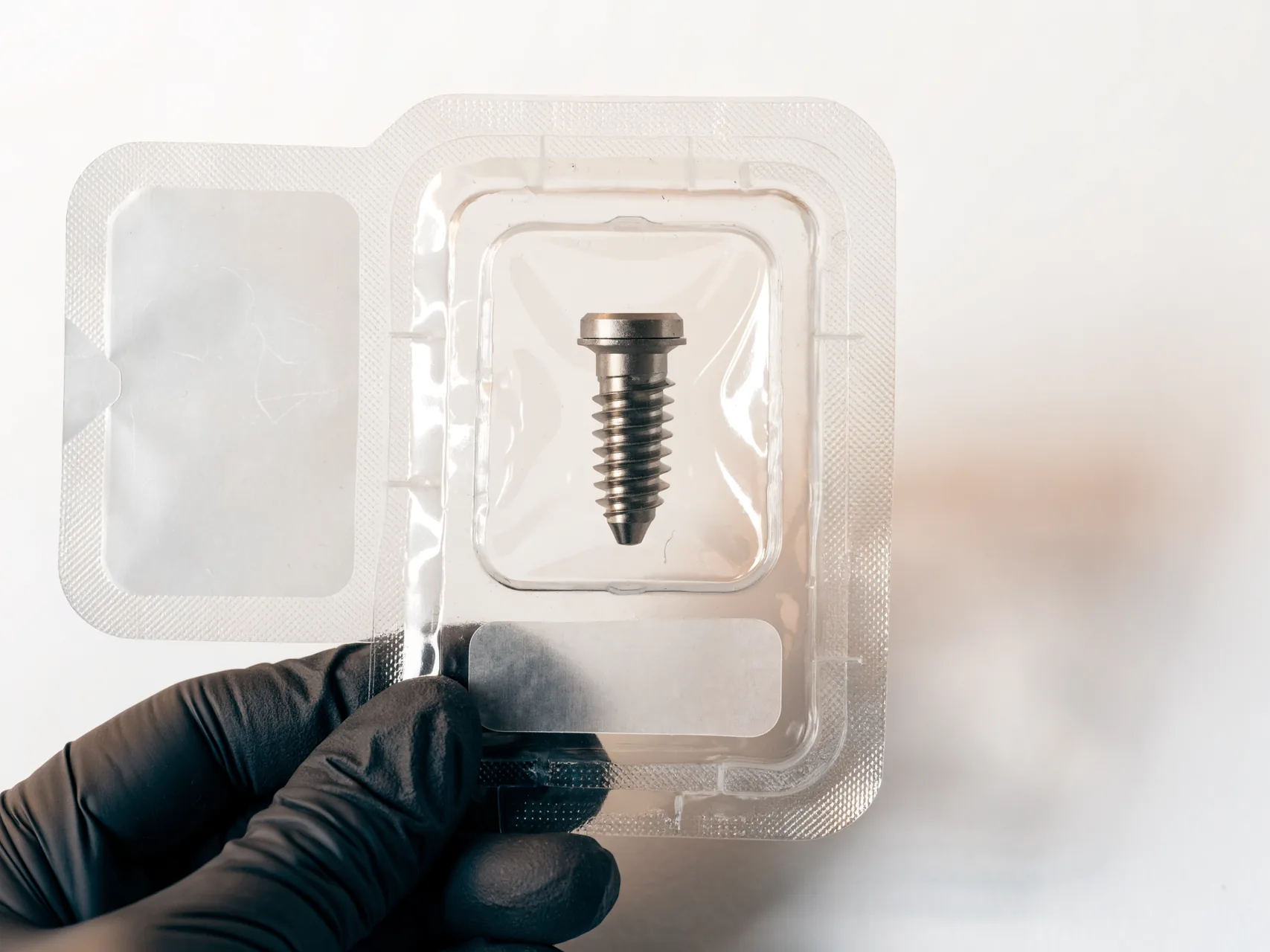
Before placement, ask to see the unopened labelled item in a way that preserves sterility. Compare the product family, dimensions, material or surface wording and reference with the written plan. After placement, request a legible copy of the label information retained in the clinical record. The record should connect each implant site to its identifier, especially when different dimensions or products are used in the same mouth.
The FDA UDI overview at https://www.fda.gov/medical-devices/unique-device-identification-system-udi-system/udi-basics explains the United States UDI framework. The European Commission page at https://health.ec.europa.eu/medical-devices-eudamed/udidevice-registration_en explains the European UDI and device-registration framework and its current transition information. Neither source proves Turkish status, and a code should not be treated as a quality score. Use each source only within its jurisdiction and confirm current rules at the time of planning.
An exact reference also helps future service. A clinician trying to replace a screw or identify a restorative interface needs more than the word Straumann. A photograph of a box without a readable label is weak evidence. A typed message without the source label can contain transcription errors. Retain the original label copy, provider record and laboratory record together.
Implant passport and clinical record
Straumann publishes a patient-facing implant passport example at https://www.straumann.com/content/dam/media-center/straumann/en-us/patients/USLIT.1499-Patient-Facing-Implant-Passport.pdf. The example includes fields for implant type, reference, lot, dimensions, surface, material, surgical professional information and restorative information. It is a useful model for the level of detail a portable record can contain. It is a United States-facing manufacturer document, not proof that the same form is automatically issued in Turkey or that one form satisfies every legal record duty.
Ask for a portable implant record regardless of its title. It should identify the patient, legal treating provider, responsible clinicians, treatment date, tooth or site, implant manufacturer, exact line, reference, lot, dimensions, material or surface, connection, abutment and important restorative components. It should also identify the laboratory and restoration material when relevant. Keep copies of consent, imaging reports, operative notes, prescriptions, discharge information, invoices and follow-up findings.
The record should be legible to a UK clinician. If the original is in Turkish, request an accurate English version or a clear bilingual summary while retaining the original. A translation should not replace the source document. Ask how corrections are recorded and how long records are retained under the provider’s applicable duties. Store copies securely rather than depending on a temporary download link.
Genuine supply verification
Genuine supply verification is a chain of evidence, not a visual guess. Start with the exact reference in the plan. Compare it with the current manufacturer documentation. Check the sterile label and intact packaging before use without interfering with clinical handling. Retain the label copy and lot. Ask the legal provider to identify its supplier on the invoice or procurement record where disclosure is lawful. If uncertainty remains, contact the manufacturer’s Turkey office with the exact details and preserve the response.
Do not infer authenticity from a website badge, wall sign, social-media photograph, training certificate or a box displayed away from the treatment room. Those items do not link one device to one patient. Do not treat a low or high quotation as proof either. The relevant evidence is case-specific and traceable.
A supply-chain check has limits. It does not assess diagnosis, surgical skill, infection control, restorative design or follow-up. It also does not establish that every component in a reconstruction comes from the same manufacturer. Mixed components must be named, justified and checked against current compatibility information by responsible professionals.
Regulatory listing boundaries
Turkey’s public Product Tracking System device search is available at https://utsuygulama.saglik.gov.tr/UTS/vatandas#/vatTibbiCihazListele. Search using precise identifiers and retain the result date. Ask the provider or supplier to reconcile the listing with the physical label and supply record. Public interfaces and status wording can change, and a patient may need professional or manufacturer help to interpret a result.
For the European market, the Commission explains UDI and device registration at https://health.ec.europa.eu/medical-devices-eudamed/udidevice-registration_en. For Great Britain, the MHRA public access registration search is linked from https://aic.mhra.gov.uk/era/pdr.nsf/Search?OpenForm=&Seq=4. Great Britain and Northern Ireland can follow different device frameworks, so “UK registered” is too broad unless the relevant territory, economic operator and record are clear. United States FDA sources concern that market and do not establish status in Turkey, Great Britain, Northern Ireland or the European Union.
A regulatory database entry is market-specific and does not prove that the offered device is suitable for one patient. It also does not authenticate the exact item used unless identifiers match, verify clinician competence, approve a treatment plan or resolve component compatibility. A missing search result can have several explanations, including incorrect search terms, transition status or a different responsible entity; it should prompt clarification, not an improvised conclusion.
Availability in Turkey and the United Kingdom
Component availability must be checked for the exact connection and reference in both countries at the time of planning. A brand may have offices in both countries while a particular historic, regional or specialised component is difficult to obtain. Availability can change after a product transition. A local clinician may also choose not to service a system without sufficient records, compatible tools, suitable training or responsibility for the original plan.
Before treatment, ask the Turkey manufacturer contact whether the proposed implant body and planned restorative components are current for that market. Ask the UK manufacturer contact whether routine and contingency components for the same connection can be sourced in the patient’s home territory. Then ask a named UK dentist or restorative clinician whether they are willing and able to provide the anticipated maintenance, subject to assessment. Keep the responses as dated planning evidence rather than permanent promises.
Plan for ordinary maintenance and plausible complications. Identify who can obtain the correct screw, healing part, scan body, impression coping, attachment insert or abutment if needed. Ask whether special drivers or torque instruments are required. Ask what records the UK clinician wants. If the route depends on returning to Turkey, understand the practical and financial consequences before consent.
Restorative and laboratory compatibility
The implant body is only the foundation of a restorative system. The restoration must relate correctly to the connection, platform, abutment, screw, material, emergence profile, tissue, bite and hygiene design. The named treating provider and laboratory should be identified, with their roles and communication route. A laboratory logo does not replace a signed prescription and component schedule.
Ask whether components are made by Straumann or another named manufacturer. Third-party components are not automatically appropriate or inappropriate; the responsible team should identify them, explain the evidence and instructions supporting the combination, and record the exact references. Ask whether a validated digital library is used for the exact connection and component. A scan body, analogue or library chosen for a similar-looking interface can create error.
The laboratory record should identify the restoration type, material, abutment or titanium base, fixation screw where relevant, connection, shade or design information, and manufacturer references. It should distinguish a provisional restoration from a definitive one. For a repair, a UK laboratory may need the original design file, component record, screw-channel information and material details. Ask in advance which files can be shared and in what format.
Assessment, consent and alternatives
Brand verification must not reverse the clinical sequence. Assessment comes before product selection. A responsible process includes an appropriate history, examination and diagnostic records, then a reasoned plan for the tooth or edentulous area and the future restoration. The clinician should explain uncertainty and which findings remain unavailable during a remote review.
Consent should identify the procedure, material risks, expected burdens, reasonable alternatives, staged decisions, recovery uncertainty, maintenance and who is responsible for follow-up. It should not rely on a brand reputation to compress the discussion. The patient should know who will perform surgery, who will perform restoration, who can change the plan and whom to contact with a concern.
Ask for enough time to read the current instruction for use information that matters to the case and to ask questions. Do not sign a materially different plan merely because travel has already occurred. A changed implant line, extra procedure, different restoration or altered service route should trigger a revised written plan and renewed consent.
Maintenance and serviceability
Implants and their restorations require continuing professional review and daily care tailored to the case. Maintenance is not a single cleaning instruction. It includes monitoring tissues, hygiene access, the restoration, bite, screws or attachments, patient-reported changes and any risk factors identified by the clinician. The schedule should be individualised rather than promised by a brand page.
Before travel, identify the Turkey follow-up contact and an independent UK route. Ask what symptoms require prompt assessment and where to seek urgent help. Ask what records will be sent to the UK clinician. The FDA patient page advises keeping the brand and model and contacting a dental provider if an implant feels loose or painful; use that as general patient information, not a personal diagnosis.
Serviceability means the system can be accurately identified, suitable parts can be checked and an appropriately qualified professional can decide what to do. It does not mean every problem can be solved by changing a component. Biological, mechanical and restorative causes need diagnosis. The availability of a screw does not establish that tightening it is appropriate.
Repair, revision and replacement decisions
A concern may involve the restoration, fixation screw, abutment, attachment, implant body, surrounding tissue, bite or another structure. Remote photographs cannot reliably separate these causes. Seek professional assessment and provide the implant passport, imaging, operative record, component list and laboratory information.
A repair decision should document the diagnosis, parts affected, proposed intervention, alternatives, compatibility and responsibility. A revision may require removing a restoration, changing a component, remaking laboratory work or reconsidering the implant. Replacement can refer to a small restorative part, an abutment, a prosthesis or the implant body itself; the word is meaningless without a precise object and clinical rationale.
Do not let a commercial policy decide clinical care. Any commercial term should be read separately from professional duties, treatment consent, travel costs and the practical route for assessment. The treating provider should explain complaint and remedy procedures in writing, while a UK clinician independently decides what care they can safely undertake.
Recalls, field safety and vigilance
Post-market information can change after treatment. Keep identifiers so a manufacturer, provider or regulator can determine whether a notice applies to the exact device. The MHRA collection at https://www.gov.uk/government/collections/medical-devices-guidance-for-manufacturers-on-vigilance explains post-market surveillance, incident reporting and field safety corrective actions for Great Britain. Its scope should not be confused with Turkish reporting duties.
If a field safety notice or recall is found, compare manufacturer, product name, reference, lot and affected market. Do not assume that a notice for one line, lot or component applies to every Straumann implant. Contact the treating provider and manufacturer using current official channels and seek appropriate clinical advice. Preserve correspondence and do not delay urgent care while investigating paperwork.
Patients can also ask which incident-reporting route applies where treatment occurred and where a device is being serviced. A UK regulator cannot resolve every dispute about overseas care, and a manufacturer report is not the same as a clinical complaint. The GDC cross-border patient guide helps explain professional-regulation boundaries: https://www.gdc-uk.org/standards-guidance/information-for-patients-public/going-abroad-for-dental-treatment.
Provider quote and document checklist
A useful quotation identifies the legal treating provider and separates clinical stages and components. It should state the diagnosis or provisional diagnosis, named clinicians, implant sites, exact manufacturer, implant line, proposed dimensions or decision method, connection, material or surface, abutment strategy, provisional and definitive restoration, laboratory identity, additional procedures, assessment-dependent changes, follow-up, exclusions, complaint route and payment terms.
Request the current instruction for use identifier, catalogue reference, label and lot record, UDI where applicable, implant passport or equivalent, operative note, imaging report, prescription and laboratory record. Ask when each document will be supplied and in which language. A written plan should state that a final in-person assessment can change provisional choices and how consent and price are handled if it does.
Compare quotations by equivalent clinical scope rather than the brand heading. One proposal may omit the definitive restoration, abutment, laboratory stage, local maintenance or a possible additional procedure. Another may use mixed components without saying so. Build a line-by-line comparison and mark every unresolved assumption.
Red flags
Pause when the seller will not identify the legal provider or clinicians; the brand is named but the line and reference are withheld; one product page is used to describe features from several systems; the label cannot be linked to the patient record; a component schedule is unavailable; a non-manufacturer part is described vaguely; the current instruction for use cannot be identified; or a regulatory badge is treated as personal clinical approval.
Other red flags include pressure to pay before an itemised plan, refusal to discuss alternatives, a plan presented as final from remote photographs, no route for records, no named laboratory, no UK maintenance discussion, unclear complaint terms, or a claim that any local dentist will take over. A confident sales answer is not documentary evidence. Ask for the exact record or seek independent advice.
Detailed verification workbook
The following prompts turn the general guide into a case file. They are intentionally specific because cross-border service depends on details that can disappear when a treatment is described only by a brand name.
Legal manufacturer on the proposed label
Verification question: Which legal manufacturer name and address appear on the sterile label and the matching current device document?
Evidence to retain: A legible label copy, document identifier and provider note linking those items to the proposed implant site.
Why it changes serviceability: The legal identity distinguishes the device maker from corporate branding, a regional seller and the clinical provider.
Record the answer beside the dated written plan and ask the named treating provider to resolve any mismatch before consent. A broad brand statement is not a substitute for a case-specific record that another clinician can read without guessing.
Responsible market entity
Verification question: Which importer, representative, distributor or responsible person applies to the item supplied in Turkey?
Evidence to retain: The relevant label field, invoice trail or written confirmation from an official regional manufacturer contact.
Why it changes serviceability: A clear economic-operator trail helps direct technical questions without implying that the operator selected the treatment.
Keep the answer with the clinical record rather than only in a messaging application. If the answer changes after examination, request a revised itemised plan, the reason for the change and a fresh opportunity to consider alternatives.
Exact implant family
Verification question: Is the proposed body BLX, TLX, BLC, TLC, Bone Level, Bone Level Tapered, Tissue Level, PURE ceramic or another current line?
Evidence to retain: The exact product name and reference copied from the proposed label into the dated plan.
Why it changes serviceability: Family names separate connection and component pathways that cannot be reconstructed reliably from the corporate name alone.
Treat an incomplete answer as an unresolved dependency, not as a minor administrative gap. The practical question is whether a clinician in another country could identify the device and plan safe maintenance from the documents alone.
Body dimensions and platform
Verification question: What diameter, length and platform are proposed at each site, and which findings drive those choices?
Evidence to retain: A site-by-site plan linked to imaging, restorative design and the final label record.
Why it changes serviceability: Dimensions can affect compatible healing, impression and restorative parts and must remain traceable per site.
Compare the response with the current country-specific instruction for use and manufacturer catalogue. A screenshot, logo or verbal description has little value when it cannot be matched to an exact reference and retained record.
Material designation
Verification question: What exact material is stated for the implant body rather than inferred from an advertisement?
Evidence to retain: The current label and applicable instruction for use naming the material for that reference.
Why it changes serviceability: Material identity matters for the record, future imaging discussions and any device-specific technical question.
Ask who is professionally responsible for checking this point and where the evidence will be stored. The answer should remain understandable after travel, staff changes or a later need for repair, review or replacement.
Surface designation
Verification question: Which surface is attached to the exact fixture reference and what does the current device document say about it?
Evidence to retain: Reference-matched label wording and current manufacturer documentation, not a general surface webpage.
Why it changes serviceability: A surface name cannot identify a fixture or justify timing without the complete product and clinical assessment.
Record the answer beside the dated written plan and ask the named treating provider to resolve any mismatch before consent. A broad brand statement is not a substitute for a case-specific record that another clinician can read without guessing.
Implant connection
Verification question: Which connection and platform link the implant body to the restorative parts?
Evidence to retain: A component schedule naming the connection plus exact implant and abutment references.
Why it changes serviceability: Connection identity is essential when a clinician or laboratory later selects a driver, scan body, screw or abutment.
Keep the answer with the clinical record rather than only in a messaging application. If the answer changes after examination, request a revised itemised plan, the reason for the change and a fresh opportunity to consider alternatives.
Cover screw and healing component
Verification question: Which cover screw or healing component is planned and how does it match the connection and tissue plan?
Evidence to retain: Manufacturer, product name, platform and reference in the surgical or restorative record.
Why it changes serviceability: A similar appearance does not establish fit, and a future replacement requires the correct interface and dimensions.
Treat an incomplete answer as an unresolved dependency, not as a minor administrative gap. The practical question is whether a clinician in another country could identify the device and plan safe maintenance from the documents alone.
Impression component or scan body
Verification question: Which impression coping or scan body will transfer the implant position to the restorative workflow?
Evidence to retain: Exact component reference, workflow note and laboratory prescription identifying the corresponding connection.
Why it changes serviceability: A position transfer error can affect the restoration even when the implant body itself is correctly identified.
Compare the response with the current country-specific instruction for use and manufacturer catalogue. A screenshot, logo or verbal description has little value when it cannot be matched to an exact reference and retained record.
Temporary abutment and restoration
Verification question: Is a temporary component planned, who makes it and how is it distinguished from the definitive restoration?
Evidence to retain: A stage-specific schedule naming the component, material, laboratory and status of the restoration.
Why it changes serviceability: Patients and later clinicians need to know whether a component was designed for a temporary or definitive role.
Ask who is professionally responsible for checking this point and where the evidence will be stored. The answer should remain understandable after travel, staff changes or a later need for repair, review or replacement.
Definitive abutment
Verification question: Is the definitive abutment stock, custom, titanium-base supported or another design, and who manufactures it?
Evidence to retain: The abutment reference, design prescription, material and laboratory record.
Why it changes serviceability: The abutment is a separate device choice whose interface and design affect future access and remake planning.
Record the answer beside the dated written plan and ask the named treating provider to resolve any mismatch before consent. A broad brand statement is not a substitute for a case-specific record that another clinician can read without guessing.
Fixation screw
Verification question: Which screw belongs to the selected abutment or restoration, and what professional handling information applies?
Evidence to retain: The exact screw reference in the component list and the applicable manufacturer document.
Why it changes serviceability: A clinician must identify the correct screw and instrument before deciding whether any intervention is appropriate.
Keep the answer with the clinical record rather than only in a messaging application. If the answer changes after examination, request a revised itemised plan, the reason for the change and a fresh opportunity to consider alternatives.
Titanium base or framework interface
Verification question: Which base or framework component connects the laboratory restoration to the implant system?
Evidence to retain: Manufacturer, reference, connection, restorative design and laboratory invoice or prescription.
Why it changes serviceability: The interface must be known if a crown or bridge needs assessment, repair or remake in another country.
Treat an incomplete answer as an unresolved dependency, not as a minor administrative gap. The practical question is whether a clinician in another country could identify the device and plan safe maintenance from the documents alone.
Definitive crown or bridge
Verification question: What restoration type and material are planned, and which component supports it?
Evidence to retain: A signed laboratory prescription, material record, design summary and link to the implant component schedule.
Why it changes serviceability: The restoration can require maintenance independently of the implant body and should never disappear behind the brand label.
Compare the response with the current country-specific instruction for use and manufacturer catalogue. A screenshot, logo or verbal description has little value when it cannot be matched to an exact reference and retained record.
Multi-unit reconstruction map
Verification question: For a bridge or full-arch restoration, which implant and abutment components belong to each site?
Evidence to retain: A diagram or site map with references, angulation where relevant and restoration connection details.
Why it changes serviceability: A site-specific map reduces ambiguity when components differ across the same reconstruction.
Ask who is professionally responsible for checking this point and where the evidence will be stored. The answer should remain understandable after travel, staff changes or a later need for repair, review or replacement.
Laboratory legal identity
Verification question: Which laboratory designs or manufactures each restorative stage, and who signs the prescription?
Evidence to retain: Laboratory legal name, contact details, prescription, invoice and responsible clinician record.
Why it changes serviceability: A later laboratory may need to understand the original design choices and source compatible files or parts.
Record the answer beside the dated written plan and ask the named treating provider to resolve any mismatch before consent. A broad brand statement is not a substitute for a case-specific record that another clinician can read without guessing.
Digital library identity
Verification question: Which validated software library and component definition are used for the exact connection and restorative part?
Evidence to retain: Library name, version or durable project record, scan-body reference and laboratory confirmation.
Why it changes serviceability: Digital similarity is not enough; the data definition must correspond to the physical component.
Keep the answer with the clinical record rather than only in a messaging application. If the answer changes after examination, request a revised itemised plan, the reason for the change and a fresh opportunity to consider alternatives.
Professional handling parameters
Verification question: Which current manufacturer document governs component handling and which professional records completion?
Evidence to retain: Document identifier, component reference and signed clinical or laboratory note.
Why it changes serviceability: A later clinician needs the exact system record and should not infer handling from a different connection family.
Treat an incomplete answer as an unresolved dependency, not as a minor administrative gap. The practical question is whether a clinician in another country could identify the device and plan safe maintenance from the documents alone.
Sterile label check
Verification question: How will the patient be shown that the unopened implant label matches the agreed line and site without disrupting sterility?
Evidence to retain: A pre-agreed verification step followed by a legible label copy in the clinical record.
Why it changes serviceability: This links the planned device to the placed device more strongly than a generic box photograph.
Compare the response with the current country-specific instruction for use and manufacturer catalogue. A screenshot, logo or verbal description has little value when it cannot be matched to an exact reference and retained record.
Reference and lot capture
Verification question: Who records the reference and lot for every implant body, and how will the patient receive a copy?
Evidence to retain: Site-linked label stickers or equivalent electronic records supplied with the discharge documents.
Why it changes serviceability: These identifiers allow targeted checks if a technical query or field notice arises later.
Ask who is professionally responsible for checking this point and where the evidence will be stored. The answer should remain understandable after travel, staff changes or a later need for repair, review or replacement.
UDI capture where applicable
Verification question: Which UDI fields apply to the product and market, and are they present on the retained label?
Evidence to retain: A readable label and database result interpreted within the correct jurisdiction and transition status.
Why it changes serviceability: UDI supports identification but must remain linked to the exact device, market and patient record.
Record the answer beside the dated written plan and ask the named treating provider to resolve any mismatch before consent. A broad brand statement is not a substitute for a case-specific record that another clinician can read without guessing.
Supply invoice trail
Verification question: Can the legal provider identify the supplier and reconcile procurement details with the patient label?
Evidence to retain: A lawful provider statement, invoice reference or official manufacturer response tied to the exact item.
Why it changes serviceability: A traceable supply route supports authenticity checks while remaining separate from clinical judgement.
Keep the answer with the clinical record rather than only in a messaging application. If the answer changes after examination, request a revised itemised plan, the reason for the change and a fresh opportunity to consider alternatives.
Turkey device search
Verification question: Does the exact reference or relevant device record appear in the current Turkish Product Tracking System, and how is the result interpreted?
Evidence to retain: A dated search result, search terms and provider or manufacturer explanation of any discrepancy.
Why it changes serviceability: A market record is useful only when it matches the item and is not mistaken for personal treatment approval.
Treat an incomplete answer as an unresolved dependency, not as a minor administrative gap. The practical question is whether a clinician in another country could identify the device and plan safe maintenance from the documents alone.
European device record
Verification question: What European UDI or legacy status applies to the exact product if European service is anticipated?
Evidence to retain: A dated EUDAMED result or responsible economic-operator explanation linked to the reference.
Why it changes serviceability: Transition and legacy records can affect how a search is understood; absence or presence alone is not a clinical conclusion.
Compare the response with the current country-specific instruction for use and manufacturer catalogue. A screenshot, logo or verbal description has little value when it cannot be matched to an exact reference and retained record.
Great Britain registration check
Verification question: Which entity and exact device details appear in the current MHRA public registration route for Great Britain?
Evidence to retain: A dated PARD result or manufacturer clarification, with the search scope and territory recorded.
Why it changes serviceability: Great Britain registration information can support local device identification but does not establish Turkish supply or suitability.
Ask who is professionally responsible for checking this point and where the evidence will be stored. The answer should remain understandable after travel, staff changes or a later need for repair, review or replacement.
Current instruction revision
Verification question: Which current instruction for use applies on the planned treatment date and how was its scope matched?
Evidence to retain: Document identifier, revision, language and a copy or durable manufacturer link.
Why it changes serviceability: Future readers need to know which device instructions informed the original decision rather than finding an unrelated later document.
Record the answer beside the dated written plan and ask the named treating provider to resolve any mismatch before consent. A broad brand statement is not a substitute for a case-specific record that another clinician can read without guessing.
Portable implant passport
Verification question: Which portable record will identify every implant body and restorative component after travel?
Evidence to retain: A completed implant passport or equivalent bilingual document plus source labels and operative notes.
Why it changes serviceability: A portable summary accelerates identification, while source records allow another clinician to verify transcription.
Keep the answer with the clinical record rather than only in a messaging application. If the answer changes after examination, request a revised itemised plan, the reason for the change and a fresh opportunity to consider alternatives.
Record translation
Verification question: Which documents will be supplied in English and who is responsible for accurate translation?
Evidence to retain: Original records together with a clear English version, translator details where relevant and correction process.
Why it changes serviceability: A UK clinician should not have to infer device identity or treatment history from an informal message.
Treat an incomplete answer as an unresolved dependency, not as a minor administrative gap. The practical question is whether a clinician in another country could identify the device and plan safe maintenance from the documents alone.
Turkey component continuity
Verification question: Can the exact connection and planned components be sourced through current official channels in Turkey?
Evidence to retain: A dated response from the manufacturer contact or documented supplier check using exact references.
Why it changes serviceability: A general local brand presence does not establish continuity for a specialised or transitioning component.
Compare the response with the current country-specific instruction for use and manufacturer catalogue. A screenshot, logo or verbal description has little value when it cannot be matched to an exact reference and retained record.
United Kingdom component continuity
Verification question: Can anticipated maintenance components for the exact connection be sourced in the patient’s home territory?
Evidence to retain: A dated manufacturer response and discussion with a named UK clinician who will assess the case independently.
Why it changes serviceability: Cross-border care is easier to plan when component access and professional willingness are checked before surgery.
Ask who is professionally responsible for checking this point and where the evidence will be stored. The answer should remain understandable after travel, staff changes or a later need for repair, review or replacement.
Local maintenance handover
Verification question: Which UK professional may review the implant and what records do they require before accepting a handover?
Evidence to retain: A named contact, conditional appointment pathway and requested document list.
Why it changes serviceability: A handover is a professional decision, not an automatic consequence of choosing a known brand.
Record the answer beside the dated written plan and ask the named treating provider to resolve any mismatch before consent. A broad brand statement is not a substitute for a case-specific record that another clinician can read without guessing.
Repair contingency
Verification question: If the restoration or a component develops a concern, who assesses it first and how are records transferred?
Evidence to retain: Written contact routes, record-release process and distinction between urgent assessment and planned repair.
Why it changes serviceability: Clear triage prevents a commercial discussion from replacing diagnosis and identifies who can act in each country.
Keep the answer with the clinical record rather than only in a messaging application. If the answer changes after examination, request a revised itemised plan, the reason for the change and a fresh opportunity to consider alternatives.
Revision contingency
Verification question: Who can evaluate a possible revision and which original files, tools and components might be needed?
Evidence to retain: Operative record, component map, imaging, laboratory design files and current manufacturer information.
Why it changes serviceability: Revision planning depends on cause and exact system identity; a corporate name alone cannot guide it.
Treat an incomplete answer as an unresolved dependency, not as a minor administrative gap. The practical question is whether a clinician in another country could identify the device and plan safe maintenance from the documents alone.
Field safety monitoring
Verification question: Who checks current manufacturer notices and applicable regulator information against the reference and lot?
Evidence to retain: Dated searches, official notices, manufacturer correspondence and documented clinical follow-up.
Why it changes serviceability: Targeted identifiers prevent a notice for another product or market from being applied indiscriminately.
Compare the response with the current country-specific instruction for use and manufacturer catalogue. A screenshot, logo or verbal description has little value when it cannot be matched to an exact reference and retained record.
Itemised written quotation
Verification question: Does the quotation name each clinical and restorative element, responsible professional, exclusion and assessment-dependent decision?
Evidence to retain: A dated itemised document that can be reconciled with consent, labels, invoices and final records.
Why it changes serviceability: An itemised scope exposes missing components and clarifies what future care or documentation has not been agreed.
Ask who is professionally responsible for checking this point and where the evidence will be stored. The answer should remain understandable after travel, staff changes or a later need for repair, review or replacement.
Official source register and currency
Use primary sources in their proper scope. The Straumann eIFU portal identifies current manufacturer documents. The UK BLX and connections pages identify named product and connection families but contain commercial material that should not be converted into a patient promise. The manufacturer’s Turkey and UK contact pages provide current regional contact routes. The patient passport is a useful record example, not proof that a case has been documented.
Turkey UTS supports market-specific device searching. EUDAMED explains the European UDI and registration framework. MHRA PARD supports Great Britain registration searching. MHRA vigilance information explains post-market duties in Great Britain. FDA pages explain dental implant system structure and the United States UDI framework. The GDC page offers questions and regulatory boundaries for UK patients considering dental care abroad. Recheck every source close to the decision date because catalogues, contacts, database interfaces, product status and guidance can change.
The final rule is simple: verify the exact manufacturer and legal entity, exact implant line and body, connection, abutment and prosthetic components, current instructions for use, indications and contraindications, catalogue, reference, lot and UDI, implant passport and clinical record, genuine supply, market status, cross-border component access and named professional responsibilities. Put those answers in the written plan before treatment and retain the final case records afterwards.