Returning home after dental treatment abroad should be treated as a clinical handover, not simply the end of a trip. The person who performed the treatment, the clinic holding the record, any laboratory, a local dentist and a non-clinical coordinator may all have different roles. Those roles need to be named, documented and understood before departure.
This guide explains what to obtain from the treating provider, how to prepare a local aftercare route, where remote messages are useful, where they are not, and how to escalate symptoms without trying to diagnose yourself. It is general planning information. It cannot confirm that recovery is normal, prescribe medicine, interpret an image or decide whether a repair is needed.
WeCare is not the treating dental provider. Its role is limited to enquiry and referral coordination and, if separately agreed, travel logistics only to the extent confirmed in writing. The named clinic and named clinician remain responsible for assessment, diagnosis, consent, treatment, prescriptions, records, complaints and clinical aftercare. A coordinator can help route information but cannot assume those clinical duties.
Name the clinical owner before departure
“Contact us if you have a problem” is not a handover plan. Before leaving, identify the full name and professional role of the clinician responsible for the completed treatment. Record the clinic's legal name, treatment address, direct clinical contact route, regulatory or registration information, and the entity that issued the clinical invoice.
Complex care may involve more than one clinician. One person may place an implant, another may prepare teeth, and another may fit the final restoration. Ask who owns each stage and who makes decisions if a symptom appears after you return home. If a laboratory made a crown, bridge, denture or appliance, clarify whether clinical responsibility remains with the prescribing dentist. A laboratory contact does not replace the treating clinician.
Ask who holds the complete patient record and who can release it. If a coordinator is the first point of contact, obtain the route for escalation to the responsible clinician. Clarify what happens when that clinician is unavailable and which other clinician has authorised access to the record.
Provider identity should be verified independently where possible. The General Dental Council advises people considering dental treatment abroad to research the country's regulator, registration requirements, complaints route, provider qualifications, insurance and aftercare. The GDC regulates dental professionals working in the UK; it does not certify an overseas provider merely because its guidance is cited here.
Keep clinical and commercial roles separate:
- the named clinician assesses, diagnoses, consents, treats and gives clinical instructions;
- the named clinic holds records, operates its clinical complaint system and confirms its contractual terms;
- a local dentist decides independently whether to assess, maintain or treat you at home;
- a laboratory supplies work prescribed by a clinician but does not diagnose the patient;
- WeCare handles enquiry and referral coordination and only the written non-clinical logistics agreed;
- travel suppliers remain responsible for their own services, not dentistry.
If any role is unclear, resolve it before departure. A friendly messaging contact is not evidence of clinical ownership, indemnity or record access.
Discharge records to obtain before leaving
Ask for a discharge or treatment summary that another dentist can understand without reconstructing events from chat messages. It should use clear tooth or site references and distinguish what was planned, what was actually completed, what remains temporary and what is still required.
A useful package may include:
- the patient's identifying details and date of treatment;
- the named clinic and every named clinician involved;
- the diagnosis recorded by the treating clinician;
- a tooth-by-tooth or site-by-site list of procedures;
- dates for examination, surgery, preparation, placement and fitting;
- notes of material changes from the original plan and renewed consent;
- relevant pre-treatment and post-treatment radiographs in an accessible format;
- radiology reports where a report was produced;
- clinical photographs that form part of the record;
- periodontal or peri-implant findings where relevant;
- local anaesthetic, sedation or other procedure information documented in the record;
- medicines prescribed and allergies or reactions recorded;
- implant and restoration identifiers;
- laboratory prescriptions and conformity information where available;
- occlusal or bite observations relevant to the finished work;
- temporary components or unfinished stages;
- procedure-specific aftercare instructions;
- the expected follow-up responsibility and contact route;
- the clinical complaint procedure and relevant contractual remedial terms.
Do not accept only a promotional treatment-plan PDF if the completed work differed. A plan describes an intention; a discharge record should describe what happened. Ask the clinician to correct factual errors before you leave and to date any later amendment rather than silently overwriting the original.
GDC Principle 4 says UK dental professionals must keep contemporaneous, complete and accurate records, including an up-to-date medical history, relevant radiographs, consent records, photographs, models, laboratory prescriptions and referrals where available. It also requires the treating clinician to be identifiable. These standards apply to GDC registrants, but they offer a useful benchmark when asking an overseas provider what can be transferred.
Request files, not just screenshots, when feasible. Images exported from radiography software may be more useful than compressed pictures pasted into a chat. Ask whether another dentist needs a viewer, report or calibration information. Do not edit or relabel clinical images yourself.
Keep copies in more than one secure place. A printed summary can help during urgent care, while original electronic files support later transfer. Record the date requested, what was supplied and any item still pending.
Implant, restoration and material identifiers
For an implant, ask for the implant manufacturer, product line or model, dimensions, site and lot or batch identifier where recorded. Also request information for the abutment, prosthetic screw and other compatible components where relevant. A generic “premium implant” label is not enough for future maintenance or repair.
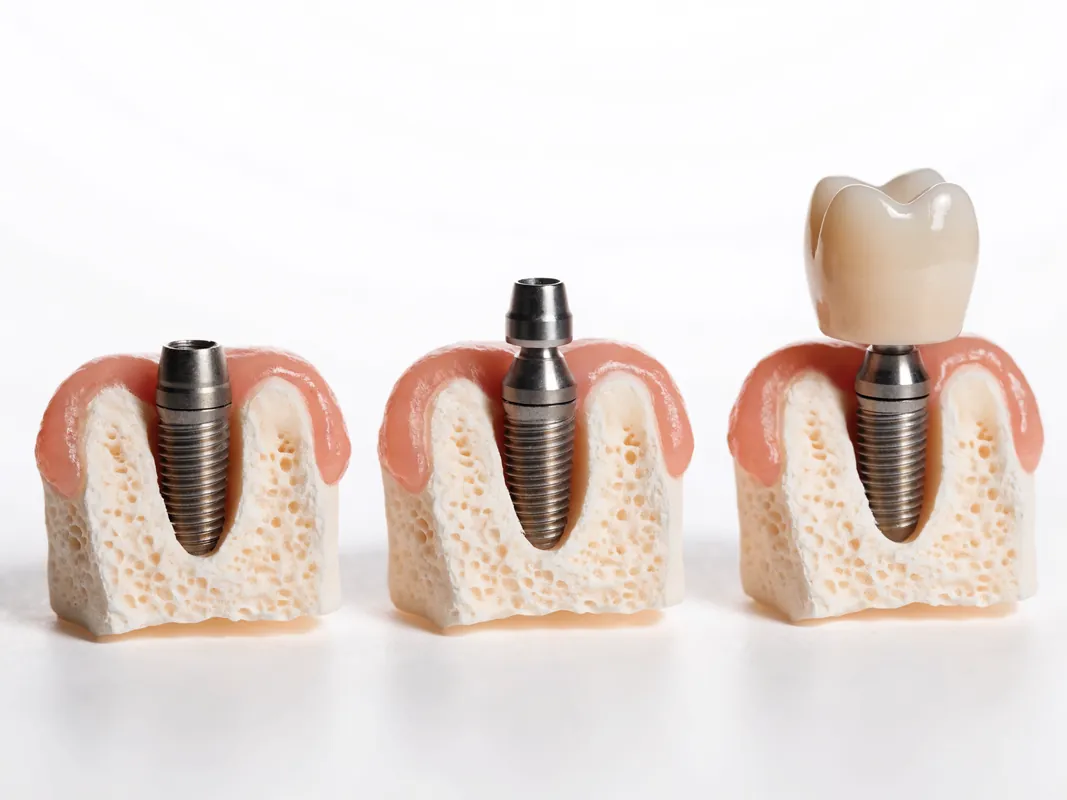
The implant fixture and the restoration above it are different. A future dentist may need to know whether a crown or bridge is screw-retained or cemented, how access is obtained, which component connection is present, and what torque or technical information the original clinician considers relevant. Those details should come from the clinical and laboratory record, not from the patient guessing.
For crowns, veneers, bridges, dentures, grafting products or appliances, ask for the material description recorded in the prescription or statement of conformity, the dental laboratory identity, relevant lot information where available, shade details, design notes and any device documentation supplied to the clinic. Not every material carries the same identifiers, so request what actually exists rather than demanding an invented certificate.
If a branded component is claimed, independently check how the manufacturer identifies authentic products and what documentation it normally supplies. A logo on a PDF does not prove origin. Do not publish or alter serial or lot data; keep it with the clinical record.
If any stage remains temporary, label it clearly. Ask what it is made from, what purpose it serves, which restrictions were clinically advised, who will replace it and what happens if timing changes. A local dentist should not have to infer whether a restoration is provisional.
Manufacturer warranties, clinic remedial promises and clinical outcomes are separate. A component warranty may have conditions and may not pay for diagnosis, surgery, laboratory work, local care or travel. Obtain the actual terms and responsible entity without treating a product document as a guarantee that treatment will remain complication-free.

Prescriptions and medicine information
Leave with a copy of every prescription and the written instructions issued by the responsible clinician. The record should identify the medicine, strength, route, frequency, intended duration and prescriber, plus known allergies or relevant reactions documented during care. Keep pharmacy labels and discharge instructions together.
This guide does not tell you to begin, stop, extend or substitute a medicine. If instructions are unclear, contact the prescriber or an appropriate local healthcare professional. Do not rely on a coordinator to interpret a dose, decide that a medicine is unnecessary or recommend an alternative.
Tell a local dentist or emergency clinician what has already been taken and when. Include non-prescription products and supplements if asked because they may be relevant to assessment. If you experienced a reaction or stopped a medicine, document what happened and seek appropriate clinical advice rather than rewriting the record from memory later.
Ask whom to contact if medicine supply is lost, delayed by travel or unavailable under the same brand at home. The answer may involve the original prescriber, a local dentist, pharmacist, GP, NHS 111 or another service depending on urgency and jurisdiction. Do not assume a foreign prescription can automatically be dispensed in the UK.
If a treatment affected eating or management of another health condition, obtain case-specific instructions from the professionals responsible for that condition. A dental aftercare page cannot coordinate diabetes, anticoagulation, immune treatment or other medicines.
Arrange a local dentist before treatment
A local dentist should be asked and should have agreed to the possible scope before overseas treatment begins. Do not assume that a UK practice will monitor, repair or accept clinical responsibility for work planned elsewhere. A dentist may need to examine you, review records, assess whether they have suitable components and decide whether the requested care lies within their competence.
Speak openly about the plan. Ask whether the local practice is willing to provide routine examination and hygiene, periodontal or peri-implant monitoring, imaging when clinically justified, urgent assessment, or communication with the overseas clinician. These are different services and may carry different fees.
The local dentist remains an independent professional. They do not have to follow an overseas plan they consider inappropriate, and the overseas provider should not instruct them through the patient without adequate records. If opinions differ, ask each clinician to explain findings, evidence, risks and recommended next steps. A second opinion may help, but it should not be presented as a contest decided by a coordinator.
Clarify who pays for local visits, imaging, temporary measures and definitive care. Do not assume a clinic warranty reimburses local work. If prior authorisation is required under contractual terms, understand how that interacts with urgent care: immediate safety should not wait for a commercial decision.
If you cannot identify a local dentist before travel, include that gap in the decision. Distance from the treating clinician is a real aftercare constraint. The NHS treatment-abroad checklist recommends discussing treatment and transfer of notes with a GP, dentist or clinician who may be involved in aftercare.
Provide the local dentist with the discharge summary, radiographs, implant or material identifiers, medicine record and direct treating-clinician contact. Ask what additional information they need and obtain your consent before clinical records are shared.
Remote review has strict limits
Messages, photographs and video calls can support communication and triage, but remote review cannot diagnose or rule out infection, implant mobility, bite problems, nerve injury, restoration fracture, periodontal disease or other complications. A photograph does not show bone, probing depths, occlusion or every surface. Image quality, lighting and patient description can also mislead.
The clinician offering a remote opinion should identify themselves, explain the limits, record the interaction and say whether an in-person examination is needed. A coordinator may forward a message but should not convert it into a diagnosis or treatment instruction.
Do not let a request for photographs delay local urgent assessment. Send images only if it is safe and useful to do so after seeking appropriate care. If a local dentist examines you, ask for a written summary and relevant images to be shared securely with the original clinician, with consent.
A remote exchange can help answer factual questions such as which component was used or whether a documented instruction came from the clinic. It can also help the original clinician understand what a local professional found. It cannot guarantee that no problem exists.
Be cautious with statements such as “looks fine” when symptoms are changing. Ask what information the opinion is based on, what remains uncertain, which symptoms should escalate and who owns the next action. Keep a copy of the response in the record.
Urgent versus emergency care
Urgent dental care and a medical emergency are not the same. In England, NHS urgent dental guidance advises contacting a dentist or NHS 111 for significant or persistent dental pain, swelling, a growing lump or patch, a broken or loose restoration, and certain problems after extraction. The service can direct you according to current criteria and local availability.
NHS guidance identifies situations for 999 or A&E, including serious facial or jaw injury, heavy oral bleeding that will not stop, or severe swelling affecting breathing or the eyes. NHS dental-abscess guidance also highlights difficulty breathing, speaking or swallowing and extensive swelling. Outside England, use the local urgent and emergency systems.
Do not wait for the overseas clinic to open when emergency features are present. Call the appropriate emergency service, obtain immediate care and notify the original clinician afterward. Commercial approval is not a prerequisite for emergency treatment.
Examples that may need urgent dental assessment include worsening swelling, pain that is severe or not settling, persistent bleeding, pus or an unpleasant taste with swelling, fever with dental symptoms, a loose or fractured restoration, a change in bite, increasing difficulty opening the mouth, or a symptom that prevents eating, drinking or taking usual medicine. These examples do not diagnose a cause.
If you are unsure about urgency in England, NHS 111 can help direct care. A pharmacist can advise on medicines within their scope, but cannot provide definitive dental treatment for an abscess or mechanical failure. A GP is not a substitute for the dentist needed to treat the dental source.
Keep a short emergency summary accessible: treatment date, site, relevant medicines and allergies, named clinic, clinician contact and key records. Do not make an acutely unwell person search through hundreds of messages.

Consent, privacy and secure handover
Clinical information should be shared for a defined purpose, with the patient's knowledge and appropriate permission. Ask which records will be sent, to whom, why, through what system and how long they will be retained. Share the minimum information needed for the clinical task.
GDC Principle 4 requires UK registrants to protect confidentiality, explain circumstances in which information may be shared and use secure methods for confidential electronic information. Overseas providers follow their own applicable law and standards; this guide does not claim they are under GDC jurisdiction.
Messaging apps may be convenient but should not become the only clinical archive. Ask whether messages and images are copied into the patient record, who can access the account and what happens if a phone number changes. Avoid sending records to unidentified personal accounts.
GDC Principle 3 treats consent as an ongoing process. If aftercare or remedial treatment changes the plan, the named clinician should explain options, risks, possible benefits and costs, check understanding and document renewed consent. A signature from the original trip does not authorise every future procedure.
If a local dentist communicates with the overseas clinic, agree the scope. Permission to share an X-ray does not automatically permit unrelated health data or marketing use. Ask both providers how to withdraw or narrow permission and how to obtain copies of communications.
Translations should preserve clinical meaning. If a translator is used, identify who provides them and confirm that questions, risks and instructions are understood. Do not rely on an informal summary by a sales contact for consent to remedial care.
Complaints and remedial terms
Obtain the named clinic's clinical complaint procedure before treatment and keep it after returning home. It should identify where to send a complaint, acknowledgement and response stages, the responsible legal entity, possible escalation, confidentiality and the regulator or independent body relevant to that jurisdiction.
GDC Principle 5 requires GDC registrants to have an accessible written complaints process, investigate fairly, respond constructively, explain possible outcomes and keep complaint records separate from patient records. Those requirements do not automatically govern an overseas clinic, but they provide useful questions for comparison.
Separate a clinical concern from a complaint where immediate care is needed. Treat urgent symptoms first. A complaint can then address records, communication, costs, consent, service or alleged harm using documented evidence. Do not allow a dispute to interrupt necessary care.
Read remedial and warranty terms as contracts, not outcome promises. Check:
- the legal entity making the commitment;
- treatments and components within scope;
- exclusions and maintenance conditions;
- how a concern is assessed and by whom;
- whether independent or local assessment is accepted;
- whether prior authorisation is required;
- what records must be supplied;
- which clinical, laboratory and travel costs each party bears;
- whether repeat treatment needs new consent;
- time limits and the governing complaint route;
- what happens if the clinic, clinician or manufacturer changes.
Do not accept “we will sort it out” as the entire policy. Equally, do not assume every symptom means the original work was defective. A named clinician needs evidence and examination. Keep the complaint factual, chronological and focused on the outcome sought.
If a UK-registered professional was involved in UK-delivered assessment or advice, confirm the scope of that involvement rather than assuming the GDC regulates all care abroad. The GDC's patient guidance explains that dental regulation varies by country and recommends checking the relevant body.
Costs and travel contingency
Aftercare can create costs even when recovery is uncomplicated. Budget for local examination, hygiene, imaging when clinically justified, replacement of consumable aids, time away from work and transport. Also consider the possibility of an extended stay, a changed flight, a return visit, companion costs and treatment that falls outside contractual terms.
The NHS treatment-abroad checklist advises patients to factor in exchange-rate changes, extending the stay and possible return trips, and to consider suitable insurance. It also advises clarity about aftercare coordination. Check current insurer terms directly and disclose planned treatment as required by the policy; this guide cannot interpret coverage.
Ask for separate written prices and cancellation terms for clinical care and travel. WeCare's role may include specified travel logistics only when confirmed in writing. No hotel, flight, transfer, additional visit or remedial procedure should be inferred from this guide.
If a return visit is proposed, require a new clinical explanation: what has been found, what options exist, what remains uncertain, who will treat, what records are needed, what costs apply and how local urgent care is handled meanwhile. Do not book solely because a coordinator says to come back.
If local treatment is needed, ask the local clinician for a written assessment and estimate. Send it securely to the original clinic if seeking contractual approval, but do not delay emergency treatment. Keep invoices, receipts and clinical notes separate so a complaint or insurance inquiry has a clear evidence trail.
Maintenance after returning home
Maintenance should be individual, not a universal online calendar. The named clinician and local dentist should consider the treatment performed, periodontal history, implant and restoration design, oral hygiene, smoking, medical conditions, previous complications and current findings when setting reviews.
A maintenance plan should cover the entire mouth, not only new restorations. Remaining teeth can develop decay or periodontal disease. Soft tissues need examination. An implant restoration may require cleaning methods or professional access different from a natural tooth, while a veneer or crown still depends on the health of the tooth and surrounding tissues.
Ask the clinician to demonstrate cleaning around the actual restoration and document any special aids. Do not assume a branded device is mandatory or appropriate for everyone. If dexterity, disability or sensitivity makes the plan unrealistic, say so before leaving and ask for an alternative approach.
Professional maintenance is not the same as a cosmetic polish. Ask what tissues and restorations will be assessed, how findings are recorded and when imaging is clinically justified. Routine imaging should be based on a clinical reason rather than an automatic marketing schedule.
If a bite guard or removable appliance was supplied, obtain its purpose, material, cleaning instructions, review route and replacement criteria. A local dentist should assess fit rather than relying on a distant photograph if symptoms develop.
Update medical history and medicines at follow-up. Conditions and prescriptions can change after the trip. The local and original clinicians should not rely indefinitely on a form completed before treatment.

Symptom escalation without self-diagnosis
Recovery experiences vary with the procedure and patient. A symptom list cannot tell you whether healing is normal, whether a restoration is high, whether a nerve is affected or whether infection is present. Use written procedure-specific instructions and seek examination when the situation falls outside them or trends in the wrong direction.
Record useful facts without diagnosing yourself:
- when the symptom began and whether it is changing;
- the exact tooth, side or site if known;
- swelling, bleeding, discharge, fever or functional difficulty;
- what makes the symptom better or worse;
- whether a restoration feels loose or the bite has changed;
- medicines already taken as prescribed;
- photographs if safe and requested;
- relevant medical changes or recent injury.
Do not repeatedly test a loose restoration, probe a wound or alter a component. Do not add or extend medicine from internet advice. Contact the named clinician and an appropriate local dentist. Use NHS 111 or emergency services according to current criteria when urgency is uncertain or emergency features appear.
Persistent ulcers, red or white patches, unexplained lumps or other concerning oral changes should be assessed locally rather than attributed automatically to recent dentistry. Common symptoms can have many causes, and early examination matters.
A remote response should state the next step, not just reassurance. Ask whether local examination is advised, what information the original clinician needs, and how findings will be recorded. If symptoms worsen while waiting, escalate based on the current condition.
Communication map for home aftercare
Create a one-page contact map:
- Emergency services: for immediate danger under local criteria.
- NHS 111 or local urgent-care line: for urgent direction in England or the equivalent elsewhere.
- Local dentist: for in-person examination, maintenance and urgent dental assessment they agree to provide.
- Named overseas clinician: for procedure-specific questions, record clarification and clinical aftercare responsibility.
- Named clinic complaints contact: for formal complaints and remedial-contract questions.
- WeCare coordinator: for routing an enquiry or agreed non-clinical logistics, not diagnosis.
- Travel supplier or insurer: for their own contract and policy questions.
Test the contact details before travel. Record time-zone differences and an alternative clinical route. Do not describe a general WhatsApp account as an emergency service unless the provider has a documented, staffed clinical arrangement and explains its limits.
When contacting several people, avoid contradictory instructions. Tell each clinician what the other has advised and ask them to communicate directly where appropriate, with consent. Keep a dated log of symptoms, assessments, instructions and decisions.
Return-home checklist
Before leaving the treatment country:
- I know the named clinic and named clinician responsible for each stage.
- I have a clear record of completed, temporary and outstanding work.
- I have original-quality radiographs and relevant reports where available.
- I have implant, component, restoration and laboratory identifiers.
- I have prescription copies and understand who answers medicine questions.
- I have procedure-specific aftercare and escalation instructions.
- I have the clinical complaint procedure and remedial terms.
- I know which travel arrangements exist only in the written quotation.
- I have asked a local dentist whether they will assist.
- I know how records can be shared securely.
After arriving home:
- I store records securely and give the local dentist what they request.
- I follow the named clinician's instructions without adding internet remedies.
- I understand remote-review limits and seek examination when needed.
- I keep clinical, complaint, cost and travel correspondence organised.
- I attend need-based maintenance for the whole mouth.
- I update clinicians if symptoms, medicines or health change.
- I know the urgent dental and emergency routes where I live.
- I do not delay immediate care while waiting for a commercial decision.
Before agreeing to remedial treatment:
- I have a current clinical assessment and written findings.
- Options, risks, possible benefits and costs have been explained.
- The responsible provider and payer are identified.
- New consent is documented.
- Local and travel contingencies are understood.
- Records from each clinician will be shared appropriately.
Frequently asked questions
What is the single most important document to bring home?
There is no single document that replaces the record. A clear discharge summary is the index, but radiographs, implant and material identifiers, prescriptions, consent changes, laboratory information and aftercare instructions may all be needed. Ask the local dentist what format is useful.
Can a local dentist refuse to maintain overseas work?
A local dentist independently decides what care they can safely provide within competence and with adequate information. Ask before treatment rather than assuming. If they cannot help, seek another appropriately qualified provider and make the gap part of the travel decision.
Can photographs confirm that healing is normal?
No. Photographs can support communication but cannot assess every surface, bone, bite, mobility, probing findings or systemic condition. Worsening or persistent symptoms may require local examination.
Should the original clinic approve all local emergency treatment?
Immediate safety should not wait for commercial approval. Obtain urgent or emergency care according to local guidance. Share records and inform the original clinic as soon as practical, then address contractual questions separately.
How often should implants or restorations be checked?
There is no universal timetable on this page. The treating clinician and local dentist should set need-based reviews using the treatment, periodontal history, hygiene, restoration design, medical factors and findings.
Do I need implant brand certificates?
Request the actual identifiers held in the record, including manufacturer, model, site and lot where available. They can help future component selection. A certificate does not guarantee a clinical result or determine who pays for care.
What if the local and overseas dentists disagree?
Ask each for written findings, evidence, options and risks. With consent, encourage direct professional communication and record transfer. A further independent opinion may help. A coordinator should not decide the clinical dispute.
Does a warranty mean return treatment and travel have no cost?
No assumption is safe. Read the named entity's written terms, exclusions, assessment process and allocation of clinical, laboratory, local-care and travel costs. A warranty is contractual and does not guarantee biological outcomes.
Who responds to medicine questions?
The prescriber or an appropriate local healthcare professional should answer them. A coordinator can route a message but should not change a dose, duration or product.
What records should be sent to a UK dentist?
Ask the dentist. Commonly useful items include the discharge summary, clinical and radiographic records, implant and restoration identifiers, prescriptions, laboratory details and aftercare plan. Share securely and with appropriate consent.
What symptoms need urgent dental help?
Significant or persistent pain, swelling, bleeding, discharge, fever with dental symptoms, a loose or broken restoration, or worsening function may need urgent assessment. In England, a dentist or NHS 111 can direct care. This guide cannot diagnose the cause.
When is it an emergency?
Use current local emergency criteria. NHS guidance includes serious facial injury, heavy bleeding that will not stop and severe swelling affecting breathing or the eyes; dental-abscess guidance also flags difficulty breathing, speaking or swallowing. Call 999 or attend A&E in the UK when those criteria apply.
Sources and review dates
- [GDC guidance on going abroad for dental treatment](https://www.gdc-uk.org/standards-guidance/information-for-patients-public/going-abroad-for-dental-treatment), accessed 29 August 2026. It advises checking provider registration, regulation, insurance, complaints, aftercare, complications and responsibility for additional travel or remedial care.
- [NHS treatment-abroad checklist](https://www.nhs.uk/using-the-nhs/healthcare-abroad/going-abroad-for-treatment/treatment-abroad-checklist/), accessed 29 August 2026. It covers informed choice, second opinions, note transfer, aftercare coordination, extended stays, possible return trips and insurance questions.
- [GDC Principle 4: Maintain and protect patients' information](https://standards.gdc-uk.org/pages/principle4/principle4), accessed 29 August 2026. It describes complete records, clinician identification, confidentiality, secure transfer and documented referrals for GDC registrants.
- [GDC Principle 3: Obtain valid consent](https://standards.gdc-uk.org/pages/principle3/principle3), accessed 29 August 2026. It states that consent is ongoing and changes to treatment or estimated cost require explanation, understanding and documentation.
- [GDC Principle 5: Have a clear and effective complaints procedure](https://standards.gdc-uk.org/pages/principle5/principle5), accessed 29 August 2026. It sets complaint-process expectations for GDC registrants and provides a useful comparison benchmark.
- [NHS urgent dental guidance](https://www.nhs.uk/nhs-services/dentists/how-to-find-an-nhs-dentist-in-an-emergency/), accessed 29 August 2026, and [NHS dental-abscess guidance](https://www.nhs.uk/conditions/dental-abscess/), accessed 29 August 2026. They distinguish urgent dental needs from emergency features for people in England.
- [NHS 111 guidance](https://www.nhs.uk/nhs-services/urgent-and-emergency-care-services/when-to-use-111/), accessed 29 August 2026. It explains how NHS 111 can direct urgent dental and medical care in England.
Guidance, contracts and provider details can change. Check current sources, obtain the named provider's current documents and seek individual clinical advice when symptoms or treatment decisions arise.