When patients have lost most or all of their teeth, they face a choice between All-on-4 and All-on-6 — two protocols that look similar but differ in important clinical ways.
If you have been told you need full-arch tooth replacement — either because you have lost most of your teeth, or because remaining ones must be extracted due to severe disease — you have most likely encountered the terms All-on-4 and All-on-6. They sound similar, and on the surface they are: both place dental implants and a fixed bridge of teeth. But the clinical decisions behind choosing one over the other matter for the long-term outcome.
This guide explains the difference, who benefits from each, and how the decision is made at the named treatment provider in Antalya.
What All-on-4 Actually Is
All-on-4 was developed by Nobel Biocare and trademarked in the early 2000s. The concept: replace an entire arch of teeth (12 teeth) using only 4 strategically placed implants instead of the 6-8 used in traditional full-arch protocols.
The innovation is angle. The two front implants are placed vertically. The two rear implants are placed at a 30-45° angle, which lets them use the maximum available bone in the front of the jaw — bypassing areas where bone has shrunk after tooth loss.
The phrase "teeth in a day" usually refers to a provisional bridge that may be fitted only when the clinician confirms immediate-loading criteria. It is not the final restoration; final-bridge timing depends on healing, integration and review.
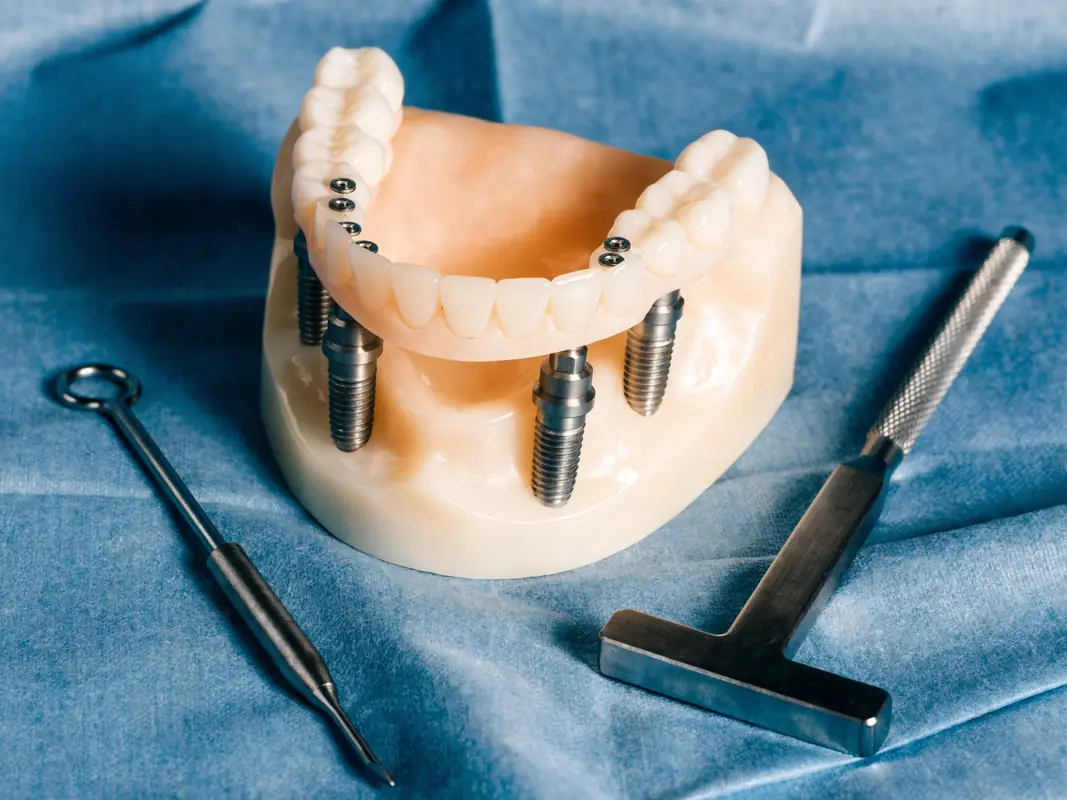
What All-on-6 Adds
All-on-6 places 6 implants per arch — 4 vertical + 2 angled. The additional 2 vertical implants in the middle of the jaw provide:
- More bite-force distribution — load is spread across 6 anchors instead of 4
- Better safety margin — if 1 implant fails (rare), the remaining 5 still support the bridge
- Better long-term durability for patients with heavy bite forces (bruxism)
Who Should Get Each
All-on-4 is the right choice when:
- You have moderate bone density (most patients)
- You do not have severe bruxism or teeth grinding
- You want the simplest, fastest treatment
- Your budget needs to stay tight (4 implants vs 6)
- You have moderate bone loss in the rear of the jaw
All-on-6 is the right choice when:
- You have very heavy bite force (athletes, manual laborers)
- You have a history of teeth grinding (bruxism)
- You have very dense bone that can support more implants
- You want the maximum safety margin against future implant failure
- The dentist has noticed unusual occlusion patterns during examination
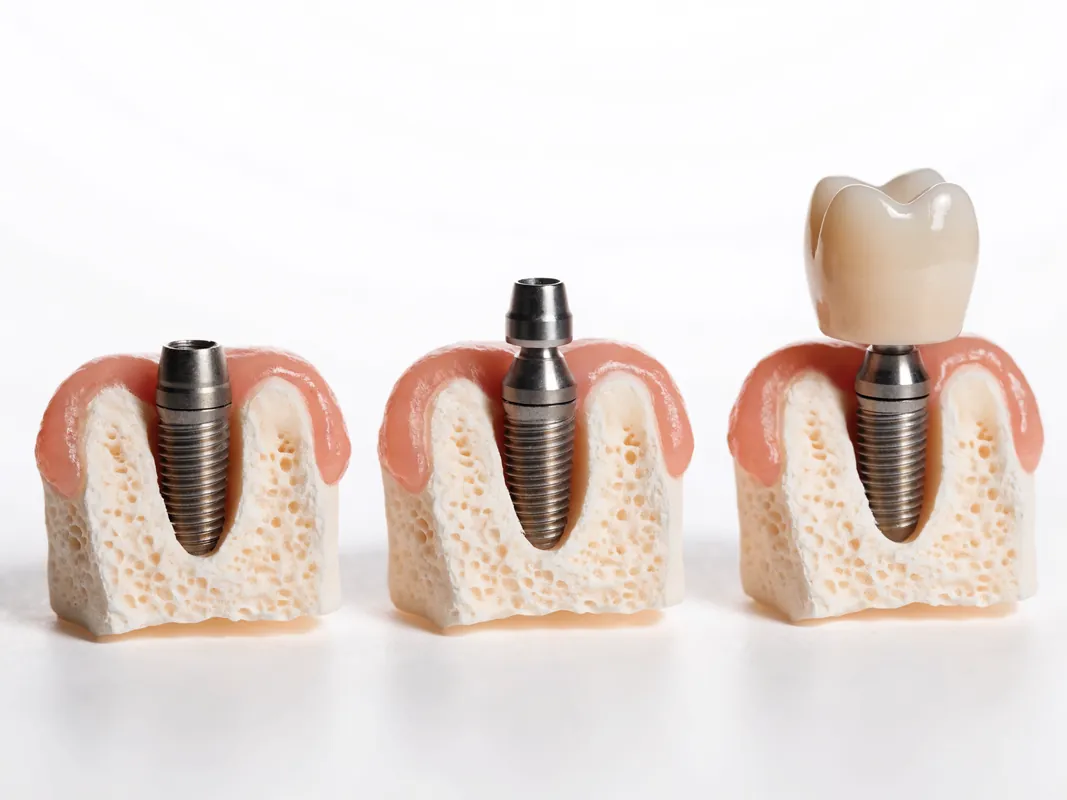
How the Decision Should Be Made
We do not make this decision based on price. The deciding factors are:
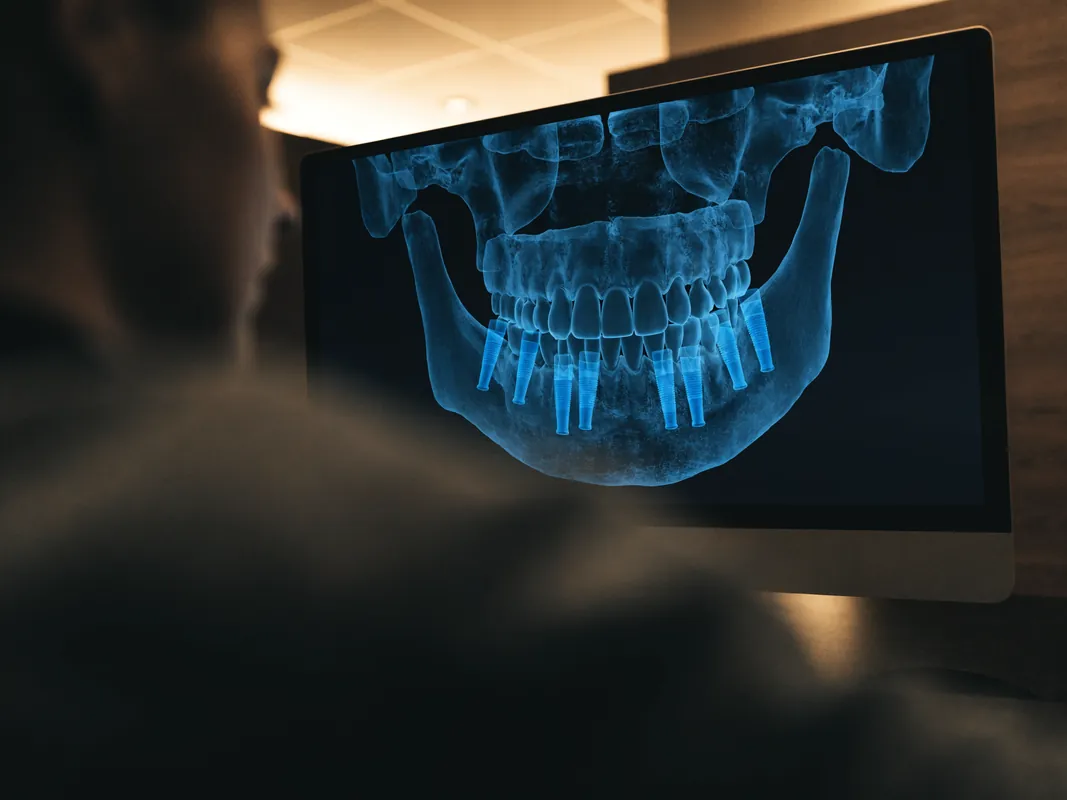
- 3D CBCT scan analysis — measures bone volume in millimeters, identifies areas of severe atrophy
- Bite force assessment — clinical examination of jaw movement, history of grinding, history of cracked teeth
- Diabetic / smoker status — both increase implant failure risk; All-on-6 provides more redundancy
- Patient age and life expectancy — younger patients (under 50) often benefit from the extra durability of All-on-6
- Patient priority — fastest treatment vs maximum durability is sometimes a trade-off
In about 70% of cases, All-on-4 is the right answer. The other 30% benefit from All-on-6.
Surgical and Clinical Differences
| Factor | All-on-4 | All-on-6 |
|---|---|---|
| Implants per arch | 4 (2 vertical, 2 angled) | 6 (4 vertical, 2 angled) |
| Surgery time | 2-3 hours per arch | 3-4 hours per arch |
| Immediate temporary bridge | Conditional after clinical assessment | Conditional after clinical assessment |
| Final bridge placement | 3 months later | 3 months later |
| Bone grafting often needed? | Rarely | Sometimes |
| Long-term outcome evidence | Cannot be predicted from implant count alone | Cannot be predicted from implant count alone |
| Investment | Lower (fewer implants) | Higher (more implants + lab work) |
| written manufacturer warranty terms on implants | Yes | Yes |
| Clinical track record | 25+ years | 15+ years |
Both have excellent long-term outcomes. The differences are real but small.

Same-Day Teeth — Realistic Expectations
"Teeth in a day" is a marketing phrase, not a universal promise. If the named clinician confirms immediate-loading criteria, a provisional sequence may include:
- Surgery is performed under local anesthesia + IV sedation if requested. 2-4 hours per arch.
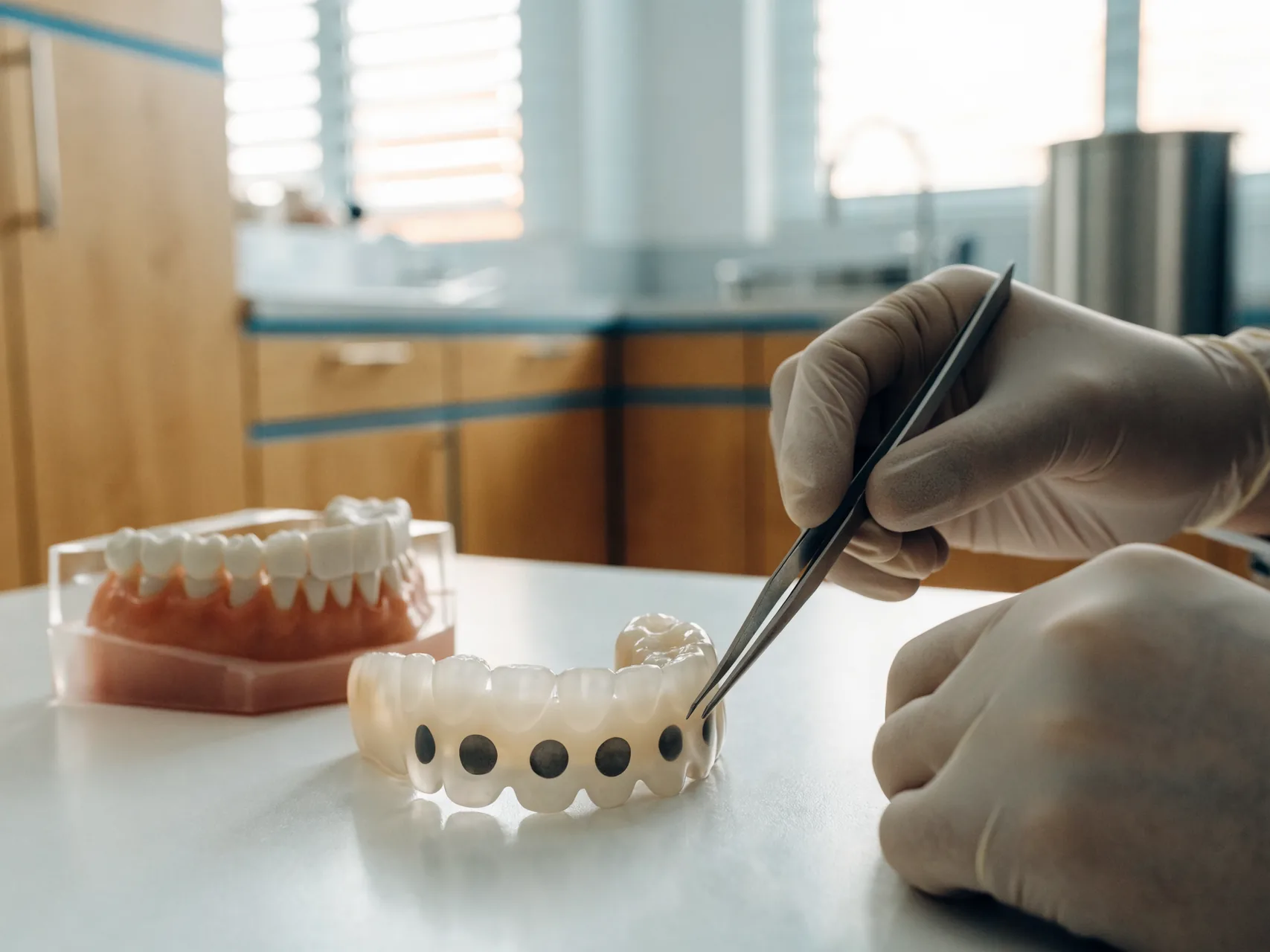
- The temporary acrylic bridge is screwed onto the implants while you are still in the chair.
- You leave the clinic with a complete set of teeth.
What you get is a temporary fixed bridge. It is functional for soft-to-medium foods. It is aesthetically pleasing. But it is acrylic, not porcelain, and it is not designed for hard biting (steak, raw vegetables, hard bread). The temporary phase lasts 3 months while your implants integrate with the bone.
The final permanent bridge is placed at month 4. This is zirconia or hybrid (zirconia + acrylic), much more durable, and designed for normal everyday eating.
What the 3-Month Healing Phase is Like
This is the phase that surprises most patients. While you are at home with the temporary bridge:
- Diet: Soft foods for 2 weeks (smoothies, mashed potatoes, soups, well-cooked pasta), then medium-soft for the remaining 10 weeks (fish, well-cooked vegetables, pasta, soft bread). Avoid hard foods (steak, raw apples, hard bread).
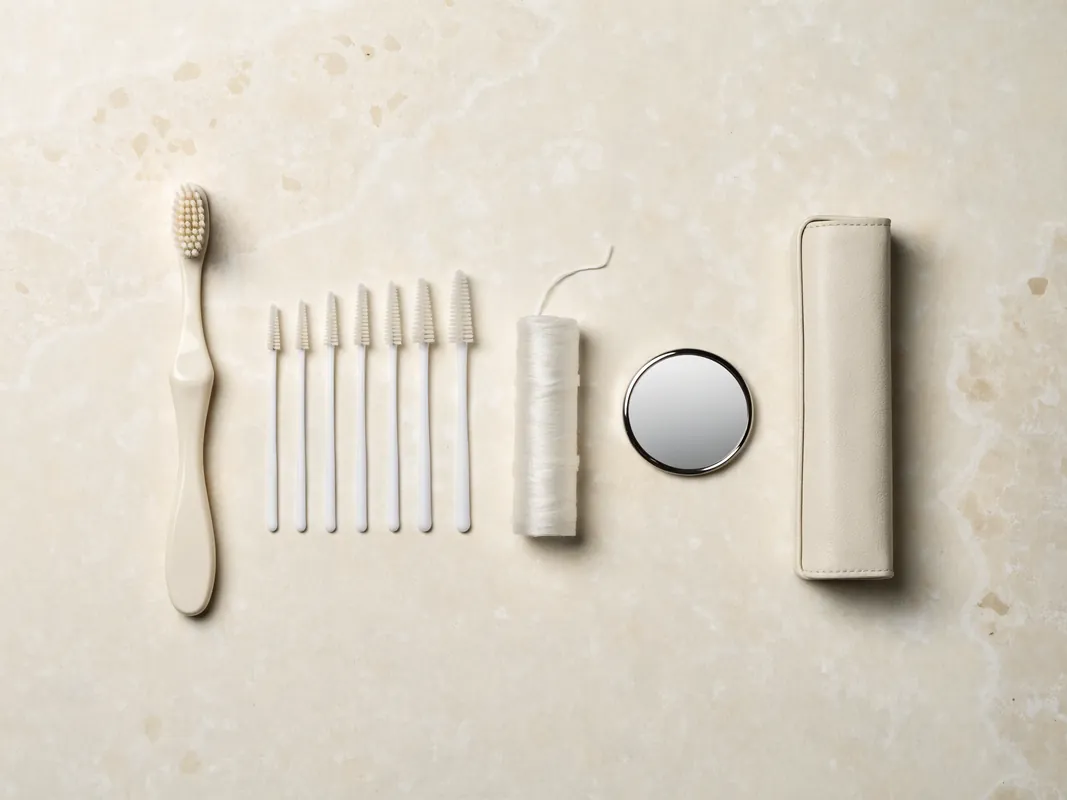
- Hygiene: Follow the treating clinician's written cleaning instructions and ask which brush or interdental aid is appropriate for the actual bridge design.
- Activity: Normal daily life. Avoid intense gym activity for 2 weeks; otherwise no restrictions.
- Communication: Confirm the named provider's follow-up schedule, contact hours, escalation pathway and whether local examination may be needed.
Cost Comparison and Value
All-on-6 represents a meaningful step up in materials and lab work because of the additional implants and bridge engineering. For most patients, the additional investment is worth it if there is even a 50/50 case for needing more support — bone density is dense enough, or bite force is heavy.
For European medical tourism patients, a quotation may combine clinical and travel services. It should still itemise the implant components, provisional and final bridge, clinically indicated imaging, medication, accommodation, transfer, coordination and written remedial terms. A case-specific proposal follows record review and must remain provisional until examination.
For a provisional discussion, send records securely and require the response to name the reviewing clinician. All-on-4 versus All-on-6 suitability remains a clinical decision after adequate assessment.