Special Cases & Conditions
Research how medical history may affect dental planning, then verify the named clinic, clinician, registration, consent process and aftercare in writing.
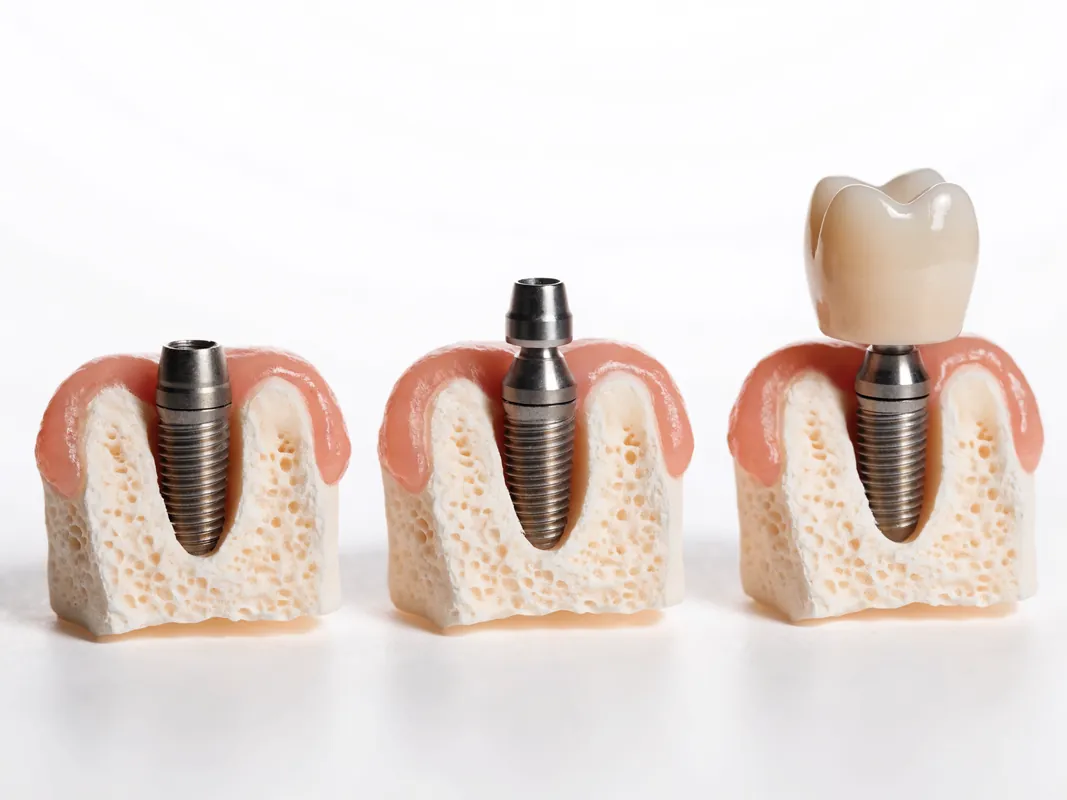
Dental Implants and Diabetes: Evidence-Led Decision Guide
Diabetes does not produce a simple yes-or-no answer about dental implants. Suitability depends on an individual dental and medical assessment, current oral health, diabetes history, medicines, procedure burden, alternatives and a workable local aftercare plan.
Dental Implants, Smoking and Vaping: Planning Guide | WeCare
Smoking is associated with adverse implant and peri-implant findings, but a website cannot predict an individual's result or set a universal cessation countdown. The named clinic and named clinician must assess oral health, exposure, alternatives and aftercare.
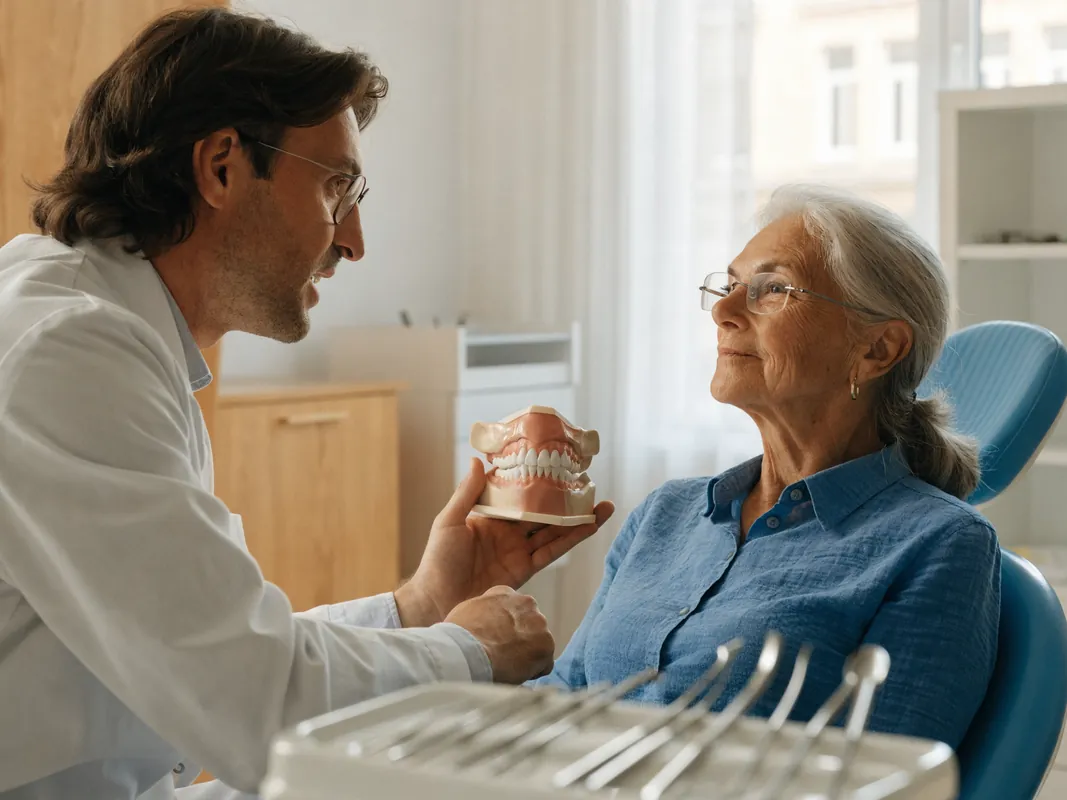
Dental Implants for Older Adults: Function-Led Planning Guide
A function-led guide for older adults comparing dental implants: individual oral and medical assessment, treatment burden, capacity and consent, alternatives, accessibility, travel limits and sustainable local aftercare.
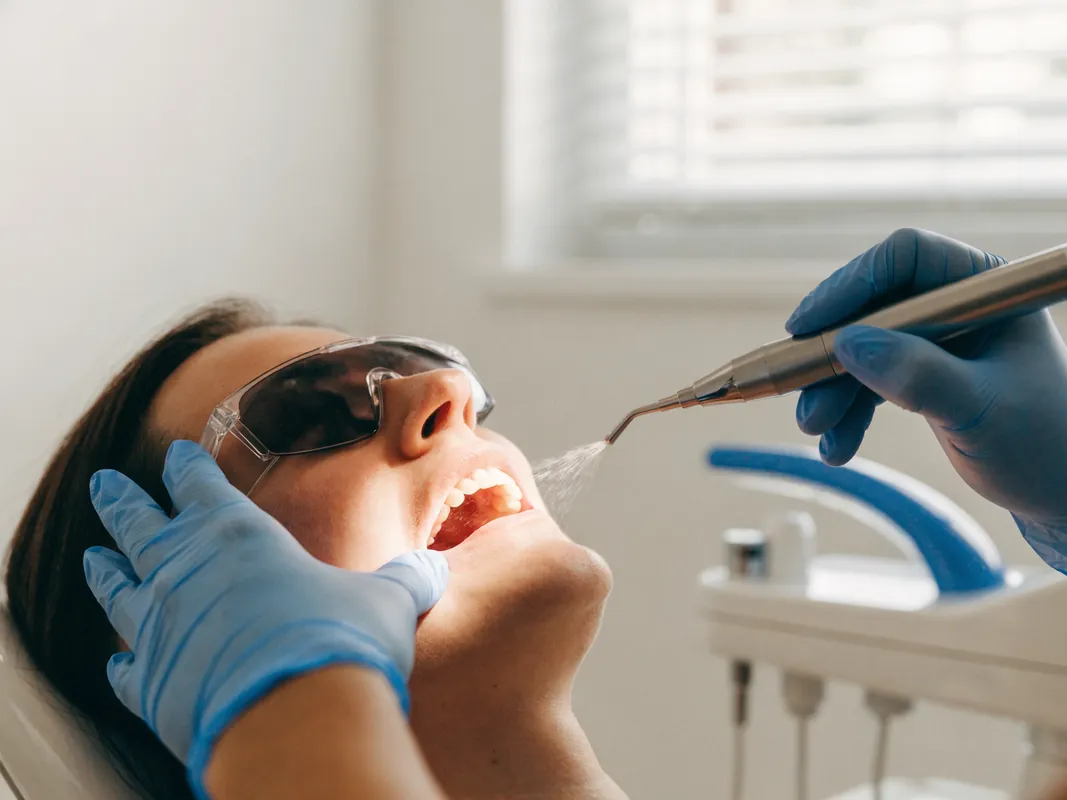
Dental Implants After Gum Disease: Planning Guide | WeCare
A history of gum disease calls for a current periodontal diagnosis, tooth-preservation review, disease control and maintainable long-term care before any implant decision.
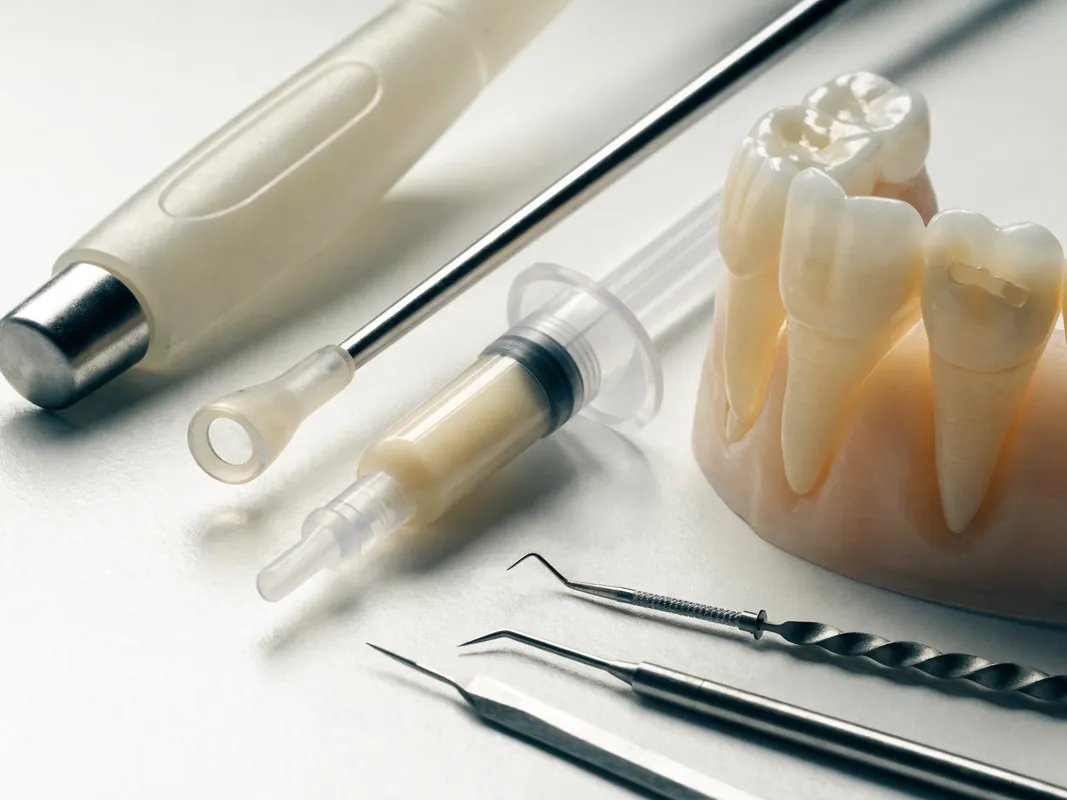
Front Tooth Implant: Aesthetic-Zone Decision Guide
A missing incisor or canine does not create an automatic implant indication. Planning should first preserve a restorable tooth, identify trauma or disease, assess growth, space, bone, gum and smile factors, compare conservative alternatives, and define aesthetic uncertainty, records and local aftercare.
Back-Tooth Dental Implants: Molar and Premolar Decision Guide
A missing premolar or molar does not create an automatic implant indication. The decision starts with whether a tooth can be preserved, whether the space needs replacement, site-specific anatomy, function, alternatives and a maintainable local aftercare plan.
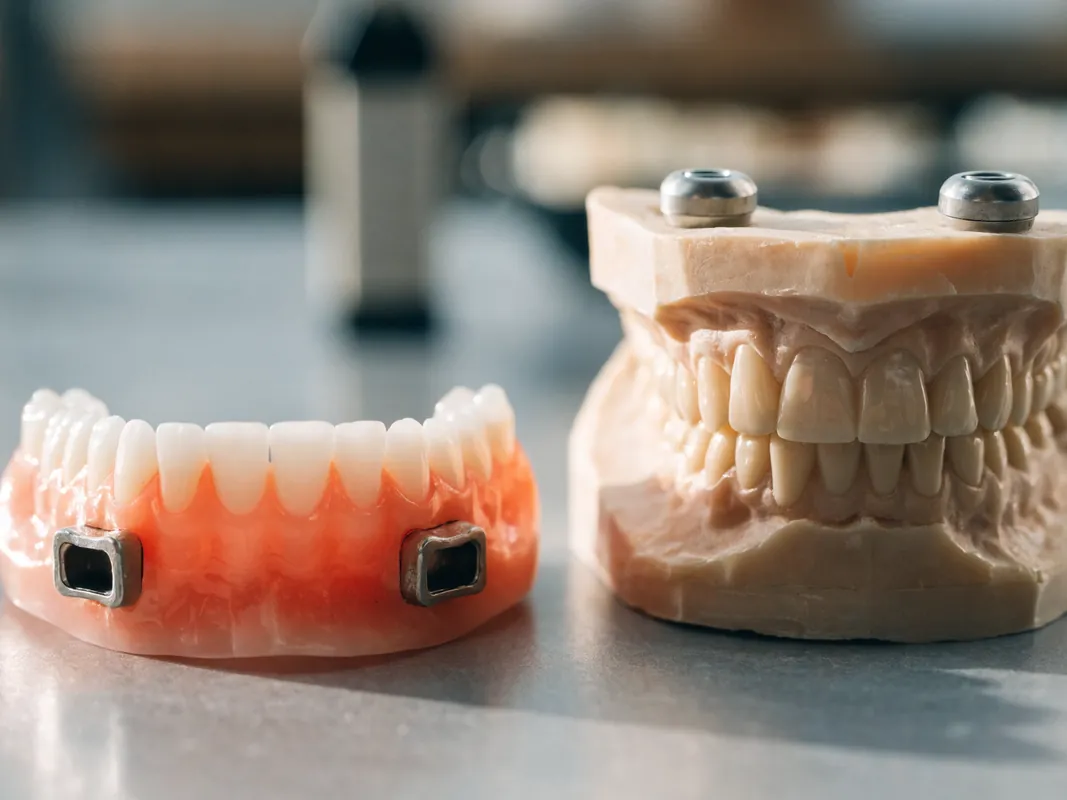
All-on-4 vs Dentures: Fixed, Overdenture or Removable?
Full-arch treatment is not a two-product contest. Preserve restorable teeth first, define each arch separately, and compare conventional complete dentures, removable implant overdentures and fixed implant-supported prostheses by anatomy, surgery, hygiene, repairability, function, speech, maintenance and informed preference.

Tetracycline-Stained Teeth: Conservative Treatment Guide
Tetracycline staining is one possible cause of intrinsic discolouration, not a remote diagnosis or an automatic veneer indication. Planning should identify the cause, stabilise oral health, compare no treatment, cleaning, whitening, combination, composite, orthodontic and indirect-restoration options, preserve tooth structure, and make masking uncertainty explicit.
Veneers for Diastema: Gap-Teeth Treatment Guide
A gap is a visible feature, not a diagnosis or an automatic veneer indication. Planning should identify growth, missing or small teeth, tooth position, gum health, frenum, habits and functional causes; compare no treatment, orthodontics and additive composite before irreversible restorations; and document retention, maintenance and uncertainty.
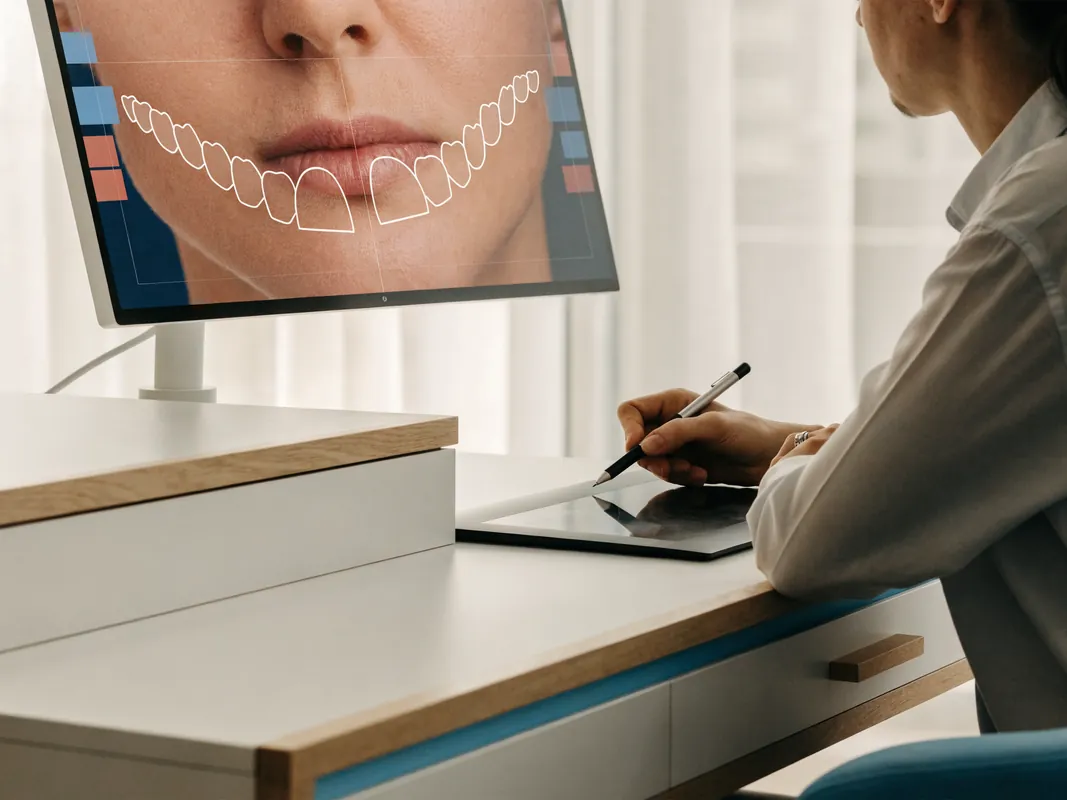
Wedding Smile Planning: Cleaning, Whitening, Alignment and Restorative Choices
An event date should organise questions, not force irreversible dentistry. Diagnose the concern, protect healthy tooth tissue, compare reversible options first and keep a documented contingency and local aftercare plan.
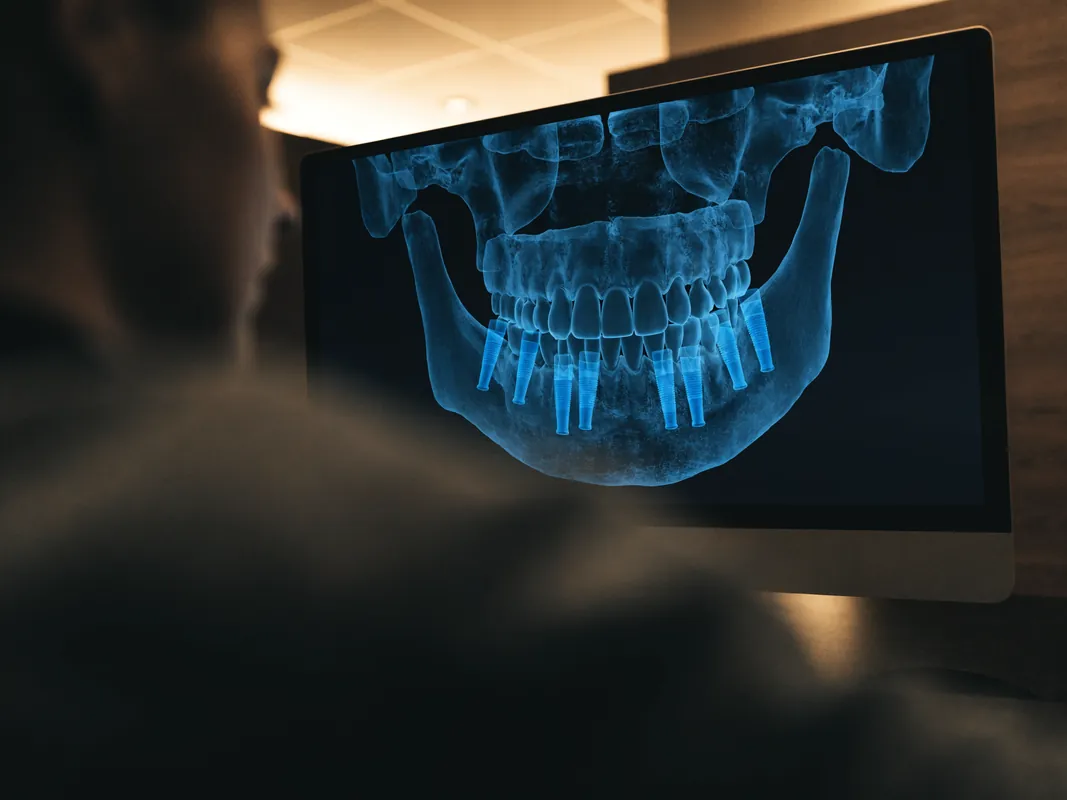
Failed Dental Implant: Investigation and Options | WeCare
A failed implant needs a diagnosis, not an automatic replacement promise. This guide explains failure types, records, urgent signs, treatment alternatives, uncertainty, aftercare and second-opinion planning.
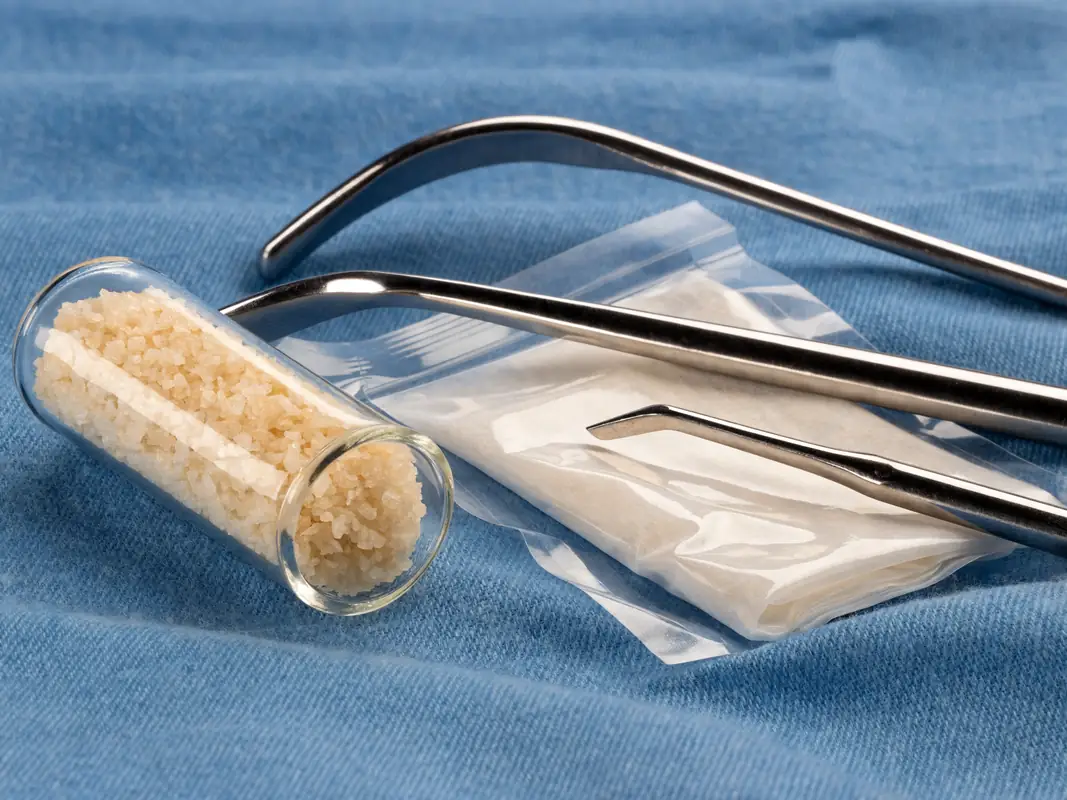
Dental Implants With Severe Bone Loss: Reduced-Bone Decision Guide
“No bone” is not a complete diagnosis and does not guarantee that implants are possible. Planning must define the site, preserve restorable teeth, compare grafting and non-grafting alternatives, assess anatomy, and choose a maintainable prosthesis with contingency and local aftercare.
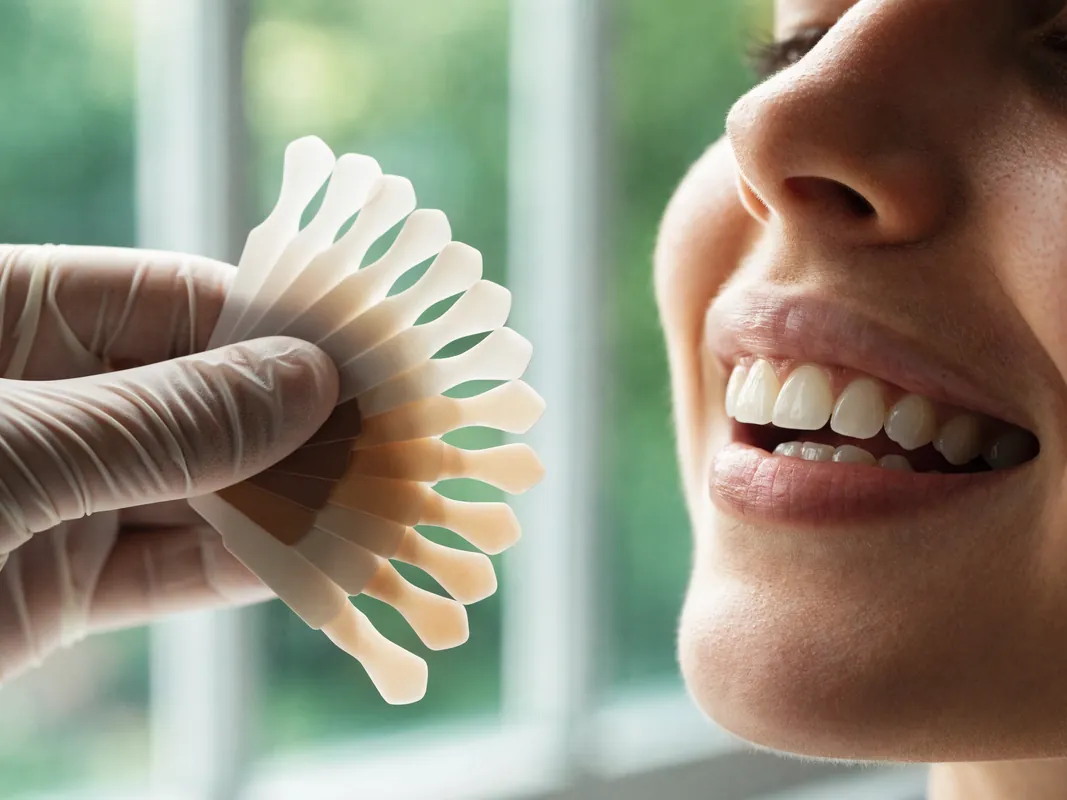
Teeth Whitening vs Veneers: Diagnosis and Decision Guide
Whitening changes the colour of eligible natural teeth; veneers are restorations that may change colour, shape, texture or proportion. The responsible choice begins with diagnosis, oral health and the least destructive option able to address the actual concern.
Dental Implants and Bisphosphonates: MRONJ Guide
Bisphosphonate use does not create a responsible yes-or-no answer online. A named dental clinician must review the exact medicine history, prescribing context, oral disease, proposed procedure, alternatives and follow-up plan, with the prescriber involved where a medicine decision may arise.

Dental Treatment During Pregnancy: UK Guide | WeCare
Pregnancy does not create one timetable for every dental problem. This guide helps UK patients separate urgent needs from elective choices, prepare an accurate medical history, understand imaging and medicine boundaries, coordinate with maternity care, and compare local care with travel without assuming that a remote enquiry confirms treatment.
Dental Implants for Women Over 50: Assessment Guide
Being a woman over 50 neither confirms nor rules out implant treatment. A dentist must assess oral health, jaw anatomy, medical history, medicines, alternatives and the ability to maintain the result before making an individual recommendation.
Dental Implants and Sleep Apnoea: Planning Guide
Obstructive sleep apnoea does not create an automatic implant answer. The plan must separate sleep care from dental diagnosis, identify anaesthesia and monitoring responsibility, protect ongoing therapy, compare tooth-replacement options and establish local aftercare before travel.
Dental Implants With Rheumatoid Arthritis
Rheumatoid arthritis is not an automatic yes or no for implants. A responsible decision reviews current disease activity, every medicine, oral and periodontal health, function, alternatives and local follow-up with named clinical owners.
Dental Implants After Head and Neck Radiotherapy
Previous head and neck radiotherapy makes implant planning site-specific and multidisciplinary. This guide explains the records, specialist assessment, alternatives, consent, aftercare and travel questions that should come before any decision.
Dental Implants for Young Adults: Growth and Timing Guide
Being under 25 does not produce an automatic yes or no. A defensible plan identifies why the tooth is missing, assesses growth and the whole dentition, coordinates orthodontic and restorative choices, preserves future options and documents who will provide long-term care.
Dental Implants and Coeliac Disease: Assessment Guide
Coeliac disease does not give a universal yes-or-no answer about dental implants. A defensible decision considers the confirmed diagnosis, current symptoms and follow-up, nutrition and any deficiencies, bone and oral health, medicines and related conditions, the proposed procedure, maintainability and access to care after returning home.
Dental Implants for Vegan and Vegetarian Patients: Choice Guide
A vegan or vegetarian identity does not define one diet, material preference or clinical risk. Good planning asks what the individual wants to avoid, verifies exact products and medicines, assesses nutrition only when clinically relevant and keeps informed alternatives open.
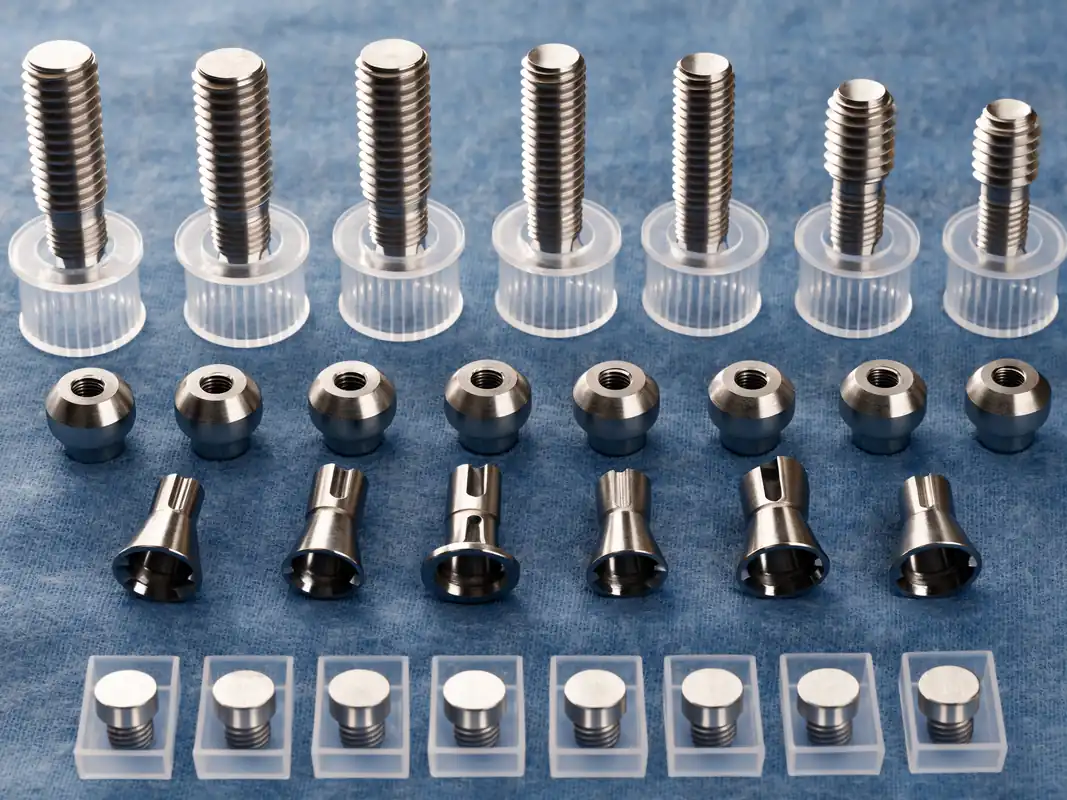
Titanium Allergy Concerns and Dental Implants: Evidence Guide
Symptoms around an implant do not prove titanium allergy, and no available test should be treated as a stand-alone verdict. Diagnosis requires clinical history, exclusion of common biological and mechanical causes, cautious interpretation of tests and an individual material decision.
Dental Implants After Orthodontics: Space, Growth and Retention
Finishing braces or aligners does not create an automatic implant date. The orthodontist, restorative dentist and implant clinician should confirm growth, three-dimensional space, root position, periodontal health, retention and the final restoration plan before irreversible treatment.
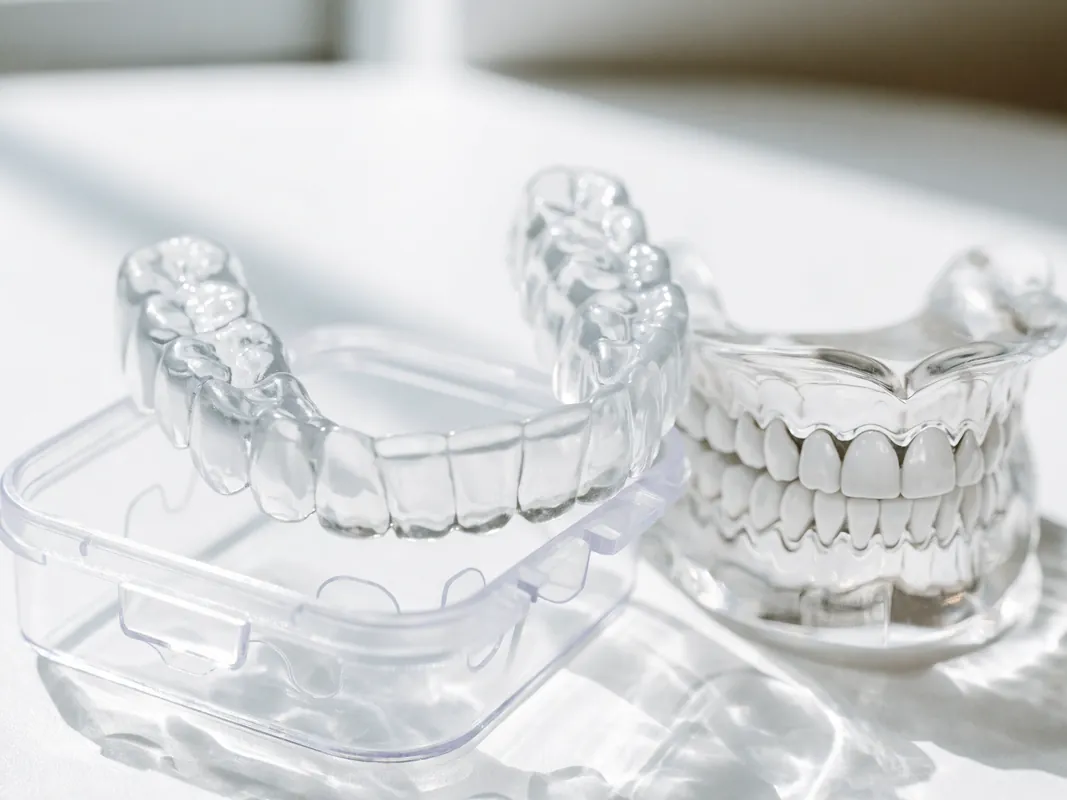
Dental Implants With TMD: Jaw Pain and Function Planning
TMD is a group of jaw-joint, muscle and headache disorders, not one diagnosis. Implant assessment and TMD assessment should remain distinct while clinicians document pain, function, parafunction, restorative needs and a workable local-care plan.

Postpartum Dental Treatment Planning After Pregnancy | WeCare
A detailed, evidence-led guide to planning dental care after pregnancy, including breastfeeding and medicine checks, oral-health assessment, urgent boundaries, informed consent, local aftercare and the option not to travel.
Dental Implants and Blood Thinners: Evidence-Led Planning | WeCare
An evidence-led planning guide for people taking anticoagulant or antiplatelet medicines, covering individual bleeding assessment, clinical ownership, local haemostatic planning, alternatives, records, aftercare and the option not to travel.
Dental Implants After Cancer Treatment: Planning Guide | WeCare
A detailed, evidence-led guide to dental implant decision-making after cancer treatment or during immune compromise, covering oncology coordination, oral and blood considerations, radiotherapy and medicine boundaries, alternatives, consent, local aftercare and the option not to travel.