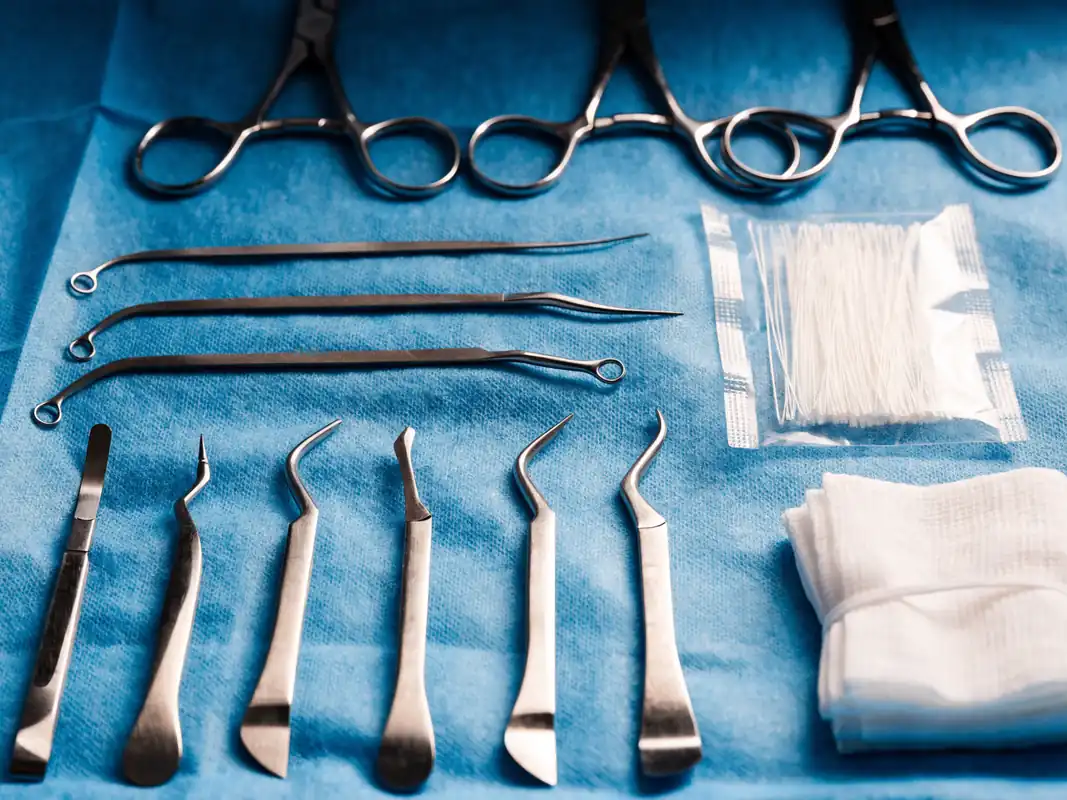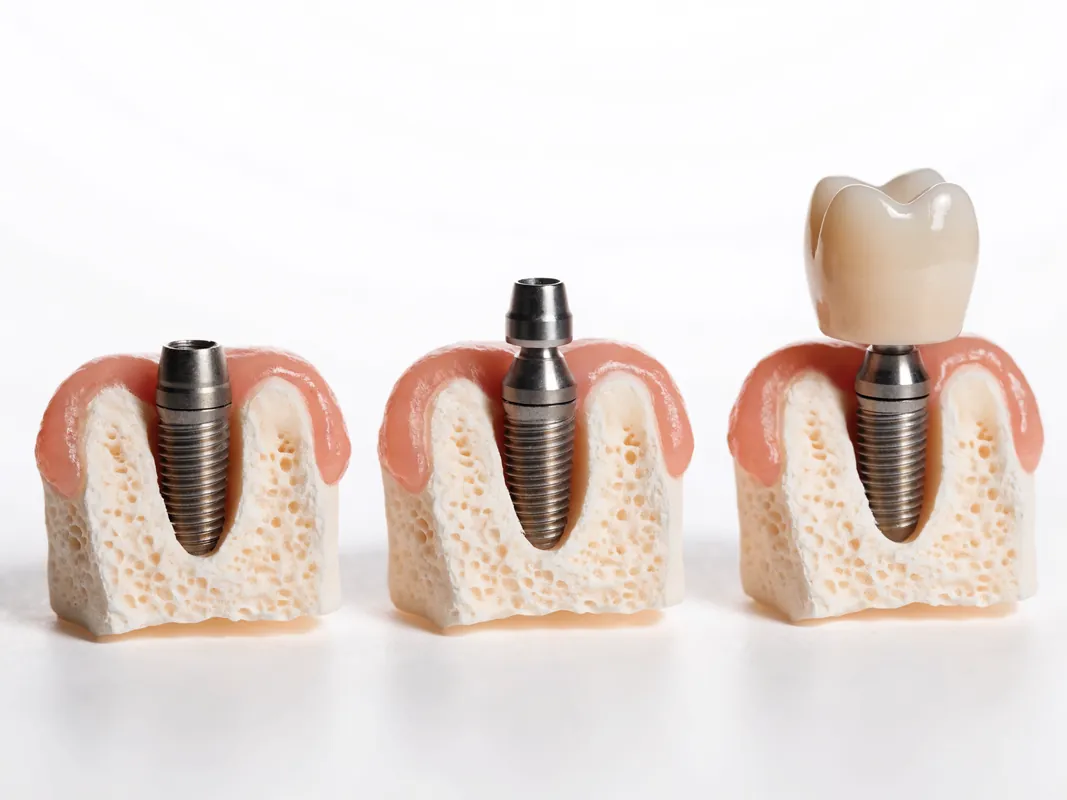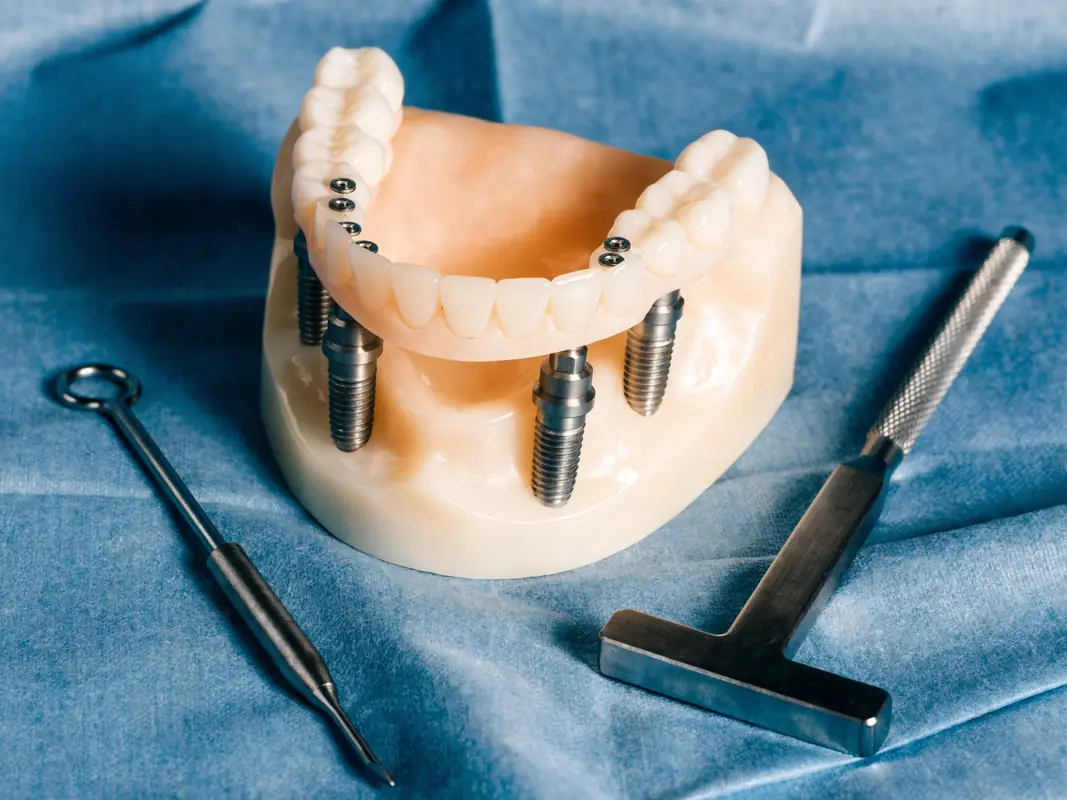
“Hollywood smile” is a marketing label rather than a defined dental procedure. One provider may use it for whitening and bonding; another may propose orthodontics, veneers, crowns, gum treatment or a combination. A fixed tooth count, material or timetable should not be assumed from the label. A responsible plan starts with oral health, diagnosis and the least invasive way to address the features that matter to you.
This guide helps people considering cosmetic dental treatment in Antalya ask for a tooth-by-tooth plan, understand irreversible trade-offs and organise safe travel and aftercare. It does not decide which treatment is suitable. That requires an examination by a licensed dentist who accepts responsibility for the proposed care.
The [NHS dental treatment overview](https://www.nhs.uk/live-well/healthy-teeth-and-gums/dental-treatments/) separates whitening, veneers, crowns, bridges and other treatment categories. The [ADA MouthHealthy veneer guide](https://www.mouthhealthy.org/all-topics-a-z/veneers) explains why veneer treatment needs licensed dental diagnosis and may be irreversible. The [GDC consent standard](https://standards.gdc-uk.org/pages/principle3/principle3) and [patient-record standard](https://standards.gdc-uk.org/pages/principle4/principle4) provide useful questions for UK patients but do not certify a Turkish provider.
This guide does not prescribe a Hollywood smile package, tooth count, shade, material, product, preparation depth, laboratory, appointment count, price, lifespan or travel schedule. The label must be unpacked into real clinical decisions before consent.
Hollywood smile has no standard clinical definition
Ask the provider to replace the label with an exact list of proposed procedures for every tooth and gum area. A plan might contain hygiene care, whitening, orthodontics, composite bonding, veneers, crowns, replacement of old restorations, gum treatment or missing-tooth care. These are not interchangeable.
The same package name can describe additive work on healthy enamel at one provider and extensive crown preparation at another. Comparing package totals without procedure, material and laboratory detail is therefore misleading.
The clinical record, consent and invoice should use the actual treatment names. If the provider cannot explain what Hollywood smile means before payment, the proposal is not ready to compare.
Separate oral health from aesthetic preference
Decay, gum disease, infection, cracks, failing restorations, tooth wear and bite problems are clinical findings. Colour, shape, symmetry and smile style can be preferences. Both may matter, but preference should not disguise untreated disease and disease should not be used to justify unrelated cosmetic work.
Ask the clinician to list necessary care separately from elective changes. The patient should be able to accept health treatment while declining some or all cosmetic treatment without losing access to records or a clear quote.
A healthy variation is not automatically a defect. Record what the patient wants to keep as well as what they want to change.
Map each concern to the smallest relevant option
Surface stain may respond to cleaning. Natural tooth colour may be considered for professional whitening. A chipped edge may need a small repair. Crowding may be addressed by orthodontics. A defective crown may need replacement. A missing tooth has its own replacement decision. One label should not push every concern towards veneers or crowns.
Build a table with the concern, diagnosis, no-treatment option, conservative option and proposed treatment for every tooth. Then compare tissue removal, reversibility, maintenance, repair and cost.
The plan can combine treatments only after their sequence and interaction are understood. More procedures do not automatically create a more complete smile.
Verify the legal provider and every clinical owner
Request the legal facility name, address, named examining dentist, treating clinician for each procedure, laboratory identity and current professional registration. Verify specialist titles with the relevant official register rather than relying on social-media biographies.
A coordinator can organise communication and travel but should not diagnose, prescribe preparations, decide materials or give fitness-to-fly advice. A technician can manufacture from a prescription but should not replace the dentist's clinical responsibility.
If the clinician, facility, procedure, laboratory or material changes after payment, request an updated plan, quote and consent before the next irreversible stage.
Define the Concern Before Choosing a Procedure
Bring specific questions to the consultation. Is the concern colour, tooth position, a chipped edge, spacing, worn surfaces, uneven gum levels, an old restoration or a combination? Photographs can help communicate preferences, but they cannot show decay, gum stability, tooth vitality, enamel available for bonding or how the teeth meet during function.
Aesthetic preferences also need plain language. “Natural,” “bright” and “symmetrical” mean different things to different people. Discuss tooth shape, edge position, surface texture and shade without assuming one preset design is correct. The clinician should distinguish changes that are technically possible from changes that are healthy, maintainable and proportionate to the concern.
Who May Be a Suitable Candidate?
Elective cosmetic treatment is more predictable to plan when teeth and gums are stable, oral hygiene is effective and the bite has been assessed. Untreated decay, gum inflammation, unexplained pain, active infection or unstable tooth wear should be managed before a cosmetic plan. Clenching, grinding, a deep bite, previous trauma, large restorations or root-treated teeth may change the material, design or whether treatment is advisable.
The number of visible teeth varies with lip movement, face shape and the way a person smiles. That does not mean every visible tooth needs a restoration. Ask why each tooth is included and whether untreated teeth can remain harmonious through shade planning or a more limited intervention.
Assessment must be tooth by tooth
A responsible examination considers decay, existing restorations, tooth vitality where relevant, cracks, wear, enamel, dentine exposure, gum support, recession, bite, movement, missing teeth and hygiene. Medical history, medicines, allergies, smoking and previous reactions can also affect planning.
Remote photographs can show broad appearance but not internal condition, every margin, gum stability or functional contacts. A scan records surface geometry but does not diagnose pulp health or disease beneath a restoration. Imaging should be justified by a clinical question rather than added to make a cosmetic package appear advanced.
The written findings should explain why each tooth is treated, left alone, monitored or referred. A fixed visible-tooth count is not an examination.
Existing crowns, fillings and root-treated teeth need a separate map
Natural teeth and restorations respond differently to whitening and preparation. A crown may conceal a core, post, decay or fracture. A large filling changes available bonding substrate. A root-treated tooth can have different structural and colour considerations.
Ask which existing restorations will remain, be repaired or be replaced and why. Removing old work may reveal findings that change the plan, so consent and pricing need a stopping rule and temporary protection.
Do not replace sound restorations solely to make every tooth identical without discussing colour variation, preservation, future maintenance and no-treatment options.
Gum health and smile line are biological, not graphic
Inflammation can change gum shape and make scans or margins unreliable. Recession, tissue thickness, attachment, tooth position and natural asymmetry affect what can be changed safely. Software can draw a perfect arc without showing biological consequences.
Stabilise gum disease and reassess tissue before definitive preparation or manufacture. If gum contouring or grafting is proposed, treat it as separate care with diagnosis, named clinician, risks, alternatives, healing review and updated design.
The final restoration must permit cleaning. Bulky contours or deep margins can create a maintenance problem even when a front-view image looks symmetrical.
Bite, wear and jaw movement belong in the aesthetic plan
Tooth length and position affect contacts during closure, speech and jaw movement. Grinding, clenching, deep bite, edge-to-edge contacts, missing back teeth and existing wear can change material, design and prognosis.
Ask how the clinician records and tests function, not only the still smile. A night guard may be considered in selected cases but cannot make an unsuitable preparation or restoration safe.
Jaw pain or temporomandibular symptoms need their own diagnosis. A cosmetic smile package should not be promoted as treatment for them without a separate evidence-based plan.
Expectations need a language the laboratory can use
Words such as natural, white, feminine, masculine, youthful or symmetrical are subjective and can carry stereotypes. Translate preferences into observable features: edge shape, visible length, texture, translucency, shade range, variation and how much character should remain.
Use reference images only to discuss direction. Another person's teeth, face and bite cannot be copied safely. Ask the patient which features they dislike in highly uniform designs as well as which they prefer.
Record agreed limits. Anatomy, tissue preservation, material thickness, substrate colour and function can override an aesthetic request, and the clinician should explain why.
Compare Conservative Alternatives
A Hollywood smile plan does not have to mean veneers or crowns. Professional cleaning may address surface stain. Whitening may address colour in natural teeth, although existing restorations will not whiten. Orthodontics can move teeth rather than hiding position with restorations. Composite bonding may repair or reshape selected areas and can often be altered more easily. Contouring may be appropriate for limited edge differences. Sometimes monitoring or accepting a healthy variation is the most conservative choice.
Veneers cover the front surface of selected teeth. Crowns surround much more of a tooth and are generally considered when structural restoration is needed, not simply because a wide cosmetic package is being sold. If crowns are proposed for minimally restored teeth, ask why a less invasive option is unsuitable and consider an independent second opinion.
Cleaning and whitening answer different colour problems
Professional cleaning may remove surface stain and reveal the true baseline. Whitening changes colour in natural tooth structure when suitable, but not in crowns, veneers or fillings. A single dark tooth may need diagnosis rather than whole-smile whitening.
Map natural and restored teeth before choosing shade. If whitening is planned, sequence it before definitive restorative shade decisions where appropriate and allow the clinician to reassess the result and sensitivity.
Use the professional whitening guide for product verification, legal-provider, restoration-colour and consent questions. Do not bundle whitening automatically because the package uses the word white.
Orthodontics can reduce restorative masking
Moving crowded, rotated, protruding or spaced teeth may preserve more tissue than disguising position with thick restorations. Orthodontics adds time and retention responsibilities, but speed alone is not a reason for greater tooth removal.
Ask whether alignment could reduce the number of veneers or crowns, improve proportions and create better cleaning and bite. A limited restorative step can still follow orthodontics if needed.
Combined care requires new scans, bite and design after movement. An old digital preview is not valid simply because it looks similar.
Composite bonding can be selective and repairable
Composite may add to chipped edges, close selected spaces or adjust shape. It can often be repaired directly, but may stain, wear, chip or need polishing and replacement. The right comparison includes substrate, bite, size, colour demand and maintenance.
Ask whether the proposal is additive, whether any enamel is altered, which teeth truly need it and how future repairs will match. A trial on one area may reveal preferences before a broader plan.
Composite is not automatically inferior or temporary, and ceramic is not automatically permanent. Each material needs a case-specific reason and record.
Veneers and crowns represent different tissue commitments
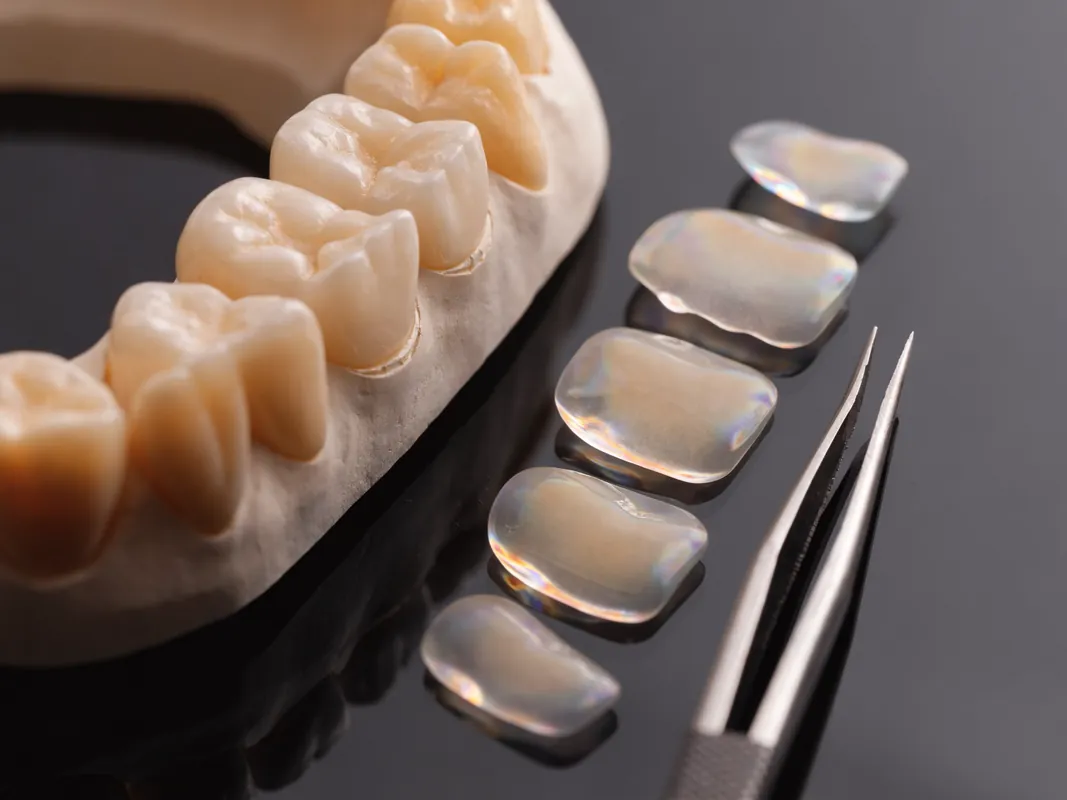
A veneer generally covers the facial surface and may wrap selected edges. A crown surrounds much more of the tooth. Marketing may call crowns full veneers, so ask for a diagram of the preparation on every surface.
Veneers may be considered where a facing is appropriate and sufficient enamel, contour and function support bonding. Crowns may be considered when a tooth needs circumferential structural restoration. Neither should be assigned by visible-tooth package count.
Use the dental veneer guide for tooth-preparation, substrate, laboratory and repair questions. If crowns are proposed, compare the zirconia crown guide without assuming zirconia or a crown is suitable.
Missing teeth are a separate replacement decision
A Hollywood smile label should not conceal extraction or implant treatment. Retaining a restorable tooth, leaving a space, removable replacement, a bridge and an implant-supported restoration have different surgical and maintenance consequences.
If extraction or implants are proposed, request the missing-tooth diagnosis and complete alternative pathway separately. Do not allow a smile design to make a restorable tooth appear expendable.
The dental implant assessment guide explains component traceability, surgical-restorative ownership and local maintenance. Implant care needs its own consent and records.
Tooth Reduction and Long-Term Commitment
Tooth preparation can be irreversible. Veneers may require enamel removal to create space, correct contour or obtain a suitable margin. Crowns require more extensive shaping because they cover the tooth. The amount varies by tooth, position, existing restoration and proposed material; it should not be decided from a promotional photograph or a package template.
Ask the treating dentist to explain expected tooth reduction for every proposed tooth, whether preparation may extend into dentine, how temporary restorations will protect prepared teeth, and what future maintenance is likely. Discuss sensitivity, pulp complications, decay at margins, gum changes, chipping, debonding, fracture and bite-related problems. A restoration may need repair or replacement later, so the decision is a continuing dental commitment rather than a one-off purchase.
No-prep cannot be promised from a selfie
An additive restoration may be possible where position, colour, space, contour, substrate and bite permit it. Adding material to prominent, crowded or dark teeth can create bulk, opacity or difficult margins. The preparation decision belongs after examination and design.
Ask the clinician to distinguish no removal, minor enamel finishing, contact opening, edge preparation, removal of old filling and crown preparation. Every irreversible change should be stated even when the package is advertised as minimal-prep.
The objective is appropriate tissue preservation, not meeting a branded no-prep category. Do not prepay for a guarantee that cannot be verified before assessment.
Map additions and reductions on every tooth
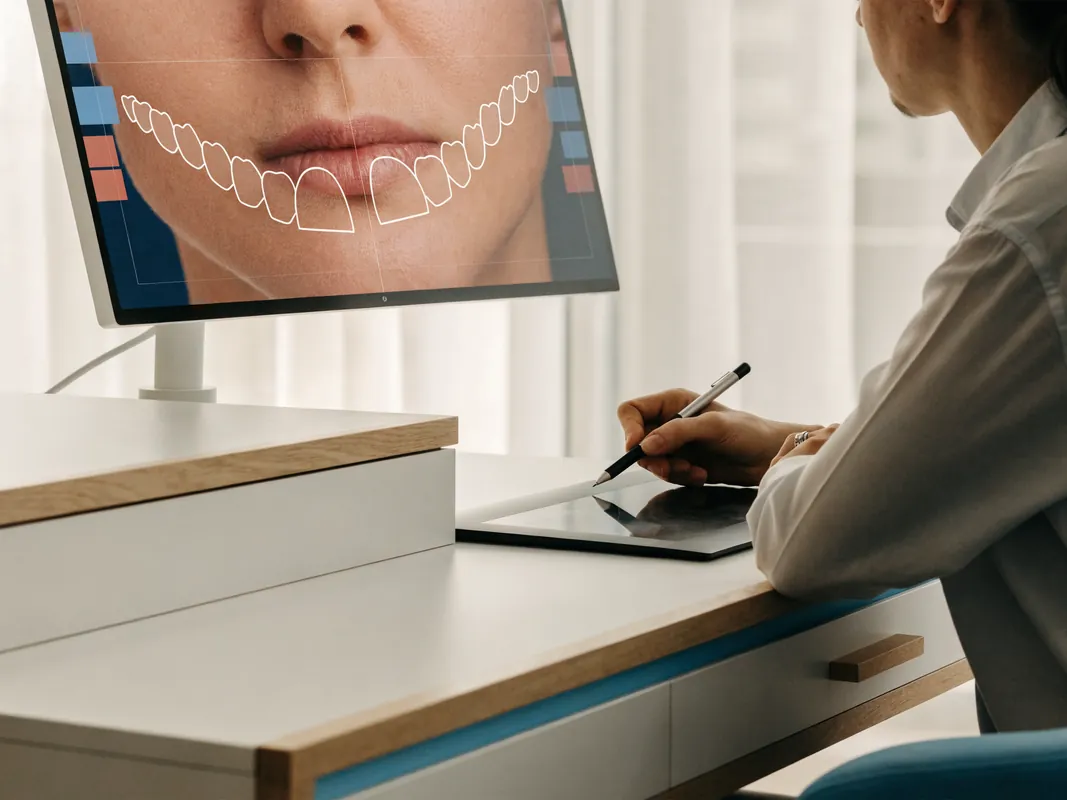
Front-view simulations hide side surfaces, contact areas, margin depth and the amount removed from protruding teeth. Request a design that distinguishes proposed additions from reductions and links them to actual tooth notation.
A preparation guide, wax-up or scan comparison can help communication, but the clinician must verify it in the mouth. Record the baseline, approved design, planned reduction and actual preparation.
If findings require more removal or a crown, stop and renew consent. A patient should not discover after preparation that the treatment category and future maintenance have changed.
Pulp, sensitivity and structural risk need a plan
Preparation can expose dentine and may contribute to sensitivity. Deep existing restorations, cracks, trauma or prior symptoms can increase uncertainty about the pulp. Crowns generally involve greater reduction than veneers.
Record baseline symptoms and relevant vitality findings. Explain what protection, temporary restoration and review are planned and what happens if pain or pulp disease develops before final bonding.
Root canal treatment should follow diagnosis, not appear as an accepted cosmetic side effect or routine package contingency. If a tooth becomes structurally unsuitable, reassess restoration or extraction alternatives.
Shade, Design and Material Verification
Planning tools can include photographs, scans, wax-ups, trial shapes or digital simulations. They can improve communication, but a screen image is not a guaranteed preview of texture, translucency, gum response or the final appearance in every light. Ask which planning tools are actually available for your case, what they cost, when you can request changes and what happens if the proposed shape affects speech or bite.
For any veneer, crown or bonding plan, request the material category and exact product in the final written quote. Verify the manufacturer, shade system, traceability record, fabrication route and the responsible laboratory or technician rather than assuming them from website copy. If a named brand is discussed, treat it as an option that still requires clinical selection and written confirmation. Also ask how untreated teeth and existing restorations affect the shade plan.
Digital design is a discussion, not the treatment
Photographs can show facial context and visible colour. Intraoral scans record selected surface geometry. A digital wax-up models a proposal. Video can show speech and movement. None alone diagnoses disease or proves the final material, tissue response or function.
Use the digital smile planning guide to ask about source quality, file alignment, version control, ownership and privacy. Each design should be dated, identify its author and state whether it is illustrative, a laboratory prescription or a manufacturing file.
A preview should not make every tooth appear to require treatment. Keep untreated teeth visible in the decision and show the patient what no treatment or a smaller plan would look like.
Mock-up and provisional stages have different roles
An additive mock-up can test broad visible length, proportion, speech and lip support without representing final colour, fit or material. Provisional restorations protect prepared teeth and can provide further information about contour, bite, hygiene and comfort.
Ask whether the mock-up alters tooth structure, which version it represents and how feedback is recorded. For provisionals, obtain eating, cleaning, repair and review instructions. Do not remain in an unreviewed temporary stage indefinitely.
Changes during either stage should update the design and final prescription. A rushed laboratory schedule is not a reason to copy an uncomfortable or uncleanable provisional.
Shade is more than a white number
Natural teeth, root-treated teeth, fillings, crowns and substrates reflect light differently. Hydration, camera settings, displays and surrounding colours affect perception. Record shade under controlled conditions and give the laboratory information about substrate, opacity, translucency, texture and character.
The patient can choose variation and a less uniform design. Very bright or opaque material may require different thickness or preparation and can be harder to match later.
Agree when shade is final, how requested changes are handled and whether whitening is complete. A filtered photograph is not shade evidence.
Exact material and laboratory identity belong in the case record
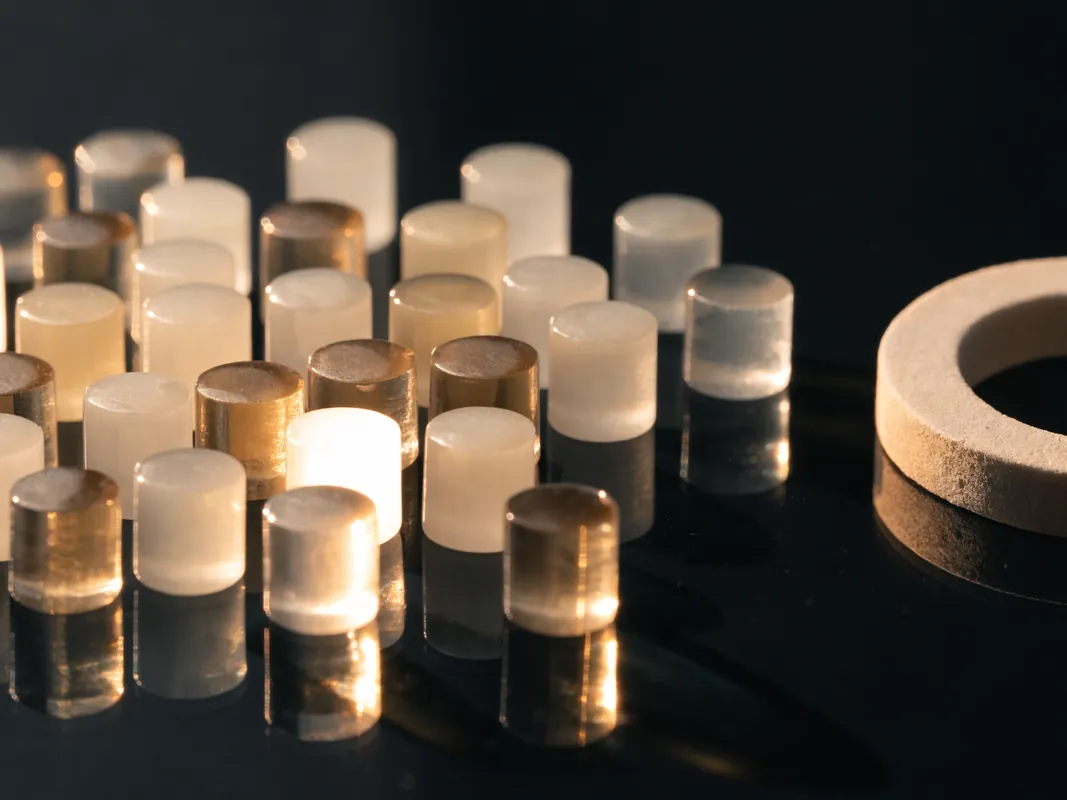
Ceramic, zirconia, porcelain and composite are broad categories. Request the exact manufacturer and product, material indication, laboratory legal identity and case-specific prescription. Website brand lists are not inventory or proof of use.
The prescription should identify teeth, design version, substrate, material, shade, margin, contacts, bite, surface character and any special instructions. If material or laboratory changes, the clinician should explain clinical and maintenance differences and renew consent.
After delivery, obtain the available conformity or traceability record, final invoice and tooth-by-tooth material record. A laboratory logo alone is not adequate handover.
Try-in and final consent need unhurried time
Before irreversible bonding or cementation, assess fit, margins, contacts, contour, shade direction, symmetry, speech, cleanability and bite within the limits of the try-in. Ask what can still be changed and what would require remake.
The patient should inspect the result in ordinary expressions and light, not only a close ring-light photograph. A departure date or final payment should not force acceptance of a material, shade or shape that differs from the agreed plan.
Renew consent before delivery. Once bonded or cemented, removal can damage the restoration or tooth and can require further treatment.

Bonding and cementation need exact protocols
The tooth substrate, restoration material, surface treatment, isolation, adhesive or cement and manufacturer instructions must align. A product name or ultraviolet lamp photograph does not prove correct use.
Ask how moisture and contamination are controlled and how excess cement or bonding material is removed. Final checks should include margins, contacts, bite and surface polish.
The clinical record should identify materials actually used and relevant adjustments. Future repair depends on knowing what was bonded and how.
What the Written Treatment Plan Should Include
A useful written treatment plan identifies the legal provider, named treating dentist, findings, diagnosis, relevant images or tests, objectives, alternatives and the reason each tooth is included. It should describe likely tooth reduction, material category, provisional restorations, clinical stages, important risks, aftercare route and which parts remain provisional until the in-person examination.
The written quote should itemise fees and state what is included and excluded. Separate treatment from imaging, medication, temporary work, laboratory revisions, guards, translation, accommodation and transport. Ask about deposit and cancellation terms, possible additional treatment, payment currency and what happens if the clinical examination changes the scope. Any warranty or remedial arrangement exists only as written by the named provider or manufacturer; read the covered item, conditions, exclusions, evidence required and who pays for travel or further care.
Compare quotations tooth by tooth
List every tooth and actual procedure: cleaning, whitening, bonding, veneer, crown, replacement, gum treatment, provisional, laboratory and review. Two Hollywood smile totals may represent radically different tissue removal and maintenance.
Separate confirmed scope from allowances that depend on examination, old-restoration removal or tissue response. State currency, payment stages, cancellation and refund rules, remake policy, additional-treatment terms and cost if the patient stops after preparation.
Clinical, laboratory and travel items should remain identifiable. A bundled total should not hide who supplies each service or make optional cosmetic work seem necessary.
Consent is renewed at several gates
Remote screening is not final consent. Separate agreement for records, simulation, mock-up, preparation, provisionals, final material, bonding, gum procedure, implant surgery and marketing images where applicable.
Renew consent when tooth count, procedure, preparation, material, shade, laboratory, clinician, cost or schedule changes. The patient needs an opportunity to pause before healthy tissue is removed and before the definitive restorations are fixed.
Agree stopping rules and temporary protection if a tooth proves unsuitable, the patient dislikes the provisional, or the laboratory cannot supply the agreed design. Deposits and flights cannot replace voluntary consent.
Warranty wording must identify a remedy
Ask who issues the policy, which clinical or material item is covered, duration, exclusions, maintenance requirements, evidence, reporting deadline and actual remedy. Repair, replacement, clinical time, laboratory, travel and local care may be treated separately.
A manufacturer product term is not an outcome guarantee and may not cover a provider's labour. A clinic remedial policy is not the same as legal rights or professional responsibility.
Keep the full terms with the invoice. Lifetime or permanent language without a remedy map is not useful evidence.
Clinical images and marketing consent are separate
Photographs, scans, video and medical histories can be health information. Ask the legal data controller, purpose, recipients, international transfer, retention, security and access route before uploading records.
Diagnostic photography does not automatically authorise social-media use. Marketing permission should identify exact images and platforms, be voluntary and explain future withdrawal. Refusal should not change necessary care or the agreed clinical price.
Preserve unedited clinical records and label simulations. A filtered before-and-after image should not become the only evidence of tooth condition or treatment.
Treatment Stages the Provider Must Confirm
A case may move through remote screening, in-person examination, diagnostic records, health stabilisation, design discussion, preparation where indicated, impressions or scans, temporary restorations, fabrication, try-in, fitting and review. Whitening or orthodontics, when appropriate, may need to happen before the final restorative shade and shape are selected. Gum treatment or a bite problem can also change the sequence.
Ask the provider to confirm the stages and schedule in writing for your case. Laboratory work, clinical findings and requested changes can affect timing. Allow an appointment after fitting so margins, comfort, speech and bite can be reviewed. A departure date should not force acceptance of work that still needs assessment or adjustment.
Clinical gates matter more than day numbers
Oral-health stabilisation, whitening, orthodontics, gum healing, preparation, provisional review, laboratory manufacture, try-in, remake, bonding and post-fit review are separate gates. Not every case needs each one, and not every gate is ready on a fixed day.
Ask what evidence allows progression and what finding requires delay, redesign or stopping. A package marketed for several days cannot make gums healthy, laboratory work acceptable or a patient fit to fly.
Keep tickets and accommodation flexible. For a compressed itinerary, compare a planning visit or staged approach with the risks of forcing irreversible care.
Remake and adjustment are not the same
Minor contact, bite or surface adjustments may be possible clinically. Wrong material, major shade difference, poor fit, incorrect contour or unacceptable design may require laboratory remake. Excessive adjustment can change strength, texture or appearance.
Ask which acceptance criteria are checked, who authorises a remake, what temporary protection is maintained and who pays additional clinical, laboratory and travel costs. The patient should not be pressured to accept a materially different restoration because a flight is approaching.
Document every change from the prescription and the final approval before bonding or cementation.
One clinician must coordinate the whole plan
When whitening, orthodontics, gum care, surgery and restorative dentistry involve different people, name the clinical coordinator and responsibility at each handoff. The person coordinating sales or transport is not automatically the clinical owner.
The final restorative clinician needs current health, bite, tissue and design records. A procedure completed elsewhere may change the original plan and require renewed diagnosis.
If a clinician or laboratory becomes unavailable, the patient should know how records, temporary care, refunds and transfer to another qualified provider are handled.
Travel Planning for Cosmetic Dentistry in Antalya
Verify the clinic’s legal identity, treatment address, responsible clinician, professional registration, emergency contact and record-release process before paying. Share your medical history, medicines, allergies, dental history and available radiographs honestly. Remote comments based on photographs are provisional and may change after examination.
Do not book non-refundable flights or accommodation until the provider confirms the expected schedule and explains what could extend it. Budget for treatment, travel, lodging, local transport, meals, insurance, an extended stay and a possible future visit as separate items unless the written quote explicitly says otherwise. Tell your insurer about planned treatment and check whether dental complications or changes to travel are excluded.
Plan how you will obtain care after returning home. Ask whether your local dentist is willing to review the work and what records they will need. Clarify how the overseas provider handles questions, which symptoms can be assessed remotely, who makes decisions in an emergency and how an in-person review would be arranged.
Clinical and travel providers may be different companies
Identify the clinic, facilitator, hotel and transport provider as separate legal entities where applicable. Record who receives each payment, the cancellation terms, complaint route and insurance. A transfer company does not become responsible for preparation depth or laboratory quality.
Clinical consent and record access should not depend on accepting a travel package. If accommodation changes, the clinical provider must still supply the agreed treatment, aftercare and records or explain the contract consequences.
Use the dental treatment timeline guide to map clinical stages without assigning a universal itinerary. Travel arrangements should serve the clinical plan, not control it.
Local aftercare needs prior agreement
Ask a dentist near home whether they are willing and equipped to review unfamiliar overseas materials and restorations. They may need a new examination and are not automatically responsible for remedial work.
Provide diagnosis, tooth-by-tooth procedure, preparation, material, laboratory, bonding or cement, bite, images and aftercare. Ask how the overseas clinician answers clinical questions and releases files securely.
The returning home after dental tourism guide offers a detailed handover checklist. Arrange that route before teeth are prepared.
Fitness to travel is case specific
Procedure extent, anaesthesia or sedation, pain, swelling, provisional stability, bite and complications can affect a journey. A web page or coordinator cannot clear an individual to fly.
Leave time for post-fit review and an unexpected remake. Do not plan an immediate airport journey after sedation or unresolved symptoms.
If the plan changes, ask the responsible clinician whether to delay travel and obtain written records for any local assessment. Travel insurance exclusions should be checked before treatment.
Aftercare and Maintenance
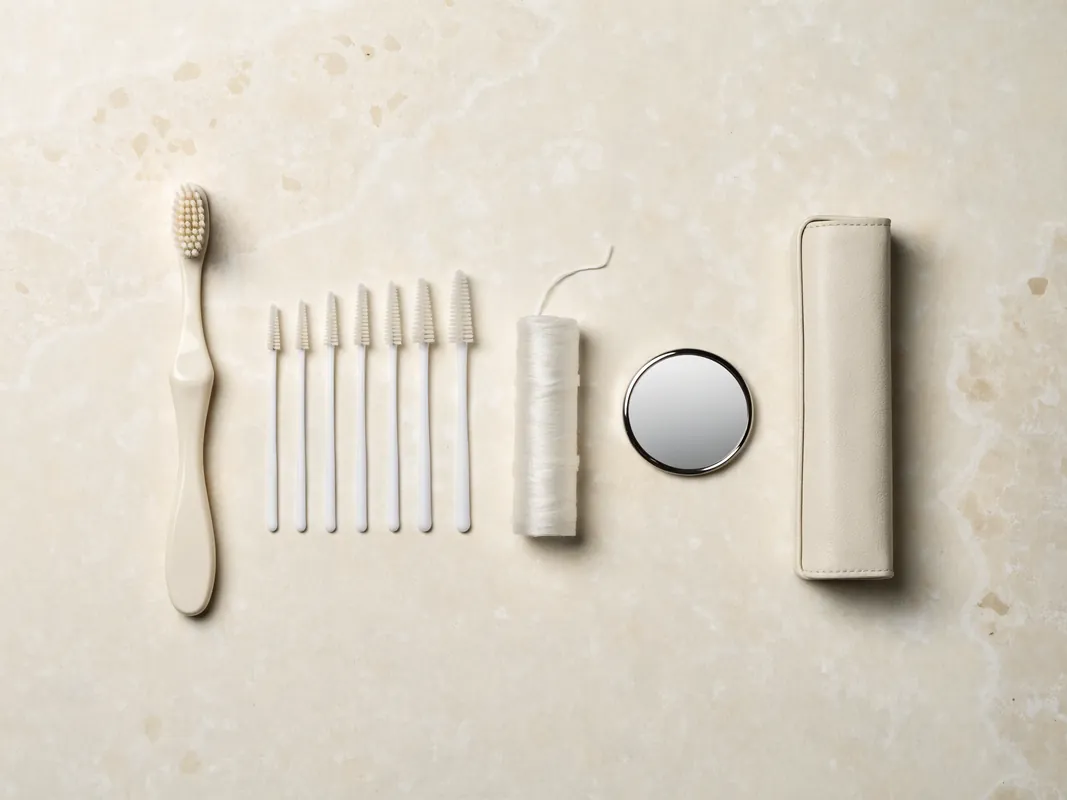
Care depends on the procedures performed. General measures include brushing with fluoride toothpaste, cleaning between teeth, attending appropriate dental examinations and following the written advice from the treating clinician. Avoid using restored teeth as tools or biting objects likely to damage them. If clenching or grinding is diagnosed, ask whether a custom guard is indicated and who will check its fit.
Seek dental assessment for persistent pain, swelling, bleeding, a restoration that feels loose, a fracture, a sharp edge or a bite that remains uncomfortable. Cosmetic restorations do not protect a tooth from future decay or gum disease. Maintenance, repairs and replacement should be considered in the long-term budget and plan.
Biological and mechanical problems need different diagnoses
Biological concerns can include sensitivity, pulp disease, decay, gum inflammation, recession or infection. Mechanical concerns can include debonding, chipping, fracture, wear, loose components or a high bite. Symptoms may overlap, so a photograph alone is not enough.
Ask which tooth and restoration are affected, what changed and whether local examination or imaging is needed. Do not repeatedly rebond or adjust without considering the cause.
Every repair should update the material and tooth record. A changed procedure or crown conversion needs renewed consent and an itemised quote.
Cosmetic restorations create future replacement cycles
Whitening may need future reassessment, composite may need polishing or repair, and veneers or crowns may need repair or replacement. Tooth and gum conditions can also change independently. No single lifespan applies to every material or patient.
Replacement can remove additional tissue or reveal decay and cracks. Ask how the design can be repaired and removed, what parts are retrievable and what more extensive restoration might be needed if the substrate changes.
Include future local maintenance, laboratory and travel in the decision. A low initial total can create a high long-term service burden.
Cleaning access is a design requirement
Patients should be able to brush margins and clean between teeth or under any bridge. Overcontoured, joined or deep-margin restorations may complicate hygiene. Ask for a demonstration before final delivery.
Persistent bleeding, swelling, bad taste or food trapping needs assessment. Polishing alone may not correct an uncleanable contact, defective margin or disease.
Review intervals should reflect individual decay, gum, smoking, medical and restoration risk rather than a package calendar.
Urgent symptoms need local care
Facial swelling, fever, trauma, uncontrolled bleeding, severe or worsening pain, difficulty swallowing or breathing, or a serious medicine reaction needs prompt local clinical advice. Do not wait for an international coordinator to answer.
A loose temporary or definitive restoration, sharp edge or high bite should also be assessed promptly to protect the tooth and surrounding tissues. Do not use household adhesive or file a restoration yourself.
Inform the overseas provider and share the local record afterwards, but emergency access and patient safety come first.
Records to Take Home
Request the final plan, consent form, itemised invoice and receipt, tooth-by-tooth treatment record, copies of relevant radiographs or scans, material and shade details, laboratory prescription where available, medication record, aftercare instructions and emergency contact. Keep any written remedial terms with these records. Good documentation supports continuity if another dentist needs to assess or maintain the work.
Records should match the actual procedure
Keep the baseline concerns, clinical findings, vitality and bite records where relevant, authorised photographs and scans, design versions, mock-up feedback, tooth-by-tooth preparation, provisional stages and every plan change.
The final record should name which teeth received whitening, bonding, veneers, crowns, gum care, implants or other work. Include exact material, shade, laboratory prescription and legal identity, bonding or cement materials, bite adjustments, invoices and traceability evidence where available.
If the invoice says Hollywood smile but the clinical record does not identify actual treatment, request correction before departure. Future dentists need procedures and materials, not the package label.
Questions to Ask Before You Commit
- What diagnosis supports treatment on each tooth?
- Which alternatives preserve more healthy tooth structure?
- What tooth reduction is expected, and is it reversible?
- Who is the named treating dentist and how can registration be checked?
- Which material and shade will appear in the final written quote?
- Which treatment stages and travel dates are confirmed, and what could change them?
- What is excluded from the quote?
- How will aftercare, records and possible complications be managed at home?
You can send existing records and photographs to start a discussion, but use the response to prepare questions rather than to assume a final diagnosis. Commit only after the responsible clinician, alternatives, risks, written plan, quote, travel schedule and aftercare route are clear.
Red flags in a Hollywood smile offer
Pause when an offer relies on:
- one fixed tooth count from selfies;
- no separation of health needs and preferences;
- every visible tooth assigned a veneer or crown;
- crowns called full veneers;
- no whitening, orthodontic, bonding or no-treatment alternatives;
- no-prep promised before examination;
- reduction hidden by a front-view simulation;
- a technician or coordinator making clinical decisions;
- no named dentist, facility or verifiable registration;
- a generic ceramic label without exact material and laboratory;
- a digital preview presented as a promised final outcome;
- no mock-up, provisional, try-in or remake route;
- bonding rushed for a flight;
- one clinical and travel total without separate suppliers;
- no local urgent-care, repair or record pathway.
Resolve important gaps before payment or preparation. Multiple unresolved gaps justify an independent opinion or a different provider.
Hollywood smile decision worksheet
| Decision | Evidence to request |
|---|---|
| Patient objective | Specific concern and features to preserve |
| Health needs | Decay, gums, vitality, cracks, wear and existing work |
| Alternatives | No treatment, cleaning, whitening, orthodontics and bonding |
| Tooth scope | Actual procedure and reason for every tooth |
| Clinical owner | Named examining and treating clinicians and registrations |
| Design | Source records, version, simulation limits and mock-up feedback |
| Tissue | Additions and reductions on every surface |
| Material | Exact manufacturer, product, shade and substrate plan |
| Laboratory | Legal identity, prescription and traceability record |
| Stages | Health control, preparation, provisionals, try-in and review |
| Consent | Separate irreversible gates and change discussions |
| Quote | Tooth-by-tooth clinical, laboratory and travel separation |
| Handover | Treatment, materials, images, bite and aftercare records |
| Maintenance | Cleaning, local review, repair and replacement pathway |
Preserve recognisable features and patient ownership
Cosmetic planning should begin by asking which natural features the patient wants to keep: tooth character, small asymmetries, edge shape, warmth of colour, smile width or facial expression. A generic library shape can make different people look similar while ignoring the patient's own priorities. “Hollywood” is not a clinical instruction to erase every variation.
Record preferences separately from the clinician's diagnosis and laboratory prescription. The patient may choose a conservative result, decline treatment on some teeth or stop after whitening or alignment. A coordinator's idea of a marketable before-and-after image should not determine tooth count, shade or preparation. If the chosen appearance would require more tissue removal, explain that trade-off and offer a less invasive version before consent.
Patient ownership also means enough time to see, question and reject a proposal without losing access to records. Approval of a broad shape does not authorise gum surgery, crowns, root-canal treatment or publication of photographs. Each decision needs its own named clinical owner and consent gate.
Keep proposal, quotation and delivery versions aligned
Link the tooth chart, digital design, mock-up, treatment plan and itemised quote with dates or version identifiers. When a tooth, procedure, preparation, material, laboratory, provisional stage or travel requirement changes, update every affected document. Otherwise the patient may approve one preview, pay for another scope and receive a third restoration.
Retain superseded versions so changes can be reconstructed. The final handover should state what was actually prepared, whitened, bonded, crowned, implanted or left untreated and should match the invoice and laboratory record. A package name or final photograph cannot replace that alignment.
Ask what happens when the laboratory cannot reproduce the approved contour, a tooth proves less restorable, the gums change, the bite is unsuitable or the patient dislikes a provisional. A credible plan pauses, explains alternatives and renews consent rather than silently substituting more extensive treatment to protect the original timetable.
Sources and evidence limits
This guide uses the [NHS dental treatment overview](https://www.nhs.uk/live-well/healthy-teeth-and-gums/dental-treatments/), [NHS teeth whitening guidance](https://www.nhs.uk/tests-and-treatments/teeth-whitening/), [ADA MouthHealthy veneer guide](https://www.mouthhealthy.org/all-topics-a-z/veneers), [GDC consent standard](https://standards.gdc-uk.org/pages/principle3/principle3), [GDC patient-record standard](https://standards.gdc-uk.org/pages/principle4/principle4) and [GDC consent FAQ](https://standards.gdc-uk.org/pages/principle3/faq).
These sources explain general treatment, consent and record questions in their jurisdictions. They do not define Hollywood smile, diagnose a patient, certify a Turkish provider, choose a material or predict appearance, comfort, lifespan or completion time. Verify current professional registration, exact materials, laboratory, instructions and applicable law.
Final decision rule
Reject the package label until it becomes a tooth-by-tooth diagnosis, conservative-alternative comparison, tissue-preservation map, exact material and laboratory plan, staged consent, itemised quote, local aftercare route and complete record. A faster itinerary, brighter simulation or larger tooth count does not establish better or safer care.