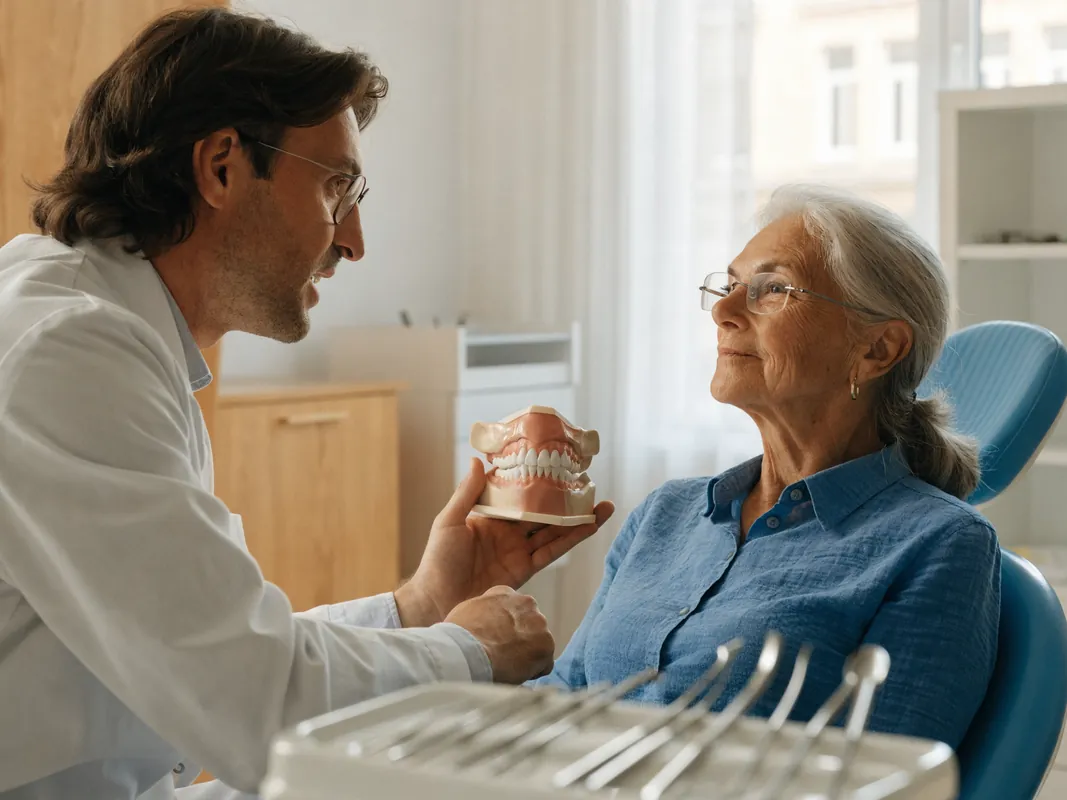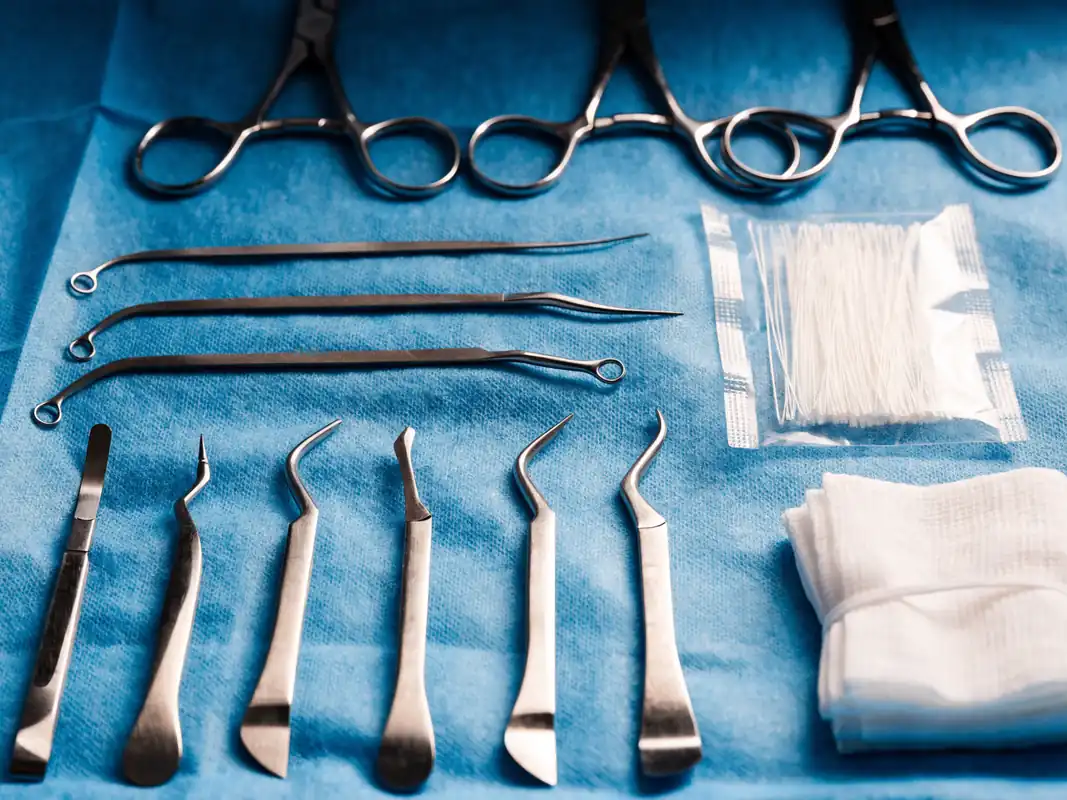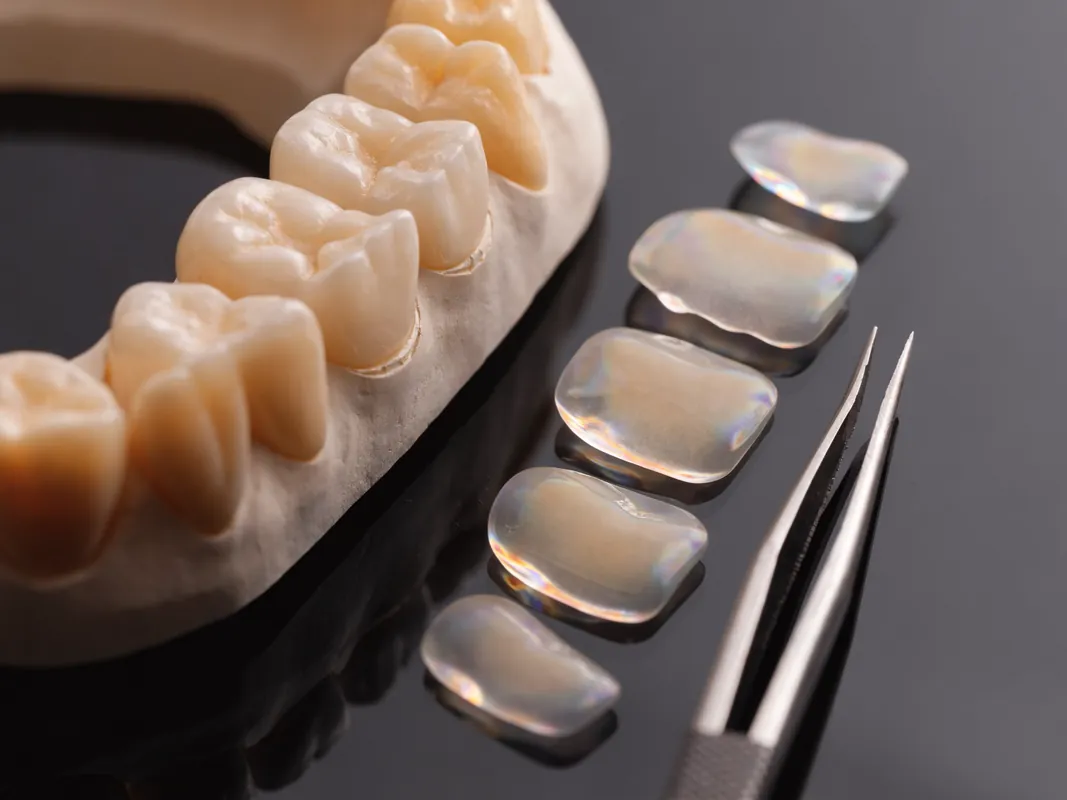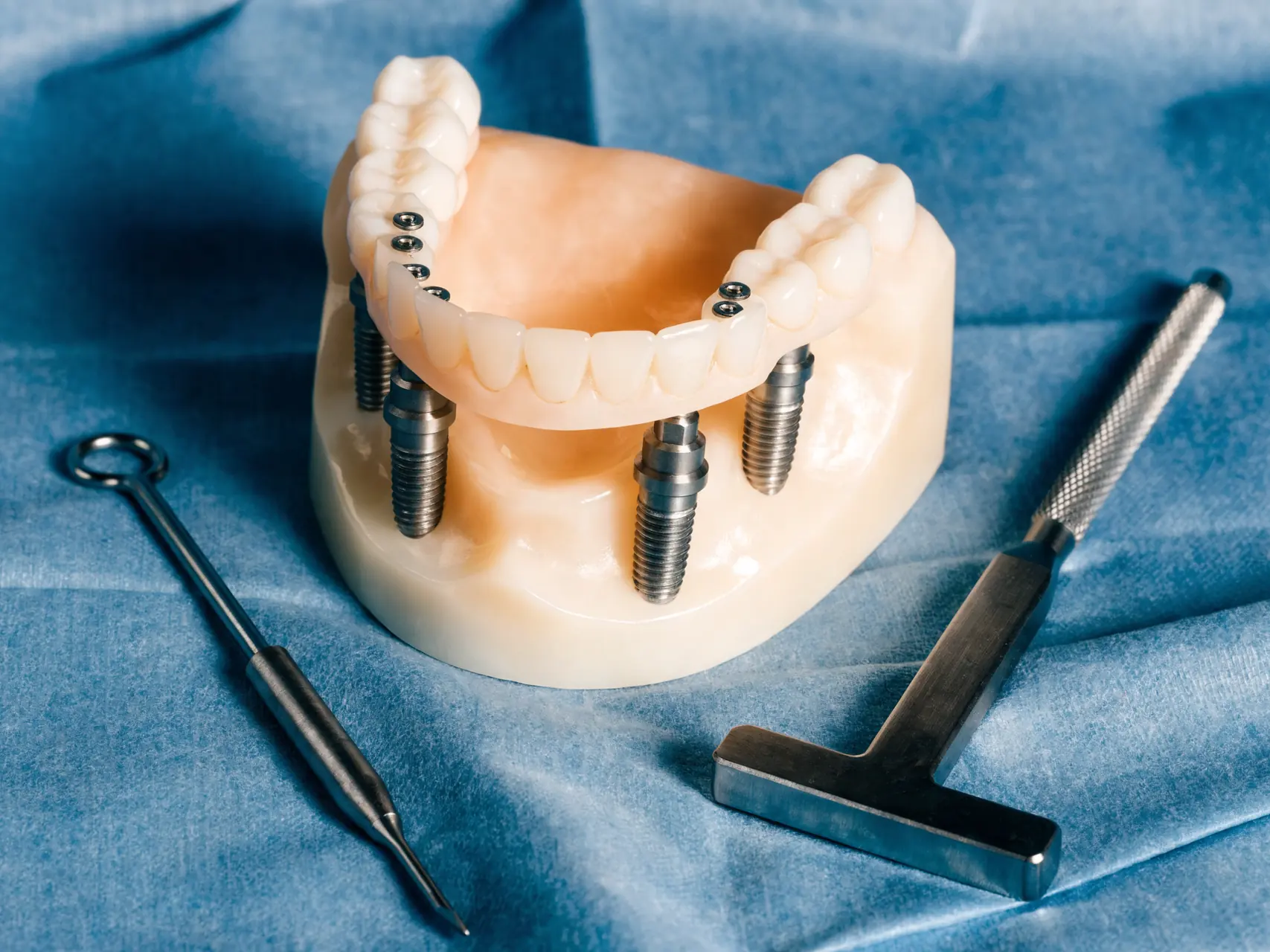
All-on-4® describes one way of supporting a fixed full-arch dental restoration with implants. It can be relevant when most or all teeth in one jaw are missing, cannot predictably be retained, or when a removable denture no longer meets a person's functional needs. It is not a universal package. The label does not prove that four implants are the right design for a particular jaw, that grafting can be avoided, that a fixed provisional bridge can be connected immediately, or that the definitive bridge can be completed during one visit.
This independent planning guide is for people comparing All-on-4 implants in Turkey or Antalya. It explains the clinical questions, records, device details, restorative decisions, travel boundaries and aftercare arrangements that should be resolved before irreversible treatment. It does not identify a treating facility, clinician, implant system, laboratory, package, price or likely outcome. Photographs, a panoramic image or a remote conversation may help a team prepare, but they are not a final diagnosis. A definitive recommendation requires an appropriately qualified dentist to examine the mouth, assess each remaining tooth, review relevant health information, obtain suitable imaging and accept responsibility for the treatment plan.
What All-on-4 means
The concept usually refers to a complete fixed bridge for one upper or lower arch supported by four implants. Posterior implants may be angled to use available bone and improve the front-to-back distribution of support. The name describes a treatment concept, not a complete prescription. Implant positions, dimensions, connections, abutments, bridge extension, materials, tooth arrangement and cleaning contours still have to be designed around the person's anatomy, bite and restorative space.
All-on-4® is associated with a trade name, while clinicians and patients also use the words more broadly for a four-implant full-arch approach. Ask the proposal to state exactly what is being offered rather than relying on the label. A generic phrase on a sales page cannot reveal whether the plan is for one arch or two, whether teeth will be removed, whether the initial restoration is fixed or removable, which parts are used, or what happens if four implants are not clinically appropriate.
A protocol name is not a diagnosis
A full-arch treatment decision begins with a diagnosis, not a product count. The dentist should document why the existing teeth are missing, failing or unsuitable to retain, whether disease is active, and which alternatives could reasonably meet the patient's priorities. That evidence matters because extracting a tooth is irreversible and because a fixed implant bridge creates lifelong hygiene, component and maintenance obligations.
An online quotation based only on age and a photograph cannot establish bone anatomy, periodontal stability, restorative space, jaw relationship, parafunction or implant stability. A responsible proposal marks assumptions clearly and explains which parts can change after examination. If every enquiry receives the same implant number, material, visit schedule and package before assessment, the proposal is describing inventory rather than an individual clinical plan.
Who needs a full-arch assessment
People exploring this treatment may have a completely edentulous arch, a failing removable denture, advanced tooth loss, extensive decay, fractures, severe periodontal destruction or a mixture of missing and compromised teeth. These situations are not interchangeable. Each produces different extraction, infection-control, tissue, bone, bite and provisional-restoration questions. The reason for tooth loss also influences future implant maintenance.
A full-arch assessment should combine the medical and dental history, medication review, a clinical examination, periodontal charting where relevant, imaging, bite and jaw records, photographs, functional needs, appearance priorities and an honest discussion of cleaning ability. The report should distinguish confirmed findings from provisional interpretations and identify who will reassess them before consent and surgery.
Diagnose each arch separately
The upper and lower jaws differ in bone, anatomy, smile display, tongue space, forces and restorative constraints. Even when both arches are being considered, each needs a separate diagnosis, implant distribution, loading decision and fallback plan. Four implants that appear possible in one jaw do not prove that the same number, positions or timing are appropriate in the other.
Ask for an arch-by-arch table covering teeth to retain or remove, infection, bone and soft-tissue findings, important anatomical structures, implant positions, provisional design, definitive design, cleaning route and contingency. If both jaws will be restored, the plan must also explain how their bite, vertical relationship and tooth arrangement are coordinated. The upper and lower full-arch planning guide provides a separate comparison framework.
Retainable teeth deserve a written prognosis
A treatment plan should not describe all remaining teeth as hopeless without showing the diagnosis behind that conclusion. Ask for a tooth-by-tooth prognosis and the findings that support it: periodontal attachment and mobility, restorability, root fracture, decay, infection, strategic value, symptoms and the patient's ability to maintain the tooth. A second opinion can be especially important when many teeth are proposed for extraction.
Retention is not always the least complex choice, and extraction is not always wrong. The decision is a balance of biological prognosis, function, maintenance, cost, risk and patient preference. The key safeguard is an auditable explanation of the options before teeth are removed, not a promise that natural teeth must be saved at any cost or that replacement is automatically more predictable.
Alternatives to compare before consent
Reasonable alternatives may include treating disease and retaining selected teeth, a conventional complete or partial denture, an implant-retained removable overdenture, a tooth-and-implant plan, a fixed bridge supported by a different number or distribution of implants, staged bone augmentation, or no active replacement for the moment. Different arches may justify different choices.
Compare alternatives by more than initial appearance. Ask about surgery, adaptation, speech, chewing, lip support, cleaning, removability, repair, future relining, component access, professional maintenance and what happens if support is lost. A removable option may be easier to clean or repair for some patients; a fixed bridge may feel more stable but demands access beneath it. A good consent conversation makes these trade-offs visible without presenting one design as universally superior.
Define the patient's goals in practical terms
"I want fixed teeth" is a starting point, not a complete design brief. The team should ask what foods the patient hopes to manage, which current problems matter most, how much tooth and gum display is acceptable, whether lip support from a denture flange is important, how speech currently feels, and what daily cleaning the patient can realistically perform.
Goals may conflict. Reducing a bulky flange can affect lip support; extending a bridge can affect forces; hiding a transition line can require restorative space; a highly characterised surface may be harder to repair locally. Ask the clinician and laboratory to translate preferences into measurable design decisions and to explain which expectations cannot safely be met. Consent is stronger when priorities and limitations are recorded before surgery.
Medical history can change surgery and loading
Implant planning should include relevant diagnoses, previous operations, allergies or adverse reactions, healing history and current medical care. Diabetes control, cardiovascular or respiratory disease, immune conditions, bleeding risk, osteoporosis treatment, cancer therapies, sleep-related breathing disorders and other factors can affect investigations, timing, anaesthesia, healing or whether treatment should proceed.
This does not mean a diagnosis automatically excludes implants. It means the responsible clinician must assess the person rather than accept a checklist answer from a salesperson. Where information or medical coordination is needed, the plan should state who will obtain it and what finding would postpone or change treatment. Patients should not stop prescribed medicine or alter disease management for dental travel without instruction from the relevant prescriber and dental team.
Medicines and supplements need reconciliation
Provide a complete current list that includes prescribed medicines, over-the-counter products, injections, inhalers and supplements, plus dose and reason where known. Anticoagulants, antiplatelet medicines, drugs affecting bone metabolism, steroids, immunomodulators and medicines influencing sedation or healing may require additional assessment. Previous medicines can matter even when they are no longer taken.
A written plan should separate medication advice from generic travel instructions. It should identify which clinician has reviewed bleeding, infection, bone and interaction risks; whether the prescriber must be consulted; and what the patient should do if a dose is missed or vomiting prevents normal use. A package coordinator should not direct medication changes. Record allergies separately from expected side effects and ask how emergency information will be available to the treating team.
Smoking, vaping and alcohol are clinical variables
Smoking can impair healing and is associated with implant complications. Vaping and nicotine exposure should also be disclosed because products and patterns vary. Alcohol use can interact with medicines, postoperative behaviour, nutrition and recovery. The useful conversation is not a moral judgement; it is a specific risk assessment and support plan.
Ask what cessation or reduction advice applies, how adherence will be reviewed, and whether the loading or surgical plan changes if smoking continues. Do not accept a promise that a particular implant surface cancels the risk. The implant planning guide for smokers can help organise questions, but the individual decision remains with the responsible clinicians.
Periodontal stability comes before a maintenance claim
Previous or active periodontal disease is relevant because implants can develop inflammatory disease in the surrounding tissues. The assessment should document plaque control, bleeding, pocketing, suppuration, mobility and bone levels around any remaining teeth. Active disease and poor cleaning may need treatment and reassessment before implants are placed.
The European Federation of Periodontology explains that peri-implant mucositis and peri-implantitis require prevention, early detection and professional care. A bridge advertised as easy to maintain still needs contours the patient can access, individual instruction and a continuing review programme. Ask for the baseline periodontal and radiographic records that a local clinician can use for later comparison.
Hygiene ability should influence bridge design
A fixed full-arch bridge is not removed by the patient for routine cleaning. Plaque and food can collect beneath the restoration and around implant connections. The design therefore needs deliberate spaces and surfaces that cleaning tools can reach without creating unacceptable speech or comfort problems.
Discuss vision, hand dexterity, tremor, arthritis, carer support and previous hygiene habits before choosing a design. Ask for an in-person demonstration with the actual tools expected at home, not only a leaflet. Water irrigation may be useful for some people but does not automatically replace mechanical plaque disruption. If the patient cannot maintain the proposed contours, the team should reconsider the design or compare a removable overdenture.
Imaging answers anatomy questions, not every question
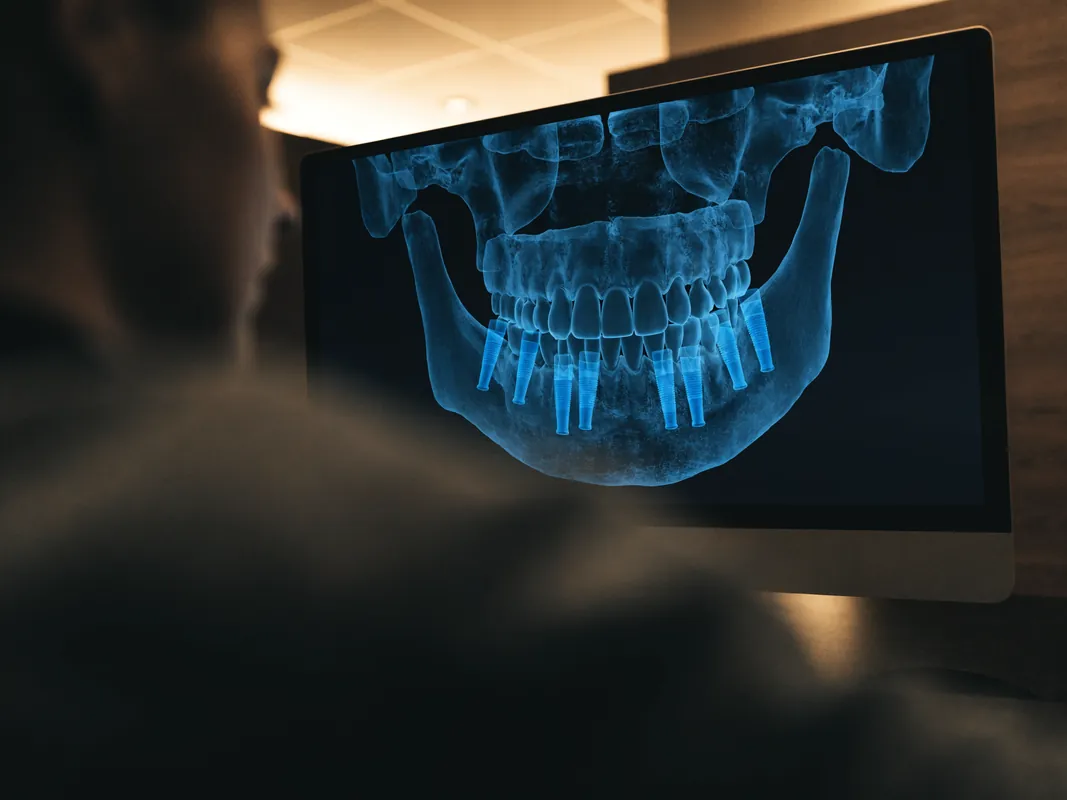
Clinical examination and appropriate imaging are complementary. Two-dimensional imaging may provide an overview; cone-beam computed tomography may be indicated when three-dimensional information is required for implant planning. The dentist should justify the field of view and interpret the relevant anatomy rather than treating a scan as a sales requirement.
Imaging can help assess bone dimensions, sinus relationships, nerve canals, pathology and proposed implant trajectories. It does not by itself show plaque control, mucosal condition, tooth restorability, speech, cleaning ability or patient preferences. Ask who prescribed and reported the image, how it is transferred securely, and whether the diagnostic file and report can be supplied for the record.
Anatomy and safety margins shape the design
Important structures can include the inferior alveolar and mental nerves in the lower jaw, the maxillary sinuses and nasal floor in the upper jaw, concavities, thin cortical plates and sites affected by previous disease. Implant length and angle cannot be chosen safely from a generic diagram. The restorative plan and anatomical limits have to be reconciled for each site.
Ask the surgical plan to show where the intended prosthetic teeth should emerge and how implants can support that design within safe anatomical boundaries. A plan that focuses only on finding any available bone can create excessive cantilever, poor contours or screw-access compromises. If an anatomical finding requires grafting, a shorter implant, a different distribution or a different prosthesis, that change should be explained before consent.
Bone volume does not guarantee bone behaviour
Bone height and width are important, but density, cortical support, local defects, infection, healing capacity and the ability to position implants restoratively also matter. Measurements from imaging are part of a larger clinical judgement. The team should distinguish bone available before extraction from what may remain after diseased teeth are removed and sockets are managed.
Ask what evidence supports each proposed site, what findings may only become clear during surgery, and what stopping rule applies if expected support is absent. A credible fallback might involve delayed loading, an additional implant, grafting, a removable provisional restoration or postponement. Consent should cover those branches without implying that every unexpected condition can be solved during the same operation.
Grafting cannot be promised away
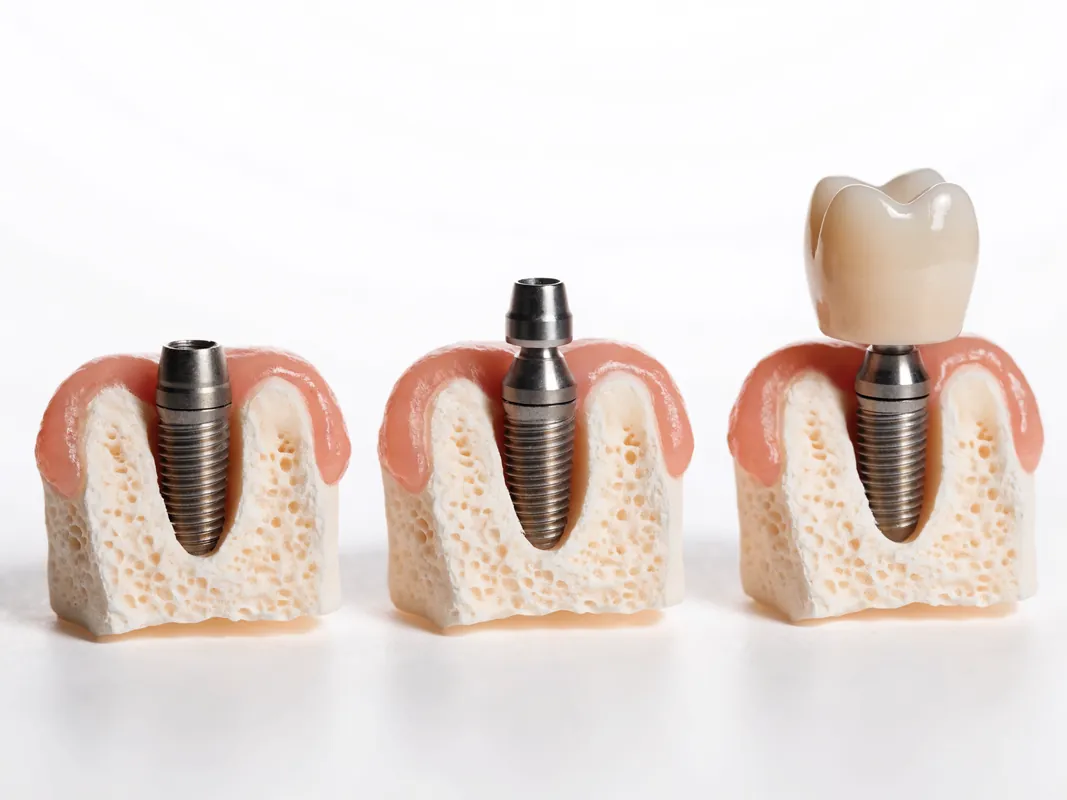
Angled posterior implants may sometimes help use available bone, but the concept does not eliminate every need for augmentation. Grafting decisions depend on anatomy, implant position, restorative distribution, defect shape and treatment goals. A provider should not advertise "no grafting" as a certainty before imaging and examination.
Ask whether grafting is proposed for implant stability, ridge contour, soft-tissue support or another reason; what material and source are planned; what additional risks, records, reviews and costs apply; and how grafting changes the loading and travel plan. If grafting is not planned, ask how the definitive prosthetic design remains supported and cleanable. The bone graft and implant planning guide explains further checkpoints.
Posterior angulation and cantilever need restorative reasoning
Tilting posterior implants can change the front-to-back spread of support and may help avoid anatomical structures in selected cases. It also affects abutment selection, screw access, restorative space and the geometry of the bridge. The purpose should be shown in the prosthetic plan rather than explained only as a way to reduce surgery.
The cantilever is the part of a bridge extending beyond its last supporting implant. Its length and load are design variables, not a fixed feature of every All-on-4 bridge. Ask how the opposing teeth, bite force, parafunction, implant distribution, framework and tooth arrangement influence it. If the planned bridge is changed after surgery, ask whether cantilever and cleaning assumptions are reviewed as well.
Prosthetically driven implant placement
The intended tooth position, smile transition, phonetics, cleaning access, restorative material and screw access should inform implant placement. This is often described as prosthetically driven planning. It does not mean the laboratory replaces clinical judgement; it means the surgical and restorative plans are developed together rather than sequentially in isolation.
Ask to see how diagnostic records connect to the proposed implant sites and provisional bridge. A guide or digital workflow can assist placement, but it does not remove the need for verification during surgery or guarantee that the plan can be followed unchanged. The proposal should state who designed, checked and authorised each stage and what happens if the guide does not fit or anatomy differs.
Are four implants always the right number?
No implant number should be treated as a marketing entitlement. ITI consensus material states that the number, dimensions and distribution of implants for a fixed full-arch prosthesis should follow the prosthetic plan, arch form and available bone. The final design may use four implants, another number, a different distribution, or an alternative prosthesis.
Ask why four supports are preferred for this arch, how the design handles load and retrievability, and what happens if one implant cannot be placed or later fails. More implants are not automatically safer, and fewer are not automatically less invasive in every case. The relevant comparison considers anatomy, prosthesis design, surgical burden, maintenance, component access and contingency rather than counting fixtures alone.
Immediate placement and immediate loading are different
Immediate implant placement means an implant is inserted in relation to a newly extracted tooth site. Immediate restoration or loading describes when a prosthesis is connected and whether it contacts the opposing arch. These are separate decisions. A person may have immediate placement without immediate loading, or implants may be placed in healed bone and restored under another loading protocol.
Ask the written plan to use precise terms. "Fixed teeth immediately" can conceal whether the bridge is provisional, whether it is in function, what diet restrictions apply and what criteria must be met. The timing decision should be made for each implant and the entire bridge after actual surgical findings, not guaranteed by a flight itinerary.
Primary stability is not osseointegration
Primary stability is the mechanical stability present when an implant is inserted. Osseointegration is the biological relationship that develops during healing. Measurements such as insertion torque or resonance-frequency values can contribute to the loading decision, but no single number should be presented as proof of future integration or as a substitute for the complete clinical picture.
Ask which thresholds and combined findings the treating team uses, whether every supporting implant must meet them, and what happens when one does not. The ITI notes that primary stability is important when immediate loading is considered. The fallback should be agreed before surgery and may include changing the provisional design, reducing function, delaying loading, adding support where appropriate or abandoning that plan.
Extractions and implant surgery need stopping rules
When teeth are removed and implants are planned in one surgical episode, the team may discover socket defects, infection, thin bone or anatomy that differs from expectations. The consent process should therefore define reasonable intraoperative alternatives and the limit of the patient's authorisation. "Do whatever is needed" is not a sufficiently specific plan for irreversible changes.
Ask which teeth are definitely scheduled for extraction, which are conditional, who can authorise a change, and what documentation will be provided. The plan should identify circumstances in which implant placement or loading will be postponed. It should also explain the temporary tooth option if a fixed provisional bridge cannot safely be used.
The provisional bridge has a specific job
An initial fixed bridge can provide appearance, basic function and a way to test tooth position, speech and bite while tissues change. It is a provisional medical device, not merely a cheaper version of the definitive restoration. Its material, reinforcement, connection, cleaning access and permitted use should be described in writing.
Ask whether it is expected to remain fixed throughout healing, whether planned removal or modification is required, and who repairs it if it cracks or loosens. Understand which adjustments are included and how an emergency outside normal hours is handled. A provisional bridge may need replacement even when implants remain healthy; that distinction should appear in both consent and financial terms.
Provisional diet is part of load management
Dietary instructions after surgery and during provisional use protect healing tissues and help control forces on the restoration. The advice should be specific enough for the person's nutrition, medical needs and living situation. "Eat soft food" without examples, duration criteria or escalation advice is difficult to follow.
Ask what textures to avoid, how to distribute chewing, when guidance can change, and who reviews that change. People with diabetes, swallowing difficulty, nutritional risk or restrictive diets may need coordination rather than a standard sheet. A patient should know that feeling comfortable does not prove that unrestricted force is safe and that testing the bridge with hard foods can damage a provisional restoration.
Healing reviews need defined evidence
Calendar time alone does not prove that tissues are healthy or that implants are ready for the next restorative stage. Reviews may consider symptoms, soft-tissue condition, plaque, stability, bite, provisional integrity and radiographic information where indicated. The written plan should say who performs these reviews and what evidence is needed before definitive records are taken.
If a review will occur after the patient has returned home, ask whether a local dentist has agreed to participate and exactly what information the overseas team needs. A photograph sent remotely may assist triage but cannot replace every examination. If healing does not meet the planned criteria, the schedule and travel arrangements may need to change.
Integration and readiness are not the same as absence of pain
An implant can feel comfortable while a biological or mechanical concern is developing, and early postoperative discomfort can occur without indicating failure. Readiness for the definitive bridge is therefore a clinical decision based on more than symptoms. Ask how implant stability, tissue health, cleaning, bite and provisional performance are assessed.
The patient should also receive clear warning signs and a route to professional examination. Increasing pain, swelling, discharge, fever, altered sensation, mobility or a changing bite warrant prompt advice. Difficulty breathing or swallowing requires urgent medical assessment. Remote reassurance should not delay appropriate in-person care.
Possible planning stages
The sequence varies because findings at one stage can change the next. A defensible pathway may include disease control and tooth prognosis, clinical and radiographic assessment, restorative design, consent, extractions and implant placement where appropriate, a fixed or removable provisional restoration, early review, healing assessment, definitive records, laboratory verification, bridge fitting, hygiene instruction and local maintenance.
Ask for decision gates rather than only dates. What must be true before surgery? What must be observed before loading? What must be stable before definitive impressions or scans? What tests and try-ins occur before fitting? What cancels or postpones each step? This approach turns a sales timeline into a clinical plan and makes extra travel less surprising when healing or laboratory findings differ.
Definitive bridge timing follows clinical gates
The definitive bridge should not be promised solely for a predetermined month or return flight. Tissue maturation, implant condition, bite, provisional performance, hygiene and laboratory readiness can affect timing. The plan should identify who authorises the definitive stage and what happens if one implant or site is not ready.
Ask whether the provisional experience will be used to refine speech, tooth length, midline, vertical dimension and cleaning access. Clarify whether definitive records require removal of the provisional bridge, how implants are protected during that process, and how fit is verified. A later bridge can still require adjustment; "definitive" describes its intended role, not immunity from maintenance or repair.
Bite records and vertical dimension need verification
Full-arch treatment can alter the relationship between the jaws and the space available for teeth and restorative materials. The team may need records of jaw position, facial proportions, existing dentures, speech and functional movements. Vertical dimension should not be selected from appearance alone or changed without considering comfort, function and adaptation.
Ask how records are repeated or verified when unstable teeth or dentures make the starting bite unreliable. A provisional bridge can help test a proposed relationship, but symptoms and function still need review. If both arches are treated, clarify how the team avoids creating excessive forces and how local clinicians can recognise the intended contacts later.
Speech, lip support and the smile transition
Tooth position and the shape of the replacement gum area can influence speech, lip support, saliva control and appearance. A removable denture flange may currently provide support that a fixed bridge cannot reproduce in the same way. The transition between natural gum and prosthetic material also needs to sit where it can be cleaned and is acceptable in the patient's smile.
Ask for assessment while smiling, speaking and at rest. Useful provisional testing includes sounds that reveal tooth position and airflow, not only a static photograph. Expectations should be documented before tooth removal because changes to bone and soft tissue can limit what the final bridge can reproduce. Digital images are communication aids, not guarantees of tissue response or final appearance.
Tooth arrangement should support function and hygiene
The number, width and position of prosthetic teeth are design choices. Extending teeth too far beyond support can increase mechanical demands; crowding cleaning embrasures can make hygiene difficult; a flat appearance-driven arrangement may not work with the opposing arch. The laboratory prescription should connect aesthetic preferences to functional limits.
Ask how the planned tooth row relates to the ridge, implant positions, tongue space and existing facial support. The team should explain compromises rather than hiding them in a generic "smile design" image. Before definitive manufacture, confirm that the patient has had a meaningful chance to review appearance, speech and cleaning access within the clinically safe options.
Parafunction and bite force affect risk
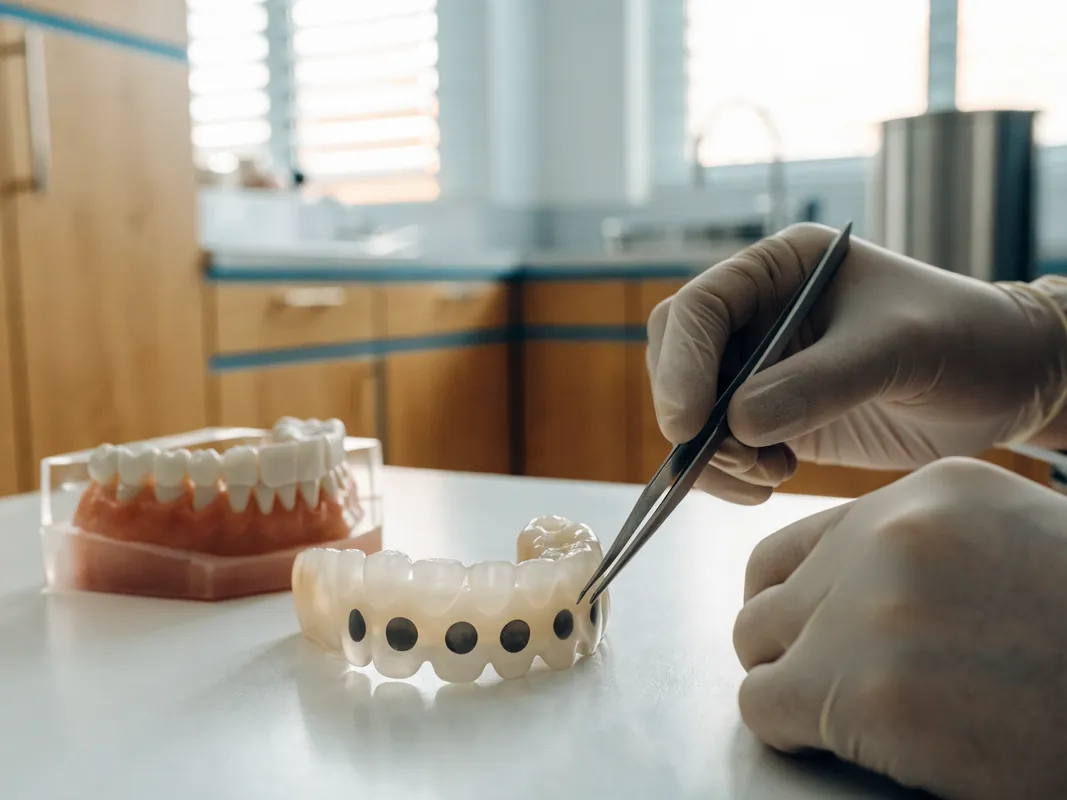
Clenching, grinding and other parafunctional habits can load screws, frameworks, teeth and implants. Signs may include wear, fractures, muscle symptoms or a history of damaging previous restorations, but diagnosis requires clinical judgement. A full-arch bridge does not remove these forces.
Ask how the bite is designed, how provisional wear is monitored, whether a protective appliance is considered, and what symptoms should trigger review. A night appliance is not a universal solution and must be compatible with the restoration and patient. The maintenance plan should include mechanical inspection rather than focusing only on gum health.
Framework and tooth materials change serviceability
Full-arch restorations can combine a framework with acrylic, composite, ceramic, zirconia or other materials, depending on the design. Material names alone do not establish strength, fit, appearance or repairability. Thickness, connector design, support, manufacturing route, opposing material and laboratory quality all matter.
Request a written material specification for both provisional and definitive restorations. Ask what can be repaired chairside, what requires a laboratory, whether parts and shade information will be available locally, and how replacement is handled if the prosthesis is damaged. Claims such as "unbreakable" or "lifetime" should be replaced by documented limitations, maintenance duties and a realistic remedy process.
One-piece or segmented restoration
A full-arch bridge may be designed as one piece or in segments depending on implant positions, fit, material, retrievability and restorative strategy. Neither approach is automatically correct for every case. A one-piece restoration splints all supports but can make repair or adaptation different; segmentation changes connection and contact considerations.
Ask why the proposed design is appropriate, how passive fit is assessed and what happens if one section or support develops a problem. The quote should state the actual design rather than saying only "fixed zirconia" or "hybrid bridge". Local repair options can vary greatly, so serviceability belongs in the initial decision, especially for an overseas patient.
Cleanability should be tested before final manufacture
The patient should be able to pass the recommended cleaning aids around every implant and under the bridge without injuring tissues. Access should be assessed with the provisional restoration and refined before the definitive one. A highly polished surface does not compensate for inaccessible contours.
Ask the team to demonstrate cleaning and then observe the patient perform it. Record the tools, sizes and frequency recommended for the individual. If food trapping, speech leakage or difficult access occurs, request a design review rather than accepting that every full-arch bridge behaves that way. Cleaning ability is a clinical outcome and a maintenance prerequisite, not an optional aftercare detail.
Screw retention, cement and retrievability
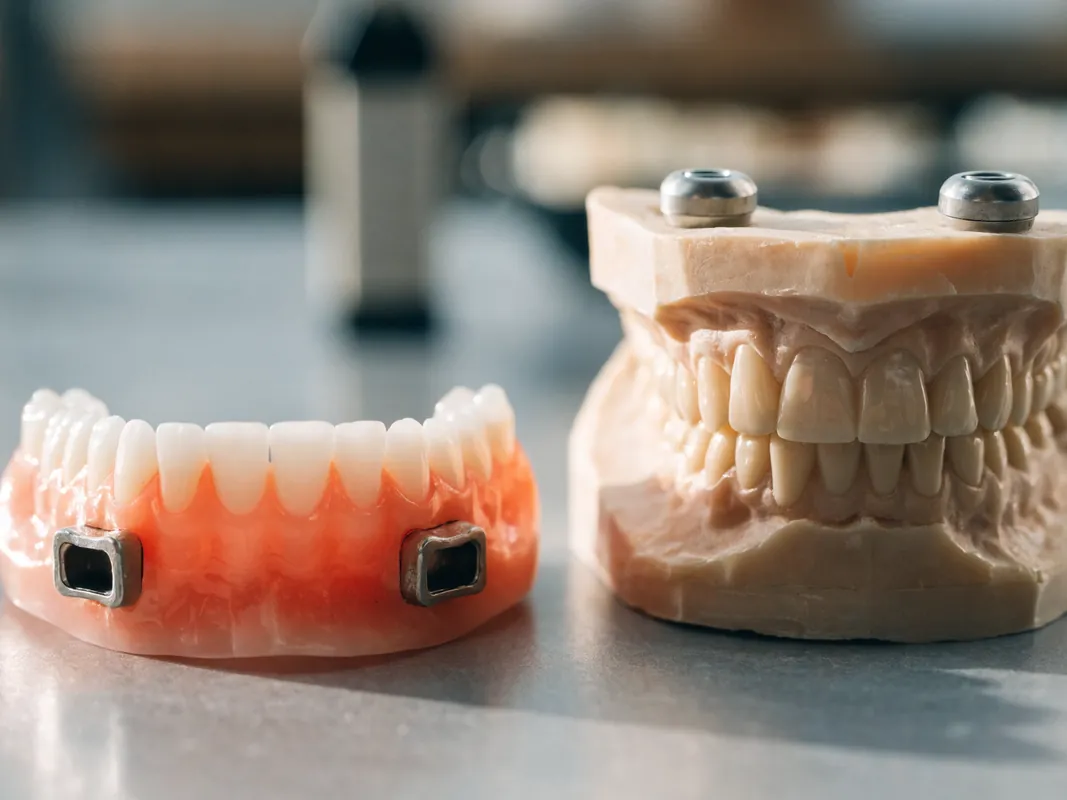
Many full-arch implant bridges are screw-retained, allowing a clinician with the correct knowledge and components to remove them when necessary. The actual design may include multi-unit abutments, prosthetic screws and access channels. Any use of cement or other retention needs its own explanation and risk controls.
Ask who can remove the bridge, which drivers and torque instructions are required, how access channels are restored, and whether screw replacement is expected after removal. Retrievable does not mean every dentist will have the parts or agree to service the system. That is why the implant passport, component list and restorative records must travel with the patient.
Verify the provider and system
Before booking, obtain the legal facility name and address and the dentists responsible for diagnosis, consent, surgery, provisional restoration and definitive restoration. Confirm current professional registration with the relevant authority, the person's actual role and any formally recognised specialist status being claimed. Ask how responsibilities are coordinated when several clinicians or a separate laboratory are involved.
Confirm who provides sedation or anaesthesia, who monitors recovery, what emergency arrangements exist, how complaints are handled, and who supplies the complete record. Marketing biographies, certificates and social-media images are not substitutes for registration and role verification. The person communicating a quote may not be the clinician accepting responsibility for treatment.
Implant-system traceability
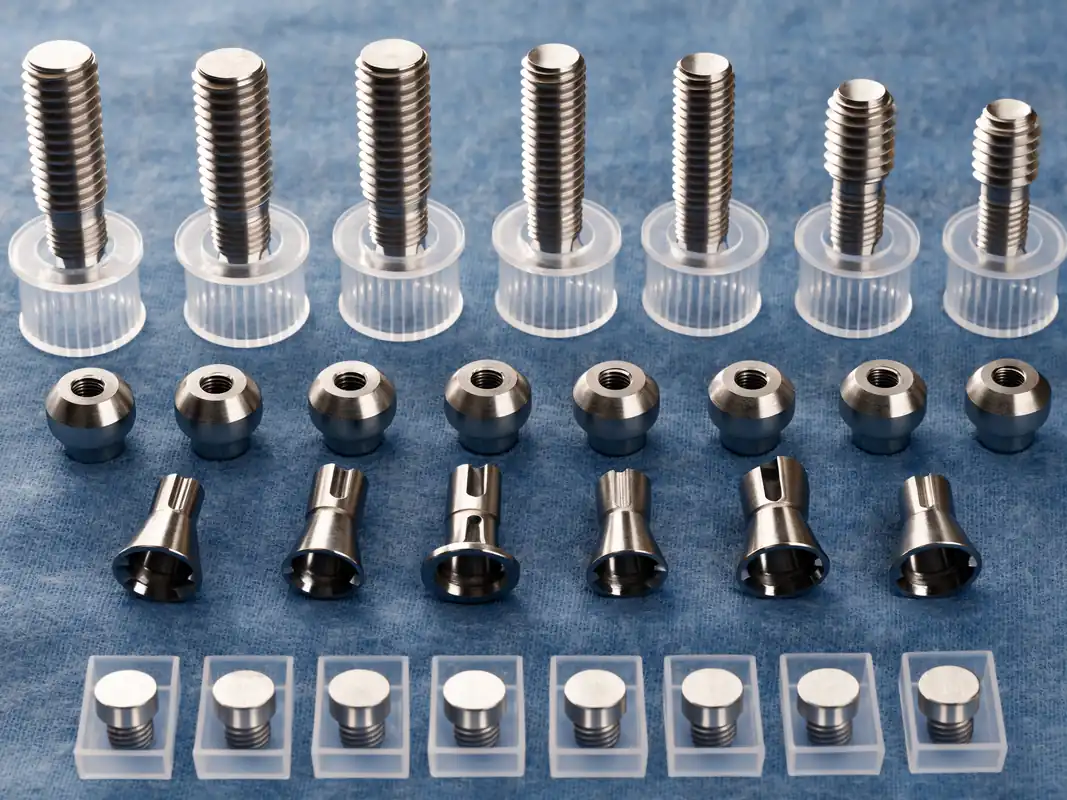
The US Food and Drug Administration describes an implant system as including the implant body, abutment and potentially an abutment fixation screw. A full-arch restoration may add further prosthetic components. The quote and final record should therefore identify more than a brand name.
Request the manufacturer, product family, implant dimensions, connection, abutments, prosthetic screws and any relevant reference, batch, lot or unique device information supplied with the products. Ask for labels or an implant passport and keep them with the clinical record. This information supports future identification; it does not by itself prove authenticity, correct placement, endorsement or a particular result.
Original, compatible and third-party components
The written proposal should state whether each restorative component is produced by the implant manufacturer, supplied as a compatible component by another manufacturer, or custom made. "Compatible" is not a complete specification. Ask who selected it, which evidence and instructions support that use, and how warranty or service terms are affected.
Brand and system names such as Nobel Biocare's All-on-4® are examples to verify in the written quote, not a statement that a provider uses them or has manufacturer authorisation. A logo on a page does not establish the source of every implant, abutment, screw or framework. Request traceability at delivery, not only a verbal assurance before payment.
Local component access matters
An overseas full-arch bridge may need tightening, removal, repair or replacement years later. Before treatment, ask a dentist near home whether they can assess the proposed system and whether compatible drivers, screws and components are available. A clinician may reasonably decline to work on an unfamiliar or undocumented restoration.
The overseas proposal should name a clinical contact for technical questions and explain how records can be sent securely. It should not assume that any local dentist will perform free or immediate remedial work. Build the likely cost and logistics of inspection, hygiene and repairs into the decision from the start.
Surgical, restorative and laboratory roles
Full-arch care can involve diagnosis, surgery, prosthodontic design, provisional fabrication, laboratory manufacture, hygiene and maintenance. Ask for the named person responsible at each stage and who has final authority when recommendations conflict. A generic "team" description does not show accountability.
The restorative plan should exist before implant placement, and the surgical findings should be communicated back to the restorative and laboratory teams. Laboratory work should follow a clear prescription that identifies material, design, implant system and requested checks. Ask who verifies fit, bite, appearance and cleaning access and who documents acceptance before delivery.
Sedation and anaesthesia require a separate plan
Local anaesthesia, sedation and general anaesthesia are different interventions with different staffing, monitoring, recovery and travel implications. The chosen approach depends on the procedure, medical assessment, patient needs and the facility's lawful capabilities. Dental surgery should not be advertised as risk-free because sedation is available.
Ask who assesses fitness, who administers and monitors medicines, what fasting or escort instructions apply, how emergencies are managed and when the patient can safely leave. Medicine lists and sleep-related breathing risks should be reviewed. Flights, driving and hotel arrangements must follow the treating team's individual advice rather than a generic package schedule.
Infection prevention and operative records
Ask how the facility documents decontamination, sterile surgical items, implant traceability and prescribed medicines. Patients do not need to become inspectors, but they should know the legal facility, responsible clinicians and route for raising a concern. The operative record should state what was actually found and done, not only copy the preoperative proposal.
Before departure, request the surgery date, tooth extractions, implant sites and specifications, grafting or membranes used, medicines, complications, post-operative instructions and planned review. These details help another clinician understand the case if urgent care is needed. An invoice or implant passport alone is not a complete operative summary.
Digital workflows and guides have limits
Digital scans, virtual tooth arrangements, planning software and surgical guides can improve communication and assist a workflow. Their quality depends on accurate records, appropriate design, manufacturing and clinical verification. They do not remove biological uncertainty, operator judgement or the possibility that surgery must deviate from the plan.
Ask which records were used, who approved the plan, whether the guide is tooth-, mucosa- or bone-supported, and what checks occur before and during use. If a guide is changed or abandoned, the operative record should explain why. Avoid language suggesting that "computer guided" means incision-free, exact or guaranteed.
Laboratory verification before delivery
Definitive manufacture may involve impressions or intraoral scans, verification jigs, jaw records, prototypes, try-ins and fit checks. The exact sequence depends on the system and design. Ask which stages are planned, which require the patient to attend, and what finding causes a record to be repeated.
The final record should identify the laboratory and restoration materials, plus information needed for repair or remake. Where a statement of conformity or device documentation applies, request it. Appearance approval should not replace clinical checks of fit, bite, screw access and cleaning. A rushed delivery tied to departure time can compress opportunities to correct errors.
Biological complications
Potential biological problems include pain, swelling, bleeding, infection, delayed healing, tissue recession, sinus or nerve injury, altered sensation, failure of integration, peri-implant mucositis and peri-implantitis with bone loss. Risk varies with anatomy, health, smoking, periodontal history, hygiene and the actual procedures. A population survival figure cannot predict an individual's result.
Ask how baseline tissues and bone are recorded, what prevention programme is recommended and which signs require review. Bleeding during cleaning, swelling, discharge, bad taste, increasing discomfort or mobility should not be normalised without assessment. Early professional review is important because mechanical and biological problems can present with similar symptoms.
Mechanical complications
Full-arch restorations can experience screw loosening, loss of access-channel material, tooth wear or fracture, framework damage, chipping, loss of fit, food trapping or bite change. A loose bridge sensation may reflect a prosthetic screw, an abutment, a restoration fracture or an implant problem; the distinction requires examination.
Ask which repairs can be completed locally, which require the original laboratory, what parts must be replaced after removal, and who pays for diagnosis, travel, parts and labour under different circumstances. A guarantee statement is incomplete unless it names the provider, covered item, term, exclusions, maintenance duties and actual remedy.
What if one implant cannot be used?
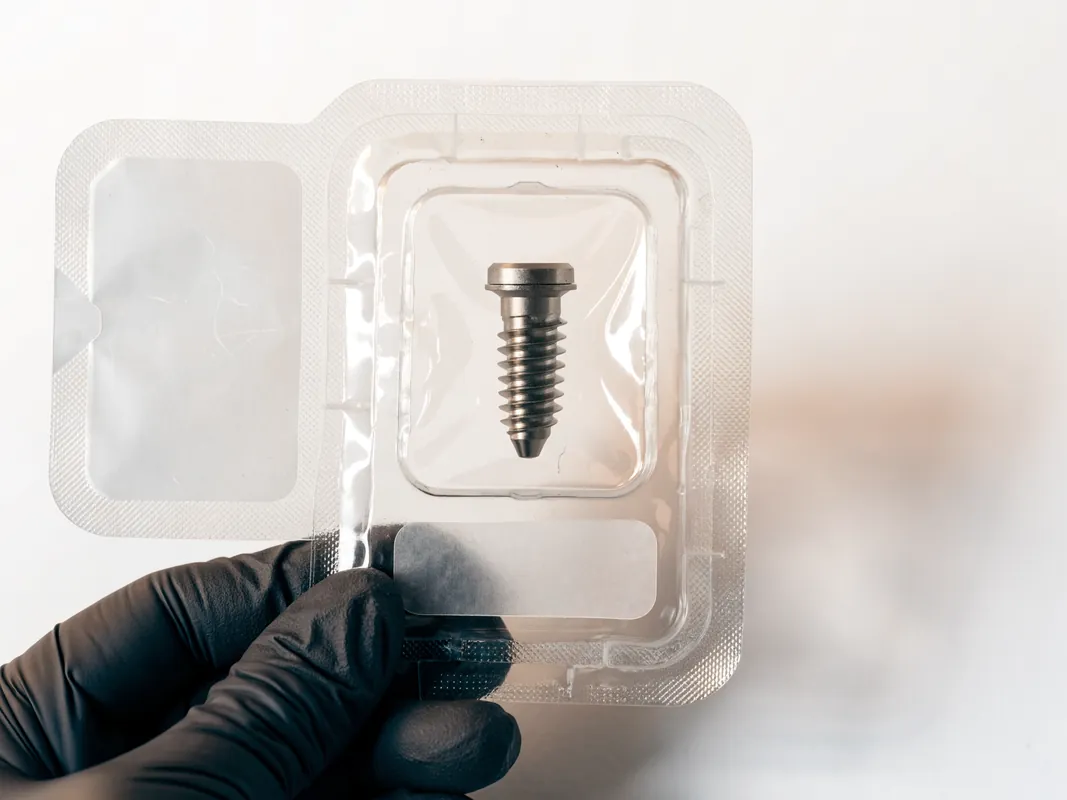
The contingency should be discussed before surgery and again before definitive manufacture. Options depend on the arch, implant distribution, bridge design, timing and remaining support. They may include not loading the bridge, using a removable provisional restoration, allowing more healing, placing another implant where appropriate, redesigning the prosthesis or revisiting the whole plan.
Do not assume that a four-implant bridge can simply continue indefinitely on three supports or that every failed implant can be replaced immediately. Ask who decides, which additional procedures and records are required, how the existing bridge is managed and how costs and extra travel are allocated. The patient's consent should cover reasonable foreseeable branches without authorising unlimited changes.
Risks, maintenance and alternatives
Full-arch implant treatment combines surgical, biological, restorative and behavioural risks. The decision should compare those risks with the burden of current disease and with realistic alternatives. Maintenance is not evidence of failure; it is an expected part of caring for implants, tissues, screws and restorative materials. Repairs and replacement can still be required despite good care.
Ask for a personalised maintenance schedule, cleaning demonstration, baseline records, local provider plan and budget. Review the alternatives again if the proposed design cannot be cleaned, serviced or funded over time. A consent form signed on the day of surgery cannot replace an earlier opportunity to understand these trade-offs and ask questions.
Maintenance visits need a defined scope
A meaningful review is more than a quick visual check. Depending on the case, it may assess symptoms, plaque, bleeding, tissue condition, cleaning access, bite, component stability, restoration wear and radiographic change when indicated. Some reviews may require removal of the bridge, while routine removal is not automatically necessary for everyone.
Ask which clinician performs hygiene and mechanical review, how often the initial plan recommends it, and what changes the interval. The plan should account for periodontal history, smoking, dexterity and previous complications. If annual travel to the overseas facility is presented as compulsory, ask whether equivalent documented care can be provided near home and what evidence must be shared.
Home cleaning needs a rehearsed routine
The patient may need an electric or manual brush, suitable interdental brushes, bridge threaders, floss designed for prostheses or other aids chosen for the actual contours. Cleaning advice should be individual and should not injure tissue or damage restorative materials. Ask for product sizes or descriptions that can be replaced locally.
Practise before departure and confirm that every side of the bridge is reachable. If dexterity, vision or access changes, seek professional review rather than forcing a tool. Persistent food retention, bleeding or odour deserves assessment. The aim is a routine the patient can sustain, not an impressive demonstration that cannot be repeated at home.
A local handover is part of treatment planning
Before travelling, identify a dentist or suitable service near home that is willing to provide examinations and urgent assessment. Do not promise that they will repair unfamiliar work until they have reviewed the system and records. Ask what documentation they require and whether they can communicate with the treating team.
The handover should include diagnosis, pre- and postoperative images, consent and treatment plan, operative notes, implant and component details, provisional and definitive restoration records, laboratory information, medicines, complications, cleaning instructions and review criteria. The GDC's standards emphasise accurate records and appropriate information sharing. A sales summary is not enough for continuity of care.
Travel and aftercare boundaries
Clinical care and travel services should be documented separately. A treatment quotation does not establish that flights, accommodation, transfers, meals, an escort or additional nights form part of the clinical fee. If any travel service is contracted, obtain its supplier, scope, dates, cancellation rules, accessibility arrangements and responsibility in writing.
Ask the treating clinician how long to remain nearby after surgery and after bridge fitting, allowing for individual review and contingency rather than copying an online itinerary. Check travel insurance exclusions for planned treatment and complications. A transfer or hotel supplier cannot decide when a patient is fit to travel, and a travel coordinator should not triage medical symptoms as if they were a dentist.
Plan for extra visits before buying travel
Some cases require more reviews, a delayed loading decision, repeated records, an additional try-in or a change in laboratory work. Complications can also make an extra visit necessary. Non-changeable flights create pressure to proceed when a clinical stage should be postponed.
Request a visit-by-visit plan with assumptions, minimum local review requirements and the party responsible for rescheduling. Ask how an extra clinical visit affects treatment fees, accommodation, transfers and time away from work. Keep contingency funds and do not infer that every remedial journey will be funded by a guarantee.
Your itemised quote checklist
The quote should identify each arch and separate diagnosis, surgery, provisional restoration, definitive restoration, maintenance and travel. Request written line items for examinations and imaging; tooth preservation or extraction; implant bodies and dimensions; abutments, screws and other components; grafting if indicated; anaesthesia or sedation; prescribed medicines; provisional manufacture, adjustments and repairs; definitive framework and teeth; laboratory stages; hygiene instruction; records and review.
It should also state assumptions, exclusions, payment stages, currency, refund and cancellation terms, the effect of a changed clinical plan, urgent-care responsibility and likely extra-travel exposure. Do not infer that accommodation, airport or clinic transfers, flights, medicines, grafting, sedation, repairs or future hygiene are included. Any guarantee needs a named provider, covered item, duration, exclusions, maintenance conditions and remedy.
Separate the clinical and travel contracts
When a facilitator, travel company, hotel or transport supplier is involved, ask which legal entity supplies each service and receives each payment. A single package price can obscure who owes a refund, who stores health information and who is responsible when care changes. Obtain invoices and terms that match the actual supplier.
Clinical consent should remain between the patient and responsible clinicians and should not be conditional on agreeing to promotional use of images. Travel terms should not redefine clinical complications as ordinary itinerary changes. Keep copies outside a booking portal and ask which country's complaints, consumer and professional routes apply to each agreement.
Consent must precede irreversible treatment
Valid consent is an ongoing conversation about the diagnosis, proposed treatment, material risks, alternatives, uncertainties, costs and the option to pause or decline. The patient needs time and an understandable explanation, especially when many teeth may be removed. A translated brochure or signature alone cannot establish understanding.
Ask who obtains consent and whether an independent interpreter is available when needed. Confirm that consent covers separate arches, conditional extractions, grafting, loading alternatives, provisional limitations, restorative material, maintenance and contingency. The GDC's standards on consent are useful questions for any cross-border proposal even when the treating professional is regulated elsewhere.
Records and privacy
Use a secure method to exchange health records, images and identification. Ask which legal entity controls the data, the purpose of collection, who receives it, where it is stored, how long it is retained and how to access or correct the record. Marketing consent should be separate from treatment enquiries and clinical consent.
Before departure, obtain copies of signed plans and consent, invoices, clinical notes, radiographs and scans in usable formats, prescriptions, operative details, implant labels, component specifications, laboratory records, bridge design, cleaning guidance and the handover summary. Store them safely and share them with a local clinician through an appropriate channel when care is needed.
Urgent signs and escalation
Contact the treating team promptly for worsening pain, swelling, persistent bleeding, fever, discharge, bad taste, altered sensation, difficulty opening the mouth, a bridge that feels loose, a fracture, a sudden bite change or inability to clean. Seek urgent local dental or medical assessment when advised or when remote contact is unavailable. Difficulty breathing or swallowing requires emergency medical help.
A photograph or message cannot rule out infection, nerve injury, implant mobility, screw loosening or framework damage. Ask for a written escalation route covering office hours, nights and the period after returning home. Know which facility holds the clinical record and how a local professional can obtain it quickly.
Marketing red flags
Pause when a proposal guarantees a fixed restoration before examination, promises that four implants suit every jaw, claims no grafting without imaging, describes the provisional bridge as the permanent one, uses unexplained brand logos, withholds clinician names, refuses an itemised quote or makes a deposit expire before questions can be answered.
Other warnings include pressure to remove all teeth without a tooth-by-tooth diagnosis, no fallback if loading criteria are not met, no component traceability, no local aftercare plan, a guarantee that omits its provider and remedy, or outcome percentages without comparable data and follow-up. A lower quote is not automatically unsafe, and a higher quote is not proof of quality; verifiable detail is the useful discriminator.
A proposal-comparison worksheet
Place each proposal in a table with one row for each arch and columns for diagnosis, teeth retained or extracted, alternatives, implant number and sites, implant and component specifications, grafting assumptions, loading criteria, provisional design, definitive design, material, laboratory, cleaning access, clinician roles, records, review plan, local serviceability, clinical price and travel price.
Add a column for unknowns and another for what happens when an assumption fails. Do not score a provider highly for merely answering many questions; assess whether answers appear in accountable written documents and whether the responsible clinician confirms them. This worksheet makes apparently similar "All-on-4 Turkey" offers easier to compare without reducing a medical decision to price per implant.
Questions for the first clinical consultation
Ask: What is the diagnosis for each remaining tooth? Which options preserve teeth? Why is a fixed full-arch restoration appropriate? Why this implant number and distribution? What anatomical or medical risks matter? What evidence must be present before loading? What is the provisional restoration, and what are its restrictions? What triggers the definitive stage? How will the bridge be cleaned, removed and repaired?
Continue with: Which clinicians and laboratory are responsible? What exact implants and components are proposed? What records will be supplied? What happens if a site lacks stability, an implant does not integrate, or the provisional breaks? Which costs and travel changes follow? Who provides urgent and long-term care after departure? A consultation that welcomes these questions is more informative than a rapid quotation.
Evidence sources for checking a proposal
The [FDA dental implant overview](https://www.fda.gov/medical-devices/dental-devices/dental-implants-what-you-should-know) describes implant-system parts, benefits, risks, smoking, hygiene and the value of keeping brand and model information. The [ITI consensus statement on loading fixed prostheses](https://academy.iti.org/academy/consensus-database/consensus-statement/-/consensus/loading-protocols-for-fixed-prostheses-in-edentulous-jaws/1313) explains that full-arch implant number and distribution follow prosthetic planning, arch form, bone and stability rather than a loading slogan.
The [ITI consensus statement on implant number](https://academy.iti.org/academy/consensus-database/consensus-statement/-/consensus/number-of-implants-placed-for-complete-arch-fixed-prostheses/1701) sets out prosthetic and anatomical planning factors. The [European Federation of Periodontology's peri-implant disease guidance](https://www.efp.org/for-patients/dental-implants/peri-implant-diseases/) explains prevention and warning signs. The [GDC consent standard](https://standards.gdc-uk.org/pages/principle3/principle3) and [record standard](https://standards.gdc-uk.org/pages/principle4/principle4) provide useful continuity and decision questions. These sources support discussion; they cannot determine personal suitability online.
Final decision checkpoint
Before paying a non-refundable amount or booking travel, confirm that a named clinician has supplied or will confirm an arch-specific diagnosis; alternatives and retainable teeth are documented; implant number and loading remain conditional on clinical findings; provisional and definitive restorations are clearly distinguished; devices and components will be traceable; cleaning and maintenance are realistic; contingencies and local handover are written; and clinical and travel contracts are separate.
Take time to review the documents, ask for corrections and obtain another opinion where the decision is irreversible or unclear. All-on-4 can describe a useful full-arch concept for selected patients, but the quality of a proposal lies in its diagnosis, restorative logic, informed consent, records, serviceability and continuing care—not in the familiarity of the label.