A cross-border planning framework for checking the legal provider, named clinician, itemised scope, language support, records, insurance and local aftercare before dental treatment in Turkey.
People living in the Netherlands, Belgium or the United Kingdom may encounter persuasive pages promising an easy dental trip to Turkey. A polished website, a holiday photograph or a low headline quote cannot establish who will diagnose the patient, where care will occur, what the plan contains, or who remains responsible after the patient returns home. Those are the questions that matter.
This guide does not rank clinics or identify a “best clinic” in Turkey. It does not endorse a provider, clinician, facilitator, treatment or destination. Its purpose is to help a reader turn a broad search such as “dental tourism Turkey from the Netherlands, Belgium or UK” into a documented comparison between named legal entities and genuinely equivalent clinical proposals.
The same framework applies whether the enquiry concerns one restoration, extensive restorative care, implants, dentures or an appearance-led change. The more irreversible or complex the proposed care, the more important an independent assessment, a clear diagnosis, named responsibility, meaningful consent, complete records and realistic aftercare become. A holiday preference must never decide a clinical question.
Use this guide before paying, booking non-changeable travel or accepting tooth preparation. Keep copies of every advertisement, message, form, scan, plan, invoice and consent document. Ask for corrections in writing when names or terms do not agree. If a provider will not answer a reasonable verification question before payment, that silence is useful decision information.
Verification, Not a Best-Clinic Ranking
“Best” has no universal clinical meaning. A facility suitable for one person, procedure and risk profile may be unsuitable for another. Review scores, interior design, awards, social-media reach and accommodation photographs do not reveal whether a proposed intervention is necessary or appropriately planned. Even an official authorisation entry establishes only a defined regulatory status at the time checked; it does not decide whether a particular clinician or plan is right for a particular patient.
A defensible comparison begins with evidence that can be checked:
- the full legal name and address of the entity that will provide and invoice clinical care;
- the treatment facility name and exact location;
- the full name and professional role of each clinician expected to diagnose, consent and treat;
- the current official basis on which the provider, facility and any facilitator operate;
- the records used for diagnosis and the records still required in person;
- a tooth-by-tooth or site-by-site plan, alternatives and reasons;
- an itemised quotation tied to that plan;
- the identities and traceability details for relevant devices, materials and laboratories;
- written aftercare, urgent-review, complaint and record-release routes;
- separate terms for any travel or hospitality service.
Do not replace these checks with a destination comparison. Turkey, the Netherlands, Belgium and the United Kingdom each contain many independent professionals and organisations. Nationality does not establish competence, and geography does not establish the quality of an individual plan. Compare named people, named entities, written scope and verifiable records.
Start With the Legal Treatment Provider
The first question is not the trading brand shown in an advertisement. It is: “Which legal entity will provide the healthcare, and which legal entity will issue the clinical invoice?” Ask for the entity's registered name, facility name, physical treatment address, business contact details and any official authorisation identifier relevant to international health services. The same identity should appear consistently on the plan, consent documents, clinical invoice and complaints information.
Turkey's Ministry of Health maintains an official Health Tourism Department entry point with current lists for authorised healthcare providers and authorised facilitators: [Health Tourism Department](https://saglikturizmi.saglik.gov.tr/siteagaci?_Dil=2). HealthTürkiye also provides an official facility-search entry point: [HealthTürkiye hospitals list](https://www.healthturkiye.com/hospitals-list). Search using the legal name and location supplied by the organisation, not merely a shortened advertising name. Save a dated copy of what was found, then ask the organisation to explain any difference in spelling, address or entity type.
The current Turkish international health-tourism framework should be read from the official text rather than a sales summary. The regulation published in the Official Gazette on 26 April 2025 addresses authorisation and responsibilities for healthcare facilities and facilitators: [Official Gazette regulation](https://www.resmigazete.gov.tr/eskiler/2025/04/20250426-2.htm). Rules and lists can change. Check the current official version again immediately before commitment.
An official listing is a starting verification point, not an award, recommendation or finding about a treatment result. It does not replace checking the named clinician, the diagnosis, the proposed scope, the laboratory, the devices, consent or aftercare. Absence from an expected list, an unexplained entity mismatch or a request to pay an unrelated party should pause the process until independently resolved.
Match the entity across every document
Create an identity sheet with five rows: website operator, advertising contact, healthcare provider, payment recipient and complaints recipient. Put the legal name, address and role beside each. Sometimes one organisation may perform several roles; sometimes several organisations are involved. Neither structure is automatically wrong, but ambiguity is risky.
Ask why a payment recipient differs from the clinical provider. Ask who holds patient records. Ask who owes a refund if care does not proceed after examination. Ask which entity responds to a clinical complaint and which handles a hotel or transport complaint. Do not accept “the group” or “our partners” as a substitute for legal names.
Verify the treatment address
A consultation office, hotel meeting, coordinator desk or imaging centre is not necessarily the place where dental treatment will happen. Ask for the exact treatment address and the facility type. Confirm it against the official source and written plan. If different sites will be used, list the activity at each site: examination, imaging, surgery, restorative work, laboratory work, fitting or review.
The purpose is not to create paperwork for its own sake. It is to know which rules, records, infection-control processes, emergency arrangements and complaint route apply at every point in care.
Separate the Provider From the Facilitator
A facilitator is not automatically the treating healthcare provider. A facilitator may arrange communication, travel, accommodation, appointments or administrative support. That role must not be confused with diagnosing, prescribing, obtaining clinical consent or delivering dental treatment. Ask each organisation to state its role in plain language.
Before relying on a facilitator, verify its current official status through the Turkish Ministry source, record the legal name, and request written terms. The terms should identify the healthcare provider rather than leaving it “to be allocated.” They should explain who processes health information, who receives payment, how a cancellation is handled and how a non-clinical complaint is raised.
Do not assume that a coordinator's quick answer is a clinician's opinion. Questions about diagnosis, alternatives, risks, material choice, medicines, suitability or a change in plan should be answered by the responsible qualified clinician and entered in the clinical record. A coordinator can transmit information but should not blur authorship.
If an advertisement, lead form or call is operated by a different company from the treating provider, ask for the relationship before sharing detailed health records. Request the relevant privacy information, the purpose of collection, intended recipients, retention information and a secure route. Sending a radiograph through a convenient consumer messaging channel may not answer those questions.
Verify the Named Clinician and Treatment Facility
Ask for the full name of the dentist expected to perform the initial clinical assessment and the full name of each clinician expected to carry out material parts of care. Request their professional title, registration information and stated role. Do not rely on a rotating team page or a first name only. If allocation can change, ask when the final names will be confirmed and what happens if the proposed clinician changes.
Professional verification should use the current Turkish authority or professional source applicable to that clinician and facility. Ask the provider to supply the exact official verification route. A biography, social profile or certificate image is not the same as current registration. A training claim should identify the awarding body, qualification, date and scope so it can be checked with the issuer.
For UK residents, the [General Dental Council information on going abroad for dental treatment](https://www.gdc-uk.org/standards-guidance/information-for-patients-public/going-abroad-for-dental-treatment) explains that patients should ask about regulation, qualifications, facilities, risks and complaints. The GDC register establishes whether a person is registered to practise dentistry in the UK; it does not verify an overseas clinician who is not UK registered. Do not mistake a UK consultation, event or marketing office for confirmation that the overseas treatment falls within UK regulatory jurisdiction.
Ask who makes each decision
Put a name beside every decision:
- who reviews the initial records;
- who performs the in-person examination;
- who makes the diagnosis;
- who explains reasonable alternatives, including doing nothing for now;
- who confirms that consent remains valid after any change;
- who performs surgery, tooth preparation, fitting and review;
- who designs the prescription sent to a laboratory;
- who signs discharge and handover records;
- who assesses a concern after return home.
If the answer is “the team,” ask for individual names and roles. Shared care can be appropriate, but responsibility must remain intelligible to the patient.
Verify claimed scope, not prestige language
A title or course does not by itself establish that a clinician should undertake a particular case. Ask what part of the proposed treatment falls within that person's current professional scope, who provides supervision where relevant, and how escalation works. For a complex case, consider obtaining an independent opinion from a clinician who is not financially connected to the proposed trip.
Diagnosis Before Travel and Payment
Photographs, a questionnaire and an existing radiograph may help an overseas provider decide what further information is needed. They do not recreate an in-person dental examination. Image quality, date, field of view and clinical context matter. Gum condition, bite, tooth vitality, symptoms, medical history, existing restorations and the patient's goals may alter the options.
A remote proposal remains provisional until the named clinician has completed the necessary assessment. The written remote document should state this clearly. It should identify the records reviewed, their dates and limitations; list assumptions; explain what must be assessed in person; and describe which findings could change, defer or stop the plan.
Before travel, seek an independent local examination where possible. Ask for copies of relevant radiographs, charting, photographs, clinical notes and referral information. The local dentist is not being asked to approve a foreign organisation. The purpose is to understand current oral health, unresolved disease, alternatives and foreseeable aftercare needs.
Diagnosis is more than a product list
A credible proposal should explain the diagnosed problem, not jump directly to a branded object or number of units. For each tooth or site, ask:
- What finding supports intervention?
- What further test is needed?
- Is disease active, stable or uncertain?
- What conservative option exists?
- What happens if treatment is delayed or not performed?
- What healthy tissue would be altered?
- What maintenance will be required?
- Which finding could make the suggested option unsuitable?
For irreversible treatment, ask for a written explanation of preservation-focused alternatives. Appearance-led goals do not remove the need for diagnosis, proportionality and valid consent.
Keep the assessment free from travel pressure
Do not let a booked room, companion's leave, sales deadline or non-changeable ticket become a clinical deadline. The in-person assessment may show that the remote scope should change. The patient must be free to decline, seek another opinion or return home without accepting substitute treatment merely to protect travel spending.
Ask before paying what happens if the examination changes the plan. Separate the rules for unused clinical care from the rules for third-party travel services. A fair answer should be documented rather than improvised at reception.

Compare Equivalent Written Quotes
Headline totals are not comparable unless the underlying diagnosis and scope are equivalent. One quote may describe definitive care while another omits provisionals, grafting, laboratory stages, reviews or records. A lower figure may reflect a different plan rather than a better commercial offer.
Build a comparison table with one row per tooth, implant site, arch or service. Use the provider's written wording, then ask questions until each column is complete.
| Comparison field | Provider A | Provider B | Evidence requested |
|---|---|---|---|
| Legal clinical provider | Current official entry and invoice name | ||
| Treatment facility | Exact address and facility identity | ||
| Responsible clinicians | Full names, roles and registration route | ||
| Diagnosis | Records reviewed and findings | ||
| Proposed intervention | Tooth-by-tooth or site-by-site scope | ||
| Alternatives | Conservative, staged and no-treatment options | ||
| Items conditional on examination | Trigger and separate charge method | ||
| Device or material | Manufacturer, product, reference and traceability record | ||
| Laboratory | Legal name, location and prescribed work | ||
| Provisional stage | Purpose, expected review gate and replacement conditions | ||
| Definitive stage | Delivery criteria and records | ||
| Reviews and aftercare | Named provider, location, scope and cost responsibility | ||
| Urgent concern route | Clinical contact and escalation path | ||
| Records at discharge | Complete list and delivery format | ||
| Clinical payment terms | Recipient, milestones, cancellation and change rules | ||
| Non-clinical services | Separate supplier, conditions and cancellation terms |
Define the clinical unit
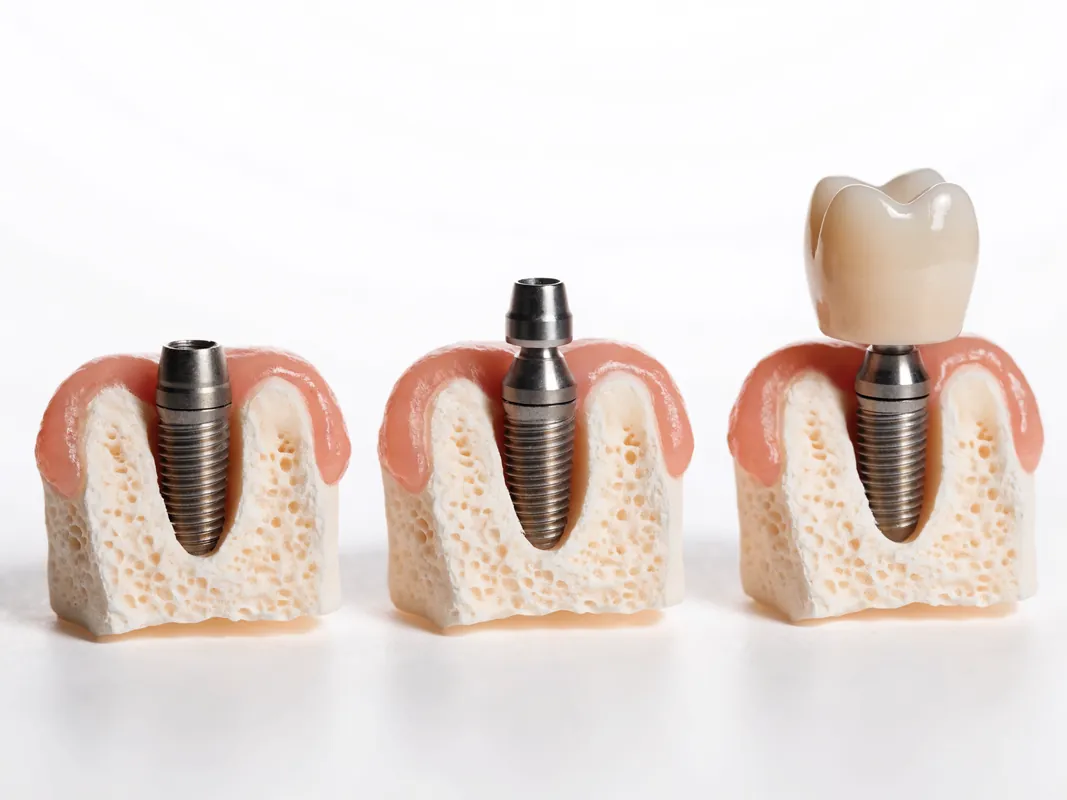
Words such as crown, veneer, bridge, denture or implant can hide important differences. Ask which tooth or site, what purpose, what material category, what component, what provisional stage, what definitive stage and what maintenance expectation apply. For an implant-based plan, distinguish the implant body, healing or temporary components, abutment, screws and prosthesis. For a bridge, identify abutment teeth and pontics. For appearance-led work, identify which teeth would be prepared and why.
Record additions and exclusions
Ask for two separate lists: items definitely in the written clinical scope, and items that may become necessary only after examination. Every conditional item should have a clinical trigger, decision-maker and price method. Commonly overlooked categories can include new imaging, disease control, extraction, grafting, temporary work, sedation, laboratory changes, extra review, maintenance or management of an unexpected finding. The presence of a category here does not mean it is needed; it means ambiguity should be removed.
Ask what is excluded as carefully as what is listed. Flights, insurance, companion costs, meals, medicines, local follow-up and an extended stay should not be assumed. A comparison becomes useful only when exclusions are visible.
Compare clinical scope separately from convenience
Accommodation or transport can be convenient, but it must not be used to make two different clinical plans look equivalent. First compare diagnosis, intervention, clinician, facility, materials, laboratory stages, records and aftercare. Then compare non-clinical services on a separate sheet.
Consent and Language
Consent is an ongoing clinical process, not a signature collected to unlock treatment. The patient needs an understandable explanation of diagnosis, purpose, reasonable alternatives, material risks, uncertainties, likely maintenance, costs and what happens if the plan changes. Time to ask questions and refuse is essential.
Do not assume language support from a flag icon or a multilingual menu. Ask which language the named clinician can use for detailed clinical discussion. If interpretation is required, request the interpreter's name, role, competence, confidentiality arrangements and availability at assessment, consent, treatment and discharge. A salesperson with a financial interest should not be the only channel for a complex consent conversation.
Travel, accommodation, ground transport and interpreting are non-clinical services whose exact scope must be written separately. If an interpreter is supplied through a facilitator, the clinical provider remains responsible for ensuring that consent is meaningful. Ask how the record will show who interpreted and which version of a document was used.
Translate the important documents
Request an understandable copy of the provisional plan before travel. After assessment, read the final plan, consent information, medicine instructions, discharge advice, device records, laboratory information, invoice and complaint route. If translation is supplied, ask whether it is a complete translation or a summary. Keep the original-language document as well as the translated version.
Do not sign a blank, partially completed or unexplained form. Do not allow a companion to become the default interpreter for a difficult risk conversation unless that is genuinely the patient's informed choice and the clinical team considers communication adequate. Children should not be used as interpreters for adult consent.
Confirm changes again
If the in-person findings alter the number of teeth, material, procedure, clinician, facility, sequence, charge or recovery plan, pause. Request a revised written plan and quote. Consent to the remote proposal is not consent to an undisclosed substitute. A change may be clinically reasonable, but it still needs an explanation and a voluntary decision.
Materials, Devices and Laboratory Records
Material names in advertising are not enough. Ask which exact product is proposed for each site and why. Where a regulated device is involved, request manufacturer, product name, model or reference, lot or batch information where applicable, and the record that will be supplied after placement. Ask whether every component belongs to the intended system and how replacement components could be identified later.
A manufacturer name does not establish that a product is appropriate, genuine or correctly used. Ask the clinician to explain the indication in the individual plan, the alternatives, important limitations and how traceability is maintained. Evidence about one product or patient group should not be turned into a personal prediction.
Identify the laboratory
Ask for the legal name and location of the dental laboratory responsible for relevant work. Ask who writes the prescription, who checks the returned work, which material was ordered, and what conformity or traceability documentation will accompany the final record. “In-house” is a location description, not evidence by itself.
For work made in stages, request the distinction between provisional and definitive components. Ask what clinical criteria must be met before moving to a definitive stage, what information the laboratory receives and how any remakes or adjustments are authorised.
Build a records pack
Before leaving Turkey, request copies of:
- pre-treatment and relevant post-treatment clinical records;
- diagnostic charting and radiographs in a usable format;
- the final tooth-by-tooth or site-by-site plan;
- procedure notes and dates;
- the names and roles of treating clinicians;
- medicine and anaesthetic records where relevant;
- device, component, material and lot or batch details where applicable;
- laboratory prescription and relevant conformity information;
- occlusion or shade records where relevant;
- discharge instructions and review criteria;
- the itemised clinical invoice;
- the aftercare and complaints contacts.
Ask a local dentist before travel what file formats would be useful. A screenshot embedded in a chat may not be adequate for future clinical review.
Separate Travel Services From Clinical Care
A bundled quotation may combine healthcare with accommodation, airport collection, local transport, interpreting or leisure services. These do not become healthcare merely because they appear on the same page. Identify the legal supplier, exact scope, dates or booking conditions, cancellation terms, accessibility arrangements and payment recipient for each non-clinical item.
Do not assume a hotel category, room type, companion place, meal, route, luggage allowance or accessible vehicle. Ask for the actual supplier and confirmation before relying on it. If a supplier can change, ask what standard and cancellation right applies. Keep non-clinical invoices separate where possible.
Clinical decisions must not be conditional on accepting travel services. A patient should be able to compare the treatment proposal without the visual influence of a resort, vehicle or excursion. If accommodation or transport is important because of mobility, fatigue or a companion, document those needs and verify the actual arrangement with the supplier.
Planning Checks for Residents of the Netherlands
Residents of the Netherlands should distinguish planned dental treatment from unexpected healthcare during a trip. The Dutch government's EHIC page states that the card is not for planned care, private clinics abroad or repatriation: [Government.nl EHIC guidance](https://www.government.nl/themes/family-health-and-care/health-insurance/standard-health-insurance/applying-for-a-european-health-insurance-card-ehic). Do not treat possession of a card as a funding or rescue plan for elective treatment.
Zorginstituut Nederland explains that planned care abroad is subject to the ordinary conditions of Dutch health insurance, the policy type and possible insurer conditions, and advises checking the policy and contacting the insurer: [Zorginstituut Nederland, care abroad](https://www.zorginstituutnederland.nl/verzekerde-zorg/b/buitenland-en-zorg-zvw). Turkey sits outside the EU cross-border framework discussed on parts of that site, so do not transfer an EU rule to a Turkish private arrangement without a written insurer response.
Before commitment, send the insurer the named provider, country, diagnosis, itemised plan, clinician information and expected dates. Ask in writing:
- Is any part eligible under this exact policy and circumstance?
- Is referral or prior permission required?
- Which provider or facility conditions apply?
- Which clinical records and invoices will be required?
- Are complications arising from planned care treated differently?
- Does the travel policy exclude the planned procedure or related events?
- Is repatriation addressed, and under what wording?
Do not infer an answer from a general call-centre conversation. Keep the policy wording and written response that applied when the decision was made.
The Dutch Ministry of Foreign Affairs publishes changing travel advice for Turkey: [NederlandWereldwijd Turkey travel advice](https://www.nederlandwereldwijd.nl/reisadvies/turkije). Read the complete current page, not an old screenshot or search snippet. Consider the treatment city, any transit area, personal circumstances and insurer consequences. Subscribe to updates if offered.
For local continuity, discuss the proposal with a Dutch dentist before travel. Ask whether that practice could perform ordinary future care and what it would need to review the overseas work. Do not assume a dentist must accept responsibility for unfamiliar treatment or components.

Planning Checks for Residents of Belgium
Belgian residents should ask their mutuality for a written, case-specific position before paying. Belgian federal guidance on planned healthcare abroad describes routes tied to EU, EEA and Swiss frameworks and explains that conditions and prior permission can matter: [FPS Public Health, planned healthcare abroad](https://www.health.belgium.be/fr/themes/sante/votre-sante/soins-sante-transfrontaliers/zorg-het-buitenland/soins-medicaux-planifies-letranger). Turkey should not be assumed to fall within those routes merely because it is geographically close to Europe or marketed to European patients.
Ask the mutuality and any supplementary insurer to respond to the exact Turkish arrangement. Provide the legal provider, facility, diagnosis, itemised plan and dates. Ask whether any reimbursement route applies, whether approval is required, what tariff or evidence rules apply, and whether related complications or local aftercare are treated differently. Keep the written decision. Do not rely on a provider's summary of Belgian benefits.
Belgium has Dutch, French and German language communities, and an individual may use another preferred language. State the language needed for clinical consent rather than assuming it from residence. Ask for complete documents in a language the patient can understand and verify the interpreter arrangement.
Belgian federal guidance on complaints after care abroad focuses on EU, EEA and Swiss cross-border mechanisms: [FPS Public Health, problems or complaints after care abroad](https://www.health.belgium.be/en/themes/health/je-gezondheid/grensoverschrijdende-gezondheidszorg/healthcare-abroad/problems-complaints-after-care-abroad). A patient considering Turkey should ask in advance which Turkish complaint and court routes apply, because EU contact-point mechanisms may not apply. A Belgian mutuality, insurer or consumer adviser can clarify only its own role; it does not convert a Turkish provider dispute into Belgian jurisdiction.
Belgium's current travel information for Turkey is published by FPS Foreign Affairs: [Travel advice for Türkiye](https://turquie.diplomatie.belgium.be/en/travelling-turkiye/travel-advice-turkiye). Check the current sections on entry, security, health and local rules before each booking and departure. Do not repeat a past entry rule as if it were permanent.
Arrange local dental review before travel and ask what records a Belgian dentist would need later. Clarify language and file-format requirements. A future dentist may offer an assessment without agreeing to maintain or revise every element of the overseas plan.
Planning Checks for Residents of the United Kingdom
UK residents should begin with the NHS guidance on planned treatment abroad: [NHS going abroad for medical treatment](https://www.nhs.uk/using-the-nhs/healthcare-abroad/going-abroad-for-treatment/going-abroad-for-medical-treatment/). It distinguishes planned care from necessary healthcare while travelling, highlights language, provider, record, complaint and aftercare questions, and warns that ordinary travel policies may exclude planned treatment. Read the current page for the relevant UK nation and personal circumstances.
The [NHS treatment abroad checklist](https://www.nhs.uk/using-the-nhs/healthcare-abroad/going-abroad-for-treatment/treatment-abroad-checklist/) advises patients to investigate hard selling, missing information, complications, aftercare, insurance and the full cost of changed travel. Use the checklist as an independent counterweight to promotional material.
The GDC page for dental treatment abroad advises checking the people, regulation, qualifications, facility, assessment, risks, costs, records and complaint route. A UK registrant can be checked on the GDC register. An overseas dentist who is not practising within UK registration must be checked through the relevant overseas authority. If a consultation takes place in the UK, identify who gives clinical advice and verify any claimed UK registration separately.
Current FCDO health advice for Turkey includes a specific medical-tourism section and points readers to the Turkish Ministry's approved-provider information: [FCDO Turkey health advice](https://www.gov.uk/foreign-travel-advice/turkey/health). It also says private companies have a financial interest in bookings and should not be the only research source. Read the whole current travel-advice set, including warnings and entry requirements, immediately before travel.
Do not assume that the NHS, a private UK practice or the first available dentist will take over planned overseas work. Discuss likely follow-up with a local dentist before leaving. Ask what ordinary care may be possible, what would require a referral, and which records must be supplied. Emergency services address urgent need; they are not a pre-arranged maintenance plan.
Entry Rules and Official Travel Advice
Entry, passport, transit, security and health advice can change. Nationality, residence status, document type, route and personal circumstances matter. This guide deliberately does not state a fixed entry entitlement or flight schedule.
Use the official source for the traveller's nationality and country of residence. Dutch residents should use NederlandWereldwijd; Belgian residents should use FPS Foreign Affairs; UK residents should use FCDO. If citizenship differs from residence, check the issuing country's official advice and the Turkish consular source as well. Airlines and transit countries may have separate document rules.
Check entry, travel-advice and insurance rules again immediately before booking and departure. Record the access date. Recheck after any itinerary change. If official advice warns against travel to part of an itinerary, ask the insurer how that affects the policy before proceeding.
Travel planning should include flexibility for an assessment-driven change, delayed laboratory work, symptoms or an extended stay. That does not mean a delay will occur. It means the patient should know the financial, work, childcare, companion and accommodation consequences if the original itinerary no longer fits.
Medicines and health information
Ask the treating clinician what medical and medicine information is needed, but do not stop or alter prescribed medicine without advice from the relevant prescriber. Check official rules for carrying each medicine, including controlled medicines, original packaging and supporting documentation. Rules differ by country and substance.
Bring an up-to-date medicine list, allergies, relevant conditions and clinician contact information. Decide how urgent information could be shared securely. If the provider does not request a meaningful medical history before invasive treatment, pause and ask why.
Insurance and Planned Treatment
Insurance is a contract, not an assumption. Standard travel, health, supplementary, credit-card and employer policies can have different definitions, exclusions, notification duties and geographical limits. Planned treatment, related complications, cancellation, an extended stay, companion costs, evacuation and repatriation may each be treated differently.
Send the insurer the exact facts and request a written answer. Avoid asking only “Am I insured?” Better questions include:
- Does the policy respond to an unrelated illness or accident during this trip?
- How does the planned dental procedure affect eligibility?
- How are complications connected to planned care treated?
- Must the insurer approve the provider, facility or country?
- Must the procedure be declared before travel?
- What records are required for a claim?
- Does official travel advice alter the policy?
- Who should be contacted before emergency care or changed travel?
- Are evacuation, repatriation or companion expenses addressed?
- Which exclusions remain relevant even after disclosure?
Ask the insurer to identify the clause supporting its answer. Store that response with the policy schedule. If the wording is unclear, obtain independent insurance advice. The provider or facilitator cannot interpret a Dutch, Belgian or UK policy authoritatively.
EHIC and GHIC arrangements concern defined healthcare situations and are not substitutes for planning elective private dental care in Turkey. Use the current home-country official source rather than a marketing statement.
Local Aftercare Before Booking
Aftercare must be planned before treatment, not negotiated after a problem. Ask the Turkish provider for a written schedule based on clinical review gates rather than an inflexible calendar. It should identify which checks need the treating provider, which may be performed locally, what records will be shared, and how findings move between clinicians.
Contact a local dentist before travel. Provide the provisional plan and ask whether the practice can offer an independent opinion. Discuss ordinary examinations, hygiene and monitoring. Ask whether the practice would assess a concern after return, while recognising that it may decline to assume responsibility for work it did not plan or for unfamiliar components.
An overseas provider's availability by message is not a substitute for hands-on assessment. A photograph may support triage but cannot establish every cause. The plan should state how urgent symptoms are assessed locally, when the patient should seek emergency help, who pays, and how the treating provider receives records.
Handover should be usable
A discharge message saying “everything went well” is not a handover. Request diagnosis, procedures, teeth or sites, materials, devices, anaesthesia or medicines where relevant, laboratory details, current findings, review criteria, warning signs and contact routes. Ask for radiographs and clinical photographs in transferable formats.
The local clinician needs facts, not promotional labels. If the overseas provider cannot provide component or material details after treatment, future maintenance can become harder. Make record delivery a written condition of the plan.
Plan for urgent concerns
Before travel, identify emergency dental and medical options in the destination and at home. Know which symptoms require urgent assessment rather than a routine message. The provider should give procedure-specific instructions after assessment. General internet content cannot diagnose a symptom or tell a person to delay care.
If severe or rapidly worsening symptoms occur, seek appropriate urgent local assessment. Do not fly solely because a remote contact asks for a return without first considering fitness to travel, current clinical need, insurance and safer local options.
Complaints, Contracts and Jurisdiction
Ask for the clinical complaints policy before paying. It should name the legal provider, explain how to submit a complaint, list the information required, identify response stages and state any external Turkish authority or legal route. Ask for an understandable copy. A social-media promise to “look after you” is not a complaint process.
Separate clinical complaints from non-clinical disputes. A concern about diagnosis, consent or treatment belongs with the healthcare provider and relevant clinical authority. A cancelled room or missed collection may belong with another supplier. If a facilitator received payment, clarify whether it acts as agent, principal or reseller and how that affects refunds and disputes.
Jurisdiction should be explicit. The patient's residence in the Netherlands, Belgium or UK does not automatically make home-country regulators responsible for treatment delivered by a Turkish clinician in Turkey. A marketing office, phone number or consultation event at home may create specific local obligations, but it does not erase the need to identify the overseas legal provider and applicable Turkish routes.
Keep advertising, written representations, versions of the plan, consent forms, invoices, receipts, clinical records and correspondence. If a dispute arises, seek advice from an appropriately qualified adviser familiar with the relevant countries and contract. This guide is not legal advice.
Read payment terms before sending money
The written terms should state:
- legal payment recipient and currency;
- clinical milestones linked to payment;
- what a deposit reserves;
- cancellation rules before travel;
- what happens when the in-person diagnosis changes scope;
- how unused clinical care is treated;
- how third-party travel charges are treated;
- chargeback or payment-platform limits, if any;
- invoice timing and tax information;
- the complaint and refund decision-maker.
Avoid cash pressure, split payments to unrelated people, unexplained personal accounts or a demand to pay the full clinical amount before assessment. Currency conversion and bank fees can change the total. Compare the amount that would actually be debited and keep evidence of the exchange basis.

Privacy, Records and Remote Enquiries
Dental photographs, radiographs, medical histories and identity documents can reveal sensitive information. Before uploading them, identify the controller, purpose, recipients, storage route, retention information and patient-rights contact. Ask whether a facilitator, healthcare provider, laboratory, imaging centre or software supplier will receive the data.
Use a secure channel offered by the responsible organisation. Remove unrelated personal information where appropriate, but do not alter clinical records. Ask how to request access, correction or a copy. If data will cross borders, request the applicable privacy explanation rather than assuming the rules are identical.
Remote marketing should be distinguishable from clinical communication. A rapid quote produced by a sales contact may not be a clinical record. Ask who authored it, whether a dentist reviewed the source records, and how the patient can obtain that review as part of the record.
Provider Comparison Worksheet
Complete this worksheet for every shortlisted organisation. “Not supplied” is a valid entry and a useful warning. Do not fill gaps with assumptions.
Identity and authority
- Advertising brand:
- Website legal operator:
- Facilitator legal name and official verification result:
- Clinical provider legal name and official verification result:
- Treatment facility name and exact address:
- Clinical invoice issuer:
- Clinical payment recipient:
- Non-clinical suppliers and payment recipients:
- Date each official source was checked:
People and responsibility
- Initial record reviewer:
- In-person assessor:
- Diagnosing dentist:
- Treating clinician for each major procedure:
- Laboratory prescriber:
- Discharge clinician:
- Aftercare contact:
- Interpreter name, role and conflict information:
- Official registration route checked for each clinician:
Diagnosis and options
- Records reviewed remotely:
- Records still required:
- Diagnosis by tooth or site:
- Uncertainties and assumptions:
- Conservative alternatives:
- Staged alternatives:
- Option of no treatment for now:
- Findings that could stop or change treatment:
- Independent second opinion obtained:
Scope and traceability
- Procedure by tooth or site:
- Healthy tissue affected:
- Provisional stage:
- Definitive stage:
- Device manufacturer and exact reference where applicable:
- Lot or batch record where applicable:
- Material category and product record:
- Laboratory legal name and location:
- Component availability at home:
- Records promised at discharge:
Quote and terms
- Itemised clinical amount:
- Conditional clinical items and triggers:
- Exclusions:
- Payment milestones:
- Deposit purpose:
- Change-after-assessment rule:
- Cancellation rule:
- Currency and conversion basis:
- Separate travel-service scope:
- Separate supplier cancellation terms:
Consent, aftercare and redress
- Language used with the clinician:
- Full translated documents available:
- Important risks and uncertainties discussed:
- Maintenance needs discussed:
- Local dentist consulted:
- Review gates and responsible clinician:
- Urgent assessment route in Turkey:
- Urgent assessment route at home:
- Clinical complaints process:
- External Turkish route:
- Applicable contract and jurisdiction stated:
- Insurer's written response stored:
- Official travel advice rechecked:
Score nothing until evidence is attached. A simple “yes” from a sales call is weaker than a named, dated document from the responsible entity.
Red Flags
Pause or leave the process when one or more of these remain unresolved:
- the legal clinical provider is not named;
- the payment recipient does not match the documents and no explanation is supplied;
- the exact treatment facility is withheld until arrival;
- the treating clinician is unnamed or changes without notice;
- current official verification cannot be demonstrated;
- a remote image is presented as a final diagnosis;
- every enquiry receives the same number of procedures;
- healthy teeth are proposed for irreversible work without alternatives;
- the patient is pressured to pay or travel before independent assessment;
- the quote lacks tooth-by-tooth or site-by-site scope;
- conditional additions have no trigger or price method;
- a material brand is advertised but traceability records are refused;
- the laboratory cannot be identified;
- an interpreter is a salesperson and no independent clinical communication route exists;
- consent documents are unavailable in an understandable language;
- a clinical change is introduced without revised consent and price;
- accommodation images dominate while clinical records are missing;
- aftercare means only sending photographs;
- no local handover is planned;
- no clinical complaints policy or external route is identified;
- records are promised verbally but not listed in the plan;
- travel or insurance statements are presented without a current official source;
- patient stories omit consent, provider, dates and clinical context;
- reviews or awards are treated as a substitute for diagnosis and registration.
One unanswered administrative question may have an innocent explanation. A pattern of opacity, pressure and shifting identities is different. Do not let money already spent turn a warning into a reason to continue.
Frequently Asked Questions
Does this guide identify the best clinic in Turkey for Dutch, Belgian or UK patients?
No. There is no defensible universal ranking for individual care. The relevant question is whether a named, currently authorised provider and named clinicians have produced an appropriate, evidence-based plan for one patient after adequate assessment. Use official sources, independent clinical advice and written records. Marketing position, review volume, interior design and travel convenience do not answer that question.
Is a HealthTürkiye or Ministry entry enough to choose a provider?
No. An official entry is an important identity and authorisation check at the date searched. It is not a personal clinical recommendation and does not prove that a particular treatment plan is necessary. Continue by checking clinician identity, facility, diagnosis, alternatives, consent, materials, laboratory, aftercare, records and complaint route.
What is the difference between a facilitator and the dental provider?
The provider is the legal healthcare entity responsible for clinical care. A facilitator may arrange administrative, communication or travel services. Ask both parties to define their roles and verify the current Turkish authorisation status applicable to each. Clinical questions must be answered by the responsible qualified clinician, not silently converted into sales answers.
Can photographs and a panoramic radiograph produce a final treatment plan?
They can support an initial review and help identify records still needed. They do not reproduce a complete examination or every diagnostic test. Image date and quality, gum health, symptoms, bite, tooth vitality, medical history and existing work can change the options. Treat the remote scope as provisional until the named clinician performs the necessary in-person assessment.
How should two quotes be compared?
First check that they address the same diagnosis and teeth or sites. Then compare clinician, facility, procedures, alternatives, provisionals, definitive work, devices, materials, laboratory, conditional items, records, aftercare and payment stages. Put travel services on a separate sheet. A total alone cannot show whether the scopes are equivalent.
Should a patient choose based on the lowest quote?
No single commercial measure establishes appropriate care. A low total may omit stages or respond to a different diagnosis; a high total does not establish suitability either. Compare the clinical reasoning, preservation of healthy tissue, named responsibility, traceability, aftercare and written exclusions. Seek an independent opinion before irreversible work.
Is language support confirmed by an English or Dutch website?
No. A website translation does not show how the named clinician will conduct a detailed consent discussion. Ask which language will be used, whether an interpreter is needed, who that person is, and whether complete documents will be understandable. Confirm the arrangement for assessment, treatment changes and discharge, not only the first sales call.
Can a coordinator interpret clinical consent?
The key issues are competence, accuracy, confidentiality and conflict. A coordinator with a financial interest may not be the appropriate sole interpreter for a complex decision. Ask the healthcare provider how meaningful consent will be ensured, how interpretation will be recorded and whether an independent interpreter can be used.
What device and material records should be requested?
Request the manufacturer, exact product or system, model or reference and traceability information relevant to what is actually placed. Ask for the laboratory identity and prescription record where applicable. The exact record depends on the procedure. Obtain copies before departure so a future clinician can identify components and materials without relying on memory.
Does an internationally known material name prove suitable care?
No. Product identity does not establish diagnosis, correct indication, genuine supply, clinician competence, appropriate use or maintenance. Ask why the specific material or device is proposed for the specific site, what alternatives exist, what limitations matter and how the item will be traced in the patient record.
How should a Dutch resident check reimbursement or insurance?
Read the current policy and use the official Dutch sources, then give the insurer the exact provider, diagnosis, plan and country. Ask for a written, case-specific response about eligibility, permission, evidence, exclusions and complications. Do not use an EHIC as a planned-treatment or repatriation plan.
How should a Belgian resident check reimbursement or insurance?
Contact the mutuality and any supplementary insurer before commitment. Ask how the exact Turkish private arrangement is treated, because Belgian and EU cross-border routes cannot simply be assumed to apply. Request the decision, evidence requirements and any permission rule in writing. Keep the response with the contract and itemised plan.
How should a UK resident check healthcare funding and travel insurance?
Read the current NHS planned-treatment guidance, the NHS checklist, GDC information and FCDO Turkey advice. Give the insurer the actual procedure and provider facts, then request a written interpretation of the policy. Do not assume GHIC, NHS services or an ordinary travel policy will act as the aftercare plan for elective private treatment in Turkey.
Should treatment be booked before asking a local dentist?
An independent local examination is particularly valuable before extensive or irreversible care. It can clarify existing disease, alternatives and future maintenance. Also ask the local practice what records it would need and what care it may or may not be willing to provide after return. Do this before travel pressure narrows the patient's choices.
What if the plan changes after arrival?
Ask why, what new finding supports the change, what alternatives remain, who made the decision, how cost changes and whether travel can safely continue without accepting it. Request a revised written plan and give fresh consent only after understanding it. The patient should be able to pause or decline.
Are accommodation and transport part of the clinical treatment?
No. They are separate non-clinical services even when marketed with care. Identify each supplier, exact scope, accessibility, change and cancellation terms, and payment recipient. Compare the dental plan without hospitality imagery first. Never allow a room or transport booking to decide whether a procedure proceeds.
What aftercare should be arranged before travel?
Ask for review gates, responsible clinicians, record-sharing, urgent contacts and the division between care in Turkey and care at home. Speak to a local dentist in advance. Remote messaging can assist communication but cannot replace every examination. Understand who assesses a concern, where and under which payment terms.
What records should the patient take home?
The pack should include diagnosis, tooth or site chart, relevant images, procedure notes, clinician names, device and material traceability where applicable, laboratory information, medicines or anaesthetic records where relevant, discharge advice, review criteria, invoice, aftercare plan and complaint contacts. Request usable original files rather than only screenshots.
Which country handles a complaint?
That depends on the legal provider, place of care, contract, issue and organisations involved. Treatment in Turkey commonly engages Turkish provider and authority routes. A facilitator or consultation activity at home may create other responsibilities, but should not be assumed to transfer the whole clinical dispute. Ask before payment and obtain legal advice if needed.
Can patient reviews replace verification?
No. Reviews may describe an individual's experience but often omit diagnosis, clinician, facility, records, complexity, maintenance and follow-up. They may be selected, incentivised or impossible to authenticate. Use them to generate questions, not to establish official status or predict a personal clinical result.
What should happen if official information and the website disagree?
Pause. Save dated copies and ask the legal entity to explain the discrepancy in writing. It may reflect a changed name, address, authorisation status or outdated page. Do not send payment or health data until identity and role are clear through an official source.
When is postponing the trip sensible?
Postpone when the provider or clinician is unclear, the diagnosis is incomplete, consent cannot occur in an understandable language, a medical issue needs local review, the quote cannot be compared, aftercare is absent, travel advice creates concern, insurance has not answered, or the patient feels pressured. Delay preserves choice; money already spent should not override safety.
How often should official sources be checked?
Check at the start of comparison, before payment, before final booking and immediately before departure. Recheck after any change in provider, facility, clinician or itinerary. Save the access date because authorisation lists, travel advice, entry rules and policy wording can change.
Official Sources and Currency
This guide was reviewed against the following official sources on 29 August 2026. The date is not a promise that a page, list, rule or policy remains unchanged. Open the current source and confirm the relevant personal circumstances before relying on it.
Turkey
- [Republic of Turkey Ministry of Health, Health Tourism Department](https://saglikturizmi.saglik.gov.tr/siteagaci?_Dil=2) — official entry point for current authorised healthcare-provider and facilitator information.
- [Official Gazette, International Health Tourism and Tourist Health regulation](https://www.resmigazete.gov.tr/eskiler/2025/04/20250426-2.htm) — official regulatory text published on 26 April 2025; check for later amendments or replacement text.
- [HealthTürkiye facility search](https://www.healthturkiye.com/hospitals-list) — official platform search entry; a listing is not an endorsement for an individual plan.
Netherlands
- [Government.nl, European Health Insurance Card](https://www.government.nl/themes/family-health-and-care/health-insurance/standard-health-insurance/applying-for-a-european-health-insurance-card-ehic) — distinguishes the card from planned care, private-clinic care and repatriation.
- [Zorginstituut Nederland, care abroad under Dutch health insurance](https://www.zorginstituutnederland.nl/verzekerde-zorg/b/buitenland-en-zorg-zvw) — explains policy conditions and the need to check with the insurer.
- [NederlandWereldwijd, Turkey travel advice](https://www.nederlandwereldwijd.nl/reisadvies/turkije) — current Dutch official travel information; read the live page.
Belgium
- [FPS Public Health, planned healthcare abroad](https://www.health.belgium.be/fr/themes/sante/votre-sante/soins-sante-transfrontaliers/zorg-het-buitenland/soins-medicaux-planifies-letranger) — official explanation of Belgian cross-border routes and prior-permission questions within its stated geographical scope.
- [FPS Public Health, complaints after care abroad](https://www.health.belgium.be/en/themes/health/je-gezondheid/grensoverschrijdende-gezondheidszorg/healthcare-abroad/problems-complaints-after-care-abroad) — official complaint information within its stated scope; ask what applies to Turkey.
- [FPS Foreign Affairs, travel advice for Türkiye](https://turquie.diplomatie.belgium.be/en/travelling-turkiye/travel-advice-turkiye) — current Belgian official travel information.
United Kingdom
- [NHS, going abroad for medical treatment](https://www.nhs.uk/using-the-nhs/healthcare-abroad/going-abroad-for-treatment/going-abroad-for-medical-treatment/) — planned-care, language, records, aftercare, complaint and insurance questions.
- [NHS, treatment abroad checklist](https://www.nhs.uk/using-the-nhs/healthcare-abroad/going-abroad-for-treatment/treatment-abroad-checklist/) — independent planning and warning-sign checklist.
- [General Dental Council, going abroad for dental treatment](https://www.gdc-uk.org/standards-guidance/information-for-patients-public/going-abroad-for-dental-treatment) — questions about assessment, professionals, facilities, records, costs and complaints.
- [FCDO, Turkey health advice](https://www.gov.uk/foreign-travel-advice/turkey/health) — live health and medical-tourism information. Read it together with the complete current Turkey travel advice.
Final Decision Rule
Choose evidence over labels. The decision file should name the legal clinical provider, facility and clinicians; show current official checks; contain an assessment-led diagnosis, alternatives and itemised quote; document language and consent; identify devices, materials and laboratory where relevant; separate travel services; define aftercare, records, complaints and payment terms; and include current written insurer and travel checks.
If those elements are not available, the comparison is not finished. A patient does not need to fill the gaps with trust, urgency or a holiday image. Pause, verify and seek independent advice before making an irreversible decision.