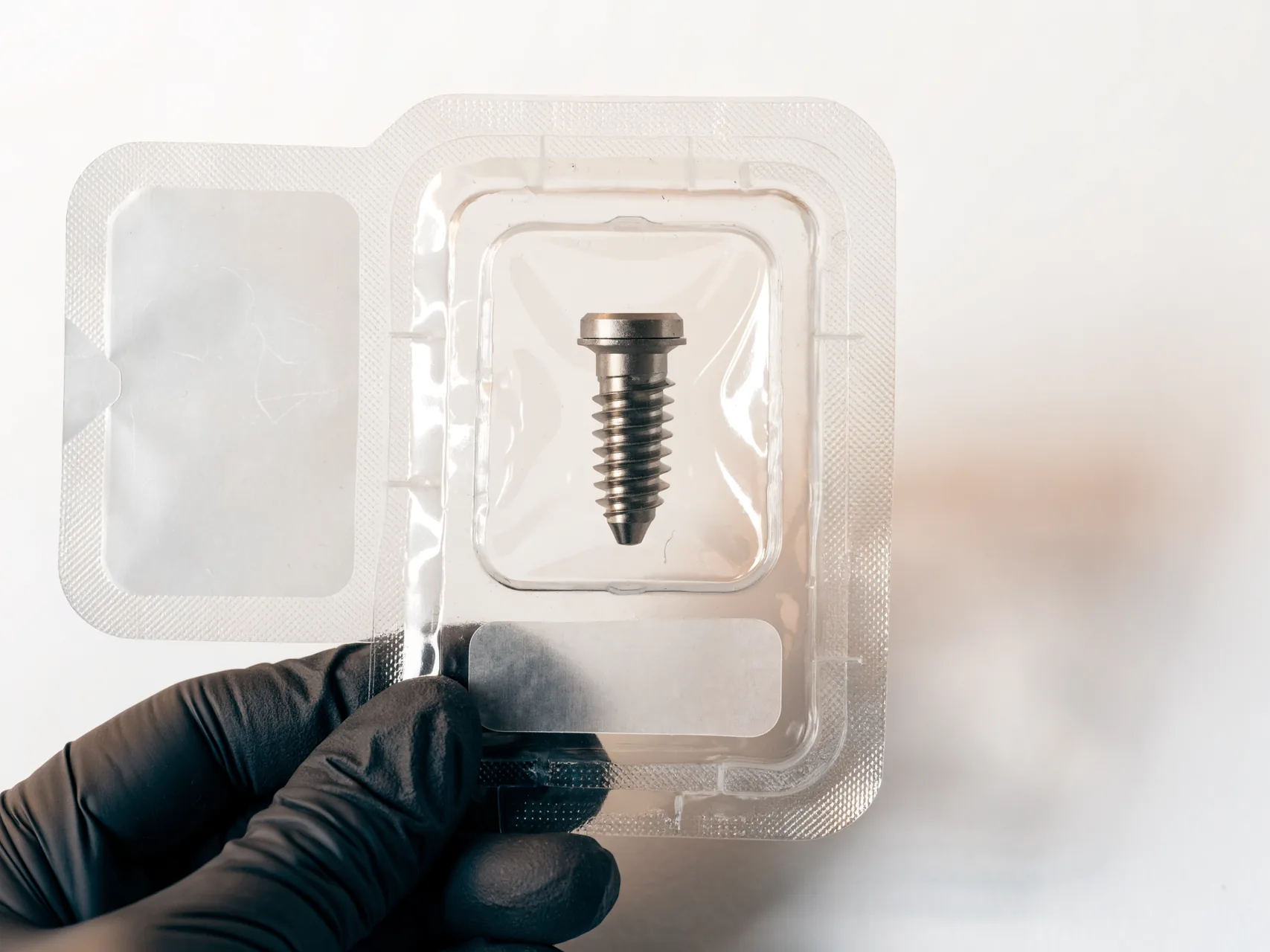
Three top-tier implant brands compete for premium dental cases. Here is the honest, technical comparison to help you understand which is right for your specific situation.
Three top-tier dental implant brands dominate the premium market: Osstem (Korea), Straumann (Switzerland), and Nobel Biocare (Sweden/USA). All deliver excellent outcomes when placed correctly. The differences are in surface technology, specific clinical strengths, and warranty structure. This guide is honest about which is right for which case.
Quick Comparison Matrix
| Feature | Osstem TS3 | Straumann SLActive | Nobel Biocare TiUltra |
|---|---|---|---|
| Country | South Korea | Switzerland | Sweden / USA |
| Founded | 1992 | 1954 | 1981 (Brånemark) |
| Best for | Healthy bone routine cases | Compromised bone, aesthetic zone | Full-arch (All-on-4®) |
| Surface technology | CA Surface | SLActive® | TiUltra® multi-zone |
| Strength advantage | Standard cases | Compromised bone | Soft-tissue health |
| Written terms | Confirm current product- and market-specific terms | Confirm current product- and market-specific terms | Confirm current product- and market-specific terms |
| Total cost | Most accessible | Premium | Premium |
| Long-term data | 20+ years | 70+ years | 50+ years |
When to Choose Osstem
Best for:
- Routine implant cases in healthy bone (Type II or III density)
- Patients with adequate budget but seeking best value
- Standard single-tooth replacement
- Multiple implants where total cost matters
Strengths:
- Clinical outcomes within 1-2 percentage points of Straumann/Nobel
- written manufacturer terms
- Premium engineering, ISO-certified manufacturing
- Significant cost advantage at the multi-implant level
Weaknesses:
- 25 years of clinical data (vs 70+ for Straumann)
- Surface technology not optimized for compromised bone
- Less data on full-arch cases
Decision point: A named clinician may consider this option for a routine case only after assessing anatomy, health and the complete component plan.
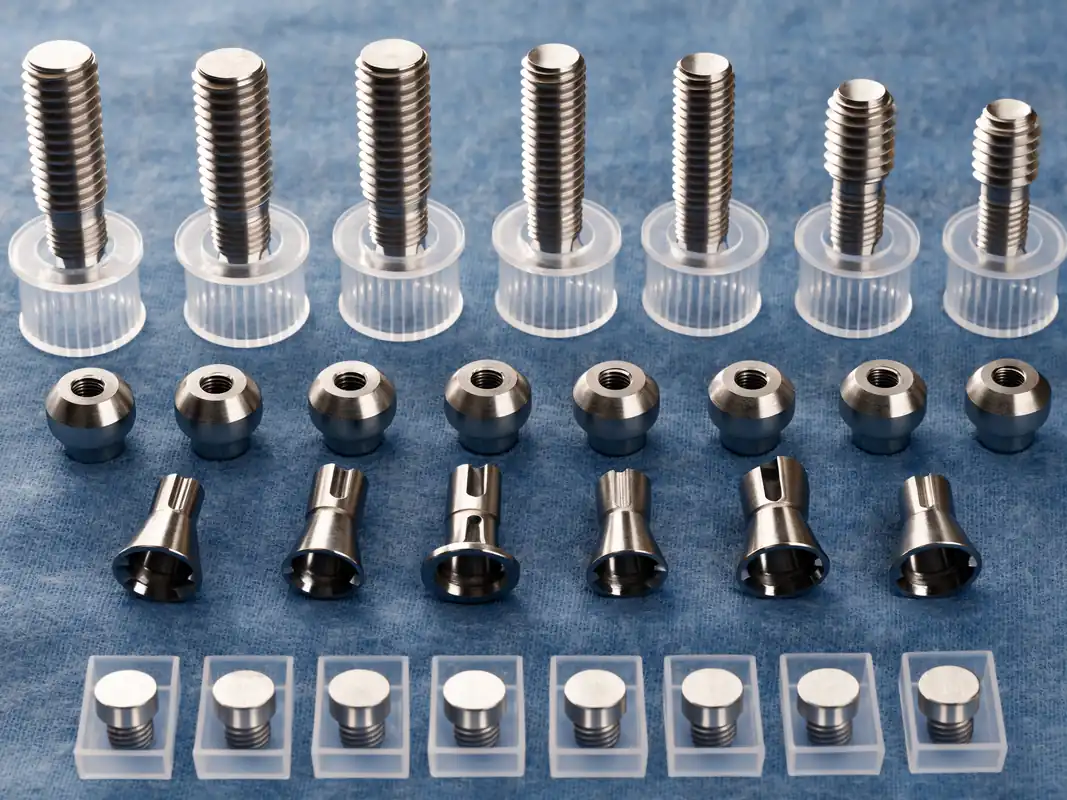
When to Choose Straumann
Best for:
- Compromised bone (smokers, diabetics, post-sinus-lift)
- Aesthetic zone (front teeth) with thin biotype
- Periodontitis-prone patients
- Patients prioritizing long-term warranty
Strengths:
- SLActive® hydrophilic surface — fastest integration in compromised bone
- Roxolid® alloy — small-diameter implants with full strength
- written manufacturer warranty terms on titanium fixture
- 70+ years of clinical research base
- PURE Ceramic alternative for metal-free patients
Weaknesses:
- Higher cost than Osstem
- Surface advantages less relevant in healthy bone
Decision point: Medical risk, smoking, gum health, anatomy and the aesthetic zone require an individual clinician-led assessment; a brand alone does not resolve risk.
When to Choose Nobel Biocare
Best for:
- All-on-4® and All-on-6® full-arch cases
- Periodontitis-prone patients
- Immediate placement in soft bone
- Complex full-arch reconstruction
Strengths:
- All-on-4® inventor; original protocol
- TiUltra® multi-zone surface — optimal soft-tissue health
- 30+ years of conical-connection design
- Excellent for soft-bone (upper jaw) immediate placement
- written manufacturer warranty terms
Weaknesses:
- Less aggressive surface activation than Straumann SLActive®
- Cost similar to Straumann
- Single-tooth aesthetic less specialised than Astra Tech
Decision point: Full-arch and immediate-loading suitability must be decided after clinical and imaging assessment; no brand is an automatic default.
Decision Framework for Your Case
Single tooth, healthy bone: Osstem (best value)
Single tooth, compromised bone: Straumann (SLActive® edge)
Single tooth, aesthetic zone: Astra Tech or Straumann
Multiple teeth, healthy bone: Osstem (cost benefit)
Multiple teeth, compromised bone: Straumann
All-on-4® full arch: Nobel Biocare (inventor's protocol)
Periodontitis-prone: Nobel Biocare TiUltra®
Smoker, diabetic, or post-sinus-lift: Straumann SLActive®
How a Brand Recommendation Should Be Explained
Your written plan should state which brand the responsible clinician recommends and the case-specific reason. The recommendation should address:
- CBCT-determined bone density and quality
- Tooth position (aesthetic vs posterior)
- Medical history (diabetes, periodontal status, smoking)
- Specific patient preferences (Swiss origin, written manufacturer warranty terms)
- Total package cost considerations
Verifying Product Authenticity
For all three brands, you receive after surgery:
- Manufacturer batch certificate with serial numbers
- Original sealed packaging documentation
- Independent verification through manufacturer's distributor network
- Photographs of materials before placement (on request)
Authenticity is non-negotiable. We never substitute brands.
What If You Have a Brand Preference?
Patients sometimes specifically request a brand based on:
- Family history with that brand
- Country of origin preference (Swiss = Straumann)
- Specific research or recommendation
- Existing implants to match for future work
You can state a brand preference during the enquiry. The named clinician should explain whether it fits the case and document why another system may be more appropriate; a coordinator does not alter the clinical plan.
Mixing Brands Within One Patient
Some patients have implants from different systems. Compatibility, restorative components and future servicing still require clinical review. For a new case, ask whether using one system would simplify:
- Simplified warranty management
- Consistent surgical technique
- Easier component compatibility for future restorations
What to Send Us
WhatsApp +905510868368 with:
- Recent panoramic X-ray
- Medical history
- Specific brand preferences (if any)
- Concerns about specific brands
After adequate record review, any brand recommendation should come from the named responsible clinician and explain the case-specific reasoning.