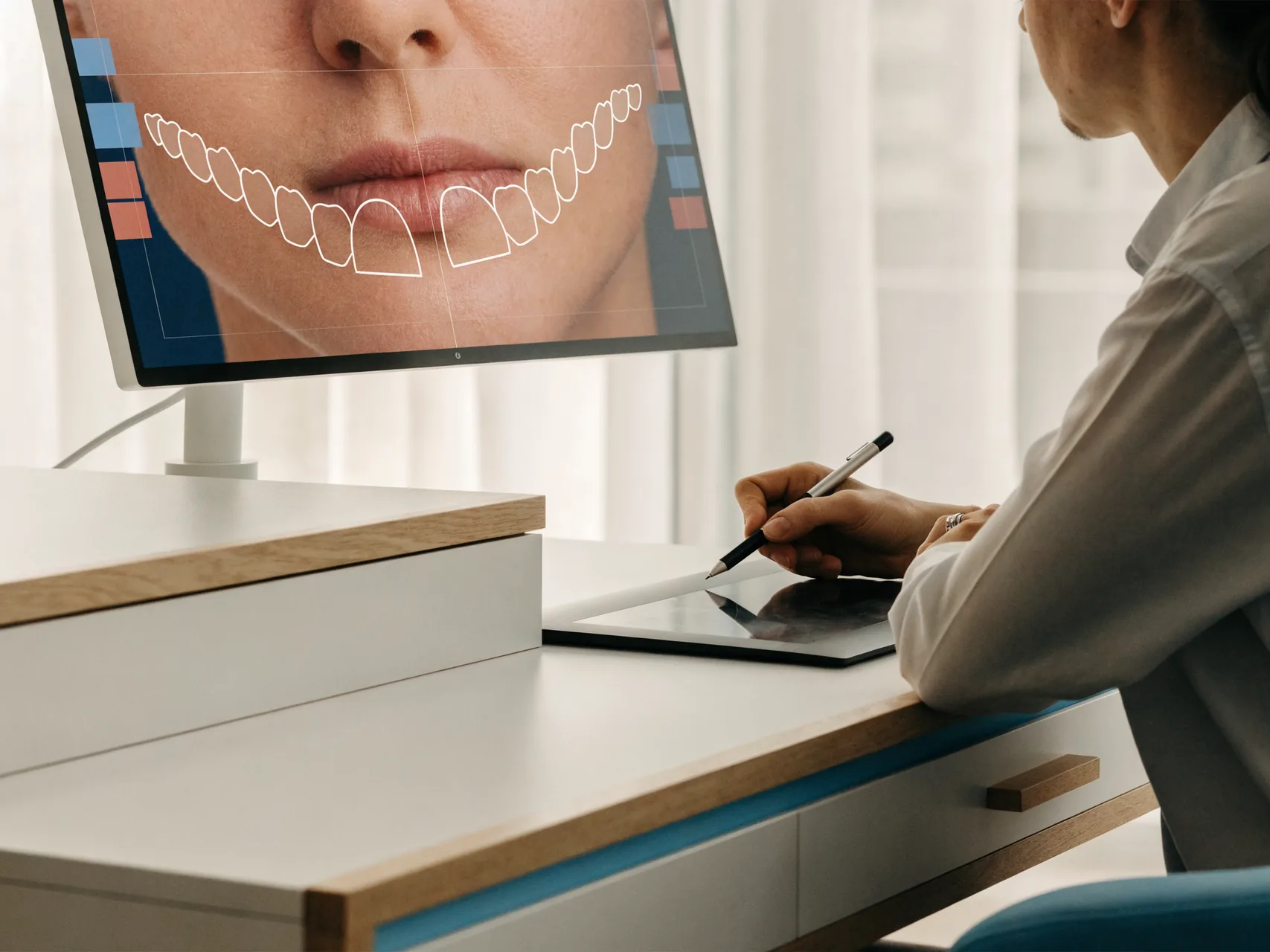
A five-day label is a search and sales description, not a clinical endpoint. This guide turns it into evidence gates for diagnosis, options, preparation, laboratory work, review and local handover.
The phrase “Hollywood smile Turkey in five days” is common in search results because it compresses a complicated decision into a memorable label. It is not a diagnosis, a treatment name with one agreed definition, or evidence that irreversible care can be completed safely before a particular flight. A responsible proposal must identify the oral-health problem, the options, the tooth-by-tooth intervention, the laboratory and material chain, the conditions for proceeding, and what happens if a clinical gate is not passed.
This guide is a proposal-verification and decision tool. It is not a diagnosis, recommendation, treatment schedule, quotation or offer. It verifies no clinic, clinician, qualification, laboratory, material, device, legal status, cost, capacity, availability, result, comfort, completion date, remedial term, accommodation or transport service. Only an appropriately qualified professional who has examined the patient and the relevant records can advise on an individual case.
Official sources used here come from the United Kingdom, the United States, the European Union and Türkiye. They answer different questions under different legal systems. NHS and ADA pages provide broad patient information; GDC standards describe duties for UK registrants; European and British device rules illustrate traceability concepts in their own jurisdictions; Turkish official pages support narrow provider or complaint checks. None of them proves that a particular overseas proposal is suitable, lawful, well executed or likely to meet a person’s expectations.
Use the dental veneer guide, professional whitening guide and zirconia crown guide for treatment-category background. Use the clinic verification guide for provider due diligence and the returning-home guide for continuity planning. Those pages support questions; they do not turn a remote design into a clinical plan.
Five Days Is a Search Query, Not a Clinical Endpoint
A calendar answers when a person hopes to arrive and leave. It does not answer whether disease is controlled, which teeth are structurally sound, whether whitening or orthodontics would meet the objective with less tissue intervention, whether a provisional has been tested, whether a laboratory remake is needed, or whether the tissues are ready for a meaningful review. Calling a proposal “five-day” does not resolve any of those uncertainties.
Translate the label into a conditional statement: “The seller has proposed a sequence within a short travel window, subject to clinical examination, health findings, patient decisions, laboratory acceptance and review.” Then ask for every condition in writing. If the seller will not state what can move, stop or extend the sequence, the timetable is not decision-grade.
Do not reverse the logic by asking, “How can all of this fit before departure?” Start with, “What evidence must exist before each irreversible step?” Travel can be changed; removed tooth tissue cannot be put back. A missed sightseeing booking is inconvenient. An unnecessary preparation or a restoration bonded despite an unresolved fit problem can create a much harder clinical decision.
A short visit may contain assessment or limited care for some people. That possibility is not a universal completion claim. “Possible after examination” and “promised before arrival” are materially different statements. Preserve that difference in emails, consent documents, invoices and your own notes.
Replace the Smile Label With a Problem List
“Hollywood smile” can mean whitening, edge repair, orthodontic alignment, composite additions, veneers, crowns, replacement of old restorations, or a mixture. It can also mean no clinical need at all: a person may simply be responding to filtered images or pressure to make healthy teeth more uniform. The label is too broad to justify an intervention.
Write the concerns in ordinary, observable language. Examples include one dark restoration, uneven incisal edges, a rotated tooth, spaces, staining, a tooth with extensive structural loss, bleeding gums, sensitivity, pain, or dissatisfaction with colour. Separate symptoms from appearance preferences. Separate the patient’s own priorities from recommendations introduced by a seller.
For each concern, record how it was assessed and which options address it. A colour concern does not automatically require coverage restorations. A position concern may be orthodontic. A small contour concern may have additive or no-treatment options. A heavily restored or fractured tooth may need a different structural discussion from an intact neighbouring tooth. Uniform unit counts conceal those differences.
The output should be a tooth chart, not a slogan. Each tooth should show current condition, relevant diagnosis or uncertainty, proposed action, alternative, expected maintenance, and reason for any tissue removal. Teeth that need no intervention should be recorded as such. That makes overtreatment easier to detect and allows a second clinician to review the reasoning.
Urgent and Active Disease Come First
Cosmetic planning should pause when pain, swelling, uncontrolled bleeding, spreading infection, trauma, severe sensitivity, a suspected crack, mobility or another urgent problem needs assessment. The aim is not to force disease control into a cosmetic itinerary. It is to identify the problem, manage urgency appropriately and reconsider the elective plan after the necessary evidence is available.
Active caries, unstable periodontal disease and unresolved pulpal or endodontic questions can change the prognosis of a proposed veneer or crown. Bonding a visually pleasing restoration over an unresolved foundation does not remove the biological problem. Inflamed tissues can also distort margin evaluation, impressions or scans and the apparent shape of the gum line.
Ask the clinician to label findings as urgent, active but non-urgent, stable, uncertain or absent. “No pain” is not the same as “no disease,” and an online photograph is not a substitute for an examination. Conversely, an imaging finding or cosmetic imperfection does not automatically require treatment. Findings need clinical interpretation and patient-specific relevance.
If an urgent problem is discovered after travel, the correct response may be assessment, stabilisation, referral, deferral or a revised plan. A sales deadline must not convert an elective sequence into an emergency. Require a written explanation of how the original proposal changed and what decisions remain open.
Build a Diagnostic Record Before a Quote
A decision-grade record begins with the patient’s concerns, health history, dental history, medicines and allergies as reported, relevant habits, previous treatment experiences and capacity to maintain the proposed work. It continues with a clinical examination. The exact components depend on the case; a generic list cannot prescribe tests for everyone.
Relevant findings may include caries risk, existing restorations, enamel quantity, cracks, wear, sensitivity, pulp status, periodontal condition, recession, mobility, occlusion, parafunction, tooth position, smile dynamics, lip movement, phonetics, hygiene access and the condition of opposing teeth. The clinician should distinguish observed facts from provisional interpretations and unconfirmed assumptions.
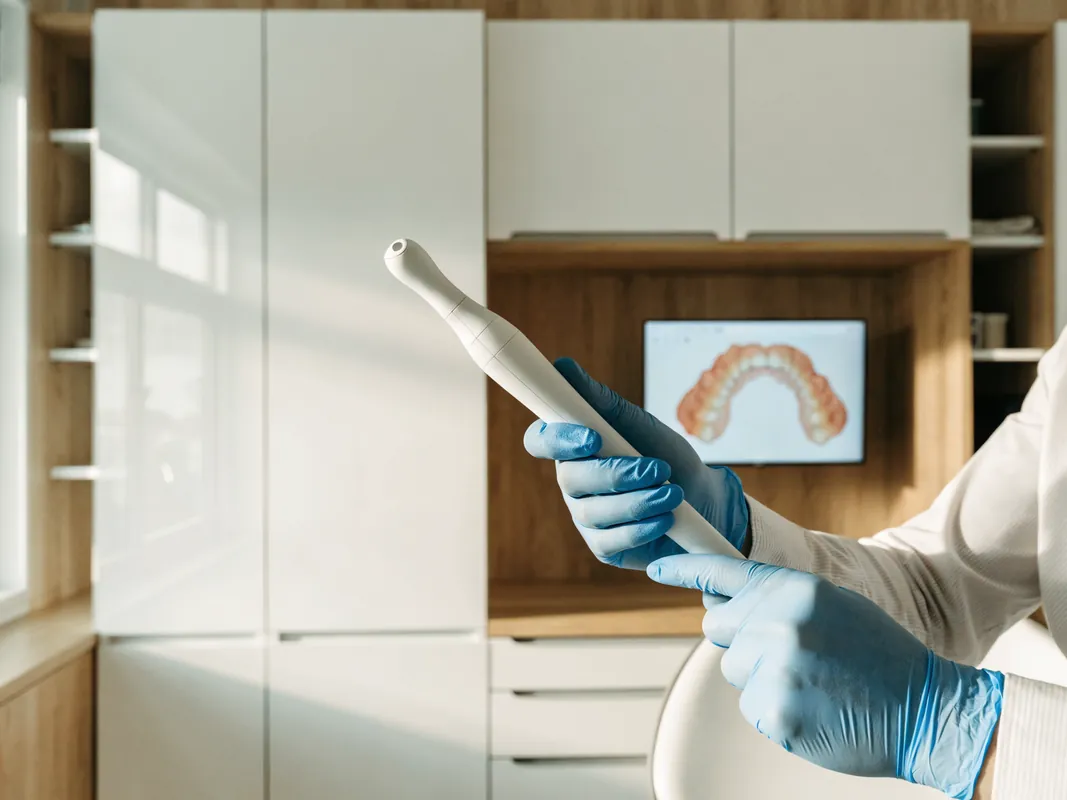
Imaging should answer a clinical question rather than serve as a package prop. The ADA’s patient information explains that dental radiographs are selected when the dentist considers them necessary for diagnostic information. That supports justification, not a mandatory panoramic image for every cosmetic enquiry and not a remote diagnosis from one file.
Keep copies of relevant photographs, scans, radiographs and reports with dates. Record who took or interpreted them and whether the files are diagnostic quality. A digital smile image may help communication, but it is not equivalent to the disease, structural, periodontal and functional record required for an irreversible plan.
Separate No Treatment, Whitening, Orthodontics, Composite, Veneers and Crowns
The central comparison is not “which smile package looks best?” It is “which option, if any, answers each identified concern with an acceptable biological and maintenance burden?” Put no treatment and monitoring in the first column. Then compare whitening, orthodontics, additive contouring or composite, veneers, crowns and any condition-specific care separately.
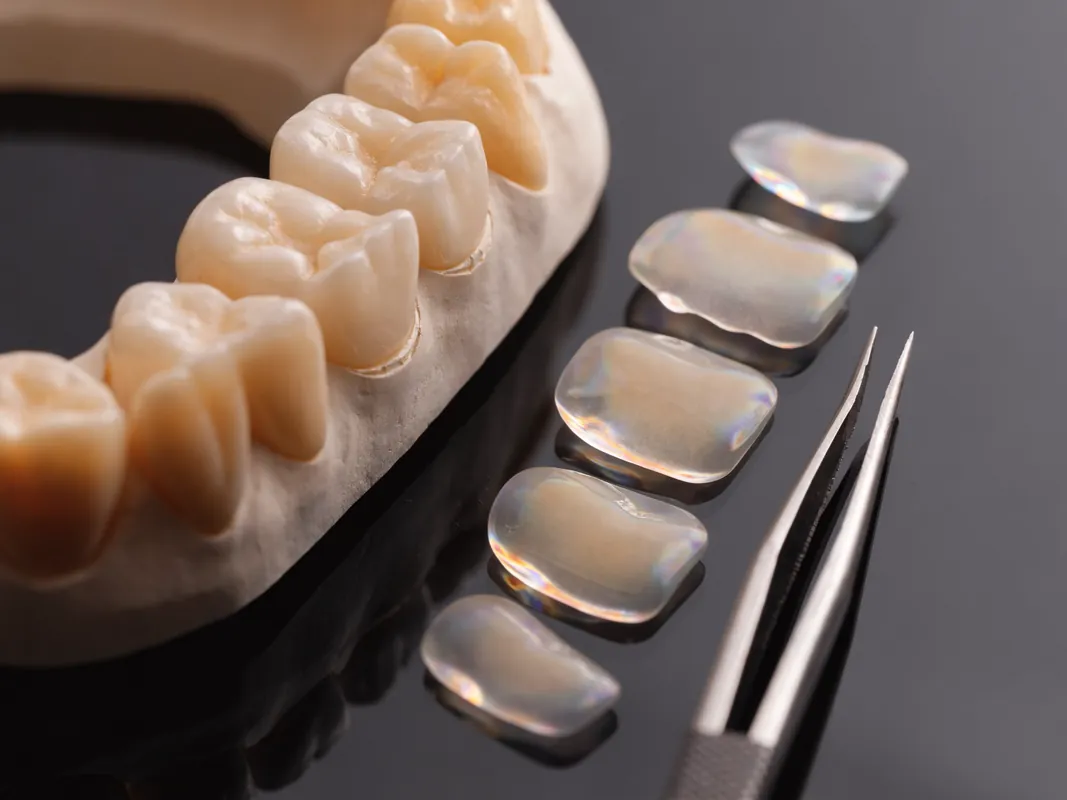
Whitening changes colour in natural tooth tissue but does not recolour existing crowns, veneers or fillings. Orthodontics changes tooth position and bite relationships over time; it is not a cosmetic covering. Direct composite is placed and shaped by the clinician and has different repair, wear and staining considerations from laboratory-made ceramic. A veneer covers the front surface and may involve irreversible enamel removal. A crown covers the whole tooth and requires a tooth-specific structural reason.
Do not accept a table that describes every choice only as “basic,” “standard” or “top.” Those are sales tiers, not clinical alternatives. Compare what tissue changes, what problem is addressed, what evidence supports the choice, what can be repaired, what may need replacement, how hygiene is maintained, and how the option affects later treatment.
A mixed plan may be the most coherent outcome: no treatment for some teeth, whitening before shade selection for suitable natural teeth, orthodontic discussion for position, repair for a local defect, and coverage only where justified. Visual uniformity across a photograph is not enough reason to make biologically different teeth undergo identical preparation.
Use a Tooth-Preservation Ladder
Create a preservation ladder for every tooth. The first rung is no treatment or monitoring. Later rungs might include preventive care, disease control, whitening for a colour concern, orthodontic movement, additive contouring, direct restoration, partial coverage, veneer, crown or another case-specific intervention. The ladder is not a rule that the least invasive option always wins; it forces the reason for moving to a more irreversible option into view.
Ask what healthy tissue would be removed, which substrate would remain, what happens if the restoration chips or debonds, and what the likely next intervention would be if repair is not possible. Avoid fixed preparation measurements copied from advertising. Tooth shape, material, position, existing restorations and clinical objectives differ. A single number cannot establish that a preparation is conservative.
Record the starting condition with clear images or scans before preparation. For each tooth, document whether the plan is additive, minimally reductive, or substantially reductive in descriptive clinical terms. Ask the clinician to explain why a less destructive alternative does not meet the agreed objective. If the answer is merely “the schedule is faster,” obtain another opinion.
Preservation also includes pulp health, periodontal access, cleansable contours, bite relationships and the possibility of future repair. Saving visible enamel while creating an uncleanable margin is not a complete preservation strategy. The decision should consider the whole tooth and its surrounding tissues, not only the front-facing photograph.
Use Four Statuses at Every Clinical Gate
A useful short-visit plan uses four statuses: not ready, ready, conditional and stop. “Not ready” means required information or stabilisation is missing. “Ready” means the documented criteria have been met for that stage. “Conditional” means an identified uncertainty remains and the next decision depends on a stated finding. “Stop” means the planned step should not proceed unless a new assessment changes the status.
Attach an owner and evidence field to every status. For example, oral-health stabilisation might be owned by the treating clinician and evidenced by current clinical findings. Laboratory acceptance might require a named prescription, material confirmation and quality checks. Patient consent must be owned by the patient, based on understandable information, without being treated as a box completed by a coordinator.
Statuses should be allowed to move backwards. A tooth that appeared ready may become conditional after temporary removal, a try-in, a bite finding or a newly reported symptom. A laboratory mismatch may stop bonding even if a departure booking is close. Dynamic reassessment is a sign that the plan responds to evidence, not proof of failure.
A “green” dashboard from a seller is meaningless unless the criteria and evidence are visible. Keep your own copy of the gate sheet. If the only status is “on schedule,” the system is tracking travel logistics rather than clinical readiness.
Gate One: Stabilise Oral Health
The first gate asks whether active disease and urgent concerns have been assessed and managed sufficiently for elective restorative decisions. “Sufficiently” is patient-specific. It may involve prevention, periodontal care, caries management, review of sensitivity, endodontic assessment, habit management or other care. This guide cannot decide which actions are needed.
Define the exit criteria before treatment. Examples of questions include: Are tissues stable enough for reliable margin planning? Has a painful tooth been diagnosed? Is caries activity addressed? Can the patient clean the proposed contours? Has a suspected crack or pulpal issue been resolved or explicitly carried as uncertainty? Are there reasons to defer elective work?
Do not use cosmetic provisionals to hide a failure to pass this gate. Temporary coverage can alter appearance while disease remains. Do not let a remote “approved” label override new findings at an in-person examination. The in-person evidence must be able to change the proposal without financial punishment that pressures consent.
If stabilisation changes the number or type of restorations, reissue the tooth chart, consent information and quote. A material change should not be buried in a chairside conversation. The patient needs time to understand what has changed and to choose whether to proceed, stage care, seek another opinion or stop.
Gate Two: Define the Patient’s Own Objective
Before designing teeth, identify what the patient wants to change and what they would prefer to preserve. Ask for priorities in their own words, without leading prompts about brightness, symmetry, celebrity examples or a standard smile shape. Record acceptable variation and non-negotiable concerns.
Images can support discussion, but filtered photographs and digital renderings can distort colour, texture, proportions and facial context. A preview shows one design concept. It cannot display biological response, exact material optics, comfort, long-term wear, speech adaptation or the result of laboratory and clinical execution. Label it “illustrative” on the consent record.
Explore the option of doing nothing. Ask what would happen clinically if treatment were deferred and which concerns are aesthetic rather than health-related. A person may choose monitoring, a smaller intervention or more time. Consent is not valid simply because the design receives a quick electronic approval.
Body-image pressure matters. A person who feels rushed, distressed by ordinary variation, or pressured by social media may benefit from pausing. The clinician should not manufacture dissatisfaction to sell additional units. The patient’s ability to withdraw remains important at every gate, especially before preparation and definitive bonding.
Whitening Is a Colour Gate, Not a Package Step
Whitening addresses colour in suitable natural teeth. The NHS advises that teeth and gums should be healthy before whitening, and ADA information notes that existing restorations do not change colour with bleaching. Those broad facts create a sequencing question: if whitening is appropriate, should it occur before definitive restoration shades are chosen? They do not establish that whitening is suitable for this patient or that a specific shade can be reached.
Map which visible surfaces are natural tooth tissue and which are composite, veneers, crowns or other restorations. Explain that uneven starting materials can respond differently. Ask whether a dark tooth needs diagnosis rather than general bleaching. Discuss sensitivity and soft-tissue risks in patient-specific consent.
Do not bundle whitening solely because “white” appears in the smile label. If the agreed concern is shape or a structurally compromised tooth, whitening may not answer it. If colour is the only concern, coverage restorations may impose unnecessary tissue change. Both possibilities require assessment, not a default package.
Keep product identity, concentration, batch where relevant, application route, prescriber or supplier responsibilities, instructions and adverse-event advice in the record. This is documentation, not a recommendation for a product or regimen. Final shade decisions should be treated as a gate that can move if the colour has not stabilised or the patient changes their objective.

Orthodontics Is an Alignment and Bite Gate
A rotated, crowded, spaced or protruding tooth raises a position question. Veneers or crowns may visually mask position, but the preparation and contour consequences can be different from moving the tooth. ADA patient information describes orthodontics as treatment that moves teeth and addresses alignment or bite. That makes it an alternative to discuss, not a quick component of a five-day itinerary.
Ask whether orthodontic assessment could reduce tissue removal, improve hygiene access or change the restorative plan. Also ask about the burdens, limits and retention requirements of orthodontic care. It may be declined for valid reasons, but it should not be omitted because it does not fit the seller’s travel window.
A cosmetic proposal should show what tooth position would remain beneath each restoration. An over-contoured veneer used to disguise a rotated tooth may affect appearance, contacts, speech or cleaning. A heavily prepared tooth used to create a straight visual line carries a different biological decision. The patient needs that distinction before consent.
Do not promise that orthodontics will eliminate restorative needs or produce a particular appearance. Its relevance depends on diagnosis, periodontal health, bite, anatomy and patient preferences. The gate is passed when the alternative has been explained with its material trade-offs, not when the patient is steered toward the faster option.
Composite Is a Direct Restorative Gate
Direct composite may address certain chips, spaces, shape differences, wear or restoration replacement with a different tissue and repair profile from indirect ceramic. It can sometimes be additive, but “composite” does not automatically mean no preparation, fully reversible or maintenance-free. The exact design and existing condition matter.
Ask which teeth would receive composite, whether old material or tissue would be removed, what isolation is required, how contacts and bite will be checked, and what maintenance or repair access exists locally. Record the exact material family, shade and lot where available, along with the clinical notes necessary for later care.
Compare direct composite with monitoring, orthodontics, whitening and indirect restorations for the stated concern. A lower commercial line item does not make it suitable, and an indirect option is not inherently superior. The choice should follow problem, substrate, function, repairability, operator considerations and patient preference.
If composite is used as a mock-up, clarify whether it is a removable communication aid, a temporary restoration or definitive bonded care. Those are different consent and removal questions. Never assume that “try the smile” means the tooth remains untouched or that the material can be removed without consequence.
Veneers Are an Irreversible Coverage Decision
ADA patient information distinguishes veneers from crowns and notes that treatment involving enamel removal is not reversible. It also advises that decay or gum disease should be treated before veneers. These are broad boundaries, not approval for a particular material, tooth count or schedule.
For every proposed veneer, ask why a veneer is indicated, what tissue is expected to be altered, how much enamel is available, where margins would sit, how the bite affects the design, and whether a less invasive option could meet the goal. Avoid accepting one preparation description for all teeth.
Discuss foreseeable events such as chipping, cracking, loosening, staining at margins, sensitivity, caries, periodontal change, wear of opposing teeth, repair limits and possible replacement. Do not convert general complication lists into personal probabilities. Ask which risks are materially relevant to this patient and how they affect consent and travel.
A veneer design should not be approved only from a frontal smiling image. Side views, lip movement, tooth display, phonetics, contacts, bite, tissue health and cleanability matter. The patient should see and understand the tooth-by-tooth rationale before preparation, while declining remains a practical choice.
Crowns Need a Structural Reason
A crown covers the tooth, while a veneer covers the front surface. NHS and ADA patient information describe crowns as restorations that cover a prepared tooth. Because the intervention is different, a crown proposal needs a tooth-specific structural explanation rather than the same cosmetic justification copied across the smile zone.
Ask what existing damage, restoration, crack, fracture, wear, endodontic history or other finding supports full coverage. Ask whether partial coverage, repair, monitoring or another option is possible. For an intact tooth, require especially clear reasoning for any crown proposed mainly to create visual uniformity or meet a short timetable.
Material choice cannot rescue an unjustified preparation. “Zirconia,” “ceramic” or another material category says nothing by itself about the need for a crown. The clinician should explain the design, remaining tooth structure, margin, space, opposing dentition, bonding or cementation strategy and serviceability.
Do not accept a unit count that combines veneers and crowns without identifying which is which. The invoice, consent, laboratory prescription and handover record should agree tooth by tooth. A mismatch between those documents is a stop signal until corrected.
Build a Tooth-by-Tooth Mixed Plan
Create one row per tooth and one row for relevant whole-mouth issues. Useful columns include current condition, symptom, diagnosis or uncertainty, photo or imaging reference, no-treatment option, whitening relevance, orthodontic relevance, composite option, veneer rationale, crown rationale, proposed material category, tissue plan, provisional plan, review need and local maintenance.
Add a status column. “Confirmed” means supported by in-person assessment and recorded reasoning. “Conditional” means dependent on an examination, stabilisation, removal of an old restoration, laboratory finding or patient choice. “Excluded” means not part of the current scope. “Declined” means the patient chose against an offered option after discussion; it should not be rewritten as clinically unnecessary.
The mixed plan should survive comparison across providers. If Provider A proposes veneers, Provider B proposes crowns and Provider C proposes alignment or no treatment, the table reveals that they are not quoting equivalent care. Do not compare totals until the diagnoses and tooth interventions are aligned.
A responsible plan can become smaller after examination. It can also be deferred. Treat reduction of unit count as a valid outcome, not as failure to deliver the advertised smile. The purpose of assessment is to change the proposal when evidence requires it.
Keep Remote Design Preliminary
Remote photographs, video calls and uploaded radiographs can support early communication. They may help identify missing records, discuss broad options or estimate what an in-person assessment should investigate. They cannot reliably replace palpation, periodontal measurements, sensitivity tests, bite assessment, mobility checks, crack evaluation, imaging selection or other case-specific examination.
Label every remote output “preliminary” and list its assumptions. Identify which findings could change the tooth count, restoration type, material, need for disease control, number of appointments, laboratory sequence, price or travel plan. If the remote plan is presented as final, ask who accepted clinical responsibility without the missing assessment.
Do not pay a non-refundable amount on the assumption that the remote design must be honoured. The commercial terms should explain what happens if the in-person diagnosis produces a smaller, larger, staged or entirely different plan, or if the patient declines after receiving new information.
A remote preview should not be used to secure consent for preparation. The patient needs a fresh, understandable conversation after the in-person record is complete and before irreversible treatment. Save all versions so later changes are traceable.
Consent Must Precede Preparation
GDC Principle Three is a UK professional standard, not Turkish law, but it provides a useful comparison: valid consent is an ongoing process, patients need information they can understand, and they must be able to make decisions. Use that as a question framework while verifying the duties that apply to the actual provider.
Consent should identify the problem, proposed treatment per tooth, alternatives including no treatment, material facts, material risks and uncertainties, maintenance, likely stages, who performs each stage, laboratory involvement, financial terms, data use and what happens if the plan changes. Translation or interpretation must be adequate for real understanding.
A signature is evidence that a document was signed, not proof that consent was informed or voluntary. Ask questions in your own words. Request corrections. Take time away from the sales environment if needed. Refuse photography or marketing use without affecting clinical care.
Separate consent for examination, photographs, scans, whitening, tooth preparation, temporaries, definitive restorations, sedation if relevant, data transfer, and marketing. Bundled consent makes it difficult to see which choice can be refused. The right to withdraw before an irreversible step must be practical, not merely printed.
Preparation Gate: Record Tissue Before It Is Removed
Before preparation, the record should identify the correct patient, tooth, restoration type and plan version. Confirm that disease-control and consent gates are passed. Recheck symptoms, periodontal tissues, bite, proposed shade sequence and whether the patient still wants the intervention.
Record the starting tooth with clinically useful photographs or scans and descriptive notes. Document existing restorations, cracks, wear, defects and relevant vitality or periodontal findings. State the planned preparation objective without relying on a universal depth copied from marketing.
The clinician should have stop criteria for unexpected findings. These may include suspected pulpal exposure, a crack, insufficient sound substrate, active disease, inability to isolate, a plan-to-tooth mismatch, patient distress or withdrawal, and new information that changes suitability. The response could be reassessment, stabilisation, revised design, referral or deferral.
After preparation, record what was found and how the plan changed. If a veneer becomes a crown or additional treatment is proposed, that is a new consent and quotation event, not a minor technical substitution. Do not allow the existence of a return flight to replace that decision.
Provisional Gate: Test, Do Not Pretend It Is Final
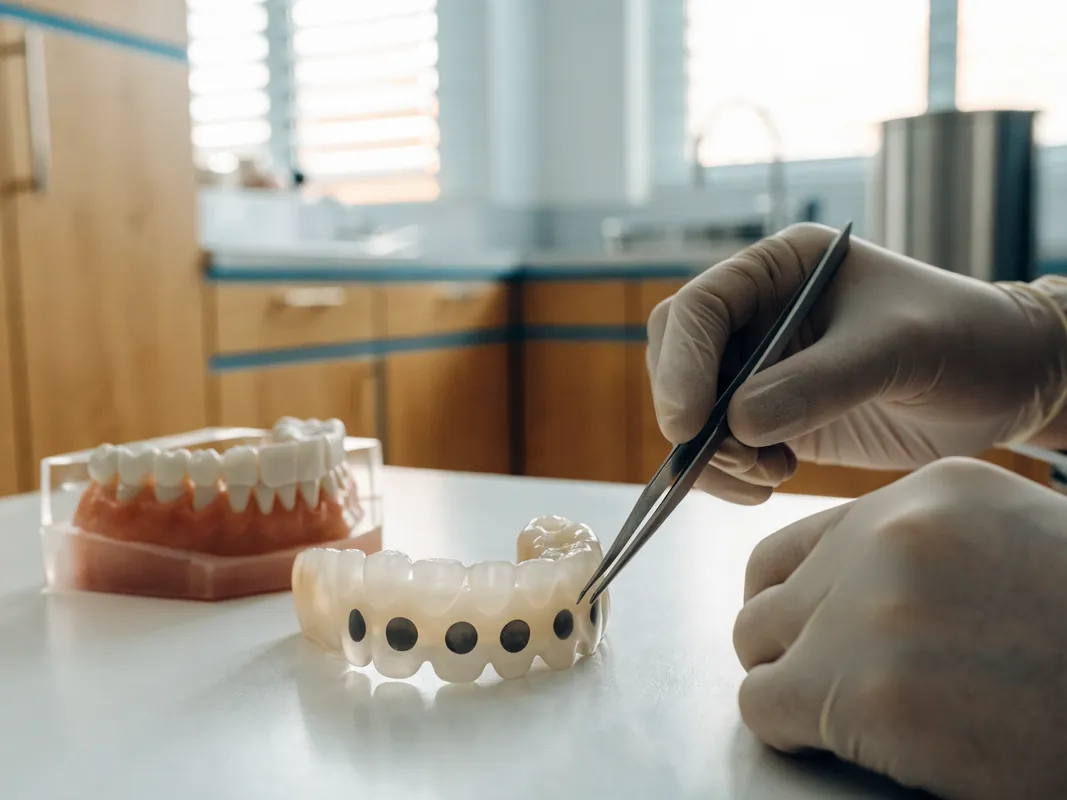
A provisional can protect prepared tissue, maintain position, support appearance and provide information about contour, speech, cleaning, bite and the patient’s preferences. Its purpose and construction vary. It is not a miniature guarantee of the definitive restoration.
Clarify whether the provisional is chairside or laboratory made, how it is retained, which teeth it covers, what limitations apply, and whom to contact if it fractures, loosens or feels high. Obtain patient-specific eating and hygiene instructions rather than relying on generic lists.
Use the provisional period to record observations. Can the patient clean around margins? Is speech affected? Are there pressure areas? Does the bite feel different? Is the shape acceptable in unfiltered light and ordinary conversation? Some findings can be adjusted; others may require a design change or reconsideration.
A short travel window may not provide meaningful time to observe tissue response or function. State that limitation. If the seller treats a brief chairside look as proof that the final design is accepted, the provisional gate has been reduced to theatre. Acceptance should be specific and revocable until the definitive irreversible step.
Laboratory Gate: Prescription Before Production
Identify the legal laboratory or manufacturer, its address and the person or organisation placing the order. Identify the prescribing clinician and the clinical provider. “In-house lab” or “European lab” is not enough. Ask which entity is accountable for the custom work and which jurisdiction governs it.
The prescription should match the patient, tooth chart and plan version. It should specify restoration type, material category and exact product information where known, shade and characterisation request, margin and contact design, opposing information, occlusal instructions, surface finish, provisional observations, remake or adjustment request, and any patient-specific design constraints.
ADA record guidance lists laboratory work orders, material, shade and design information among useful dental records. British custom-made-device guidance and the EU medical-device regulation illustrate manufacturer-statement and traceability concepts within their own legal scopes. They do not automatically define Turkish obligations. Use them to ask what equivalent documentation applies, then verify the answer locally.
Production should not begin from an unapproved remote simulation if the in-person plan differs. Maintain version control. A laboratory file that says sixteen identical veneers cannot safely stand in for a revised clinical plan that distinguishes crowns, veneers, composite and untreated teeth.
Trace Exact Material and Manufacturing
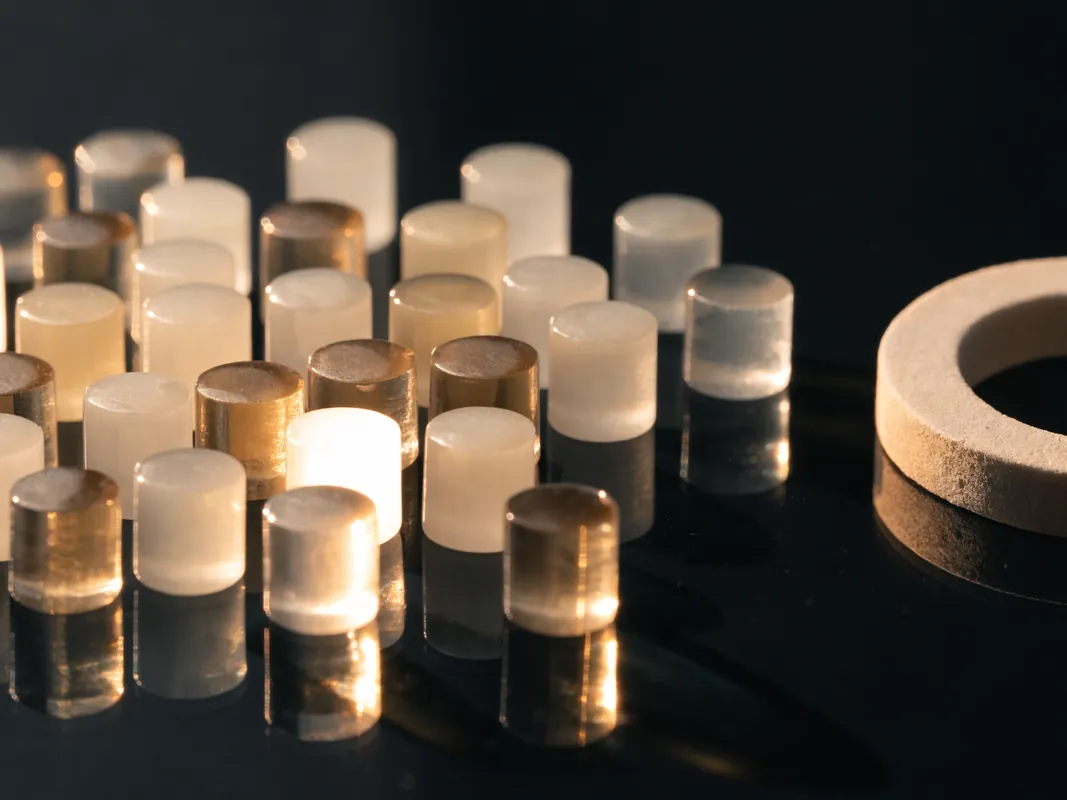
Broad words such as ceramic, porcelain or zirconia describe families, not a complete traceability record. Ask for the exact commercial material or system, manufacturer, product family, shade or translucency variant, blank, block, disc or other source form where relevant, batch or lot identifiers where supplied, and the manufacturing route.
Also identify associated systems when clinically material: framework or substructure, stains or glazes, temporary material, try-in material, adhesive, primer and cement. This is not a demand that every item have the same identifier. It is a request that the record be precise enough for the clinician and a future professional to understand what was used.
Match the material to the manufacturer’s current instructions for use and the intended design. The treating professional interprets those instructions for the case. A label or instruction sheet can support identity and handling questions; it does not prove authenticity by itself, establish suitability, rank quality or predict an outcome.
Ask how substituted materials are controlled. A substitution after consent may change optical properties, preparation, processing, bonding, repair or future identification. Require the clinician to explain material consequences and obtain fresh agreement before proceeding. “Equivalent” is a conclusion that needs evidence, not a warehouse convenience.
Try-In Gate: Fit, Function and Appearance
A try-in is an assessment stage. It should not be described only as the moment the patient sees a new smile. The clinician needs to evaluate seating, marginal relationship, contacts, contour, occlusion, phonetics, cleanability, shade and interaction with surrounding tissues, using methods appropriate to the restoration and case.
The patient should evaluate appearance in several ordinary contexts, without filters or pressure. Ask to see resting lip position, conversation, different expressions and relevant views. Colour is affected by lighting and surrounding materials. A screen preview and a try-in are not interchangeable.
Record each concern and its disposition: accepted, adjusted, returned to the laboratory, made conditional, or stopped. Do not let a group photograph or a general “looks good” statement replace tooth-specific acceptance. If the patient does not understand a change, pause.
Try-in materials and procedures differ. The patient should not be told that a restoration is harmlessly removable unless the clinician has explained the actual stage. The key boundary is whether the definitive bonding or cementation has occurred. Before that boundary, unresolved fit, design, material or consent concerns should remain open.
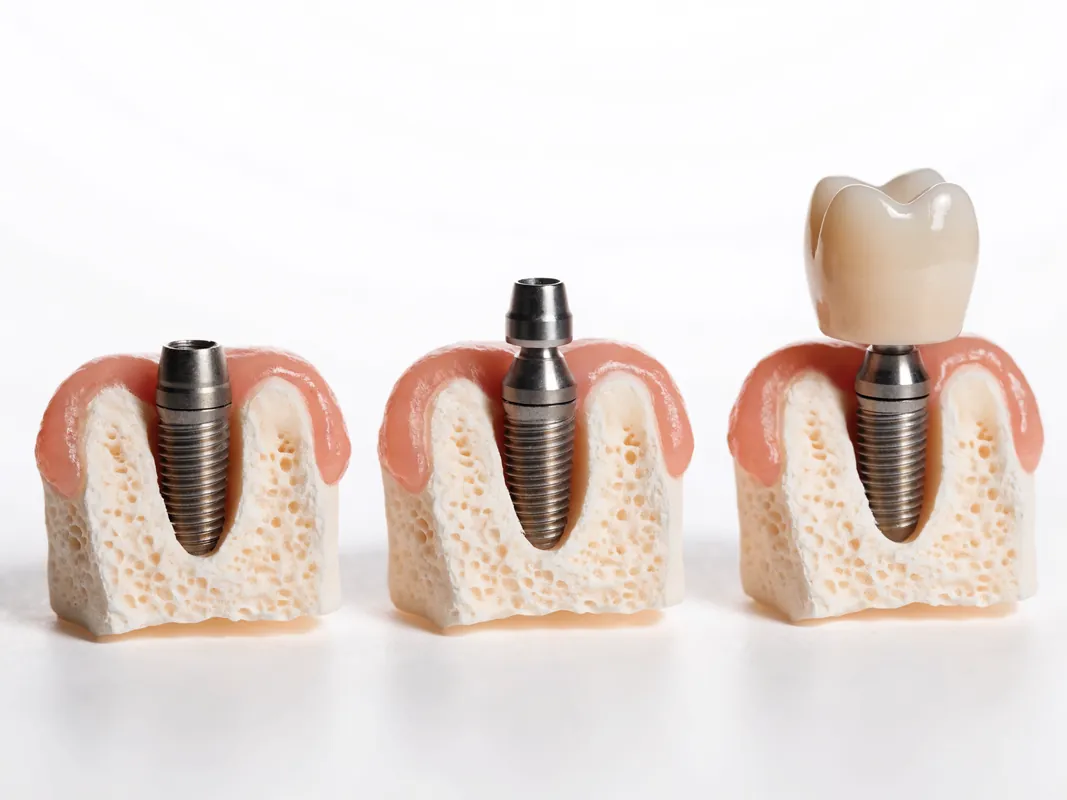
Define Adjustment, Remake and Stop Criteria
Write criteria before the laboratory deadline. Adjustment may be appropriate for a minor, clinically acceptable change that does not compromise the material or design. A remake may be required when fit, contact, shade, contour, material identity or prescription does not meet the accepted plan. A stop may be required when the biological foundation, consent or safety is unresolved.
Do not define a remake only as “the patient dislikes the colour.” Include objective clinical and documentary mismatches. Ask who decides, who records the reason, whether the patient receives the rejected item’s record, how a new prescription is versioned, and what happens to timing and cost.
Examples of pause signals include unstable tissues, unexpected symptoms, inability to clean, an unresolvable high contact, wrong tooth or restoration type, unexplained material substitution, a mismatch between prescription and label, damage during adjustment, and the patient withdrawing consent. This list is illustrative, not clinical instructions.
A departure deadline must appear as a constraint, never as acceptance evidence. If a remake cannot be assessed properly before departure, options may include extending travel, returning later, leaving with an appropriate provisional under clinical guidance, arranging local care, or stopping. The actual choice requires the treating clinician and informed patient; no generic article can select it.
Bonding or Cementation Gate: Fresh Consent at the Irreversible Boundary
Before definitive placement, repeat the identity, tooth, restoration, material, plan version and patient decision checks. Confirm that requested adjustments are complete and that the clinician considers fit, function, tissue condition and cleanability acceptable. Confirm that the patient understands which choices will become difficult or impossible to reverse after placement.
The clinical record should identify relevant conditioning, isolation, bonding or cementation materials and the procedure performed. The professional should follow the applicable manufacturer instructions and clinical judgement. This guide does not prescribe an etching, priming, curing or cementation protocol.
Do not batch consent by asking for one final signature while the patient is already reclined and the schedule is closing. A patient who asks for more time should be able to pause without being told that laboratory work makes refusal impossible. Financial consequences must have been explained before preparation and should not coerce clinical consent.
After placement, document contacts, bite checks, margin review, patient instructions and any unresolved condition requiring follow-up. “Bonded” is not synonymous with “complete.” It marks a major irreversible event that makes accurate records and review more important.
Review Gate: Completion Is Not Departure
A review asks whether symptoms, tissues, margins, contacts, bite, cleaning and patient concerns require action. The appropriate timing and scope depend on the case. A short itinerary cannot establish a universal moment when biological adaptation, pulpal response or maintenance risk is fully known.
Separate immediate technical checks from later biological and functional review. A person may feel well at departure and later develop sensitivity, pain, swelling, a bite concern, fracture, loosening or tissue inflammation. Conversely, early sensations may settle. Remote reassurance cannot determine every cause.
The discharge document should state what was completed, what remains provisional, what findings are conditional, when review is recommended, what symptoms need prompt contact, and where local assessment can occur. “Finished before flight” is a marketing endpoint; clinical completion is a documented status that can include ongoing review.
Ask who owns remedial decisions after travel and what evidence they require. The original provider, laboratory and local dentist have different roles. A local professional does not automatically accept responsibility for overseas work. Secure willingness and records before treatment, not after a problem.
Bite, Hygiene and Maintenance Are Design Inputs
A cosmetic restoration is part of a functioning mouth. Record bite relationships, wear, clenching or grinding history, opposing materials, guidance and contacts as clinically relevant. Do not assume a night guard is always indicated or that one device prevents every complication. Ask for individual reasoning, fit, instructions and review if a protective appliance is proposed.
Margins and contours must be cleanable. The patient should receive technique and product advice tailored by the treating professional, not a promotional care kit treated as evidence of quality. Demonstrate access with the actual restoration design and document any limitation.
Maintenance includes preventive appointments, periodontal review, restoration examination, repair decisions and monitoring of natural teeth. Ask what information a local dentist needs and whether special instruments, materials or laboratory support are required. A beautiful departure photograph does not describe serviceability.
Include maintenance in option comparison before preparation. A plan that the patient cannot clean, fund, attend or access locally may not be acceptable even if it can be made quickly. “Low maintenance” is not a meaningful promise without a defined schedule, responsibilities and foreseeable interventions.
Itemise the Quote by Tooth and Gate
A total is not comparable until the clinical scope is itemised. The quote should identify examination and records, disease control, whitening if separately indicated, orthodontic assessment if relevant, composite units, each veneer, each crown, provisional work, laboratory work, material, try-in, adjustments, remake conditions, definitive placement, review, record pack and any protective appliance or local-handover work.
Link every line to the tooth chart and gate sheet. Mark it confirmed, conditional, optional, excluded or dependent on a finding. State whether taxes or laboratory charges are part of that line under the governing rules. Do not infer inclusions from a brochure.
List the legal payee, currency, payment stages, deposit status, refund and cancellation terms, card or bank charges, conversion method and invoice route. A coordinator’s message is not a substitute for a contract. No price examples are provided in this guide because an amount without current case scope would be invented and misleading.
If the in-person plan changes, pause payment and reissue the quote. The revised document should show additions and removals, not just a new total. A smaller plan should produce a smaller clinical scope and a transparent commercial adjustment under the agreed terms.
Keep Conditional Cost and Change Rules Visible
Common cost changes arise from diagnosis, disease-control needs, replacement of an old restoration, a change from veneer to crown, material substitution, additional provisional work, laboratory adjustment, remake, extended review or staged treatment. Listing those possibilities is not evidence they will occur. It makes uncertainty visible before money creates pressure.
For each conditional line, define the trigger, evidence, decision owner, amount or calculation method, and the patient’s choices. “Extra treatment if needed” is too vague. The patient should know whether they can defer, obtain another opinion, continue only with urgent care or stop elective work.
Clarify what happens when the provider cannot proceed, the patient declines after new findings, a laboratory item is late, a clinical stop criterion is met, or travel must change. Separate clinical consent from cancellation liability. A patient may retain the right to refuse treatment even when a commercial dispute exists.
Do not allow a discount expiry to shorten reflection time. A price deadline provides no clinical evidence. Preserve the original and revised documents so the sequence of decisions can be audited.
Separate Clinical Provider, Laboratory and Travel Contracts
Identify the legal clinical provider, treatment address, responsible clinicians and complaint route using official Turkish sources where applicable. Separately identify the laboratory or manufacturer. Separately identify any travel seller, accommodation provider, ground-transport operator or facilitator. Similar branding does not prove that these are the same legal entity or that one accepts another’s obligations.
The Turkish Ministry of Health’s authorised-provider pages and HealthTürkiye directory can support a narrow check of listed identity or status at the time viewed. The Turkish Dental Association search may help identify a dentist entry. These checks do not establish a clinician’s suitability for a particular procedure, the accuracy of a marketing claim, the condition of a facility, material authenticity or an outcome.
Put each payment against a contract and named payee. If a facilitator collects money, ask on whose behalf, for which service and under which refund and complaint terms. The clinical record must remain accessible from the clinical provider rather than existing only in a travel conversation.
Travel convenience must not influence which teeth are prepared. If non-clinical arrangements change or fail, the clinical decision should remain governed by health, consent and evidence. Avoid accepting a bundled label as proof of any accommodation, transport or clinical inclusion.
Build Flexible Travel Around Clinical Uncertainty
Use flexible travel planning because diagnosis, stabilisation, laboratory remakes, tissue response and patient decisions can change the sequence. Ask the clinical provider for the earliest reasonable arrival, minimum assessment requirements and conditions that could delay an irreversible step. Treat answers as case-specific estimates, not promises.
Do not schedule departure as the automatic moment after bonding. Build a contingency for an additional review, remake, provisional maintenance, later return or local assessment. Confirm airline and insurance rules independently where relevant. A clinician advises on personal fitness; a seller’s itinerary does not.
Keep accommodation and transport decisions outside the clinical evidence. A convenient route does not demonstrate provider identity, clinical competence, material traceability or readiness. Confirm accessibility, companion needs and cancellation terms directly with the relevant non-clinical provider if those services matter.
The NHS treatment-abroad checklist encourages people to consider aftercare, complications and insurance, and not to choose treatment merely as part of a holiday. It is UK patient guidance, not clearance for travel or a timetable. Use it to expand questions, not to approve a five-day plan.
Arrange Local Handover Before Preparation
Identify a local dentist or appropriate service willing to assess you after return. Ask what records they require, whether they are comfortable reviewing overseas veneers or crowns, what they can and cannot do, likely access and how charges are handled. Do not name a professional on the plan without their agreement.
Send a pre-treatment summary if the local professional agrees. It can include current concerns, proposed tooth chart, relevant images and material questions. Their response may identify missing information or continuity problems before teeth are altered.
At discharge, provide the completed chart, diagnoses, images, laboratory prescription, exact materials, placement materials, clinical notes, complications, medicines given or prescribed by the actual clinician, instructions, review recommendations and contact route. The local professional will make an independent assessment and is not bound by the overseas plan.
Remote follow-up may help exchange records or observations, but it cannot examine swelling, margins, bite, mobility, fracture, infection or pulpal symptoms. Define when in-person care overrides messaging.
Urgent and Emergency Boundaries
Before travel, write three routes: the original clinical provider, a local urgent dental route and an emergency service. Verify contact methods and opening boundaries. In Türkiye, the official emergency number is 112. In the UK, NHS urgent dental guidance explains routes for urgent assessment. These are jurisdiction-specific services, not personalised triage.
Seek prompt professional assessment for severe or increasing pain, swelling, uncontrolled bleeding, trauma, a loose or fractured restoration, feverish illness, difficulty eating or drinking, or a bite problem that is causing harm. Difficulty breathing or swallowing, severe swelling affecting the mouth or face, or eye involvement may require emergency care. Use local emergency instructions rather than waiting for a remote reply.
Do not self-diagnose a high bite, pulp problem, infection, allergic reaction or fracture from a photograph. Do not rely on generic medicine advice from a blog. Medicines require the actual clinician or appropriate prescriber to consider history, allergies, interactions, pregnancy, breastfeeding and local rules.
Record the onset, change, triggers and photographs if safe, but do not let documentation delay necessary care. The original provider should receive the local findings and updated records when appropriate.
Request a Complete Handover Record
Agree the record pack before consent. It should contain legal provider identity, treating clinician names and roles, dates, presenting concerns, relevant history, diagnoses, tooth chart, alternatives discussed, consent versions, photographs, scans, radiographs and reports, preparation notes, provisional details, laboratory prescription and manufacturer information.
Add exact restoration and material identifiers available, shade, batch or lot where supplied, adhesive or cement information, try-in and adjustment notes, final placement record, bite and margin checks, complications, instructions, review recommendations, rejected or remade item history, invoices and complaint route. Identify which items are patient copies and which require a formal records request.
Use open, transferable formats where possible. A social-media image, cropped before-and-after collage or portal screen is not a complete clinical record. Confirm how long access lasts and how to obtain a copy if the provider changes systems.
GDC Principle Four and ADA record guidance are useful comparators for accurate, contemporaneous records, but they do not determine Turkish legal retention duties. Ask the actual provider which rules apply and how to exercise access rights.
Protect Privacy and Separate Marketing Consent
Dental photographs, scans, radiographs, health history and identification are sensitive. Ask which legal entities collect them, the purpose, lawful basis, storage location, access roles, retention period, cross-border transfers, security controls, correction route and deletion limits. Clinical retention duties may limit deletion.
Separate clinical processing from optional marketing. Refusing publication of a face, testimonial or before-and-after image should not change access to necessary care. A form that combines treatment consent with promotional use should be split into understandable choices.
Ask whether external design software, cloud storage, laboratories, facilitators or translators receive data. Identify the minimum information each needs. A remote link sent through a messaging platform is not a complete privacy explanation.
Keep your own secure copies and avoid posting diagnostic files publicly for crowdsourced advice. If a second opinion is needed, share records through an appropriate route and confirm the recipient. This guide does not determine which data-protection law governs a specific transaction.
Treat Remedial Terms as Contracts, Not Outcomes
A repair, remake or warranty document is a commercial term. It does not promise biological success, uninterrupted comfort, material survival or acceptance by a local dentist. Read definitions, exclusions, evidence requirements, time limits, decision-maker, jurisdiction and remedies before treatment.
Distinguish laboratory defect, clinical complication, accidental damage, wear, disease, hygiene issue, bite change and patient preference. Ask who decides the category and whether an independent assessment can be considered. Require written rules for travel, local assessment and temporary care costs rather than assuming any reimbursement.
Do not accept “lifetime” language without operational detail. A promise that depends on attendance, maintenance, return travel or provider discretion may be much narrower than the headline. This guide makes no warranty or remedial promise.
If a problem arises, prioritise appropriate assessment and records. A contract dispute should not delay urgent care. Preserve invoices, consent documents, images, laboratory information and correspondence for the complaint or legal route that actually applies.
Build a Complaint Route Before Treatment
Ask the clinical provider for its written complaint process, responsible contact, acknowledgement method, response stages, clinical-record access and escalation route. Ask the laboratory and any facilitator for their separate processes. Do not assume one complaint submitted to a shared brand reaches every legal entity.
Turkish official patient-rights pages can support a route check, while GDC Principle Five illustrates complaint-handling expectations for UK registrants. Neither proves which body has jurisdiction over a particular cross-border contract. Verify location, provider status, governing terms and professional registration.
A useful complaint record includes dates, symptoms, clinical findings, requested remedy, supporting documents and the response. Keep the account factual. Obtain urgent clinical help separately when needed.
Ask how language support is provided and whether records can be submitted in an accepted format. A complaint mechanism known before payment is more credible than a vague invitation to “contact us” after treatment.
Use a Proposal Worksheet
Create one worksheet with these columns:
| Field | Evidence to request | Decision use |
|---|---|---|
| Patient objective | Patient’s own words and ranked priorities | Prevent the seller from defining the need |
| Oral-health status | Current examination and relevant records | Decide whether elective planning can begin |
| Tooth and finding | Tooth chart with diagnosis or uncertainty | Stop package-level reasoning |
| Options | No treatment, whitening, orthodontics, composite, veneer, crown and other relevant care | Compare tissue and maintenance burden |
| Tissue plan | Pre-treatment record and reason for any removal | Protect tooth preservation |
| Gate status | Not ready, ready, conditional or stop | Keep calendar pressure out of readiness |
| Provisional | Purpose, material, retention, limits and instructions | Test design without calling it final |
| Laboratory | Legal identity, prescription and plan version | Trace who made what |
| Material | Exact system and available identifiers | Support later care and substitution control |
| Try-in | Fit, function, appearance and patient concerns | Separate review from bonding |
| Remake criteria | Clinical and documentary triggers | Prevent departure from forcing acceptance |
| Quote | Itemised tooth and stage lines | Compare equivalent scope |
| Consent | Versions, alternatives, risks and withdrawal point | Protect voluntary decisions |
| Handover | Complete record pack and local route | Preserve continuity |
| Travel | Flexible, separately contracted contingency | Keep logistics subordinate to care |
Score no proposal by adding marketing points. Instead, mark evidence present, missing, conflicting or not applicable. A missing answer is not proof of misconduct, but it is a reason not to cross the relevant irreversible gate.
Red Flags That Require a Pause
Pause when the seller guarantees completion within a fixed travel window before examination; describes one restoration type for every visible tooth without a tooth chart; refuses to discuss no treatment, whitening, orthodontics or composite; or treats a remote preview as diagnosis and consent.
Pause when healthy teeth are proposed for crowns without structural reasons; preparation is justified by flight timing; material is described only by a broad family or prestige word; the laboratory identity is hidden; the prescription does not match the quote; or a substitution can occur without clinician explanation and patient agreement.
Pause when the patient cannot get copies of images, records or laboratory information; payments go to an unexplained entity; cancellation rules punish any clinical plan change; marketing consent is bundled with care; a complaint route is vague; or aftercare depends entirely on remote messages.
Pause when unresolved fit, shade, bite, tissue or consent concerns are dismissed because departure is close. A pause protects the decision. It does not diagnose wrongdoing or determine which clinical action should follow.
Worked Scenario: Colour Is the Main Concern
A person searches for a five-day Hollywood smile because photographs make their teeth look darker than they want. The remote proposal lists veneers across the visible teeth. The gate worksheet changes the first question from “Which shade?” to “What is causing the colour concern, and which surfaces are natural or restored?”
The in-person record might reveal natural teeth, existing fillings, one discoloured tooth, active disease, or no clinical problem. Each finding creates different options. Whitening may be relevant for suitable natural teeth; an isolated dark tooth may need diagnosis; existing restorations will not whiten; no treatment may remain acceptable. None of those outcomes can be chosen from this scenario.
The correct commercial response is not to preserve the original unit count. It is to reissue the plan and quote after diagnosis and consent. The itinerary follows the decision, not the other way around.
Worked Scenario: Position Is the Main Concern
A person dislikes one rotated tooth and a small space. A veneer proposal promises a straight visual line. The worksheet asks how much contour would be added, what tissue would be removed, how cleaning and contacts would work, and whether orthodontic movement or direct composite merits discussion.
The person may prefer a restorative option after understanding trade-offs, or may choose orthodontics, a limited repair, monitoring or no treatment. The important evidence is that alternatives were genuinely compared and that the tooth’s position beneath the proposed restoration was explained.
A short visit cannot make orthodontic biology disappear. Excluding orthodontics because it takes longer is not option counselling. The patient’s priorities, anatomy, oral health and willingness to maintain treatment determine the decision.
Worked Scenario: Old Restorations and Structural Damage
A person has several large old restorations, a fractured tooth and neighbouring intact teeth. A uniform “smile unit” quote obscures that the teeth have different structural needs. The mixed plan separates assessment of the fractured tooth, replacement decisions for old restorations and preservation of intact neighbours.
Crowns may be discussed where structural findings support them; veneers, composite, monitoring or no treatment may be relevant elsewhere. The material and design can differ by tooth. A consistent colour goal does not require identical preparation.
If removing an old restoration reveals a new condition, that tooth becomes conditional. The clinician must explain the revised options and obtain consent. The laboratory prescription and invoice should change. Travel dates do not authorise an automatic escalation.
Worked Scenario: The Laboratory Item Does Not Pass Try-In
A person reaches try-in near planned departure. One restoration does not seat as expected and another does not match the approved material record. The gate sheet marks both “stop.” The choices might include adjustment within safe limits, remake, provisional care, later review or a different plan, depending on clinical assessment.
Bonding to protect the itinerary would erase the purpose of try-in. The patient should receive a documented explanation, revised prescription, commercial consequences and travel options. A remake is not proof that every other stage failed; it is the control intended to prevent an unacceptable item from becoming definitive.
The scenario also shows why flexible bookings and local handover matter. A genuine gate can create delay. Any proposal that promises no delay has removed the gate or shifted the risk to the patient.
Frequently Asked Questions
1. Can a Hollywood smile really be completed in five days?
A general article cannot confirm that. “Five days” describes a proposed travel window, not a clinical endpoint. The required sequence depends on diagnosis, oral-health stability, options chosen, tissue response, laboratory work, try-in findings, patient consent and review. Ask for the criteria that must be passed before each irreversible step, the conditions that could extend or stop the sequence, and a contingency that does not force acceptance before departure.
2. What does “Hollywood smile” actually mean clinically?
It has no single treatment definition. It may be used for whitening, orthodontics, composite, veneers, crowns, replacement of old restorations or a mixture. Ask for a problem list and tooth chart. If the proposal cannot name the concern, current condition and rationale for each tooth, the label is hiding the decision rather than explaining it.
3. Why should no treatment appear in a cosmetic plan?
Because choosing not to intervene is a real option, especially when the concern is aesthetic and teeth are healthy. A patient needs to understand what is likely to happen if care is deferred, monitored or limited. Without that comparison, consent is framed as choosing between products rather than deciding whether any irreversible care is wanted.
4. Can remote photographs confirm that I need veneers?
No. Photographs can support communication, but they cannot provide every clinical finding needed to diagnose disease, assess pulp or periodontal status, evaluate cracks, select imaging, examine bite or determine tissue availability. Treat any remote unit count as preliminary and require an in-person assessment that can reduce, change, stage or cancel the proposal.
5. Should gum disease or tooth decay be treated before cosmetic restorations?
Active disease should be assessed and addressed before an elective restorative plan proceeds, but the necessary care and timing are individual clinical decisions. ADA veneer information and NHS disease pages support the general boundary that oral health matters. Ask what findings were made, how stability is defined, and what would cause the cosmetic gate to remain closed.
6. Does having no pain mean my teeth are healthy enough for preparation?
No. Some disease or structural problems may not be painful, while some pain has causes that require specific investigation. Readiness should follow a current history, examination and justified tests, not the absence of symptoms alone. Report any pain, sensitivity, swelling, bleeding, mobility or change even if a remote plan was already issued.
7. What records should exist before a quotation is treated as clinical?
Expect a documented concern, relevant history, examination findings, tooth chart, diagnoses or uncertainties, appropriate photographs or scans, justified imaging where needed, options and a conditional plan. The exact record is case-specific. A price list plus a panoramic image is not automatically a diagnosis.
8. When is whitening an alternative to veneers?
Whitening may be relevant when colour in suitable natural teeth is the main concern. It does not change the colour of existing restorations, and a dark tooth may need diagnosis. The clinician should assess oral health and discuss risks and expectations. Whitening should not be assumed suitable, nor should coverage be proposed merely because whitening does not fit a short itinerary.
9. Why must whitening be sequenced before final shade selection?
Natural teeth may change colour with whitening while existing restorations do not. If whitening is clinically suitable and chosen, that can affect the shade relationship used for later restorations. The timing of colour stabilisation and any sensitivity review is patient- and product-specific; this guide gives no universal interval.
10. When is orthodontics relevant to a smile proposal?
It is relevant when tooth position, spacing, crowding or bite contributes to the concern. Orthodontics may alter the need for restorative masking and tissue removal, but it also has its own burdens, limits and retention needs. It should be discussed honestly even when it does not fit the advertised travel window.
11. Is composite always reversible or preparation-free?
No. Some direct composite designs may be additive, while others involve surface preparation, removal of old material or later maintenance that affects tooth tissue. Ask exactly what will be changed, how it can be repaired or removed, and how contacts, bite and hygiene will be managed. Do not rely on a category label.
12. What is the difference between a veneer and a crown?
A veneer generally covers the front surface; a crown covers the tooth. That difference matters for tissue removal, indication, design and future service. Ask why each tooth needs its proposed restoration. A quote that uses the terms interchangeably or hides them under “units” is not sufficiently itemised.
13. Are crowns appropriate for healthy front teeth to make them uniform?
Only an examining clinician can advise on a particular tooth. An intact tooth proposed for full coverage needs a clear, recorded rationale and comparison with less destructive or no-treatment options. Visual uniformity or a short completion window is not, by itself, a structural diagnosis.
14. How can I judge whether preparation is conservative?
Do not use one advertised depth or a fingernail comparison. Ask for the tooth’s starting condition, images or scans, proposed restoration, expected substrate, margin design, reason for removal and alternatives. “Conservative” is a conclusion that must be supported tooth by tooth and should include pulp, periodontal, bite and cleanability consequences.
15. What should a pre-preparation stop rule include?
It should permit a pause for missing diagnosis, active disease, unexpected cracks or pulpal concerns, insufficient substrate, inability to isolate, a mismatch between tooth and plan, new symptoms, patient distress or withdrawal, and any material change needing fresh consent. The exact criteria are set by the responsible clinician, not by this list.
16. What is a mock-up, and does it prove the final result?
A mock-up is a communication or testing aid whose construction and removability vary. It may help discuss shape, tooth display or speech. It cannot prove definitive material optics, biological response, comfort, laboratory fit or long-term function. Clarify whether it is removable, temporary or bonded, and what tissue changes are involved.
17. What is the purpose of a provisional restoration?
A provisional may protect prepared tissue, maintain position and test contours, speech, cleaning, bite and preferences. It has different material and retention limits from a definitive restoration. Ask for instructions, emergency contacts and a record of observations. A brief provisional stage is not proof that later response will be uneventful.
18. Who should be identified on the laboratory prescription?
The prescription should connect the patient and teeth to the responsible clinician, clinical provider and legal laboratory or manufacturer. It should carry the correct plan version, restoration types, material and design instructions, shade, relevant functional information and any adjustment or remake request. “In-house” is a location description, not a complete legal identity.
19. What exact material information should I request?
Ask for the commercial material or system, manufacturer, product family and variant, source blank, block or disc where relevant, shade, translucency and available batch or lot information. Also request relevant placement materials. The information supports traceability and future care; it does not by itself prove authenticity, quality, suitability or outcome.
20. Does a label or instruction sheet prove that a restoration is authentic?
No. It can support an identity check when it matches the prescription, packaging and clinical record, but a document can be incomplete, mismatched or unrelated to the item. Verify source, identifiers and consistency. Authenticity also does not establish that the material is appropriate for the tooth or that it was processed and placed correctly.
21. Why does the manufacturer’s instruction for use matter?
It states intended uses, limitations, processing and handling information for the identified product. The responsible professional must interpret it for the case. Matching an instruction document is one evidence step; it does not replace diagnosis, clinical judgement, training, laboratory quality control or consent.
22. Can the laboratory substitute an “equivalent” ceramic without asking me?
A material substitution may affect preparation, optics, processing, bonding, repair and future identification. Ask for the substitution policy before treatment. The clinician should review clinical consequences and obtain the patient’s informed agreement when the decision materially changes. Warehouse availability is not patient consent.
23. What should be checked at try-in?
Checks may include seating, margins, contacts, contour, bite, speech, cleaning access, shade, tissue relationship and the patient’s appearance concerns. The methods depend on the restoration. Record what was accepted, adjusted, remade or stopped. Do not reduce try-in to a selfie or a general approval statement.
24. What findings should trigger a laboratory remake?
Possible triggers include an unacceptable fit, contact, contour, shade, material mismatch, prescription error, damage or a change that cannot be adjusted safely. Criteria should be written before production. The responsible clinician determines the clinical response; the patient should receive the reason, revised prescription and effect on timing and cost.
25. Can bonding go ahead if my flight is soon and one issue remains?
A flight is not evidence that an unresolved fit, bite, material, tissue or consent issue is acceptable. The clinician and patient should consider safe options such as pause, remake, provisional management, altered travel or staged care. This guide cannot choose among them. Do not cross an irreversible boundary solely to protect an itinerary.
26. Is a signed smile-design approval the same as informed consent?
No. Design approval may record an appearance preference. Informed consent also needs diagnosis, alternatives, material risks and uncertainties, tissue changes, maintenance, stages, responsible people, costs and the practical ability to refuse. It is ongoing and should be refreshed after material findings or plan changes.
27. Can I withdraw after laboratory work has started?
A patient can refuse clinical treatment, but commercial consequences depend on the agreed contract and governing law. Those consequences should be explained before preparation, without being used to coerce consent. Ask for cancellation and laboratory-cost rules in writing, and obtain advice for a dispute when necessary.
28. How should a five-day quote be itemised?
It should map examination, records, disease control, each tooth and restoration, provisional work, laboratory work, exact material, try-in, adjustment or remake conditions, placement, review, handover and any separately chosen service. Mark each line confirmed, conditional, optional or excluded, with payee, currency and change rule.
29. Why should travel services be separate from the clinical contract?
The clinical provider, laboratory, facilitator, accommodation business and transport operator may be different legal entities. Separate contracts reveal who owes which service, who receives payment and which complaint route applies. Non-clinical convenience does not verify clinical suitability or justify preparation.
30. How much extra travel flexibility should I arrange?
There is no universal allowance. Ask which clinical or laboratory findings could delay the next gate and what safe alternatives exist if timing changes. Choose booking and insurance terms that reflect those uncertainties. Do not ask the clinician to guarantee a departure date before the evidence exists.
31. Should I identify a local dentist before treatment abroad?
Yes, continuity is easier when a local professional has agreed what they can assess and which records they need. They remain independent and may decline work outside their scope. Ask about access and charges before travel. Do not assume the overseas provider can assign responsibility to someone who has not agreed.
32. What should be in my discharge pack?
Request the final tooth chart, diagnoses, relevant images and reports, preparation and provisional notes, laboratory prescription, exact materials and available identifiers, placement materials, try-in and adjustment record, complications, patient-specific instructions, review plan, invoices, provider contacts and complaint route.
33. Is remote follow-up enough after veneers or crowns?
It can help exchange information, but it cannot perform a physical examination or every diagnostic test. Pain, swelling, altered bite, loose or fractured work, tissue change or infection may need local in-person assessment. Agree escalation rules and a local route before preparation.
34. Which symptoms need urgent assessment?
Severe or increasing pain, swelling, uncontrolled bleeding, trauma, feverish illness, inability to eat or drink, a damaging bite, or a loose or fractured restoration should prompt professional advice. Breathing or swallowing difficulty, major facial swelling or eye involvement may be emergencies. Follow local services; do not wait on a marketing contact.
35. Does a warranty mean the restorations will last?
No. A warranty is a contract with definitions, conditions, exclusions and remedies. It cannot promise biological response, absence of complications or local acceptance. Ask who decides eligibility, what records are required, which costs are excluded and whether travel is addressed. Obtain urgent care independently of any claim process.
36. How do I verify a clinic or dentist in Türkiye?
Use official Turkish Ministry of Health provider resources, HealthTürkiye listings where applicable and the Turkish Dental Association dentist search, then match the exact legal name, address and clinician. A listing supports a narrow status check at the time viewed. It does not prove suitability, skill, material authenticity or outcome.
37. Does an authorised-provider listing count as accreditation?
Do not convert one status into another. A registry entry or authorisation has the meaning given by the issuing authority. It does not automatically certify every clinician, service, material, laboratory process or result. Read the scope, date and exact entity, and avoid repeating broader marketing language.
38. How should complaints be planned before treatment?
Obtain written complaint processes for the clinical provider, laboratory and facilitator, with contacts, evidence requirements and escalation routes. Verify which Turkish patient-rights or professional routes apply and which contract governs payment. Keep clinical urgency separate from the complaint timetable.
39. What is the strongest red flag in a short smile proposal?
A promise that every tooth and every clinical gate will fit a fixed schedule before the person has been examined. Other major warnings are hidden tooth types, no alternative discussion, pressure to prepare healthy teeth, missing laboratory identity, unexplained material substitution, refusal of records and bonding despite unresolved concerns.
40. What is the safest way to use this guide?
Use it to organise questions, evidence and independent opinions. Do not use it to diagnose yourself, select a material, direct a clinician or delay urgent care. Mark every gate ready, conditional, not ready or stop. Proceed only when the responsible clinician’s findings, the patient’s voluntary decision and the written commercial scope agree.
Primary and Official Sources
Sources reviewed on 29 August 2026. They are deliberately limited to official public-health, professional, regulatory and government pages. They have different jurisdictions, audiences, update cycles and evidence strength. They do not create a universal cosmetic-dentistry protocol and do not verify any provider, clinician, laboratory, product, timeline or outcome.
General treatment, disease and urgent-care boundaries
- NHS, Dental treatments: https://www.nhs.uk/live-well/healthy-teeth-and-gums/dental-treatments/
- NHS, Teeth whitening: https://www.nhs.uk/tests-and-treatments/teeth-whitening/
- NHS, Tooth decay: https://www.nhs.uk/conditions/tooth-decay/
- NHS, Gum disease: https://www.nhs.uk/conditions/gum-disease/
- NHS, Dental abscess: https://www.nhs.uk/conditions/dental-abscess/
- NHS, Urgent and emergency dental care: https://www.nhs.uk/nhs-services/dentists/how-to-find-an-nhs-dentist-in-an-emergency/
The NHS pages are broad UK patient information. They support distinctions among treatment categories, health-before-whitening, disease and urgent signs. They do not select a treatment, material or sequence for an individual and do not set Turkish law.
Treatment-option and material information
- American Dental Association, Veneers: https://www.mouthhealthy.org/all-topics-a-z/veneers
- American Dental Association, Crowns: https://www.mouthhealthy.org/all-topics-a-z/crowns
- American Dental Association, Whitening: https://www.ada.org/resources/ada-library/oral-health-topics/whitening
- American Dental Association, Orthodontics: https://www.mouthhealthy.org/all-topics-a-z/orthodontics
- American Dental Association, Materials for indirect restorations: https://www.ada.org/resources/ada-library/oral-health-topics/materials-for-indirect-restorations
- American Dental Association, Materials for direct restorations: https://www.ada.org/resources/ada-library/oral-health-topics/materials-for-direct-restorations
- American Dental Association, Dental X-rays: https://www.mouthhealthy.org/all-topics-a-z/x-rays
- American Dental Association, Dental record tip sheet: https://www.mouthhealthy.org/-/media/project/ada-organization/ada/ada-org/files/publications/guidelines-for-practice-success/gps-managing-professional-risks/tip-sheet-on-what-and-how-to-write-or-change-in-the-dental-record.pdf?hash=712FC5A60E8E39DAA1BA82E441866DB8&rev=e9e1a90ed0354874b17446c4d6c0febc
These ADA resources are US professional or patient information. They support option separation, irreversibility, restoration-colour differences, material-family variation, justified imaging and record fields. They are not a brand ranking, individual prognosis or Turkish compliance certificate.
Consent, costs, records, complaints and treatment abroad
- General Dental Council, Principle Two: https://standards.gdc-uk.org/pages/principle2/principle2
- General Dental Council, Principle Three: https://standards.gdc-uk.org/pages/principle3/principle3
- General Dental Council, Principle Four: https://standards.gdc-uk.org/pages/principle4/principle4
- General Dental Council, Principle Five: https://standards.gdc-uk.org/pages/principle5/principle5
- General Dental Council, Going abroad for dental treatment: https://www.gdc-uk.org/standards-guidance/information-for-patients-public/going-abroad-for-dental-treatment
- NHS, Treatment abroad checklist: https://www.nhs.uk/using-the-nhs/healthcare-abroad/going-abroad-for-treatment/treatment-abroad-checklist/
GDC standards apply to GDC registrants, and the NHS checklist is UK patient guidance. They provide useful questions about communication, consent, costs, records, complaints, aftercare and insurance. They do not govern every Turkish provider or clear a person for travel.
Laboratory and device traceability comparators
- UK Medicines and Healthcare products Regulatory Agency, Custom-made devices in Great Britain: https://www.gov.uk/government/publications/custom-made-medical-devices/custom-made-devices-in-great-britain
- UK Medicines and Healthcare products Regulatory Agency, Custom-made medical devices collection: https://www.gov.uk/government/publications/custom-made-medical-devices
- European Union, Regulation on medical devices, consolidated text: https://eur-lex.europa.eu/eli/reg/2017/745/2026-07-19/eng
The British guidance and EU regulation are jurisdiction-specific primary regulatory sources. They illustrate prescriptions, manufacturer statements and traceability concepts for custom-made devices in their scopes. They must not be presented as automatic Turkish requirements or evidence that a particular restoration complies.
Turkish provider, professional and complaint checks
- Turkish Ministry of Health, Authorised healthcare providers and facilitators: https://shgmturizmdb.saglik.gov.tr/EN%2C69061/authorized-healthcare-providers-and-facilitators.html
- Turkish Ministry of Health, Healthcare providers authorised by the Ministry: https://shgmturizmdb.saglik.gov.tr/EN%2C69063/healthcare-providers-authorized-by-the-ministry.html
- HealthTürkiye, Hospitals list: https://www.healthturkiye.com/hospitals-list
- Turkish Dental Association, Find a dentist: https://tdb.org.tr/dishekimi-bul
- Turkish Ministry of Health, Patient rights: https://hastahaklari.saglik.gov.tr/
- Türkiye emergency service: https://www.112.gov.tr/
These official pages support narrow identity, status, professional-search, patient-rights or emergency-route checks. A match is not a clinical recommendation, accreditation, material verification, availability statement or outcome prediction. Check the current page, exact entity and scope at the time of the decision.
Final Decision Rule
Do not ask whether a provider can “deliver a Hollywood smile in five days.” Ask whether the diagnosis, oral-health stability, option comparison, tooth-preservation reasoning, consent, preparation record, provisional, laboratory prescription, exact material traceability, try-in, remake criteria, placement record, review, itemised quote and local handover each pass their own gate.
If any required evidence is missing, contradictory or still conditional, keep the gate open. Change the travel plan before changing the clinical threshold. A five-day search label can organise questions; it must never become the reason to remove tissue, accept a mismatched restoration or depart without records and a safe continuity route.