Single tooth implant vs bridge 2026 complete decision guide for patients missing one tooth. Adjacent teeth impact, longevity comparison, aesthetic outcomes, when each option suits better, cost considerations.
# Single Tooth Implant vs Bridge 2026: Complete Decision Guide
When you lose a single tooth, two main replacement options exist: dental implant or dental bridge. Each has distinct advantages depending on your specific situation. This guide helps you decide.
The Two Options Defined
Single Tooth Implant
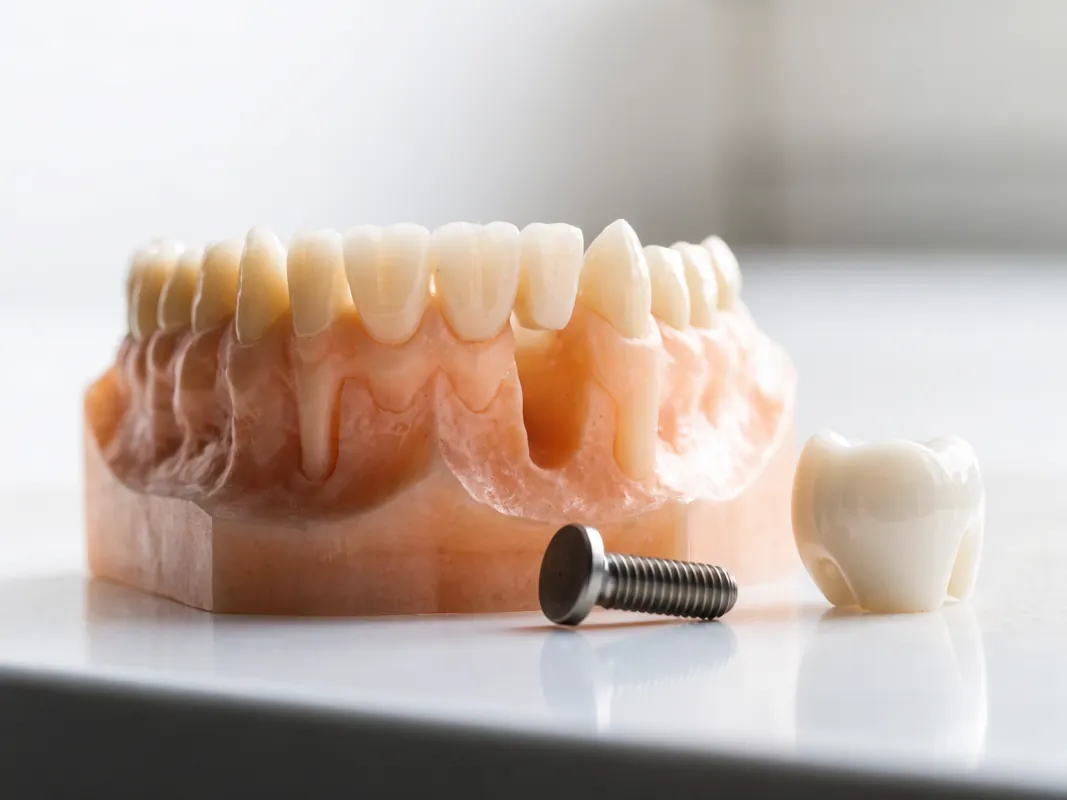
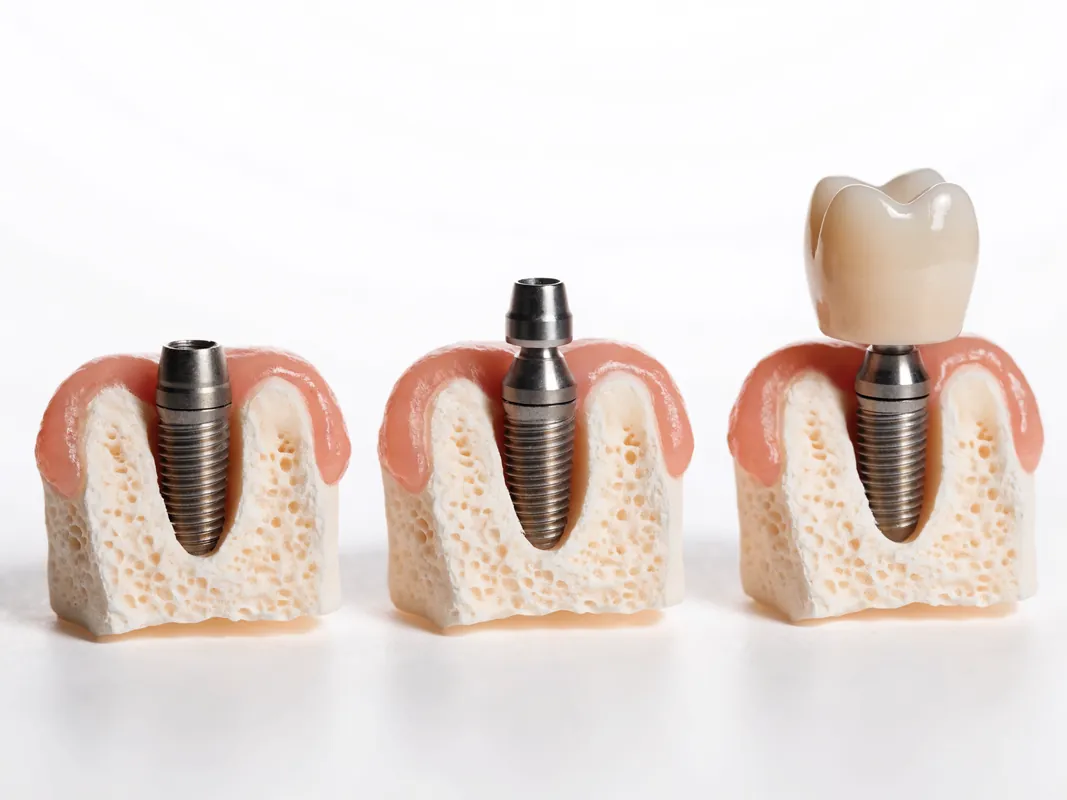
- Titanium screw placed in jawbone
- Healing 3-6 months for integration
- Custom crown attached
- Stands alone (doesn't affect neighbors)
- Single tooth replacement
Dental Bridge
- Adjacent teeth crowned
- "Bridge" tooth fills gap
- Cemented permanently
- Adjacent teeth must be prepared (reduced)
- Three-tooth structure (two anchor + bridge)
Quick Comparison
| Factor | Implant | Bridge |
|---|---|---|
| Treatment time | 4-6 months | 1-2 weeks |
| Affects neighbors | No | Yes (must crown them) |
| Bone preservation | Excellent | None — bone resorbs |
| Longevity | 25+ years | 10-15 years typical |
| Initial cost | Higher | Lower |
| Maintenance | Standard care | Special floss tools |
| Aesthetics | Excellent | Good (depends) |
| Long-term cost | Lower | Higher (replacement) |
When Implant Is Better
You Have Healthy Adjacent Teeth
If your neighboring teeth are healthy, virgin (no fillings), and don't need crowns — implant is far superior. Don't damage healthy teeth to support a bridge.
You Want Long-Term Solution
Implants typically last 25+ years. Bridges typically need replacement every 10-15 years. Long-term implant wins.
Bone Preservation Matters
Implants stimulate jaw bone like natural tooth root. Bridges don't — bone under bridge resorbs over time, eventually changing aesthetics.
Aesthetic Priority
Single tooth implant with master ceramist crown is indistinguishable from natural. Bridges can show metal at gum line as time passes.
Future-Proofing
Implant is a permanent addition. Bridge requires periodic replacement and possible adjacent teeth complications over time.
When Bridge Might Suit Better
Adjacent Teeth Already Need Crowns
If neighboring teeth need crowns anyway (large fillings failing, cracks), the bridge approach uses these crowns to support the bridge — economical solution.
Insufficient Bone for Implant
If bone augmentation impractical or contraindicated, bridge avoids surgery requirements. Less invasive option.
Medical Contraindications
If implant surgery contraindicated (severe medical conditions, bone diseases), bridge is workable alternative.
Time-Constrained Treatment
If patient cannot do 4-6 month treatment, bridge completes in 1-2 weeks. Faster solution.
Bone Augmentation Resistance
Some patients prefer not to have bone graft procedures. Bridge avoids this requirement.
When Bridge Is NOT Appropriate
Healthy Adjacent Teeth
Don't damage virgin teeth to anchor bridge. Implant respects neighboring teeth integrity.
Periodontal Disease in Adjacent Teeth
Compromised teeth can't support bridge. Implant doesn't depend on neighbors.
Long-Term Patient
Younger patients especially benefit from implant longevity. Bridge replacement cycle less appealing.
Premium vs Budget Differences
Premium Implant
- Premium brands (Straumann, Nobel, Astra Tech)
- ICOI Diplomate surgeon
- Custom abutment
- Master ceramist crown
- Written guarantee terms
- long-term outcome evidence must be independently sourced and procedure-matched
Budget Implant
- Generic brand
- General dentist surgeon
- Stock abutment
- Computer-milled crown
- Limited warranty
- lower long-term outcomes cannot be claimed without a named matched source
Premium Bridge
- Master ceramist crowns
- Premium materials (zirconia, IPS e.max)
- Properly fitted
- 15-20 year lifespan typical
Budget Bridge
- Generic crowns
- Variable fit
- Earlier failure
- 7-10 year lifespan typical
Aesthetic Considerations
Single Tooth Implant
- Indistinguishable result possible
- Master ceramist hand-layered crown
- Custom shading
- Translucency variation
- Natural emergence profile
- No visible metal
Bridge
- Adjacent teeth crowns visible
- Bridge tooth between
- Slight gum line shadow
- Possible metal exposure with recession
- Bridge tooth doesn't emerge naturally from gum
Long-Term Maintenance
Implant Maintenance
- Brush twice daily
- Floss daily
- Antimicrobial mouthwash
- Quarterly professional cleaning
- Annual X-ray
- 5-year comprehensive review
Bridge Maintenance
- Special floss thread (under bridge)
- Brush bridge daily
- Quarterly professional cleaning
- Annual review
- Replacement planning at 10-15 years
Cost Considerations
Initial Cost
Bridge typically 30-50% less than implant initial cost.
25-Year Total Cost
- Premium implant: include surgery, restoration, maintenance and possible future component replacement
- Premium bridge: 2× cost (one replacement at 12 years)
- Budget bridge: 3× cost (multiple replacements)
When 25-year ownership considered, implants almost always less expensive.
Insurance Coverage
- Implants: limited insurance coverage typically
- Bridges: better insurance coverage typically
- Insurance shouldn't drive treatment choice
Questions to Resolve Before Choosing
Default Recommendation
For most patients with healthy adjacent teeth: single tooth implant. Long-term value, aesthetic superiority, neighbor preservation.
Bridge Recommended When
- Adjacent teeth already need crowns
- Bone severely compromised
- Medical contraindications to surgery
- Patient time-constrained
- Patient strong preference
Honest Assessment
A responsible clinician should explain whether an implant, bridge or more than one option is reasonable, including trade-offs and the option of no treatment. The decision belongs to the informed patient.
Sample Decision Examples
Example 1: Healthy Patient, Lost Tooth from Trauma
Adjacent teeth virgin, healthy. Patient 35 years old.
Recommendation: Implant — long-term solution, preserves healthy neighbors.
Example 2: Patient with Failing Adjacent Crowns
Adjacent teeth have failing large fillings. Patient 65 years old.
Recommendation: Bridge using new crowns on adjacent teeth as anchors. Economical and addresses adjacent tooth issues.
Example 3: Patient with Severe Bone Loss
Insufficient bone, bone graft contraindicated.
Recommendation: Bridge — avoids implant surgery requirements.
Example 4: Young Patient with Aesthetic Priority
20-year-old, lost front tooth, wants invisible result.
Recommendation: Implant — aesthetic outcome better, long-term option whose durability varies.
Common Questions
"Does bridge wear out adjacent teeth?" Yes. Adjacent teeth must be reduced for bridge. This compromises healthy structure. Long-term bridges sometimes lead to adjacent tooth complications.
"How long does single tooth implant treatment take?" 4-6 months total. 1 day surgery, 3-month healing, 1 day final crown. 2 visits to Turkey typical.
"Will my bridge fail eventually?" Most do. 10-15 year lifespan typical. Premium bridges 15-20 years. Replacement cycle inherent to bridge approach.
"Can I switch from bridge to implant later?" Yes, but bone may have resorbed during bridge years. Bone augmentation may be needed. Earlier implant choice avoids this.
"What about same-day implant for single tooth?" Possible in some cases. Aesthetic zone particularly. Reduces overall timeline. Premium clinics assess individual suitability.
For single tooth implant vs bridge 2026 personalized assessment, WhatsApp +905510868368 with X-ray of missing tooth area.