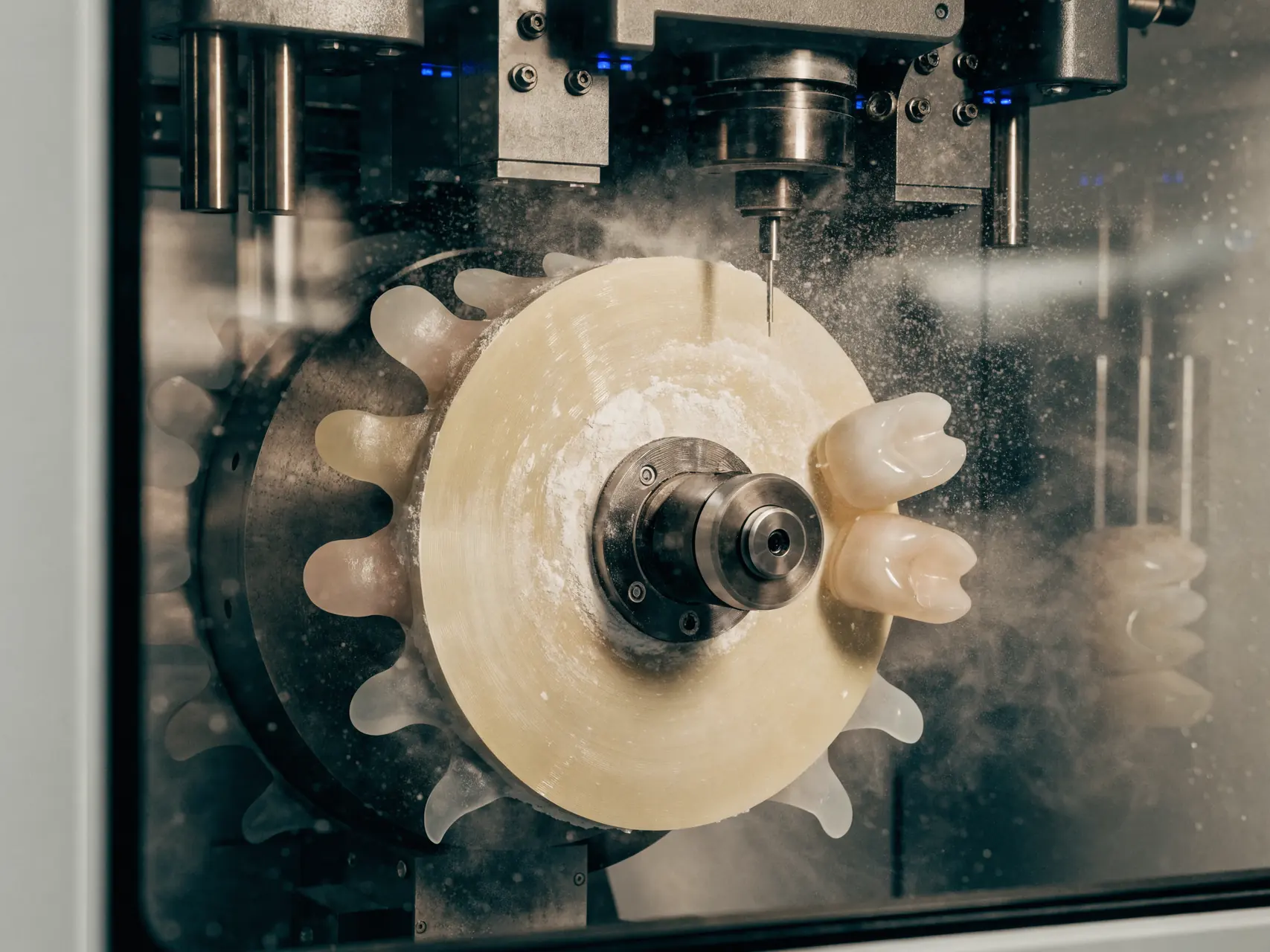
Dental crown materials guide Turkey 2026: compare IPS e.max, monolithic and layered zirconia, PFM, preparation, laboratory workflow, bite, maintenance and written material evidence.
# Turkey Dental Crowns Materials Guide 2026
Choosing the right crown material affects longevity, aesthetics, and comfort. This guide covers the four main types and which suits your situation.
The Four Main Crown Materials
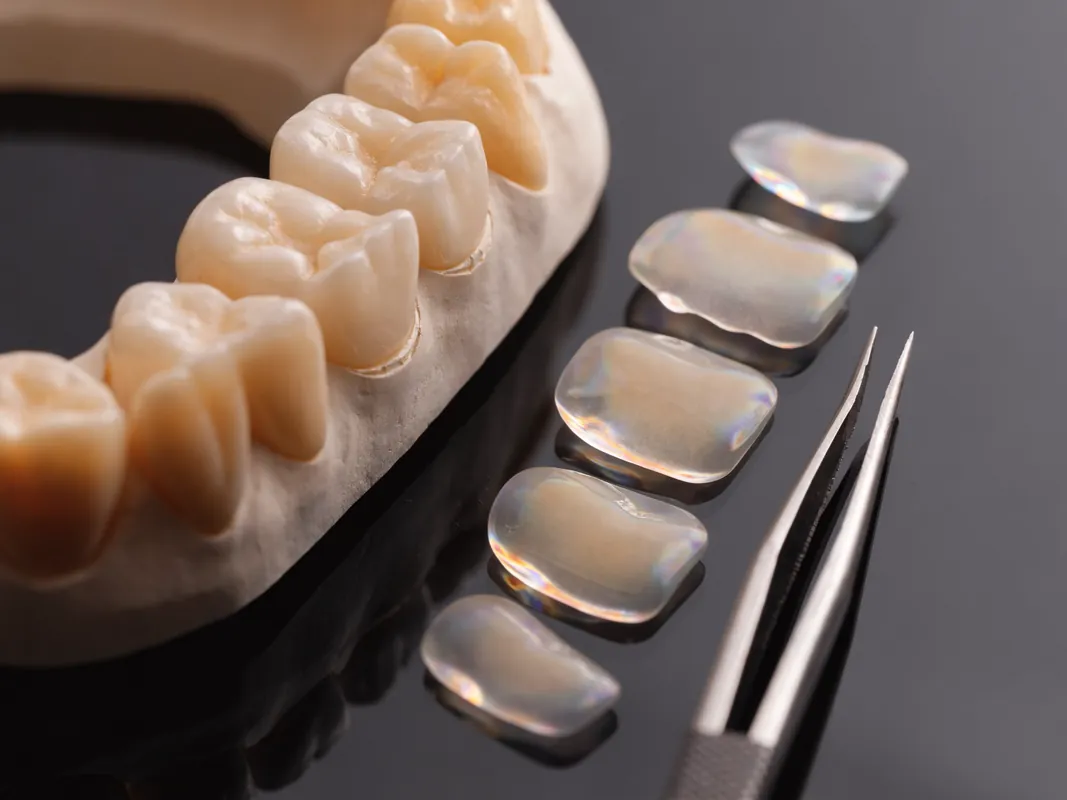
1. IPS e.max® (Lithium Disilicate)
Best for: Front teeth, aesthetic priority
Strength: 400 MPa
Aesthetics: Excellent (translucency mimics natural tooth)
Longevity: 15-20 years typical
Cost: Premium tier
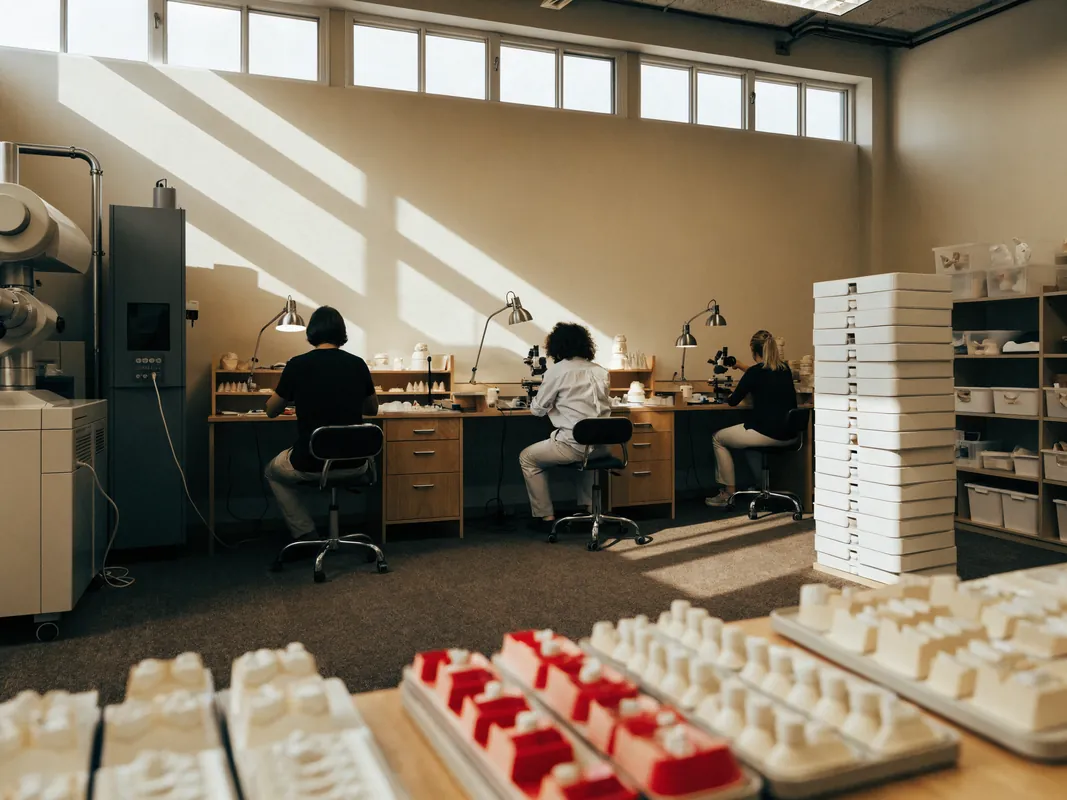
If IPS e.max® or hand-layering is proposed, ask for the exact product, named laboratory, technician role and written substitution policy; no material guarantees a particular aesthetic result.
2. Monolithic Zirconia
Best for: Back teeth, heavy biters, bruxism
Strength: 1200 MPa (3x stronger than e.max)
Aesthetics: Good (less translucent than e.max)
Longevity: 15+ years
Cost: Mid-premium tier
Best for strength when aesthetics secondary.
3. Layered Zirconia
Best for: Front teeth needing strength + aesthetics
Strength: 1000 MPa zirconia core + 100 MPa porcelain layer
Aesthetics: Very good (porcelain layer adds translucency)
Longevity: 12-15 years (chipping risk)
Cost: Premium tier
Compromise between strength and aesthetics.
4. PFM (Porcelain Fused to Metal)
Best for: Back teeth budget option
Strength: Strong metal substructure
Aesthetics: Limited (gray line at gum)
Longevity: 10-15 years
Cost: Budget tier
Older technology, less common in modern premium dentistry.
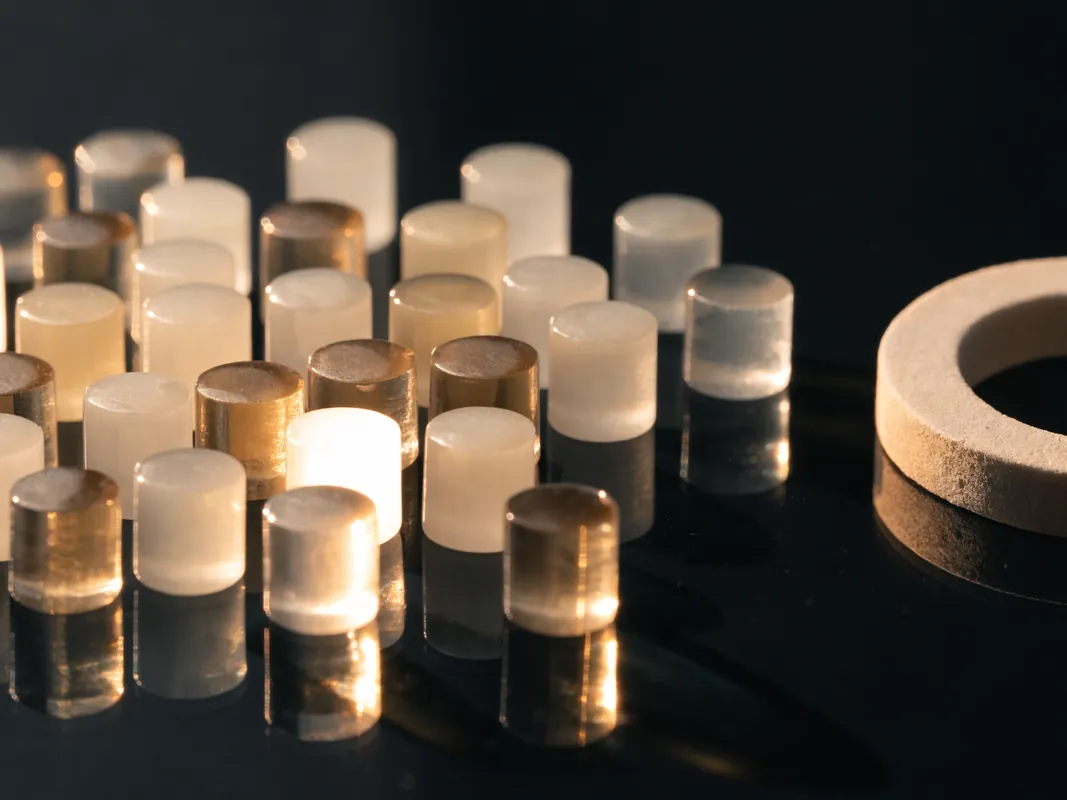
Detailed Material Comparison
| Material | Strength | Aesthetics | Best For | Cost |
|---|---|---|---|---|
| IPS e.max | 400 MPa | Excellent | Front teeth | Premium |
| Monolithic Zirconia | 1200 MPa | Good | Back teeth | Mid-Premium |
| Layered Zirconia | 1000 MPa | Very Good | Mixed needs | Premium |
| PFM | Strong | Limited | Budget back | Budget |
Which Material for Which Situation
Single Front Tooth
Recommend: IPS e.max® hand-layered
Why: Translucency essential for matching adjacent natural teeth
Multiple Front Teeth (Veneers)
Recommend: IPS e.max® hand-layered
Why: Aesthetic uniformity, master ceramist customization
Single Back Tooth
Recommend: Monolithic zirconia OR layered zirconia
Why: Strength needed for chewing forces
Heavy Biter / Bruxism Patient
Recommend: Monolithic zirconia
Why: Maximum fracture resistance
Full Mouth Reconstruction
Recommend: Mixed approach
- Front: IPS e.max®
- Back: Monolithic zirconia
- Why: Optimize each zone
All-on-4 Implant Bridge
Recommend: Monolithic zirconia full-arch
Why: Long-term durability, can withstand implant biomechanics
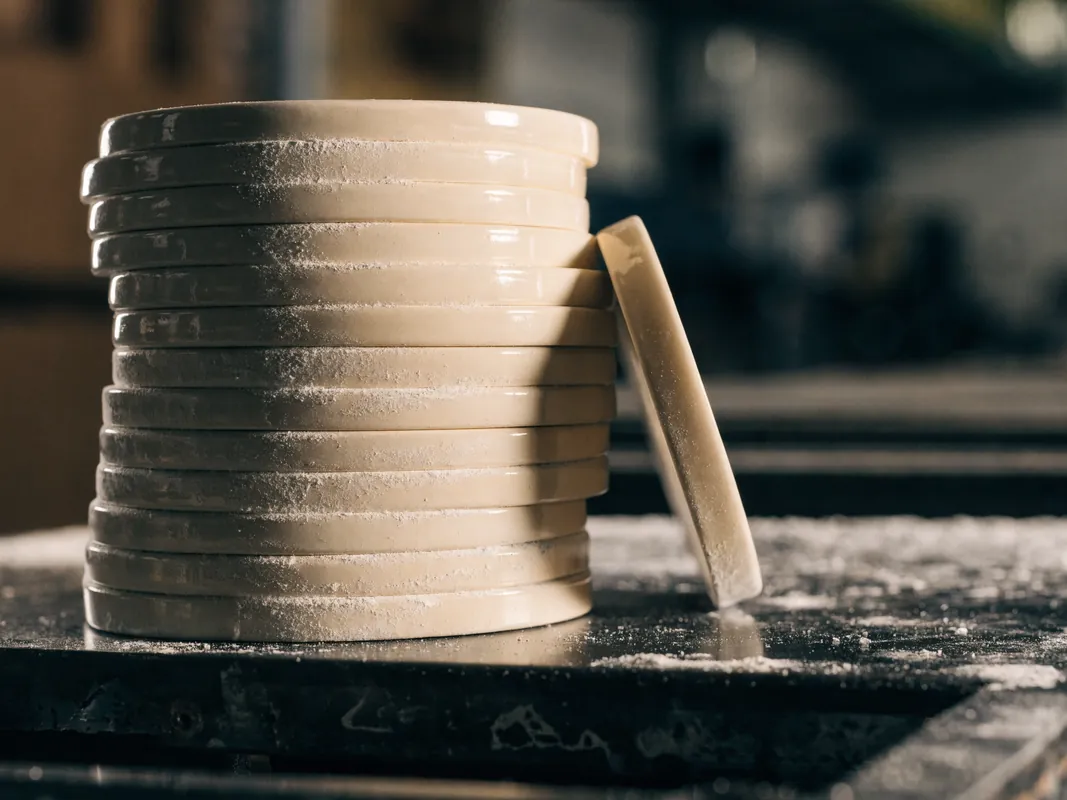
Master Ceramist Difference
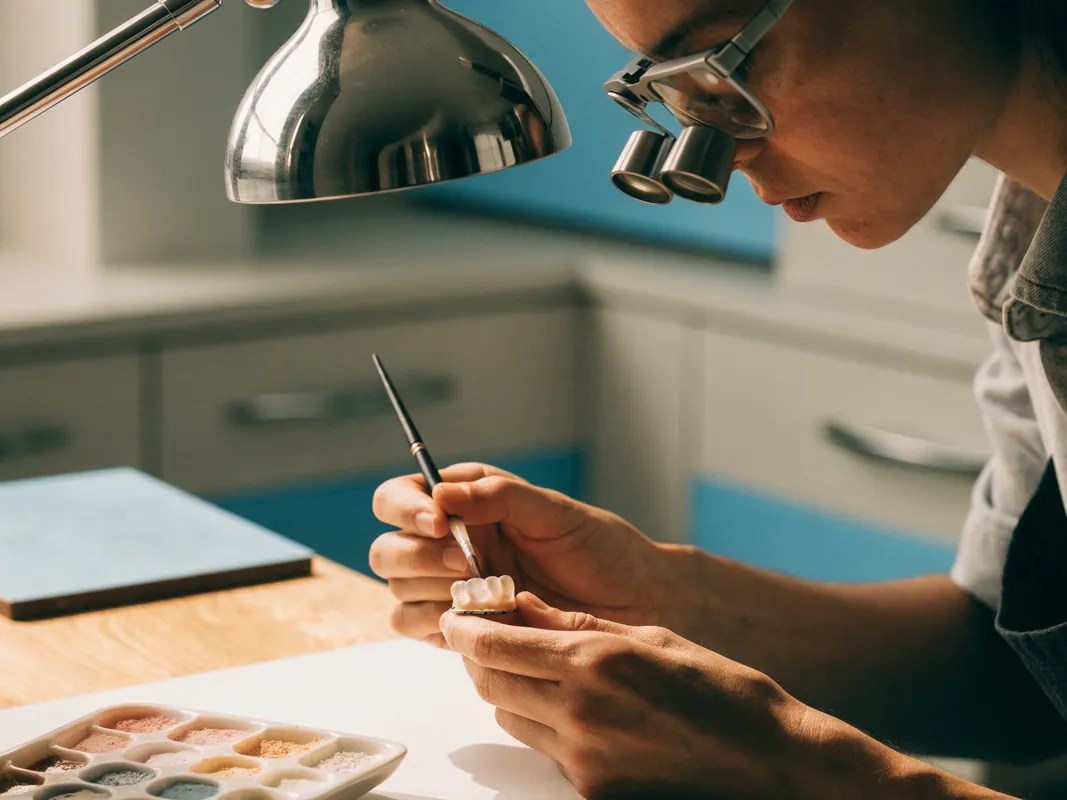
A hand-layered workflow may include these stages; confirm the named laboratory and technician in writing:
Hand-Layered Process
- Custom shade matching
- Multiple ceramic layers applied
- Translucency variation built in
- Internal details (white spots, characterization)
- Surface texture mimicking enamel
- Polish to natural reflection
Computer-Only Milling (Cheap Clinics)
- Single shade
- No customization
- Uniform translucency
- Plastic-looking results
The difference is dramatic — natural-looking vs obvious denture appearance.
Aesthetics Detailed Analysis
Translucency
e.max: Outstanding (mimics enamel translucency)
Layered zirconia: Very good
Monolithic zirconia: Limited
PFM: None (metal blocks light)
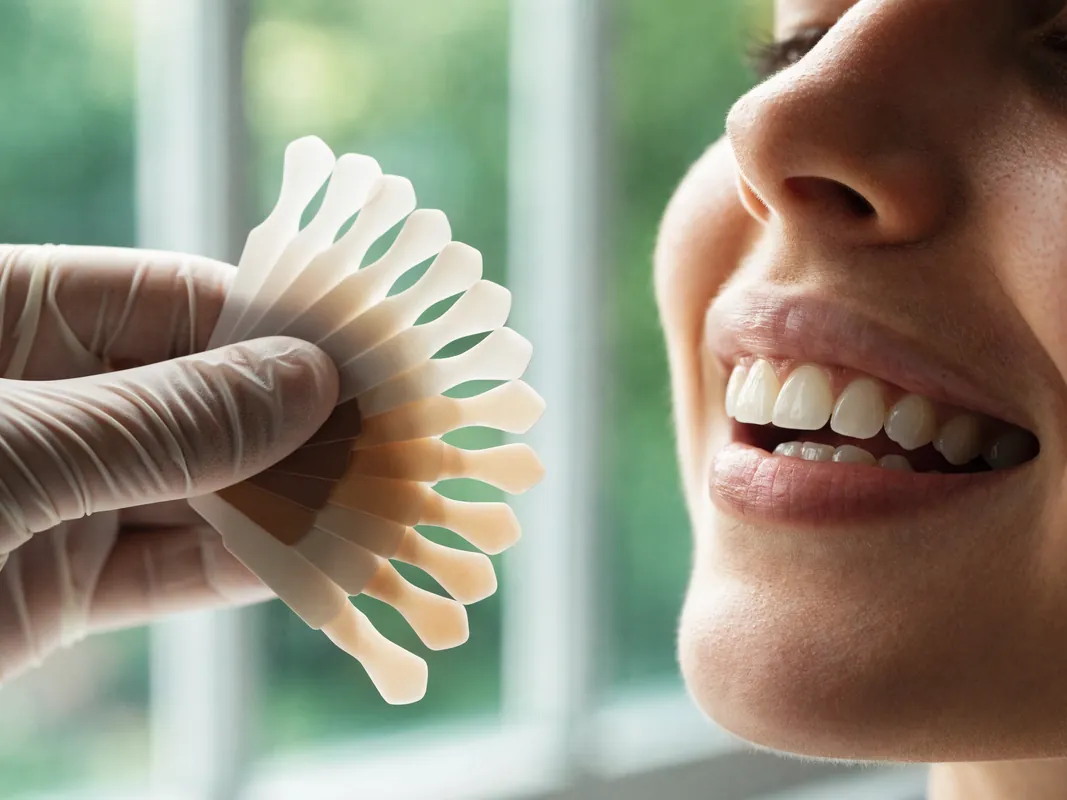
Color Matching
e.max: Excellent (16+ shades available)
Zirconia: Good (wider shade range now)
PFM: Limited (gray line risk)
Aging
e.max: Maintains aesthetic
Zirconia: Maintains aesthetic
PFM: Gum recession exposes metal margin (visible gray)
Longevity Comparison
| Material | Typical | Maximum |
|---|---|---|
| IPS e.max | 15-20 yrs | 25+ yrs |
| Monolithic Zirconia | 15-20 yrs | 25+ yrs |
| Layered Zirconia | 12-15 yrs | 18-20 yrs |
| PFM | 10-15 yrs | 18-20 yrs |
Failure Modes
IPS e.max
- Fracture under heavy bite force (rare, ~5% over 10 years)
- Wear on opposing natural tooth (minimal)
Monolithic Zirconia
- Very rarely fractures
- Can wear opposing natural teeth (controlled with proper polishing)
Layered Zirconia
- Porcelain layer can chip (~10-15% over 10 years)
- Repairable
PFM
- Porcelain chipping (~15-20% over 10 years)
- Metal exposure with gum recession
Common Questions
"Are zirconia crowns metal-free?" Yes. Zirconia is ceramic. No metal in modern zirconia restorations.
"Are zirconia crowns same as porcelain?" No. Zirconia is a type of ceramic with different properties from feldspathic or other porcelains.
"Will my crown look fake?" With master ceramist work using IPS e.max® or layered zirconia: no. With cheap monolithic zirconia: yes. Material AND technique both matter.
"Can I have all-zirconia for veneers?" Yes. Monolithic zirconia veneers exist but more popular is IPS e.max® for veneers due to translucency.
"Are e.max crowns durable enough for back teeth?" Generally yes for non-bruxers. Bruxism patients should use zirconia for back teeth.
For Turkey dental crowns 2026 personalized material recommendations based on your specific case, WhatsApp +905510868368.