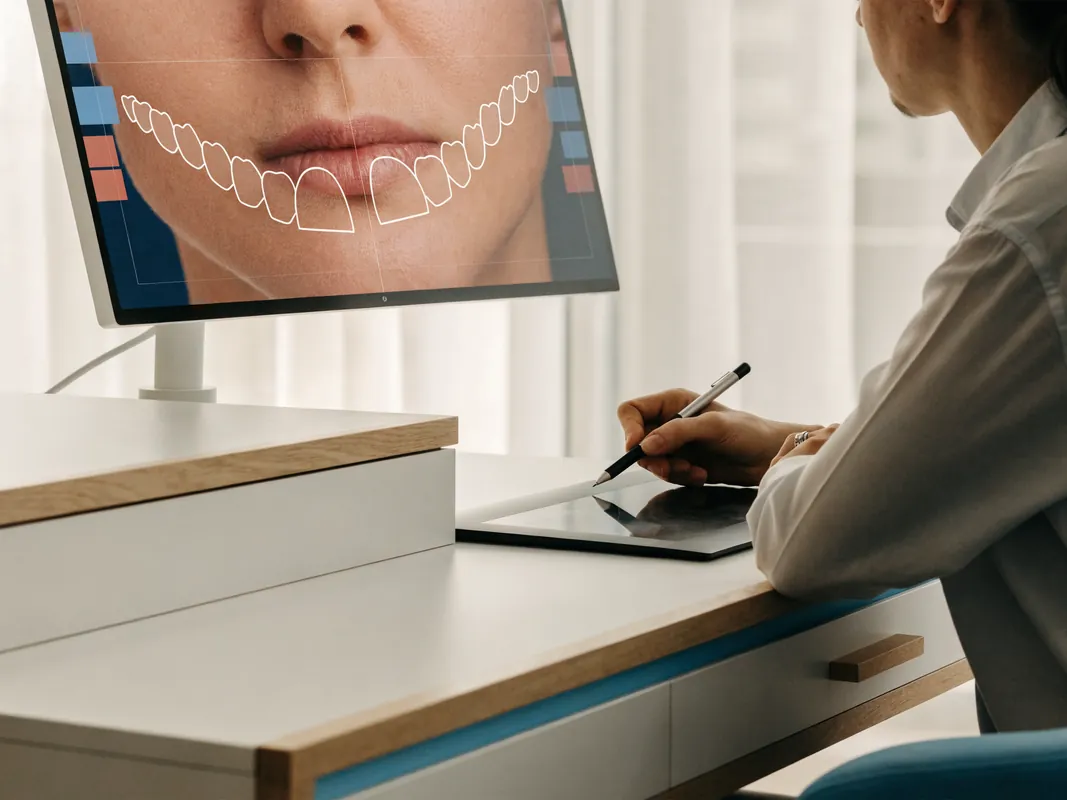
A truth-led guide for older adults considering dental care in Turkey, centred on individual function, clinical review, supported consent, travel resilience and continuity.
# Dental Tourism in Turkey for Adults 60+: A Planning Guide
Chronological age does not decide whether a person is suitable for dental treatment or international travel. People of the same age can differ widely in mobility, strength, cognition, hearing, vision, medical stability, medicine burden, oral disease, support and ability to maintain complex dental work.
The World Health Organization's [healthy ageing and functional ability framework](https://www.who.int/news-room/questions-and-answers/item/healthy-ageing-and-functional-ability) focuses on what a person can do and the interaction between individual capacity and the environment. That is a more useful starting point than treating everyone above a birthday threshold as one clinical group.
This guide is for older adults and families planning questions about dental care in Turkey. It does not decide whether a person is fit for travel, diagnose frailty, recommend a procedure, change a medicine or predict an outcome. Those decisions require appropriately qualified clinicians who know the person and can assess the proposed care.
The guide does not promise a clinic team, specialist, accommodation, vehicle, response time, price, schedule or result. It explains how to examine individual function, medical and medicine review, oral status, consent, accessibility, alternatives, staged planning, travel resilience, aftercare, records, payment and complaints.
Start With Function, Not an Age Label
Ask what the person needs to be able to do before, during and after treatment. Consider mobility, transfers, balance, endurance, eating, drinking, communication, memory, decision-making, personal care, medicine management and oral hygiene.
A person who travels independently may still need help after a procedure. Another person may use mobility equipment but have stable health, strong support and excellent ability to manage treatment. Neither age nor a single diagnosis describes the whole pathway.
Do not diagnose frailty from an online checklist. If there are concerns about reduced strength, falls, unplanned weight change, exhaustion, cognition, multiple conditions or recent decline, ask the person's primary healthcare professional or relevant specialist for an individual assessment.
Record the person's own goals. Eating comfort, speech, maintaining remaining teeth, easier cleaning, appearance, fewer appointments or avoiding surgery may have different importance. The most technically extensive option is not automatically the best fit.
Define the Decision and Treatment Burden
Write down the dental problem before comparing providers. Separate urgent symptoms, active disease, functional limits and elective goals. Ask a home dentist for an examination and copies of relevant records where practical.
A treatment plan creates burdens as well as possible benefits. Burden can include travel, repeated appointments, long procedures, temporary restorations, changes to diet, hygiene work, medicine coordination, reliance on a companion and future maintenance.
NICE's [multimorbidity guidance](https://www.nice.org.uk/guidance/ng56/) is written for the UK health system, but its person-centred planning principle is useful: consider multiple conditions, treatment burden, priorities and goals together. It is not a rule for Turkish care and does not replace individual assessment.
Ask whether a simpler, staged or removable option could meet the person's priorities with less burden. Record why each alternative was accepted or rejected.
Obtain an Independent Dental Assessment at Home
Before irreversible treatment abroad, ask a dentist who is not selling the trip to describe current oral health. Request a tooth-by-tooth summary and copies of usable records.
The assessment may consider:
- Active tooth decay
- Gum and periodontal status
- Tooth mobility
- Existing crowns, bridges and implants
- Denture fit and function
- Bite and wear
- Oral soft tissues
- Symptoms and urgent findings
- Ability to clean the proposed restoration
- Saliva or dry-mouth concerns
- Chewing, speech and nutrition-related goals
This list is not a diagnosis. The dentist decides what is relevant. If a finding needs further investigation, resolve it before a package timetable creates pressure.
Ask whether remaining teeth can reasonably be preserved, treated or monitored. Full extraction or extensive preparation should have tooth-level reasons and reasonable alternatives.
Build a Complete Medical Information Pack
Give the treating dentist an accurate medical history. Include current diagnoses, past procedures, allergies, previous reactions, recent changes, relevant test or specialist information and contact details for clinicians at home.
Do not ask a coordinator to decide whether a condition is stable or whether treatment is safe. The dental clinician should identify what information is needed, and the person's own doctor or specialist should answer specific medical questions where appropriate.
Avoid broad requests for a generic clearance letter. A useful request explains the proposed dental procedure and asks focused questions relevant to the individual's condition. The medical and dental clinicians should each remain within their scope.
Keep the person involved in information sharing. Obtain consent before contacting family or clinicians, unless applicable law provides another basis. Preserve copies of questions and answers with the treatment record.
Reconcile Every Medicine Without Changing It Yourself
Create one current list of prescription medicines, over-the-counter products, supplements and herbal products. Include names, active ingredients where known, dose, timing, purpose and prescriber.
Do not stop, skip, replace or adjust a medicine because of a website, salesperson or travel timetable. Only appropriately qualified professionals with the necessary clinical context should advise on changes.
Ask the treating dentist which medicines or health conditions require coordination with the prescriber. If the proposal includes surgery, sedation or new prescriptions, ask how interactions, duplication, allergies and monitoring will be reviewed.
The CDC's current [guidance for travellers with chronic illnesses](https://www.cdc.gov/yellow-book/hcp/travelers-with-additional-considerations/travelers-with-chronic-illnesses.html) emphasises coordinated preparation involving the traveller and relevant healthcare professionals. Use destination-specific official advice and personal clinical review rather than copying a generic medicine instruction.
Check current official customs and travel rules before carrying medicines across borders. Packaging, documentation and restrictions depend on the substance and route. A dental coordinator cannot provide legal permission.
Review Oral Hygiene and Maintenance Capacity
A complex restoration must be cleanable by the person or available caregiver. Ask the clinician to demonstrate the proposed hygiene access before accepting the design.
Consider hand dexterity, vision, hearing, memory, grip, mobility to a sink, caregiver availability and tolerance for maintenance appointments. Adaptations may help, but they should be planned with the relevant dental professionals.
Ask what daily tasks and professional maintenance the proposed option requires. Request this information in an accessible written format. If the person cannot manage the maintenance pathway, discuss other designs or staged alternatives.
Existing periodontal disease or poor plaque control should not be hidden by focusing only on replacement teeth. Ask how gum status is assessed, managed and monitored before and after restorative work.
The aim is not to exclude an older person. It is to choose a design that fits actual function and support.

Review Nutrition, Chewing and Temporary Stages
Ask how the current dental condition affects chewing, comfort, speech and food choice. If there is concern about nutrition, weight change or swallowing, involve an appropriate healthcare professional rather than asking a sales coordinator to interpret it.
A temporary restoration or healing stage may change what the person can eat and how meals must be prepared. Ask for case-specific information before travel so the person and companion can plan realistically.
Do not assume that the accommodation or clinic will provide a suitable diet. Verify meal access, texture needs, allergies, refrigeration and the ability to obtain food independently.
If a proposed plan depends on a prolonged temporary stage, ask how function, fit, cleaning and breakage will be managed at home.
No generic article can prescribe a diet for an individual. The treating clinician and other relevant professionals should provide personalised advice.
Verify the Provider and Responsible Clinicians
Request the legal name and treatment address of the healthcare provider. Use current Turkish official sources to verify the facility and ask which current authorisation applies to international patient care.
Ask who will examine the person, approve the plan, obtain consent and perform each procedure. Request each clinician's full name, professional role, registration details and place of work. Verify them independently.
A team biography does not prove allocation to the case. A certificate belonging to one professional does not describe every clinician. Ask how substitution is communicated and whether the patient can pause if a proposed clinician changes.
If surgery, restorative treatment, gum care, root-canal treatment or sedation involves different clinicians, map responsibility. A coordinator may schedule communication but should not diagnose or make medicine decisions.
Do not infer suitability from a general statement that a provider treats older adults. Ask how the named clinicians assess individual function, health, consent, access and continuity.
Treat Remote Review as Provisional
Photographs and existing imaging can support initial review, but they may not show every finding needed for a final plan. The age, quality and scope of records matter.
A responsible remote proposal should name the reviewing clinician, list the records reviewed, state assumptions and identify missing examination or imaging. Ask what findings could alter the teeth involved, procedure, materials, stages or cost.
Do not let a detailed PDF become a final diagnosis simply because travel has been discussed. The patient should be assessed in person by the responsible clinician and retain the right to decline a revised plan.
If a plan changes after arrival, request the clinical reason, alternatives, revised risks, new sequence and itemised financial effect. Give the person enough time and support to understand the change.
Require a Tooth-by-Tooth Plan and Alternatives
For every proposed procedure, ask what condition is being treated and which tooth or area is involved. Separate necessary disease control from elective treatment.
For a proposed extraction, ask about preservation, treatment, monitoring or specialist review. For fixed full-arch work, ask about removable and implant-retained removable alternatives where clinically relevant. For cosmetic treatment, ask whether a less invasive option could meet the goal.
A removable option is not automatically inferior, and a fixed option is not automatically appropriate. Consider cleaning, dexterity, repairability, future access, maintenance, function and personal preference.
Ask whether the plan can be staged so that diagnosis, disease control or adaptation can be reviewed before further irreversible work. Staging should follow clinical findings, not a universal timetable.
Preserve every plan version. A revision should say what changed and why.
Plan Capacity and Consent Without Age Assumptions
Do not assume that an older person lacks capacity because of age, diagnosis, appearance, hearing difficulty or family involvement. Capacity and consent rules depend on the decision, time and applicable jurisdiction.
For UK readers, NICE's current [decision-making and mental capacity guidance](https://www.nice.org.uk/guidance/ng108/) explains support for decision-making and the need for a decision-specific, person-centred approach. It is not legal advice for treatment in Turkey. Ask the Turkish provider how applicable consent law and professional duties are followed, and seek independent advice if needed.
Support can include accessible language, larger text, hearing or vision aids, an interpreter, quieter surroundings, breaks and enough time. Support should help the person decide, not steer the decision.
A companion does not automatically become the decision-maker. The patient should choose who receives information and what role the companion has. Any legal representative or authority should be verified under relevant law.
Consent is ongoing. If the plan changes, the clinician should explain the actual change, alternatives and implications before seeking consent again.
Make Communication Accessible
Ask how the provider accommodates hearing, vision, speech, memory, literacy and language needs. Confirm this for assessment, consent, treatment, discharge and aftercare rather than assuming one coordinator covers every stage.
Request written information in an accessible format. Large, clear text may help some people; audio or interpreted discussion may help others. Confirm preferences with the person.
If an interpreter is needed, identify their role, confidentiality and clinical-language competence. For complex decisions, consider interpretation independent of the sales process.
Allow time for questions and teach-back in the person's own words. A rushed appointment after travel can increase confusion. If the person is tired, distressed or unwell, ask whether the decision should be postponed.
Document the communication support used and keep accessible copies of the final plan and instructions.
Decide Whether an Escort Is Needed
An escort decision should be based on function, health, travel complexity, proposed treatment and clinician advice, not age alone.
Discuss whether help may be needed with:
- Airports and transfers
- Luggage and mobility equipment
- Medicine organisation
- Communication
- Meals and hydration
- Personal care
- Following written instructions
- Reaching local care
- Contacting family
- Unexpected travel changes
The escort's role should be agreed. They can support the patient without taking over decisions. Obtain the patient's permission before sharing health information.
Confirm whether the escort must be present after any sedation or procedure. This is case-specific and should come from the responsible clinicians and carrier or accommodation rules where relevant.
Plan what happens if the escort becomes ill or travel is disrupted.
Audit Accessibility Before Booking
Do not rely on the word accessible without details. Ask the clinic, accommodation and transport supplier separate questions.
Verify:
- Step-free route and entrance
- Lift dimensions and reliability
- Door widths
- Toilet and bathroom access
- Grab rails where needed
- Bed height and transfer space
- Distance from drop-off point
- Seating and rest areas
- Mobility-equipment storage
- Emergency evacuation arrangements
- Access to food and medicines
- Companion accommodation
Request recent measurements, photographs or written confirmation relevant to the person's equipment and abilities. A general tourism image is not evidence.
If the person cannot safely transfer into a particular vehicle or room, request an alternative from the actual supplier. No clinic brand can establish another company's accessibility.

Review Travel Fitness With Appropriate Clinicians
International travel adds immobility, fatigue, route changes, unfamiliar environments and distance from usual care. The effect is individual.
The CDC's [older adults and healthy travel page](https://wwwnc.cdc.gov/travel/page/senior-citizens/) advises older travellers to discuss health conditions, medicines, itinerary and activities with an appropriate healthcare professional. Use the current destination page and the official travel-health source for the traveller's country.
The person's doctor, relevant specialists, travel-health clinician and treating dentist may each have different information. Ask focused questions and share the proposed procedures and route.
Do not use an online age cutoff or a generic statement that flying is safe. Ask for case-specific advice on travel, mobility, recovery, escort needs and when plans should be postponed.
Check current entry, transit, carrier, insurance and medicine-transport rules directly. They can change and may depend on citizenship, route and policy wording.
Build a Travel and Recovery Contingency
Do not book around the most optimistic schedule. Plan for delayed transport, lost baggage, an extended stay, changed clinical findings, additional local assessment, laboratory revision and feeling unfit to return.
Keep clinical and travel bookings separable where possible. Understand change and cancellation terms. Know the treatment facility's official address and contact, not only the coordinator's account.
Carry a secure medical summary, current medicine list, relevant contacts and essential records in an accessible form. Keep backups and share the itinerary with an agreed trusted person.
Ask where the person would obtain non-dental or urgent medical care at the destination. Verify insurance wording directly with the insurer and disclose the planned treatment accurately.
The NHS [treatment abroad checklist](https://www.nhs.uk/using-the-nhs/healthcare-abroad/going-abroad-for-treatment/treatment-abroad-checklist/) highlights second opinions, provider research, aftercare, insurance and contingency costs. UK readers should also check current nation-specific services. Patients elsewhere should use their own official sources.
Use Staged Planning, Not a Fixed Senior Timeline
There is no universal older-adult treatment calendar. Sequence can depend on oral disease, medical information, recovery, laboratory work, adaptation and the ability to maintain a temporary or final restoration.
A staged pathway might separate assessment, disease control, provisional treatment, review and final restoration, but the named clinician must explain why each stage is needed. Do not copy this as a treatment recommendation.
Ask what clinical criteria open the next stage. Ask what happens if those criteria are not met. The response should cover alternatives, additional assessment, travel implications and financial terms.
Fewer visits can reduce travel burden but may also reduce flexibility. More visits are not automatically better. Compare what happens at each visit and whether the person can manage the total burden.
The patient should be able to pause without a flight or package deadline deciding the clinical choice.
Review In-Person Changes Carefully
The first appointment in Turkey should confirm identity, provider, clinician and clinical findings. Compare the in-person assessment with the remote proposal.
If the clinician recommends more extensive or irreversible work, request the new evidence, reasonable alternatives, revised risks, sequence and itemised quotation. Allow time for accessible explanation and independent support.
Do not let sunk travel cost create consent. A patient may decline or seek another opinion. The contract should explain what happens financially when a plan changes or is declined.
If the person is fatigued, unwell, confused or under pressure, ask whether the decision should be delayed and whether further clinical or capacity support is needed.
Record the final accepted plan and all changes before treatment.
Ask About Sedation and Monitoring Without Assuming Availability
If sedation or anaesthesia is discussed, request the responsible qualified professional, pre-assessment process, setting, monitoring, recovery criteria and escort requirements.
The patient's medical history and medicines must reach the professionals responsible. Do not assume that a person is suitable from age or from a remote questionnaire.
Ask what happens if the planned approach is not appropriate after assessment. The alternative may affect procedure, comfort, timing or travel and should be explained before consent.
Do not select a provider because marketing says a particular professional is always present. Verify the actual person, role and arrangement for the case.
No medicine or fasting instruction in this guide applies personally. Follow only the case-specific instructions of the responsible qualified professionals.
Plan Discharge Around Function and Clinical Review
Discharge should not be dictated by a flight. Ask the treating clinician to review symptoms, wounds, fit, bite, function, hygiene, medicines, mobility needs and unresolved findings.
Request accessible written instructions. Ask which symptoms require contact, which require local examination and what information should be shared.
Case-specific travel advice should come from the responsible clinicians. A generic number of days cannot determine when one person is ready to fly, carry luggage, resume activity or manage independently.
Confirm that the patient and escort understand the plan. Use teach-back where appropriate. Verify access to prescribed medicines and suitable food.
If the person's function has declined compared with arrival, seek appropriate clinical assessment before departure.
Leave With a Complete Handover
A dentist at home needs clinical records, not a brochure. Before departure, request:
- Legal provider and treatment address
- Names and roles of clinicians involved
- Dates and tooth-level procedures
- Original diagnostic imaging
- Final imaging where clinically relevant
- Implant and component identifiers
- Restoration material and laboratory information
- Medicines administered or prescribed
- Relevant measurements
- Known complications or unresolved findings
- Maintenance and hygiene instructions
- Clinical and complaints contacts
Check names, tooth notation, dates and identifiers. Keep the accepted plan, revisions, consent documents, invoices and payment evidence with the handover.
Back up records outside a temporary portal. Give the local dentist a copy with the patient's permission.

Arrange Independent Local Aftercare First
Contact a dentist at home before travel. Ask what assessment, maintenance or urgent care the practice can provide for the proposed work and which records it requires.
Do not assume another clinician must accept, repair or maintain treatment performed elsewhere. A practice may agree to examine symptoms without taking responsibility for redesigning a restoration.
Clarify professional maintenance and daily hygiene. Ask whether the local team can access the proposed components and whether specialist referral may be needed.
If there is no realistic local pathway, include that gap in the decision. Remote advice cannot replace physical examination when one is needed.
For urgent or worsening symptoms after return, seek appropriate local clinical care. Do not wait for a commercial dispute or remote image review.
Review Costs, Contract and Payment Burden
Ask for a dated, itemised quotation that separates clinical care from travel or administrative services. Mark each item as included, conditional, excluded or not stated.
Identify the clinical provider, contracting party, invoice issuer and payment beneficiary. Request an explanation if they differ.
Read deposit, cancellation, refund, currency, plan-change, provider-substitution and travel-disruption terms. Do not rely on a verbal promise.
Include contingency for extended travel, local assessment, companion costs, maintenance and possible return. Do not infer value or quality from a national price comparison.
Seek independent legal or financial advice when the exposure is material. Payment protections depend on the actual method, contract and jurisdiction.
Understand Complaints and Jurisdiction
Request the complaints policy before treatment. Identify the legal entity receiving a complaint, submission method, accepted language, review stages and person responsible for the clinical response.
Verify any named regulator, ministry, mediator or professional body through current official sources. Clinical, contractual and consumer issues may follow different routes.
Ask how an independent examination at home will be considered. Keep dated records of symptoms, advice, appointments, communications and costs.
A contract may name governing law or a dispute forum, but that does not answer every legal question. Obtain current independent advice relevant to the actual provider and transaction when needed.
Urgent care comes before a later argument about responsibility.
Know When Not to Travel Yet
Pause when:
- An urgent dental or medical concern has not been assessed
- There has been recent unexplained decline in function
- Relevant clinicians have not reviewed the proposed care
- The medicine list is incomplete or contradictory
- The legal provider or responsible clinician cannot be verified
- The remote proposal is presented as final
- Irreversible treatment lacks tooth-level reasons
- Consent support or communication access is inadequate
- Capacity concerns are ignored or based only on age
- Accessibility has not been verified
- The escort plan is insufficient for the person's needs
- Travel or insurance questions remain unresolved
- The quotation or payment chain is unclear
- Local aftercare is unavailable
- The provider will not supply complete records
- Sales pressure prevents an independent opinion
- The person no longer wants the proposed treatment
Pausing is not a judgement that older adults should not travel. It means the individual plan is not ready.
Older-Adult Planning Checklist
Mark every item as independently verified, supplied in writing, provisional or missing:
- Personal goals and acceptable treatment burden
- Independent dental assessment
- Tooth, gum, soft-tissue and denture status
- Complete medical history
- Current medicine and supplement list
- Focused communication with home clinicians
- Functional and support needs
- Oral-hygiene and maintenance capacity
- Nutrition and temporary-stage planning
- Legal provider and treatment address
- Named clinicians and registration checks
- Limits of remote review
- Tooth-by-tooth plan and alternatives
- Staged criteria rather than fixed dates
- Accessible consent and communication support
- Capacity support where relevant
- Escort role and information-sharing permission
- Clinic, accommodation and transport accessibility
- Case-specific travel-health review
- Current official travel and medicine rules
- Travel and recovery contingency
- Complete handover commitment
- Independent local aftercare
- Itemised quote and payment chain
- Complaints, remedial and jurisdiction information
A missing item is not resolved by a testimonial, age-based success figure or luxury image.
Questions for the Provider and Home Clinicians
Ask:
- What individual findings affect suitability?
- What information is needed from the person's doctor or specialist?
- Who reviews the complete medicine list?
- What is the condition and prognosis of each tooth?
- How is gum health assessed and maintained?
- Which less invasive or removable alternatives are reasonable?
- Can the plan be staged?
- What criteria open each stage?
- Who will examine, consent and treat the patient?
- How are communication and capacity needs supported?
- What accessibility has been verified?
- Is an escort needed, and for which tasks?
- What could change after in-person assessment?
- What would delay treatment or travel home?
- What records will the local dentist receive?
- Who provides clinical aftercare?
- What is included, conditional and excluded financially?
- How is a complaint submitted?
Clinical questions should reach the named responsible clinician rather than stop with a coordinator.
Frequently Asked Questions
Is someone too old for dental implants or restorative treatment?
Age alone does not answer suitability. A clinician must assess the person's goals, oral condition, anatomy, health, medicines, function, maintenance capacity and alternatives.
Does being active mean medical review is unnecessary?
No. Function is important, but it does not replace an accurate history, medicine review, dental assessment and any needed coordination with healthcare professionals.
Should I stop a regular medicine before dental treatment?
This guide cannot advise that. Do not change a medicine without instruction from appropriately qualified professionals who know the medical history and proposed procedure.
Can a family member provide consent?
A companion does not automatically become the decision-maker. Consent and legal authority depend on the person's capacity, the decision and applicable law. Verify any formal authority and support the person's own decision-making.
Does a diagnosis of dementia mean the person cannot consent?
Do not assume that from a diagnosis alone. Capacity is decision- and time-specific under relevant law. The treating team should support communication and follow the applicable legal process.
Is a fixed implant bridge always better than a removable option?
No. Compare function, cleaning, repairability, anatomy, treatment burden, maintenance and personal preference. The clinician should explain suitable alternatives.
Can treatment be completed in one trip?
Do not assume so. The sequence depends on diagnosis, healing, laboratory stages and review findings. Ask for a case-specific provisional plan and criteria for change.
Is a companion always required?
Not solely because of age. The decision depends on function, treatment, travel, communication, clinician advice and supplier rules. Plan the companion's actual tasks.
How do I verify wheelchair access?
Ask each supplier for measurements and recent evidence relevant to the person's equipment. Check entrances, lifts, bathrooms, transfer space, drop-off and evacuation plans.
Will travel insurance cover planned dental treatment or complications?
Policy wording differs. Describe the planned care accurately and request written answers about exclusions, complications, additional travel and medical assistance.
What if the plan becomes more extensive after arrival?
Request the new finding, evidence, alternatives, revised risks, stages and itemised financial effect. The patient should be able to pause or decline.
What records should come home?
Request the provider and clinician details, tooth-level summary, original imaging, components, materials, laboratory information, medicines, unresolved findings and maintenance instructions.
Will a local dentist maintain overseas work?
Do not assume so. Ask before travel what a local practice can provide and which records or components it needs.
What if function declines during the trip?
Seek appropriate clinical assessment. Do not let the itinerary or departure booking replace medical and dental judgement about next steps.
How should I compare providers?
Use the same evidence checklist: legal identity, named clinicians, diagnosis, alternatives, consent, access, records, aftercare, itemised scope and complaint route. Do not compare age-based outcome percentages.
Final Planning Rule
For an older adult, the right question is not whether people above a particular age can travel for dentistry. It is whether this person, with these goals, functions, health conditions, medicines, oral findings, supports and aftercare options, has a coherent and manageable plan.
No online guide can answer that personally. Advance only when the responsible clinicians have reviewed the relevant evidence, the patient can make or be supported to make the decision, accessibility and travel contingencies are real, and continuity at home is arranged.