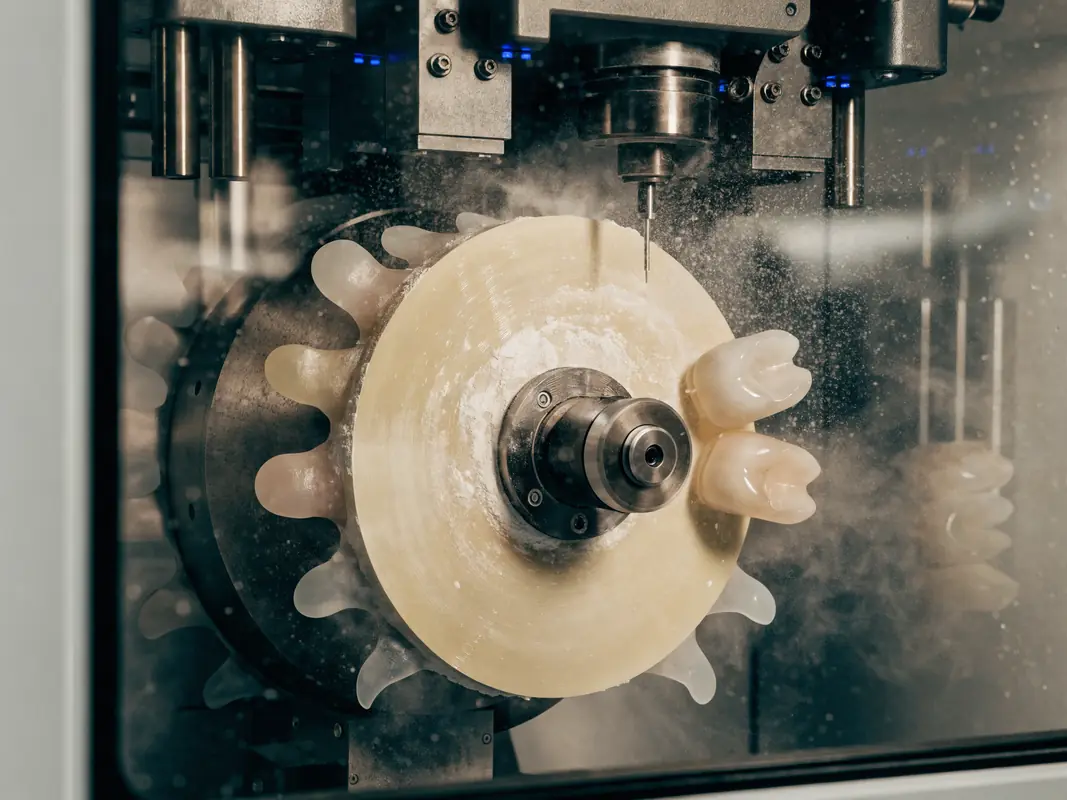
Astra Tech is a system family, not a treatment recommendation
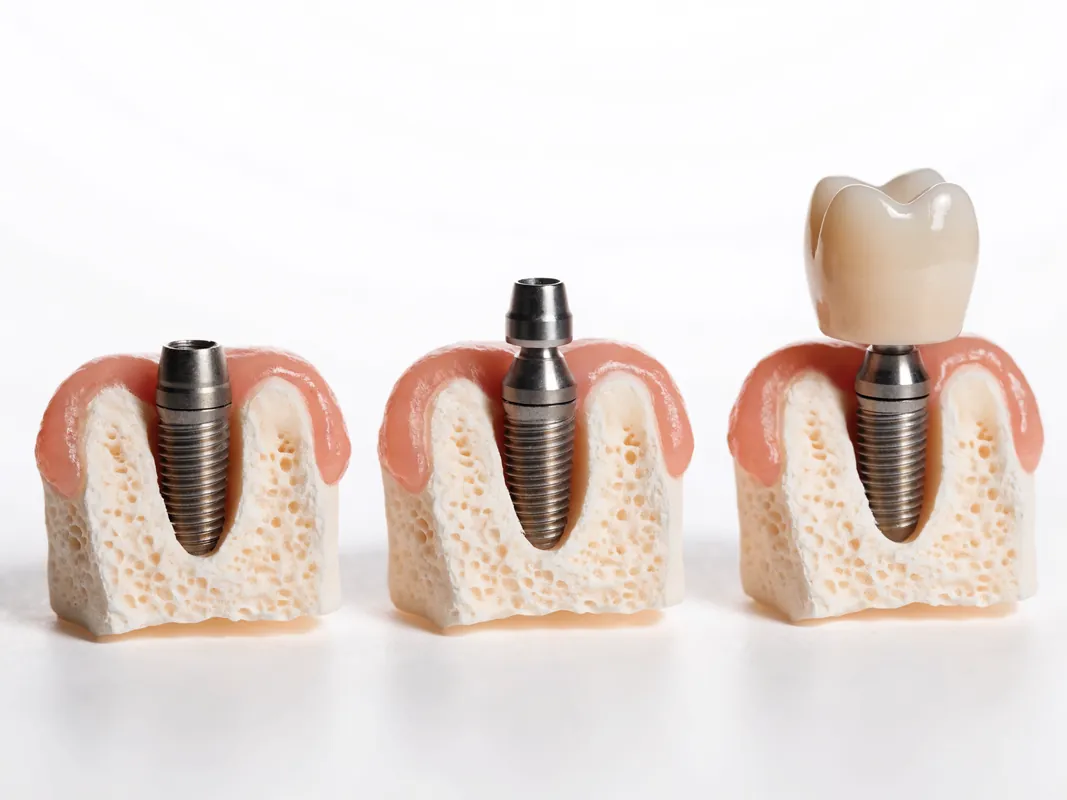
Astra Tech Implant System EV is a family of implants, surgical instruments, healing parts and restorative components associated with Dentsply Sirona. The family name does not identify one universal fixture, connection, abutment or clinical pathway. It also does not establish that an implant is needed, that a tooth cannot be preserved, that grafting is required, or that one timing or loading approach suits a particular site. Those conclusions require diagnosis, examination, suitable imaging and a restoration-led plan from the professionals responsible for care.
This page is a neutral device-verification and implant-decision guide. It does not state that WeCare, a clinic, surgeon, restorative dentist, laboratory or intermediary stocks, uses, supplies, recommends or is authorised for Astra Tech products. It does not endorse Dentsply Sirona, rank this family above another system, predict integration, promise comfort, give a lifespan, publish a success percentage or create a treatment package. A brand can organise documentary questions; it cannot replace clinical judgement or informed consent.
Use the guide to turn a broad quotation into an exact, transferable record. The useful endpoint is not the phrase “Astra Tech implant.” It is a site-by-site description naming the legal manufacturer on the label, implant family, exact model, dimensions, connection, reference, lot and any UDI information; the compatible surgical and restorative components; the current instruction for use; the actual placement record; the laboratory prescription; the maintenance design; and the professional responsible at each stage.
Build an exact device identity before comparing proposals
Start with an identity sheet for every planned implant site. Record the tooth or edentulous site, proposed implant family, fixture name, body design, diameter, length, connection size or colour code, catalogue reference or REF, lot or batch, UDI data where present, label revision, sterile expiry, and the market for which the device was supplied. Add each cover screw, healing component, impression component or scan body, temporary component, definitive abutment, screw, titanium base, attachment or framework interface expected in the restorative chain.
Do not accept a composite description assembled from several products. “EV,” “OsseoSpeed,” “Profile,” “conical connection” and “titanium” are not interchangeable substitutes for an exact catalogue identity. A brochure image may illustrate a family but does not prove which configuration will be opened. A package photograph without readable identifiers is weak evidence. The strongest chain connects the unopened label, clinical note, implant record, invoice or stock record where appropriate, laboratory prescription and final handover document.
Write uncertainties rather than hiding them. Before examination, the plan may identify a bounded range of possible fixture sizes or state that grafting remains conditional. After the in-person assessment, the definitive choice should be documented. If the implant or component changes during treatment, record what changed, why, which alternatives were considered, and how the quotation and maintenance pathway are affected.
Verify the legal manufacturer and responsible product document
The legal manufacturer printed on the exact product label and current instruction for use is the controlling identity, not a clinic logo or a retailer description. The Astra Tech Implant EV United States instruction available from Dentsply Sirona identifies Dentsply Implants Manufacturing GmbH, Rodenbacher Chaussee 4, 63457 Hanau, Germany. A label supplied in another jurisdiction may also identify an authorised representative, importer or other economic operator required for that market. Copy those roles exactly rather than merging them into the word “manufacturer.”
The current electronic instructions portal is [Dentsply Sirona Instructions for Use](https://ifu.dentsplysirona.com/en/active.html). It separates active documents from an archive. Search by the identifier on the physical product, then verify product scope, language, market, revision and date. An archived instruction can help identify a legacy device already placed, but it should not silently govern a new product when a current product-specific instruction exists. Save the applicable document reference with the treatment record so another clinician can reproduce the check.
Corporate ownership and brand history are not enough for case identity. “Dentsply Sirona,” “Astra Tech,” “OsseoSpeed” and “EV” may appear across product generations and documents. The physical label and its matching IFU decide what was supplied. Where a manufacturer page and the label conflict, pause and ask the manufacturer or responsible supplier for a documented explanation before use.
Use current IFUs, manuals and catalogues for different questions
An IFU, surgical manual, prosthetic manual and product catalogue do different jobs. The current product-specific IFU defines intended purpose, users, indications, contraindications, warnings, precautions, compatibility, sterile handling and other legal use boundaries. A surgical manual explains workflow and instruments. A prosthetic manual explains restorative components and sequences. A catalogue maps names, dimensions, platforms, colours and order references. A marketing page may help locate documents but is not a substitute for any of them.
The official [Astra Tech Implant System EV page](https://www.dentsplysirona.com/de-de/entdecken/produktmarken-entdecken/astra-tech-implant-system-ev.html) links the current system family and downloads. The official [2024 Astra Tech Implant System EV surgical manual](https://www.dentsplysirona.com/content/dam/master/product-procedure-brand-categories/implant-dentistry/collateral-marketing-product/astra-tech-implant-system-ev/document/brochure/32672844-usx-surgical-manual-astra-tech-implant-system-ev/IMP-Brochure-Surgical-manual-Astra-Tech-Implant-System-EV-32672844-USX-2404_LR.pdf) provides a recent workflow reference. The [EV prosthetics manual](https://www.dentsplysirona.com/content/dam/flagship/de-de/explore/implants/primetaper/32671924-DE-2209-EV-Prosthetics-manual-ATIS-EV_OT_PT_LR.pdf.coredownload.pdf) helps map restorative pathways. Always reconcile these with the current IFU and market-specific catalogue for the exact reference.
Document hierarchy matters. A general manual cannot expand a restriction in a product-specific IFU. A dated catalogue cannot prove current availability. A professional should identify which revision governed the actual procedure and retain it or a durable reference.
Separate Astra Tech Implant System EV from the legacy Astra Tech system
“Astra Tech Implant System” and “Astra Tech Implant System EV” are not safe synonyms. The official United States EV IFU states that components and instruments for the earlier Astra Tech Implant System are not compatible with Astra Tech Implant System EV. This is a critical handover boundary: a legacy component can look related, carry the same corporate branding and still belong to a different interface or workflow.
For an implant already in the mouth, do not infer generation from an approximate treatment year, radiograph or patient memory. Obtain the original implant label or passport, surgical note, restorative invoice, component record and any useful radiographs. If those are incomplete, the restorative professional may need a structured identification process before ordering or tightening anything. “Astra Tech-compatible” without a generation, platform and component manufacturer is not an adequate maintenance instruction.
For new treatment, insist that the quotation and consent document use the full current family name and exact reference. If a provider proposes a legacy component because it is available locally, ask for product-specific written compatibility evidence rather than relying on visual fit. A connection that seems to seat can still be wrong in index, platform, screw, engagement or material. Trial-and-error use in a patient is not an acceptable identification strategy.
Understand the OsseoSpeed naming lineage without guessing the fixture
OsseoSpeed appears in historic and current Astra Tech documentation, but the word alone does not establish generation, dimensions or connection. Official United States regulatory records illustrate why naming lineage needs care. The FDA summary for [K220841](https://www.accessdata.fda.gov/cdrh_docs/pdf22/K220841.pdf) notes that an earlier device cleared as OsseoSpeed Plus under K120414 is currently marketed as Astra Tech OsseoSpeed EV Implants, with corresponding Astra Tech Implant EV abutment terminology. This is a United States regulatory naming record, not proof of the product supplied in another market.
When a plan says “OsseoSpeed,” ask whether it refers to a surface designation, a historic fixture name, the current EV-marketed implant, or a phrase copied from older literature. Match it to the REF and current IFU. Do not combine evidence from old OsseoSpeed, OsseoSpeed TX, OsseoSpeed Plus and EV documents unless the manufacturer explicitly links the exact reference.
Regulatory lineage helps reconstruct identity; it does not make different generations interchangeable. A clearance summary does not prescribe treatment, confirm stock, establish Turkey or UK market status, or predict a result. Keep the exact document, jurisdiction and product generation attached to every statement.
Distinguish EV fixture families that share a restorative platform concept
Dentsply Sirona currently presents more than one fixture design within an EV restorative portfolio. The official UK [implant product selection guide](https://www.dentsplysirona.com/en-gb/explore/implant-dentistry/product-topics/product-selection-guide.html) distinguishes Astra Tech Implant EV as a parallel-walled option, PrimeTaper EV as fully tapered, OmniTaper EV as apically tapered, and Astra Tech Implant EV Profile as a sloped design. Sharing EV terminology does not mean that every body, drill, driver, healing component or restorative part is universally interchangeable.
The proposal should therefore name both the implant body family and the restorative interface. If a clinician changes from Astra Tech Implant EV to PrimeTaper EV or OmniTaper EV after assessment, ask how osteotomy preparation, insertion workflow, component mapping, loading plan and future service change. The word “EV” is not enough to answer those questions.
Do not convert shape descriptions into superiority claims. Parallel, tapered and sloped designs are engineering categories that may address different anatomy or workflow preferences. Suitability is site-specific and constrained by the exact IFU. The responsible clinician should explain the anatomical and restorative reason for the selected body and document reasonable alternatives.
Identify straight and Profile EV designs site by site
Astra Tech Implant EV and Astra Tech Implant EV Profile should not be collapsed into one generic fixture. Profile EV has a sloped coronal design intended for particular uneven or sloped ridge situations. The geometry creates orientation and component questions that differ from a conventional straight coronal profile. It is not a default upgrade and should not be selected because a brochure suggests better aesthetics or tissue behaviour.
Ask the clinician to show the relevant ridge anatomy on examination findings and appropriate imaging. The plan should explain why a sloped design is considered, how its orientation will be controlled, which Profile-specific cover, healing and restorative components are required, and what a non-Profile alternative would involve. If the anatomy changes after debridement or grafting, the decision may need to change.
The label should explicitly identify Profile when that is the implanted product. A later restorative clinician should not have to infer the slope and orientation from a radiograph. The placement note should record rotational orientation and the corresponding restorative plan, because a Profile connection pathway may have dedicated components that are not safely substituted with a visually similar standard component.
Treat Profile EV as an anatomical option, not a marketing promise
The FDA [K130999 database entry](https://www.accessdata.fda.gov/scripts/cdrh/cfdocs/cfpmn/pmn.cfm?ID=K130999) identifies OsseoSpeed Profile EV as a United States Class II dental endosseous implant device. The associated [K130999 summary](https://www.accessdata.fda.gov/cdrh_docs/pdf13/K130999.pdf) describes the device and regulatory comparison. These records confirm a United States regulatory identity at that time; they do not establish that Profile EV is appropriate for a particular ridge, currently supplied in another country, or associated with a guaranteed biological or aesthetic result.
Current product-specific documentation remains essential. A recent official [TiDesign Profile EV IFU](https://www.dentsplysirona.com/services/asset/download?path=%2Fcontent%2Fdam%2Fmaster%2Fproduct-procedure-brand-categories%2Fimplant-dentistry%2Fproduct-categories%2Fprosthetics%2Fcement-retained%2Fifu%2F5928%2FIMP-IFU-Astra-Tech-Implant-System-TiDesign-Profile-EV-EN-5928-2025-08.pdf) identifies Profile-specific prosthetic designs and compatibility with Astra Tech Implant System EV. It does not authorise unlisted combinations.
For consent, separate the anatomical reason, device design, technical requirements and uncertainty. A patient should hear what finding supports the option, what alternative exists, what cannot be predicted, and what records will be needed for future maintenance.
Record model, REF, dimensions and connection as one identity
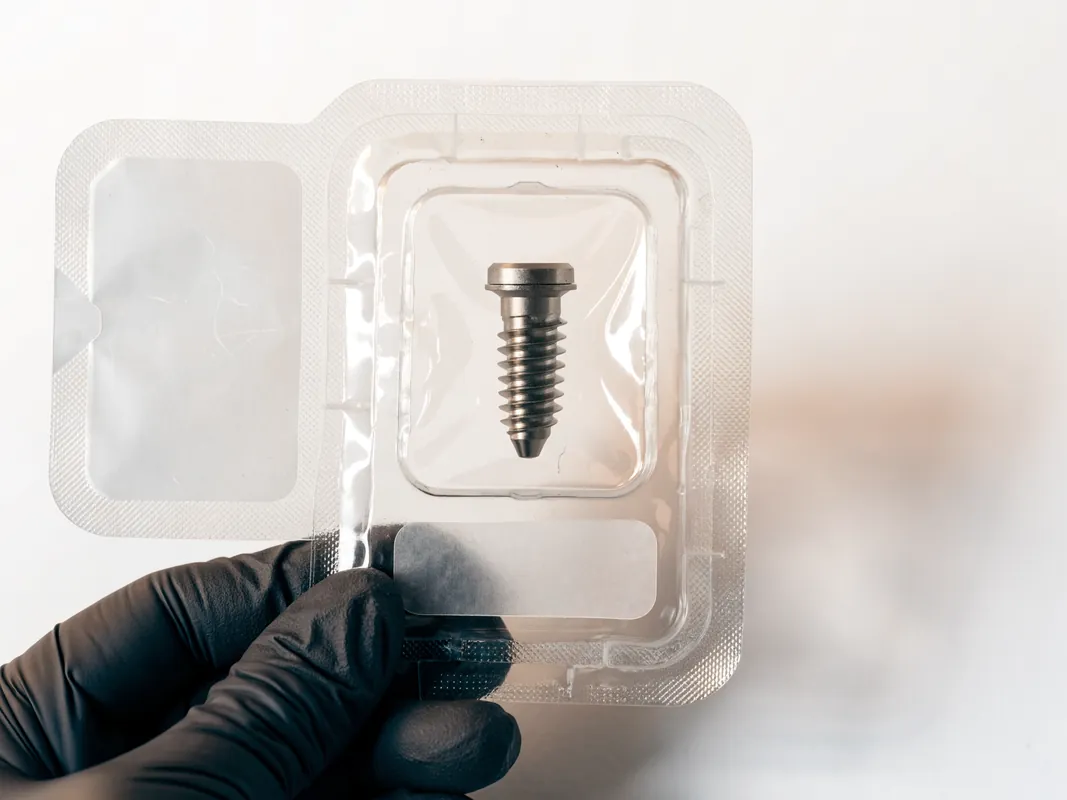
A model name without a REF can be ambiguous, and a REF without a readable product description can be miscopied. Record both. The implant label ordinarily carries identifiers for product family and configuration, dimensions, lot and expiry, with UDI information where the applicable market and label require it. Photograph or scan the readable label before it is discarded, then place the original label or durable copy in the clinical file and patient handover.
Dimensions must be tied to the site. A mouth-wide invoice listing several implants without mapping each REF to a position creates avoidable repair risk. Use a simple table: site, product name, REF, diameter, length, connection/platform, lot, insertion date, restorative component and responsible clinician. Where several identical fixtures share one lot, still map each site; where lots differ, never merge them.
Check transcriptions. Similar numbers, decimal separators and colour descriptions can be confused. The clinical note should be reconciled with the physical label and stock or invoice record before final handover. If an identifier is unreadable, document the limitation immediately rather than inventing a value later.
Use colour coding as a navigation aid, not proof of compatibility
EV catalogues use colour and size conventions to help professionals navigate implant and component platforms. Colour is useful only when anchored to the exact catalogue revision, connection size and product family. Lighting, printing, screen rendering, sterilisation, wear and third-party components can alter appearance. A coloured part that seems to match is not evidence that its interface, screw, index, material and indication match.
The older official [Astra Tech Implant System EV product catalogue](https://www.dentsplysirona.com/content/dam/flagship/en/explore/implantology/implant-systems/astra-tech-implant-system-ev/documents/documents/IMP-Product%20catalog%20Astra%20Tech%20Implant%20System%20EV_32671941-USX-2003.pdf) can help decode historic references and Profile configurations, but it is dated. Use the current market catalogue and IFU for a new device. Preserve the dated catalogue when it is the documentary key for an implant already placed.
For maintenance, tell the receiving clinician the written platform and REF rather than saying “use the yellow Astra part” or another colour-only instruction. If a component is unidentified, pause restorative work and resolve identity through records, calibrated measurements where clinically appropriate, manufacturer support and professional judgement.
Respect narrow-diameter and site-specific indication limits
Narrow implants may have restricted indications. The cited United States Astra Tech Implant EV IFU limits the 3.0 implant in that market to replacement of maxillary lateral incisors and mandibular incisors. That statement must not be exported automatically to a different product revision or jurisdiction, but it demonstrates why diameter cannot be selected from a price list alone.
Ask the clinician to identify the exact diameter and quote the relevant current indication or restriction from the IFU governing the supplied device. The plan should relate diameter to available bone, restorative space, expected loading, adjacent roots and anatomical boundaries. A narrow body is not inherently more conservative if it creates an unsuitable restorative or mechanical design, and a wider body is not automatically stronger or preferable if anatomy does not support it.
If a proposed site falls outside a documented limitation, do not accept an assurance based only on experience. Request the formal product boundary, the case-specific rationale, alternatives and the professional who accepts responsibility. If the device changes, update the component map and quotation before placement.
Describe grade 4 titanium, MicroThread and connection geometry accurately
The cited Astra Tech Implant EV IFU describes the fixture as a screw-shaped grade 4 titanium implant with MicroThread at the coronal portion and an internal geometry that provides conical indexing. These are product characteristics, not patient outcomes. The exact current IFU for the selected REF should confirm the material and geometry because product families and revisions can differ.
Do not turn “grade 4 titanium” into a claim of universal biocompatibility or absence of reaction. Medical history, known sensitivities, corrosion or mixed-material questions and alternative materials should be discussed by qualified professionals using case-specific evidence. Do not turn MicroThread or a conical interface into guaranteed bone preservation, seal, stability or lifespan. Engineering features may have rationales and supporting studies, but a product feature cannot control diagnosis, placement, restoration, hygiene, disease or patient factors.
The consent record should translate technical terms into decisions. Explain what the feature means, why it is relevant to this site, what it does not promise, and which maintenance or component constraints follow from it.
Keep surface terminology separate from clinical prediction
Surface names and microscopic descriptions are often prominent in implant marketing. They can help identify a product and locate its documentation, but they do not predict integration for one patient. If OsseoSpeed or another surface term appears, match it to the exact fixture label and IFU. Ask whether the surface designation has changed across product generations and whether the cited evidence studied the same device, indication, loading protocol and population.
Evidence should be read at the right level. Laboratory findings, animal research, observational cohorts and controlled clinical studies answer different questions. A manufacturer-sponsored study is not automatically invalid, but funding, comparator, exclusions, follow-up and endpoints should be visible. A group average cannot become a personal guarantee. Absence of evidence for a specific combination should be acknowledged rather than filled with claims from a related implant.
For a patient, the practical record remains exact identity, diagnosis, execution, maintenance and follow-up. Surface branding should not displace periodontal stabilisation, smoking discussion, hygiene capability, restorative cleanability or a plan for complications.
Put diagnosis and tooth preservation before the implant brand
An implant replaces a missing tooth root component within a restorative plan; it is not a diagnosis and it does not automatically justify extraction. Before discussing Astra Tech or any other system, document why a tooth is missing or why extraction is being considered. Where a tooth remains, record periodontal, endodontic, restorative and structural findings; its strategic value; symptoms; prognosis uncertainty; and reasonable preservation options.
Consent should compare relevant options such as monitoring, periodontal or endodontic care, repair, a new restoration, extraction without replacement, removable prosthesis, tooth-supported bridge, resin-retained option, implant treatment or referral for another opinion. This list is not a prescription. The responsible clinician selects the relevant alternatives from the actual findings.
Avoid irreversible decisions based on photographs and a package quote. Remote records can support triage, but extraction and implant placement require an in-person decision. If the diagnosis changes on arrival, the patient should receive an updated explanation and enough space to decide without financial pressure.
Make the assessment site specific rather than mouth wide
Each proposed implant site has distinct anatomy, disease history, soft tissue, restorative space, neighbouring structures and loading. A statement such as “four Astra implants” is insufficient. Map every site and record whether it is healed, recently extracted, infected, grafted, narrow, vertically deficient, close to a nerve or sinus, in an aesthetic zone, or part of a splinted restoration. State which findings are confirmed and which remain uncertain.
Site-specific planning also prevents component confusion. Two implants in the same mouth may use different dimensions, platforms or even different designs. If one site uses Profile EV and another uses a standard EV fixture, the surgical and restorative records must preserve that distinction. The laboratory prescription should map scan bodies, abutments and framework interfaces to their sites.
The final plan should be readable by a local dentist who was not present. That clinician needs more than a panoramic image and brand name. Provide site mapping, dated imaging or reports as appropriate, procedure notes, identifiers, restorative design and maintenance access information.
Control active periodontal disease and modifiable risks first
Implant planning should include periodontal diagnosis, current disease activity, plaque control, bleeding, pocketing, previous tooth loss, maintenance history and the patient’s ability to clean the proposed restoration. Smoking or vaping, diabetes control, relevant medicines, immune or healing conditions, parafunction and attendance patterns may affect the decision and follow-up. A device brand does not neutralise these factors.
The EFP [clinical practice guideline for prevention of peri-implant diseases](https://www.efp.org/fileadmin/uploads/efp/Documents/Other_publications/Clinical_guidelines/Peri-implantitis_GUIDELINE01_PREVENTION.pdf) supports a preventive pathway that begins with risk assessment, periodontal stability, patient education, prosthetic cleanability and supportive care. Use it as a framework, not as personal advice from a webpage.
Write the risk-control plan before surgery. Identify who treats active disease, what measures show stability, how hygiene will be taught and checked, and who provides continuing maintenance after travel. If a patient cannot access appropriate review, that serviceability limitation belongs in consent.
Review medical history, medicines and healing capacity
A complete medical history includes diagnosed conditions, recent changes, medicines and supplements, allergies or sensitivities, previous surgery or radiotherapy, bleeding risk, immune status, pregnancy where relevant, substance use and the clinicians involved in ongoing care. The implant IFU may contain contraindications or precautions, while broader surgical risk requires professional assessment beyond the device document.
Do not ask a patient to stop or alter prescribed medication based on a tourism itinerary. Coordination with the prescriber may be needed. If additional reports or laboratory information are required, identify them before travel when possible. Consent should distinguish a device-specific restriction from a patient-specific medical judgement.
Record the version of the history reviewed on the day of treatment and any update. A questionnaire completed months earlier is not enough if health or medication has changed. Emergency contacts and access to appropriate local care should be planned without implying that a brand reduces general surgical risk.
Design the restoration before selecting the fixture
Restoration-led planning starts with the intended tooth position, emergence, occlusion, material space, cleansability, screw-access or cement-management strategy, aesthetic demands and repair route. The implant body is then selected within anatomical and IFU constraints. Choosing a fixture first and forcing the restoration to fit later can compromise component selection and maintenance.
The written plan should state whether the proposed final restoration is a single crown, short bridge, longer fixed reconstruction, overdenture attachment or another design. It should distinguish implant-supported from tooth-supported elements, temporary from definitive components, and screw-retained from cement-retained choices. For multiple implants, explain whether units are independent or splinted and how a future component could be retrieved.
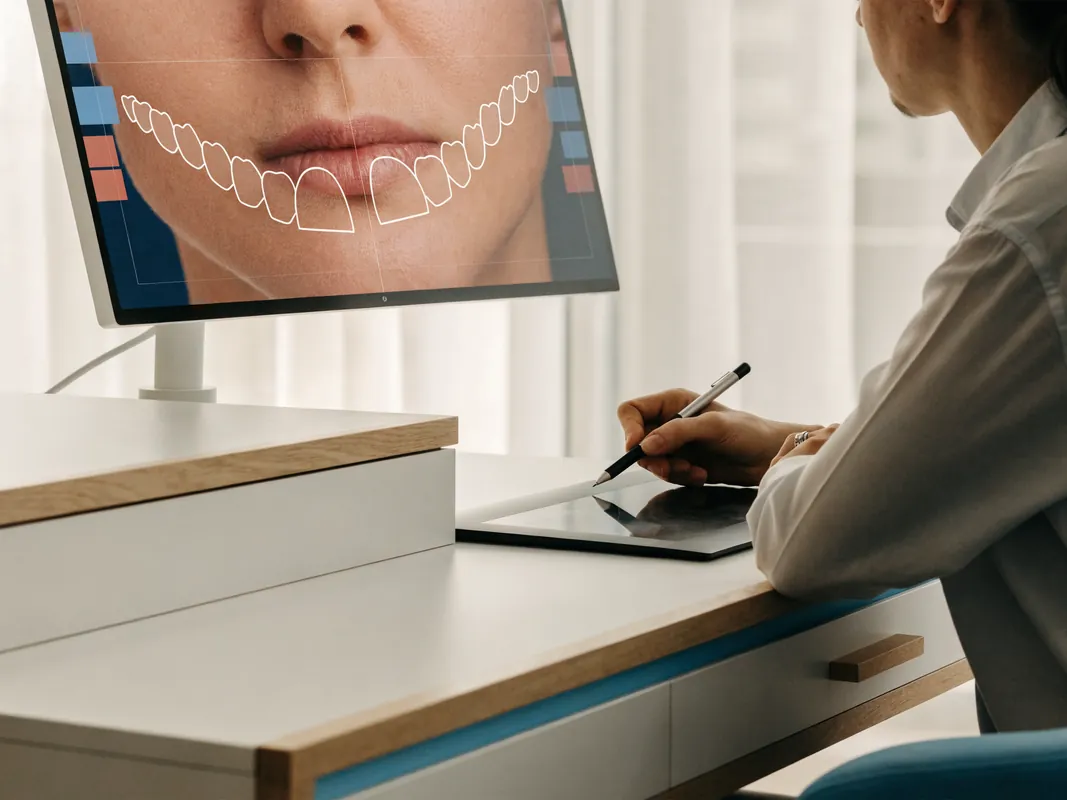
Digital wax-ups or trial designs can support communication, but they are not outcomes. Record who approves the design, which data were used, and which changes remain possible after surgery or healing. If the restorative design changes, reassess fixture and component choices rather than treating the body as an isolated sunk cost.
Use imaging to answer a justified clinical question
Imaging should be selected because it answers a clinical question that examination and existing records cannot answer adequately. The plan may need to evaluate bone dimensions, adjacent roots, nerve or sinus relationships, pathology, grafted anatomy and restorative positioning. A brand preference does not itself justify a scan, and a scan does not replace examination or professional interpretation.
Ask what imaging was used, when it was acquired, who requested and interpreted it, whether the field and quality were adequate, and where the report and export will be stored. If three-dimensional imaging informs guided surgery, retain the relevant DICOM data and report subject to lawful privacy and access arrangements. A screenshot of a planning view is not the whole diagnostic dataset.
Incidental or uncertain findings need an ownership pathway. Identify who communicates them, whether referral is required and whether they change the implant plan. After travel, provide enough information for a local clinician to understand the anatomical assumptions without repeating imaging unnecessarily.
Keep grafting as a separate diagnosis, material and consent decision
An Astra Tech fixture does not prove that grafting is required or unnecessary. If grafting is proposed, document the defect, objective, site, timing, material class, exact products where known, membrane or fixation, source and composition questions, alternatives and uncertainty. Separate the graft quotation from the implant and restoration so a changed graft plan remains transparent.
Ask whether the graft is intended for socket preservation, simultaneous contour support, horizontal or vertical augmentation, sinus-related surgery or another purpose. These are not equivalent procedures. State whether implant placement is planned at the same stage or remains conditional on the clinical result. Avoid fixed healing promises; progression depends on findings and professional review.
Traceability applies to graft and membrane products as well as the implant. Retain labels, lot information and actual site or quantity records where the products provide them. A branded fixture cannot authenticate a separate biomaterial.
Distinguish immediate, early and healed-site placement decisions
Placement timing describes the relationship between extraction, tissue condition and implant surgery. Immediate placement into an extraction site, placement after a healing interval, and placement in a mature ridge create different diagnostic and surgical questions. No Astra Tech product name automatically selects one protocol.
The ITI [implant placement and loading protocol consensus](https://academy.iti.org/academy/consensus-database/consensus-statement/-/consensus/implant-placement-and-loading-protocols/1802) provides definitions that help teams use consistent language. The ITI [selection criteria for immediate implant placement and loading in the maxillary aesthetic zone](https://academy.iti.org/academy/consensus-database/consensus-statement/-/consensus/selection-criteria-for-immediate-implant-placement-and-immediate-loading-for-single-tooth-replacement-in-the-maxillary-esthetic-zone/2305) emphasise careful selection. These sources do not prescribe a case through a webpage.
The consent record should state the planned timing, the findings required to proceed, and the fallback if infection, socket anatomy, stability, soft tissue or restorative conditions are unsuitable. A same-visit possibility must not become a guaranteed timetable.
Make loading a gated clinical decision, not a calendar promise
Loading refers to when and how a prosthesis applies functional or non-functional forces after placement. Immediate, early and conventional terms should be defined consistently, but the actual decision depends on the exact implant IFU, insertion findings, stability assessment, bone and graft conditions, restoration design, occlusion, parafunction and the ability to protect and monitor the site.
Do not advertise a provisional tooth on a fixed deadline without stating the clinical gates. A pre-planned provisional may be modified, kept out of function, delayed or replaced by another temporary option. Record the objective findings used at surgery and the professional who authorises loading. If loading does not proceed, explain the reason and update the plan and quotation.
The definitive restoration also needs review rather than a date alone. Tissue condition, symptoms, hygiene, radiographic information where justified, component integrity and restorative fit may influence progression. Brand literature cannot promise that an individual will meet every gate.
Treat guided surgery as a chain of data and physical components
Guided surgery may involve imaging, surface scans, software, planning files, sleeve or key systems, printed or manufactured guides, drills, handles and implant carriers. The guide does not eliminate clinical judgement, and the Astra Tech family name does not identify the software version or validated component chain used.
Record who acquired and merged data, who planned implant position, who approved the restorative target, which software and library versions were used, who manufactured the guide, and how fit was checked. Map the planned fixture REF and dimensions to the actual device opened. If the surgery deviates from the guide, document why and record the final position and components.
Data portability matters after travel. Retain clinically appropriate exports, plan reports and guide identifiers subject to privacy law and professional record duties. A proprietary screenshot is not a complete handover, and a digital workflow does not authenticate a physical implant label.
Preserve packaging, sterility and expiry evidence
Before opening, trained staff should inspect the exact product packaging under the current IFU: identity, integrity, sterile status, expiry, storage conditions and damage. The patient does not need to police a sterile field, but the record should show that the correct product was checked. A photograph can supplement the label record if it does not compromise asepsis or privacy.
Do not use packaging evidence beyond its limits. An intact box identifies a supplied product; it does not prove indication, competent placement or outcome. An empty box shown after treatment does not prove that its contents were placed unless the lot and clinical record converge. A copied label without a site mapping can still create ambiguity in multi-implant care.
If packaging is damaged, expired, mismatched or inconsistent with the plan, pause and resolve the issue before opening. Record substitutions and renew consent where they materially change the device or restorative pathway. Single-use and reprocessing instructions belong to the exact component IFU.
Write an actual placement record, not a generic operative note
The surgical note should identify patient, date, site, diagnosis, responsible clinicians, anaesthesia and relevant medicines, flap or access approach, extraction or grafting performed, implant product and dimensions, REF, lot, insertion observations, final position, cover or healing component, complications or deviations, closure and postoperative instructions. Record measurements only when clinically collected and explain how they affected decisions.
For Profile EV, document orientation and the matching component pathway. For multiple fixtures, assign every identifier to a site. If the planned body was changed, record both the proposed and actual device and the reason. If a component was dropped, replaced or not used, the stock record should not be confused with the patient record.
The patient handover can summarise the key identifiers, but the full clinical record remains with the responsible provider. The summary should be clear enough for urgent review while avoiding unsupported conclusions. Secure transmission matters, especially where imaging and health data cross borders.
Understand REF, lot, UDI-DI and UDI-PI
REF usually identifies a catalogue configuration; lot or batch helps trace a production batch. Under the EU UDI framework, UDI-DI identifies a device model or version and UDI-PI captures production identifiers such as lot, serial or expiry as applicable. The European Commission [UDI overview](https://health.ec.europa.eu/medical-devices-topics-interest/unique-device-identifier-udi_en) explains that UDI supplements rather than replaces labelling requirements.
Do not call every number a serial number. Many implant labels use a lot rather than a patient-unique serial. Preserve the exact labels and field names. A UDI scanner output should be checked against human-readable text; copying errors and truncated screenshots are possible. Record which site received which device when several labels are present.
Identifiers support recalls, incident investigation and component ordering. They do not prove that a product was lawfully supplied in every market, that it was indicated, or that surgery was performed correctly. Keep identity, market status and clinical justification as separate evidence streams.
Read FDA records as United States evidence only
The FDA 510(k) database can confirm names, device categories, applicants and substantial-equivalence decisions for the United States. It is not a global approval registry and it does not authorise care in Turkey, the United Kingdom or the European Union. The [K130999 entry](https://www.accessdata.fda.gov/scripts/cdrh/cfdocs/cfpmn/pmn.cfm?ID=K130999), the [K130999 summary](https://www.accessdata.fda.gov/cdrh_docs/pdf13/K130999.pdf), the [K220841 summary](https://www.accessdata.fda.gov/cdrh_docs/pdf22/K220841.pdf), the legacy [K101732 entry](https://www.accessdata.fda.gov/scripts/cdrh/cfdocs/cfpmn/pmn.cfm?id=K101732) and historic [K053384 entry](https://www.accessdata.fda.gov/scripts/cdrh/cfdocs/cfpmn/pmn.cfm?id=K053384) should remain attached to their exact products and dates.
Substantial equivalence is a regulatory decision, not a claim that devices are identical, interchangeable or clinically superior. A database entry cannot identify the package used in a patient. Use it to clarify United States naming history and official intended-use text, then return to the current label and jurisdiction governing the actual supply.
When a proposal cites “FDA approved,” ask for the exact database record and correct regulatory term. Correcting the language is part of truthful consent, not a semantic technicality.
Verify EU market evidence without turning it into accreditation
The EU Medical Device Regulation is available at [Regulation (EU) 2017/745](https://eur-lex.europa.eu/eli/reg/2017/745/oj?locale=en). Relevant evidence may include the device label, CE marking and notified-body number where applicable, declaration of conformity, UDI information, manufacturer and responsible economic operator, and registration data required for the market. These documents concern device conformity; they do not accredit a clinic, certify a surgeon or predict treatment quality.
The European Commission [EUDAMED overview](https://health.ec.europa.eu/medical-devices-eudamed/overview_en) explains the database framework. Module availability and legal transition can change, so check current official guidance rather than promising that every record will be publicly searchable. A registry match should be linked to the exact UDI-DI and manufacturer, not merely the brand.
Article 18 and related [implant-card guidance](https://health.ec.europa.eu/document/download/aefcab91-11e1-4532-abb7-3d88e221b998_en) may require information for implantable devices depending on the device and market rules. Where applicable, preserve device name, model, lot or serial, UDI, manufacturer, warnings and follow-up information. An implant card is a useful summary, not the whole clinical file.
Keep Turkey, EU, UK and US market status separate
Medical-device regulation is jurisdiction-specific. A product listed or cleared in one country is not automatically lawfully supplied in another, and a corporate global page does not prove local registration. Ask the provider to identify the market source of the physical product and the evidence required where treatment occurs. If continuing care will occur in the UK, also determine whether the necessary components and professionals can be accessed there; that is a serviceability question, not retrospective authorisation.
Do not infer authenticity from language alone. Multilingual packaging may be legitimate, but the responsible supplier should explain the economic-operator and market labels. Conversely, a locally translated sticker is not enough without the underlying product and supply-chain evidence. Keep invoices and distributor evidence where lawfully available, while recognising that a commercial invoice does not decide clinical suitability.
If the product is imported outside an expected supply route, ask who accepts legal responsibility, how storage and transport were controlled, how field-safety notices will reach the provider, and whether manufacturer support remains available. Do not proceed on an assurance that “all Astra implants are the same worldwide.”
Map cover screws, healing components and tissue-management parts
The surgical implant is followed by components that protect or shape the interface during healing. Cover screws, healing abutments and Profile-specific tissue-management parts may differ by connection, height, diameter, emergence and procedure. Record what was actually placed, not merely what was planned.
The healing component should support the restorative and hygiene plan without being treated as a cosmetic promise. Ask how its dimensions were chosen, how soft tissue will be monitored, and what happens if it loosens, fractures or becomes covered. A receiving clinician needs the exact driver and component identity to manage an urgent issue safely.
If a healing part is changed, record date, site, manufacturer, REF where available and reason. Do not discard the implant-body identity when writing only the most recent component. The handover should preserve the layered history: fixture remains in bone, while transmucosal and restorative parts may change over time.
Create a complete prosthetic component map
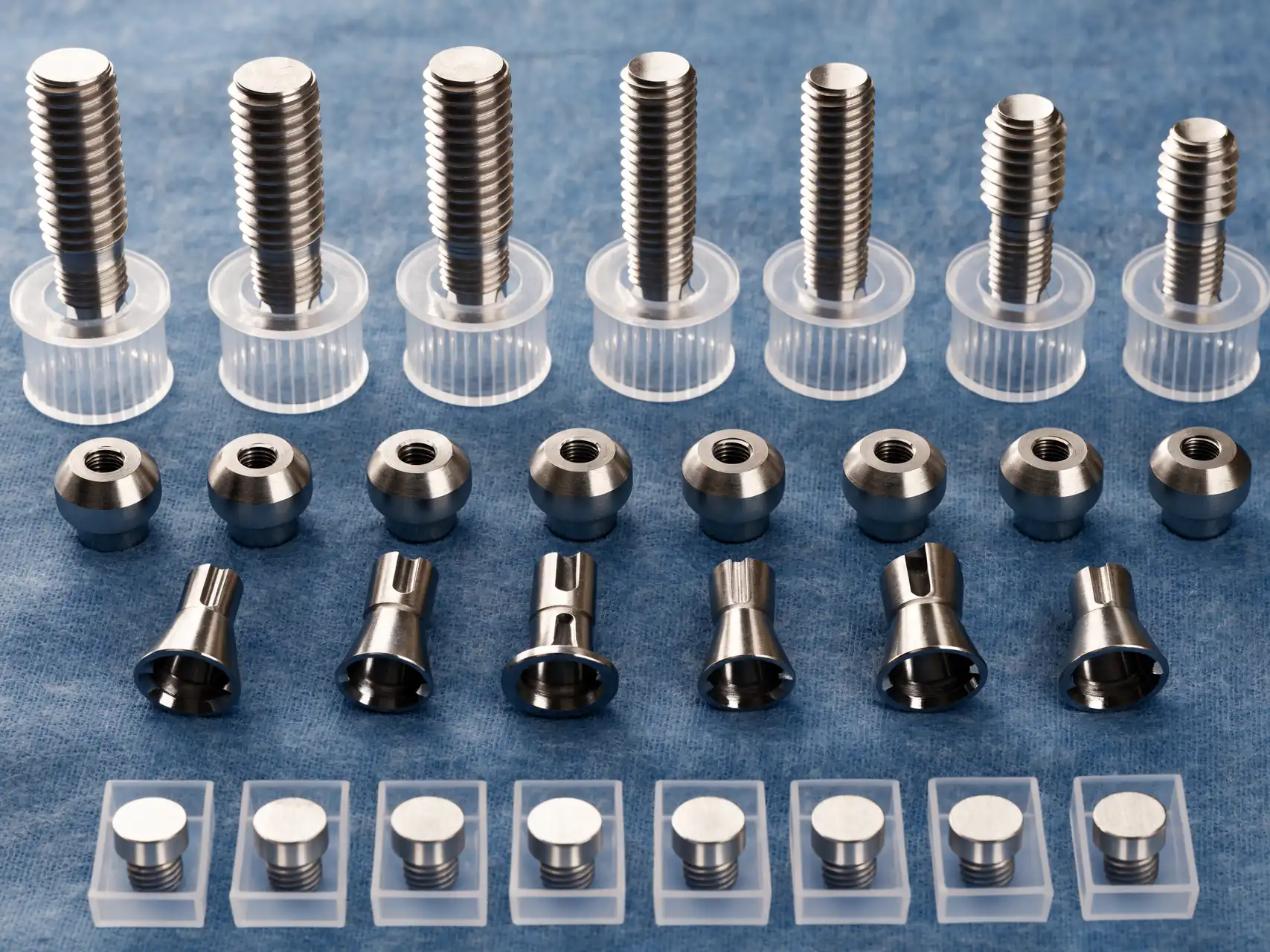
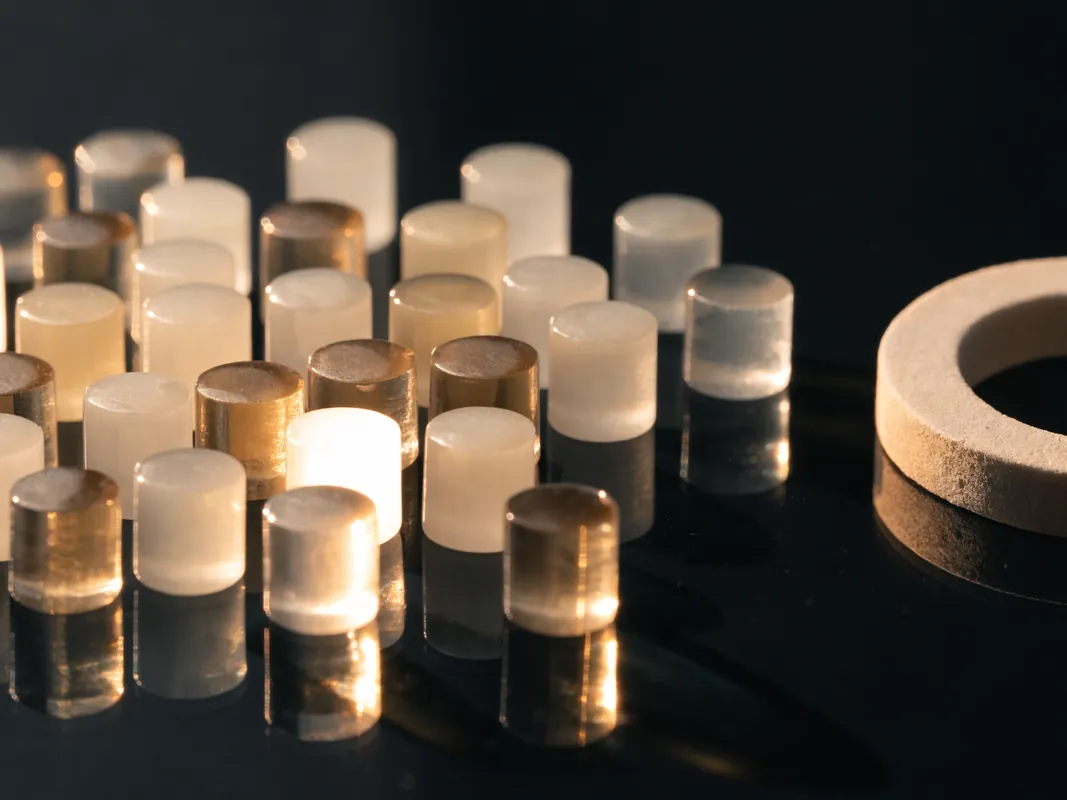
A definitive restoration can involve impression copings, scan bodies, laboratory analogues, model components, temporary abutments, TiDesign or other stock abutments, titanium bases, custom abutments, abutment screws, bridge screws and attachments. The responsible restorative clinician and laboratory should identify each component by manufacturer, family, connection, platform, REF and material where relevant.
Do not accept “Astra crown” as a prosthetic specification. The crown or bridge material, framework design, interface and fixation method are separate. A zirconia crown bonded to a titanium base is not made entirely by the implant manufacturer. A custom-milled abutment may have a different legal manufacturer and validated workflow. Record that division honestly.
The map should follow each site from impression or scan through final insertion. If components are changed because of tissue, angulation, space or material choice, revise the map and quotation. Store the final map with the laboratory prescription and conformity documentation required for the restoration.
Disclose original and third-party compatible components
“Compatible with Astra Tech Implant System EV” does not mean “manufactured by Dentsply Sirona.” A third-party device has its own legal manufacturer, REF, IFU, regulatory status and limitations. The FDA [K191222 entry](https://www.accessdata.fda.gov/scripts/cdrh/cfdocs/cfpmn/pmn.cfm?ID=K191222) is one United States example of third-party titanium abutments described as compatible with Astra Tech Implant System EV. It proves only that specific United States regulatory record; it does not validate every size, combination, market or clinical use.
Before accepting a mixed chain, ask for written compatibility evidence for the exact implant connection, component, screw and restoration. Identify who accepts design responsibility and whether use affects manufacturer support, torque guidance, warranty terms or future access. A component may physically engage yet fall outside an IFU or validated digital library.
Mixed systems are not automatically wrong, and original components are not automatically suitable. The essential requirements are transparent identity, documented compatibility, professional accountability, informed consent and a serviceable record. Never relabel a third-party component as “Astra original.”
Verify scan bodies, libraries and digital version control
Digital implant impressions depend on correct scan-body identity, seating, orientation, scanner capture, software library and version. A scan body can be original or third-party; either way, the laboratory needs its exact manufacturer, REF and validated library. Selecting an approximate visual match from software can propagate an interface error into the abutment or framework.
Record who verified complete seating clinically, how radiographic confirmation was used if justified, which scanner and software versions generated the data, and which implant library produced the design. Preserve the raw and processed files according to lawful record policy, plus the laboratory design approval. If a library is updated, document which version governed the manufactured restoration.
Digital precision claims should not replace fit verification. The final component must be assessed clinically under the applicable workflow. If the laboratory cannot identify the implant or scan body confidently, stop and resolve the record rather than designing from a guessed platform.
Choose abutment design from restorative and tissue requirements
An abutment connects the implant to the restoration or attachment. Selection may involve connection, indexing, diameter, height, angulation, emergence, material, retention method, tissue depth, restorative space and cleanability. TiDesign Profile EV is one named Profile-specific route documented by Dentsply Sirona, but its existence does not make it suitable for every Profile fixture or restoration.
Ask whether the abutment is stock, patient-specific or incorporated into another component; who manufactures it; which IFU and design rules apply; and how the margin, emergence and screw access will be maintained. A custom component should have a laboratory prescription, material and interface identity, design approval and required conformity documentation.
The plan should address replacement. Can a local clinician obtain the same component or a documented alternative? Is the restoration retrievable without destroying adjacent work? Which driver and screw are required? These questions belong before definitive manufacture, not only after a complication.
Keep screw and torque instructions component specific
There is no single Astra Tech torque value for every cover screw, healing part, abutment, bridge screw or attachment. Values and techniques can vary by component, connection, instrument and document revision. This guide deliberately does not publish a torque table because a number detached from an exact REF can be misapplied.
The clinician should obtain the current IFU or manual for the precise component, use calibrated instruments as required, record the applied protocol and retain the component identity. If a third-party part is used, its manufacturer’s instructions govern that part unless a documented compatible workflow states otherwise. Do not borrow a value from a similar-looking original component.
At handover, record driver geometry and access route without encouraging patient self-adjustment. Loose or fractured components need professional assessment of cause, interface, screw, restoration, occlusion and tissue; simply tightening an unidentified screw can damage the connection or mask a larger problem.
Decide screw-retained or cement-retained restoration transparently
Screw retention can support retrieval but depends on implant position, access channel, component design and restorative material. Cement retention can address some design needs but introduces margin and residual-cement considerations. Neither method is universally superior. The plan should explain why the selected route fits the site and how maintenance, repair and tissue health will be managed.
For cemented work, record abutment identity, margin location, cement material and the method used to inspect and remove excess. For screw-retained work, record titanium base or abutment, screw REF, access closure material and component-specific tightening procedure. Angulated access components require exact system verification rather than a generic claim that the hole can be moved.
If the retention route changes after surgery, revise the design and consent. A patient comparing quotes should know whether abutments, screws, laboratory work and provisional stages are included rather than assuming “implant crown” covers every component.
Separate provisional and definitive component chains
A provisional restoration can shape tissue, test appearance or function, and protect a staged pathway, but it is not the definitive device. Record its support, abutment, screw or cement, material, intended function, cleaning instructions and review conditions. Do not promise it on a fixed date when clinical loading gates remain unresolved.
The definitive restoration requires its own prescription, component list, fit assessment and handover. Reusing or replacing temporary components should follow the exact IFU. A temporary abutment is not automatically cleared or designed for definitive use, and a provisional screw should not be assumed identical to a final screw.
Cross-border plans should state who manages a provisional if it loosens, fractures, causes tissue pressure or cannot be cleaned. Give the local professional the exact components and driver information. Financial terms should explain whether redesign or delayed progression changes cost without coercing the patient to continue.
Treat full-arch reconstruction as a system-level project
A full-arch fixed or removable reconstruction is more than several implant bodies. It includes distribution, angulation, restorative space, framework, prosthetic materials, multi-unit or other intermediary abutments, screws, hygiene access, occlusion, provisional design, definitive design and repair strategy. The exact connection and component at every site must be mapped.
Do not transfer evidence from a single Astra Tech implant to a full-arch configuration automatically. Ask which elements are within manufacturer indications, which are custom devices, which are third-party compatible, and who owns the overall design. Record passive-fit assessment, component sequence and maintenance access without turning technical checks into guarantees.
Serviceability is especially important after travel. A local team may need platform, multi-unit, screw, driver, framework and material details to manage one loose component without dismantling the whole restoration. Provide an annotated site diagram and itemised component inventory with the final record.
Give the laboratory a traceable prescription
The laboratory prescription should identify patient and sites, implant family, connection or platform, scan body or impression component, intended restoration, material, shade where relevant, abutment or titanium-base route, screw, retention, tissue and occlusal requirements, and requested records. It should state which components are original and which are made by another manufacturer.
The laboratory should retain material and component traceability, design files, manufacturing records and conformity documentation required in its jurisdiction. A brand logo on a crown box does not prove the internal interface. Reconcile the delivered component list with the prescription before clinical insertion.
If the laboratory substitutes a component or material, it should notify the prescribing clinician before manufacture or insertion. The clinician must assess compatibility, update consent where material, and revise the patient handover. The final record should identify who manufactured the patient-specific restoration separately from who manufactured the implant.
Obtain ongoing and product-specific consent
The GDC [principle on valid consent](https://standards.gdc-uk.org/pages/principle3/principle3) requires a meaningful process that covers options, risks, benefits, costs and the patient’s changing decisions. Even where the treating professional is outside GDC jurisdiction, the principles provide a useful benchmark for a UK patient. Consent is not a signature obtained before the examination and then treated as permanent.
Product-specific consent should name the proposed Astra Tech EV device and clarify that the brand does not guarantee outcome. Discuss tooth-preservation alternatives, no-treatment options where relevant, surgical and restorative risks, grafting uncertainty, timing and loading gates, original or compatible components, maintenance, repair access, travel implications and who is responsible at each stage.
If diagnosis, implant family, site, component chain, retention, graft or cost changes materially, pause and update the explanation. The patient should be free to ask questions, seek another opinion or decline without losing access to records already created.
Make the quotation itemised and clinically conditional
An itemised quote separates assessment, imaging, extraction, grafting, implant body, cover or healing component, guided-surgery elements, temporary restoration, abutment, screw, definitive restoration, laboratory work, maintenance and management of complications. It identifies what is included, excluded, refundable, transferable or conditional. It does not hide everything behind “Astra package.”
Map each implant and component to a site and exact product where known. Before assessment, uncertain lines can be labelled provisional with the decision gate that resolves them. After assessment, issue a revised quote rather than substituting silently. State who receives payment and who owes each clinical obligation.
Do not confuse a commercial warranty with a biological prediction. If written warranty terms exist, read exclusions, responsible entity, remedy, travel burden and component coverage. The page makes no warranty claim. Consent should remain valid even when the patient chooses not to buy a bundled travel or ancillary service.
Retain complete and contemporaneous records
The GDC [principle on maintaining and protecting patient information](https://standards.gdc-uk.org/pages/principle4/principle4) describes complete, accurate and contemporaneous records, including medical history, consent, radiographs, photographs, models, laboratory prescriptions, statements of conformity and referrals where relevant. These records are more useful than a brand certificate alone.
Create a handover pack with diagnosis and plan, site map, relevant imaging and reports, operative notes, implant labels, REF and lot, UDI fields, component map, graft records, provisional and definitive restoration details, laboratory documents, maintenance instructions, complications, current contacts and consent changes. Use secure, accessible formats and explain how the patient can request lawful copies.
An implant passport is a summary. It should not replace operative details, imaging, professional reasoning or the final restorative chain. Reconcile passport data with labels before release and correct discrepancies promptly with an audit trail.
Build peri-implant prevention into the restoration
Prevention begins before placement. Disease control, patient education, ability to clean, restoration emergence, access for professional instrumentation, baseline assessment and a realistic supportive-care pathway should influence design. The EFP prevention guideline provides an independent framework. The implant brand does not replace it.
After restoration, establish a patient-specific baseline and review plan. Records may include tissue findings, plaque and bleeding measures, probing where appropriate, occlusion, restoration integrity and radiographs only when justified. The provider should explain home-care tools around the exact restoration and identify who performs continuing professional maintenance after travel.
Maintenance intervals should follow risk and findings rather than a universal calendar promise. If the patient cannot access a clinician familiar with the components, address that gap before treatment. Preventive design and local access are part of suitability, not optional extras.
Separate biological and technical complications
Biological concerns can include inflammation, infection, progressive tissue or bone changes, pain, swelling or wound problems. Technical concerns can include a loose or fractured screw, damaged restoration, worn attachment, fracture, loss of retention or interface damage. They can coexist and require diagnosis; a brand name does not identify the cause.
The plan should state who provides urgent assessment, which records are immediately available, and how the original team coordinates with a local clinician. Do not promise that a component replacement solves symptoms without examining tissue, occlusion, fit and the wider restoration. Preserve removed parts and record their identifiers when useful for investigation.
Where a problem may involve a device incident, follow professional and jurisdictional reporting duties and contact the manufacturer with exact REF, lot and event information. Reporting is not an admission that the brand caused the problem; it supports traceability and safety review.
Design repairability and retrievability before treatment
Ask how the restoration can be removed, repaired or remade; whether screws and drivers are accessible; whether adjacent units must be sacrificed; which components are replaceable; and what happens if the exact part becomes obsolete. The answer can influence retention method, splinting, framework and material decisions.
For a mixed original and third-party chain, identify which organisation supports each interface. A local laboratory may reproduce a crown but still need the precise titanium base, screw and library. Keep digital design files and component records where lawful. A proprietary workflow may offer advantages in one setting while limiting access elsewhere; discuss that trade-off without calling either route universally better.
Repair planning should include costs and responsibility without promising a free remedy. A patient abroad needs a process for assessment and record sharing before being asked to travel back. Emergency stabilisation and definitive repair may be different stages.

Check local components, drivers and professional access
Before cross-border treatment, contact an independent local implant-restorative professional if possible. Ask whether they are willing and able to assess Astra Tech Implant System EV, whether the exact connection and components can be sourced, what records they require, and whether third-party combinations affect willingness to treat. This is not proof of availability; it is advance serviceability planning.
Provide the local professional with the proposed component map rather than asking a vague question about “Astra implants.” Profile EV, platform sizes, multi-unit components and legacy interfaces may need different tools or expertise. A positive answer for one configuration does not cover all EV products.
If local support is uncertain, place that limitation in consent and compare other restorative designs or systems with better documented access for that patient. Do not wait for a loose component or infection to discover that identifiers, drivers or replacement parts are missing.
Verify authenticity through converging evidence
Authenticity is strongest when several independent records agree: intact labelled packaging, correct legal manufacturer, current product reference, lot and UDI fields, expected market labelling, responsible supplier evidence, clinical stock record, operative note and patient implant record. A hologram, QR code, logo or website claim alone is insufficient.
Use manufacturer verification channels for suspicious labels or references. Share only the data needed and protect patient information. Ask for a written response tied to the exact identifier. Do not interpret a valid catalogue number as proof that a particular physical item is genuine; counterfeit packaging can copy real numbers.
Warning signs include altered labels, mismatched fonts or languages without explanation, damaged seals, expired product, identifiers that do not resolve, inconsistent invoice and clinical records, or reluctance to share the implant label after placement. Pause before use when concerns remain unresolved.
Monitor field-safety notices by exact identifier
Manufacturers and regulators may publish field-safety notices, recalls or corrective actions for specific products, lots, instruments or software. Search by legal manufacturer, exact product, REF, UDI and lot rather than by brand alone. A notice for a legacy component or another market should not be assumed to cover the EV device in question, but it may justify a manufacturer inquiry.
The provider should maintain a process that links inventory and patient records to notices. A patient handover with accurate identifiers enables targeted contact without unnecessary alarm. If a notice applies, follow its official instructions and the responsible clinician’s assessment; do not improvise from social media.
Record the source, date checked, identifiers, response and action. Absence from one public database does not prove absence of all notices, especially across jurisdictions. Current official regulator and manufacturer channels take priority.
Plan travel around clinical uncertainty
Travel arrangements should follow the clinical plan, not force it. Remote screening may identify obvious barriers, but the in-person assessment can change extraction, grafting, implant choice, loading, provisional design or whether treatment proceeds. Flexible travel and transparent cancellation terms reduce pressure to accept an unsuitable substitute.
Avoid a fixed universal timetable. State the clinical gates for each stage, the review needed before travel home, restrictions relevant to the actual procedure, and who is available if symptoms arise in transit or after return. Airline, insurance and general medical questions should be addressed through appropriate sources rather than brand marketing.
Give the patient secure copies of critical records before departure, plus direct professional contacts. Arrange local review based on risk and findings. A transfer or hotel service, if separately purchased, does not change clinical responsibility and should never be used as evidence of product quality.
Create a local handover that another clinician can use
A practical handover starts with a one-page site map and implant identifiers, then links to the full clinical record. Include exact EV or Profile identity, dimensions, connection, REF, lot and UDI; placement and graft details; healing and restorative components; driver and screw information; provisional or definitive restoration; imaging and reports; maintenance baseline; current concerns; and contacts for surgeon, restorative clinician and laboratory.
Use standard file formats where possible. Export diagnostic images with appropriate metadata and reports rather than screenshots alone. Provide laboratory prescriptions and conformity documents. Translate critical clinical information accurately when the receiving professional does not share the treatment language; informal machine translation should not silently replace professional clarification of ambiguous terms.
Confirm receipt before it is urgently needed. The receiving clinician decides whether they can assume care. A handover is cooperation, not a transfer of responsibility that one party can impose without agreement.
Know which signs need prompt or emergency assessment
After implant surgery or restoration, worsening swelling, spreading facial or neck swelling, fever or systemic illness, uncontrolled bleeding, difficulty breathing or swallowing, severe or escalating pain, altered sensation, wound opening, pus, trauma, a mobile implant or a restoration that threatens the airway requires prompt professional assessment, with emergency services for airway or other severe symptoms. This is not a complete triage list.
A loose crown or screw, fractured restoration, new bite change, persistent bleeding or swelling, bad taste, increasing pocketing or difficulty cleaning also warrants timely dental review. Do not tighten components, apply unprescribed medicines or delay care while waiting for international travel. A local clinician needs the exact component record.
Postoperative instructions should define contacts and escalation in plain language. Brand identification helps locate parts; it does not make remote diagnosis safe.
Red flags that justify pausing the proposal
Pause when the plan uses only “Astra Tech” without an exact EV product; mixes legacy and EV terminology; treats Profile as automatically superior; withholds the physical implant label; cannot map REF and lot to a site; relies on colour alone; describes a third-party part as original; publishes one torque for every component; promises immediate loading regardless of findings; or claims FDA, CE or EUDAMED status as clinic accreditation.
Also pause when extraction lacks a documented diagnosis, active periodontal disease has no control plan, grafting is hidden inside a package, imaging has no accountable reporter, the definitive restoration has no component map, the laboratory is unidentified, records will be provided only after full payment, a substitution requires no renewed consent, or local follow-up is dismissed as unnecessary.
A red flag does not prove misconduct. It identifies a question that needs a documented answer before irreversible care, payment or travel continues.
Astra Tech EV verification worksheet
For every site, write: diagnosis; tooth-preservation alternatives; site and anatomical findings; periodontal and medical risk controls; intended restoration; implant family and exact model; standard or Profile design; diameter and length; connection or platform; REF; lot; UDI fields; IFU identifier and revision; market source; expiry and packaging check; placement timing; loading gates; graft or membrane products; actual surgical observations; cover or healing component; impression or scan component; abutment, screw and driver; original or third-party status; provisional and definitive materials; laboratory; retention; maintenance access; local professional; urgent contact; and quotation line.
Add an evidence column for each answer: label, current IFU, catalogue, operative note, imaging report, laboratory prescription, conformity document, invoice, manufacturer response or professional explanation. Add an owner column naming who must resolve it. Add a status column: confirmed, conditional, changed or unresolved.
Review the worksheet before consent, after the in-person assessment, after surgery and at final handover. Never backfill an unknown identifier from memory. An unresolved field should remain visibly unresolved until reliable evidence closes it.
Primary sources and evidence limits
Core manufacturer sources are the [Dentsply Sirona active IFU portal](https://ifu.dentsplysirona.com/en/active.html), the official [Astra Tech Implant System EV page](https://www.dentsplysirona.com/de-de/entdecken/produktmarken-entdecken/astra-tech-implant-system-ev.html), the [current UK product selection guide](https://www.dentsplysirona.com/en-gb/explore/implant-dentistry/product-topics/product-selection-guide.html), the [Astra Tech Implant EV United States IFU](https://www.dentsplysirona.com/content/dam/master/product-procedure-brand-categories/implant-dentistry/product-categories/implants/ifu/5698/IMP-US-IFU-Astra-Tech-Implant-System-Astra-Tech-Implant-EV-EN-US-5698-2021-04.pdf), the [2024 surgical manual](https://www.dentsplysirona.com/content/dam/master/product-procedure-brand-categories/implant-dentistry/collateral-marketing-product/astra-tech-implant-system-ev/document/brochure/32672844-usx-surgical-manual-astra-tech-implant-system-ev/IMP-Brochure-Surgical-manual-Astra-Tech-Implant-System-EV-32672844-USX-2404_LR.pdf), and the [2025 TiDesign Profile EV IFU](https://www.dentsplysirona.com/services/asset/download?path=%2Fcontent%2Fdam%2Fmaster%2Fproduct-procedure-brand-categories%2Fimplant-dentistry%2Fproduct-categories%2Fprosthetics%2Fcement-retained%2Fifu%2F5928%2FIMP-IFU-Astra-Tech-Implant-System-TiDesign-Profile-EV-EN-5928-2025-08.pdf).
Regulatory and professional sources include [FDA 510(k) records](https://www.accessdata.fda.gov/scripts/cdrh/cfdocs/cfpmn/pmn.cfm?ID=K130999), the [EU Medical Device Regulation](https://eur-lex.europa.eu/eli/reg/2017/745/oj?locale=en), the Commission [UDI](https://health.ec.europa.eu/medical-devices-topics-interest/unique-device-identifier-udi_en) and [EUDAMED](https://health.ec.europa.eu/medical-devices-eudamed/overview_en) pages, GDC [consent](https://standards.gdc-uk.org/pages/principle3/principle3) and [records](https://standards.gdc-uk.org/pages/principle4/principle4) principles, EFP prevention guidance and ITI consensus definitions. Manufacturer sources identify products and instructions; independent sources frame consent, prevention and evidence. None predicts an individual result.
Final rule: verify diagnosis, device and serviceability separately
The final decision has three independent tests. First, is implant treatment justified after diagnosis, tooth-preservation review, risk assessment and alternatives? Second, is the exact device chain verified from fixture through definitive restoration using current product documents, labels and case records? Third, can the result be maintained, repaired and urgently assessed where the patient will live?
A strong answer to one test cannot repair a failure in another. Authentic Astra Tech components do not make an unjustified extraction appropriate. A sound surgical indication does not authenticate a component. A well-made restoration can still be impractical if local records and parts are unavailable. Keep clinical reasoning, product identity and continuity of care distinct, then connect them in a documented plan.
If any critical answer remains vague, pause before irreversible treatment. Ask the named professional to resolve it in writing, update the quote and consent, and preserve the evidence. That is the practical value of brand verification: not confidence from a logo, but a record that survives travel, staff changes and future care.
What the product name does — and does not — tell you
Astra Tech / Dentsply Sirona is a implant system within the Dentsply Sirona portfolio. The name can help a patient identify a product family, but it does not establish the diagnosis, the exact model selected, the competence of a treating professional or the quality of the finished treatment. Product ranges, indications and local availability can change. A current manufacturer instruction for use and the legal market status in the country of treatment take priority over a marketing page.
This page is a research guide. It is not a statement that WeCare, a particular clinic or an event clinician stocks or uses Astra Tech / Dentsply Sirona. Availability must come from the named treating provider. If a quotation uses only a broad phrase such as “premium material”, ask for the manufacturer, product family and reference before accepting the plan.
Manufacturer information worth checking
- Astra Tech Implant System EV is a system family; the exact implant body, connection, dimensions, REF, lot and product-specific instruction must be identified.
- The manufacturer’s EV IFU states that instruments and components for the legacy Astra Tech Implant System are not compatible with Astra Tech Implant System EV.
- Astra Tech Implant EV Profile is a specialised sloped-coronal design whose anatomical rationale, orientation and Profile-specific component chain need separate documentation.
- OsseoSpeed wording appears across product generations; it must be matched to the physical label, exact reference, current market document and regulatory lineage rather than treated as one universal fixture.
- Original Dentsply Sirona and third-party compatible components must be named honestly, with exact compatibility evidence and a responsible clinician and laboratory for the final combination.
- Regulatory records, CE evidence and UDI information support device identification and market traceability; they do not accredit a provider or predict an individual treatment result.
These points describe the product family at a general level. They are not a recommendation for a particular mouth and they should not be extended to a different line carrying a similar brand name. Diagnosis, preservation of existing teeth, disease control, anatomy, restorative design and continuity of care come before brand selection. If EV, Profile EV or another EV-family fixture is proposed, the responsible professional should document the site-specific reason, current IFU boundary, loading gates, exact component map and locally serviceable handover.
Questions for the named provider
Ask the professional responsible for treatment to answer these points in writing:
- What is the exact manufacturer, product family, model or material grade proposed?
- What clinical finding makes that selection appropriate for this case, and what alternatives were considered?
- Who is the legal treating provider and who will perform each clinical or laboratory stage?
- Which current instruction for use, contraindications and local regulatory status apply?
- What reference, lot, batch or other traceability record will be retained and shared where the device permits it?
- Which components, cements, abutments, membranes, gels or accessories are included, and are they compatible?
- What follow-up is required, who is responsible after travel, and which costs are excluded from the quotation?
Product verification, evidence and traceability boundaries
Request the unopened fixture label, exact REF and lot, UDI fields where present, product-specific IFU and market evidence, site-mapped operative note, graft labels, original-versus-compatible component list, laboratory prescription, definitive restoration record and implant handover. These records identify what was used; they do not prove indication, execution or outcome by themselves.
Useful evidence may include a photograph of unopened labelled packaging before use, the product label, an implant or device record, a laboratory prescription, an invoice identifying the exact material, and the treating provider's signed notes. The appropriate record depends on the product. A logo on a website, a stock photograph, an unlabelled box or a verbal statement is not equivalent to case-specific traceability.
How to compare alternatives fairly
Compare implant proposals by diagnosis, tooth-preservation alternatives, site anatomy, risk control, exact body and connection, complete restorative chain, compatibility evidence, surgical and laboratory ownership, maintenance design, repairability, local component access, itemised uncertainty and records. Do not infer superiority from EV, Profile, OsseoSpeed, titanium, surface or regulatory terminology.
Compare like with like: indication, exact product, compatible components, laboratory design, operator responsibility, maintenance, staged visits and written exclusions. Do not compare a named product in one quotation with an unspecified category in another. Brand recognition cannot remove biological uncertainty, and no material choice can promise a clinical outcome.
Assessment comes before the brand
A responsible plan starts with medical and dental history, examination and appropriate imaging. Implant decisions can depend on bone, soft tissue, bite, hygiene, smoking, medication and restorative space. Ceramic decisions can depend on remaining tooth tissue, preparation design, opposing teeth and laboratory workflow. Whitening decisions require screening for decay, gum disease, sensitivity and existing restorations. Endodontic and imaging tools are parts of a broader diagnostic or treatment process, not substitutes for professional judgement.
Before paying, request a dated, itemised written plan naming the treating provider, the proposed product, alternatives, material records, visit stages, aftercare responsibilities and financial terms. If the final assessment changes the product or procedure, ask for the reason and revised quotation before treatment proceeds.