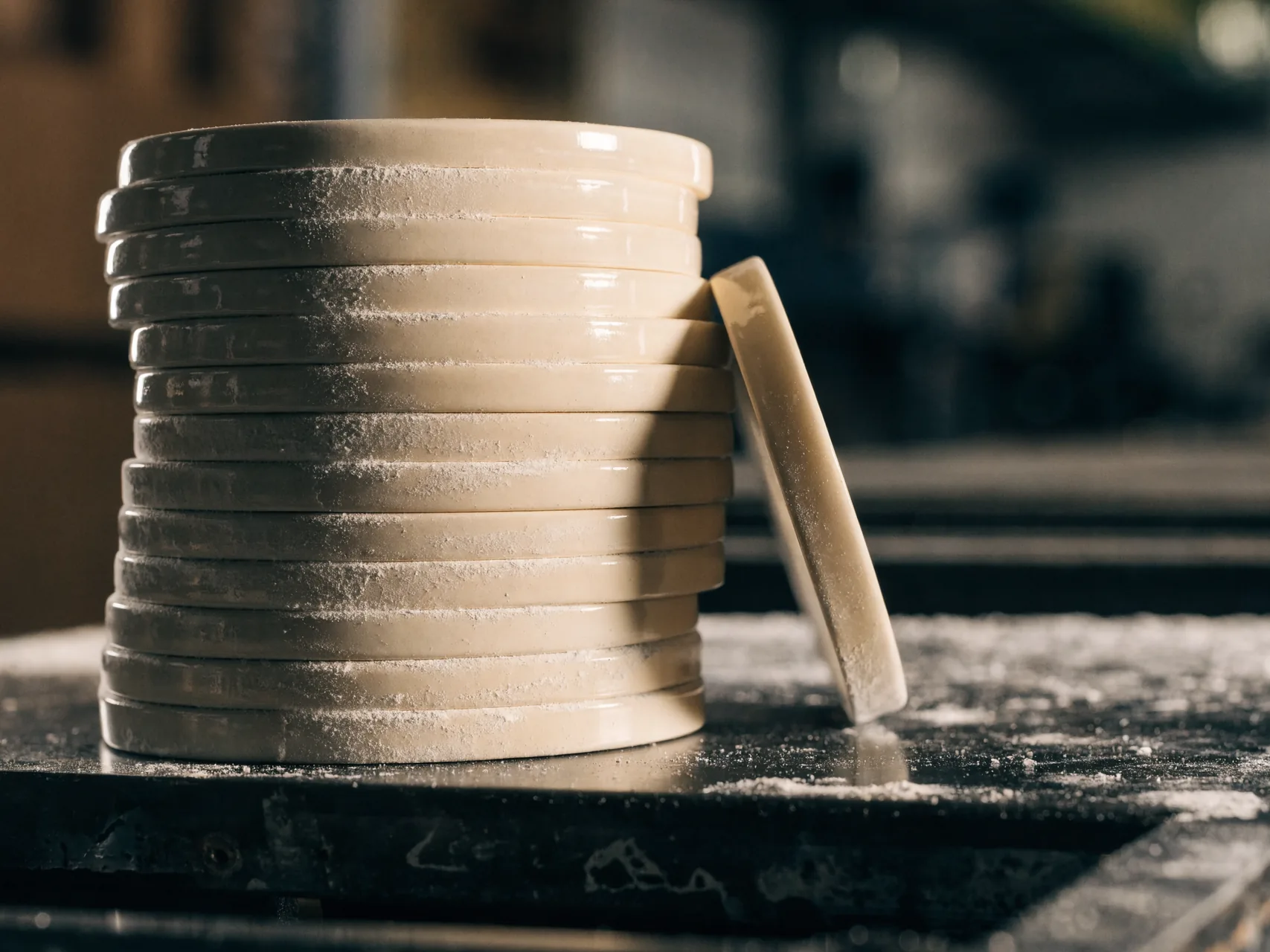
KATANA is a family name, not a complete material specification
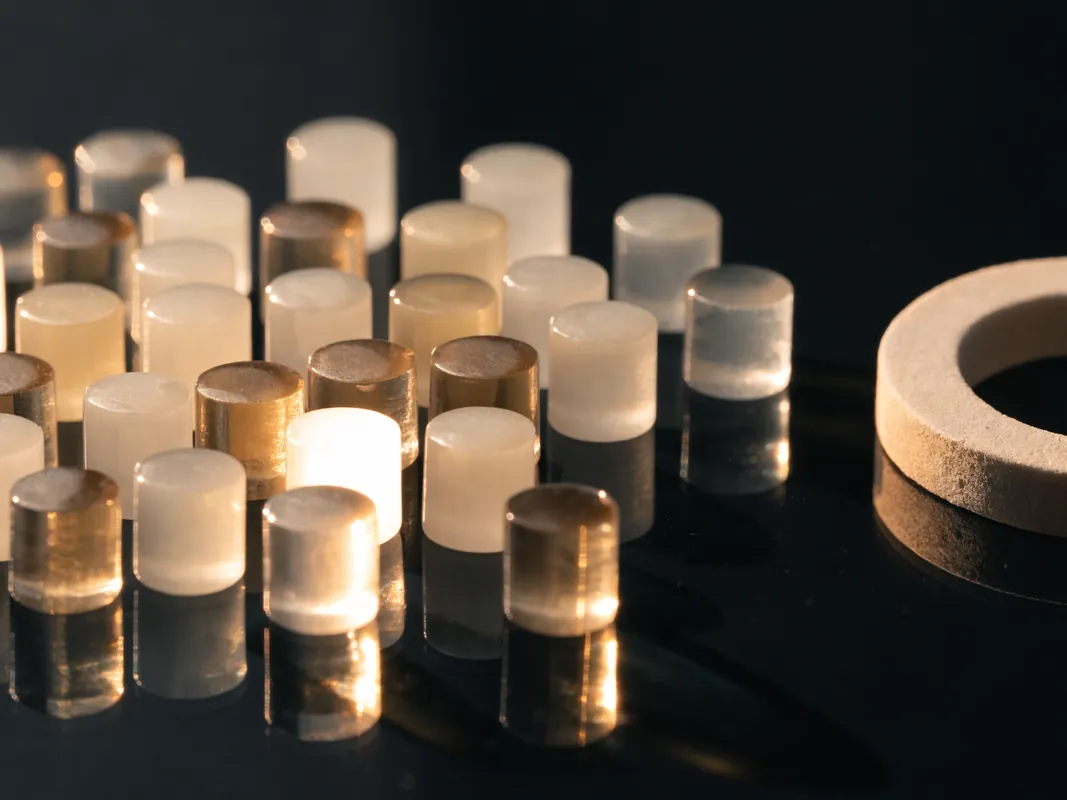
KATANA Zirconia is a Kuraray Noritake Dental family of CAD/CAM zirconia materials. The word KATANA does not identify one composition, one layer structure, one translucency, one mechanical profile, one blank, one indication or one processing route. A quote that says KATANA crown or Japanese zirconia leaves the decisive product questions unanswered.
The current [Kuraray Noritake European zirconia portfolio](https://www.kuraraynoritake.eu/en/labside/zirconia) presents KATANA Zirconia YML, STML, HTML PLUS, UTML and HT as separate disc families. The manufacturer also publishes other KATANA forms and newer chairside concepts in some regions. A disc product, a block and a named speed-crown workflow should not be treated as the same device merely because the brand word appears on each.
This page is a neutral verification guide. It does not state that WeCare, a particular clinic, dentist, laboratory or intermediary stocks, uses, supplies or is authorised for KATANA products. It does not recommend zirconia for any tooth or implant, rank a variant, predict a lifespan, publish an outcome percentage, promise comfort or set a universal fabrication schedule.
The product decision should begin after diagnosis and restoration design. The final record should connect exact variant, support, span, substrate, geometry, blank identity, processing, surface finish, retention, repair and handover. If one link changes, the prescription, quote and consent should change too.
Identify the exact current KATANA variant
Start with the complete trade name printed on the disc label. The current European portfolio distinguishes YML, STML, HTML PLUS, UTML and HT. The manufacturer describes YML as a multi-layer material with gradients, while STML, HTML PLUS and UTML use other structures and product-level profiles; HT is presented separately for different design uses. Those family distinctions matter before shade or price is discussed.
Ask whether the proposal concerns a disc or another KATANA form, and whether the product page and IFU are from the correct region. A quote should not shorten KATANA Zirconia HTML PLUS to KATANA HT or describe a KATANA Zirconia Block as YML without label evidence. Legacy names can also appear in older laboratory records, so servicing an existing restoration may require a dated catalogue rather than a current portfolio assumption.
For every restoration or linked bridge, record:
| Field | Required case record |
|---|---|
| Full product | Exact KATANA trade name and variant |
| Form | Disc, block or other labelled presentation |
| Shade | Manufacturer shade code from the actual blank |
| Dimensions | Diameter or block format and blank thickness |
| REF | Catalogue or reference identifier |
| Lot | Batch or lot from the used blank |
| Current document | Applicable IFU, language and revision |
| Restoration | Site, unit count, support and design |
| Laboratory | Legal laboratory or milling-centre identity |
The family name alone cannot complete any row.
Use product pages, IFUs and technical guides for their proper roles
The [manufacturer IFU library](https://www.kuraraynoritake.com/world/ifu/) lists separate documents for KATANA Zirconia, HT, HTML PLUS, STML, UTML and YML. The current exact-product IFU is the controlling starting point for intended purpose, contraindications, handling, processing and warnings in the relevant market. Save the title, language, revision and access date.
A portfolio page can compare manufacturer-described application ranges but may omit detailed processing limits. A technical guide can provide CAD/CAM, nesting, milling, sintering and finishing instructions, yet it may be revision-specific and should not silently replace the IFU. A brochure can help identify shades and commercial presentations, but it is not a clinical prescription.
The official [KATANA family brochure updated for the European range](https://www.kuraraynoritake.eu/media/pdfs/2524473_Katana_Family_brochure_Q2_2025_update_LR_23.pdf) displays product labels and comparison tables for the disc families. Use it as dated manufacturer context, not proof that the proposed product is registered in Turkey or Great Britain, used by a named laboratory or suitable for a patient.
If documents conflict, match the trade name, REF, form and market. Do not choose whichever document permits the broadest indication or shortest process. Ask the manufacturer or responsible laboratory to resolve the mismatch before fabrication.
Region and indication limits must remain visible
Kuraray Noritake operates regional websites, and product line-up, reference codes, labelling, indications and documents can differ by jurisdiction. A page for Europe, Oceania, Russia or another region is not automatic evidence for Turkey or Great Britain. A laboratory should identify the market in which the blank was lawfully supplied and the document that governs it.
Manufacturer application charts usually distinguish restoration categories such as veneers, inlays or onlays, anterior or posterior crowns, short bridges, longer spans and frameworks. These charts are product boundaries, not patient eligibility. A symbol on a brochure cannot assess remaining tooth tissue, preparation, connector, cantilever, implant position, parafunction, hygiene or opposing arch.
If a proposed design lies outside the current instruction or regional indication, the treating clinician should disclose that explicitly, explain the evidence, alternatives and legal basis, and document consent. The fact that another country page displays a broader use does not remove that responsibility.
Product identity needs label, REF and lot evidence
Ask the laboratory to retain a readable photograph or scan of the actual blank label before milling. It should show the full product, shade, dimensions, REF, lot or batch and other manufacturer identifiers. A screenshot from a catalogue or a photograph of several discs on a shelf does not link one blank to one restoration.
The laboratory job record should connect the label to patient or case ID, restoration sites, CAD file, nesting position, milling run and furnace cycle. If several restorations for one patient come from different blanks, record each. If unused material is retained for later stages, its storage and identity should remain traceable.
A typed certificate can contain transcription errors. Original label evidence, supplier and job records are stronger. A product may be genuine yet unsuitable or incorrectly processed; authenticity is only one part of the audit.
Manufacturer numbers require test context
Manufacturer pages publish numerical translucency and flexural-strength information for KATANA variants. Such values can assist technical comparison only when test method, specimen geometry, thickness, shade, layer, surface treatment and reporting conditions are understood. They are not restoration-strength measurements and cannot be converted into a clinical lifespan.
An independent [systematic review of translucent-zirconia flexural strength](https://pubmed.ncbi.nlm.nih.gov/40738693/) found that specimen processing, surface treatment and test method affected reported values and highlighted comparison difficulties. Another [systematic review on strength and translucency](https://pubmed.ncbi.nlm.nih.gov/33581910/) identified composition, microstructure and surface treatment as relevant variables. These are evidence cautions, not reasons to rank one KATANA product universally above another.
Ask which exact layer or base material a manufacturer value describes and whether the proposed restoration occupies that zone. A YML gradient cannot be reduced to one number borrowed from one layer. A headline value for HT cannot describe UTML or STML.
Translucency and strength are a case-specific trade-off
Translucency can help a restoration interact with light, but it can also reveal an unwanted substrate. Mechanical capacity matters, but a higher laboratory value cannot correct insufficient geometry, unsupported span, poor fit, rough adjustment or uncontrolled occlusion. The appropriate balance depends on the clinical and optical problem.
The laboratory and clinician should define whether the objective is matching one neighbouring tooth, harmonising several prepared teeth, masking a dark core, working over metal or titanium, creating an implant-supported transition, or fabricating a long bridge. The more translucent option is not automatically more natural, and the higher-strength option is not automatically safer.
The current variant IFU and design rules set the material boundary. Substrate, thickness, connector, support, bite and surface condition determine how that boundary applies. A brand slogan cannot replace this combined assessment.
Substrate and masking must be recorded
The apparent colour of zirconia can be influenced by remaining tooth colour, stump shade, core or post, metal, titanium base, implant abutment, cement, restoration thickness, tissue colour, neighbouring restorations, lighting, stain, glaze and surface texture. A shade code on a disc is only one input.
For tooth-supported work, request a substrate map showing stump shade, core and post material, remaining enamel or dentine, preparation depth and planned cement category. For implant work, identify abutment or titanium-base material, emergence, tissue thickness and any grey influence. Controlled photographs and shade references can aid communication but do not reproduce all optical interactions.
The laboratory should explain whether masking comes from variant choice, blank position, thickness, internal or external characterisation, cement or abutment selection. If the substrate changes after preparation, the material and shade plan may need revision before milling.
Restoration type, span and support come before the brand
A veneer, inlay, onlay, single crown, short bridge, long bridge and full-arch restoration impose different geometry, support and service questions. The product's current manufacturer application range is necessary but not sufficient. Each site needs a diagnosis, restoration justification and design compatible with the actual support.
For a bridge, document abutment prognosis, number and location of units, pontic form, connector geometry, span, cantilever if any, opposing dentition and hygiene access. The phrase long-span on a chart does not authorise any length or connector. For a complete arch, implant distribution, restorative space, tissue interface, passive fit, screw access and retrievability belong in the prescription.
Do not transfer evidence from a tooth-supported single crown to an implant-supported full arch or the reverse. The zirconia may be only one component of a larger assembly.
Separate tooth-supported and implant-supported designs
A tooth-supported restoration depends on preparation form, margin, retention and resistance, ferrule where relevant, pulp and periodontal status, substrate and cementation. The clinician should preserve sound tissue and consider direct, partial-coverage or other alternatives before selecting a crown simply to use a named material.
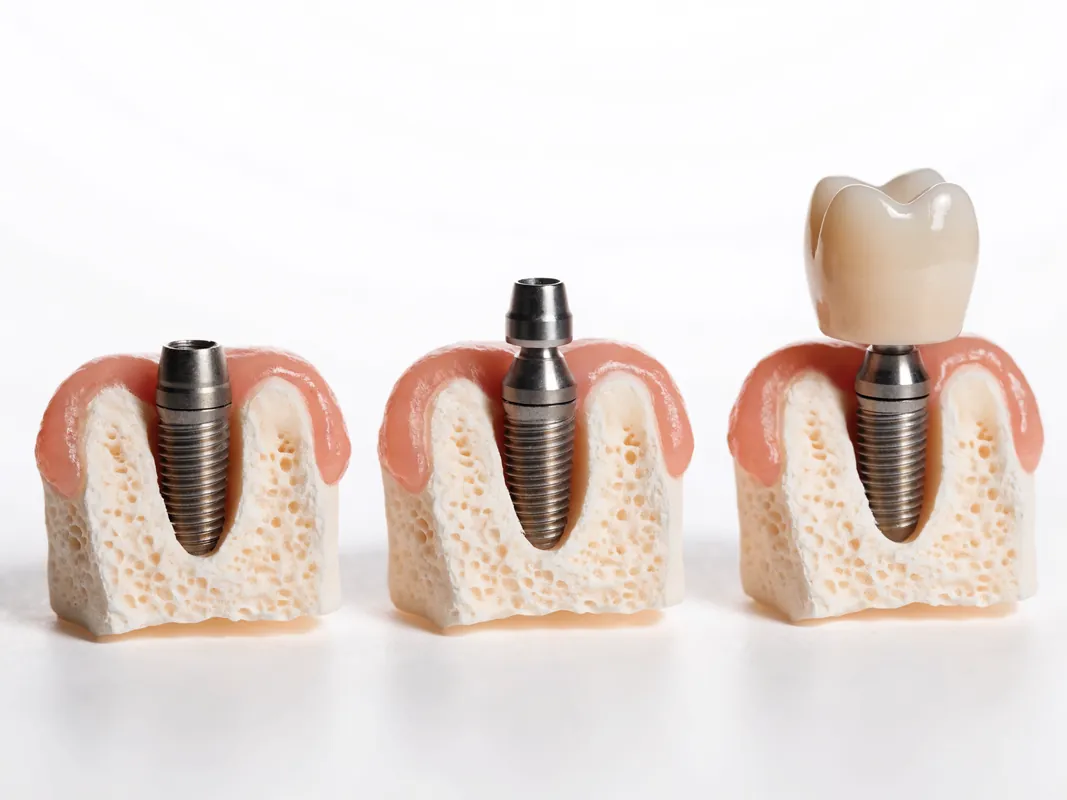
An implant-supported restoration adds implant system, connection, abutment or titanium base, screw, bonding interface, passive fit, screw channel, tissue contour and retrievability. KATANA identifies none of those components. The record must name them separately.
If zirconia is bonded to a titanium base, ask which base, surface treatment, bonding system and laboratory procedure are used. If the restoration is cement retained, document margin access and residual-cement control. If screw retained, document component and torque records. No retention pathway is universally preferable.
Choose monolithic, cut-back or layered design deliberately
A monolithic restoration has its primary anatomy milled from zirconia, although stain and glaze may still be added. A cut-back design removes selected volume for added ceramic. A zirconia framework supports a broader veneering layer or other restorative material. These terms should be used accurately in the quote and laboratory prescription.
Monolithic design removes some veneering interfaces but still can fracture, wear, lose characterisation, require adjustment or create biological and mechanical complications. Cut-back or layered design can support specific optical goals but adds material interfaces, firing steps and different repair questions. Neither design is maintenance-free or automatically superior.
Map which surfaces are zirconia, where cut-back occurs, which veneering ceramic or composite is added, how it is supported, which firing or curing steps apply and how each region can be serviced later. A restoration with extensive veneer should not be sold as monolithic merely because its core is KATANA.
Geometry is part of the material prescription
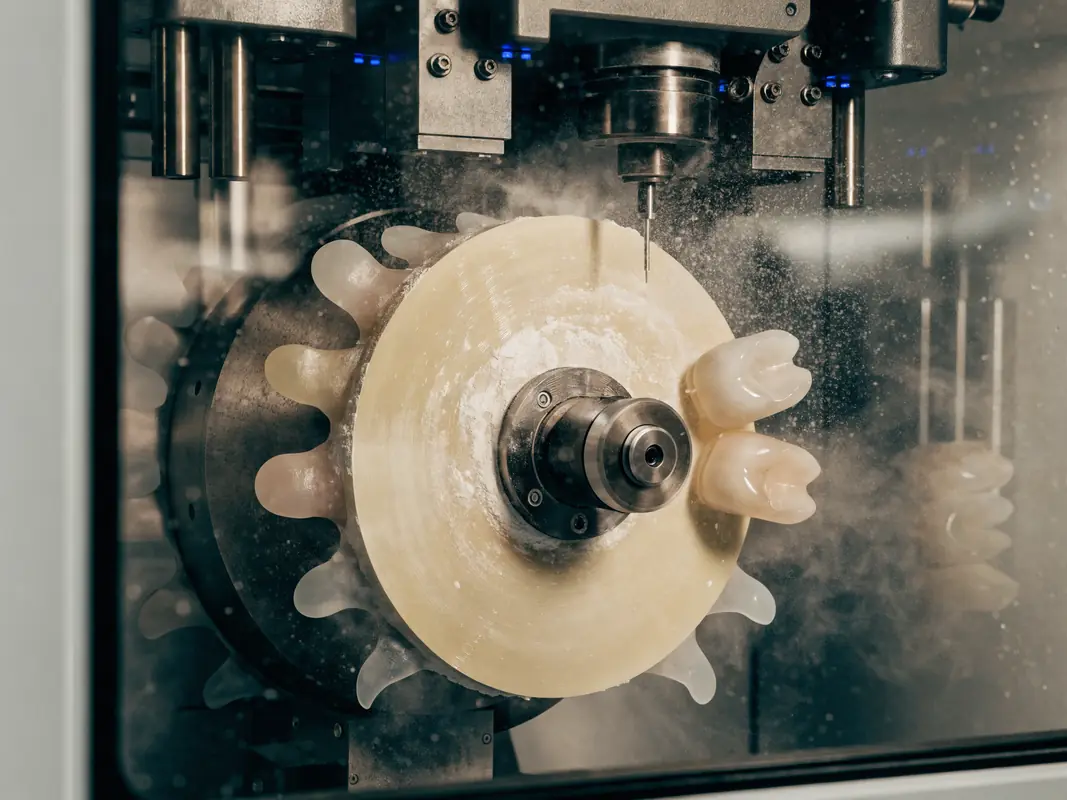
The prescription should connect the exact variant to preparation reduction, wall thickness, margin, connector, pontic, cantilever, screw channel, internal relief and support. Apply the current variant's rules; do not copy dimensions from another KATANA line or a competitor's zirconia.
For gradient materials, layer position and local composition can matter alongside gross thickness. A design may cross different zones, and a narrow part may sit in a different region from the bulk. The laboratory should confirm that critical connectors and load-bearing areas occupy an appropriate manufacturer-documented zone.
If the available anatomy cannot support the planned geometry, reconsider material, design or treatment rather than reducing tooth tissue or compromising connectors to preserve a quote. The design file and approval record should make those decisions auditable.
CAD records begin with accurate clinical data
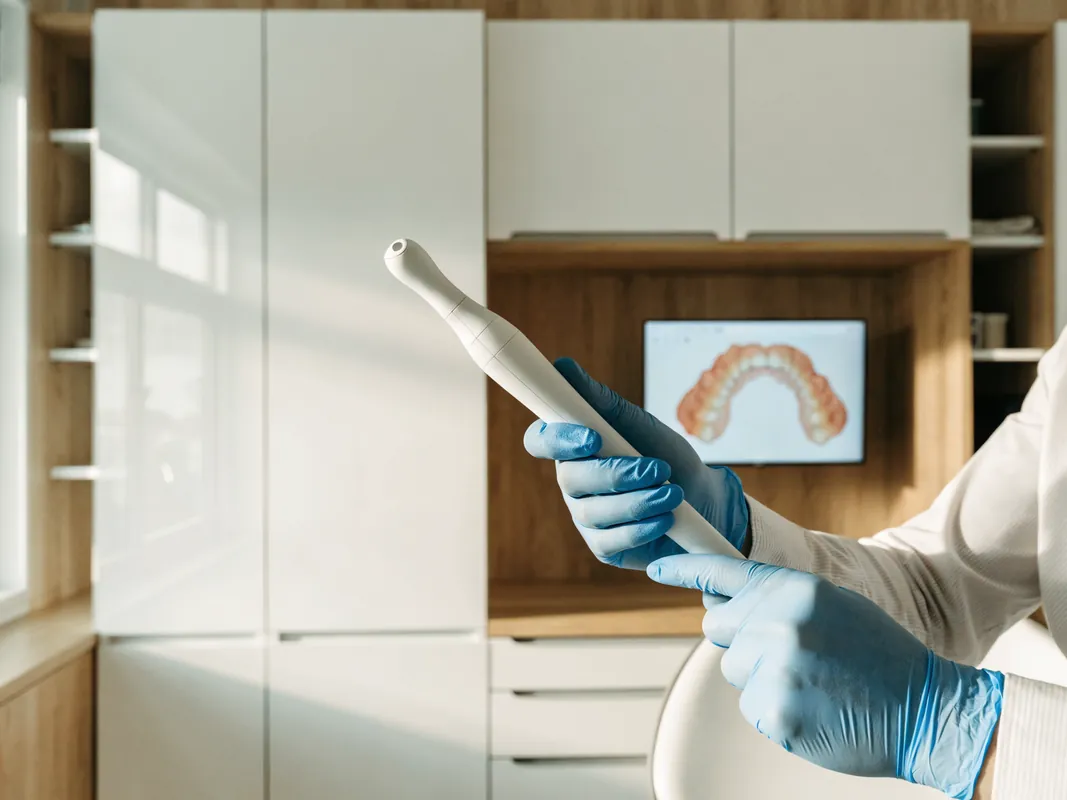
Computer-aided manufacture does not repair inaccurate input. Record whether the design began with an intraoral scan, laboratory scan, conventional impression and model, or a combination. Implant-supported work also requires exact scan-body and component identification. Errors in capture, stitching, margin marking, articulation or implant position can pass into the final restoration.
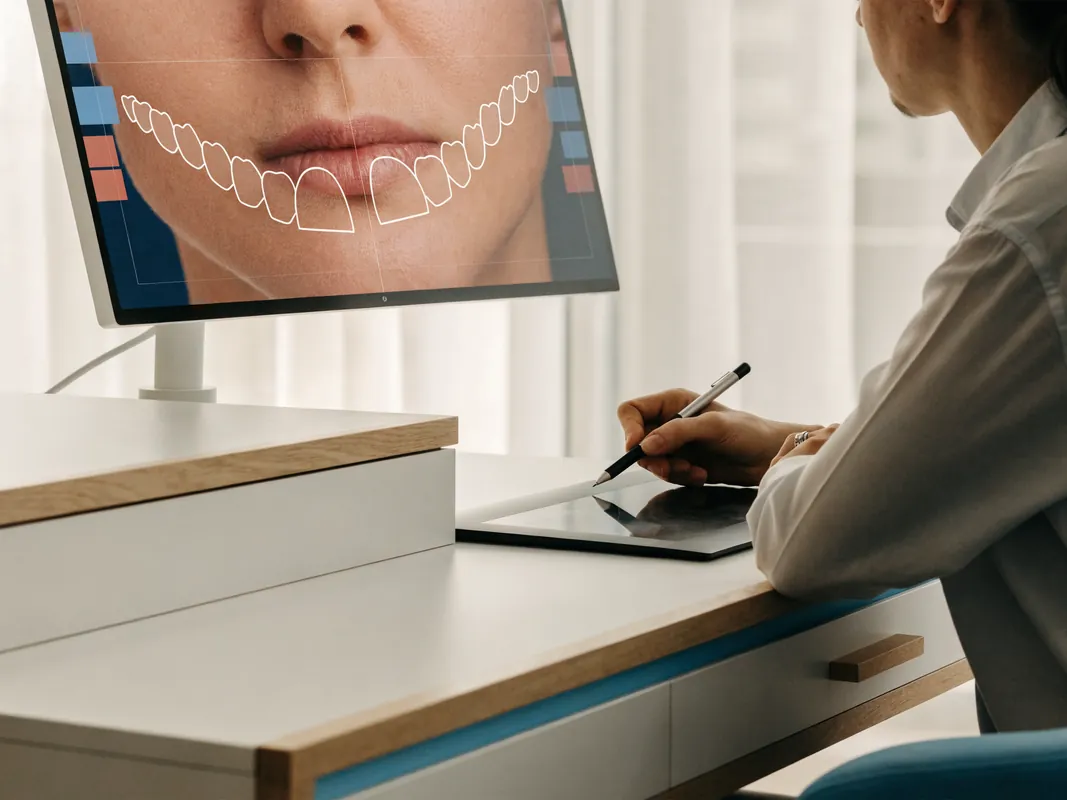
The CAD record should show margins, internal relief, contacts, occlusion, connectors, pontics, cantilevers, screw channels, tissue contours, added-material zones and the proposed blank position. The treating clinician should approve clinically important design features; the technician should retain technical responsibility for manufacture.
A rendered screenshot can support consent and communication, but it does not prove final fit. Retain the final design revision and any change approval in a form another professional can interpret where lawfully possible.
Nesting matters in multilayer and gradient blanks
Nesting is the position and orientation of the restoration within the blank. In a colour-gradient disc, it affects shade distribution. In a material described with translucency or strength gradients, it can also influence where different regions of a restoration lie relative to manufacturer-defined layers. It is therefore a design record, not merely a software convenience.
The laboratory should document disc orientation, vertical position, rotation, restoration height and the reason for placement. For a bridge, show where connectors and pontics fall. For an anterior restoration, show how the incisal and cervical regions relate to the intended shade gradient. If the crown length does not fit the chosen blank thickness or layer distribution, a different blank or design may be needed.
Automatic nesting does not remove professional review. A reusable software preset may not suit every shade, span or restoration. Retain screenshots or job data alongside the exact label so another laboratory can understand how the blank was used.
Establish the laboratory chain of custody
A KATANA restoration may pass through a clinic, design centre, milling centre and finishing laboratory. The patient should know which legal business and professional is responsible for each stage. Outsourcing is not inherently a quality defect; hidden or untraceable outsourcing is the problem.
The chain should identify who receives the clinical prescription, validates source records, selects the blank, designs and approves the restoration, nests it, mills it, colours it where applicable, sinters it, adjusts and polishes it, stains or glazes it, adds veneering ceramic, completes quality control and returns the case record. If stages are subcontracted, their job numbers should link.
A clinic displaying a milling machine does not prove that the case was milled there. A laboratory invoice saying zirconia does not prove KATANA. The case-specific chain should agree with the label and final statement.
Milling must match the exact blank and equipment
KATANA discs and blocks are pre-sintered materials shaped through CAD/CAM. The current product technical guide and milling-system instructions govern compatible equipment, holder, tool strategy, dry or wet processing, support placement and post-milling handling. Settings for YML should not be assumed valid for UTML, STML, HTML PLUS, HT, Block or another product form.
Record the machine or validated manufacturing route, job file, tool set or maintenance status where relevant, milling mode and any deviation. The patient does not need proprietary software parameters, but responsibility and traceability should remain clear. If wet milling is permitted and used, follow the exact drying requirements before sintering; do not improvise a process from a different guide.
Pre-sintered structures can be damaged during removal, support separation or correction. Inspect for visible defects before the furnace stage and remake uncertain work rather than hiding a defect to meet a travel itinerary.
Sintering is variant and furnace specific
Manufacturer sources publish several sintering schedules for certain KATANA products and restoration categories. A rapid programme is not a universal promise and should not be selected simply because a flight is approaching. The exact current variant guide, restoration dimensions, number of units, furnace capability, calibration and laboratory validation determine the permissible cycle.
Record furnace identity, programme reference, loading, support, case link, cycle completion and any deviation or interruption. If the furnace cannot reproduce a required schedule or the restoration lies outside the permitted category, use another documented process. Do not transfer a block schedule to a disc or a limited-unit schedule to a longer span.
An independent [systematic review of conventional and accelerated zirconia sintering](https://pubmed.ncbi.nlm.nih.gov/36013131/) found a small and heterogeneous evidence base with material- and property-specific effects. That is a reason to follow exact documents and validation, not a claim that faster or slower sintering is inherently better.
Colouring and shade are separate from the base variant
Shade can arise from the selected blank, its layers, nesting, colouring agents, stains, glaze, veneering ceramic, thickness, substrate and cement. The laboratory record should distinguish the manufacturer shade of the blank from every added characterisation material. A final A2 description does not reveal how it was produced.
If colouring liquid or a manufacturer colourant is used, identify the system, compatibility document and application record. If the material is pre-shaded and no infiltration occurs, record that too. Added stain and glaze should be named, not assumed to be KATANA simply because they came from the same corporate portfolio.
Shade approval should consider neighbouring teeth, preparation or abutment colour, tissue and clinically relevant lighting. Digital simulation is useful for communication but cannot prove the final material interaction.
Staining, glazing and veneering need compatible firing records
Kuraray Noritake publishes related CERABIEN ZR materials and finishing information, but compatibility must be checked for the exact zirconia, design and current documents. The laboratory should identify stain, glaze and veneering ceramic, batch where useful, firing programme, number of cycles and any repair firing.
For a cut-back or framework design, the veneering support and transition should be visible in the design file. Excessive unsupported ceramic or an undocumented material substitution can change chipping and repair questions. For monolithic work, external stain or glaze does not make the restoration layered, but it remains an added surface system.
Marketing photographs show one technician's result under particular conditions. They do not guarantee a shade match, surface or clinical outcome. The patient should approve the intended appearance while understanding material and lighting limits.
Adjustment changes the delivered ceramic surface
Laboratory and chairside grinding can alter contour, create local heat, remove glaze or colour, and affect the surface. Record where adjustment occurred, which instruments and cooling method were used, and how the area was finished afterward. Current product and finishing-system instructions should govern.
Heavy correction should prompt inspection for cracks and reconsideration of fit or design. The objective is not to ban adjustment; contacts and occlusion often require refinement. The objective is to avoid leaving an unrecorded rough or damaged surface because a crown appeared finished before try-in.
If an implant screw channel is completed or modified after seating, record the zirconia and access-filling surfaces separately. Future repair depends on knowing which material is exposed.
Polishing is not the same as glazing
Polishing mechanically refines the ceramic surface; glazing applies and fires a surface layer. A glazed area can lose glaze during adjustment, and a polished area has a different finishing history. The handover should state what surface was delivered and how adjusted contacts were repolished or reglazed.
An independent [systematic review of antagonist wear](https://pubmed.ncbi.nlm.nih.gov/33616572/) found that surface condition and polishing matter when considering wear against natural teeth, while also noting heterogeneity and limits. It does not prove that every polished KATANA restoration is harmless or that glaze should always be removed.
Occlusion, parafunction, opposing material, contour and maintenance remain relevant. Ask for a material-specific finishing protocol and document significant chairside changes.
Try-in and clinical acceptance are separate from fabrication
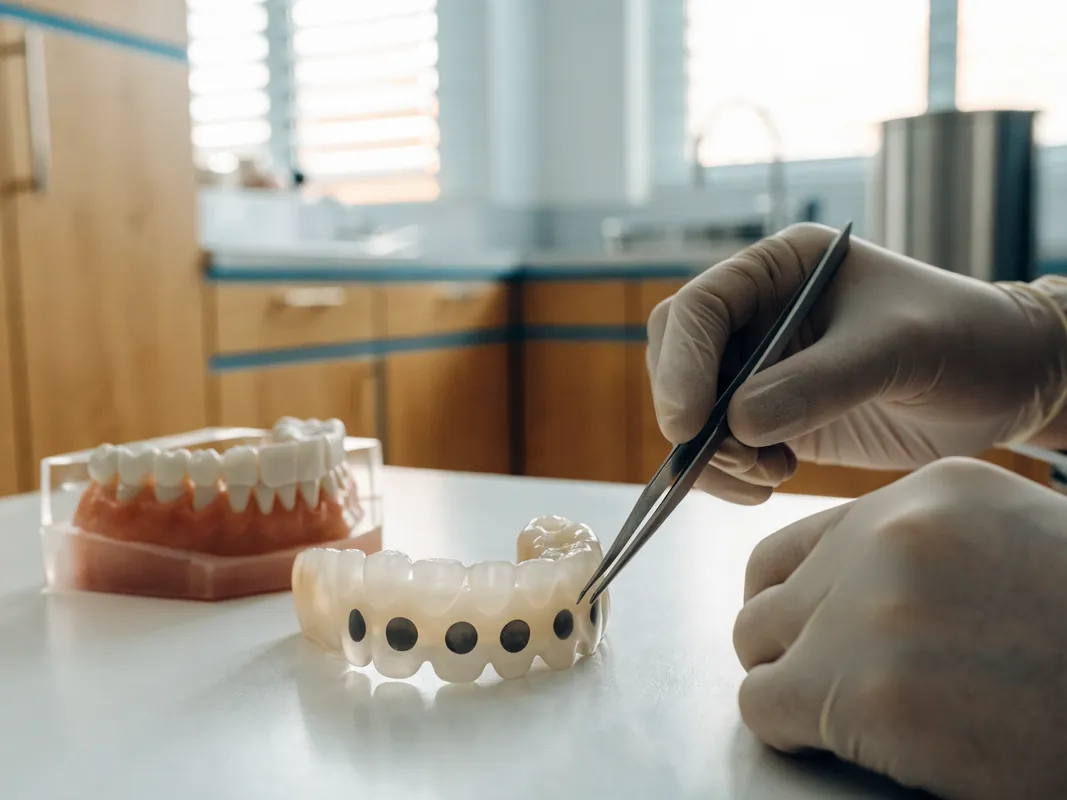
A technically completed restoration still requires clinical assessment. Before definitive retention, the clinician should verify patient and site, material record, fit, margins or implant interface, proximal contacts, occlusion, shade, contour, tissue relationship, screw access, hygiene access and consistency with consent.
A try-in should allow correction, laboratory return, remake or reconsideration when a problem is material. A booked return journey must not turn try-in into automatic acceptance. Record changes, patient decisions and any renewed consent.
For implant-supported work, passive fit and component seating may require clinical and radiographic checks as appropriate. For tooth-supported work, inspect preparation, margin and substrate rather than assuming the CAD file proves fit. Seating a restoration is a clinical decision, not the last step of milling.
Cementation depends on preparation and product compatibility
KATANA Zirconia does not require one universal cement. Conventional luting, self-adhesive resin cement and adhesive resin protocols can have different indications based on preparation retention, restoration design, substrate, isolation and product instructions. The treating clinician should state the rationale and follow the current zirconia and cement documents.
Record cement or bonding material, lot where routinely retained, internal-surface treatment, cleaning after try-in, tooth or abutment pretreatment, isolation and curing. Contamination can alter a bonding surface, so an unrecorded cleaning step should not be assumed.
The [official Kuraray Noritake resin-cement information](https://www.kuraraynoritake.eu/en/resin-cements/) describes products from the same manufacturer, but corporate compatibility marketing is not personal prescription. A KATANA restoration does not have to be retained with a Kuraray product unless the responsible clinician justifies and documents that choice.
Implant retention and titanium-base bonding are separate systems
For an implant-supported KATANA restoration, name the implant, connection, abutment or titanium base, screw, bonding material and access-filling system. The zirconia label cannot verify these components or their compatibility.
If zirconia is bonded to a titanium base, record the base reference, geometry, surface preparation, cement, seating and laboratory quality control. If screw retained, record component and torque information plus retrievability. If cement retained, address margin location and residual cement. A complete arch also needs a removal and repair plan.
Third-party compatible parts should be disclosed by their actual manufacturer and reference. Do not describe them as KATANA simply because the superstructure is zirconia.
Authenticity requires converging records
A genuine-material conclusion is strongest when manufacturer product listing, label, REF, lot, shade, blank dimensions, supplier or laboratory receipt, case assignment, CAD nesting record, milling job and final restoration statement agree. A logo, stock photograph, branded box or typed clinic certificate alone is weak evidence.
If identifiers conflict, ask the laboratory and lawful supplier to reconcile them before definitive seating. Kuraray Noritake can help confirm whether a product or reference belongs to its portfolio, but manufacturer confirmation cannot establish that the blank was used in one case or processed correctly.
Appearance is not an authenticity test. Different zirconia and characterisation systems can look similar after finishing. Preserve the original case-linked records for recall, repair and later replacement questions.
An itemised quote makes the design comparable
The quotation should separate diagnosis, preparation or implant work, provisional restoration, each definitive unit, exact proposed KATANA variant, monolithic or layered design, added ceramic, abutment or titanium base, laboratory stages, try-in, retention, review and exclusions. If the exact variant remains provisional pending examination, say so.
State currency, payment stages, cancellation and refund terms, laboratory-remake conditions and the financial effect of a changed material or design. Travel, hotel and transfers should remain separate from clinical and laboratory fees. A logistical inclusion does not prove material availability, clinical suitability or an all-inclusive treatment obligation.
The quote should distinguish initial fitting correction from accidental damage, biological treatment, technical repair and replacement. A commercial term must not be treated as evidence of service duration or future clinical performance.
Repair and serviceability belong in the first plan
Ask what can be adjusted, polished, repaired, removed, rebonded or remade, and who can do it locally. The answer depends on monolithic, cut-back or layered design; defect location; support; access; implant components; retained CAD data and added materials. One repair promise cannot cover every event.
For a layered region, identify the veneering ceramic and compatible repair approach. For a monolithic region, record surface history and whether a local repair would be direct or require laboratory work. For implant-supported work, retrievability and component access are essential. A full-arch structure may require a different service route from a single crown.
The original laboratory should state how long it retains design and production data under its policies, but the patient should also receive portable records. No material is maintenance-free.
Biological and technical complications remain possible
Potential issues can include loss of retention, fracture, connector or framework damage, veneering-ceramic chipping, stain or glaze loss, roughness, antagonist wear, shade dissatisfaction, poor contact, occlusal problems, tissue inflammation, caries or periodontal disease around supporting teeth, implant complications and a need for repair or replacement. This is not a personal risk list.
Material selection influences some technical questions but cannot remove biological risk. Preparation, fit, cement, hygiene, bite, tissue and maintenance matter. Evidence comparing monolithic and veneered zirconia uses different materials, designs and follow-up; it should not be rewritten as a guarantee for KATANA.
Consent should explain the design-specific risks and the limits of local repair. Report new pain, mobility, biting change, fracture, swelling or access problems for clinical assessment rather than relying on a material warranty.
Cross-border planning must not set a fabrication shortcut
For treatment abroad, obtain the provisional diagnosis, exact or conditional material plan, named treating provider and laboratory, current documents, itemised quote and aftercare route before travel. Remote images can support discussion but do not freeze the final preparation, substrate, implant position or occlusion.
The visit must allow direct assessment, preparation or records, design, manufacture, try-in, correction and clinical acceptance according to need. This guide does not publish a fixed number of days or visits. A rapid manufacturer sintering option is not evidence that an entire clinical case can safely fit a travel schedule.
If a remake or changed design is needed, clinical quality and consent take priority over flights. Check insurance exclusions for planned dental treatment and complications, and identify urgent care at the destination and at home.
Build a portable local handover
Before departure, request the final treatment plan, tooth and implant chart, relevant images, preparation or abutment records, full KATANA variant, label, REF, lot, shade, dimensions, laboratory identity, design description, CAD and nesting evidence where available, milling and sintering record, added materials, adjustment and polishing note, cement or screw details, care instructions and contact route.
Ask a local dentist or prosthodontic service whether it is willing to review the work and what records it requires. A local clinician is not automatically responsible for overseas treatment and may not have the necessary implant tools or material information. Finding this out before travel is safer than assuming any dentist can service the restoration.
The returning-home guide provides a broader cross-border record checklist. It does not certify the product or provider.
Consent must cover product and design substitutions
Consent should identify the proposed restoration, alternatives, exact or provisional material, support, design, significant risks, uncertainties, cost, maintenance and repair. A generic signature for zirconia does not authorise an undisclosed switch from YML to STML, UTML, HTML PLUS, HT, Block, a competitor material or another design.
If direct examination, preparation, substrate, implant components or CAD design changes the selection, pause and explain the reason, trade-offs, alternatives and costs. The patient needs a genuine opportunity to decline or seek another opinion before irreversible continuation.
The final record should match what was delivered. Equivalent is not an adequate material description when composition, indication, processing or serviceability differs.
Regulatory and market evidence has limits
A manufacturer product page and IFU confirm that a product and instruction exist within their stated context. A CE, UK or Turkish market record addresses conformity, registration or economic operators under that jurisdiction. None accredits a clinic, verifies technician competence, proves lawful supply of one blank, establishes personal suitability or guarantees performance.
Ask which market supplied the blank and retain the lawful supplier record. A European web page does not prove Turkish availability; a Turkish invoice does not prove a UK market status; a UK database entry does not govern manufacture in another country. Use each source only for the question it can answer.
Online portfolios and regulations change. Record access date and exact identifiers so future clinicians can distinguish current and historic products.
Independent evidence is not KATANA-specific proof
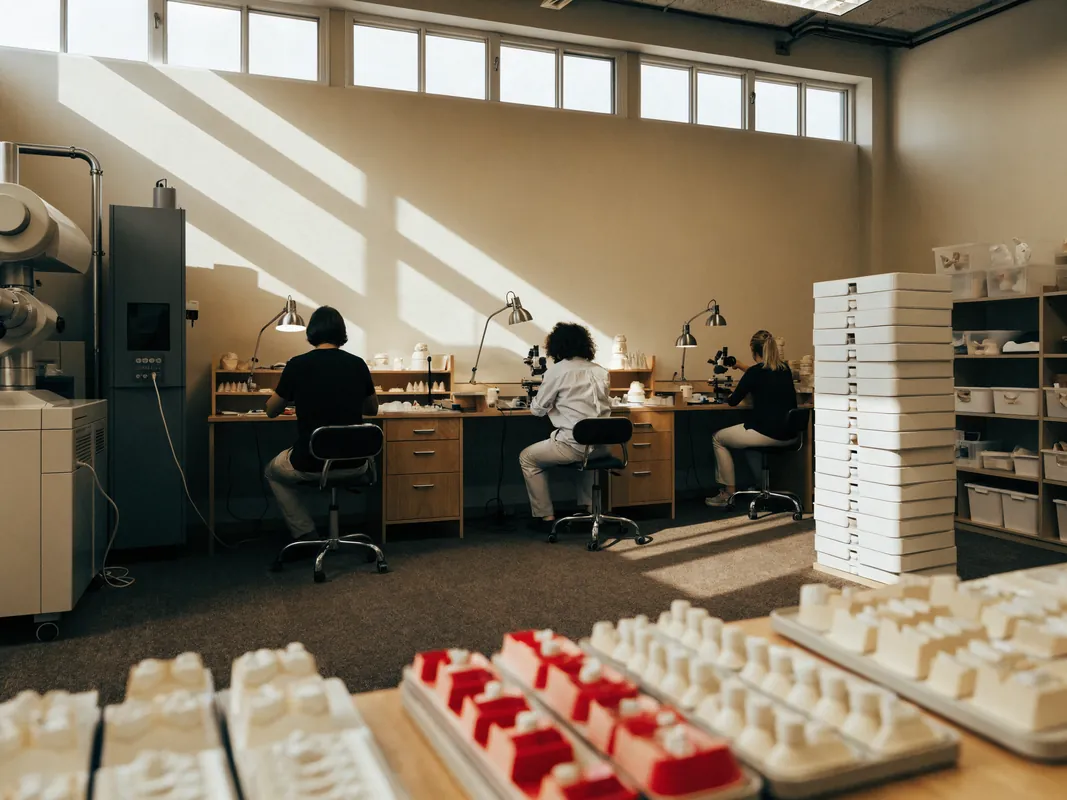
Systematic reviews on translucent zirconia, sintering, surface finishing, wear and monolithic or veneered restorations combine different manufacturers, compositions, designs and laboratory methods. They can reveal uncertainty and important variables, but they cannot predict one KATANA restoration.
The flexural-strength reviews cited above warn that test conditions affect values. The sintering review notes a limited and largely laboratory evidence base for accelerated protocols. The antagonist-wear review highlights the importance of surface finishing. None proves that one KATANA variant is universally superior or establishes an outcome percentage.
Manufacturer documents remain primary for product identity and processing boundaries. Independent evidence informs broader comparisons. Diagnosis and case records connect both to the patient.
Red flags that justify a pause
Pause when the proposal says KATANA without variant, form, REF, shade or lot; mixes disc and block claims; uses a regional brochure as proof of local supply; extends one variant's indication to another; or ranks products by a single strength or translucency value.
Other warning signs include no substrate or support record, no distinction between tooth and implant support, no monolithic or layered description, connectors hidden from the design, undocumented nesting, no milling or furnace trace, a travel-driven shortcut, missing surface-finishing record, one universal cement protocol, undisclosed component substitution, bundled cost without laboratory lines, no repair route or a fixed performance promise.
A warning sign does not prove misconduct. It identifies an unresolved clinical, technical or financial dependency. Request documents, revision or an independent opinion before proceeding.
KATANA verification worksheet
| Decision area | Question before definitive seating | Record to retain |
|---|---|---|
| Diagnosis | Why is this restoration needed? | Examination and diagnosis |
| Alternatives | What other designs or materials were discussed? | Consent record |
| Variant | Which exact KATANA product and form? | Label and current IFU |
| Blank | Which shade, dimensions, REF and lot? | Original case-linked label |
| Support | Tooth, implant, base or framework? | Component map |
| Substrate | What colour or material must be masked? | Stump or abutment record |
| Design | Monolithic, cut-back or layered? | Prescription and CAD file |
| Geometry | Are thickness and connectors compliant? | Approved design record |
| Nesting | Where is the restoration within the gradient? | Nesting screenshot or data |
| Milling | Who milled it and by what validated route? | Manufacturing job record |
| Sintering | Which product-specific cycle was completed? | Furnace case log |
| Finish | Which colour, stain, glaze and polish were used? | Material and firing record |
| Retention | How was it cleaned, treated and retained? | Cement or screw record |
| Acceptance | Were fit, bite, shade and hygiene checked? | Clinical seating note |
| Service | Can it be retrieved, repaired or remade locally? | Repair and handover plan |
Missing information does not automatically make the product wrong. It identifies a gap that could change consent, manufacture or future care and should be resolved before definitive seating.
Primary official sources used
The current family distinction is based on the [Kuraray Noritake European zirconia portfolio](https://www.kuraraynoritake.eu/en/labside/zirconia), supported by the dated [KATANA restoration-system brochure](https://www.kuraraynoritake.eu/media/pdfs/2524473_Katana_Family_brochure_Q2_2025_update_LR_23.pdf). Exact current product instructions should be obtained from the [manufacturer IFU library](https://www.kuraraynoritake.com/world/ifu/) and matched to trade name, form, REF, language and market.
Manufacturer technical context includes the [KATANA product FAQ](https://www.kuraraynoritake.com/katana/eu/faq/) and product-specific pages such as [KATANA Zirconia YML](https://www.kuraraynoritake.eu/en/katana-zirconia-yml-content) and [KATANA Zirconia UTML](https://www.kuraraynoritake.eu/en/katana-zirconia-utml). These are primary commercial and technical sources, not independent clinical comparisons.
Independent evidence examples are systematic reviews on [translucent-zirconia flexural strength](https://pubmed.ncbi.nlm.nih.gov/40738693/), [strength and translucency](https://pubmed.ncbi.nlm.nih.gov/33581910/), [accelerated sintering](https://pubmed.ncbi.nlm.nih.gov/36013131/) and [antagonist wear](https://pubmed.ncbi.nlm.nih.gov/33616572/). They are used for evidence limits, not marketing claims.
Final decision rule
Do not accept KATANA as the complete material description. Require the exact variant and form, current REF-matched instruction, manufacturer-defined application, case-specific support and span, substrate map, monolithic or layered design, compliant geometry, label and lot, documented nesting, milling and sintering, recorded characterisation and polishing, compatible retention, clinical acceptance, itemised cost, repair route and portable handover.
If the plan remains provisional, label it provisional. If the material, design or laboratory changes, update the quote and consent. If evidence is missing, record the limitation rather than substituting brand confidence. This process does not guarantee a result; it makes the decision traceable and future service more practical.
What the product name does — and does not — tell you
Katana Zirconia is a multilayer zirconia restorative-material family from Kuraray Noritake Dental. The name can help a patient identify a product family, but it does not establish the diagnosis, the exact model selected, the competence of a treating professional or the quality of the finished treatment. Product ranges, indications and local availability can change. A current manufacturer instruction for use and the legal market status in the country of treatment take priority over a marketing page.
This page is a research guide. It is not a statement that WeCare, a particular clinic or an event clinician stocks or uses Katana Zirconia. Availability must come from the named treating provider. If a quotation uses only a broad phrase such as “premium material”, ask for the manufacturer, product family and reference before accepting the plan.
Manufacturer information worth checking
- The current Kuraray Noritake European zirconia portfolio presents YML, STML, HTML PLUS, UTML and HT as distinct disc families with different layer structures, manufacturer-described properties and application ranges.
- The manufacturer IFU library separates KATANA Zirconia YML, STML, UTML, HTML PLUS, HT and other product forms; the exact current document must be matched by trade name and reference.
- A manufacturer application chart is a product boundary, not personal eligibility. Restoration type, span, support, substrate, geometry, occlusion and laboratory processing still require case-specific prescription.
- Monolithic, cut-back, veneered framework and implant-supported assemblies create different interfaces, finishing requirements, repair questions and records even when the zirconia carries the same family name.
- Disc label, REF, shade, thickness, lot, design and nesting records, milling and sintering logs, added ceramics, adjustment, polishing and retention materials form a stronger evidence chain than a logo or invoice saying KATANA.
These points describe the product family at a general level. They are not a recommendation for a particular mouth and they should not be extended to a different line carrying a similar brand name. The treating clinician and responsible laboratory should identify the exact KATANA variant for every restoration or linked unit, confirm its current manufacturer-defined application, and explain how support, span, substrate, geometry, design, optical objective, opposing dentition and service plan justify that selection. Material or design changes require revised records and consent.
Questions for the named provider
Ask the professional responsible for treatment to answer these points in writing:
- What is the exact manufacturer, product family, model or material grade proposed?
- What clinical finding makes that selection appropriate for this case, and what alternatives were considered?
- Who is the legal treating provider and who will perform each clinical or laboratory stage?
- Which current instruction for use, contraindications and local regulatory status apply?
- What reference, lot, batch or other traceability record will be retained and shared where the device permits it?
- Which components, cements, abutments, membranes, gels or accessories are included, and are they compatible?
- What follow-up is required, who is responsible after travel, and which costs are excluded from the quotation?
Product verification, evidence and traceability boundaries
Manufacturer product pages, IFUs and technical guides describe a portfolio and processing boundaries; they do not diagnose a patient, prove local supply, verify a laboratory or establish what was used in one case. Case evidence must connect the exact labelled blank and lot to the prescription, CAD record, processing logs, final restoration, retention materials and named professional responsibility.
Useful evidence may include a photograph of unopened labelled packaging before use, the product label, an implant or device record, a laboratory prescription, an invoice identifying the exact material, and the treating provider's signed notes. The appropriate record depends on the product. A logo on a website, a stock photograph, an unlabelled box or a verbal statement is not equivalent to case-specific traceability.
How to compare alternatives fairly
Compare exact variants and alternative ceramics by current indication, support, span, dimensions, connector and cantilever design, substrate and masking, optical objective, processing, surface finishing, retention, repairability, local serviceability and evidence quality. Do not rank materials by one flexural-strength or translucency value or convert a laboratory measurement into an outcome promise.
Compare like with like: indication, exact product, compatible components, laboratory design, operator responsibility, maintenance, staged visits and written exclusions. Do not compare a named product in one quotation with an unspecified category in another. Brand recognition cannot remove biological uncertainty, and no material choice can promise a clinical outcome.
Assessment comes before the brand
A responsible plan starts with medical and dental history, examination and appropriate imaging. Implant decisions can depend on bone, soft tissue, bite, hygiene, smoking, medication and restorative space. Ceramic decisions can depend on remaining tooth tissue, preparation design, opposing teeth and laboratory workflow. Whitening decisions require screening for decay, gum disease, sensitivity and existing restorations. Endodontic and imaging tools are parts of a broader diagnostic or treatment process, not substitutes for professional judgement.
Before paying, request a dated, itemised written plan naming the treating provider, the proposed product, alternatives, material records, visit stages, aftercare responsibilities and financial terms. If the final assessment changes the product or procedure, ask for the reason and revised quotation before treatment proceeds.