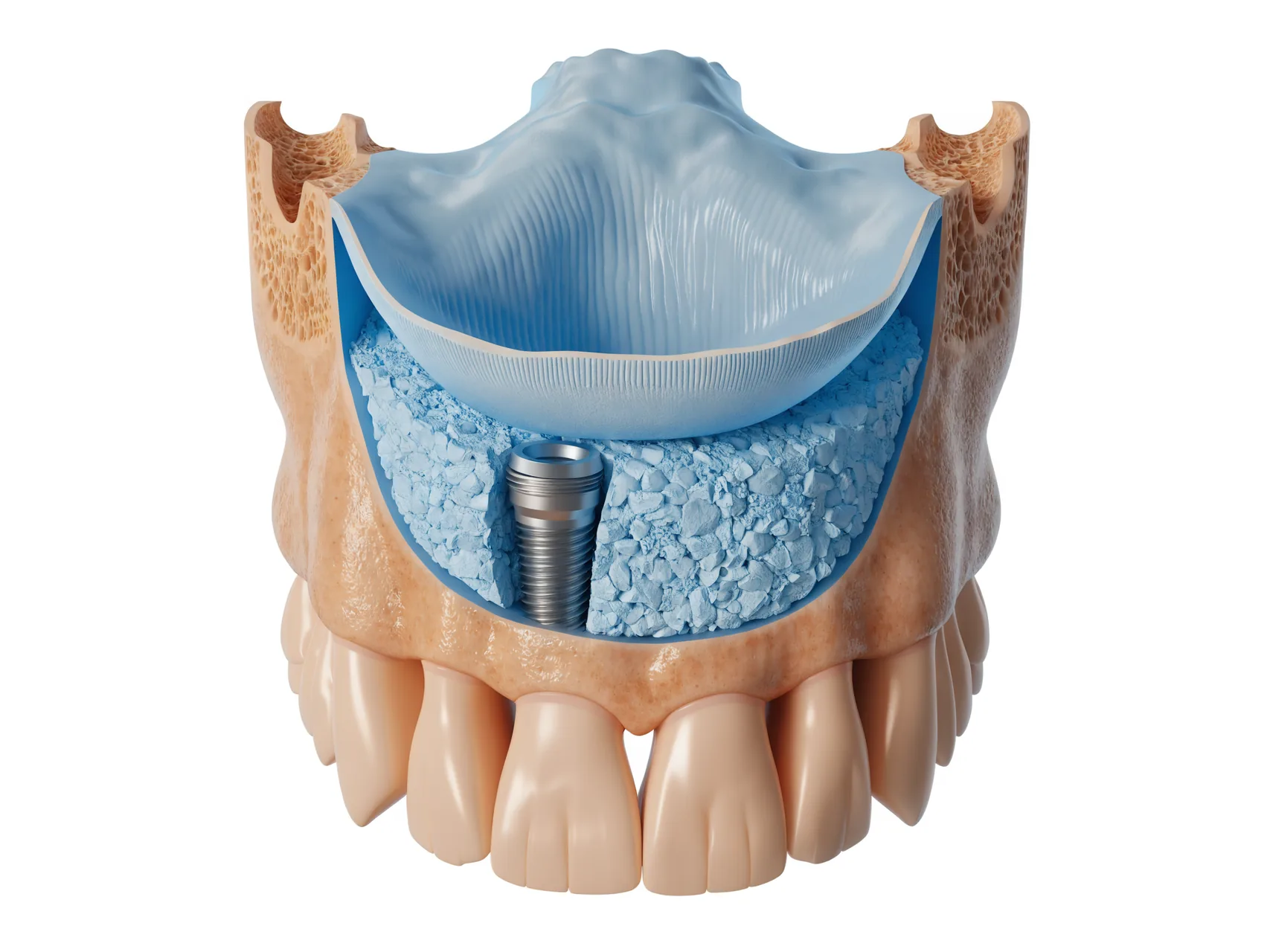
All-on-4 with sinus lift is a search phrase, not a diagnosis and not a standard package. It can describe very different situations. One patient may have a largely toothless upper jaw with enough anterior bone for a full-arch design that avoids the sinus. Another may have a restorative plan that needs posterior implant support and a separate sinus-floor augmentation. Another may be better served by preserving teeth, using a removable option, changing the prosthetic design, selecting a different implant distribution, staging graft treatment, or not proceeding with implant surgery.
The first safety principle is separation. The decision to remove remaining teeth is separate from the decision to provide a full-arch implant-supported restoration. The decision to augment the sinus floor is separate again. The decision to place implants at the same episode as augmentation is another gate. The decision to attach a provisional bridge and allow it to carry load is another. A sales phrase can collapse all of these into one promise; a responsible written plan keeps them visible.
This guide does not decide whether any person needs a sinus lift, a full-arch restoration or an implant. It does not publish a fixed implant count, surgical approach, material, schedule, price, outcome rate or travel package. Those choices belong to appropriately qualified clinicians after the examination and investigations they judge necessary. The purpose here is to help a patient ask for provider identity, clinical ownership, diagnostic evidence, alternatives, staged fallbacks, material traceability, cost scope and aftercare.
The [ITI consensus on augmentation in extended ridge defects](https://network.iti.org/academy/consensus-database/consensus-statement/-/consensus/bone-augmentation-procedures-in-extended-alveolar-ridge-defects/1211) describes sinus-floor elevation as one option for posterior maxillary deficiency and distinguishes simultaneous placement from a staged approach according to whether appropriate primary stability can be achieved. The [ITI consensus on implant placement and loading](https://network.iti.org/tr/academy/consensus-database/consensus-statement/-/consensus/implant-placement-and-loading-protocols/1802) treats placement timing and loading timing as separate decisions. Neither source turns a remote scan or package name into individual eligibility.
Start with the full-arch diagnosis, not the package name
A full-arch proposal should begin with the problems to be solved. Missing teeth, mobile teeth, advanced periodontal disease, extensive decay, repeated restoration failure, trauma, wear, bite problems, pain, appearance concerns and difficulty wearing a denture are not interchangeable diagnoses. Each affects treatment options and prognosis differently.
Ask for an arch-level diagnosis and a tooth-by-tooth map. The map should record which teeth are absent, which are restorable, which have uncertain prognosis, which are proposed for treatment, and which are proposed for extraction. It should also show periodontal support, active disease, prosthetic space, jaw relationship, opposing teeth or prosthesis, smile line, speech concerns, hygiene access and functional priorities.
The label All-on-4 does not prove that a particular number or distribution of implants is suitable. It does not prove that every remaining tooth should be removed. It does not define the bridge material, provisional stage, cantilever, maintenance method or loading protocol. Ask the responsible restorative clinician to explain the proposed design in ordinary language and connect each element to the diagnosis.
A full-arch solution can be reasonable for selected patients, but the reasoning must be patient-specific. If the written document starts with a package and contains no diagnostic map, it is not ready for irreversible consent.
Name the legal provider and clinical owners
Identify the legal entity contracted to provide the clinical care. A marketing website, coordinator, broker, hotel or transfer company is not automatically the treatment provider. Request the legal name, facility address, responsible contact, complaint procedure, records-access route and governing contractual terms before sending sensitive records or paying.
Then identify the clinicians who own the main decisions. The plan should say who assesses remaining-tooth prognosis, who owns the full-arch prosthetic design, who evaluates sinus health and anatomy, who performs any augmentation, who places implants, who decides whether loading is allowed, who prescribes provisional and definitive bridges, and who reviews healing. These roles may be shared or held by one suitably trained clinician, but ownership must be explicit.
Verify each clinician through the current professional register that applies to the place of treatment. Verify the facility through the relevant current official channel. Confirm that the named people will actually attend the planned care; a profile on a website is not evidence of attendance.
Complex care may involve restorative, surgical, periodontal, radiological, anaesthetic, laboratory or ear-nose-and-throat input. Ask how disagreements between disciplines are resolved and who has final responsibility for each gate. If a clinician or facility changes, the patient should receive an updated written plan and a real opportunity to reconsider.
Confirm whether remaining teeth can reasonably be preserved
A full-arch package must not become a reason to remove treatable teeth. Each proposed extraction needs a diagnosis, prognosis and comparison with reasonable preservation options. Ask about periodontal support, caries, fracture, remaining tooth structure, previous root treatment, endodontic options, strategic value, cleansability, occlusion and the patient's preferences.
Preserving a tooth is not always reasonable, and retaining a hopeless tooth can delay disease control. The point is not preservation at any cost. The point is to ensure that extraction follows evidence rather than package convenience. If a specialist opinion could materially change the decision, ask whether referral is appropriate before removal.
The plan should distinguish teeth that are clearly non-restorable from teeth with uncertain or guarded prognosis. It should explain whether a staged stabilisation period could provide more information. It should also state what happens if the patient accepts treatment for some teeth but declines extraction of others.
No-treatment consequences should be discussed without pressure. Depending on the diagnosis, delay may carry risks, but a booked flight or expiring offer is not a clinical indication. Emergency symptom control and elective full-arch reconstruction should remain separate choices.
Define what the sinus finding actually changes
The maxillary sinuses are air-filled spaces above the posterior upper jaw. After posterior teeth are lost, available bone beneath the sinus may be limited by ridge change, sinus anatomy or both. A sinus-floor augmentation aims to create a site for implant placement in a planned posterior position. It is not a general treatment for bone loss everywhere in the upper jaw.
Ask which proposed implant site is affected by the sinus, what restorative purpose that implant serves, and what aspect of the plan changes if the site is not used. A radiographic phrase such as low sinus or reduced height is incomplete without the intended prosthetic position, ridge width, three-dimensional anatomy and alternative implant distribution.
A full-arch design may use implants placed further forward or angled to avoid the sinus in some cases. That does not make sinus augmentation obsolete, and it does not make avoidance automatically preferable. The responsible team should compare the restorative consequences: bridge span, load distribution, access for cleaning, cantilever, anatomy, clinician experience, alternative implant sites and long-term maintenance.
The sinus finding is relevant only in relation to a specific restorative plan. Ask for that connection in writing.
Clinical examination and imaging have different jobs
A scan cannot record symptoms, mobility, probing, tissue quality, hygiene ability, occlusion, speech, smile dynamics, mouth opening, gag reflex, dexterity or the condition of a denture. A clinical examination cannot show every three-dimensional anatomical relationship. Both may be needed, but they answer different questions.
The assessment should begin with a complete history and examination. It should include relevant dental and medical history, periodontal findings, the condition of remaining teeth and tissues, prosthetic space, jaw relationship, opposing arch, functional habits and patient priorities. Existing images and models may help, but the treating clinicians decide whether they remain current and adequate.
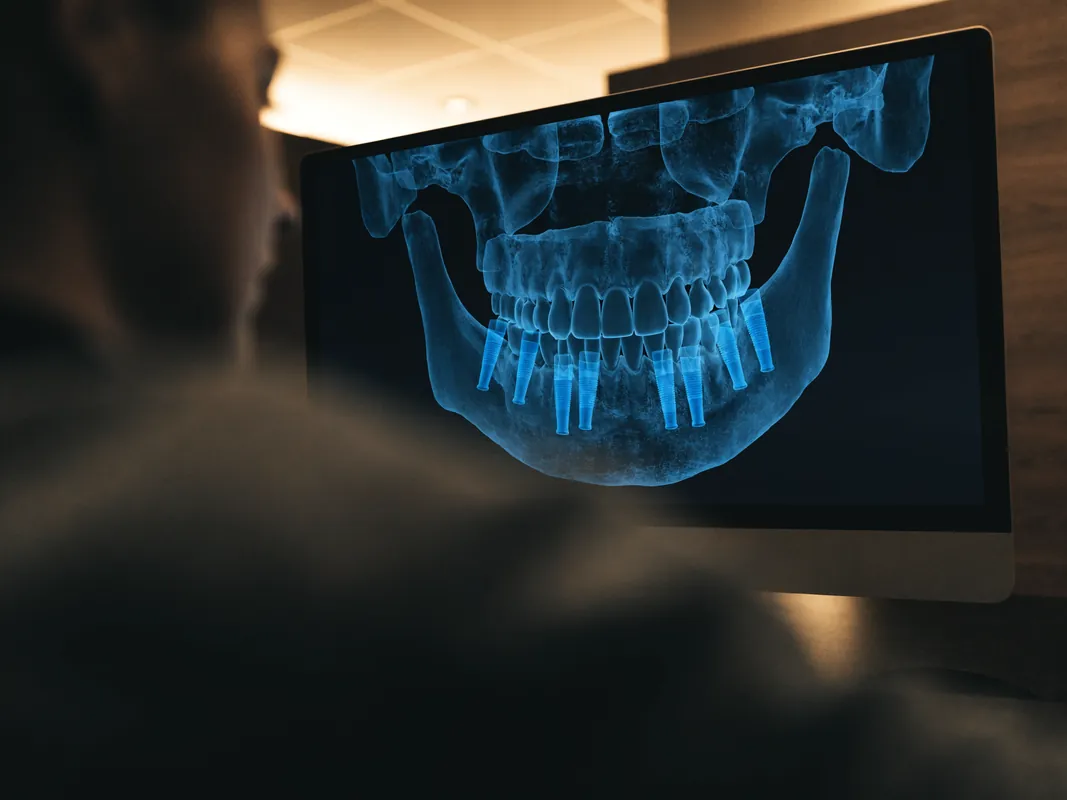
Imaging should be justified by a documented question. The report should address the proposed sites and relevant anatomy rather than simply label a scan clear. Ask who interpreted the image, whether pathology or sinus findings need further review, and whether a radiology report is available.
Remote images can support a provisional conversation. They cannot establish final surgical access, tissue condition, consent readiness or how the patient will tolerate and maintain a full-arch restoration.
CBCT is a diagnostic tool, not an automatic verdict
Cross-sectional imaging can provide important information about posterior maxillary anatomy, ridge form, sinus boundaries, neighbouring structures and the proposed implant path. It may also reveal findings that need clinical correlation or referral. It does not by itself say that sinus augmentation, a particular approach or a full-arch restoration is appropriate.
Ask why cross-sectional imaging is indicated, what field is needed, who reports it, and how the findings alter the plan. The team should use the smallest appropriate exposure under applicable standards and retain the images and report in a transferable format. A screenshot from planning software is not the whole record.
The plan should state its assumptions before imaging and identify what would change afterwards. If a scan was taken elsewhere, ask whether the original data and report can be reviewed rather than repeating imaging solely for convenience.
Guided planning can help communicate a restoration-led implant position, but guidance software does not replace clinical judgment. The clinician must still verify conditions during surgery and use a fallback when the planned position or stability cannot be achieved.
Evaluate sinus health before augmentation
Anatomy is only part of the sinus assessment. Ask about current or recurrent sinus symptoms, previous sinus surgery, nasal obstruction, allergy history, infection, facial pain, smoking or nicotine exposure, and any relevant ear-nose-and-throat care. Radiographic changes may need correlation with symptoms and professional review.
A dental clinician should define the boundary of their assessment and explain when an ear-nose-and-throat opinion is appropriate. A radiographic finding is not a diagnosis by a coordinator. Likewise, the absence of symptoms does not permit a sales representative to declare the sinus suitable.
If active disease or unresolved symptoms could affect surgery, the plan should say how they will be investigated and who determines readiness. If referral changes the itinerary, that is a clinical contingency, not a customer-service failure.
The patient should receive a realistic explanation of the connection between mouth and sinus, the possibility of membrane injury, infection or communication, and the emergency route if concerning nasal or facial symptoms develop.
Compare alternatives before accepting sinus augmentation
Sinus-floor elevation is elective. The [Cambridge University Hospitals sinus-lift patient guide](https://www.cuh.nhs.uk/patient-information/sinus-lift-procedures/) explicitly presents alternatives and describes augmentation as a choice made after risks, benefits and options are considered. That does not determine an individual plan, but it supports a proper alternatives discussion.
Possible alternatives may include changing implant position, using a different distribution, using shorter implants where clinically reasonable, reducing the posterior extent of a bridge, using a removable implant-supported option, using a conventional denture, preserving or restoring teeth, using a tooth-supported option, accepting a shorter dental arch, seeking a specialist assessment for other anchorage concepts, staging disease control, or choosing no replacement. Some alternatives may not apply; each needs case-specific review.
Zygomatic or pterygoid implants are not simple substitutes and should not be presented as faster package upgrades. They involve different anatomy, expertise, risks, prosthetic design and maintenance. If discussed, ask who is qualified to assess and perform them and what non-surgical or conventional options remain.
The written plan should explain why the chosen option fits the patient's priorities and why reasonable alternatives were rejected. Cost or trip count alone should not decide.
Separate the sinus-lift decision from the full-arch decision
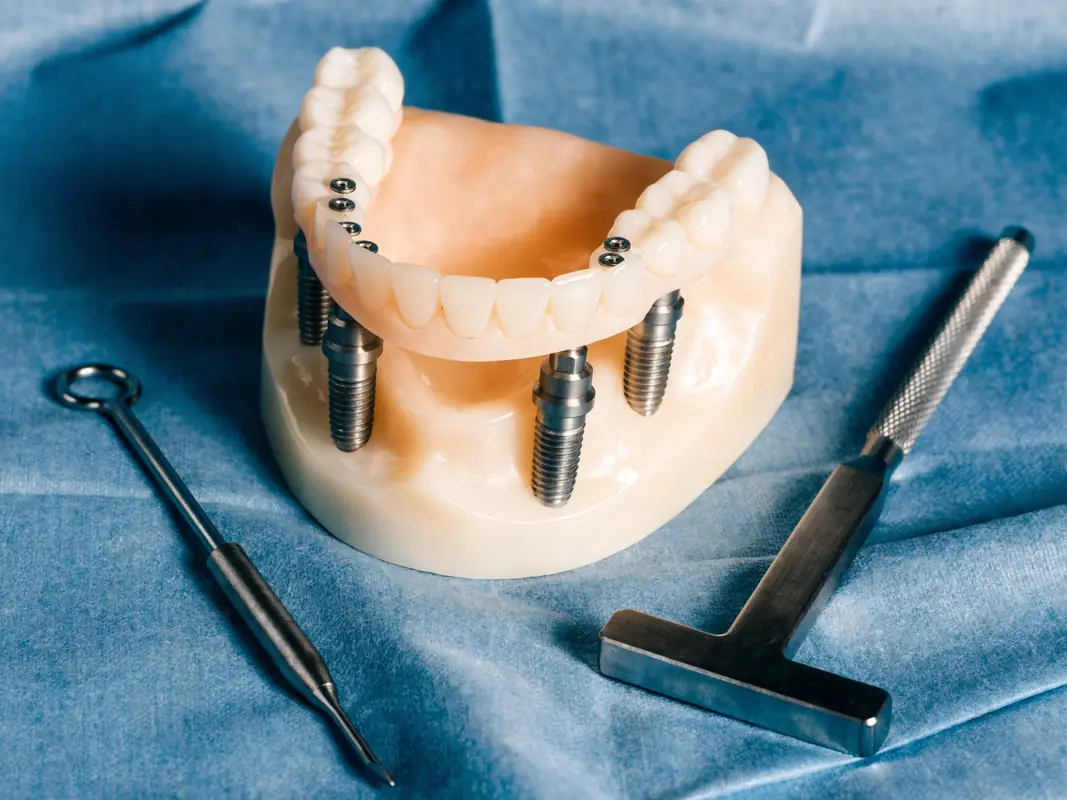
A person may need posterior augmentation for a local implant plan without needing a full-arch restoration. A person may need full-arch rehabilitation without any sinus augmentation. Combining the labels can create the false impression that one automatically causes the other.
Ask for two linked but separate plan statements:
- the full-arch statement: diagnosis, tooth prognosis, prosthetic design, implant distribution, provisional strategy, definitive restoration and maintenance;
- the sinus statement: affected site, anatomical limitation, augmentation objective, approach under consideration, material options, risks, timing and fallback.
The plan should also explain whether the posterior implant is essential to the proposed bridge design or one of several possible designs. If augmentation is declined or cannot proceed, what full-arch alternatives remain? If the full-arch plan changes, is augmentation still indicated?
This separation helps prevent unnecessary surgery and makes quotation changes understandable. It also allows a local clinician to see what problem each procedure was intended to solve.
Design the prosthesis before deciding implant sites
Implants support a prosthesis; they should not be positioned first and explained later. The restorative plan should address intended tooth position, lip support, speech, smile line, vertical space, jaw relationship, opposing contacts, hygiene access, framework design, repairability and maintenance.
Ask for a diagnostic setup, trial arrangement, mock-up or other suitable method where the responsible clinician considers it useful. The patient should understand what can be evaluated before surgery and what remains provisional. If tooth removal changes support or appearance, the anticipated transition should be explained.
The posterior implant question belongs within this design. Ask whether the proposed sinus-area implant changes the span, cantilever, load distribution or ability to clean. Ask what happens if that implant cannot be placed or integrated. The bridge design should have a fallback that does not force a compromised implant position.
A visually attractive rendering is not evidence of biological suitability. The record should connect the proposed prosthesis to anatomy and maintainability.
Simultaneous versus staged treatment is a stability gate
A sinus-floor elevation and implant placement may sometimes be performed in the same surgical episode. In other cases, augmentation is performed first and implant placement is considered after the site has been reassessed. The choice depends on site anatomy, the ability to achieve appropriate implant stability in the planned position, defect characteristics, sinus condition, medical factors, procedure extent and clinician judgment.
The ITI augmentation consensus links simultaneous placement to the ability to obtain primary stability and describes staging when that cannot be achieved. This guide does not publish a universal measurement threshold because the evidence, measurement method, implant system, prosthetic load and clinician's assessment must be interpreted together.
The consent should cover both branches before surgery. If a simultaneous plan becomes unsuitable, the team should be authorised to stop at augmentation, use an alternative site, revise the provisional design, or abandon the implant step according to the agreed fallback. The financial effect should be written.
Staging is not failure, and simultaneous care is not proof of quality. Each is a sequencing choice with different uncertainty, morbidity, temporary-prosthesis and travel implications.
Lateral and transcrestal approaches require case-specific reasoning
Sinus-floor elevation may be approached through a lateral window or through the implant-site pathway in selected situations. These are not interchangeable menu options. The size and shape of the planned augmentation, residual anatomy, sinus floor, access, membrane risk, implant position and clinician experience affect selection.
Ask the surgeon to name the intended approach, its indication, material plan and fallback. Ask what would cause the approach to change during surgery. A remote proposal should remain conditional until examination and imaging are reviewed by the responsible clinician.
Avoid accepting rigid rules based only on one bone-height figure. Anatomy is three-dimensional and the prosthetic objective matters. A measurement taken from a screenshot can also be affected by orientation, location and interpretation.
The patient should know whether the procedure is planned on one side or both, whether another grafting site is involved, and whether the temporary prosthesis could place pressure on the surgical area. These details influence consent and aftercare.
Loading is another separate decision
Placing an implant at the same episode as sinus augmentation does not establish that it can support a bridge immediately. Loading depends on implant stability, distribution, prosthetic design, occlusion, parafunction, augmentation extent, patient factors and clinician assessment.
The written plan should distinguish:
- implant placement without a connected prosthesis;
- connection to a provisional restoration kept out of specified contacts;
- connection to a provisional bridge intended to carry controlled function;
- later connection after a healing and reassessment gate.
Ask which protocol is proposed, how it will be protected, and what finding changes it. Ask whether an existing denture will be adjusted, replaced or withheld and how appearance and basic function will be managed in every branch.
The ITI placement-and-loading consensus exists precisely because placement and loading combinations carry different evidence and risk. A phrase such as immediate fixed teeth should never substitute for the loading plan.
Provisional and definitive bridges are different stages
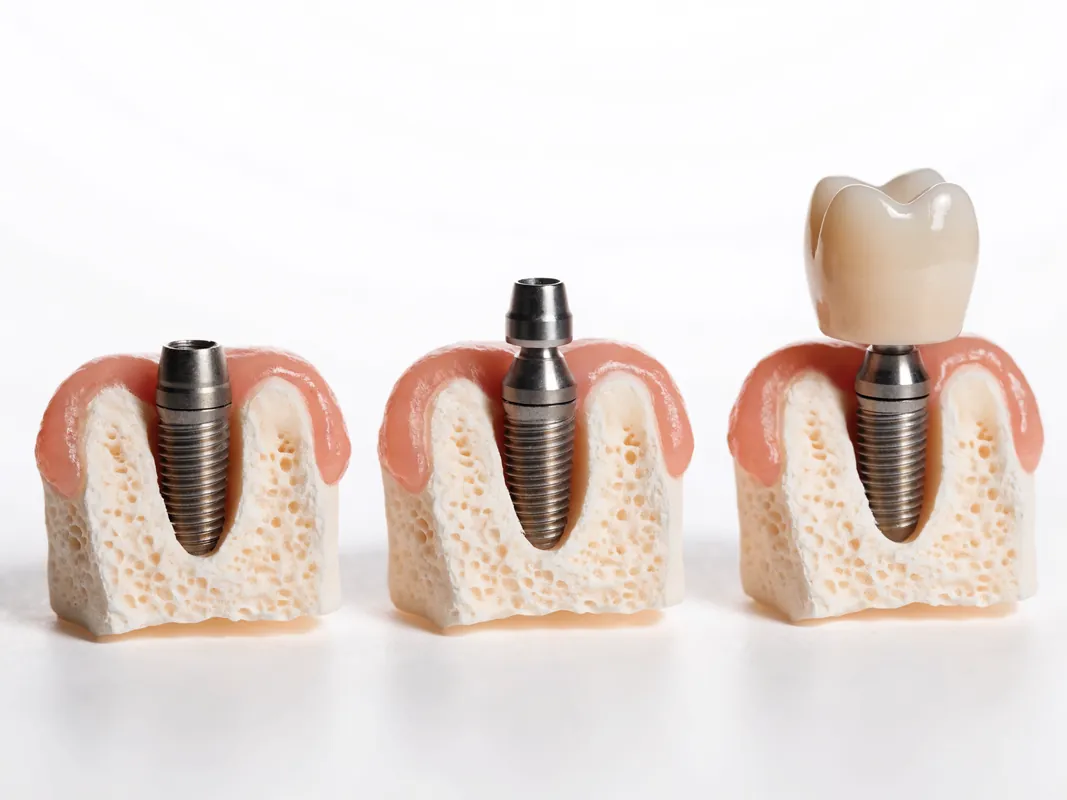
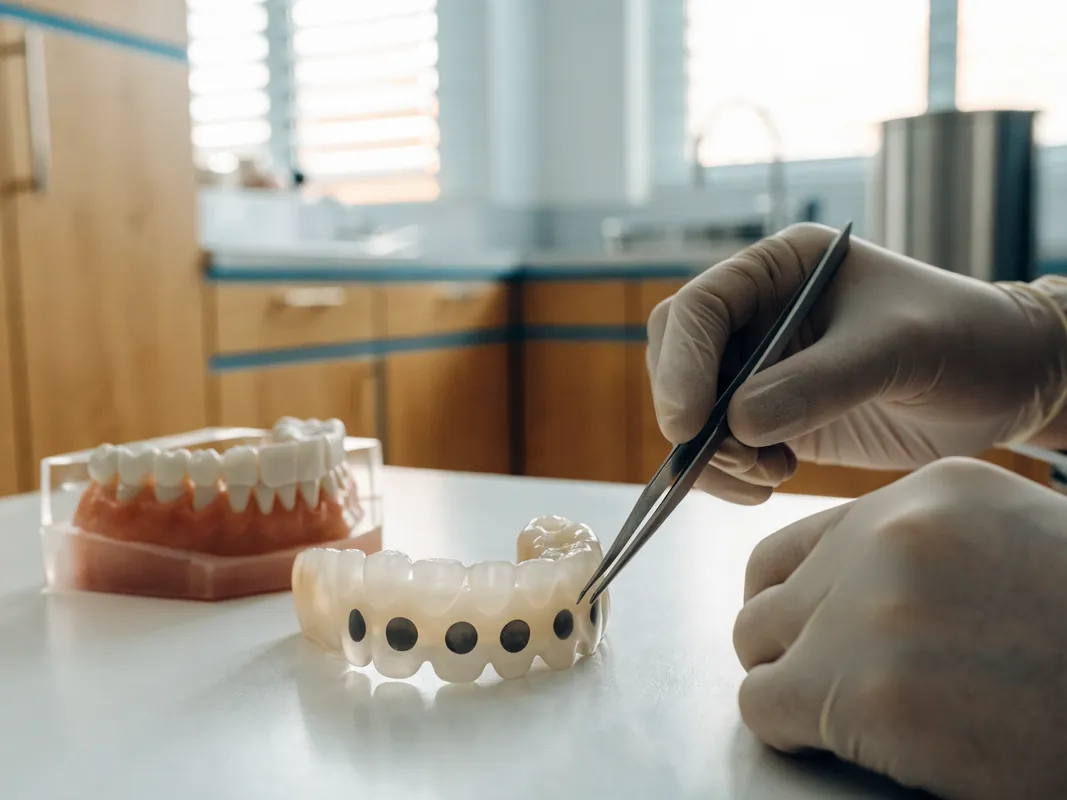
A provisional full-arch bridge may help manage appearance, speech, tissue transition, vertical dimension, occlusion and cleaning education. It is not necessarily the definitive bridge and should not be described as permanent merely because it is fixed.
The plan should name the provisional material category, design owner, laboratory, retention, intended function, cleaning method, review process and repair responsibility. It should state what happens if swelling, tissue change, implant distribution or loading restrictions require adjustment.
A definitive bridge should follow the biological, prosthetic and maintenance gates selected by the responsible clinicians. Ask what evidence is required before definitive records are taken and who accepts readiness. Ask whether another try-in, verification, jaw record or hygiene assessment may be required.
The quote should clearly separate provisional and definitive components. It should explain whether relines, repairs, remakes, screws, abutments or laboratory changes are included. A flight date should not force conversion to a definitive bridge.
Graft and membrane materials require consent and traceability
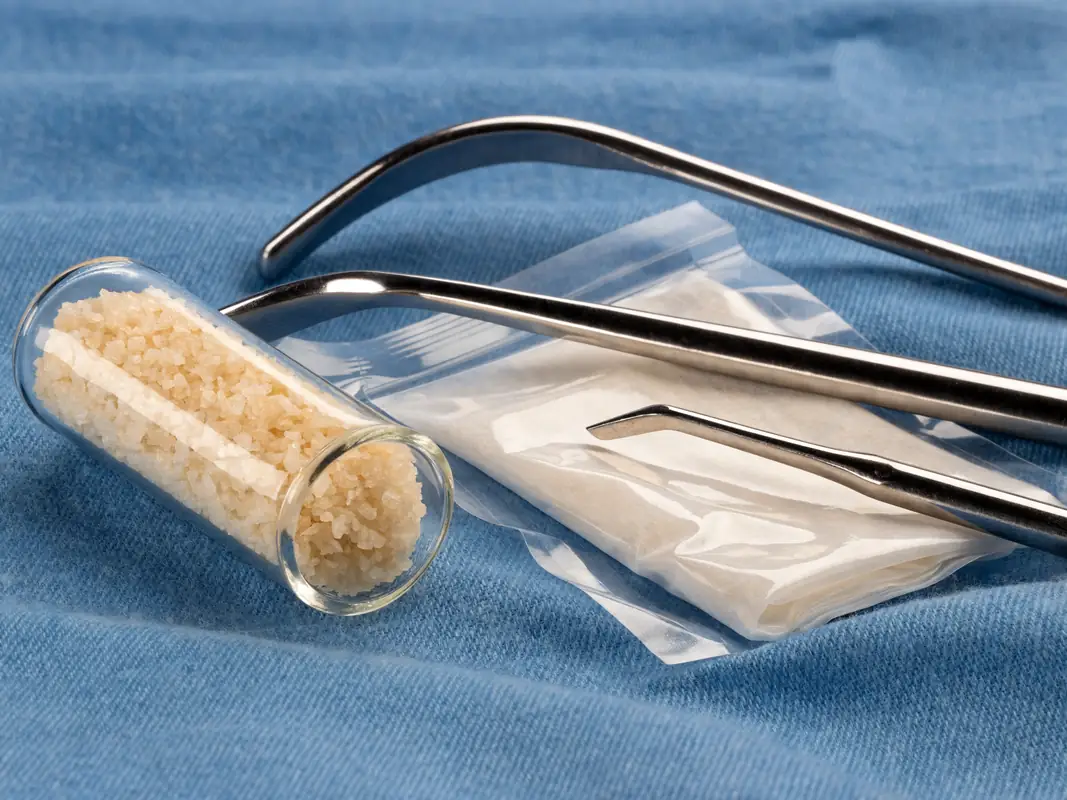
A generic phrase such as bone graft is not enough. Graft materials may be patient-derived, donor-derived, animal-derived or synthetic, and membranes or fixation components may also be used. The responsible clinician should explain the intended material category, source, purpose, alternatives and known patient-specific considerations.
Ask about religious, ethical, allergy or medical preferences before consent. Ask for manufacturer, product reference and batch or lot information where applicable. These details belong in the operative record and handover pack.
A brand name does not prove suitability or outcome. Different materials and techniques may be reasonable in different situations. The choice should connect to the defect, surgical objective, clinician's experience and evidence, not sponsorship or package tier.
If the material plan changes during surgery, the consent should define the permitted range or require an updated decision where practicable. The quote should distinguish planned material from contingencies and state how unused or additional items affect the total.
Sinus health and referral boundaries
Dental implant planning can reveal sinus symptoms or radiographic findings outside a straightforward augmentation pathway. The treatment team should explain who evaluates those findings and when an ear-nose-and-throat or radiology opinion is needed.
Ask whether there is a history of recurrent sinusitis, nasal surgery, chronic obstruction, allergy treatment, facial pain, unusual discharge or other relevant symptoms. Ask whether the planned procedure could interact with existing care. Do not stop or change prescribed nasal or medical treatment without the responsible prescriber.
The surgical consent should explain procedure-specific risks in understandable language. These may include membrane perforation, bleeding, infection, graft exposure or loss, altered sensation, pain, swelling, bruising, nasal symptoms, communication between the mouth and sinus, implant complications, need to stop or stage treatment, and further intervention. The relevant risk profile is individual.
A coordinator should not diagnose sinus fitness. If responsibility is unclear, pause until the named clinicians define it.
Periodontal and hygiene readiness
A full-arch bridge does not remove susceptibility to inflammation. Remaining teeth, implants, soft tissues and the underside of the prosthesis require ongoing cleaning and professional review. Active periodontal disease elsewhere should be diagnosed and managed.
The [EFP guideline for stages I to III periodontitis](https://www.efp.org/education/continuing-education/clinical-guidelines/guideline-on-treatment-of-stage-i-iii-periodontitis/) presents stepwise disease control and reassessment. In a full-arch plan, that principle means periodontal status, plaque control and maintenance readiness should be visible before elective expansion.
Ask whether the proposed bridge design can be cleaned with the patient's dexterity, vision, mobility and available tools. Ask for a demonstration using the proposed contours. If cleaning access is poor in a trial design, the answer is not merely stronger mouthwash; the prosthesis may need redesign.
The local maintenance clinician should receive baseline records and understand the component system. Maintenance frequency and methods should be individual, not sold as a universal calendar.
Medical and medication assessment
A complete medical history should be reviewed by the responsible clinical team before consent. Relevant areas may include cardiovascular and respiratory conditions, diabetes or other metabolic concerns, immune status, bleeding history, allergies, previous surgery, medicines associated with jaw risk, radiotherapy, tobacco or nicotine exposure, alcohol or substance use where relevant, and previous healing problems.
The assessment should state whether medical liaison, laboratory information or a prescriber opinion is required. Patients must not stop anticoagulants, antiplatelets or other prescribed medicines based on website advice. The [SDCEP anticoagulant and antiplatelet guidance](https://www.sdcep.org.uk/published-guidance/anticoagulants-and-antiplatelets/) supports structured dental bleeding-risk assessment; it is not an instruction for self-adjustment.
Sedation or general anaesthesia, if considered, creates a separate assessment, provider-identity and escort pathway. It should not be promised as a comfort upgrade. Ask who provides it, what facility is used, what monitoring and recovery arrangements apply, and what alternative exists.
Medication and antibiotic decisions are case-specific. Ask who prescribes, what indication is documented, and how allergies, interactions and antimicrobial stewardship are handled.
Smoking, nicotine and behaviour-related risk
Smoking and other nicotine exposure can affect oral health, wound healing and maintenance. The team should document current use, discuss relevant risk and offer evidence-based cessation support where appropriate. A website should not publish a simplistic eligibility cut-off or promise that a brief pause removes risk.
Ask how nicotine use affects the proposed sequence, graft decision, loading, aftercare and maintenance. Ask what support is available locally before travel. The patient's disclosure should support safer planning, not punitive sales terms.
Bruxism, clenching, dietary habits, hygiene practices and ability to follow loading restrictions may also affect design and review. These factors do not automatically disqualify a person, but they should appear in the risk assessment.
Consent and warranty-like commercial terms should not hide behaviour conditions in small print. Any maintenance obligation that affects remedy rights must be clear before payment.
Risks and uncertainty belong in consent
Good consent does not list only generic surgical risks. It connects risks to the proposed full-arch and sinus sequence. The patient should understand the possibility that the membrane cannot be managed as intended, the graft or implant step is altered, simultaneous placement becomes staged, loading is deferred, the provisional design changes, healing is incomplete, a site cannot be used, or further assessment is required.
It should also cover full-arch consequences: extraction is irreversible, adaptation can be difficult, speech or appearance may differ from expectations, cleaning may be demanding, technical components can require maintenance, and a complication at one implant can affect the bridge plan.
Outcome figures from a publication cannot be applied as an individual promise. Ask for the source, population, procedure, follow-up and relevance if numbers are discussed. Clinic-specific claims need auditable evidence and a definition of what was measured.
Consent should be versioned when the plan changes. A signature given before examination should not authorise every later alteration.
Healing is assessed, not promised by a calendar
Sinus augmentation, implant integration and soft-tissue adaptation are biological processes with patient and site variation. Laboratory readiness and travel availability are not substitutes for clinical readiness.
The plan should define what the clinicians will assess before moving to the next stage. That may include symptoms, clinical examination, tissue condition, prosthesis performance and indicated imaging. The clinician should explain what would delay progression and what temporary care is available.
Avoid a schedule that states the bridge will be definitive on a pre-booked date regardless of findings. A useful itinerary contains review windows and contingencies rather than guarantees. It also states who pays for altered accommodation, additional local review, provisional repair or another trip.
The [Cambridge University Hospitals guide](https://www.cuh.nhs.uk/patient-information/sinus-lift-procedures/) describes variable pathways and distinguishes augmentation before or alongside implant placement. Its patient information is useful for questions, but the treating clinician must give individual instructions.
Postoperative instructions must be personalised
The surgical team should provide written instructions covering medicines, oral hygiene, diet or loading limits, use of a temporary prosthesis, sinus precautions, expected effects, warning signs, contact routes and planned review. The instructions should be tailored to the procedure actually performed.
Patients should not copy nose-blowing, sneezing, exercise, flying, rinsing or medication rules from a different clinic's leaflet. Procedure extent, membrane events, symptoms, medicines and medical history may change the advice. Ask the surgeon to explain which restrictions apply and why.
The emergency information should distinguish expected postoperative effects from signs that need prompt assessment. Increasing or severe symptoms, uncontrolled bleeding, systemic illness, breathing or swallowing difficulty, concerning nasal discharge, a suspected communication, altered sensation, trauma, or a loose prosthesis can require local professional review. This is not an exhaustive diagnostic list.
If the patient cannot understand the instructions in the language provided, qualified language support should be arranged and documented.
Flying and travel require individual advice
There is no universal flight interval suitable for every sinus procedure. The safe travel decision depends on what was done, whether a membrane event or complication occurred, current symptoms, medical history, medicines, access to care, airline requirements and the treating surgeon's assessment.
Ask for written individual advice before booking a non-changeable return. Ask what happens if symptoms make travel inappropriate. Check the airline and insurer directly because their conditions may differ from clinical advice.
Review current official travel and entry information rather than relying on a treatment page. Keep enough flexibility for review or unplanned assessment. A transfer itinerary does not establish fitness to fly.
If significant symptoms develop after returning to the UK, seek local assessment rather than waiting indefinitely for a remote message. The overseas team should be able to send the operative record and imaging promptly.
Build an itemised clinical quotation
A combined full-arch and sinus proposal should be priced by clinical scope, not by a headline package. Ask for a dated itemised clinical quotation that separates:
- consultations, examinations and diagnostic records;
- imaging and reporting;
- treatment of active disease;
- each extraction and any pathology fee;
- sinus assessment or external referral;
- augmentation procedure by side and approach;
- graft, membrane, fixation or related materials;
- implant placement and each implant or component;
- provisional denture or bridge;
- abutments, cylinders, screws and laboratory stages;
- definitive bridge and specified material category;
- sedation or anaesthetic services if separately indicated;
- reviews, maintenance education and records;
- management of foreseeable plan changes.
Each item should be labelled included, optional, contingent or excluded. Ask how the total changes if augmentation occurs without implant placement, only one side is treated, loading is deferred, a different provisional is needed, the definitive stage is delayed, or a proposed site is abandoned.
The quotation should match the clinical plan version. Verbal additions in a chat are not enough.
Separate treatment cost from total-trip cost
Create a second worksheet for travel and life costs: flights, accommodation, meals, accessible transport, companion expenses, time away from work, childcare, specialist insurance, local dental assessment, emergency care and contingency for a changed itinerary.
Do not treat a hotel or transfer offer as evidence of clinical quality. If logistics are bundled, identify the separate contracting entity, cancellation terms, refund rules and what happens when a clinician changes the treatment schedule.
The [NHS guidance on planned treatment abroad](https://www.nhs.uk/using-the-nhs/healthcare-abroad/going-abroad-for-treatment/going-abroad-for-medical-treatment/) states that health cards do not cover planned treatment and that ordinary travel insurance may not cover it. Confirm cover and exclusions with the insurer in writing, including complications, altered flights, additional accommodation and local care.
Compare proposals only after both the clinical scope and total-trip assumptions are equivalent. A lower package price can conceal omitted provisional, graft material, components, reviews or another journey.
Implant passport and component traceability
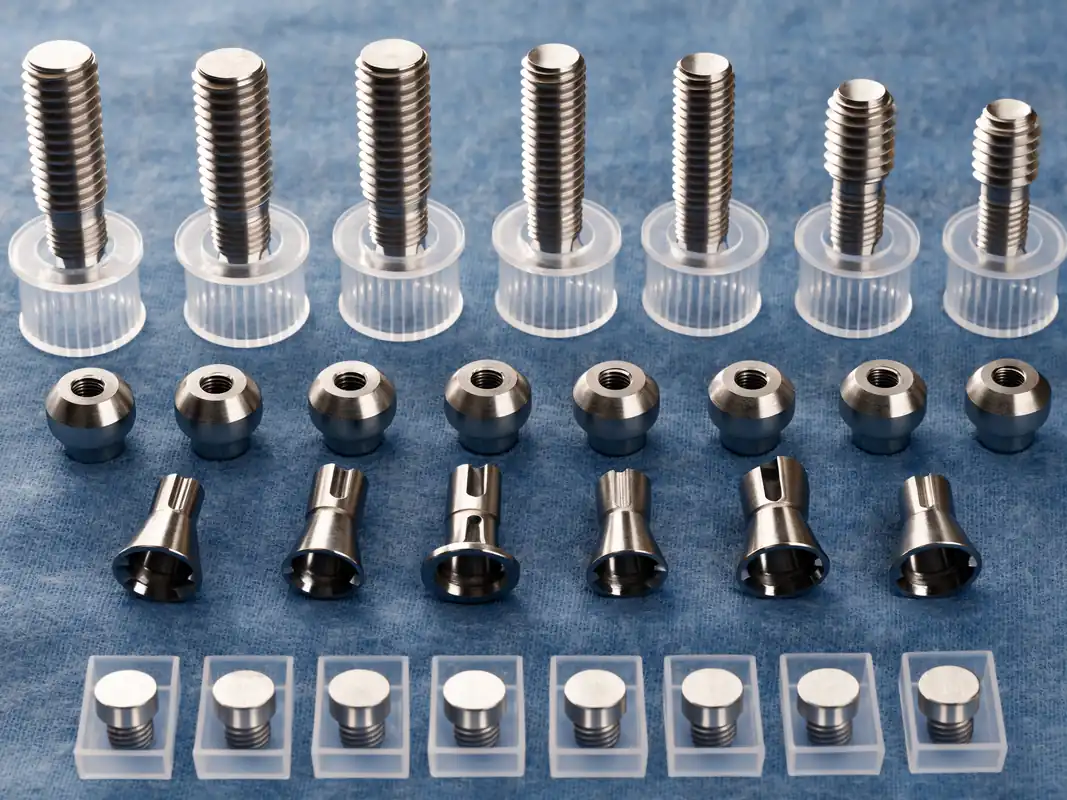
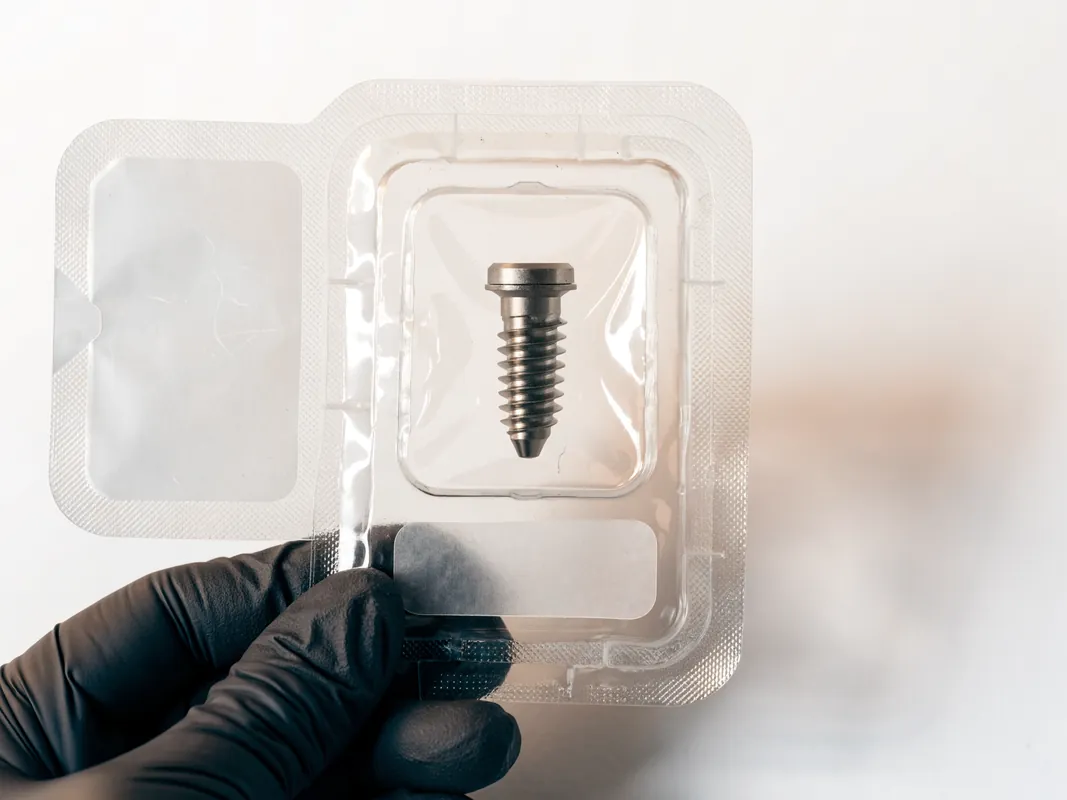
The patient should receive an implant passport or equivalent record. It should identify the implant manufacturer and system, model or reference, dimensions, site, batch or lot where applicable, placement date, responsible clinician, abutments and other critical components.
For a full-arch bridge, ask for the framework or restorative material category, laboratory identity, prescription, component references, torque or connection records where clinically relevant, and a map connecting each implant to the prosthesis. Ask whether original-system or compatible components are used and how that will be disclosed.
For sinus augmentation, request graft and membrane product identity, source category, manufacturer and lot or batch information where applicable. The operative note should record approach, site, material used, relevant events and changes from plan.
Traceability does not guarantee future availability or outcome. It gives a local clinician information needed for maintenance, repair, investigation and referral.
Keep a complete record set
A usable handover pack can include the diagnostic summary, tooth and arch chart, periodontal records, plan versions, consent, imaging and reports, clinical photographs where relevant, laboratory setup, operative notes, medicines, pathology information, implant passport, graft traceability, provisional design, loading instructions, complications, review findings and outstanding stages.
Ask when the records will be available, in what language, format and transfer method, and whether a fee applies. Preserve a copy outside a messaging platform. A scan screenshot and invoice are not sufficient.
The record should distinguish planned from completed care. If only the augmentation stage occurred, the pack must not imply that implants or a definitive bridge were delivered. If the implant distribution changed, update the chart.
Clear records protect continuity. They also allow an independent clinician to assess a complaint without relying on marketing descriptions.
UK local care and emergency handover
Arrange UK aftercare before travel. Ask a local dentist whether they are willing to provide routine maintenance or urgent assessment for treatment completed elsewhere, what records they need, and what work they cannot undertake. Do not assume a local practice will have compatible components or accept responsibility for another provider's plan.
The overseas plan should identify who remains responsible for surgical review, implant review, prosthetic adjustment and records. It should explain when a remote review is reasonable and when an in-person examination is required. Photographs can support triage but cannot rule out all complications.
The [GDC guide for patients considering dental care abroad](https://www.gdc-uk.org/docs/default-source/information-standards-and-guidance/going-abroad-for-dental-treatment/going-abroad-for-your-dental-cared3d463b7cee0446882bf877483299dd4.pdf?sfvrsn=c67e2b57_7) recommends asking about qualifications, aftercare, complaints and records. Use those questions before payment.
A local emergency plan should list urgent dental services, medical emergency routes, the overseas clinical contact and secure record-transfer method. It must work even when the coordinator is unavailable.
Accessibility, language and companion planning
Full-arch and augmentation care can be demanding for people with mobility, sensory, cognitive or communication needs. Ask whether the facility, imaging location, accommodation and transport are accessible for the patient's actual requirements. Obtain details, not generic accessible claims.
If a companion is needed, clarify where they may attend, what support they can provide, and what happens if the stay changes. If sedation is planned, follow the named provider's escort and supervision instructions.
Clinical consent requires comprehension. A coordinator who speaks conversational English may not be an appropriate interpreter for complex risk discussions. Ask for qualified language support when needed and ensure written documents are understandable.
The provisional prosthesis and hygiene plan should also account for dexterity, vision, gag reflex and ability to follow restrictions. Accessibility is part of clinical feasibility, not an optional travel extra.
Complaints and remedy need written terms
Before treatment, request the provider's complaint policy, record-access process, professional indemnity information where applicable, governing law and escalation route. Ask how a disagreement about diagnosis, surgical complication, graft issue, implant condition, prosthetic fit, breakage or maintenance will be assessed.
A warranty label does not explain remedy. Read exclusions, maintenance requirements, evidence standards, travel obligations, time limits and who decides whether the terms apply. Do not assume repeat surgery, replacement components, local treatment, flights or accommodation will be free.
Complications do not automatically prove negligence, and a dissatisfied patient is not automatically entitled to a particular clinical procedure. Independent assessment may be needed. The contract should not prevent the patient from seeking urgent local care or independent advice.
Keep all versions of the plan, quote, consent, invoices, records and communication. They may be essential if facts are disputed.
When a combined approach may be discussed
A combined full-arch and sinus pathway may enter the discussion when the diagnosis supports full-arch rehabilitation, posterior support has a clear restorative purpose, available anatomy cannot support the intended site without augmentation, alternatives have been compared, sinus and medical readiness are acceptable, clinician expertise matches complexity, a maintainable provisional strategy exists, and the patient accepts the staged uncertainty.
This is not a self-qualification checklist. Each point needs clinical interpretation. Even a well-planned simultaneous approach can change during surgery if anatomy, membrane condition or stability differs from expectations.
The patient-centred benefit should be explicit. If augmentation adds complexity without a meaningful restorative advantage, ask why it remains in the plan. If it materially improves the chosen prosthetic design, ask how that benefit and its alternatives were evaluated.
The written fallback should remain visible at every stage.
When staging may be preferred
Staging may be considered when primary stability at the intended posterior site is uncertain, augmentation is extensive, sinus health needs review, disease control is incomplete, medical liaison is pending, the prosthetic design is not final, or the patient needs time to evaluate adaptation and maintenance.
The staged plan should state what happens first, what is reassessed, what temporary prosthesis is used, and what could still prevent later implant placement. It should not imply that graft maturation guarantees the next stage.
Staging can create more travel and temporary-care burden. It can also create more information before loading or definitive restoration. The patient should compare those trade-offs rather than treating the shortest itinerary as the only goal.
If the plan changes from simultaneous to staged, the quotation and consent should be updated together.
When a sinus lift may not belong in the plan
A sinus augmentation may not be the preferred pathway when the posterior implant does not add enough restorative value, a different implant distribution is reasonable, a removable or tooth-supported option better matches the patient's priorities, sinus or medical concerns are unresolved, maintenance is unrealistic, or the patient does not accept the risk and travel burden.
It may also be premature when the tooth prognosis map is incomplete, the full-arch design has not been tested, the legal provider or clinicians are unclear, the imaging is inadequate, or the fallback and aftercare are missing.
Choosing not to augment does not automatically mean accepting no treatment. It means returning to the replacement alternatives and full-arch design. Another qualified opinion may produce a different reasonable plan.
No booked package should make an elective graft inevitable.
Red flags in a combined full-arch proposal
Pause and request evidence when:
- remaining teeth are scheduled for extraction without tooth-specific diagnoses;
- the legal treatment provider or responsible clinicians are unnamed;
- a coordinator declares sinus suitability from a screenshot;
- one bone-height number is treated as a universal indication;
- cross-sectional imaging is advertised as proof rather than interpreted evidence;
- full-arch design and sinus augmentation are not explained separately;
- no alternative to sinus augmentation is discussed;
- simultaneous placement, immediate loading and a fixed bridge are treated as the same promise;
- there is no written fallback for membrane events or inadequate stability;
- a graft brand is presented as proof of outcome;
- material source and traceability are withheld;
- a definitive bridge is tied to a flight date regardless of readiness;
- the quote hides provisional, abutment, laboratory or additional-stage costs;
- aftercare consists only of a messaging number;
- local UK maintenance has not been discussed;
- travel or hotel incentives create pressure to consent;
- complaint or record-access terms are unavailable before payment;
- a remedy is advertised without readable exclusions.
A single missing detail may be correctable. A pattern of missing ownership, evidence and contingency is a reason to obtain another assessment.
A practical verification workflow
Provider gate
Record the legal provider, facility, registered clinicians, laboratory and complaint route. Verify intended attendance and scope.
Diagnosis gate
Obtain the arch diagnosis, tooth-by-tooth prognosis, periodontal status, medical history and reasonable alternatives.
Prosthetic gate
Review the intended full-arch design, hygiene access, provisional strategy, posterior support objective and fallback bridge.
Sinus gate
Review sinus symptoms, imaging indication and report, intended site, augmentation approach, material plan, referral boundary and risks.
Sequence gate
Distinguish staged from simultaneous augmentation and implant placement. Distinguish implant placement from provisional restoration and loading.
Consent and quotation gate
Make the clinical plan, consent and itemised quotation use the same dated version. Mark contingent and excluded items.
Records gate
Confirm implant passport, graft traceability, operative notes, imaging, laboratory record and handover delivery.
Travel and aftercare gate
Confirm individual flight advice, insurance, UK local care, emergency escalation and schedule-change contingency.
Final verification checklist
Before accepting an All-on-4 with sinus lift proposal, answer:
- What is the arch-level diagnosis?
- Why is each remaining tooth preserved or removed?
- Who is the legal treatment provider?
- Who owns surgical, restorative, sinus and loading decisions?
- Are the clinicians and intended facility verified through current official sources?
- What full-arch design is proposed, and how can it be cleaned?
- What restorative purpose does the sinus-area implant serve?
- What clinical examination and imaging support the proposal?
- Who interpreted the cross-sectional imaging?
- Are sinus symptoms or findings referred when needed?
- What alternatives avoid or change augmentation?
- Why is the proposed approach preferred for this patient?
- Is augmentation simultaneous with implant placement or staged?
- What stability and site findings control that decision?
- Is loading separate from placement in the document?
- What provisional option exists in every branch?
- What evidence controls the definitive bridge stage?
- What graft and membrane materials may be used?
- Will product and batch traceability be provided?
- What are the material surgical and prosthetic risks?
- What medical or medication liaison is required?
- How are periodontal disease and hygiene readiness managed?
- Is the quotation itemised and version-matched?
- What changes if the plan is staged or a site is abandoned?
- Are travel costs and insurance separate?
- What individual flying advice will be provided?
- Who provides UK maintenance and urgent assessment?
- Will an implant passport and complete handover pack be released?
- What are the complaint, record and remedy routes?
- Can consent be reconsidered when the plan changes?
A careful answer may support simultaneous treatment, a staged augmentation, a different implant distribution, a removable solution, preservation of teeth or no implant treatment. The purpose of verification is not to make every pathway slow. It is to ensure that irreversible treatment follows a named diagnosis, responsible clinical ownership, a maintainable prosthetic design, transparent uncertainty and a handover that still works after travel.
For the general full-arch scope and maintenance questions, see the All-on-4 implant service guide. For graft recovery and aftercare questions outside this specific combination, use the dental implant bone-graft recovery guide. Neither page determines individual eligibility.