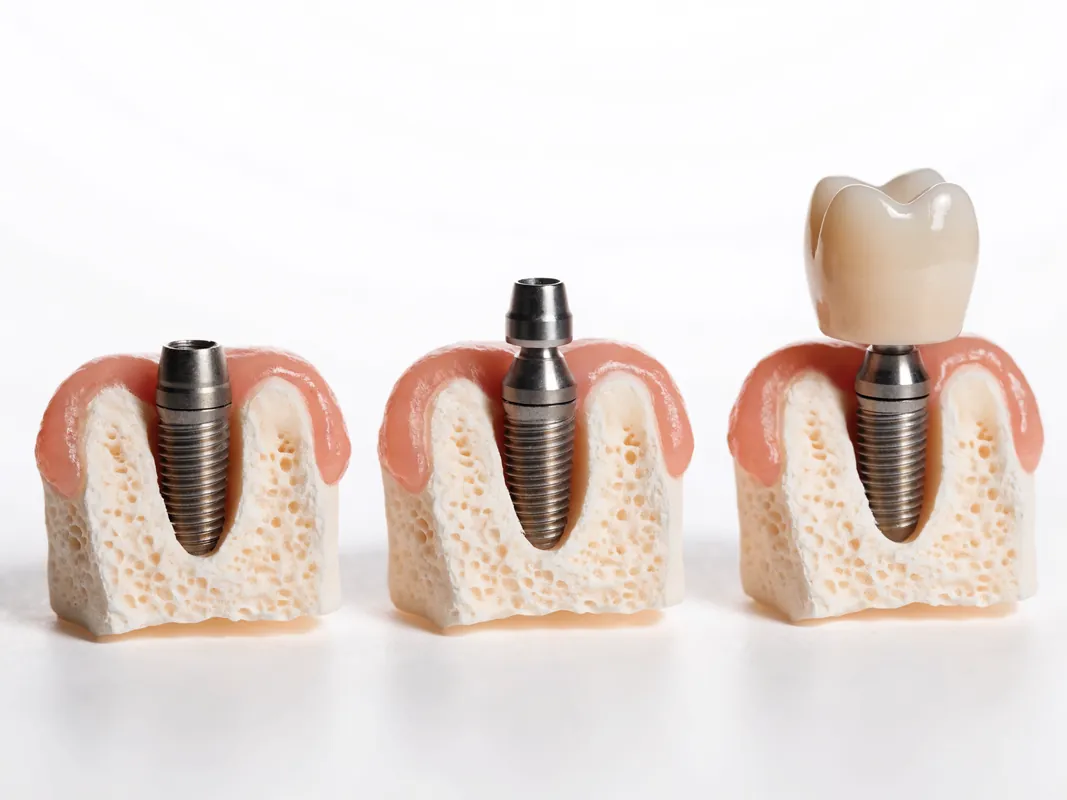
A clinic-and-hotel proposal is not self-verifying. Use this evidence-led worksheet to identify every provider, test the clinical and travel scope, and record what remains conditional.
Searching for an Antalya dental clinic with hotel usually means that treatment and travel decisions have become tangled together. A short proposal may show one total and one contact, yet that does not tell you who would diagnose and treat, who would contract for the room, who would operate a vehicle, who would hold health records, or who would owe a refund if one part changes. Convenience is possible, but convenience is not evidence.
This guide treats a clinic-and-hotel proposal as a set of claims to verify. It is not an offer and it does not rank Antalya providers. This article verifies no clinic, clinician, accreditation, hotel allocation, room, meal, companion place, transfer, availability, price, outcome, timetable, warranty or remedial promise. A proposal is evidence to audit, not proof that any service exists. The final clinical plan must remain conditional until an accountable clinician has obtained adequate records and completed the assessment required for the individual patient.
The method below is deliberately provider-neutral. It helps a patient turn a headline such as “clinic with hotel” into separate clinical, accommodation, transport, data, payment and aftercare records. It also explains what an official source can establish and what it cannot. A register may help confirm a legal name or authorisation status on the day checked; it cannot certify a marketing quotation, room availability, clinical suitability or an individual result.
If you are still comparing clinical providers, use the guide to choosing a dental clinic in Turkey. If implants are being discussed, review the dental implant service overview as general background, then require a patient-specific plan. For the journey itself, compare the proposal with the Antalya dental-trip transfer planning guide. Before committing to travel, build a local plan with the returning home after dental tourism guide.
Start With Separate Providers, Not One Package Label
The phrase “clinic with hotel” can describe several very different arrangements. The clinic might merely suggest a hotel. An intermediary might reserve a room in the patient’s name. A travel business might sell accommodation and transport under its own terms. The hotel might invoice the patient directly. A coordinator might pass messages without becoming responsible for either treatment or travel. A single payment link might collect money for more than one entity. None of those structures should be inferred from a logo, a chat thread or a combined total.
Create a role map before comparing prices. At minimum, identify the legal clinical facility, each treating clinician once assigned, the commercial intermediary if one is involved, the accommodation supplier, the transfer operator, the payment recipient and the data controller or controllers. One company may occupy more than one role, but that must be shown by its legal name, contract and invoice rather than assumed from a shared brand.
Keep these distinctions visible:
- The clinical provider is responsible for the dental assessment, consent, treatment and clinical records within the applicable legal framework.
- The clinician is the individual who makes or carries out clinical decisions within their lawful scope. A coordinator is not a substitute for that person.
- An intermediary may introduce, translate, schedule or collect information. Its obligations depend on the actual contract and law, not the job title used in marketing.
- The hotel supplies the room and any expressly booked hotel services under accommodation terms.
- The transport operator supplies the stated passenger journey under transport terms. It is not automatically a medical transport service.
- The payee receives money. Receipt of money does not, by itself, prove that the payee owes every service shown elsewhere.
- A data controller decides why and how personal information is processed. Different controllers may be responsible for clinical records, booking details and marketing data.
A useful proposal names each role on its face or in attached terms. If the same name appears everywhere, ask whether it is the registered company name or only a trading name. Record registration or tax identifiers where relevant, the service address, a durable contact method, the governing terms and the complaint route. If the proposal says “partner clinic,” “partner hotel” or “the assigned driver” without the legal entity, mark that item open rather than filling the gap yourself.
What “Proposal Verification” Means
Verification is not a binary badge. It is a chain connecting a statement to evidence and to the entity that made it. “Room arranged” is incomplete. A stronger record would identify the hotel, arrival and departure dates, room category, occupancy, meal basis, accessibility requests, booking reference, price, cancellation terms, payer and the party responsible for a substitution. Even then, the record proves only the reservation state described at the time; it does not prove future availability or suitability.
Use four status labels throughout this guide:
- Verified for identity: the legal name or registration detail matched a current official source on a recorded date.
- Written and supplier-confirmed: the responsible supplier issued or directly confirmed the specific service detail.
- Conditional: the item depends on a future clinical finding, supplier confirmation or patient choice, with a clear decision process.
- Open: evidence is missing, contradictory, expired or supplied only as an unsupported marketing statement.
Do not use “verified” to mean that everything about a provider is safe or suitable. A registry match is narrow evidence. A room confirmation is narrow evidence. A clinician’s assessment is clinical evidence for that patient, but it is not a guarantee. Keeping the evidence boundary visible prevents one true fact from being stretched into a broader claim.
Preserve the Original Proposal Before Asking Questions
Save the document or export the message thread before it changes. Record the date, version, sender, legal name shown, currency, total, scope, expiry and every linked term. Save screenshots of web claims with the page address and date, but request durable documents for anything that affects payment or care. A disappearing message or edited page is difficult to compare later.
Give the proposal a version identifier of your own, such as the date received plus a sequence number. When an answer changes the scope, ask for a revised version rather than accepting scattered corrections across messages. Keep both versions. The comparison should show what was added, removed, substituted or made conditional and how the total changed. Change control must work downward as well as upward: if a clinical item becomes unnecessary, the revised quote should state the deduction or other agreed treatment of that line.
Do not send a deposit merely to “hold everything” while basic identities remain open. A deadline may be genuine, but it does not replace evidence. Ask what expires, which supplier controls the deadline, what is actually reserved, whether payment is refundable, and which document becomes binding when payment is made.
Verify the Legal Clinical Facility
Start with the exact facility that would provide treatment, not the website owner or coordinator. Ask for the legal facility name in Turkish, any trading name, full address, facility type and current international-health-tourism authorisation details if that authorisation is claimed or required for the arrangement. Match spelling, location and status to the relevant official source. Save the result and date because lists change.
The Türkiye Ministry of Health publishes lists of healthcare providers authorised for international health tourism. HealthTürkiye also provides a facility list. The Turkish Dental Association provides a dentist-search facility. Each source answers a different question; a facility result does not identify the treating dentist, and a dentist result does not prove a particular facility, proposed procedure, appointment or outcome.
Ask the clinical provider to resolve any mismatch in writing. Common reasons may include a trading name, a recent name change, a different branch or a separate legal facility. Do not decide which explanation is correct without documentary support. If the address on the proposal differs from the official listing, ask where the examination and procedure would occur and under whose facility record.
Do not use a provider’s accreditation logo as a shortcut. This article makes no provider accreditation claim. If any certificate is material to the decision, request the holder’s exact legal name, issuer, certificate number, scope, site, issue and expiry information and a public verification route. Even a genuine certificate has a defined scope; it does not prove the quality or suitability of an individual dental plan.
The official sources are starting points, not endorsements. They may update on different schedules, contain transliteration differences or offer limited public fields. A listing observed today cannot prove that an appointment will happen later. If status is unclear, ask the issuing authority or obtain qualified local advice rather than treating absence or presence as a complete safety verdict.
Identify the Treating Clinician and Decision Rights
A proposal should distinguish the person who reviewed remote material from the person expected to examine, diagnose, consent and treat. Ask for the proposed clinician’s full name, professional registration details, role in each stage and the facility where the work would occur. If assignment will happen later, the proposal should say so. “Clinical team” is not enough for an irreversible decision.
Remote photographs, scans or radiographs can support preliminary discussion, but the provider should state what was reviewed, by whom, when, with what limitations and what still requires in-person assessment. Ask who can alter the plan after examination, who will explain alternatives, who will obtain consent and whether the patient can pause or decline if the scope changes. The coordinator may translate logistics, but clinical questions should reach the accountable clinician and the answer should enter the clinical record.
Ask whether different clinicians would handle examination, surgery, restorative care, hygiene or review. Multiple clinicians are not inherently a problem; invisible handoffs are. Record responsibility at each stage, how information transfers between them and who owns the final integrated plan. If a laboratory is involved, identify the legal laboratory and prescribed work without treating the technician as the clinical decision-maker.
Professional registration is one part of due diligence. It does not show experience with the patient’s exact condition or prove suitability. Ask case-specific questions about alternatives, material choices, risks, maintenance, escalation and follow-up. An independent dentist at home can help test whether the proposed scope is coherent, especially when extraction of restorable teeth or extensive reconstruction is proposed.
Keep the Clinical Plan Conditional Until Examination
A travel-friendly timetable can become persuasive before the clinical basis exists. Reverse that order. First define the diagnostic questions, treatment alternatives and decision points. Then ask what attendance those decisions may require. Flights and hotel dates should not force a clinician to preserve a marketing schedule.
The preliminary plan should identify the records used and missing: medical and dental history, current medicines, allergies, symptoms, examination findings, periodontal status, imaging, photographs, previous treatment and any specialist input relevant to the proposed care. Not every record is necessary for every patient, and imaging should be justified rather than ordered as a package ritual. The accountable clinician decides what is clinically required.
For every proposed intervention, request the diagnosis or objective it addresses, reasonable alternatives including no treatment or delayed treatment where relevant, material risks, expected limitations, maintenance needs and consequences if the expected finding is absent. If implants, grafting, endodontics, extractions, crowns, veneers, sedation or laboratory stages are mentioned, each needs its own scope and contingency rather than a blanket label.
Turn uncertainty into branches. A conditional branch should state:
- the finding that activates it;
- who makes the decision and when;
- what evidence will be shown to the patient;
- alternatives and the right to decline;
- effect on treatment scope, timing and travel;
- price or pricing method;
- effect on hotel, transport and cancellation terms;
- how consent and the revised quote will be recorded.
Avoid an open-ended phrase such as “anything needed is covered” or “extras may apply.” The first can conceal exclusions; the second can conceal uncontrolled cost. A preliminary proposal cannot eliminate clinical uncertainty, but it can define how foreseeable uncertainty will be handled.

Build Two Ledgers: Clinical and Travel
Do not compare one combined total until its components have been separated. Use a clinical ledger for health care and a travel ledger for accommodation, transport and other non-clinical services. A third ledger can capture personal costs such as flights, insurance, food not booked, local care, time away from work and a contingency reserve. The personal total is not the same as the provider’s quote.
The clinical ledger should state, where relevant to the actual plan:
- initial and in-person assessment;
- named examinations and justified imaging;
- diagnosis and written treatment options;
- each tooth, site, arch or procedure in scope;
- provisional and definitive stages;
- laboratory design, manufacture and material records;
- device, component, batch or lot records when applicable;
- anaesthesia or sedation assessment and separately responsible provider if relevant;
- prescriptions and medicines, including who prescribes and what is excluded;
- reviews before departure and their decision criteria;
- records supplied to the patient and local dentist;
- foreseeable conditional branches;
- clinical exclusions, maintenance and local aftercare boundaries;
- complaint, revision and remedial terms without assuming any remedy.
The travel ledger should state:
- exact hotel and booking supplier;
- arrival and departure dates;
- room type, occupancy and bedding;
- meal basis and any confirmed dietary request;
- accessibility facts and assistance requests;
- companion and child terms;
- every transport leg, operator and passenger scope;
- luggage, mobility equipment and child-restraint arrangements;
- waiting, delay, cancellation and missed-service rules;
- taxes, deposits, resort charges or incidentals;
- substitution rights and the patient’s choices;
- travel-service complaint route;
- items expressly excluded.
If one line says “hotel and transfer,” return it for detail. A total cannot be evaluated when the unit of service is undefined. If an item has no separate price because it is presented at no additional charge, it still needs a supplier, scope, conditions, value for refund or change purposes where applicable, and an explanation of what happens if the patient does not use it.
Separate the Clinical Provider From Travel and Hotel Providers
The contract structure matters when something changes. Ask whether the clinic acts only as an introducer, as a booking agent, as a principal supplying travel services, or in another stated capacity. Ask the hotel and transport provider who holds the actual reservation. Compare that answer with the proposal, invoice and payment recipient.
For a UK consumer, the Package Travel and Linked Travel Arrangements Regulations may be relevant to some combinations of travel services sold in particular ways. Application depends on facts such as the services combined, how and when they were selected, how they were advertised or priced, the traders involved and the contracts concluded. A marketing use of the word “package” neither creates nor removes statutory rights. Official business guidance itself says it is guidance, not legal advice, and that interpretation ultimately belongs to the courts. Obtain independent advice for the actual arrangement rather than copying a legal conclusion from a generic article.
Dental treatment and a hotel stay should also remain operationally separable even when one contact coordinates them. A clinical complication may require a date change; a hotel cancellation should not alter clinical consent; a room dispute should not be handled as a dental complaint; and an unsuccessful payment to a travel supplier should not be hidden inside a clinical balance. The contracts should explain how one change affects the others.
Ask whether a travel agency is involved and, if so, verify its legal identity through the appropriate Turkish tourism authority or other relevant registry. The Türkiye Ministry of Culture and Tourism maintains public tourism-business resources, including accommodation and travel-agency searches. A registry result may support identity or classification only. It does not prove that a particular booking exists, that the proposed terms are fair, or that the business is responsible for the clinical service.
Verify a Named Hotel, Not a Category
A hotel category or neighbourhood is not a reservation. Require the property’s current name, legal or operating entity where available, street address, official contact details and direct booking reference. Search the Ministry of Culture and Tourism accommodation resources for the named property and record the result. Then contact the hotel through a channel obtained independently of the proposal to confirm the booking facts the hotel is permitted to disclose.
The written room specification should cover:
- exact property and address;
- check-in and check-out dates;
- room category and location if material;
- sole or shared occupancy;
- bed configuration;
- companion names and occupancy rights;
- child occupancy and bedding if relevant;
- meal basis;
- accessibility features actually confirmed;
- taxes, deposits and incidental charges;
- booking reference and status;
- cancellation, amendment and no-show terms;
- early arrival or late departure status;
- who may authorise a substitution;
- the patient’s rights if the replacement is unsuitable.
Do not accept “or similar” without a substitution standard. Ask who decides similarity, which features must remain equal, when the patient is told, whether the patient may reject the replacement, who pays any difference and how a refund is calculated. Location can matter because clinic journeys, airport journeys, walking routes and access to local care differ. The proposal should not convert a broad area name into a promised journey time.
Hotel classification is not clinical evidence. It does not prove quiet, cleanliness on a future date, a suitable mattress, recovery support, dietary suitability, accessibility or proximity to the treating facility. Those are separate facts. Reviews may help identify questions but are not a substitute for a booking confirmation or accessibility measurements.
Specify Room Access and Accessibility
“Accessible room” is too broad for planning. State the traveller’s functional requirements without disclosing more health information than necessary to the travel supplier. Ask for measurable or observable facts: step-free route from entrance to room, lift dimensions, doorway width, bathroom layout, shower access, grab rails, bed height, turning space, seating, refrigeration needs, proximity to lift, evacuation assistance and storage for mobility equipment. Only request features relevant to the traveller.
Ask the hotel to confirm those features against the exact room, not the property in general. A building may have an accessible entrance but no suitable route to the assigned room. A room label on a booking platform may not capture the measurements a traveller needs. If the answer is important, request written confirmation and identify who gave it.
Transport accessibility needs its own record. State whether the traveller can transfer into a standard passenger vehicle, whether a wheelchair or other mobility aid travels, its dimensions and weight, whether lifting or securement is required, and whether a companion assists. Do not assume the same vehicle serves every leg. A transfer operator should confirm capacity and method for the named booking.
Clinical accessibility is separate again. Ask the facility about entry, internal circulation, dental-chair transfer, accessible toilet, communication support and any support person policy. A hotel answer cannot establish clinic access, and a coordinator’s reassurance cannot replace confirmation from the responsible facility.
Name the Meal Basis and Its Limits
The proposal should state whether the room is booked without meals or with a particular meal basis. If a meal is stated, record which meals, for which occupants, on which dates, where served, the service windows, and whether drinks, room service or special requests cost extra. Avoid translating “breakfast available” into “breakfast paid.”
A hotel’s willingness to receive a food-texture or allergy request is not proof that it can meet a clinical diet. Ask the treating clinician for individual post-treatment instructions and ask the hotel separately what it can prepare, how cross-contact is managed and whether confirmation is guaranteed or merely requested. If the requirement is medically important, build an alternative rather than relying on a general buffet description.
Companion meals must be explicit. A room may allow another occupant while the quoted meal basis applies only to one person. Ask about children, additional beds and visitor policies separately. Keep restaurant recommendations outside the contracted scope unless a supplier accepts responsibility in writing.
Define the Companion’s Place
“Companion welcome” does not answer who pays or what they receive. The proposal should identify whether the companion shares the room, has a named bed, receives the same meal basis, may use each transfer, can attend the facility, may enter consultations with patient consent and is covered by the cancellation terms. Ask whether the companion’s passport details are required by the hotel and who receives them.
Do not let a companion become an informal interpreter for clinical consent unless the patient freely chooses that arrangement and the clinician considers communication adequate. Ask whether professional language support is available, who provides it, whether it covers clinical discussions or only logistics, and how accuracy or confidentiality is handled. The patient should be able to speak privately with the clinician.
If the companion is also a carer, document necessary assistance at the hotel, during transport and at the facility. The proposal should not assume that hotel staff or a driver will provide personal or clinical care. Clarify emergency boundaries and an alternative if the companion becomes unavailable.
Itemise Every Transfer Leg
“Airport and clinic transfers” is not a route plan. List each proposed leg with date, pickup location, destination, passenger names, luggage, mobility needs, flight or appointment reference where appropriate, pickup method, contact route, waiting rule, delay rule and responsible operator. Distinguish airport-to-hotel, hotel-to-facility, facility-to-hotel, inter-facility and return-to-airport legs. Do not infer a return leg from an arrival line.
Ask for the transport operator’s legal name and the capacity in which any intermediary books it. Verify a travel agency or transport business through the appropriate official source where a public register applies. Record vehicle type by capacity and accessibility requirement rather than accepting a prestige brand as evidence of service. A vehicle description can change; the essential passenger, luggage and access requirements should remain binding.
Define what happens after a flight delay, baggage delay, missed connection, appointment overrun or treatment-related date change. Who monitors the flight, how is a revised pickup agreed, what waiting or cancellation charge can arise, and who must be contacted? Avoid “always available” language. Ask for actual operating hours, escalation channels and the limits of assistance.
A routine passenger transfer is not an ambulance, clinical observation or emergency response. Ask the clinician what travel mode is suitable after the proposed treatment and what should happen if the patient becomes unwell. The driver should not be treated as an aftercare professional. Emergency medical needs require the appropriate local service.
Audit Privacy Before Sending Records
Dental images, radiographs, medical history, medicines, passport details, travel dates and payment records can be sensitive or enable identity misuse. Before sending them, ask who is collecting the data, which legal entity is the controller, the purpose and lawful basis, required and optional fields, recipients, processing location, international transfers, retention period, security method and how the patient can exercise access, correction, restriction, objection or deletion rights where applicable.
Türkiye’s Personal Data Protection Authority explains that health data is a special category of personal data and publishes information about controller duties and data-subject rights. Use the current official material for the specific processing, because the legal conditions and cross-border mechanisms can change. This guide does not decide the lawful basis for a provider or intermediary.
A familiar messaging channel is not automatically the provider’s approved clinical-record system. Ask whether the channel is authorised, whether end devices or cloud backups create extra recipients, how the information enters the clinical record and how misdirected files are handled. Use the minimum necessary information. A travel coordinator may need flight details but not the full dental history; a hotel may need identity and access requirements but not a radiograph.
Ask for a privacy notice before sending a passport copy or health record. Verify that the legal name and contact details match the entity requesting the information. Watermark a copy where appropriate and lawful, avoid unnecessary pages, and use a secure method offered by the verified recipient. If a companion communicates on the patient’s behalf, record the patient’s authority and its limits.
Consent to treatment, consent to share data for coordination and consent to marketing are different decisions. They should not be bundled into one vague checkbox. Ask how consent can be withdrawn and what processing must continue for legal or clinical-record obligations. Do not ask a hotel to erase information that it must lawfully retain; ask the relevant controller to explain the rule.

Separate Payment, Currency and Payees
Every payment line should identify the service, legal payee, invoice issuer, amount, currency, due date, payment route and refund or adjustment rule. If an intermediary collects money for another entity, request the contractual authority and a receipt that allocates the payment. An unexplained personal account, a payee unrelated to the contract or a last-minute account change is a reason to stop and verify through an independently sourced contact.
The quote should state whether the billed amount is fixed in one currency or only displayed as an estimate in another. Record the exchange-rate source and time, card or bank conversion method, fees, and which currency governs a refund. A refund of the same nominal foreign-currency amount may not reproduce the home-currency amount after rate movement and fees. This guide makes no exchange-rate forecast.
Separate the clinical deposit from any hotel or transport payment. Ask what each deposit secures, when it becomes non-refundable, which documented costs may be withheld, and whether a balance is due before or after the in-person plan is accepted. If the final clinical scope is smaller, larger or declined, the adjustment method should already exist.
Payment by card does not guarantee recovery. Any card, bank or payment-service protection depends on the parties, transaction structure, jurisdiction, provider terms, evidence and dispute. Check the current terms with the issuer or payment provider and obtain independent advice. A payment firm’s appearance on a financial register does not verify the dental or travel service.
Write Cancellation and Change Rules as Scenarios
A single sentence saying “deposit non-refundable” or “free cancellation” is not enough. Ask the proposal to address foreseeable scenarios and to allocate each consequence to the relevant supplier. The answer may differ across treatment, hotel and transport.
Test at least these events:
- the patient cancels before a clinician reviews records;
- the clinician says the proposed treatment is unsuitable after examination;
- the patient declines a materially revised plan;
- the provider changes the clinician or facility;
- the hotel changes the confirmed property or room;
- the transport operator cannot perform a leg;
- a flight disruption changes arrival or departure;
- treatment progression requires a longer or later stay;
- illness prevents travel;
- the provider cancels an appointment;
- the patient needs urgent local care rather than travel;
- one supplier fails while the others remain available.
For each scenario, record notice method, deadline, evidence required, amount returned or retained, calculation method, processing route, timing, currency, fees and complaint path. Ask whether the patient may move dates rather than cancel and whether a change creates a new price. Do not assume a hotel’s terms follow the clinic’s terms.
Travel insurance also needs source-matched verification. Tell the insurer about planned treatment and ask in writing about treatment-related cancellation, complications, additional accommodation, altered flights, companion costs and exclusions. A generic travel policy may not respond as the patient expects. Keep the policy and the insurer’s answer with the proposal worksheet.
Map Complaints to the Responsible Entity
One contact may coordinate communication, but complaints should reach the entity responsible for the disputed service. Obtain each process before payment, including language, submission method, evidence, response stages, deadlines and external escalation routes.
Build a complaint map:
- clinical diagnosis, consent, treatment or records: the legal clinical provider and any applicable health or professional route;
- individual professional conduct: the relevant professional or regulatory route;
- hotel room or hotel charge: the accommodation supplier and applicable tourism or consumer route;
- passenger journey: the transport supplier and applicable travel route;
- intermediary representation or booking conduct: the intermediary and applicable commercial route;
- payment processing: the merchant, bank or payment provider under its current rules;
- personal-data handling: the responsible controller and applicable data-protection route;
- insurance decision: the insurer and its complaint or external review process.
The Türkiye Ministry of Health patient-rights portal is an official starting point for health-service rights information. The Turkish Dental Association and health-tourism authorities provide separate public resources. None of those links decides an individual dispute. Jurisdiction, provider type, event and requested remedy matter, and time limits can apply. Obtain qualified advice when needed.
Keep the proposal, contracts, invoices, receipts, clinical records, consent forms, booking confirmations, supplier messages, photographs and an event chronology. Describe what happened and the remedy requested without altering original evidence. An emergency is not a complaint-handling exercise: seek appropriate urgent care first, then preserve records.
Agree Local Aftercare Before Travel
Do not treat the return flight as the end of the care plan. Ask a dentist near home, before booking, whether they are willing to assess the proposed treatment, provide routine maintenance or help if a problem occurs. They may need particular records, may charge separately, may be unfamiliar with a device or may decline to take responsibility. A clinic abroad cannot promise the participation of an independent local dentist.
The overseas provider should state which follow-up it expects, which elements can be remote, what requires examination, who reviews information, how quickly urgent concerns should be assessed clinically, and what the patient should do if the provider cannot be reached. Avoid treating a message response as a diagnosis. Define local emergency options independently.
Price the local plan. Include pre-travel examination or second opinion, post-travel review, hygiene, imaging if clinically justified, maintenance, replacement consumables, time away from work and possible travel. These are personal budget lines unless a written contract assigns them elsewhere. Do not subtract hoped-for insurance or public funding without written confirmation.
The NHS treatment-abroad checklist advises patients to consider aftercare, possible complications, record transfer, exchange-rate effects, extended stays and return trips. It is general guidance, not a promise that the NHS or a UK dentist will fund, maintain or correct private treatment obtained abroad.
Request a Complete Record Set
Agree the format, language, delivery method and timing for records before treatment. Ask the home dentist what they would need. Depending on the actual care, the record set may include:
- provider and treating-clinician identities;
- medical and dental history supplied;
- examination and diagnostic findings;
- treatment options and consent discussions;
- original and revised treatment plans;
- itemised invoices and receipts;
- radiographs, scans and clinical photographs in usable formats;
- procedure notes with tooth or site identification;
- anaesthetic, sedation or medicine records where relevant;
- prescriptions and post-treatment instructions;
- material, device, component, batch or lot records where applicable;
- laboratory prescription and restoration information;
- complication, review and adjustment notes;
- maintenance requirements;
- complaint and urgent-contact routes;
- authorised record-transfer details.
Do not accept a photo of a summary as the only record if the local dentist needs original diagnostic files. Ask how image files can be exported, whether a viewer is required and how authenticity or patient identity is preserved. A translation may help communication, but retain the original-language record as well.
Check the set before leaving where practical. Missing identifiers and device details can be harder to recover later. If records are promised after departure, name the responsible person and secure delivery route, but do not treat the promise as completed delivery.
The Antalya Clinic-and-Hotel Proposal Worksheet
Copy this worksheet into a document or spreadsheet. Use one row per claim. Never merge contradictory answers; attach the evidence and explain the conflict.
| Area | Exact question | Evidence to attach | Status |
|---|---|---|---|
| Clinical facility | What is the legal facility name, address and current authority relevant to international patients? | Dated official-source result plus provider document | Open until matched |
| Treating clinician | Who would examine, diagnose, consent and perform each stage? | Registration result and written assignment | Conditional if unassigned |
| Remote review | What records were reviewed, by whom, and what cannot be decided remotely? | Signed or attributable preliminary note | Conditional |
| Clinical scope | Which tooth, site, material and stage is proposed, and what alternatives remain? | Itemised plan and consent discussion | Open until clinical review |
| Change trigger | Which finding can alter scope, price or dates? | Written branch and decision process | Conditional |
| Hotel | What exact property and legal booking supplier are proposed? | Direct confirmation and official-source check | Open until confirmed |
| Room | What room, occupancy, bed, dates and access features apply? | Supplier booking confirmation | Open until confirmed |
| Meals | Which occupants receive which meals on which dates? | Hotel confirmation | Open until confirmed |
| Companion | Which room, meals, journeys and facility access apply? | Itemised companion terms | Open until confirmed |
| Transfer | Who operates each named leg for which passengers and luggage? | Operator confirmation and route sheet | Open until confirmed |
| Privacy | Who controls each data type, for what purpose and with which recipients? | Current privacy notice and secure route | Open until supplied |
| Payment | Which legal entity receives each amount in which currency? | Contract, invoice and verified account | Open until matched |
| Cancellation | What happens in each clinical and travel change scenario? | Supplier-specific terms | Open until accepted |
| Complaints | Where does each clinical, hotel, transport, data or payment complaint go? | Procedures and external routes | Open until supplied |
| Aftercare | Who can assess the patient locally and what records are required? | Local dentist discussion and written overseas plan | Open until arranged |
| Records | Which originals and exports will the patient receive, and when? | Record schedule | Open until delivered |
Add columns for document date, issuer, expiry, version, independent verification route, discrepancy, owner and next action. “Confirmed in chat” is not a final status when the supplier’s own confirmation is obtainable. “Not applicable” should include a reason and the person who made that determination.
Compare Proposals by Equivalent Scope
Two totals are comparable only after the ledgers describe equivalent services and uncertainty. One proposal may name the hotel but exclude a companion. Another may show a lower clinical total while leaving provisional care, laboratory work or local review open. A third may combine travel and treatment under one payee without explaining the contracts. The headline difference is meaningless until those gaps are normalised.
Create a comparison column for each proposal and a neutral reference column describing the patient’s required scope. For each row, enter included, excluded, conditional, optional, unknown or not applicable. Attach the quoted amount or method only after the category is clear. Do not score a vague “included” line as better than an explicit exclusion; the explicit proposal may simply be more honest.
Compare responsibility as well as content. A supplier-confirmed hotel reservation is different from an intermediary intention to request a room. A named clinician’s preliminary view is different from sales copy. A written cancellation method is different from “we will help.” A local dentist who has agreed to review records is different from an assumption that someone will be available after return.
The decision does not need a numerical score. A stoplight can be more useful: green for identity matched and supplier-confirmed scope, amber for a defined clinical or supplier condition, red for contradiction or unacceptable term, and grey for missing evidence. A proposal with a low total and many grey cells is not yet cheap or expensive; it is incomplete.

Red Flags That Require a Pause
Pause before paying or travelling when any of these remain unresolved:
- the legal clinical facility is unnamed or does not match the address;
- the treating clinician cannot be identified before an irreversible decision;
- a final plan is presented from inadequate remote material with no in-person change process;
- the proposal pressures extraction or extensive work without explaining alternatives;
- clinical and travel totals share one unexplained payee;
- the hotel is unnamed, described only by category or replaceable by “similar” accommodation;
- room occupancy, companion terms, meals or accessibility are assumed rather than confirmed;
- transport legs or the operator are missing;
- prestige vehicle language replaces passenger, luggage and access specifications;
- a coordinator answers clinical questions without an accountable clinician;
- health records or passport data are requested without a matching legal identity and privacy notice;
- account details change through an unverified message;
- currency and refund calculations are absent;
- cancellation terms ignore clinical unsuitability or a material plan change;
- a warranty slogan omits the legal obligor, covered event, exclusions, evidence and remedy;
- local aftercare is assumed rather than discussed with a local dentist;
- records are promised vaguely with no format or delivery plan;
- hotel classification, tourism authorisation or a certificate is used as proof of an outcome;
- complaint routes stop at the salesperson;
- a fixed itinerary takes priority over examination findings.
A red flag does not always prove misconduct. It shows that the evidence is not ready for reliance. Ask for correction, obtain independent advice or decline. The cost of pausing is usually easier to understand than the cost of proceeding with an unidentified provider or undefined scope.
Worked Scenario: The Hotel Is Named but the Room Is Not
Suppose a proposal identifies a real Antalya hotel and the property appears in an official accommodation search. That establishes a narrow identity match. It does not establish a booking, room, dates, occupancy, meals, accessibility or cancellation rights.
The patient requests a supplier confirmation. The hotel confirms a reservation request but says room assignment is pending. The worksheet should show hotel identity as verified, reservation state as conditional and room facts as open. If a deposit is due, the patient asks which entity holds it and what happens if the required room cannot be supplied. No one should turn the official listing into proof of an accessible room.
If the proposal also says a companion stays “with the patient,” the patient asks whether the booking has two occupants, the bed configuration, companion meal basis and transfer passenger count. Until answered, the companion scope remains open even though the hotel itself is named.
Worked Scenario: The Clinical Plan Changes After Examination
Suppose a remote proposal lists several restorations and a hotel date range. After examination, the clinician recommends a smaller scope or a different sequence. A sound change process produces a revised diagnosis, alternatives, consent discussion, itemised plan, price adjustment and travel impact. The patient has time to decide without the hotel booking forcing acceptance.
If the patient declines the revised plan, the cancellation matrix should show how the clinical deposit, completed assessment, unused hotel nights and unperformed transfers are handled by their respective suppliers. A single “non-refundable” label cannot explain all of those positions. If the arrangement falls within specific consumer law, independent advice may be needed; this guide cannot classify it from the headline alone.
The original and revised clinical records should both be retained. A lower final scope should not disappear into the original total. The provider should explain what was not performed and how the balance changed.
Worked Scenario: A Flight Disruption Affects the First Appointment
Suppose the arrival flight changes and the patient may miss a planned assessment. The route sheet should identify whom to contact, the transfer waiting rule, the hotel’s arrival procedure and the clinical provider’s rescheduling terms. Each supplier answers its own part.
The patient should not assume that a driver will wait indefinitely, that a room remains available after a no-show or that the clinical timetable can compress safely. The clinician should decide whether the remaining attendance allows appropriate assessment and care. If not, the plan and travel booking may need revision.
This scenario belongs in the cancellation matrix before payment because it exposes dependencies. It also helps the insurer answer a concrete question rather than a vague request for “dental travel cover.”
Worked Scenario: The Coordinator Requests Full Records
Suppose a coordinator asks for a radiograph, medical history, passport and flight booking in one message. The patient first asks which legal entities need each item. The clinical provider may need dental and medical information through its approved secure route. The hotel may need identification for registration. The transfer operator may need passenger and flight details. Those purposes do not justify sharing the full bundle with every recipient.
The patient requests privacy notices, verifies the recipients and sends only the minimum data through the appropriate routes. Authority for the coordinator to relay information is documented. Marketing consent is left separate. The worksheet records controller, purpose, recipient, retention and transfer information for each data group.
This does not determine the legal basis; it creates the questions and evidence needed for the responsible entities to explain their compliance.
Frequently Asked Questions
1. Does “Antalya dental clinic with hotel” mean one company is responsible for everything?
No. The phrase describes a marketing idea, not a legal structure. Treatment, accommodation, transport, coordination, payment and data processing may involve different entities and contracts. Ask for the legal name and role of each one. If one company claims responsibility for several services, ask where that obligation appears in the contract and invoice. A single contact or total does not establish a single obligor. Map complaints, cancellation and refunds to the entity responsible for each service.
2. How do I verify the legal dental facility in Antalya?
Request the exact legal facility name in Turkish, address, facility type and relevant authorisation details. Compare those fields with the Türkiye Ministry of Health international-health-tourism provider lists and other current official resources. Save the dated result. Resolve differences in spelling, branch or address with documents rather than guessing. A registry result supports identity or status only; it does not verify the quotation, assigned clinician, treatment plan, appointment or outcome.
3. Does international-health-tourism authorisation prove clinical quality?
No. It answers a narrower regulatory-status question within its current scope. It does not prove that a proposed treatment is necessary, that a clinician is suitable for the individual case, that materials match the quote or that an outcome will occur. Verify the facility and clinicians, then evaluate diagnosis, alternatives, consent, records, risks and aftercare separately. Recheck status close to the decision because official lists can change.
4. How should I identify the treating dentist?
Ask for the full name, professional registration details, role, facility and proposed stage of involvement. Verify the professional through the relevant official search and ask whether the assignment is final or conditional. If several clinicians participate, map who examines, diagnoses, consents, performs and reviews. Registration is necessary evidence where applicable, but it does not prove experience with the exact case or guarantee a result.
5. Can a treatment plan be final from photographs or one radiograph?
Do not assume it can. Remote material may support a preliminary discussion, but the accountable clinician should state what was reviewed, what cannot be assessed remotely and what examination or records are still required. A patient-specific final plan should follow an adequate assessment. Ask how a new finding changes scope, consent, price and travel. Avoid non-changeable bookings based solely on a generic remote timetable.
6. What if the plan changes after I arrive?
Use the written change process. Request the new finding, revised diagnosis, alternatives, risks, affected sites, clinical recommendation, price change and travel effect. Ask for time to decide and preserve both versions. The patient should be able to decline a material change, subject to paying for properly agreed services already supplied. Cancellation and refund consequences depend on the actual contracts, so agree the scenario before travel.
7. Is legal package-travel protection automatic when a clinic mentions a hotel?
No automatic conclusion is safe. UK rules can apply to certain combinations of travel services sold in defined ways, but classification depends on the facts, traders, timing, presentation, selection and contracts. Other jurisdictions may differ. A label does not decide coverage. Read the current legislation and official guidance, give an adviser the actual documents and obtain legal advice if the protection matters to the decision.
8. Should clinical and travel invoices be separate?
They should at least be transparent enough to show each service, responsible entity, payee, currency and change rule. Separate invoices can make the structure clearer, but the correct format depends on the genuine arrangement. If one invoice covers multiple suppliers, ask for the contractual basis and allocation. Never assume that paying one account makes that recipient clinically and financially responsible for every line.
9. Why should the hotel be named before I pay?
Without a name, you cannot verify identity, location, booking, room, access, terms or supplier responsibility. A neighbourhood or category cannot show the journey to the facility or whether the room fits the traveller. Ask for the exact property, address, dates, room specification, occupancy, booking reference, price and terms. If the property is not yet selected, mark the accommodation conditional and decide whether that uncertainty is acceptable before paying.
10. What should an “or similar hotel” clause contain?
It should define who may substitute, the notice process, required location and room features, meal and access equivalence, the patient’s right to reject, price adjustment and refund method. “Similar” by itself lets the supplier choose its own standard after payment. If a feature is essential, name it explicitly. Official classification does not establish equivalence for accessibility, location or individual needs.
11. Which room facts belong in writing?
Record property, dates, room category, occupancy, named guests, bed configuration, meal basis, access features, taxes, deposits, incidentals, check-in rules, cancellation, amendment, no-show and substitution terms. Ask whether early arrival or later departure is confirmed or only requested. A room photo is illustrative unless tied to the exact booked category. Direct supplier confirmation is stronger than an intermediary description.
12. How do I verify hotel accessibility?
Describe the relevant functional need and request concrete facts for the exact room and route: steps, lift, doorway, bathroom, shower, grab rails, turning space, bed, evacuation help and mobility-equipment storage. Obtain written supplier confirmation. Check transport and clinic access separately. A generic accessibility icon, hotel category or accessible lobby does not prove that the assigned room and full route are usable.
13. Are meals part of a clinic-and-hotel proposal?
Only the written supplier-confirmed meal basis answers that. Ask which meals, for which guests, on which dates, where served and which extras cost more. If post-treatment food texture, allergy or other requirements matter, obtain individual clinical guidance and ask the hotel what it can actually prepare. A request noted on a booking is not the same as confirmed provision.
14. Is a companion place automatically free?
No assumption is safe. Ask whether the companion is a named room occupant, which bed is supplied, which meals and transfer legs apply, whether facility access is permitted and how cancellation works. Record any additional charge or exclusion. The companion’s travel insurance, flights, personal costs and local care are separate unless a contract expressly assigns them.
15. Is an airport transfer automatically part of the proposal?
No. List each leg and ask the responsible supplier to confirm it. A hotel reservation does not imply transport, and an arrival journey does not imply a return. Record operator, passengers, pickup and destination, date, luggage, mobility needs, waiting and delay rules, contact route, cancellation and price allocation. Avoid relying on a vehicle brand or a coordinator’s general assurance.
16. What transfer evidence should I request?
Request an operator or supplier confirmation, route sheet, passenger scope, booking reference, vehicle capacity, accessibility arrangement, luggage allowance, delay process, operating hours and complaint route. Verify the legal business through the appropriate official resource where applicable. A registry result cannot prove that the specific vehicle or driver will attend; the booking confirmation cannot prove clinical suitability for travel. Ask the clinician separately about post-treatment transport needs.
17. Can a coordinator answer clinical questions?
A coordinator can relay or translate information within a defined role, but diagnosis, suitability, alternatives, consent and treatment changes require an accountable clinician. Ask that clinical answers be attributed to that clinician and entered into the record. Also ask who employs the coordinator, which entities receive information and how confidentiality is handled. Do not allow logistical urgency to replace clinical consent.
18. What should I check before sending a radiograph or medical history?
Verify the recipient’s legal identity, role, privacy notice and secure submission route. Ask who controls the data, purpose, lawful basis, recipients, international transfers, retention and rights. Send only what is necessary for the stated purpose. Confirm that the reviewing clinician can access it and that it will enter the clinical record. Avoid sending a full identity-and-health bundle to an unverified personal account.
19. Who controls my data when several providers are involved?
There may be more than one controller. The clinic may control clinical records; a hotel may control guest registration; a transport supplier may control journey details; an intermediary may control coordination or marketing data. Ask each entity to explain its role and sharing. Do not assume that one privacy notice covers unrelated legal entities. The applicable legal analysis belongs to the controllers and, if disputed, the relevant authority or adviser.
20. Which currency controls the quote?
The contract should name the billed currency. If another currency is displayed, ask whether it is an estimate, which rate and time are used, and which amount governs payment and refund. Add bank, card and intermediary fees to the personal budget. Keep transaction receipts. Currency movement can affect the home-currency cost even when the foreign-currency amount is unchanged.
21. How should I compare exchange-rate risk?
Compare proposals in their governing currencies first. Then model the home-currency amount using a stated rate without treating it as a forecast. Record conversion fees and the potential difference between payment and refund dates. Ask whether a provider converts the amount or the payer’s bank does. Do not accept an unexplained converted total that changes the contract currency.
22. When is a deposit refundable?
Only the applicable written terms and law can answer. Ask what the deposit reserves, which entity holds it, what work may begin, which cancellation events apply, how deductions are evidenced, when a refund is processed and in which currency. Separate clinical assessment, hotel and transport deposits. Include clinical unsuitability, material plan change and supplier cancellation in the scenario matrix.
23. What happens if the clinician says I am unsuitable for the proposed treatment?
The proposal should explain the clinical discussion, alternative options, charges for assessment already performed, treatment-line cancellation, hotel and transport consequences, refund method and record delivery. Do not let a travel booking pressure acceptance of an alternative treatment. Ask for the finding and revised recommendation in the clinical record and consider an independent opinion where appropriate.
24. What happens if my flight changes?
Check each supplier’s rule: transfer waiting or rebooking, hotel arrival and no-show, appointment rescheduling and insurer response. Notify through the stated channels and keep evidence. The clinical provider should decide whether a shortened attendance still permits safe assessment and care; the itinerary should not dictate that answer. Build this scenario before buying restrictive travel.
25. Which cancellation documents should I keep?
Keep the original and revised proposals, contracts, supplier terms, booking confirmations, invoices, receipts, payment records, insurance policy and disclosures, messages, clinical findings, cancellation notice, delivery proof and refund calculation. Preserve original formats and dates. A chronology linking each event to evidence makes a complaint or payment dispute easier to understand.
26. Does card payment guarantee a refund?
No. Rights and dispute processes depend on the card scheme or payment provider, transaction, parties, jurisdiction, evidence and current terms. Ask the issuer about the actual structure before relying on protection. Keep the contract and itemised receipt. A regulated payment service does not verify the clinic, hotel, treatment or booking.
27. How do I arrange local aftercare before travel?
Speak to a dentist near home about the proposed plan and records. Ask whether they are willing to assess, maintain or review, what they will not undertake, which files they need and what fees apply. Agree urgent local options independently. The overseas provider should explain expected reviews and record transfer, but cannot commit an unaffiliated local dentist.
28. Which records should I receive?
Request identities, history, findings, diagnoses, options, consent, plans and revisions, invoices, images in usable formats, procedure notes, prescriptions, material or device traceability where relevant, laboratory information, review notes, instructions, maintenance and complaint routes. The exact set depends on care. Agree timing, language and secure delivery before treatment, and ask the local dentist what format is useful.
29. Must a dentist at home repair treatment completed abroad?
No. A local dentist may agree to assess, may offer limited care, may require records or components, may charge separately or may decline. Discuss this before travel. In an urgent situation, seek appropriate local assessment rather than waiting for a commercial dispute. Keep the overseas provider informed through its clinical route and obtain records of local findings.
30. Where should I complain?
Complain first through the responsible entity’s documented process unless urgent care or another legal route takes priority. Clinical, professional, hotel, transport, payment, privacy and insurance issues can have different routes. Official Turkish health, dental, tourism and data-protection resources are starting points, not decisions on the facts. Check deadlines and obtain independent advice where necessary.
31. What if I develop an urgent problem in Antalya or after returning home?
Follow the clinician’s written urgent-care instructions and seek an appropriate local professional or emergency service based on symptoms and urgency. A coordinator, driver or hotel desk is not a clinical substitute. Preserve the assessment, images, treatment and costs. After immediate needs are addressed, notify the responsible provider and use the complaint or remedial process without assuming reimbursement.
32. Does a warranty solve aftercare risk?
No. Treat any warranty or remedial wording as a contract to inspect. Identify the legal obligor, covered event, exclusions, maintenance duties, evidence, decision-maker, remedy, time limit, treatment location and responsibility for travel and local care. Commercial terms cannot guarantee clinical suitability or an outcome, and this article verifies no warranty.
33. How do I compare two clinic-and-hotel proposals fairly?
Use the same reference scope and separate ledgers. Normalise clinical sites and stages, conditional branches, records, hotel, room, occupancy, meals, companion, transfers, payees, currency, cancellation, complaints and local aftercare. Mark missing information rather than assigning it a zero cost. Compare supplier-confirmed obligations, not the number of marketing inclusions.
34. What is the clearest reason to stop before paying?
Stop when you cannot identify who would treat, house, transport, charge or hold data, or when a material clinical or travel term remains contradictory. Pressure does not cure missing evidence. Ask for a corrected proposal, independent clinical opinion or legal advice. If the provider cannot convert key claims into attributable documents, decline rather than filling gaps with assumptions.
Primary and Official Sources
Sources reviewed on 29 August 2026:
- Türkiye Ministry of Health, healthcare providers authorised for international health tourism: https://saglikturizmi.saglik.gov.tr/EN%2C69063/healthcare-providers-authorized-by-the-ministry.html
- HealthTürkiye, facility list: https://www.healthturkiye.com/hospitals-list
- Turkish Dental Association, dentist search: https://tdb.org.tr/dishekimi_arama.php
- Official Gazette, Regulation on International Health Tourism and Tourist Health: https://www.resmigazete.gov.tr/eskiler/2025/04/20250426-2.htm
- Türkiye Ministry of Culture and Tourism, accommodation facility search: https://ktb.gov.tr/genel/searchhotel.aspx?lang=tr
- Türkiye Ministry of Culture and Tourism, tourism facilities and classification resources: https://yigm.ktb.gov.tr/TR-9579/turizm-tesisleri.htmladresinden
- Türkiye Ministry of Culture and Tourism, travel-agency search: https://yigm.ktb.gov.tr/Acente.Web.Sorgu/
- Türkiye Ministry of Health, patient-rights portal: https://hastahaklari.saglik.gov.tr/
- Türkiye Personal Data Protection Authority, data-protection guide: https://www.kvkk.gov.tr/SharedFolderServer/CMSFiles/2f6c83f6-de4f-4843-9d50-d0cdef5512c1.pdf
- Türkiye Personal Data Protection Authority, data-subject rights guide: https://www.kvkk.gov.tr/SharedFolderServer/CMSFiles/7d9f1490-cd31-43f3-9d54-d83f3d9d78a4.pdf
- General Dental Council, going abroad for dental treatment: https://www.gdc-uk.org/standards-guidance/information-for-patients-public/going-abroad-for-dental-treatment
- General Dental Council, valid consent: https://standards.gdc-uk.org/pages/principle3/principle3
- General Dental Council, patient information and records: https://standards.gdc-uk.org/pages/principle4/principle4
- NHS, treatment-abroad checklist: https://www.nhs.uk/using-the-nhs/healthcare-abroad/going-abroad-for-treatment/treatment-abroad-checklist/
- UK legislation, Package Travel and Linked Travel Arrangements Regulations: https://www.legislation.gov.uk/uksi/2018/634/contents
- GOV.UK, official business guidance on the Package Travel and Linked Travel Arrangements Regulations: https://www.gov.uk/government/publications/package-holidays-complying-with-regulations-guidance-for-businesses
- GOV.UK, Türkiye travel advice: https://www.gov.uk/foreign-travel-advice/turkey
- Financial Conduct Authority, financial-services register: https://register.fca.org.uk/s/
Registers, laws, guidance, provider status, hotel records, travel-business records, privacy rules, payment terms, complaint routes, insurance and travel advice can change. Recheck each current official source against the exact legal entity, clinician, facility, hotel, travel supplier, payment provider, policy and travel date. A public listing may establish a limited identity or status fact; it does not verify a booking, clinical plan, price, result, room, accessibility feature, transfer or remedy.
Final Decision Rule
Do not choose an Antalya dental clinic with hotel proposal because it compresses many services into one page. Choose only after the legal clinical provider and proposed clinicians are identifiable; the clinical plan is patient-specific and conditionally controlled; treatment and travel ledgers are itemised; the hotel, room, meals, access and companion terms are supplier-confirmed; every transfer leg and operator are named; data flows, payees, currency, cancellation and complaint routes are clear; local aftercare and records are workable; and every remaining uncertainty has an owner, trigger and written consequence. If those facts cannot be separated, the proposal is not ready to compare.