Post-pregnancy dental decisions should begin with symptoms and oral health, not a makeover bundle. Use this guide to preserve teeth, compare staged options and plan care around recovery, feeding and family responsibilities.
The phrase “mommy makeover dental” turns several different health and appearance questions into one sales label. It can imply that pregnancy has damaged every mother’s teeth, that a pre-pregnancy smile must be recovered, or that several procedures naturally belong together. None of those assumptions is a diagnosis. Post-pregnancy dental planning should begin with the person’s current symptoms, oral-health findings, medical recovery, feeding situation, values and practical responsibilities.
This is an evidence-led decision guide, not an offer, diagnosis or treatment timetable. It verifies no clinic, clinician, credential, product, material, price, availability, travel service, result, comfort, warranty or remedial promise. It does not tell a reader to start, stop, delay or change a medicine or breastfeeding. Pregnancy, birth, postpartum recovery and infant health differ, and the responsible dental and usual-care professionals must advise on the individual situation.
The guide has a narrower purpose than the site’s detailed postpartum dental treatment planning resource. That clinical resource explores medical coordination in depth. This article focuses on the decision itself: identify disease before appearance, preserve sound tissue, separate reversible from irreversible choices, refuse body-image pressure, make uncertainty explicit and decide whether local care, staged care, travel or no elective treatment best fits the person now.
If overseas care is being considered, also use the guide to choosing a dental clinic in Turkey and the returning home after dental tourism guide. Implant questions need their own dental implant service overview and patient-specific assessment. These links support questions; they do not clear a person for treatment.
Replace the Makeover Label With a Problem List
A useful first appointment does not begin by choosing a “smile bundle.” It begins by asking what has changed, what is painful, what affects eating or cleaning, what the person dislikes visually, what is stable and what remains uncertain. Separate each concern in the patient’s own words.
One person may have bleeding gums that became noticeable during pregnancy. Another may have sensitivity after repeated vomiting or reflux. A third may have dry mouth associated with a medicine or dehydration. Someone else may have an old filling fracture, untreated decay, tooth wear, a missing tooth, crowding that predates pregnancy or no disease at all but a new concern about colour. Those conditions do not share one cause or one treatment.
Build four lists:
- urgent symptoms: swelling, escalating pain, trauma, uncontrolled bleeding, spreading infection signs or difficulty breathing or swallowing;
- active oral disease: suspected caries, gum inflammation or periodontitis, erosion, infection, failing restorations or another diagnosis established by a clinician;
- functional concerns: chewing, speech, bite, sensitivity, cleaning difficulty or a restoration that catches or breaks;
- appearance concerns: colour, shape, spacing, alignment, visible restorations or another feature the patient wishes to discuss.
The order matters. Urgent problems come before an elective design discussion. Active disease needs diagnosis and control before it is hidden beneath appearance-led treatment. Function and maintenance need to remain visible. Appearance can then be discussed without implying that a mother owes anyone a particular smile.
A remote photograph may help describe an appearance concern, but it cannot measure periodontal pockets, test a tooth, show hidden caries, establish crack depth, identify pulpal disease or fully assess bone. Treat any remote proposal as preliminary. Ask what evidence supports each line and what still needs examination or imaging.
Urgent Symptoms Come Before Elective Planning
Do not wait for travel or a cosmetic consultation when urgent symptoms need local assessment. NHS public guidance treats a dental abscess as an urgent dental problem and identifies severe swelling, breathing or swallowing difficulty, swelling affecting the eye or vision, major mouth swelling, serious facial injury and uncontrolled bleeding as reasons for emergency escalation through the appropriate local service.
This article cannot triage an individual. A person who is pregnant, recently gave birth or is breastfeeding should tell the urgent clinician about that status, all medicines, relevant medical conditions and the infant circumstances that the clinician or pharmacist asks about. Those facts help professionals choose an appropriate plan; they are not reasons to diagnose from a website.
Pain relief advice also needs an individual boundary. Do not copy a dose or medicine choice from a travel page. Pregnancy, breastfeeding, allergies, other medicines, liver or kidney conditions, bleeding risk and infant factors can alter what is suitable. Use the current advice of the responsible prescriber, dentist, pharmacist, midwife, health visitor or doctor.
Urgent treatment and elective appearance treatment are separate decisions. Treating infection or stabilising a broken tooth does not commit the person to veneers, crowns, implants, orthodontics or whitening. Once the urgent problem is controlled, the longer-term options can be compared without crisis pressure.
Pregnancy Does Not Take Calcium From Teeth
The old claim that a baby removes calcium from the mother’s teeth is not supported by current public-health material. The United States Centers for Disease Control and Prevention toolkit states that minerals such as calcium are not taken from teeth during pregnancy and lactation. Pregnancy should not be used as a blanket explanation for every cavity, fracture, colour change or missing tooth.
Real oral-health changes can still occur around pregnancy. Official NHS, CDC and United States Health Resources and Services Administration information describes increased susceptibility to gum inflammation, caries risk in some circumstances, acid exposure from vomiting or reflux and dry-mouth concerns. Those are population-level and mechanism-level observations, not proof of the cause of one person’s finding.
A clinician should still ask about plaque control, diet frequency, fluoride exposure, vomiting or reflux, dry mouth, medicines, previous decay, existing restorations, smoking or tobacco, diabetes, periodontal history and access to care. Sleep disruption and caring responsibilities may make routines harder, but they do not justify blaming the patient. The aim is to find modifiable factors and disease, not to construct a moral story about motherhood.
If a marketing page says “pregnancy weakened your enamel” without an examination, ask for the actual finding. Enamel erosion, caries, abrasion, attrition, cracks and sensitivity can look or feel similar to a patient while requiring different investigation and management. The label must not replace diagnosis.
Build a Current Medical, Pregnancy and Feeding History
Post-pregnancy is not one clinical state. A person may still be pregnant, may have recently given birth, may be months or years beyond birth, may be breastfeeding or expressing, may be combination feeding, may have stopped feeding, may be planning another pregnancy, or may have experienced pregnancy loss. Ask respectfully and collect only information relevant to care.
The dental history should include:
- current pregnancy possibility or plans where relevant to medicines or procedures;
- date and type of recent birth only to the extent clinically relevant;
- ongoing postpartum medical review;
- breastfeeding or expressing status;
- whether an infant was premature, had jaundice or has another factor relevant to medicine advice;
- allergies and previous adverse reactions;
- prescribed, non-prescribed and herbal medicines;
- recent antibiotics, analgesics or anticoagulants;
- diabetes, hypertension, anaemia, bleeding or other diagnosed conditions;
- vomiting, reflux, dry mouth, dietary change or smoking status;
- mental-health care and medicines when relevant;
- previous dental disease, radiographs, restorations and treatment;
- ability to lie back, transfer, take breaks and attend follow-up;
- the patient’s priorities and what they do not want.
This is not a checklist for a salesperson. The named clinical provider must decide what information is necessary, protect it and use it for care. A coordinator should not interpret medical history, recommend a medicine or clear a procedure.
Update the history at each stage. Feeding can change, medicines can change and a planned pregnancy can become current. Consent based on an old form may no longer match the situation. Ask who reviews updates and how a change reaches every clinician involved.
Pregnancy Boundaries Need Clinical Coordination, Not a Blanket Ban
Current official public-health sources do not support avoiding all dental assessment and necessary care during pregnancy. They also do not turn every elective procedure into an automatic choice. The question is what problem exists, what care is proposed, what risks and alternatives apply, which medicines or anaesthesia are involved and what the responsible professionals advise.
Tell the dentist and any imaging or prescribing professional about pregnancy or the possibility of pregnancy. NHS medicines guidance tells patients to make sure healthcare professionals know before prescribing or treatment and to check medicines with a pharmacist, midwife or doctor. Do not stop a medicine prescribed for the patient’s health without speaking to the responsible professional.
A clinician may coordinate with the maternity or usual-care team when the medical history, medicine, anaesthesia, infection, bleeding risk or proposed procedure requires it. The request should be focused. “Dental clearance” is less useful than a clear description of the dental problem, proposed care and exact question.
Urgent disease should not be left to progress merely because the patient is pregnant. At the same time, a non-urgent appearance change can wait if the patient prefers or if information is incomplete. The no-treatment or later-treatment option belongs in consent.
This article does not provide a trimester rule, imaging rule, anaesthetic protocol or drug list. Rules and evidence are context-specific and can change. The named clinicians should use current guidance and document the individual decision.
Breastfeeding Is Not a Generic Stop Signal
NHS breastfeeding-and-medicines guidance says patients should tell the GP, health visitor, dentist, pharmacist or midwife that they are breastfeeding when medicines are discussed. It also notes that dental treatments and local anaesthetics can be compatible with breastfeeding while specific medicines and individual factors still need checking.
That does not justify the opposite blanket claim that every drug, sedative or procedure is compatible. The exact agent, route, dose, duration, maternal history, other medicines, infant age, prematurity, jaundice, health and feeding pattern may matter. The clinician or pharmacist should use current medicine-specific resources.
Do not invent a universal instruction to interrupt feeding or discard milk. Ask:
- What exact medicine or agent is proposed?
- Who prescribed or authorised it?
- Which current pregnancy or lactation source was checked?
- Does the advice apply to this infant’s circumstances?
- What monitoring, if any, was advised?
- Is an alternative available if the patient prefers?
- What written instructions and contact route apply?
NHS whitening guidance says tooth whitening is not recommended during pregnancy or breastfeeding. That is a specific elective-treatment boundary, not a reason to delay diagnosis or disease control. A provider should not relabel whitening as a harmless “refresh” to avoid the discussion.
Breastfeeding decisions belong to the patient with appropriate health advice. Dental marketing should not pressure someone to stop feeding for an elective schedule or imply that feeding must continue. The care plan should fit the person rather than making the person fit a bundle.
Medicines Require Named Responsibility
A dental plan can interact with prescribed medicines, non-prescribed medicines and supplements. Postpartum patients may be using medicines related to pain, blood pressure, diabetes, infection, mental health, anticoagulation or another condition. The list must be current and exact.
Do not start, stop, skip, double, substitute or reschedule any medicine because of this article. Do not assume that “natural” means irrelevant. Ask the dental clinician to identify any interaction or prescribing question and coordinate with the prescriber or pharmacist when needed.
The Scottish Dental Clinical Effectiveness Programme directs dental professionals to its current Dental Prescribing resource, which draws on current British National Formulary information. The NHS Specialist Pharmacy Service also maintains dentistry, pregnancy and breastfeeding resources for healthcare professionals. These sources help clinicians make decisions; they are not a patient-facing prescription from this webpage.
A written medicine plan should identify the medicine, reason, prescriber, procedure, allergies, relevant interactions, instructions, duration where prescribed, warning signs and contact route. If advice changes, the record should show who changed it and why. A coordinator or travel timetable must not be the decision-maker.
Where the person’s medical follow-up is incomplete or symptoms are unresolved, elective travel may not be the next step. The dental and usual-care teams should define what information is needed. “Doctor approved” is not useful unless the actual question, response, date and responsible professional are recorded.
Assess Caries Before Cosmetic Coverage
Tooth decay may be symptomless at first. NHS guidance lists possible later signs such as a cavity, pain, sensitivity and visible colour changes, while stressing that examination is needed. A smile photograph cannot exclude interproximal, recurrent or root caries.
Ask for a tooth-by-tooth caries assessment, risk factors, relevant imaging where justified, activity assessment and preservation options. A dark area is not automatically decay, and a normal-looking surface is not proof of health. The clinician should distinguish active disease, arrested disease, staining, defective restorations and structural loss.
Treatment can range from prevention and monitoring to a direct restoration, indirect restoration, endodontic treatment or extraction, depending on the finding. Do not jump from “post-pregnancy decay” to a crown or implant. Ask what healthy tissue would be removed, what can be repaired and what happens if treatment is deferred.
The GOV.UK Delivering Better Oral Health toolkit emphasises person-centred risk assessment and prevention. Use it as a framework for questions about oral hygiene, fluoride, diet frequency, saliva and follow-up. It does not diagnose an individual or mandate one restorative material.
Assess Gum Health Before Appearance Treatment
Bleeding gums can occur with plaque-related inflammation and may become more noticeable in pregnancy, but bleeding does not establish the diagnosis or stage. NHS gum-disease guidance and SDCEP periodontal guidance support clinical assessment, risk evaluation and individual management.
Ask for periodontal screening and, where indicated, a fuller chart, recession, mobility, plaque and bleeding measures, relevant radiographs, risk factors, diagnosis and current stability. “Gum treatment included” is too vague. The plan should state what disease is present, what treatment is proposed, how response will be reviewed and what maintenance is needed.
Active periodontal disease can affect the prognosis and maintenance of restorations, orthodontics and implants. Stabilisation and reassessment may change the appearance plan. This is a reason to stage decisions, not to promise that one cleaning creates permanent health.
Gum contouring is not a generic postpartum procedure. Before altering gum tissue, the clinician should explain the diagnosis, biological and aesthetic objective, alternatives, reversibility limits, sensitivity or recession considerations, healing uncertainty and maintenance. If the concern is inflammation, disease control may change the gum appearance without elective reshaping.
Distinguish Erosion, Wear, Cracks and Sensitivity
Vomiting and reflux can expose teeth to intrinsic acid. GOV.UK tooth-wear guidance includes intrinsic acid sources in assessment. But a history of vomiting does not prove that every worn surface is erosive, and it does not show whether the source remains active.
Ask the clinician to map the pattern and severity of wear, symptoms, photographs or scans used for monitoring, bite factors, habits, diet and medical referral needs. Erosion may occur with attrition, abrasion or structural damage. Each changes the prevention and restorative discussion.
Sensitivity can arise from exposed dentine, caries, cracks, gum recession, recent treatment or other causes. A desensitising recommendation without diagnosis may miss disease. A heavily restored or cracked tooth needs a structural and pulpal assessment before cosmetic coverage.
Preservation may involve controlling the cause, monitoring, a preventive measure, repairing a local defect, adding material, protecting function or more extensive restoration. The least invasive option is not a slogan; it is a case-specific comparison of tissue cost, benefit, maintenance, uncertainty and patient preference.
Investigate Dry Mouth Rather Than Hiding It
Dry mouth can affect speaking, eating, sleep, comfort, caries risk and oral infection risk. NHS guidance lists medicines and health conditions among possible causes and tells patients not to stop prescribed medicine without medical advice.
Record when dryness began, whether it is constant, medicines, hydration, nasal obstruction, symptoms elsewhere, oral findings, saliva assessment where appropriate, caries experience and dietary responses. A person who snacks or sips frequently to manage feeding or fatigue should not be blamed; the clinician can help identify realistic risk-reduction options.
Do not prescribe a saliva product from a blog. Products differ, and suitability depends on the person and dentition. A dentist, pharmacist or doctor should advise within their scope and investigate relevant systemic symptoms.
A dry-mouth plan belongs before elective restorations because ongoing risk affects margins, caries and maintenance. The quote should show prevention and review, not only replacement of visible damage.
Preserve Teeth Before Replacing or Covering Them
The decision ladder starts with the question: can the tooth remain healthy and useful with less intervention? Ask the clinician to distinguish sound teeth, teeth needing prevention, repairable restorations, restorable disease, uncertain prognosis and non-restorable teeth. Demand a reason for every irreversible recommendation.
A preservation comparison can include:
- no immediate treatment with agreed monitoring;
- prevention and risk control;
- repair or refurbishment of an existing restoration;
- a direct restoration;
- a conservative indirect restoration;
- endodontic or periodontal treatment where indicated;
- orthodontic movement rather than reshaping in a suitable case;
- accepting a colour, shape or spacing feature;
- extraction only when justified, with replacement and no-replacement options.
“No treatment now” is not neglect when the condition is stable, the patient understands the uncertainty and monitoring is appropriate. Equally, “least invasive” should not be used to postpone necessary disease control. The named clinician must explain the trade-off.
For a tooth proposed for extraction, ask what finding makes it non-restorable, which preservation options were considered, whether a second opinion is reasonable and what happens if the space is not replaced. A replacement procedure should not be allowed to justify the extraction that creates its market.
Whitening Is a Colour Decision, Not a Health Reset
Whitening changes the colour of natural teeth; it does not treat caries, gum disease, erosion, cracks or dry mouth. Existing restorations and implants do not respond like natural tooth tissue, so sequencing and shade matching matter.
Current NHS guidance says a dentist should check teeth and gums before whitening and does not recommend whitening during pregnancy or breastfeeding. A patient who is in either group can still have symptoms assessed and disease treated. The elective colour decision can remain open.
Ask about the cause of colour, realistic limits, sensitivity, existing restorations, maintenance, relapse, alternatives and the option to do nothing. Avoid shade-count promises or fixed longevity. Photography, lighting and screen settings can distort comparisons.
If other restorations are planned, decide whether whitening should be considered before shade selection, after disease control or not at all. The answer depends on the case and patient preference, not a universal sequence.
Orthodontics Is a Longitudinal Care Decision
Orthodontic treatment may address alignment, spacing, bite or cleaning access in selected cases. It is not a quick substitute for examining gum health, caries, roots and function. It also creates ongoing attendance, hygiene, retention and emergency-repair responsibilities.
Ask for the diagnosis, objectives, records, alternatives, expected tooth movement, extractions if proposed, gum and root considerations, retention, duration uncertainty, missed-visit plan and who provides care if the patient moves or travels. Do not convert an estimated duration into a guarantee.
For a parent with unpredictable care responsibilities, appointment flexibility and local access may matter more than a short headline timeline. Remote monitoring cannot replace every physical assessment or repair. Compare local care with any cross-border proposal.
Orthodontics can sometimes reduce the need to remove tissue for shape or position, but it has its own burdens and is not always suitable. The comparison should be individual and clinically owned.
Composite Changes Need Their Own Trade-Offs
Composite may be used to repair decay, replace a restoration, alter shape or add material in selected circumstances. It can sometimes support a more additive approach, but “non-invasive bonding” should not be assumed. Surface preparation, existing disease, bite, volume, margins and future repair differ by case.
Ask which teeth and surfaces are involved, whether any tissue is removed, what material is used, how shade and bite are managed, what staining, wear, fracture or repair uncertainty applies and what maintenance is expected. A mock-up or provisional discussion may help the patient understand shape, but it does not guarantee the final appearance or function.
Compare composite with no treatment, orthodontics, whitening, repair of an old restoration, an indirect restoration and other reasonable options. Ask why the chosen option fits the objective and how failure or dissatisfaction would be managed.
The quote should separate disease treatment from elective reshaping. A filling needed for caries and an appearance addition are not the same consent decision even if completed at one visit.
Veneers Require an Irreversibility Discussion
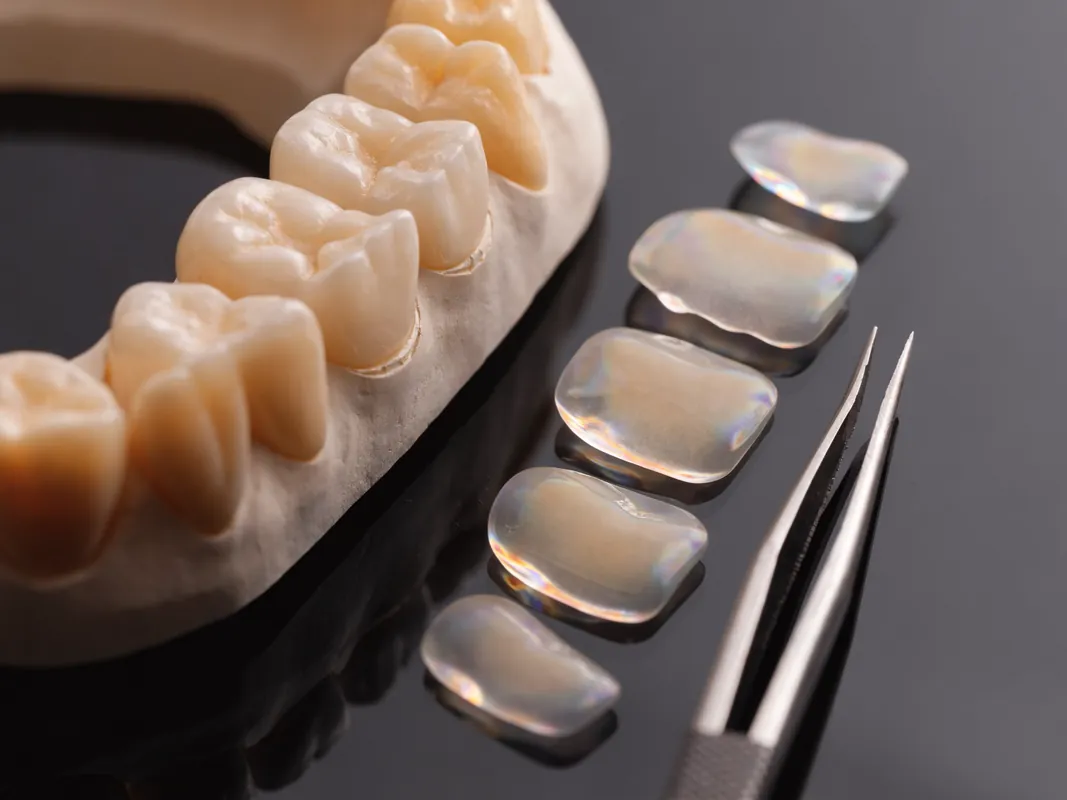
A veneer is not a synonym for “smile restoration.” Depending on the tooth and design, preparation may remove tooth tissue and create a long-term restoration cycle. Ask which exact teeth are proposed, why each needs treatment, how much preparation is expected, what enamel remains, how gum and bite health were assessed and what alternatives exist.
Sound teeth deserve a particularly careful comparison. Whitening, orthodontics, composite, accepting the current appearance or treating fewer teeth may meet the patient’s goal with different burdens. A broad symmetrical plan should not be accepted simply because it photographs well.
Consent should cover sensitivity, marginal change, fracture, debonding, colour mismatch, gum response, maintenance, replacement uncertainty and the limits of repair. These are possibilities to discuss, not predictions for one person.
Ask how a digital preview was produced and what it cannot show. A rendering is a communication tool, not an outcome promise. The patient should see the proposed shape in a way that allows questions and should retain the right to decline.
Crowns Need a Structural Reason
A crown covers more of a tooth than a veneer or direct addition and usually requires substantial preparation. It may be considered for a heavily restored, fractured, root-treated or otherwise compromised tooth, but the clinical reason must be tooth-specific.
Ask what structure remains, whether the tooth is vital, whether endodontic or periodontal issues exist, what ferrule or retention considerations matter, whether a repair or more conservative restoration is possible and what the long-term maintenance burden may be. Do not let colour alone silently convert a sound tooth into a crown plan.
A proposal mixing veneers and crowns should identify the different reasons and risks. The patient should know which recommendation treats disease, which restores function and which is elective appearance treatment.
Temporary and definitive stages should be separate. Ask what happens if symptoms develop, the bite needs adjustment or a provisional reveals a design problem. A fixed travel departure must not force cementation of a plan the patient or clinician is not ready to accept.
Implants Begin With a Missing-Tooth Decision
An implant is a surgical device option for a missing tooth or teeth; it is not a treatment for an intact restorable tooth. Before discussing an implant, establish why the tooth is missing or proposed for extraction and compare retaining the tooth, leaving the space, a removable option, an adhesive bridge, a conventional bridge and other appropriate choices.
Overall health, oral disease, smoking, periodontal stability, bone and soft tissue, site anatomy, bite, maintenance capacity and follow-up can affect planning. The FDA patient resource advises asking about benefits, risks, candidacy and device identification. That guidance does not approve any individual implant plan or product outside its jurisdiction.
Ask for the device manufacturer, product family, dimensions, site, component and lot records if an implant is placed. Record graft material and laboratory components where relevant. Traceability supports future care; it does not guarantee survival.
Postpartum timing cannot be reduced to one calendar interval. Medical recovery, feeding-related medicine questions, disease control, anatomy, staged healing, childcare, travel and local maintenance all matter. The named clinicians should explain why now, later or no implant is reasonable.
No Elective Treatment Is a Real Option
A person can decide that symptoms need care while appearance does not need changing. They can treat disease and postpone aesthetics. They can seek another opinion, choose a smaller plan or accept uncertainty and monitor. Consent is incomplete if “do nothing” is mentioned only as a threat.
Ask what is likely to happen without the proposed elective procedure, what monitoring is required, what changes would trigger reconsideration and whether delay makes a future option materially different. Distinguish evidence from sales urgency.
No-treatment is not a claim that a diagnosed infection or unstable disease should be ignored. The clinician must explain which problems need action and which choices are preference-sensitive.
Document the decision without shaming language. A post-pregnancy body is not unfinished, and a patient does not need to restore a “pre-baby” identity to qualify for care.
Timing Follows Recovery, Feeding and Responsibilities
There is no universal postpartum countdown for elective dentistry. Timing should reflect the actual dental urgency, the person’s medical recovery, sleep and fatigue, feeding plan, infant health, medicine questions, ability to attend, capacity to consider information, childcare, escort needs, travel burden and local follow-up.
A useful timing discussion asks:
- Is there active disease or only an elective concern?
- Has the person had the medical follow-up relevant to the proposed care?
- Are current medicines and feeding circumstances documented?
- Can the person sit or lie in the required position?
- Can appointments be paused or shortened if needed?
- Who cares for the baby or other children during treatment?
- Is an escort required for any planned sedation?
- Can the person follow hygiene and dietary instructions?
- Is local urgent and routine aftercare available?
- What happens if a child is ill or an appointment is missed?
- Is the patient choosing freely, with enough time to reflect?
Do not replace these questions with “wait a set number of weeks” or “finish breastfeeding first.” Those generic rules can delay necessary care or pressure feeding decisions. Ask the accountable clinicians to explain the individual rationale.
The schedule should contain decision points, not merely dates. A review can decide whether disease is stable. A provisional stage can test function. A medical question can remain open until answered. Travel should be booked around the clinical plan, not the reverse.
Use Staging to Protect Choice
A staged plan can separate urgent care, prevention, disease control, reassessment, reversible trials, definitive restoration and maintenance. Staging is especially useful when remote information is incomplete or postpartum circumstances may change.
For each stage, state:
- the problem or objective;
- evidence required before starting;
- named decision-maker;
- procedure and alternatives;
- what remains uncertain;
- criteria to proceed, revise, pause or stop;
- itemised price;
- records produced;
- aftercare and review;
- effect on later options.
A stage should not be used to trap the patient through escalating deposits. Ask what is payable at each point and what happens if later stages are declined or no longer suitable.
If several appearance procedures are suggested, ask whether one small change should be reviewed before more treatment. Disease control can alter gum appearance; whitening can alter shade planning; orthodontics can alter shape needs; a repaired tooth can change the scope. Reassessment can prevent unnecessary treatment.
Consent Must Be Free From Body-Image Pressure
Postpartum advertising often uses phrases such as “get yourself back,” “reverse motherhood” or “reclaim your old smile.” That language can exploit fatigue, identity change or appearance pressure. A clinician should explore what the patient wants without assuming dissatisfaction or presenting normal variation as pathology.
GDC consent standards are a UK professional comparison source: they emphasise relevant options and costs, sufficient information, time to decide, understanding and continuing consent when a plan or estimated cost changes. They do not govern a Turkish clinician, but they provide useful questions for cross-border due diligence.
Ask for a private clinical conversation without a salesperson controlling the answer. Translation should preserve meaning and confidentiality. A partner, relative or companion may help if the patient chooses, but the patient should be able to speak without them.
Before irreversible care, write the patient’s objective in plain language. Ask which part of the plan addresses it and which parts are optional. Use photographs ethically; consent to clinical records is separate from consent to marketing. A before-and-after image does not predict an individual result.
A cooling-off period can be valuable even where not legally required. Do not accept a same-conversation deposit deadline as a clinical reason. If the proposal changes, consent must be revisited.
Childcare, Feeding and Escort Logistics Are Clinical Planning Inputs
A clinic, hotel or transport supplier should never be assumed to provide childcare. Ask the actual facility whether children may enter, where they can wait, who must supervise them, what infection-control or safety rules apply and whether a companion can remain with the patient.
If the patient is breastfeeding or expressing, ask about appointment length uncertainty, breaks, privacy, storage needs and how any medicine advice fits the feeding plan. The provider must not promise clinical suitability of a hotel refrigerator or informal storage arrangement. Confirm practical facts with the responsible supplier.
If sedation is considered, the sedation provider must define assessment, fasting if relevant, escort, supervision, feeding and recovery instructions for the individual. Do not infer that a companion can simultaneously supervise a recovering patient and care for young children. Build separate responsible-adult arrangements.
Accessibility can include step-free entry, lift access, seating, toilet access, ability to transfer to the dental chair, communication support and tolerance of position or appointment length. Postpartum symptoms or birth recovery may affect needs temporarily. Ask what the facility can actually provide; do not accept a generic accessibility icon as proof.
Missed appointments are predictable when children become ill or care collapses. Obtain change terms before paying. A plan that punishes any disruption may be a poor practical fit even if clinically reasonable.
Records and Privacy Matter Before the First Photograph
Smile photographs, radiographs, medical history, pregnancy or feeding status, medicine lists, passport details and travel plans can be sensitive. Ask which legal entity collects each item, why it is needed, where it is stored, who receives it, how long it is kept and how the patient can access the record.
GDC record standards are another comparison tool: they describe complete, accurate records, confidentiality, consent discussions and patient access. The actual provider must follow the law that applies to it. Ask for its privacy notice and current data route rather than assuming a consumer messaging account is a clinical system.
Send the minimum necessary information to the verified recipient. A hotel may need guest information but not a dental radiograph. A travel coordinator may need a flight number but not the full medical history. A clinician may need health information through an approved route.
Consent to treatment, consent to share data for coordination and consent to use images in advertising are separate. Refusing marketing use should not alter clinical care. Keep original images and documents where possible.
Demand an Itemised, Tooth-by-Tooth Quote
A single “mother smile restoration” total conceals clinical reasons and uncertainty. The quote should separate assessment, prevention, periodontal care, caries treatment, each tooth or site, provisional work, definitive work, orthodontics, whitening, laboratory, medicines, reviews, records and travel services.
For each clinical line, record:
- diagnosis or objective;
- tooth, site or arch;
- proposed procedure;
- named clinician;
- material or device where relevant;
- alternatives including no treatment;
- foreseeable conditional branches;
- price and currency;
- exclusions;
- revision process;
- review and maintenance;
- record supplied.
Travel, childcare and personal costs belong in separate ledgers. A treatment quote should not silently absorb hotel, flights, transport, companion costs or insurance. If an intermediary receives money, identify the legal payee and contract for each service.
Ask how the quote changes downward as well as upward. If a tooth needs less treatment, a stage is declined or an item becomes unnecessary, the calculation method should be written. Open-ended extras and “everything covered” are equally unhelpful.
Currency conversion, bank fees, deposits, cancellations and refunds need their own terms. This article states no price and verifies no saving.
Compare Local Care, Travel and No Travel
Travel is not a treatment benefit. The NHS treatment-abroad checklist tells patients to focus on care quality rather than holiday appeal, research the team and facility, plan aftercare, consider complications, exchange rates, extended stays, return trips and insurance. It is general guidance and not a funding or outcome promise.
Build a neutral comparison:
| Question | Local care | Travel proposal | Open evidence |
|---|---|---|---|
| Named legal provider | Record the entity | Verify exact facility | Resolve mismatch |
| Named clinicians | Confirm roles | Confirm roles and registers | Mark unassigned |
| Diagnosis | Local examination | What can be assessed before travel? | List missing records |
| Options | Include doing less or nothing | Same comparison required | Obtain second opinion |
| Timing | Fits local responsibilities? | Travel and clinical dependencies? | Define change triggers |
| Medicines | Usual-care coordination | Cross-border coordination route? | Name decision-makers |
| Childcare | Attendance plan | Journey, hotel and clinic plan | Confirm supplier policies |
| Aftercare | Existing pathway? | Local handover and return terms? | Get agreement |
| Records | Usable local record | Export format and delivery? | Test before travel |
| Total cost | Treatment and time | Treatment, travel and contingency | Do not hide unknowns |
A local plan may provide continuity but can still be expensive, delayed or unsuitable. A travel plan may offer access or a different choice but adds provider verification, transport, accommodation, records and aftercare complexity. No travel may be the better choice now. The guide does not rank them.
If travel remains under consideration, verify the legal clinical provider through the Türkiye Ministry of Health international-health-tourism resources, identify the dentist through the relevant professional source and confirm the complaint route. A listing establishes a narrow status fact, not the quality or suitability of the individual plan.
Local Aftercare Must Exist Before Departure
Ask a dentist near home whether they are willing to review the proposed plan, what records they need, which care they may consider and what they will not provide. They may charge separately, decline, need new imaging or lack components. An overseas provider cannot promise the participation of an independent local dentist.
The travelling provider should state which reviews are expected, which require in-person examination, what can be discussed remotely, who answers clinical concerns and what the patient should do if contact fails. Avoid continuous-support slogans. Obtain actual operating arrangements and emergency boundaries.
A video call can support communication but cannot palpate swelling, test a tooth, measure gums, adjust every bite problem or replace imaging when clinically needed. The patient needs a local pathway for pain, swelling, bleeding, trauma, restoration failure and medicine questions.
Budget for local review, hygiene, repair, childcare, travel and time away from work. Do not assume insurance or public services will cover private cross-border aftercare. Verify any protection directly.
Request a Complete Handover Record
Agree the record set before treatment and check it before leaving when practical. Depending on the care, request:
- legal provider and treating-clinician identities;
- current medical and medicine history used;
- examination and diagnosis;
- periodontal and caries findings;
- radiographs, scans and photographs in usable formats;
- options and consent discussion;
- original and revised plans;
- tooth-by-tooth procedure notes;
- anaesthetic, sedation and prescription records where relevant;
- material, device, lot or batch traceability where relevant;
- laboratory prescription and conformity records;
- provisional and definitive restoration details;
- bite and review notes;
- aftercare and maintenance instructions;
- urgent and complaint routes;
- itemised invoices and receipts.
A decorative treatment certificate is not a substitute for the clinical record. Ask the local dentist what format is useful. Keep original-language documents as well as any translation.
If records are promised later, name the responsible entity, delivery method and escalation route. Do not treat a future promise as a delivered handover.
A Post-Pregnancy Dental Decision Worksheet
Use one row for every concern. Add the document, date, issuer, source, uncertainty, owner and next action.
| Concern | Evidence needed | Options to compare | Decision state |
|---|---|---|---|
| Pain or swelling | Local examination and urgent assessment | Stabilisation first | Do not defer for travel |
| Bleeding gums | Periodontal assessment | Prevention, treatment, review | Reassess before aesthetics |
| Suspected decay | Tooth-level diagnosis | Prevention, repair, restoration | Preserve tissue where sound |
| Acid wear | Pattern, source and activity | Cause control, monitor, add, restore | Medical coordination if needed |
| Dry mouth | History, medicines and findings | Cause review, prevention, symptom support | No self-prescribing |
| Colour | Healthy teeth and gums first | No change, whitening later, restoration | Respect pregnancy and feeding boundary |
| Alignment | Orthodontic records | No change, orthodontics, restorative alternatives | Include long-term care |
| Shape | Tooth and bite assessment | No change, composite, veneer or other | Compare tissue cost |
| Structural damage | Restorability assessment | Repair, indirect restoration, crown or extraction | Seek preservation rationale |
| Missing tooth | Site and whole-mouth assessment | No replacement, removable, bridge, implant | Separate extraction decision |
| Medicines | Exact list and responsible prescribers | Individual professional advice | Never self-adjust |
| Childcare | Supplier policies and responsible adult | Local, staged or later care | No assumed childcare |
| Travel | Provider and itinerary evidence | Local, travel or no travel | Clinical plan controls dates |
| Aftercare | Local agreement and record needs | Local review and escalation | Arrange before payment |
| Quote | Tooth-by-tooth scope and currency | Equivalent-scope comparison | Unknown is not included |
A decision can be “treat now,” “stabilise then review,” “seek another opinion,” “choose a smaller option,” “wait,” or “do nothing electively.” These are not failures. They are valid outputs of informed planning.
Red Flags in Post-Pregnancy Dental Marketing
Pause when:
- pregnancy is blamed for universal calcium loss from teeth;
- a mother is told she needs to recover a pre-baby identity;
- appearance procedures are grouped before disease is assessed;
- breastfeeding is used to impose a generic interruption or deadline;
- a salesperson gives medicine advice;
- a remote photograph produces a final irreversible plan;
- sound teeth are proposed for broad preparation without preservation alternatives;
- whitening, orthodontics, composite, veneers, crowns and implants are presented as interchangeable upgrades;
- a fixed calendar overrides examination or recovery;
- childcare, escort, access or feeding logistics are assumed;
- hotel or tourism language is used as clinical evidence;
- provider, clinicians or payee remain unnamed;
- an itemised quote is refused;
- a preview is described as a promised result;
- records and local aftercare are vague;
- urgency comes from a discount rather than disease;
- complaints stop with a coordinator;
- a warranty slogan replaces a clinical and local-care plan.
A red flag does not prove misconduct. It shows that the evidence is not ready to support consent. Ask for correction, independent advice or a smaller decision.
Worked Scenario: Bleeding Gums and a Colour Concern
A patient reports bleeding gums and darker-looking teeth after pregnancy. A sales-led path might start with whitening or veneers. A symptom-first path separates the concerns.
The clinician assesses plaque, gums, periodontal risk, caries, wear, restorations and colour. Active inflammation is addressed and reviewed. The patient learns whether the colour difference comes from natural shade, staining, wear, a restoration or another cause. Whitening remains outside the current plan if the patient is pregnant or breastfeeding, consistent with current NHS guidance.
After disease control, the patient can decide whether appearance still matters. The final choice may be no colour treatment, later whitening, a repair or another tooth-specific option. No one can determine that from the initial description.
Worked Scenario: Vomiting, Sensitivity and Short Travel Dates
A patient has a history of severe vomiting and now reports sensitivity. A travel proposal assumes several restorations within fixed dates. The decision guide asks a different set of questions.
The local examination maps wear, caries, cracks, gum recession and symptoms. The patient discusses ongoing reflux or vomiting with the relevant medical professional. The dentist identifies which surfaces need prevention, monitoring, repair or more extensive care. Travel dates are not booked until the diagnosis and uncertainty are clear.
If treatment is staged, the record explains which symptoms would trigger review and whether a local dentist can continue. The patient may choose local care because the cause remains active or travel support is impractical. That is a clinical and personal decision, not a lost holiday.
Worked Scenario: A Missing Tooth During Breastfeeding
A patient asks about an implant while breastfeeding. Breastfeeding alone does not answer whether an implant is indicated or when surgery fits. The missing-tooth decision comes first.
The dentist reviews why the tooth is missing, the site, oral health, medical and medicine history, alternatives and the patient’s priorities. The patient and professionals discuss the exact medicines or anaesthesia relevant to any procedure using current resources. The infant’s circumstances are included where medicine guidance requires them.
The plan compares leaving the space, removable and fixed alternatives and an implant if suitable. It includes local maintenance, device records, childcare and urgent care. No generic feeding pause or calendar date is invented.
Worked Scenario: Body-Image Pressure After Birth
A patient feels uncomfortable in photographs and receives a broad smile proposal. The patient reports only an appearance concern, and no active disease is known. The decision process first creates space to decide whether the concern belongs to the patient or to external pressure.
A clinician examines oral health and explains that no elective treatment is an option. Smaller reversible or less invasive approaches are compared where appropriate. The patient receives time, avoids a deposit deadline and may seek a second opinion.
If the patient still chooses treatment, the objective and limits are written. Consent is revisited at each stage. Motherhood is not framed as damage, and an image preview is not treated as a guaranteed future face or smile.
Frequently Asked Questions
1. Is “mommy makeover dental” a clinical diagnosis?
No. It is a marketing label that may group colour, alignment, gum, decay, wear, missing-tooth and body-image concerns. Each concern needs its own history, examination, diagnosis, alternatives and consent. Ask the clinician to replace the label with a tooth-by-tooth and symptom-by-symptom problem list.
2. Does pregnancy take calcium from teeth?
Current CDC public-health material does not support the claim that calcium is taken from teeth during pregnancy or lactation. Gum inflammation, caries risk factors, vomiting-related acid exposure and dry mouth can still matter. A clinician should assess the actual finding instead of attributing every change to calcium loss.
3. Should I delay a dental examination until pregnancy ends?
Do not apply a blanket delay. Official public-health sources support dental assessment and necessary care during pregnancy, while the individual procedure, medicines, anaesthesia, medical history and preferences still require professional judgement. Tell the dentist and relevant healthcare professionals about pregnancy and obtain advice for the actual plan.
4. Can urgent dental care wait until after birth?
Pain, swelling, trauma, suspected infection or uncontrolled bleeding should be assessed through the appropriate local pathway. Pregnancy does not make an online delay rule safe. Tell the urgent team about pregnancy, medicines and relevant conditions so it can plan appropriately.
5. Does breastfeeding prevent ordinary dental treatment?
NHS guidance says dental treatment and local anaesthetics can be compatible with breastfeeding, but that does not decide every medicine, sedative or clinical situation. Tell the dentist, pharmacist, midwife, health visitor or doctor, and ask for medicine-specific advice that includes relevant infant circumstances.
6. Must I interrupt breastfeeding after local anaesthetic?
Do not invent a generic interruption. Ask for the exact agent, dose and current medicine-specific source, and have the responsible clinician or pharmacist advise for the maternal and infant context. A label such as “local anaesthetic” is not enough to create a universal timetable.
7. Can I have teeth whitening while pregnant or breastfeeding?
Current NHS public guidance does not recommend tooth whitening during pregnancy or breastfeeding. That boundary applies to elective whitening, not to examination or disease control. A dentist should assess teeth and gums, explain alternatives and avoid using another label to disguise whitening.
8. What if I am taking postpartum medicines?
Give the clinician a current list with dose, schedule, reason and prescriber. Include non-prescribed and herbal products. Do not stop or change anything yourself. The dental clinician should identify procedure-specific questions and coordinate with the prescriber or pharmacist when needed.
9. Are bleeding gums normal after pregnancy?
Bleeding can be associated with plaque-related inflammation and pregnancy-related changes, but “normal” should not replace assessment. Ask for periodontal screening, risk factors, diagnosis and review. Persistent bleeding, swelling, recession, mobility or discomfort may need more detailed evaluation.
10. Can morning sickness permanently damage teeth?
Vomiting and reflux can expose enamel to acid, but the effect varies and must be assessed. Ask the clinician to distinguish erosion from caries, abrasion, attrition, cracks and sensitivity. If vomiting or reflux continues, involve the relevant medical professional and address the cause alongside dental prevention.
11. Why is my mouth dry after having a baby?
Dry mouth can have many contributors, including medicines, hydration, mouth breathing or health conditions. Do not assume a cause or stop prescribed medicine. A dentist, pharmacist or doctor can review the history, oral findings, caries risk and appropriate support.
12. Should disease be treated before cosmetic changes?
Active caries, periodontal disease, infection, unstable wear and structural problems should be identified before appearance treatment. Disease control can change the required scope and gum or tooth appearance. Ask for staged review rather than covering uncertainty with a restoration.
13. What does tooth preservation mean?
It means asking whether sound tissue and useful teeth can be maintained with prevention, monitoring, repair or a more conservative option. It does not mean postponing necessary care. Request a tooth-specific rationale, alternatives and the tissue cost of every irreversible recommendation.
14. Is no treatment a valid option?
For elective appearance concerns, yes. The clinician should explain likely consequences, monitoring and triggers to reconsider. No treatment is not appropriate shorthand for ignoring infection or unstable disease, so separate urgent and health needs from preference-sensitive choices.
15. Is composite always reversible?
No universal claim is safe. Composite can sometimes be additive or repairable, but surface preparation, removal, bite, material volume and future maintenance differ. Ask what would be done to each tooth and compare no treatment, orthodontics, whitening and indirect options.
16. Are veneers a quick way to restore a pre-pregnancy smile?
That framing hides the decision. Veneers may involve irreversible tooth preparation and long-term maintenance. Ask why each tooth is proposed, what tissue would be removed, which alternatives exist and whether the concern can be addressed with less treatment or no treatment.
17. When might a crown be discussed?
A clinician may discuss a crown for a structurally compromised tooth, but the reason must be specific. Ask what structure remains, whether the tooth is vital, whether repair or a more conservative restoration is possible and what maintenance uncertainty applies. Colour alone should not silently decide the plan.
18. Should I choose implants for missing teeth after pregnancy?
First ask whether the space needs replacement and compare no replacement, removable and bridge options. Implant candidacy depends on oral and overall health, site anatomy, disease control, maintenance and follow-up. Breastfeeding or a postpartum date alone does not decide suitability.
19. Can orthodontics reduce the need for veneers?
It may offer a different way to address alignment or spacing in some cases, but it has its own health, time, hygiene, retention and attendance requirements. Ask for an orthodontic assessment and compare burdens. Do not assume it is suitable or faster.
20. Is a digital smile preview evidence of the final result?
No. It can help discuss shape or proportion, but it cannot show biological response, exact colour, material behaviour, gum change, bite adaptation or future maintenance. Ask how it was produced and treat it as a communication aid, not a promise.
21. How soon after birth can elective treatment start?
There is no universal countdown. Urgency, medical recovery, medicines, feeding, infant circumstances, appointment tolerance, childcare, consent capacity, travel and local aftercare all matter. Ask the named professionals to explain the individual rationale rather than copy a calendar from marketing.
22. Do I need to finish breastfeeding before cosmetic dentistry?
Do not let a sales page decide feeding. NHS guidance has a specific boundary for whitening, while other procedures and medicines need individual assessment. Discuss the actual procedure with the dentist and medicine questions with the appropriate professional. Waiting or choosing another option remains valid.
23. Can I bring my baby or children to the clinic?
Ask the actual facility. Confirm child policy, supervision, waiting space, appointment length, infection-control rules and who cares for the child while the patient is treated. Do not assume staff provide childcare. Sedation or recovery may require a separate responsible adult.
24. What accessibility facts should I confirm?
Ask about step-free entry, lifts, seating, toilet access, dental-chair transfer, communication support, appointment breaks and any temporary postpartum need. Obtain facility-specific confirmation. A website icon or hotel description cannot prove access to the treatment room.
25. Should I travel abroad for post-pregnancy dental care?
Compare the actual local, travel and no-travel options. Verify provider and clinicians, diagnosis, medicines, childcare, costs, records, insurance, complications and local aftercare. Holiday appeal is not clinical evidence. The best fit depends on the person and documented plan.
26. What should an itemised quote contain?
It should name each diagnosis or objective, tooth or site, procedure, clinician, material or device where relevant, alternatives, conditions, price, currency, exclusions, review, maintenance and records. Travel and childcare belong in separate ledgers. Unknown items should remain unknown rather than being treated as included.
27. What happens if the plan changes after examination?
Ask for the new finding, revised options, risks, tooth-level scope, price and timing effect. Preserve both versions. The patient should receive time and can decline a material change, subject to the genuine terms for services already supplied. Travel dates must not force consent.
28. Which records should I receive?
Request the provider and clinician identities, medical history used, examination, diagnoses, images, consent, original and revised plans, procedure notes, medicines, device or material traceability where relevant, laboratory records, aftercare, maintenance, complaints, invoices and receipts. Ask a local dentist which formats are usable.
29. Will a local dentist maintain treatment completed abroad?
Do not assume so. Ask before travel whether a local dentist will review records, what care they may consider, what they will not provide and what fees apply. The overseas provider cannot commit an independent dentist. Arrange urgent and routine pathways separately.
30. Can remote aftercare replace a local examination?
No universal promise is responsible. Remote discussion may support communication, but swelling, pain, bleeding, bite problems, infection concerns or restoration failure may need examination, tests, imaging or treatment. Build a local pathway before travelling.
31. Which signs need urgent or emergency help?
Seek the appropriate local urgent service for severe or persistent dental pain, suspected abscess, growing swelling, trauma or bleeding concerns. Breathing or swallowing difficulty, major mouth swelling, eye involvement, serious facial injury or uncontrolled bleeding can require emergency care. This article cannot triage an individual.
32. How do I avoid body-image pressure?
Write your own objective, ask whether each procedure is necessary or optional, request alternatives and take time. Speak privately with the clinician, separate marketing-image consent and consider a second opinion. Motherhood does not create an obligation to recover an earlier appearance.
33. What is the strongest red flag?
Pause when a final irreversible plan is produced from photographs, pregnancy is blamed for universal tooth damage, feeding is pressured around a sales schedule, medicines are advised by a coordinator, providers are unnamed or preservation and no treatment are omitted. Missing evidence should not be filled with trust.
34. What is the final decision rule?
Proceed only when urgent and active disease are addressed; medical, pregnancy and feeding information is current; teeth are preserved where appropriate; whitening, orthodontics, composite, veneers, crowns, implants and no treatment have been compared independently; timing fits recovery and responsibilities; consent is pressure-free; the quote is itemised; and records, local aftercare and urgent pathways are workable.
Primary and Official Sources
Sources reviewed on 29 August 2026:
- NHS, medicines in pregnancy: https://www.nhs.uk/pregnancy/keeping-well/medicines/
- NHS, breastfeeding and medicines: https://www.nhs.uk/baby/breastfeeding-and-bottle-feeding/breastfeeding-and-lifestyle/medicines/
- NHS, teeth whitening: https://www.nhs.uk/tests-and-treatments/teeth-whitening/
- NHS, gum disease: https://www.nhs.uk/conditions/gum-disease/
- NHS, tooth decay: https://www.nhs.uk/conditions/tooth-decay/
- NHS, dry mouth: https://www.nhs.uk/symptoms/dry-mouth/
- NHS, dental abscess: https://www.nhs.uk/conditions/dental-abscess/
- NHS, urgent and emergency dental access: https://www.nhs.uk/nhs-services/dentists/how-to-find-an-nhs-dentist-in-an-emergency/
- NHS, vomiting and morning sickness: https://www.nhs.uk/pregnancy/common-symptoms/vomiting-and-morning-sickness/
- NHS, treatment-abroad checklist: https://www.nhs.uk/using-the-nhs/healthcare-abroad/going-abroad-for-treatment/treatment-abroad-checklist/
- Scottish Dental Clinical Effectiveness Programme, current dental prescribing route: https://www.sdcep.org.uk/published-guidance/drug-prescribing/
- Scottish Dental Clinical Effectiveness Programme, periodontal guidance: https://www.periodontalcare.sdcep.org.uk/
- NHS Specialist Pharmacy Service, medicines in dentistry resources: https://sps.nhs.uk/articles/medicines-in-dentistry-resources-to-support-clinical-decisions/
- General Dental Council, valid consent: https://standards.gdc-uk.org/pages/principle3/principle3
- General Dental Council, patient information and records: https://standards.gdc-uk.org/pages/principle4/principle4
- General Dental Council, going abroad for dental treatment: https://www.gdc-uk.org/standards-guidance/information-for-patients-public/going-abroad-for-dental-treatment
- GOV.UK, Delivering Better Oral Health evidence-based prevention toolkit: https://www.gov.uk/government/publications/delivering-better-oral-health-an-evidence-based-toolkit-for-prevention
- GOV.UK, Delivering Better Oral Health chapter on tooth wear: https://www.gov.uk/government/publications/delivering-better-oral-health-an-evidence-based-toolkit-for-prevention/chapter-7-tooth-wear
- United States Health Resources and Services Administration, oral health and pregnancy: https://www.hrsa.gov/oral-health/pregnancy
- United States Centers for Disease Control and Prevention, pregnancy oral-health facts: https://www.cdc.gov/oral-health/data-research/facts-stats/fast-facts-pregnancy-and-oral-health.html
- United States Centers for Disease Control and Prevention, Protect Tiny Teeth evidence toolkit: https://stacks.cdc.gov/view/cdc/150314/cdc_150314_DS1.pdf
- United States Food and Drug Administration, dental implant patient information: https://www.fda.gov/medical-devices/dental-devices/dental-implants-what-you-should-know
- Türkiye Ministry of Health, healthcare providers authorised for international health tourism: https://saglikturizmi.saglik.gov.tr/EN%2C69063/healthcare-providers-authorized-by-the-ministry.html
- HealthTürkiye, facility list: https://www.healthturkiye.com/hospitals-list
- Turkish Dental Association, dentist search: https://tdb.org.tr/dishekimi_arama.php
Official sources have different jurisdictions and scopes. NHS, SDCEP, SPS, GDC, GOV.UK, United States and Turkish sources do not jointly approve an individual plan. UK professional standards are comparison tools for a person considering care abroad, not a statement of Turkish law. Guidance, registers, medicine information and travel advice can change. Recheck the current source with the exact patient, medicine, infant circumstances, clinician, facility, procedure and travel date.
Final Decision Rule
Reject the bundled makeover story. Start with urgent symptoms and active disease; correct the calcium-loss myth; update pregnancy, postpartum, feeding, infant, medical and medicine information; preserve sound tissue; compare whitening, orthodontics, composite, veneers, crowns, implants and no treatment as separate choices; let recovery, responsibilities and clinical findings control timing; protect consent from body-image pressure; confirm childcare and accessibility; stage uncertainty; itemise the quote; and secure records, local aftercare and urgent pathways before any irreversible treatment or travel decision.