A dental treatment timeline should be the output of diagnosis and sequencing, not a promise typed beside a package. The same treatment label can produce very different itineraries. A crown may depend on endodontic or periodontal findings. A veneer plan may change after tooth-preservation review or a diagnostic mock-up. An implant plan may require extraction, site development, healing assessment, loading decisions and laboratory work. A full-arch plan may change after remaining-tooth prognosis, provisional testing or surgical findings.
This guide does not publish a standard number of visits, days away, healing period, price or completion date for any treatment. It does not diagnose whether a person needs treatment, and it does not guarantee that a provisional itinerary will survive the in-person assessment. Its purpose is practical: turn each proposed treatment into a worksheet of clinical gates, dependencies, responsible owners, evidence, travel decisions, payment stages and fallback branches.
The key distinction is between a calendar and a pathway. A calendar lists appointments. A pathway explains why each appointment exists, what must be true before it can proceed, what record it creates, and what happens if the gate is not met. The pathway comes first. Only then should flights, leave and accommodation be placed around it.
This page owns treatment-by-treatment itinerary construction
There is a separate strategic comparison for readers deciding whether a condensed or staged travel model may suit them: single-visit versus multi-visit dental tourism. That page owns the broad decision between visit models and the trade-offs of concentrating or separating care.
This page owns a different search intent: treatment-by-treatment planning worksheet and itinerary construction. It shows how to decompose a mixed proposal into diagnostics, disease control, operative stages, laboratory dependencies, provisional and definitive work, review, local handover and travel contingencies. It does not decide that any visit model is better.
Keep the two questions separate:
- Strategy question: should care be condensed or staged, given uncertainty, biology, risk and travel burden?
- Construction question: for this actual treatment plan, what must occur, in what dependency order, under whose responsibility, and with what fallback?
A provider can use the word personalised while still giving every patient the same calendar. A real treatment-specific itinerary identifies clinical evidence, owners and change rules.
Name the legal treatment provider and responsible clinicians
Before building an itinerary, identify the legal entity contracted to provide clinical care. A coordinator, broker, marketing site, hotel or transfer company is not automatically the treatment provider. Request the provider's registered name, facility, responsible contact, records route, complaint process and governing contractual terms.
Then assign an owner to every clinical stage. The worksheet should name who diagnoses, who performs periodontal or endodontic treatment, who prepares teeth, who extracts, who places implants or grafts, who decides loading, who prescribes the restoration, who owns laboratory communication, who fits definitive work and who reviews healing. The same clinician may own several stages, but the record should not leave ownership blank.
Verify current registration and intended attendance through the relevant official sources. Do not assume a clinician shown on a website will be present. If a named owner changes, the plan, consent and itinerary should be reviewed before an irreversible stage.
The laboratory should also be named where its work affects the plan. A laboratory appointment is not a clinical owner, and a coordinator cannot declare readiness. The responsible clinician must accept each clinical gate.
Build a diagnostic starting sheet
Create one starting sheet before assigning dates. It should include:
- the patient's main problems and priorities;
- a tooth and site map;
- symptoms and urgent issues;
- periodontal status;
- caries and restoration status;
- endodontic findings and previous treatment;
- missing teeth and replacement options;
- bite, function, parafunction and opposing dentition;
- relevant medical history, medicines, allergies and previous healing;
- imaging already available, its date and limitations;
- additional examination or investigations proposed;
- mobility, sensory, language or accessibility needs;
- local dentist and emergency-care access;
- treatments proposed, alternatives and no-treatment consequences;
- assumptions still awaiting in-person confirmation.
The sheet should separate facts from assumptions. A recent radiograph may be a fact; restorability inferred from a photo is provisional. A patient preference for fixed teeth is a fact; eligibility for immediate loading is not.
Every later itinerary version should trace back to this sheet. When a finding changes, record which stage, quote or travel plan it affects. Without a shared starting record, different clinicians may plan against different assumptions.
Remote review is provisional
Photographs, video calls, panoramic images and existing records can be useful for triage and preliminary planning. They can help identify questions, estimate complexity and decide which specialists or records may be needed. They cannot replace every element of a clinical examination.
Remote material may not establish probing findings, mobility, crack extent, restorability, occlusal forces, tissue condition, surgical access, implant stability, shade behaviour, preparation margins or how a patient tolerates a proposed prosthesis. Image quality, age and projection may further limit interpretation.
A remote itinerary should therefore be labelled provisional. It should list assumptions and the in-person findings that could change it. It should say whether the first appointment is diagnostic only or whether treatment might proceed after consent. It should also explain the cancellation or payment effect if the plan changes.
A phrase such as confirmed schedule is unsafe when decisive evidence remains outstanding. Use planned review window, contingent laboratory slot and possible treatment stage instead. The patient should be able to reconsider after material changes without being pressured by flights or deposits.
Start with disease control
Elective restorative expansion should not hide active disease. Pain, swelling, infection, unstable periodontal disease, caries, failing temporary work or other urgent problems may need assessment and management before cosmetic or definitive stages.
Disease control is not one universal appointment. It may involve diagnosis, prevention, hygiene support, caries treatment, periodontal therapy, endodontic care, extraction, temporary restoration or referral. The sequence depends on the source and severity of disease, the proposed definitive plan and patient factors.
The itinerary should identify the stabilisation objective and how it will be reassessed. For example: symptoms controlled, periodontal inflammation reduced, temporary seal intact, extraction site reviewed, or medical liaison completed. Do not move to elective irreversible treatment merely because a laboratory slot is reserved.
A patient may travel for urgent stabilisation and defer reconstruction. That is a legitimate itinerary. The no-travel option may also be safer if urgent local assessment is available and the diagnosis remains unclear.
The periodontal gate
Periodontal health can affect restorative margins, tooth prognosis, implant planning, appearance and maintenance. A timeline that places crowns, veneers or implants before periodontal diagnosis may need revision.
Request a current periodontal assessment where indicated: probing, bleeding, recession, mobility, furcation, radiographic support, hygiene factors and risk. The plan should state what treatment is proposed, what the patient must do at home, and what evidence determines readiness for the next stage.
The [EFP guideline for stages I to III periodontitis](https://www.efp.org/education/continuing-education/clinical-guidelines/guideline-on-treatment-of-stage-i-iii-periodontitis/) uses a stepwise approach with evaluation between stages. The scheduling lesson is important: reassessment is a clinical gate, not empty waiting time.
If periodontal findings change tooth prognosis, update the tooth map, restorative plan, consent, quotation and travel itinerary together. If maintenance cannot be arranged locally, that is a feasibility issue to solve before extensive work, not after it.
The endodontic gate
Pain, deep decay, previous root treatment, apical disease, trauma or planned extensive restoration may raise endodontic questions. The itinerary should not assume that every tooth needs root-canal treatment, nor that a remote image can confirm the final diagnosis.
Ask who owns pulpal and periapical diagnosis, what clinical tests and imaging are needed, whether preservation, monitoring, primary treatment, retreatment, surgery or extraction are reasonable alternatives, and whether specialist review could change the plan.
The [European Society of Endodontology S3-level clinical practice guideline](https://onlinelibrary.wiley.com/doi/10.1111/iej.13974) supports evidence-led diagnosis and management rather than a package rule. For itinerary construction, separate treatment completion from readiness for definitive restoration. Symptoms, structural reassessment, coronal seal, provisional performance or further review may affect progression.
If an endodontic finding emerges after tooth preparation, the plan may need a new version. The patient should know who manages the temporary tooth, how laboratory work is paused or changed, and how fees are handled.
The restorative gate
A restorative label does not define the sequence. A filling, onlay, crown, bridge or veneer requires a diagnosis of the tooth, remaining structure, periodontal relationship, occlusion, appearance objective and alternative options. The amount of tooth preparation and reversibility differ.
The restorative worksheet should state:
- tooth or site;
- diagnosis and reason for intervention;
- preservation alternatives;
- preparation or restorative concept;
- provisional requirement;
- laboratory or chairside dependency;
- material category to be confirmed;
- shade, shape and functional records;
- try-in or verification gate;
- fit, contact, occlusion and hygiene checks;
- contingency for sensitivity, pulpal symptoms, fracture or changed margin;
- local maintenance and repair plan.
Do not schedule definitive cementation merely because the laboratory promises dispatch. The responsible clinician must accept fit and clinical readiness. If the patient is not satisfied with an elective appearance change before definitive placement, consent and revision terms should guide the next step.
Implant placement and loading are separate
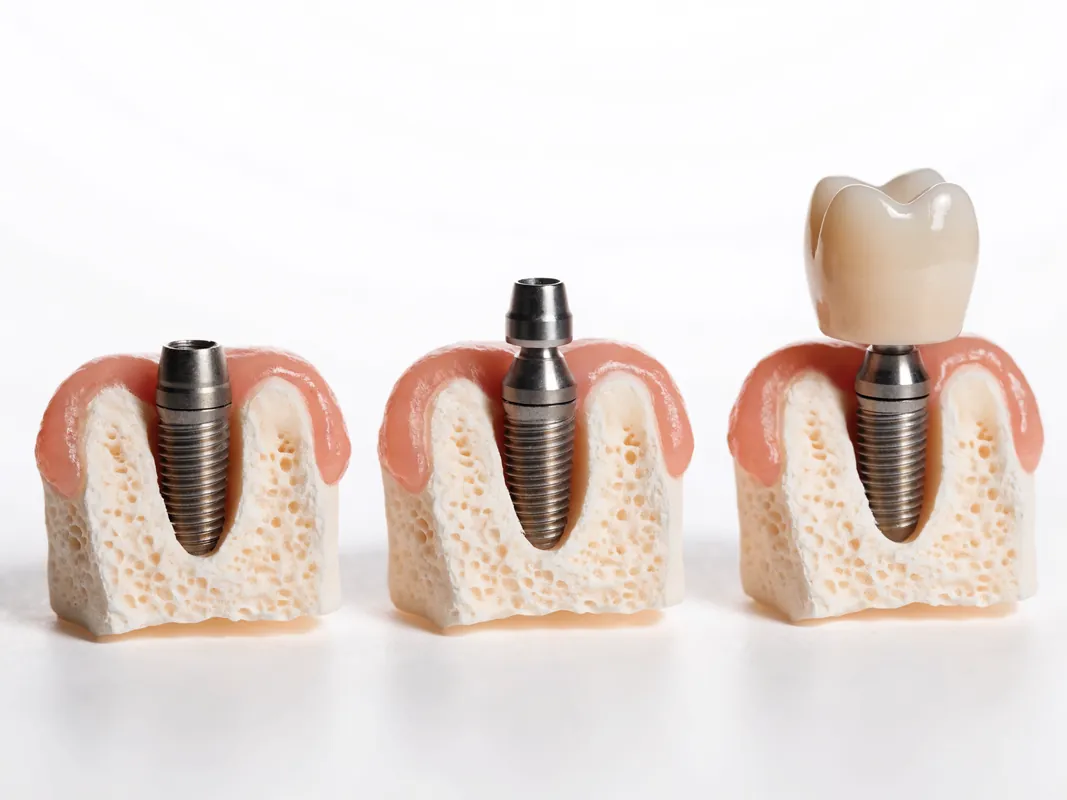
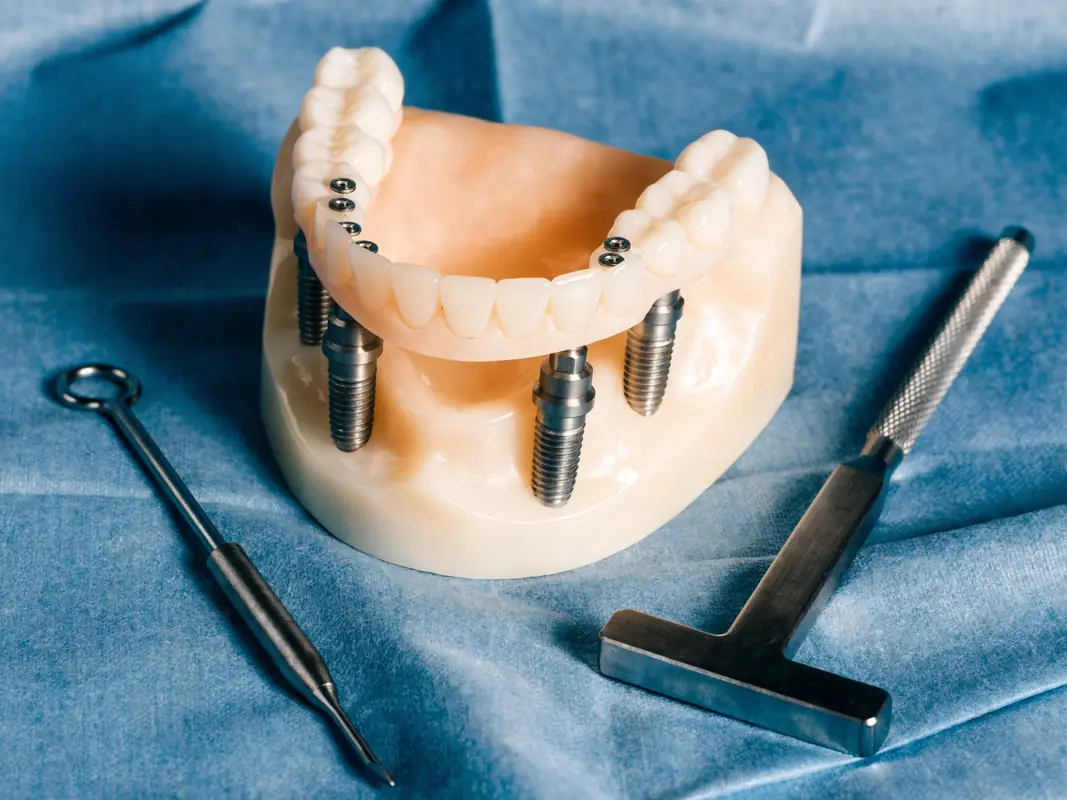
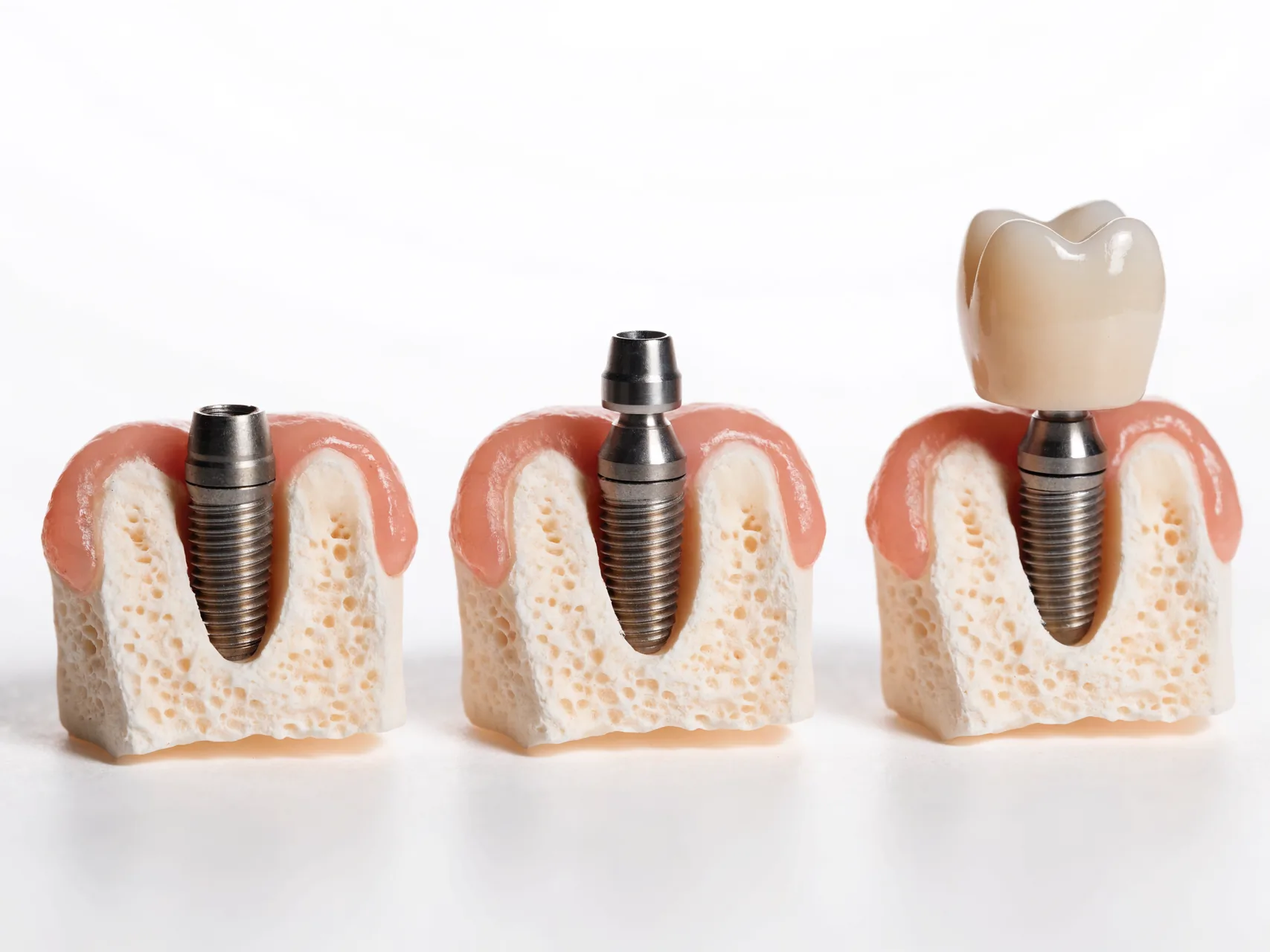
An implant timeline contains several separate decisions: whether extraction is indicated, when implant placement is appropriate, whether augmentation is needed, whether the implant achieves suitable stability, whether a provisional restoration can be connected, when loading is appropriate, and when the definitive restoration may proceed.
The [ITI consensus on implant placement and loading protocols](https://network.iti.org/tr/academy/consensus-database/consensus-statement/-/consensus/implant-placement-and-loading-protocols/1802) classifies placement and loading separately and recommends alternative plans when criteria are not met. Do not let immediate implant become shorthand for a finished tooth.
The worksheet should identify the planned placement category, loading category, intra-operative gate, temporary replacement and fallback. If immediate placement is not possible, what happens to the site? If an implant is placed but not loaded, what appearance and function are provided? If integration or tissue readiness is uncertain, what changes?
The itinerary should reserve flexibility for these branches. A return flight should not decide whether loading occurs.

The graft gate
Bone or soft-tissue augmentation adds its own diagnosis, material, surgical owner, consent, healing assessment, traceability and contingency. It should not be hidden inside an implant package.
Ask what defect or tissue problem the graft addresses, what alternatives exist, whether the procedure is staged or simultaneous, what patient or site factors matter, and what evidence controls the next stage. Request the material category, source, manufacturer and batch or lot information where applicable.
The graft timeline should say what happens if the defect is different from expected, primary stability cannot be achieved, the graft is not placed, or healing is not ready. It should not guarantee that the next stage occurs on a booked date.
For a more detailed recovery topic, use the relevant graft or sinus recovery guide. In this page, the key scheduling point is that grafting creates a clinical reassessment gate and may change both payment and travel.
The provisional restoration gate
A provisional crown, bridge, denture or full-arch prosthesis is not merely a cosmetic placeholder. It can protect prepared teeth, manage appearance, preserve space, support tissue, test speech, provide information about bite, and reveal cleaning or tolerance problems.
The itinerary should identify who designs and fits the provisional, its material category, retention, intended function, restrictions, review, repair responsibility and what happens if it is damaged while the patient is home. If it is connected to implants, loading status must be explicit.
A provisional stage may lead to design changes. The patient should know which changes are included, which require a new laboratory stage, and who approves conversion to definitive work. The itinerary should not assume that acceptance at insertion is the final judgment if tissue or function still needs review.
When no provisional is planned, the patient should understand how appearance, sensitivity, space and function will be managed.
The definitive restoration gate
Definitive work should follow the clinical and laboratory evidence specified in the plan. Readiness may depend on disease control, symptoms, tissue stability, implant review, provisional performance, fit records, occlusion, hygiene access and patient consent.
Ask who declares the stage definitive and what data support that decision. If a crown, bridge, veneer, denture or implant prosthesis does not meet the clinical or agreed design requirements, what is the remake or adjustment pathway? If readiness is delayed, who maintains the provisional and how does the quote change?
Definitive does not mean maintenance-free or permanent. The handover should include materials and components, care instructions, baseline records and anticipated maintenance. The patient should know which future repairs can be managed locally and which may require the original provider or laboratory.
A calendar becomes safer when it marks definitive fitting as contingent on acceptance, not as an unconditional departure milestone.
Laboratory dependencies are real
Laboratory work can depend on impressions or scans, bite records, shade information, diagnostic design, material availability, quality control, clinician review, trial stages and remakes. A laboratory deadline is operational, not biological.
Name the laboratory and prescribing clinician when relevant. Ask when the prescription is issued, what records it includes, how changes are authorised and who checks the result. If an external laboratory is used, shipping, customs or communication may add uncertainty; if an in-house laboratory is used, that does not remove clinical checks.
Do not compress try-in, adjustment and definitive fitting solely to protect a flight. Build contingency for a repeat record or remake. The quote should say who pays when the cause is clinical change, laboratory error, patient-requested design change or incomplete information.
The patient should receive a material and laboratory record where appropriate. Marketing phrases about master technicians are not a substitute for identity, prescription and traceability.
Build the itinerary from clinical gates
Construct the itinerary as a dependency table rather than a list of dates. Suggested columns are:
- stage name;
- clinical purpose;
- responsible owner;
- required inputs;
- readiness criteria;
- patient decision or consent;
- laboratory dependency;
- likely location;
- travel needed or not yet known;
- payment trigger;
- record produced;
- fallback if the gate is not met;
- next possible stage.
Begin with urgent issues and diagnosis. Add disease-control gates. Add irreversible clinical work only after consent and evidence. Add laboratory steps after the records they require. Add review and definitive stages after biological or provisional gates. Add travel only when a stage genuinely needs in-person care abroad.
This method prevents impossible sequences, such as ordering definitive work before endodontic status is settled or booking a loading stage before implant review. It also exposes stages that could occur safely with a local dentist.
The itinerary remains a living document. It should be dated, versioned and understandable without sales calls.
Plan changes need version control
A provisional treatment plan may change after examination, imaging, tooth preparation, extraction, surgical findings, symptom change, laboratory feedback or patient choice. The safe response is not a chat message saying plan updated. It is a new version.
Every version should show:
- date and author;
- new evidence;
- changed diagnosis or assumption;
- stages added, removed or reordered;
- effect on consent;
- effect on quotation and payment;
- effect on provisional care;
- effect on travel and leave;
- records required;
- options available if the patient declines.
Keep superseded versions. They establish what was known and agreed at each stage. If the provider changes a material, clinician, laboratory or facility, record that too.
Consent should be renewed when a change is material. A deposit should not force acceptance of a different irreversible plan. The patient needs time to understand the new scope and seek another opinion where appropriate.
Consultation and diagnostic worksheet
Use this worksheet for the opening stage:
Question to answer: What problems exist, what is urgent, and what evidence is still needed?
Inputs: history, symptoms, medicines, allergies, previous records, photographs, appropriate imaging, examination, periodontal charting where indicated, bite and functional assessment, patient priorities.
Owner: named diagnosing clinician, with referrals where needed.
Outputs: diagnosis list, tooth and site map, urgent-care plan, alternatives, provisional sequence, investigation requests, risk notes and plan version.
Do not assume: that treatment begins at the first encounter; that every remote proposal is confirmed; that a scan alone settles restorability or suitability.
Fallback: stabilise urgent problems, gather missing records, refer, seek another opinion, or pause travel.
Travel construction: decide which records can be reviewed remotely, what must be examined in person, and whether local diagnosis could reduce uncertainty before international travel.
The consultation is valuable even when it concludes that no elective treatment should proceed.
Periodontal treatment worksheet
Question to answer: Is periodontal disease present, what must be stabilised, and when is restorative or implant planning ready to advance?
Inputs: periodontal diagnosis, probing and bleeding findings, mobility, radiographic support, hygiene assessment, smoking or nicotine history, relevant medical factors and patient ability to maintain care.
Owner: named periodontal or general dental clinician working within verified scope.
Outputs: disease-control plan, home-care instruction, professional treatment, reassessment criteria, updated tooth prognosis and maintenance arrangement.
Dependencies: elective margins, extractions, implant plans and appearance work may depend on disease control and tissue review.
Do not assume: that a cleaning automatically completes periodontal care; that inflammation resolves on a sales timetable; that replacing teeth with implants removes susceptibility.
Fallback: continue stabilisation, revise tooth prognosis, change restorative scope, obtain specialist input or defer travel.
Local handover: arrange maintenance and transfer baseline records to the patient's dentist.
Root-canal treatment worksheet
Question to answer: What is the pulpal or periapical diagnosis, is the tooth restorable, and what must occur before definitive restoration?
Inputs: symptoms, clinical tests, appropriate imaging, previous treatment records, structural assessment, periodontal relationship and restorative plan.
Owner: named clinician responsible for endodontic diagnosis and treatment, with specialist referral where appropriate.
Outputs: diagnosis, alternatives, treatment or retreatment record, working and completion records as appropriate, coronal-seal plan, provisional restoration and readiness criteria for definitive work.
Dependencies: a crown or bridge plan may change after access reveals remaining structure. Symptoms or uncertainty may alter the sequence.
Do not assume: that every crowned tooth needs root-canal treatment; that treatment completion means immediate readiness for definitive restoration; that antibiotics replace operative care.
Fallback: reassess restorability, provide safe provisional care, refer, change restorative design, consider extraction or pause.
Travel construction: preserve access to urgent local care if symptoms change after return.
Extraction worksheet
Question to answer: Why is extraction indicated, what alternatives exist, and what replacement or temporary plan follows?
Inputs: tooth-specific diagnosis, restorability, periodontal support, imaging, adjacent anatomy, symptoms, medical and medication assessment and patient preference.
Owner: named clinician responsible for indication and procedure.
Outputs: consent, operative note, pathology record where relevant, medicines, postoperative instructions, temporary replacement and review plan.
Dependencies: implant timing, graft decision, bridge design or denture adjustment may depend on the extraction site.
Do not assume: that extraction automatically leads to immediate implant placement; that infection has one universal sequence; that a flight date determines readiness.
Fallback: site management, staged reassessment, alternative replacement, no replacement or local follow-up.
Travel construction: include personalised urgent signs, no-travel advice when clinically indicated, airline and insurer checks, and a local emergency route.

Crown and bridge worksheet
Question to answer: Which teeth need indirect restoration, why, and what clinical and laboratory gates protect them?
Inputs: diagnosis, remaining structure, pulpal status, periodontal condition, occlusion, photographs or shade records, diagnostic design and alternatives.
Owner: named restorative clinician and identified laboratory where used.
Outputs: preparation record, provisional restoration, impression or scan, laboratory prescription, try-in or verification, fit and occlusal checks, definitive record and maintenance plan.
Dependencies: endodontic symptoms, margin position, periodontal tissue, laboratory remake or patient design feedback may alter sequence.
Do not assume: that every crown or bridge is completed in a standard travel window; that the laboratory can compensate for an unresolved clinical problem.
Fallback: maintain the provisional, repeat records, change material or design with consent, manage pulpal or periodontal findings, or defer definitive fitting.
Handover: provide material, tooth and laboratory information plus care and repair guidance.
Veneer worksheet
Question to answer: Is a veneer appropriate for each tooth, what tooth preservation is possible, and how will the design be consented?
Inputs: aesthetic concern, enamel and existing restoration assessment, occlusion, periodontal health, photographs, shade, diagnostic design or mock-up and alternatives such as no treatment, whitening, bonding, orthodontics or a different restoration.
Owner: named restorative clinician and identified laboratory where relevant.
Outputs: tooth-specific plan, preparation boundary, consent, provisional or trial arrangement where used, laboratory prescription, try-in, patient decision and final record.
Dependencies: gum inflammation, shade changes, sensitivity, design changes, bite concerns or laboratory revision can alter timing.
Do not assume: that a smile label proves the number of units or that all teeth follow the same sequence.
Fallback: reduce scope, choose a more conservative option, revise design, continue provisional review or decline irreversible care.
Travel construction: allow genuine decision time before definitive placement.
Implant worksheet
Question to answer: Is an implant reasonable, what placement and loading pathway applies, and what evidence controls restoration?
Inputs: missing-tooth diagnosis, alternatives, clinical examination, appropriate imaging, periodontal and medical risk, restorative design, site anatomy, extraction or graft needs and maintenance capacity.
Owner: named surgical and restorative clinicians, plus laboratory.
Outputs: placement plan, loading plan, fallback, operative note, implant passport, provisional strategy, review criteria, definitive prescription and maintenance schedule.
Dependencies: extraction findings, stability, augmentation, tissue condition, symptoms, implant review and laboratory records.
Do not assume: that placement and loading are the same; that an implant brand sets the timeline; that a provisional crown is definitive.
Fallback: staged placement, unloaded healing, alternative temporary restoration, site development, different replacement option or no implant.
Travel construction: separate surgical travel from later restorative readiness and keep local emergency access.
Bone-graft and sinus worksheet
Question to answer: What defect or anatomical issue is being treated, is augmentation reasonable, and what controls the next stage?
Inputs: diagnosis, clinical assessment, justified imaging, sinus or soft-tissue history where relevant, restorative objective, medical risk, material options and alternatives.
Owner: named clinician with appropriate experience, plus referral owner where another specialty is needed.
Outputs: approach, material category and traceability, operative record, instructions, warning signs, reassessment criteria and effect on implant plan.
Dependencies: implant placement may be simultaneous or staged; loading and definitive work remain separate.
Do not assume: that grafting guarantees later implant placement; that a universal healing calendar applies; that a scan screenshot is enough.
Fallback: stop or stage, revise implant distribution, choose another prosthetic option, refer or defer travel.
Travel construction: obtain personalised flying advice and an urgent sinus or oral-surgery route.
Full-arch worksheet
Question to answer: Why is full-arch rehabilitation proposed, what happens to each remaining tooth, and how will provisional and definitive stages be controlled?
Inputs: arch diagnosis, tooth-by-tooth prognosis, periodontal status, medical risk, jaw relationship, prosthetic space, smile and speech assessment, hygiene capacity, implant distribution and alternatives.
Owner: named diagnostic, surgical and restorative clinicians plus identified laboratory.
Outputs: extraction map, implant and loading plan, provisional bridge design, hygiene plan, trial feedback, definitive-stage criteria, component map and maintenance handover.
Dependencies: surgical findings, implant stability, provisional adaptation, speech, bite, tissue change, cleaning access and laboratory verification.
Do not assume: that a package name defines implant count, immediate loading, bridge material or definitive timing.
Fallback: preserve selected teeth, stage surgery, revise provisional support, use a removable option, change bridge design or pause.
Travel construction: expect the itinerary to change if clinical gates are not met.
Removable-prosthesis worksheet
Question to answer: Is a denture or removable implant-supported prosthesis appropriate, and what adaptation and maintenance stages are needed?
Inputs: ridge and tissue assessment, remaining teeth or implants, bite, speech, dexterity, gag reflex, previous denture experience, appearance priorities and alternatives.
Owner: named restorative clinician and laboratory.
Outputs: impressions or scans, jaw records, trial arrangement, fit, pressure-area review, cleaning instruction and repair or reline plan.
Dependencies: extraction healing, tissue change, implant components and patient adaptation may require review.
Do not assume: that removable care is a lesser fallback or that final fit can be proven at insertion. It may be the most maintainable or accessible option for some patients.
Fallback: adjustment, reline, remake, changed retention strategy, local review or alternate design.
Travel construction: identify who manages pressure areas or breakage after return and provide the laboratory and material record.
Mixed-treatment sequencing worksheet
Many international plans combine periodontal care, endodontics, extractions, implants, grafting, crowns, veneers or dentures. The challenge is not adding their advertised timelines. It is resolving dependencies.
Create a row for every tooth, site and prosthetic unit. Then draw arrows:
- periodontal diagnosis may change tooth prognosis;
- endodontic access may change restorative design;
- extraction may change graft or implant timing;
- implant position depends on restoration;
- provisional work may test bite or appearance;
- laboratory work depends on stable clinical records;
- definitive work depends on accepted biological and restorative gates.
Identify the critical path: the chain of gates that prevents later work from starting. Other tasks may occur in parallel only if the responsible clinicians confirm they do not compromise diagnosis, consent or healing.
A mixed plan should never hide contradictions, such as final veneers before the bite plan is accepted or definitive bridge records before tissue and implant review.
Time off work and recovery capacity
Time away from work should reflect procedure extent, symptoms, occupation, communication needs, travel and personal support rather than a generic recovery promise. Desk work, physical work, public-facing duties, driving, speaking and safety-critical roles impose different demands.
Ask the treating clinician what effects and restrictions may be relevant, while recognising that individual recovery varies. Build contingency for swelling, discomfort, fatigue, temporary speech changes, urgent review or changed travel. Do not promise an employer a return date based only on a marketing page.
Consider unpaid leave, remote-work feasibility and the effect of an additional appointment. Keep medical certificates or documentation needs in the worksheet.
A plan can be clinically possible yet practically unsuitable if the patient has no capacity for recovery or review. Choosing local care or a staged pathway may reduce risk even when it increases total calendar time.
Accessibility and companion planning
Accessibility affects itinerary feasibility. Record mobility, wheelchair access, hearing or vision needs, neurodiversity, anxiety, cognitive support, language, dexterity, dietary needs and capacity to manage medicines or hygiene.
Verify access at the clinic, imaging facility, laboratory encounter, accommodation and transport. Request specific features rather than accepting the word accessible. If a companion is needed, clarify their role, attendance permissions, overnight support and the effect of schedule changes.
Sedation, where considered, creates its own escort and recovery requirements determined by the named provider. It should not be treated as a simple add-on.
The provisional and home-care plan should suit the patient's dexterity and comprehension. Written instructions should be available in an understandable form. A timeline that cannot be followed safely is not personalised.

Flights, accommodation and flexible booking
Flights and rooms should be booked around clinical windows, not used to force clinical completion. Prefer changeable arrangements until diagnosis and major gates are confirmed. Ask who bears cost when treatment is altered for a clinical reason, laboratory delay, patient decision or travel disruption.
Check current entry and safety information through [GOV.UK foreign travel advice](https://www.gov.uk/foreign-travel-advice). Check airline rules, passport requirements and insurer terms directly. Do not hard-code volatile travel facts into a clinical plan.
Separate logistics contracts from clinical contracts. A bundled hotel or transfer does not prove that treatment is suitable or complete. Identify each contracting entity and cancellation terms.
The itinerary should include a buffer strategy without promising a specific buffer. It should say which stages are movable, which require the original clinician, and what happens if the patient cannot travel.
Local dentist handover
Contact a local dentist before committing to overseas treatment. Ask whether they are willing to provide routine maintenance, urgent assessment or specific follow-up; what records they require; and which components or procedures they cannot support.
The overseas provider should issue a handover pack containing diagnosis, plan versions, imaging and reports, operative notes, medicines, material and laboratory information, implant passport where relevant, provisional status, restrictions, complications and outstanding stages.
The [GDC patient guide on dental care abroad](https://www.gdc-uk.org/docs/default-source/information-standards-and-guidance/going-abroad-for-dental-treatment/going-abroad-for-your-dental-cared3d463b7cee0446882bf877483299dd4.pdf?sfvrsn=c67e2b57_7) encourages questions about qualifications, aftercare, complaints and records. Use these before payment.
Remote messages do not replace local examination when one is needed. The itinerary should name the local escalation route and explain who retains responsibility for each outstanding stage.
Urgent signs and local emergency care
Every operative stage should produce personalised written warning signs. The instructions should distinguish expected effects, non-urgent questions, urgent dental assessment and medical emergency.
Examples that may need prompt professional review include severe or worsening symptoms, uncontrolled bleeding, increasing swelling, fever or systemic illness, breathing or swallowing difficulty, trauma, altered sensation, a loose provisional, or concern about infection. This is not an exhaustive diagnostic list and not a substitute for local emergency services.
The patient should know whom to contact, what records to provide and when not to wait for a remote reply. The overseas provider should be able to transfer relevant records securely and promptly.
Build the emergency plan before travel: local urgent dental services, medical emergency number, insurer contact, overseas clinical contact and companion instructions. An unanswered coordinator message must not be the only pathway.
The no-travel option
International travel is optional. A patient may choose local diagnosis, stabilisation, second opinion, treatment or aftercare. No-travel may be the safest option when symptoms are urgent, diagnosis is incomplete, medical risk is unresolved, the patient cannot manage the journey, local follow-up is unavailable, consent is pressured or the provider identity is unclear.
No-travel can also be temporary. Gather records, control disease, complete a local procedure, reassess, then decide whether any later stage warrants travel. Conversely, a person may decide that the maintenance and complication burden makes local care preferable altogether.
The worksheet should include a column called can this stage be done locally? Ask for reasons, not assumptions. Some diagnostic or maintenance tasks may be transferable; others may require continuity with the original team.
A deposit, package deadline or booked flight should never become a medical reason to proceed.
Medicines, bleeding risk and prescriber liaison
The itinerary should record all prescribed and non-prescribed medicines, allergies, supplements and relevant medical conditions. It should identify which stage may require medical liaison and who owns that contact.
Patients must not stop anticoagulants, antiplatelets or other medicines based on online advice. The [SDCEP guidance on anticoagulants and antiplatelets](https://www.sdcep.org.uk/published-guidance/anticoagulants-and-antiplatelets/) supports structured assessment of dental bleeding risk; the responsible dental and prescribing professionals interpret it for the individual.
Medication decisions can alter appointment order, local monitoring, escort needs and travel readiness. Antibiotics should not be a universal itinerary item. Prescribing requires an individual indication, allergy and interaction review, and antimicrobial stewardship.
Document medication instructions in the language the patient understands. If a plan changes, update the instructions and handover. Do not rely on a coordinator to reconcile prescriptions.
Itemised quote and payment-stage worksheet
Build payment around defined stages and deliverables, not around a vague completion percentage. Suggested columns are:
- clinical or laboratory item;
- responsible provider;
- planned, contingent or excluded;
- evidence needed before it proceeds;
- amount quoted in the contract currency;
- payment trigger;
- cancellation or change rule;
- refund rule if the stage does not occur;
- additional cost if the fallback occurs;
- record delivered.
Itemise consultations, imaging, disease control, each operative procedure, provisional work, laboratory stages, components, definitive restorations, reviews, records and foreseeable contingencies. Keep travel, accommodation and local care in a separate worksheet.
Ask what happens financially if the in-person diagnosis differs, a tooth is preserved or extracted, grafting is added or omitted, laboratory work is remade, loading is deferred, or the patient declines a changed plan. A quote is not transparent merely because it has a total.
Never pay for a definitive stage that has not been clinically accepted without understanding the contractual risk.
Total-trip and life-cost worksheet
Clinical price is only one part of the decision. Record flights, accommodation, meals, ground transport, accessibility, companion expenses, insurance, time off, childcare, local assessment, emergency care and contingency for changed travel.
Use current quotes rather than published averages. Check whether ordinary travel insurance excludes planned treatment or complications. The [NHS guidance on planned treatment abroad](https://www.nhs.uk/using-the-nhs/healthcare-abroad/going-abroad-for-treatment/going-abroad-for-medical-treatment/) explains that health cards do not cover planned care and specialist insurance may be needed.
Compare alternatives with equivalent scope. A local plan may have higher clinical fees but lower travel and continuity burden. An overseas plan may remain attractive, but the full cost should be visible.
The worksheet should also value the burden of uncertainty. Flexible tickets, extra leave or local backup may cost more but protect against forcing treatment to match a rigid itinerary.
Consent across the itinerary
Consent is continuous, not a signature at arrival. Each material stage should have a diagnosis, alternatives, risks, responsible clinician and opportunity for questions. When evidence changes, consent should be revisited.
The itinerary should flag irreversible decisions: extraction, tooth preparation, surgery, grafting, implant placement, definitive cementation or other permanent changes. It should state what the patient can decide later and what becomes impossible after proceeding.
Language support must be adequate for clinical consent. A sales coordinator should not summarise away material risk. Provide written documents before the decision where possible.
Keep consent versions with the plan and quote. If the patient declines a stage, record the alternatives and safe provisional arrangements. Refusal of one proposed treatment is not refusal of all appropriate care.
Records produced at every stage
Add a record-produced column. Depending on the stage, outputs may include examination notes, diagnosis, periodontal chart, images and report, endodontic record, extraction or surgical note, pathology result, material traceability, implant passport, laboratory prescription, provisional design, medication record, fitting checks and aftercare instructions.
Ask when records will be released, in what format and language, and whether a fee applies. Keep copies outside a messaging app. Records should distinguish planned from completed work.
A local dentist needs enough information to understand current status and avoid repeating investigations unnecessarily. The patient also needs evidence if a complaint arises.
An itinerary without record outputs is incomplete because continuity depends on more than appointment attendance.
A worked itinerary-building method without fixed durations
Use these steps without assigning dates at first:
- List diagnoses, symptoms and uncertainties.
- Mark urgent and disease-control work.
- Add investigations and referrals.
- Add tooth-preserving and alternative decisions.
- Add irreversible procedures only after consent gates.
- Add provisional restoration and protection.
- Add biological or symptom reassessment.
- Add laboratory records, trial and quality-control dependencies.
- Add definitive acceptance and fitting.
- Add maintenance, handover and emergency care.
- Add payment triggers and fallback costs.
- Decide which stages require international travel.
- Add travel flexibility and no-travel alternatives.
- Ask each owner to approve the sequence.
- Only then place appointments into calendar windows.
The numbered method describes workflow, not visit count. Several tasks may share an encounter when clinically appropriate; others may need separation. The responsible clinicians decide after diagnosis.
Final itinerary audit
Before booking, verify:
- The legal treatment provider and facility are named.
- Responsible clinicians and laboratory are identified.
- The diagnostic starting sheet separates facts from assumptions.
- Remote review is labelled provisional.
- Urgent and disease-control stages come first.
- Periodontal, endodontic and restorative gates are visible.
- Implant placement and loading are separate.
- Graft, provisional and definitive stages have distinct criteria.
- Every treatment has alternatives and a fallback.
- Laboratory dependencies and remake rules are written.
- Plan, consent, quote and itinerary share a version.
- Payment triggers correspond to actual stages.
- Travel and life costs are separate from clinical fees.
- Time off includes contingency.
- Accessibility, language and companion needs are verified.
- Medicines and prescriber liaison are assigned.
- Personalised warning signs and local emergency routes exist.
- A UK dentist handover is arranged where possible.
- Records and material traceability will be released.
- No-travel remains an available choice.
- Current travel advice and insurance are checked.
- A changed diagnosis does not force a changed treatment without renewed consent.
A high-quality itinerary may be compact or extended. Its quality comes from diagnostic ownership, correct dependencies, honest uncertainty and usable fallbacks—not from the smallest number of appointments.
For case-specific clinical details, use the relevant service guide and ask the named clinician to translate the general worksheet into your case. For the strategic visit-model decision, return to the single-visit versus multi-visit comparison. Neither page can confirm an individual schedule.