A dental warranty or guarantee can sound reassuring, but the label alone says almost nothing. One document may concern a manufactured component. Another may describe laboratory workmanship. A third may be a voluntary commercial promise from the treatment provider. None of those documents can remove biological uncertainty, replace clinical consent or tell a patient what will happen if urgent care is needed after returning home.
The useful question is not simply, is the work guaranteed? The useful questions are: who made the promise, what event is covered, which treatment or product is identified, when does cover begin, what conditions apply, what evidence is required, who inspects the problem, what remedy may be offered, who pays the surrounding costs, and which complaint route applies if the parties disagree?
This guide is for patients comparing written terms before overseas dental treatment. It is not legal advice, does not interpret an individual contract and does not create a legal entitlement. Consumer, contract, professional and device rules depend on the parties, transaction, location and current law. Obtain independent legal or consumer advice when the amount, dispute or jurisdiction makes that appropriate.
A warranty is not a clinical outcome promise
A warranty is not a clinical outcome promise. Dentistry acts on living tissues under uncertainty. Symptoms, healing, periodontal disease, caries, bite forces, medical conditions, hygiene, trauma and future treatment can affect what happens. A component can conform to its specification while the surrounding tissue develops disease. A restoration can fracture because of design, workmanship, material, occlusion, trauma or a combination that requires examination.
Do not let commercial wording collapse these different questions into one claim of certain dentistry. A written term may offer a defined remedy after a defined event. It cannot responsibly promise an individual biological result or make complications impossible. It also cannot replace diagnosis, alternatives, material risks, consent, appropriate aftercare or urgent assessment.
The treatment plan should explain clinical uncertainty separately from any commercial promise. Ask the clinician what outcomes are reasonably possible, what could change the plan, what maintenance is needed and what warning signs require care. Then read the warranty as a separate contract document.
If sales copy uses the word guarantee without a downloadable or signed text, treat it as an unverified statement. Request the full terms before paying, not after a problem appears.
Define the search intent: written terms, aftercare and remedy
People searching for a dental implant guarantee, veneers warranty or dental work guarantee in Turkey often want reassurance that help will exist later. The underlying need is continuity: clear clinical ownership, records, local aftercare, a claim route and an understandable remedy if something goes wrong.
This page therefore owns written-terms, aftercare and remedy comparison. It does not rank clinics, promise a claim will succeed or calculate compensation. It shows how to convert broad marketing language into a structured worksheet.
Keep four questions separate:
- What clinical care and aftercare are required regardless of a commercial promise?
- Is there a product, component or manufacturer document?
- Is there a laboratory workmanship commitment?
- Has the legal treatment provider made a separate commercial promise?
A patient may have more than one route, or none of the routes may apply to the event. The facts and governing rules determine that. The first task is identifying the parties and documents.
Name the legal provider and every contracting party
Name the legal provider and every contracting party before discussing warranty. The website brand, coordinator, booking company, clinic premises, laboratory, device distributor, hotel and treating dentist may be different legal persons. A logo shared across documents does not prove that each entity accepts the same obligation.
Request the registered legal name, business address, registration details where applicable, complaint contact and contractual role of:
- the entity taking payment;
- the clinical treatment provider;
- the facility where care occurs;
- each responsible clinician;
- the dental laboratory;
- the manufacturer or supplier named in a product document;
- any broker or coordinator;
- any insurer or separate warranty administrator;
- any travel or accommodation supplier.
Ask which entity issued the warranty and who is authorised to decide a claim. If the document says clinic without defining the legal entity, ask for correction. If payment goes to a different entity, ask how that party relates to the clinical contract.
The [GDC guidance on dental treatment abroad](https://www.gdc-uk.org/standards-guidance/information-for-patients-public/going-abroad-for-dental-treatment) recommends checking who will carry out treatment, regulation, aftercare, complaints and responsibility for additional remedial and travel costs. It also warns that regulation varies between countries. Use those questions before committing.
Separate the promises before comparing them
Separate the promises before comparing them. A single heading called guarantee may hide different issuers, triggers and remedies. Create one row for each document and label its legal source.
The rows may include:
- clinical aftercare commitment;
- product and component warranty;
- laboratory workmanship commitment;
- provider commercial promise;
- insurer-backed policy, if one genuinely exists;
- payment-card or other external protection, assessed separately;
- statutory or contractual rights that require jurisdiction-specific advice.
Do not assume these rows stack automatically. A manufacturer may communicate only through a clinician or distributor. A laboratory may contract with the provider, not the patient. A commercial promise may require inspection by the original provider. An insurer may exclude planned treatment. Ask for the route in writing.
The comparison should identify both the promisor and the beneficiary. A document addressed to the clinic may not give a patient a direct claim. A patient card may record a device but contain no commercial cover. Names such as certificate, passport and guarantee must be read by content, not appearance.
Clinical care and commercial terms are different
Clinical care starts with professional assessment. Pain, swelling, infection, bleeding, trauma, altered sensation, a loose restoration or a bite problem needs triage based on health risk. A commercial claim starts with contractual questions. The two processes may run together, but the warranty team must not control urgent clinical access.
The provider should explain ordinary aftercare even if no warranty exists. That includes personalised warning signs, contact routes, review, records, maintenance and local escalation. A document that calls basic clinical follow-up a special guarantee benefit may confuse rather than protect.
Commercial terms can define an offered remedy, evidence and exclusions. They cannot decide whether a patient is clinically safe to wait. If the original provider wants inspection before remedy, the terms should still explain how urgent local care and evidence preservation work.
Ask the treating clinician to separate clinical recommendations from the contract administrator's decision. A claim rejection is not a diagnosis. A diagnosis does not automatically determine a contractual remedy.
Product and component warranty
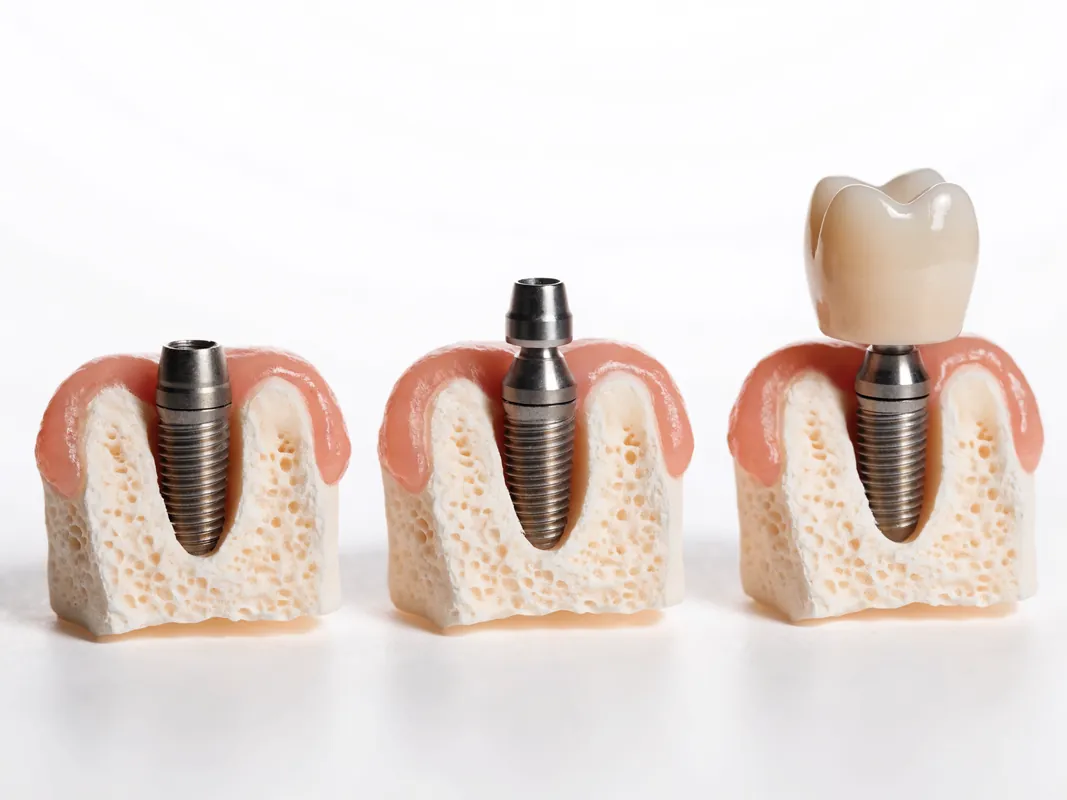
A product and component warranty concerns an identified item and an identified issuer. In implant care this might relate to an implant body, abutment, screw or another supplied device. In restorative care it might concern a manufactured material or prefabricated element. Exact scope depends on the actual document.
Request:
- manufacturer legal name;
- exact product and catalogue reference;
- batch, lot or serial information where applicable;
- date and site of use;
- instructions for use and traceability record;
- conformity information relevant to the market;
- warranty issuer and beneficiary;
- covered defect definition;
- exclusions and evidence route;
- remedy offered for the component itself;
- responsibility for removal, replacement, laboratory and clinical work;
- reporting route for suspected device incidents.
Do not treat regulatory conformity as a clinical guarantee. The current [MHRA guidance on regulating medical devices in the UK](https://www.gov.uk/guidance/regulating-medical-devices-in-the-uk) explains the UK device framework, registration, marking and post-market responsibilities. Those regulatory concepts are distinct from an individual commercial warranty and may not govern a device supplied or treatment performed overseas.
A component document may offer only a replacement item under specified conditions. It may not cover diagnosis, surgery, laboratory work, travel or consequential cost. Ask every surrounding question rather than assuming the smallest item funds the whole remedy.
Laboratory workmanship
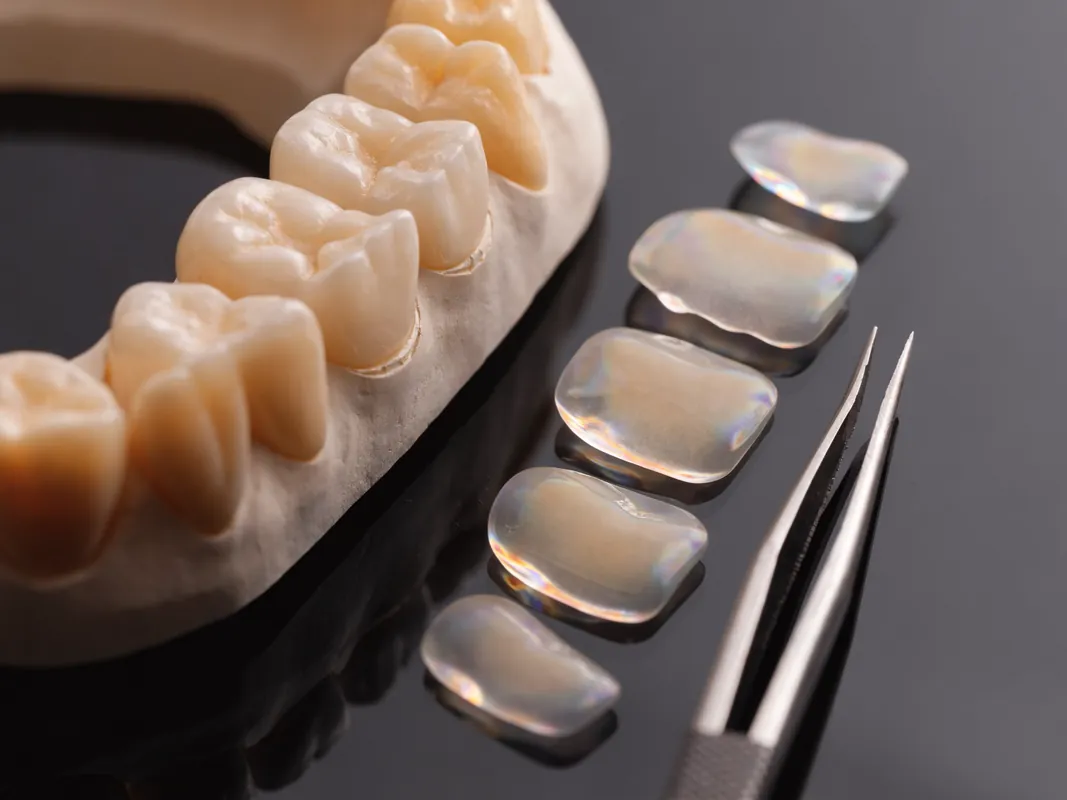
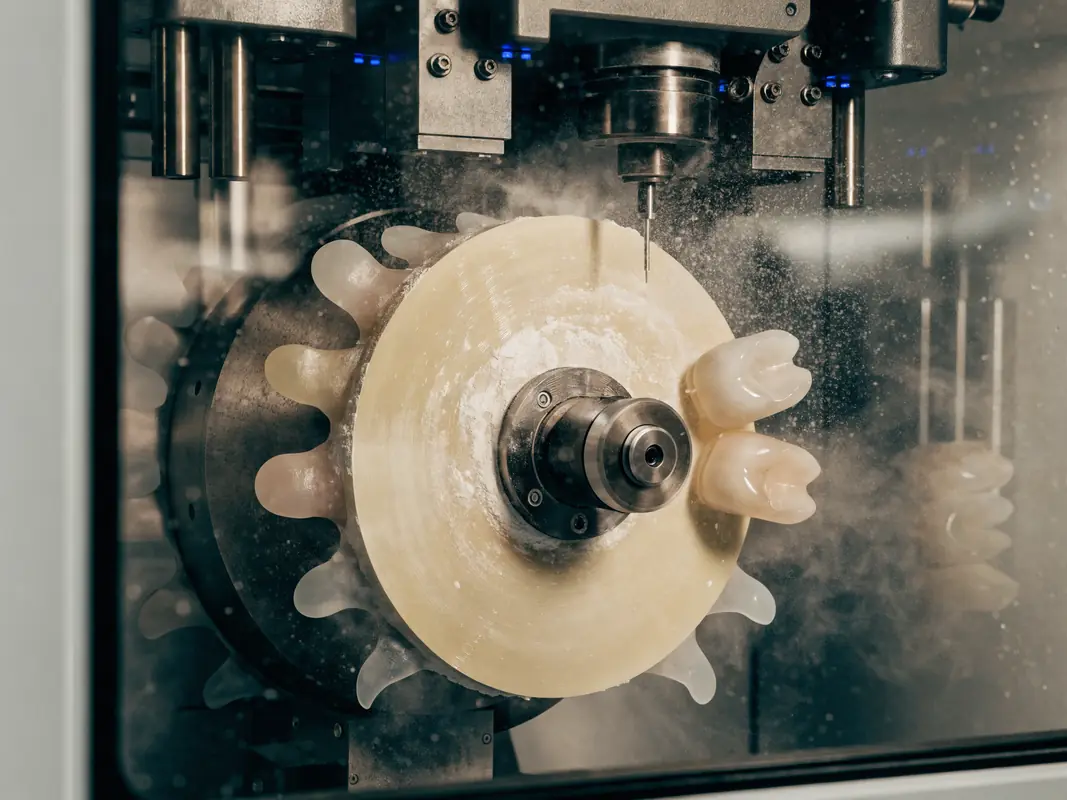
Laboratory workmanship concerns work performed by a dental laboratory: design execution, manufacture, shade, fit to the prescription, material processing or another defined issue. It does not decide whether the clinician's preparation, records, prescription, bite registration, surgical position or treatment plan was appropriate.
Request the laboratory's legal name and location, responsible prescription, materials and lot information where available, design approval process, try-in records, quality checks and remake terms. Ask whether the patient has any direct relationship with the laboratory or whether the provider must submit the request.
A remake is not automatically the correct clinical remedy. The responsible dentist must examine why the restoration failed or is unacceptable. Repeating the same design without understanding the cause may repeat the problem. Conversely, a requested cosmetic change that was outside the approved prescription may not be a workmanship event.
The terms should explain who pays clinical removal, new records, temporisation, laboratory work and fitting. They should also state what happens if the original laboratory closes, refuses the claim or cannot reproduce the material.

Provider commercial promise
A provider commercial promise is a voluntary commitment made by the identified treatment provider or another named business. It may offer repair, remake, credit, refund review or another response when defined conditions are met. The actual wording controls the offer; the word guarantee does not fill gaps.
Ask whether the promise is part of the treatment contract or a separate document. Confirm version, issue date, covered patient, covered teeth or implant sites, procedure, material, start trigger, end trigger, conditions, exclusions, evidence, inspection route and remedy. Ask which language version prevails if translations differ.
Check whether the issuer can change terms after treatment. A link to a web page that can be edited without version history is weaker evidence than a dated copy supplied before payment. Save the exact document and relevant advertising.
The promise should not imply a clinical role for a coordinator. Diagnosis and treatment decisions belong to appropriately qualified clinicians. The commercial issuer may approve payment or a contractual remedy, but it should not overrule urgent clinical judgement.
Manufacturer warranty versus provider promise
Manufacturer warranty versus provider promise is one of the most important distinctions. The manufacturer produced a device or material. The provider assessed, planned and delivered clinical care. A laboratory may have fabricated a restoration. Each can be responsible for different facts, and one party's document may not cover another party's work.
Build a responsibility map:
- suspected manufacturing defect;
- wrong product supplied;
- storage or handling issue;
- treatment-planning issue;
- surgical placement issue;
- laboratory fabrication issue;
- fitting or cementation issue;
- bite or loading issue;
- disease or biological complication;
- trauma or later treatment;
- maintenance or hygiene concern;
- patient preference change.
This map does not decide fault. It tells the parties what evidence may be needed. The provider should not send a patient to a manufacturer without records. The manufacturer should not be presented as covering unnamed clinical work unless its written terms say so.
Ask who communicates with the manufacturer, whether the patient receives the decision, and whether a replacement component changes the provider's clinical or cost responsibility.
Scope and covered event
Scope and covered event must be precise. The terms should identify the tooth, site, arch, restoration, implant component, laboratory item or clinical stage. Words such as dental work or full smile are too broad unless defined elsewhere and incorporated into the document.
The covered event should describe what must occur. Examples might include a verified manufacturing defect, fracture under defined conditions, loss of retention, laboratory non-conformity with an approved prescription or another specifically stated event. Avoid assuming that dissatisfaction, colour change, pain, infection, tissue recession, implant loss and mechanical fracture are treated the same.
Ask whether the document covers diagnosis of the event or only the remedy after the issuer accepts it. Ask how mixed causes are handled. A chipped restoration may involve material, thickness, bite, trauma or behaviour. A failed implant may involve biological, prosthetic and mechanical factors. The inspection process must allow clinical uncertainty.
Photographs alone may not establish cause. The terms should state whether examination, radiographs, component analysis, laboratory review or independent opinion may be requested and who pays.
Start, end and trigger
Start, end and trigger should be written without ambiguity. Does cover begin after placement, delivery, final fitting, payment, registration or completion of another step? Does it apply to a provisional restoration? Does a remake create a new period, continue the original period or have separate terms? This guide does not supply a standard duration.
The document should define what ends the promise: a stated date, event, transfer, alteration, missed maintenance requirement, provider closure or another condition. Ask what happens if the treatment itself is staged and definitive work has not yet been delivered.
Avoid open-ended marketing words that conflict with detailed exclusions. If the headline sounds unlimited but the operative terms are narrow, request a plain-language explanation before payment.
Store evidence of the trigger. This may include invoice, operative note, delivery record, signed acceptance, implant passport or laboratory certificate. Do not rely on a messaging timestamp as the only proof.
Conditions and exclusions
Conditions and exclusions determine whether an offered remedy is usable. Read them before treatment. Ask the issuer to explain any condition that depends on access to care in another country.
Common categories may include:
- scheduled examination or maintenance;
- hygiene and disease-control requirements;
- use of a protective appliance where prescribed;
- restrictions on alteration by another clinician;
- reporting and evidence requirements;
- inspection by the original provider;
- trauma, accident or external force;
- smoking or other exposure terms;
- medical or medication changes;
- untreated periodontal disease or caries;
- normal wear or cosmetic preference;
- lost components or removable appliances;
- provisional versus definitive work;
- travel and accommodation exclusions;
- laboratory or manufacturer limitations.
Do not assume every exclusion is fair, enforceable or clinically appropriate. The [CMA guidance on unfair contract terms](https://www.gov.uk/government/publications/unfair-contract-terms-cma37) explains the importance of fair and transparent terms and discusses warranty wording that could mislead consumers about wider protections. How that guidance applies to an overseas arrangement requires fact- and jurisdiction-specific advice.
An exclusion should not pressure a patient to avoid urgent local treatment. The terms should contain an emergency exception or evidence route for clinically necessary intervention.
Evidence required for a claim
Evidence required for a claim should be proportionate, obtainable and stated in advance. Ask for the complete list, accepted formats, language requirements, submission route and responsibility for cost.
Evidence may include:
- treatment contract and warranty version;
- invoice and payment record;
- diagnosis and treatment plan;
- pre-treatment images and reports;
- procedure and material records;
- implant passport or component traceability;
- laboratory prescription and certificate;
- consent and approved design records;
- maintenance records;
- symptom timeline;
- current clinical examination;
- radiographs or photographs where justified;
- report from a local dentist;
- removed component retained for analysis;
- correspondence and prior notification.
A patient should not be asked to prove a medical conclusion beyond what an appropriately qualified professional can assess. The issuer should explain how conflicting opinions are handled and whether an independent examiner is possible.
Preserve originals and share copies securely. Personal health information should not be sent through an unverified public channel merely because the warranty form requests it.
Maintenance and local dentist
Maintenance and local dentist arrangements should be decided before travel. Ask a local dentist whether they are willing to provide routine care, urgent assessment or maintenance for overseas work. They are not automatically responsible for another provider's warranty and may decline procedures or unfamiliar components.
The warranty should define required maintenance by clinical need, not just a vague attendance rule. It should state who may perform it, which records are accepted, what happens if local access is unavailable and whether remote check-ins count for anything. A remote image cannot replace every examination.
Provide the local dentist with the diagnosis, plan, procedure notes, materials, implant passport, images and outstanding stages. Ask the overseas provider to specify hygiene methods and maintenance needs. If a protective appliance is prescribed, record delivery, fit and review.
Missed maintenance may be relevant to a claim, but it should not become an automatic explanation for every problem. Cause still requires clinical assessment. The patient should receive urgent care even while maintenance records are being gathered.
Claim procedure and inspection
Claim procedure and inspection need a written workflow. A usable process answers:
- where the claim is submitted;
- accepted language and format;
- information and evidence required;
- acknowledgement method;
- clinical triage route;
- decision-maker and authority;
- inspection location;
- independent opinion process;
- communication during review;
- reasons supplied with a decision;
- escalation or appeal route;
- complaint route outside the warranty;
- handling of removed components and records;
- privacy and data-sharing rules.
Do not rely on a fixed response claim that is unsupported by the contract or staffing. Ask for a realistic process and what to do if no reply comes. The urgent-care route must operate independently.
Inspection by the original provider may be reasonable for some claims, but international return can be expensive or clinically unsuitable. Ask whether a local clinical report can start the process, whether remote triage is provisional, and who decides if travel is necessary.
The provider should not demand that a potentially defective component be discarded. The local clinician should prioritise safety, document findings and preserve material where clinically possible.
Repair, remake, refund and other remedies
Repair, remake, refund and other remedies are different. The terms should state which may be offered, who chooses, what clinical reassessment occurs and whether the remedy addresses only the item or the surrounding work.
A repair may preserve more tooth structure or avoid replacement, but only if clinically appropriate. A remake may require new preparation, records, provisional care and laboratory work. A refund may concern a specific undelivered or defective stage rather than every service. A credit may require return to the same provider and can be of little value if trust or travel feasibility has changed.
Ask whether the remedy includes:
- examination and diagnosis;
- removal of the existing restoration or component;
- provisional protection;
- new material or component;
- laboratory work;
- clinical fitting or surgery;
- medicines and imaging;
- local dentist fees;
- travel and accommodation;
- time away from work;
- companion or accessibility costs;
- management of a different diagnosis;
- treatment by another provider;
- records and follow-up.
Do not assume that replacement of a physical item funds all clinical work. Ask for an itemised remedy matrix before payment.
Travel and accommodation costs
Travel and accommodation costs should have their own row in the comparison. The GDC patient questions specifically encourage asking who pays for additional flights, hotel and remedial work. The [NHS treatment-abroad checklist](https://www.nhs.uk/using-the-nhs/healthcare-abroad/going-abroad-for-treatment/treatment-abroad-checklist/) also recommends accounting for return trips, extended stays, aftercare and insurance.
Ask whether the warranty covers booking, reimbursement or neither. Clarify change fees, companion costs, accessible transport, extra accommodation, meals, local taxis and lost work. Identify the supplier and evidence needed. A promise to arrange travel is not the same as paying it.
Do not book return travel until the responsible clinician says travel is appropriate. A commercial requirement to attend inspection cannot override fitness to travel. If a local assessment is needed first, preserve the records and notify the provider.
Travel promises may be subject to availability or separate contracts. Read cancellation rules and do not treat a hotel voucher as a clinical remedy.
Implant passport and records
Implant passport and records are essential for traceability and continuity, but the word passport is not itself a warranty. The document should identify the patient, site, implant and component details, manufacturer, product reference, lot or serial information where applicable, placement date, treating clinician and facility.
Request the wider record set:
- diagnosis and alternatives;
- treatment plan versions;
- imaging and reports;
- surgical notes;
- graft or biomaterial details;
- implant and component traceability;
- restorative and laboratory prescriptions;
- provisional and definitive status;
- occlusal findings;
- medicines and aftercare;
- complications and plan changes;
- maintenance schedule;
- warranty and manufacturer documents;
- complaint and emergency contacts.
Records help a local dentist understand the work and help all parties investigate a claim. They should be available in a usable, secure format. A patient should not have to purchase a marketing membership to obtain basic clinical records.
For a suspected device problem, current UK reporting information is available through the [MHRA medical-device reporting route](https://www.gov.uk/report-problem-medicine-medical-device). Whether that route applies depends on the device, market and facts; it is not a substitute for clinical care or contract advice.
Cross-border jurisdiction and complaints
Cross-border jurisdiction and complaints are more complex than a UK website or bank account may suggest. The contract should state governing law, dispute forum, provider address, regulator, professional complaint route, language and service method. Those clauses do not necessarily settle every legal question, so obtain advice for the actual transaction.
The GDC regulates professionals practising dentistry in the UK; it does not automatically regulate care performed abroad. Check the professional and facility registers in the treatment country. Ask what the regulator can investigate and whether it awards compensation or only handles professional conduct.
Use the provider's complaint process separately from the warranty claim. A complaint may concern communication, consent, records, care or sales conduct even when a narrow warranty event is rejected. Keep dated copies and request written reasons.
The [GOV.UK consumer-rights page](https://www.gov.uk/consumer-protection-rights) lists official routes to consumer advice in the UK and points to international consumer help for some cross-border purchases. Eligibility and practical assistance vary. This guide cannot determine the correct forum.
Avoid a contract that names no legal provider, uses only social-media messaging, or requires a dispute in an unidentified venue.
Card protection and travel insurance boundaries
Card protection and travel insurance boundaries must be checked independently. Paying by a particular method does not guarantee that a dental dispute qualifies. Transaction structure, parties, itemisation, location, representations and other facts may matter.
The government-backed [MoneyHelper guide to card protection and chargeback](https://www.moneyhelper.org.uk/en/everyday-money/credit/how-youre-protected-when-you-pay-by-card) explains the general distinction between statutory credit-card protection and card-scheme chargeback. Read the current eligibility rules and ask the card provider about the actual transaction. Do not split, route or describe payment based on an unsupported promise that protection is automatic.
Travel insurance often excludes planned treatment, expected complications or undeclared activities. The [GOV.UK foreign travel insurance guidance](https://www.gov.uk/guidance/foreign-travel-insurance) advises reading cover and exclusions and disclosing relevant plans. Ask the insurer in writing whether treatment, cancellation, extended stay, urgent care and return travel are covered.
Neither card protection nor insurance is a clinic warranty. Preserve the contract, invoices, advertisements, clinical records and correspondence in case an external provider requests evidence.
Consent cannot be waived by warranty wording
Consent cannot be waived by warranty wording. A patient must still receive diagnosis, reasonable alternatives, material risks, expected maintenance, costs and an opportunity to decide. A signature on commercial terms does not authorise an undisclosed treatment change.
The promise should not require the patient to accept a particular remedy before a clinician has assessed suitability. It should not state that choosing urgent local care automatically proves breach. It should not condition basic records on waiver of a complaint.
If a treatment plan changes after examination, renew consent and update the quote and warranty scope. Ask whether a changed material, clinician, laboratory or procedure remains covered. Save the new version.
Commercial terms also cannot turn biological uncertainty into patient fault. Exclusions should be explained before payment and connected to evidence, not applied retrospectively whenever a complication occurs.
Urgent clinical care must not wait for a warranty dispute
Urgent clinical care must not wait for a warranty dispute. Breathing or swallowing difficulty, uncontrolled bleeding, rapidly increasing swelling, systemic illness, severe worsening symptoms, trauma, spreading infection, new altered sensation or a loose component threatening the airway requires prompt local assessment. This is not an exhaustive diagnostic list.
Contact local emergency services for medical emergencies and an urgent dental service for urgent dental problems. Share records if available, but do not delay because the overseas provider has not approved a claim.
Tell the treating provider as soon as practical and document symptoms, findings, images, treatment and any removed components. Ask the local clinician to preserve evidence only where that does not compromise care.
Urgent stabilisation may alter the later remedy. That commercial question can be considered after safety. A term that appears to punish necessary emergency care should be reviewed with appropriate consumer or legal advice.

Pre-payment comparison worksheet
Use this pre-payment comparison worksheet for each provider. Do not score a blank cell as a promise.
Identity
- legal treatment provider;
- payment recipient;
- treating clinicians;
- facility;
- laboratory;
- manufacturer or supplier;
- warranty issuer;
- claim administrator;
- regulator and complaint body.
Promise
- exact document title and version;
- covered treatment, tooth, site, product or stage;
- covered event;
- start trigger;
- end trigger;
- conditions;
- exclusions;
- language hierarchy;
- amendment rule;
- beneficiary and decision-maker.
Evidence
- contract and invoice;
- clinical and imaging records;
- material and component traceability;
- maintenance records;
- local report;
- inspection requirements;
- translation requirements;
- component-retention process;
- who pays evidence costs.
Remedy
- repair;
- remake;
- replacement item;
- clinical work;
- refund review;
- credit;
- local care;
- travel and accommodation;
- companion and accessibility;
- medicines and imaging;
- escalation after rejection.
Continuity
- urgent contact;
- local dentist handover;
- maintenance;
- record release;
- complaint procedure;
- regulator;
- card-provider evidence;
- insurance response;
- no-travel option.
Compare the completed worksheets, not the headline length of cover. A narrower promise with clear ownership and a practical local pathway may be more usable than unlimited-sounding language with no issuer, records or remedy detail.
Worked scenario: a fractured crown
A patient notices a fracture after returning home. The immediate task is clinical: protect the tooth, assess pain, sharp edges, remaining structure, bite and any risk to pulp or supporting tissues. The warranty task is separate: identify the crown, laboratory, material, treatment record, covered event and exclusions.
Possible evidence includes photographs, local examination, radiograph if justified, fragments, bite findings, treatment plan and maintenance history. Possible explanations include material defect, insufficient thickness, bite load, trauma, preparation, bonding, laboratory processing or combined causes. The website cannot decide.
The remedy worksheet should ask whether repair is clinically reasonable, whether a remake is covered, who removes and temporises, who pays the laboratory and whether travel is necessary. A certificate for the material alone may not cover clinical labour.
Urgent smoothing or temporary protection should not wait for a distant administrator if the local clinician considers it necessary. Document the intervention.
Worked scenario: an implant problem
A patient develops symptoms or mobility around an implant-supported restoration. First determine what is moving: restoration, screw, abutment, implant or surrounding tissue diagnosis. That requires clinical assessment. Do not assume implant failure from a message, and do not assume a warranty event from the word loose.
Request the implant passport, operative note, component records, imaging, restoration design, maintenance and symptom history. The clinician may need to distinguish biological, mechanical and restorative issues. A manufacturer document, laboratory commitment and provider promise may respond differently.
The claim procedure should identify who examines, whether a component is retained, whether a local report is accepted and what remedy applies to each accepted cause. It should also explain the plan if no international travel is safe or feasible.
A product replacement does not automatically include explantation, grafting, new surgery, provisional restoration or travel. Those items need explicit written treatment and cost terms.
Worked scenario: dissatisfaction with appearance
Appearance concerns require the agreed design record. Compare photographs, shade communication, mock-up, trial, consent and approved form. Distinguish a workmanship issue from a new preference, biological change, tooth-position limitation or communication failure.
Ask whether the warranty defines shade, shape, symmetry, surface or patient approval. A statement that cosmetic work is guaranteed is too broad. The provider should describe the review and remake process without promising that every subjective preference creates a remedy.
Tooth preparation cannot be reversed simply because a claim exists. The clinician must discuss risks of removal and remake, alternatives and the possibility that intervention could damage tooth structure or pulp. Consent is renewed for remedial work.
If the provider offers only a return appointment, ask who pays travel and what happens if assessment concludes that no covered event occurred.
If the provider closes or changes ownership
Ask before payment what happens if the clinic closes, relocates, changes ownership, loses a clinician, changes laboratory or stops using the product. A promise may depend entirely on the original legal entity unless an insurer or successor has expressly accepted responsibility.
Request evidence of any separate administrator or insurance rather than relying on the word insured. Ask for policy issuer, policyholder, beneficiary, covered event, exclusions and claim route. Verify independently with the named organisation.
Keep records and traceability outside the provider portal. If the business disappears, those documents support local care even where no commercial remedy survives.
Do not assume a new owner must honour an old promise. That is a contract and jurisdiction question for independent advice.
If another dentist intervenes
Warranty terms often address alteration by another dentist. The clause should distinguish elective modification from urgent or necessary care. A patient should not have to choose between preserving a claim and treating infection, pain or trauma.
Before non-urgent intervention, contact the original provider, request records and ask what evidence is needed. Ask the local dentist to document current findings and proposed care. If waiting creates clinical risk, follow local professional advice and notify the original provider when practical.
After intervention, preserve operative notes, images, invoices and removed materials. Explain why care was needed. The claim administrator may still dispute coverage, but the record is stronger than an undocumented procedure.
The original provider should not state that any local examination voids cover. Examination and information gathering are different from altering treatment.
Red flags
Red flags include:
- no named legal provider;
- no full written terms before payment;
- warranty available only after treatment;
- headline language that conflicts with exclusions;
- no identified tooth, site, product or procedure;
- no version or issue date;
- provider, laboratory and manufacturer treated as one unnamed party;
- biological result presented as certain;
- no maintenance or aftercare route;
- mandatory return without travel-cost terms;
- automatic rejection after urgent local care;
- no records or implant passport;
- no complaint process;
- clinician identity withheld;
- pressure to sign in a language not understood;
- waiver of consent or complaint rights;
- cash-only pressure linked to cover;
- changing online terms with no archived copy;
- no explanation of repair, remake or refund;
- no answer if the provider closes;
- an unverified claim of insurance;
- refusal to give written reasons for rejection.
One red flag does not decide a legal dispute, but it is a reason to pause, seek clarification and compare another provider.
Final decision rule
A useful overseas dental warranty is not the one with the loudest headline. It is a dated promise from a named legal entity, attached to an identified treatment or product, with clear scope, conditions, evidence, inspection, clinical ownership, local aftercare, remedy and cost allocation.
Read it beside the case-specific treatment plan, consent, quote, device records and complaint process. Check official consumer, professional and insurance guidance as currently published. Keep urgent care independent. Preserve a no-travel option.
If the provider cannot explain who promises what and how the promise works from home, the warranty should add no weight to the treatment decision.