A zirconia crown in Turkey costs £160 to £290 per unit in 2026 for monolithic zirconia, and £255 to £370 for a cut-back unit with hand-layered ceramic on the front. The same single crown is £500 to £950 in UK private practice and €700 to €1,300 in Germany. A three-unit bridge lands at £480 to £870. Those figures assume a tooth that is ready to be crowned, and a good share of teeth arriving with an old crown on them are not. Every number here is indicative until a radiograph and an intraoral scan have been read, because the honest per-unit price depends on what is underneath the crown that is coming off.
This page gives you per-unit market orientation and enough structure to judge whatever quote you are holding. Before paying, require the named provider to identify the responsible clinician and confirm the diagnosis, preparation, exact material, laboratory source, alternatives, exclusions and itemised price in a dated written plan after the required examination and imaging. Which ceramic suits your case as a material decision — zirconia against lithium disilicate — is argued properly on our monolithic zirconia versus E.max comparison page, and we will not re-run it here. Veneer pricing, implant pricing, full-arch pricing and the argument about how much tooth gets removed each have their own page.
What you are paying for, and it is not the ceramic
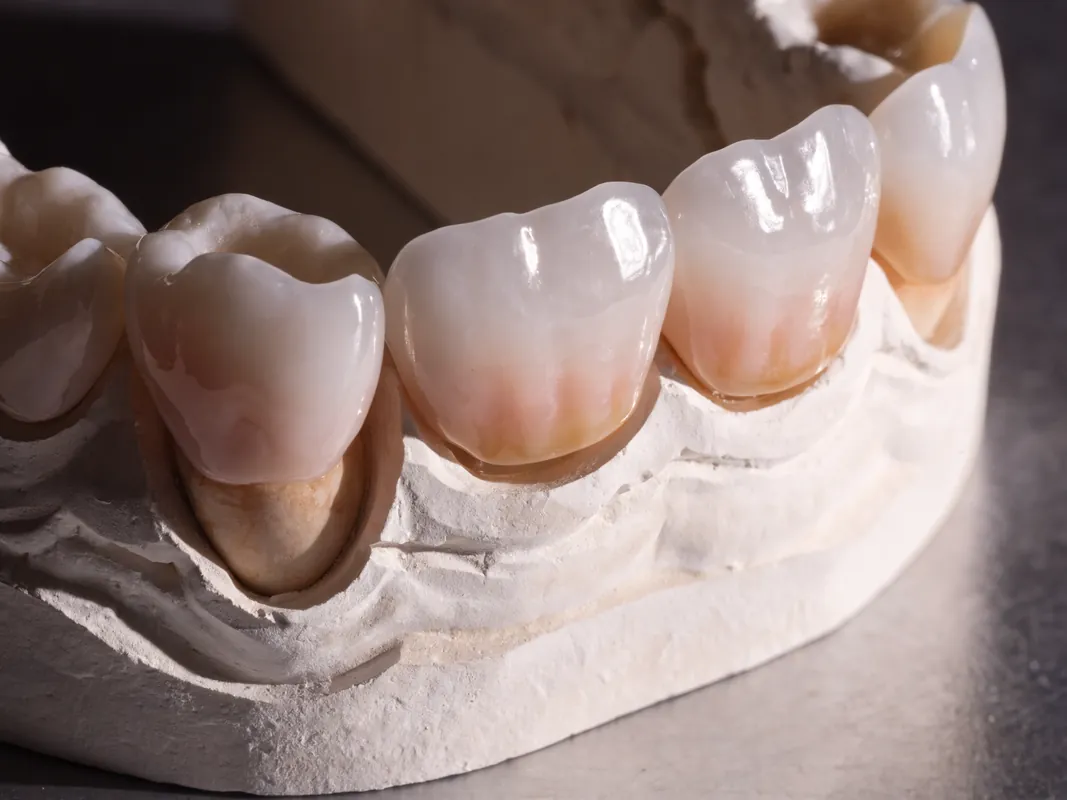
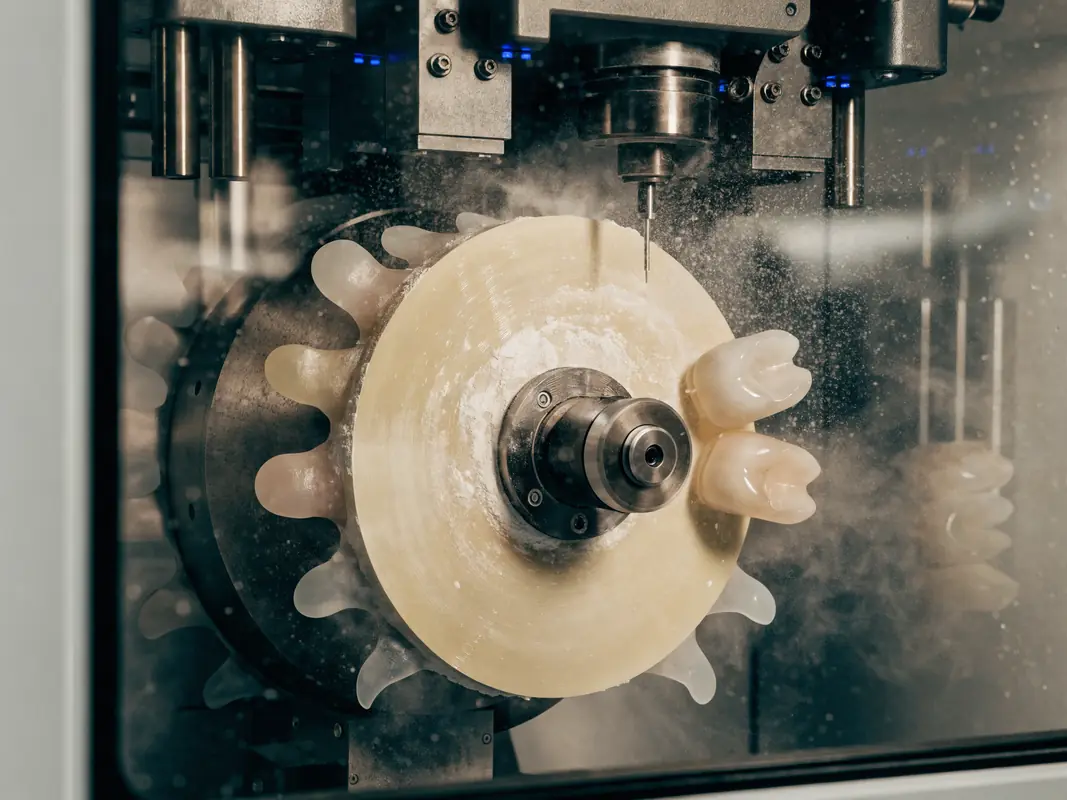
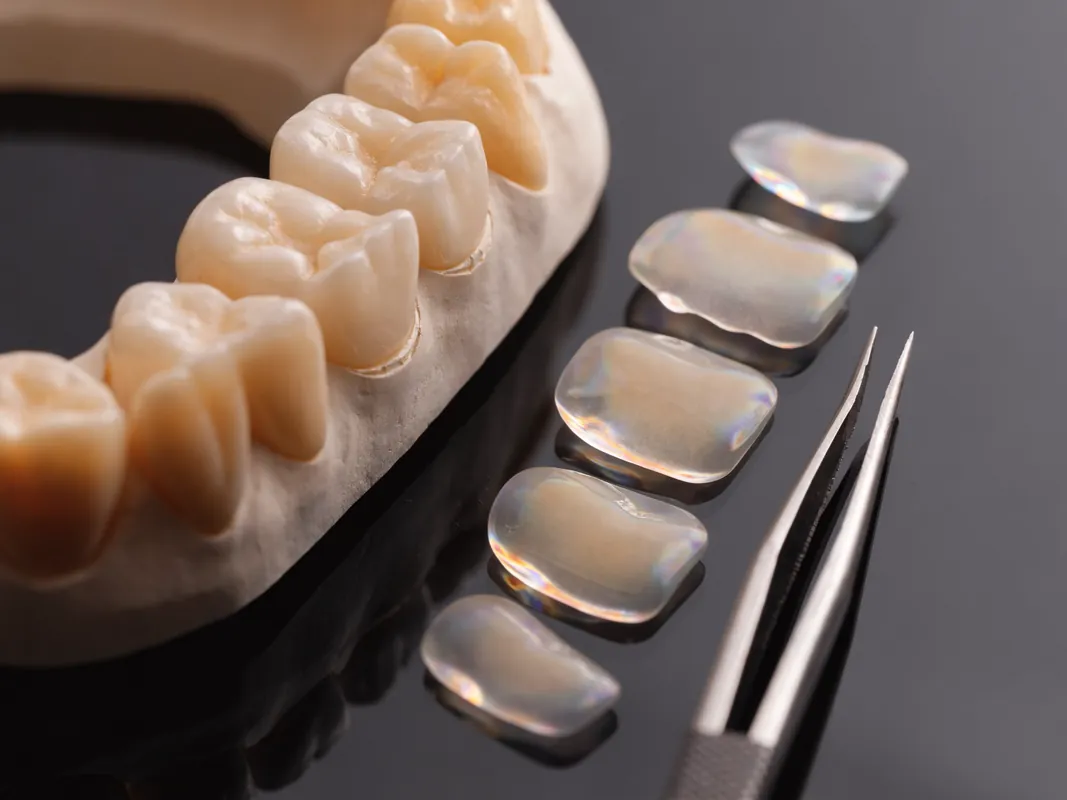
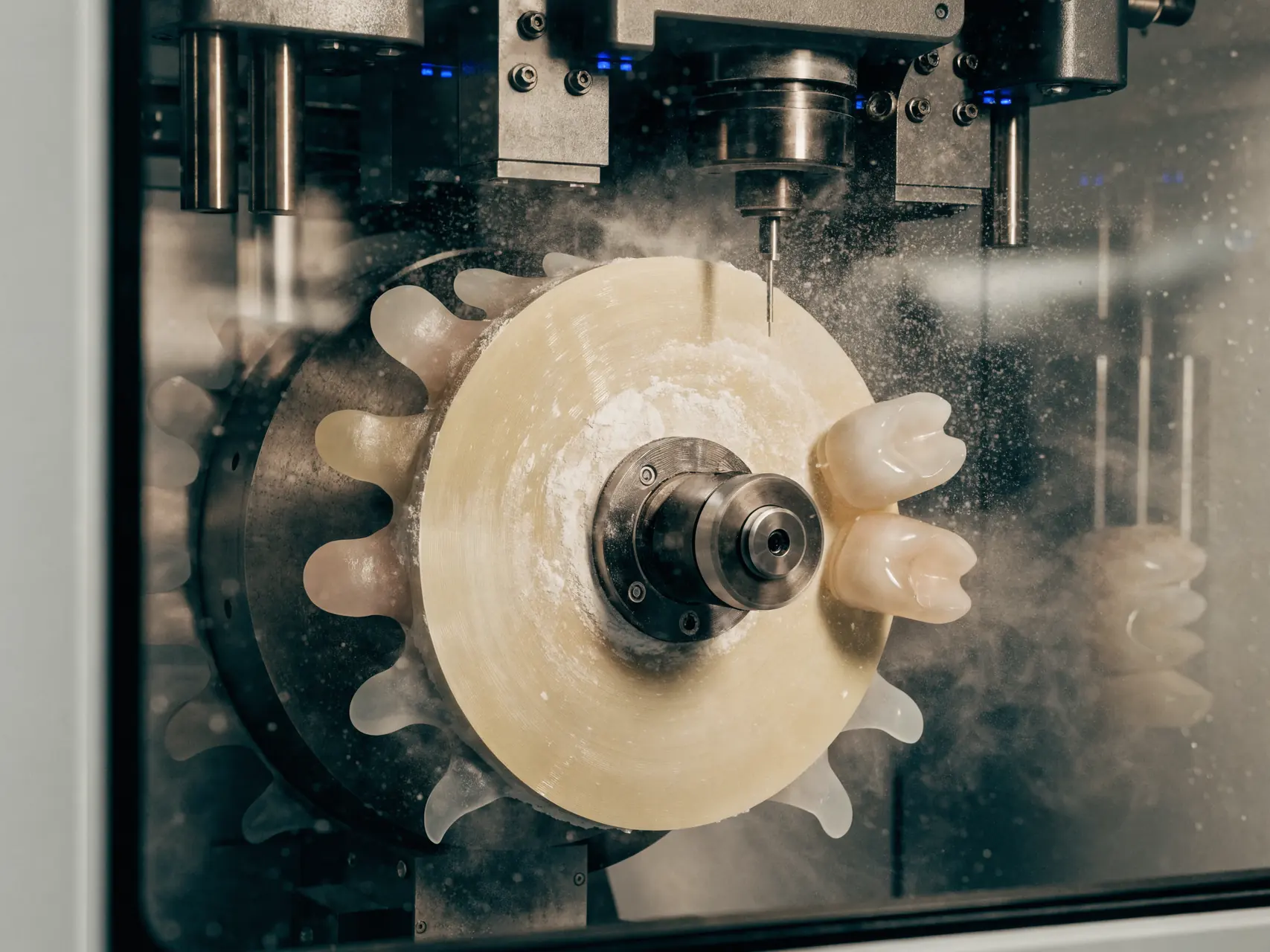
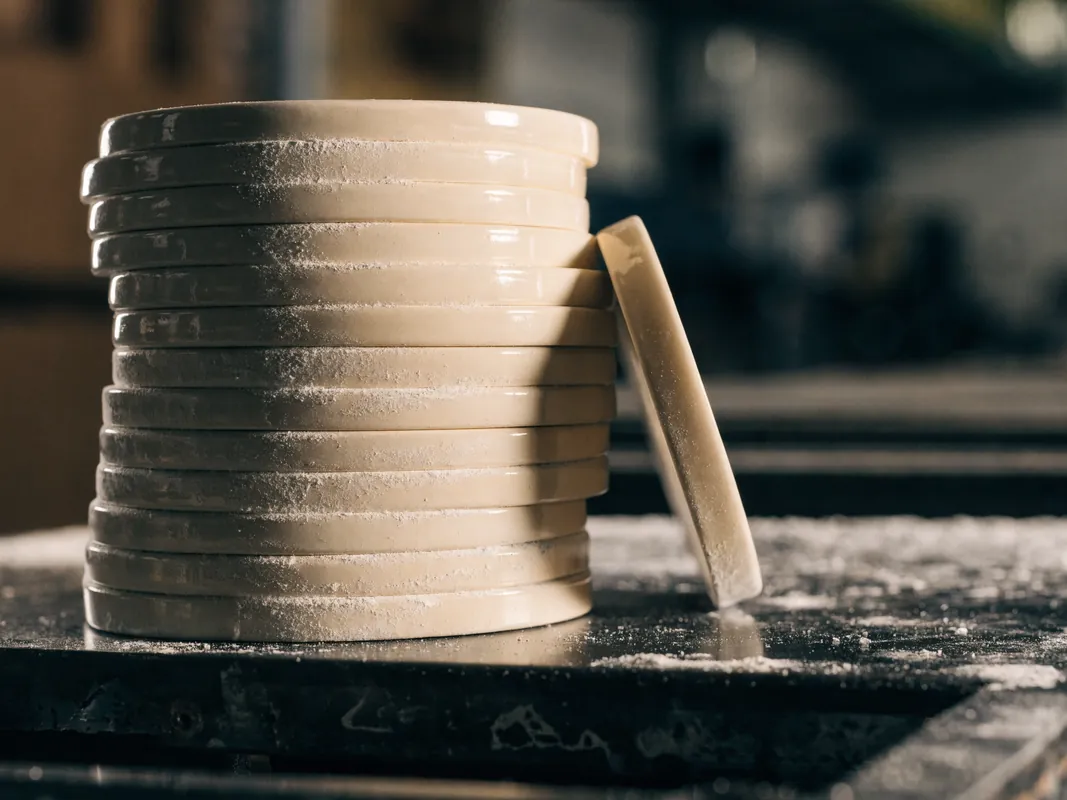
A zirconia crown is a full-coverage cap milled from a pre-sintered blank, fired at around 1,500 °C, stained or layered, glazed, and cemented onto a prepared tooth. The disc it is cut from costs a laboratory very little per unit — one blank yields a dozen or more crowns. Nobody's price is driven by the price of zirconia.
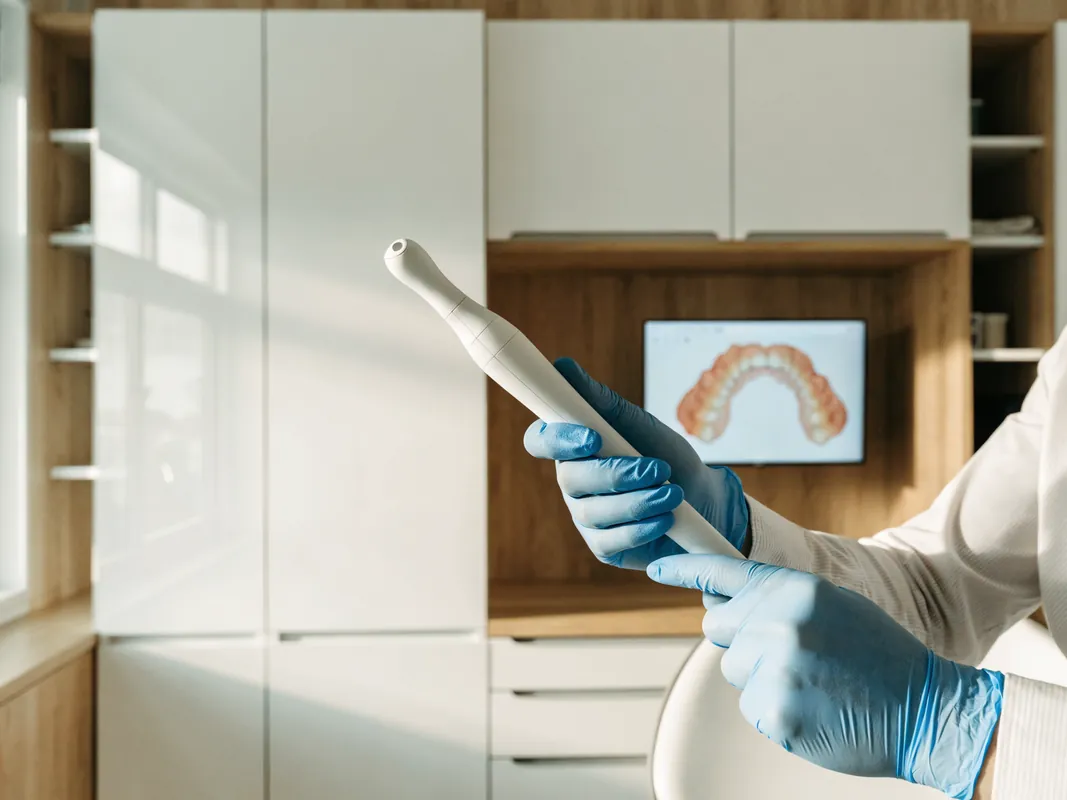
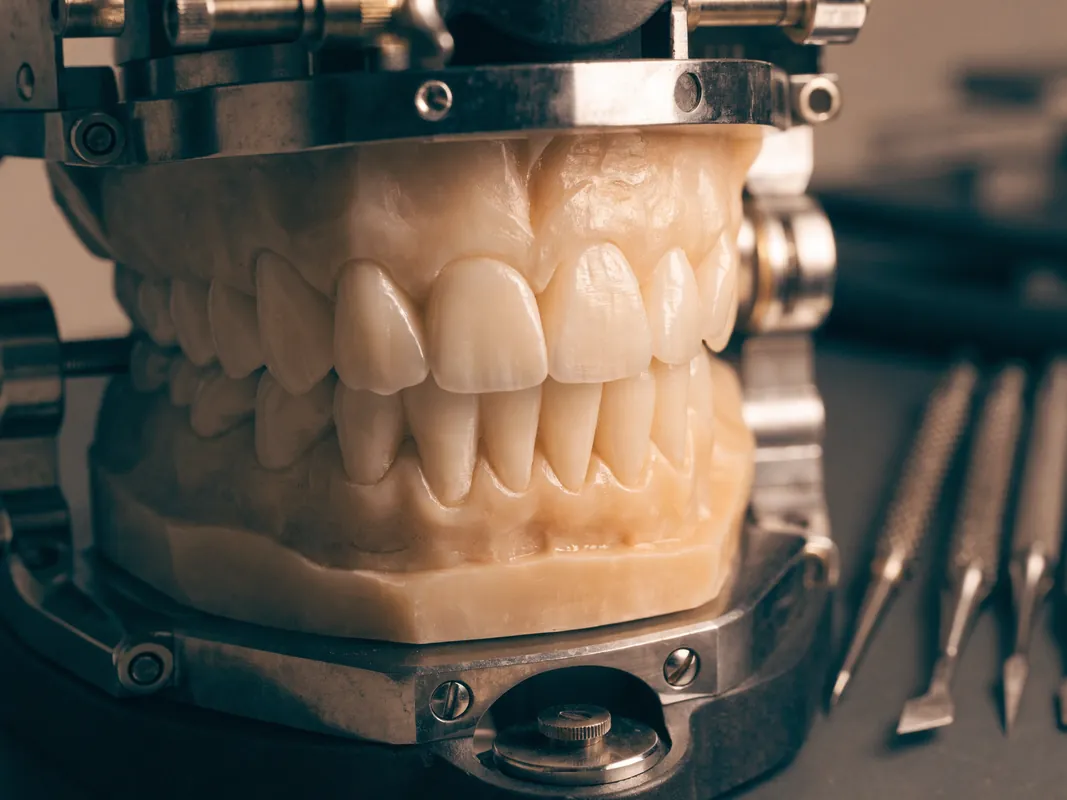
What you are paying for is the chair time to prepare a tooth to a clean, continuous margin; the scan or impression that captures that margin; the technician's design time; the milling and sintering cycle; the staining and glazing that decide whether the crown looks like a tooth or a tooth-shaped object; the try-in; and the cementation appointment, which is where a technically perfect crown gets ruined by a contaminated field or an unchecked contact.
That tells you where a cheap per-unit quote finds its savings. It is not cheaper zirconia. It is a shorter preparation, a single-layer blank instead of a multi-layer aesthetic one, machine staining instead of hand characterisation, no try-in, and a cementation appointment compressed to fit more patients into the day.
Per-unit price bands in Turkey for 2026
Per unit, covering preparation, provisional, scan, laboratory work, try-in, cementation and the occlusal check, on a tooth that needs no pre-treatment.
| Unit type | Where it belongs | Indicative 2026 Turkey, per unit | UK private, per unit | General service life in the literature |
|---|---|---|---|---|
| Monolithic zirconia, single-layer blank, machine-stained | Molars, outside the smile line | £160–£215 | £500–£750 | 12–20 years |
| Monolithic zirconia, multi-layer aesthetic blank | Premolars, canines, the second row of the smile | £200–£265 | £600–£880 | 12–20 years |
| Monolithic zirconia, high-translucency, hand-characterised | Upper anteriors sitting beside natural teeth | £230–£290 | £700–£950 | 12–18 years |
| Cut-back zirconia with layered incisal porcelain | A single central incisor matched to a natural neighbour | £255–£370 | £800–£1,200 | 10–15 years |
| Zirconia pontic, the span unit in a bridge | The replacement tooth itself | £150–£240 | £450–£800 | With the bridge |
| Laboratory-made provisional crown | Worn between preparation and fit | £25–£60 | £90–£180 | Weeks |
| Post and core, prefabricated | Rebuilding a root-treated tooth | £60–£120 | £180–£380 | With the crown |
| Post and core, cast | Where the prefabricated option will not hold | £95–£170 | £250–£500 | With the crown |
Two things in that table decide most of your bill.
Where the tooth sits matters more than the material name. A molar nobody sees can be a single-layer monolithic unit and be a completely correct restoration — it is the strongest, least fussy thing you can put back there. Paying £290 for hand-characterised translucency on a lower second molar buys an effect no one will ever see. Conversely, putting a £165 machine-stained molar unit on an upper central incisor next to a natural tooth is the commonest way a cheap quote produces a crown that is obviously a crown.
Translucency is bought, not free. Multi-layer aesthetic blanks are pre-shaded through their thickness, so the crown grades from a more opaque cervical to a translucent incisal edge without hand work. They cost the laboratory more per unit and they are the honest way to make monolithic zirconia acceptable in the smile line. If a quote does not name the blank generation and the shade system, the laboratory is choosing for you.
Why the same three words cover a £210 spread
- Blank generation. First-generation opaque zirconia, third and fourth-generation high-translucency material and multi-layer discs are all sold as "zirconia crown". The optical difference between them is enormous and the price difference is real.
- Shade complexity. One crown matched to natural neighbours is the hardest job in the laboratory. Ten crowns made to a chosen shade is far easier — which is why per-unit prices in large cases are lower than for a single unit, and legitimately so.
- Hand time. Machine staining from a shade library takes minutes. Internal characterisation — mamelons, a translucent halo, a subtle cervical warmth — takes a ceramist hours per unit.
- Try-in stages. A biscuit try-in before glaze costs a day and a fee, and removes most shade disappointment before it becomes permanent.
What moves your per-unit number, and why each one is legitimate
| Factor | What it changes | Typical effect on the invoice |
|---|---|---|
| The tooth is a molar, outside the smile line | Simpler blank, less hand time | −£40 to −£90 per unit |
| The tooth is an upper central or lateral incisor | Multi-layer or layered unit, more try-in | +£50 to £120 per unit |
| Matching one crown to natural neighbours | The hardest shade job there is | +£40 to £90, plus a try-in day |
| Dark post or discoloured root underneath | Needs an opaque core and more thickness | +£30 to £70 per unit |
| Tooth needs a build-up before preparation | Core material and extra chair time | +£40 to £90 |
| Tooth needs root canal treatment first | A separate procedure and an extra visit | +£90 to £220 |
| Post and core required | Prefabricated or cast | +£60 to £170 |
| Crown-lengthening to expose a sound margin | Minor surgery and healing time | +£120 to £260 per tooth |
| Gums bleeding on probing | Periodontal therapy before impressions | +£90 to £190 |
| Documented bruxism | Material choice is fine; the guard is not optional | Night guard £70–£150 |
| Ten or more units in one case | Laboratory batching, one shade decision | −£15 to −£40 per unit |
The full invoice — every line that belongs on it
| Line item | What it is | Indicative 2026 cost | Usually included? |
|---|---|---|---|
| Clinical examination | Exam, periodontal probing, bite assessment | £0–£70 | Usually folded into the case |
| Periapical radiograph or OPG | Sees the root, the old filling, the bone level | £15–£60 | Should be, always |
| CBCT where indicated | Suspected root fracture, failed post, apical pathology | £45–£95 | Only when indicated |
| Removing the existing crown | Sectioning and lifting the old unit off | £20–£50 | Frequently omitted |
| Caries removal and core build-up | Rebuilding what is left before preparation | £40–£90 | Frequently omitted |
| Root canal treatment, if needed | Before the crown, never after it | £90–£220 | Contingency |
| Post and core | Where too little coronal tooth remains | £60–£170 | Contingency |
| Tooth preparation | The irreversible step | Per unit, in the crown price | Yes |
| Intraoral scan or impression | The model the crown is milled from | £0–£60 | Usually included |
| Provisional crown | Chairside acrylic, or laboratory-made | £15–£60 | Sometimes |
| Laboratory work | Design, mill, sinter, stain, glaze | Per unit, in the crown price | Yes |
| Shade matching in daylight | With the technician present where possible | £0–£40 | Should be |
| Biscuit try-in before glaze | Shape and shade checked unglazed | £0–£55 | Frequently omitted |
| Cementation | Isolation, cement selection, cure, clean-up | Per unit, in the crown price | Yes |
| Occlusal adjustment and re-polish | Checked in excursions, then polished again | £0–£50 | Frequently omitted |
| Post-fit review before you fly | 24–72 hours later | £0–£40 | Should be |
| Night guard, laboratory hard acrylic | Protects the case if you grind | £70–£150 | Frequently omitted |
The five lines a cheap per-unit quote drops
Crown removal, the core build-up, the try-in, the occlusal adjustment and the night guard are together worth roughly £150 to £400 on a four-unit case. Dropping them buys a lower headline number and five specific risks: an old crown taken off in a hurry with the margin damaged, a new crown cemented onto a compromised core, a shade first seen when it is permanently in, one unit sitting high in lateral excursion, and no protection at night on a case that needed it.
An unadjusted high crown is not a cosmetic complaint. It is the fastest route to a cracked opposing cusp, a tooth that never settles, and, in the honest cases, a crown that has to come off again.
Occlusal adjustment cannot be done by email. It needs articulating paper, you biting and sliding, and someone watching the marks. Once you have flown home it cannot happen at all without another dentist and another fee.
The pre-work nobody quotes for: what comes off with the old crown
This is the section that decides whether your final invoice matches your quote.
A per-unit price quoted before a radiograph is a guess. It has to be. The person quoting cannot see the root, the depth of the existing filling, whether there is decay at the old margin, whether a post is loose, or whether root canal treatment done twelve years ago has quietly failed. All of those are ordinary findings under an old crown, and none of them can be crowned over.
Three things change the plan once the old crown is off.
- Decay at the margin. Caught early it is a build-up. Caught late it is a build-up plus root canal treatment, or a crown-lengthening procedure to find sound tooth to seat a margin on.
- A failed or loose post. Either it comes out with the old crown, or it does not come out at all — which is worse, because retrieving a well-cemented post carries a real risk of splitting the root.
- A root canal that needs redoing. A radiolucency at the apex of a tooth about to receive a new crown means the endodontics happens first. Crowning over it means doing the whole job again later, through the new crown.
What an honest contingency line looks like
An honest plan does not pretend these will not happen. It prices them in advance and states the decision rule.
| Finding under the old crown | Stated honestly | What it adds | Who decides |
|---|---|---|---|
| Sound core, straight re-preparation | The good outcome | £0 | No decision needed |
| Small marginal decay, build-up only | Common | £40–£90 | Dentist proceeds, you are told |
| Deep decay reaching the pulp | Occasional | £90–£220 for endodontics | You are called before it starts |
| Loose post needing replacement | Occasional | £60–£170 | You are called before it starts |
| Failed root canal needing retreatment | Occasional | £140–£300 | You are called; the timeline changes |
| Root fracture, tooth not restorable | Uncommon but real | Crown cancelled; extraction and a separate implant plan | You decide, with the radiograph in front of you |
A plan carrying a table like this is not padding the bill. It is telling you the range you might actually pay before you commit to a flight. A quote with no contingency line is not a cheaper plan; it is the same plan with the uncertainty hidden. Ask two things in writing: what happens to the price if the tooth needs root canal treatment, and what happens if the tooth turns out to be unrestorable after you have already flown.

Crown, onlay or filling — the cost decision
A crown removes more tooth than any other restoration on this list. On a tooth that still has substantial healthy structure it is often the wrong answer, even though it is the one most likely to be quoted.
| Direct composite filling | Ceramic or composite onlay | Full zirconia crown | |
|---|---|---|---|
| Turkey, per tooth | £45–£110 | £130–£230 | £160–£290 |
| Tooth removed | Only the decay | The decay plus 1–1.5 mm of the cusps involved | 1.0–1.5 mm from every surface |
| Cuspal coverage | None, or one cusp | Only the cusps that need it | All of them, whether they needed it or not |
| Appointments | One | Two | Two to three |
| Best for | A cavity with sound cusps and good remaining walls | One or two undermined cusps, sound margins, decent structure | Very little tooth left, or a tooth already root-treated and hollowed out |
| Fails by | Marginal leakage, bulk fracture | Debonding, ceramic fracture at a thin isthmus | Decay under the margin, root fracture |
| Replace at | 6–10 years | 8–14 years | 12–20 years |
| What replacing it costs | Another filling, or step up to an onlay | Step up to a crown | Crown replacement, or extraction and implant |
The straight version: on a tooth with good remaining structure, a large composite or an onlay is very often the correct answer, and it is both cheaper and less destructive than a crown. An onlay covers the cusps that are actually at risk and leaves the rest of the tooth — and, crucially, the enamel margin — intact. That intact enamel margin is why onlays behave well at the join: bonding to enamel is more reliable than sealing a cement line at a subgingival crown margin.
Crowns get quoted instead for two reasons, one clinical and one commercial. A crown is more forgiving of a rushed preparation and easier to complete inside a short trip, and it is priced higher. If a treatment plan converts a mouth full of large fillings into a mouth full of crowns, ask tooth by tooth what is wrong with that specific tooth that a filling or an onlay cannot solve. On some of them there will be a real answer. On some of them there will not, and you should say no to those.
Bridge maths: why one missing tooth costs three units
A conventional bridge replaces one missing tooth by preparing the tooth in front and the tooth behind and cementing a single three-piece unit across the gap. The laboratory makes three crowns joined together. You are billed for three units because three units are made — and because two healthy teeth have been ground down to hold up the third.
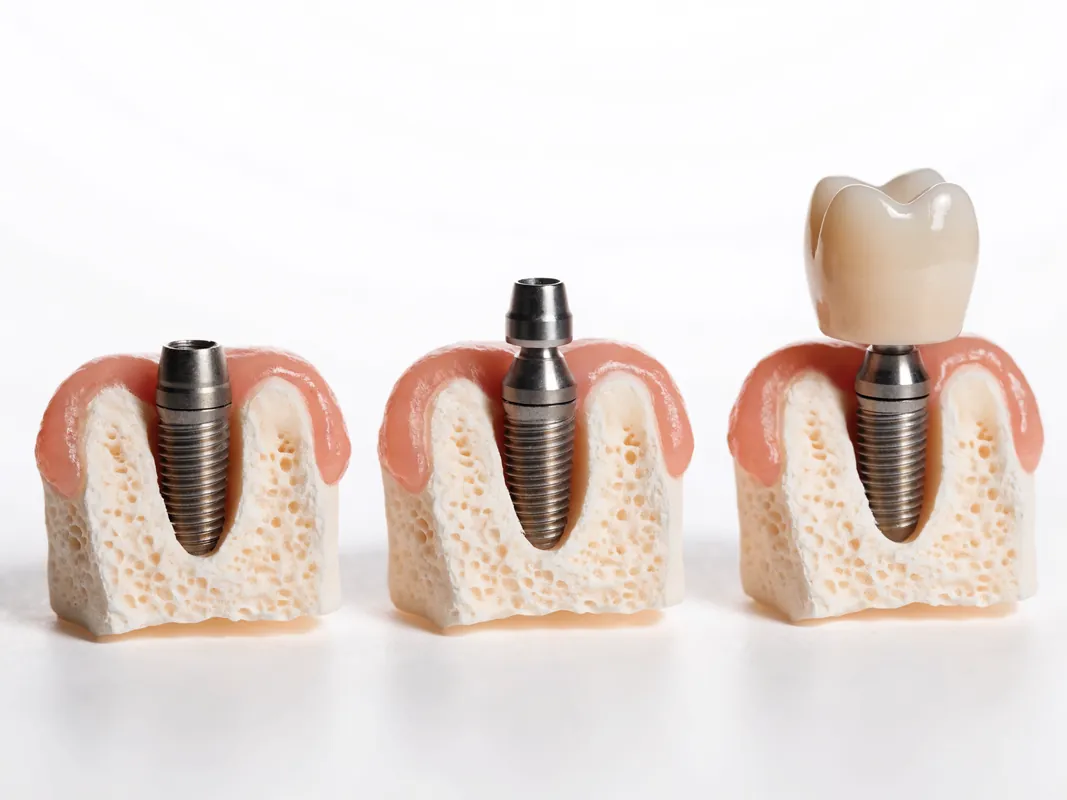
| Three-unit zirconia bridge | Single implant plus zirconia crown | |
|---|---|---|
| Indicative 2026 Turkey, day one | £480–£870 | £680–£1,250 |
| Healthy teeth reduced | Two | None |
| Visits and timeline | One trip, 5–7 days | Two trips, 3–6 months apart |
| Daily cleaning | Floss threader or interdental brush under the pontic, for life | Ordinary flossing |
| Typical failure route | Decay under one abutment; the whole span comes off | Peri-implant bone loss; the crown is separately replaceable |
| If one abutment fails at year 12 | The whole span is remade, often longer or converted to an implant | Only the affected part is touched |
| Indicative 15-year total | £960–£1,740 with one remake | £780–£1,450 with one crown replacement |
Over fifteen years the implant is usually the cheaper option as well as the more conservative one — but only if the bone is there, only if you can make two trips, and only if you are not a heavy smoker with untreated gum disease, where the calculation changes completely.
A bridge is the right answer when the neighbouring teeth already need crowns anyway, when bone volume rules out an implant without grafting, when a second trip is genuinely impossible, or when a medical condition makes surgery unwise. Sacrificing two intact teeth purely to avoid a second flight is a decision to take with the numbers in front of you, not by default.
When zirconia is the wrong choice
- A thin, translucent upper central incisor beside a natural neighbour. Where enough enamel remains, a bonded ceramic — a veneer or a partial-coverage restoration — is more conservative and usually matches better, because it lets the underlying tooth contribute to the optics instead of replacing them. Full-coverage zirconia on a lightly damaged front tooth is a large, permanent answer to a small question.
- Someone who grinds and has no intention of wearing a guard. Zirconia will not fracture, and that is exactly the problem. It is harder than enamel, and a rough or unpolished zirconia surface can wear the opposing natural tooth. Well-polished zirconia is kind to the opposing dentition; a crown adjusted at the fit appointment and left unpolished is not. If you grind and will not wear the guard, you should be told that plainly rather than sold the crown anyway.
- A tooth that needs extracting. A vertical root fracture, a hopeless periodontal prognosis with mobility, or less than roughly 2 mm of sound tooth all the way round below the future margin: crowning any of these buys a year or two and costs you the price of the crown on top of the extraction that follows it.
- A tooth that only needs a filling. Covered above, and the commonest overtreatment in this category.
- Anyone whose real complaint is colour. If the teeth are sound and the problem is shade, whitening costs a fraction of a crown and removes nothing. Crowning sound teeth to change their colour is a permanent solution to a reversible problem.
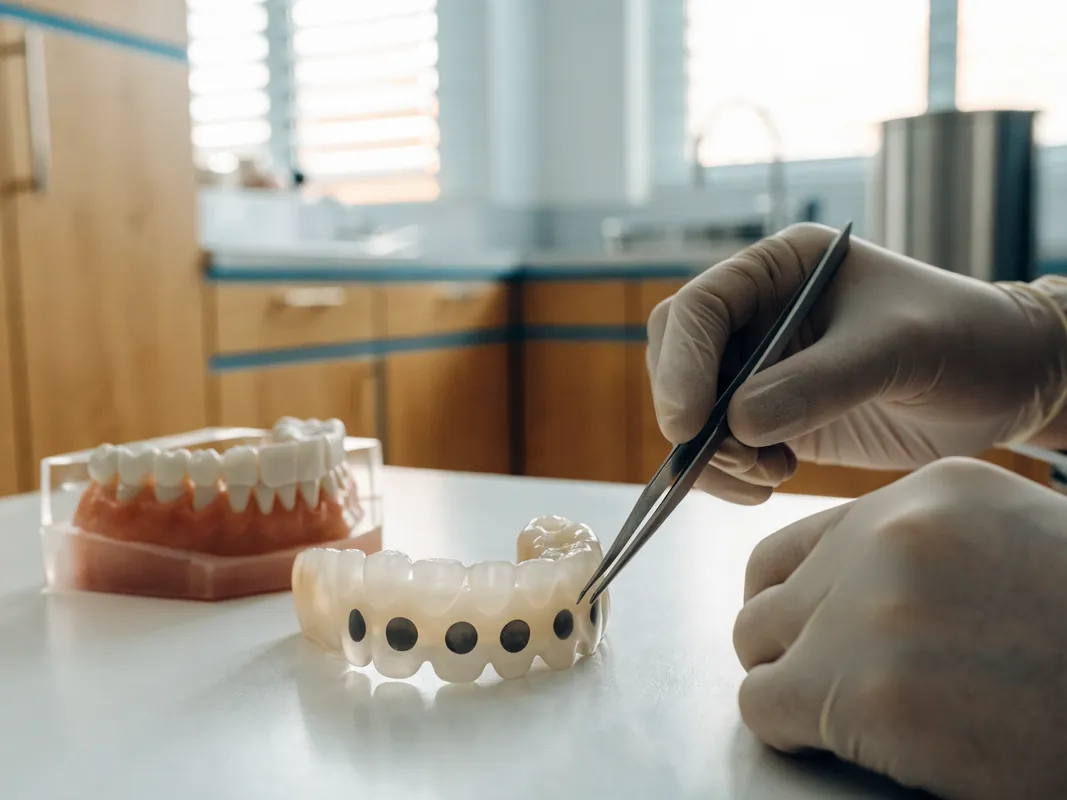
What actually fails on a zirconia crown, and when
Zirconia crowns very rarely fail by breaking. The material is stronger than the tooth it sits on, which is precisely why the failures happen elsewhere. General clinical literature puts monolithic zirconia survival in the region of twelve to twenty years, with the spread driven by the tooth and the patient rather than by the ceramic. Those are general figures from the published literature, not an audited outcome for any one clinic.
- Decay at the margin. The commonest reason a crown is replaced. The crown is fine; the tooth under its edge is not. Driven by margin quality, plaque control, and whether the margin sits above or below the gum.
- Cement washout. A slow leak at the margin, usually where the preparation had poor retention and the cement was doing work the tooth shape should have done. It presents as sensitivity or an odd taste rather than as a crown falling off — until it does.
- The opposing tooth wearing. Insufficiently polished zirconia abrades the natural enamel biting against it. Almost entirely avoidable by polishing after every single adjustment.
- Chipping of layered porcelain. Only on cut-back layered units, where the veneering ceramic chips while the zirconia core underneath is untouched. This is the main reason monolithic units are preferred anywhere the tooth takes load.
- Root fracture. The endpoint for heavily root-treated, post-restored teeth. Not a crown failure, but the crown goes with it.
The year 10–15 replacement you should price today
| Scenario at year 12 | What is done | Indicative cost then, in today's money |
|---|---|---|
| Crown sound, margin sound | Nothing. Review and photograph | £0 |
| Marginal decay, tooth still restorable | New build-up, new crown | £200–£380 per unit |
| Cement washout, margin intact | New crown on the same preparation | £160–£290 per unit |
| Failed root canal under the crown | Retreatment after crown removal, then a new crown | £300–£520 |
| Root fracture | Extraction, then implant and crown, or a bridge | £680–£1,250 |
Day-one cost is the wrong number to compare clinics on. Four molar crowns at £165 that are replaced at year nine because the margins were rushed cost more across fifteen years than four at £230 still sound at year sixteen. Ask what the fifteen-year picture looks like, ask what the warranty covers, and ask specifically what voids it.
What the same crown costs at home
| Single monolithic zirconia crown | Three-unit zirconia bridge | Four crowns | Ten crowns | |
|---|---|---|---|---|
| Turkey (Antalya), indicative 2026 | £160–£290 | £480–£870 | £640–£1,160 | £1,600–£2,900 |
| United Kingdom, private | £500–£950 | £1,500–£2,850 | £2,000–£3,800 | £5,000–£9,500 |
| Germany, private fee | €700–€1,300 | €2,100–€3,900 | €2,800–€5,200 | €7,000–€13,000 |
| Netherlands | €650–€1,150 | €1,950–€3,450 | €2,600–€4,600 | €6,500–€11,500 |
| Ireland | €700–€1,250 | €2,100–€3,750 | €2,800–€5,000 | €7,000–€12,500 |
Add flights and accommodation before you compare anything. A realistic seven-day trip for one person is £380 to £750 on top. On a single crown that wipes out the saving entirely, and one crown is not worth flying for. The arithmetic turns positive somewhere around three to four units and is decisively positive from six.
Read the table honestly in the other direction too. The saving is not because Turkish zirconia is different — the same blanks, scanners and milling machines are sold worldwide. It is because salaries, laboratory costs, premises and insurance in Antalya are a fraction of the Western European equivalents. Any saving offered to you that cannot be explained by those four things is a saving taken out of the work.
Judging a quote in ten minutes
- Is the blank named? "Zirconia crown" is not a specification. Generation, translucency class and shade system should be written down.
- Is it priced per unit, with the units listed tooth by tooth? A single total with no tooth numbers cannot be checked against anything.
- Has a radiograph been read? If the price came from photographs alone, it is an estimate. Say so out loud and get the post-radiograph number in writing.
- Is there a contingency line? Root canal treatment, build-up, post, unrestorable tooth — with prices, and with the rule for who decides.
- Are crown removal and the build-ups priced, or silently assumed to be free?
- Is the provisional laboratory-made or chairside? On front teeth this decides how you look for a week.
- Is there a try-in before glaze on any anterior unit?
- Is occlusal adjustment and re-polishing scheduled after cementation, on a separate day?
- Is a night guard included if you grind? If nobody asked whether you grind, that is its own answer.
- What is the warranty, in writing? Length, what it covers, what voids it, and who pays for the return flight.
The honest summary on crown pricing
Zirconia crowns in Turkey cost £160 to £290 per unit, and that is a real number rather than a hook. The saving against UK, German, Dutch and Irish private fees is roughly two-thirds, it survives the travel cost from about three or four units, and it exists because of local cost structure, not because the ceramic is different.
Three things will cost you far more than the per-unit price. Being crowned when a filling or an onlay was the right answer. Accepting a price quoted before anyone read a radiograph, then meeting the pre-work as a mid-trip surprise. And comparing clinics on day-one cost while ignoring the margin quality, the occlusal check and the night guard that decide whether you are back in the chair at year nine or year sixteen.
Get a radiograph read before you commit. Get the unit list tooth by tooth. Get the contingency in writing. The price is then the easy part.
*All prices here are indicative Antalya figures for 2026, given for orientation and not as a quotation. Your actual cost depends on what an examination, a radiograph and an intraoral scan find, and nothing here is individual clinical advice.*