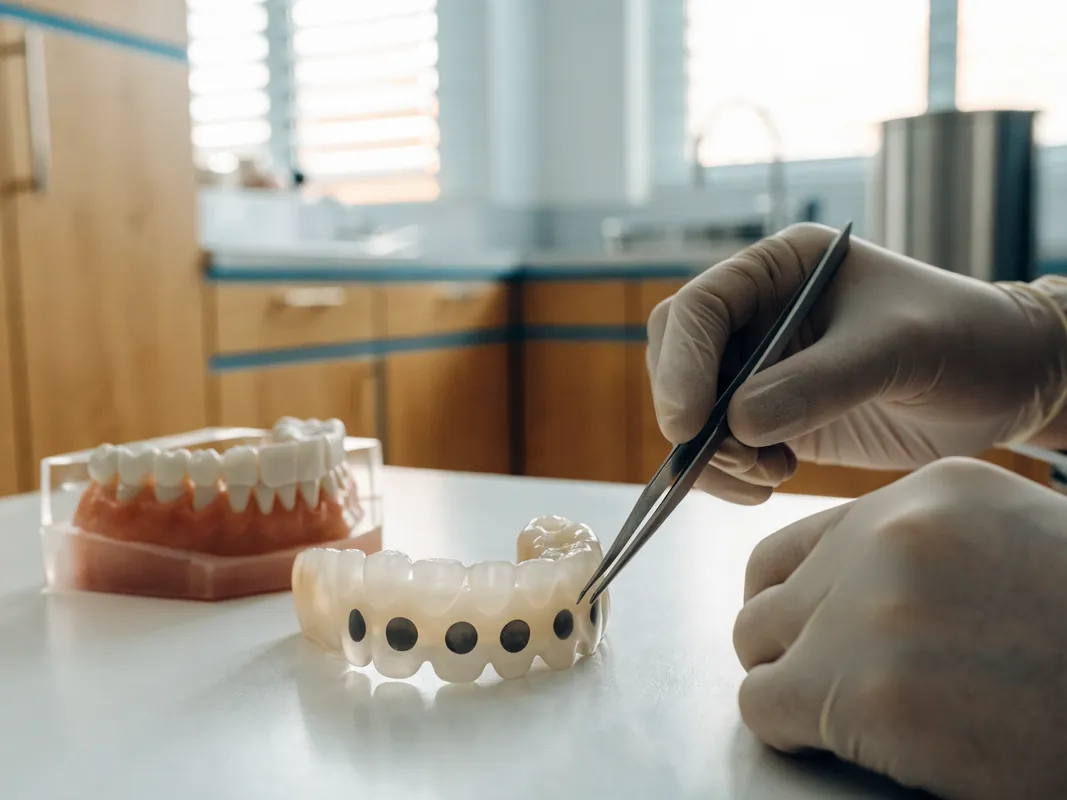
A neutral consumer guide to separating clinical implant care from conditional extras, comparing equivalent scope and planning records, aftercare and travel.
# Dental Implant Packages in Turkey: An All-Inclusive Scope Guide
All-inclusive is a marketing label, not a clinical diagnosis or a standard list of services. Two quotations using the same label may describe different providers, implant components, procedures, prostheses, review stages, travel services and exclusions.
This guide does not sell or define a universal package. It does not recommend a provider, diagnose a reader, estimate a personal price or predict an outcome. It gives consumers a method for converting a headline offer into a clinical plan, an itemised commercial scope and a realistic cross-border care pathway.
A package is only as clear as its exclusions, conditions and responsible suppliers. Verify each claim against the named clinician, legal provider, current official sources and the signed documents before making an irreversible or travel-dependent decision.
What All-Inclusive Can and Cannot Mean
The phrase may mean that a seller has grouped several quoted items. It does not establish that every clinically possible procedure, every travel cost or every future problem is covered. It does not tell you who diagnoses, who operates, which implant system is used, what type of tooth replacement is planned or whether later visits are part of the amount.
Treat the label as an invitation to ask for a schedule of services. Divide that schedule into:
- confirmed clinical items supported by the current diagnosis;
- conditional clinical items that require further examination;
- temporary or provisional items;
- definitive prosthetic items;
- non-clinical coordination and travel items;
- patient-paid exclusions;
- costs that may arise after discharge;
- services provided by a different legal supplier.
Do not accept “everything you need” as scope. The responsible dentist cannot know everything a person needs before adequate assessment. A seller can define a commercial bundle, but only a clinician can explain which clinical items are indicated and which remain uncertain.
Start With Intent, Not the Offer Name
Write down the problem you want assessed. Missing teeth, loose teeth, painful teeth, failing restorations, difficulty chewing and appearance concerns can lead to very different options. A package name should not decide which teeth are retained, removed or restored.
List previous dental care, symptoms, current diagnoses, relevant medical conditions, medicines, allergies, smoking or vaping information, earlier implant components and available records. Describe what you want to improve and what you want to avoid, including unnecessary removal of teeth or healthy tissue.
Ask whether a non-implant option, no immediate treatment, staged disease control or care near home is reasonable. Implant-supported care may be one option among removable, tooth-supported, repair or monitoring approaches. This guide does not determine which is appropriate.
Verify the Provider, Facility and Responsible Clinicians
Identify the legal health facility that will diagnose, treat, invoice and retain records. Identify any separate intermediary that markets, coordinates, translates or arranges travel. Ask each entity to state its role and legal name.
The Turkish Ministry of Health's [current list of authorised international health-tourism facilities and intermediaries](https://shgmturizmdb.saglik.gov.tr/TR-119821/yetki-belgesi-listeleri-guncellenmistir.html) is a starting check. The official [HealthTürkiye facility directory](https://www.healthturkiye.com/hospitals-list?filters=branch%3A18%3Bcity%3A&pageIndex=0) provides another route to facility information. Entries can change; search the exact legal name and treatment address at the time of booking.
The [current international health-tourism regulation published in the Official Gazette](https://www.resmigazete.gov.tr/eskiler/2025/04/20250426-2.htm) distinguishes health facilities from intermediary organisations and describes authorisation requirements. Read the current text and later amendments rather than relying on a cropped certificate image.
Request the full name, registration details and role of the dentist responsible for assessment and planning, the implant clinician, the restorative clinician and any professional responsible for sedation or another material stage. A staff page does not confirm assignment. If assignment changes, require notice and a new opportunity to verify the replacement.
An official facility listing does not prove that a particular person is assigned or that an implant proposal is suitable. Facility status, clinician status and patient-specific diagnosis are separate evidence gates.
Diagnosis Before a Package Quote
The [General Dental Council's patient guidance on treatment abroad](https://www.gdc-uk.org/standards-guidance/information-for-patients-public/going-abroad-for-dental-treatment) says a patient should be assessed by a qualified dentist before receiving a treatment plan and cost estimate. The GDC regulates UK dentistry, not care delivered solely in Turkey, but the principle is a useful consumer benchmark.
Ask the named dentist to link every proposed extraction, implant, graft and restoration to a documented finding. The record should distinguish active disease, tooth prognosis, bone and soft-tissue findings, functional needs, appearance preferences and unanswered questions.
An offer built only around a number of implants or teeth can hide the diagnosis. Ask which natural teeth may be retained, what treatment they need, and how their prognosis was assessed. Obtain an independent opinion before extensive extraction or irreversible full-arch work.
The final plan may differ from an early estimate after examination. That possibility should be explained before travel, not used as a surprise after arrival.
Keep Remote Review Provisional
Photographs, scans and radiographs may help a dentist identify questions, but they do not reproduce every part of a clinical examination. Ask who reviewed the material, the date of review, what conclusions are tentative and which findings require in-person assessment.
Ask what record quality is required. A screenshot of an image may not allow appropriate interpretation. Existing radiographs may be useful, but the responsible clinician should decide whether they answer the current clinical question and whether any additional exposure is justified.
Do not treat a coordinator's summary as a clinical plan. Clinical questions should reach the responsible dentist. The provisional response should list unknowns that could alter procedures, components, staging or price.
Do not purchase inflexible travel because a remote message sounds definitive. If a provider will not explain likely decision points after arrival, the package cannot be compared honestly.
Build the Diagnostic Record Set
Ask which records are required and why. Depending on the case, these may include medical and dental histories, symptom history, tooth charting, periodontal findings, tooth vitality information, photographs, scans, radiographs, bite records, existing prosthesis information and earlier implant identifiers.
More testing is not automatically better. Each record should answer a relevant question, be interpreted by an appropriately qualified person and become available to the patient in transferable form.
Request original-quality copies, reports, dates, tooth numbering and the name of the interpreter. Ask what remains unknown. One panoramic image cannot answer every surgical, periodontal, endodontic, restorative or functional question.
For a staged case, specify which records must be repeated or reviewed before the next gate. Avoid language suggesting that a test alone removes uncertainty.
Compare Alternatives Before Choosing Implants
Ask for reasonable alternatives and their trade-offs. Depending on the diagnosis, discussion may include retaining and restoring teeth, removable prostheses, tooth-supported options, implant-supported options, staged treatment or no immediate intervention. These examples are not personal recommendations.
For each option, ask about loss of healthy tissue, surgery, maintenance, repairability, future replacement, local aftercare, travel burden and what happens if treatment is postponed. Ask why the clinician prefers one route for this patient.
If an offer assumes extraction of teeth, request tooth-by-tooth reasons and an independent second opinion. Once a tooth is removed, later options change. The desire to fit a commercial bundle should not override tooth preservation.
Consent should include the consequence of declining or delaying, without using fear as pressure.
Convert the Package Into a Scope Table, Not a Promise
Create four columns: item, status, responsible supplier and evidence. Use status labels such as confirmed, conditional, excluded, patient-arranged and pending diagnosis.
Clinical rows may include assessment, imaging, extraction, implant body, cover or healing component, abutment, fixation screw, provisional tooth replacement, definitive prosthesis, grafting, sedation, laboratory stages, medicines supplied, reviews and maintenance records.
Non-clinical rows may include translation, accommodation, airport transport, local transport and coordination. Each should name the supplier and cancellation terms.
Evidence may be a tooth-level plan, clinician note, manufacturer reference, laboratory prescription, invoice line, travel booking or signed condition. A coloured brochure is not case evidence.
When scope changes, issue a dated replacement table. Preserve earlier versions so the reason and financial effect are visible.
Understand the Implant Body, Abutment, Fixation Screw and Prosthesis
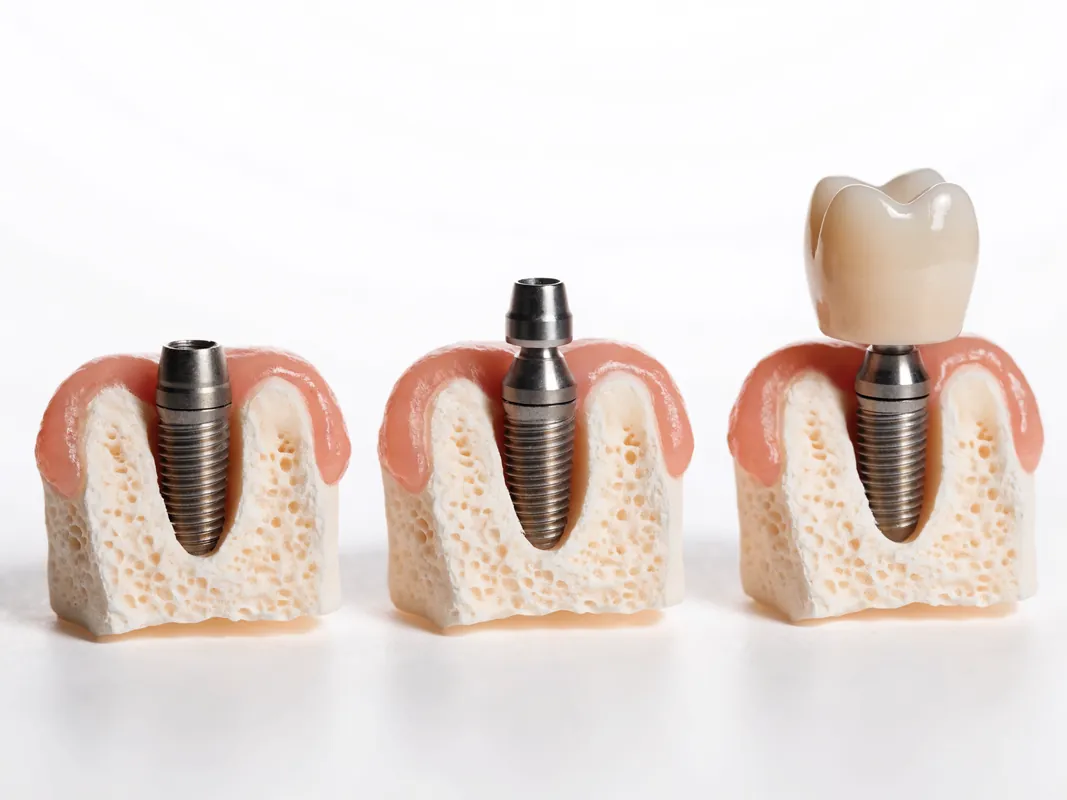
The [US Food and Drug Administration's dental implant overview](https://www.fda.gov/medical-devices/dental-devices/dental-implants-what-you-should-know) explains that an implant system can include an implant body placed in bone, an abutment and an abutment fixation screw, while the visible artificial tooth or teeth are supported above them. US regulation does not govern Turkish treatment, but the component description helps consumers ask precise questions.
A quotation that says “implant” may refer only to the implanted body or may bundle additional components. Ask separately for:
- the implant body and its exact system reference;
- cover, healing or temporary components;
- the abutment type and reference;
- the fixation screw where applicable;
- the provisional prosthesis, if any;
- the definitive crown, bridge or removable prosthesis;
- laboratory design and manufacture;
- insertion, fitting, review and adjustment stages.
Ask which parts are original components of the documented system and which are compatible components from another source. The clinician should explain the proposed combination and give enough information for future maintenance. Do not infer compatibility from appearance.

Specify the Number and Location of Implants
The plan should map each proposed implant site and show what prosthesis it is intended to support. A headline count does not explain arch distribution, retained teeth, pontics, cantilevers, removable attachments or the relationship between implants and the definitive design.
Ask which count is provisional, what could change after examination and whether a different prosthetic design would change it. Ask the clinician to explain the biological and mechanical reasoning in terms you can understand.
For multi-unit or full-arch care, request a diagram of implants, components and replacement teeth. Ask which stages depend on stability, healing, fit or hygiene access. Do not assume a particular count or design is suitable because it has a familiar commercial name.
Treat Extractions as Conditional Clinical Items
An extraction is not a routine line item merely because implants are being discussed. Ask the dentist to document the diagnosis, prognosis and alternatives for each tooth. Separate teeth that cannot reasonably be retained from teeth whose treatment choices require discussion.
The quote should state whether extraction, surgical extraction, management of an existing infection, socket care, temporary tooth replacement and pathology assessment are included, conditional or excluded. The clinician should explain what new finding could change the decision.
If an extensive plan is based mainly on photographs or a sales description, pause. Obtain adequate examination and consider an independent second opinion before irreversible removal.
Ask how extraction changes the implant and prosthetic sequence. Immediate placement or immediate use should never be assumed from the offer label; those are case-specific clinical decisions.
Treat Grafting as a Separate Decision
Bone or soft-tissue grafting can vary in purpose, site, material, source, extent, timing, setting and clinician responsibility. Do not accept “graft included” as enough information.
Ask which finding supports the proposal, what alternatives exist, whether the procedure is confirmed or conditional, who performs it, where it occurs, which exact material is planned and what traceability record will be provided. Ask how it changes the prosthetic plan, travel and review gates.
The [Guy's and St Thomas' NHS Foundation Trust implant pathway](https://www.guysandstthomas.nhs.uk/health-information/dental-implants/having-dental-implant) describes assessment, possible grafting, implant placement and restorative stages. It illustrates that implant care can be staged. It does not define a universal schedule for private care abroad.
If grafting is added after arrival, request the new evidence, alternatives, consent document and itemised effect before proceeding. Do not allow sunk travel costs to decide.
Itemise Imaging and Planning
List each proposed image or scan, its clinical question, supplier, interpreter and report. Ask whether a suitable recent record already exists and why another is needed. The presence of equipment is not a reason by itself.
Ask whether digital planning, a guide or a physical model is proposed, who designs it, which data are used, how the plan is verified clinically and what happens if intraoperative findings differ. A digital workflow can support communication but cannot remove judgement or uncertainty.
Request copies of images, reports and relevant planning files in a usable format where appropriate. If an external imaging provider is used, name that organisation and show how the result becomes part of the clinical record.
Do not accept a scan as proof that an implant can or should be placed. The responsible clinician must integrate imaging with medical, dental and in-person findings.
Separate Anaesthesia and Sedation
The plan should identify whether local anaesthesia, sedation or another approach is proposed. These are not interchangeable line items. Ask who assesses suitability, who administers and monitors, the licensed setting, recovery criteria and emergency escalation route.
If sedation is described as optional, ask what triggers the choice, whether it is quoted separately and what medical information is required. Ask whether an accompanying adult or changed travel arrangement is necessary under the clinician's instructions.
Do not change prescribed medicines or fasting routines based on a coordinator's message. Instructions should come from the responsible clinical professional and be reconciled with advice from relevant medical professionals.
If the clinical team postpones care for safety, the payment and travel terms should explain what happens next. A package should not create pressure to proceed when assessment says otherwise.
Distinguish Provisional and Definitive Prostheses
The word teeth may refer to a removable temporary appliance, a fixed provisional restoration, a healing component, a definitive crown, a definitive bridge or another design. Ask the plan to name the prosthesis precisely.
For a provisional prosthesis, ask its purpose, material category, support, planned duration, cleaning method, repair route, limitations and what clinical gate must be met before replacement. Ask what happens if no provisional is clinically appropriate.
For the definitive prosthesis, ask whether it is fixed or patient-removable, which teeth it replaces, how it attaches, who designs and manufactures it, the material and component references, try-in or verification stages, cleaning access and future repair method.
Do not assume that “final teeth” are included because a photograph shows them. The definitive laboratory work, components, fitting and reviews should be explicit line items.
Map Abutments and Connection Components
Ask whether each site uses a stock, custom or other abutment design and how that decision is made. Request the exact product or reference after selection. Ask whether additional intermediate components are planned and how they are documented.
The quote should distinguish the implant body from the parts needed to connect and retain the prosthesis. A missing abutment line may mean it is bundled, excluded or not yet selected; only the provider can clarify.
Request case-level identifiers after placement and after definitive restoration. A future dentist may need the system, connection and component information to obtain compatible tools or parts.
If a component changes, ask why, whether prosthetic design or maintenance changes and how the revised item is recorded and priced.
Verify Laboratory and Material Traceability
Ask for the laboratory's legal name, location and role. Identify the responsible restorative dentist and the person or service designing and manufacturing the provisional and definitive prostheses. An internal or external laboratory arrangement does not establish quality by itself.
Request a laboratory prescription or equivalent record, case identifier, material declaration, design version and final delivery note. Ask who reviews fit, bite, cleansability and patient preferences before placement.
For every implanted or prosthetic component, request the exact manufacturer, product or system, reference and lot or batch information where available. The FDA patient guidance advises people to ask which implant brand and model is used and to keep that information; the same record-keeping principle is useful across jurisdictions even though the FDA regulates US devices.
Do not accept packaging photographs or generic brochures as proof of what was used. The discharge record should link case, site and component.
Do Not Use Technology as a Quality Shortcut
Words such as digital, guided, robotic, immediate or computer-designed can describe tools or workflows. They do not establish diagnosis, clinician competence, appropriate indication, accuracy in a specific case or continuity of care.
Ask which clinical question the tool addresses, who operates it, what input records it uses, how output is checked and what limitations remain. Ask whether the tool adds a separate fee and whether a non-digital alternative is clinically reasonable.
If a guide or template is manufactured, identify the laboratory or manufacturer and version. Ask how the plan is adapted if the device does not fit or anatomy differs during care.
Marketing images of equipment should not replace clinician, facility and case evidence.

Demand Itemised Clinical Line Items
The clinical quote should separate, as applicable:
- examination and clinician review;
- imaging and reports;
- periodontal or disease-control treatment;
- tooth-specific removals;
- grafting and exact materials;
- implant bodies by site;
- healing, cover and connection components;
- anaesthesia or sedation services;
- provisional prostheses and repairs;
- abutments and fixation components;
- definitive crowns, bridges or removable prostheses;
- laboratory design and manufacturing stages;
- fitting, adjustment and planned reviews;
- medicines or consumables supplied;
- clinical records and component documentation.
Every row should show confirmed, conditional or excluded status. Ask whether professional fees and facility fees are combined. Ask what is charged when a stage is postponed or not delivered.
A single total cannot show whether two offers have equivalent clinical scope. Compare like with like.
Record Conditional Clinical Items
Conditional items are not hidden charges when they are clinically uncertain, clearly disclosed and authorised through a fair change process. They become problematic when the provider presents a low headline figure, withholds predictable possibilities and adds major work under travel pressure.
For each conditional item, ask:
- what finding would trigger it;
- who makes the decision;
- which evidence the patient can review;
- what alternatives exist;
- the itemised amount or calculation method;
- how it changes travel or later stages;
- whether the patient can pause or decline.
Examples may include additional imaging, removal, grafting, treatment of a tooth, a different provisional design or an extra laboratory stage. The examples do not imply that any one item is needed.
Keep a contingency reserve in personal planning without treating additional care as inevitable.
Reissue the Plan When Findings Change
After in-person examination, ask for a dated confirmed plan. If it differs materially, the clinician should explain the new finding, alternatives, clinical effect, financial effect and travel implications.
Do not consent from a chain of fragmented messages. Use one versioned tooth-and-site map, one component list and one itemised quote. Preserve the earlier estimate.
If the plan expands substantially, consider pausing for an independent opinion. Arrival does not remove the right to reflect. An urgent condition may require prompt care, but the responsible clinician should explain why and distinguish urgent care from elective expansion.
List Hotel and Transfer as Conditional Non-Clinical Line Items
Accommodation and ground transport do not demonstrate that implant care is suitable or complete. Put them in a separate section of the quote with the legal supplier, dates or booking conditions, room basis, passenger allowance, accessibility, pickup scope, cancellation terms and treatment-change process.
Do not assume that the health facility owns or operates a hotel or vehicle service. The 2025 Turkish international health-tourism regulation distinguishes health facilities and intermediaries and addresses the arrangement of non-clinical services. Verify which authorised entity contracts each service under the current rules.
Mark travel items conditional until the clinical schedule is confirmed. Ask what happens if the dentist postpones a stage, healing changes the return date, a companion changes or the patient needs a longer stay.
Keep the ability to decline a travel item where practical. A clinical decision should not depend on accepting a particular room or ride.
Separate Flights, Insurance and Companions
The worksheet should say whether flights are excluded, arranged by the patient or offered by a separately identified travel supplier. Record change fees, baggage needs, accessibility assistance and what happens when clinical dates move.
Tell an insurer that the purpose of travel includes planned dental care. Ask in writing about planned treatment exclusions, complications, extended stay, cancellation, emergency care, medical evacuation and companion costs. Routine travel cover may not respond as the patient expects.
The [NHS treatment abroad checklist](https://www.nhs.uk/using-the-nhs/healthcare-abroad/going-abroad-for-treatment/treatment-abroad-checklist/) advises checking qualifications, complications, aftercare, possible extra stays or return trips, exchange-rate changes and appropriate insurance. It is UK guidance, not a contract or Turkish rule.
If a companion is required or desired, quote their room, transport, meals and schedule separately. Confirm whether they may attend clinical discussions and how patient privacy and autonomy are protected.
Check Currency, Exchange and Payment
The written quote should name the currency, price-validity period, payment milestones, accepted methods, card or bank charges and the exchange method if payment occurs in another currency. Do not rely on a static conversion screenshot.
Confirm the legal recipient for clinical fees and for each travel service. The recipient should match the relevant contract and invoice. Ask why any payment goes to a different company or person.
Avoid paying the full amount before diagnosis and before the current scope is confirmed. Ask what is due at each gate, what happens if a stage is postponed, and how unused or changed items are reconciled.
Read cancellation and refund terms for dentistry separately from travel. Ask about provider cancellation, patient illness, unfitness to proceed, changed diagnosis, partial delivery and abandoned treatment. Preserve receipts and bank records.
Use Timeline Gates, Not Promised Days
Implant care can involve assessment, disease control, extraction, grafting, placement, healing review, restorative design, provisional work, definitive manufacture, fitting and maintenance. Not every patient needs every stage, and the order can change.
The NHS implant pathway from Guy's and St Thomas' demonstrates that assessment, possible grafting, placement and restorative care are distinct stages. It should not be copied into a fixed private travel schedule. The responsible clinician must define case-specific gates.
Useful gates include:
- adequate diagnostic records;
- medical review where relevant;
- confirmed in-person diagnosis;
- consent to the current version;
- readiness for any removal or graft;
- implant placement decision;
- review of healing and stability;
- approval to begin definitive prosthetic work;
- laboratory try-in or verification;
- final fit and cleansability review;
- discharge and maintenance handover.
Ask what could delay each gate and which delays require an extra stay or return. Do not book departure so tightly that it pressures fitting or discharge without adequate review.
Plan the Period Between Stages
For care split across trips, ask what remains in the mouth, what temporary tooth replacement is used, how it is cleaned, which foods or activities are restricted under the clinician's instructions, what symptoms require attention and who provides local assessment.
The plan should state whether adjustments or repairs of provisional work are quoted, where they can be performed and which records a local dentist needs. Do not assume a local practice will manage another provider's work; ask before travel.
Define how the next stage is authorised. Photographs may support communication but should not automatically replace an indicated examination. Ask which evidence the named dentist reviews and whether the next trip should be booked only after that review.
Keep a flexible travel plan until the clinical gate is met.
Arrange Aftercare Before Payment
Ask for the review and maintenance pathway before committing funds. Identify routine reviews, hygiene support, urgent concerns, prosthetic maintenance and the difference between remote advice and in-person care.
Name the clinician or team responsible in Turkey and identify what care may need to occur near home. Contact a local dentist before travel to ask what independent assessment, emergency care or maintenance the practice can provide. The local clinician must decide based on their own examination.
Ask how the provider responds when a patient reports pain, swelling, movement, fracture, bite change or difficulty cleaning. Do not rely on a general messaging channel as the only pathway. The FDA patient information advises contacting a dental provider if an implant feels loose or painful; it does not replace local urgent assessment.
Record the patient's responsibilities for hygiene, review and disclosing changes, without using them to excuse provider accountability.
Demand a Complete Implant Record Pack
Before leaving each stage, request:
- the legal facility and responsible clinician details;
- dated diagnoses and tooth or site chart;
- procedures completed and any deviations;
- original imaging and reports;
- implant system, model, reference and lot or batch details where available;
- abutments, screws and other component references;
- graft or other implanted material traceability;
- provisional prosthesis description and laboratory record;
- definitive prosthesis material, design and laboratory record when delivered;
- prescriptions and medicines supplied;
- unresolved findings and next clinical gates;
- personalised aftercare and warning-sign instructions;
- payment records and final itemisation;
- complaint and record-request contacts.
The pack should be transferable to another dentist. A product card without the clinical site map is incomplete; a site map without product identifiers may also be inadequate for future component maintenance.
Store records securely and request correction of errors promptly.
Define Remedial Scope Without Broad Promises
Ask for written terms describing how a concern is assessed, evidence required, exclusions, time limits, labour, materials, replacement components, prosthetic repairs, travel, accommodation and treatment by another provider. Separate manufacturer product coverage from clinical responsibility and travel cost.
The terms should not delay urgent care while responsibility is debated. Ask what happens when an independent dentist recommends immediate action or when returning to Turkey is unsafe or impractical.
No document can promise that every biological, mechanical or patient-related problem will be corrected without cost. The useful evidence is a fair process, named decision-maker, defined scope and complaint route.
Ask how routine wear, maintenance, accident, new disease and a disputed clinical problem are distinguished. Get the answer before placement, not after a concern occurs.
Create an Emergency and Travel Contingency
Check the current [FCDO Turkey health guidance](https://www.gov.uk/foreign-travel-advice/turkey/health) close to departure. It advises people considering medical, surgical or dental treatment in Turkey to discuss plans with a clinician at home, conduct independent research and arrange appropriate insurance. Travel advice and regional warnings can change.
Record local emergency numbers and the nearest appropriate medical facility, but do not confuse emergency services with routine dental aftercare. Ask the provider how it escalates bleeding, breathing difficulty, severe infection, medicine reaction or another urgent problem and how a companion should act.
Keep contingency funds, flexible travel where possible, medicine and document access, and contact details for the provider, insurer and local clinician. Ask what happens if a flight is cancelled, the patient becomes ill, treatment is postponed or discharge is delayed.
This guide does not assess travel fitness or give emergency medical instructions. Seek appropriate professional advice.
Plan Complaints and Jurisdiction
Request the complaint procedure before booking. It should state the legal recipient, method, acknowledgement, investigation process, expected response path and escalation route. Ask how a complaint involving both an intermediary and health facility is allocated.
Confirm governing law, service address and competent forum in the contract. Ask which Turkish health authority or professional body can receive a regulatory concern and which issues are contractual. A UK regulator does not automatically have jurisdiction over care provided by a non-UK professional abroad.
Preserve plans, consent forms, invoices, component records, messages, photographs, travel changes, independent opinions and provider responses. Seek urgent care when required rather than waiting for a dispute process.
For a material dispute, obtain advice from a lawyer or patient-support organisation with relevant jurisdictional knowledge. This article is not legal advice.
Verify Language, Interpretation and Data Handling
Confirm the language used for diagnosis, consent, instructions, contracts, laboratory approvals and complaints. If an interpreter is needed, ask who employs them, how competence and confidentiality are handled and whether they are independent of sales pressure.
Clinical questions should be answered by the responsible clinician and translated accurately. Use teach-back: explain the plan, components, alternatives and major uncertainties in your own words and ask for correction.
Before uploading health records or identity documents, identify the data controller, purpose, recipients, retention, storage and method for obtaining a copy. Clinical use, travel administration and marketing are different purposes.
Ask whether records go to an intermediary, external laboratory, imaging centre, software provider or translator. Do not publish personal clinical records to seek informal opinions.
Dental Implant Package Comparison Worksheet
Use one row per candidate. Mark evidence, not impressions.
| Area | Evidence required | Status choices |
|---|---|---|
| Legal health provider | Exact name, address, authorisation and contract entity | verified / unresolved |
| Intermediary | Legal role, authorisation and separate agreement | applicable / not applicable / unresolved |
| Clinicians | Full names, registration and stage responsibility | confirmed / example only / unresolved |
| Diagnosis | Site-level findings and unanswered questions | confirmed / provisional |
| Alternatives | Tooth retention, non-implant and staged options | documented / missing |
| Implant bodies | Site map, system, model and reference | confirmed / conditional |
| Connection parts | Abutments, screws and related components | itemised / bundled / excluded |
| Temporary teeth | Type, support, material and repair route | confirmed / conditional / excluded |
| Definitive prosthesis | Design, material, laboratory and fitting stages | confirmed / conditional / excluded |
| Removals | Tooth-level reasons and fees | confirmed / conditional / excluded |
| Grafting | Site, reason, material and traceability | confirmed / conditional / excluded |
| Sedation | Provider, setting, assessment and fee | confirmed / conditional / excluded |
| Imaging | Clinical question, supplier, report and copies | confirmed / conditional |
| Laboratory | Name, location, prescription and case ID | verified / unresolved |
| Clinical quote | Equivalent itemised line items | complete / incomplete |
| Accommodation | Supplier, booking basis and change terms | booked independently / separately quoted / excluded |
| Transport | Supplier, routes, passengers and change terms | booked independently / separately quoted / excluded |
| Flights and companion | Responsibility and contingency | planned / unresolved |
| Insurance | Written response to planned-treatment disclosure | confirmed / excluded / unresolved |
| Payment | Currency, recipient, milestones and cancellation | clear / unclear |
| Timeline | Clinical gates and delay scenarios | case-specific / sales schedule |
| Aftercare | Local and overseas roles and urgent pathway | workable / unresolved |
| Records | Complete implant and prosthetic handover list | promised in writing / missing |
| Complaints | Provider process, governing law and escalation | clear / unclear |
Do not collapse the worksheet into a single score. An unnamed clinician, unclear legal provider or missing definitive prosthesis cannot be offset by attractive travel extras.
Red Flags in an Implant Package
Pause when:
- the legal health provider is unclear;
- an intermediary appears to diagnose or prescribe;
- the treating dentists are unnamed;
- a complete plan is issued without adequate assessment or stated limits;
- removal is proposed without tooth-level reasons;
- the offer counts implants but does not define abutments or prostheses;
- grafting or sedation is described vaguely;
- the definitive laboratory work is absent from the quote;
- exact components and traceability will not be supplied;
- conditional items have no trigger or calculation method;
- clinical and travel suppliers are merged without responsibility details;
- the payment recipient differs without explanation;
- consent occurs only under arrival pressure;
- a fixed departure date overrides a clinical gate;
- aftercare is only a remote chat;
- records, remedial terms or complaint process are withheld;
- selected images and hospitality answer questions about diagnosis.
Ask for written clarification. If central evidence remains missing, do not proceed simply because travel has been booked.
Evidence Gates Before Commitment
Gate one is identity: legal health provider, intermediary, facility and responsible clinicians. Gate two is clinical basis: adequate records, diagnosis, alternatives and limitations of remote review.
Gate three is scope: implant sites, bodies, connection parts, provisional and definitive prostheses, conditional removal, grafting, anaesthesia, laboratory and traceability. Gate four is commercial clarity: equivalent itemisation, currency, payment, cancellations and distinct travel suppliers.
Gate five is continuity: timeline decisions, aftercare, local support, records, emergency contingency and complaints. Gate six occurs after in-person assessment. If the proposal changes, repeat the affected gates before consent.
Do not use a deposit to skip evidence. A patient can decide that the uncertainty, travel burden or continuity plan is unacceptable even when each individual service exists.
Questions to Send Every Seller
Use the same request so offers can be compared:
- Name the authorised legal health facility and exact treatment address.
- Name any intermediary and explain its separate role.
- Name each responsible dentist and provide current registration details.
- Identify who reviewed the submitted records and what remains provisional.
- Supply the diagnosis and alternatives for every treated or removed tooth.
- Map implant sites and the prosthesis each will support.
- Itemise implant bodies, abutments, screws, provisional and definitive teeth.
- List every conditional removal, graft, imaging, sedation and laboratory item.
- Identify the laboratory and exact traceability records supplied.
- Separate accommodation, transport, flights, companions and coordination.
- State currency, legal payment recipients, milestones and cancellation rules.
- Replace fixed dates with clinical gates and delay contingencies.
- Provide aftercare, record-release, remedial and complaint terms.
- Explain emergency escalation and travel-change responsibility.
A response from a sales coordinator may explain logistics, but clinical questions should be answered or approved by the named dentist.
Frequently Asked Questions
Does all-inclusive have a legal standard meaning for dental implants?
Do not assume so. Ask the seller to define every confirmed, conditional and excluded item and name the supplier responsible for each. Compare the written schedule, not the label.
Can a dentist confirm an implant plan from one radiograph?
A radiograph may contribute to review, but it does not reproduce every part of a clinical examination or medical assessment. Ask the named dentist what the record shows, what it cannot show and what must be confirmed in person.
Does an implant line automatically include an abutment and tooth?
Not necessarily. The implant body, abutment, fixation component and visible prosthesis are distinct parts. Require each part and its clinical or laboratory service to appear in the scope.
What is the difference between a provisional and definitive prosthesis?
A provisional may support appearance, function, tissue shaping or testing during a stage of care, while the definitive prosthesis is intended for the later confirmed design. Ask about support, material, cleaning, repair and the gate between them.
Are extractions automatically part of an implant offer?
They should be tooth-specific and diagnosis-driven. Ask which removals are confirmed, conditional or excluded, the alternatives and how each affects the implant and temporary-tooth plan.
Is grafting automatically included?
Do not assume it. Grafting varies by purpose, site, material, setting and timing. Request the finding, alternatives, exact material, clinician, traceability and itemised effect.
Is sedation part of the surgical fee?
Only the written itemisation can answer. Ask which approach is proposed, who provides it, where it occurs, what assessment is required and what happens if it is not clinically suitable.
Can the final prosthesis be delivered on a fixed travel date?
The dentist should identify the clinical and laboratory gates that must be met. Ask what could delay fitting and how travel changes are handled. A departure booking is not clinical evidence.
How many trips will implant treatment require?
That depends on diagnosis, staging, healing, temporary work, prosthetic design, laboratory steps and review. Ask for a case-specific provisional sequence and delay scenarios rather than a universal trip count.
Does accommodation belong in the clinical plan?
No. It is a non-clinical service. Keep its supplier, booking terms and amount separate, and make changes possible when the clinical schedule changes.
Should ground transport be itemised?
Yes. Record the supplier, route scope, passengers, accessibility, waiting conditions and cancellation or date-change terms. Transport does not establish clinical quality.
Are flights normally part of the quoted amount?
Only the seller's written scope can answer. Record whether flights are patient-arranged or supplied under a separate travel agreement and who bears change costs when treatment dates move.
How should companion costs be handled?
Separate room, transport, meal and change costs from the patient's clinical fee. Confirm whether a companion is clinically required, optional or restricted from certain areas.
Will ordinary travel insurance cover planned implant care?
Do not assume it. Tell the insurer about planned dental treatment and ask for written details on exclusions, complications, extended stay, cancellation and emergency care.
How should different currencies be compared?
Use the same dated conversion method for comparison, but contract in the stated quote currency. Record rate timing, card or bank charges and which party bears conversion differences.
What if the plan becomes larger after arrival?
Request the new finding, alternatives, revised site map, itemised effect, schedule change and time to decide. Consider an independent opinion when the change is extensive or irreversible.
What product information should I keep?
Request the implant system, model, reference and lot or batch information where available, plus abutment, screw, graft and prosthetic details linked to each site. Keep laboratory and imaging records too.
Can a local dentist maintain work completed abroad?
Do not assume so. Contact a practice before travel, explain the proposed system and ask what independent assessment, urgent care or maintenance it can offer and which records it needs.
What happens if provisional teeth need repair at home?
Ask before treatment who assesses the issue, who can repair it, which materials or design files are needed and how costs are allocated. Keep a local care plan and do not delay urgent assessment.
What if an implant or prosthesis feels loose or painful?
Follow the personalised instructions and seek appropriate dental assessment promptly. A remote message may support coordination but cannot always replace an examination.
How can I compare two package totals fairly?
Map both offers into the same worksheet: diagnosis, sites, components, provisional and definitive work, conditional procedures, laboratory, reviews, records, travel, aftercare and exclusions. Unmatched totals are not equivalent.
Does a HealthTürkiye or Ministry entry endorse my plan?
No. It can help check facility or intermediary status. It does not assign a clinician, diagnose you, approve a particular design or predict an individual result.
What if the payment recipient is not the clinic named in the plan?
Ask for the legal relationship, service supplied, contract and invoice. Do not transfer clinical fees to an unexplained personal or company account.
What should the complaint process contain?
It should identify the legal recipient, submission method, response pathway, governing terms and escalation route. Ask how a complaint spanning intermediary, facility and travel supplier is divided.
Is a component card enough for future care?
No. It should be linked to a site map, clinical procedures, abutment and prosthetic information, laboratory records, imaging, unresolved findings and maintenance instructions.
When should I stop comparing and seek local urgent care?
When symptoms or a medical concern need prompt assessment, seek appropriate care rather than waiting for a travel quotation. This guide is for planning and verification, not urgent diagnosis.
Final Package Rule
Do not buy a label. Proceed only when diagnosis, alternatives, responsible clinicians, implant and prosthetic components, conditional procedures, itemised costs, travel suppliers, timeline gates, records, aftercare, emergency planning and complaints form one coherent written plan. Do not let a flight, hotel booking or deposit become a clinical deadline.