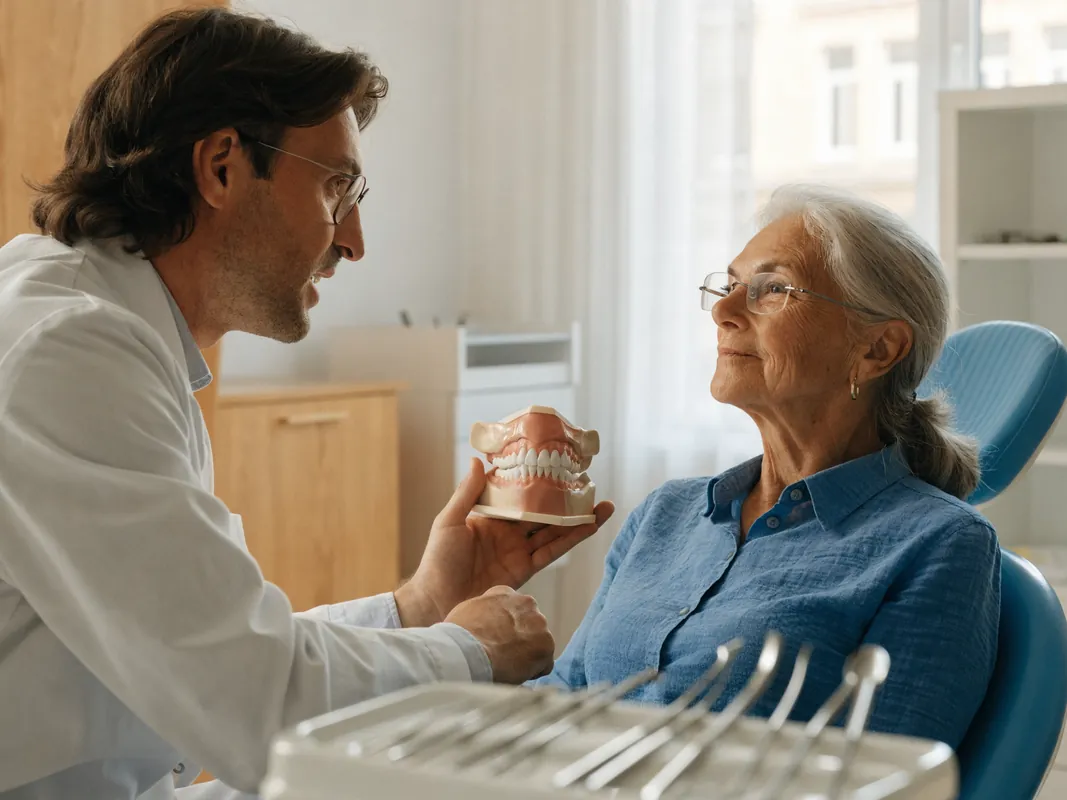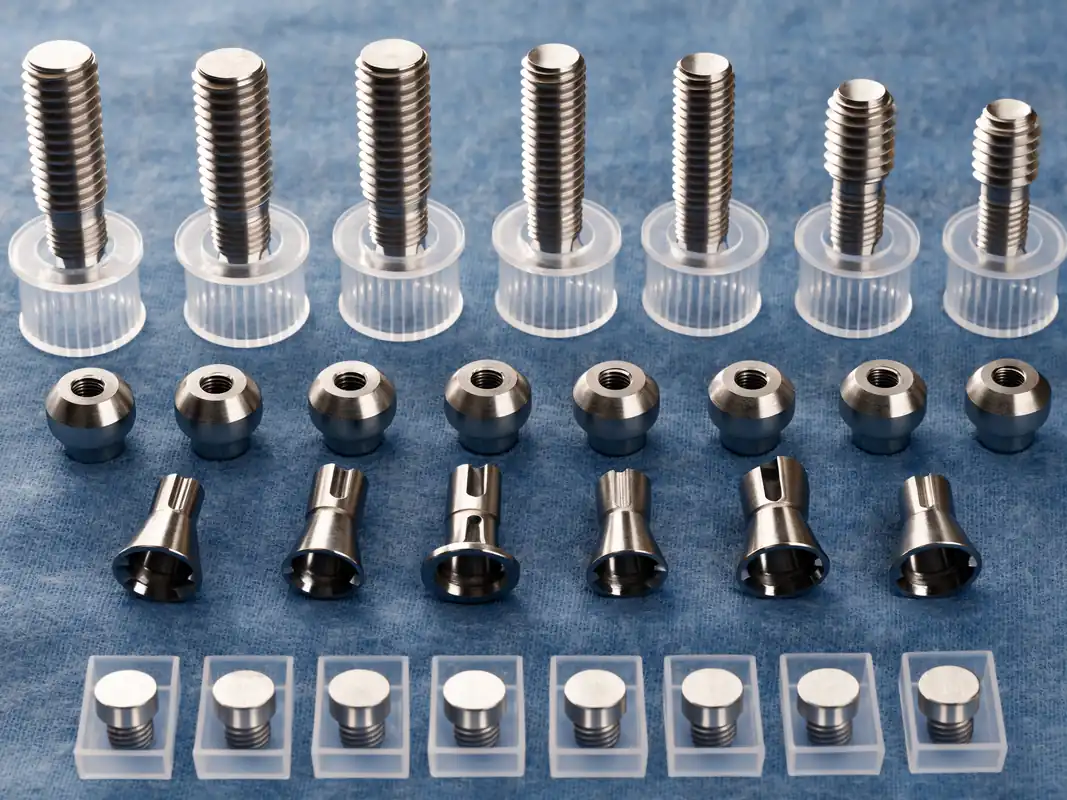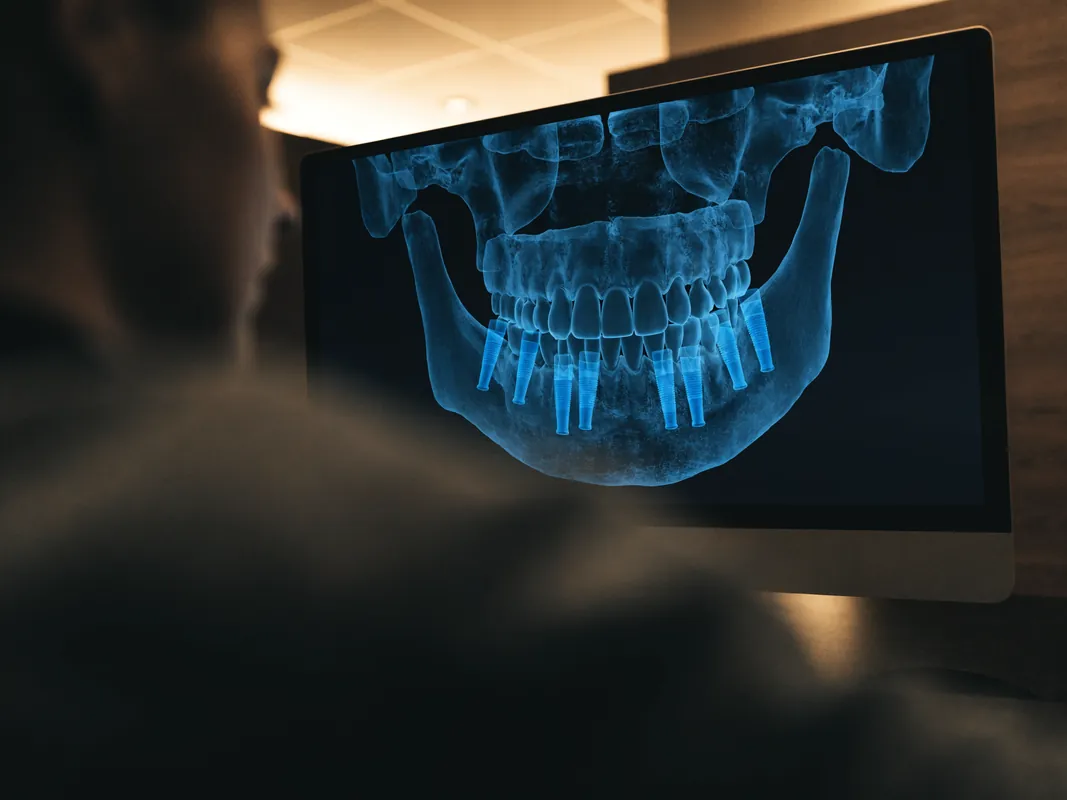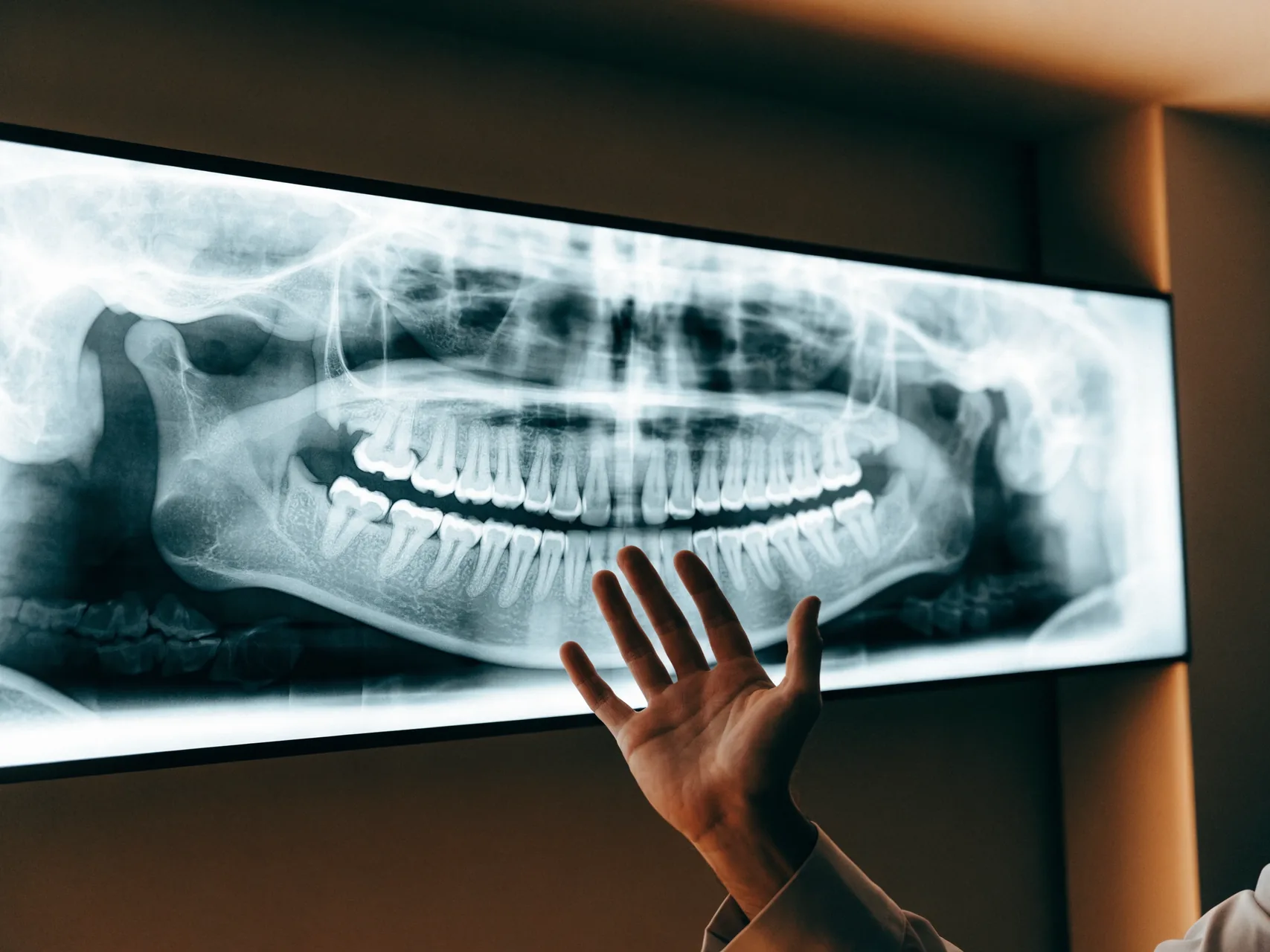
A search for “wisdom tooth removal and implant” can describe several very different situations. A patient may need an impacted third molar assessed and also be considering an implant somewhere else. A wisdom tooth may have damaged the neighbouring second molar, raising a separate question about whether that useful tooth can be saved. A first or second molar may be non-restorable and require a replacement discussion, while an unrelated wisdom tooth needs removal. Less commonly, a proposal may imply that every removed back tooth should automatically be replaced by an implant.
Those situations should not be merged into a package. Third-molar removal, extraction of a functional tooth, preservation of a compromised tooth, implant placement, grafting and loading are distinct decisions. Each needs its own indication, responsible clinician, records, consent and fallback. An implant is not the automatic second half of a wisdom-tooth extraction.
This page is educational guidance, not a diagnosis or treatment timetable. It does not decide from a photograph whether a tooth should be removed, whether a useful molar is restorable, whether cone-beam imaging is justified, whether an implant can be placed in the same operation, whether grafting is needed or when a person may fly. Those decisions require a named, appropriately licensed clinician with current examination findings and a legal treatment provider that accepts responsibility for the plan.
For the wider implant category, use the dental implant service guide. If the actual question is extraction and an implant in the same socket, the extraction and immediate implant decision guide owns that broader timing intent. This page stays narrower: it separates a wisdom-tooth indication from the preservation or replacement decision for a functional molar.
Name Every Tooth and Every Site Before Discussing an Implant
“Back tooth” is not precise enough for consent. Ask the clinician to record the tooth number, jaw, side and role of every proposed procedure. The plan might involve:
- a lower third molar close to the inferior alveolar nerve;
- an upper third molar near the maxillary sinus;
- a neighbouring second molar with decay, resorption, periodontal damage or a defective restoration;
- a first or second molar that has already been removed;
- an implant site in a different quadrant;
- a graft donor or recipient site;
- a temporary restoration or no temporary restoration at all.
A diagram should show whether the implant is proposed for the same socket as a functional molar extraction, a previously healed gap, or a completely different site. If the only tooth being removed is a third molar, the quotation should not quietly assume an implant at that far-back position. Replacement need depends on function, anatomy, opposing teeth, the rest of the dentition and patient preference.
The simple checkpoint is: Which tooth is being removed, which tooth is being preserved, and exactly where would an implant go? If those three answers are not explicit, the plan is not ready for a deposit or travel booking.
A Wisdom Tooth Is Not the Same as a First or Second Molar
Wisdom teeth are third molars at the back of the dental arch. First and second molars usually carry substantial chewing function and may be important to the bite. Their prognosis and replacement decisions should not be inferred from the treatment of a third molar.
Removing a diseased or harmful third molar may be justified without placing an implant in that third-molar site. Conversely, losing a useful first or second molar may lead to a replacement discussion, but an implant is only one option. A bridge, removable option, orthodontic space management, monitoring or no replacement may be considered depending on the whole mouth.
The distinction matters when a wisdom tooth has affected the adjacent second molar. The clinician should diagnose each tooth separately. Removing the third molar does not prove that the second molar is hopeless. Extracting the second molar does not prove that implant placement is immediately appropriate. Endodontic, periodontal, restorative and surgical opinions may all be relevant before an irreversible decision.
Healthy Impacted Wisdom Teeth Are Not Automatically Removed
The National Institute for Health and Care Excellence states that prophylactic removal of pathology-free impacted third molars should not be routine in the NHS and limits surgical removal to teeth with evidence of pathology: [NICE guidance on extraction of wisdom teeth](https://www.nice.org.uk/guidance/TA1/chapter/1-recommendations). NICE lists examples such as unrestorable decay, non-treatable pulpal or periapical disease, cellulitis, abscess, osteomyelitis, resorption, fracture and follicular disease.
That UK guidance is a useful evidence benchmark, not a substitute for the law, standards or diagnosis that apply to a provider in another country. It also does not mean every symptom requires extraction or every retained third molar is harmless. The named clinician should relate the current findings to an indication and explain observation as well as intervention.
Pericoronitis—the inflammation or infection around a partially erupted tooth—needs its own history. NICE distinguishes a first episode that is not particularly severe from recurrent or severe disease when considering surgery. The record should state frequency, severity, local measures, systemic involvement and whether another diagnosis could explain the symptoms.
Confirm the Extraction Indication Before Planning Replacement
An extraction indication should be written in clinical rather than marketing language. For a third molar, it might concern non-restorable decay, recurrent disease, damage to an adjacent tooth, cystic change, resorption or another documented pathology. For a first or second molar, it might concern a vertical root fracture, non-restorable structural loss, untreatable endodontic or periodontal disease, or another reason supported by findings.
The record should answer:
- What is the diagnosis?
- What symptoms and objective findings support it?
- Is the tooth restorable and maintainable?
- What preservation options were considered?
- What happens if treatment is delayed or declined?
- Is an independent opinion sensible before extraction?
- Does the urgency relate to pain or infection, or is the decision elective?
- Which clinician owns the extraction decision?
Pain alone does not identify the tooth or prove that extraction is necessary. Referred pain, decay in the neighbouring molar, pulpal disease, cracked teeth, temporomandibular disorders and other causes can resemble “wisdom-tooth pain”. A remote image can help triage, but it does not replace examination.
Preserve a Useful Tooth When It Is Reasonably Maintainable
Before extracting a first or second molar, ask whether appropriate restorative, endodontic or periodontal treatment can preserve it. The American Association of Endodontists’ [position statement on implants](https://www.aae.org/specialty/wp-content/uploads/sites/2/2019/04/Implants_PositionStatement_v2.pdf) says retention should be the first consideration when managing a compromised natural tooth and that an implant is an option for a missing tooth or one that cannot be saved conservatively.
That professional position does not mean every tooth can or should be retained. Prognosis depends on remaining structure, crack extent, root and pulp status, periodontal support, furcation involvement, caries risk, cleansability, strategic value, function, patient health, cost, maintenance and preference. A clinician should explain the basis for “non-restorable” rather than use the word as an unsupported conclusion.
Recent systematic reviews comparing endodontically treated teeth with implant-supported restorations describe heterogeneous evidence and do not justify a universal winner: [Sinsareekul and colleagues](https://pubmed.ncbi.nlm.nih.gov/38443242/). The decision is therefore individual. Ask for the reasonable tooth-preserving options and their burdens before consenting to extraction.
Separate Five Decisions That Advertising Often Merges
A safe written plan keeps these decisions separate:
Decision one: retain or remove the third molar
This depends on pathology, symptoms, adjacent-tooth effects, anatomy, risks, alternatives and patient preference. It is not determined by an implant offer.
Decision two: retain or remove a useful first or second molar
This needs a restorability and prognosis assessment. The answer may require another discipline or independent opinion.
Decision three: replace a missing functional tooth or accept the space
Implant, bridge, removable restoration, orthodontic management and no replacement can have different effects on neighbouring teeth, surgery, cleaning, cost and maintenance.
Decision four: choose implant placement timing
Same-session, early and healed-site placement are different pathways. The correct pathway depends on the extraction site, infection, bone walls, soft tissues, intended restorative position, ability to obtain primary stability, systemic factors and contingency options.
Decision five: choose restoration and loading timing
Placing an implant and attaching a functional provisional or final crown are not the same event. Loading requires its own assessment of stability, design, bite, site and patient factors.
Consent should remain valid at every gate. Approval to remove a wisdom tooth is not blanket consent to extract a neighbouring molar, add grafting, place an implant or load it.
Remote Review Is Preliminary
Photographs and existing radiographs can identify questions before travel, but they have limits. A remote review cannot palpate tissues, probe around teeth, test mobility, reproduce symptoms, assess mouth opening, confirm sensation, evaluate occlusion fully or inspect the socket after extraction.
A remote provisional plan should therefore state:
- which teeth and sites appear relevant;
- which records were reviewed and their dates;
- what remains unknown;
- which diagnoses need in-person confirmation;
- which options remain conditional;
- what findings would cancel same-session implant placement;
- what treatment may be urgent locally before travel;
- that the final itemised plan can change only with explanation and renewed consent.
“Send one panoramic image and receive a guaranteed plan” is a red flag. A panoramic radiograph can be valuable, but it is neither a complete medical history nor an intra-operative socket assessment.
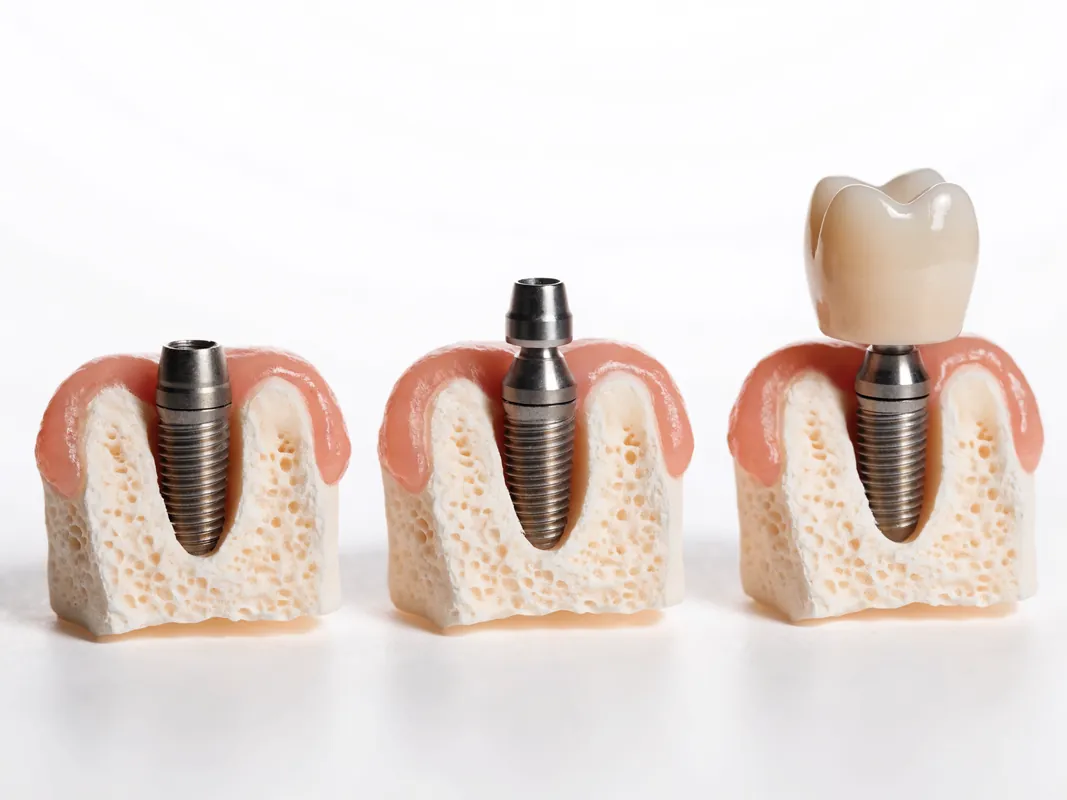
Imaging Should Answer a Clinical Question
Imaging choice should be justified by the expected management decision. Depending on the case, a recent intraoral or panoramic radiograph may help assess third-molar position, adjacent decay, roots, bone, lesions and broad anatomical relationships. It still has limitations, including magnification and two-dimensional overlap.
Cone-beam computed tomography can provide three-dimensional information, but it is not a routine badge of quality. The Royal College of Surgeons’ [parameters of care for mandibular third-molar surgery](https://www.rcseng.ac.uk/-/media/Files/RCS/FDS/Guidelines/3rd-molar-guidelines--April-2021-v4.pdf) discusses when radiography and CBCT may contribute and notes evidence that routine CBCT does not itself eliminate inferior alveolar nerve injury.
The request should name the question: Does three-dimensional information have a reasonable prospect of changing complete extraction versus coronectomy, surgical access, implant position, graft planning or another management decision? If not, additional radiation may not be justified.
For implant planning, imaging should be interpreted alongside the restorative endpoint. Available bone alone does not decide where an implant belongs. The intended crown position, cleaning, nerve or sinus boundaries, bone walls, adjacent roots and prosthetic space matter.
Lower Wisdom Teeth: Inferior Alveolar and Lingual Nerve Considerations
The roots of a lower third molar may be close to the inferior alveolar canal. Surgery can also place the lingual nerve at risk. Potential sensory effects can involve the lower lip, chin, tongue, taste or other areas depending on the nerve and injury. The case-specific probability and consequences should be discussed by the operating clinician, not reduced to a generic consent sentence.
Plain-film signs may prompt further assessment, but close appearance does not determine the surgical choice by itself. The clinician should explain whether complete extraction, observation, referral or coronectomy is being considered and why.
Coronectomy intentionally removes the crown while retaining roots in selected high-risk lower third-molar situations. It is not an implant procedure and is not appropriate for every tooth. A systematic review and meta-analysis examines nerve injury and other outcomes while also reporting possible root migration, failure and re-intervention: [Kang and colleagues](https://pubmed.ncbi.nlm.nih.gov/39956152/). The evidence can inform consent, but only the operating clinician can decide whether the indication and contraindications fit the patient.
A coronectomy plan should include follow-up responsibility, retained-root records, symptoms that require review and what happens if the roots later become exposed, migrate or require treatment. It should not be sold as “risk-free wisdom-tooth removal”.
Upper Posterior Sites: Maxillary Sinus Considerations
Upper molar and upper third-molar roots may be close to the maxillary sinus. Extraction can occasionally create communication between the mouth and sinus, and posterior maxillary implant planning may involve limited bone height, sinus disease or an augmentation discussion.
The clinician should assess symptoms, imaging, root and sinus relationship, infection, bone and the planned implant position. An upper wisdom-tooth extraction and an implant for a different molar must still be mapped as separate sites. A sinus-related finding may change the extraction method, implant timing, graft plan, travel advice or referral route.
Patients should receive case-specific instructions if an oroantral communication or sinus procedure is suspected or treated. Generic online advice cannot replace the operating clinician’s restrictions. New fluid passage between mouth and nose, altered airflow through a socket, worsening sinus symptoms, fever, facial swelling or persistent discharge needs prompt assessment.
Infection Changes the Questions, Not Automatically the Answer
“Infection” can refer to pericoronitis, a localised abscess, pulpal or periapical disease, periodontal infection, osteomyelitis or another condition. Severity, drainage, tissue involvement, systemic signs and the source matter. The priority may be urgent local management rather than an elective implant itinerary.
Immediate implant placement in a site with previous or current infection is not governed by a single slogan. Reviews report selected protocols and heterogeneous evidence. A consensus report on extraction sockets and implant timing identifies infection, primary stability, damaged socket anatomy, periodontal phenotype, aesthetic demands and systemic conditions as decision factors: [European Workshop consensus report](https://pubmed.ncbi.nlm.nih.gov/31215112/).
An infected wisdom-tooth site does not create a reason to place an implant there. If a functional molar is being extracted, the clinician should document whether infection is present, whether source control is achieved, what the socket looks like after removal, and what fallback applies if debridement, anatomy or stability are unsuitable.
Antibiotics are not a substitute for drainage, extraction or other source control when those are indicated, and they should not be promised routinely. The prescribing clinician must consider allergy, interactions, local guidance, resistance and the actual diagnosis.
Same-Session Placement Is an Intra-Operative Decision Gate
“Immediate placement” means an implant is inserted during the same surgical episode as extraction. It does not mean instant healing, automatic loading or a final crown. It should remain conditional until the tooth is removed and the socket is directly inspected.
Questions include:
- Can an implant be placed in a restoration-led position rather than merely centred in a large molar socket?
- Are socket walls and soft tissues compatible with the plan?
- Can adequate primary stability be achieved in appropriate bone?
- Is the site cleanable and maintainable?
- Does infection or a lesion require a different approach?
- Is there enough space from adjacent roots, the nerve or sinus?
- Is grafting proposed, and for what purpose?
- What provisional or no-provisional plan protects the site?
- What is the written fallback if any gate fails?
A systematic review of immediate implants in molar sockets reports that anatomy, implant position, grafting, loading and bone-wall condition are relevant variables: [Ragucci and colleagues](https://pubmed.ncbi.nlm.nih.gov/32770283/). It does not justify same-session placement for every molar.
Staged Placement Is Not a Failure
A staged pathway may be chosen when the socket is damaged, primary stability in the planned position is not achievable, active disease needs management, soft tissues need reassessment, anatomy is uncertain, grafting needs a separate stage, or the patient’s medical and travel circumstances favour separation.
“Early” and “delayed” are broad research labels. The real plan should use clinical endpoints rather than a universal calendar: resolution of acute disease, acceptable tissue condition, adequate bone assessment, graft review where relevant, confirmed restorative space and a patient who can maintain the site and attend follow-up.
Staging can preserve choices. It allows the extraction indication to remain independent from the implant decision and gives the patient time to review records and alternatives. A plan should not describe staging as inferior merely because it requires another decision or trip.
Placement and Loading Are Separate Decisions
An implant can be placed without being loaded with a functional crown. A provisional may be absent, removable, tooth-supported or implant-supported depending on the site and plan. A posterior implant may not need a cosmetic temporary tooth at all.
Loading decisions depend on stability, implant and restoration design, bite, parafunction, bone, number and distribution of implants, patient adherence and other clinical factors. The plan should distinguish:
- implant placement;
- connection of a healing component where relevant;
- provisional restoration and whether it contacts during function;
- later definitive crown or bridge;
- review and maintenance.
Do not accept “same-day tooth” as proof that extraction, implant placement, osseointegration and definitive restoration are one guaranteed event.
Grafting Is a Separate Contingency
“Bone graft included” is not a diagnosis. Different procedures may be described as socket preservation, gap grafting around an immediate implant, staged ridge augmentation, treatment of a defect, or a sinus-related augmentation. They have different purposes, materials, risks, records and implications for timing.
The extraction socket changes after tooth removal. Ridge-preservation interventions may reduce some dimensional change but do not freeze the site or guarantee that later implant placement will avoid additional augmentation. The European Federation of Periodontology summarises evidence and source reviews on [preserving the alveolar ridge after extraction](https://www.efp.org/publications-hub/which-is-best-technique-for-preserving-the-alveolar-ridge-after-tooth-extraction/).
Before consenting, ask:
- What defect or anticipated change is the graft intended to address?
- Is the graft required, optional or an intra-operative contingency?
- What material category and source are proposed?
- Will a membrane or fixation be used?
- Who supplies traceability records?
- What happens if grafting is more extensive than expected?
- Does the graft change loading, travel or review plans?
- What is the alternative if the patient declines it?
A deposit for an extraction should not silently authorise unspecified grafting.
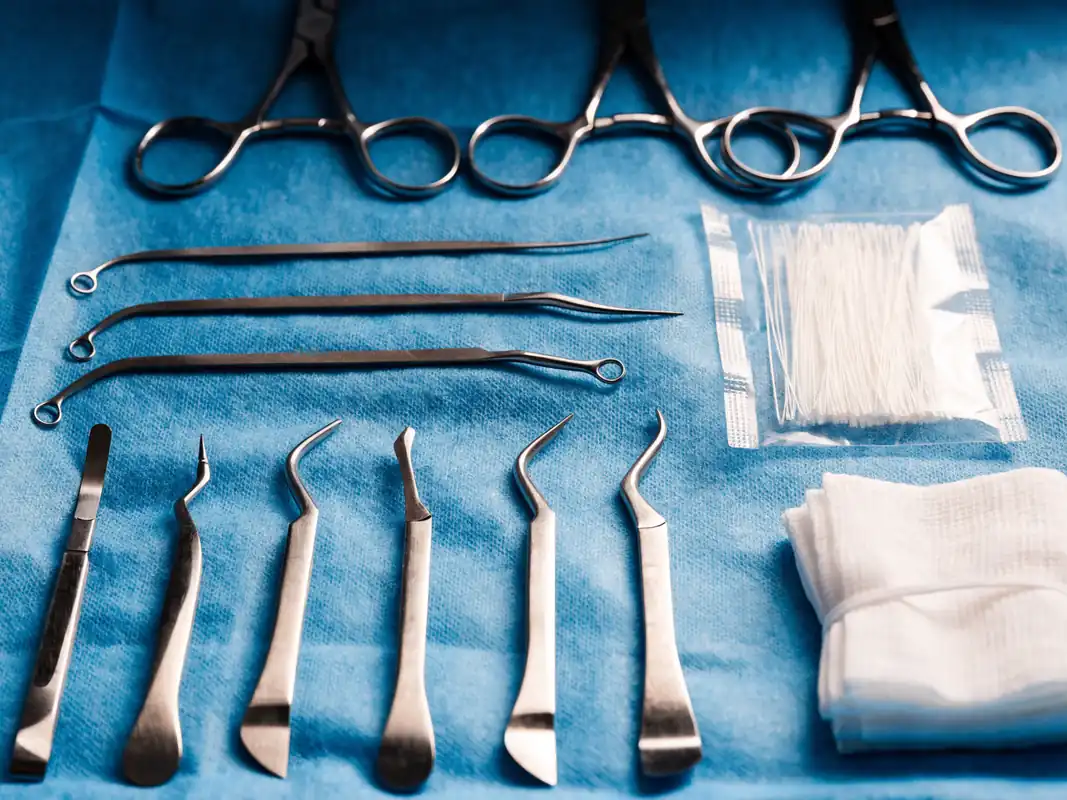
Review Medical Conditions and Medicines Before Surgery
The clinical team should obtain a current medical history, medicine list, allergies and relevant previous surgical or anaesthetic history. Do not stop, start or change prescribed medicines solely on the advice of a website or sales coordinator.
Items that may alter assessment include anticoagulants and antiplatelet medicines, antiresorptive or antiangiogenic medicines, immunosuppressants, corticosteroids, diabetes medicines, some psychiatric or neurological medicines, previous radiotherapy, bleeding disorders, immune conditions, pregnancy, kidney or liver disease, smoking, vaping and alcohol or substance use. The relevance differs by person and procedure.
The Scottish Dental Clinical Effectiveness Programme provides professional guidance for [dental patients taking anticoagulants or antiplatelet drugs](https://www.sdcep.org.uk/published-guidance/anticoagulants-and-antiplatelets/). It supports structured risk assessment and haemostatic planning; it should not be used by a patient to alter medication without the appropriate prescriber or dentist.
The medicines disclosure guide provides a practical checklist. The named clinician should record what was reviewed, what advice was obtained from another prescriber and who is responsible for any change.
Anaesthesia and Sedation Need Their Own Consent
Wisdom-tooth surgery may be performed with local anaesthesia, sedation or general anaesthesia depending on the case, patient and setting. These are not interchangeable convenience upgrades. The responsible clinician should explain why a modality is proposed, fasting or escort requirements where relevant, recovery restrictions, medicine interactions and who is qualified and equipped to deliver and monitor it.
Sedation or general anaesthesia can affect travel, driving, decision-making and discharge. Consent for implant placement should not be expanded after sedation has begun. Material plan changes should be discussed while the patient can understand and choose, unless an unforeseen urgent circumstance has been addressed within valid consent and applicable standards.
The quotation should separate surgical and anaesthesia fees, the named provider, monitoring, medicines and any additional facility charge. “Comfort package” is not adequate clinical information.
Pain Relief and Antibiotics Are Individual Prescribing Decisions
Postoperative medicines should reflect medical history, allergies, interactions, the procedure and local prescribing rules. The American Dental Association-led guideline on acute dental pain supports non-opioid approaches as first-line for many patients while recognising contraindications and case-specific prescribing: [acute dental pain guideline](https://pubmed.ncbi.nlm.nih.gov/38325969/).
That source is not a personal prescription. Some people cannot take common anti-inflammatory medicines or paracetamol, and combination products can cause accidental duplication. Opioids, sedatives and other medicines may impair driving or travel. The treating clinician or pharmacist should provide written instructions using the actual medicines and doses prescribed.
Antibiotics should not be presented as automatic insurance for an extraction or implant. Ask what diagnosis justifies them, when to start, what allergy or interaction plan applies, and whom to contact for a suspected reaction or worsening infection.
Extraction Technique Should Preserve Future Options Where Appropriate
When a functional molar is being removed and later replacement is under consideration, the surgeon may plan access and extraction with future tissues in mind. That does not mean every extraction is “atraumatic” or that bone can always be preserved. Root shape, decay, restorations, ankylosis, infection, access and adjacent anatomy influence what is possible.
The operative record should state the tooth removed, findings, socket condition, complications, retained fragments if any, graft or membrane placed, closure, medicines and postoperative instructions. If the plan changes after the socket is inspected, the reason should be documented.
For a wisdom tooth, preserving the adjacent second molar, its periodontal attachment and nearby nerve or sinus structures may be more important than creating an implant site. The technique should follow the actual goal rather than a generic “implant-ready extraction” phrase.
Restoration-Led Implant Position Matters in Molar Sites
Molar sockets are large and multi-rooted. The centre of the extraction socket may not be the correct position for the future crown. Implant position should be planned from the restoration, cleansability, tissue contours, adjacent roots, bone and anatomical boundaries.
The restorative assessment should consider:
- mesiodistal and buccolingual space;
- opposing tooth and occlusal contacts;
- crown height and restorative material space;
- emergence profile and cleaning access;
- adjacent tooth condition;
- implant depth and three-dimensional position;
- whether one implant is being asked to support an unsuitable span;
- parafunction or heavy loading;
- component and laboratory traceability;
- maintenance access after the patient returns home.
An implant placed merely because “bone was available” can create a difficult crown. The restorative endpoint should exist before the osteotomy, even when the final restoration comes later.
Consent Must Include the Fallback Path
Valid consent is a process. The UK General Dental Council’s [consent standard](https://standards.gdc-uk.org/pages/principle3/principle3) emphasises options, risks, benefits, costs, understanding and renewed consent when treatment or estimated cost changes. These UK standards are a useful comparison framework; they do not establish the regulation of a provider abroad.
The patient should understand:
- why each extraction is proposed;
- the option to retain, monitor or obtain another opinion where reasonable;
- why an implant is or is not proposed for each space;
- same-session and staged placement options;
- that placement and loading are separate;
- nerve, sinus, infection, graft, bleeding and healing considerations relevant to the sites;
- anaesthesia or sedation choices;
- what happens if primary stability or socket anatomy is unsuitable;
- what temporary option applies if no implant or crown is placed;
- who manages complications at home;
- what plan or price changes require renewed consent.
A strong plan makes “no implant today” an acceptable clinical outcome when the gate fails. Pressure to proceed because travel has been booked undermines genuine choice.
Records Make Separate Decisions Auditable
The GDC’s [record standard](https://standards.gdc-uk.org/pages/principle4/principle4) lists radiographs, photographs, models, consent forms, laboratory prescriptions and referrals among records where available. For a combined surgical and implant pathway, request copies of:
- medical and medicine history;
- tooth chart and site map;
- symptoms, diagnoses and restorability findings;
- periodontal and endodontic findings where relevant;
- radiographs, CBCT report where used and justification;
- third-molar risk discussion and coronectomy decision where relevant;
- extraction indication and consent;
- operative record and socket findings;
- implant position plan and component identifiers;
- graft and membrane material traceability;
- anaesthesia, sedation and medicine record;
- provisional and definitive restoration prescriptions;
- plan changes and renewed consent;
- postoperative instructions, review findings and local handover.
Records should identify the legal provider and the responsible clinician for each stage. A coordinator’s message is not a substitute for an operative note or implant passport.
Require an Itemised Written Quotation
A quotation should not contain one line called “wisdom tooth + implant”. It should separate:
- consultation and diagnostic records;
- each tooth extraction;
- coronectomy if proposed;
- treatment of infection or adjacent teeth;
- anaesthesia or sedation;
- socket preservation, gap grafting, ridge augmentation or sinus-related grafting as distinct items;
- implant fixture and surgical components;
- healing or provisional components;
- temporary restoration where relevant;
- definitive crown or bridge and laboratory work;
- review appointments;
- records and handover;
- local aftercare boundaries;
- contingency items and authorisation thresholds;
- cancellation, postponement, refund, repair and complaint terms;
- travel services only where a separate written agreement states them.
The quotation should say what happens when the planned same-session implant is not placed. Does the payment transfer to a staged procedure, is part refunded, or is a new plan required? Obtain the answer before surgery.
Travel Planning Must Follow Clinical Priority
Acute swelling, spreading infection, uncontrolled bleeding, trauma, difficulty swallowing or breathing, or severe worsening symptoms should not wait for an international trip. Seek appropriate urgent local care.
For elective travel, plan around decision gates rather than a promised completion date. Ask whether the itinerary allows in-person diagnosis, surgery, review, management of early complications and a safe fallback if the implant or provisional cannot proceed. Confirm who can extend or cancel treatment and how flights or accommodation are handled if the clinical plan changes.
The GDC’s patient guide on [going abroad for dental treatment](https://www.gdc-uk.org/standards-guidance/information-for-patients-public/going-abroad-for-dental-treatment) recommends checking the provider, qualifications, regulation, complications, aftercare, complaints and full cost. It also advises speaking to the patient’s own dentist. Those checks should happen before payment, not after a problem.
Flying After Oral Surgery Has No Universal Online Interval
Fitness to fly can depend on the procedure, bleeding, swelling, infection, pain control, medicines, anaesthesia, sinus involvement, grafting, complications, flight duration, access to care and airline rules. A simple extraction, complex lower-third-molar surgery, posterior maxillary surgery and sinus augmentation do not create the same travel question.
Published discussion of dental tourism and air travel acknowledges that evidence is limited and that recommendations require individual tailoring: [dental tourism, barotrauma and barodontalgia](https://pubmed.ncbi.nlm.nih.gov/36707585/). It should not be converted into one mandatory countdown for every passenger.
Ask the operating clinician for written fitness-to-fly advice after the actual procedure and review. Confirm airline or insurer requirements separately. Sedation or general anaesthesia may create additional restrictions. Do not fly with uncontrolled bleeding, worsening infection, severe symptoms or an unresolved sinus communication simply because a package itinerary says departure day.
For a fuller question set, use the flying after oral surgery guide.
Local Aftercare Must Exist Before Departure
Remote messaging cannot provide every form of aftercare. A local dentist or oral-surgery service may need to examine persistent bleeding, dry socket, infection, nerve symptoms, sinus communication, wound breakdown, exposed graft material, implant mobility, bite problems or a loose restoration.
Before travel, identify:
- who reviews the extraction and implant sites before departure;
- who answers urgent questions after hours without promising continuous access;
- which symptoms need emergency services rather than a message;
- what records will be sent to the local clinician;
- whether the local clinician has accepted the proposed role;
- who pays for local assessment or treatment;
- how a complication affects later implant or crown stages;
- who retains long-term implant and restoration responsibility.
The returning home after dental tourism guide explains handover planning in more detail. Do not assume an unfamiliar local practice will service every implant system or accept responsibility for work performed elsewhere.
Postoperative Care Follows the Actual Procedure
The treating team should provide written instructions tailored to the extraction, graft, implant, sutures, medicines and medical history. NHS patient guidance on [wisdom-tooth removal](https://www.nhs.uk/tests-and-treatments/wisdom-tooth-removal/) discusses protecting the socket clot, cleaning, smoking and complications such as dry socket. Local instructions may differ for a graft, implant or sinus-related procedure, so the operating clinician’s case-specific advice controls.
General planning questions include:
- how to manage bleeding and when it is abnormal;
- when and how to clean near each site;
- food and activity restrictions;
- smoking and vaping risks;
- what medicines to take or avoid;
- how to protect a provisional restoration;
- whether sinus precautions apply;
- when sensory change needs review;
- who removes or reviews sutures;
- what follow-up confirms before the next stage.
Do not probe a socket, remove a clot or adjust a restoration yourself. Do not use leftover antibiotics or another person’s prescription.
Red Flags Requiring Prompt or Emergency Assessment
Seek urgent professional advice for bleeding that does not settle with the instructions provided, severe or escalating pain, new or rapidly increasing swelling, fever with worsening local symptoms, pus or persistent foul discharge, inability to maintain fluids, a provisional that creates trauma, or new persistent numbness or altered sensation after lower-molar surgery.
Breathing or swallowing difficulty, rapidly spreading facial or neck swelling, severe allergic reaction, major haemorrhage or serious deterioration requires emergency assessment. A suspected mouth-to-sinus communication, fluid passing between mouth and nose, unusual airflow through an upper socket or worsening sinus symptoms also merits prompt review.
An implant or component that feels mobile, exposed graft or membrane, wound opening or a bite that places unexpected pressure on a provisional should be assessed. A photograph can support triage but cannot establish stability or rule out deep infection.
Red Flags in a Wisdom-Tooth-and-Implant Proposal
Pause if the proposal:
- treats every impacted wisdom tooth as needing removal;
- fails to name the teeth and implant sites;
- automatically replaces a third molar without a functional assessment;
- declares a useful second molar hopeless without a restorability record;
- makes extraction and implant placement one inseparable purchase;
- says every person must undergo CBCT or that three-dimensional imaging removes nerve risk;
- ignores coronectomy or referral when nerve proximity is a material issue;
- does not discuss the maxillary sinus for a relevant upper site;
- states that infection always permits or always prevents immediate placement;
- promises grafting without identifying the defect or material;
- treats implant placement and loading as the same event;
- offers no written fallback when same-session placement is unsuitable;
- uses fixed travel dates as clinical decision gates;
- lacks named clinicians, legal provider, component records or local aftercare;
- changes the tooth, graft, implant or price after arrival without renewed consent.
Questions to Send Before Paying
- Which exact tooth or teeth are being removed, and what is each diagnosis?
- Is the tooth a third molar, first molar or second molar?
- What evidence shows that each functional tooth is non-restorable?
- Which preservation options and independent opinions were considered?
- Is the implant proposed for the extraction socket, a healed site or another quadrant?
- Does the removed wisdom tooth itself require replacement, and why?
- What imaging has been reviewed, and what question would CBCT answer?
- How are inferior alveolar, lingual nerve and sinus risks assessed?
- Is coronectomy a relevant alternative for the lower wisdom tooth?
- What infection is present, and what source-control plan applies?
- What conditions must be met for same-session implant placement?
- What is the written staged fallback?
- Are implant placement and loading quoted separately?
- Is grafting planned or only a contingency, and what material traceability is supplied?
- Which medical conditions and medicines require coordination?
- What anaesthesia or sedation is proposed, and who provides it?
- What temporary restoration applies if an implant or crown is deferred?
- Who reviews the sites before travel and after I return home?
- What flying advice applies after the procedure actually performed?
- What records, implant identifiers and laboratory documents will I receive?
- What is excluded from the itemised quotation?
- What symptoms trigger urgent or emergency care?
Final Decision Checklist
Before consenting, confirm that:
- every tooth and surgical site is mapped;
- the wisdom-tooth indication is documented;
- useful first and second molars have a preservation assessment;
- extraction and replacement are separate choices;
- implant site and restoration are planned together;
- imaging is justified and interpreted;
- nerve and sinus considerations are site-specific;
- infection and medical risks have named owners;
- same-session placement has objective gates and a staged fallback;
- grafting is itemised and traceable;
- placement, loading, provisional and final restoration are distinct;
- consent can be renewed when findings or price change;
- travel and flying follow clinical review rather than a fixed promise;
- local aftercare and emergency routes are agreed;
- the patient can receive complete records.
Sources and Evidence Limits
This guide uses official guidance, professional standards and peer-reviewed reviews to frame decisions. The sources do not diagnose an individual, endorse a provider or guarantee an outcome.
- [NICE: Guidance on extraction of wisdom teeth](https://www.nice.org.uk/guidance/TA1/chapter/1-recommendations)
- [NHS: Wisdom tooth removal](https://www.nhs.uk/tests-and-treatments/wisdom-tooth-removal/)
- [Royal College of Surgeons: Mandibular third-molar parameters of care](https://www.rcseng.ac.uk/-/media/Files/RCS/FDS/Guidelines/3rd-molar-guidelines--April-2021-v4.pdf)
- [American Association of Endodontists: Implant position statement](https://www.aae.org/specialty/wp-content/uploads/sites/2/2019/04/Implants_PositionStatement_v2.pdf)
- [Systematic review: endodontically treated teeth and implant-supported restorations](https://pubmed.ncbi.nlm.nih.gov/38443242/)
- [European Workshop consensus: extraction socket and implant timing](https://pubmed.ncbi.nlm.nih.gov/31215112/)
- [Systematic review: immediate implant placement in molar sockets](https://pubmed.ncbi.nlm.nih.gov/32770283/)
- [Systematic review: coronectomy and lower-third-molar surgery](https://pubmed.ncbi.nlm.nih.gov/39956152/)
- [EFP: alveolar ridge preservation evidence overview](https://www.efp.org/publications-hub/which-is-best-technique-for-preserving-the-alveolar-ridge-after-tooth-extraction/)
- [SDCEP: anticoagulant and antiplatelet guidance](https://www.sdcep.org.uk/published-guidance/anticoagulants-and-antiplatelets/)
- [ADA-led acute dental pain guideline](https://pubmed.ncbi.nlm.nih.gov/38325969/)
- [GDC Principle 3: consent](https://standards.gdc-uk.org/pages/principle3/principle3)
- [GDC Principle 4: records](https://standards.gdc-uk.org/pages/principle4/principle4)
- [GDC: going abroad for dental treatment](https://www.gdc-uk.org/standards-guidance/information-for-patients-public/going-abroad-for-dental-treatment)
- [Review: dental tourism, barotrauma and barodontalgia](https://pubmed.ncbi.nlm.nih.gov/36707585/)
Evidence differs by tooth, site, diagnosis, study design and intervention. Immediate implant studies often involve selected cases and cannot be generalised to every infected or damaged molar socket. Coronectomy evidence applies to selected lower third molars near the inferior alveolar nerve, not to functional-molar implant placement. Air-travel research is limited and cannot create a universal departure interval.
The final rule is to preserve the useful tooth when reasonably maintainable, remove a third molar only for a supported indication, and treat implant placement as a separate restoration-led decision. The plan should still make sense if the safe intra-operative answer is “extract today, reassess the implant later.”