A veneer or crown may look finished when you leave the dental chair, but the handover is not finished until you know what was fitted, who is clinically responsible, how to clean it, where to obtain an in-person review and what happens if something feels wrong. That is especially important when treatment took place abroad and the treating clinician is no longer nearby.
“Hollywood smile” is a marketing description, not one standard procedure. One person may receive ceramic veneers, another may receive crowns, and another may have a mixture of veneers, crowns, composite restorations and untreated natural teeth. The amount of tooth preparation, the material, the bonding or cementation method, gum condition, bite, previous dental history and ongoing risks differ. A generic internet timetable cannot replace the treating clinician's procedure-specific advice.
This guide is planning information for adults returning home after veneers or crowns. It does not assess a restoration, diagnose sensitivity, prescribe a product, decide whether a bite needs adjustment or promise how long dental work will remain serviceable. Use the written instructions from the named treating clinician and seek an appropriate in-person assessment when symptoms or function cause concern.
WeCare is not the treating dental provider. Its role is limited to enquiry and referral coordination and, where separately agreed, written travel-logistics coordination. The named clinic and named clinician are responsible for examination, diagnosis, consent, preparation, fitting, prescriptions, records, clinical aftercare and the clinical complaints route. A coordinator may pass on a message or help exchange documents, but cannot take over those professional duties.
Start with procedure-specific written instructions
Before leaving the clinic, ask for written instructions that describe your actual treatment rather than a standard “smile makeover” leaflet. The instructions should identify which teeth were treated, whether each restoration is a veneer, crown, temporary or other restoration, and what the treating clinician expects you to do next. If different teeth received different materials or techniques, the advice may differ by site.
Ask the treating clinician to explain:
- whether the restorations are final or temporary;
- which teeth were prepared and which were not;
- whether any tooth still needs further treatment or monitoring;
- how to brush and clean between the treated teeth without injuring tissues;
- whether any product, food texture or activity restriction applies to this procedure and for how long;
- whether sensitivity, gum tenderness or a change in speech was discussed as a possible short-term experience in your case;
- what would be outside the expected course and who should assess it;
- whether a prescribed medicine was issued, by whom and with what written directions;
- whether a protective appliance was recommended and how its fit will be reviewed;
- when a local clinical review is advisable and what the reviewing dentist needs to receive.
Do not fill gaps with a timetable copied from another patient's social-media post. A crown placed after root-canal treatment raises different questions from a minimally prepared veneer on a vital tooth. A temporary restoration has different limitations from a definitive bonded restoration. Gum treatment, recent extractions, a new appliance or a significant change to the bite can also alter the plan.
If verbal and written advice conflict, ask the named clinician to reconcile them before departure. Keep the final version with the treatment summary. If the plan changes, the explanation, options, material costs and consent should be updated rather than left in an informal chat. The GDC's consent standard describes consent as an ongoing process and requires changes to treatment or estimated cost to be explained and documented for professionals it regulates. An overseas clinician is governed by the rules of the country where they practise, so verify the applicable regulator and standards directly.
Know exactly what was fitted
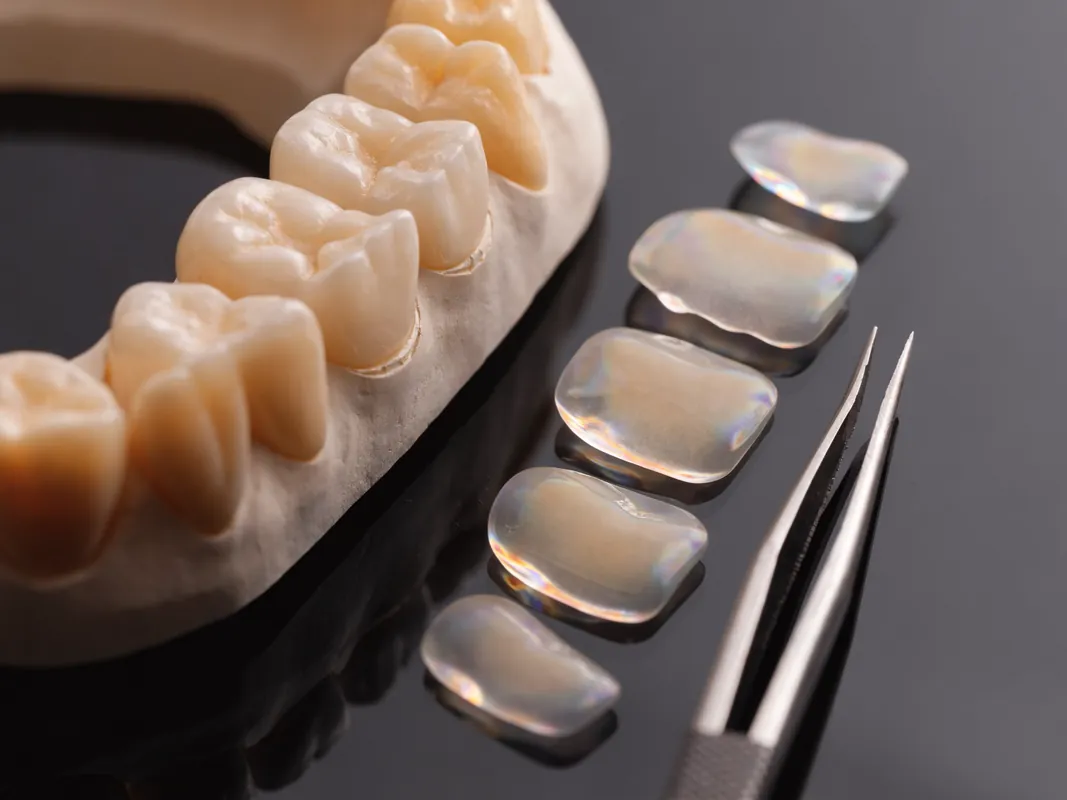
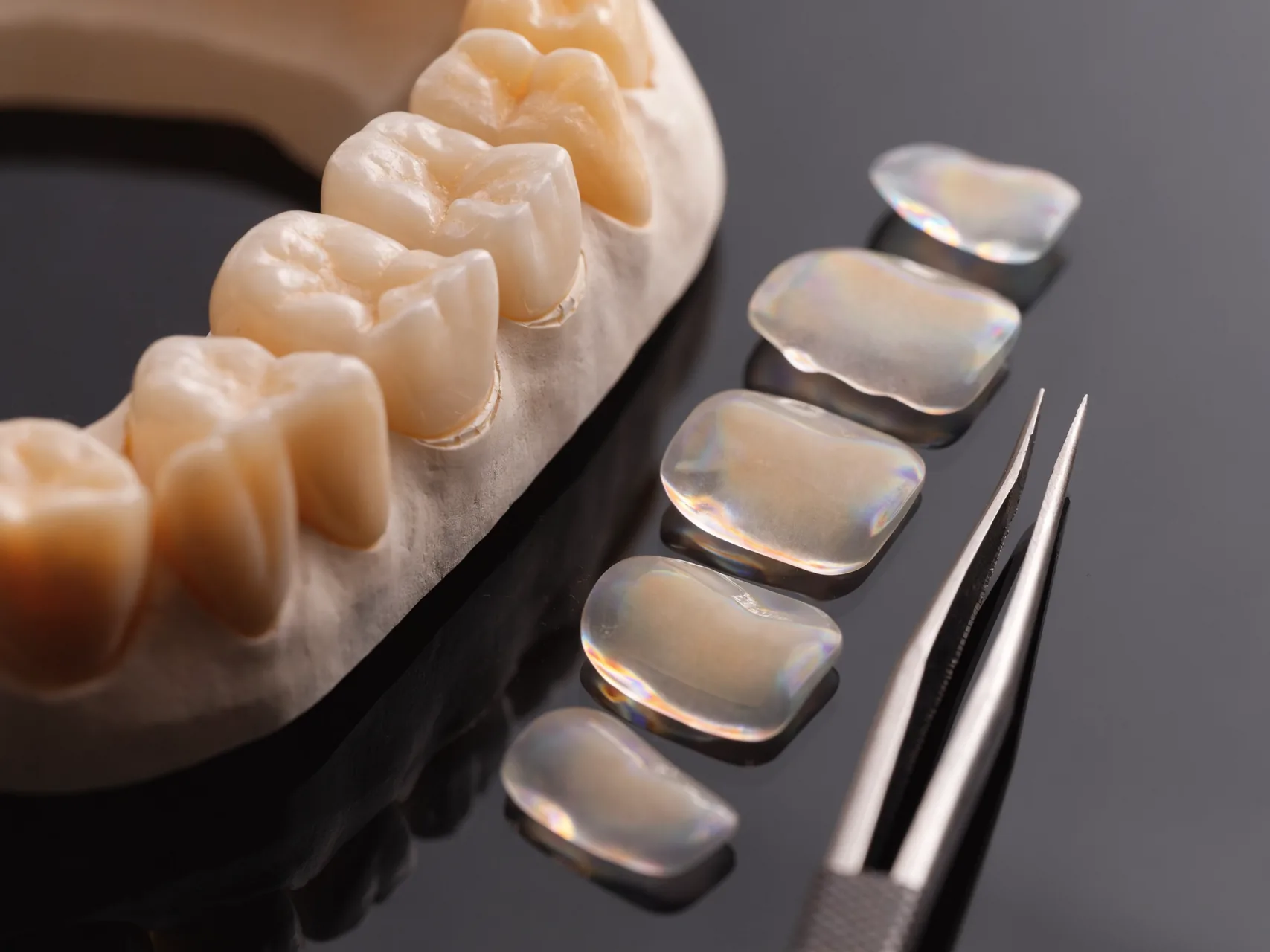
Veneers and crowns are not interchangeable labels. A veneer generally covers part of a tooth's visible surface, while a crown covers more of the prepared tooth. Restorations may be ceramic, resin-based, metal-containing or made from another system. The appearance alone does not reliably identify the material or preparation beneath it.
Ask for a tooth-by-tooth list. It should make clear which sites have veneers, which have crowns, which have fillings or composite additions, and which remain natural. If some restorations are provisional, note what must happen before the definitive stage. Record whether a tooth was root-treated, whether a post or core was used and whether any finding requires monitoring. These details can matter when a local dentist interprets symptoms or plans future work.
Avoid treating a brand name as a clinical guarantee. Ceramic veneer research reports survival and complications across different materials, designs, bonding substrates and follow-up periods. A 2024 systematic review and meta-analysis by Klein and colleagues specifically distinguished a restoration remaining in place from a restoration needing no maintenance. That distinction matters: “survival” does not mean perfect appearance, no repair, healthy supporting tissues or freedom from symptoms. Study averages also cannot predict an individual's result.
No honest aftercare page can assign a fixed lifespan to your restorations. Serviceability may be influenced by the prepared tooth, remaining enamel and dentine, material, design, fit, bonding, bite, parafunctional loading, trauma, decay, gum health, hygiene, smoking, dry mouth, general health and future treatment. Some factors can only be assessed clinically. Ask how the treating clinician reached the material and design decision for you, what alternatives were discussed, and what uncertainties remain.
Identify the clinical owner and the handover route
Record the legal name and treatment address of the clinic, the full name and professional role of every clinician involved, and the regulator or registration route that applies. If one clinician prepared the teeth and another fitted the restorations, ask who owns follow-up decisions. If a dental laboratory was involved, the prescribing clinician remains the clinical contact; a laboratory does not examine or diagnose the patient.
Obtain a direct clinical escalation route, not only a sales or travel number. Ask who reviews messages when the treating clinician is unavailable, who has lawful access to the record, and how a local dentist can exchange clinical information. Clarify whether the clinic expects a first review abroad, a local review at home or both. This is coordination, not a promise that every concern can be handled remotely.
The GDC advises people considering treatment abroad to check the relevant regulator, professional registration, qualifications, indemnity or insurance, complaints system and aftercare arrangements. Citation of GDC guidance does not imply that the GDC regulates or endorses an overseas clinic. Verification should be made with the relevant authority and named provider.
Sensations after treatment: observe without diagnosing
Some people report sensitivity, tenderness around the gum line, awareness of a changed tooth shape or a period of adapting to a different bite after restorative treatment. Those descriptions are not a diagnosis and do not establish what is acceptable in your case. The number of treated teeth, depth of preparation, pulp status, gum condition and other procedures can change the significance of a symptom.
Use the clinician's written baseline. Note when a sensation began, which tooth or area is involved, what triggers it, how long it lasts, whether it is improving or worsening, and whether it affects sleep, eating or normal activity. Record associated swelling, bleeding, bad taste, discharge, fever, trauma or movement of a restoration. A simple dated symptom log can help a dentist take a history; it cannot determine the cause.
Do not test a restoration by repeatedly biting hard objects, pushing it with a fingernail or trying to move it. Do not use household glue, nail products or an online repair kit in the mouth. Do not start leftover antibiotics or change prescribed medicine without advice from the prescriber or an appropriate local healthcare professional. A temporary cosmetic appearance should never take priority over safe assessment.
Contact an appropriate dentist when a sensation is persistent, worsening, recurrent or interfering with function, even if a photograph looks normal. Seek faster help for a loose or broken veneer or crown, significant pain, swelling, uncontrolled bleeding, trauma or signs described in the urgent-care section. The clinician who examines you can decide whether observation, imaging, bite assessment, pulp testing, periodontal assessment, repair or another step is appropriate.

Bite and fit concerns
A restoration can look attractive and still require the bite, contacts, margins or supporting tissues to be assessed. Patients often describe a tooth as “high”, “hitting first”, “tight”, “rough”, “moving”, “catching floss” or changing how the jaw closes. Those words are useful history, but they do not identify the cause.
Do not attempt to grind, file or polish a veneer or crown yourself. Removing material is irreversible and may change the surface, contact or fit. Do not assume that the mouth must simply “get used to” a persistent interference. Conversely, do not assume every new awareness means the restoration is defective. Bite and fit concerns require an in-person assessment because the clinician may need to inspect the restoration, tooth, gum, contacts and jaw movement together.
When requesting that assessment, bring the treatment record and explain:
- when you first noticed the concern;
- whether it occurs at rest, on closing, chewing or moving the jaw sideways;
- whether one tooth seems to contact before others;
- whether there is pain, sensitivity, movement, chipping or gum irritation;
- whether the sensation changed after travel, trauma or appliance use;
- whether a local clinician has already adjusted anything.
Any adjustment should be documented, including the tooth, surface, reason, findings and person performing it. If the local dentist and original clinician disagree, ask each for written findings and encourage professional communication with your consent. A coordinator should not choose between clinical opinions.
Urgent versus emergency care
An overseas provider's reply window is not an emergency pathway. Before travel, identify how to access urgent dental care and medical emergency services where you live. In England, NHS guidance says a dentist or NHS 111 can advise on urgent dental care. Local systems differ elsewhere.
NHS urgent dental guidance includes severe tooth or mouth pain affecting sleep or daily activities, pain that is helped by pain relief but does not go away, enlarging swelling or a mouth lesion that persists, and a broken or loose filling, crown, bridge or veneer among reasons to seek urgent advice. A clinician determines the urgency after assessment or triage.
Call emergency services or go to the appropriate emergency department for potentially life-threatening features. NHS guidance gives examples including serious facial or jaw injury, heavy mouth bleeding that will not stop, or severe swelling of the mouth, lips, throat or neck with difficulty breathing or opening one or both eyes. Loss of consciousness, vomiting or double vision after a head or facial injury also belongs in emergency care. Do not wait for a coordinator, insurer, warranty decision or overseas reply in those situations.
If a veneer or crown comes off, avoid forcing it back or attaching it with household products. Keep any detached piece safely and contact a dentist. Whether it can be reused, needs temporary management or should be replaced is a clinical decision. If there is a risk of swallowing or inhaling a loose object, stop using that area and seek prompt advice.
Urgent care and contractual responsibility are separate tracks. Obtain care needed for safety, retain invoices and records, and notify the original provider as soon as reasonably possible. Whether costs are reimbursed depends on written terms and cannot be decided by this guide.
Daily hygiene and maintenance
Veneers and crowns do not remove the need to care for the underlying teeth, gum margins, adjacent teeth and the rest of the mouth. Plaque can accumulate around restoration margins. Natural tooth tissue can still be affected by decay, and gums can become inflamed. Cleaning should protect the whole mouth rather than focus only on keeping the visible ceramic bright.
Current NHS oral-hygiene guidance advises adults to brush all tooth surfaces with fluoride toothpaste twice daily, including last thing at night, and to clean between teeth with an appropriate method. GOV.UK's Delivering Better Oral Health toolkit similarly emphasises fluoride toothpaste, careful gum-line cleaning and additional aids for interproximal surfaces as appropriate. That directly contradicts the common marketing idea that anyone with porcelain should automatically switch to fluoride-free toothpaste.
Ask a dentist or hygienist to demonstrate a method that fits your restoration contours, gum condition, dexterity and spacing. Floss, interdental brushes, a single-tufted brush or another aid may suit different sites. If floss catches, shreds or cannot pass, do not force it repeatedly; arrange an assessment of the contact and margin. If a particular device causes bleeding or injury, ask for technique and size to be checked.
Use a toothbrush and toothpaste appropriate for your oral-health needs. A product marketed as “whitening” is not automatically suitable for every restoration or natural tooth. Abrasiveness, sensitivity, caries risk and clinician recommendations matter. Ask before using specialist polishing powders, home scraping tools or strong bleaching products around new work.
Mouthwash is not a substitute for mechanical cleaning. NHS guidance advises that fluoride mouthwash, when used, should not be used immediately after brushing because it can wash away concentrated fluoride toothpaste. Antiseptic products, including chlorhexidine, should not be turned into an indefinite routine simply because another patient received them. Use a prescribed or recommended product only for the purpose and period explained by an appropriate clinician.
Maintenance also includes the supporting gums, untreated teeth, jaw function and any risk factors such as dry mouth, smoking, dietary frequency or previous periodontal disease. Ask the local dental team for personalised prevention advice. A veneer-specific checklist cannot replace a full oral-health review.
Eating, habits and protecting restorations
There is no universal food ban that applies to every veneer or crown indefinitely. Follow the treating clinician's instructions for the specific restoration and any temporary stage. If the clinician has restricted texture or chewing during an initial period, obtain that instruction in writing with a clear reason and review point.
Avoid using teeth as tools. Opening packaging, holding pins, biting pens or deliberately crushing ice adds avoidable loading to natural teeth and restorations. Be cautious with unnoticed hard objects such as stones, bones, shells or unpopped kernels. This is ordinary harm reduction, not a promise that avoiding one food prevents every chip or fracture.
If chewing feels different, do not conduct repeated “stress tests”. Note the food and movement that trigger the concern and arrange an assessment. A restoration may chip, debond or fracture, but a symptom can also arise from the supporting tooth, gum, bite, muscle or another site. Only an examination can separate those possibilities.
Smoking and tobacco affect oral health more broadly, including gum health. If you want to stop, seek evidence-based cessation support through your usual healthcare route. Do not treat vaping or another nicotine product as a clinically approved restoration-protection strategy without personalised advice.
Bruxism and protective appliances
Grinding and clenching are often discussed after veneers and crowns, but online claims are frequently too absolute. A patient may be unaware of sleep-related activity, and a worn tooth or broken restoration does not by itself prove one diagnosis. Assessment may consider history, clinical signs, jaw symptoms, restoration design and other factors.
A protective appliance should be used only if the responsible clinician recommends it after assessment. The appliance should have a named prescriber, documented purpose and appropriate fit. Ask how to insert, remove, clean, store and monitor it, and what changes require review. A guard that becomes tight, loose, damaged or uncomfortable should not be adjusted with heat or tools at home.
An appliance does not guarantee that a veneer or crown will avoid complications and does not necessarily treat the underlying behaviour. It can itself require review as teeth, restorations or the bite change. If a new restoration is fitted after the appliance is made, ask whether the fit remains appropriate before continuing to wear it.
Do not accept a “night guard included” statement as enough information. Confirm whether it is clinically indicated for you, who prescribed it, what material and design were used, when its fit was checked and who will review it at home. If no appliance is recommended, ask the clinician to document the assessment rather than buying a generic device solely because a website said every veneer patient needs one.
Records, materials and laboratory traceability
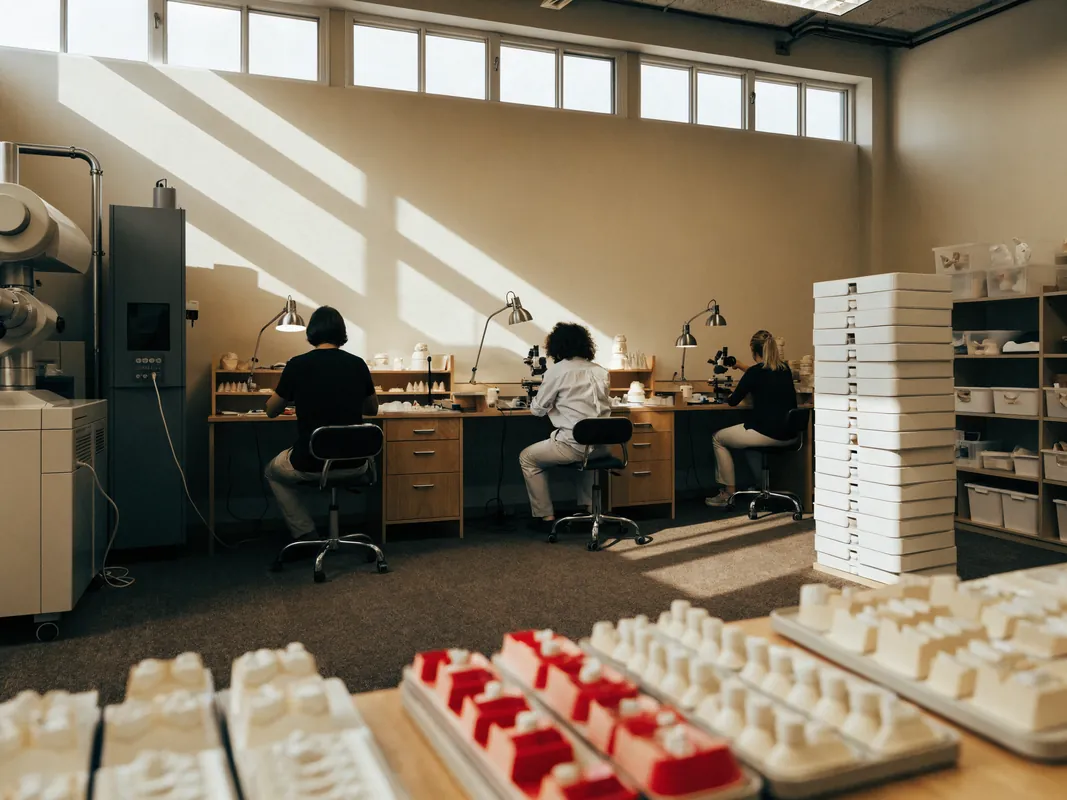
A local dentist should not have to reconstruct your treatment from holiday photographs and an invoice total. Obtain a structured discharge package before leaving. GDC Principle 4 describes complete, accurate records for professionals it regulates and lists items such as medical history, radiographs, consent documents, photographs, models, laboratory prescriptions, statements of conformity and referrals where available. The exact legal record requirements abroad may differ, but these categories are useful questions for a handover.
Request:
- the clinic's legal name and treatment address;
- the full name and professional role of each treating clinician;
- a tooth chart showing veneers, crowns, temporaries and untreated teeth;
- the treatment dates and what was completed at each stage;
- relevant diagnoses and findings recorded by the clinician;
- pre-treatment and post-treatment radiographs or scans where clinically taken;
- relevant photographs or digital models in usable formats;
- the preparation, bonding or cementation information recorded;
- the restoration manufacturer, material, product or system, shade and laboratory details where available;
- laboratory prescriptions and any statement of conformity or traceability document supplied;
- details of posts, cores, root-canal treatment or other supporting work;
- prescription copies and recorded allergies or adverse reactions;
- written aftercare, review and escalation instructions;
- the consent record, including material changes to the agreed plan;
- an itemised clinical invoice and the separate written remedial terms;
- the clinic's written complaint procedure and external escalation route.
Not every restoration carries a consumer-style serial number. Ask for the identifiers that genuinely exist rather than accepting an invented “passport”. If a batch or lot is recorded, include it; if it is not, do not fabricate one. Material marketing alone cannot establish what was placed in a specific tooth.
Store the package securely in at least two places you control. Keep original-quality files rather than screenshots compressed by messaging apps. Give a local clinician access only through a secure route and with appropriate consent. Do not post radiographs, medical history or identity documents publicly to crowdsource a diagnosis.
Arrange a local dentist before travel
Speak to a local dentist before treatment abroad, not only after a problem occurs. Ask whether they are willing to provide examination and routine maintenance for work completed elsewhere, what records they require and what they can or cannot do. A dentist independently decides what care is safe and within their competence; an overseas clinic or coordinator cannot assign duties to them.
A pre-travel local examination can document the starting condition and create a relationship for later review. It may also identify untreated disease, bite issues or other considerations that deserve discussion before irreversible work. The GDC's information for patients considering treatment abroad recommends consulting the home dentist because they know the patient's dental history and may later need to know about complications.
Agree how clinical information will move between providers. Ask whether the local dentist wants radiographs in DICOM, JPEG or another format, whether they need the laboratory statement, and how referrals should be sent. Obtain consent for direct professional communication when useful.
Do not promise a local dentist that the overseas provider will pay them. Fees, authorisation and reimbursement are contractual matters. Ask both sides for written terms. If a local dentist declines ongoing care, seek another appropriately qualified provider before travel or reconsider whether the aftercare plan is workable.
Remote review has strict limits
Photographs and video calls can help describe appearance, show a detached restoration, confirm what documents are available or help decide whether an in-person appointment should be brought forward. They cannot reproduce palpation, periodontal probing, percussion, pulp testing, bite analysis, mobility assessment or diagnostic imaging.
A remote review cannot diagnose or rule out decay, pulp disease, infection, a crack, an open margin, bite interference or another cause of symptoms. Lighting, focus, angle and image compression can hide relevant details. A reassuring message based on a photograph should not override worsening symptoms or a local clinician's findings.
Ask who is reviewing the material and whether that person is the named treating clinician. A coordinator should label the difference between “message received”, “sent to the clinic” and “clinician reviewed”. Do not let an automated reply or typing indicator become a clinical assurance.
Share the minimum information necessary through an agreed secure channel. Include a concise symptom history, relevant dates and the specific tooth or area if known. Do not send health data to unrelated travel suppliers. If a clinician advises an examination, arrange it; a better photograph is not a substitute.
Consent, privacy and secure information sharing
Consent does not end once teeth are prepared. GDC Principle 3 states for regulated professionals that consent is ongoing and that options, relevant risks, benefits and possible costs should be explained. If a material, number of teeth, preparation, design, clinician, price or planned procedure changes, ask for the reason, alternatives and updated consent before proceeding.
For aftercare or remedial work, request a new assessment and a new explanation. A warranty form signed earlier is not consent to any future procedure. A local dentist also needs their own valid consent before examining or treating you.
Clinical photographs, scans, radiographs and messages are health information. Ask who controls the data, where it is stored, who can see it, how long it is retained and how to request a copy or correction under applicable law. Marketing permission should be separate from clinical information sharing. Agree before any identifiable before-and-after image is published; treatment consent is not automatically advertising consent.
When the overseas and local clinicians need to communicate, use a secure professional route where possible and document permission. Avoid putting passport copies, complete medical histories or unredacted clinical records into a public social-media group. If translation is needed, clarify who provides it and how clinical meaning and confidentiality will be protected.
Complaints and remedial terms
Ask for the named clinic's written complaint procedure before treatment, including submission details, response stages, timeframes, external escalation options and the law or jurisdiction governing the contract. GDC Principle 5 requires regulated dental professionals to have an accessible complaints procedure, respond constructively and respect confidentiality. An overseas provider is subject to its own jurisdiction, so verify the local complaint and regulatory routes.
Keep a complaint factual. Identify the tooth or restoration, treatment date, symptom or concern, when it began, what the local clinician found and what outcome you are requesting. Attach relevant records rather than sending repeated informal messages. Ask for a written response from the legal entity responsible.
Separate three questions:
- What care is clinically required now?
- Who is responsible for providing or arranging that care?
- Who pays for local treatment, laboratory work, travel, accommodation and time away from work?
The first question requires clinical assessment. The second and third depend on professional roles and written contracts. A product manufacturer's warranty, a laboratory promise and a clinic's remedial policy may cover different things. None guarantees a biological outcome or automatically pays every related cost.
Read exclusions, evidence requirements, prior-authorisation rules, choice of clinician, time limits and dispute steps. Ask whether remedial work must occur at the original clinic, whether local assessment is recognised, and how urgent treatment is handled. Immediate safety should not wait for a commercial decision.
Do not accept “we will look after you” as the whole policy. Obtain the terms before paying and save the version agreed. If the clinic offers a repair, ask what diagnosis supports it, what alternatives exist, who will perform it, what new risks and costs apply, and whether further tooth preparation is involved. New clinical work requires fresh consent.

Travel and cost contingency
Treatment abroad creates costs that may sit outside the clinical quotation. Budget for a local examination, imaging if clinically indicated, temporary care, prescription charges, time off work, childcare and travel changes. If a return visit might be proposed, ask who pays for flights, hotel, ground transport, meals and an accompanying person. Do not assume travel costs are paid because a repair is described as covered.
Review travel insurance carefully. Ordinary travel insurance may exclude planned treatment, complications of elective care or remedial travel. Do not state that a claim is covered until the insurer confirms the actual policy position in writing. Keep the policy, disclosures and insurer response.
Build schedule flexibility rather than relying on a fixed completion promise. Laboratory work, clinical findings or consent decisions can change a plan. Ask what happens if the visit must be extended, a temporary restoration is needed or definitive fitting is postponed. Confirm all non-clinical arrangements separately in writing and identify the supplier responsible for each.
WeCare may coordinate an enquiry, referral or agreed travel information, but it does not decide whether treatment is necessary, adjudicate a clinical complaint or guarantee payment by a clinic, laboratory, airline, hotel or insurer. The named provider and each supplier remain responsible for their own service and contract.
Appearance, colour and whitening questions
Veneers and crowns can differ from natural teeth in how they respond to polishing, surface wear and whitening products. Do not assume all ceramics, composites or cements behave the same. Ask for the actual material information and obtain a clinical assessment before bleaching natural teeth around restorations.
Whitening natural teeth may change their shade without changing an existing restoration in the same way, which can affect colour matching. Gum recession, margin exposure, surface deposits, dehydration and lighting can also alter appearance. A photograph cannot reliably decide which factor is responsible.
Avoid aggressive home polishing, abrasive powders or unregulated bleaching products. If the surface looks dull, stained or different, ask a dentist or hygienist to identify whether the issue is removable deposit, the restoration surface, a margin, the underlying tooth or the surrounding tissue. The appropriate response depends on that finding.
Cosmetic dissatisfaction also deserves a structured conversation. Compare the agreed design, consent records, try-in documentation and current findings. Ask what changes are technically possible, what additional tooth alteration they require, and what risks and costs follow. A desire for a shade or shape change is different from an urgent clinical problem, but it still requires honest consent.
Maintenance after returning home
Maintenance is not a fixed calendar copied from a package. NICE dental-recall guidance supports choosing review intervals according to the individual's oral-health needs and risk, then reviewing the interval over time. Your local dentist should consider the whole mouth, not just the visible restorations.
A review may consider:
- symptoms and changes since fitting;
- the condition of the veneer or crown surface and margin;
- decay risk in remaining natural tooth tissue;
- gum and periodontal health;
- plaque control and suitable interdental access;
- contacts, bite and jaw symptoms where relevant;
- the health of untreated and opposing teeth;
- dry mouth, smoking, diet, medicines and medical changes;
- whether radiographs or other tests are clinically justified;
- whether an appliance is indicated and still fits;
- whether a repair, polish, monitoring plan or referral is needed.
Routine cleaning should be tailored too. Tell the hygienist what materials and restorations are present and provide traceability records. Do not dictate a universal instrument prohibition copied from a website; the professional should select an appropriate technique after examining the surfaces and tissues.
Keep the treating clinic updated when requested, but do not substitute remote updates for local reviews. If local work is carried out, ask for a treatment note and relevant images to share with the original clinician with consent. A continuous record helps prevent contradictory adjustments and repeated investigations.
Symptom escalation without self-diagnosis
Use changes in severity, duration, function and associated features to decide when to seek help, not an internet label. A symptom log can include:
- the exact area or tooth if you can identify it;
- the date and time it began;
- whether it is spontaneous or triggered;
- whether the trigger is temperature, pressure, chewing or jaw movement;
- how long it lasts and whether it is getting better or worse;
- whether it interrupts sleep, eating, speaking or work;
- swelling, bleeding, discharge, bad taste, fever or injury;
- whether a restoration feels loose, rough, chipped or absent;
- medicines taken and advice already received.
This information helps triage, but it does not prove a diagnosis. Do not decide that pain is “just the bite”, that a dark edge is “only staining” or that swelling is “normal healing”. Do not delay care because another patient had a similar photograph.
If the concern is not an emergency but persists, arrange a local dental assessment and send the resulting findings to the original clinic. If urgent features develop, use the local urgent pathway. If emergency features develop, use emergency services. Commercial discussions can continue after immediate safety is addressed.
Veneer and crown aftercare checklist
Before leaving the treating clinic:
- I have the legal clinic name, treatment address and named clinicians.
- I know which teeth have veneers, crowns, temporary work or other restorations.
- I have procedure-specific written hygiene, use and escalation instructions.
- I have the relevant radiographs, scans, photographs and treatment summary.
- I have material, manufacturer, shade and laboratory details where available.
- I have prescription copies and know who answers medicine questions.
- I know whether a protective appliance was clinically recommended and who reviews it.
- I have the written complaint procedure and remedial terms.
- I understand that clinical, laboratory, travel and insurance responsibilities are separate.
- I have consented to any material change in treatment and cost.
Before travelling for treatment:
- I have asked a local dentist whether they can review and maintain the work.
- I know what records the local dentist wants.
- I have checked the overseas clinician's registration and applicable regulator.
- I have read the quote, exclusions, aftercare and complaints terms.
- I have checked travel-insurance exclusions directly with the insurer.
- I have budgeted for local care and possible travel changes.
- I know the urgent dental and emergency routes at home.
After returning home:
- I follow the named clinician's instructions without inventing a timetable.
- I brush with fluoride toothpaste and clean between teeth using personalised advice.
- I do not use restorations or natural teeth as tools.
- I use a protective appliance only if a clinician recommends and monitors it.
- I arrange risk-based dental reviews rather than assuming one interval fits everyone.
- I keep a dated symptom and correspondence record when a concern appears.
- I understand that photographs support communication but do not diagnose.
- I seek in-person assessment for persistent bite, fit, pain or tissue concerns.
- I do not wait for a warranty or travel decision when urgent care is needed.
- I store health records securely and share them with consent.
Before any remedial procedure:
- I have a current clinical assessment and written findings.
- The options, uncertainties, risks, likely benefits and costs have been explained.
- I know which clinic and clinician own the new treatment decision.
- I understand whether more tooth tissue would be altered.
- The responsibility for clinical, laboratory, local and travel costs is written.
- Fresh consent is recorded.
Sources and review dates
The sources below support the professional, record, prevention and escalation boundaries in this guide. They do not endorse WeCare or any overseas provider and do not replace individual assessment.
- [GDC Principle 3 — Obtain valid consent](https://standards.gdc-uk.org/pages/principle3/principle3), accessed 29 August 2026. Used for ongoing consent, understandable options, costs and documentation of changes.
- [GDC Principle 4 — Maintain and protect patients' information](https://standards.gdc-uk.org/pages/principle4/principle4), accessed 29 August 2026. Used for complete records, radiographs, photographs, laboratory prescriptions, statements of conformity, access and confidentiality.
- [GDC Principle 5 — Have a clear and effective complaints procedure](https://standards.gdc-uk.org/pages/principle5/principle5), accessed 29 August 2026. Used for accessible, constructive and confidential complaint handling.
- [GDC — Going abroad for dental treatment](https://www.gdc-uk.org/standards-guidance/information-for-patients-public/going-abroad-for-dental-treatment), accessed 29 August 2026. Used for provider verification, home-dentist discussion, aftercare, insurance, complaints and questions about extra travel and remedial costs.
- [NHS urgent dental guidance](https://www.nhs.uk/nhs-services/dentists/how-to-find-an-nhs-dentist-in-an-emergency/), accessed 29 August 2026. Used for urgent dental and emergency boundaries, including loose or broken crowns, bridges or veneers.
- [NHS oral-hygiene guidance](https://www.nhs.uk/live-well/healthy-teeth-and-gums/how-to-keep-your-teeth-clean/), accessed 29 August 2026. Used for fluoride toothpaste, twice-daily brushing, interdental cleaning and mouthwash timing.
- [NICE dental-recall guidance CG19](https://www.nice.org.uk/guidance/cg19), accessed 29 August 2026. Used for individual, risk-based oral-health review intervals rather than a universal schedule.
- [Delivering Better Oral Health: oral hygiene](https://www.gov.uk/government/publications/delivering-better-oral-health-an-evidence-based-toolkit-for-prevention/chapter-8-oral-hygiene), updated 2025 and accessed 29 August 2026. Used for gum-line cleaning, fluoride toothpaste and individually appropriate interdental aids.
- Klein P, Spitznagel FA, Zembic A. [Survival and Complication Rates of Ceramic Laminate Veneers: A Systematic Review and Meta-Analysis](https://pmc.ncbi.nlm.nih.gov/articles/PMC12076113/), published online 10 November 2024 and accessed 29 August 2026. Used only to explain that material, design, follow-up and the distinction between survival and maintenance-free success matter; no individual lifespan prediction is made.