The safest planning principle is simple: treatment first; the holiday is optional. Antalya may offer appealing places to rest, eat and explore, but a destination cannot establish diagnosis, make a procedure suitable, shorten biological healing or turn an uncertain clinical pathway into a leisure package. The clinical decision must stand on its own. Only then can optional activities be fitted around it.
This guide is general planning information, not individual medical advice, a fit-to-fly certificate or permission to swim, sunbathe, drink alcohol, exercise or travel. Instructions from the named treating clinician, a local dentist or doctor, and the airline may differ because the procedure, medical history, medicines, symptoms and examination findings differ. If advice conflicts, stop the leisure plan and obtain case-specific clarification from the responsible professional.
This page owns treatment-first Antalya trip planning: how to keep clinical gates separate from leisure choices, how heat and geography change the burden of an outing, and how to build a plan that can shrink to treatment only. It does not own detailed treatment sequencing, aviation medicine or the handover after returning home. For those distinct intents, use the treatment timeline worksheet, the flying after dental surgery guide and the returning-home aftercare guide.
The NHS treatment-abroad checklist makes the priority explicit: a decision should be based on the quality of care rather than the appeal of the destination as a holiday. It also asks patients to understand complications, aftercare, insurance, possible extended stays and possible return trips. That is the foundation of this page, not a warning added after an itinerary has already been sold.
Clinical gates come before leisure
Treat a holiday activity as a conditional branch, never as part of the clinical promise. A beach, museum or restaurant does not become appropriate because it appears in a package, fits between appointments or has already been paid for. The following gates should be visible in writing.
Gate one: diagnosis before itinerary
A remote conversation, photograph or panoramic image may help triage an enquiry, but it may not answer every diagnostic question. The named treating clinician should explain the provisional diagnosis, what remains uncertain, what examination or imaging is required, what reasonable alternatives exist and whether no treatment is an option. Diagnosis before itinerary means flights and leave do not decide which teeth are treated, whether surgery occurs or whether a proposed plan changes after examination.
If the clinical plan is still provisional, label the leisure plan provisional too. Do not convert an estimated appointment window into permission for a specific outing. A plan can become more restrictive after examination, during treatment, when medicines change or when symptoms appear.
Gate two: informed choice independent of the destination
Ask whether the same clinical choice would still make sense if Antalya offered no holiday at all. A patient should be able to compare local assessment, local treatment, staged treatment abroad, a treatment-only visit, delaying treatment and no treatment where clinically reasonable. The attractive setting must not carry a decision that lacks a sound diagnostic and consent basis.
Consent is not a single signature. Material changes to diagnosis, procedure, clinician, device, timing, risks, alternatives or cost should reopen the discussion. A booked excursion, room or return flight is not a clinical reason to accept a changed plan.
Gate three: named people and legal responsibility
Identify the legal treatment provider, the named treating clinician, any laboratory, and any non-clinical facilitator. Verify the provider and clinician through current official routes where available. Türkiye's Ministry of Health publishes lists of healthcare providers authorised for international health tourism, but appearing on a list is not an outcome promise or a substitute for examining the clinician's registration, scope, diagnosis, consent, records, aftercare and complaints route.
A facilitator may help exchange messages or organise separately agreed logistics. It cannot examine a wound, prescribe, change a treatment plan, declare a patient fit to fly or take over the professional duties of the treating clinician.
Gate four: procedure-specific restrictions
Request written instructions tied to the actual procedure and medical history. A non-surgical examination, a restoration, an extraction, implant surgery, a graft, a sinus-related procedure and care involving sedation do not create the same activity, food, swimming or flight questions. Even two patients with the same treatment label can have different findings and restrictions.
The instructions should distinguish ordinary self-care, activities that need individual clearance, symptoms that require prompt review and symptoms that require emergency help. Ask which professional can change those instructions and how to reach them. Marketing staff, drivers and hotel staff are not substitutes for clinical review.
Gate five: stability before optional activity
Before each outing, check current bleeding, swelling, pain, dizziness, nausea, hydration, ability to eat and drink, medicine effects, sleep, mobility and access to help. A pre-trip answer does not override new symptoms. If the patient cannot manage ordinary self-care, is becoming more unwell or cannot contact the clinical team, leisure stops.
Gate six: departure and local continuity
The treating professional should decide the case-specific clinical departure question; the airline decides whether it will carry a passenger and may request medical information. Before leaving Antalya, the patient also needs records, direct clinical contact, an escalation route and a workable plan for local assessment after returning home. A chat channel alone is not local aftercare.
Separate the clinical plan from the leisure plan
Use two documents. The clinical sheet belongs to the treatment decision. It records the provisional diagnosis, responsible clinicians, planned stages, unresolved gates, medicines, procedure-specific instructions, review points, warning signs, record outputs and departure decision. It should remain useful even if every leisure activity is deleted.
The leisure sheet is optional. Each item should state:
- why the patient wants to do it;
- physical demand, walking surface, stairs, heat, sun and travel burden;
- food, water, toilet, shade and seating access;
- distance from appropriate help and a return route;
- whether medicine, numbness, bleeding risk or procedure-specific instructions affect it;
- the person authorised to give individual clearance;
- a low-demand alternative; and
- a cancellation point that does not pressure the clinical decision.
Do not describe an activity as approved simply because it is gentle in general. Approval is case-specific. A short walk can still be unsuitable for a person who is dizzy, actively bleeding, dehydrated, sedated, affected by medicine or unable to return easily. Conversely, an activity omitted on one day may become possible later after reassessment. The plan must tolerate both directions without presenting either as failure.
No-holiday and no-travel options
No-holiday and no-travel options are real choices, not disappointments. A treatment trip can be clinically appropriate yet leave no useful capacity for tourism. The patient can stay near the treating facility, rest, attend reviews and travel home only after individual clearance. A companion may explore while the patient does not. Leisure can also be moved to a separate future trip so the treatment decision and holiday decision do not influence each other.
No-travel may be preferable when urgent symptoms need local care, diagnosis is incomplete, medical risk is unresolved, a prescribing clinician needs to review medicines, the patient cannot manage the journey, adequate accessibility is unavailable, local aftercare cannot be arranged, consent is pressured, provider identity is unclear or the proposed plan does not survive an independent second opinion.
Local assessment or treatment is not a fallback that must be defended. Distance changes continuity, emergency access, complaints and the burden of remedial care. Those are legitimate decision factors. The patient may pause before paying, booking or travelling, and may stop after new information changes the balance.
Build from clinical states, not holiday days
Avoid templates such as “treatment day,” “pool day” and “flight day.” They imply that the body follows the booking calendar. Use clinical states instead:
- Assessment incomplete: diagnosis, treatment or medical suitability may change. Keep leisure cancellable and low commitment.
- Immediately after care: follow the written instructions; consider numbness, bleeding, medicine effects and the need for observation. Do not improvise an outing.
- Symptoms present but expected status not confirmed: contact the named clinical route rather than labelling the symptoms normal from a web page.
- Reviewed and stable for a stated activity: record what was cleared, by whom, on what information and what would cancel it.
- New or worsening concern: stop leisure and obtain local assessment at the urgency described in the discharge instructions.
- Departure considered: make a separate clinical and airline decision; do not infer it from being able to sightsee.
This state-based method avoids a schedule guarantee. It also works when treatment changes, the weather becomes more demanding or an attraction closes. The more detailed treatment-by-treatment sequencing remains in the separate timeline guide linked above.
Weather, heat and hydration
Antalya's climate materially changes the effort involved in ordinary tourism. Türkiye's General Directorate of Meteorology publishes official historical statistics for Antalya. Its current table reports monthly mean maximum temperatures above 34°C in July and August and much wetter historical averages in parts of winter. Historical observations describe climate; they are not a forecast for a particular appointment, neighbourhood or hour.
Check the official short-range forecast and warnings close to each outing. Consider actual temperature, humidity, shade, wind, air quality, walking surface and the temperature of the place where the patient will rest. A route that looks short on a map can become a high-demand activity in direct sun or humidity.
Heat can add dehydration, dizziness, headache, nausea and fatigue to symptoms that may already need clinical interpretation. The NHS heat-exhaustion guidance advises cooling, fluids and urgent escalation for serious signs; it also identifies hot weather and exercise as risk factors. This does not create a universal drinking target. Fluid needs and restrictions can differ for people with heart, kidney, endocrine or other medical conditions. Ask the relevant clinician when a medical condition limits fluid or electrolyte advice.
Practical heat planning means carrying an appropriate drink if permitted, knowing where shade and seating are, avoiding a long queue without an exit, keeping the return journey simple and cancelling when symptoms develop. Air conditioning may improve comfort, but it is not medical monitoring and should not be assumed to be available or working at every venue or vehicle.
Sun and shade
Sun exposure is a separate health question from the dental wound. NHS sun-safety guidance recommends shade, protective clothing and sunscreen appropriate for exposed skin, and notes that reflected light from water and hard surfaces can increase exposure. A beach view does not require sunbathing.
Some medicines can change sun sensitivity, alertness or hydration needs. The patient should ask the prescriber or pharmacist about the exact medicine rather than relying on a generic dental-tourism rule. Keep medicine in its labelled container and follow storage instructions; a hot car, beach bag or windowsill may be unsuitable for some products.
Use shade as part of the route design: shaded transport drop-off, indoor waiting, a seated destination and an easy return. “I feel comfortable” is not enough if the patient has confusion, fainting, breathing difficulty or other emergency signs. Heat illness and dental complications require different assessment even when they occur on the same afternoon.
Swimming, sea and pool decisions
Swimming, sea and pool decisions need individual clearance. There is no responsible universal day on which every patient may enter the water. The named treating clinician should consider the actual procedure, whether there is an open surgical site, bleeding or swelling, sinus involvement, sutures, infection concern, wound protection, medicine effects, fainting risk and the exertion required to enter and leave the water.
Separate several activities that marketing copy often collapses into “swimming”:
- sitting in shade near water;
- walking on a beach or pool deck;
- wading;
- surface swimming;
- snorkelling with a mouthpiece;
- diving or breath-hold activity;
- water sports, boat ladders and jumping into water; and
- spa pools, sauna, steam rooms and hammam visits.
They involve different exertion, pressure, temperature, slip, mouth-contact and rescue questions. Clearance for being near a beach is not clearance for immersion or diving. Clearance to shower is not clearance for a pool, sea or hammam. A hotel rule or lifeguard's presence is not procedure-specific medical advice.
Ask a precise question: “Given the procedure actually performed, my current symptoms and medicines, which of these activities should I avoid, what findings need review, and who can reassess me?” Obtain the answer after treatment when the clinician can consider the real findings. If there is no clear answer, choose the dry, low-demand option or remove the water activity.
Do not use a web claim that sea water, chlorinated water or a particular temperature is automatically protective or harmful to every dental wound. The relevant issue is not a slogan about water quality; it is the patient's procedure, current condition, ability to participate without undue exertion and access to assessment if symptoms change.
Food without turning a menu into aftercare
Food is both a clinical and practical planning issue. The named treating clinician should give procedure-specific instructions on texture, temperature, chewing, oral hygiene and any medicine-related restrictions. Cambridge University Hospitals' oral-and-maxillofacial post-operative guidance, for example, warns about hot food and drink while numb and about biting the lip or tongue. That institutional advice illustrates why numbness matters; it does not replace the instructions for a different patient or procedure.
Build restaurant choices around functions rather than a universal “dental diet”:
- Texture: can the food be managed without loading a treated area or damaging a temporary restoration?
- Temperature: can the patient reliably sense heat, and has local anaesthetic worn off?
- Chewing pattern: did the clinician specify a side, texture or appliance restriction?
- Nutrition and hydration: can the patient maintain intake compatible with their medical conditions and medicines?
- Hygiene: are the required cleaning supplies and a suitable place available after eating?
- Allergy and interaction: are ingredients known, and has a pharmacist checked relevant medicine interactions?
- Exit option: can the meal be stopped and replaced without pressure if discomfort, bleeding or nausea develops?
Antalya restaurants may offer soups, yoghurt-based dishes, eggs, fish, cooked vegetables, rice dishes and many other textures, but naming a dish does not certify it for a patient. Preparation differs, foods can contain hard garnishes or bones, and temperature may be difficult to judge while numb. Ask how food is prepared and choose based on the written clinical instructions.
Do not promise that a soft menu accelerates recovery or prevents complications. It is an adherence tool when it matches the clinical plan. If the patient cannot drink, cannot maintain needed nutrition, repeatedly vomits, has worsening swallowing difficulty or has a medical condition affected by intake, obtain professional advice instead of searching for another restaurant.
Alcohol, smoking, nicotine and recreational substances
Alcohol can affect hydration, judgement, bleeding, sleep and medicine use. Smoking and nicotine questions depend on the procedure, dependence and cessation plan. Recreational substances can also interact with medicines or affect consent and safety. A holiday atmosphere does not change those issues.
Ask the named treating clinician and a pharmacist about the actual medicines and procedure. Never stop a prescribed medicine or substitute a product to make an activity possible without the responsible prescriber's advice. If dependence makes abrupt change risky, arrange medical support before travel rather than relying on a short prohibition printed in an itinerary.
Activity and sightseeing ladder
An activity and sightseeing ladder helps compare demand without declaring an activity medically suitable. Move upward only after individual clearance, and move downward whenever symptoms, heat, fatigue, medicine effects or access change.
Level A: stay close to care
This is the default when assessment is incomplete, immediately after a procedure, during observation, or whenever symptoms need review. The plan may consist only of rest, prescribed self-care, food and water compatible with instructions, and essential movement. It should keep the patient within a simple route to the responsible clinical service.
Level B: seated or very low-demand option
Examples might include a short, shaded transfer to a seated indoor setting, a quiet meal chosen around the food plan, or a brief viewpoint with an immediate return. Suitability still depends on the patient's state. Check queues, toilets, seating, noise, temperature and the ability to leave at once.
Level C: variable urban outing
Old-town routes, museums, shopping streets and parks can involve more standing, uneven surfaces, slopes, stairs, crowds and heat than a promotional photograph shows. Map the exact entrance and exit, not just the attraction name. Break the route into small sections and identify a low-demand alternative. A municipal tourism route is not an accessibility or recovery assessment.
Level D: excursion or high-demand activity
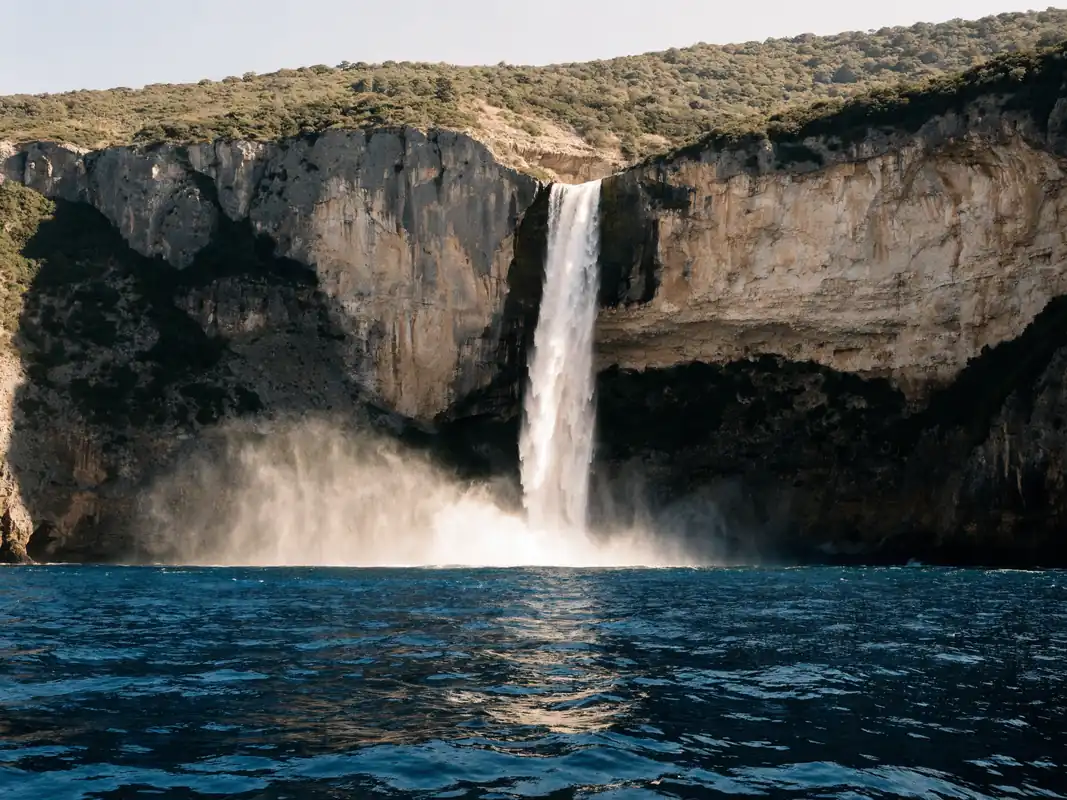
Long road journeys, exposed archaeological sites, waterfalls with steps, hikes, boat trips, beach days, water activities, nightlife and spa or hammam visits may add heat, motion, exertion, delayed access to care, hard-to-control food and limited exit options. Treat each component separately. A clinician's answer about walking does not automatically cover a boat ladder, swimming, alcohol or a remote day trip.
The ladder is not a progression that every patient should complete. Staying at Level A for the whole trip can be the correct plan. The aim is to expose demand and exit options, not to maximise tourist activity.
Antalya choices by recovery demand
Use official destination information to understand what exists, then conduct a separate demand check. Antalya Metropolitan Municipality's English Kaleiçi page describes the Old Town and publishes suggested cultural routes. Those routes can help identify places of interest, but they do not say whether a patient can manage the route after treatment. Confirm current opening, access, surfaces, shade, toilets, seating and transport directly with the venue.
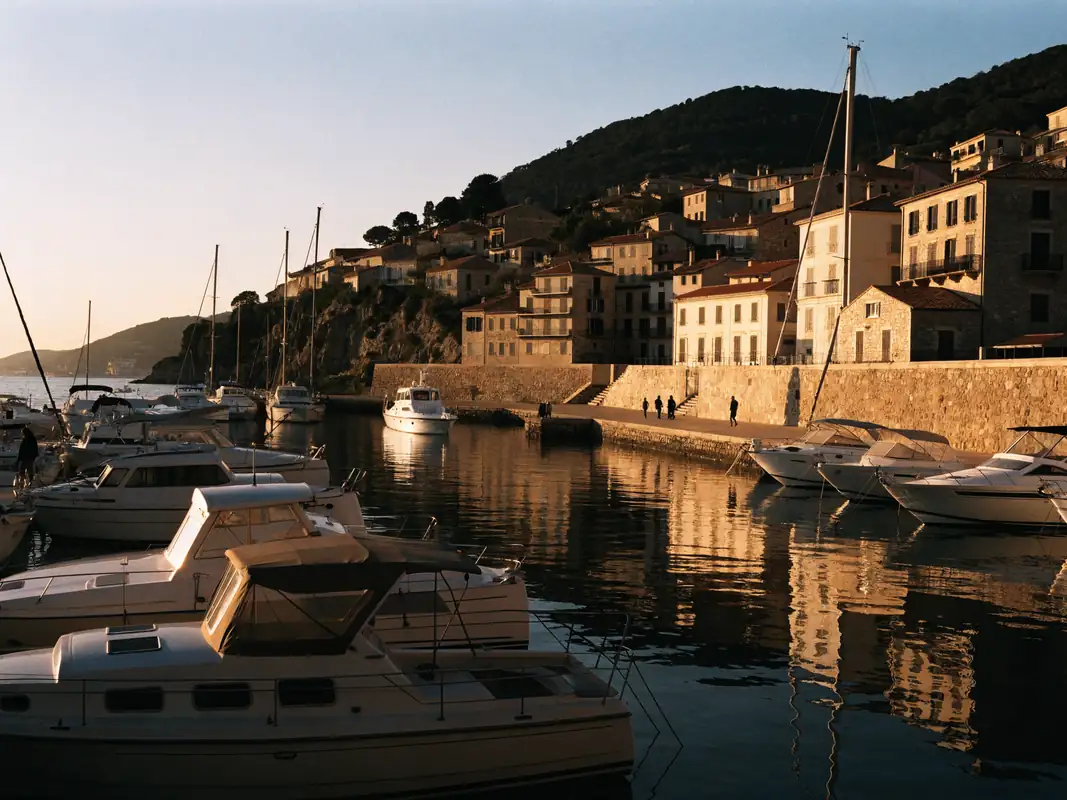
Kaleiçi and the marina: consider walking surface, gradients, steps, crowding, direct sun and the effort of returning uphill or to transport. A short segment with a seated stop may be easier to modify than completing a named route. Do not use a scenic harbour as evidence that a boat outing is suitable.
Museums and indoor cultural venues: indoor space may reduce sun exposure, but queues, standing, security checks, noise and distance between seating still matter. Ask about lifts, accessible entrances and rest points. Opening hours and exhibitions can change.
Parks and viewpoints: a nearby viewpoint can be a low-commitment choice if shade, seating and a return route are confirmed. It can become demanding in heat or if the patient has to walk farther than expected.
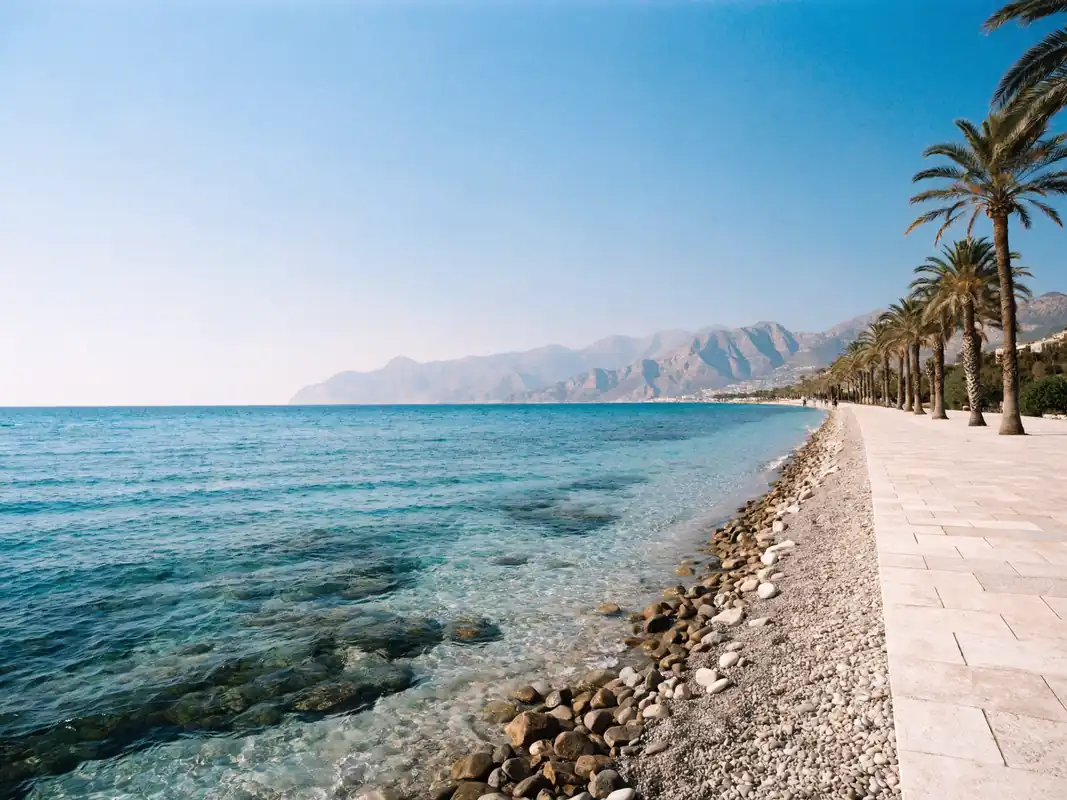
Beaches: separate viewing the coast from sun exposure, walking on unstable ground, entering water and swimming. Plan shade, footwear, hydration and an exit. Clearance for one component does not transfer to the others.
Waterfalls, archaeological sites and regional excursions: travel time, exposed paths, steps, vehicle motion, limited clinical access and a long return can make these a materially different choice from an urban stop. Do not book them as default recovery activities.
Nightlife, spa and hammam: noise, late sleep, alcohol, heat, steam, slippery surfaces and distance from care require their own assessment. A relaxation label does not make the activity low demand.
Avoid exact transfer-time promises. Antalya is a large province, traffic varies, and a route estimate does not include the patient's mobility, stops or clinical needs. Choose location based on access to treatment and aftercare first; tourism convenience comes later.
Flight and airport gate
Ability to attend an outing does not prove fitness to fly. Air travel adds the journey to the airport, queues, security, baggage, long walking distances, cabin conditions and the possibility that urgent clinical care is not readily available. The treatment professional assesses the medical facts; the airline makes its carriage decision and may have its own form or notice requirement.
The UK Civil Aviation Authority says the interval after surgery varies with the complexity and extent of the procedure and advises contacting the airline in more complex cases. Its medical-clearance page explains that an airline may request information or a medical form. Neither page supplies a universal dental-surgery interval. Ask the airline about its current policy and ask the named treating clinician for case-specific information after the actual procedure.
Carry essential medicine in hand baggage in accordance with security and customs rules, with labelled packaging and documentation where needed. Do not put essential records, medicine or a temporary-restoration kit solely in checked baggage. Ask a pharmacist about storage and time-zone dosing rather than improvising.
Antalya Airport's official help page tells passengers needing a wheelchair or other assistance to contact the airline or tour operator first and describes on-site assistance. Request help in advance, confirm what the airline has recorded, and plan for the full terminal journey. Assistance reduces a mobility burden; it does not certify medical fitness.
For the detailed aviation intent—including individual clearance, airline rules, cabin planning and symptoms that should interrupt travel—use the flying guide linked in the introduction.
Travel documents, medicines and insurance
Travel rules change. Check official entry requirements for the passport held and the purpose of travel shortly before booking and again before departure. Do not copy an old visa or passport rule from a blog. GOV.UK's Türkiye entry page tells British travellers that Turkish authorities set and enforce entry requirements and that travel for medical purposes may require checking the relevant visa information. Other nationalities should use their own government's advice and Turkish official sources.
GOV.UK's Türkiye health page advises checking healthcare access and insurance, discusses planned medical tourism, medicine rules and the limits of UK health cards in Türkiye. It also says private-company literature should not be the only information source. Ask an insurer in writing whether planned dental treatment, complications, extended stays, missed flights, local private care, medical evacuation and a companion are included or excluded. A general travel-policy headline is not a coverage decision.
Bring a current medicine list using generic and brand names, doses, allergies, relevant medical summaries and contact details for prescribers. Check whether documentation is required for controlled or restricted medicines. Never assume a UK prescription can be dispensed in Türkiye. Keep enough contingency supply only within prescribing and customs rules.
The Antalya dental-trip packing guide covers practical packing as a separate intent. The clinical plan remains the authority for what care items and documents are actually required.
Accommodation and ground transport without promises
Choose accommodation for clinical access, sleep, temperature control, food flexibility, lifts or step-free access, and the ability to extend or cancel—not for a star label. Verify the exact property, room and accessibility features directly. “Accessible” can mean different things, and a lift may not cover every level.
Ground transport should identify the legal operator, pickup point, luggage help, seat and mobility needs, cancellation terms and an alternative if the journey fails. Confirm what has actually been purchased. This guide does not state that a room, driver, airport journey or clinic shuttle is included, and it does not promise availability.
Prefer changeable arrangements where uncertainty remains. Record who bears additional costs if treatment changes, symptoms delay departure, a laboratory stage changes or travel is disrupted. Commercial pressure created by non-refundable bookings must not decide clinical care.
Local aftercare before departure
Local aftercare before departure should be arranged before money or travel makes it difficult to reconsider. Ask a dentist or relevant clinician at home whether they are willing to assess the proposed plan, what records they would need and how urgent problems are handled locally. A local professional is not obliged to approve, maintain or repair treatment they did not provide.
Before leaving Antalya, request a discharge summary, tooth-by-tooth treatment record, relevant images and reports, medicine record, material and implant identifiers where applicable, laboratory information, consent changes, procedure-specific instructions, warning signs, direct clinical contact, complaint route and record-transfer method. Ask the home professional what format is useful.
Remote photographs and messages can help route information, but they cannot palpate tissue, test a tooth, check occlusion, take new imaging or assess systemic illness. The overseas clinician remains responsible for the care they provided within the applicable professional and contractual framework; a local clinician makes an independent assessment for any care they provide.
Budget for local assessment, changed travel, an extended stay and possible return care without assuming reimbursement. Obtain commercial remedy terms separately from clinical aftercare. A warranty or facilitator message does not replace urgent care.
The returning-home guide linked above covers the complete handover, remote-review limits, record set, local maintenance and remedial planning without duplicating that intent here.
Urgent symptoms override the itinerary
Urgent symptoms override the itinerary, even when an activity is prepaid. Follow the written discharge thresholds for the actual procedure. Examples that commonly require prompt or emergency assessment include bleeding that does not respond to the instructed first aid, rapidly increasing or spreading swelling, difficulty breathing or swallowing, collapse, confusion, a severe allergic reaction, chest pain, major trauma, or becoming systemically very unwell. This list is not a diagnostic tool and may not include every urgent problem.
Contact the named clinical emergency route for procedure-specific concerns. If emergency symptoms occur in Türkiye, GOV.UK's current health page lists 112 for an ambulance. Do not delay emergency help while waiting for a remote reply, collecting holiday belongings or protecting a booking.
For a non-emergency new symptom, stop the outing, move to an appropriate place, record what changed and seek the level of review stated in the discharge plan. A photograph posted to a chat is not evidence that continued sightseeing is appropriate.
Accessibility and companion planning
Accessibility and companion planning should cover the whole chain: airport, vehicle, entrance, room, bathroom, clinic, pharmacy, food, attraction and emergency exit. Ask about step-free routes, lift dimensions, seating, walking distance, sensory needs, language support, hearing or visual communication, refrigeration for medicine and who can help with luggage.
A companion needs a defined role. They may help with documents, communication, transport and observation, but should not be made responsible for diagnosing symptoms or deciding medicine changes. Give them the written escalation plan and consented contact details. Protect the patient's privacy; a companion does not automatically have authority to receive every clinical detail.
Plan for the possibility that the patient rests while the companion goes out. The patient should still have food, water, medicine, communication and access to appropriate help. Do not leave a person alone when clinical advice, sedation instructions, mobility or current symptoms require supervision.
A treatment-first planning worksheet
Before booking, write answers to these questions:
- What is the provisional diagnosis, and what can only be decided in person?
- Who is the legal treatment provider and who are the responsible clinicians?
- What reasonable alternatives include local care, delay and no treatment?
- Which risks, uncertainties and possible plan changes were explained?
- What written quote and cancellation terms apply if the clinical plan changes?
- Which activities need individual clearance after the actual procedure?
- What medicine, medical-condition, mobility or communication issues change travel?
- Who owns routine aftercare, urgent assessment, local handover and complaints?
- What records will be released, in what language and format?
- What insurance answers exist in writing?
- Can the whole leisure plan be cancelled without affecting consent or care?
- Is local or no-travel care still a credible option?
Before each optional outing, ask:
- Has the relevant clinician cleared this specific level of activity on current information?
- Are bleeding, swelling, pain, dizziness, nausea, intake and medicine effects stable enough for the plan described?
- What are today's official weather and travel conditions?
- Are shade, seating, water, suitable food, toilets and an easy exit available?
- How far is appropriate assessment, and what is the return route?
- What exact symptom or event cancels the outing?
Do not turn “yes” answers into a blanket approval for the rest of the trip. Repeat the check when the procedure, symptoms, medicines, weather or activity changes.
Final go, modify or stop check
Use three outcomes rather than a forced yes or no.
Go means the clinical decision stands independently, the named treating clinician has given relevant individual clearance, current symptoms have not triggered reassessment, practical access is known, and the activity remains optional.
Modify means shorten the route, move indoors, add shade or seating, remove swimming, alcohol or strenuous elements, choose accessible transport, keep closer to care, or let the companion attend alone. Modification is not proof that the remaining activity is appropriate; it still needs the relevant clearance.
Stop means cancel leisure and obtain advice or assessment. Stop when urgent signs occur, symptoms worsen, instructions are unclear, the patient cannot maintain intake or self-care, medicine effects impair participation, heat becomes unmanageable, transport or accessibility fails, or a clinical professional advises against the plan.
The best Antalya dental trip is not the one that completes the most attractions. It is the one in which clinical choice remains independent, optional leisure can disappear without pressure, new information changes the plan promptly, and local continuity exists after the flight home.
Official and primary sources checked
Sources were live-checked on 29 August 2026. Guidance, travel rules, lists, weather and venue information can change; re-check the current pages before deciding or travelling.
- [General Dental Council — Going abroad for your dental care](https://www.gdc-uk.org/docs/default-source/information-standards-and-guidance/going-abroad-for-dental-treatment/going-abroad-for-your-dental-cared3d463b7cee0446882bf877483299dd4.pdf?sfvrsn=c67e2b57_7): provider, qualification, consultation, aftercare, complaints and additional-travel questions. The GDC regulates UK dental professionals and does not endorse an overseas provider through this guidance.
- [NHS — Treatment abroad checklist](https://www.nhs.uk/using-the-nhs/healthcare-abroad/going-abroad-for-treatment/treatment-abroad-checklist/): care quality before holiday appeal, second opinion, complications, aftercare, suitable recovery before travel, insurance and contingency costs.
- [FCDO Travel Aware — Medical Tourism Planning Checklist](https://travelaware.campaign.gov.uk/wp-content/uploads/sites/189/2025/08/RECENT-PDF-MT-Checklist-July-2025.pdf): flying, airline restrictions, aftercare, support, insurance and extended-stay questions.
- [GOV.UK — Türkiye health advice](https://www.gov.uk/foreign-travel-advice/turkey/health): current health, medicine, insurance, emergency-number and medical-tourism cautions.
- [GOV.UK — Türkiye entry requirements](https://www.gov.uk/foreign-travel-advice/turkey/entry-requirements): current passport, visa, medical-purpose and customs routing for British travellers; other travellers need advice specific to their documents.
- [UK Civil Aviation Authority — Air travel and your health](https://www.caa.co.uk/air-passengers/about-your-trip/health-and-medical/air-travel-and-your-health/): recent-surgery, medicine, airline and MEDIF context without a universal dental interval.
- [UK Civil Aviation Authority — Getting medical clearance to fly](https://www.caa.co.uk/air-passengers/about-your-trip/health-and-medical/getting-medical-clearance-to-fly/): airline information, medical evidence and carer questions.
- [Cambridge University Hospitals — Surgery to the mouth and jaws: post-operative advice](https://www.cuh.nhs.uk/patient-information/surgery-to-the-mouth-and-jaws-post-operative-advice/): an official oral-surgery example covering numbness, hot food and drink, bleeding, hygiene, smoking and strenuous activity; individual instructions may differ.
- [NHS — Heat exhaustion and heatstroke](https://www.nhs.uk/conditions/heat-exhaustion-heatstroke/): heat symptoms, cooling, hydration and emergency escalation.
- [NHS — Sunscreen and sun safety](https://www.nhs.uk/live-well/seasonal-health/sunscreen-and-sun-safety/): shade, clothing, sunscreen and reflected-light advice.
- [Türkiye General Directorate of Meteorology — Antalya official statistics](https://www.mgm.gov.tr/veridegerlendirme/il-ve-ilceler-istatistik.aspx?m=ANTALYA): measured historical monthly temperature, sunshine and rainfall data; climate statistics are not a personal-trip forecast.
- [Antalya Metropolitan Municipality — Kaleiçi](https://www.antalya.bel.tr/en/kaleici): official Old Town history and municipal cultural routes, used only to identify potential places rather than certify activity suitability.
- [Antalya Airport — Help](https://www.antalya-airport.aero/help): current airport assistance routing and passenger information.
- [Türkiye Ministry of Health — Healthcare providers authorised for international health tourism](https://saglikturizmi.saglik.gov.tr/EN%2C69063/healthcare-providers-authorized-by-the-ministry.html): official list route; listing is not an endorsement of competence, suitability or outcome.